Author: Mei Ling Tan

  • ZTE launches Big Video 4K+ solution

    ZTE launches Big Video 4K+ solution

    ZTE has launched its Big Video 4K+ solution for the European market, which includes ZTE’s latest smart terminals and Big Video-based smart home service.

    ZTE’s Big Video 4K+ solution consists of four sub-solutions, namely fixed-mobile convergence, intelligent operation, intelligent maintenance and 4K smart terminal.

    “The market consolidation is accelerating and it is important for operators to quickly integrate their fixed network and mobile networks to offer Big Video services that can address this increasing customer need,” said Cui Liangjun, VP of ZTE.

    “ZTE’s 4K+ solution provides fixed-mobile convergence to support the convergence of fixed and mobile service platforms, content delivery networks (CDN) and multi-screen terminals.”

    The solution is designed to meet diversified customer requirements and bring users an ultimate video experience with key features including unified platform, cloudized deployment, intelligent operation and maintenance (O&M), multi-screen access and ultra-high definition.

    The ZTE Big Video 4K+ solution provides intelligent operation and intelligent maintenance based on a big data platform. With powerful data mining and analysis, management, and scalability, the solution offers customers a visualized online maintenance management (OMM) portal and end-to-end intelligent fault location to improve terminal users’ video experience.

    Meanwhile, the intelligent operation platform supports precision marketing, targeted advertising, personalized EPG, as well as providing data support for innovative digital services required by industries such as medical care, education and travel. The solution’s big data based multi-dimension user analysis and modelling capability provides reference for users when making operation-related decisions.

  • DoCoMo 1H profit grows 27.8%

    DoCoMo 1H profit grows 27.8%

    Japan’s NTT DoCoMo grew its net profit for the six months ending in September by 27.8% to 405.41 billion yen ($3.87 billion), on the back of a 3.3% increase in revenue to 2.29 trillion yen.

    DoCoMo attributed the revenue growth in part to recovery of telecoms services revenue as a result of the growth in mobile data consumption of segments of its postpaid subscribe base.

    Expanding demand for smartphones and tablets and the growth in the number of DoCoMo Hikari fiber customers, as well as the operator’s smart life and other non-core businesses, also contributed to the gains.

    Total telecoms revenue grew 2.7% to 1.86 trillion yen. DoCoMo’s mobile subscriber base grew 6.5% to 72.9 million, with LTE customers up 19.6% to 41.28 million, while total docomo Hilari subscriptions grew to 2.53 million.

    ARPU increased 6.8% to 4.380 yen, driven by a 7.5% growth in data ARPU to 3,140 yen. But voice ARPU also grew by 5.1% to 1,240 yen, and MOU was up 3.8% to 136.

    Capex meanwhile reached 246.1 billion yen, up 12% from a year earlier, as DoCoMo invested in expanding the reach of its “premium 4G” service.

    Looking ahead to the full financial year, DoCoMo said the competitive environment has changed significantly, with competition intensifying due to the government’s pro-competition policy, the market entry by MVNOs and other factors. Technological developments have also brought about active competition and collaboration with players from other industries.

    But the company has raised its projected net income for the full year to 655 billion yen. This would compare to a net income of 548.4 million in the prior financial year. Revenue is meanwhile expected to grow to 4.61 trillion yen, from 4.57 trillion yen a year earlier.

  • The importance of collaboration in the digital economy

    The importance of collaboration in the digital economy

    What’s the future for the connected car, for digital financial services, or for smart and sustainable cities in the new industrial reality? How are innovations and technical developments in 5G, the Internet of Things and spectrum management impacting on future networks and future businesses? And if meaningful, affordable connectivity is the single best bet for accelerating socio-economic development and meeting the UN’s sustainable development goals (SDGs), how can we ensure we reach the billions of unconnected most in need?

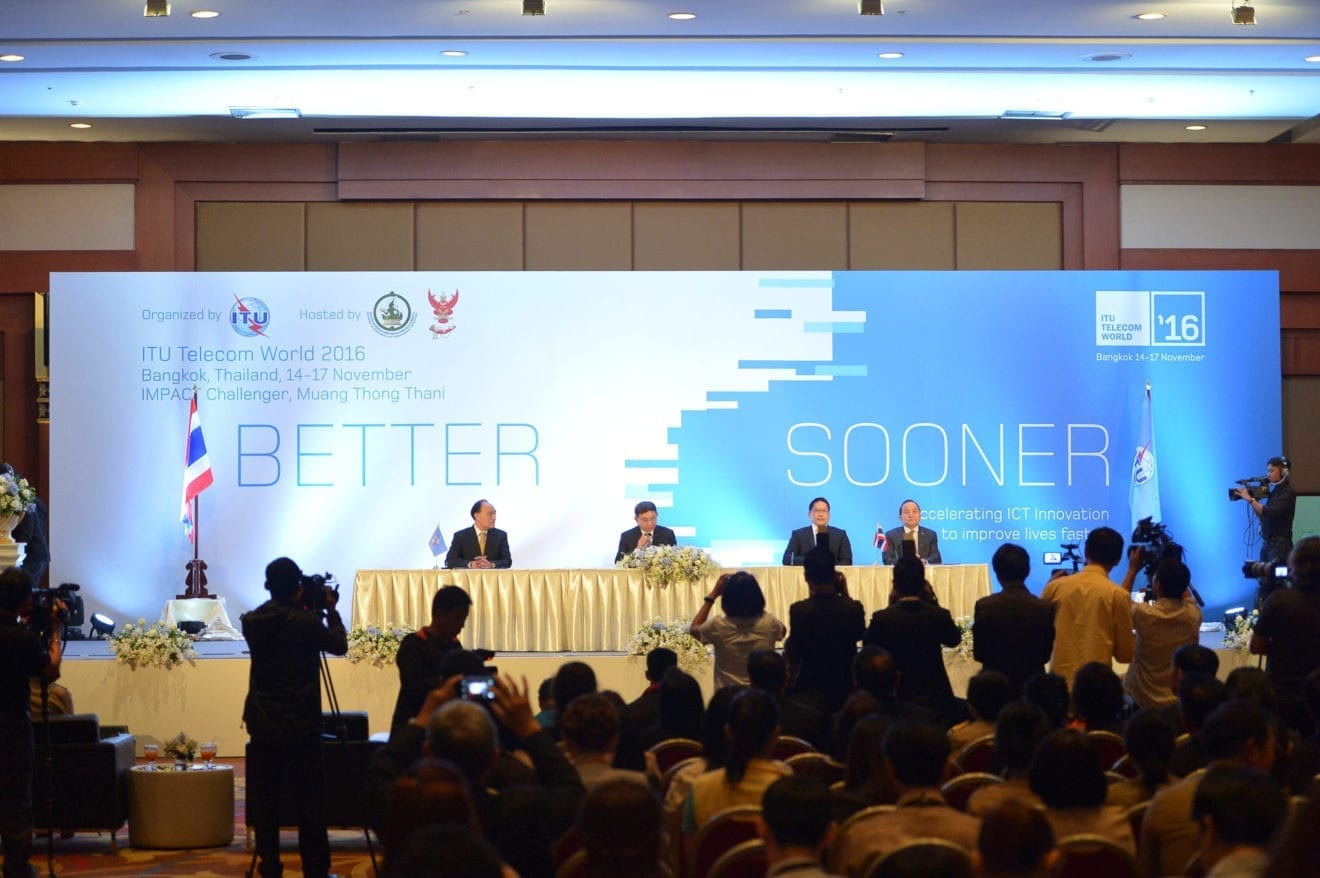
    These are some of the key questions at the heart of the agenda at ITU Telecom World 2016, four days of debate, networking and exhibition on the theme of “Collaborating in the Digital Ecosystem.” In an industry and era of intense transformation, collaboration is essential to make sense of the possibilities – and make a success of it for us all.

    Rapid technological developments, societal changes and radical new business models are enriching and enlarging the ICT ecosystem. Never before has connectivity offered so much potential for economic growth and social development in the digital economy. And never before have the challenges of extending that connectivity to all been so pressing, from providing universal access to technology to meaningful local content, fair and open competition, up-to-date regulation, security and education.

    More and new stakeholders are involved in making it happen. Governments decide policy and shape regulation. Major ICT companies face competition from new internet players and innovative small and medium enterprises (SMEs). New technologies open up new markets, often involving new partners in vertical sectors such as transport, health or agriculture. The borderless world of the digital economy opens up business in developed and emerging markets across the globe.

    Finding the right public sector policies, the business models and market strategies for success may not be easy. It will certainly involve new approaches to cross-sector partnerships, whether between public and private organizations, or between new industries or market players. The benefits of collaboration need to be balanced against competition, commercial interests and embedded cultures.

    A good example is 5G. As the technology evolves and develops to meet the growing demands of societies and economies, so does the potential for new opportunities. Delivering on the promise of effective future networks won’t be possible, however, without some form of collaboration on the standards that take solutions to scale and at speed. The mix of players, established and new, manufacturers, vendors and application developers, may lead to interesting joint ventures to streamline investment. The long-heralded convergence of fixed broadcast and mobile may be given a boost by the new technology. But then again, competition and entrenched mindsets may kill off any new form of shared investment or working together.

    Or take the connected car. Intelligent transport systems and self-driving vehicles are speeding towards widespread commercialization. The focus is on developing communication technologies that use the internet to integrate cars with smart devices – bringing a whole range of new players into the mix. Car manufacturers and suppliers must negotiate and collaborate with app developers, communication technology companies and OS developers. Combining such different industries, cultures, regulatory and business approaches as software and automotive cannot be without challenges. And given the key issues of security, safety, liability and public policy, it’s clear that the government will have an important role to play, too.

    The same balance between opportunity and challenge, between collaboration and competition and between multiple, often new, stakeholders applies to digital financial services. In a world where around 2 billion adults have no access to basic financial services, digital technology has the unprecedented potential to offer secure, cheap and reliable transactions for the unbanked or underbanked. Financial inclusion is a critical step to socio-economic development. Leapfrogging traditional banking to deliver financial services can have a profound impact on the underprivileged throughout the emerging world.

    But success here relies on the creation of a new ecosystem of government, business and individuals – centred around a sound working relationship between financial and ICT sectors. In its early stages of development, the market calls for convergence between mobile network operators, banks, microfinance institutions, payment platform providers and payment services providers. This dizzying array of players and potential partnerships must establish joined-up regulatory approaches, standards to enable cross-market interoperability, and accepted international good practice. All of which is not possible without collaboration.

    The smart integration of manufacturing and advanced information and communication technology – or Industry 4.0 – is making it possible to deliver tailored products to individual customer specifications at low cost and in high quality. The impact on companies, economies and societies across the globe is potentially enormous. But this, too, depends on the harmonious and fruitful coming together of a number of players, orchestrated to different degrees in different markets by committed government leadership.

    The digital economy is the single most important driver of innovation, competitiveness and growth worldwide. ICTs have tremendous potential to improve development outcomes in both emerging and developed markets, from measuring progress and success in the meeting the UN’s ambitious Sustainable Development Goals  (SDGs) to enhancing the efficiency and effectiveness of development initiatives, and providing access to a whole new range of digitally-enabled products and services which strengthen local economies, innovation and communities. Meeting the SDGs through ICTs, however, will only be possible if the industry can work together with corporate social responsibility departments, public sector, non-governmental and development organizations to build feasible business models.

    Any way you look, across all fields of ICT activity, in the macro digital economy and in the detail of each potential future market, it’s all about working together. Finding new partners, exploiting new opportunities, considering new stakeholders and new markets. Using new services, segments, solutions and devices to drive revenue and increase socio-economic development.

    But will there be stronger collaboration or will industry players default to a winner-takes-all approach? How clear are the benefits of working together both within the telco sector and with web players, disruptive market entrants, customers and the open source community, to stimulate and sustain growth in the industry?

    How can public policies and industry incentives attract investment into the network infrastructure and technologies that are the backbone to the digital economy? Can cross-regional, even international, initiatives maximize opportunities at scale? And what are the key innovative technologies and collaborative initiatives focused on expanding connectivity through access, affordability and relevance?

    These are the questions that the Forum debates at ITU Telecom World 2016 will discuss, with expert speakers, international perspectives and a unique audience of public and private sector leaders from emerging and developed markets, from SMEs fresh to the market to established major corporate players. The event itself works on the principle of collaboration, of coming together face-to-face, of meeting, exchanging knowledge, ideas and experiences, debating, working together – the very principle of collaboration on which the future success of the industry, our societies, economies and world may be built.

  • Pomelo boosts funding to $11m

    Pomelo boosts funding to $11m

    Thai online fashion retailer Pomelo has raised a follow-on round, bringing its total Series A funding to US$11 million.

    This round was again led by Singapore-based Jungle Ventures, with participation from existing investors and new contributors including 500 Tuk Tuks (a fund of major venture capitalist 500 Startups), Andre Hoffmann and Jonathan Price.

    Pomelo says it will use the funds to continue expanding in Southeast Asia. While focussed on Indonesia, Singapore and Thailand, it has customers in more than 40 countries.

    “We strive to provide the absolute best in terms of online fashion through our vertically integrated supply chain,” says Pomelo co-founder/CEO David Jou. “eCommerce is clearly approaching a tipping point in Southeast Asia, and we’re lucky to be one of the leaders in the fast-growing fashion vertical.”

    Additionally, the label continues to strengthen its management depth, having added Meg Mistry as brand president and James Lamrock as regional VP (operations). Mistry was previously regional creative director for online fashion house Zalora, while Lamrock was chief logistics officer at Luxola, which was acquired by beauty products company Sephora. Investment firm TPG senior adviser Jonathan Price has also joined in an advisory capacity. He was previously MD of cosmetics and skincare group The Body Shop Asia and global COO of accessories company Targus.

  • Probe of millennial consumers’ shopping preferences

    Probe of millennial consumers’ shopping preferences

    While Asia Pacific millennial consumers shop online, only physical stores and particularly shopping centres give them the experiences and social elements they want, says a new report.

    Millennials shop online an average of 4.7 days a month, but visit shopping centres an average of three days a month for other reasons apart from buying, such as dining out, banking and visiting exhibitions.

    However, slower economic growth and a desire to save money for buying a home may inhibit spending on leisure activities, suggests research by commercial property adviser CBRE Research. Its inaugural Asia Pacific Millennials: Shaping the Future of Real Estate report says this emerging “superclass” demographic actually has similar long-term lifestyle priorities with other generations despite being more likely to spend their time and money on leisure activities and experiences like travel, entertainment and dining than previous generations.

    “In order to leverage on millennials’ spending habits, retailers are recommended to increase the experience-based element of their offering and focus on providing an environment for visitors to socialise and relax,” says CBRE Asia Pacific head of research Dr Henry Chin.

    As well as increasing F&B, cinema and entertainment elements in their shopping malls, retail landlords should consider organising more live events to attract millennials, he says, warning that they should also carefully manage their tenant mix to ensure they still cater to other generations.

    The millennials report is based on a global survey by CBRE Research last December. It covered 13,000 people between 22 and 29 years old to examine how they live, work and play, and what this means for real estate.

    For the Asia Pacific region, the report involved 5000 respondents evenly representing Australia, China, Hong Kong, India and Japan. The survey also explored differences between millennials of different gender, employment status, marital status, education and income.

    Inaccurate perceptions

    It found that perceptions of millennials as preferring informal employment, changing jobs regularly and avoiding financial responsibility are inaccurate in the region. Consistent with previous generations, most millennials were found to be spending prudently in order to save money to buy a home.

    While this demographic aspires to carve out a stable career, the report finds that it does take into account factors such as office design when choosing an employer, with 71 per cent of respondents willing to give up other benefits for a better office environment.

    Millennials are also increasingly demanding the freedom to work anywhere, anytime—more than 60 per cent in Asia Pacific want flexibility and mobility for their career.

    Job loyalty is also stronger than perceived, with two-thirds expecting to work for the same company, or for a small number of companies, throughout their career.

    Almost two-thirds of the region’s millennials still live with their family because of both cultural practices and financial factors. In most major markets surveyed, the high cost of residential property is providing challenges for millennials.

    While 65 per cent of respondents said they plan to buy property in the future, 63 per cent said they are forced into renting as they are unable to buy.

    “The millennial demographic in Asia Pacific is a game-changer for businesses across the board. Their life, work and play priorities and habits will shape economics, redefine opinions on workplace design and functionality, and drive new attitudes toward consumption and experience for the foreseeable future, ” says CBRE Asia Pacific CEO Steve Swerdlow.

  • Garuda Indonesia plans to connect Mumbai with Jakarta

    Garuda Indonesia plans to connect Mumbai with Jakarta

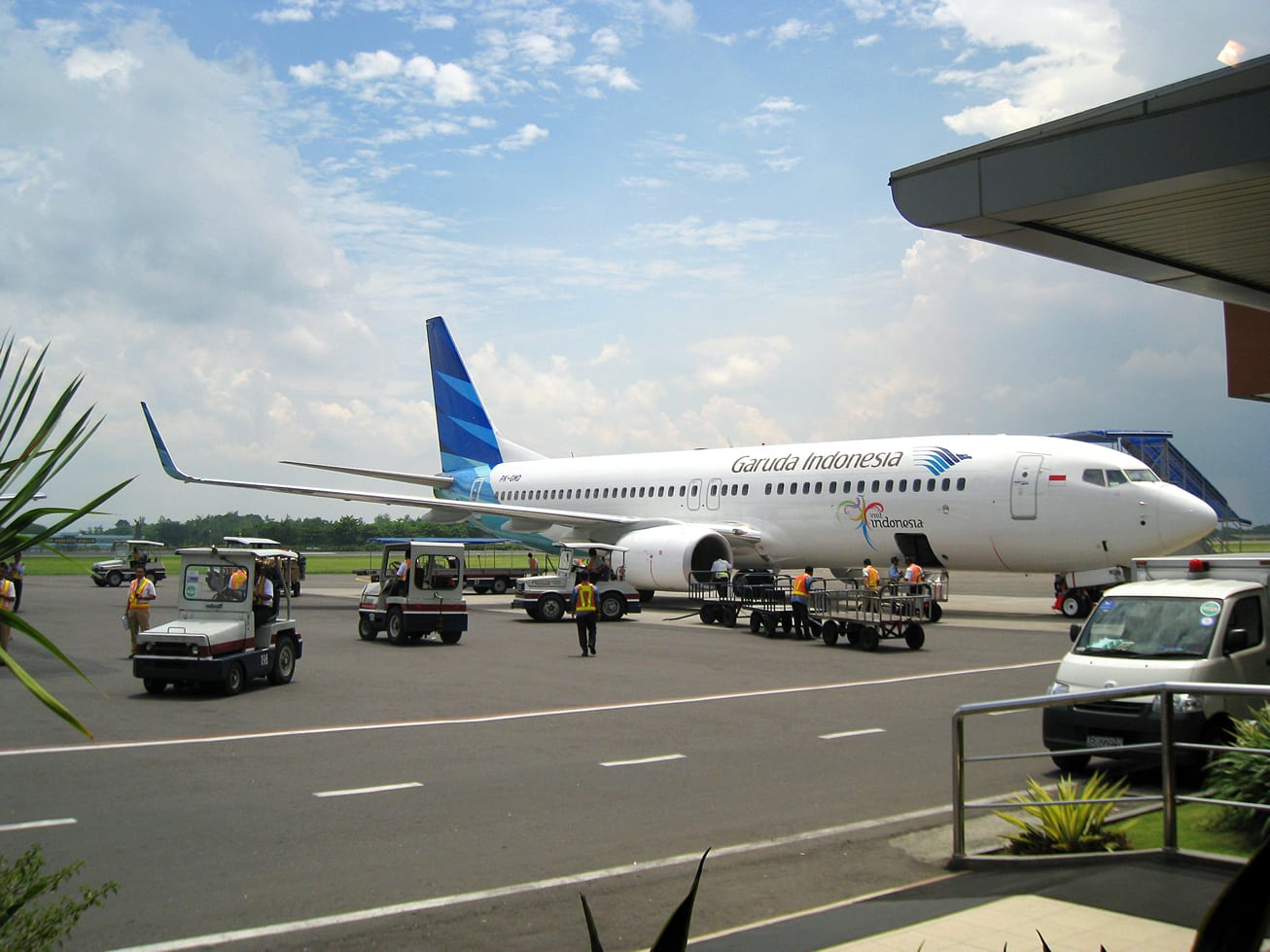
    Garuda Indonesia plans to expand its service to India at the end of this year by opening a new route from Mumbai to Jakarta.

    Garuda Indonesia’s vice president of corporate communications Benny S. Butarbutar told that the airline had received support from the Transportation Ministry and the new service would use Airbus 330 and Boeing 777 aircraft. “We are currently planning the route, and considering factors like is it going to be a direct flight or will there be a transit, will it be a daily service or several flights per week,” said Benny in Jakarta on Wednesday.

    The potential of tourist arrivals from India to Indonesia was quite significant, said Benny. “This is a growing market that we should tap into in order to attract more visitors.”

    Indian tourists visiting Indonesia in 2014 amounted to 223,607 people, an upsurge from the previous year’s figure of 201,009, according to the Central Statistics Agency.

  • Multi-brand boutique Project X launches

    Multi-brand boutique Project X launches

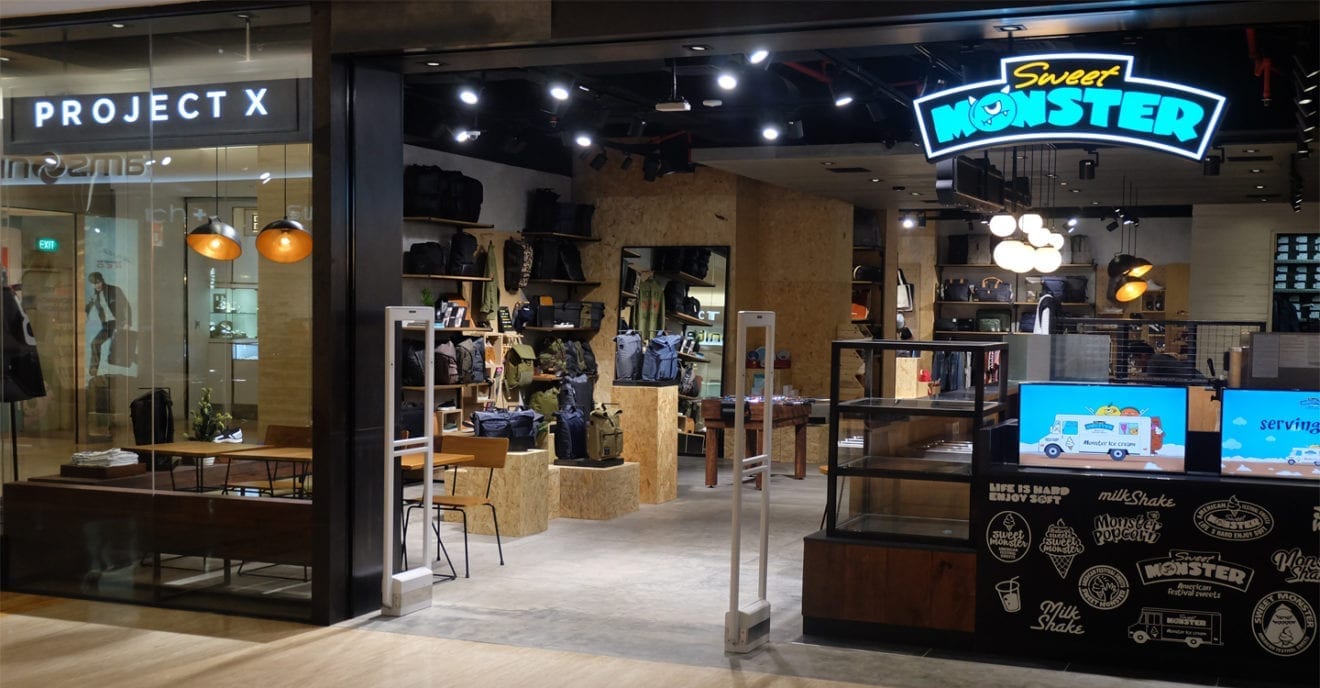
    Project X, a multi-brand boutique that caters to young creative minds, has launched at Plaza Indonesia in Jakarta.

    From Time International, Project X offers a new take on men’s and unisex casual fashion and lifestyle. Its curated retail concept introduces 22 international brands and includes innovative designs in apparel, bags, shoes and accessories such as sunglasses and watches.

    project-x


    From Australia, Japan, South Korea and the US, the products are displayed in fun and creative surroundings, including a dessert stall, Sweet Monster, which features popcorn soft ice cream.

    The store has a palette of white and grey with wooden accents.

    “People like to shop and discover edgy pieces, and they like to hang out. It is a lifestyle,” says Time International president director/CEO Irwan Danny Mussry. “We see an opportunity here.”

    A second Project X is planned for Pondok Indah Mall 2.

    Featured brands at the boutique are Andersson Bell (South Korea), Beyond Closet (South Korea), Blankof (South Korea), BLC & BLC Gray (South Korea), Buddy Happy (Japan), Kapten & Son (Australia), Kiruna (Japan), Lapiz+ (South Korea), Luccica (South Korea), Mascolanza (South Korea), Miel Homme (South Korea), Monofold (South Korea), National Publicity (South Korea), PKG (Canada), Rawrow (South Korea), Riokairyu (South Korea), Salad Bowls (South Korea), Supercomma B (South Korea), Thank You Studios (South Korea), Thread Etiquette (US) and Ul: Kin (South Korea), United by Blue (US).

    Founded in the 1960s, Time International manages and runs both multi-brand retail stores – including @Time, InTime, The Time Place and Urban Icon – as well as mono-brand boutiques for such brands as Cartier, Chanel, Chopard, Diesel, Fendi, Fossil, Liebeskind, Poney, Rolex, Tag Heuer and Tory Burch.

  • 37 European F&B companies in Singapore to promote their quality products

    37 European F&B companies in Singapore to promote their quality products

    Romanian angus beef, fresh milk from Poland and organic apples from Italy. Singaporeans, known for their love for good food, may soon find these together with other quality European food and beverage products at a store near them.

    Discussions on ways to make this happen in Singapore will feature prominently from November 5 to 7. That’s when a high-level visit from the European Union (EU) food and beverage sector arrives in the city-state.  The visit is part of a key regional promotion to four South-east Asian cities to explore market opportunities. Apart from Singapore, other stops include: Hanoi, Ho Chi Minh City, and Jakarta. 

    The delegation to Singapore includes 45 top business representatives from 37 EU F&B companies and aims to promote safe, quality and nutritious European food and beverage (F&B) products to buyers and importers in Singapore.  

    F&B companies and associations on this visit are from various EU Member States including Belgium, Bulgaria, Denmark, Finland, France, Germany, Greece, Hungary, Ireland, Italy, Netherlands, Poland, Portugal, Romania, Spain and the UK.  They will be promoting a wide variety of agricultural and F&B products from fruits and vegetables to fresh meat, poultry, processed foods, dairy products and wine & spirits.

    The delegation will visit several local retail stores  such as NTUC FairPrice, la Petite Boutique, Le Quartier, Giant, Pasarbella, and Sheng Siong to gain insights into Singapore’s F&B industry. 

    To further understand the local market, the delegation will also participate in a business seminar, which focuses on market access, local rules and regulations. In addition, there will be a food tasting session highlighting the sheer diversity and range of European food and beverage products. Delegates, ambassadors, trade or agri counsellors of EU Member States’ in Singapore, local buyers and other stakeholders will also get to interact and network during a lunch session.  

    Another highlight of the high-level mission will be a B2B matchmaking event where EU producers will get to meet Singaporean importers, distributors and retailers to discuss opportunities for future collaboration. 

    Dr Michael Pulch, the EU Ambassador to Singapore calls this “a step forward,” in deepening EU-Singapore cooperation in the booming food and beverage sector. “Singapore serves as an important hub for European food and beverage exports to the broader South-east Asian region.”

    Singapore is already the EU’s 17th largest global trading partner (in terms of goods) and the largest among ASEAN countries.  In 2015, total EU-Singapore trade in goods grew by 7.7% in 2015 reaching 48.6 billion Euro while trade in services grew by 15.4% amounting to 36.1 billion Euro. Singapore is also a major destination for European investments in Asia, as well as Asia’s second largest investor in the EU. In 2014, the EU was ASEAN’s largest investor with 184 billion Euro in FDI stocks held in the region at year-end, with Singapore accounting for 56% of EU FDI.

    Additionally, more than 10,000 EU companies are established in Singapore and use the country as a hub to serve the Pacific Rim.

    ” Our strong performance has enabled the EU to confirm its position as one of Singapore’s most important trade partners and the city-state’s foremost investor,” says Dr Pulch.

  • HKBN Mobile launches Greater China 4G plans

    HKBN Mobile launches Greater China 4G plans

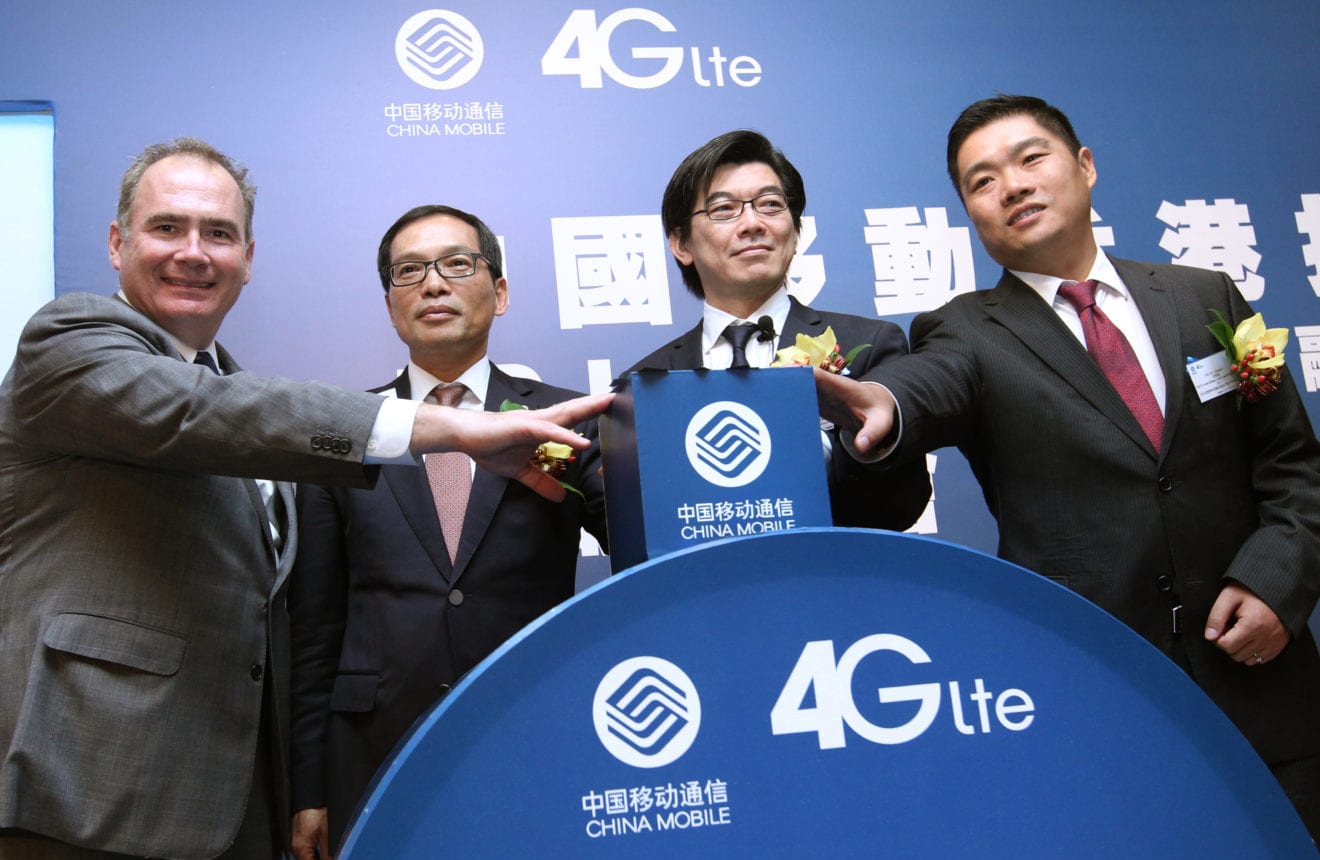
    Hong Kong Broadband Network’s new Mobile Services MVNO division has launched a line of Greater China 4G plans for corporate customers who frequently travel between mainland China, Hong Kong, Macau and Taiwan.

    The new mobile plans include data allocations shareable across the four markets via a single SIM. HKBN is using China Mobile Hong Kong’s 4G network to provide the service.

    HKBN secured an MVNO a license in July, and launched mobile services in September, introducing a range of consumer plans including a HK$446 ($57.50) unlimited 4G service.

    The new corporate 4G plans range from HK$198 for 1GB of data shareable across the four markets to HK$448 for 10GB of data.

    Each plan comes with unlimited voice calls and SMS, as well as free call management value added services during the contract period and free use of the MobileOffice Plus app, which allows smartphone users to remotely make and receive calls from their designated business number from anywhere.

    “With increasing business travelling between Mainland China, Hong Kong, Macau and Taiwan, cross-border data services are in high demand,” HKBN chief commercial officer for enterprise solutions Billy Yeung said.

    “By partnering with CMHK, we are best positioned to offer our customers high-value and cost-effective Greater China service plans.”

  • Lenovo may release more Motorola smartphones in Indonesia

    Lenovo may release more Motorola smartphones in Indonesia

    Lenovo started marketing on Thursday the latest Motorola-branded phone in Indonesia that targets the middle- and high-end market.

    The Moto E3 Power will be marketed under the Lenovo brand as Motorola is now a subsidiary of the Beijing-based tech company following an acquisition in 2014.

    Lenovo Indonesia mobile business group country lead Adrie R. Suhadi told last Wednesday that the two brands would have different segmentation, with Lenovo targeting  the middle and affordable market.

    Despite the higher target market, Moto E3 Power is priced at Rp 1,899,000 (US$146). Among its highlighted features is a 5-inch display, dual SIM, Android OS v6.0 Marshmallow, quad-core 1.0 GHz Cortex-A53 CPU, 16 GB and 2GB RAM internal memory, 8MP front camera and removable Li-ion 3500 mAh battery.

    Regarding the possibility of other Motorola-branded phones entering the country, Lenovo Indonesia mobile business group 4P manager Anvid Erdian said the company might launch the more premium Moto Z.

  • Kering sales soar – even in China

    Kering sales soar – even in China

    Luxury goods and apparel giant Kering has reported a 10.5 per cent global rise in revenues in the latest quarter, with luxury sales up 11.3 per cent and sports and lifestyle brands up 9.3 per cent.

    Most significantly, at a time its peers are battling falling sales in Hong Kong, Macau and some brands even in Mainland China, Kering seems to have experienced respectable results in those core markets.

    Paris-based Kering’s brands range from luxury labels Gucci, Bottega Veneta and Yves Saint Laurent through to lifestyle brand Puma. The company says sales in directly operated luxury stores enjoyed double-digit growth across all geographic regions excluding Japan, with strong growth of 24 per cent in Asia-Pacific, a very steady 17 per cent increase in North America and an “extremely good performance” in Western Europe, which expanded by 12 per cent.

    “In a complex environment, we stepped up the pace of revenue growth and continued to gain market share,” said Francois-Henri Pinault, chairman and CEO. “Thanks to the creativity of our brands and the outstanding customer experience they offer, we achieved double-digit increases across all geographic regions excluding Japan.

    “We have laid the foundations for steady, sustainable growth, and are highly confident about the full year.”

    Kering’s headline brand Gucci achieved a sales increase of 17 per cent, while Yves Saint Laurent sales soared 33.9 per cent, both gaining market share from rivals. Sales were up sharply across all product categories and regions, excluding Japan, where market conditions were lacklustre for the sector as a whole. Gucci sales in directly operated stores rose by 19 per cent. Sales from Gucci’s e-commerce website increased by more than 50 per cent during the quarter.

    Overall, Kering’s luxury activities generated €2.115 billion in revenue during the period, the 11.3 per cent same-store growth its fastest quarterly figure in three years.

    But at Bottega Veneta, third-quarter sales were again impacted by slower tourism, particularly in the mature markets of Western Europe and Japan. Revenue was down 10.9 per cent on a comparable basis.

    Here, Hong Kong’s luxury retail decline impacted on the brand, the company said, without divulging figures: “While sales in directly operated stores were lower in the quarter, they delivered a slight improvement compared to the second-quarter trend thanks to resilient sales to local customers in Europe and growth across all main markets in Asia Pacific, with the exception of Hong Kong.”

    Puma’s leap

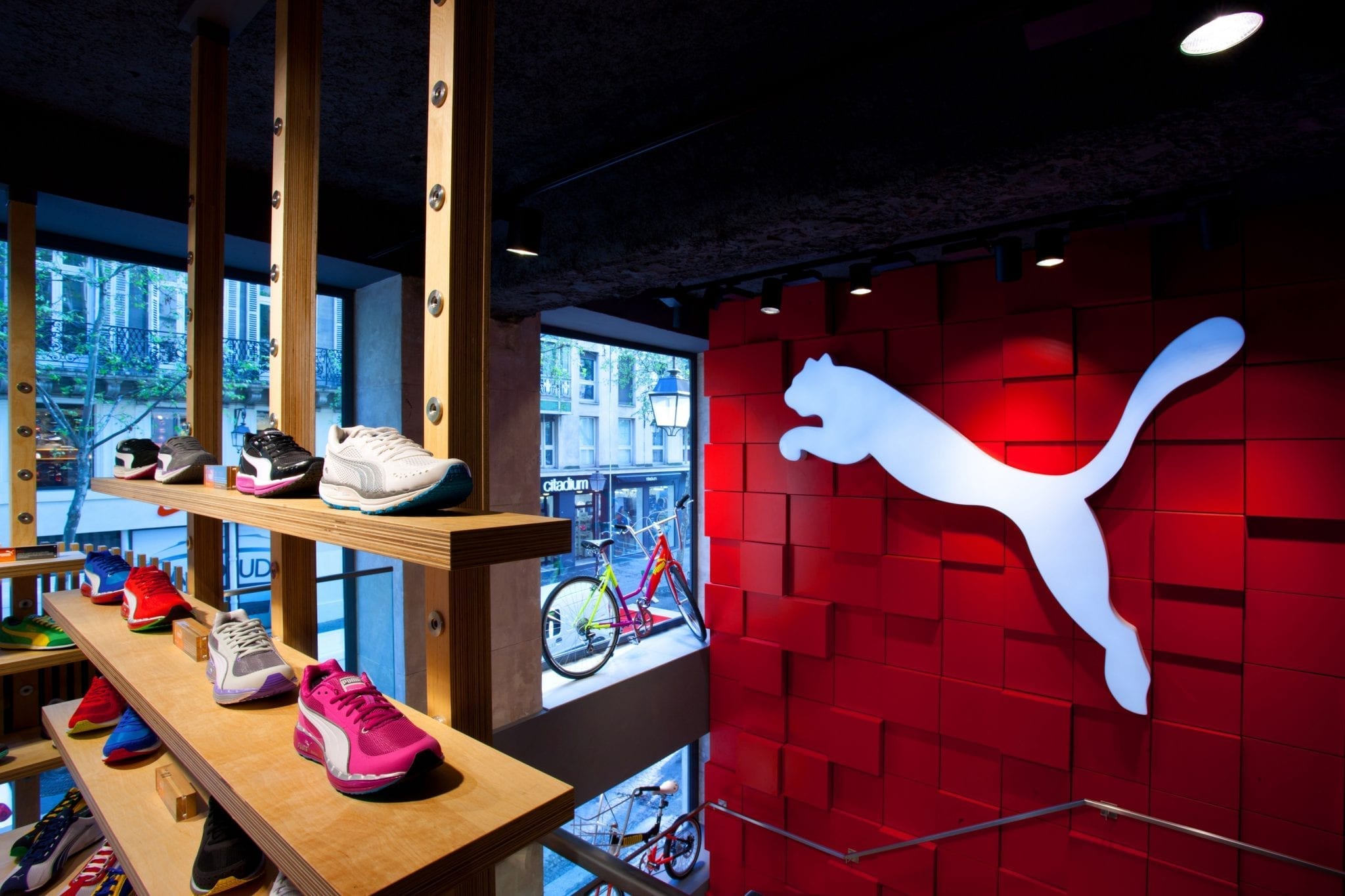
    Puma’s 10.8 per cent same-store sales leap was the result of the brand building on innovative products and renewed appeal, Kering said. Shoes performed particularly well, posting 17 per cent growth, fuelled by the success of new models such as Ignite, Fierce and Fenty. Revenue from apparel was up a solid 10 per cent.

    “With the exception of Japan, Puma achieved double-digit growth across all geographic regions, enjoying strong performances in Europe and the Americas, and sustained expansion in Mainland China.”

    Kering has an ensemble of luxury fashion, leather goods, jewellery and watch brands: Gucci, Bottega Veneta, Saint Laurent, Alexander McQueen, Balenciaga, Brioni, Christopher Kane, McQ, Stella McCartney, Tomas Maier, Boucheron, Dodo, Girard-Perregaux, Pomellato, Qeelin and Ulysse Nardin.

    Kering also has the sports & lifestyle brands Puma, Volcom and Cobra. The group generated revenues of more than €11.5 billion in 2015 and had more than 38,000 employees at year end.

  • Taiwan seeks more business opportunities with Indonesia

    Taiwan seeks more business opportunities with Indonesia

    Taiwan expects to boost its bilateral trade with Indonesia through the introduction of the so-called “New Southbound Policy” by its new government.

    The policy, adopted under the leadership of President Tsai Ing-wen, who was inaugurated in May, aims to strengthen Taiwan’s cooperation with nations in South and Southeast Asia, as well as Australia and New Zealand, in multiple sectors.

    During his maiden visit to Indonesia this week, Taiwan’s Deputy Minister of Economic Affairs Yang Wei-fuu brought along executives from Taiwanese state-owned enterprises representing various industries, including sugar, salt, aerospace, steel, oil and gas.

    “We’re looking for cooperation opportunities, to examine the needs in Indonesia and how we can help with our expertise and technology,” he said in Jakarta on the sidelines of an Indonesia-Taiwan business forum on Thursday evening.

    Experts from Taiwan, for example, can train sugar companies here to produce better and more sugar using its machines and methods, so Indonesia can import machines afterward, Yang said.

    The minister and his entourage will conclude their four-day visit on Saturday.

    Trade between Indonesia and Taiwan has seen a decline in recent years as a result of the global economic crisis as well as a lack of trade cooperation agreements.

    Indonesia’s exports to Taiwan consist mainly of natural gas, coal, copper and gold, timber and rubber and other raw materials. Imports consist largely of oil products, iron and steel products, textile raw materials, machinery parts, chemicals and other products.

    Indonesian Chamber of Commerce and Industry (Kadin) Taiwan Committee chairman SD Darmono said that to effectively boost trade between the two parties, Indonesia needed to have another logistics hub in the country’s eastern part, nearer to Taiwan.

    “All this time, they [Taiwan’s businesses] need to stop by in Singapore before entering Jakarta. That’s an extra 1,000 kilometers by sea,” he said.

    Darmono suggested Morotai Island in North Maluku province as a potential new hub, however, progress in building the island’s infrastructure has been slow. The island located near the Philippines also has potential for marine tourism. It has a population of only 60,000 although its size is three times that of Singapore.

    “Businesspeople in Taiwan and Indonesia signed commitments to invest in the island two years ago but progress has been too slow while we cannot also depend on the limited state budget to build it,” he said.

    He added that the hub could improve Indonesia’s trade with Taiwan, especially in value-added products, like food and clothing.

    Besides trade, Taiwan is also eyeing investing in Indonesia’s ambitious infrastructure boost, especially in solar and biomass-fueled power plants.

    “Both governments have been discussing [which power plant] projects we can invest in and how sustainable the project is once it’s done,” Deputy Minister Yang said.

  • Government issues permit to import 123,800 feedlot cows

    Government issues permit to import 123,800 feedlot cows

    Indonesias Trade Ministry has issued a license to import 123,800 feedlot cows in the third semester of this year after feedlot businesses committed to import 20 percent heifers of the total cattle imports.

    “For the third semester of 2016, the import agreement letter (SPI) has been issued for 32 importer companies to import 123,800 heads of cows,” Director General of Internal Trade of the Trade Ministry, Oke Nurwan, told a press conference here on Friday.

    The director general said the permits should have been issued in September but the government issued these in October only after feedlot importers made a commitment to import 20 percent heifers when they import cows. The government has made it obligatory upon importers to also include heifers while importing feedlot cattle.

    According to Oke, a license for importing cows is given to importers for shipment until the end of December 2016.A limited cabinet meeting held previously had agreed to allow import of 150 thousand heads of cattle in the third semester.

    Indonesia needed to import one million heads of cows this year to meet the domestic need for beef. The Ministry of Agriculture and the Ministry of Trade, therefore, require importers to include heifers while importing feedlot cattle.

    “We hope that some 20 percent of the 700 thousand imported feedlot cattle are heifers,” Agriculture Minister Amran Sulaiman had pointed out in Yogyakarta on October 6.

    To expedite cattle production, the Ministry of Agriculture and the Ministry of Trade have made it obligatory for importers to include mother cows in their feedlot cattle imports.

  • DBS to acquire ANZ’s Asian wealth assets

    DBS to acquire ANZ’s Asian wealth assets

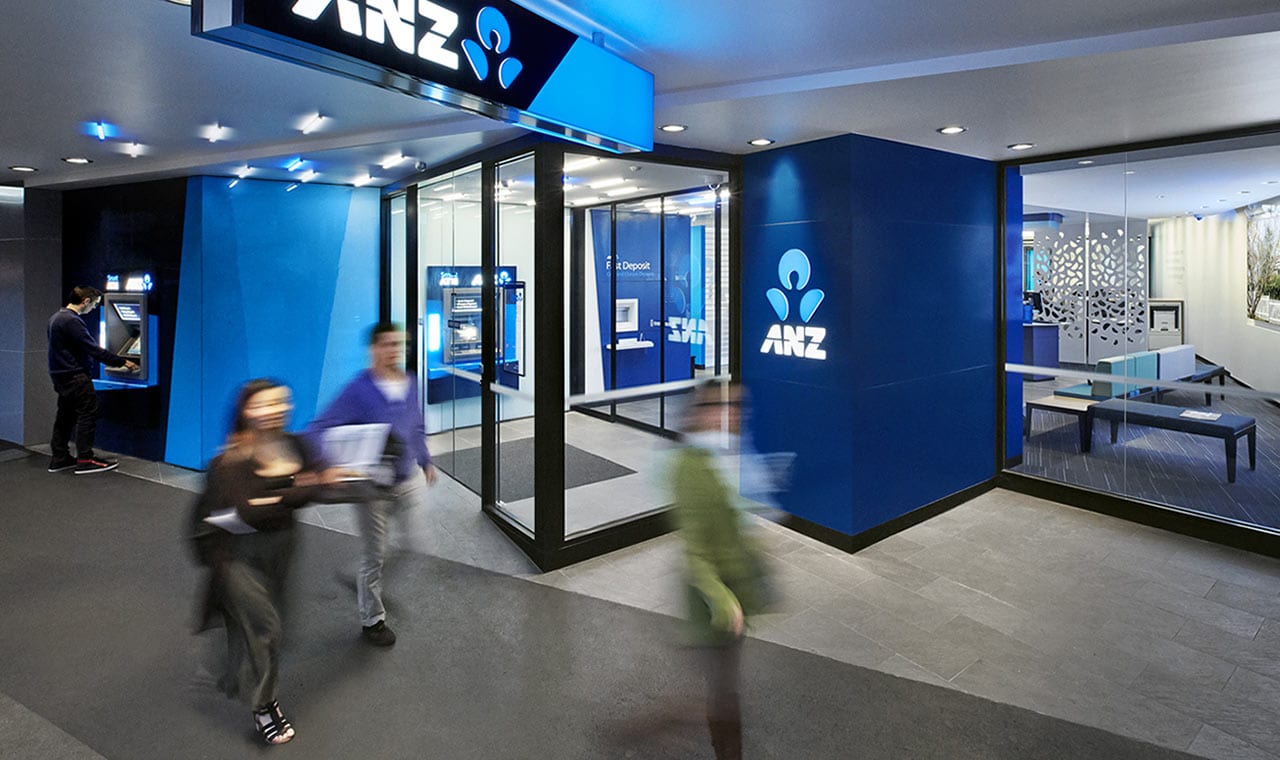
    DBS Group said it plans to buy Australia and New Zealand Banking Group’s (ANZ) wealth and retail businesses in five Asian markets – part of a big private banking push for the Singapore lender and the first significant retreat from Asia for ANZ.

    The businesses in Singapore, Hong Kong, China, Taiwan and Indonesia, will be sold for around S$110 million, in a deal that underscores how smaller players are being squeezed out of private banking due to lack of scale.

    “Further investments do not make sense for us given our competitive position and the returns available to ANZ,” Chief Executive Shayne Elliott said in a statement.

    Mr Elliott also told an analysts call the bank would look to exit its retail and wealth assets in the Philippines, Vietnam, Cambodia and Laos separately.

    He added that for the bank to have remained competitive it would have had to invest further in developing its branch network and digital capacity.

    The deal will help DBS build up its leading position in the region, said Ms Tan Su Shan, DBS’ head of consumer banking and wealth management, noting that the Singapore lender had recently entered the top five bank rankings for the Asia-Pacific region.

    DBS and local rival Oversea-Chinese Banking Corp have been aggressively bidding for the Western private banking assets for sale in Asia.

    DBS, Singapore’s biggest lender, is also weighing a bid for ABN AMRO’s Asian private bank, sources have told Reuters.

    ANZ TO FOCUS ON INSTITUTIONAL BANKING IN ASIA

    The ANZ transaction is expected to be completed progressively from the second quarter of 2017, with full completion in all markets expected by early 2018.

    Most of its staff currently employed in the affected units will join DBS, ANZ said, adding that it will focus on its institutional banking business in Asia instead.

    ANZ, Australia’s third-largest bank by market value, also said it would take a loss of A$265 million on the sale, including write-downs, and added the sale was expected to increase its Tier 1 capital ratio by 15 to 20 basis points. The losses are set to be booked in the first half of the current financial year.

    They will come of top of A$360 million in one-off charges that will be booked in the year just ended. Those earnings are due to be released in full on Thursday.

    In 2009, ANZ acquired the Royal Bank of Scotland’s retail, wealth and commercial businesses in Taiwan, Singapore, Indonesia and Hong Kong as well as institutional businesses in Taiwan, the Philippines and Vietnam for US$550 million.

    The move was part of a “super-regional strategy” led by former ANZ Chief Executive Mike Smith, who left the bank last year.

    DBS Q3 PROFIT STABLE, BAD DEBT CHARGES UP

    The news comes as DBS posted a slight increase in third-quarter net profit, in line with expectations, although bad debt provisions rose sharply due to its exposure to the troubled oil and gas sector.

    Singapore banks are grappling with growing risks to earnings as credit woes deepen for the offshore services sector, which has been hit hard by an almost two-year rout in oil prices that lasted until early this year.

    DBS said net profit came in at S$1.071 billion in the third quarter that ended in September, versus a profit of S$1.066 billion a year earlier. That compares with an average forecast of S$1 billion from five analysts polled by Reuters.

    Bad debt charges rose to S$436 million in the third quarter from S$178 million a year ago.

  • New Zealand to extend rural broadband initiative

    New Zealand to extend rural broadband initiative

    The New Zealand government has allocated a further NZ$150 million ($107.1 million) towards improving broadband connectivity in rural areas.

    The government has announced the next phase of the rural broadband initiative (RBI), a project to boost broadband coverage and speeds in the 25% of the population not due to be covered by the concurrent Ultrafast Broadband (UFB) project.

    Under the second phase of the RBI program, improved broadband will be delivered to communities unable to access broadband speeds of at least 20Mbps. The first phase of the program improved speeds for around 293,000 rural users.

    In addition, the government’s mobile black spot fund (MBSF) will improve the availability of mobile services in areas lacking coverage, including state highways and tourist areas.

    There are more than 200 blackspots listed in the government’s request for proposals, but not all locations will received coverage.

    “My aim is to provide high-speed broadband to the greatest number of under-served rural New Zealanders within the funding available, and give regional communities access to high-speed broadband. We also want to improve the reach of mobile services to support safety on State Highways and enhance the visitor experience for tourists,” communications minister Amy Adams said.

    “We’ve set an ambitious goal of ensuring that by 2025, 99% of New Zealanders will have access to broadband peak speeds of at least 50Mbps, and everyone will have at least 10Mbps. We’re interested in seeing how proposals for delivering coverage under the RBI2 and MBSF programmes show an upgrade path in line with this vision.”