Author: Mei Ling Tan

  • Chinese automaker BYD forecasts up to 84 percent profit rise for 2016

    Chinese automaker BYD forecasts up to 84 percent profit rise for 2016

    Chinese automaker BYD Co Ltd, backed by Warren Buffett’s Berkshire Hathaway, on Sunday said 2016 full-year profit was likely to rise as much as 84.17 percent, as rapid growth of the green car market eases.

    The Shenzhen-based manufacturer, which has invested heavily in making electric and hybrid petrol-electric vehicles, forecast a 77.09 percent to 84.17 percent increase in net profit for the year, at 5.0 billion yuan ($737.90 million) to 5.2 billion yuan.

    For the first nine months of 2016, BYD reported 3.66 billion yuan in profit, an 86.82 percent increase year-on-year. That compared with the automaker’s forecast in August of 83 percent to 91 percent for the period.

    BYD reported triple-digit profit growth for the previous four quarters. But its earnings expansion in the first nine months of 2016 slipped below 100 percent as the overall market for green-energy vehicles moderates after government support helped it quadruple last year.

    Overall sales of electric and plug-in hybrids in China totaled 289,000 vehicles in January-September, according to China’s automakers association, far from its target of 700,000 vehicles for 2016. An association official said Friday that sales were now likely to miss that target.

    Analysts said China may struggle to meet that target following the revelation that dozens of companies had been cheating the subsidy system.

  • Hitachi shows off finger vein authentication

    Hitachi shows off finger vein authentication

    Hitachi has developed a finger vein authentication system that does not require specialized hardware, using an ordinary smartphone camera with software processing to validate the identity of a user.

    This is the first time that such a solution has been demonstrated, Hitachi said, and the implication is that it can be used to easily the identity of returning customers for online shopping.

    The finger vein authentication system was among a host of other innovations demonstrated on the exhibition show floor of the company’s Social Innovation Forum 2016 held this week in Tokyo, Japan.

    The company aims to introduce its new finger vein authentication system for online shopping and financial transactions within a few years.

    At the moment, the system entails the use of an authentication app that takes a photo to read the vein patterns and compares it with pre-registered data. Several fingers are authenticated for greater security and higher accuracy, and by leveraging on the color recognition technology to detect the finger veins quicker, the process takes around one second.

    This makes it faster than the traditional user-ID and password systems, which forces users to remember a password. Moreover, the use of vein patterns is also considered as more secure as they are more difficult to forge or spoof compared to other biometric methods such as fingerprint, facial recognition or voiceprint.

    This is because finger veins hardly change, and are also unlikely to be counterfeit, according to company officials. This makes them perfect for integration into even lower-end smartphones without dedicated fingerprint scanners.

  • India to have nearly 1b mobile subs by 2020

    India to have nearly 1b mobile subs by 2020

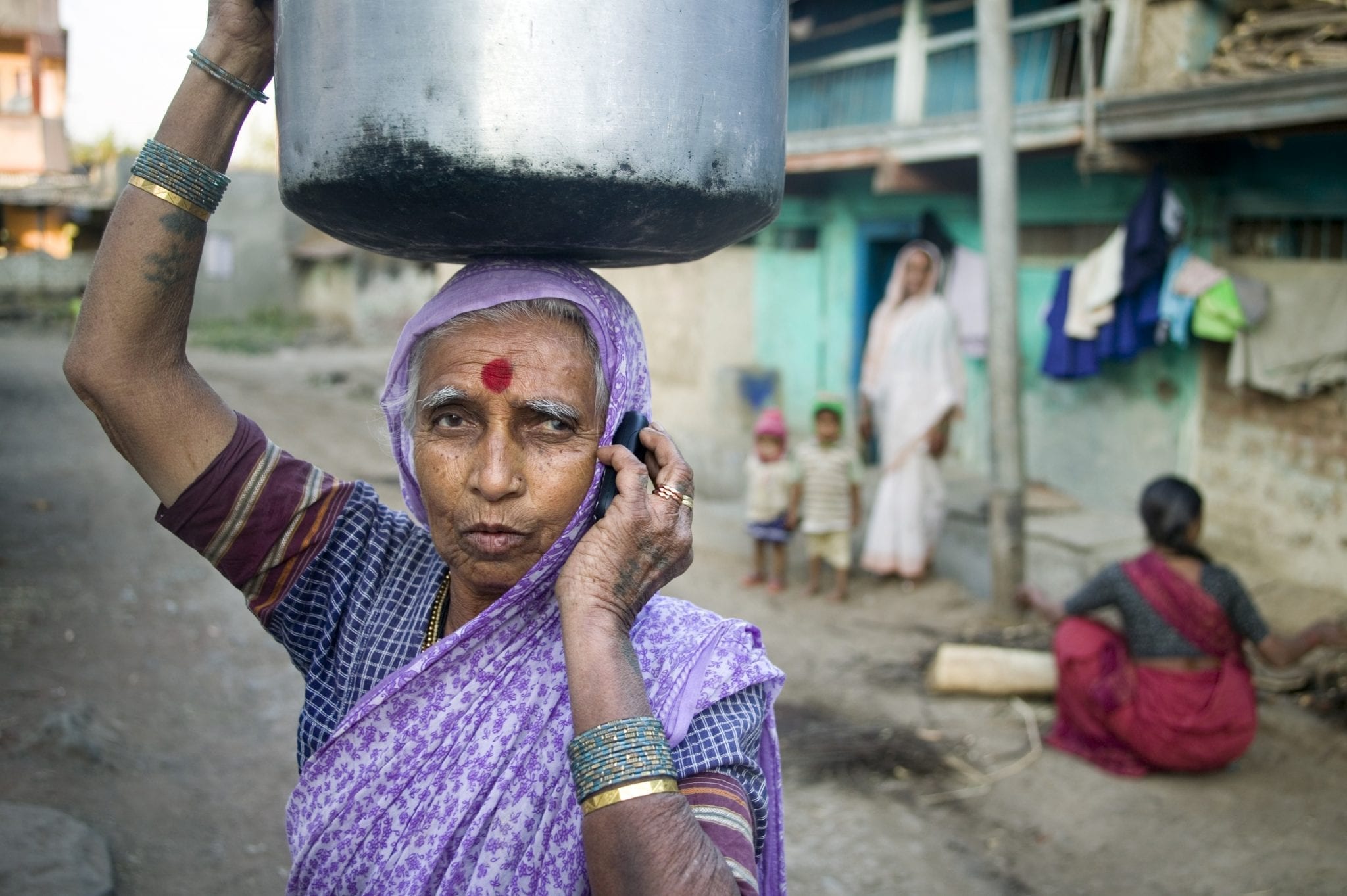
    India has become the second-largest mobile market in the world, and is on track to reach nearly 1 billion unique subscribers by 2020, according to the GSMA.

    A new report from GSMA Intelligence indicates that by the end of June 2016, 616 million unique users had subscribed to mobile services in India, making the country the second-largest mobile market globally.

    India is also expected to see a significant increase in mobile subscriptions, broadband and connectivity with almost a billion unique mobile subscribers expected by 2020. This marks a period of rapid development of the country’s mobile economy, according to the study.

    The country overtook the US in 2016 to become the world’s second-largest smartphone market with an installed base of 275 million devices.

    According to the report, improving affordability, falling device prices and operator investments in network coverage and quality will help deliver an additional 330 million unique subscribers in India by 2020, lifting the country’s penetration rate to 68% per cent of the population, an increase from 47% in 2015.

    India is also seeing an technology shift to mobile broadband services. The number of 3G/4G mobile broadband connections is forecast to reach more than 670 million by 2020, 48% of the total connection base.

    There will also be an accelerating move to 4G over this period. The number of 4G connections is forecast to grow rapidly, growing from just 3 million at the end of 2015 to 280 million by 2020. In addition, the industry is set to invest heavily, with operator capex growing to $34 billion for the period 2016 to 2020.

    “With this report, all signs point to a period of tremendous growth for India’s mobile economy, which will strongly support and enable the government’s ‘Digital India’ initiative aimed at providing broadband connectivity to all,” GSMA director general Mats Granryd said.

    “To fully realize India’s tremendous market potential, review and reform in key areas, including modernizing regulation and long-term planning for spectrum allocation, would accelerate mobile broadband access and adoption across the country,” he adds.

  • Big C Vietnam closes Cdiscount

    Big C Vietnam closes Cdiscount

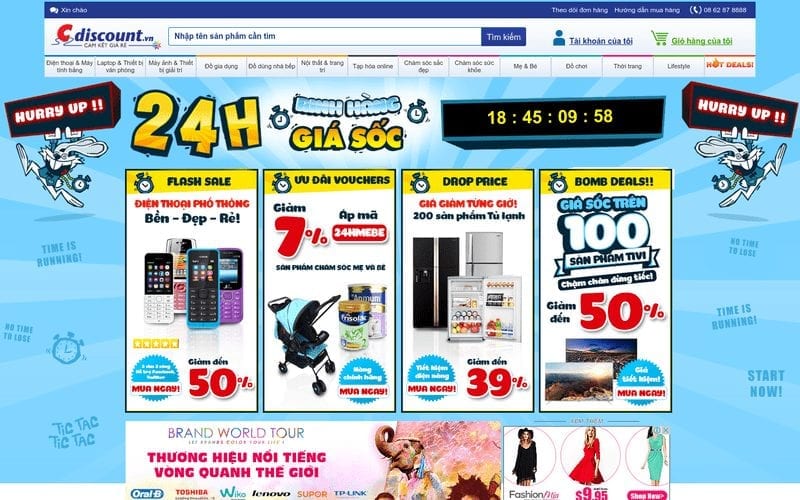
    Big C Vietnam says it will close its eCommerce site Cdiscount by the end of December.

    The closure appears to be part of a policy change from Thailand’s Central Group after it bought the supermarket chain in April in a US$1.14 billion deal. The company will soon change the chain’s name and it has other eCommerce brands and established sites it could expand into Vietnam.

    Post-December, after sales service will be transferred to original retailers who used the portal.

    The e-tailer specialises in cell phones, household goods, beauty products and groceries and has been operating since the beginning of 2014. Originally it aimed to become the leading online retailer in Vietnam. However, after two years, Cdiscount has had little impact on the market.

    Vietnam is considered one of the two Southeast Asian nations with the most potential for eCommerce along with Indonesia. Korean retail giant Lotte recently announced plans to launch its first online shopping website Lotte.vn in Vietnam this month.

  • McDonald’s Korea sale collapses

    McDonald’s Korea sale collapses

    And in the simultaneous divestment process for the 20-year McDonald’s China franchise rights, TPG Capital has reportedly withdrawn leaving two rival private equity firms in the race – Bain Capital and Carlyle Group – competing with two Chinese companies previously reported to be in the negotiations: retailer Wumart Stores and Sanpower Group.

    With Maeil Dairies Industry Co dropping out of the running for McDonald’s Korea, that sale process seems at best stalled.

    McDonald’s, which directly manages about 400 stores in South Korea, has been looking for local partners to run the Korean outlets as franchise stores that pay annual commissions instead. The deal initially drew interests from several investors, including CJ and NHN Entertainment, but they have nixed their plans.

    Maeil Dairies had formed a consortium with Carlyle Group, but pulled out after failing to agree on terms of contract, industry sources familiar with the matter told the Yonhap news agency.

    “We can’t verify the specific details as McDonald’s headquarters office is in charge of the bidding process, but the sales process is still under way,” an official at McDonald’s Korea said, without elaborating on the deal.

    Meanwhile, in China, TPG’s withdrawal was confirmed overnight by unidentified sources close to the matter and reported by several news networks.

    Carlyle Group has partnered with Citic Group and Bain with GreenTree Hospitality, a hotel group.

    McDonald’s is seeking as much as $3 billion for the China rights, which come with a 10-year expansion option.

    There are about 2400 McDonald’s restaurants in China and Hong Kong and the US company wants its master franchisee to expand that network rapidly to compete with rival Yum! China’s expansion plans.

    The ongoing presence of private equity bidders in the process is surprising, because McDonald’s has made it clear it is seeking a long-term partner rather than private equity firms, which typically cash out after a few years.

  • No more rice imports this year

    No more rice imports this year

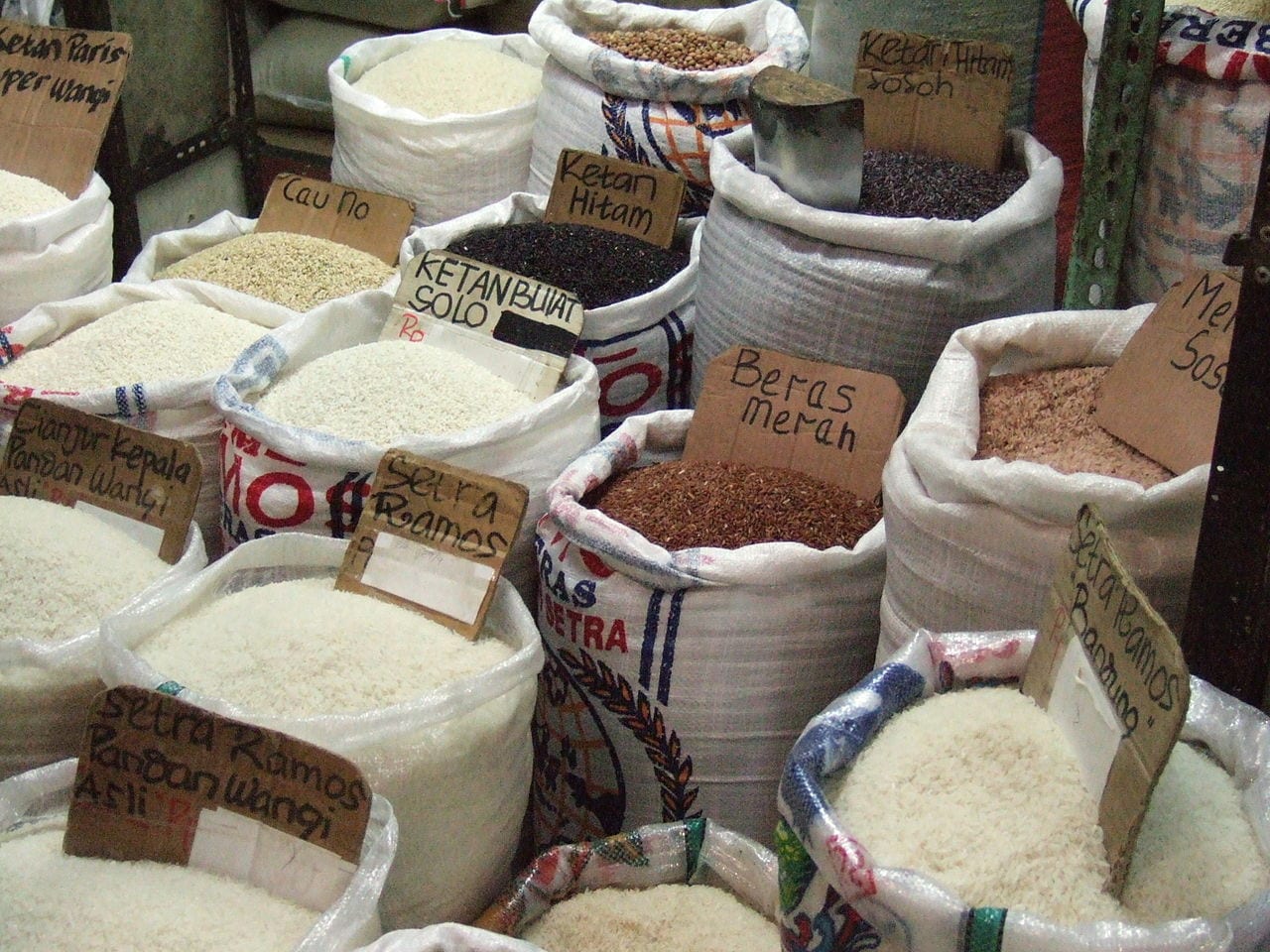
    President Joko Widodo (Jokowi) has assured that Indonesia will not import rice at the end of this year because the countrys rice stock is adequate until May 2017.

    Rice production has increased dramatically from some 1,030,000 tons during September to October 2015, to 1,990,000 tons in October 2016.

    The increase was merely thanks to prime paddy seed utilization and adequate rainfall.

    The government will focus on increasing the rice stocks before deciding to export rice later, he said, after witnessing a grand harvesting of Super Jajaran Legowo-type paddy in Trayu village, Banyudono sub-district, Boyolali.

    Boyolali is also a pilot project for Inpari 32 paddy variety.

    “Later, if it is successful, we will expand it and multiply it in order to significantly increase the national rice production,” the president said.

    At noon, President Jokowi and First Lady Iriana were scheduled to observe the 36th anniversary of World Food Day to be held at the Boyolali square.

    Boyolali is known as a region which has successfully implemented the food production diversification program. The district produces among other things Tongkol 2 Prolific hybrid maize and Jajar Legowo-type paddy.

    Home Affairs Minister Tjahjo Kumolo and Head of the Presidential Staff Teten Masduki joined the presidential entourage.

    FAO celebrates World Food Day each year on October 16 to commemorate the founding of the Organization in 1945.

    Events are organized in over 150 countries across the world, making it one of the most celebrated days of the United Nations (UN) calendar.

    These events promote worldwide awareness and action for those who suffer from hunger and for the need to ensure food security and nutritious diets for all.

    FAOs global message for World Food Day 2016 is “Climate is changing. Food and agriculture must too.”

    It resonates with the crucial time in which the day will be observed, just before the next UN Climate Change Conference, COP 22, from November 7 to 18, 2016 in Marrakech, Morocco.

  • Liao Fan hawker stall may go global

    Liao Fan hawker stall may go global

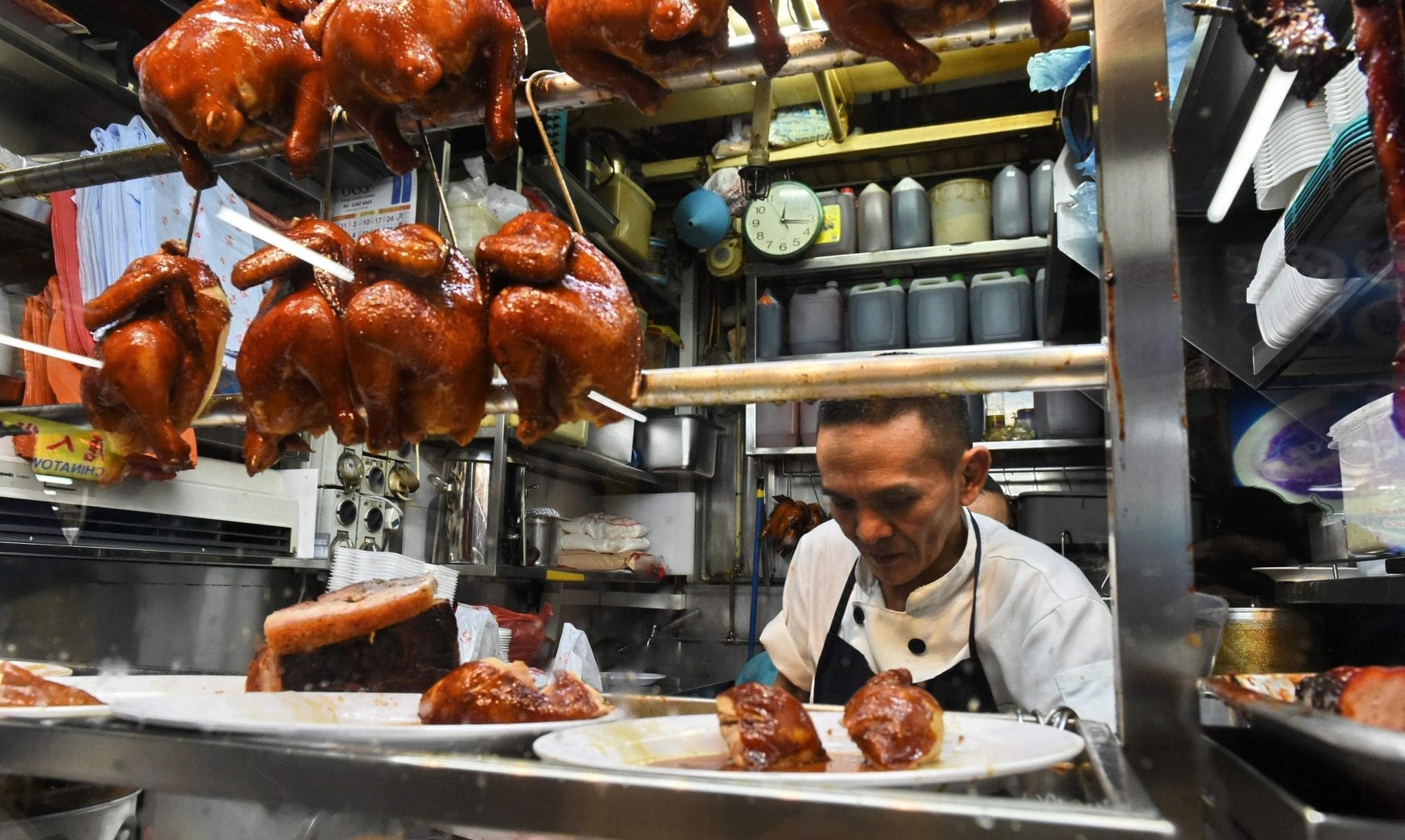
    Singapore’s Michelin-starred soya-sauce chicken rice-and-noodle stall Liao Fan may be going international.

    Shooting to fame in July after being awarded a star by the Singapore Michelin Guide, the hawker stall says it is collaborating with brand manager Hersing Culinary on global expansion plans.

    Hersing owns the Asia Pacific franchising rights to Hong Kong’s Michelin-starred dim sum eatery Tim Ho Wan.
    But even as his business expands, Liao Fan owner Chan Hon Meng says his outlet at Chinatown Food Complex will stay. The 51-year-old’s business was one of two hawker stalls awarded a one-star rating by Michelin, the other being Hill Street Tai Hwa Pork Noodle in Crawford Lane.

    Queues formed at Chan’s stall before it had even opened the day after its star was awarded, and he says he had since received offers from five companies to buy his recipe.

    Chan says he wants to remain a partner even after selling the recipe, and has laid out three criteria for potential partners – an offer of at least $2 million as a “guaranteed co-operation fee” for the recipe and cooking expertise; the partner has the resources to expand the brand “all over the world”; and the company needs to ensure the taste of his soya-sauce chicken is replicated and standardised in all the outlets.

    He says his ambition is to become the “No. 2 chicken eatery chain” after KFC. A key reason for his intention to expand overseas is the increase in the number of tourists visiting his stall since the award. He estimates they form about 90 per cent of his customers.

  • Iran, Indonesia talk banking ties

    Iran, Indonesia talk banking ties

    An Iranian banking and financial delegation has paid a visit to Indonesian capital city of Jakarta to discuss facilitating banking ties between the two countries.

    During the visit, the sides called for removing the obstacles hindering the expansion of banking ties between the two countries, IRNA news agency reported Oct. 29.

    The Iranian delegation, headed by Ahmad Azizi, a high advisor to Governor of the Central Bank of Iran Valiollah Seif, pointed to the existing capacities for cooperation between the two countries and urged for broadening the ties, particularly in banking and financial spheres.

    The sides further laid great stress on the need for establishing direct banking relations between the banks of the two countries aimed at deepening trade ties.

    The delegations also agreed to keep in touch as long as banking ties are restored between Iran and Indonesia.

    Although the nuclear related sanctions on Iran were lifted following the implementation of the Joint Comprehensive Plan of Action on January 16, Iran still has difficulty establishing banking ties with leading banks as they are worried about running afoul of US regulations.

  • Selfridges shines, Debenhams flounders

    Selfridges shines, Debenhams flounders

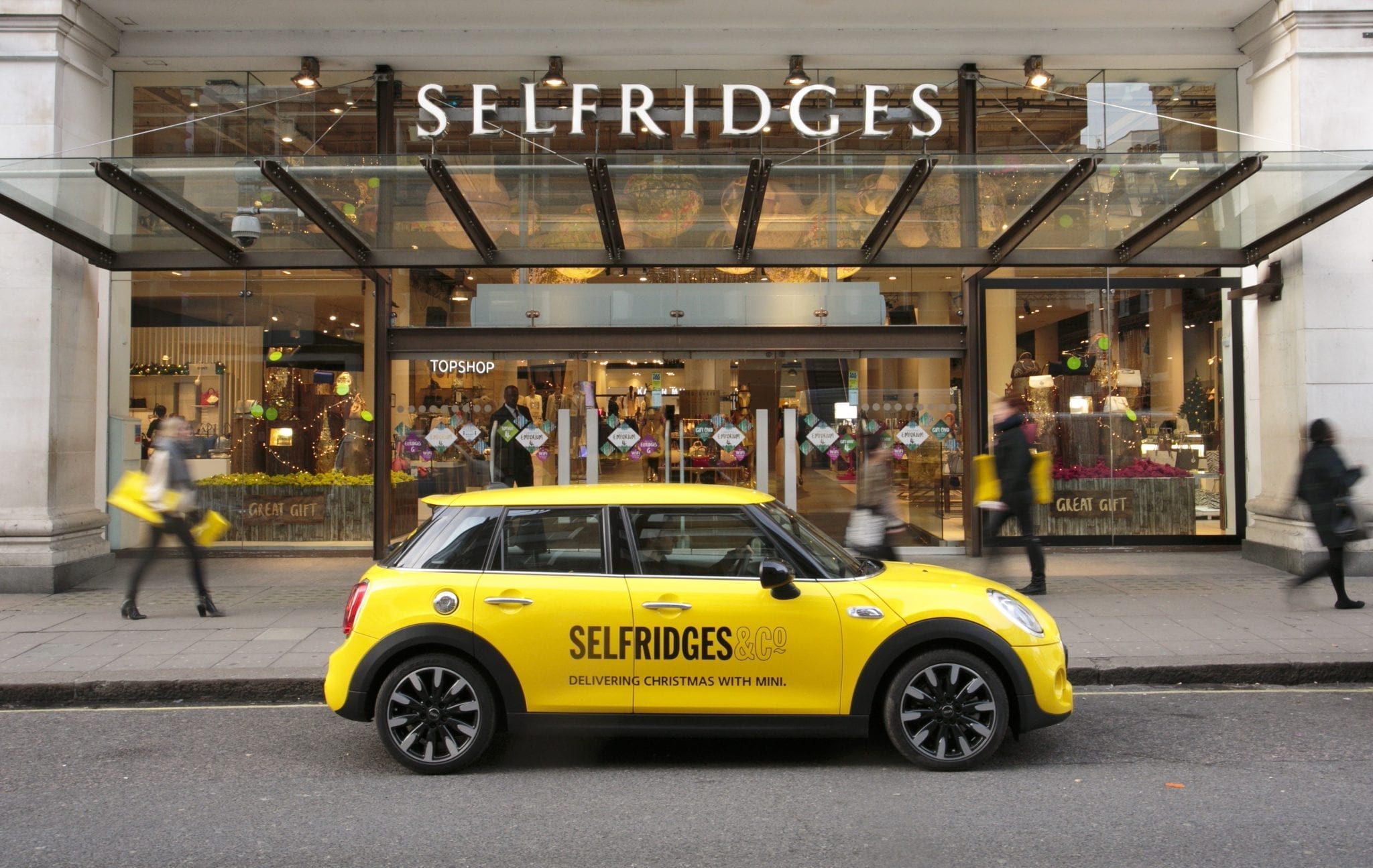
    Two iconic British department store brands released their annual trading figures overnight – and the contrast was blinding.

    Debenhams underwhelmed with like-for-like figures showing a decline in sales of 1.1 per cent, ts growth driven purely by the addition of five new stores and online advances.

    Yet Selfridges’ “winning formula” delivered another year of robust sales growth, in the words of Verdict Retail lead analyst Honor Strachan.

    “Its ability to bring on board the right mix of brands, tailor each of its stores to the local audience and create an ever-changing in-store shopping experience has ensured Selfridges remains relevant and an exciting destination among an increasingly demanding shopper base,” said Strachan.

    His colleague Kate Ormrod, a senior analyst, was less complimentary about Debenhams, describing the company’s UK gross transactional value of £2.352 billion as “underwhelming”.

    “Debenhams is slightly in limbo at present while new CEO Sergio Bucher familiarises himself with the company and forms his strategy to revitalise the business. Focus on clothing and homewares is much needed in FY2016/17, as well as ensuring the instore experience is consistent across its UK store portfolio.”

    Ormrod said Debenhams’ online business remains a key asset, and now represents 14.7 per cent of group sales – aided by its focus on mobile, its click & collect service, and investment in IT and systems, which bode well for the Christmas peak.

    “Refocusing the business away from clothing has been successful with solid growth achieved in beauty, gifting and accessories. While trading in the overall clothing market has been volatile, Debenhams must review and refresh its ranges to maintain its appeal and relevance in the market – or face further market share erosion. Selected Designers at Debenhams sub-brands such as Star by Julien Macdonald and J by Jasper Conran feel dated, along with core ranges such as Red Herring and Mantaray. Though Debenhams appears hesitant to rectify its problems in clothing, there is opportunity to target mature shoppers and better compete with the likes of JD Williams,” she said.

    “Debenhams’ strength lies in beauty and the addition of cult brands such as Kat Von D ensure the retailer garners destination appeal both instore and online. Driving cross-sector spending is essential to turn younger beauty shoppers into core Debenhams customers. Plans to introduce lighting to 30 stores, a clear attempt to muscle in on area BHS excelled in, and introduce furniture hubs in eight branches are positive steps, though Debenhams’ overall homewares offer pales in comparison to rival John Lewis in terms of breadth and destination appeal.

    Selfridges deflects the pressure

    Strachan paid tribute to Selfridges’ ability to prosper while facing “immense pressure from sector specialists and online pureplays”. Gross transactional value rising 5 per cent to £1.4 billion.

    A £300 million commitment to refurbishing its Oxford St, London, flagship dented its operating profit, which slipped marginally to £152 million, trimming margins to drop one percentage point to 10.9 per cent.

    “The modernisation of its flagship London store, taking over two years and due to be completed in spring 2018, is central to Selfridges’ strategy in creating destination departments, such as its 2016 openings of the Body Studio and Designer Studio, off the back of its success of its Denim Studio (2013) and Shoe Galleries (2010),” said Strachan.

    “The accessories department is currently being overhauled with the first phase due to open in time for peak Christmas trading, and will undoubtedly benefit from the influx of tourists taking advantage of the weak pound.”

    He said with Selfridges’ proposition heavily skewed to the luxury end of the market, he expects Selfridges to have a very strong second half in 2016/17, resulting in full year growth exceeding its 2015/16 financial year and an increase in its UK department store market share.

    “Selfridges continues to raise the bar by surprising its shoppers – with brand launches including Missguided for example – which is key as we approach a period of more considered spending among domestic consumers.”


  • Huawei to launch NB-IoT solution in early 2017

    Huawei to launch NB-IoT solution in early 2017

    Huawei has revealed plans to commercialize its end-to-end narrowband IoT solution early next year, to help operators expand their IoT services into new markets.

    The vendor plans to release the world’s first 3GPP standards-based NB-IoT commercial system-on-a-chip, Boudica, that can be deployed with the Huawei LightOS operating system.

    Huawei has meanwhile unveiled SoftRadio, a software suite to help developers access NB-IoT open labs via the internet.

    The solution will also involve eNodeB base stations, an IoT packet core supporting flexible deployment of Core in a Box and NFV, as well as a cloud-based IoT connection management platform with big data capabilities.

    The converged NB-IoT offering will be tested in a large commercial trial this quarter before being released to the market in early 2017.

    “NB-IoT has unique advantages in supporting IoT applications. Huawei will help carriers accelerate the commercial adoption of NB-IoT and the maturing of the industry chain,” Huawei VP of marketing and solutions Jiang Wangcheng said.

    “The IoT project and the success achieved so far fully demonstrate this commitment of ours.”

    Huawei’s launch plans were announced at the Huawei eco-CONNECT Europe 2016 conference held in Paris last week.

  • President Jokowi leaves for Boyolali to commemorate World Food Day

    President Jokowi leaves for Boyolali to commemorate World Food Day

    President Joko Widodo (Jokowi) and First Lady Iriana left for Boyolali District, Central Java Province, to attend a function commemorating World Food Day.

    They left by the presidential plane Indonesia-1 from Halim Perdana Kusuma Air Force Base, East Jakarta, at 7:50 a.m. local time.

    They would first join a paddy grand harvesting activity in Banyudono Sub-district Boyolali, and later visit a Technological Innovation Expo.

    At noon, the 36th anniversary of World Food Day was scheduled to be held at the Boyolali square.

    Boyolali is known as a region which has successfully implemented the food production diversification program. The district produces among other things Tongkol 2 Prolific hybrid maize and Jajar Legowo-type paddy.

    Home Affairs Minister Tjahjo Kumolo and Head of the Presidential Staff Teten Masduki joined the presidential entourage.

    FAO celebrates World Food Day each year on October 16 to commemorate the founding of the Organization in 1945.

    Events are organized in over 150 countries across the world, making it one of the most celebrated days of the United Nations (UN) calendar.

    These events promote worldwide awareness and action for those who suffer from hunger and for the need to ensure food security and nutritious diets for all.

    One of the biggest issues related to climate change is food security. The worlds poorest – many of whom are farmers, fishers and pastoralists – are being hit hardest by higher temperatures and an increasing frequency in weather-related disasters.

    At the same time, the global population is growing steadily and is expected to reach 9.6 billion by 2050.

    To meet such a heavy demand, agriculture and food systems will need to adapt to the adverse effects of climate change and become more resilient, productive and sustainable. This is the only way that we can ensure the wellbeing of ecosystems and rural populations and reduce emissions.

    Growing food in a sustainable way means adopting practices that produce more with less in the same area of land and use natural resources wisely. It also means reducing food losses before the final product or retail stage through a number of initiatives including better harvesting, storage, packing, transport, infrastructure, market mechanisms, as well as institutional and legal frameworks.

    This is why FAOs global message for World Food Day 2016 is “Climate is changing. Food and agriculture must too.”

    It resonates with the crucial time in which the day will be observed, just before the next UN Climate Change Conference, COP 22, from November 7 to 18, 2016 in Marrakech, Morocco.

    FAO is calling on countries to address food and agriculture in their climate action plans and invest more in rural development.

    By strengthening the resilience of smallholder farmers, we can guarantee food security for the planets increasingly hungry global population and also reduce emissions.

  • This is how much the new MacBook Pro will cost in Singapore

    This is how much the new MacBook Pro will cost in Singapore

    The hotly-anticipated Touch Bar Mac machines are here and they are packed with shiny upgrades. Apple has launched two new models that are thinner and lighter than ever – a 13-inch MacBook Pro (14.9mm) and a 15-inch MacBook Pro (15.5mm).

    The key features on the refreshed MacBook Pros include a context-sensitive, customisable Touch Bar that replaces the physical function key strip, giving fast access to popular commands, quick actions and your commonly-used apps and programs

    Touch ID makes its debut on the laptop, allowing you to authorise payments, switch accounts and say goodbye to typing in long passwords.

    Apple has also pumped up the battery life to 10 hours and simplified the machine’s exterior, trimming down various ports on the chassis, relying primarily on four Thunderbolt 3 ports for connectivity and power. But do not worry, the headphone jack is still there.

    The laptops are scheduled to ship in 2-3 weeks and you can order them now at the Apple Store.

    The 13-inch, 2.9GHz dual-core Intel Core i5 MacBook Pro with Touch Bar and Touch ID costs S$2,588, while the 15-inch, 2.7GHz quad-core Intel Core i7 MacBook Pro costs S$3,948. Both machines are available in Space Grey and Silver.

  • Ride-hailing app Grab brings GrabBike services to Bali

    Ride-hailing app Grab brings GrabBike services to Bali

    Watch out Gojek, competitor GrabBike has come to Bali. Ride-hailing app Grab has announced that it launched both GrabBike and GrabExpress services in Bali, as of Oct. 22. 

    Like Gojek, GrabBike allows you to order motorbike taxis, while GrabExpress is Grab’s courier service. Also in common with Gojek, the app’s drivers use black and green colors.

    Similar to Uber, the app has provided its GrabCar driver services in some time in Bali (they launched in 2015)—to the frustration of competing taxi and other drivers operating on the island. 

    As with GrabCar, the GrabBike and GrabExpress options will be most available in Badung and Denpasar. 

    Grab started in Malaysia but has quickly spread throughout the region, with notable success in Jakarta, its first Indonesian city. 

    “Bali is dominant in growth and tourism potential, so we saw an opportunity to improve the quality of daily trips in Denpasar and Badung. The launching of two-wheel services in Bali will complement GrabCar, which previously launched in 2015.

  • Bank of Ayudhya Wins Global Business Outlook 2016 Awards

    Bank of Ayudhya Wins Global Business Outlook 2016 Awards

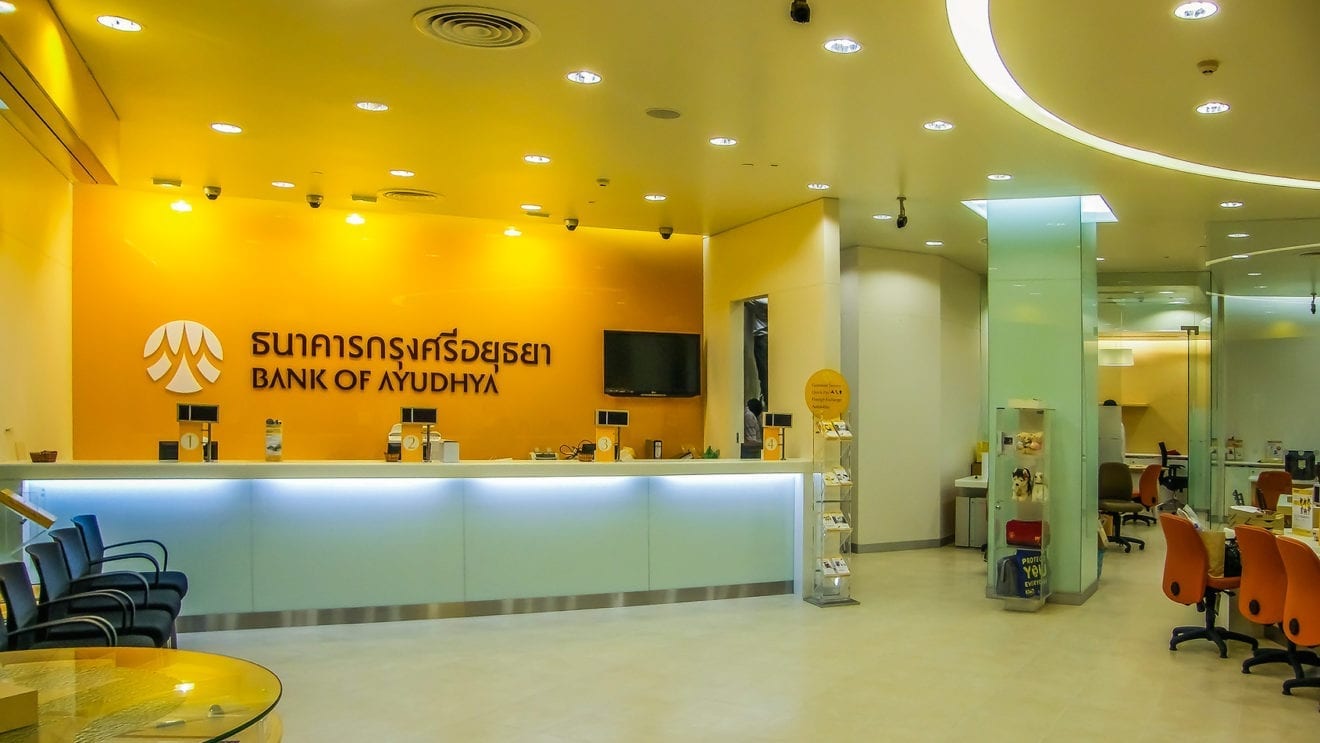
    Global Business Outlook (GBO), a business publication based out of London, has conferred the 2016 awards for ‘Best Commercial Bank’ and ‘Best Retail Bank’ in Thailand to Bank of Ayudhya (Krungsri).

    Krungsri was established in 1945, and its ordinary shares were listed on the Stock Exchange of Thailand in 1977. The bank is currently the fifth largest in Thailand in terms of loans and deposits. Krungsri provides a comprehensive range of banking, consumer finance, investment, asset management, and other financial products and services to individual consumers, SMEs, and large corporations through 681 branches and over 28,000 service outlets nationwide. Also Krungsri Group is the largest card issuer in Thailand with 7.8 million credit cards, sales finance, and personal loan accounts in its portfolio.

    Noriaki Goto, Krungsri President and Chief Executive Officer, upon receiving the awards said: “Krungsri is honoured with the Best Retail Bank Thailand and the Best Commercial Bank Thailand for 2016 awards. They are testimony to the strength of both our retail and commercial banking businesses and the fruit of our people’s passion to deliver excellent financial products and services to our valued customers. We are proud that these efforts are recognised by such a large base of professional organizations. Driven by our customer centricity strategy, we anticipate customers’ demands and serve them through innovation and technology. Krungsri remains committed to investing for the future and delivering innovative financial products and services for both retail and corporate segments.”

  • UPS Orders 14x 747

    UPS Orders 14x 747

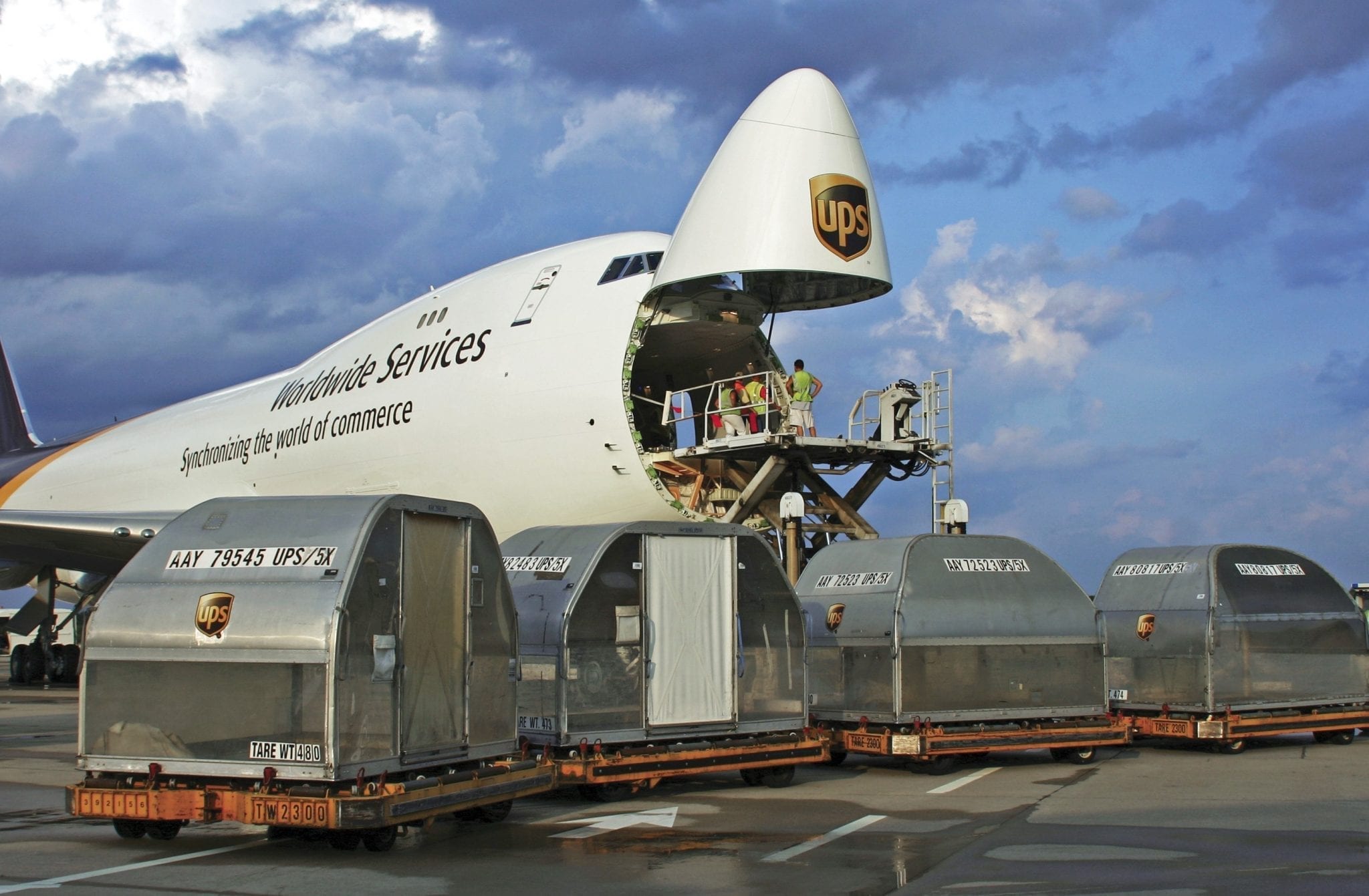
    “These aircraft are a strategic investment for increased capacity for UPS customers around the globe,” said Brendan Canavan, president of UPS Airlines. “The 747-8 will allow UPS to upsize our network in both new and existing markets.”

    The aircraft will be delivered between 2017 and 2020. Each 747-8F offers 16 percent more cargo capacity than the 747-400F and can carry approximately 137 tonnes. Pilots of the carrier’s 747-400F fleet will be able to fly the -8F after a short training course.

    “We benefit from the youngest fleet in the industry and we are continuously investing for both operating safety and efficiency,” said Brendan Canavan, UPS Airlines president. “This investment supports our customers’ future capacity needs while also reducing fuel use and emissions, which enhances UPS Airlines’ position as an industry leader in sustainability.”

    Boeing lowered the production rate of the 747-8 programme to 0.5 per month because of reduced demand. Russia’s Volga-Dnepr Group finalized the acquisition terms for 20 747-8Fs at the Farnborough International Airshow in July 2016, including four that had already been delivered.

    Apart from the new UPS order, the only -8Fs left to be delivered are two for AirBridgeCargo, one for Korean Air Cargo, two for Nippon Cargo Airlines and one for Silk Way Airlines.

    “UPS could not have selected a better aircraft to meet its growing business needs,” said Brad McMullen, vice president of sales for North America and leasing at Boeing Commercial Airplanes. “We’ve continued to make the 747-8 Freighter even better, and we look forward to seeing UPS introduce it to its fleet.”

    UPS operates a fleet of 236 aircraft, consisting of Airbus A300-600Fs, 747-400Fs, 757-200Fs, 767-300ERFs and MD-11Fs, as well as 305 other aircraft that are chartered or on short-term lease.