Author: Mei Ling Tan

  • Honda raises profit forecast on strong China sales

    Honda raises profit forecast on strong China sales

    Honda Motor Co lifted its full-year net profit forecast by 6 percent, betting that Chinese customers will keep buying its XR-V and Vezel SUVs and the popular Civic sedan after robust demand there boosted Asian sales sharply in the latest quarter.

    Japan’s third-largest automaker by sales said on Monday it expects full-year net profit to hit 415 billion yen ($3.95 billion), compared to its previous forecast of 390 billion yen. Honda upgraded its global sales forecast to reflect strong demand in China, the world’s biggest auto market and the company’s second largest.

    It also expects cost cuts and lower quality-related costs to offset the impact of a stronger currency and lift its bottomline this year, after taking a hit last year due to hefty provisions for costs to recall Takata (7312.T) air bag inflators.

    Strong demand in growing cities has pushed Honda’s Chinese sales up 26 percent higher year-on-year to 872,000 in the first nine months of 2016, boosted by a near doubling in sales for the Civic, which underwent a model change this year.

    This prompted it to lift the forecast for group vehicle sales in Asia by 11 percent on the year to 1.915 million for the year ending in March 2017, after overall Asian sales rose 22 percent on the year in the second quarter.

    As a result, it sees global sales rising by 5 percent from last year to 4.98 million cars.

    “We’re seeing a positive impact from our new models. The Civic is doing very well in North America, China, and South America,” Honda Executive Vice President Seiji Kuraishi told reporters at a briefing, adding that strong demand for the XR-V compact SUV crossover was also lifting Chinese sales.

    To keep up with rapidly growing demand for its sedans and SUVs in China, Honda is planning to build a new factory in the country with partner Dongfeng Motor Group Co (0489.HK), two people familiar with the matter told Reuters earlier this month.

    Honda sells roughly 40 percent of its global production in North America, but as growing demand in China drives Asian sales higher, the automaker expects sales in the two regions to be roughly the same this year.

    Despite the rosier profit outlook, Honda’s new profit forecast remains lower than the average 482 billion yen profit expected by 21 analysts polled by Thomson Reuters, and Honda said that its conservative outlook was largely due to global uncertainties.

    “At the moment we see uncertainties related to the U.S. elections, Brexit and a weaker sterling, and in Asia, the outlook for Thailand after the death of the country’s monarch,” Kuraishi said.

    “We haven’t seen the impact of these factors yet, but we’re taking a cautious approach to our forecasts.”

    Honda operates a plant in Britain, producing around 140,000 vehicles per year, including the CR-V crossover SUV and Civic sedan at its plant in Swindon. Half of its production is exported to the EU.

    Kuraishi said that the automaker had no plans at the moment to shift its production away from Britain, adding that it would consider factors including the value of sterling and the likely introduction of tariffs when deciding its future in the country.

    Honda is assuming an average rate of 103 yen to a dollar for the current year, against its earlier forecast of 105 yen.

  • Ant Financial announces global blueprint for digital financial inclusion

    Ant Financial announces global blueprint for digital financial inclusion

    Ant Financial Services Group (“Ant Financial”, or the “Company”), one of the world’s leading digital financial services providers, today announced its global blueprint for promoting digital financial inclusion, and a strategic agreement with Ascend Money, the leading fintech company in Thailand. Under the agreement Ant Financial will invest in Ascend Money, which aims to accelerate the growth of a leading mobile lifestyle and digital financial services platform in Thailand and support its growth in SE Asia.

    Together with Ant Financial, Ascend Money will grow its online and offline payment and financial services ecosystem and strengthen its trusted and convenient payment services for users and merchants. The deal represents Ant Financial’s firstever investment in a Thailandbased company and demonstrates the Company’s confidence in the financial services sector in Southeast Asia. With this partnership Ant Financial, which also runs Alipay – the largest mobile lifestyle and payment app in China and beyond with over 450 million users – will provide Ascend Money with strategic and technical support for the growth of its business.

    Leveraging Ant Financial’s capabilities in payment, Big Data, risk control and cloud computing capabilities, the partnership with Ascend Money will build on synergies in digital financial services in order to offer Thai consumers comprehensive and equal access to financial services. Ascend Money is Ant Financial’s first partner in Southeast Asia and second globally after Paytm in India, as the Company aims to “bring small and beautiful changes to the world”.

    “Imagination, innovation and information are key to realizing Ant Financial’s goal of promoting equal access to financial services on a global platform,” Eric Jing, CEO of Ant Financial, said. “As we aim to provide services to over two billion users in ten years, we are building an open ecosystem with our global partners. The payment market in SE Asia has vast untapped potential and we are dedicated to contributing our share to bring a greater variety of convenient and reliable financial services to small and micro enterprises and individual consumers. Ascend Money, as a leader in Thailand, is best equipped to build an innovative financial ecosystem in the country.

    “Ascend Money’s mission is to enable everyone access to innovative financial services, leading to better lives,” said Suphachai Chearavanont, Chairman of Ascend Group. “The shared vision of financial inclusion and company values in creating opportunity and sustainability have lead us to this partnership.”

    “It’s our life purpose to help the underserved, which include digital consumers and the under-banked,” Punnamas Vichitkulwongsa, CEO of Ascend Group, said. “Our goal is to provide innovative financial services to over one hundred million customers and SMEs in Thailand and Southeast Asia by 2020. Our partnership with Ant will help accelerate innovative financial services and platforms, enabling a strong financial services ecosystem.”

    Ascend Money is the leading fintech company in Thailand and Southeast Asia, operating under the TrueMoney brand for payments and Ascend Nano for lending. With its headquarters in Bangkok, Thailand, Ascend Money operates in six countries, including Thailand, Indonesia, the Philippines, Vietnam, Myanmar and Cambodia. Ascend Money targets two underserved groups, including digital consumers with its innovative mobile wallet application and the underbanked with its massive agent network. It currently provides payment services such as domestic and international remittance, bill payment, top up services, online and offline payments and payroll services. Future services will include lending, insurance and investment. 

    “Ant Financial is setting its footprint worldwide, not only to provide services for its Chinese users, but to promote equal access to financial services globally,” Douglas Feagin, Senior Vice President of Ant Financial, said. “Partnerships are vital for Ant Financial’s growth and we want to work alongside companies around the world who share our missions.

    In early 2015 Ant Financial joined forces with Paytm, the world’s fourth largest ewallet, to promote secured digital payment to local users in India.. Ant Financial’s innovative technologies in payment and risk control are now supporting a mobile lifestyle, ranging from online and offline payment, mobile topup, utility bill payments and movie ticketing, of over 150 million Indian consumers. Meanwhile, Ant Financial is working with dozens of global payment partners, including Concardis, Ingenico, Wirecard and Zapper in Europe, First Data and Verifone in North America, Paysbuy and Counter Services in Southeast Asia, Recruit in Japan and KICC and ICB in Korea.

    Since late 2014, Alipay has worked closely with local merchants at popular destinations for Chinese visitors and tourists, including Korea, Hong Kong, Taiwan and Macau. In March 2015, Alipay was accepted at approximately 15,000 retailers in those countries and regions. By the end of September 2016, this network had expanded to over 80,000 retailers in 70 countries and regions, where restaurants, malls, duty free shops, amusement parks and O2O sharing platforms accept Alipay’s instore and other offline payments. The network covers countries and regions including the US, UK, Germany, Australia, New Zealand, Thailand, Singapore, Malaysia, Vietnam, Hong Kong, Macau, Taiwan, Japan and Korea.

    During the Golden Week holiday in 2016 (October 1 to 7), transaction volume processed by Alipay at overseas destinations increased by four times compared to the same period last year. The countries and regions outside mainland China with the largest number of Alipay transactions are, in order, Korea, Thailand, Hong Kong, Japan and Germany.  

  • DFS Group, will launch the eighth annual Masters of Time exhibition on December 3

    DFS Group, will launch the eighth annual Masters of Time exhibition on December 3

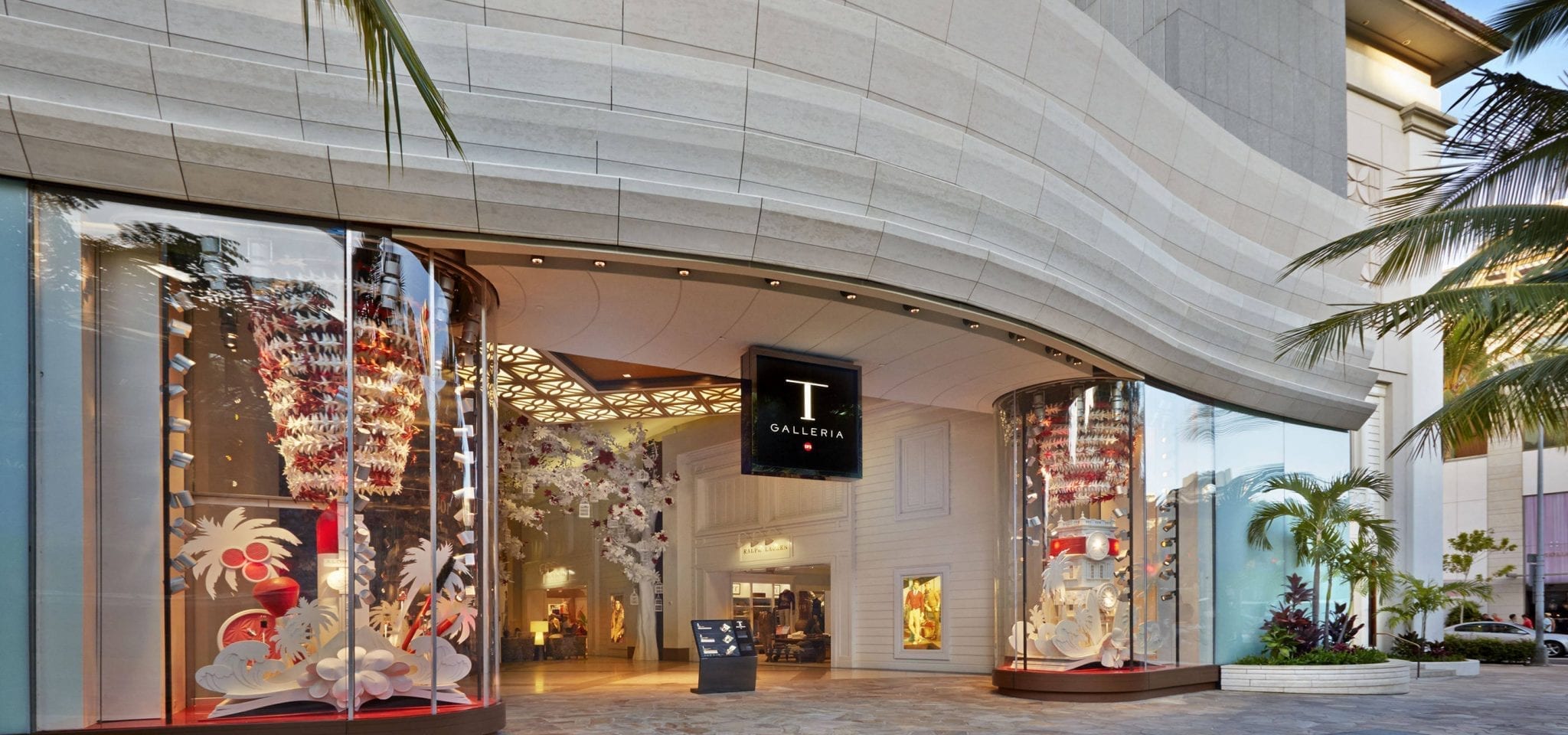
    DFS Group, the world’s leading luxury travel retailer, will launch the eighth annual Masters of Time exhibition on December 3, 2016 with a gala event at T Galleria by DFS, Macau in partnership with Shoppes at Four Seasons. Widely recognized as the world’s leading retail exhibition of fine watches and jewelry, this year’s Masters of Time event embraces the theme of relationships and is inspired by the close bonds that inspire collectors when building their watch collections.

    By recognizing the significant life moments that are often commemorated through purchasing a timepiece, and understanding the thought process that accompanies the selection of a new watch, DFS Group becomes a part of every watch’s story. The relationships between luxury retailers and their prestigious clientele, between a customer and their timepiece, are all explored throughout the program. The exclusive exhibition of over 400 pieces from 27 brands will be shown in store at T Galleria by DFS and available for purchase until February 28, 2017.

    This year DFS expands the experience to members of the public as, in addition to the prestigious gala event, they will be able to experience and enjoy a wide array of activations. TAG Heuer will offer a virtual reality experience from August to December; the Franck Muller flagship boutique opens at the end of November; Girard Perregaux celebrates its 225th anniversary with an exhibition during December; and Bulgari will house the Finissimo Minute Repeater exhibition with experiential and educational activities from November to February 2017. Cartier will celebrate the concept of time with a showcase of some of the maison’s most exceptional creations from the high watchmaking and high jewelry worlds.

    “For over 500 years, the watchmaking industry and its craftsmen have worked to encapsulate time in the form of a watch. This year’s Masters of Time not only celebrates the relationship between man and machine, but also the pivotal moments and relationships in life we all seek to commemorate. We’re thrilled to once again host the world’s top collectors and explore  those relationships and the meaning behind these precious pieces, and of course to take a privileged first look at this exceptional Masters of Time collection,” said Philippe Schaus, DFS Group Chairman and Chief Executive Officer.

    Christophe Chaix, DFS Group Senior Vice President Fashion, Watches, Jewelry and Accessories, added, “This year’s Master of Time exhibition showcases an exclusive range of luxury watches and fine jewelry that perfectly epitomizes the latest and most cutting-edge innovations and designs in watchmaking. Through our partnerships with the world’s leading watch and fine jewelry brands, we are able to curate a truly unique and unparalleled exhibition and provide our loyal customers with an unmissable opportunity to build their collection with DFS.”

    2016 DFS MASTERS OF TIME COLLECTION

    This year’s exhibition includes exclusive pieces from brands including: Arnold & Son; Angelus; Blancpain; Breguet; Bulgari; Cartier; Chopard; Franck Muller; Girard-Perregaux; Glashütte Original; Hautlence; H. Moser & Cie; Hermès; Hublot; IWC Schaffhausen; Jaeger-LeCoultre; Jaquet Droz; Manufacture Royale; Officine Panerai; Omega; Piaget; Roger Dubuis; Speake Marin; Tiffany & Co.; Vacheron Constantin; Van Cleef & Arpels; Zenith and more. 

    Highlights include:

    • Breguet’s Tradition Independent Chronograph 7077
    • Bulgari’s Octo Finissimo Répétition Minutes
    • Cartier’s Panther High Jewelry Watch with two panther heads decor
    • Girard-Perregaux’s La Esmeralda Tourbillon
    • Glashütte Original’s Senator Excellence
    • Hautlence’s Labyrinth
    • Moser & Cie’s Swiss Alp Watch S.
    • Jacquet Droz’s Petite Heure Minute Thousand Year Lights
    • Jaeger-LeCoultre’s Rendez-vous Moon
    • Roger Dubuis’ Blossom Velvet Blue
    • Vacheron Constantin’s Overseas World Time
    • Van Cleef & Arpels’ Jour Nuit Fée Ondine
    • Zenith’s Heritage Pilot Ton-Up 

    DFS Masters of Time is part of the DFS Masters Series, a signature program of exhibitions that also includes Masters of Wines and Spirits that takes place in Singapore. The Masters Series is a showcase of the pinnacle of DFS’ leadership and innovation in curating and creating exceptional experiences across its five pillars of luxury: Wines and Spirits, Beauty and Fragrances, Watches and Jewelry, Fashion and Accessories, and Food and Gifts.

  • Singapore lauded as top cruise destination once again

    Singapore lauded as top cruise destination once again

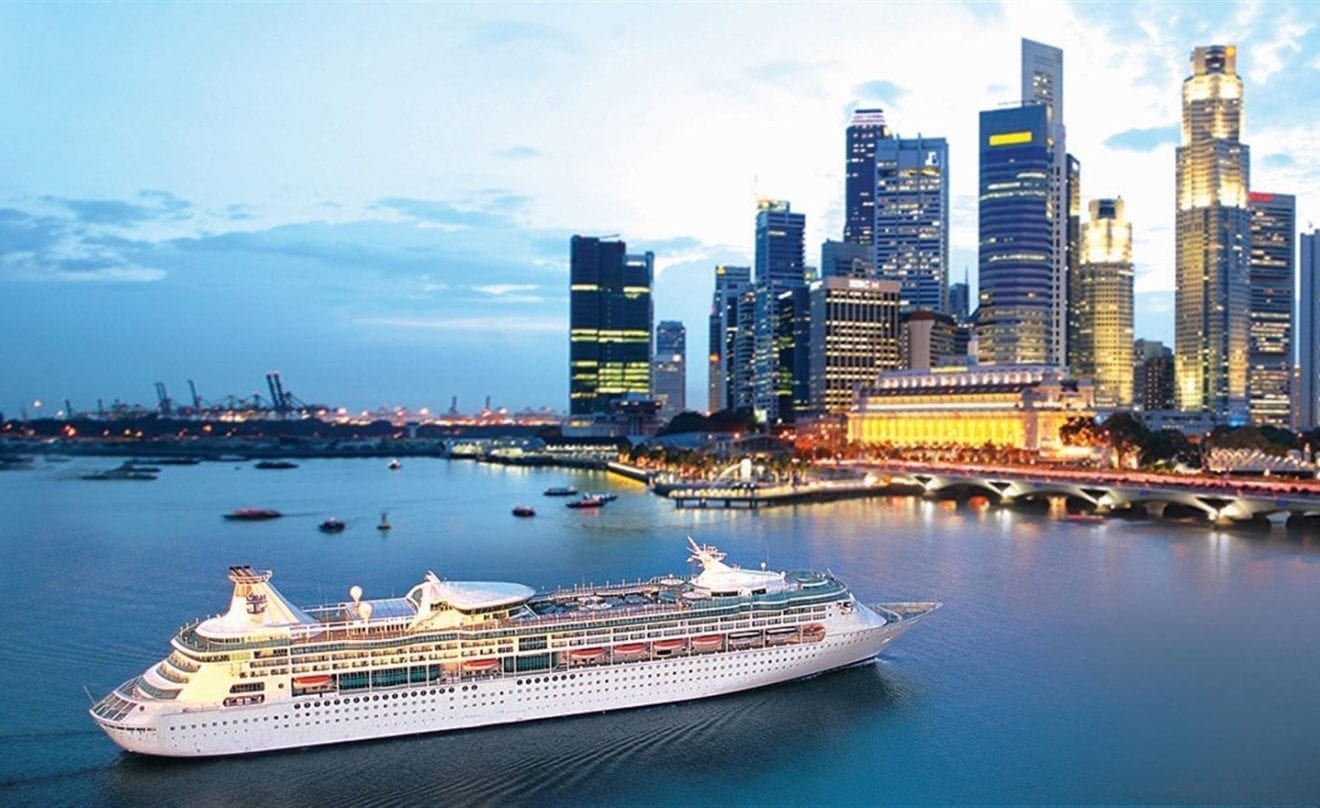
    Singapore was just named top cruise destination by industry experts for a second time in three years at the 10thSeatrade Cruise Awards last Thursday (Sep 22). This accolade is another feather in the cap for Singapore, which was voted as the top Asian port of call in the inaugural Cruise Critic Cruisers’ Choice Destination Awards earlier this month.

    “We are honoured that Singapore remains prominent in the minds of the cruise community as an attractive cruise hub. This is testament to our efforts to grow Singapore’s cruise industry and strong destination appeal,” said Miss Annie Chang, Director, Cruise, Singapore Tourism Board (STB).

    In growing Singapore’s appeal as a cruise destination, STB has been leveraging Singapore’s superb air connectivity, world-class berthing facilities at the Singapore Cruise Centre and Marina Bay Cruise Centre Singapore, and proximity to myriad cruise offerings in the region.

    Strengthening Singapore as a cruise hub

    The award also caps off years of developmental work that STB, cruise lines and trade partners had put in to grow the cruise industry in Singapore. Some of the initiatives include forging more than 10 marketing partnerships with cruise lines and trade partners to drive cruise passenger numbers, training more than 800 travel agents overseas to raise their capability to sell cruises from Singapore, and widening Singapore’s reach to consumers via multiple media platforms in six major source markets.

    STB also actively works with local trade partners to curate immersive and differentiated pre- or post-cruise experiences to enrich visitors’ stay in Singapore. In August 2016, STB organised a workshop for cruise operators to experience the unique offerings of local bookbinding atelier Bynd Artisan and homegrown scent artisans Je t’aime Perfumery. Participants tried their hands at creating bespoke leather nametags and scent blends of native orchid oils, seeding ideas of innovative experiences which may be offered to cruise passengers.

    Developing Southeast Asia as the cruising region of choice

    Being the ASEAN lead co-ordinator for cruise development in Southeast Asia, Singapore spearheaded initiatives such as the creation of the first Cruise Southeast Asian brand to promote the region in a unified voice. STB also developed tools such as a regional cruise port and attractions map to help cruise lines develop itineraries.

    These efforts have proved fruitful. Singapore experienced a 14% year-on-year increase in cruise passenger throughput in 2015, and major cruise line Royal Caribbean International will have their longest-ever homeporting season in Singapore starting October 2016.

    Said Ms Chang: “Singapore and Southeast Asia are set to ride the wave of growth for cruising in Asia and STB will continue to push the boundaries in establishing Southeast Asia as the cruise region of choice. As we mark ASEAN’s golden jubilee celebrations next year, we will embark on a VisitASEAN@50 campaign to encourage more visitors to experience cruising in Southeast Asia.”

  • Offline stores turning crisis into opportunity

    Offline stores turning crisis into opportunity


    Will offline stores disappear?

    When consumers began online shopping in 1994, most of them could hardly imagine that offline stores might disappear. Online shopping was a mere subsidiary to offline stores, selling only a few items then.

    However, the volume of e-commerce has grown explosively over the past 20 years, blurring boundaries between online and offline.

    A sense of crisis in the retail business is different from the past. Mobile platforms dominate more than 40 percent of e-commerce sales, being the key to online-to-offline (O2O) commerce.

    Amazon, the world’s top e-commerce firm, has twice as many customers than offline No. 1 Walmart which has over 6,000 stores worldwide.

    In Korea, the sales of online markets between January and August this year hit 42 trillion won ($37 billion), rising 21 percent year-on-year, according to Statistic Korea (KOSTAT).

    If the current growth rate continues, its sales this year will reach 65 trillion won, about 5 percent of Korea’s gross domestic product (GDP) for the year. This figure surpasses Korea On-Line Shopping Association’s (KOLSA) early estimate of 60 trillion won. In 2001, the same figure was 3.3 trillion won.

    On the other hand, the growth of offline retail, conducted at department stores and discount chains, has been slow since 2013.

    Although saturating offline stores and governmental regulations on retail giants are some of the causes for the slump, a more important reason is the rapid growth of the online market.

    A virtual reality Nike shop located in Hyundai Department Store, Pangyo.
    /Courtesy of Hyundai Department Store

    Retail giants stepping into online

    To survive this trend, retail giants, the main concern of which are offline stores, began to expand their online platforms, as their offline channels have been left behind by fast growing e-commerce firms, such as Gmarket and Coupang.

    Korea’s largest retailers ― Shinsegae, Hyundai and Lotte ― have been focusing on the O2O business platforms which combine online markets with their existing retail networks. They have adopted the latest technology with their O2O businesses.

    Shinsegae Department Store released a mobile application “SHOP@” in February, promoting it as a “department store to be enjoyed by the eyes.”

    This application offers a panorama of the department store and shows dressed images of models, as well as photos of products which have been commonly offered by online shopping malls, including its own “SSG.com.”

    Unlike other e-commerce applications, SHOP@ customers can feel like they are in the store, because photos of products are taken as they are displayed at the offline store.

    More than 400 brands at Shinsegae Department Store are displayed by the application, as Shinsegae employees have taken pictures of the products and directly uploaded them to the application.

    Hyundai Department Store opened a virtual reality (VR) men’s wear store at the Jungdong store, Gyeonggi Province, Oct. 9.

    Customers can look around the department store and see mannequins dressed in whole outfits by accessing Hyundai’s online shopping mall “thehyundai.com” and following the arrows on the screen.

    If customers want to visit a certain brand shop, they just need to click the door icon and check details of the products at the VR store.

    Hyundai opened VR stores of Nike and Adidas at its Pangyo store, Gyeonggi Province, on a trial basis in July.

    The stores offered a full 360-degree view of the offline stores providing simple information of products. Hyundai Department Store plans to offer a 360-degree view of each product and to open a full VR department store by 2019.

    A Hyundai Department Store official said, “Our department store will provide different experiences, shifting offline stores to online.”

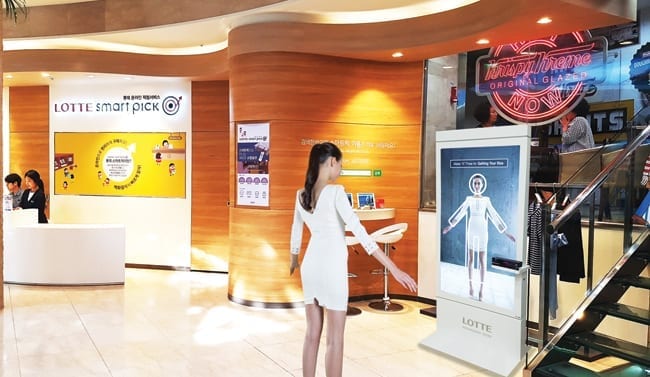
    Lotte Department Store introduced a 3D foot scanner in July. The Swedish-made scanner measures a customer’s foot size and analyzes conditions of the customer’s foot. Shoemakers can recommend and make the most suitable shoes for the customer. More than 1,800 customers had their feet scanned and over 800 ordered shoes as of September.

    Once their feet are scanned, customers can use the data at both online and offline stores.

    “Our department store has a 3D virtual fitting room and foot scanner, as examples of our new omni-channel service which connects online and offline,” a Lotte Department Store official said. “We will develop mobile applications for our customers to buy clothes and shoes with their smart phones.”

    Fighting fire with fire

    Although retail giants are expanding their online platforms, they are also finding ways to attract customers to their offline stores. Those giants are developing offline stores through experience which is hardly achieved in online markets.

    Heads of retail giants have recently stressed the importance of experience, targeting customers who seek to spend their leisure time shopping.

    “Shopping malls with experience are the future of offline stores,” said Hyundai Department Store CEO Kim Young-tae during the press conference at the opening ceremony of Hyundai City Outlet Dongdaemun in March. “Online shopping malls only display the products, but offline stores enable customers to touch and enjoy the products during their shopping.”

    Shinsegae Group Vice Chairman Chung Yong-jin said, “Customers want to gain both products and value, staying longer at a place where they have a reason to visit,” at the opening ceremony of Starfield Hanam in September.

    Lotte Mart CEO Kim Jong-in emphasized last year that discount chains should provide customers with new lifestyle experience. He said Lotte Mart will find an answer from “a space” which online malls lack.

    The latest technologies enable customers to experience offline stores without actually being there.

    Shinsegae Starfield Hanam attracts customers with “VR Fitness” at Sports Monster. Customers can enjoy scientific digitally-based exercises, such as VR fitness and bike-racing, at the recreational space.

    “Sports Monster and Aqua Field are advanced concept entertainment spaces that Starfield Hanam has been preparing for a long time,” a Shinsegae official said. “We expect those spaces to become new attractions, providing our customers with differentiated value through various exercises and experiences which they have never seen.”

    Lotte Department Store introduced the “Smart Shopper” service at its grocery stores at the Bundang store on Oct. 4.

    Customers can go shopping with barcode scanners and they do not have to push their shopping carts. If they scan items with their “Shopper” scanners, products are automatically added to their virtual cart.

    Customers can check added products on “Order Viewer” screens installed at several places in the store and can remove unnecessary items at automatic counters. Purchased items can be delivered to their home.

    Smart Shopper enables customers to check the actual products at offline stores, while resolving inconveniences of carrying them home.

    Duty free shops aim to provide experiences for customers with technology as well.

    HDC Shilla Duty Free plans to make an IT converged duty free shop, if its bid to open a new duty free shop will be successful.

    A state-of-the-art duty free shop with merged reality (MR), artificial intelligence (AI) and machine learning technologies is the company’s goal. The duty free shop plans to show hologram images, installing media walls and digital signage in the lobby.

    Examples in other countries

    Meanwhile, retail giants abroad have already gone through similar changes amid the crisis of offline stores.

    In 2014, British retailer Tesco unveiled its VR store which enables customers to look around the virtual store and purchase goods from there.

    The U.S. retailers Neiman Marcus and Nordstrom introduced smart mirrors for virtual dressing last year.

    The North Face stores in the U.S. have provided extreme VR experiences to attract customers to offline stores. If customers select clothes and wear VR devices, they can virtually wear selected clothes and experience extreme sports, such as jumping off a 128-meter cliff in the Grand Canyon.


     

  • Moto Z, Z Play on preorder soon in Malaysia

    Moto Z, Z Play on preorder soon in Malaysia

    Mix and match

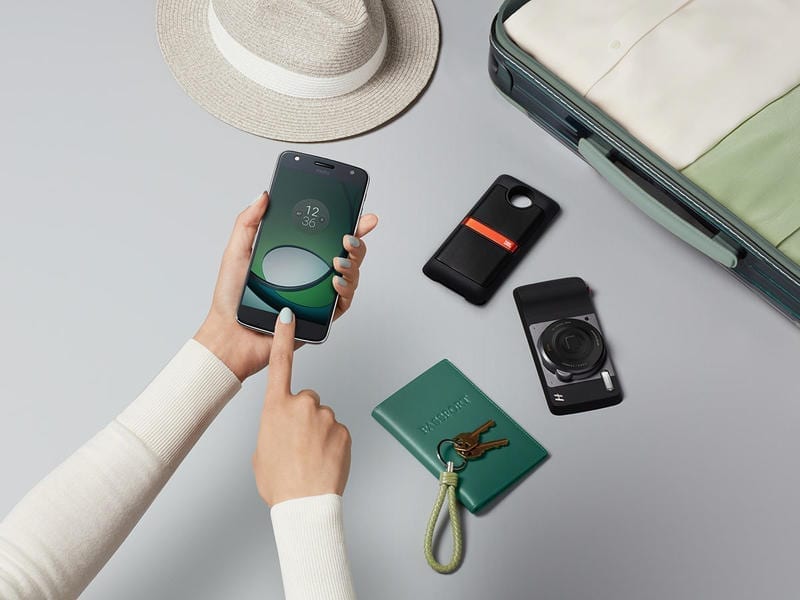
    It wouldn’t be that big a deal if the new Moto phones were all that arrived. This time, the Moto Mods will also be available: snap-on modules that expand the capabilities of the phones.

    Not only will the JBL SoundBoost speaker be available, so will the Hasselblad True Zoom camera, the Insta-Share projector as well as the Incipio offGrid Power Pack that adds both more battery as well as wireless charging capability.

    Motorola also brought in Style Shells to customise Moto phones: the Black Leather, Charcoal Ash, Silver Oak, Washed Oak and Crimson Ballistic Nylon and Black Herring will be available.

    They’re not available at retail as yet but will be on preorder on 11street and Lazada from November 4. The first 50 customers will also get a JBL speaker mod for free with purchases of either the Moto Z or the Z Play.

    Pricing-wise, the Moto Z is retailing at RM2699 and the Z Play at RM1799. The speaker mod will cost RM599, the Hassleblad camera mod is RM1299, the Insta-Share projector is RM1399 while the Power Pack is RM499.

    For the style shells, the Black Leather, Charcoal Ash, Silver Oak and Washed Oak are retailing at RM79 while the Crimson Ballistic Nylon and the Black Herring will cost RM59.


  • Hong Kong International Airport Invites Tender for  Two Anchor Travel Retail Concessions

    Hong Kong International Airport Invites Tender for Two Anchor Travel Retail Concessions

    Airport Authority Hong Kong (AA) has launched tenders for two anchor retail licences of liquor and tobacco concession and, perfume & cosmetics and fashion accessories concession in Hong Kong International Airport (HKIA). 

    Over the past years, the AA has been conducting intensive consumer research to understand passenger needs in regard to the anchor travel retail concessions.  The AA recognises the changing shopping behaviour of the travellers, and hence plans to use the tender opportunity to modify the retail spaces and concession mix in an effort to enhance customer shopping experience and excitement. 

    Cissy Chan, Executive Director, Commercial of the AA said, “As a world-class international and regional aviation hub for around 70 million passengers a year, it is critical that HKIA continues to offer a variety of attractive shopping choices for our diverse range of travellers. We will leverage this tender opportunity to take HKIA shopping excitement and relevance to the next level.”

    Under the two concessions, new product categories and activities will be introduced. The increase in total floor area will also further enhance flexibility, experimentation, product uniqueness and excitement to passengers. 

    The tender is open to all travel retailers, and interested parties can visit https://www.hongkongairport.com/eng/business/airport-authority/business-opportunities/1477621132870.html?invitation-to-tender for more details. Both tenders will close on 2 February, 2017 at 2:30pm and the selected retail partners will be announced in the second quarter of 2017.  

  • Astro partners StarHub to offer Go Shop in Singapore

    Astro partners StarHub to offer Go Shop in Singapore

    Astro Malaysia Holdings Berhard (Astro), a leading media company in Malaysia, and StarHub Cable Vision Ltd. (StarHub), a leading info-communications company in Singapore, have entered into a partnership to offer Go Shop, a 24/7 shopping destination on TV, online and mobile to customers in Singapore. Starting in November, StarHub customers will be able to enjoy a new way of shopping via informative and entertaining demonstrations on Go Shop. Go Shop is Mandarin channel (StarHub TV Channel 110), which officers customers 24/7 shopping on StarHub TV, or via any device of their choice.

    Dato’ Rohana Rozhan, Group Chief Executive Officer of Astro said, “Since its launch in January 2015, Go Shop has been providing Malaysians the comfort and convenience of Home Shopping on all screens and devices. We are privileged to now extend this service to our sophisticated and affluent Singaporean neighbours through our partnership with StarHub. Our aspiration and promise is to strive to provide compelling product and value propositions, in an entertaining and informative way.”

    Tan Tong Hai, StarHub’s Chief Executive Officer said, “We are pleased to partner Astro for the launch of Astro Go Shop on StarHub TV. As an info-communications company, we see synergy in creating a seamless and immersive shopping experience for our customers, while providing a trusted platform for businesses to reach out to a wider pool of customers beyond their shores. We have every confidence that Astro Go Shop will be a successful venture that appeals to both consumers and businesses.”

    Grace Lee, CEO of Astro GS Shop (AGSS) said, “We are happy to partner with StarHub, a leading consumer brand in Singapore with deep insights into customers’ media consumption and purchasing habits. We look forward to a win-win collaboration with StarHub in scaling the Go Shop customer base regionally and offering Singaporean customers a new experience with the best global products and services from Korean, Singaporean and Malaysian brands.”

    Go Shop offers fun and entertaining 24-hour shopping experience where products and services are demonstrated, promoted and sold on multiple platforms, currently through Astro in Malaysia. Go Shop was launched in Malaysia in January 2015 on TV, online and mobile, and has attracted over 500,000 customers and a total of 75 million online and mobile page views in Malaysia.

    Customers in Singapore can enjoy Go Shop via StarHub’s Mandarin language Channel 110, www.goshop.com.sg, and the Go Shop mobile app, downloadable from Google Play Store for Android users and Apple app store for iOS users in November 2016.

    Go Shop in Singapore is operated by Astro GS Shop Singapore Pte. Ltd, a 100% owned subsidiary of AGSS, which is a joint venture between Astro Retail Ventures Sdn Bhd – a 100% subsidiary of Astro and GS Home Shopping (GS) Inc., the global leader in TV home shopping with international presence in South Korea, Malaysia, China, India, Indonesia, Vietnam, Thailand, Turkey and Russia.

  • Football Club Barcelona to Launch Exclusive Store on JD.com

    Football Club Barcelona to Launch Exclusive Store on JD.com

    JD.com (Nasdaq:JD), China’s largest e-commerce company by revenue, and FC Barcelona, one of the world’s most popular football clubs, today announced the launch of the FC Barcelona Flagship Store on JD.com’s cross-border e-commerce platform, JD Worldwide. The exclusive store, FC Barcelona’s first store on a Chinese e-commerce platform, will offer a wide selection of authentic merchandise to the millions of FC Barcelona fans around China.

    FC Barcelona Flagship Store on JD.com
    FC Barcelona Flagship Store on JD.com

    FC Barcelona’s store on JD.com will feature a selection of official and authentic FC Barcelona merchandise from the world-famous club, including football kits, training gear, accessories and others. It will also feature special branded shirts from some of the club’s players, including Lionel Messi, Luis Suarez, Neymar, Andrés Iniesta and Gerard Piqué.

    “Fans of FC Barcelona from across China are getting an early Singles Day present with the launch of this store,” said Ting Qi, General Manager of JD Worldwide. “FC Barcelona is one of the best-known brands in global sports and we look forward to working with them to grow that position in China.”

    The FC Barcelona store on JD.com builds on the success of the club’s retail partnership with the Hong Kong-headquartered EZshopnet International Limited, which specializes in football e-commerce.

  • Globe Telecom expands Cartoon Network app in Philippines

    Globe Telecom expands Cartoon Network app in Philippines

    Globe Telecom in the Philippines is providing a major enhancement to its Cartoon Network Watch and Play app, allowing customers to livestream Cartoon Network and on-demand content via a new authenticated service.

    Globe customers will soon be able to log in to the free app using their username and password to unlock an array of value-added services, which includes livestreaming the channel on devices, games and access to full episodes on demand.

    In addition, Cartoon Network Anything – a micro-network that presents short-form content – is now offered as part of the Globe app bundle.

    “This partnership creates a truly unique and enjoyable second-screen brand experience for kids to enjoy and for parents to trust,” said Phil Nelson, Turner’s managing director in Southeast Asia.

    Both apps let kids enjoy their favorite characters and shows whenever. Fueling their imagination, they allow them to be a hero with Ben 10 and the Omnitrix, rule the Candy Kingdom with Princess Bubblegum, flip out with The Powerpuff Girls, or embark on mathematical adventures with Finn and Jake whenever they want.

    “Together with Turner, we are able to give our customers a more wonderful digital entertainment experience on mobile,” said Dan Horan, Globe senior advisor for consumer business.

    Dedicated data usage for the apps will be offset via a data wallet system, available via users’ subscription plans, meaning they won’t have to worry about eating into their monthly allowance.

  • ANZ suffers $265m hit over Asia exit

    ANZ suffers $265m hit over Asia exit

    ANZ has taken a major step toward exiting Asian retail banking and wealth management with an agreement to sell businesses in five countries to Singapore’s DBS bank.

    Australia’s fourth-largest lender on Monday said DBS will pay book value plus $110 million for assets in Singapore, Hong Kong, China, Taiwan and Indonesia.

    Chief executive Shayne Elliott, who is undoing much of ANZ’s expansion into Asia under predecessor Mike Smith, said the sale represented the bulk of the bank’s regional retail and wealth management businesses – with remaining assets in Vietnam, Laos, Cambodia and the Philippines under review.

    Mr Elliott said ANZ had not committed to further sales and would not be drawn on a timeline for a possible broader exit.

  • Eros inks mobile billing integration deal with ME telcos

    Eros inks mobile billing integration deal with ME telcos

    Eros Now, the digital OTT platform of Eros International, now has mobile billing integration capabilities with major telecom operators in the United Arab Emirates and Qatar.

    Mobile billing integration is at the heart of Eros Now’s penetration strategy to enable consumers to experience Indian entertainment, which includes Bollywood and regional content across major networks and devices, and will further enhance the platforms ability to monetize its user base.

    The tie-ups in the Middle East are with the leading local telecom operators including Ooredoo in Kuwait and Qatar, and Du in the UAE. Additional telecom partnerships throughout the region are currently being negotiated.

    Consumption of Bollywood content, including Hindi movies, music and TV series in the Middle East has been on the rise along with it also becoming one of the leading regions in the world in terms of smart device adoption.

    With an increasing number of handheld device users, the trend of online content consumption has markedly increased in the region. The South Asian diaspora in both of these markets is estimated to be over half of the population, which represents over five million people.

    Also, Bollywood content continues to be popular with the local Middle Eastern population in dubbed and subtitled formats – both of which are offered on Eros Now.

    “Eros Now’s philosophy is to be platform agnostic and embrace the very best in technology as we continuously enhance our content offering,” said Rishika Lulla-Singh, CEO of Eros Digital. “Recognizing the growing demand among Middle Eastern viewers for online video content, especially Bollywood entertainment, these mobile partnerships will give consumers entertainment and easy pay access, whenever and wherever they want it.”

  • Alibaba tipped to record solid quarterly revenue growth

    Alibaba tipped to record solid quarterly revenue growth

    Alibaba Group Holding, the world’s largest e-commerce company, is expected to report another strong quarter of sales in the three months to September 30, as its preparations intensify for the Singles’ Day online shopping festival next week.

    Analysts estimated New York-listed Alibaba’s total second-quarter revenue for its fiscal year that ends March would increase about 50 per cent year on year.

    “We model total revenue to grow 51.7 per cent to 33.64 billion yuan (HK$38.55 billion) versus [market analysts’] consensus estimate of 33.94 billion yuan,” Alicia Yap, the head of regional internet research at Citi Research, said in a report published ahead of Alibaba’s earnings announcement on Wednesday.

    Yap estimated Alibaba’s gross merchandise volume, the total amount of goods sold through the company’s vast online retail platforms, to have grown 22 per cent year on year to 872 billion yuan in the past quarter.

    Citi maintains a “buy” rating on Alibaba shares, and has raised its target price to US$133, up from the previous US$112.

    In an open letter to shareholders early this month, Alibaba chief executive Daniel Zhang Yong said: “During fiscal year 2016, our China retail marketplaces reached a historical milestone when annual gross merchandise volume transaction surpassed 3 trillion yuan, making Alibaba Group the largest retail ecosystem in the world.”

    In the three months to June, Alibaba reported a 59 per cent year on year jump in revenue to 32.15 billion yuan. The gross merchandise volume transacted on its China retail platforms rose 24 per cent to 837 billion yuan.

    Alibaba, which owns the South China Morning Post, runs four business segments – core commerce, cloud computing, digital media and entertainment, and innovation initiatives.

    Citi estimated Alibaba’s revenue from its core commerce business would reach 28.18 billion yuan in the quarter to September, up from 27.24 billion yuan in the quarter to June.

    That segment comprises the China and international online marketplaces operating in retail and wholesale commerce, including Taobao Marketplace, Tmall.com, Juhuasuan, 1688.com, AliExpress and Lazada.

    Citi predicted Alibaba’s cloud computing revenue would reach 1.56 billion yuan in the three months to September. Led by subsidiary Alibaba Cloud, it had revenue of 1.24 billion yuan in the quarter to June.

    Digital media and entertainment revenue was estimated by Citi to have reached 3.35 billion yuan in the past quarter. This segment, which includes UCWeb and Youku Tudou, had revenue of 3.13 billion yuan in the June quarter

    Alibaba’s innovation initiatives segment was forecast by Citi to have posted revenue of 550 million yuan in the three months to September, compared with 535 million yuan in the June quarter. This segment includes the YunOS mobile operating system and web mapping and navigation software AutoNavi.

    We want to offer a large variety of daily necessities to the city’s consumers

    Daniel Zhang Yong, Alibaba chief executive

    Last week, Alibaba said its introduction of the Singles’ Day shopping extravaganza and the Tmall.hk platform to Hong Kong would ramp up e-commerce services outside the mainland.

    “We want to offer a large variety of daily necessities to the city’s consumers,” Zhang said at the launch of Alibaba’s 11.11 Global Shopping Festival in Hong Kong.

    That kicked off a flurry of activities ahead of Singles’ Day, an annual event held on November 11 that will see billions of dollars of goods transacted on Alibaba’s online retail platforms within 24 hours, making it the world’s biggest online shopping event.

    At last year’s 11.11 festival, Alibaba posted a 60 per cent year on year increase in gross merchandise volume to 91.2 billion yuan.

    Daiwa Capital Markets analyst John Choi said in a report that sentiment on Alibaba was positive as “most investors now seem to have a better understanding of Alibaba’s ecosystem”. Daiwa has a “buy” rating on Alibaba.

  • More outlets, more health

    More outlets, more health

    Personal care retailer Watsons Personal Care Store (Philippines) Inc. is expanding its branch network by boosting its presence both in shopping malls and community locations.

    The company recently opened its 500th store and chose to celebrate this achievement in Cebu because of the store’s strong presence and high sales growth here.

    “In Cebu, we are growing in double digits,” said Sharon Presbitero, Watson’s Group marketing manager. Cebu has 31 Watsons outlets, majority of which are based in shopping malls.

    Watsons is set to open at least 30 more outlets before the end of this year, said Ma. Cecilia Canlas, the company’s marketing manager.

    Generics

    She said the company is planning to open 500 new outlets in the next two years.

    According to Presbitero, the company’s direction is to be highly visible in the community through its health care business, Watsons Pharmacy, which also carries the Watsons Generics brand.

    In the region, the Philippines is the only country where the company is more known as a beauty store, Presbitero said, but its roots in China are in pharmaceuticals.

    “We will be opening more community pharmacies in the country,” she said, noting that in the coming months,
    Watsons will be highly visible at street corners or busy markets, among other locations.

    While Watsons stores across the country already have pharmacy sections, Presbitero said that the company saw the need to open more pharmacy-centric outlets to serve communities that don’t have access to affordable yet high-quality medicines.

    Health line

    “Watsons now offers a wide range of health products from prescription to over-the-counter medicines and health supplements,” said Presbitero.

    Watsons in the Philippines launched Watsons Generics last year. About 10 to 12 Watsons outlets now have its presence in the community.

    Presbitero said the brand is gaining acceptance in the market as more consumers are now open to buying generic medicines versus the branded ones.

    “Before, we had to keep on pushing for consumers to buy generic medicines but as the years go by with market education and accessible information, it is the consumer now who looks for these generic medicines,” she said.

    The price of a generic medicine is 60 to 80 percent lower than that of a branded medicine. Watsons also offer vaccination services for flu, pneumonia, and cervical cancer, among others.

    Watsons Philippines is a joint venture of SM Prime Holdings Inc. and Hong Kong-based A.S Watsons & Co. Ltd.

    Watsons, which operates both in Europe and Asia, carries 13 retail brands in 25 markets. It also has a network of 12,800 stores in 37 countries.


  • Oculeus introduces real-time fraud traffic blocking

    Oculeus introduces real-time fraud traffic blocking

    OSS/BSS vendor Oculeus has introduced real-time traffic fraud blocking capabilities to its Oculeus Anti-Fraud offering.

    The new capabilities are designed to eliminate or significantly reduce revenue losses caused by fraudulent traffic by conducting the fraud evaluation and blocking in real-time before the start of a call.

    The new functionality, introduced in the new version 5.0 of Oculeus Anti-Fraud, uses a SIP redirect server and pre-call fraud detection engine to monitor and evaluate pre-call attempts.

    “Combating fraud and finding a solution to stop the severe revenue losses that fraud is causing are high on the agendas of executives and account managers of most providers of voice-based communications services in all regions around the world,” Oculeus CEO Amd Baranowski said.

    “The new Live Traffic Fraud Blocking capabilities will uniquely help services providers prevent more fraud than ever, even before revenue losses occur.”

    Baranowski said demand for Oculeus’ anti-fraud solution is high in Asia, and that as well as traditional operators, the company is experiencing demand from OTT players.

    “As many OTT players expand their services and functionality, their exposure to fraud also grows,” he said.

    “For instance, when the incoming and outgoing calls from an OTT service interact with the telephony network, the OTT is exposed to fraudulent activity, especially to expensive call durations and destinations.