Author: Mei Ling Tan

  • Ant Financial teams with Thailand’s Ascend Mobile

    Ant Financial teams with Thailand’s Ascend Mobile

    Ant Financial Services Group has announced a strategic agreement with Thailand fintech company Ascend Money.

    Under the agreement Ant Financial will invest in Ascend Money, with the aim of accelerating the growth of a mobile lifestyle and digital financial services platform in Thailand and support the company’s growth in Southeast Asia.

    Headquartered in Bangkok, Thailand, Ascend Money operates in six countries, including Thailand, Indonesia, the Philippines, Vietnam, Myanmar and Cambodia. Ascend Money targets two under-served groups, including digital consumers with its innovative mobile wallet application and the under-banked with its massive agent network.

    It currently provides payment services such as domestic and international remittance, bill payment, top up services, online and offline payments and payroll services. Future services will include lending, insurance and investment.

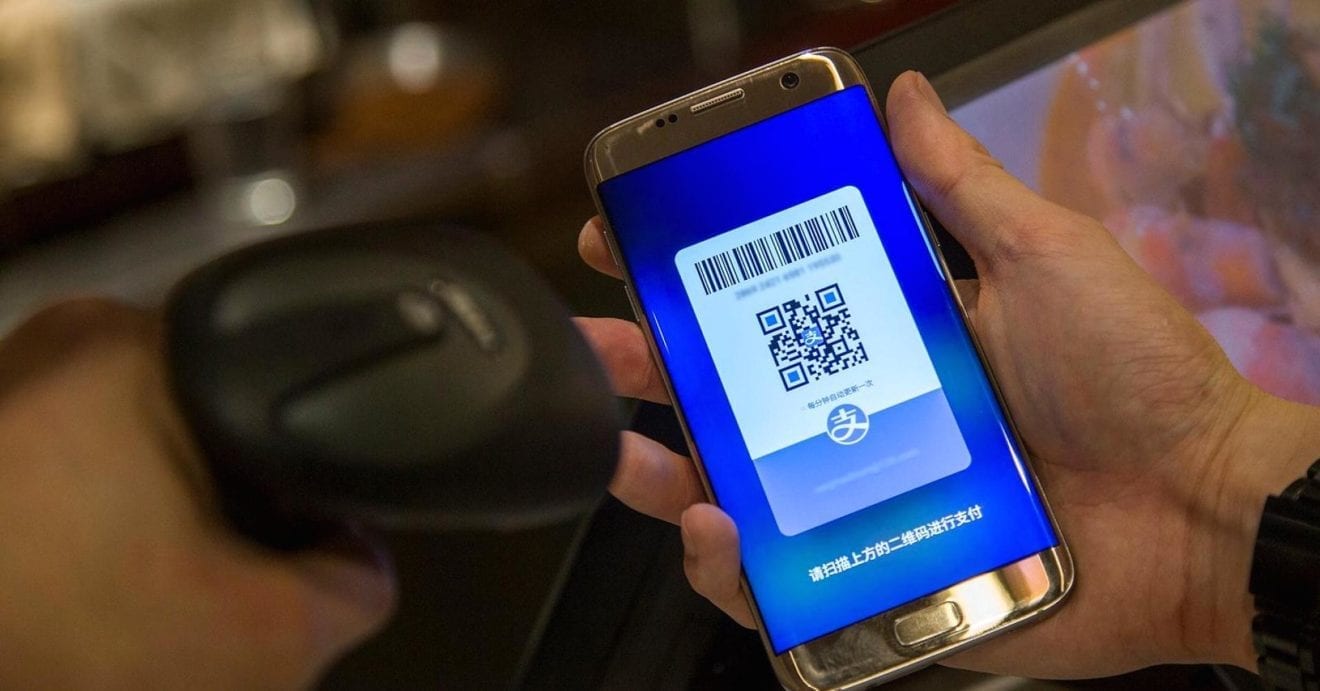
    Together with Ant Financial, Ascend Money will grow its online and offline payment and financial services ecosystem and strengthen its payment services for users and merchants. The deal represents Ant Financial’s first-ever investment in a Thailand-based company. With this partnership Ant Financial, which also runs Alipay, the largest mobile lifestyle and payment app in China, will provide Ascend Money with strategic and technical support for the growth of its business.

    Leveraging Ant Financial’s capabilities in payment, Big Data, risk control and cloud computing capabilities, the partnership with Ascend Money aims to offer Thai consumers comprehensive and equal access to financial services. Ascend Money is Ant Financial’s first partner in Southeast Asia and second globally after Paytm in India.

    “Ascend Money’s mission is to enable everyone access to innovative financial services, leading to better lives,” said Suphachai Chearavanont, Chairman of Ascend Group. “The shared vision of financial inclusion and company values in creating opportunity and sustainability have lead us to this partnership.”

    “Ant Financial is setting its footprint worldwide, not only to provide services for its Chinese users, but to promote equal access to financial services globally,” added Ant Financial SVP Douglas Feagin.

    “Partnerships are vital for Ant Financial’s growth and we want to work alongside companies around the world who share our missions.”

    In early 2015 Ant Financial joined forces with Paytm, the world’s fourth largest e-wallet, to promote secured digital payment to local users in India. Ant Financial is also working with dozens of global payment partners, including Concardis, Ingenico, Wirecard and Zapper in Europe, First Data and Verifone in North America, Paysbuy and Counter Services in Southeast Asia, Recruit in Japan and KICC and ICB in Korea.
  • Esprit Holdings’ sales decline is no surprise

    Esprit Holdings’ sales decline is no surprise

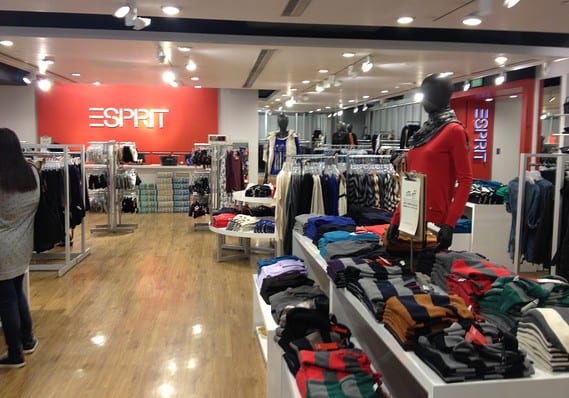
    In line with expectations, a first-quarter decline of 11.8 per cent in sales has been recorded by clothing, footwear, accessories, jewellery and housewares manufacturer Esprit Holdings.

    It says the results for the quarter ended September 30 were as expected following a reduction in operating costs and store footprint. The company reduced total controlled space (retail and wholesale) by 14.5 per cent, closing unprofitable stores. During the quarter it closed 9240 sqm of retail net sales area, (mainly concession counters in China), further reducing the group’s retail net sales area to 282,332 sqm.

    Because of structural pressure in its wholesale channel, its controlled space was also further reduced, by 13,304 sqm in the quarter to 343,448 sqm. Notwithstanding this, the decline in wholesale revenue was 11.4 per cent, reflecting an improvement in space sales productivity, Esprit said.

    While sales productivity continued to improve in July and at the beginning of August, this turned negative in line with general market developments. Since mid-August temperatures in Europe were far higher than during the same period last year, significantly impacting store traffic and initial sales of the autumn collections both offline and online.

    For the Asia Pacific, lower consumer traffic hit sales, as well as a strategic decision to restructure the company’s retail footprint and cut back on promotional activity. “As expected, these measures put short-term pressure on revenue, but they are crucial for Esprit to regain profitability in the mid-term,” said the group.

    “Despite the weak sales development in the first quarter, the group’s results remain on track and management stays focussed on the execution of the strategic plan: developing the vertical and omnichannel models; tackling the challenges in the wholesale channel and in Asia Pacific; and pushing the reduction of structural costs further in order to continue the recovery of the group’s overall profitability.”

  • OCBC adds Siri, iMessage support to Pay Anyone

    OCBC adds Siri, iMessage support to Pay Anyone

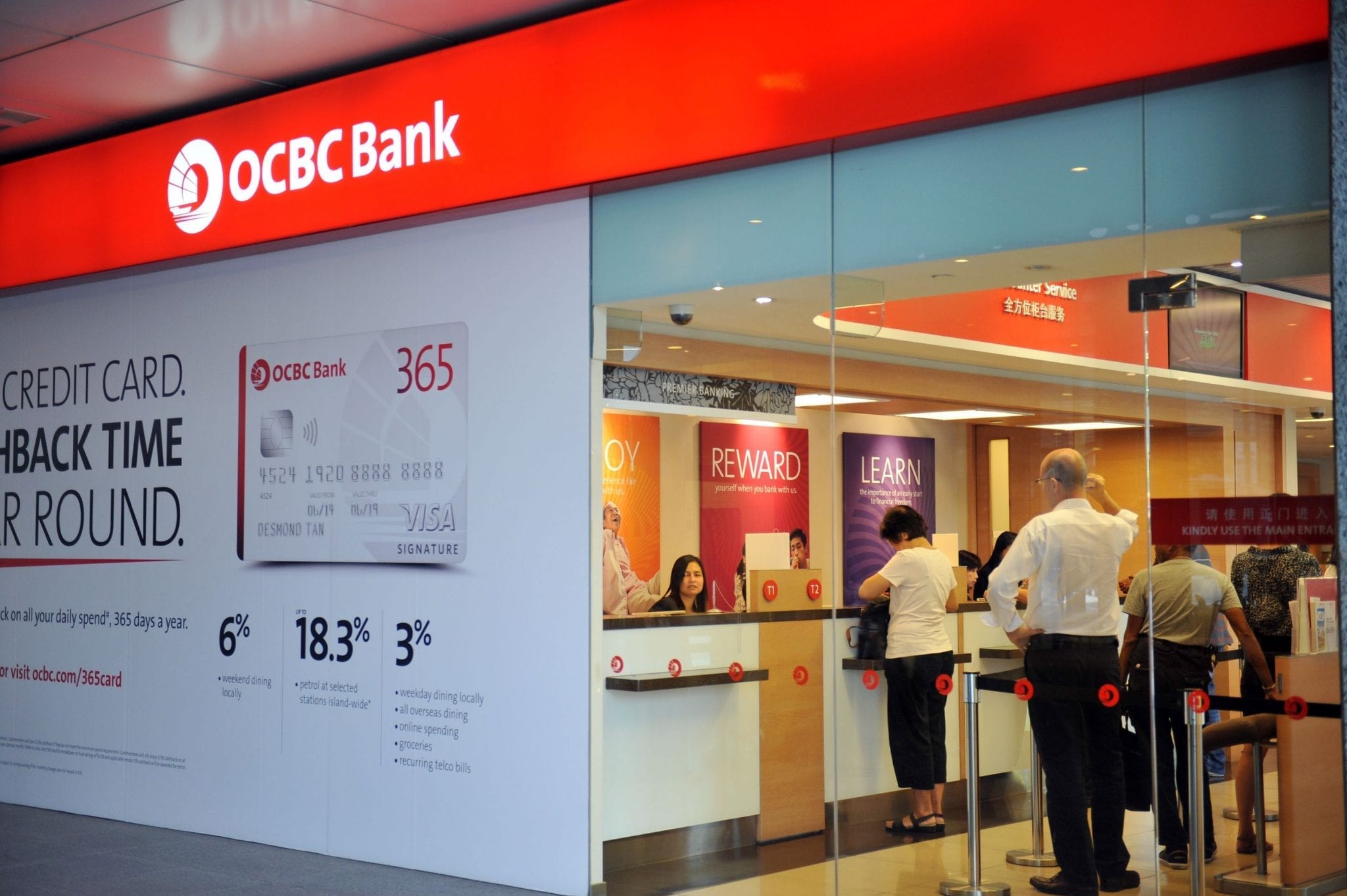
    OCBC Bank has integrated its Pay Anyone e-payment service with Siri and iMessage to enable peer-to-peer payments supported by voice and messaging technology

    OCBC has enabled payment commands on its mobile banking app to be facilitated via Apple’s Siri or iMessage.

    Users can now issue a voice command to Siri, Apple’s virtual assistant, specifying the payee and payment amount to make payments. Customers can also send money to others via iMessage, Apple’s messaging platform.

    The Siri and iMessage services for OCBC Pay Anyone, the payment service within OCBC’s mobile banking app, are available to all OCBC Bank customers using iPhone devices running the iOS10 software and the latest OCBC Mobile Banking app. Payments are authenticated by the customer using their mobile banking credentials.

    To send money using Siri, users need to instruct Siri with a voice command indicating whom from their contact list to send money to, and the amount to send. Upon making this request, the Siri interface will pop up on the iPhone, asking the user to confirm the payment details. Once the payment details are confirmed, the user will be guided to complete the transfer using OCBC Pay Anyone.

    Additionally, users can choose to send money via iMessage while texting their friends, without leaving the conversation by closing the messaging app or opening another app. Within the iMessage conversation screen, users can choose the OCBC Pay Anyone iMessage app to initiate payment directly to the person they are chatting with.

    The app automatically populates the recipient’s name, and the user just needs to indicate the amount to send and complete the transaction with OCBC Pay Anyone. Once the money is sent, the OCBC Pay Anyone app will close and the user can resume chatting within the same iMessage window.

  • Indonesia amends controversial internet law

    Indonesia amends controversial internet law

    Indonesia’s House of Representatives has passed amendments to the controversial Electronic Information and Transactions Law to reduce penalties and set more clear definitions.

    The strict law lays out tough penalties including jail time for online defamation and “online intimidation,” and has provoked controversy on multiple occasions due to its use to stifle what is seen as legitimate speech.

    The new amendments set a definition of what constitutes defamation to prevent a loose interpretation of the law.

    Additionally the revisions reduce jail time for defamation to four from six years, and for online intimidation to four from 12.

    The amendments also introduce a “right to be forgotten” – giving courts the ability to request the deletion of certain online information.

    In terms of enforcement the revisions include new regulation governing how state authorities should investigate internet-related crimes, and synchronize procedures on confiscation, seizure, arrest and detention with Indonesia’s criminal law.

  • Indonesian Muslim fashion brand penetrates British market

    Indonesian Muslim fashion brand penetrates British market

    Indonesian Muslim fashion brand Elzatta Dauky by Elhijab successfully penetrated the UK market at the Muslim Lifestyle Expo in Manchester city over the weekend.

    “Elzatta Dauky is participating in this exhibition for the second time, having appeared previously at the Indonesian Weekend,” the companys Head of Brand Strategy Ina Binandari said here on Tuesday. In addition to exhibiting Muslim fashion products, Elzatta Dauky also showcased 10 designs at a fashion show themed “Gloomessence.”

    The Muslim Lifestyle Expo, one of the biggest Muslim-focused fairs in the world, saw participation from over a hundred exhibitors from various countries, including the United States, Turkey, Germany, Russia, Austria and Malaysia.

    Elzatta Dauky was the only Indonesian participant.

    The organizers said more than 10,000 people from across the city had visited the exhibition.

    Speaking of the brands future plans, Binandari explained that Elzatta Dauky by Elhijab was gearing up to launch an online store in the United Kingdom.

    “Hopefully, with the online store, we will be able to meet the fashion demands of the Muslim community here,” Binandari stated.

    Reports from Thomson Reuters suggested Muslim consumer spending on food, lifestyle products, and services will reach an estimated 1.9 billion pounds sterling in 2020, up from the 1.3 billion pounds sterling seen in 2014.

    Data from the Office for National Statistics, released in late January 2016, show that the number of Muslims in the United Kingdom has, for the first time, exceeded three million, amounting to 3,114,992 people in 2014, equivalent to 5.4 percent of the total population of the country.

  • Big C profit grows despite challenging economy

    Big C profit grows despite challenging economy

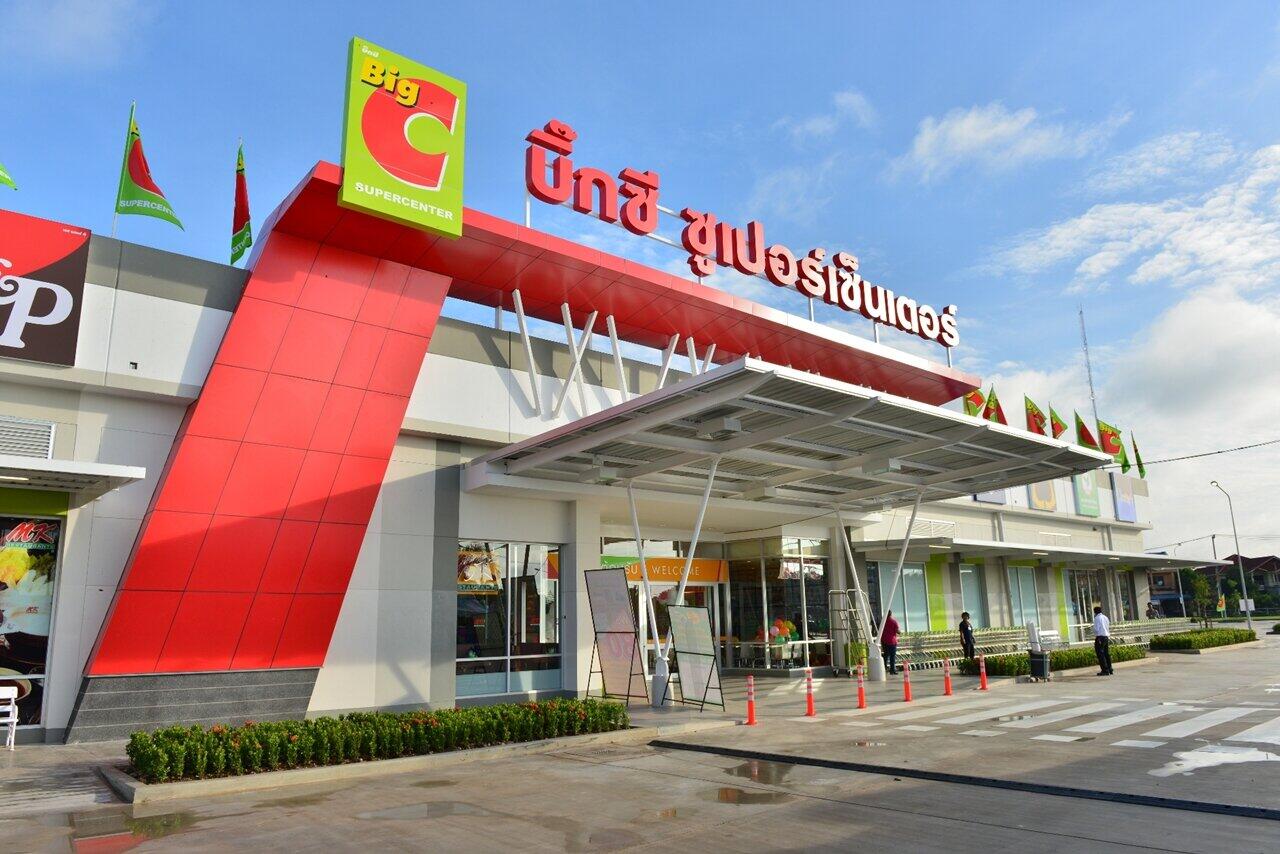
    Thai hypermarket operator Big C Supercenter boosted margins in the latest quarter despite the challenging economic climate.

    The company has reported continued resilient rental and service income growth, margin improvement across the board thanks to a focus on the quality of sales – delivering a “robust” Big C profit boost.

    The third quarter to September 30 was the first full reporting period of its new strategic focus on quality of sales rather than the absolute sales amount.

    “On our operations we continued our push to localise our offer in order to become the ‘Thai retailer with customers in our heart’ as we will be better positioned to serve local communities and their varying tastes,”explained Rumpa Kumhomreun, CFO & VP of accounting and finance, in a filing with the Thai SET. “Our work to capture synergies between BJC and Big C is continuing, and during the quarter we for example moved some of our private label tissue manufacturing to BJC. We also started serving Big C Soft Serve ice cream in pilot hypermarkets and Mini Big C stores. Our access to TCC “land bank” also made it possible for us to open an additional Big C Market store at Pantip Chiang Mai during the quarter.”

    The company also improved its online offer, rebranding its Cdiscount.co.th to Cmart.co.th, with over 70,000 SKUs available.

    Big C’s Total Revenues from retail sales, rental and service income, and other income, for the quarter reached Baht 25.892 billion – a decline of Baht 5.799 billion or 18.3 per cent over the same period last year. This decrease was driven by a retail sales decline of 20 per cent from the same period last year, and a same-store-sales decline of 22.6 per cent.

    “The significantly declining same-store-sales trend was driven by our strategic focus on the quality of sales rather than absolute sales volume,” said Kumhomreun.

    With a similar fall in expenses, however, Big C’s net income attributable to shareholders grew by 14.6 per cent to Baht 1.538 billion for the quarter, up Baht 196 million year-on-year.

    Gross profit margin reached 17.8 per cent for the quarter, representing an increase of 487 basis points from last year.

    Store expansion continued during the quarter in all store formats, with two hypermarkets opening in Phonphisai and Na Thawi, two Big C Market stores in Loei and Chiangmai, 23 Mini Big C stores including 15 franchise stores, and one Pure Drugstore. Those took the store count at the end of September to 128 large format stores (Big C Supercenter, Extra, and Jumbo), 59 Big C Market, 431 Mini Big C (including 21 franchise stores), and 142 Pure Drugstores.

  • IAG to construct freight facility

    IAG to construct freight facility

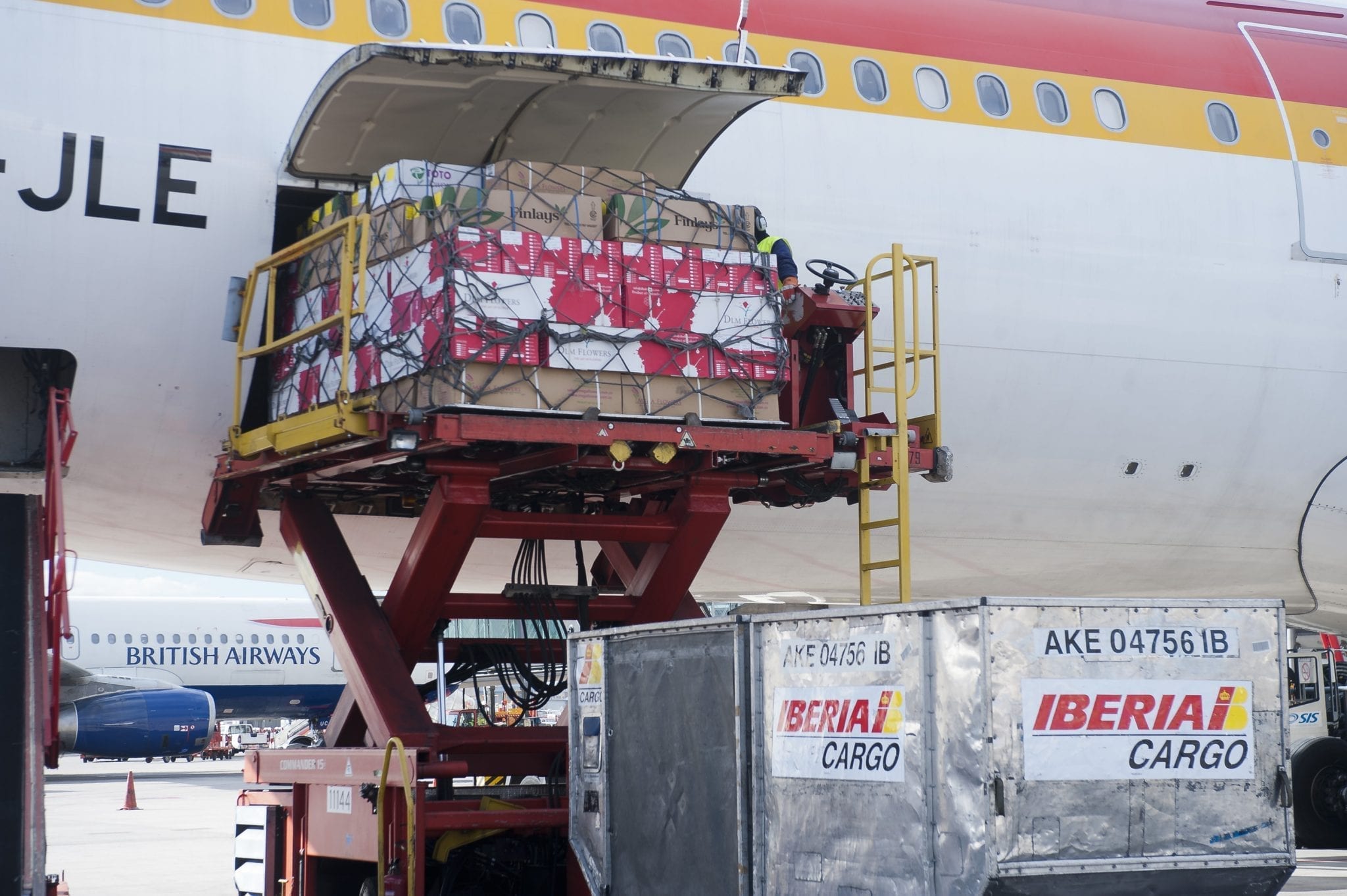
    IAG Cargo has announced that it is set to build a new premium freight facility at its London Heathrow Hub. The new building will be twice the size of IAG Cargo’s existing Premia facility and has been designed around the modern demands of premium airfreight.

    With a larger dedicated Constant Climate Quality Centre for pharmaceuticals; new delivery and collection doors and an advanced warehouse management system that will prioritise freight. The facility is designed to support the future demands of international premium trade.  Set to become operational in 2018, the building will operate alongside IAG Cargo’s existing Premia facility.

    The new building will manage the flow-through of all express Prioritise shipments and passive Constant Climate shipments.

    Drew Crawley, CEO of IAG Cargo said: ‘IAG Cargo’s four airlines now carry more premium freight than at any point in their combined history. With the continued growth of high speed e-commerce and cool chain logistics in particular , as well as the ongoing expansion of the IAG family and network, we need facilities that are ready for the next generation of premium freight.’

    ‘We believe that the  blend of our next generation aircraft, new freight facilities such as this one and our expanding  network means that IAG Cargo is extremely well positioned in the market to meet the current and future premium freight demands of all our customers. Our new premium warehouse will be built away from existing Premia, leaving our current operation and customer service unaffected.”

    Sarah Coulson, Head of Strategy and Business Development at IAG Cargo said: ‘Over the past few years we have continued to see year on year growth in premium freight. Our commitment to consistently deliver a high level of service to our customers has undoubtedly influenced our strong performance in this market. We want to continue our growth and performance in this sector and our new facility will help deliver this.’

    IAG is in the midst of a major fleet renewal programme, which is opening up new route opportunities and providing greater capacity on key trade lanes. The new facility will be designed to accommodate this growth, offering optimised handling capabilities and an enhanced premium proposition.

  • Pop-up cafe inspired by PPAP

    Pop-up cafe inspired by PPAP

    With a bright exterior and unusual menu, the world’s first official PPAP cafe opens in Tokyo tomorrow.

    PPAP? That stands for Pen Pineapple Apple Pen, a music video by Japanese comedian Kosaka Daimaou’s stage character Piko Taro. It made its debut on YouTube on August 25, receiving more than 7.9 million views and 4000 comments within its first month.

    ppap

    There are even spin-off products including Pen Pineapple Apple Bread from a Japanese bakery in Kanagawa. Now the comedian’s management company has teamed up with the Tree Village store area at the foot of Tokyo Skytree for an official cafe.

    The pop-up cafe, open until November 20, features Piko Taro surrounded by the colours of a golden pineapple, while the store sign includes images of a pen pineapple and an apple pen. The menu features items branded with the PPAP logo, including parfaits, pancakes, soft drinks, a burger, and fresh pineapple juice served inside a whole fruit. Prices range from 420 yen (US$3.99) for the tea up to 878 yen for the pineapple juice.

    Most of the items include a chocolate “pen” and slices of fruit so diners can act out the song while eating. Customers can also take home a souvenir coaster with each order. There will also be branded merchandise to buy

    Daimaou has meanwhile been awarded a Guinness World Record for the shortest song to appear on the US Billboard Hot 100 charts, where PPAP made its debut at number 77.

    Dragon Ball

    Also cashing in on Japan’s taste for the bizarre, three cafes are opening to pay tribute to anime hit Dragon Ball, which burst on to TV in Japan 30 years ago.

    In a collaboration with Tower Records, three Dragon Ball cafes will be opened in Japan, serving food and drinks inspired by creator Akira Toriyama.

    The cafe interiors will be decorated with art from the martial arts series, with the outlets in Tokyo’s Shibuya and Osaka’s Umeda neighbourhoods offering Vegeta Salad, Yamcha Spaghetti, and Bulma’s “I’ll Give You Romantic” Cake, all featuring character artwork. The drink menu includes beverages based on Goku’s Flying Nimbus cloud and the mystic Dragon Balls themselves, plus latte art coffee featuring Master Roshi’s insignia and the series logo.

    Tokyo’s second Dragon Ball Cafe, on the swanky Omotesando avenue in Harajuku, has a different food offering such as Goku’s Finishing Technique Kaio-ken Red Curry, Majin Buu’s Turn You Into Candy Sweets Plate, Flying Nimbus Pancake and Piccolo’s Ma Junior Soda.

    Customers will also receive special coasters while supplies last, plus there will be limited-edition merchandise.

  • India’s Trai sets 512kbps broadband speed minimum

    India’s Trai sets 512kbps broadband speed minimum

    The Telecommunications Regulatory Authority of India (Trai) has instructed the market’s fixed line operators to guarantee a minimum download speed of 512kbps at all times.

    In a new directive, Trai set the minimum required speed to be considered broadband at 512kbs and ordered the nation’s operators not to reduce their speeds below this even when throttling customers for excess data use.

    ISPs as well as mobile broadband subscribers have also been told to provide information on data usage limits, connection speeds and capped speeds in any advertisements published in any media covering broadband plans.

    New and existing subscribers must also be informed of this information over email or SMS.

    Finally, operators will need to provide alerts to customers via these channels when their data usage reaches 50%, 90% and 100% of their allocation, and to maintain a portal or website to allow users to access their usage at any time.

    Operators including Bharti Airtel, Reliance Communications and Sistema Shyam Teleservices had urged the regulator to allow throttling to speeds of just 64kbps to prevent misuse of fixed broadband services. With the directive this request has now been rebuffed.

    But on the other hand, the government had previously considered setting 2Mbps rather than 512kbps as the minimum speed.

  • Jollibee Foods counts down to 1000

    Jollibee Foods counts down to 1000

    Jollibee Foods (JFC) has opened the 991st branch of its flagship brand Jollibee in the Philippines, in the Ma-a area of Davao.

    It marks the start of its countdown to its 1000th store, to be unveiled in the first quarter of next year. Its expansion is spread around Cebu, Luzon and Metro Manila “so all the regions will be well represented”, says Jollibee corporate PR and events manager Dennis Reyes.

    “The 1000th store is symbolic, but we cannot divulge yet the exact location,” he says.

    The company opened its first branch in Cubao, Quezon City, and its latest story is the 26th in Davao and 115th in Mindanao.

    Reyes says the countdown campaign is part of Jollibee’s way of thanking its patrons, celebrating its continued expansion as well as the contribution to the local economy with an average of 70 jobs created for every new branch.

    JFC is investing P10.4 billion (US$214.8 million) for capital expenditure this year, with P7.5 billion set for the opening of 200 outlets as well renovations.

    For its latest six months, JFC netted P3.06 billion, or 13.4 per cent more than the same period last year, following a 14.9 per cent increase in system-wide retail sales to P71.45 billion.

    At the end of June, the company had 2528 restaurant outlets in the Philippines under the brands Burger King (62), Chowking (457), Greenwich (237), Jollibee (939), Mang Inasal (455) and Red Ribbon (378).

    JFC also has a 50 per cent interest in 12 Hotpot, Highlands Coffee and Pho 24 (Vietnam), plus a 40 per cent interest in Smashburger (US).

    Outside the Philippines, Jollibee has 80 stores including Vietnam (32) and Hong Kong (1).

  • Samsung Pay to expand to Malaysia, Thailand

    Samsung Pay to expand to Malaysia, Thailand

    Samsung Electronics has confirmed Samsung Pay Thailand will make its debut before the end of this year.

    Thailand, Malaysia and Russia are three of 10 new markets where the payment technology will be introduced.

    Samsung Pay has also announced a global partnership with MasterCard to offer a simplified online payment and express checkout solution through its digital payment service Masterpass, starting early next year. Hundreds of thousands of merchants in 33 countries currently accept Masterpass for online payments.

    “When we introduced online payments in South Korea last year, the service was well received by the market.

    Online payments accounted for more than 25 per cent of the 2 trillion won in processed transactions, demonstrating that consumers may be actively looking for solutions to make their online experiences faster, simpler and secure,” said Thomas Ko, VP and Global GM, Samsung Pay, Mobile Communications Business at Samsung Electronics.

    Samsung Pay will provide consumers with a seamless online payment platform with benefits including:

    • Express Checkout: Skip the process of filling out long online forms. With the express checkout solution, customers will be able use their Mastercard debit or credit cards along with the shipping information saved on their Samsung Pay account to quickly complete online transactions.
    • Make Purchases from Any Device: Customers can make online purchases from a computer, tablet or smartphone while shopping on their favorite sites or apps.
    • Secure Transactions: Security remains our top priority. When making online payments, a unique token is used in an encrypted form – not the actual debit or credit card number. Users can authenticate transactions using secure methods including a fingerprint scanner, which is built into Samsung’s mobile devices.
  • Latest results show Indonesian recovery still patchy

    Latest results show Indonesian recovery still patchy

    The earnings of Indonesian companies as of September has revealed a patchy recovery in local firms as they continue along a bumpy road with persistently weak demand. However, efficiency and currency gains are compensating for financial pressures.

    The mixed results of the January to September financial performance of publicly listed firms is reflected in the performance of the benchmark Jakarta Composite Index (JCI), which has hovered around the 5,400 level for the past two weeks during corporate earnings announcement season.

    “The 50:50 result, by which half of the listed companies announced higher-than-expected earnings while the other half were bad, brought the index nowhere,” Recapital Securities analyst Kiswoyo Adi Joe said on Tuesday.

    Indonesia’s economy is expected to recover this year and reach a 5 percent growth rate from a six-year low level of 4.79 percent last year.

    But sluggish global demand and a slump in commodity prices are hampering sectors such as trade, mining and agribusiness, while consumer goods, infrastructure and financial companies are showing resilience, according to the JanuarySeptember financial reports submitted to the Indonesia Stock Exchange (IDX).

    Diversified conglomerate Astra International, whose miningrelated business is being hit by low prices this year, saw net profits contract by 6 percent to Rp 11.28 trillion (US$865.3 million). Revenues were 4 percent lower in the January-September period year-on-year (yoy).

    “Astra’s performance is a reflection of our domestic economy. If it’s good, we can hope the economy will move faster,” Kiswoyo said. The second largest listed Indonesian company by market value has seven business lines from automotives and palm oil to finance and heavy equipment.

    Cigarette maker HM Sampoerna, Indonesia’s largest company by market value, saw net profits surge 20 percent to Rp 9.1 trillion on the back of huge financial revenues and a 7.3 percent rise in sales to Rp 70.3 trillion in the January to September period yoy.

    Another consumer goods giant Unilever saw its net sales and net profits grow by 9.5 percent and 14.3 percent yoy, respectively. The company’s efforts to lower operating costs included lowering advertising and promotions spending in the third quarter of this year from the previous quarter.

    Instant noodle maker Indofood CBP saw its sales increase by 10 percent while its net profit jumped by 19.1 percent.

    Overall, consumer goods stocks on the IDX rose by 0.57 percent during the earnings announcement season in October as the benchmark stock index flat-lined.

    In the telecommunications sector, a stronger rupiah has helped XL Axiata reverse its losses although its revenues dropped by around 5 percent.

    Financial revenues from interest on time deposits and plunging costs have also helped state-owned miner Aneka Tambang (Antam) prop up its earnings. The state-run miner reversed its losses amid sales that contracted by more than 28 percent and costs that dropped by almost 30 percent.

    In the financial sector, banks booked varying results. State-owned lenders mostly recorded positive performances across the board, but private companies recorded gloomier results as their credit growth was still floating around or even below the industry average.

    Going forward, banking remains the overweight sector for First Asia Capital analyst David Sutyanto.

    “Banking will perform well because they’ll get fresh funds from the tax amnesty,” David said. “Second, the mining sector will get a windfall from rising commodity prices.”

    The government’s ongoing tax amnesty runs from July this year to next March and has seen nearly Rp 3.9 quadrillion in assets declared, of which Rp 143 trillion have been repatriated from overseas.

  • Vudu picks Ooyala for new free streaming servic

    Vudu picks Ooyala for new free streaming servic

    Ooyala now powers the new advertising (AVOD) service, Vudu Movies on Us, from Vudu, Walmart’s subscription-free, premium video streaming service.

    Advertisers are now able to access Vudu’s millions of customers, reaching millions of streams every month across thousands of titles on connected devices.

    Ooyala is the exclusive technology provider for Vudu’s entire free-ad-supported service and is also representing the advertising inventory, helping them expand the business beyond the current leading transactional-based (TVOD) service.

    Vudu uses Ooyala Pulse, Ooyala’s holistic advertising platform, to manage every campaign running across its ad-supported service in real-time. With forecasting capabilities that come out-of-the-box with Ooyala Pulse, Vudu can see if campaigns are on track to reach their goals and impression commitments. If not, Vudu is able to adjust and optimize campaigns on the fly to ensure all campaigns are successful.

    Also, Ooyala is powering all video for Toca TV, the first video streaming service from Toca Boca.

    With Ooyala, Toca Boca now delivers its extensive video library of original and curated content to its global audience as the company moves into a new category of kids’ entertainment.

    To maximize viewership and return on every asset, they chose Ooyala as its technology partner to deliver personalized recommendations so its audience engages longer and gets the most value out of every video, everytime.

    Using Ooyala Discovery, Ooyala’s content recommendation technology, videos are served based on contextual factors such as like-viewing patterns on similar devices and geographical locations.

  • Smartfren launches carrier billing with Fortumo

    Smartfren launches carrier billing with Fortumo

    Indonesia’s Smartfren has launched direct carrier billing for the operator’s 12.5 million subscribers, in collaboration with mobile payments company Fortumo.

    The partnership will allow Smartfren to support carrier billing from Google Play and the Windows Phone Store, as well as select digital media and gaming companies.

    The World Bank estimates that only around 5 million of Indonesia’s 250 million citizens have a credit card, limiting most customers’ access to online content. By contrast over 65 million Indonesians own a smartphone.

    “With direct carrier billing supported by Fortumo, our subscriber will be able to purchase their in-app items and premium memberships as easy as deducting their own Smartfren balance or bill, and this is fully supported by our widest 4G LTE network for the best experience to enjoy the services,” Smartfren SVP of digital services Revie Sylvaina said.

    In August, Smartfren rival Indosat Ooredoo made a similar deal to bring Fortumo’s direct carrier billing services to its own mobile customer base. Fortumo has also recently announced partnerships with Tri in Indonesia and Globe Telecom in the Philippines.

  • Apple to Build Innovation Center in Indonesia

    Apple to Build Innovation Center in Indonesia

    Industry Minister Airlangga Hartanto supports US-based technology giant Apple’s plan to build innovation centers in Indonesia. He hopes the facilities will trigger the use of domestic components and raise the number of app developers in Indonesia.

    “They have expressed their commitment to build innovation centers along with Apple’s plan to enter Indonesia’s market,” Airlangga said in a press release yesterday, October 27, 2016.

    The Apple innovation centers will be built in three locations, aimed at creating the latest digital technology, including the development of apps that can be used on their production devices.

    According to Airlangga, Apple sees a huge market potential in Indonesia. In the last five years, the number of mobile telecommunications subscribers has increased four times to 211 million. In Indonesia, the number mobile phones used is estimated to reach 300 million units.

    The Industry Ministry noted that in 2014, Indonesia imported 57.7 million units of mobile phones, 59,000 units of handheld computers and 5.7 million units of tablet computers. In 2015, the number declined; replaced by products assembled in Indonesia.

    Today, there are 17 manufacturing industries capable of assembling mobile phones, handheld computers, and tablet computers.