Author: Mei Ling Tan

  • LANDBANK introduces mobile lending for medicines

    LANDBANK introduces mobile lending for medicines

    The Land Bank of the Philippines (LANDBANK) has introduced a new mobile lending program for the purchase of essential drugs.

    LANDBANK, a  government financial institution, has teamed up with branded generic drugs company RiteMed to expand the use of its electronic salary loans program.

    The LANDBANK Mobile Loan Saver (LMLS) launched in September 2014 and has since gained a large following among government employees, farmers and fishers, small and medium enterprises, overseas Filipinos and private sector employees.

    Under LMLS, customers can easily apply for a loan using their mobile phone and get quick credit decision from LANDBANK regarding their application. As of August 2016, total loans released under LMLS amounted to over 12 billion pesos.

    The RiteMed partnership will allow loan borrowers to allocate a portion of their approved net loan proceeds for the purchase of medicines. RiteMed will also make available a range of maintenance medicines at discounted prices.

    Medicines ordered via LMLS will be delivered for free in sealed packs to the concerned government agency or company office where the borrower is employed, within a week from the time of loan approval and release.

    “We understand the financial burden of high medicine costs on many Filipinos, which is why through this initiative, we hope to provide LMLS borrowers with access to affordable and quality medicines. This is yet another showcase of the endless possibilities in terms of financial technology and digital lending, especially as we hope to reach out and provide financial and other services to more Filipinos across the country,” said LANDBANK Officer-in-Charge and Executive Vice President Cecilia C. Borromeo.

    Started as an initiative in response to the Philippine government’s call for private companies to reduce the prices of essential drugs, RiteMed started manufacturing and marketing 20 off-patent, low-cost essential drugs that were 20% to 70% cheaper than their equivalent counterparts in 2002.

    Today, its product has grown to include almost 200 medicines for diabetes, hypertension, high cholesterol, infection, pain, kidney, gastro-intestinal, asthma and allergy, cough and colds and vitamins.

    Vincent Patrick Guerrero, general manager of RiteMed, said in a media statement that the company is optimistic that with the technology behind LMLS and the nationwide network of LANDBANK, they would be able to fulfill the objective of RiteMed to provide access to quality healthcare for all Filipinos.

  • Nestlé aims to boost e-commerce contribution to revenue

    Nestlé aims to boost e-commerce contribution to revenue

    Nestlé (Malaysia) Bhd expects to increase its e-commerce contribution to its revenue from the existing one per cent to 10 per cent within the next three to four years. This 10 per cent, according to its managing director, Alois Hofbauer would translate to some RM500 million.

    “We are already the market leader within the nutritional, health and wellness segments in this country. Right now, it is not just about expanding but continuously strengthening our position,” he told Business Times on the sidelines of Lazada’s biggest online shopping event launch, the ‘Online Revolution’, this morning. “We already have our e-commerce platform, as well as ongoing partnership with Lazada and 11street.

    Going forward, we will be increasing our partnership numbers within this space.” He explained that the Nestlé Malaysia catalogue alone amounted to the hundreds but it is difficult for physical retailers to carry all of them. “With an e-commerce platform, we will be able to offer all our products and to all corners of Malaysia. It doesn’t matter if you’re in the Klang Valley or Terengganu outskirts, we will be able to provide our products for you,” said Hofbauer.

    He also stressed that this continuous increased demand would also mean a positive impact to all its stakeholders, from farmers who supply the raw products, to shareholders and to also the government as Nestlé is here for the long term. “We have seen some minor impact given the Goods and Services Tax (GST) and otherwise subdued economic landscape, but the foods and beverages (F&B) industry is resilient and we will continue to grow.”

    The company registered a total turnover of RM4.8 billlion in its 2015 financial year and has been growing at a rate of five per cent, beating the F&B industry’s overall growth of two per cent, also in 2015. Hofbauer was earlier part of the five-person panel alongside Lazada Malaysia’s chief executive officer, Hans Peter Ressel; L’Oréal Malaysia’s business head of consumer product division, Manashi Guha; Samsung Malaysia’s head of consumer electronics, Jimmy Tan and Vinda Group’s commercial director, Tony Sperrin in discussing the impacts of e-commerce on Southeast Asia’s retail landscape.

    “The growth in Malaysia in particular has been tremendous as we have seen a triple digit growth year on year on Lazada,” said Ressel. “We expect this momentum to continue because right now we are reaching further into the outskirts of Malaysia as we see a higher demand there versus Klang Valley. That being said, Malaysia will continue to be one our key markets.” The ‘Online Revolution’ on Lazada will run for a month from November 11 to December 14 and will feature the participation of over 1,000 brands and 55,000 international and local merchants.

  • Why Victoria’s Secret needs to push a lot of bras at new shop

    Why Victoria’s Secret needs to push a lot of bras at new shop

    Nothing lasts forever.

    Fashion retailer Forever 21 is to withdraw from its Causeway Bay mega flagship store, billed as the most expensive commercial store by rent in Hong Kong.

    The iconic location on Jardine Crescent, which serves as a meeting point for young locals who seek to avoid the hordes of mainlanders outside Sogo, will be taken up by Victoria’s Secret.

    Media reports say the US lingerie chain, which is well known for its sexy bras and gorgeous models, has inked a 10-year lease for the 51,188-square-foot property at HK$7 million a month. 

    That is almost half what Forever 21 is paying now in monthly rental for the six-storey retail space.

    The fashion retailer is coughing up about HK$13.8 million per month, making the space the most expensive of the firm’s over 500 outlets in nine countries, after signing a six-year lease in 2010.

    To get the prime property, Forever 21 was said to have offered a 100 percent increase in rents that started at HK$11 million, helping it dislodge long-time tenants such as Giordano, Watson and Café de Coral.

    That lease will end next August.

    With its decision now to move out of the premises, the US fast-fashion chain has joined a group of foreign brands such as Coach and Gap that have stopped expanding in Hong Kong due to a weak retail sector outlook amid a fall in mainland visitor numbers to the city.

    Last year, Coach made a multimillion-dollar payment to walk out of a lease at Hing Wai Building at 36 Queen’s Road in Central.

    The 13,000-square-foot shop was then taken up by Adidas for HK$4.34 million a month, significantly less than what Coach had been paying.

    Opposite to the former Coach flagship store was the former Gap flagship store, which had been leased for HK$5 million per month since 2010.

    But this year, Gap has discontinued its Mongkok shop in MPM Plaza, according to Apple Daily.

    Meanwhile, Forever 21 moved across to Mongkok in September, opening a 19,000-square-foot outlet at the Pakpolee Commercial Centre, its second outlet in Hong Kong.

    Now, coming back to the new tenant that will replace Forever 21 at Capitol Centre in Causeway Bay, the question for Victoria’s Secret is this: how many sexy bras will it need to sell to be able to pay the rent?

    Assuming an average HK$500 price for push-up bras, the premium lingerie maker would need to sell at least 466 bras per day to meet the rent.

    As rent usually accounts for a third of the cost of sales, that would mean that Victoria’s Secret will have to peddle 1,400 bras per day before making a single dollar of profit.

    In other words, they need to sell more than half a million bras in one store alone in a year.

    Over the 10-year rental period, the store will need to sell over 5 million bras, something we would imagine wouldn’t be too easy.

    Given this, don’t be surprised if you see the retailer opt for a lift in its product prices.


  • Nokia to supply Globe Telecom in the Philippines

    Nokia to supply Globe Telecom in the Philippines

    Nokia and Globe Telecom, a leading telecom operator in the Philippines, on 24 October signed two Memoranda of Confirmation frame agreements – one for wireless technologies and the other for IP, Optical and SDN technologies – under which Nokia will transform Globe Telecom’s current fixed and mobile networks into a more robust network that will help Globe meet the country’s burgeoning and future digital demands.

    This will enable Globe Telecom’s move to Cloud and IoT-ready networks and 5G.

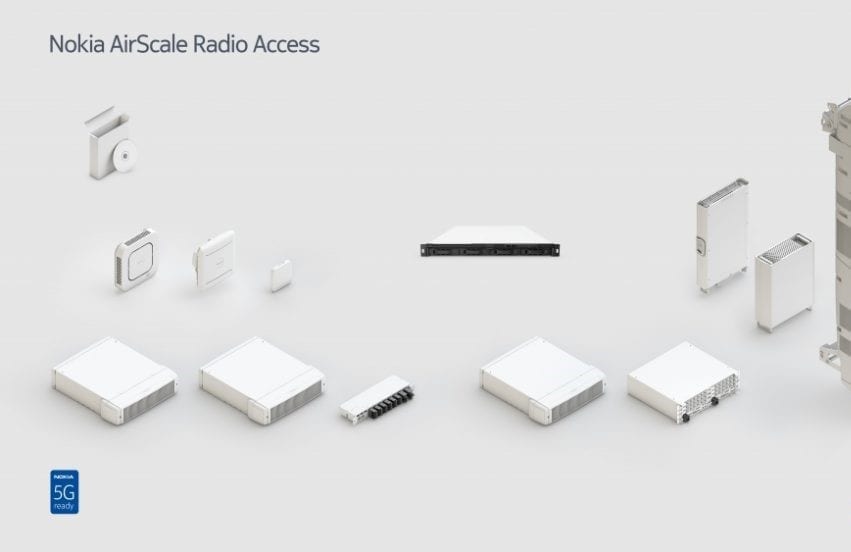
    Under the agreements, Globe Telecom will transition to a flexible cloud-based network infrastructure, with Nokia’s 5G-ready AirScale radio access and IP, optical and carrier SDN technology solutions providing seamless connectivity to consumers and enterprise customers. The modernized Globe network will also allow it to support the Philippine government’s initiative to further expand the availability of broadband services in the country.

    The mobile network frame agreement between Nokia and Globe Telecom follows the operator’s recent access to new LTE spectrum. Nokia will deploy its 4.5G Pro technology using the 5G-ready AirScale Base Station and Flexi Zone small cells, managed by NetAct, in the Visayas and Mindanao regions, providing broadband access to some areas in these regions for the first time. Globe will also be enabled to use Mobile Edge Computing and advanced carrier aggregation techniques to deliver virtually unlimited scalability and dramatic improvements in speeds and capacity that will deliver compelling new services. The technology will also enable lower power consumption, reduced operating costs, more network automation and enhanced network performance as it transforms Globe Telecom’s customer experience for a subscriber base growing at 10 percent annually, as well as meeting increasing demand from IoT devices.

    In the second frame agreement, Nokia will deliver its integrated IP and optical networking and carrier SDN technologies across the Philippines to enhance the agility, quality, performance, coverage and capacity of Globe Telecom’s enterprise data services network. This will allow Globe to deliver coverage to more regions including in the ARMM, such as Lanao del Sur, Maguindanao, Basilan, Sulu and Tawi-Tawi. Using Nokia’s carrier SDN platform, Globe will also be able to provide flexible data services such as bandwidth-on-demand nationwide, and expand its offer to thousands of enterprise customers, global service providers and local government agencies as well as those serving the Information Technology-Business Process Outsourcing (IT-BPO), hospitality, education, manufacturing, retail, healthcare, logistics and finance industries.

    “As the Philippines’ leading fixed and mobile service provider, we are devoted to improving people’s connected lives day-by-day. With Nokia’s innovative technologies, we are confident to lead the 5G and cloud network evolution,” said Ernest L. Cu, president and CEO of Globe Telecom.

    “This is a significant agreement with a longstanding technology partner, and strengthens Nokia’s position as Globe Telecom’s premier provider of end-to-end technology solutions. We are committed to delivering technologies that allow operators to transition smoothly to intelligent, future-proof networks, offering seamless connectivity and changing how people communicate and connect,” said Mike Wang, head of the joint management team in China at Nokia.

  • The Luxury Collection Hotels & Resorts makes Singapore debut

    The Luxury Collection Hotels & Resorts makes Singapore debut

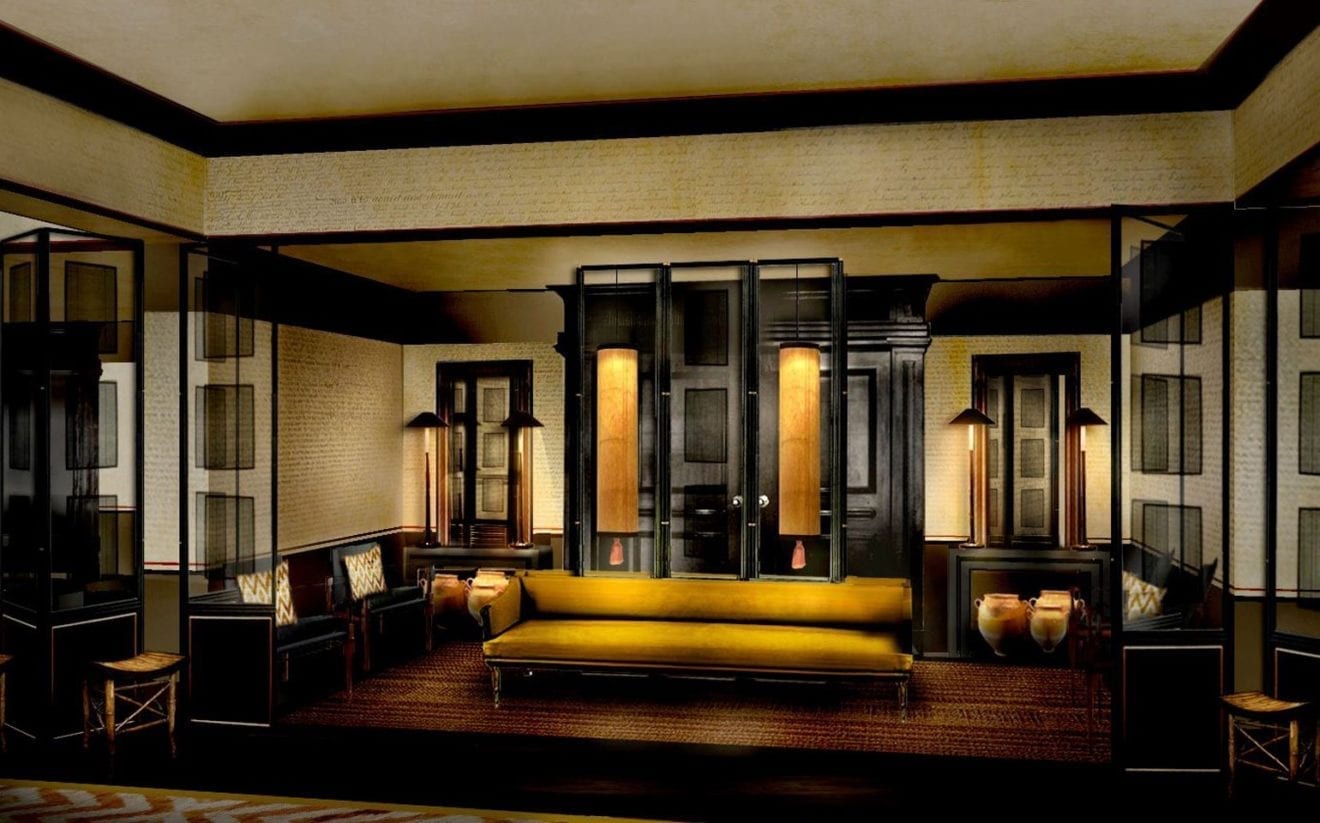
    The Luxury Collection® Hotels & Resorts, part of Marriott International, today announced it will debut the brand’s first-ever hotel in Singapore in early 2017. In partnership with boutique developers Harpreet and Satinder Garcha, The Duxton Club, a Luxury Collection Hotel, Singapore will showcase the island’s rich history with stunning redesigns from Anouska Hempel and Jacques Garcia of traditional shophouses–a prevalent building in Singapore’s architectural heritage–in the Tanjong Pagar conservation district. Both preserving the past and offering guests a contemporary luxury experience, the multi-million-dollar renovation will bring to life Singapore’s roots in an authentic and indigenous way.

    “The debut of a hotel in Singapore in collaboration with two iconic designers marks an important milestone for The Luxury Collection, as we continue to expand our global footprint in new destinations around the world,” said Meredith Dichter, Global Brand Director, The Luxury Collection. Recently surpassing 100 hotels in more than 30 countries, our mission to offer global explorers truly indigenous experiences wherever they travel will reach new heights with the opening The Duxton Club next year.”

    “We are thrilled to bring The Luxury Collection to Singapore,” said Rajit Sukumaran, Senior Vice President, Acquisitions & Development, Marriott International Asia Pacific. “We are confident that The Duxton Club will make its mark on the country’s highly competitive hospitality market, and we’re proud to work with Harpreet and Satinder Garcha, who are passionate about design and adaptive-reuse heritage projects.”

    The Duxton Club will reside in two pre-war colonial shophouse buildings within walking distance of one another: The Duxton House on Duxton Road and The Duxton Terrace on Murray Street. Strategically situated in the Duxton area, the two buildings are adjacent to the emerging Central Business District of Tanjong Pagar and border the culturally rich Chinatown area. In recent years, the neighborhood has enjoyed a revival, emerging as the epicenter for today’s global traveler as one of the island’s most stylish leisure and dining neighborhoods. The Duxton House is expected to open in early 2017, while The Duxton Terrace is slated to open in July 2017.

    Originally constructed in the early 19th century, The Duxton House features 50 guestrooms in eight adjoining three-story buildings reimagined by celebrated designer Anouska Hempel, whose comprehensive interior design background spans hotels, restaurants, retail spaces and luxury residential projects including the Hempel Hotel and Blakes Hotel in London, and high-end retail stores around the world such as Van Cleef and Arpels and Louis Vuitton. Under the strong interior design identity of Hempel, The Duxton House will be restored to its former glory with rich oriental influences that honor the property’s unique heritage and timeless sense of luxury and glamour. Once completed, the hotel will include a destination restaurant, signature bar and private cigar room – all offering refined experiences for discerning guests seeking authentic, indigenous experience deeply rooted in the destination.

    Just 600 feet away, with convenient access to the upscale establishments of Tras Street and Club Street, The Duxton Terrace comprises fourteen adjoining three and four-story colonial-era buildings with 138-guestrooms. Originally, completed in 1929, the structure likely served Chinese merchants before being converted to army barracks. Since then, the building has been adapted for different purposes, from housing a hawker food alley to restaurants and office space. The property’s most recent renovation project received the Architectural Heritage Award from the Urban Redevelopment Authority, further solidifying the building as a cherished and historic landmark.

    The Duxton Terrace will be restored to its original grandeur by renowned architect and designer Jacques Garcia, whose extensive design portfolio includes the restoration of The Louvre and The Palace of Versailles. The hotel will house five captivating food and beverage venues including a signature bar and lobby bar, an all-day dining restaurant, a poolside bar and an exclusive member’s club. Additional facilities will include an outdoor swimming pool, fitness center and cigar room. Guests of The Duxton Club will enjoy full use of the facilities at both premises.

    Satinder Garcha, CEO of Garcha Hotels, said, “Using our mutual strength to re-create the charms of a bygone era, the adaptive reuse of such historic buildings by two of the world’s best designers, Anouska Hempel and Jacques Garcia, will offer guests an unforgettable boutique hotel experience while contributing to urban sustainability and preservation of our vibrant past.”

  • Indonesia Sees 8.5% Increase of Tourists until September ThisYear

    Indonesia Sees 8.5% Increase of Tourists until September ThisYear

    Indonesia recorded 8.36 million visits by foreign tourist until September this year or an increase of 8.5 percent year-on-year.

    Tourism Minister Arief Yahya said here on Thursday the increase gave greater optimism that the target of 12 million visits by foreign tourists to the country this year would be achieved.

    “In three consecutive months – July-August and September, the number of visits exceeded one million. We hope that the number would be larger in October, November and December,” the minister said.

    In September, there were 1,006,653 foreign tourist arrivals or an increase of 9.40 percent year-on-year from 920,128 in the same month last year, he said in a statement.

    Based on data from the Central Bureau of Statistics (BPS) and the Tourism Ministry, the number of foreign tourist visits in the first nine months of the year was 8,362,963 or 8.51 percent higher than 7,707,034 visits in the same period last year.

    In September, significant increase was recorded in the number of visits of tourists from Bahrain, up 46.84 percent, Egypt up 42.86 percent, China up 28.08 percent, India 26.61 percent, and France 18.92 percent.

    In the nine months period until September this year, the highest increase was recorded in the visits of tourist from Egypt up 48.72 percent, Bahrain up 46.33 percent, India 28.90 percent, China 24.15 percent, and France 23.15 percent.

    Minister Arief Yahya said international events would be increased especially in main gates – Bali, Jakarta, and Batam. in a bid to increase the number of visits of foreign tourists toward the end of the year.

    “Bali plans to organize tens of year end events to increase the number of visits . This year, Bali hopes to chalk up 4.8 million visits by foreign tourists or 45 percent of the total number of foreign visits to the country,” Arief Yahya said.

    Similarly, Bintan of the Riau Islands, which in November-December 2016 would host a number of events such as international sport tourism and entertainment to attract visitors especially from Singapore and Malaysia.

    This year Great Batam/Bintan hopes to chalk up 2.5 visits by foreign tourists.

    Arief said the island of Bintan is one of more potential tourist destinations in frontier areas, beside Manado, Papua, Entikong, and Atambua.

    The tourism Ministry has launched intensive promotional campaigns by organizing cultural festivals in a number of areas to attract foreign tourists in border areas.

    Recently the ministry held a Festival of Wonderful Indonesia (FWI) in Aruk, sub-district of Sajingan Besar, regency of Sambas, in West Kalimantan to attract visitors from Negeri Serawak, Malaysia.

    The tourism ministry, however, has focused more on luring larger number of Chinese tourist to visit the country. China has become the worlds largest tourism market.

    Earlier, Arief said Indonesia had been lagging behind in taking advantage of the Chinese market.

    Indonesia has succeeded only in recording 1.2 million or one percent of outbound Chinese, falling far behind Thailand, which already succeeded in attracting 8 million visits by Chinese tourists year.

    Therefore, the Indonesian Tourism Ministry has teamed up with Baidu, the largest Chinese searching engine company called as “Chinese Google” to create a program to promote tourism destinations in Indonesia.

    Baidu could create many programs to promote Indonesian tourist destinations from upstream to downstream , from branding , advertising to selling, Arief said.

    “It promised to increase the number of Chinese visitors to Indonesia up to 10 million arrivals in 2019,” Arief, who visited China recently, said.

    The 10 million arrivals of Chinese tourist would means 50 percent of the governments target of 20 million in number of foreign tourist visits to the country in 2019.

  • StarHub, Nokia achieve 4.3Gbps speeds over cmWave

    StarHub, Nokia achieve 4.3Gbps speeds over cmWave

    Nokia and Singapore’s StarHub have jointly demonstrated speeds of 4.3Gbps and 1ms latency using 5G centimeter wave (cmWave) frequencies.

    The company’s have been trialing Nokia’s AirScale integrated radio access network platform over StarHub’s live mobile network.

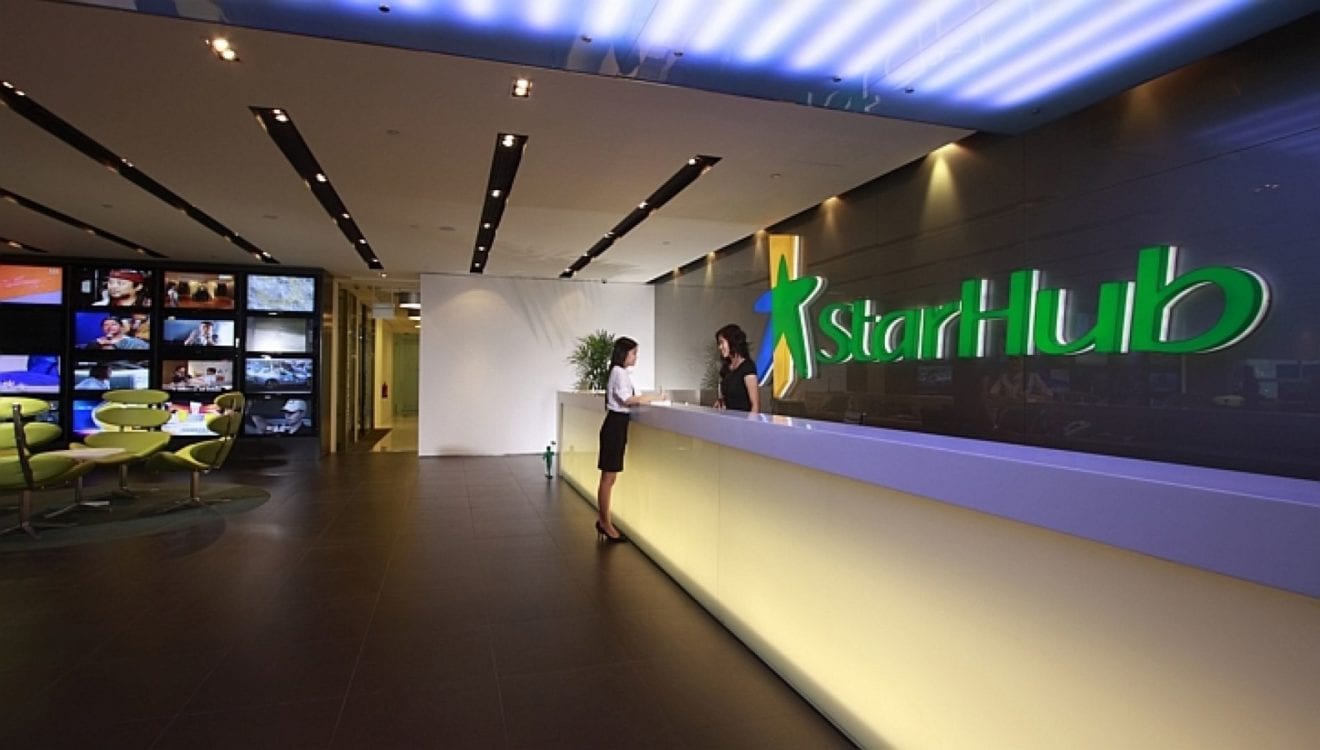
    The 5G demonstration was conducted at StarHub’s headquarters as part of the operator’s ongoing trials into future technologies to facilitate emerging use cases such as virtual and augmented reality streaming and e-health applications.

    Centimeter wave refers to carrier frequencies between 3-GHz and 30-GHz, which compares to millimeter wave frequencies above 30-GHz. These higher-band frequencies are expected to form a key component of future 5G networks.

    “5G, while still a distance away, will become reality in the time to come. Through our ongoing trials of new technologies such as Nokia’s integrated AirScale solution, we are exploring how we can use 5G technologies to enrich the lives of our customers,” StarHub head of network engineering Chong Siew Loong said.

    AirScale is designed to allow the simultaneous operation of multiple generations of network technologies, such as 3G, 4G and 5G. The platform promises 60% lower energy consumption and a smaller physical footprint compared to previous generation radio access technologies.

  • Connectivity and collaboration in the ICT industry: the key to socio-economic development

    Connectivity and collaboration in the ICT industry: the key to socio-economic development

    Why is it so important to ensure that as many people in the world as possible have access to information and communication technologies? And why does collaboration within and across the ICT industry matter so much in driving socio-economic development?

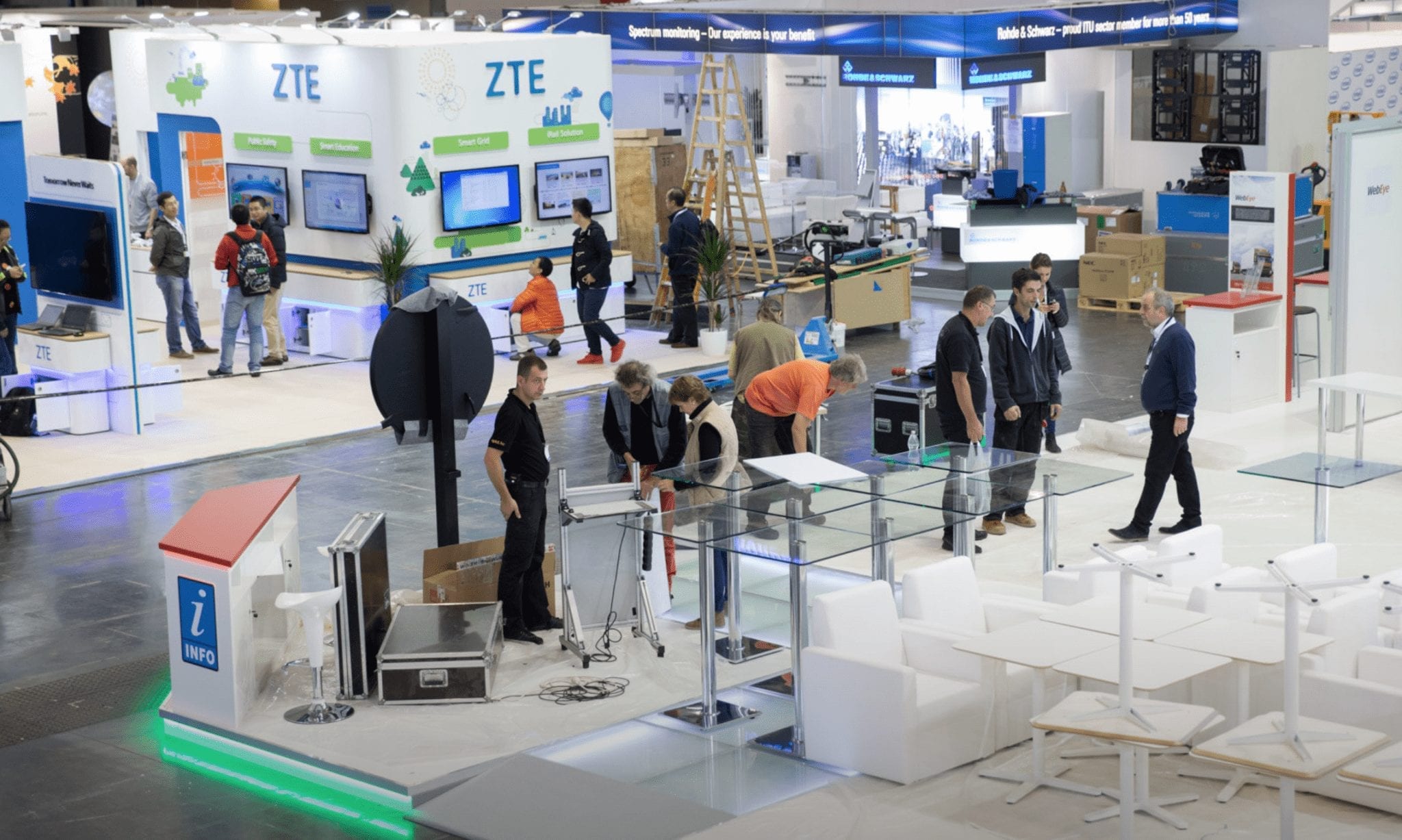
    These questions are at the very heart of ITU Telecom World 2016, the annual platform for governments, corporates and small and medium enterprises (SMEs) within the ICT industry. Organized by ITU, the United Nation’s specialized agency for ICT matters, and taking place this year in Bangkok, Thailand, from 14 – 17 November, ITU Telecom World features an international exhibition of digital solutions, a world-class forum of debates, a programme of targeted networking activities and an Awards programme recognizing the best in innovative ICT solutions with social impact.

    On the agenda in the forum, on the stands and pavilions in the exhibition and amongst the networking leaders of governments and businesses big and small, the focus will be on working together to speed up innovation in ICTs to improve lives everywhere.

    ICTs are the cross-cutting enablers behind sustainable development throughout the world, in emerging and developed markets alike. This means, quite simply, that ICTs are the essential backbone, the infrastructure behind development in economies, businesses, societies and homes everywhere. The transformative potential for ICTs is unprecedented: from e-health to e-education, digital financial services to e-government, agriculture and transport, there is not one vertical sector or field of activity which does not both rely on and benefit from ICTs.

    The Sustainable Development Goals, adopted by the global community in September 2015, set a new international agenda for the period up to 2030 – and recognize the enormous potential of ICTs in improving development outcomes worldwide.  Not just by measuring progress and enhancing the effectiveness of initiatives designed to meet the SDGs, but by providing access to a whole range of new digital products and services which can grow local economies, build on local innovation and strengthen local communities.

    Millions of children currently without access to primary level schooling; millions of deaths from easily-preventable non-communicable diseases; millions of unbanked or underbanked living outside national economies;  those without adequate basic sanitation, without access to water or electricity, let alone to government services – innovative ICT-based solutions can meet all of these challenges.

    Providing connectivity is the key: once everyone is connected, the speed of progress towards attaining the SDGS will be extraordinary, as emerging technologies such as IoT, artificial intelligence, robotics and data-driven innovation truly take off on a global scale.

    Getting everyone connected, however, is not so straightforward. More than half the world’s people are still offline, and the ICT sector’s commitment to connecting an additional 1.5 billion by 2020 is highly ambitious. It calls for innovative approaches to universal connectivity to tackle the multiple barriers of access, affordability, education and relevance.

    Building out networks, whether fixed, fibre, mobile, satellite, wifi, or any combination thereof, is the first step in providing access to the unconnected. The price of handsets, of network access and of products and services must be affordable for local communities.  And to be useful and sustainable both socially and financially, those products and services must be relevant to local needs and practices – in local languages, offering content that is valued and understood by local users. Finally, educating end-users disadvantaged by remote locations, illiteracy, gender or age, and increasing skills and capacity in local communities, are critical to ensure internet take-up and entry into the digital economy.

    The barriers are huge, the challenges significant – but the potential benefits to humanity are enormous. This is why connectivity is so important. It is also why the theme of ITU Telecom World 2016 is so pertinent: “Collaborating in the digital economy”.

    Because no one can do this alone. The private sector building out the networks, providing the equipment, products and services is reliant on government policies, on financial incentives, on supportive regulation. Public private partnerships are often the only solution to increasing access in remote or underserved regions.

    Within the private sector, the ongoing radical transformation of the ICT industry also calls for new partnerships, new business models and new approaches. A complex mix of factors is coming together: the rise of internet companies providing services over operator networks; the growth of SMEs throughout the world working in niche or innovative areas; new markets in the borderless digital global economy; new technologies and customer behaviours, from social media to 5G and IoT; and the collision of markets, ways of doing business, cultures and mindsets as ICTs cross into vertical sectors such as health, agriculture and education.

    Which is why collaboration within and across the global ICT ecosystem is so crucial. Working together in one way or another is the only way to extend connectivity, expand access and drive socio-economic development. It’s the only way to meet the SDGs and improve the lives of the world’s citizens everywhere.

    This is also why events such as ITU Telecom World 2016 are so important. By providing a meeting point and market place for the governments, regulators, international organizations and companies, both corporate and SME, of the world, the event opens the door to partnerships. To exchanging views and perspectives, to understanding challenges and needs, to debating policies, strategies and models. To meeting face-to-face to meet the needs of the world, now and in the future.

    To find out more about ITU Telecom World 2016, its full programme of debates, exhibits and activities, and to register to take part, visit telecomworld.itu.int.

  • Virtual cosmetics counters are the future

    Virtual cosmetics counters are the future

    oon it be much easier to find the perfect lipstick colour and sunglasses to match your face shape, and the best part is you won’t even have to leave home.

    China is on the cusp of a major shake-up in online shopping technology to makes the virtual change room and cosmetics counter a reality.

    Gone will be the days of buying the wrong colour or style of clothing, accessories or make-up and by the hassle of posting back returns.

    At the Shanghai Zizhu entrepreneurial incubator, Olivia Wan demonstrates how online video technology can allow customers to choose sunglasses and experiment with different lippy shades.

    Purple, pink and red lip colours, flash across the video footage of shoppers standing in front of the screen.

    On another screen, the technology measures the faces of shoppers and suggests styles of glasses.

    In China, there’s insatiable appetite for shopping.

    In some cities such as Shanghai, which have populations equivalent of Australia crammed into one metropolitan area, the sardine factor of malls and shopping strips is high.

    “With the use of technology we want to make people more beautiful,” Wan, Shanghai Beauty Face Internet Technology Company chief operating officer, told AAP through a interpreter.

    According to global consulting firm McKinsey and Company, China’s online retail market is the world’s largest with an estimated $US630 billion ($A830 billion) in sales in 2015.

    The online market is 80 per cent bigger than the US and accounts for 13.5 per cent of all spending.

    Meanwhile, in the high-tech zone of neighbouring city Hangzhou, a visit to the display room of HIK Vision, a leading camera and surveillance company, is almost like being on the set of the US mystery drama CSI: Crime Scene Investigation.

    The potential of some of the gadgets is slightly unnerving but staff insist they just create the products and its completely up to customers how they is used.

    In one corner a screen shows footage of people on bikes, in cars and pedestrians. Other boxes reveal their gender, height, estimated age, whether they are wearing seat belts, carrying bags and car number plates.

    In the post September 11 security conscious climate, governments are likely to be big customers.

    The company has supplied surveillance technology for events such as Olympic Games, Soccer World Cups and global leaders summits.

    Another display terminal shows an intricate revolving sphere of people’s faces and their email trails.

    *The reporter travelled to China on a delegation hosted by the Chinese People’s Institute of Foreign Affairs.

  • KFC Malaysia parent plans IPO

    KFC Malaysia parent plans IPO

    KFC Malaysia parent QSR Brands (M) Holdings, is arranging an IPO next year expected to raise about US$500 million.

    The company, which has both KFC and Pizza Hut restaurant concessions in Southeast Asia,

    Citigroup, Credit Suisse Group and Malayan Banking will lead the offering. QSR has also chosen CIMB Group Holdings and RHB Bank to work on the share sale, reports the Business Times.

    The Kuala Lumpur-based company is seeking a listing after first-time share sales raised US$270 million this year.

    CVC, Employees Provident Fund and Johor Corp took QSR Brands private in 2013. It manages more than 730 KFC restaurants in Brunei, Cambodia, India, Malaysia and Singapore, as well as more than 450 Pizza Hut outlets in Malaysia and Singapore.

  • South Korea, Indonesia to cooperate to sell aircraft globally

    South Korea, Indonesia to cooperate to sell aircraft globally

    Korea Aerospace Industries, the country’s sole aircraft manufacturer, said Wednesday it had signed an initial agreement with an Indonesian company to sell its products in the global market.

    In the 2016 Indo Defence Expo and Forum set to run from Wednesday through Saturday in Jakarta, KAI and PT Dirgantara Indonesia (PTDI) agreed to carry out joint marketing to export aircraft in Southeast Asia, the Middle East and Africa, KAI said in a statement.

    “The two companies will expand their cooperation in passenger carriers, military aircraft and aerospace businesses,” KAI Chief Executive and President Ha Sung-yong said in the statement.

    Under the pact, KAI aims to export the KUH-1 Surion utility helicopters to Indonesia as its military is expected to gradually replace the aging fleet of 200 choppers. It will help the PTDI improve its aircraft maintenance capabilities, and the PTDI will help KAI win local projects in aircraft maintenance, repairs and operations, it said.

    The two aircraft companies also plan to jointly develop unmanned aerial vehicles (UAVs) and promote their aircraft in global markets through joint marketing, KAI said.

  • Big plans in store for Indonesia tourist destinations

    Big plans in store for Indonesia tourist destinations

    As tourism slowly takes its place as a new engine of economic growth, the government is making aggressive plans to improve and promote new tourist destinations.

    Morotai in Maluku, Labuan Bajo in West Nusa Tenggara and Tanjung Lesung in Banten are three names that may sound unfamiliar to the domestic and international community, but they are among the so-called 10 emerging tourist destinations that the government expects can be as famous as Bali.

    The other seven destinations are Tanjung Kelayang in Belitung, Wakatobi in Southeast Sulawesi, Lake Toba in North Sumatra, Bromo-Tengger-Semeru in East Java, the Thousand Islands in Jakarta, Borobudur in Central Java and Mandalika in West Nusa Tenggara.

    However, raising them to Bali’s level will take a lot of work, a fact acknowledged by the government, especially as it hopes to attract 20 million foreign tourists by 2019.

    In its latest Indonesia Economic Quarterly report, the World Bank states that implementation of this plan will require efforts on multiple fronts and infrastructure will play a crucial role.

    Indonesia currently ranks in the bottom half of countries on several infrastructure-related tourism competitiveness indicators, such as ground and port infrastructure, tourist service infrastructure, health and hygiene, information and communications technology (ICT) readiness and environmental sustainability.

    The Public Works and Public Housing Ministry, one of the government’s most strategic posts for infrastructure development, has stated that it will focus on infrastructure development for three destinations in the next two years, namely Lake Toba, Mandalika and Borobudur.

    An integrated master plan for the development is also being formulated by the Public Works and Public Housing Ministry and Tourism Ministry.

    “I hope with the integrated master plan, there will be cooperation between ministries and regional governments for the development of the three destinations,” Rido Matari Ichwan, the ministry’s regional infrastructure development agency (BPIW) head, said recently.

    The government has allocated Rp 1.6 trillion (US$122.74 million) in the state budget in 2016 and 2017 for various infrastructure projects in the three destinations, including road access, water system, drinking water, waste management and housing, among others.

    Data from the Public Works and Public Housing Ministry reveals that the development plan for Lake Toba includes the construction of toll roads connecting Medan-Kualanamu-Tebing Tinggi and Tebing Tinggi-Siantar-Parapat, access road to the Sibisa airport in Parapat and 14.3 kilometers of piping in Simalungun, among others.

    Development for Borobudur includes initiatives such as self-built housing development in Magelang, a toll road connecting Yogyakarta and Bawen, a regional drinking water system, and reconstruction and expansion of several roads.

    Meanwhile, Mandalika will see several works carried out, such as the Sulin bridge improvement, road expansion and maintenance, and irrigation network construction in central Lombok.

    Rido added that the ministry would also cooperate with the Transportation Ministry on the development of the airports in the new tourist destinations.

    In addition to state budget funds, the government is also seeking other funding sources. It is looking to obtain a US$200 million to $500 million loan from the World Bank to fund the infrastructure development in the three destinations.

    Discussions are taking place and the loan is expected to be ready for disbursement by July next year.

    Tourism Minister Arief Yahya previously stated that the government would also launch a limited participation mutual fund (RDPT) by next year, through which it sought to garner Rp 10 trillion to develop all 10 destinations.

    “We will use the funds to build amenities. They will be channelled first to the four special economic zones [and tourism destinations], such as Tanjung Kelayang, Tanjung Lesung, Mandalika and Morotai,” he said.

    The World Bank says the government will also need to attract private investment to finance its goals.

    Early indicators are promising, with total foreign and domestic direct investment in hotels and restaurants reaching nearly $1 billion in 2015, an increase of 45.5 percent compared to 2014, while the number of investment licenses approved in the hotel and restaurant sectors surged more than five times to 266 licenses in 2015 from 2014.

    Licensing simplification is one important aspect that will help spur more investment, according to the World Bank. “As a first step, it will be essential to establish an inventory of the number and type of business licenses needed [at the national and subnational level] to establish a tourism-related business,” he added.

  • Foreigners take control of Vietnam’s KAfe Group

    Foreigners take control of Vietnam’s KAfe Group

    Vietnamese chain KAfe Group has been bought out by foreign investors and its founder ousted.

    The unidentified foreign investors have increased the business’ capital from VND16 billion to VND244.825 billion (US$10 million).

    KAfe’s founder and CEO, Chi Anh Dao, has stepped down from her role and has not been involved in any business activities of The KAfe since October 25.

    In October last year, KAfe Group secured US$5.5 million Cassia Investments-led Series A funding to expand its business throughout Vietnam and the Southeast Asia region. It had also planned to list on the Hong Kong stock exchange.

    But the expansion has not been as successful as anticipated and The KAfe outlets in Hanoi and HCMC have not attracted as many customers as budgeted.

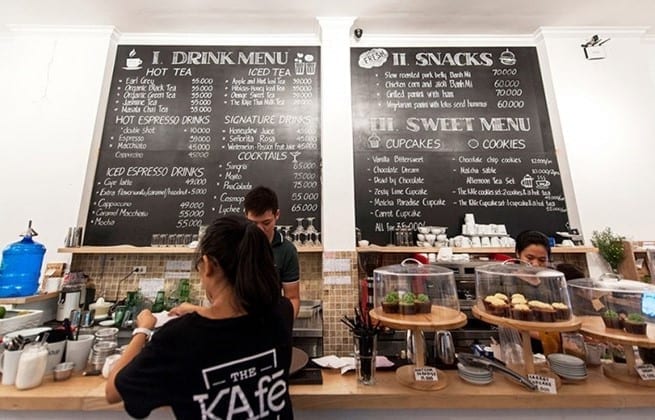
    KAfe Group, founded in 2013, is described as an urban fusion food company. It currently operates 20 outlets in Hanoi and HCMC under four brands: The KAfe, The KAfe Village, The KAfe Box, and The Burger Box. The group has recently bought a cupcake chain, and plans to expand to tea and juice business.

    Before announcing its capital change in June, the KAfe faced financial troubles with reports of suppliers going unpaid.

  • SpeedCast buys Harris CapRock for $425m

    SpeedCast buys Harris CapRock for $425m

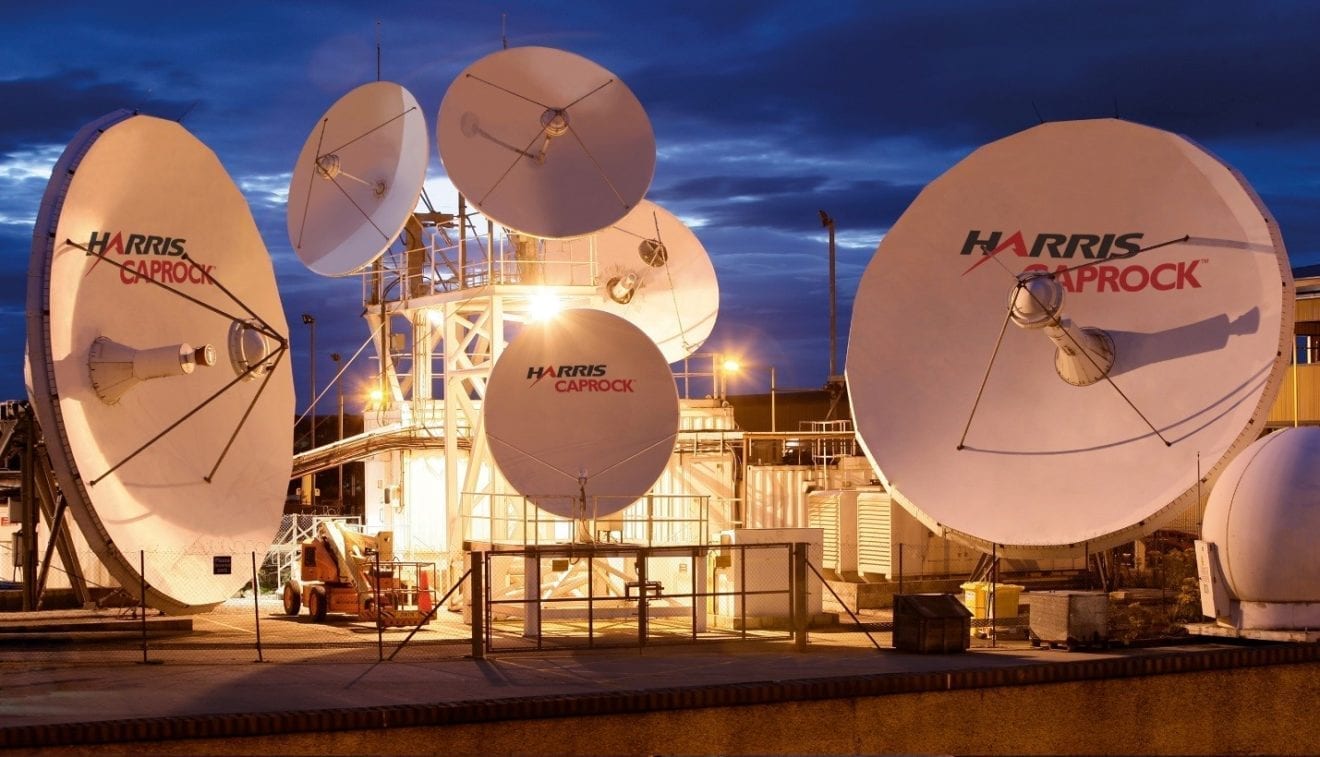
    Satellite services provider SpeedCast has arranged to acquire Harris CapRock for $425 million, to strengthen its presence in the maritime industry.

    CapRock also has a large presence in the energy industry, giving SpeedCast an avenue for future expansion.

    The combined company will service over 6,200 maritime vessels, hundreds of offshore edge and platforms, as well as enterprise and government customers worldwide.

    “The acquisition of Harris CapRock is a transformational opportunity for SpeedCast. With this acquisition SpeedCast becomes the global leader in the industry, with a scale that enables us to deliver world-class services and support in over 100 countries,” Speedcast CEO Pieere-Jean Beylier said.

    “Harris CapRock’s industry-leading product and technology portfolio also gives us the ability to deliver innovative new offerings to customers across the maritime, energy, enterprise, telecom and government segments.”

    He said the acquisition will also help SpeedCast expand its presence in the cruise ship segment of the maritime market, building on the company’s acquisition of Europe-based WINS Limited from Eutelsat Communications and Maltasat for €60 million ($66.3 million) earlier this year.

    The deal requires anti-trust and regulatory approval, and is expected to be complete by the end of the first quarter next year.

  • Guangzhou Auto raising up to $2.2 bln in green car, proprietary brand push

    Guangzhou Auto raising up to $2.2 bln in green car, proprietary brand push

    China’s sixth-largest car maker by sales, Guangzhou Automobile Group (GAC Group) , plans to sell up to 15 billion yuan ($2.2 billion) worth of shares to fund development of its green car business, proprietary brands and factories, the firm said late on Monday.

    Chinese automakers have invested billions in developing electric and petrol-electric hybrid vehicles at the direction of the government, which sees green cars as a way to leapfrog global competitors more experienced in traditional petrol engines while also cutting heavy pollution.

    Five investors involved in the private placement of GAC Group A-shares are mainly controlled by the government in the southern metropolis of Guangzhou, Thomson Reuters’ IFR reported on Tuesday.

    The automaker, like most domestic peers, is a state-owned enterprise.

    GAC Group said in an exchange filing that the proceeds would be used in 10 projects, with nearly a third of the funds to be spent on research and development of green energy cars and other technology.

    Other projects include factory expansion and improvement and developing a host of new models for its GAC Motor brand.

    The automaker’s Shanghai-listed shares jumped 9.6 percent after resuming trading on Tuesday, closing the session up 6 percent. Trading had been halted on Oct. 18 pending the announcement.

    The newly issued shares account for roughly 10 percent of the automaker’s outstanding stock.

    In addition to making cars under a wholly owned brand, GAC Group also makes vehicles through joint ventures with Toyota Motor Corp, Honda Motor Co Ltd and Fiat Chrysler Automobiles NV.