Author: Mei Ling Tan

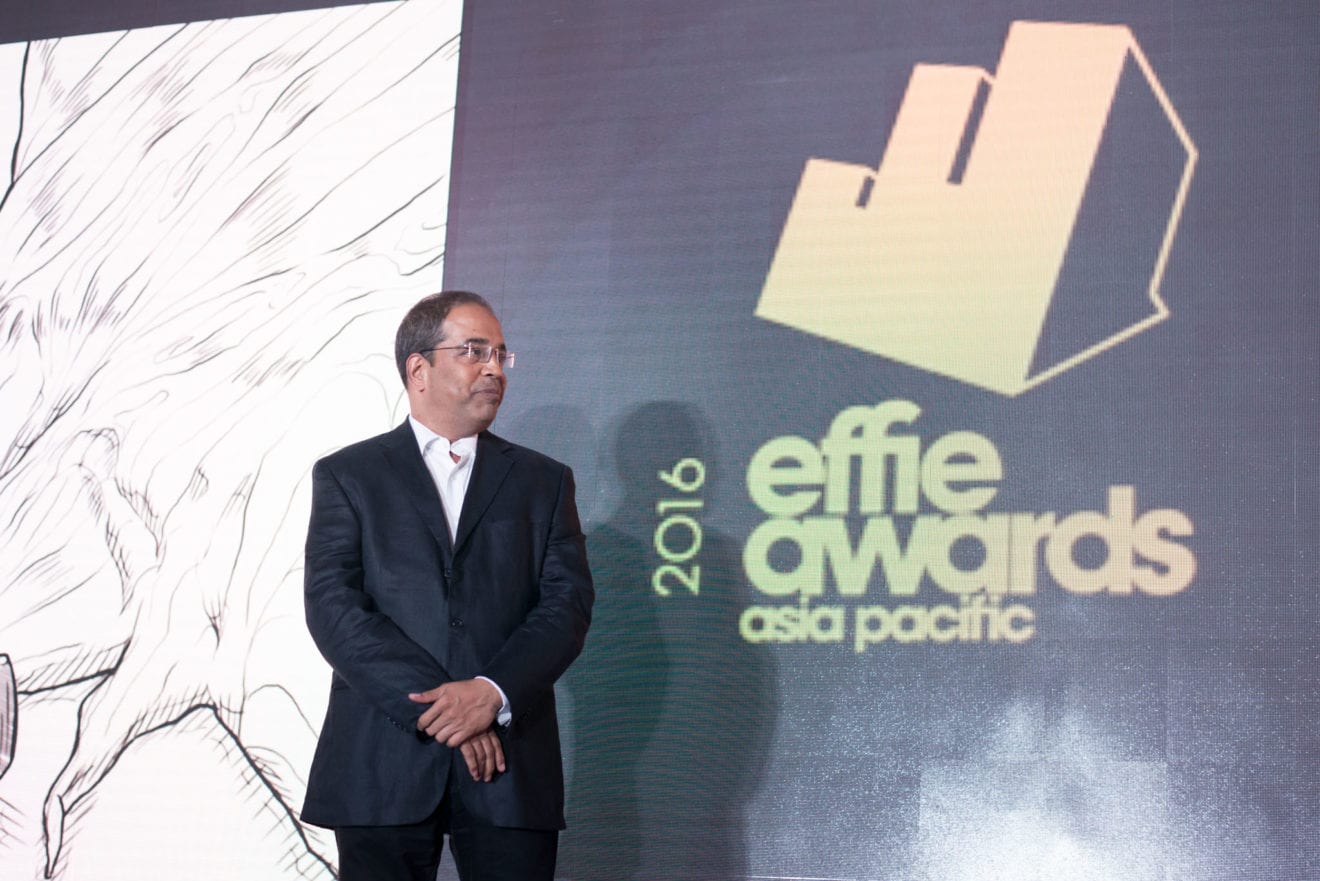
  • 2017 APAC Effie Awards Call for Entries Announced

    2017 APAC Effie Awards Call for Entries Announced

    The Asia Pacific Effie Awards has announced the Call for Entries for the 2017 season. Recognized by agencies and marketers to be the most prestigious effectiveness awards in the region, APAC Effie, now in its fourth edition, continues to honour marketing communication campaigns that have achieved outstanding measurable results.

    The 2017 competition offers 42 categories, spotting several changes to stay relevant to the evolving marketing landscape in Asia Pacific. 3 new Specialty Categories are introduced – Branded Content, Programmatic, and Seasonal Marketing.

    In addition, the Positive Change Effie Awards, a multinational programme run in collaboration with the World Economic Forum, is now offered as part of the APAC Effie program under Environmental – Brands and Environmental – Non-Profit. In alignment with global practices, we have rebranded Goodworks – Brands as Social- Brands, and Goodworks – Non Profit as Social – Non-Profit under the Positive Change categories this year. Full list of categories and category definitions are available in the Entry Kit.

    “As one of the most coveted accolade in this region, the APAC Effie has become the “must-enter” award in the region’s competition calendar. This is where we can demonstrate our capabilities to deliver innovation, creative solutions and results for brands,” said Anthony Wong, the 2017 Awards Chairman. He added, “I am excited to see the cases and look forward to be inspired by outstanding work that represents the best of the region – and the world.”

    The 2017 Awards is now accepting entries through to December 2016 for all marketing communication efforts that have ran in Asia Pacific during the qualifying period. Winners will be announced at the Awards Gala in Singapore in April 2017.

    Visit www.apaceffie.com for more information on the competition.

  • Iconic Global Brand, Calvin Klein, Debuts on ZALORA

    Iconic Global Brand, Calvin Klein, Debuts on ZALORA

    ZALORA, Asia’s online fashion destination, today announced a partnership with iconic global lifestyle brand Calvin Klein to launch Calvin Klein Jeans, Calvin Klein Underwear and Calvin Klein Performance at ZALORA.com across the Asia region. This partnership significantly expands the distribution of Calvin Klein presence in five key markets including Singapore, Hong Kong, Taiwan, Malaysia and Philippines. Fashion-conscious customers from these countries can now buy their favourite Calvin Klein products on-the-go and at the comfort of their home at ZALORA website and Calvin Klein owned online store.

    ZALORA will launch the Fall 2016 season with Calvin Klein Jeans – the original designer jeans that exemplifies sexy, provocative and youthfulness; Calvin Klein Underwear – the first designer underwear that is modern, body conscious and sensuous; and Calvin Klein Performance – a contemporary and stylish athleisure wear. Offering over 300 assortment of product from womenswear, menswear, underwear, bags and small leather goods, ZALORA.com is a comprehensive one-stop online shopping destination for Calvin Klein fans.

    “We are thrilled to be launching Calvin Klein across all of our markets in Asia,” said Parker Gundersen, Chief Executive Officer of ZALORA Group. “Calvin Klein enjoys tremendous appeal across Asia and this launch will be an exciting enhancement to our brand portfolio. With strong partners like Calvin Klein, we remain well ahead of the competition in terms of product assortment and ability to serve the millions of consumers throughout Asia seeking trusted and convenient access to fashion online.”

  • The Port of Hamburg has launched a Chinese-language version of its website

    The Port of Hamburg has launched a Chinese-language version of its website

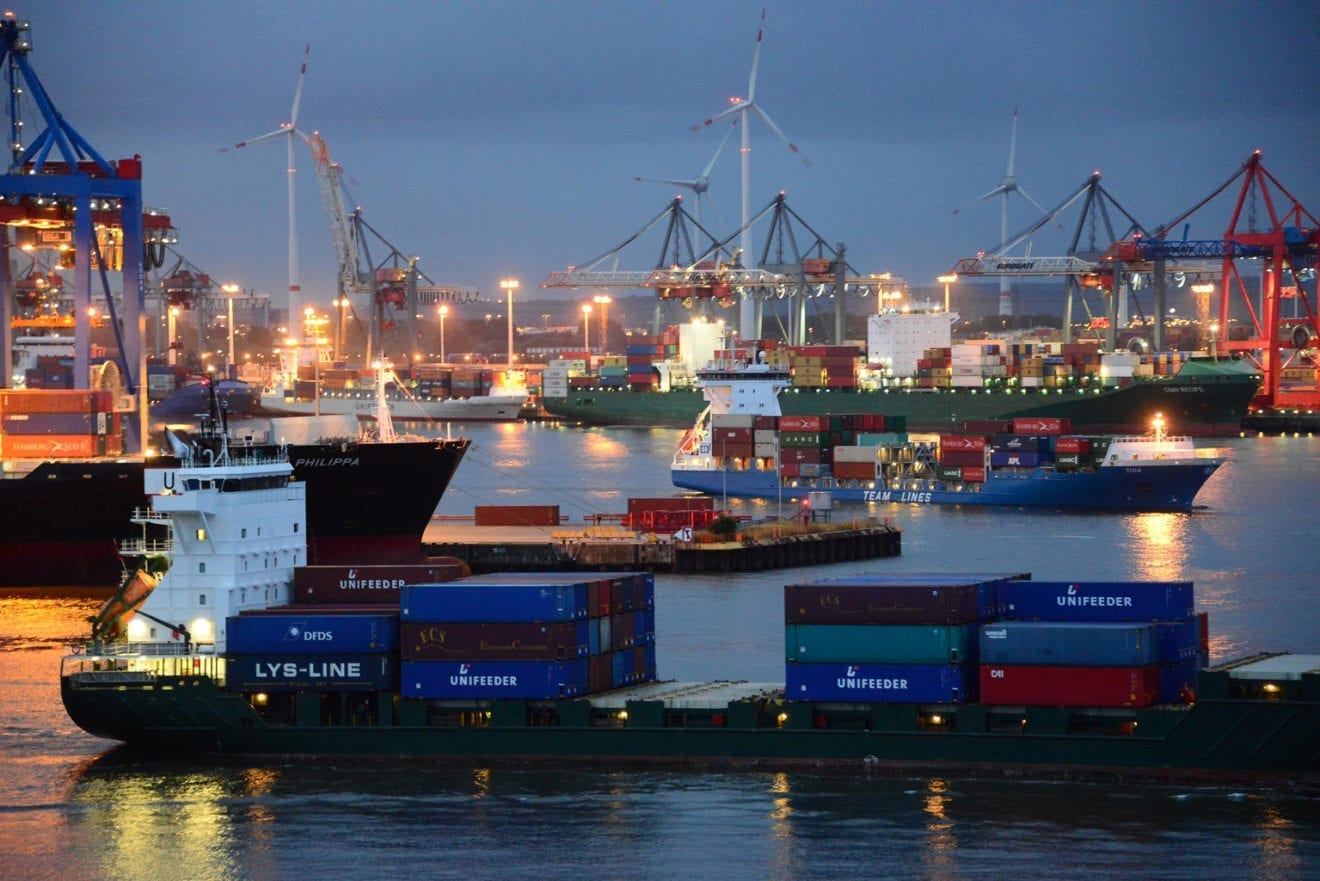
    “China is by a wide margin the Port of Hamburg’s most important trading partner,” said Axel Mattern, joint CEO of Port of Hamburg Marketing. “We aim to do justice to this by now offering our internet presence, not just in German and English as the language of shipping, but also in Chinese. On our travels in China we have found that language still frequently forms a barrier to communication. We aim to reduce this and to facilitate immediate access to comprehensive data on the Port of Hamburg for our Chinese partners and customers through our Chinese internet presence. The new language version of the Port of Hamburg website is a logical extension of our already very comprehensive range of information.

    The website provides information such as liner services, agencies and handling facilities, as well as an integrated database on intermodal services, according to the port.

  • VW makes ‘substantial progress’ toward 3.0 liter diesel agreement

    VW makes ‘substantial progress’ toward 3.0 liter diesel agreement

    U.S. District Judge Charles Breyer said on Thursday that Volkswagen AG has made substantial progress in talks with the U.S. Justice Department and other government agencies toward resolving the fate of about 80,000 polluting diesel 3.0 liter vehicles.

    At a San Francisco court hearing, Breyer set a Dec. 1 deadline for a report on the status of the talks and said he is “very optimistic” an agreement will be reached. VW previously agreed to spend up to $16.5 billion, including as much as $10.3 billion to buy back up to 475,000 polluting 2.0 diesel vehicles.

    Volkswagen submitted proposed fixes for larger Porsche, Audi and Volkswagen diesel vehicles earlier this year and has been in intensive discussions with U.S. and California regulators. People briefed on the talks say VW may agree to buy back at least 21,000 older Volkswagen Touareg and Audi Q7 diesel vehicles and might only offer to repair the 60,000 newest ones if regulators agree, but no final agreements have been reached.

    If VW were required to repurchase all of the larger, more expensive 3.0-liter vehicles, its costs could increase by billions. They include the diesel Porsche Cayenne, Audi A6 Quattro, A7 Quattro, Audi A8 and Audi Q5.

    Among the undecided issues is how much Volkswagen may be willing to compensate owners of the 3.0 liter vehicles.

    VW agreed to offer owners of the 2.0 liter vehicles between $5,100 and $10,000 in compensation, in addition to the estimated value of the vehicle.

    The 2.0 liter diesel vehicles have software that allowed them to evade emissions rules in testing and emit up to 40 times legally allowable emissions in onroad driving. The 3.0 liter vehicles have an undeclared auxiliary emissions system that allowed the vehicles to emit up to nine times allowable limits.

    VW has been barred from selling diesel vehicles in the United States since 2015 and has said it has not decided whether it will resume U.S. diesel sales.

  • VMware, AWS to launch joint hybrid cloud service

    VMware, AWS to launch joint hybrid cloud service

    VMware and AWS have teamed up to provide an integrated hybrid offering that promises to give customers the full software-defined data center (SDDC) experience.

    VMware Cloud on AWS will enable customers to run applications across VMware vSphere-based private, public, and hybrid cloud environments.

    To be available in mid-2017, the service will be delivered, sold, and supported by VMware as an on-demand, elastically scalable service. VMware Cloud on AWS will allow VMware customers to use their existing VMware software and tools to leverage AWS’s global footprint and breadth of services, including storage, databases, analytics and more.

    VMware Cloud on AWS is powered by VMware Cloud Foundation, a unified SDDC platform that integrates VMware vSphere, VMware Virtual SAN and NSX virtualization technologies, and will provide access to the full range of AWS services.

    This new service will run on next-generation, elastic, bare metal AWS infrastructure.

    Pat Gelsinger, CEO of VMware, said the new service will make it easier for customers to preserve their investment in existing applications and processes while taking advantage of the global footprint, advanced capabilities, and scale of the AWS public cloud.

    “Our customers continue to ask us to make it easier for them to run their existing datacenter investments alongside AWS,” said Andy Jassy, CEO of AWS.

    “Most enterprises are already virtualized using VMware, and now with VMware Cloud on AWS, for the first time, it will be easy for customers to operate a consistent and seamless hybrid IT environment using their existing VMware tools on AWS, and without having to purchase custom hardware, rewrite their applications, or modify their operating model.”

  • Christian Louboutin perfume oils launched

    Christian Louboutin perfume oils launched

    A trio of Christian Louboutin perfume oils has been unveiled, adding a new dimension to the iconic shoe designer’s fashion cachet.

    And as one would expect, the launch is backed by an edgy multimedia campaign of videos featuring admiring men and print media bordering on the erotic.

    But the new scents do not come cheap. A 30ml bottle will set you US$320.

    Christian Louboutin scents bottlesChristian Louboutin’s perfume oils are described as “a new and highly luxurious way” to experience Louboutin’s three signature women’s fragrances: Bikini Questa Sera, Tornade Blonde and Trouble in Heaven.

    “The alchemy of precious oil touching the skin produces a scent that is utterly personal to the woman wearing it. The perfume oil is an exceptional elixir containing the highest concentration of fragrance oil and no added water or alcohol, providing a more intimate experience than a conventional form of fragrance,” the designer explains.

    The oil features the same unique olfactive construction as the fragrance, which is what Louboutin calls the “ping.”

    “The first burst of scent, like the striking of a piano key, is followed by a beautiful resonance of scent as the note echoes its sound. There is one present moment,” he says, “and then there is the trace, le sillage, I think of it as its memory.”

    Apparently, Louboutin has always loved the idea of the ritual of beauty, which is why he wanted the perfume oil to be applied with a glass dabber contained within the bottle, so that a woman can ‘stroke’ on the fragrance “in a highly feminine and elegant gesture”.

    “Each woman can delight in her own very personal ritual, choosing where to apply the oils: decollete, wrists, collarbone, along her legs, her inner arm, and the nape of her neck.”

    The oil is intended to be massaged into the body inviting the pleasure of sensation. It leaves the skin lustrous, enveloping the wearer in a second-skin of perfume. It can be worn alone or layered with the fragrances to heighten the sensory experience, to explore and create new dimensions and nuances of scent, the designer says.

    The perfume oil bottle is an objet d’art that is both visually hypnotic and tactile. A collaboration between Christian and Heatherwick Studio, it undulates with harmonious and dynamic energy. A unique and luxurious metallic finish gives the bottles an iridescent, radiant effect and differentiates the oils within the Christian Louboutin fragrance range.

  • SoftBank to establish tech investment fund

    SoftBank to establish tech investment fund

    SoftBank Group has announced plans to establish the SoftBank Vision Fund to make investments in the technology sector globally.

    The fund will be managed in the United Kingdom by a subsidiary of SoftBank and will deploy capital from SoftBank and investment partners. The fund will aim to be one of the world’s largest of its kind.

    SoftBank expects to invest at least $25 billion over the next five years. The company has concluded a non-binding memorandum of understanding (MoU) with the Public Investment Fund of the Kingdom of Saudi Arabia (PIF).

    Under the MoU, PIF will consider investing in the fund and becoming the lead investment partner, with the potential investment size of up to $45 billion over the next five years.

    In addition, a few large global investors are in active dialogue to join SoftBank and PIF to participate in this investment fund. The overall potential size of the fund can go up to $100 billion.

    SoftBank will use its operational expertise and network of portfolio companies in order to add value to the fund’s investments.

    Deputy Crown Prince Mohammed Bin Salman, chairman of PIF, said the PIF is focused on achieving attractive long-term financial returns from its investments at home and abroad, as well as supporting the Kingdom’s Vision 2030 strategy to develop a diversified economy.

    “With the establishment of the SoftBank Vision Fund, we will be able to step up investments in technology companies globally,” said Masayoshi Son, chairman and CEO of SoftBank Group.

    “Over the next decade, the SoftBank Vision Fund will be the biggest investor in the technology sector,” said Son. “We will further accelerate the Information Revolution by contributing to its development.”

    SoftBank Group’s head of strategic finance Rajeev Misra is leading the Fund. SoftBank has engaged former Deutsche banker Nizar Al-Bassam and ex-Goldman partner Dalinc Ariburnu for the project. PIF also had its own team of experts engaged.

  • Singapore’s MyRepublic launches in Australia

    Singapore’s MyRepublic launches in Australia

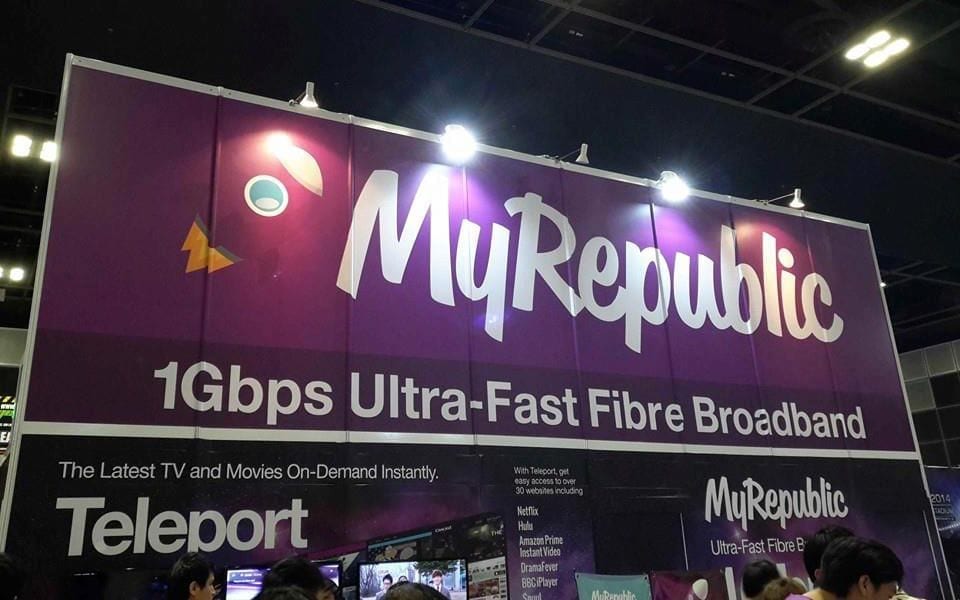
    Singapore-based ISP MyRepublic will launch in the Australian market later this month over the national broadband network (NBN), as part of the company’s ongoing regional expansion.

    MyRepublic will launch an unlimited data service at the fastest NBN speeds available in that area at the single price of A$59.99 ($46.10) per month.

    Unlimited data plans are still relatively rare in the Australian market due to a lack of competitive fixed-line infrastructure, even as the NBN wholesale network is progressively deployed.

    MyRepublic Australia managing director Nicolas Demos said the company plans to differentiate by offering the best speeds possible with unlimited allocations.

    “It is time to educate Australians on the value of quicker speeds without the restrictions of data caps,” he said.

    “Australia has the 48th fastest average internet connection speed in the world. Over 80% of Australian customers on the NBN are currently running on speeds similar to ADSL technology. We will deliver customers the best speed they can get – at their location – with our unlimited plan offer with local support at a fair price.”

    MyRepublic was founded in 2011 and was the first company is Singapore to offer 1Gbps broadand services for under S$50 ($36) per month. The company has been pursuing regional expansion, and has so far also launched services in New Zealand and Indonesia. At home, the company is vying to become Singapore’s fourth mobile operator.

  • Vietnam retail rents rise as flurry of global brands arrive

    Vietnam retail rents rise as flurry of global brands arrive

    Prime Vietnam retail rents are rising as a flurry of international retail brands move into Ho Chi Minh City.

    The third quarter of 2016 saw major changes of supply market in HCMC, according to a research report by Colliers International.

    In recent months, more than 100,000 sqm of retail space has been added in the city with the opening of the revamped Saigon Center anchored by Japanese department store Takashimaya and a new Aeon Mall opening in Binh Tan.

    But average retail rental rates have slightly increased to US$126/sqm/month in the CBD and US$36/sqm/month in the suburbs.

    Saigon Centre has been completed and occupied by 400 local and foreign brands, including concessions in Takashimaya. Aeon’s Binh Tan mall is the company’s second in Ho Chi Minh City, home to a large supermarket, restaurants, fashion shops, cinemas and a variety of retail stores.

    Geert Jan ten Hoonte, retail advisor of Kusto Management Vietnam, said these two malls will bring an extra level into the market. “It will force other operators to rethink their offer to the consumers. It would be a good development if shopping centre developers start to think in location, functionality and market positioning for the malls they are planning,” he said.

    Foreign brands

    Vietnam’s retail industry’s latest quarter started with the departure of well-known F&B brand NYDC. The exit of the Singaporean dessert and coffee chain partly confirmed the struggle of international F&B brands face competing with domestic players.

    Q3 also saw the debuts of many international fashion brands. The first, and largest, was Spanish fast-fashion brand Zara, which has taken up 2400 sqm of Vincom Dong Khoi with its first flagship store in Vietnam. The opening day brought Zara more than VND5 billion sales, reportedly the highest first-day sales of any new Zara store opening worldwide.

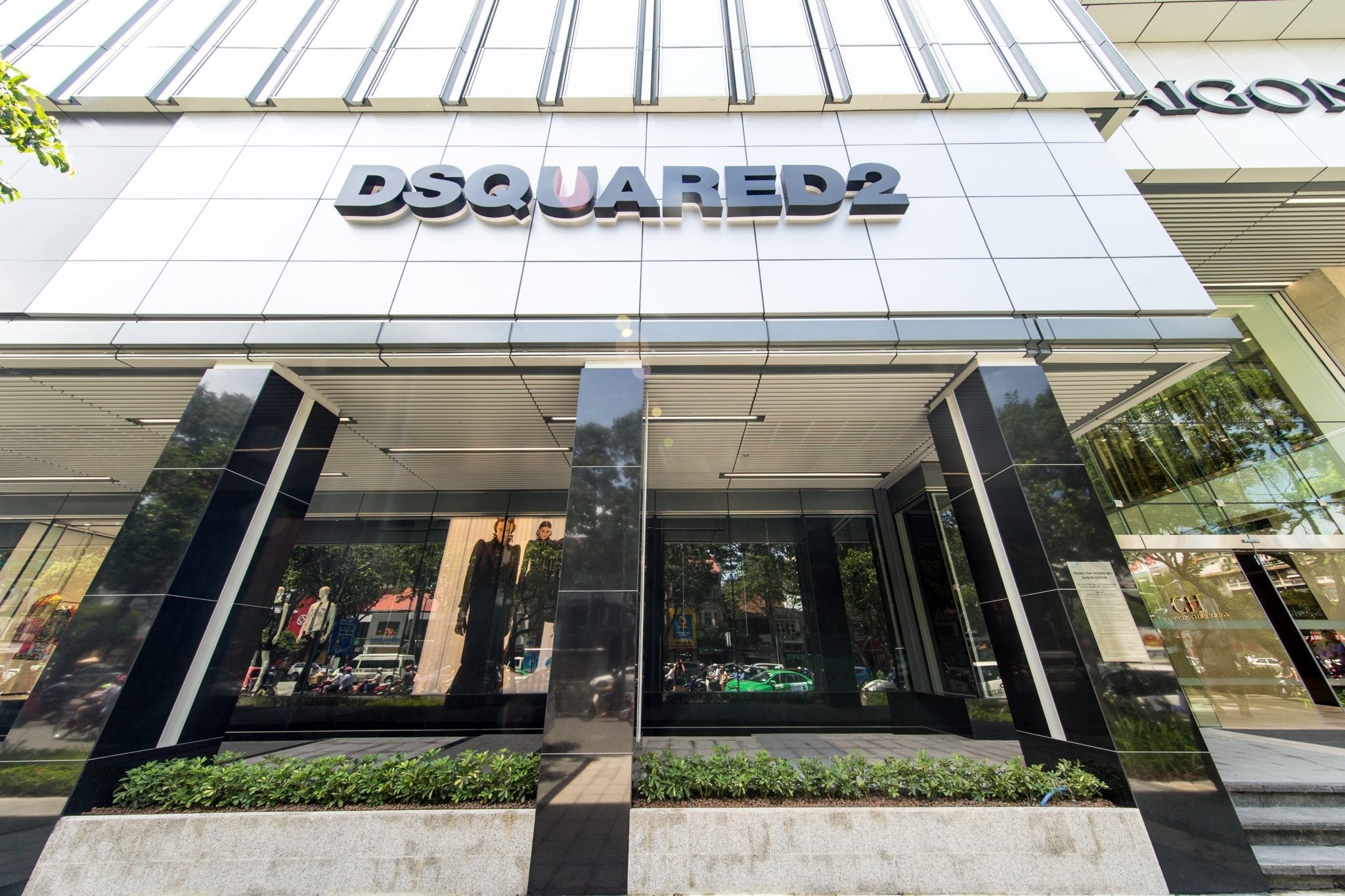
    Saigon Center and Takashimaya has enticed many international brands to HCMC such as Dsquared2, Fred Perry, and Ted Baker.

    Other significant retailers to launch in the city during the quarter included faux Japanese, Chinese-headquartered retail chain Miniso, Naughty Cat and Innisfree.

    With its fast-growing young population and emerging middle class, Vietnam’s retail market is expected to mature into a more convenient, modern retail environment in coming years. Vietnam’s admission to the WTO and the upcoming TPP trade agreement will draw a significant amount of FDI from international retailers in the future.

    Online shopping

    Meanwhile, online shopping is growing rapidly, with the Vietnam eCommerce and Information Technology Agency (VECITA) forecasting some 30 per cent of the population will be buying goods online by 2020, spending US$10 billion a year.

    In 2015, online sales were $4.07 billion, and growing at 37 per cent on the previous year.

    Despite being comparatively small by Asian standards, Vietnam’s eCommerce market is growing exponentially with more than 54 per cent of the population now connected online.

    The government plans to boost eCommerce with a goal of 50 per cent of local enterprises setting up online stores and 80 per cent doing business through eCommerce platforms.

    -Yen Hai Nguyen

  • Minister wants increase in exports of motorcycles

    Minister wants increase in exports of motorcycles

    The countrys motorcycle industry has recorded a leapfrogging increase in production over the past several years, but the industry is still a minor player in export, Industry Minister Airlangga Hartarto has said.

    “The countrys production of motorcycles has increased 800 percent in the past three years but exports averaged only 300,000 units year,” the minister said here on Thursday.

    Motorcycle sales in Indonesia averaged 6 million units a year that means exports are only 5 percent of the domestic sales, he said.

    Airlangga said currently the country had 90 million units of motorcycle on the street or more than one third of the population of around 250 million.

    The number shows that motorcycles have become the main alternative of public transport in the country, he said.

    Growing demand for transport service has contributed to the expansion of motor vehicle industry including motorcycle industry in the country, he said.

    In the past five years , motorcycle industry in Indonesia has grown significantly with production averaging more than 7 million units per year.

    The industry ministry said it is optimistic the rising trend would continue in the coming several years.

    Airlangga said with the increase, the countrys position as the third largest producer of motorcycle in the world after China and India would not change.

    He said motorcycle industrialists need to expand research and development to keep pace with the market requirement domestically and internationally.

  • Sales drop for Matahari Putra Prima

    Sales drop for Matahari Putra Prima

    Supermarket group Matahari Putra Prima (MPPA) of Indonesia recorded a net profit of RP32.6 billion (US$2.5 million) despite a drop in net sales to RP10.4 trillion for the nine months ended September 30.

    As expected, says the group in announcing its interim results, a change in date of the Lebaran national holiday from the third to the second quarter as well as economic conditions in Kalimantan and Sumatra had a negative impact.

    The gross margin was 16.3 per cent and operating expenses 15.4 per cent, while same-store sales growth for the period and for the third quarter fell by 2.9 and 8.9 per cent respectively.  Without store closures for renovation, MPPA says the figures would have been 1.3 per cent up and 2.9 per cent down.

    In the third quarter, MPPA changed its accounting methods, which is says will enable it to implement a more aggressive pricing strategy, better analyse profitability and increase control over margin and inventory productivity.

    “Although the third quarter was difficult, sales started to show improvement late in the quarter,” says CEO Noel Trinder. “Actions taken earlier in the year have produced a significant reduction in merchandise inventories to a sustainable level to support future growth”

    He says 15 stores were opened during the nine months.

    “Following an adjustment of quarter-four sales to reflect current conditions, MPPA is forecasting an EBITDA of RP250 billion, bringing the year’s guidance to RP585 billion.”

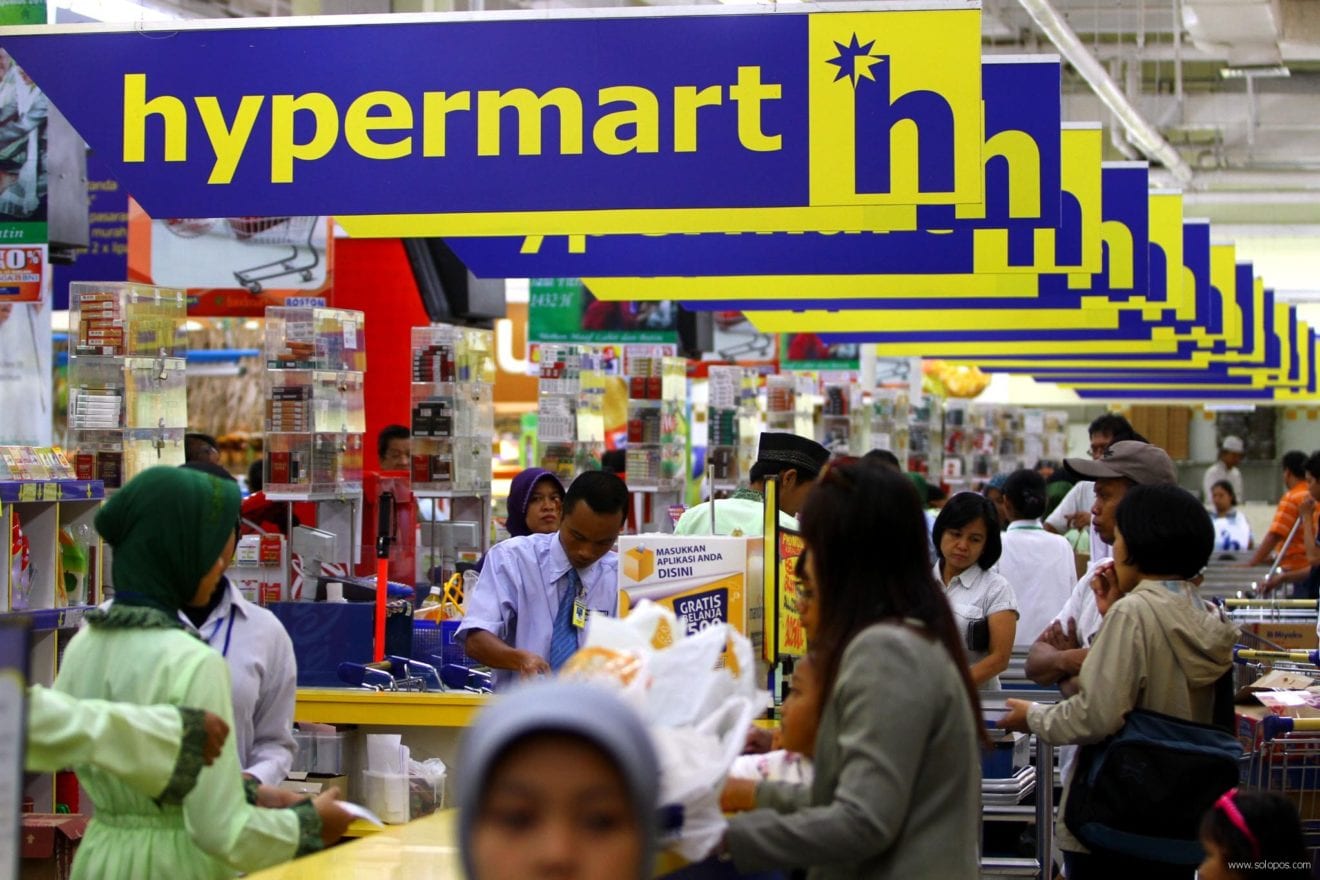
    As of September 30, MPPA had 294 stores in 68 cities across Indonesia (112 Hypermarts, 25 Foodmarts, 106 Bostons, 49 FMXs and two SmartClubs).

  • Scania Strengthens Position in Indonesia

    Scania Strengthens Position in Indonesia

    Scania continues to reinforce its position in the Indonesian bus market. Transjakarta has now placed an order for 150 low-entry city buses in addition to the previously ordered 110 3-axle Scania buses that will be delivered later this year. The public transport operator in the Indonesian capital already has 108 articulated Euro 6 Scania gas buses in its network.

    The Transjakarta Bus Rapid Transport system is considered to be the world’s longest busway, serving more than 10 million passengers monthly. The forthcoming delivery of low-entry buses will replace the existing, highly polluting, old buses that operate outside the busway corridors. The new Scania buses, delivered by United Tractors and bodybuilt by Laksana, will feature wheelchair ramps.

    On announcing the order, Jakarta Governor Basuki “Ahok” Tjahaja Purnama particularly highlighted the greater accessibility and said, “this is the world-class bus we expect to have. Jakarta has never before had low-entry buses.”

    Scania, through its Indonesian partner United Tractors, has established the bus depot workshop facilities and parts supply systems in Jakarta needed to uphold an uptime of over 90 percent.

    United Tractors is the leading and the largest distributor of heavy equipment in Indonesia, providing products from world-renowned brands, including Scania. The partnership between United Tractors and Scania was established in 2004, initially focusing on heavy-duty trucks for the Indonesian mining industry.

    Scania is major supplier of buses for BRT systems throughout the world. “We are convinced that bus systems offer the quickest and most cost-effective solution for cities to increase urban mobility and alleviate traffic congestion,” says Karin Rådström, Head of Buses and Coaches. “The Jakarta BRT system serves as a model for many growing cities.”

    Scania is a part of Volkswagen Truck & Bus GmbH and one of the world’s leading manufacturers of trucks and buses for heavy transport applications. Scania is also leading provider of industrial and marine engines. Service-related products account for a growing proportion of the company’s operations, assuring Scania customers of cost-effective transport solutions and maximum uptime. Scania also offers financial services. Employing some 44,000 people, the company operates in about 100 countries. Research and development activities are concentrated in Sweden, while production takes place in Europe and South America, with facilities for global interchange of both components and complete vehicles. In 2015, net sales totalled SEK 95 billion and net income amounted to SEK 6.8 billion.

  • Indonesia campaigns for pharmaceutical after liberalization

    Indonesia campaigns for pharmaceutical after liberalization

    The government is intensifying efforts to support the country’s longstagnant pharmaceutical industry after opening up the sector to foreign investment in its latest revision to the negative investment list (DNI).

    The efforts were evident at a dialog on “Expediting the Development of Indonesia’s Pharmaceutical Industry” organized by the Investment Coordinating Board (BKPM) on Thursday that gathered together players in the pharmaceutical industry and its related sectors.

    “Most of the existing companies make medicines, whereas the raw material businesses is small. Roughly 90 percent of raw material for the pharmaceutical industry is imported from India or China. We have to change this,” BKPM investment monitoring and implementation deputy chairman Azhar Lubis said during the event.

    In a bid to encourage the raw material industry, the government has revised the DNI, which lists the sectors restricted to foreign investment. Following the revision, the government now allows 100 percent foreign ownership in pharmaceutical companies, from 85 percent previously.

    Following the issuance of the regulation, no fresh interests on raw material sector have been expressed by foreign investors, Azhar said. However, there have been 18 new licenses for investments in the pharmaceutical industry issued by BKPM from January to September worth Rp 2.1 trillion.

    Apart from campaigning for investment in pharmaceutical factories, the BKPM will also push research and development (R&D) in the sector to encourage new innovations in new medicines that are locally made, Azhar added, citing R&D centers in Singapore and Europe.

    However, industry players said the problem with investment in the pharmaceutical sector lay in the fact that there was a relatively small number of hospitals and doctors for whom the medicines would be distributed.

    “Boosting the industry does not only mean pushing for medicine production and factories. What’s also needed is hospitals, doctors and clinics as the infrastructure to feed the pharmaceutical industry,” said International Pharmaceutical Manufacturers Group (IPMG) executive director Parulian Simanjuntak.

    Investments in the pharmaceutical sector have stagnated in recent years, reaching just Rp 8.9 trillion from January 2011 to September 2016, BKPM data shows. Also, there are only 214 pharmaceutical companies in Indonesia, most of which make medicines. Just a few of them manufacture raw material for pharmaceuticals.

    “If production [of raw material] were to start in Indonesia, it would take around three years to really get going and it would definitely cost more than importing from other countries,” said Arustiyono, the director of supervision and therapeutic product distribution at the Food and Drug Monitoring Agency (BPOM).

    “The research and development phase for the chemical reactions would itself take a year,” he added.

    The pharmaceutical industry is 70 percent dominated by local players, including privately-owned Kalbe Farma and state-owned Kimia Farma, among others.

    “The stimulus package for raw material factory investments will bring about a positive impact for the pharmaceutical industry because the source for materials will shift to local sources. This will inoculate the industry from the rupiah’s fluctuations,” Kalbe Farma corporate secretary Vidjongtius said. “In this way, medicine production costs can be more controlled. This, however, is a medium to long-term project.”

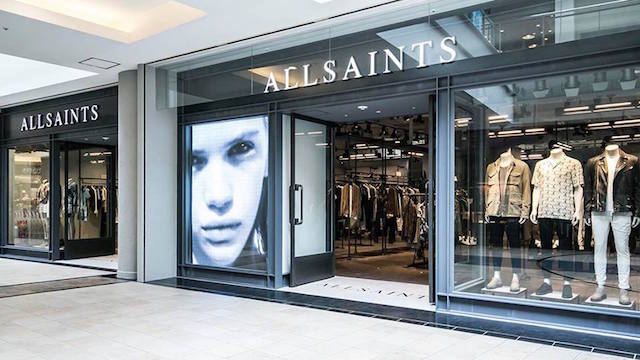
  • Asia drives All Saints growth

    Asia drives All Saints growth

    Asia has proven the major driver of All Saints growth in the last year’s reported sales.

    A stellar set of results was led by international sales growth of 12 per cent to £108.2 million, as it opened 23 new stores internationally in countries including Japan, South Korea, Taiwan and the US.

    The retailer has big ambitions for its international arm, as it aims for international sales to account for nearly two-thirds of the business by 2020 (currently 43 per cent), with Asia and the Middle East being the prime focus. All Saints has also performed well in its home market, with UK sales up 7.4 per cent to £144.3 million, while online sales grew 33 per cent to reach £47.3 million – 19 per cent of total sales.

    All Saints’ continued success is evidence of how having a distinct design signature, desirable brand image and a loyal shopper base is imperative in a tough trading environment, as it keeps the brand front of mind for shoppers. The retailer has remained true to its edgy design aesthetic, and translated it effectively into range extensions such as its Capital collection of women’s handbags. It is also capitalising upon its relatively unique position of being equally desirable for both men and women (sales are split almost equally) by launching a men’s bags and accessories ranges, following the success of the Capital collection. All Saints continues to keep shoppers engaged via regular product drops, a broad but well-edited collection and a distinct instore customer experience.

    All Saints

    All Saints has maintained tight control over its brand image, and chosen to enter new markets directly through own stores and partnerships with department stores, rather than through wholesale and licensing – a strategic move that has helped make its mark in new territories without diluting the brand.

    It has also managed to control online costs effectively as it owns its distribution centres and does its website coding in-house; while its diversified market presence and direct sourcing model has helped it achieve a natural hedging position, broadly protecting it from currency fluctuations.

    All Saints’ focus on controlling costs and protecting brand image as it expands, will continue to stand it in good stead, and help achieve sales growth in 2016/17.

    Nivindya Sharma

  • IT industry still ripe for growth on Indonesians’ love for gadgets

    IT industry still ripe for growth on Indonesians’ love for gadgets

    The government is intensifying efforts to support the country’s longstagnant pharmaceutical industry after opening up the sector to foreign investment in its latest revision to the negative investment list (DNI).

    The efforts were evident at a dialog on “Expediting the Development of Indonesia’s Pharmaceutical Industry” organized by the Investment Coordinating Board (BKPM) on Thursday that gathered together players in the pharmaceutical industry and its related sectors.

    “Most of the existing companies make medicines, whereas the raw material businesses is small. Roughly 90 percent of raw material for the pharmaceutical industry is imported from India or China. We have to change this,” BKPM investment monitoring and implementation deputy chairman Azhar Lubis said during the event.

    In a bid to encourage the raw material industry, the government has revised the DNI, which lists the sectors restricted to foreign investment. Following the revision, the government now allows 100 percent foreign ownership in pharmaceutical companies, from 85 percent previously.

    Following the issuance of the regulation, no fresh interests on raw material sector have been expressed by foreign investors, Azhar said. However, there have been 18 new licenses for investments in the pharmaceutical industry issued by BKPM from January to September worth Rp 2.1 trillion.

    Apart from campaigning for investment in pharmaceutical factories, the BKPM will also push research and development (R&D) in the sector to encourage new innovations in new medicines that are locally made, Azhar added, citing R&D centers in Singapore and Europe.

    However, industry players said the problem with investment in the pharmaceutical sector lay in the fact that there was a relatively small number of hospitals and doctors for whom the medicines would be distributed.

    “Boosting the industry does not only mean pushing for medicine production and factories. What’s also needed is hospitals, doctors and clinics as the infrastructure to feed the pharmaceutical industry,” said International Pharmaceutical Manufacturers Group (IPMG) executive director Parulian Simanjuntak.

    Investments in the pharmaceutical sector have stagnated in recent years, reaching just Rp 8.9 trillion from January 2011 to September 2016, BKPM data shows. Also, there are only 214 pharmaceutical companies in Indonesia, most of which make medicines. Just a few of them manufacture raw material for pharmaceuticals.

    “If production [of raw material] were to start in Indonesia, it would take around three years to really get going and it would definitely cost more than importing from other countries,” said Arustiyono, the director of supervision and therapeutic product distribution at the Food and Drug Monitoring Agency (BPOM).

    “The research and development phase for the chemical reactions would itself take a year,” he added.

    The pharmaceutical industry is 70 percent dominated by local players, including privately-owned Kalbe Farma and state-owned Kimia Farma, among others.

    “The stimulus package for raw material factory investments will bring about a positive impact for the pharmaceutical industry because the source for materials will shift to local sources. This will inoculate the industry from the rupiah’s fluctuations,” Kalbe Farma corporate secretary Vidjongtius said. “In this way, medicine production costs can be more controlled. This, however, is a medium to long-term project.”