Author: Mei Ling Tan

  • Isetan The Japan Store causing stir

    Isetan The Japan Store causing stir

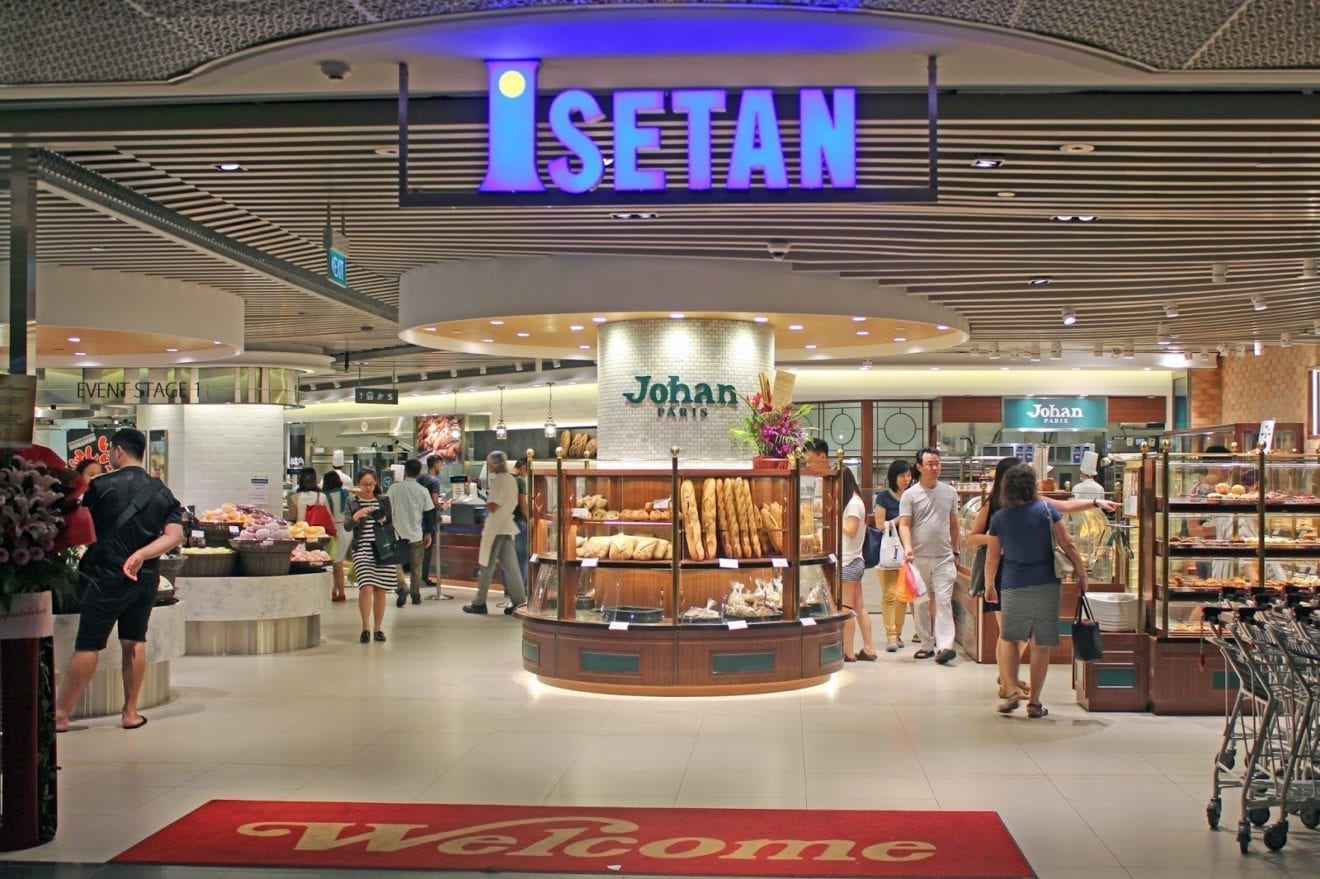
    Already causing a stir on social media, Isetan The Japan Store Kuala Lumpur has opened over five floors, replacing the former Isetan department store.

    Another floor featuring six restaurants is scheduled to be added in January.

    The Isetan Mitsukoshi Group’s specialty store offers 11,000 sqm space of Japanese brands and products.

    On the lower ground floor is The Market with its snacks and perishables, as well as a food court area.

    The main entrance is on the next level, which features The Museum, a blend of fashion, technology and artisanal creations. As well as designer fashion labels like Sacai and Yohji Yamamoto, there are shoes that light up with every step.

    On the first floor, The Studio has street-fashion brands like Onitsuka Tiger, anime and manga merchandise, and a section called Little Harajuku. There is also the Time Out Tokyo cafe.

    Japanese living (and stationery) is showcased in The Room on the second floor, while on the third-floor The Cube is about art and culture. It offers event spaces, pop-up classes and books.

    The venture, announced at the end of August, has the support of the government-financed Cool Japan Fund.

  • Guardian Malaysia plans 30 new stores

    Guardian Malaysia plans 30 new stores

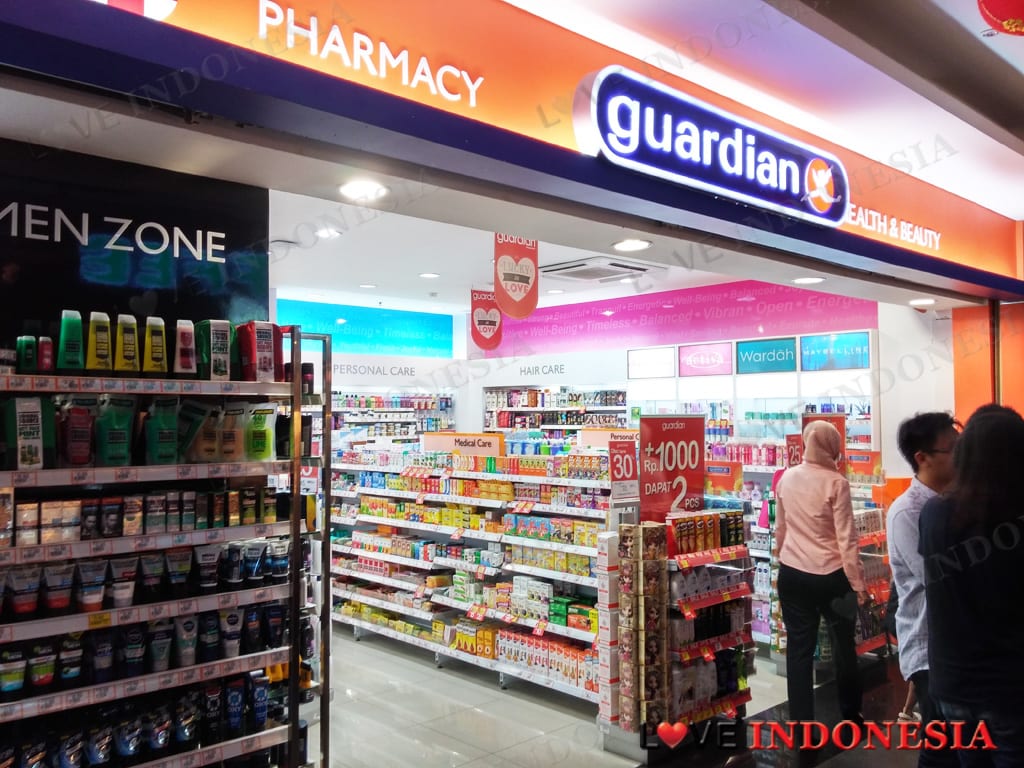
    Guardian Malaysia plans to open 30 stores in 2017 and develop an online business as it bolsters its share of the health and beauty market.

    With 430 stores trading currently, the company has a share of the sector estimated at around 30 per cent.

    “Domestically, the current retail market is tough and demand is soft, so we have conducted a research and come out with a new concept, which is aligning products with shoppers’ demand, and then see the customers’ response,” Guardian’s CEO Peter J Dove said in an interview with Bernama.

    A further 70 stores have been slated for refurbishment and 15 will close altogether.

    Guardian Malaysia

    This week the company celebrated the opening of its new 316 sqm concept store at Suria KLCC in Kuala Lumpur which will be a template for about 10 of its largest stores in the country.

    Highlights of the Suria KLCC store include a ‘Make Me Up corner’, a semi-private area for shoppers to experiment with new products and learn how to apply them.

  • Siam Makro buys four food companies

    Siam Makro buys four food companies

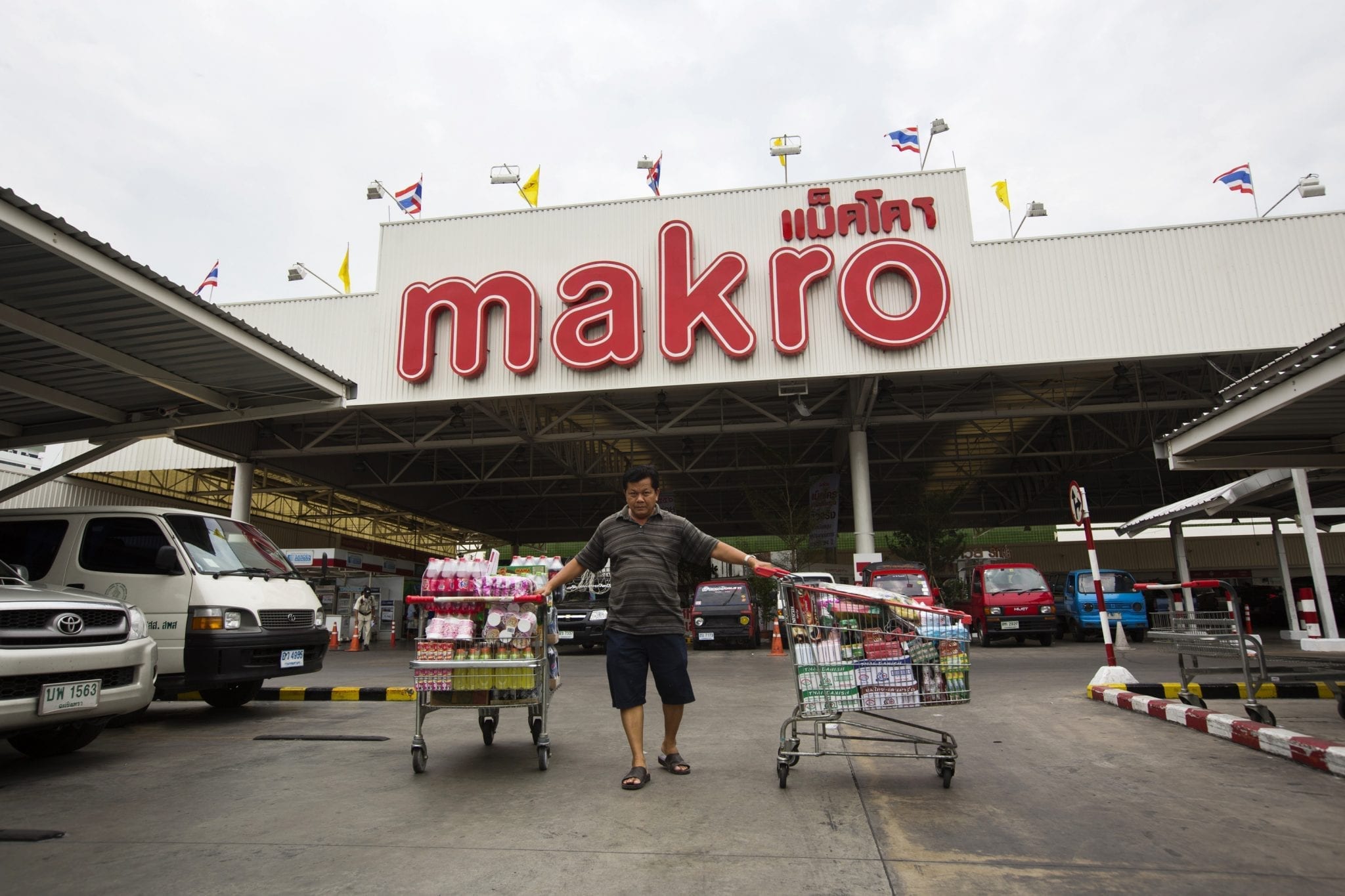
    Siam Makro, which runs the Makro cash-and-carry store chain, has clinched a 3-billion-baht (US$85.75 million) deal to acquire four food companies.

    Through its wholly owned subsidiary Siam Food Services, Siam Makro has entered into an agreement to acquire an 80 per cent stake in each of Indoguna (Singapore), a listed firm on the Singapore Exchange, Indoguna Dubai, Lordly and Just Meat. Indoguna is listed on the Singapore exchange, while Lordly and Just Meat are Hong Kong listed.

    The funds will come from Siam Makro’s cash flow and bank loans.

    Siam Makro’s major shareholder, Charoen Pokphand Group (CP), has its strength in the food and agricultural businesses. CP acquired a 64 per cent stake in the cash-and-carry chain from the Dutch trading company SHV Holdings for $6.6 billion in 2013.

    Siam Makro has partnered with with local companies to take its Makro cash-and-carry chain to Cambodia. The JV is 70 per cent owned by Makro ROH, a wholly owned subsidiary of Siam Makro, and the balance by Cambodian investors, with $2 million in initial registered capital.

    Siam Makro plans to open 10 stores in Thailand this year, bringing its total outlets to 108 nationwide. During the first half, Siam Makro posted a net profit of 2.38 billion baht on revenue totalling 85.7 billion.

  • Hermes results show luxury rebound

    Hermes results show luxury rebound

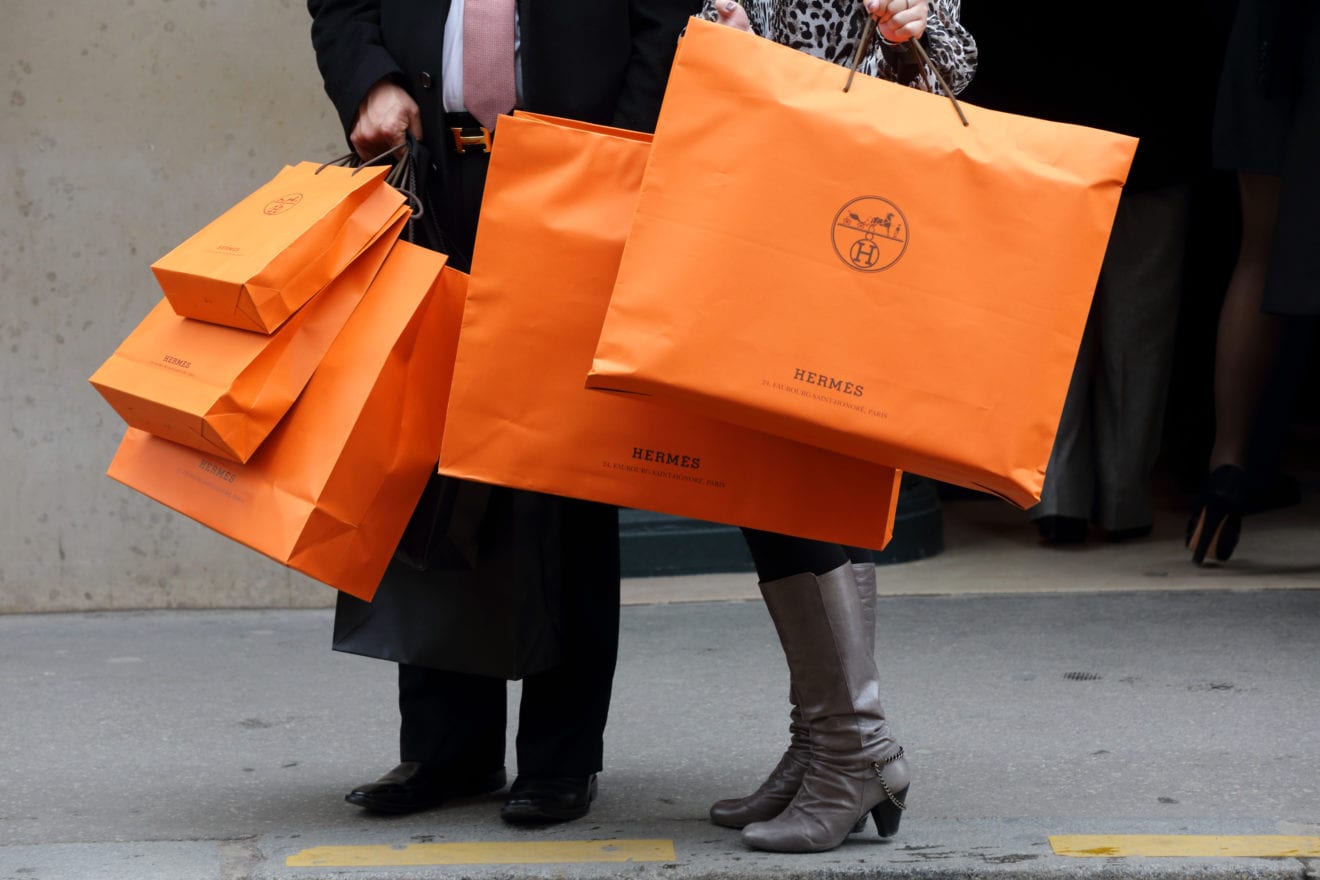
    Rebounding luxury goods sales in Mainland China and improvements in Hong Kong have boosted third-quarter Hermes results.

    Analysts are pointing to these and last week’s strong Kering numbers in tipping the worst may now be over for both luxury markets.

    Hermes reported overnight that sales climbed to 1.26 billion euros (US$1.4 billion) in the last quarter, ahead of estimates.  Sales growth was strongest in Asia-Pacific, up 14 per cent and fuelling a global increase of 8.8 per cent excluding currency fluctuations. That’s the fastest growth rate in two years in the region.

    “The driving trend is that the Chinese customer is slowly coming back,” Makiko Zuercher, who manages the Dynapartners Luxury Brands Fund, told Reuters.

    Chinese customers are the most prolific buyers of luxury goods globally, accounting for about one third of demand. Luxury brands say their return to stores has been driven by government policies encouraging domestic consumption.

    “China is growing at a better pace, mainly because the economy is strengthening and because of domestic consumption,” Hermes CEO Axel Dumas told journalists in a conference call. “In our case, I’m not talking about a rebound, because we always had growth.”

    Hermes’ sales of leather goods rose 16 per cent, with the $9000 Constance purse and $5000 Halzan shoulder bag leading the way.

    After reporting growth of 7.7 per cent for the first nine months of the year, Hermes is predicting full-year growth of just under 8 per cent, a target analysts expect it will exceed.

    LVMH and Richemont have also reported improvements in Asian sales in recent weeks.

  • Spar India continues roll-out

    Spar India continues roll-out

    Spar India has opened its 18th store as the grocery franchise continues its rollout.

    The latest store is located in Hyderabad’s Paradise Mall, which is owned by Spar India’s licensee Max Hypermarkets. Located in Nacharam, it is the fourth store in the Hyderabad area. Spar India now boasts stores in nine cities in seven states.

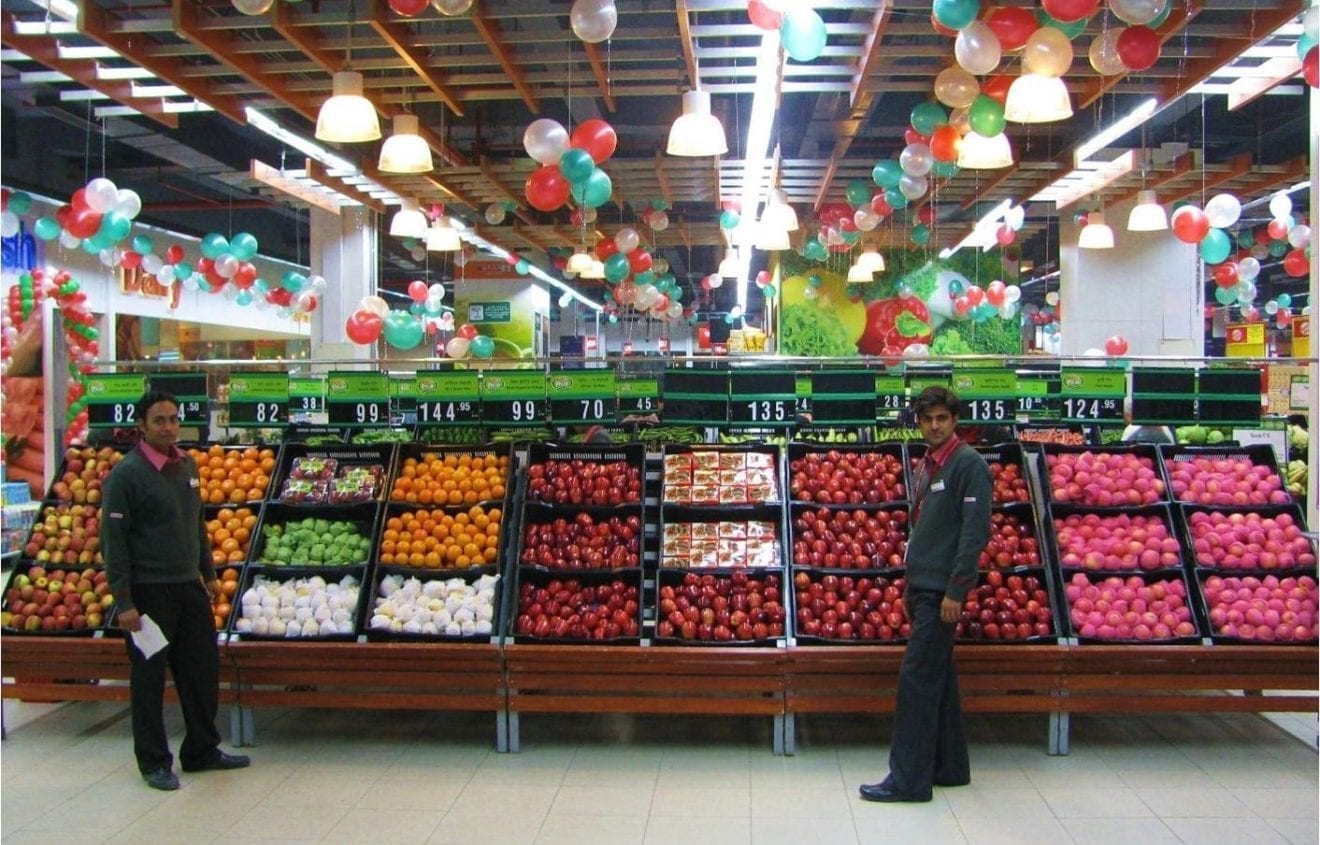
    The newly built hypermarket has a retail selling area of 5400 sqm, offering a diverse range of fresh foods from the fish, bakery, delicatessen and Food-to-Go service departments and an extensive non-food offer, including a Home & Living department.

    Thanks to sustained publicity campaign prior to the opening, more than 1000 transactions were processed between 4.30pm and 10pm on the first day of trading.

    Spar India says it will continue to focus on its in-store range, expanding its own-brand products, which currently account for approximately 10 per cent of store turnover. Spar India MD Rajeev Krishnan says the group intends to expand its footprint by 30 per cent during the next 12-18 months.

    The Spar India licence was granted to Max by Spar International in 2014.

  • Victoria’s Secret China unit eyes $1bn sales

    Victoria’s Secret China unit eyes $1bn sales

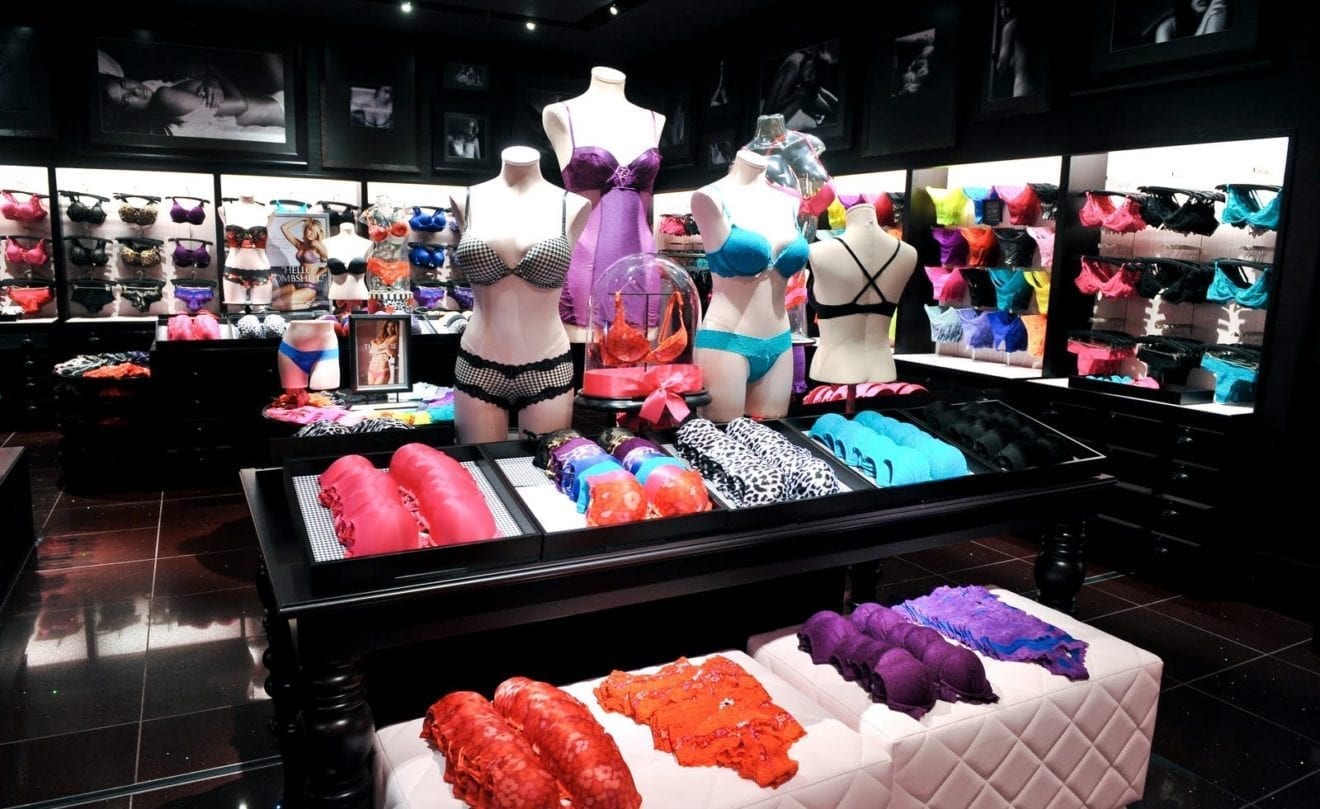
    L Brands, the parent of Victoria’s Secret, now considers China its most important global market.

    Executives said this week they expect that in as few as five years China, Western Europe and the Middle East will each account for US$1 billion in annual sales. That would put the Victoria’s Secret China operation on a par with the North American business.

    China is “our most important market,” Martin Waters, president of L Brands International, said.

    “Maybe someday we’ll have the fashion show in Shanghai – maybe – because we’re a global brand,” added Leslie Wexner, L Brands’ founder, chairman and CEO. “We have demonstrated that we have the best brand-building ability in the world. People who can’t read English, when they see the Victoria’s Secret name, they smile.”

    As many as 350 million Chinese are expected to watch the upcoming Victoria’s Secret Fashion Show, a sure sign of the brand’s growing appeal there.

    Wexner and Waters were commenting at an investors presentation after the company warned its October same-store sales would fall by up to 2 per cent. The company’s stock price slipped 7.9 per cent as a result.

    But the executives were upbeat about the company’s prospects, comparing the poor quarter to a football match loss.

    “Like Urban Meyer, I’m not happy about getting beaten in any quarter or any game,” Wexner said. “Not having the best-in-world profit margin is, for us, a catastrophe in the same way losing one game in a season is a catastrophe for Urban Meyer.”

    During the last 12 months, L Brands has moved away from franchise model in China in favour of company-owned stores, which works well for it in the US.

    Wexner says his company has focused on a slow, careful expansion in China rather than rush in as some foreign brands had done, to their regret.

    “We’ve been a patient second or slow third… because we thought we would learn more,” Wexner said. “We always asked ourselves: Are you really building a sustainable international business?”

  • Aeon revenues rise

    Aeon revenues rise

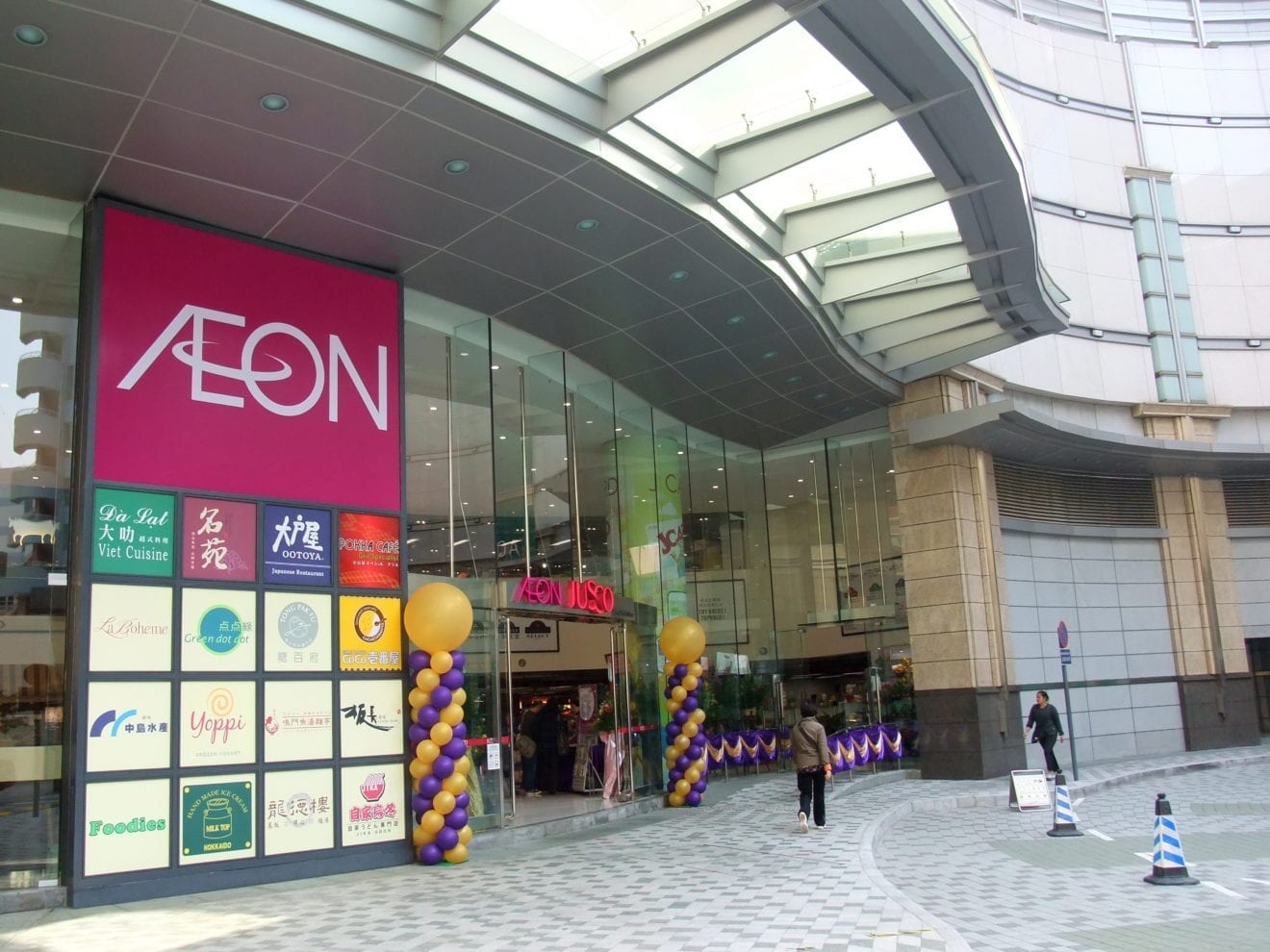
    Japanese retailer Aeon has seen its revenue edged up 0.9 per cent in the latest half year,  but its results vary greatly between formats.

    Total sales reached JPY 4,112 billion (US$39.2 billion), for the six months to August 31, while operating profit improved by a meagre 0.1 per cent to JPY72.4 billion (US$0.69 billion).

    In an analysis of the company’s performance, retail research house IGD observed stronger performances by Aeon’s convenience store business and its pharmacy interests than in its general merchandise and supermarket businesses.

    Aeon’s convenience store business reported a 6.1 per cent increase in operating revenues of JPY190.6 billion (US$1.8 billion), up 7 per cent year-on-year for the first half.

    “The group’s Ministop and My Basket operations performed strong thanks to the enhanced merchandise selection and improved services,” says IGD.

    The drugstore and pharmacy business grew revenues by 5.8 per cent, with the Welcia banner increasing its number of 24-hour stores to enhance customer convenience, driving steady growth in same-store sales.

    Conversely, the supermarket and discount store business posted a 7 per cent decline in revenue to JPY1,448.5 billion (US$13.8 billion). This was mainly due to the impact of the transfer of Daiei’s stores.

    And its general merchandise store business suffered a significant loss, amid weak consumer spending in Japan.

    Outside Japan, Aeon reported operating revenue of JPY205.3 billion (US$1.96 billion), down 5.4 per cent year-on-year. Aeon China and Hong Kong achieved an improvement after the group completed refurbishment of its flagship stores, which helped strengthen the business foundation in China and bolster earrings. In the reporting period, the group also expanded further in Asean markets, opening a new stores in Malaysia and Vietnam.

  • Garuda Indonesia books USD19.6 mil net income in Q3 2016

    Garuda Indonesia books USD19.6 mil net income in Q3 2016

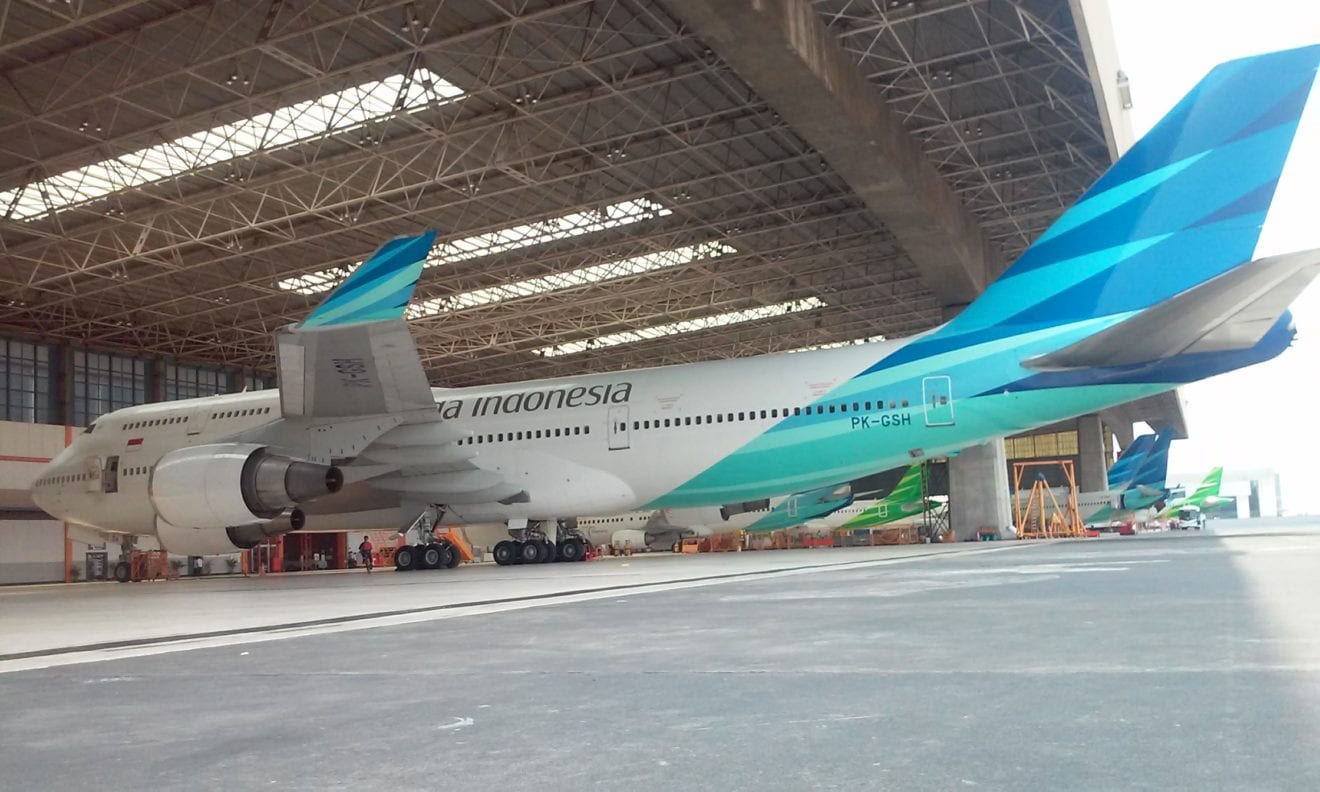
    Garuda Indonesia, booked net income of USD 19.6 million or IDR 254.8 billion (exchange rate IDR 13,000 per USD) during the third quarter (July – September period) of 2016 as an outcome of the initial implementation of the ‘Sky Beyond’ strategy, with a focus on Return Maximization as well as the continuous proportional implementation of the financial efficiency policy.
    “This positive result was achieved through non-stop hard work in implementing the ‘Sky Beyond’ business expansion strategy, which played an essential role in promoting the company’s performance the quarter.

    Despite the highly competitive season in the aviation industry, including the global economic deceleration which affected the national economic situation, we are quite optimistic of maintaining the positive growth of the company up to the end of this year,” stated M. Arif Wibowo, President & CEO of Garuda Indonesia, on Monday (31/10) at the media conference after the regular analyst meeting, in Garuda Indonesia’s headquarters in Jakarta.

    Arif explained that since the beginning of year 2015, Garuda Indonesia had been constantly implementing the proportional financial efficiency program. The predicted loss in the first semester of 2016 was projected to turn around in the next quarter by improving the whole performance during the peak season. The continuous financial efficiency program and the performance improvement in other aspects such as operational, services and commercial, are believed to have strengthened the company to achieve positive growth until 2020.

    Arif, accompanied by the entire Board of Directors of Garuda Indonesia and the president directors of the subsidiaries, also explained that the company had succeeded in increasing total revenue from USD 2.845 billion in 2015 (January – September) to USD 2.865 billion during the same period of 2016. Up to the third quarter of 2016, Garuda Indonesia Group (including Citilink) carried 26,043,138 passengers, which was an increase of 6.1 percent from the 24,551,594 passengers carried in the same period in 2015.

    From the total amount, Garuda Indonesia carried 17.81 million passengers (comprising 14.55 million domestic passengers and 3.26 million international passengers). Meanwhile, its subsidiary, Citilink Indonesia, transported 8.23 million passengers between January – September 2016, which was an increase of nearly 20 percent from the 6.86 million passengers carried over the same period in 2015.

    Garuda Indonesia and Citilink’s flight frequency in the domestic and international sectors during the January – September period rose to 204,182 flights, with an increase of 9.7 percent from the same period in 2015 with 186,052 flights. In addition, Availability Seat Kilometer/ASK increased by 13.3 percent to 43.91 billion from 38.75 billion ASK in the same period of 2015.

    Despite the challenging situation in operational aspects such as the domestic flights operations at the new Terminal 3 Soekarno-Hatta in early August, and the force majeur by unpredictable weather, Garuda Indonesia also suceeded in increasing its on time performance / OTP to 90.1 percent in the January – September period, from 88.2 percent in same period last year. The seat load factor / SLF of the period was 73.4 percent, with an aircraft utilization amount of 09:12 hours.

    In line with the continuous network expansion plan, in the third quarter of 2016, Garuda Indonesia started to serve new destinations in east Indonesia, namely Nabire, which was served directly from Biak, Papua, and Maumere, which served directly from Denpasar, Bali. The opening of these new routes was a strategic step to improve the connectivity between cities in Indonesia, as well as to strengthen its network in the domestic market.

    Concerning the highly competitive situation in the aviation industry – mainly in the Asia Pacific region – which influenced both domestic and international networks, Garuda Indonesia’s market share for domestic reached 41.2 percent, and 26.7 percent for international market share.

    “We still have time to maximize the power and potency of our strategy, particularly in facing this coming end of year peak season period. We believe that we can reach the continuous positive growth in the coming years, including our strategic plan for international network expansion in the near future,” Arif added.
  • Number of Chinese tourists to Bali shoots up 36%

    Number of Chinese tourists to Bali shoots up 36%

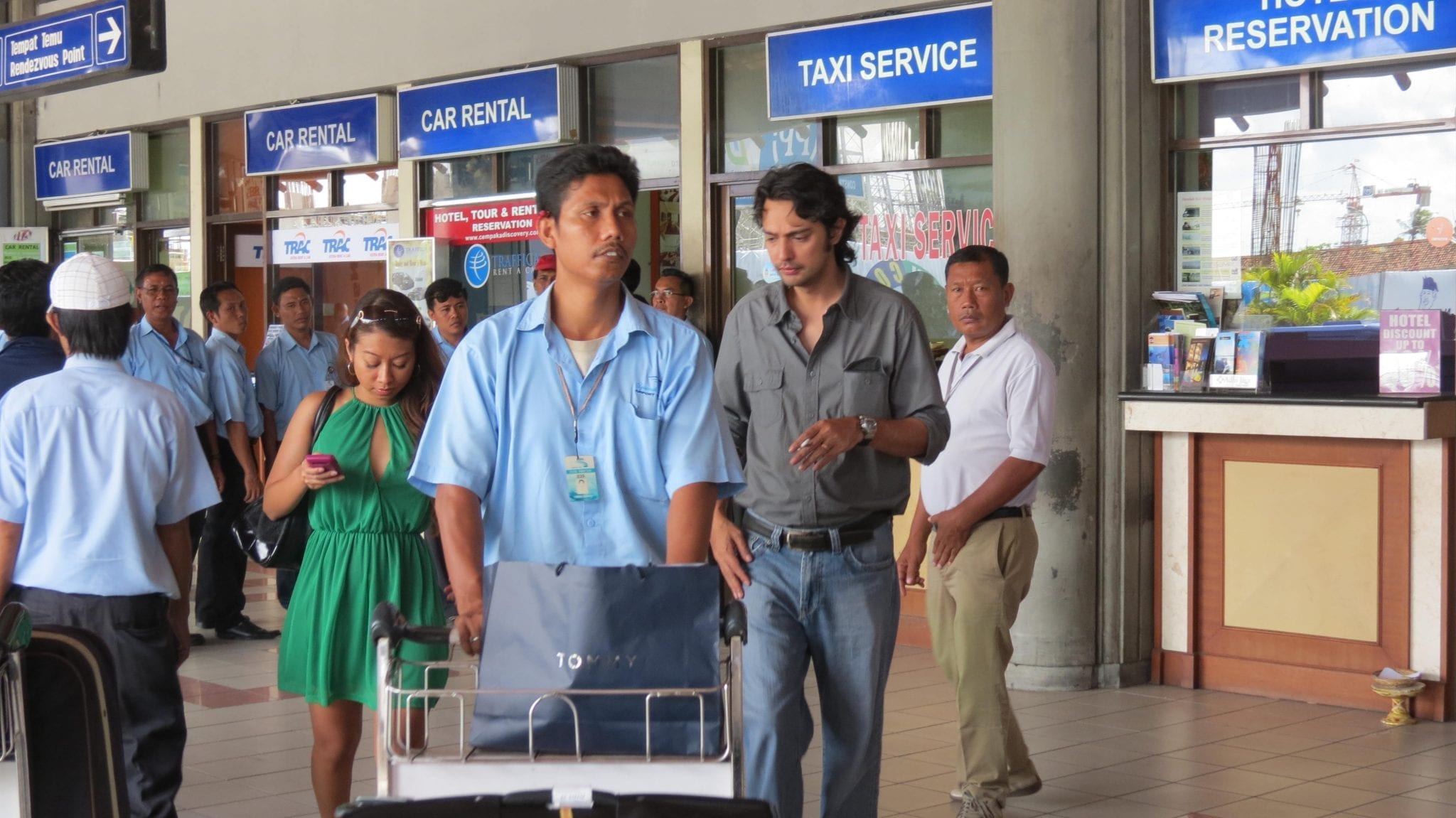
    The number of visits by Chinese tourists to Bali shot up 35.84 percent to 741.740 in the first nine months of this year from 546,035 visits in the same period last year.

    “The number of visits by holiday makers from China is now the second largest after those from Australia, which has continued to top the list of 10 largest countries of origin of foreign visitors to Bali,” head of the regional branch of the Central Bureau of Statistics (BPS) Adi Nugroho said here on Saturday.

    Adi said currently China accounts for 20.38 percent of the number of visits by foreign tourists to Bali.

    There were 3.63 million of visits by foreign tourists to Bali in the January-September period this year or an increase of 21.69 percent from 2.99 million in the same period last year.

    Adi Nugroho Australia contributed 23.36 percent to the total; number of foreign visits to Bali. Japan was the third place contributing 4.94% followed by Britain accounting for 4.52 percent, India for 3.57 percent, France for 3.56 percent, Malaysia 3.55 percent, the United States 3.44 percent, South Korea 3.04 percent, and Germany for 3.22 percent.

    He said the increase in the number of tourists from China was attributable to improved economic condition of the worlds most populous country and second largest economy.

    In addition, the countrys flag carrier Garuda Indonesia has provided direct flight between Bali and a number of cities in China such as Shanghai, Baijing and Guangzhou since 2015.

    China has become a target for market expansion by Garuda Indonesia for its international services.

    More than 100 Chinese travel abroad every year making that country the most potential tourist market which would benefit airlines.

    Chinese Consul General in Denpasar, Bali, Hu Yinquan, asked the government to provide sufficient interpreters for Mandarin to facilitate Chinese visitors, who could not speak in English.

    Hu Yinquan also asked that Mandarin also included in signposts as he believed more Chinese tourist would visit Bali in the coming years.

    In Manado, North Sulawesi, Chinese made up around 50 percent of foreign visitors in the third quarter of this year.

    “Chinese guests contributed 50 percent to the occupancy rate of the Lion Hotel and Plaza Manado,” says Sales Marketing Manager of Lion Hotel and Plaza Manado Anatje Pingkan Pinaria.

    Indonesia, however, is still far lagging behind Thailand in attracting Chinese holiday makers.

    Altogether, Indonesia recorded 8.36 million visits by foreign tourist until September this year or an increase of 8.5 percent year-on-year.

    Tourism Minister Arief Yahya said earlier this week, the increase gave greater optimism that the target of 12 million visits by foreign tourists to the country this year would be achieved.

    “In three consecutive months – July-August and September, the number of visits by foreign tourists exceeded one million. We hope that the number would be larger in October, November and December,” the minister said.

    In September, there were 1,006,653 foreign tourist visits or an increase of 9.40 percent year-on-year from 920,128 in the same month last year, he said in a statement.

    Based on data from the Central Bureau of Statistics (BPS) and the Tourism Ministry, the number of foreign tourist visits in the first nine months of the year was 8,362,963 or 8.51 percent higher than 7,707,034 visits in the same period last year.
  • Japanese manufacturers pitch new products at Indonesia motorcycle show

    Japanese manufacturers pitch new products at Indonesia motorcycle show

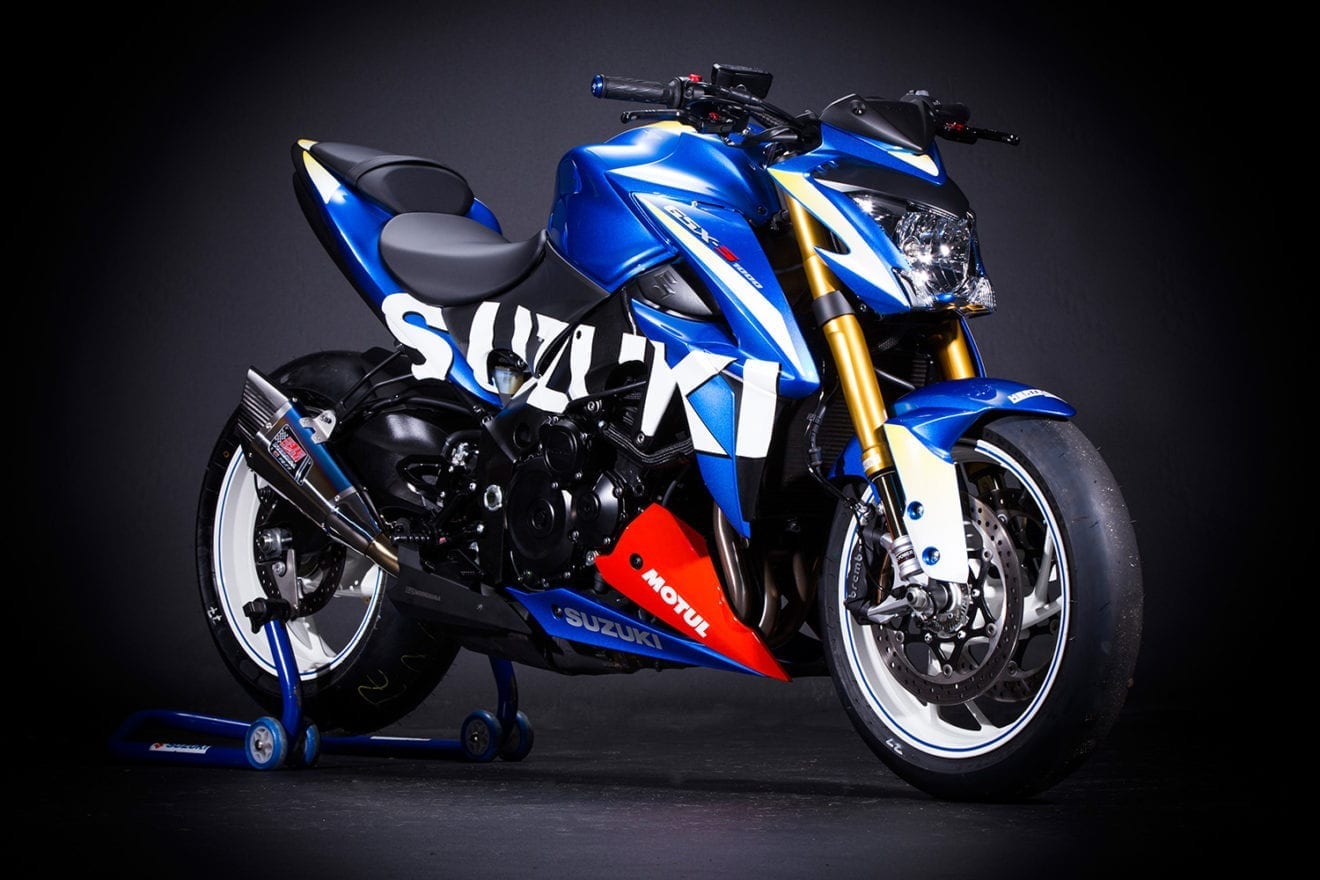
    Japanese motorcycle manufacturers are promoting their products at the Indonesian Motorcycle Show 2016 in Jakarta, with Suzuki Motor Corp. using the biennial event to unveil its latest models.

    Suzuki took the wraps off the GSX-R 150 and GSX-S 150 sport motorcycle models at the five-day show, which runs until Sunday, giving the Indonesian public an opportunity to see its latest products before their official launch in the first half of 2017.

    “We are very proud to introduce the GSX-R 150 and GSX-S 150 for the first time in the world,” Kazumasa Watanabe, manager of Suzuki’s motorcycle marketing group for the Association of Southeast Asian Nations, said at the show Wednesday.

    He described the Suzuki GSX-RR technology, on which the new models are based, as the company’s “highest achievement” in the GSX series that helped Suzuki win the 12th round of MotoGP, the world’s most prestigious motorcycle race, in Britain on Sept. 4.

    Kawasaki Heavy Industries Ltd. also unveiled its Kawasaki Ninja 650, while Honda Motor Co. released the prices of its All New Honda CBR250RR, introduced last July, which are $4,900 for the standard model and $5,300 for the model equipped with an anti-lock braking system.

    In the scooter category, Yamaha Motor Co. introduced the three-wheeled Tricity 155 in Indonesia after it was launched globally five months ago.

    Indonesia’s three-wheeler market is still very new, but Mohammad Masykur, assistant general manager for marketing at PT Yamaha Indonesia Motor Manufacturing, was optimistic about its future.

    “The presence of Tricity in Indonesia will give a new color to the Indonesian automotive world,” he said, adding that the company’s “Leaning-Multi Wheel technology will make a difference on the Indonesia road.”

  • Mirus adds 1.5″ to AirAsia knee room, aims high with new options

    Mirus adds 1.5″ to AirAsia knee room, aims high with new options

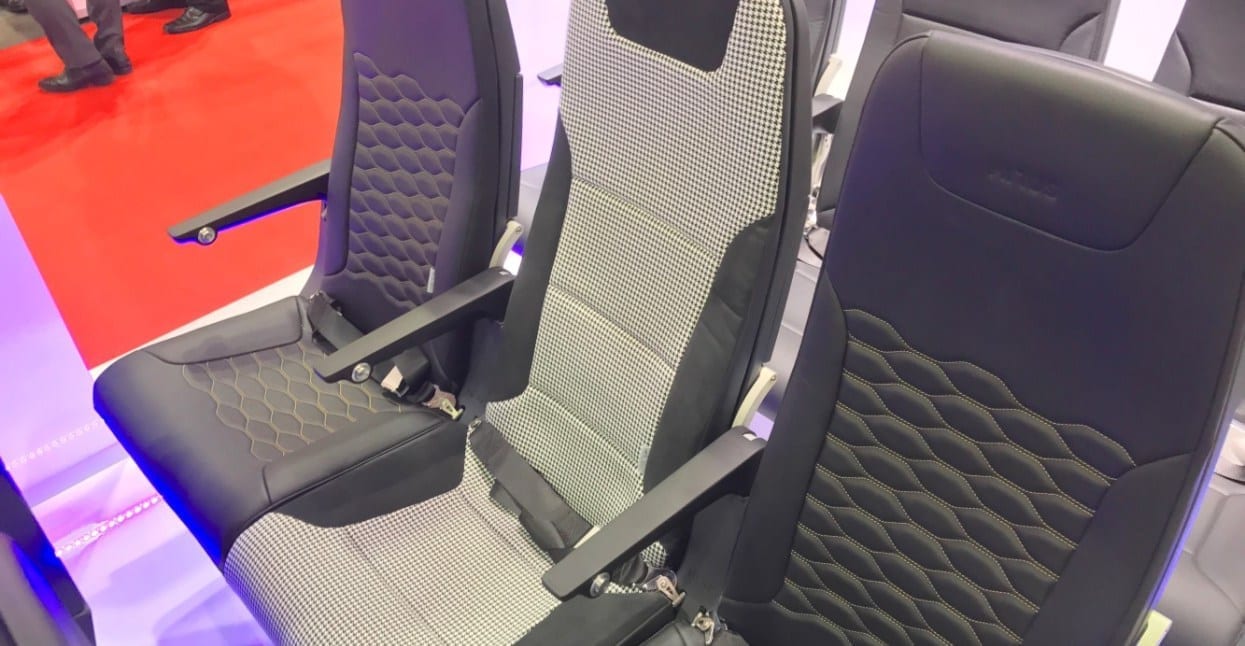
    AirAsia’s seatmaker Mirus made headlines even before the recent Aircraft Interiors Expo Asia started by announcing a partnership with digEcor and IFPL to add USB power to the armrest of its slimline seating. But Mirus isn’t just driving a step-change in the passenger experience for shorthaul LCCs. It’s also offering more fully featured seat options, one including a headrest inspired by a luxury car, which seems appropriate given the company’s automotive heritage. And, perhaps most crucially for the AirAsia passenger experience, it’s using smart design to carve out over an inch and a half of extra knee room — a full five percent extra on AirAsia’s tight seating.

    “This show, we’ve got some different variants of the seat,” Mirus CEO Phil Hall explained as he showed Runway Girl Network around the company’s AIX Asia stand. “We’ve got an entry-level seat, we’ve got a nominal AirAsia spec, and we did a heritage throwback line inspired by a 1970s Porsche. All these airlines have been around a long time, they’ve got a lot of heritage and they should be proud of it, and we’re trying to visualise some of that in the dress covers.”

    Most interesting, though, was the headrest, a snap-on, snap-off cushion. “That’s the S-Class inspired headrest. We’ll roll that out on AirAsia’s Hot Seats. Tony Fernandes said to me, ‘I really love the headrest on the S-Class Mercedes’,” Hall explained. “This is not production final, but I think we’re about 90% of the way there. There’s a small adjustment — you just un-velcro it and lift it up. It’s a similar type of feature to Emirates in their business class. We dressed it with Alcantara highlights just to mix up the textures a little bit, mix up the dress covers, and differentiate the brand. It’s a nice material, a tactile material, and it changes the appearance of the seat a little bit. This is more of a design and styling focus in terms of what we can do.”

    With a simple popper design for attachment, the headrest adjusts using velcro. Image: John Walton

    With a simple popper design for attachment, the headrest adjusts using velcro.

    “We’ve got production versions of the armrests here, and the aisle bumpers are our production spec,” Hall said. “We’ve changed the design language quite significantly, to a more dynamic looking seat. In Hamburg we didn’t have these available. What’s not on these seats is the production version of the backrests. We took a hit on the programme because we found quite a significant benefit to passenger space on the seatback, below the seatback area. Because we have a carbon-fibre frame, it allows us to mould the shape into whatever we want, because the carbon-fibre gives us the strength and the stiffness we need, and gives us the mobility. So we took a period of time to fully exploit that fact. We showed it to AirAsia, and they’re pitching at 28”, 29”, so it’s quite squeezy on there, and it was a genuine benefit to the passenger. That’s not on show here, but we’ll have that in Hamburg. It’s about an inch and a half. It was worth us taking the hit and offering a more competitive product.”

    “We’re looming up to certification and getting the seats in the air,” Hall added. “That’s our main target. All of our tooling has been commissioned, and the first production parts are now coming in. We built the certification seats from those parts. We’ve done all the precertification testing with non-production tool components, so we have a very good confidence level when we go into certification. The flam booth is there. The self-sufficiency aspect of the whole thing is coming together quite nicely. It’s all converging on a point.”

    “We did all the preliminary testing, pre-certification testing — 16G, 4G side, 9G static, 14G down — primarily to test the strength of the product but also to correlate all the virtual simulation that we do,” Hall said, noting that Mirus has succeeded with its head injury criterion (HIC) testing at pitches from 28” to 35”. “We’ve heavily invested in virtual prototyping and virtual product development, both software and process. We do another series of sub-assembly testing to validate those models as well.”

    It’s clear from the company’s level of hardware and testing investment that Mirus isn’t content simply to supply three hundred shipsets of A320 seats for AirAsia: the company wants to be much, much more than that. If Mirus was a seatmaker to watch six months ago when it burst onto the interiors scene, it’s doubly so now.

  • Goldman’s Instructed by ANZ

    Goldman’s Instructed by ANZ

    It has been an interesting week for Australian bank ANZ. On Monday it agreed a deal with Singaporean bank DBS to dispose of its Asian wealth units. Now it appears the bank has hired Goldman Sachs for another deal.

    According to a report the bank has appointed Goldman Sachs to lead the sale. Also involved in any transaction will be the Melbourne-based boutique Flagstaff Partners.

    Insurance Units Next to go?

    Flagstaff has worked with ANZ on several occasions including as a financial adviser to the ANZ Banking Group on the sale of ANZ Trustees to Equity Trustees. It also acted as a financial adviser on the acquisition of the remaining 51 percent shareholding in the ANZ-ING wealth management and life insurance joint venture.

  • Ex-UBS Executive Director Joins HSBC

    Ex-UBS Executive Director Joins HSBC

    A former Executive Director, Wealth Management at UBS, Singapore, has crossed the street to take up a senior role with rival HSBC Private Bank.

    In a statement HSBC Private Bank said: «We can confirm the appointment of Shang-Wei Chow as a Market Head, Domestic (Singapore) team at HSBC Private Bank, effective 3 November 2016. His appointment underpins our continued efforts to enhance our client servicing capabilities and deepen our engagement with clients.»

    Chow is a seasoned private banker with nearly 15 years of experience managing client relationships and wealth portfolios in Southeast Asia. As a Market Head of the Domestic team he will be responsible for new business development and deepening existing client relationships in line with HSBC’s strategy. Prior to joining the bank he was Executive Director, Wealth Management at UBS, Singapore.

    A Year of Change

    HSBC has seen numerous changes to its Singaporean private bank throughout 2016 including the departures of HSBC veterans Rob Ioannou to DBS and Michael Hua to LGT Private Bank.

    HSBC Private Bank in the city-state has also appointed several new bankers including a Head of Investment Counselling together with a new Head of Ultra High Net Worth Investment Counselling.

  • GPSengine, Alematics forge partnership in tracking fleets

    GPSengine, Alematics forge partnership in tracking fleets

    Alematics a tracking device manufacturer for fleet tracking and management and GPSengine, a leading hosted platform service provider in IoT, GNSS, Tracking and Telematics,have established a new partnership to support Alematics tracking devices on GPSengine’s Platform Connect hosted platform.

    Based in Taiwan and with a core focus on tracking devices, Alematics provides a range of trackers suitable for a range of industries and applications.  The combined solution made available by this partnership provides customers with a ready to go solution.  Projects in the fleet tracking space take time to develop and implement and this incurs costs for organisations even before they can see basic tracking.  With this combined offering, organisations can install Alematic trackers and start tracking straight away utilising Platform Connect, reducing the cost and time to implement traditional solutions.

    Platform Connect is a hosted platform service that receives, processes and stores information from GNSS, IoT’s, devices, sensors, applications and third party services.  Based in Brisbane, Australia, GPSengine is a white label IoT platform provider, specialising in vehicle tracking.  Recognised globally for innovation and quality, the GPSengine platform is the result of more than 10 years working in the telematics space. Since 2014 their primary focus has been the development and support of an easy-to-skin, customisable white label GPS tracking platform, as well as seamless integration of supporting hardware. This combination means GPSengine delivers a comprehensive M2M technology enabling companies to connect and monitor assets with confidence. Alematics (www.alematics.com) vision and aim is to provide added value for people and companies by creating the latest technologies that bring comfort, efficiency and security to everyday life.

  • AI, Gamification and Blockchain at DBS Hong Kong Accelerator

    AI, Gamification and Blockchain at DBS Hong Kong Accelerator

    Showcasing innovative fintech solutions that leverage artificial intelligence, blockchain technology, gamification and more, the founders of seven startups from Hong Kong and around the world met with hundreds of potential investors at DBS Accelerator Demo Day, the finale of the second DBS Accelerator programme in Hong Kong.

    Accelerators play a vital role in the Asian startup ecosystem and in supporting innovation. Providing vast resources, mentor support and dedicated work and office space, DBS Accelerator aims to create opportunities for innovators from across Asia and globally.

    Financial Innovation Evolving Rapidly

    The seven startups in this year’s programme are Flowcast, FOMO Pay, Hampen Technology, Mindlayer.io, NetGuardians, Playbasis and XinGuo Technology. They were selected from more than 150 applicants from around the world, including Hong Kong, Singapore, China, Thailand and the U.S.

    «We believe FinTech has the ability to go beyond mere disruption and make a tangible difference to the experiences customers have in using financial products and services,» said Lawrence Morgan, CEO of Nest.