Author: Mei Ling Tan

  • Tata Motors signs MoU with PT Pindad to sell armoured vehicles in Indonesia

    Tata Motors signs MoU with PT Pindad to sell armoured vehicles in Indonesia

    Tata Motors and PT Pindad have signed a Memorandum of Understanding (MoU) for cooperation to explore market potential of Tata Armoured Vehicles in Indonesia and other regions of ASEAN.

    The MoU also includes a study to check the feasibility of locally assembling Tata Armoured Vehicles at PT Pindad’s facility, in Bandung in West Java province of Indonesia.

    PT Pindad is an Indonesian state-owned enterprise specialising in military and commercial products.

    Commenting on the occasion, Biswadev Sengupta, president director of Tata Motors Indonesia, a subsidiary of Tata Motors – Agent licensee (APM) of Tata Motors brand in Indonesia, said, “This is a very important milestone for Tata Motors operations in Indonesia and is a matter of pride to be able to co-operate with PT Pindad, which is held in high esteem by the Indonesian community. I am sure that through this arrangement, we can create a lot of value in Indonesia, a market which we are committed to in the long term.”

    “This foray into the defense business in Indonesia, is in continuation with the strides made in the logistics business in the country, where more than 3000 Tata vehicles are already on the road, covering pickups, light trucks, buses and heavy trucks,” added Biswadev.

    PT Pindad provides the main weapon systems (Alat Utama Sistem Senjata or Alutsista) required to support independence in defence and security of the Republic of Indonesia. Furthermore, PT Pindad (Persero) also produces several industrial products for other aspects such as transportation and commercial explosives. Its activities cover design, development, engineering and fabrication as well as maintenance.

    Tata Motors has been associated with the country’s off-road defence and security forces, since 1958 and has supplied over 110,000 vehicles to the Indian military and paramilitary forces, so far. The company exports its range of defence vehicles to the SAARC, ASEAN and African regions.


  • World Bank approves loan for Indonesia`s logistics sector

    World Bank approves loan for Indonesia`s logistics sector

    The Executive Board of the World Bank has approved a US$400 million Development Policy Loan for the Indonesias Logistics Reform, which will be used to improve the countrys logistics system and connectivity.

    “These reforms will help Indonesia in achieving higher inclusive growth,” World Banks Country Director in Indonesia Rodrigo Chaves said in a statement received by ANTARA here on Thursday.

    Chaves explained the US$400 million loan will support Indonesia to overcome obstacles in the supply chain, such as dwelling time and trading permits.

    The inefficient dwelling time has resulted in Indonesias logistics costs accounting for 25 percent of the total costs, while Thailand is only 15 percent and Malaysia is 13 percent.

    Currently, the cost of container shipping of oranges from Shanghai, China to Jakarta is cheaper than the cost of similar items shipping from Jakarta to Padang, West Sumatra.

    Though, the distance between the two cities in Indonesia is only a sixth of the distance between Jakarta and Shanghai.

    “Logistics efficiency will improve connectivity and provide a significant impact on the competitiveness of the country. Improved logistics can reduce the cost of goods and services flows, especially in remote and underdeveloped regions in Indonesia,” Chaves said.

    The Development Policy Loan will support Indonesia over a transition period from the commodity-dependent economy to manufacturing-based economy with high competitiveness.

    World Banks Senior Economist Massimiliano Cali added that the high cost and unreliable logistics are obstacles in improving national competitiveness.

    “Managing these problems will increase production and export, thus lifting economic growth,” he said.

    The three main objectives of this funding is increasing the performance of the ports, improving the competitiveness of logistics services and strengthening trade facilitation.

    World Banks support for the logistics reform is an important part of the Partnership Framework of World Bank Group States, which is centered on the governments priority to bring significant changes.

  • Program to open new rice fields in East Nusa Tenggara to continue in 2017

    Program to open new rice fields in East Nusa Tenggara to continue in 2017

    Head of the East Nusa Tenggara provincial Agriculture and Plantation Service Yohanes Tay Ruba said the province would continue the program of opening of new rice fields in 2017.

    “Currently we are conducting rationalization and preparation of the program for the opening of new rice fields to be implemented in 2017,” Yohanes said here on Saturday.

    He said implementation of the program this year could not be carried out as expected over delay in the disbursement of General Allocation Fund (DAU) from the central government.

    Until now 1,960 hectares of new rice field had been opened or falling short of the target of 2,709 hectares for this year, he said.

    Around 224.22 hectares of the new rice fields have been ready for cultivation, he added.

    “We hope the rest could be carried out with work starting early next year, that farmers could increase their rice production,” he said.

    Yohanes delay in the implementation of the program was recorded in a number of areas including in the regencies of Kupang, Sumba Timur, and Flores such as regencies of Ende and Manggarai Barat.

    The regency of Ende was to have Rp11,538,089,786 in the delayed DAU each month from September to December.

    Kupangs delayed share of the DAU in the same periods was Rp25,466,413,828; and the regency of Sumba Timur was to have Rp11,532,251,253 and the regency of Manggarai Barat was to receive a disbursement of Rp18,071,885,782 each month during the four months period.

    Yohanes said the opening of new rices fields in NTT so far had been carried out through cooperation with the military with solders sent to the fields together with the government elucidation team to encourage the farmers in expanding their rice fields.

    “We appreciate the assistance offered by the military for the farmers to increase their productivity,” he said.

    He said he hoped such cooperation would continue that when the budget fund had been available the program to open more new rice fields could be implemented as expected.

    Earlier this week President Joko Widodo said the country would not import rice in the rest of this year.

    Agriculture Minister Andi Amran Sulaiman has said there would be no scarcity in rice supply in Indonesia as the country is predicted to have a surplus of 400,000 tons in production this year.

    The minister said based on a survey by the Central Bureau of Statistics (BPS) the countrys rice production rose significantly this year.

    The survey said planting areas in July-September, 2016 reached 1 million hectares up significantly from an average of 500,000 hectares in earlier years.

    Based on an assumption that a hectare would turn out 6 tons of unhulled rice, the countrys production of unhulled rice would total 6 million tons or equivalent to 3 million tons of milled rice as against a monthly consumption of 2.6 million tons.

    Therefore, the countrys rice stock is sufficient despite the extreme weather such as foods that damaged rice crops in the country this year.

    “In addition, irrigation systems have been repaired in various areas in Indonesia in cooperation with the Public Works Ministry,” Andi said.

  • Pelindo to build seaport for food transportation

    Pelindo to build seaport for food transportation

    The Indonesia Port Corporation, PT Pelabuhan Indonesia (Pelindo) I, will build seaport infrastructure that supports food logistics transportation in order to reduce shipping costs and improve the quality of food products, Pelindo I Director Bambang Eka Cahyana said.

    “Right now we are paying attention to the food sector. In Belawan, North Sumatra, this year we are building a cold storage,” Bambang Eka said here on last Thursday.

    Cold storage, he added, can retain the quality of food products before they are exported overseas.

    The construction of cold storage in Belawan is a short-term plan for Pelindo I.

    Meanwhile, the medium-term plan of the company is to build a specialized cluster for food processing in Tanjung Balai port, North Sumatra.

    “During this time food processing has not received full attention. If we strengthen the cluster at the port, it will lower logistics costs,” he said.

    Bambang said for the long-term project, Pelindo I will build food processing infrastructure at all seaports throughout the country that are under its management.

  • AirAsia Flight Airplane Gets Stuck In Mud After Skidding Off Runway At Malaysian Airport

    AirAsia Flight Airplane Gets Stuck In Mud After Skidding Off Runway At Malaysian Airport

    Hundreds of passengers were left stranded at a Malaysian Airport after a plane skidded off the runway during take-off. AirAsia Flight AK6443 was preparing for take-off from Sultan Ismail Petra airport.

    The AirAsia aircraft was preparing for take-off on Tuesday evening when two of its three landing gears slipped off the edge of the runway and became lodged in the grass and mud.

    Flight AK6443, which was scheduled to fly to Kuala Lumpur, and was making a U-turn, when the nose and left landing gears slid off the runway.

    Airport manager Ramzi Ahmad told that the aircraft, which was due to depart at 10.25pm, was towed away at 5.45am the next day.

    The accident temporarily put the runway at Sultan Ismail Petra airport out of use, which in turn impacted several other flights.

    Three flights that were scheduled to land at the Kota Bharu airport were forced to turn back, according to the report.

    Passengers were asked to disembarked the plane and go back to the airport to wait for their flight. Many passengers were still stranded at Sultan Ismail Petra Airport at 1.30am.

    “AirAsia confirms that flight AK6443 scheduled to depart from Kota Bharu to Kuala Lumpur yesterday night was involved in an incident while taxiing on the runway at Sultan Ismail Petra airport. All guests and crew on board the flight are safe and no injuries have been reported. All guests were attended to and all necessary assistance were provided. All AirAsia flights are operating normally from Sultan Ismail Petra airport today.”

    Flight AK6446 finally departed from the airport bound to its destination. It flew at 9:00 am the next day.

  • Marks & Spencer’s China stores risk closure

    Marks & Spencer’s China stores risk closure

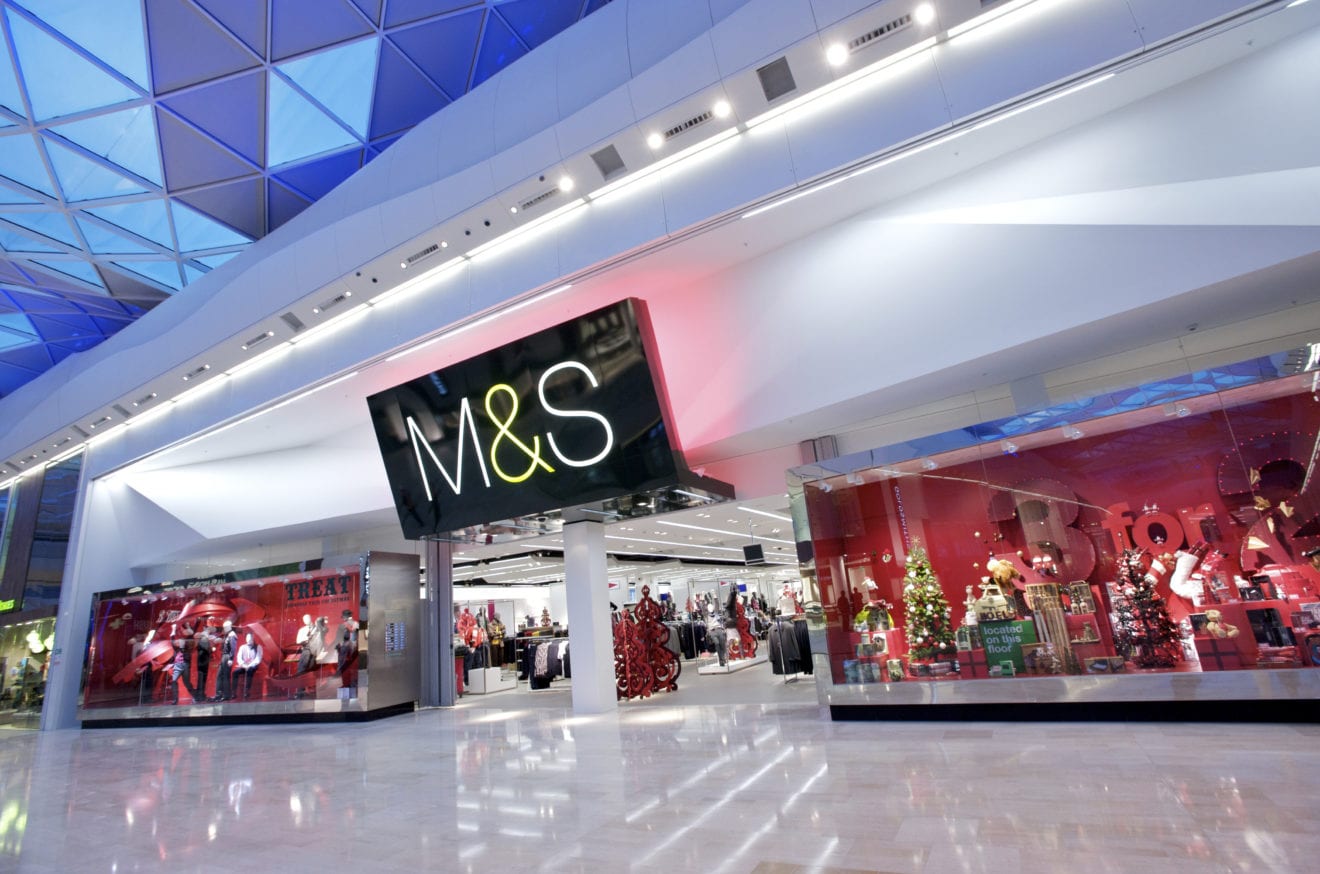
    Marks & Spencer is reportedly due to announce the closure of some of its Chinese shops when it releases its trading update next week.

    There is speculation that chief executive Steve Rowe will reveal his plans to help bring the department store chain back into business when the company’s half-year results are published.

    M&S currently has 10 stores in China, and according to Bloomberg some of them could be in the firing line.

    The news comes just a week after speculation that M&S’ Paris flagship would also close down, as part of Rowe’s plans to move away from loss-making international operations.

    The department store chain will reveal its interim results on November 8.

  • CityOn.Zhengzhou to open fully leased

    CityOn.Zhengzhou to open fully leased

    Taubman Asia, a subsidiary of US shopping centre group Taubman Centers, and China’s Wangfujing Group, have announced the line-up of retailers for its CityOn.Zhengzhou mall in Henan province, set to open on March 16.

    When it opens, the centre will be 100 per cent leased and 90 per cent occupied with nearly 200 stores and restaurants. In the heart of Zhengdong New District, the six-level, 94,000 sqm shopping and dining destination will offer domestic, international and lifestyle brands from fast fashion to accessible luxury, anchored by a four-level Wangfujing department store.

    “We are thrilled to see our second China project coming to life in Zhengzhou,” says Taubman Asia president Rene Tremblay.

    Local, regional and international cuisine at all price points and in both seated restaurants and quick-serve formats will be a feature of the centre, which will also offer family-friendly experiential, educational and entertainment offerings.

    Many international brands will be making their central China debut at the centre, says Taubman Asia group VP Paul Wright.

    Outlets at the mall include…

    Fashion: Adidas, Ajidou, Basic House, Bershka, Charles & Keith, Columbia, Converse, Ecco, Five Plus, Forever 21, H&M, Innisfree, Jack & Jones, KIKC, Kipling, La Chapelle, Lee, Levi’s, Mango, Massimo Dutti, Miniso, Mishka, Mobi Garden, Nike, Pandora, Polo, Sand & Foam, Sephora, Skechers, Stradivarius, The North Face, Uniqlo, Vans, Vero Moda, Westlink and Zara.

    F&B/entertainment/kids/lifestyle/electronics: Acasia Food Village (featuring 14 food vendors), Benfu Sushi, Boat Noodle, Chatime, Chez Choux, Chicken Container, Coco, Dollar Shop, FrozenYo, GB Kids Station, Gong Cha, Grandma’s Kitchen, Guoguo Mutton Soup Restaurant, Guxiang No. 9 Catering, Hallmark Babies, Homao, Huawei, iSpace, La Chapelle Kids, Lenovo, MagicSalad, MM by Haircode, Mr Wish, NaughtyKids, New York Fries, Oscar CityOn Cinema, PapaBubble, Pizza Zone, Rbike, Siwuke Tea, Starbucks, Strawberry Forever, Subway, Teppanyaki Xiang, Toot Science, Udon & Tempura, Uncle, Wan Quan Bu Tong, Xiang Tian Xia Huo Guo, Xiao Liu Jia, Xiao Zhu Zhu Kao Rou, Xue Mi Da, Yang Xiang Dou Pi Shuan Niu Du, YuYuTo, ZBX Fresh Fish Hot Pot, Zheng Shi Yi and Zoo Steak.

  • Alibaba-backed Lazada acquires online grocer RedMart

    Alibaba-backed Lazada acquires online grocer RedMart

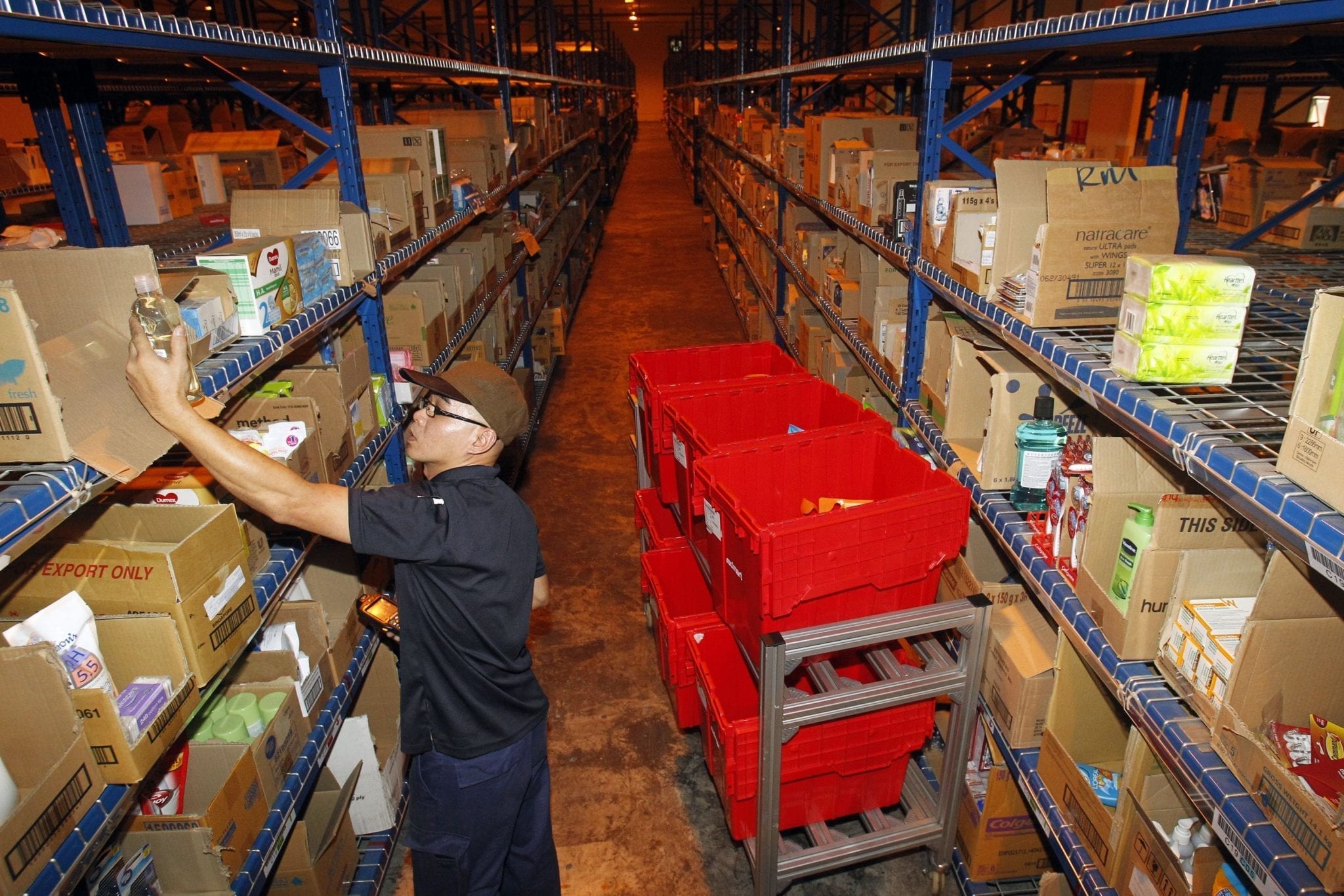
    On Wednesday, Singapore-based e-commerce company Lazada announced that it will acquire Redmart, an online grocery retailer.

    Singapore startup Lazada, whose platforms sell goods from smartphones to baby products throughout the region of 600 million people, said in a statement it would buy Redmart to benefit from its operational and technological capabilities. It did not reveal financial details involved in the deal.

    Lazada said it expects the transaction to be completed in the fourth quarter of this year, adding that RedMart will be led by its current management and will “continue to operate independently” after the transaction. RedMart now operates in Singapore but it has long harbored expansion ambitions.

    Lazada Group CEO Maximilian Bittner said that RedMart’s strong management team and relentless focus on putting the customer first has resulted in customers loving them in Singapore. The capital flexibility provided through this deal will go towards innovating to delight our customers.

    The acquisition come months after Japanese e-commerce operator, Rakuten, shuttered its online stores in Singapore, Indonesia, and Malaysia.

    Amazon has plans to expand to South-east Asia, and there are signs the online retail giant is entering the region through Singapore, Techcrunch reported on Wednesday (Nov 2).

    More specifically, China, which can leverage its manufacturing hub and market size. The company said that this alignment will help it expand into new product categories faster.

    Amazon has also been preparing for the local launch by quietly acquiring new assets such as refrigerated trucks, and hiring new staff.

    According to reports, Amazon plans to roll-out selected services in Singapore within the first quarter of 2017. Chinese e-commerce leader Alibaba bought a controlling stake in Lazada in April this year in a US$1 billion deal.

    However, the research firm noted that while the region presented significant growth opportunities, market players would be challenged by low credit card ownership, which now stood at lower than 7 percent in all Southeast Asian markets except Singapore and Malaysia.

  • Apple’s AirPods set to launch by year-end, sources say

    Apple’s AirPods set to launch by year-end, sources say

    Apple‘s AirPods will ship before the end of this year, AppleInsider’s sources have confirmed, dismissing a bogus supply chain report that surfaced early Tuesday, November 1.

    Supply chain monitor Economic Daily News reported on Tuesday that manufacturer Inventec would see quarterly profits jump in the quarter starting in January 2017 because of a shifted launch date. At the same time, the publication said that the fourth quarter 2016 profits would not be changed from the third quarter.

    When asked about the report, Apple told AppleInsider that it doesn’t comment on “rumors or speculation.”

    However, sources familiar with the company’s plans indicated that internally, there is no official delay until January for shipment of the wireless earbuds, AppleInsider says.

    One person briefed on the matter said plainly that there was “no way that these are getting pushed to January.”

    In addition, contacts at Apple retail noted that AirPods demonstration units are already available in some stores. Out of 10 stores polled by AppleInsider, six of them had demo units.

    Where demo units are available, staff have already received training on the product. At those locations, employees are just awaiting notification from management to start showing the AirPods to shoppers.

    “We’re ready to go any time,” one retail source said. “We’ve got a few pairs for customer demonstration that we’re just waiting on the word to start with.”

    Several venues have also received hardware for review. Those arrived prior to the quiet reveal that the AirPods wouldn’t ship in time to meet an original “late October” ship date.

  • Foreign Investors Eye Hospital Business in Indonesia

    Foreign Investors Eye Hospital Business in Indonesia

    Foreign investors have expressed interest in healthcare business investments in Indonesia. Singapore-based Global Growth Markets (GGM) consultant said that India-based hospital group Apollo Hospitals is currently considering to build a telemedicine center and a hospital in Indonesia. In addition, Malaysia-based IIH Healthcare recently announced that they would tap into the Indonesian market as a part of its expansion plan.

    GGM consultant Pet Read revealed that Indonesia’s healthcare industry showed the highest growth after China and India. The number of privately owned hospitals in Indonesia grew by 50 percent per year over the last few years.

    “Currently, the number of hospitals in Indonesia, including government-owned hospitals, is around 1,300,” Mr. Read said in a press release on Thursday, November 3, 2016.

    Other foreign companies interested in developing hospitals in Indonesia included Columbia Asia Health Services Group. The company, based in Kuala Lumpur, has planned to open three hospitals in Semarang.

  • Challenger Technologies takes revenue hit

    Challenger Technologies takes revenue hit

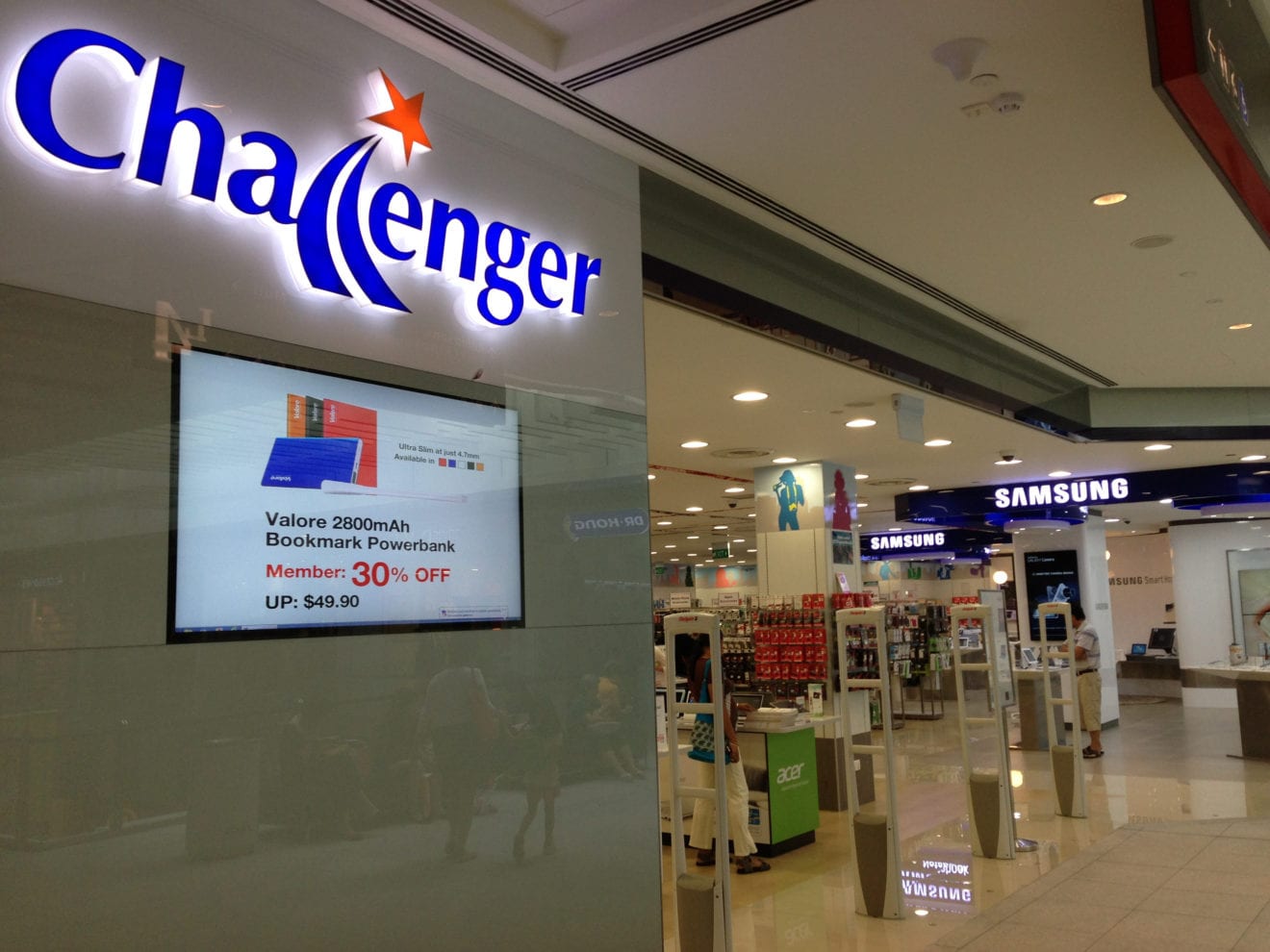
    Challenger Technologies has experienced a significant slump in retail sales.

    While group revenue for the Singapore IT products and services provider remained flat at S$256 million (US$184 million) for the nine months to September 30, its third-quarter dropped 16 per cent to $74.4 million.

    This was mainly because of a decrease of $7.5 million in retail sales brought on by the weakened market, as well as a $5.6 million fall in corporate sales.

    CEO Loo Leong Thye says the company will continue to enhance its omnichannel offerings so it can reach offline and online customers faster.

    Net profit fell by about 16 per cent to $9.1 million for the nine months, and for the third quarter took a 49 per cent dive to $1.8 million. The company says this was caused by an impairment provision of about $1.2 million for investments in a last-mile delivery provider, which has since scaled down. Without this, net profit for the nine months and third quarter would have decreased by 6 and 17 per cent respectively.

    The rest of the decrease was because of lower gross profit from lower revenue, despite a marginal increase in gross profit margin.

    To date, the group has 44 stores in Singapore, comprising 25 Challenger superstores and 19 small-format stores.

  • Apple savvy brought to Xiao Guan Tea store

    Apple savvy brought to Xiao Guan Tea store

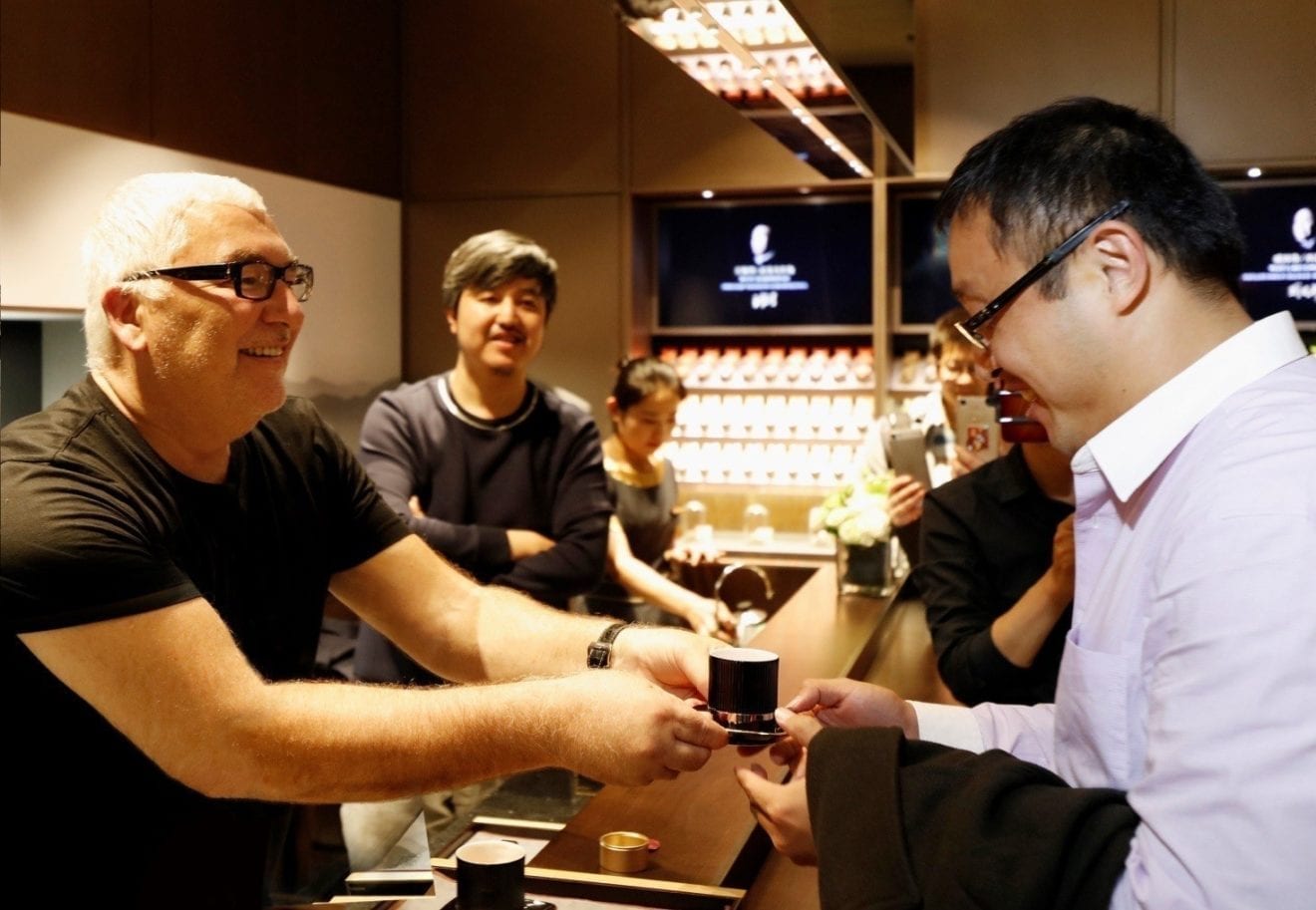
    Apple Store designer Tim Kobe was designer for the Xiao Guan Tea label’s first store, which has opened in Jinan, China.

    At the store’s grand opening, Kobe joined lead designer Jinjiang Yu, innovative experience consultant Shuo Tang and consumer experience director/company partner Hong Li about “Creating a new Chinese tea experience using the same philosophy as Apple Inc”.

    Xiao Guan Tea store 1

    Believing a traditional Chinese tea store would be too outdated for today’s young urban consumers, they analysed how concepts in store design integrate with the Chinese tea culture, proposing fresh ideas for both the tea and design industries.

    Accordingly, the Xiao Guan Tea Store sets about changing the Chinese consumer’s impression of a tea brand right from its entrance. Full-height revolving glass doors display teaware and the company’s specially designed tea capsules.

    Xiao Guan Tea store 2

    On arrival, customers enter the Tea Vault with individual displays for each type of tea, and the Tea Bar where they can sit and sample teas. There are introductory videos, and different varieties of tea leaves can be viewed inside vacuum glass containers.

    Once a customer has made a choice, a tea host places their tea capsules into a gift box.

    Xiao Guan is not just a tea shop or product display centre – it has been designed as a place where people can linger, similar to Apple’s retail philosophy. It approach was to invite eight tea masters, each representing a different style of tea, to create products with uniform quality standards, defined origin of raw materials, and limited picking time and preparation methods to ensure the freshness and authenticity of each leaf.

    Xiao Guan Tea store 3

    Also, the company invited a Japanese master engineer to design an aluminium pod for individual tea brewing.

    All this preparation took two years, the result being not only a new brand but also a more convenient and simple way for people to enjoy tea.

    “With precise product positioning plus advanced marketing strategy, Xiao Guan Tea has created an innovative consumer experience which is very different from the traditional tea industry,” says marketing director Jiang Mei.

    “Chinese tea has always been portrayed with traditional images. We have broken the traditional approach to tea selling with a new brewing method and by creating a brand experience.”

    Photo: Wei Xuliang

  • Leonardo ready to expand helicopter sales to Indonesia

    Leonardo ready to expand helicopter sales to Indonesia

    Italian aerospace, defense and security company Leonardo-Finmeccanica sees an opportunity to expand its presence in Indonesia with sales of its helicopter products, company officials said here on Thursday.

    Head of Region for Leonardo Helicopters Lorenzo Pariani said here at the Indo Defense Expo 2016, Thursday, that Indonesia has a dynamic market to fill the needs of civilian and military users of Leonardos products.

    “Indonesia is a big archipelago. You have specific needs that we could develop together,” Lorenzo said.

    At the end of 2015, Leonardo had delivered an AW139 helicopter to the Indonesian Search and Rescue Agency (Basarnas) for humanitarian and rescue missions.

    Basarnas was Leonardos first Indonesian costumer in the form of a government agency.

    “This is like an ice breaker because we want to sell more of our helicopters,” Lorenzo said.

    The Indonesian Air Force has also chosen Leonardos AW101 helicopter, which serves as a multi-purpose helicopter, with sufficient haulage and is projected to conduct missions as a heavy-lift helicopter to increase the mobility of troops and logistics.

    Several private operators in Indonesia have also been using Leonardos helicopter such as Susi Air with AW109 and AW119, and Travira Air, which opted for a larger AW139.

    “Were also ready to have cooperation in transfer of technology with Indonesia,” Lorenzo said.

    Leonardo has sold more than 1,000 units of helicopters globally, while this year, the company has received 15 confirmed orders for helicopters from the Indonesian costumers, he said.

    Meanwhile, Leonardos Vice President of Market and Business Development, as well as Head of Region Southeast Asia, Bruno Bertella said that Leonardo and the Indonesian Military have been partners for around 20 years.

    Leonardo has provided the Indonesian armed forces with a sophisticated defense system, such as an electronic defense systems, torpedos, warship cannons in various calibres.

    “We hope to be able to provide a heavy weight torpedo for the Indonesian submarine which was recently built in South Korea,” Bruno said.

    The Indo Defense Expo and Forum 2016 is currently being held in Jakarta from Nov 2 to 5, in which a total of 844 companies, including 573 foreign companies and 271 domestic ones, are participating.

    Indonesias Defense Minister Ryamizard Ryacudu said the exhibition is expected to benefit not only the defense field but also the countrys economy and research and technology development.

  • Shoppers in Hyderabad welcome fourth SPAR Hypermarket

    Shoppers in Hyderabad welcome fourth SPAR Hypermarket

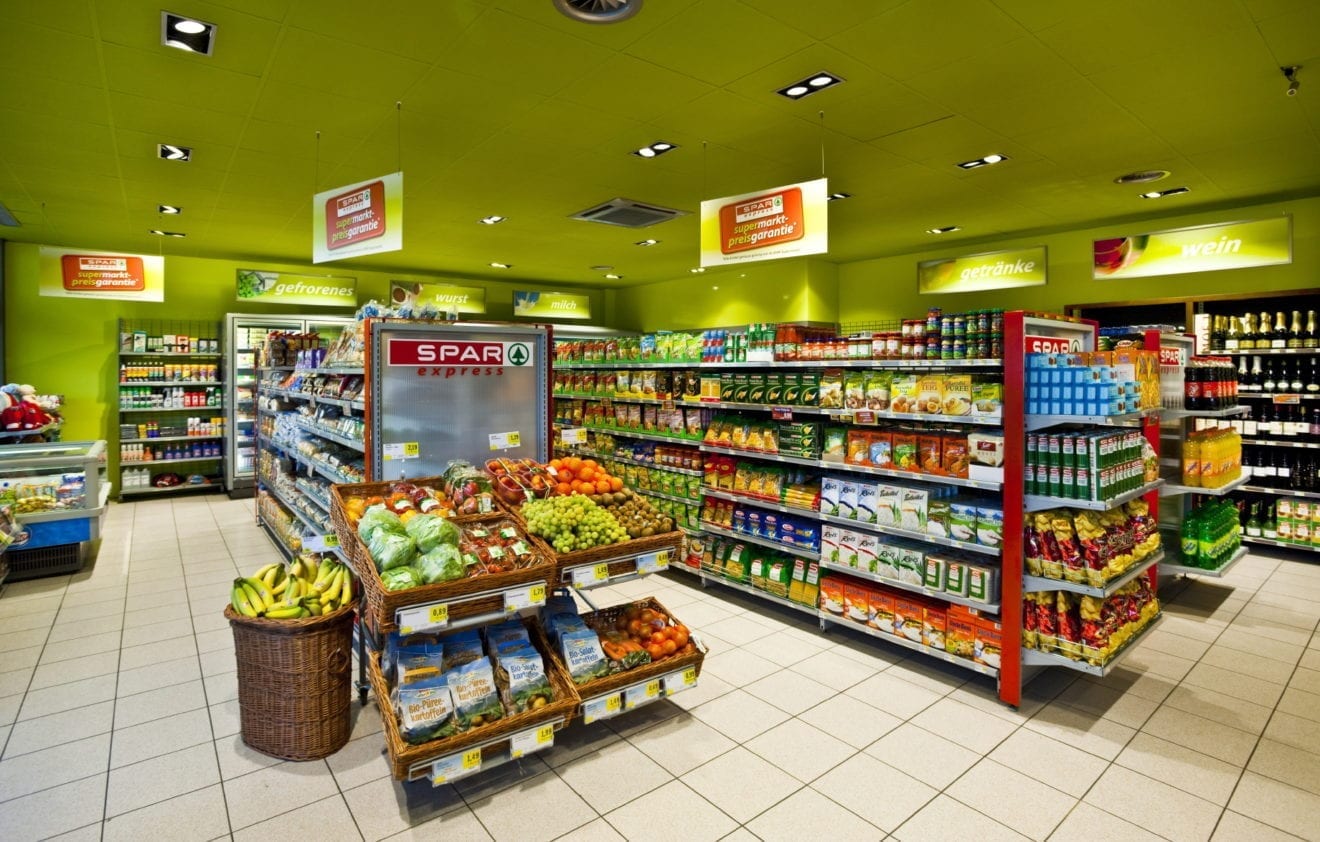
    Building on the SPAR Brand awareness amongst shoppers in Hyderabad, the newest hypermarket situated in Paradise Mall, Nacharam has been enthusiastically welcomed by customers. This is the 18th SPAR Hypermarket to open in the country, spread over seven states and nine cities, and the fourth in Hyderabad.

    The newly built hypermarket is a total of 6,000sqm and comprises one of the retail offerings in the Mall which is also managed by Max Hypermarkets, holder of the SPAR licence in India. In the retail selling area of 5,400sqm, customers can enjoy a diverse range of fresh foods from the fish, bakery, delicatessen and Food-to-Go service departments or browse the extensive non-food offer. The wide choice and high standard of products available throughout the hypermarket has seen customers react positively with particular attention on the Home & Living department.

    Many of the local customers are traditional families comprising a full target group of babies through to grandparents, requiring a broad range of products. In the build up to the opening on 18 October, SPAR India spread the word through extensive advertising. Customers took advantage of the opening specials with over 1,000 transactions taking place between 4:30 and 10:00 pm on the first day of trading. 

    Further advertising about the selection of fresh fish, meat and produce has begun together with greater awareness of the full hypermarket offer. Customers have commented favourably on the open layout, wide aisles and the merchandise available.

     SPAR India continues to focus on the range instore, building up their own brand products, which currently account for approximately 10% of retail turnover. SPAR India’s Managing Director, Rajeev Krishnan, stated at the opening ceremony that the group intends to expand its footprint by 30% in the next 12-18 months.

     SPAR India already offers an online shopping platform available for customers in Bengaluru. The platform offers same day delivery, payment by credit card, cash or food coupons and orders above Rs1,000 are free of charge. The online platform may be extended to other cities in the future. Furthermore, SPAR India continues to invest in the profitability and efficiency of its hypermarkets through the incorporation of new technologies such as the queue-buster solution to enhance the customer experience.

  • Global Advertising Spend Growth to Slow Next Year

    Global Advertising Spend Growth to Slow Next Year

    The latest Consensus Ad Forecast from Warc, the marketing intelligence service, indicates that global advertising spend will rise by 4.5% during 2016 as a whole, before the growth rate slows to 4.2% in 2017.

    With the exception of newspapers and magazines, all major media channels are expected to record adspend growth this year and next. However, the two largest, TV (+1.1%) and internet (+13.0%) are forecast to see their growth rate ease during 2017. The same is true for mobile, though it is still set to be the fastest-growing ad channel over the period.

    Warc’s Consensus Ad Forecast is based on a weighted average of adspend predictions at current prices from ad agencies, media monitoring companies, analysts, Warc’s own team and other industry bodies.

    Current sources include Carat, eMarketer, GroupM, Magna Global, Nikkei Advertising Research Institute (NARI), Pitch-Madison, Pivotal Research Group and ZenithOptimedia.

    All 13 markets covered in the report are forecast to see the amount invested in advertising rise both this year and next, though for eight of these the growth rate will be softer in 2017.

    India is expected to see the strongest annual rise in adspend this year, up 13.3%, with a similar rate of growth anticipated next year. The world’s largest ad market, the US, is expected to post adspend growth of 5.1% this year – buoyed by the presidential election campaigns and the Rio Olympics. US adspend growth is then forecast to cool next year – rising by 2.8% – as the impact of these events is lost.

    Adspend growth by country

                           2016 vs 2015     2017 vs 2016

                          y-o-y % change   y-o-y % change

    India                      13.3             13.4

    China                       7.8              7.1

    Russia                      5.8              6.1

    Spain                       5.8              5.2

    UK                          5.6              4.3

    US                          5.1              2.8

    Australia                   3.8              3.8

    Brazil                      3.3              2.1

    Italy                       2.8              1.6

    Germany                     2.1              1.8

    Canada                      2.0              2.4

    Japan                       1.7              1.7

    France                      1.3              0.8

    Global                      4.5              4.2

    Source: Warc’s Consensus Ad Forecast, November 2016 (www.warc.com)

    Despite the uncertainty surrounding the “Brexit” process by which the UK will leave the European Union in 2017, the nation’s ad market is forecast to record adspend growth of 5.6% this year and 4.3% next; both above the global respective rates.

    All four BRIC markets, India (+13.4%), China (+7.1%), Russia (+6.1%) and Brazil (+2.1%), are expected to post rises in ad expenditure this year and next. France is forecast to record muted growth of +0.8% in 2017, the softest rate of the 13 markets studied.

    All media, barring newspapers and magazines, are predicted to record year-on-year growth in 2017, with mobile expected to see the greatest adspend rise, up 34.2%. Total internet (including mobile) growth is expected to be 13.0% next year, while TV, the world’s largest ad channel by spend, is forecast to post growth of 1.1%.

    Global adspend growth by medium

                           2016 vs 2015     2017 vs 2016

                          y-o-y % change   y-o-y % change

    Mobile                     47.1             34.2

    Internet                   14.6             13.0

    Out of home                 3.4              3.2

    Cinema                      3.1              5.1

    TV                          2.8              1.1

    Radio                       0.4              0.3

    Magazines                  -5.9             -4.5

    Newspapers                 -8.0             -6.1

    Source: Warc’s Consensus Ad Forecast, November 2016 (www.warc.com)

    James McDonald, Senior Research Analyst at Warc, said: “The latest consensus results present a positive outlook for advertising investment at both a global and local level. All 13 markets studied are expected to record adspend growth in the short term, and this despite their contrasting socio-economic environments.”

    “We have identified a common trend among more mature markets whereby increasing investment in internet – particularly mobile – ad formats is driving headline growth. Applying consensus trends to Warc’s adspend data shows that mobile will grow to be the world’s third-largest ad channel by the end of 2016.”