Author: Mei Ling Tan

  • Agatha Paris opens first stand-alone travel retail outlet

    Agatha Paris opens first stand-alone travel retail outlet

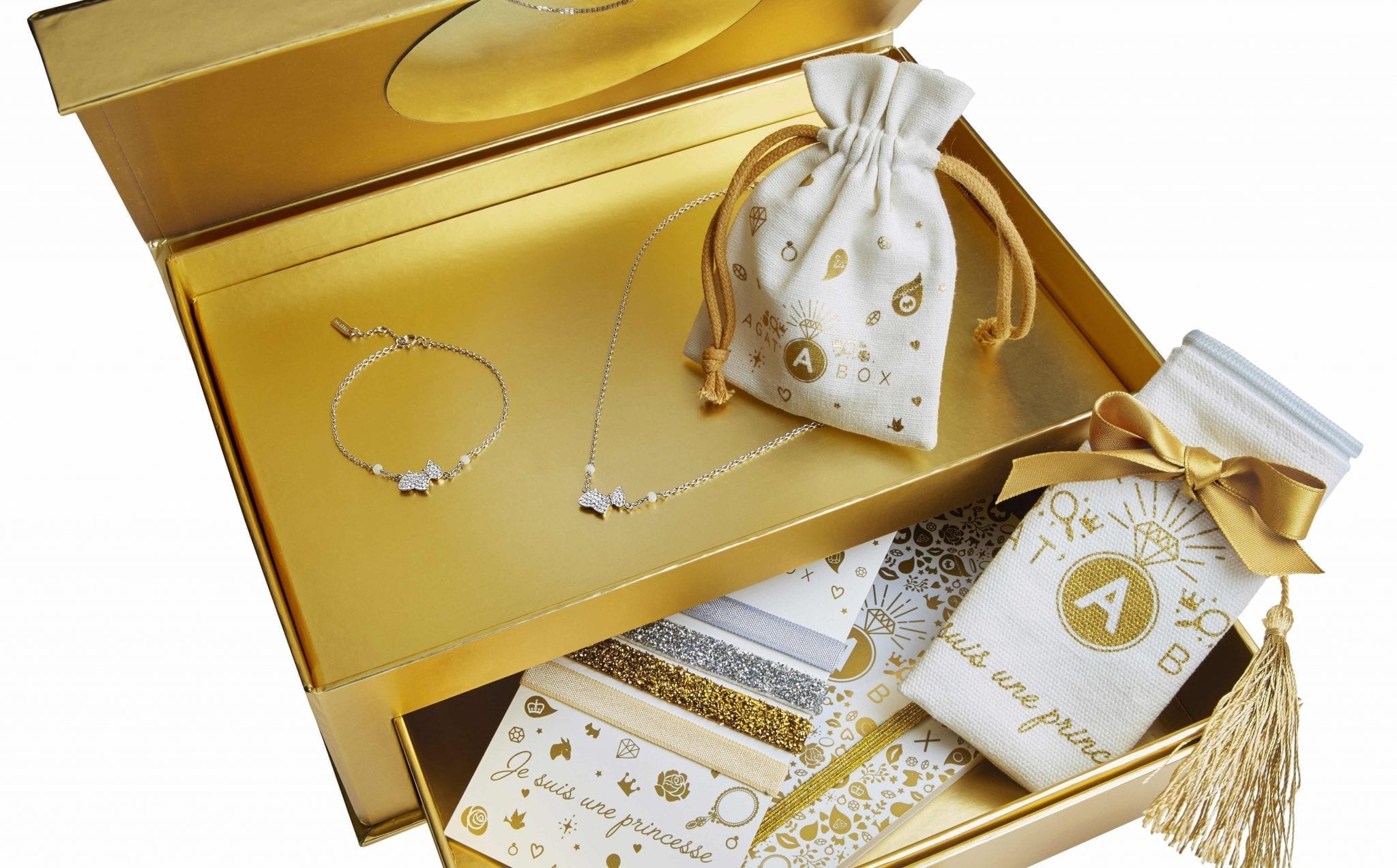
    French fashion jeweller Agatha Paris has opened its first stand-alone travel retail store, at Haikou Meilan International Airport on China’s Hainan Island.

    Opened in partnership with Hainan Duty Free, the 20 sqm store has a contract until September 2019.
    Agatha Paris will present its latest collections, including several travel-retail exclusive sets, at the upcoming TFWA World Exhibition in Cannes. The brand showcased a range of stainless-steel jewellery at this year’s TFWA Asia Pacific exhibition in Singapore.

    The brand’s collections are divided into five themes: Iconic, Timeless, Modern Chic, Classy and Sparkle. This year’s collections include African Art Deco, Grand Palais, Opera and Olympia.

    Global head of travel retail Karan Tuli says the brand launched into travel retail three years ago, initially with a sole focus on inflight sales to gain exposure. It has since expanded its network, with 330 points of sale in 25 countries, and listings with 30 airlines. Its 14 ground shop locations in Asia include China, Japan, the Philippines, South Korea and Thailand.

    “Business in Australia, Cambodia, Singapore and Vietnam is on the radar for the coming months,” says Tuli.

    “Southeast Asia and China are seeing fast expansion, and the potential for the brand to grow its travel-retail footprint is more positive than ever. Costume jewellery is a tough category, but recent spending trends have supported a positive outlook for us.”

    King Power Group founder Antares Cheng acquired the Agatha Paris brand in 2006.

  • Bulgari Malaysia rolls out new concept in KL

    Bulgari Malaysia rolls out new concept in KL

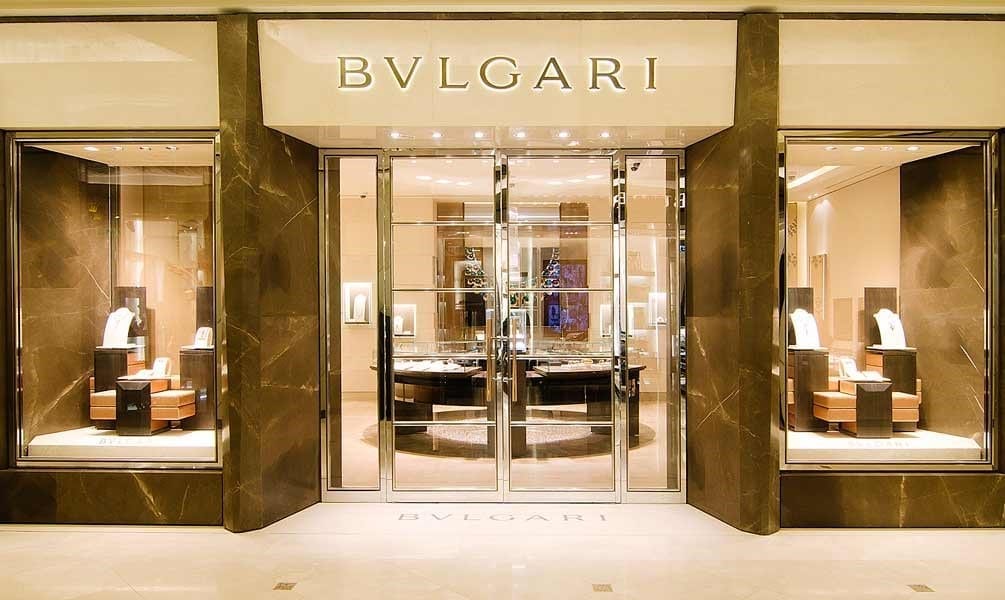
    Italian jewellery brand Bulgari has opened a store at The Gardens Mall in Kuala Lumpur, and renovated its outlet at KLCC.

    Its new store adapts the brand’s fresh architectural concept by architect Peter Marino, launched in London early this year and being rolled out in key locations internationally. It showcases the brand’s origins within its 95 sqm, echoing a street in Rome.

    Elements of this design are also evident in the renovated and relocated boutique at KLCC. The 143 sqm store draws reinterprets the marble and stone theme typical of Roman buildings.

    Both stores are adorned with Imperial Saffron shantung silk, while the walls are decorated with vintage photo endorsements by celebrities.

    At the new store, a mesh grid surrounds a VIP area.

  • Dorothy Perkins Vietnam launches third store

    Dorothy Perkins Vietnam launches third store

    The UK fashion brand Dorothy Perkin has opened its third store in Vietnam after just one year in the country.

    The new Dorothy Perkins Vietnam store is located on level 11 of the Saigon Center, Ho Chi Minh City’s newest downtown shopping mall.

    At the opening, Dorothy Perkins presented its latest Fall Winter 2016 collection featuring velvet as the main material. The collection brings a romantic spirit and dynamic sporty trend to the store.

    Customers shopping at the store on the first week received gifts and giveaways from the brand.

    Dorothy Perkins VN

    Debuting in 1919 in the UK, Dorothy Perkins has 600 stores in the UK and more than 120 outlets worldwide.

    Before the brand’s first outlet at District 7 Vivo City opening last year, Vietnamese customers could only buy its items from online store dorothyperkins.com and the eCommerce site Zalora.vn.

    Dorothy Perkins Vietnam 1

    After just one year, it has been among the most popular international brands recognised by Vietnamese office women in the 25 to 35 age group.

    Dorothy Perkins comes to Vietnam via distributor Maison, which opened the first Dsquared2 store at Saigon Center last month.

  • Nokia launches Mission Critical Comms Alliance

    Nokia launches Mission Critical Comms Alliance

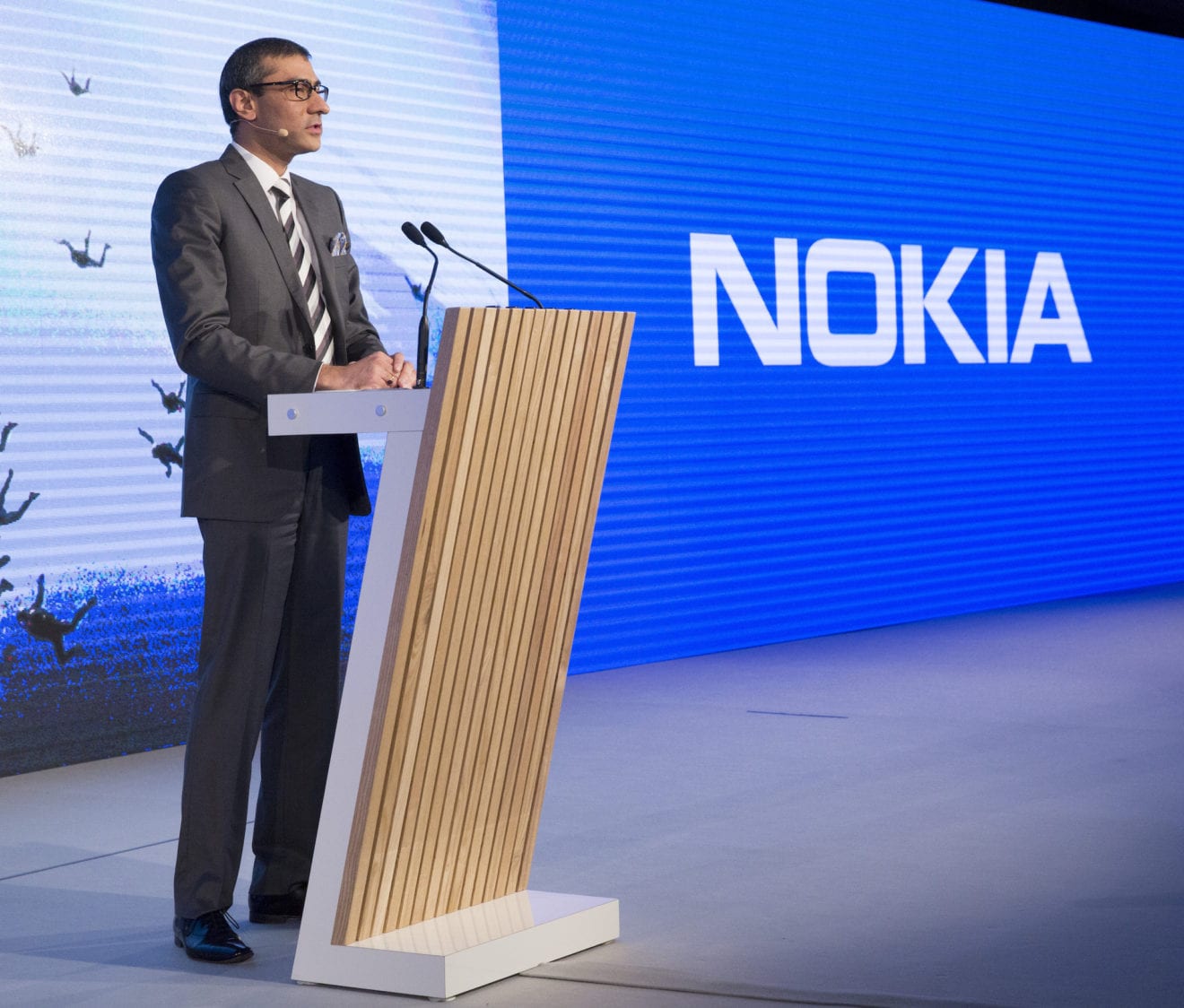
    Nokia has joined a consortium of operators, public authorities and first response agencies in forming an alliance to formalize standards for the use of LTE in public safety.

    The Mission Critical Communications Alliance will work to inform and guide policy makers on the benefits of LTE in providing critical communications services.

    Vodafone Hutchison Australia and Japan’s Mobile Radio Center are among the founding members of the new alliance.

    Having worked with the various Governments in the public safety field for over 60 years, we are happy to facilitate a broad group of stakeholders in the global public safety community to drive the adoption of LTE in critical communications,” Nokia chief customer operations officer Ashish Chowdhary said.

    “The Mission Critical Communications Alliance will work towards realizing the unique benefits of LTE in public safety, enabling national, regional and local authorities to provide a higher level of safety and security for their citizens, while creating innovative new business models for service providers.”

    The move comes shortly after Nokia and SK Telecom jointly announced the development of a portable public safety LTE system that is compact enough to fit in a backpack, and can provide 5km coverage and accommodate up to 400 users.

  • Taubman Centers Unit Opens Starfield Hanam in South Korea

    Taubman Centers Unit Opens Starfield Hanam in South Korea

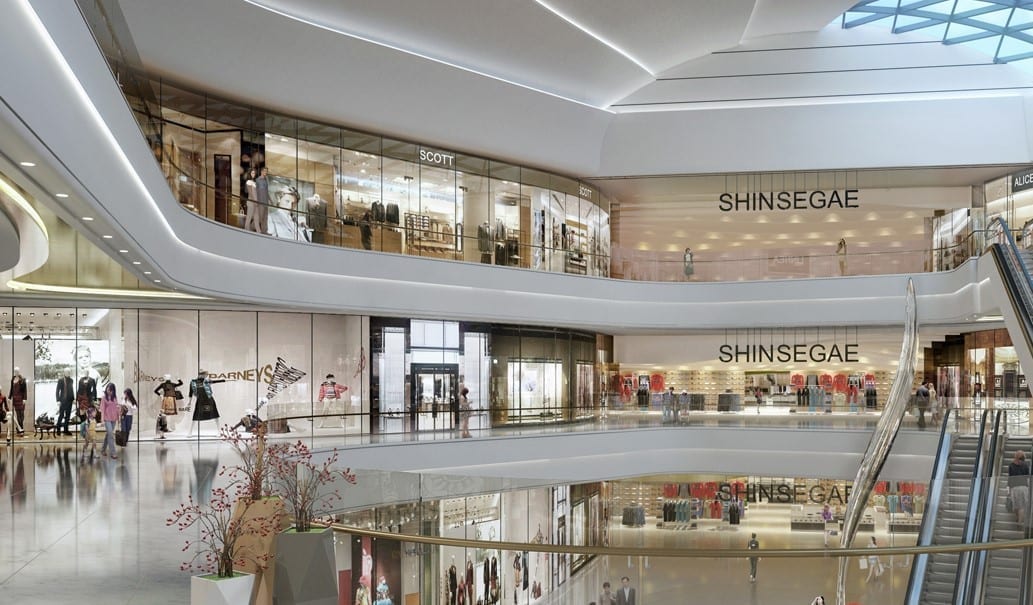
    Taubman Centers, Inc. is making its impact felt around the world. Its wing in Asia – Taubman Asia – together with its partner Shinsegae Group, celebrated the opening of Starfield Hanam shopping center at Hanam, Gyeonggi Province in South Korea. This retail project, developed by Taubman Asia and Shinsegae Group, marks Taubman Asia’s first ground-up development in South Korea.

    The shopping center is the country’s largest western-style mall and is nearly 100% leased. There are almost 300 stores and restaurants in this 1.7 million square foot center. It is anchored by Korea’s reputed department store brand, Shinsegae.

    There has been a rapid shift in customers’ shopping preferences and patterns, with online purchases growing significantly. Hence, the mall landlords have been making concerted efforts in developing retail hubs with swanky entertainment zones, and this shopping center is no exception.

    From international luxury brands, like Balenciaga, Burberry, Bvlgari and Fendi, to fast fashion choices – such as Cos, H&M, Massimo Dutti – Starfield Hanam has a vast range of stores to offer. Also, with 110,000 square feet of dining options and entertainment options like the 11-screen Megabox cinema, a Sports Monster sportsplex and an 112,000 square foot Aquafield indoor/outdoor water park, this retail property is expected to attract high footfall.

    Taubman Asia is a subsidiary of the U.S. Mall operator Taubman Centers and is into retail real estate projects in Asia. It is, in fact, Taubman Centers’ platform for expansion into China and South Korea. Taubman Asia, founded in 2005, is headquartered in Hong Kong.

    On the other hand – Bloomfield Hills – MI-based Taubman Centers, is engaged in the ownership, management and/or leasing of several regional, super-regional and outlet shopping centers in the U.S. and Asia. Taubman currently has a Zacks Rank #3.

    A better-ranked stock in the REIT industry is InfraREIT, Inc., sporting a Zacks Rank #1.

    Also, investors can consider better-ranked stocks like EPR Properties and Weingarten Realty Investors that carry a Zacks Rank #2.

    Confidential from Zacks

    Beyond this Analyst Blog, would you like to see Zacks’ best recommendations that are not available to the public? Our Executive VP, Steve Reitmeister, knows when key trades are about to be triggered and which of our experts has the hottest hand.

  • Hong Kong losing status as China’s ‘great mall’

    Hong Kong losing status as China’s ‘great mall’

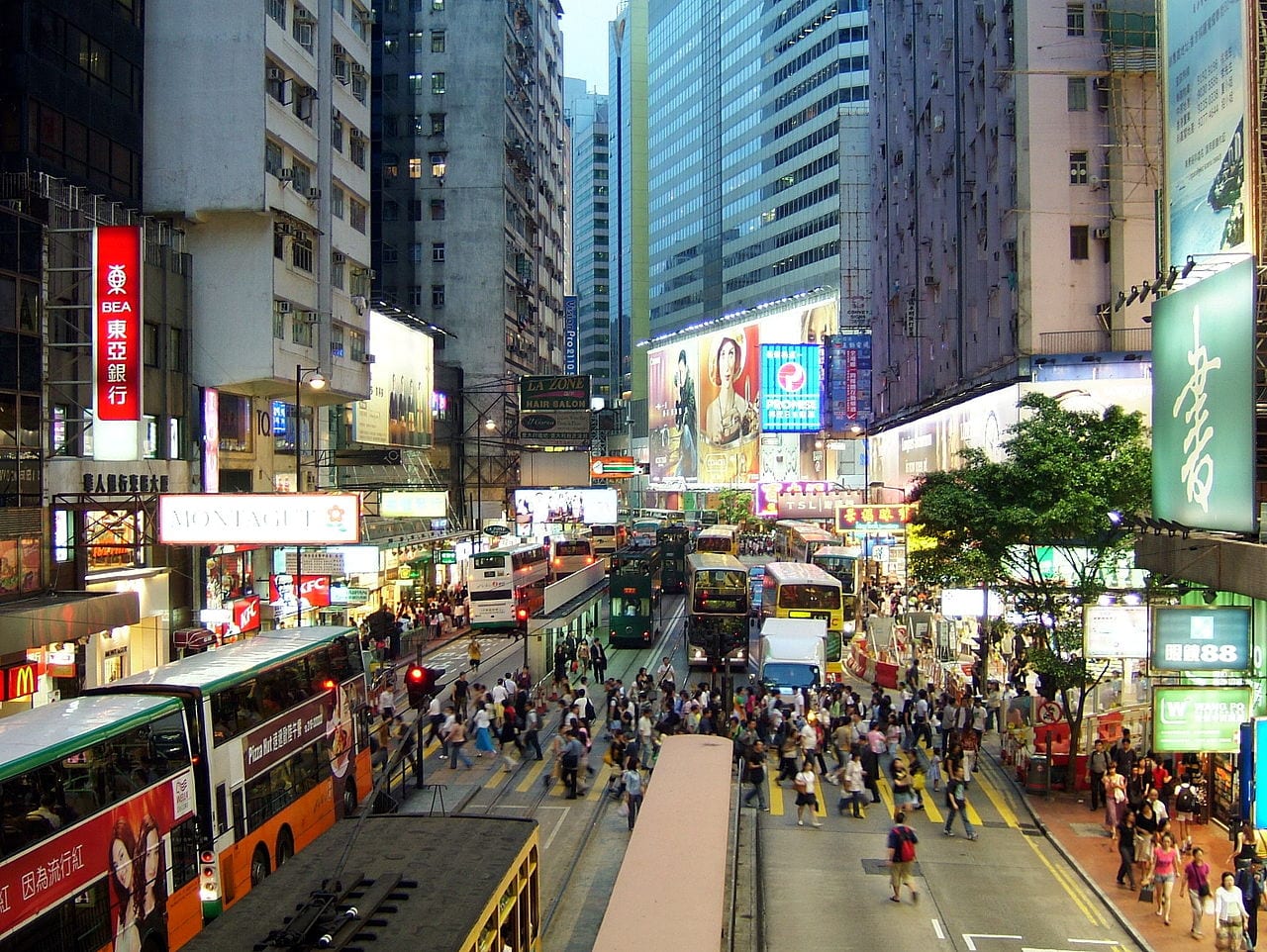
    Kingdom Jewellery is trying to stand out among the eerily quiet luxury stores in Hong Kong’s Causeway Bay, once the world’s most expensive shopping district in terms of rents. But while it has hung signs promoting a “crazy sale” and payment by installments in the window, buyers are still scarce.

    “Our customer flow has dropped 60 to 70 per cent” since the peak of Chinese luxury spending in 2013, said manager Jacky Sze. “I don’t have much hope for the rest of this year, or next.”

    Before demand was hit by President Xi Jinping’s corruption crackdown and the economic slowdown, Chinese tourists were happy to spend up to HK$100,000 (S$17,555) on a single purchase at Kingdom. Now, many customers are reluctant to spend more than HK$1,000 at a time, according to Mr Sze.

    The jewellery shop next door has closed down after decades of thriving business, as have many other luxury goods stores across Hong Kong, which is losing its status as the great mall of China.

    Retail sales in Hong Kong fell by 10 per cent in the first seven months of the year, compared with the same period in 2015, with purchases of jewellery and watches declining by 22 per cent.

    Ahead of Hong Kong’s annual watch fair last week, the Chinese territory was overtaken by the US as the world’s biggest market for Swiss watches after eight years in the top spot.

    Part of the problem for Hong Kong, which relies on the retail sector as an economic driver, is its increasingly testy relationship with mainland China. That has deterred many Chinese visitors, with numbers falling by 9 per cent year on year to 24 million in the year to July.

    But there is a bigger structural problem for the global luxury goods industry, which has grown to rely on demand from China’s growing ranks of nouveaux riches.

    Analysts at UBS estimate that Swatch, the Swiss watch group, made 47 per cent of its sales to Chinese customers last year, while for Richemont, the Swiss luxury goods company that owns Cartier, Jaeger-LeCoultre and Montblanc, it was 38 per cent.

    Mr Edward Olver, CEO of Britannia Elevation, which promotes British luxury brands abroad, said too many companies took a “combine harvester” approach to selling in China and are now paying the price for over-expansion.

    “There was a tremendous period of people making money very quickly in China and a lot of Italian and French brands thought there’s a lot of corn to be harvested,” he said.

    Ms Sarah Quinlan, the head of market insights for the analytics division of credit card company MasterCard, said consumer spending patterns are changing in China, with a greater focus on experiences rather than expensive products.

    “There’s a real debate as to whether what we call traditional luxury — handbags or watches — will come back to the same extent that we saw before, because there’s been a huge behavioural shift,” she said. “We still see the Chinese travelling extensively, but spending on goods has moderated and spending on hotels, restaurants and entertainment has gone up.”

    Hong Kong needs a “permanent restructuring” because it cannot wait for demand from high-spending Chinese tourists to come back, according to Mr Ramesh Tainwala, CEO of Samsonite, the luggage maker. His own company has been changing tack, promoting less-expensive products in the Chinese market as it tries to emphasise the practical advantages of its suitcases rather than their luxury appeal.

    Other companies are also being forced to trade down, selling simpler, cheaper products to customers who are growing more interested in specifications and value rather than mere status symbols.

    Mr Timothy Kao, vice-president of the Hong Kong Watch Manufacturers Association, explains that previously Chinese buyers were simply attracted to the most expensive products. “But now, practical watches with a realistic price sell better,” he said.

    Ms Liz Lee, assistant marketing manager at Doxa, a Swiss maker of diving watches, said that another response to the decline is to seek out new markets. “The greater China market is saturated right now,” she said. “We are looking to diversify our market to the Middle East; places like Iran have great potential too.”

  • Uniqlo: The Shopping Experience of the Future Awaits All Runners!

    Uniqlo: The Shopping Experience of the Future Awaits All Runners!

    Was there a stampede when the new Uniqlo Global Flagship Store opened its doors at Orchard Central on its first day of business? That depends upon your definition of the world.

    The store, the latest and greatest in the brand’s 25-store empire, has captured the imagination and attention of Singapore shoppers who were ready to have their shopping experience enhanced after hearing and reading about the store’s impending debut.

    Is this a new, improved and enhanced experience for shoppers who love the brand? Probably. And that includes those have yet to indulge their shopping fantasies at any of the other Uniqlo locations.

    Fact is, Mr. Taku Morikawa, UNIQLO Southeast Asia CEO, has pinned some serious hopes on this mega-store becoming a significant influence on the Singapore shopping scene. He sees the re-imagined retail environment as a role model for future locations in markets like India and Vietnam.

    Why launch a re-imagined Uniqlo facility in Singapore? What do you think? We’re the epicentre of commercial growth in southeast Asia and a pivotal test market for savvy consumers who know a unique shopping experience when they see it. But we’re selfish!

    As runners, we want to know what’s in it for us if we divert our dollars and loyalty to the retail new kid on the block, so we’ve come up with compelling reasons why you may want to head for Orchard Central the next time you require a different kind of shopping experience.

    Uniqlo: The Shopping Experience of the Future Awaits!

    L-R: Mr. Desmond Tan, Mrs. Helen Khoo, Mr. Cheng Wai Keung, Mr. Tadashi Yanai, Mr. Taku Morikawa, Ms. Rie Aramoto, Ms. Rebecca Lim.

    Uniqlo is a sensory playground

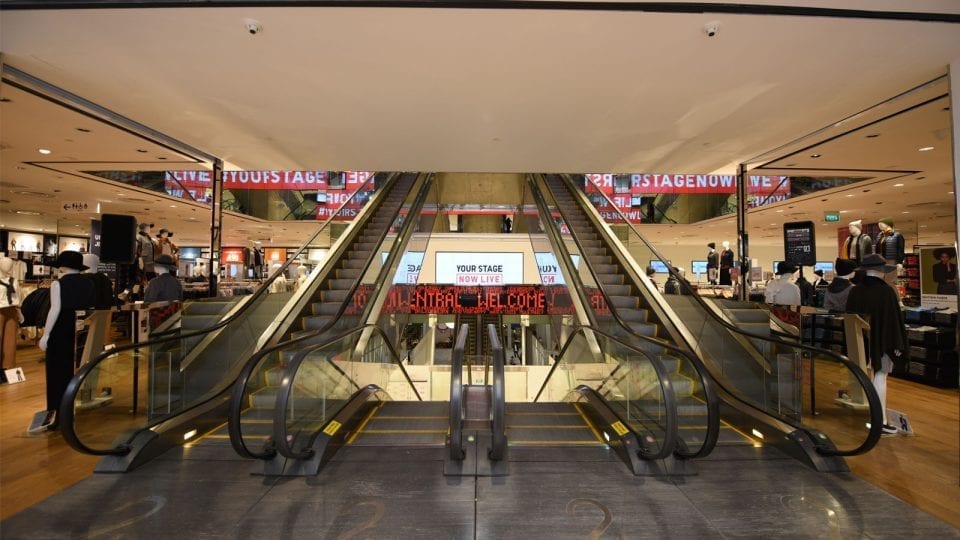
    Sunglasses not required, but expect to be hyper-stimulated when shopping for trendy fashions amid the store’s 286 digital displays that can’t be ignored, even if you tried.

    As a matter of fact, you can tell your running buddies that you were witness to the largest number of digital screens in the worldwide Uniqlo family of stores, so even if you’re fatigued, the bold graphics and attention-getting data will keep you alert and interested as you browse and buy.

    One word of warning: if you’re tempted to strike up a conversation with any of the 350 iconic rotating mannequins you encounter on the premises, think twice! They’re part of the magic.

    Uniqlo: The Shopping Experience of the Future Awaits!

    The Uniqlo experience is unique

    Unlike most upscale retail emporiums, Uniqlo has no intention of being labeled as ordinary. Runners can choose from brands, labels and looks they can find elsewhere.

    Sure, you’ll find familiar labels but they’ll be keeping company with fresh, innovative designs and collections produced “with design-conscious shoppers in mind,” says Ms. Mavis Seow, Chief Operating Officer, Retail Business Group, Far East Organization.

    This is the place to see and be seen; as much a social hub as a fashion epicentre. You can even get in some exercise within the 29,000-foot “mammoth store” that even offers a some vertical action if you decide to cover every inch of all three floors filled with merchandise.

    By the way, you won’t be able to escape checking your form as you shop; this super-store is loaded with floor-to-ceiling mirrors.

    Uniqlo: The Shopping Experience of the Future Awaits!

    A store for all ages and stages of life

    Because Uniqlo’s parent company, Fast Retailing, has set a high bar for the type of merchandise that fills this Uniqlo location, you’re going to run into some of the latest trends on the international apparel market.

    The Singapore flagship store has something for everyone, so if you do the family shopping and you’re responsible for everything from school clothing for the kids to gifts for running buddies, this could become your new retail home or just the place you go for plenty of shopping therapy.

    Speciality products just for children feature original art, and you can even experience some hometown pride when strolling the second-floor children’s boutique where the work of Singapore’s whimsical and popular illustrator, Michael Ng, is on display.

    Uniqlo: The Shopping Experience of the Future Awaits!

    Find everything you need and want

    Given Uniqlo’s promise to make sure shoppers are never bored by choices they are offered when perusing three floors of merchandise, you may be surprised to learn that there’s a special emphasis on exclusivity.

    For example, French designer Ines de la Fressange’s collection could get a fashion-forward runner’s pulse rate up and Uniqlo’s proprietary LifeWear brand is a runner’s dream. Garments are fashioned of innovative fabrics that are light, breathable and practical.

    Uniqlo: The Shopping Experience of the Future Awaits!

    Find AIRism inner and outerwear on shelves that include t-shirts and tank-tops that repel bacterial and odor. Even Uniqlo jeans are runner-friendly because the denim is 20-percent lighter than regular-grade denim, so sliding on a pair for a post-marathon party consumes less time than it takes to say, “Who’s going to Uniqlo with me to check out this one-of-a-kind shopping experience?”
  • Belgium brewery apologizes to Hindus for using Lord Ganesha as beer icon

    Belgium brewery apologizes to Hindus for using Lord Ganesha as beer icon

    Belgium brewery, The Musketeers, has apologized for using Lord Ganesha as icon representing its Jack’s Precious IPA beer. The translation of the brewery’s (headquartered in Ursel, East Flanders) statement in Dutch, responding to criticism by Hindu community, published on their website, said: “The brewery wants to apologize when they unwittingly hurts a community”; and added that the beer label “in no way intended to hurt anyone”.

    Hindu statesman Rajan Zed, who spearheaded the protest against the Lord Ganesha’s image on Jack’s Precious IPA beer label, in a statement in Nevada today, welcomed the brewery’s apology, calling it a step in the positive direction.

    Zed, who is President of Universal Society of Hinduism, indicated that in the same spirit, the brewery should immediately withdraw image of Lord Ganesha from the beer label, which was highly inappropriate.

    If the Musketeers brewery continued to use Lord Ganesha icon on their beer, they were thinking of approaching the Commission on Marketing and Advertising of Belgium chapter of International Chamber of Commerce, Rajan Zed pointed out.

    Lord Ganesha’s image carrying chef knife in one hand and sausage like object on the other and brewery’s trade mark symbol on his head continued to be shown on Jack’s Precious IPA beer label on brewery’s website today.

    Zed had said that inappropriate usage of Hindu deities or concepts or symbols for commercial or other agenda was not okay as it hurt the devotees.

    Rajan Zed had stated that Lord Ganesha was highly revered in Hinduism and was meant to be worshipped in temples or home shrines and not to be used in selling beer for mercantile greed. Moreover, linking Lord Ganesha with an alcoholic beverage was very disrespectful.

    Hinduism was the oldest and third largest religion of the world with about one billion adherents and a rich philosophical thought and it should not be taken frivolously. Symbols of any faith, larger or smaller, should not be mishandled, Zed had noted.

    In Hinduism, Lord Ganesha is worshipped as god of wisdom and remover of obstacles and is invoked before the beginning of any major undertaking.

    Brewery claims that Jack’s Precious IPA (Alcohol: 5.9%, EBC: 20, IBU: 50), launched in March last, “has the character of a floral bouquet with a citrus accent” and is available in Belgium, the Netherlands, France and the United Kingdom.

  • Lalamove Satisfies City’s Hunger for Food Delivery

    Lalamove Satisfies City’s Hunger for Food Delivery

    Hong Kong based on-demand delivery app Lalamove is moving into restaurant and food delivery across Bangkok to feed the growing appetite for appetizing restaurant dishes and produce to be brought straight to customers’ doors.

    Restaurants and food producers invited to use Lalamove’s 24/7 dedicated courier service receive a stamp of approval with a ‘Lala Recommended’ graphic featured on Lalamove social media. Invitees are selected for their high quality cuisine, outstanding reputation and popularity amongst customers.

    Alongside this insignia, dishes and produce are promoted on Lalamove’s Facebook and Instagram pages, giving businesses a real boost and satisfying demand for reliable delivery for hungry customers too.

    In return, ‘Lala Recommended’ restaurants and food companies are promoting Lalamove services via their own social media too; reminding customers that Lalamove is the go-to app for all delivery needs in the city, from important documents via motorcycle courier to large items of furniture via pickup truck, and everything in between.

    The food delivery scheme which began recently already offers a wide array of  tempting ‘Lala Recommended’ cuisine, from high-class dinners to nourishing comfort foods and lunches for health-conscious workers across the city. This includes fresh seafood from Lobster Gangster and The Cooking Crab, Japanese dishes with Taka Sashimi Express, plus juices and wheatgrass shots with Own Your Own Fresh, plus much more.  

  • New Challenger subsidiary set-up in Malaysia

    New Challenger subsidiary set-up in Malaysia

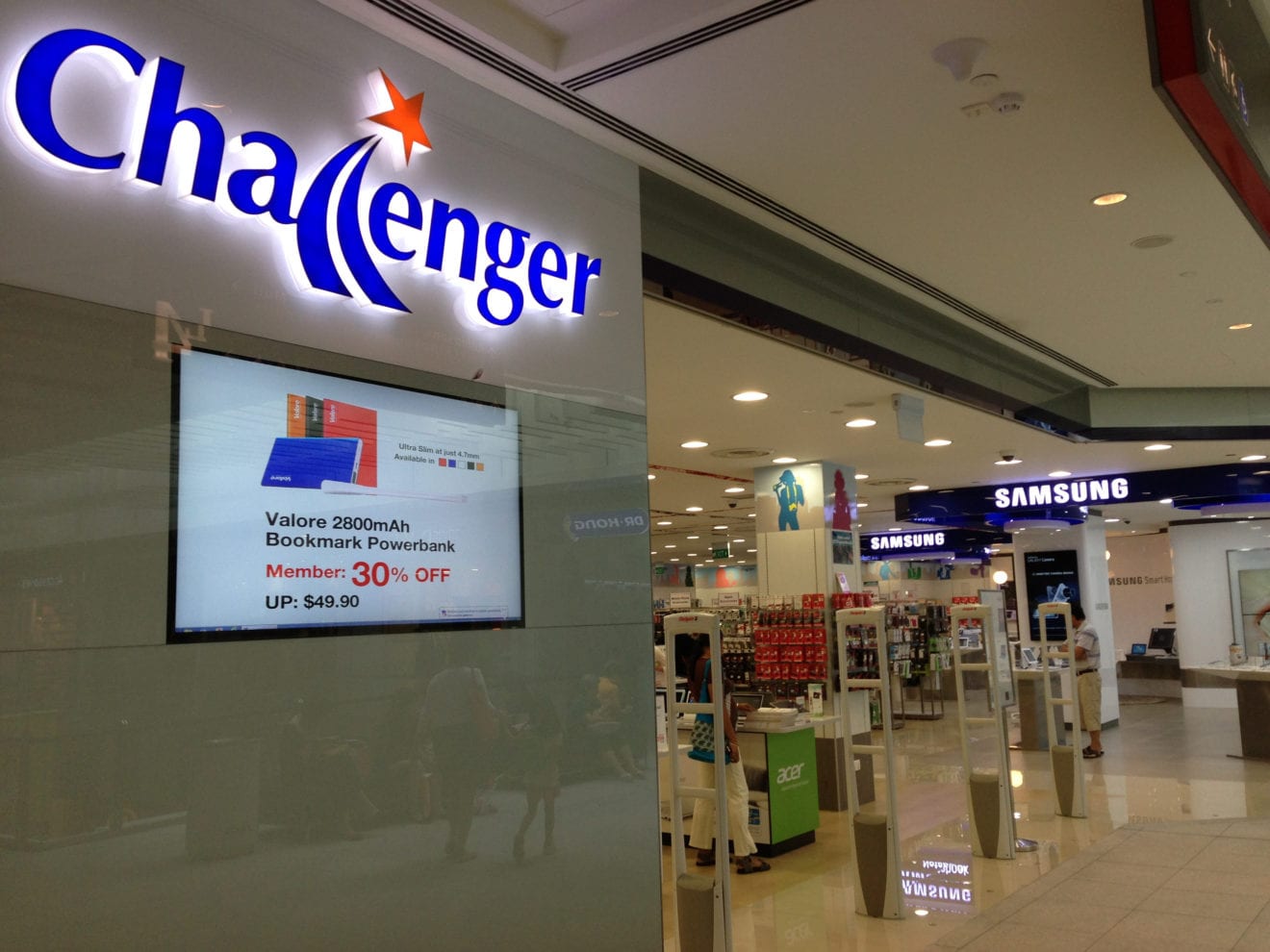
    Singapore-based retailer Challenger Technologies has set up a new wholly-owned susbidiary in Malaysisa. The new subsidiary, which is called Hachi MY, has been set up by Challenger Technologies’ wholly-owned Challenge Ventures unit. Announing the incorporation of the new subsidiary, Challenger stated that its principal business would be trading, retail, distribution and online trading if IT and lifestyle products and services.

    Established in 1984 as an IT products retailer, Challenger Technologies now operates 40-plus stores consisting of superstores, mini stores, Valore concept stores and Musica stores across Singapore.

  • Panalpina opens base in Cambodia

    Panalpina opens base in Cambodia

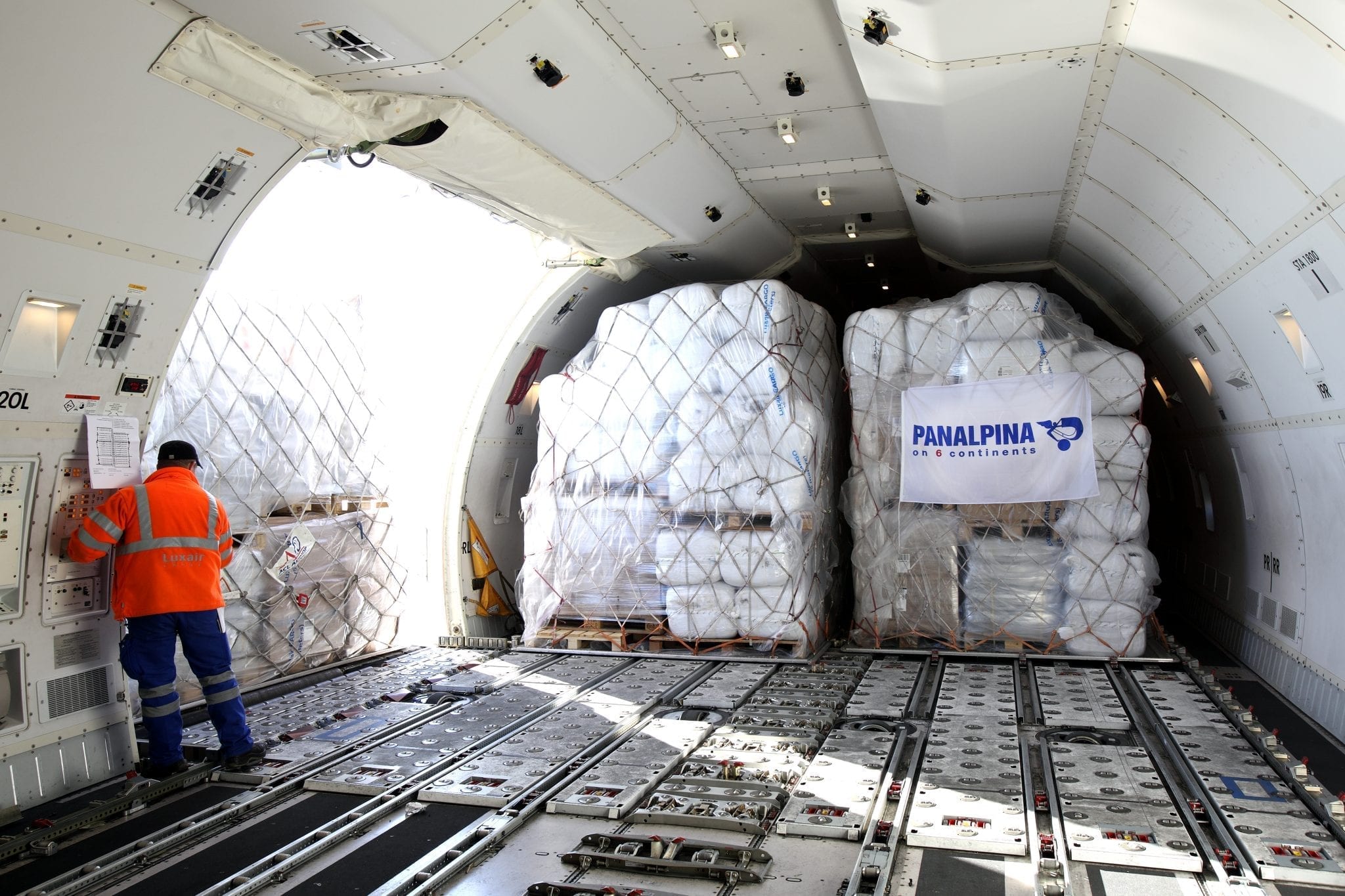
    Cambodia is currently benefiting from two decades of relative economic stability. With a stable annual GDP growth of approximately 7%, the country has become an interesting market for investors. International freight forwarding and logistics company Panalpina has expanded its global presence by opening a new office in the emerging market.

    Cambodia’s political, economic and cultural center, the capital city of Phnom Penh, is now home to Panalpina’s latest venture in Asia. The new office became operational in August, providing global and local customers with air freight and ocean freight services, customer brokerage, in-land transportation, cross-border trucking (with Vietnam and Thailand), Container Freight Station consolidation, and warehousing and storage services.

    “Our new office in Cambodia demonstrates Panalpina’s interest in the emerging economies we believe will provide strong opportunities for business growth,” says Benny Ong, country manager for Panalpina Cambodia.

    “Having a physical presence in the country means that our customers can feel confident conducting business here, knowing that Panalpina is on site to provide the services they need to support their logistics and freight forwarding requirements.”

    With a population of 15 million, Cambodia offers Panalpina opportunities for growth in the textile, agriculture and construction industry. Cambodia’s two biggest industries are textiles and tourism. The garment industry represents the largest portion of Cambodia’s manufacturing sector, accounting for 80% of the country’s exports, which directly impacts the volume of air freight shipments to and from the country.

    In 2015, air freight volume increased 14 percent, year-on-year, at Phnom Penh International Airport, with the increase attributed to a strong demand for Cambodian garments in overseas markets, such as the US and Europe. Cambodia’s total garment and footwear exports earned $6.3bn in 2015, with a growth rate of 6.7% compared to 2014. Exports have been growing continuously for the last 20 years, and are expected to continue growing in 2016.

    Revenue growth has also been enjoyed by two of Cambodia’s international shipping ports, Phnom Penh river port and Sihanoukville. Phnom Penh has enjoyed strong growth in recent years thanks to continually growing container traffic. The port handled 144,813 TEUs in 2015, up 8.3 per cent year-on-year as the result of surging exports, particularly rice and construction materials. Cambodia’s sole deep-sea port Sihanoukville handled 392,000 TEU’sactual container throughput in 2015, with average growth of 10% to 15% per annum during the last five years.

    Agricultural activities remain the main source of income for many Cambodians living in rural areas, and the industry has benefitted in recent years from government policies implementing a quota for rice (Cambodia’s principle agricultural commodity) on exports to China, Europe and the US, and tax free imports of agriculture equipment.

    “As manufacturers increasingly look towards Cambodia as a key market for goods, the need for transport logistics increases.” says Ong. “Cross-border trucking between Cambodia, Vietnam and Thailand is fueling demand for more value added services.”

    As of yet, Cambodia has no proven reserves of oil or natural gas. However, in the last few years, the Cambodian government has granted a number of licenses for petroleum exploration. “Considering the current downturn in the global oil and gas business, the possibility of a burgeoning oil and gas market in Cambodia is an exciting opportunity for Panalpina, and one that we will be paying close attention to in the future,” says Ong.

  • Audi says August sales up 2.9 percent on Chinese demand for compact cars

    Audi says August sales up 2.9 percent on Chinese demand for compact cars

    Audi increased global sales 2.9 percent in August on strong demand in its key Chinese market for luxury compact cars including the A3 and Q3 models.

    The Volkswagen-owned division on Tuesday said deliveries rose to 132,350 autos last month from 128,647 a year earlier, with eight-month sales up 4.9 percent at 1.23 million.

    Sales in China were up 8.8 percent at 49,154 cars, expanding year-to-date registrations in Audi’s largest market 6.8 percent to 361,315.

    German luxury rival BMW earlier on Tuesday reported a 5 percent increase in brand sales to 142,554 cars, with eight-month sales up 5.5 percent at 1.28 million.

  • Thai ICT minister resigns

    Thai ICT minister resigns

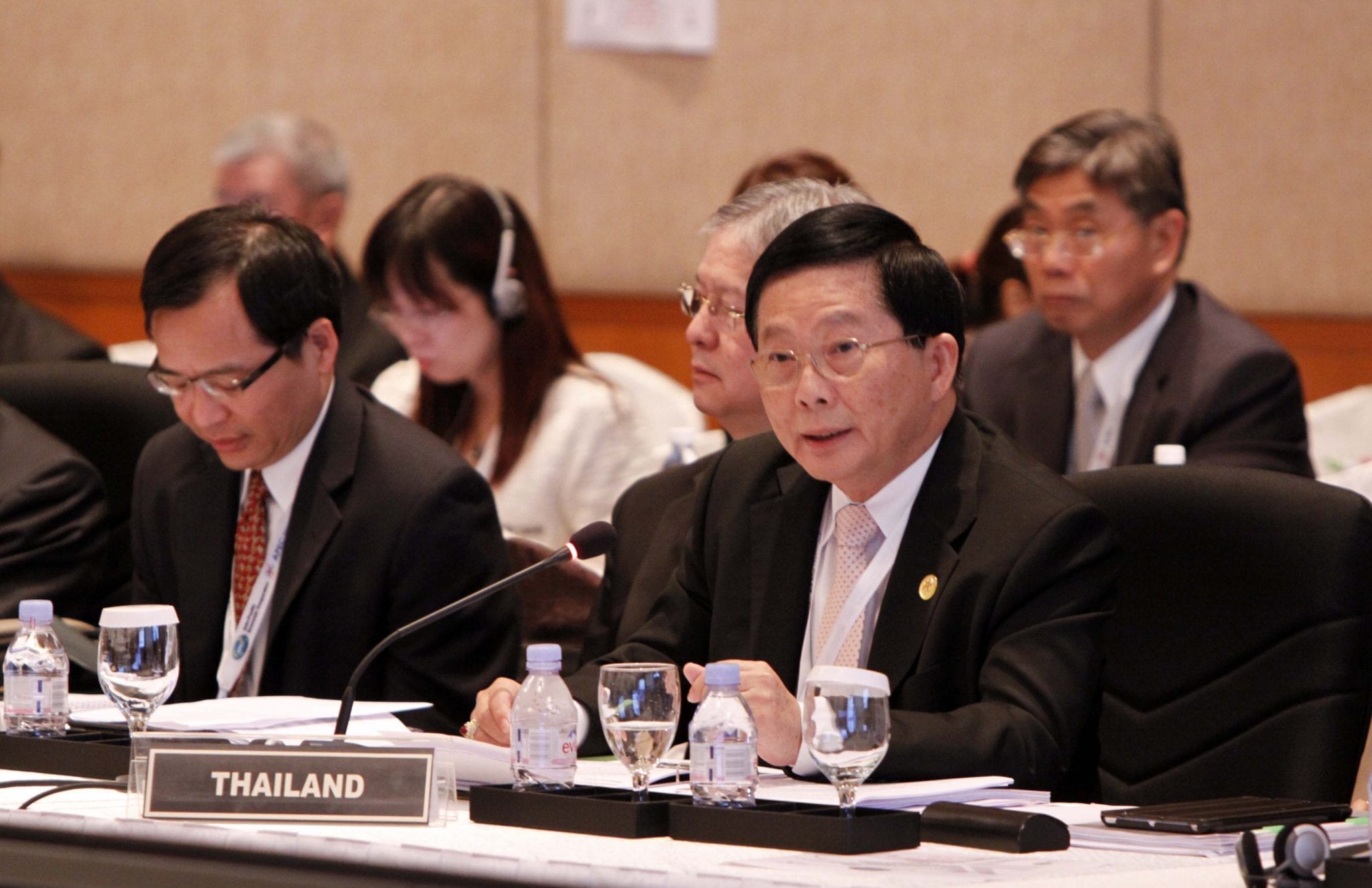
    Thailand’s ICT minister Uttama Savanayana has resigned as reports circulate that the ICT Ministry will be relaunched as the Digital Economy Ministry later this week.

    The Cabinet yesterday (13 September) approved Uttama’s resignation and appointed Deputy Prime Minister and Deputy Junta leader Air Chief Marshal Prajin Janthong as acting ICT Minister. The ICT Minister did not attend the cabinet meeting.

    Prime Minister and Junta leader General Prayut Chanocha said that the move was to pave way for the launch of the new Digital Economy Ministry but he refused to confirm if Uttama would be appointed to the new post or not.

    Local media have quoted unnamed sources saying that three people are in the running for Thailand’s first Digital Economy Minister – Incumbent Uttama, National Broadcasting and Telecommunications Secretary-General Takorn Tantasit and an unnamed “senior figure” in the finance ministry.

    However, General Prayuth said that Cabinet Secretariat Ampon Kittiampon, who was also rumoured to be in the running, was not in the picture for a ministerial post. Ampon shot to fame as cabinet secretariat when he quietly took the blame for the Single Gateway mass surveillance project that General Prayuth said was simply a clerical error by the person taking notes at the cabinet meeting.

    Takorn resigned from the NBTC last year with rumours that he wanted to become ICT Minister after the previous minister resigned. His resignation was later rejected by the NBTC board chairman Air Chief Marshal Thares Punsri and Uttama got the job.

    Uttama became the second ICT Minister appointed under the current military regime on 19 August 2015 succeeding Pornchai Rujiprapa. He was seen as part of a package deal to kickstart the economy that included Deputy Prime Minister Somkid Jatusripitak who was also Thaksin Shinawatra’s finance minister. Before the appointment Uttama was president of Bangkok University and Somkid was Chairman of the university board.

    However in one of his final tasks as ICT Minister Uttama has become embroiled in controversy in a $430 million (15 billion baht) rural broadband project by state owned telco TOT. The project is under investigation by the office of the auditor-general. On 10 September Uttama held a press conference saying the budget watchdog simply misunderstood things. The ICT Minister said that normal USO budget rules do not apply as it is not investment in telecoms, but rather the TOT project was about investing in the country’s competitiveness.

  • SoftBank to deploy LoRaWAN network

    SoftBank to deploy LoRaWAN network

    Japan’s SoftBank has revealed plans to roll out a LoRaWAN low power wide area (LPWA) network in the current financial year.

    The operator plans to use the network to provide end-to-end IoT services, ranging from device and application support to consulting.

    SoftBank will target the service at industry sectors that require low cost, low power network construction, including equipment monitoring and control for commercial buildings, automated gas and water meter reading, senior and child monitoring, infrastructure monitoring and logistics.

    In collaboration with LPWA specialist Actility, Hon Hai Precision Industry and LoRa technology developer Semtech Corporation, Softbank will aim to build a LoRaWAN ecosystem in Japan.

    Softbank said the LoRaWAN deployment represents the first stage of the company’s plans to usher in the IoT era.

    The company eventually aims to deploy the full set of LPWA networks, including Cat-M1 and narrowband IoT (NB-IoT), to ensure its IoT network can operate in different environments.

    LoRaWAN uses the unlicensed 920-MHz band in Japan and was designed to meet the low cost and efficiency requirements for the IoT. Main features include devices with battery life of at least 10 years, support for numerous simultaneous connections and a communication range of multiple kilometers.

    Specifications for LoRaWAN are developed by the LoRa Alliance, a collaboration between 391 IoT-related companies worldwide.

  • South Korean retailer E-mart to invest $200m for retail chain ops in Vietnam

    South Korean retailer E-mart to invest $200m for retail chain ops in Vietnam

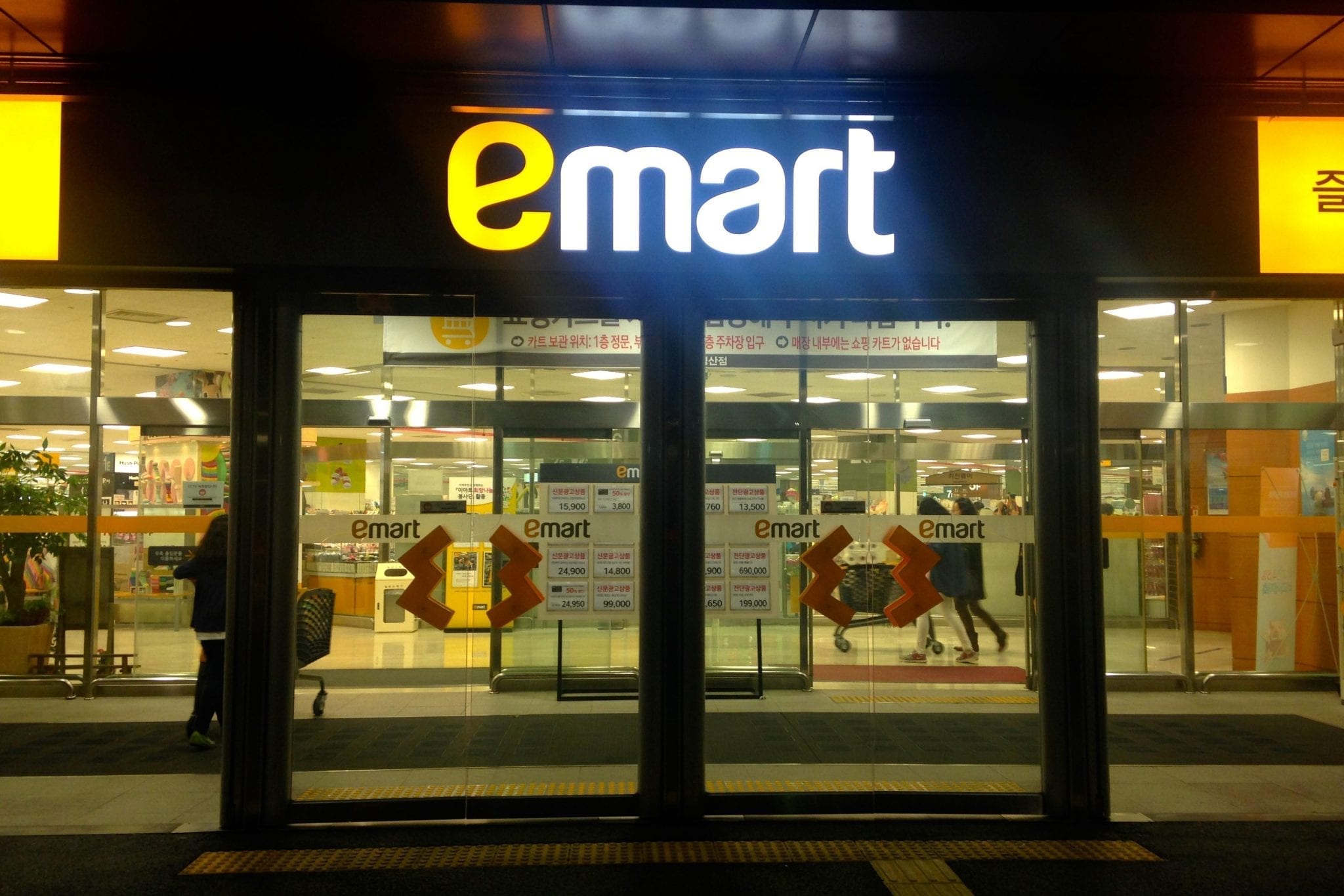
    A memorandum of understanding between E-mart and Vietnam’s Ho Chi Minh City was signed on September 9. Emart will make the investment over the next four years.

    The investment is expected to be used for building new supermarkets and commercial facilities, as well as local social development. E-mart opened a supermarket worth $60 million in Ho Chi Minh City last year, in addition to a toy library in the city.

    The Korean company had earlier said it planned to open 52 stores in Vietnam by 2020.

    E-mart is betting the country’s rapid growth, averaging 5.2 per cent since 2013, driven by a young and urban demographic with higher spending power.

    Vietnam’s growth was the highest among Southeast Asian peers featured in the 2016 Global Retail Development Index conducted by US management consulting firm AT Kearney. Vietnam was seen as the 11th fastest emerging retail market, up from 28th spot two years ago.

    Government data showed that retail sales in the country rose 7.4 per cent year-on-year in August 2016. Consumer spending rose to $116.2 billion, while the retail market was forecast to be worth $109 billion in 2017.

    Free trade pacts signed by Vietnam have encouraged foreign retailers to tap into this liberalizing market. Vietnam fully opened its retail industry in 2015, which is coupled with a lot of tax preferences for investors.

    Japan’s Takashimaya and Miniso have set up retail shops in Vietnam in July. Meanwhile, 7-Eleven is planning a local presence through the franchising route.

    Existing players are opening new outlets, as well as acquiring local businesses. Vingroup, the most active domestic company which launched over 90 stores in 2015, aims to introduce twice as many in 2016. It acquired Maximark and Vinatexmart, two Vietnamese operators, as part of this strategy.

    Thailand’s Central Group had acquired Big C Vietnam for $1.05 billion, along with electronics store chain Nguyen Kim and e-commerce site Zalora Vietnam. Other M&A deals include TCC Holdings buying Metro Cash&Carry Vietnam, and AEON acquiring Fivimart and Citimart.

    Central has since announced that it has halted further investment in  the country and would focus on consolidation.