Author: Mei Ling Tan

  • Coupang Sales Growth Bolsters SoftBank’s Bet on Korean Retailer

    Coupang Sales Growth Bolsters SoftBank’s Bet on Korean Retailer

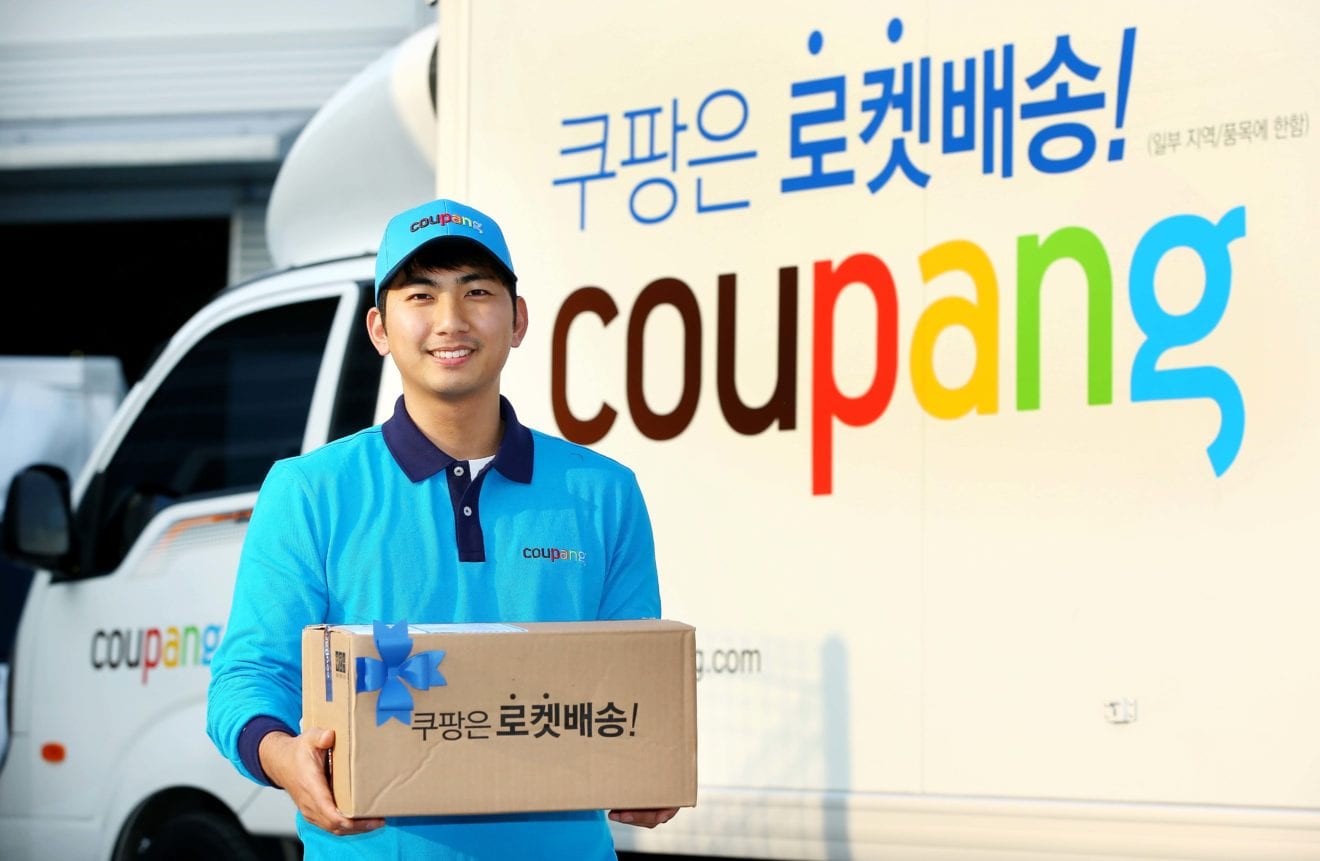
    Coupang’s net sales more than doubled in the first half of the year, helping to validate SoftBank Group Corp.’s bet that the South Korean web retailer will carve out a piece of Asia’s booming e-commerce market.

    Net revenue rose to 868 billion won ($782 million) in the first half of the year, helped by retail expansion and increased margins, according to a financial document seen by Bloomberg. Gross merchandise volume climbed 26 percent to 1.8 trillion won in the period, the document showed.

    SoftBank, whose investment in Alibaba Group Holding Ltd. has zoomed past $70 billion, backed Coupang in June 2015 with $1 billion in financing that valued the Seoul-based company at $5 billion. The bets are part of billionaire Masayoshi Son’s quest to replicate his success with Alibaba, an investment that started with a $20 million stake more than 15 years ago. SoftBank’s expansion in Asia has also led to deals with India’s Snapdeal and Indonesia’s Tokopedia.

    The number of products offered by Coupang more than tripled to 700,000 items from a year ago, according to the document. The startup launched its Rocket Pay services and opened a fulfillment center in Korea, the first of two planned for this year, the document showed.

    Matthew Nicholson, a spokesman for SoftBank, declined to comment. Coupang Chief Executive Officer Bom Kim didn’t immediately reply to an e-mail seeking comment. Backers of Coupang include Sequoia, Greenoaks Capital and Rose Park Advisors.

    The startup, founded in 2010, is burning through cash to expand and capture users as it competes with sites such as Ticket Monster, a Korean online retailer that’s owned by Groupon Inc., KKR & Co. and Hong Kong-based Anchor Equity Partners. Forward Ventures, Coupang’s parent, said its operating loss widened to 547 billion won in 2015, compared with a 121.5 billion won loss in 2014.

    SoftBank’s e-commerce bet in India is under even more pressure. Snapdeal, which has struggled to narrow the lead of its home-grown rival Flipkart Ltd., now faces competition from Amazon.com Inc. In June, Amazon Chief Executive Officer Jeff Bezos pledged to invest another $3 billion in his company’s Indian operations, bringing the total to $5 billion.

  • Korea’s Whoo to make debut in Cannes

    Korea’s Whoo to make debut in Cannes

    Korean cosmetics brand Whoo is set to make its debut at TFWA Cannes as parent company LG Household & Health Care Co., Ltd. aims to introduce the Asian oriental medicinal cosmetic brand to the world and “take a leap to a global brand”.

    LG Household & Health Care Co., will introduce Whoo to the travel-retail market as it seeks opportunities to expand beyond Asia.

    As it celebrates its 13th anniversary this year, Whoo, which took its brand name ‘后’(whoo) from the image of fiddle, has already experienced rapid growth in Asia. The brand’s products are based on remedies and formulas popular among emperors and empresses of the historical Korean courts.

    The brand has been present in the top ranks of sales among large duty-free shops in Korea, according to the company, and set a remarkable record reaching $20m of monthly sales in just one store  – Lotte Duty Free Shop Sogong. The company stated this trend continues across the duty-free market with retailers in China, Hongkong and Thailand reporting sales have doubled for the brand compared to the previous year.

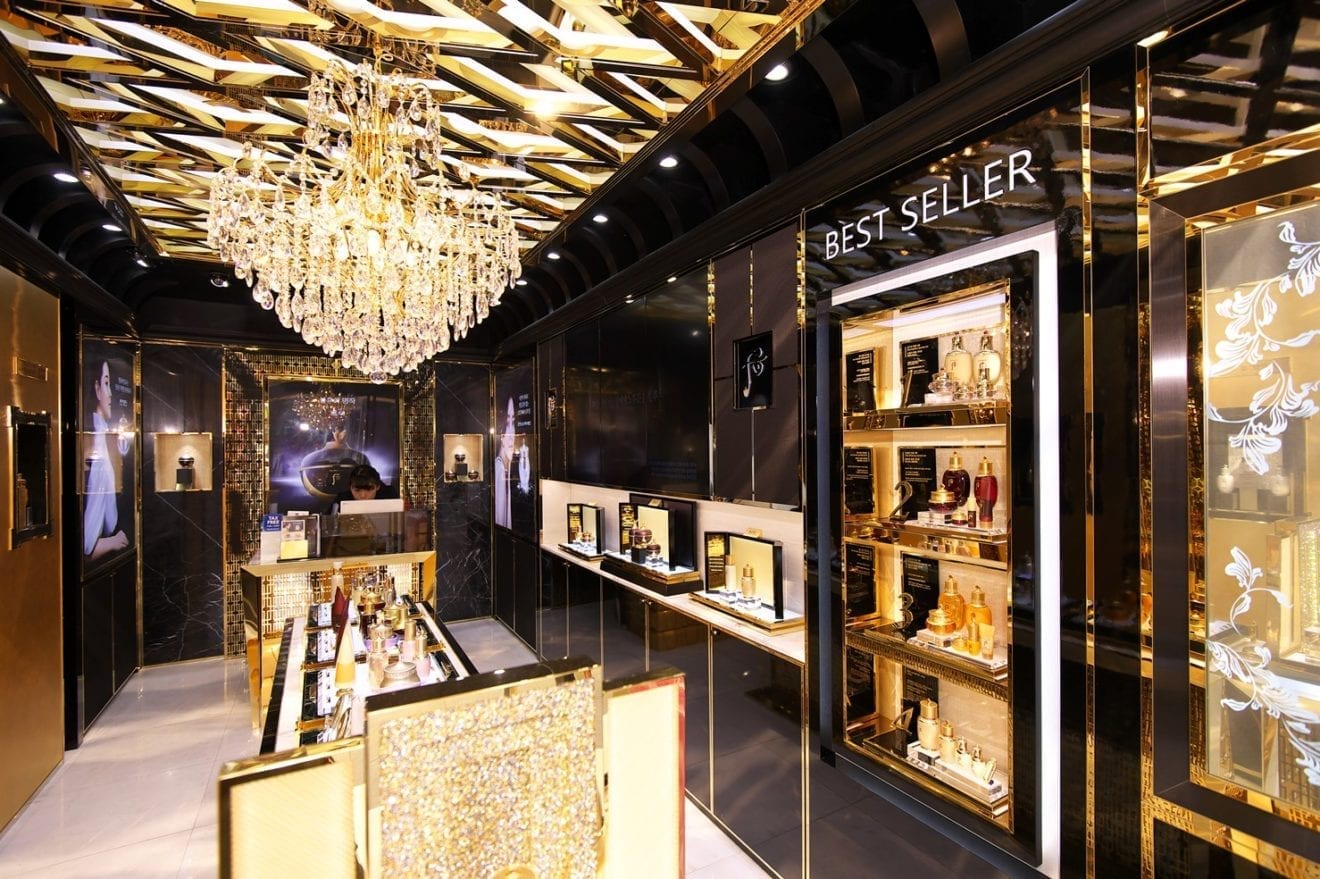
    The brand’s best seller is the Whoo Bichup Self-Generating (Jasaeng) Essence, which is an oriental medicinal essence that helps to repair skin balance that has been damaged through aging with  three formulas originated from oriental medicinal remedies Gongjinbidan, Gyeongokbidan, Cheongsimbidan, adding to the Chojahabidan formula.

    The Whoo brand was the first Korean cosmetic brand that participated in The 20th French Louvre Museum Wedding Fair held in Louvre Museum, France in October 2014 where it received a good reception with its court stories of emperors and empresses, and sophisticated design exhibiting Korean beauty.

  • Asia’s Newest Fashion Event CENTRESTAGE Draws to Successful Conclusion in Hong Kong

    Asia’s Newest Fashion Event CENTRESTAGE Draws to Successful Conclusion in Hong Kong

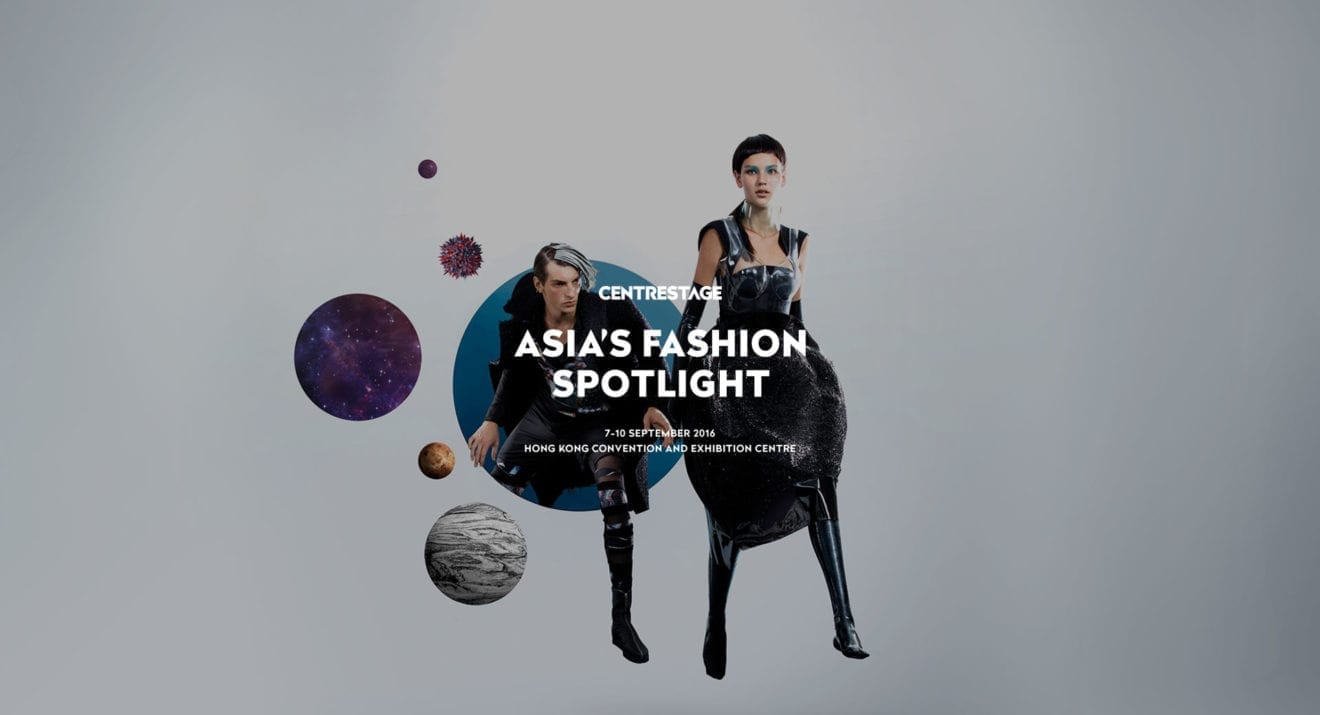
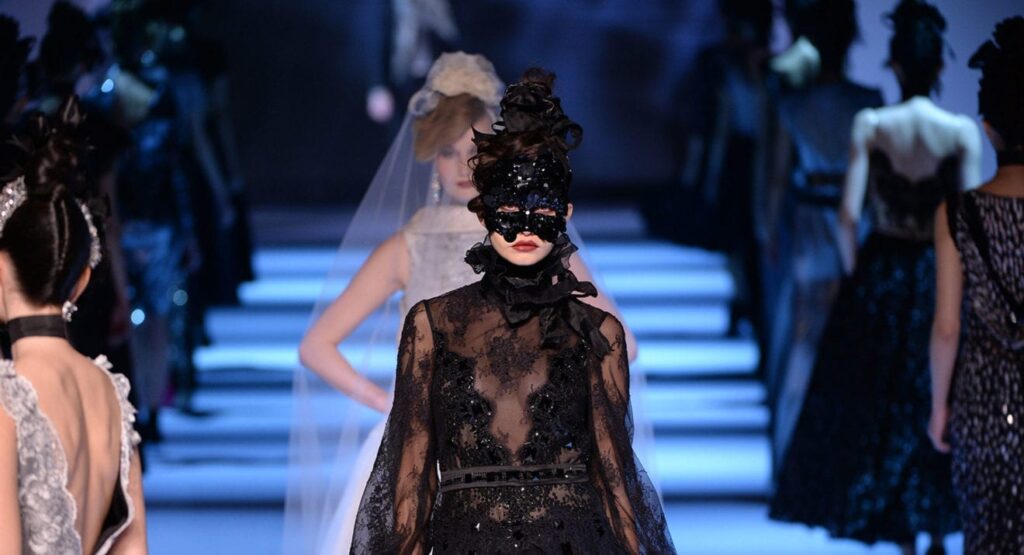
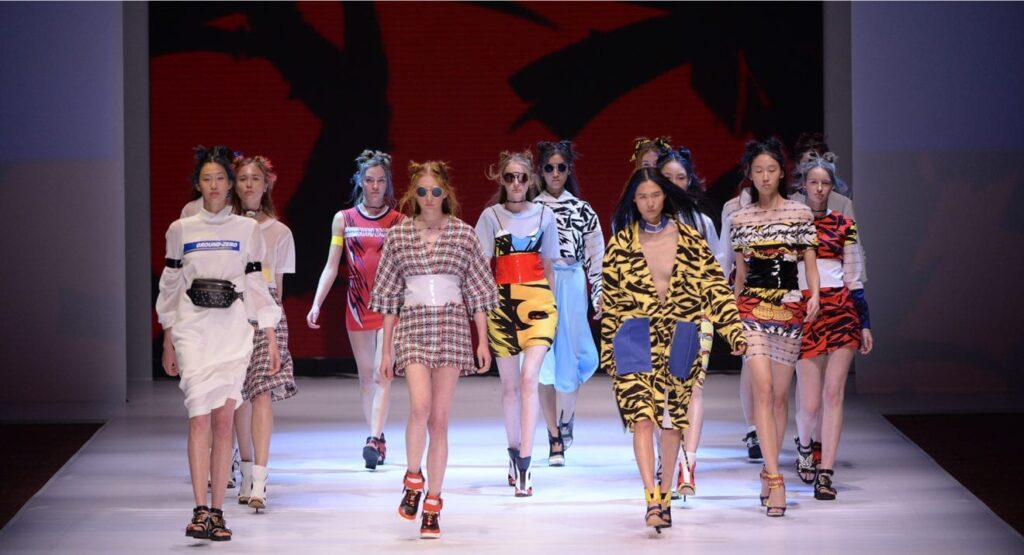
    CENTRESTAGE, the Hong Kong Trade Development Council’s (HKTDC) new fashion brand promotion and launch platform, ended Saturday (10 September) on a high note. The four-day (7-10 September) international fashion event welcomed some 200 fashion brands from 20 countries and regions showcasing their latest fashion collections. The trade show attracted close to 8,300 buyers from 71 countries and regions, with nearly 40 per cent of buyers coming from Asia other than Hong Kong.

    centrestage-2

    “CENTRESTAGE is an ideal promotion and launch platform for international, especially Asian, fashion brands and designer labels,” said HKTDC Deputy Executive Director Benjamin Chau. “We are pleased that the debut event has captured the attention of the Asian fashion industry, successfully attracting fashion brands and buyers keen on expanding their Asian business to come and promote, source and launch new collections and explore cooperation opportunities. And it provides a platform for local new designers to showcase creative designs to media and buyers in the region. CENTRESTAGE is an effective event for driving regional fashion exchange and development while solidifying Hong Kong’s position as a fashion capital.”

    Nearly 60% cautiously optimistic about overall sales; nearly half engaged in e-tailing business

    To better understand the industry players’ views on the outlook for the fashion industry and product trends, the HKTDC commissioned an independent market research agency to conduct on-site surveys during CENTRESTAGE, interviewing some 270 exhibitors and buyers. The survey found that most respondents are cautiously optimistic about overall sales in 2017. Nearly 60 per cent of respondents expect overall sales in the coming year to remain steady, while 27 per cent expect overall sales to increase.

    Thirty-three per cent of respondents anticipate production costs or sourcing prices to rise, but 65 per cent of respondents said they would not increase the FOB price or retail price, indicating that the industry is generally reluctant to transfer the increased costs to customers or consumers.

    In terms of markets, the respondents expect Hong Kong, Japan and Korea to have the best growth prospects among traditional markets in the coming two years, while 60 per cent of respondents consider the Chinese mainland to be most promising among emerging markets.

    The survey also sought to understand the product trends of the fashion industry. 60 per cent of respondents consider women’s wear to have the best growth potential, followed by men’s wear and kids’ wear. Nearly half of respondents have engaged in e-tailing business, selling mainly women’s wear (69%), casual wear (41%) and fashion jewellery (12%).

    A number of trend seminars were held during the event. Michael Leow, Asia/Pacific Sales & Marketing Head for Fashion Snoops, said “Nowstalgia” will be a key trend in the coming year. The trend blends nostalgic and contemporary elements while incorporating the convenience of modern technology. During another seminar, Erica Ng, WGSN’s Senior Editor, Retail Intelligence, Asia Pacific, said the millennial lifestyle is transforming traditional retail. Retailers will need to find synergies between mobile apps, online shopping, physical retail and social media to effectively capture market share among this generation.

    Fashion promotion and launch platform

    The survey also found that nearly 90 per cent of fashion buyers consider Hong Kong trade shows a major channel to contact new suppliers. At the same time, 92 per cent of exhibitors use Hong Kong trade shows to find new buyers. These findings indicate that CENTRESTAGE, being a regional fashion promotion and launch platform, is an important channel to promote industry cooperation and generating business opportunities.

    French women’s fashion brand Edward Achour Paris was exhibiting in Hong Kong for the first time. Edward Achour, the brand’s designer, said, “CENTRESTAGE offers a great opportunity for our brand to open new markets, and the results have been encouraging. We have met many buyers from the Chinese mainland, Taiwan, Indonesia and other countries. Four Chinese mainland buyers even placed orders on-site.”

    centrestage-3

    Hong Kong’s anagram, a brand that specialises in upmarket women’s fashion collections, had come to CENTRESTAGE to develop the international market. Its Brand Director, Winnie So, said, “International buyers have shown keen interest in our brand. We have established connections with wholesalers from Malaysia, Singapore and the US and a distributor from Vietnam. A buyer from New York has already confirmed orders and expects more orders after the show. CENTRESTAGE’s opening to the public on the last day was also an opportunity to promote our brand to the consumers.”

    ILOVECHOC is a street fashion brand from the Chinese mainland targeting mainly young customers. The brand has a sales network of more than 300 retail stores across the mainland. Gu Yu, the brand’s Vice President, said they were participating in CENTRESTAGE to expand their sales presence in the international market. “The show has drummed up extensive interest and we have met many buyers from Southeast Asia. A number of buyers from Thailand, Malaysia and Indonesia even wanted to explore cooperation. Hong Kong is a major fashion hub in Asia and CENTRESTAGE can bring together industry players from around the world. This platform can certainly facilitate our business expansion.”

    Finding new brands

    La Rinascente, a long-established high-end department store group in Italy, saw CENTRESTAGE as an ideal opportunity to explore business opportunities in Asia for the first time. “CENTRESTAGE is a platform to find new brands and understand the fashion industry in Asian markets,” said Andrea Bonecoo, Buying Manager, la Rinascente SpA. “The business matching service introduced Hong Kong’s I.T Group to me. We held useful talks to exchange ideas and establish initial contact. We will communicate further to study future business cooperation. This show is the start of our effort to get to know more about Asia.”

    Indonesian fashion boutique, Lucy House, joined CENTRESTAGE to source more new brands for its customers, according to Lucy Kurniawan who operates the company. “CENTRESTAGE offers a good platform to meet designers and this visit has generated good business opportunities,” she said. “I am now negotiating with a Hong Kong designer for the evening wear collection. An initial order would involve about 100 pieces in different styles. CENTRESTAGE has brought together some appealing designer brands. I will definitely visit the show again next year.”

    Fida Alkaud, a buyer from Harvey Nichols Riyadh, Saudi Arabia came to CENTRESTAGE to look for contemporary evening wear. She said, “I am so happy to have found new brands which suit the tastes of our customers. These brands include Marquess & Homa, Guy Laroche Furs, Shelina and Camelia. I really appreciate HKTDC’s business matching service because it saves me a lot of time finding the right brands. The fashion shows are also very fascinating and I have found b.yu Designs at fashion show.”

    Meili Inc. is one of the mainland’s largest fashion e-tailing brands. Margaret Yao, Business Cooperation Director, said she visited CENTRESTAGE to find new brands and explore cooperation opportunities. “The business matching meetings arranged by the organiser generated positive results. I found a Hong Kong designer and a US brand offering some suitable products to sell on our website. I have also identified four fashion brands from Thailand and will be in further discussions with them.”

    Lotte is Korea’s biggest department store operator running 40 stores across the country. Hyeon Ji Sun, Lotte’s buyer, said, “I am visiting CENTRESTAGE to find new brands, especially sportswear and lifestyle wear brands. People in Korea love sports and outdoor activities, so demand for related fashion items is very strong. So far, I’ve identified two brands from Hong Kong. CENTRESTAGE is an interesting show where I can see a variation of trendy designs from many countries. I will come again to find more new brands.”

  • DHL Express Unveals Tsing Yi Service Center in Hong Kong

    DHL Express Unveals Tsing Yi Service Center in Hong Kong

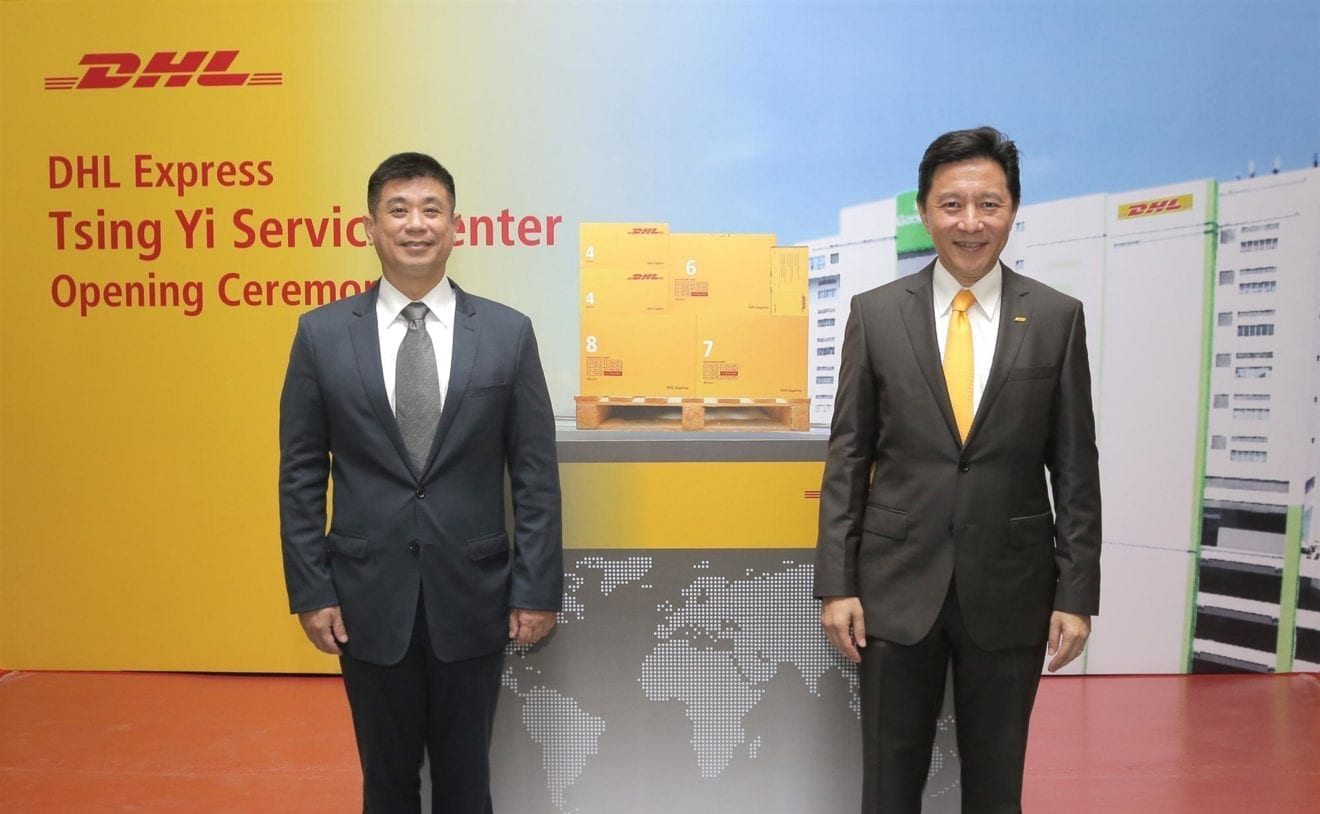
    According to DHL, the new HK$78 million facility is capable of handling 380 tonnes of shipments per day, the strongest out of all DH service centres worldwide.

    “The opening of the new Tsing Yi Service Center follows double-digit growth in our international shipments over the past year, and underscores our confidence in the Hong Kong market,” said Herbert Vongpusanachai, senior vice president and managing director of DHL Express Hong Kong and Macau [right in photo]. “With a steady growth in our Hong Kong business contributed by the strong e-commerce sector, this facility is set to cement our market leadership with its enhanced handling capacity.

    Features include a high-speed reweigh and remeasure machine capable of processing 2,200 pieces per hour, 122 CCTVs and 24-hour monitoring.

    The 13,000m2 centre is located at Goodman Interlink and is double the size of the previous facility, which was located in the same building, according to DHL.

  • A Leading Malaysian FMCG Distributor Chooses ORION ERP Suite from 3i Infotech

    A Leading Malaysian FMCG Distributor Chooses ORION ERP Suite from 3i Infotech

    Malaysian based Teik Senn (M) Sdn Bhd (TSM), a leading FMCG distributor, recently upgraded to ORION ERP Suite from 3i Infotech. The company was seeking a technology upgrade to support its business consolidation, and wanted a Cloud enabled application with real-time reports for better decision-making.

    With their distribution network spread across Malaysia and Thailand, the company required better visibility among the end users. ORION offered real-time management dashboards, such as Report Designer and Enterprise Content Search to enable TSM to stay updated as well as track the status of various departments & its processes.

    They reported several key benefits after the upgrade. Our client, Ms Chong Sok Chee said, “TSM wanted to move from a Client server setup to a Cloud enabled application. We also wanted a reporting system that enabled an end-user personalisation and customisation of views, along with real-time data for better decision-making. ORION from 3i infotech gave us an overview of the entire business through KPI management as well as a 360-degree view of products, customers and suppliers, thus providing us with user defined scheduled reports with active report designers.”

    As ORION was able to meet all of TSM’s requirements, Suryanarayan Kasichainula, EVP and Business Head (ERP) from 3i Infotech said, “The upgrade empowered TSM’s end users with real-time data to ensure better decision-making. Through this deal, which is the first for Warehouse Management, ORION is expanding its product portfolio further in the logistics space.”

  • Wal-Mart China expanding in Yunnan province

    Wal-Mart China expanding in Yunnan province

    Supermarket retailer Wal-Mart China says it will build four more outlets in the southern Chinese province of Yunnan, including one in Kunming, before the end of the year.

    It also expects to launch more than 20 stores in Yunnan, including 12 in Kunming, before the end of 2020.
    Wal-Mart China COO Jim Thompson says the company has always been confident about the Chinese market, which it entered 20 years ago.

    In Yunnan, it will not only invest more than CNY60 million (US$8.9 million) to upgrade its stores in Kunming, but will also open four outlets in the province before the end of this year.

    Wal-Mart has been enhancing its stores while adding new ones across China. So far, it has invested more than CNY350 million in its upgrade program, improvements including high-performance air-conditioning pumps, LED lighting and leaf-vegetable spray racks.

  • Starbucks Asia rolls out Teavana

    Starbucks Asia rolls out Teavana

    Starbucks Asia is rolling out Teavana in 6200 stores across its 16 Apac markets.

    Four tea beverages prepared in-store will be offered to the 16 countries, with two or three expected to be sold in each market, the choice up to each one.

    Starbucks acquired US-based Teavana Holdings in December 2012, a “super premium tea” product it says brings “exotic blends, great flavors, wellness and innovation” to customers globally.

    The Asian launch began with China at the end of last month, with Korea and Indonesia following at the beginning of this month. The majority of Asian markets will see the new lines in mid-September, with a Japan launch scheduled for October and India later this year.

    Vera Wang, director, product line innovation at Starbucks China and Asia Pacific said the teas have been developed especially for Asian tastes.

    “We recognise Asian consumers are developing sophisticated taste preferences.”

    While a premium product, pricing will be left to the determination of each market, she said.

    “Pricing (of all Starbucks lines) is determined product by product and market by market.”

    She declined to discuss the company’s expectations for Teavana’s share of Starbucks sales in the region.

    “I’m not at liberty to talk about that. But tea definitely has huge potential for us and we have a lot of confidence going into Asia with Teavana.”

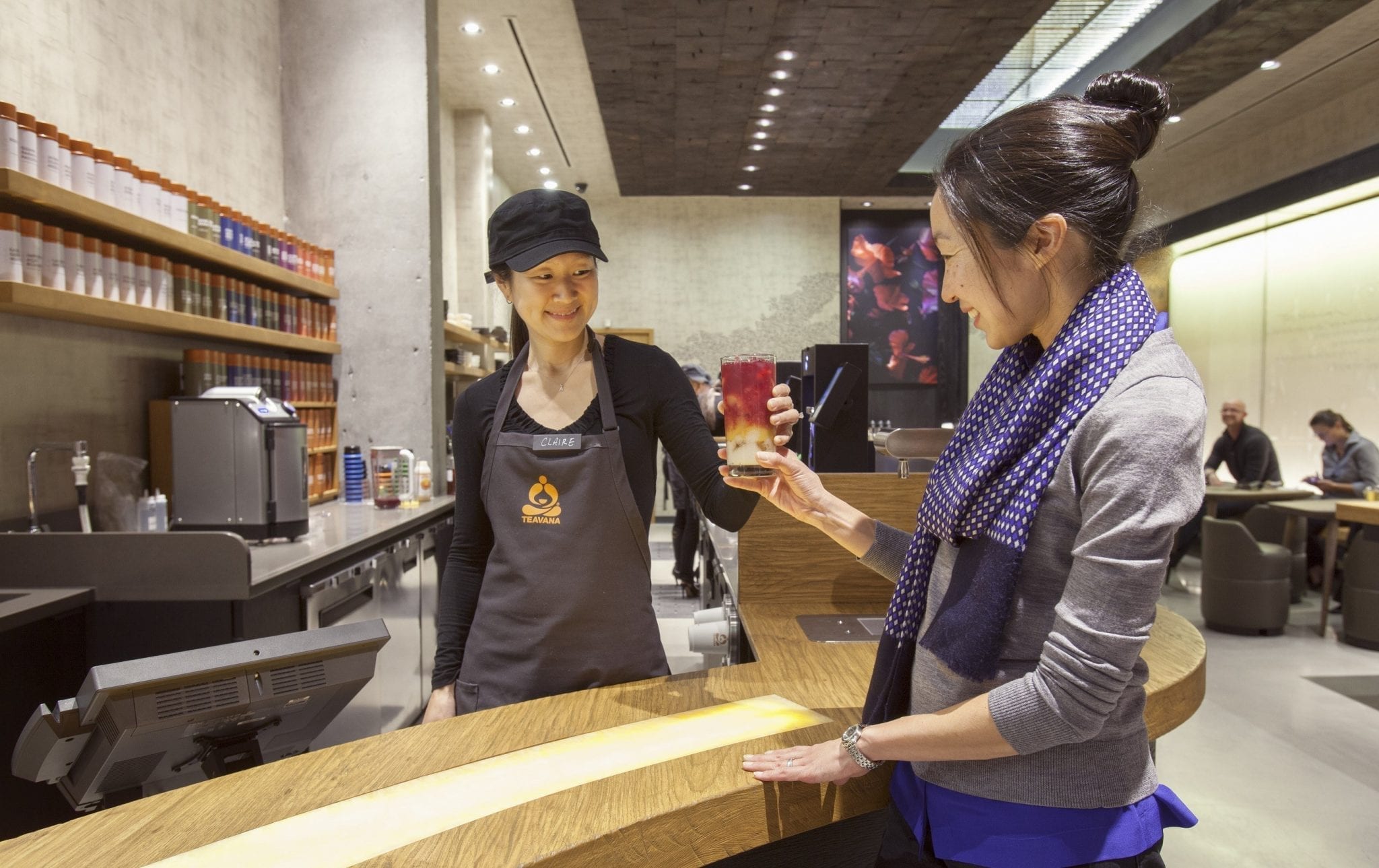
    Starbucks Korea staff promoting Teavana at the Starfield Hanam GL store.

    Besides fresh-brewed tea in cafes, Teavana full-leaf tea sachets will also be sold for take-home use.

    The four launch lines of Teavana in Asia are Matcha & Espresso Fusion (a matcha tea blended with a shot of espresso), Black Tea with Ruby Grapefruit and Honey, Iced Shaken Green Tea with Aloe and Prickly Pear; and Iced Shaken Hibiscus Tea with Pomegranate Pearls.

    Wang said, those core lines would be complemented by other blends selected on a market-by-market basis in the future, depending on customer feedback.

    John Culver, group president of Starbucks global retail said in a statement Teavana represents “a tremendous opportunity to leverage the company’s expertise in creating best-in-class retail experiences, handcrafting custom beverages, and sourcing the finest ingredients, to become a leader in a new category for us”.

    “Just as we’ve done for coffee, this is tea reimagined at Starbucks.”

    Last year, Starbucks’ tea business in the US grew by 12 per cent with all tea categories posting strong growth, led by iced tea at 29 per cent. Building on this and the success of Teavana to date in other parts of the world, Starbucks aims to increase its global tea business to US$3 billion over the next five years.

    Starbucks Teavana will be launched in all stores in Australia, Brunei, Cambodia, China, Hong Kong, India, Indonesia, Japan, Korea, Malaysia, New Zealand, The Philippines, Singapore, Taiwan, Thailand and Vietnam.

  • Marie France Van Damme Announces the Opening of it’s Second Hong Kong Boutique

    Marie France Van Damme Announces the Opening of it’s Second Hong Kong Boutique

    Marie France Van Damme, the Hong Kong-based company known for its globally influenced line of luxury resort, swim, and ready-to-wear, announced today the opening of a seventh boutique in December 2016. Located in Hong Kong’s Elements shopping mall in Kowloon, the new store will mark Marie France Van Damme’s second retail location in Hong Kong, where the designer has lived for more than 30 years. The company opened its very first store in Hong Kong’s acclaimed International Finance Centre (IFC) mall in September 2013.

    Situated on the second floor (Shop 2109) of the Elements shopping mall, within the International Commerce Centre (ICC), on 1 Austin Road West in Kowloon, the 700-square foot boutique will open alongside such brands as Gucci, Chanel and Prada and include Marie France Van Damme’s extensive luxury resort line. The ICC is Hong Kong’s tallest building and also houses The Ritz-Carlton and W Hong Kong. Incorporating Marie France Van Damme’s signature aesthetic, which blends subtle Asian influences and elegant simplicity, the boutique will feature teak wood, bronze panels, and embossed crocodile leathers with textiles and finishes that can be found in the designer’s home as well as her flagships in Hong Kong and London.

    The ICC’s waterfront location on Victoria Harbour, across from the IFC, suits its important role in the city in many ways. Feng shui teaches that mountains govern people, water governs wealth. The special placement of these skyscrapers is said to channel positive energy for health and prosperity. The shopping mall’s design, and its name, Elements, refer to the feng shui elements: wood, fire, earth, metal, and water. With a direct train linking Elements to Guangzhou, the new boutique will offer a unique luxury shopping experience in one of Hong Kong’s latest attractions on the Kowloon side of the city.

    As Marie France continues to expand her presence worldwide focusing on cities that not only inspire the designer, but also appeal to her sophisticated, jet-set clientele, Marie France Van Damme will celebrate the boutique opening with several special events in Winter 2016 and introduce a new in-store campaign photographed in Hong Kong by Herbert Ypma. The campaign will feature the new Resort 2017 collection, a return to the glamorous roots of resort wear with its muted palette of silver and nude, hand embroidery and opulent fabrics; from French lace to metallic-toned Italian weaves and featherweight Chinese Silks.

    The company currently has 100 retail locations in some of the world’s most desirable places. Marie France Van Damme opened its first store in the fall of 2013 at the acclaimed International Finance Centre (IFC) in Hong Kong, a second in the summer of 2014 in Bangkok’s esteemed Mandarin Oriental, third and first European boutique in 2014 in London’s Brompton Cross neighborhood, and fourth boutique in the summer of 2015 in Phuket, Thailand. In November 2015, Marie France Van Damme introduced a fifth branded boutique in Singapore’s Takashimaya Shopping Centre and sixth retail location in Phuket in July 2016 

    Made in Hong Kong & South China

    Marie France Van Damme is proud of the production capabilities it has built for itself in the past 30 years. With couture and tailoring facilities in-house and embroidery produced across the border in China, every production piece is fitted and quality verified by Marie-France to ensure that the Marie France Van Damme label fulfills the highest standards in the industry.

    About Elements Shopping Mall/Hong Kong

    Offering over one million square feet of pure shopping experiences, the Elements shopping mall is located in Hong Kong’s tallest building the International Commerce Centre (ICC) on the Kowloon side of Hong Kong. A lavish world offering of shopping, dining, art and entertainment, Elements shopping mall is located next to Hong Kong’s most famous attraction Sky100 Hong Kong Observation Deck and takes a new approach to Hong Kong’s shopping environment and is themed after the five Chinese elements. The five elements are Metal (Luxury brands and world-class dining), Fire (Entertainment), Water (International cuisine), Earth (Fashion) and Wood (Health, Beauty and Lifestyle) whereas each zone is individually designed. Elements boasts a range of sought after brands, dining options, an ice rink and a 1,600 capacity cinema –  currently larger than any movie theatre in Hong Kong.

    About Marie France Van Damme

    Marie France Van Damme is a Canadian-born, Hong-Kong based fashion designer, celebrated hostess and author, whose luxury lifestyle resort wear brand is inspired by her travels and personal style. Marie France Van Damme introduced her eponymous label in the summer of 2011.  The Marie France Van Damme line is defined by an edited collection of elegant and seasonless staples with every piece designed to transition seamlessly from city to resort. The brand is loved by celebrities such as Beyoncé, Jourdan Dunn, Heidi Klum, Cameron Diaz, Olivia Palermo, Christina Hendricks, and Catherine Zeta-Jones.

    Marie France Van Damme is available at her other retail locations in Hong Kong, Bangkok, Phuket, Singapore, Phuket and London, Bergdorf Goodman, Harrods, Selfridges, Saks Fifth Avenue, Neiman Marcus, Intermix and exclusive resorts such as Amanresorts and the One & Only.  She is also the author of the coffee table book RSVP: Simple Sophistication, Effortless Entertaining (Thames & Hudson) featuring her effortless style and entertaining tips with photographs by Herbert Ypma of the Hip Hotels series.

  • Zara Vietnam flagship opens in HCMC

    Zara Vietnam flagship opens in HCMC

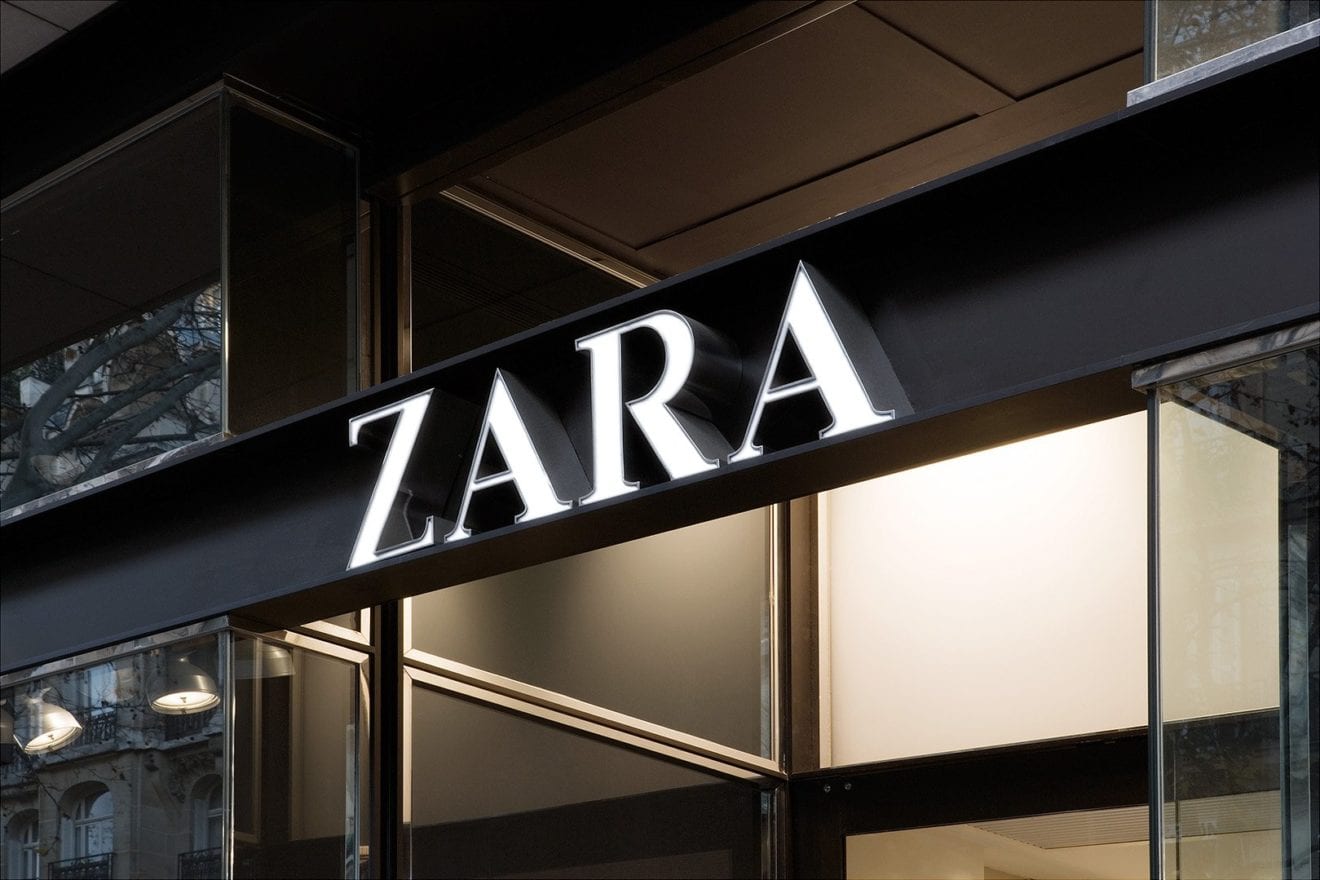
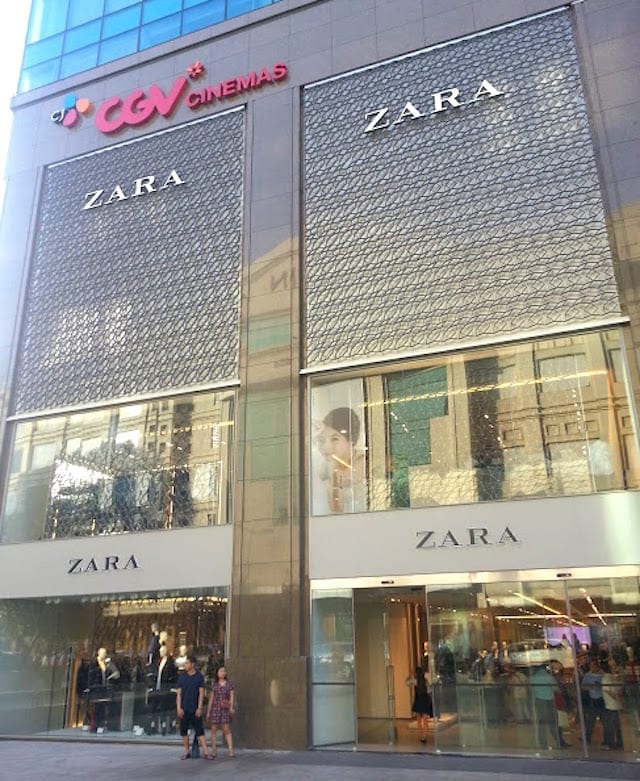
    Covering 2400 sqm over two levels, the first Zara Vietnam flagship store has opened at Vincom Centerin Ho Chi Minh City.

    Zara Vincom Vietnam

    Customers have views of the main street, Dong Khoi, from its windows, while on the racks are collections including women’s and men’s styles as well as Zara Kids, Zara Basic, TRF and the latest fall/winter styles.

    Zara Vincom Vietnam. 1

    Following the opening of the store, the Zara Vietnam website went live.

    Customers say they are impressed with the prices, noting they are cheaper than in Singapore and Thailand. When the Spanish fast-fashion line announced its plan to expand to Vietnam, there were concerns its prices would be higher than overseas, as had been the case with other international brands such as Topshop.

    Owned by Inditex, the Vietnam store adds to Zara’s 50 outlets throughout Indonesia, Malaysia, Singapore and Thailand.

    zara-vincom-vietnam

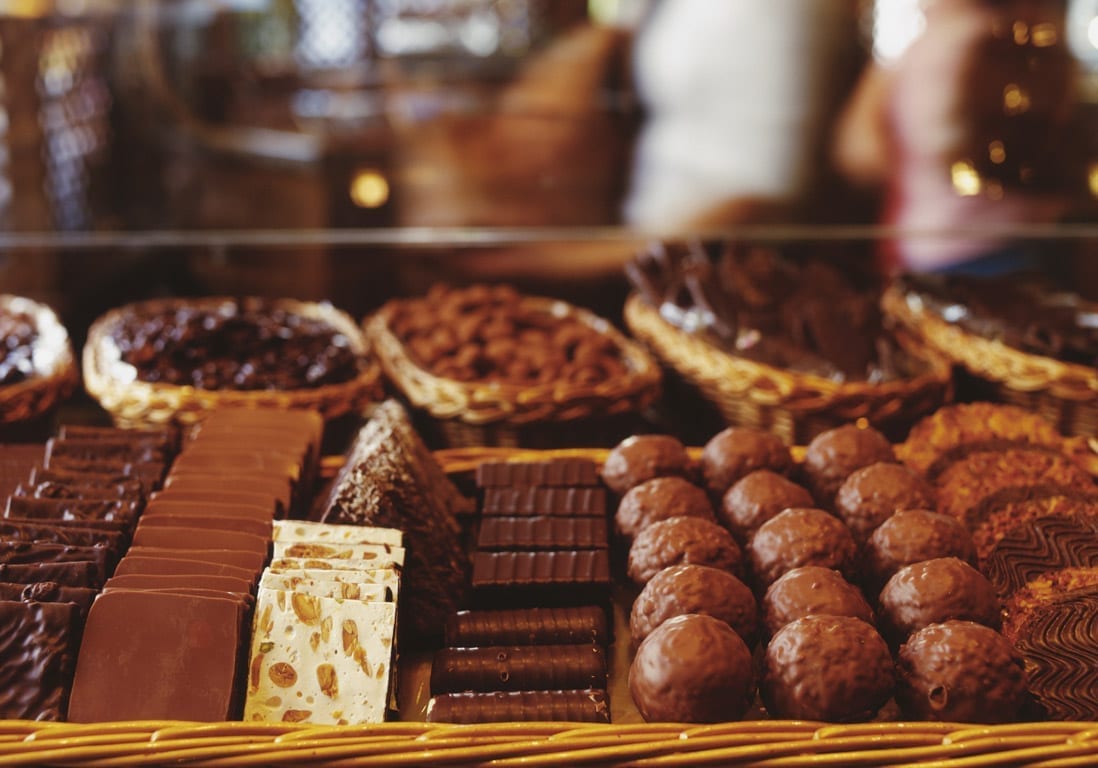
  • Global chocolatiers dwarfed in Indonesia as local champions dictate taste

    Global chocolatiers dwarfed in Indonesia as local champions dictate taste

    Multinational chocolatiers have spent almost 20 years trying to crack Indonesia’s booming confectionary market, only to build a share that pales in comparison with other emerging economies as long-established local producers fend off foreign incursions.

    Nestle, Cadbury’s owner Mondelez International, Mars Inc and Ferrero SpA together hold just one-tenth of a $1 billion market led by homegrown darlings Delfi and PT Mayora Indah. In neighboring Malaysia, the foursome commands almost 60 percent.

    “The market leader is very strong because it was the first to set the taste for chocolate in Indonesia,” Nestle Indonesia confectionary business manager Rully Gumilar told Reuters.

    “It’s like David fighting Goliath,” he said. “It’s very big and has huge power, while we are small even though we are a multinational.”

    Such struggle against a local incumbent is not uncommon among global consumer firms in the world’s fourth most-populous country – a tropical archipelago with complex distribution channels, run-down infrastructure and a retail sector dominated by family stores that lack air conditioning to keep goods cool.

    But the rewards are potentially huge considering consumption accounts for more than half of a steadily expanding economy, while an increasingly affluent middle class promises ample room for growth.

    The chocolate confectionary market is likely to jump 42 percent to 19.5 trillion rupiah ($1.49 billion) in the next three years, data from researcher Mintel showed. That compared with 11.7 percent in the United States where, as in other developed markets, growth has slowed over the past five years.

    LOCAL COCOA

    Nestle entered Indonesia in 1971 and in the 1990s embarked on a major push in chocolate products, expanding to three brands. Mars and Mondelez began selling chocolate in the early 2000s and, with Ferrero, the four’s market share reached 10 percent last year – 1.4 percentage point more than a year prior.

    But Delfi set the benchmark taste in the 1950s with its SilverQueen chocolate bars and Ceres chocolate sprinkles, which still feature in the firm’s broad line-up. Last year, its market share by sales volume reached 52.7 percent from 48.2 percent.

    Such local offerings often cost less to make and so are priced lower. For instance, they tend to contain a greater proportion of cocoa powder, which can be two to three times cheaper than cocoa butter, said Ahmad Zaky Amiruddin, secretary general of the Indonesian Cocoa Industry Association.

    Mayora said buying cocoa beans and making chocolate locally also keep prices competitive. In contrast, production at foreign rivals may be part of a more complex, multi-market strategy. Nestle, for instance, imports from its regional halal factory in Malaysia, which sources ingredients from countries including the Ivory Coast.

    Indonesians are “very price sensitive”, preferring to buy the cheapest of similar products, Amiruddin said.

  • Rich Indonesians snapping up Singapore luxury homes as taxman calls

    Rich Indonesians snapping up Singapore luxury homes as taxman calls

    Never mind that Singapore is experiencing one of the worst property slumps in its history, demand for luxury housing is suddenly coming from an unexpected group: wealthy Indonesians.

    This year’s purchases by Indonesian nationals of homes valued at S$5 million or more have already nearly quadrupled from last year’s total.

    The stepped-up buying coincides with the passage of a law in Jakarta aimed at getting Indonesians to repatriate or pay taxes on an estimated US$300 billion that had fled to Singapore during previous periods of unrest, lest those who took their money out be found out for tax evasion – a reason cited by three property agents as a primary reason behind the purchases.

    Indonesians were the top foreign buyers at the luxury OUE Twin Peaks tower, which went on sale in July.

    “We’re seeing a big increase in Indonesians buying the most expensive property,” said Ang Kok Leong, a senior agent at SLP Realty Pte, who cited Indonesians’ concerns about Singapore’s upcoming move to share financial information as the single biggest motivation for his Indonesian clients. “These people are generally in tune with this kind of situation back home, so if I’m not about to let the Indonesians know what I have, I will buy in Singapore.”

    Indonesia, Singapore and other countries are adopting global tax reporting requirements to tell each other about nationals holding assets abroad. Indonesians moving money into property are counting on only assets held in banks, not in real estate, being shared, agents and brokers say.

    While the numbers in the official data are small, they show surging demand that likely understates the real total. Indonesians bought 30 Singapore properties valued at S$5 million or more between the start of the year and Aug 17, compared with only eight such deals for all of 2015, according to the Urban Redevelopment Authority. Disclosure of nationality is voluntary.

    During the first half of this year, Indonesians bought 189 properties of all values in Singapore, 23 per cent more than in the same period last year, data from Cushman & Wakefield Inc show. While purchases from Chinese and Malaysians declined during the second quarter, transactions by Indonesians rose 19 per cent.

    Not all Indonesians buying real estate are seeking to avoid taxes, of course, and some may see value in a market that bottomed out in prime areas at the end of 2015. Indonesians are drawn to property in Singapore’s center, especially the Orchard Road area where the OUE Twin Peaks towers are located. Apartment prices there have risen 0.6 per cent since their low at the end of 2015, according to Cushman & Wakefield.

    At the OUE Twin Peaks development, where luxury condos in the second tower of the 36-story high rises went on sale in July, the developer sold almost half the first batch of 86 units with price tags of as much as S$4 million, with Indonesians the top foreign buyers, according to Propnex Realty Pte, a company handling sales for the project.

    A Propnex agent who asked not to be identified said the strong demand from Indonesians came as a surprise. It’s a marked change from past sales of downtown luxury homes, such as the Marina One Residences last year, when Indonesian buyers accounted for just three of about 200 units sold, Cushman & Wakefield data show.

    Indonesian President Joko Widodo’s ambitious tax amnesty plan, under discussion since earlier this year and ultimately passed in June, is aimed at repatriating Indonesian cash stashed overseas while giving evaders a way to come clean.

    Under the amnesty, Indonesians are to pay a tax rate starting at 4 per cent on declared property or funds left overseas. It increases in stages to 10 per cent as the amnesty period draws to a close in March. Those who send their money home and keep it in Indonesia for at least three years pay 2 per cent and are offered a wide range of possible investments. Those who don’t declare and are found out face paying 200 percent of the tax owed.

    The tax amnesty deal may attract S$5 billion to S$9 billion of Indonesian funds deposited in Singapore, Sanford C Bernstein & Co analysts Kevin Kwek and Norbert Topouzoglou wrote in a July 21 report. Most of the assets are probably invested in properties, securities or businesses, and are thus less likely to be repatriated quickly, they said.

    Wealthy clients typically allocate about 20 per cent of their assets to property, according to Evrard Bordier, Singapore-based managing partner of Swiss private bank Bordier & Cie. That percentage might increase because of the new tax transparency standards from the Organization for Economic Cooperation and Development that both Singapore and Indonesia have agreed to, he said. They currently don’t include reporting on real estate holdings.

    “This global shift into increased transparency will no doubt result in subtle yet important changes in the portfolio allocation of a typical high-net-worth individual,” said Bordier, noting that the global trend toward sharing information across jurisdictions eventually will make hiding money in property difficult.

    In response to a request for comment, the Monetary Authority of Singapore and the country’s Ministry of Finance said Singapore is ready to help in “any case of suspected cross-border tax evasion.”

    Singapore and Indonesia have yet to agree to the mechanisms needed for the automatic exchanges of information under OECD tax standards, due to come into effect by 2018. Until then, information transfers including information on property ownership take place upon request between the two tax authorities.

    “Expectations of motivating substantial repatriation whilst there are still doubts/lack of clarity may be overly optimistic,” Vishnu Varathan, an economist with Mizuho Bank Ltd., said by e-mail. “Declaring taxable monies to be repatriated could subject their accounts/finances to more scrutiny.”

    Singapore is currently mired in its most prolonged housing slump on record. Home prices in the city-state fell for the 11th straight quarter in the three months ending June 30, posting the longest losing streak since records started in 1975.

    Singapore’s government is holding steadfast on cooling measures it has rolled out since 2009, for fear of inflating a property bubble. The measures, including a stamp duty on foreign buyers, limit the investment appeal of what is still a key high-end housing market in Asia. Wealth advisers and property agents say property is often seen as a conservative investment option and a way to store wealth at a time of economic uncertainty and mediocre returns in financial markets.

    “Indonesians see Singapore as a politically stable safe haven,” said Jasslyn Yeo, Singapore-based global market strategist for JPMorgan Chase & Co’s asset management unit. “This is an important factor, especially at this time when you see so much instability in the region.”

    Indonesian wealth fled the country as far back as the 1960s when violence against ethnic Chinese was part of a campaign by President Sukarno to stamp out Communism. Other periods of instability include 1998, when anti-Chinese riots coincided with the ouster of President Suharto, and thousands of ethnic Chinese took refuge in Singapore and elsewhere.

    Many Indonesians travel to Singapore for medical checkups and procedures, so locations near hospitals are at a premium, agents say. Indonesian citizens bought 42 of 211 apartments in the range of S$1 million to S$4 million earlier this year in the Cairnhill Nine condo development, within walking distance of two hospitals, Cushman & Wakefield data show. The second-largest group of foreign buyers was Malaysians, with 16 units.

    Unlike Singaporeans, who mostly buy to reside in properties and take time to decide, Indonesians often close deals in a matter of days and aren’t picky about details, the agents say. They typically look for amenities such as hot tubs and swimming pools, as well as private elevator entrances, a feature that has become popular in recent years.

    “This kind of buyer, sometimes they will come wearing big sunglasses if they’re famous, so you don’t recognize them, and often they come with their own family agent,” said Kent Tan, an agent with realtor Home Guru Pte, who has seen a recent uptick in the number of queries by Indonesians. “These buyers know Singapore’s market very well and have known it for many years.”
  • Indonesia hosts Asian SMEs event

    Indonesia hosts Asian SMEs event

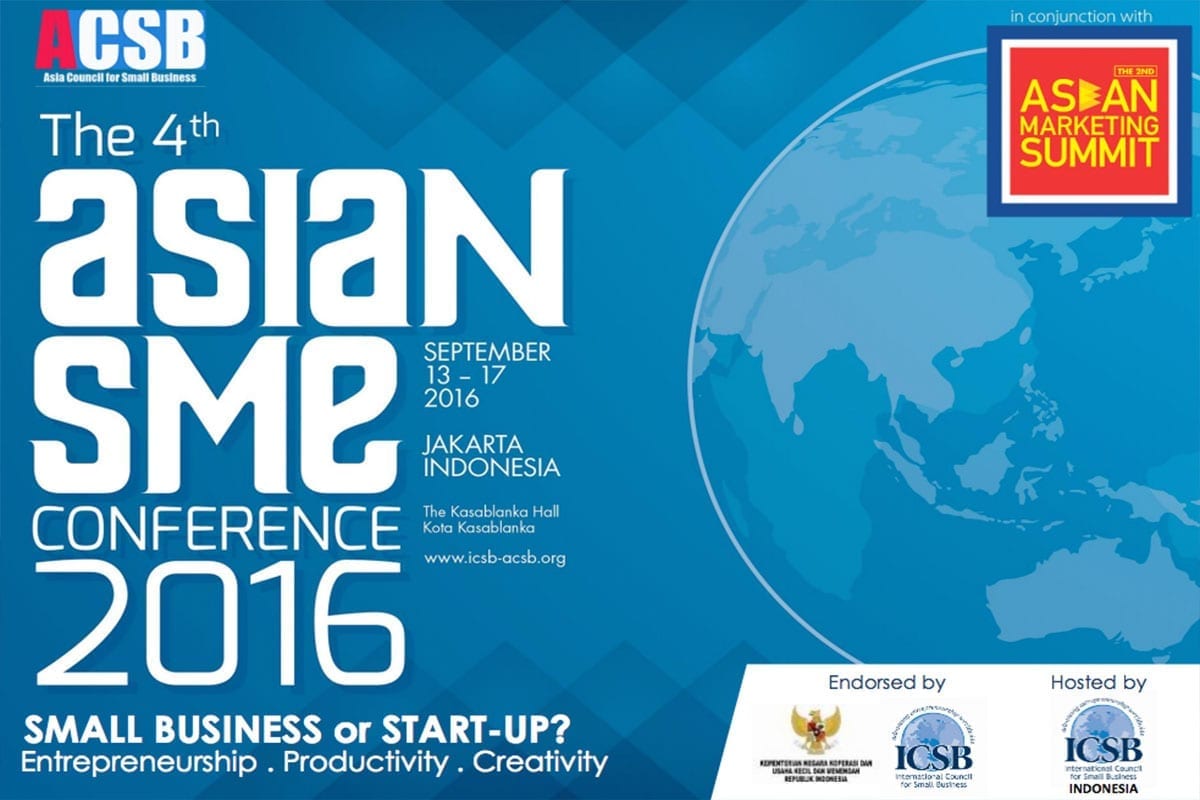
    Indonesia is hosting the fourth Asian SME (small medium enterprise) Conference 2016, from Sept. 13 to 17 in Kota Kasablanka shopping mall in South Jakarta.

    Cooperatives and SMEs Minister Anak Agung Gede Ngurah Puspayoga said the conference should facilitate SME players in strengthening their competence to face the global competition.

    “I hope SME players get optimally empowered,” the minister said in a statement as quoted by tempo.co on Tuesday.

    He said he expected Indonesian SMEs to thrive in the ASEAN Economic Community (AEC). “Good products, good services are not enough to survive the AEC,” he said. Thus, the conference was expected to give SMEs solutions to thrive in the AEC.

    The conference is targeting 700 participants from 15 countries.

    Puspayoga said Asia had become the center of economic growth and the biggest market in the world. Asia is ready to compete with other continents, he said.

    The event is presented by Asian Council for Small Business (ACSB) and endorsed by the ministry and the International Council for Small Business (ICSB). The event will have seminars with speakers from Malaysia, the US, Taiwan, among others and visits to cosmetics company Martha Tilaar Group and to Bandung in West Java.

  • VW’s Audi steps up collaboration with Chinese tech groups

    VW’s Audi steps up collaboration with Chinese tech groups

    Volkswagen’s luxury car unit Audi has agreed to deepen collaboration with Chinese internet technology groups to offer more digital services in the world’s largest car market.

    Audi and FAW-Volkswagen, VW’s joint venture with FAW Car Co Ltd (000800.SZ), have signed letters of intent with Alibaba (BABA.N), Baidu (BIDU.O) and Tencent (0700.HK), Audi said on Sunday. Financial terms were not disclosed.

    Parent Volkswagen has been hobbled by a scandal over the rigging of emissions tests, distracting it in a race with global carmakers to develop computer-aided services for drivers.

    VW’s CEO told a newspaper on Sunday that it has to remain in control of its relationship with car users, which is why it stopped talks with U.S. ride-hailing service Uber and technology giants Google (GOOGL.O) and Apple (AAPL.O).

    Under the agreement with online search company Baidu, Audi aims to improve the use of smartphone apps in its cars.

    Its projects with social network and online gaming group Tencent include helping drivers to make better use of the WeChat communication app.

    The alliance with Alibaba aims to develop more real-time traffic news services and 3D maps.

    VW in May took a $300 million stake in smaller ride-sharing company Gett.

  • Telstra, Ericsson achieve five-carrier LTE aggregation

    Telstra, Ericsson achieve five-carrier LTE aggregation

    Telstra and its technology supplier Ericsson claim to have achieved a world-first with a test that used four separate radio frequency spectrum bands with five carriers for very high long term evolution-advanced (LTE-A) bit rates.

    The trial at an undisclosed location used Telstra’s production network, with a Cobham Aeroflex TM500 4G network testing device as the receiver.

    It used 20 MHz each in the 700 MHz, 1800 MHz and 2100 MHz ranges, as well as two 20MHz bands in the 2600 MHz frequency range, for a total of 100MHz aggregated bandwidth.

    Five carriers and 100MHz are the maximum under the current LTE-A specification.

    Ericsson utilised high encoding rate 256 quadrature amplitude modulation (QAM) for the signal to provide better peak data speeds.

    Using the stateless user datagram protocol (UDP), the trial achived 950Mbps downlink speeds.

    With the more commonly used transmission control protocol (TCP), Ericsson and Telstra hit 843Mbps against the Speedtest website, the two telcos said. They declined to reveal the latency of the connection or the distance over the air for the signal.

    Telstra operations managing director of networks Mike Wright said that was “a widely accepted view that 4G should achieve peak speeds in the range of 1Gbps”.

    In reaching such high speeds, Wright said it could be argued that LTE technology was finally moving beyond the 4G barrier.

    “The demonstration of 1Gbps end to end capability shows the advanced state of these standards and our ability to rapidly bring them into commercial service in order to deliver increased capacity in our network to meet growing demand,” he said.

    “In addition to Telstra consumer customers, we are preparing our networks for growth in business use, as well as emerging technologies, which rely on our ability to deliver high capacity and low-latency solutions.”

    There are currently no handsets or devices capable of working with the combined five carrier LTE signal, and Telstra would not say when or whether it is planning on launching commercial services.

  • Paradigm Mall Petaling Jaya eyes 100pc occupancy

    Paradigm Mall Petaling Jaya eyes 100pc occupancy

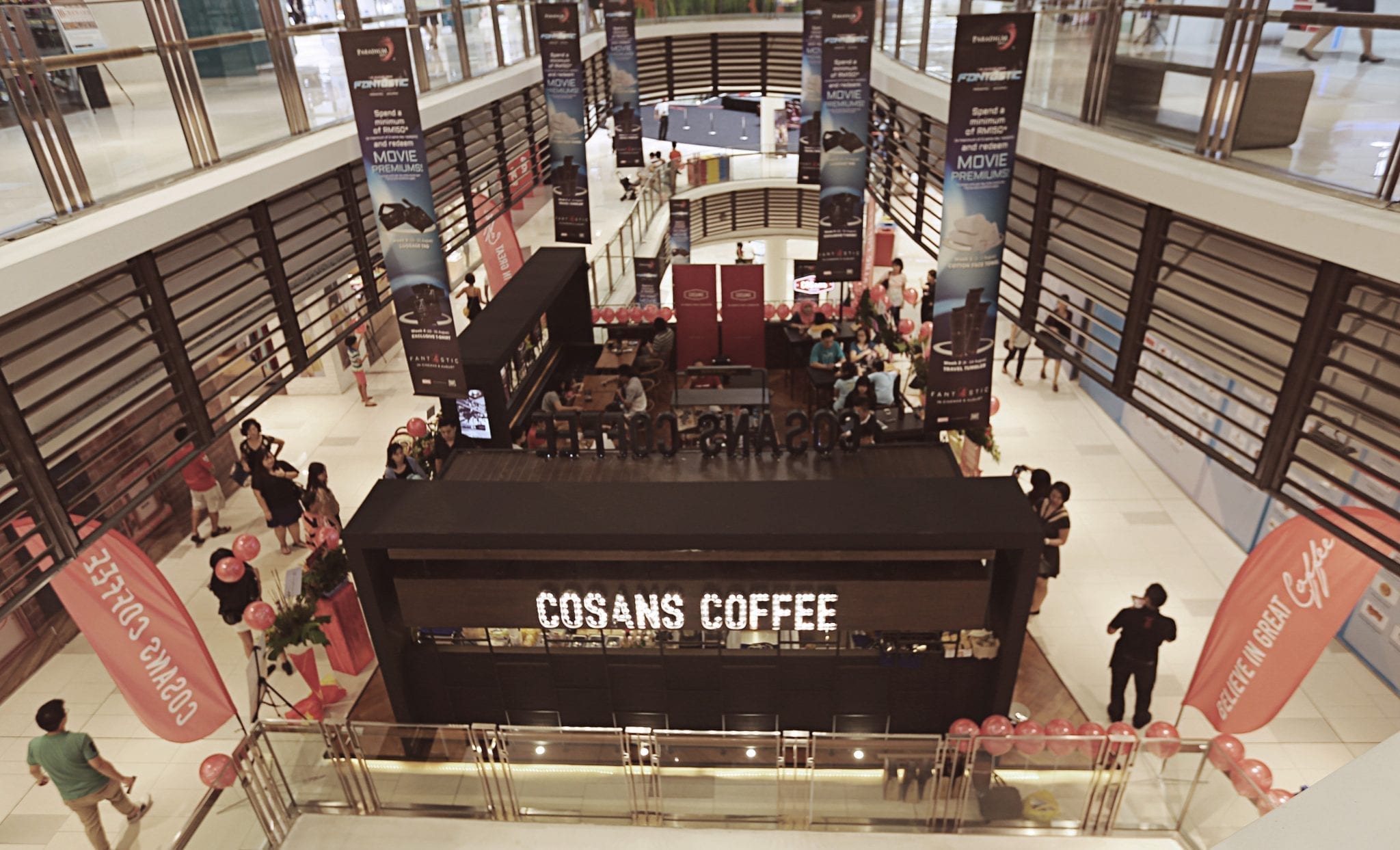
    WCT Holdings’ Paradigm Mall Petaling Jaya hopes to achieve 100 per cent occupancy soon following the opening of 22 outlets.

    It has welcomed new brands such as JDF, MC Vogue, Nathan’s Famous, Vareo and F&B offerings including Hong Kong Sheng Kee Dessert, MyeongDong Topokki, Pho Street, Pizza Hut Restaurant, Seaweed Club & Hot Wings and Taiwan Spicy Noodle House.

    New merchandise and service outlets include Dunlopillo, Majestic Leather Restore, Okashi World, Sunday’s, TMPoint and Wax Zone.

    “Our mall has an occupancy rate of 93 per cent, out of which 8 per cent are new tenants,” says WCT Malls Management GM Vincent Chong. “With the encouraging response, we hope to hit 100 per cent occupancy in the very near future.”

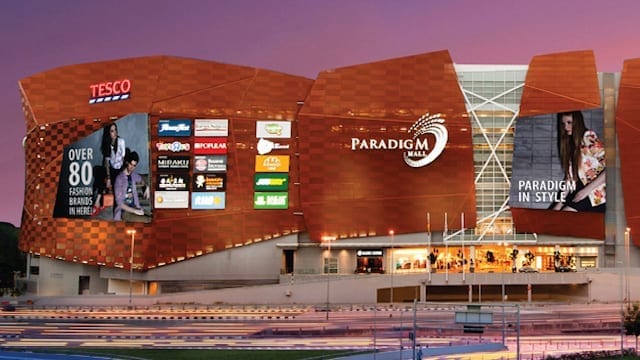
    paradigm-mall-outside
    Paradigm Mall from the outside

    More brands will be coming aboard in the fourth quarter, including DJI, FOS, Hokkaido Baked Cheese Tart, Mammamia Gelato Italiano and Sensuous Lingerie.

    Chong says Paradigm Mall PJ is part of WCT’s Paradigm Integrated Commercial Development which also comprises The Ascent Paradigm, The Azure serviced residences and the soon-to-open New World Petaling Jaya Hotel.