Author: Mei Ling Tan

  • Indonesian Aircraft Maker Showcases N219 Cockpit Simulator

    Indonesian Aircraft Maker Showcases N219 Cockpit Simulator

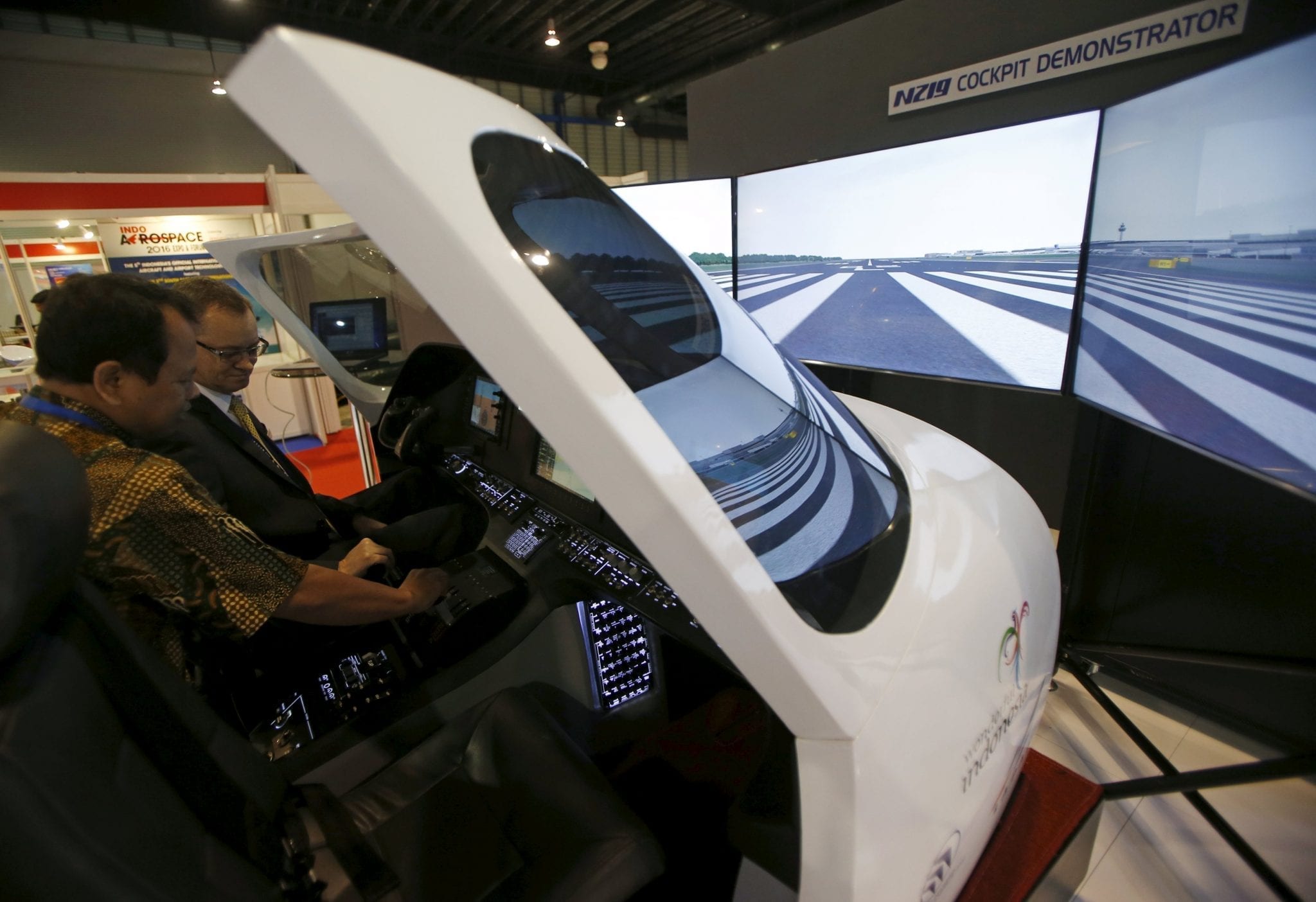
    Indonesian aircraft maker PT Dirgantara Indonesia (PTDI) is showcasing its new product, N219 cockpit simulator, at the Indonesia Business & Development (IBD) Expo 2016 being held from September 8 – 11.

    “We are showcasing CN235 model and N219 cockpit simulator,” the spokesperson of PTDDI, Irland Budiman, said on Friday.

    The simulator is the main attraction at the PTDI booth as visitors are allowed piloting the N219 and fly as if they are in N219.

    Irland said N219 was included in the booth of best innovation products created by Indonesian human resources.

    N219 is a multi-purpose twin-engine aircraft designed to be operated in remote areas. It is a developed version of NC212, produced by PTDI under CASAs license.

    Indonesia Business & Development (IBD) Expo 2016 is witnessing the participation of 118 companies with 700 subsidiaries and 1,100 local government enterprises.

    The event, which features the BUMN (the state-owned enterprises) awards, an exhibition, an international conference, seminars, and many other programs, is being held under the theme: State-owned Enterprises are Agents of Development.

    The Expo is a platform to promote and market various innovative products as well as an opportunity for stakeholders to explore investment opportunities.

  • BI Targets 11% Credit Growth

    BI Targets 11% Credit Growth

    Governor of central bank Bank Indonesia Agus Martowardojo said that BI is targeting bank credit growth by 11 percent next year.

    According to him, the target is expected to be reached due to the influx of fresh funds into financial institutions through the tax amnesty.

    “We consider that the tax amnesty will bring enough funds,” he said in Jakarta on Friday.

    The estimate, however, is lower than that of the original target of 12.7 percent.

    According to Agus, the change coincided with the approval of the 2017 economic growth target of 5.1 percent.

    Assumptions credit growth of 12.7 percent, he said, is met if the government and the House of Representatives agreed on economic growth target of 5.2 percent.

    The cause of the slow growth of credit is the weakening global economic growth, which is below 3.5 percent, he added.

  • Furla Singapore launches Made For You

    Furla Singapore launches Made For You

    Furla Singapore has launched its Made For You personalisation service – available only in its Marina Bay Sands flagship store.

    The Italian luxury brand says the service is designed to “further enrich the relationship with customers”.  Overall, the mix of combinations of fabrics and fixtures adds up to 8500 combinations.

    The innovative made-to-order service offers a unique luxury experience within the premium segment.

    “For the first time, Furla’s joyful message, contemporary creativity and finest Made in Italy expertise will be customisable in a light-hearted, intimate and engaging manner,” says the company.

    “Customers can unleash their creativity and design their exclusive Furla dream bag, choosing between the bestselling Furla Metropolis cross-body bag or the new IT Bag Artesia top handle style.

    Craftsmanship 3

    Craftsmanship 2

    Made For You materials include calfskin, ostrich, crocodile, snakeskin and calf hair for the Metropolis bag while the Artesia can be customised in calfskin and ostrich. All are lined in leather. The kaleidoscopic colour palette features up to 39 shades that differ from the seasonal assortment.

    Craftsmanship 5


    Craftsmanship 17

    Moreover, customers can choose the colour of the stitching, of the clasp and of the hand-painted edges, creating unique tonal or contrasting one-of-a-kind effects. The selection of clasps includes silver or gold metal, plus black or tone-on-tone enamel. Finally, each bag can be monogrammed or personalised according to the customer’s desire.

    ARTESIA MFY M TOP HANDLE BHX3 Ambra $6,680

    From order to delivery takes between eight and 12 weeks, depending on the material chosen and on market demand. Each bag comes with a personalised hand-written certificate featuring all of the bag’s characteristics.

    Craftsmanship 11

    Craftsmanship 13

    The Made For You service will be available in different retail formats, from permanent dedicated corners in key flagship stores to itinerant formulas to pop-up events. Depending on the venue, Furla has studied different in-store solutions to present the Made For You service, from sleek wood and burnished metal tables to temporary wall installations, both complete with a full kit of colours, swatches, details and combinations.

    Craftsmanship MFY 1

    METROPOLIS MFY MINI CROSSBODY BPROUHV3 Barolo $4,480

    Furla has also developed a dedicated micro-site with 3D configurations to enable customers to create their virtual bag by playing around with the various combinations. The app will also be available on tablets in the stores allowing the sales assistants to simulate the various bags for the customer. During the Made For You experience, the sales assistants will serve as the “artisan”, supporting the client as she “designs” her very own Furla creation.

  • Kebab Turki Baba Rafi chain heads to Philippines

    Kebab Turki Baba Rafi chain heads to Philippines

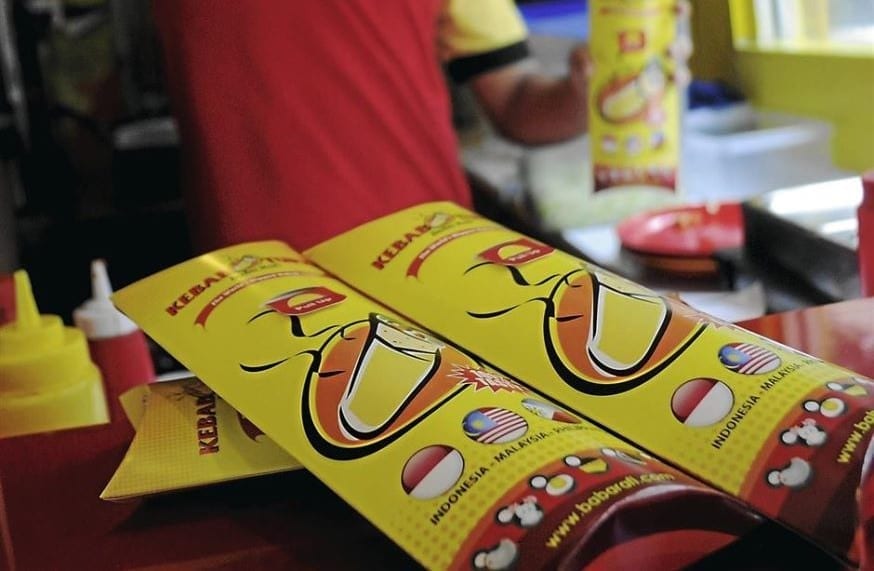
    Indonesia’s Kebab Turki Baba Rafi chain is set to open in southern Philippines.

    Parent company BabaRafi Enterprise says it wants to increase its Philippine footprint, after spending the last three years getting established here.

    “We’d like to expand our outlets not just here in Manila but we’re also heading in other islands as well,” said Hendy Setiono, president and director of BabaRafi Enterprise, in a press conference at the Management Association of the Philippines International CEO Conference.

    “So after Cotabato, we’d like to go to Zamboanga. Hopefully that would be a great venture in the southern part of the Philippines,”

    Setiono said the company has already secured a franchise partner for the south.

    Armed with a budget of US$1 million, BabaRafi has set itself an ambitious goal of opening more than 100 stores in the Philippines over the next three years.

    “The first three years was only a testing period where we tried the market first and opened 14 outlets but we believe the Philippine market is our biggest ASEAN market outside Indonesia.”

    BabaRafi, whose stores are an equal mix of company-owned outlets and franchised operations, also operates in Singapore, China, Malaysia, Vietnam, Bangladesh, Sri Lanka and the Netherlands.

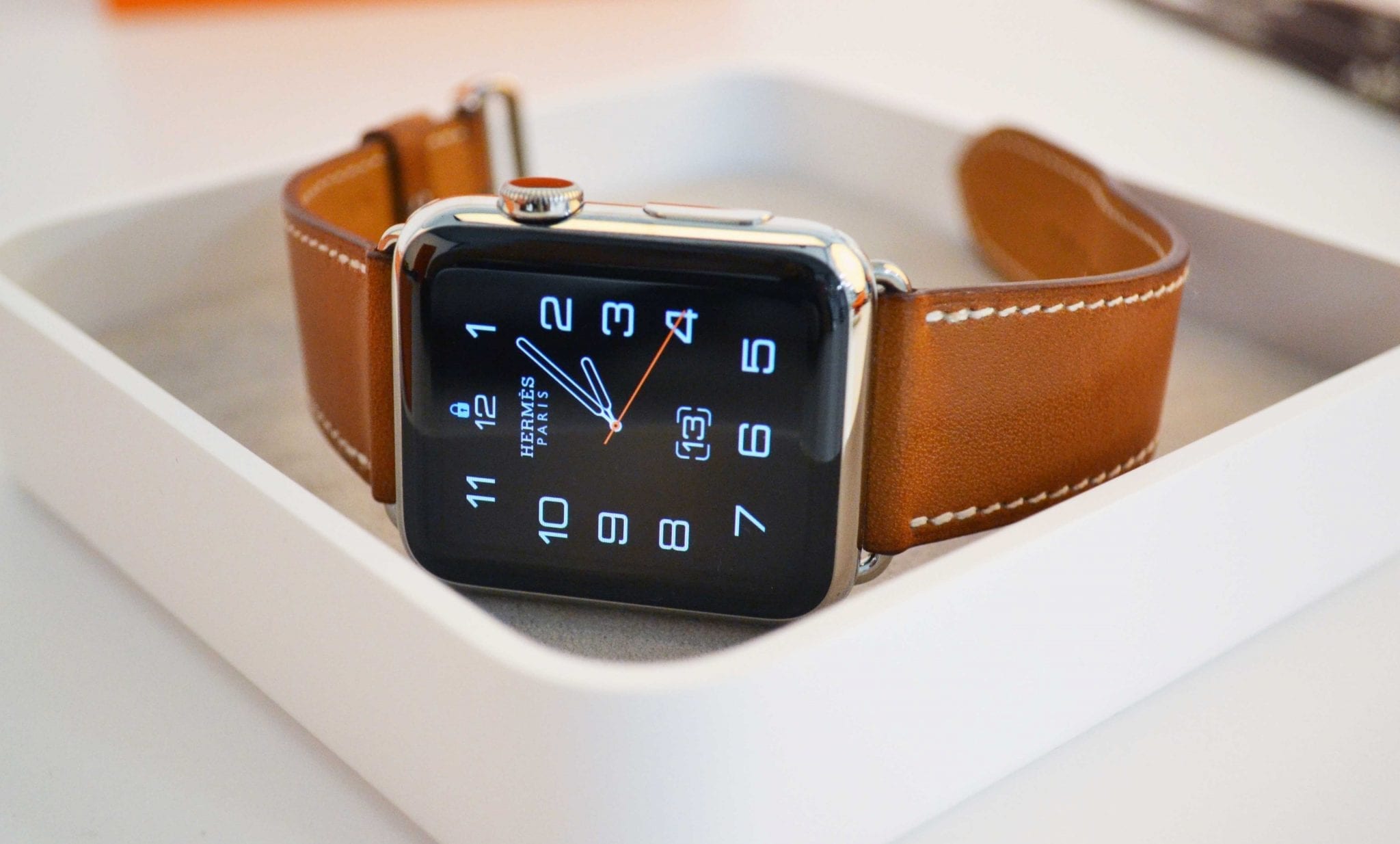
  • Hermès Apple Watch launched at up to $1499

    Hermès Apple Watch launched at up to $1499

    Hermès and Nike have revealed new collaborations with Apple, to produce exclusive co-branded Apple Watches.

    Hermès introduced new Apple Watch styles and an expanded assortment of wristbands that incorporate its signature palette alongside a series of bold new colors.

    Meanwhile, Nike is focused on functionality for the sportsperson, with the Apple Watch Nike+ Series 2, featuring GPS, a two-times-brighter display, water resistance to 50m and a dual-core processor.

    Launch dates in Asia

    In Asia, the Apple Watch Hermès will be available from September 23 in Australia, China, Hong Kong, Japan, Macau, Singapore and Taiwan. The Nike watch goes on sale from yesterday, September 9.

    The Hermès models range in price from US$1149 to $1499, while the Nike sells for a more affordable $369 – $399. The Hermès wristbands will also be sold separately.

    Apple watch Hermes double buckle cuff

    Hermes says the design process was driven “entirely by a shared ambition for ultimate beauty and utility,” featuring exclusive watch face designs inspired by the iconic Clipper, Cape Cod and Espace Hermès models.

    “Ours is a partnership born of parallel thinking and mutual regard — we share similar preoccupations, ever evolving and refining our design,” said Jonathan Ive, Apple’s chief design officer.

    Siri speaks

    The Apple Watch Nike+ also includes exclusive Siri commands and Nike watch faces along with deep integration with the new Nike+ Run Club app to motivate wearers to go for a run, coaching plans that adapt to their unique schedule and progress, and guidance from the world’s best coaches and athletes.

    “Apple Watch is the ultimate device for a healthy life and we wanted to push it further to create the best smartwatch in the world for runners and athletes,” said Jeff Williams, Apple’s COO. “Apple Watch Nike+ takes performance tracking to a whole new level and we can’t wait to bring it to the world’s largest community of runners.”

  • Singapore F&B sector ‘running out of manpower’

    Singapore F&B sector ‘running out of manpower’

    The Singapore F&B sector is set for a radical transformation under the government’s Industry Transformation Maps, aimed at getting industry “future-ready”.

    Tharman Shanmugaratnam, deputy PM and coordinating minister for economic and social policies, revealed some insights in a speech at the opening of Select Group’s new corporate headquarters on Thursday.

    He said with 160,000 people working in the F&B industry, it was a significant employer in the city state, 205,000 if hawkers’ centres were included, more than 5 per cent of the nation’s workforce.

    “But that is also the industry’s biggest challenge. We are running out of manpower in the industry. Our strategies for the future have to address this squarely.

    “We must develop a food services industry that is highly efficient, with no loss in quality of food offerings, and with high quality jobs. It has to be a major makeover.”

    The Food Services Industry Transformation Map (ITM) would involve “intensive collaboration” between Spring Singapore, the Restaurant Association of Singapore (RAS), enterprises themselves and trade unions such as the Food, Drinks & Allied Workers Union.

    The Food Services ITM will aim to push ahead with more ‘manpower-lean formats’ in the industry and upgrade jobs and job satisfaction, while maintaining the quality and range of Singaporeans’ dining options.

    There are four main thrusts of the Food Services ITM:

    * Developing innovative formats like Ready-to-Eat meals.

    * Promoting mass adoption of technologies even within established business formats.

    * Raising employees’ skills and versatility, and making the industry more attractive through job redesign and clear progression pathways.

    * Expanding the footprint of Singapore F&B in overseas markets.

    “Spring estimates that by 2025 three out of eight dining experiences in Singapore will involve new formats such as grab-and-go and vending machines, as opposed to traditional dine-in options. It will be more efficient, and will also meet changing consumer demands.

    “Ready-to-eat (RTE) meals, for instance, are a viable alternative for consumers looking for convenience. The new generation of RTE meals is much more than just “microwavable food”. Utilising “cook-chill technologies” as well as innovations in packaging material, the taste, quality and nutritional content of foods can be retained well in RTE meals,” he said.

    “Last month, we launched VendCafé in Anchorvale. The response has been encouraging, with an average of 400 meals served per day in the first month. Residents have given feedback that they welcome the additional amenities. However, some have expressed concerns about the noise patrons generate, sometimes late at night.”

    Coffee shops are not immune to new systems, he said.

    “Spring and the HDB have reviewed the tender requirements for new coffee shops. The requirements will now include productivity proposals, in addition to a good variety of affordable food. I urge operators to make use of this opportunity to rethink how existing coffee shop models can be redesigned. For a start, the new system will be piloted at two sites, in Tampines and Choa Chu Kang. The tender will open from mid-September onwards.”

    Manpower challenge

    The minister said employers have to work on the basis that there will be no further manpower growth in the Singapore F&B industry.

    “The heavy reliance on low-skilled workers also cannot continue. New entrepreneurs have to come into the business knowing how tough it is to find workers. The industry sees a high churn of enterprises. On average, 28 per cent of food establishments are replaced yearly. Some churn in the industry is not a bad thing – it adds vibrancy and reflects Singaporeans wanting to do their own thing as entrepreneurs. But every new enterprise has to be aware of the realities of the labour market before they get started.”

    One of the ways forward is to embrace digital service, including electronic payments.

    “In Sweden, cash transactions represent less than 2 per cent of the value of all payments made. From retailers to street level vegetable and fruits traders, Swedish businesses have embraced the use of electronic payments via credit cards or mobile apps. This enables companies to increase productivity through payments integrated with business processes. We will be promoting this very actively.

    “We must transform the food services industry so that it achieves. Spring together with its partners plans to have at least 50 per cent of the industry having adopting technology-enabled operations by 2020. They estimate that it will make possible productivity growth in Food Services of 2 per cent per year on average from now until 2020.”

  • TCC aims to dominate river view

    TCC aims to dominate river view

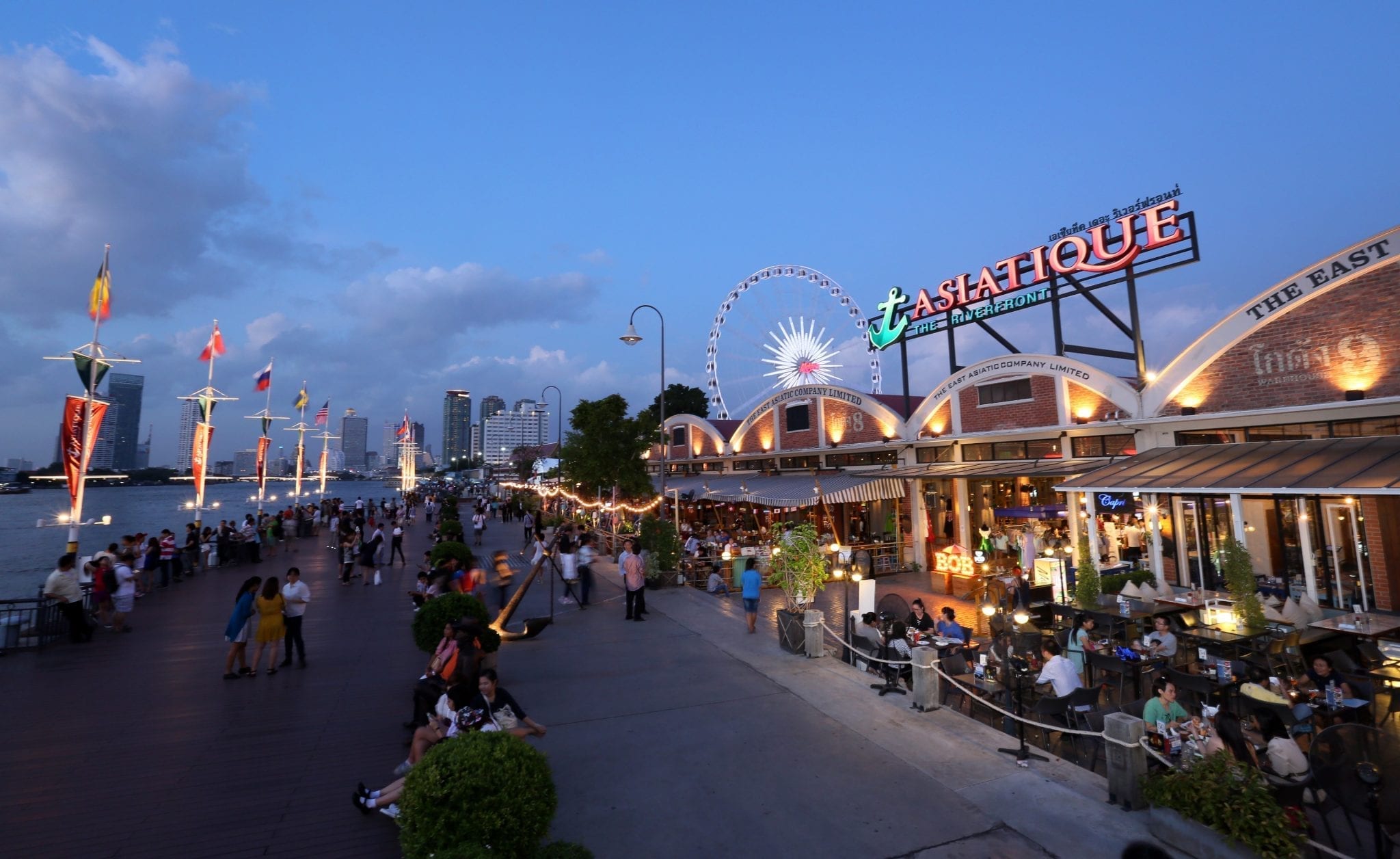
    Asiatique already dominates much of the night time Chao Phraya view with its night bazaar and Asiatique Sky Ferris wheel, built on the site of historic East Asiatic Company on riverside Charoen Krung (New) Road. (Creative Commons via Wikipedia)

    TCC Land Asset World Co, the retail arm of tycoon Charoen Sirivadhanabhakdi’s TCC Group, will invest 10 billion baht to build a five-star hotel near Asiatique the Riverfront, aiming to serve meeting and exhibition guests as well as a growing number of tourists.

    Surasit Manawatanakij, TCC Land’s asset manager, said the meetings, incentives, conferences and exhibitions (Mice) business has been growing significantly and Thailand is expected to be a regional hub for the segment because of its tourism infrastructure and staff.

    Located on the banks of Chao Phraya River, the hotel will have 800 rooms with a 3,000-square-metre conference hall, mainly to accommodate Mice customers. The luxury hotel is due to start construction in 2018 and finish in 2020.

    “This hotel is likely to be managed by Maryland-based hotel management chain Marriott International,” he said.

    TCC Hotel Group has Marriott managing its hotels in Bangkok, Phuket and Hua Hin.

    Mr Surasit said the strong growth of Mice has been backed by the country’s tourism attractiveness and Thai hospitality.

    Last year, Thailand welcomed 29.8 million foreign tourists and the arrival figure is expected to rise to more than 30 million this year.

    Apart from Mice business, TCC Land expects its Asiatique mall on Charoen Krung Road to welcome 24 million tourists in the next two years, up from 12 million last year.

    The project has become a tourist attraction with a giant Ferris wheel, restaurants and retail shops.

    The nearby area is booming with new retail development including Iconsiam located on the opposite side of the river. The cabinet recently approved the construction of a 2.68-kilometre Gold Line monorail in Thon Buri district not far from this area.

    TCC Land plans to earmark 300 million baht to build two new warehouses for the Urbano fashion zone and expand its pier at Asiatique to accommodate rising foreign and local tourists, especially foreign independent travellers (FITs), which have grown enormously in the past few years.

    “FITs have three times the spending power of those from tour groups,” Mr Surasit said.

    TCC Land also wants to alter the ratio of FITs and tour group customers to 60:40 next year from 50:50 last year.

    The company will partner with potential sponsors expected to be Thai Beverage, the Tourism Authority of Thailand and some tour agents to promote Asiatique during the festive season with a budget of almost 240 million baht, he said.

    “Thanks to very good feedback from tourists the past five years, Asiatique will keep developing itself to become a tourism landmark for Bangkok,” Mr Surasit said.

    TCC Land targets 500 million baht in revenue for Asiatique this year, mostly from retail rents and activities during the year-end festive season, before reaching 550 million in 2018.

    Last year, Asiatique’s revenue stood at 423 million baht.

    Asiatique has 1,500 shops and 45 restaurants and bars, including entertainment activities such as theatre, puppetry and a Ferris wheel overlooking the river.

    The company plans to bring more Asiatique projects to Pattaya and Chiang Mai in coming years to serve a sharp rise of tourists.

    Apart from Asiatique, TCC Land operates many retail projects in Bangkok including Gateway Ekamai, Centerpoint Siam Square, Pantip Plaza and Box Space.


  • Koreans offer hottest properties for sale

    Koreans offer hottest properties for sale

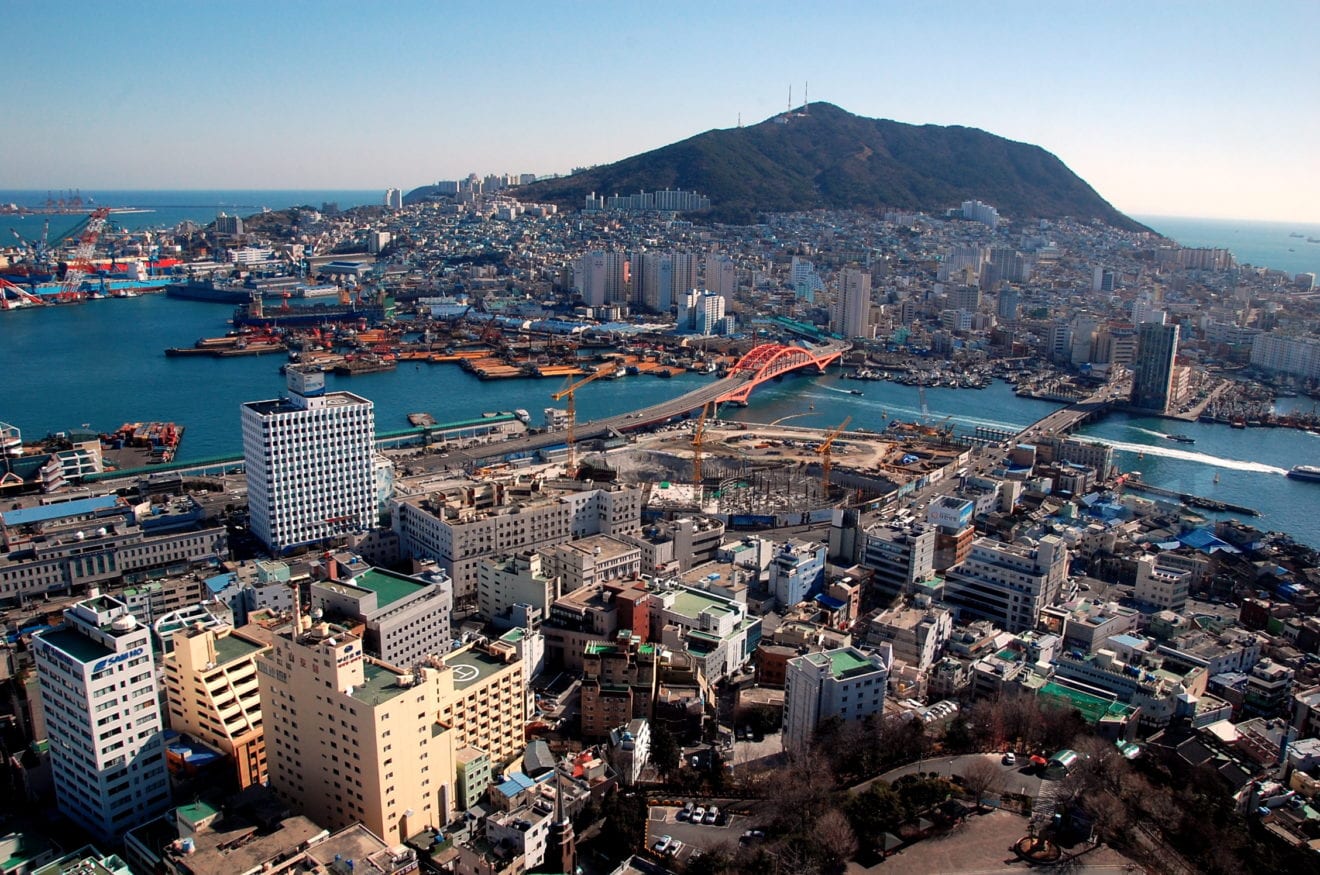
    Region’s property investors get a glimpse of Korea’s hottest properties being displayed at the Global Cityscape 2016, which will conclude today.

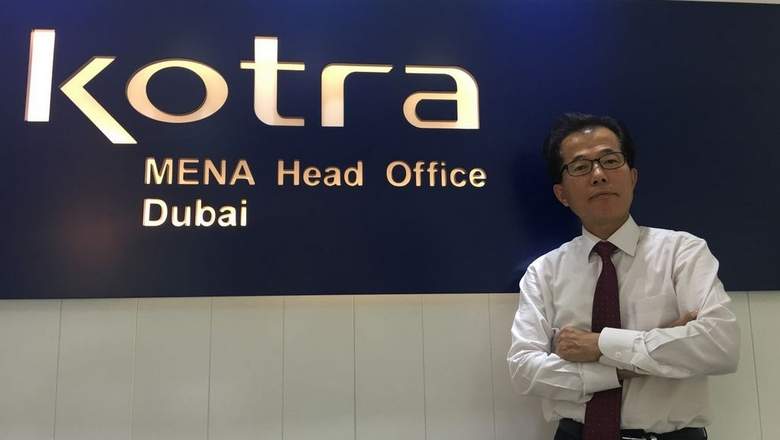
    “The two Korean free zones Incheon and Busan are participating in the three-day exhibition to showcase new property projects in Korea,” said Yong Suk Kwon, regional president Middle East and North Africa of Trade and Investment Promotion Office (Kotra).

    koreaeconomy

    Korea has long been focused on the UAE and GCC to attract investments into the second biggest Asian economy. In recent years, Korean real estate projects have done well in attracting foreign direct investment.

    “South Korea scored a total return rate of 7.1 per cent in 2015. It is a high and competitive return rate compared to other Asian countries. The returns are much higher than China (5.7 per cent) and Singapore (6.2 per cent), said Kwon.

    He said foreign investment companies including the State Oil Fund of Azerbaijan (SOFAZ), Abu Dhabi Investment Authority (ADIA), Kohlberg Kravis Roberts (KKR), ARA Asset Management Limited and Blackstone, have entered South Korea’s office building market.

    Referring to CBRE’s 2016 research, he said Korea secured 39 per cent of investors’ interest in most attractive countries to invest. “The hottest sectors were offices with 39 per cent, multifamily/leased residential units 26 per cent and shopping centres 17 per cent,” Kwon said, adding that investments also went into storages and infrastructure.

    Korea’s retail market is showing solid growth at 2.4 per cent in 2015 at $246 billion. Online shopping market showed the biggest growth with 14.3 per cent fuelled by the expansion of e-commerce and payments from mobile phone or mobile commerce. Complex shopping malls are showing robust growth displacing department stores and consolidating smaller forms of retail stores.

    “South Korea is seeing a record-breaking foreign direct investment influx,” Kwon said. In 2015, Korea received $20.3 billion in FDI, the largest amount till date. And in the first half of 2016, about $10.5 billion worth FDI was invested in Korea, also breaking the previous record so far.

    The government of South Korea designated so called “Korean Free Economic Zones” to improve the business and living environment for foreign-invested firms in Korea, Kwon said.


  • Henderson unveils prices for mini flats

    Henderson unveils prices for mini flats

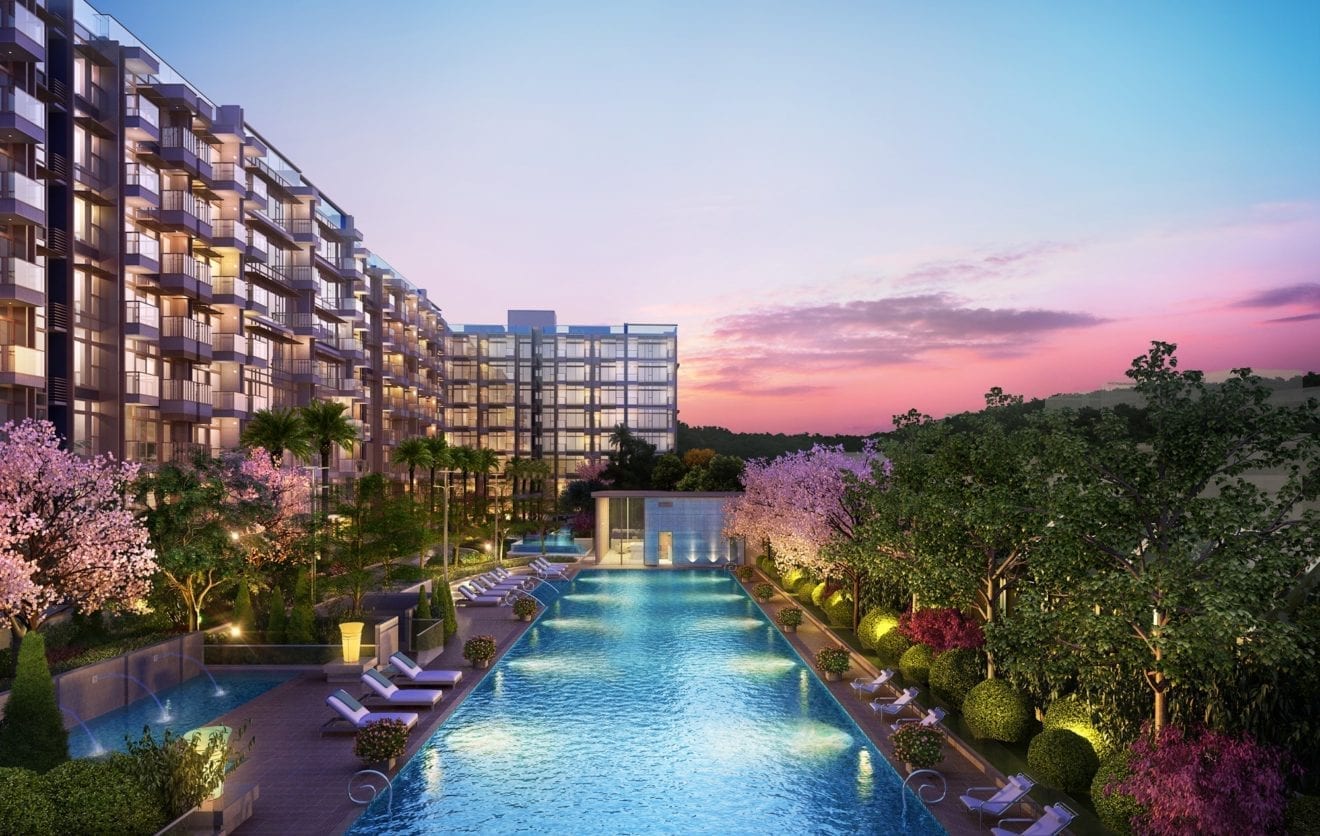
    Discounted prices for Henderson Land’s “mini flats” at its One Prestige project in North Point are as low as HK$3.67 million or HK$22,130 per salable square foot, according to the first price list that the developer issued yesterday.

    The price list is for 50 flats of sizes between 163 to 170 ssf. The discounted prices range between HK$3.67 million and HK$4.54 million or in per ssf terms between HK$22,130 and HK$26,892.

    The lowest discounted price at Henderson Land’s project is 20 percent higher than a 163-sq-ft second-hand flat sold in July at The Harbourside, a housing project also in North Point but built 13 years ago.

    Henderson Land general manager Thomas Lam Tat-man said units at the One Prestige project will be on sale from next week at the soonest.

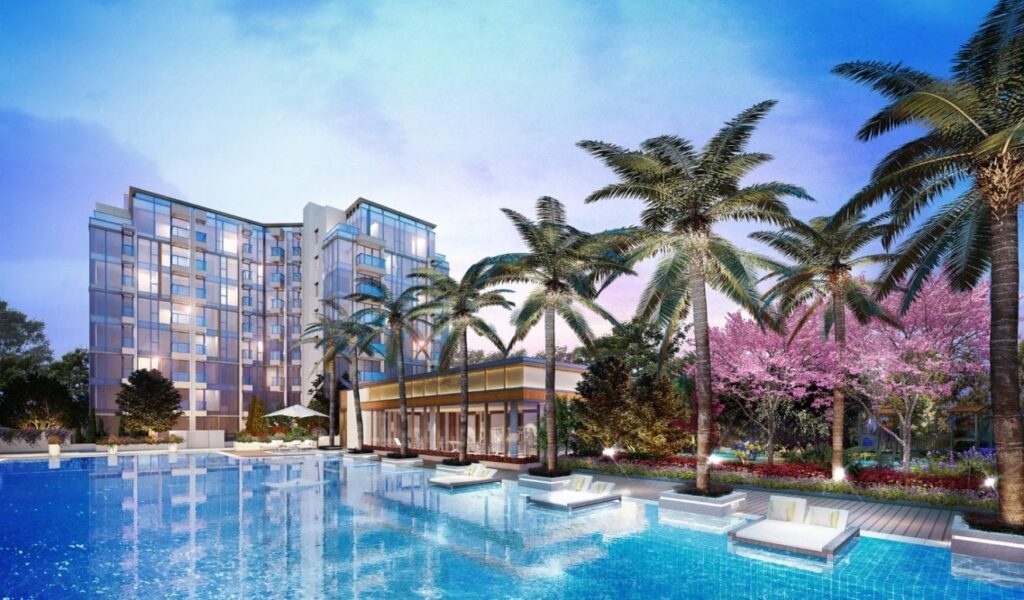
    Meanwhile, Sino Land this week launched an additional 30 flats in its Park Mediterranean project in Sai Kung. Associate sales director Victor Tin Sio-un said listed prices range from HK$5.64 million to HK$10.14 million.

    He said prices had gone up by about 2-3 percent from the launch of the first batch of flats, adding more flats will be offered for sale on Sunday.

    China Overseas (0688) launched the fourth price list for One Kai Tak, dubbed as “Hong Kong Property for Hong Kong People.” The latest price list covers 121 flats with sizes between 376 and 850 ssf. Listed prices for the units range between HK$7.22 million and HK$19.49 million. The company will offer for sale 221 flats on Sunday.

    park-mediterranean

    In related action, CBRE, a global real estate services and investment firm, said owners of commercial premises in Hong Kong have shown more willingness to rent out spaces to food and beverage operators amid changes in the local retail landscape.

    “The transformation of Hong Kong’s retail market is structural and is likely to continue in the foreseeable future,” said Joe Lin, executive director at CBRE Hong Kong’s retail advisory and transactions services unit.

    “This represents an ideal time for food and beverage operators to negotiate better leasing terms with retail landlords to expand their footprint,” Lin said.

  • Maker of Po Chai Pills kicks off HK$750 million IPO to fund expansion plans in Asia

    Maker of Po Chai Pills kicks off HK$750 million IPO to fund expansion plans in Asia

    Jacobson Pharma Corp, Hong Kong’s largest generic drug firm and maker of the Po Chai Pills used by generations of the city’s residents, is seeking to raise HK$750 million in an initial public offer.

    The company will sell 437.5 million shares at a price range of between HK$1.28 to HK$1.72 per share, 10 per cent of which are reserved for retail investors.

    The company opens its book for retail investors on Thursday, requiring a minimum subscription of HK$3,475 for 2,000 shares. A separate tranche reserved for institutional investors had already been fully subscribed, according to people familiar with the plans.

    The stock is scheduled to begin trading in Hong Kong on September 21.

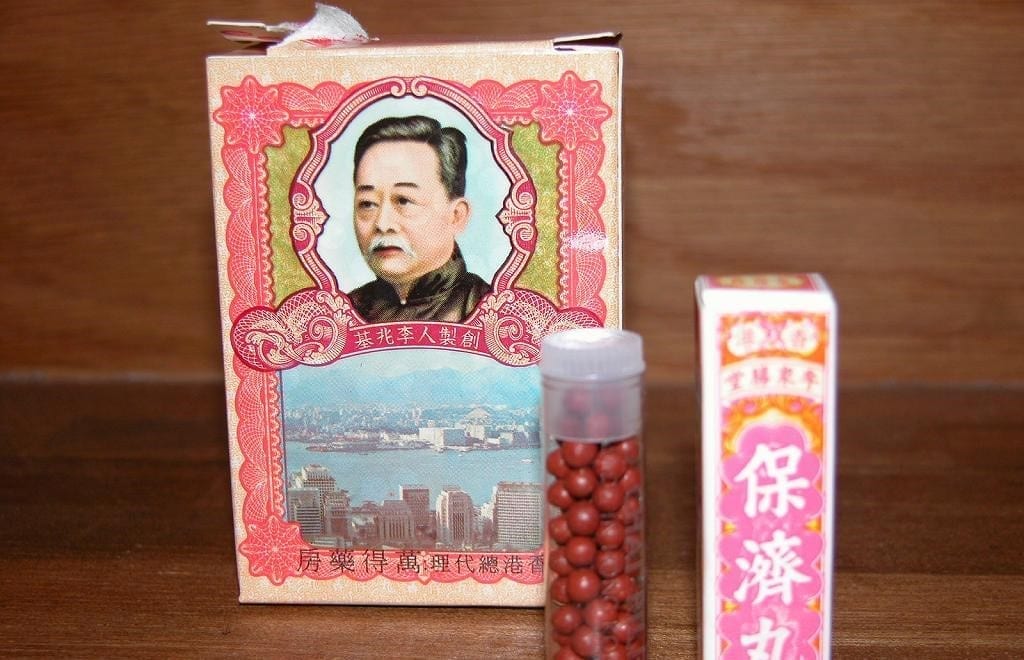
    Hong Kong residents are familiar with Jacobsen’s Po Chai Pills, tiny pellets made from a herbal remedy that’s used for relieving indigestion and hangovers.

    The company, which relies on Hong Kong for 90 per cent of its revenue, also makes the Flying Eagle Woodlok Oil and Tong Tai Chung Woodlok Oil.

    Jacobson plans to use 45 per cent of the proceeds from its IPO for acquisitions, including the setting up of ventures, according to its prospectus.

    The company plans to expand in Macau, Taiwan, Vietnam, and Southeast Asia, said Jacobson;s chairman and chief executive Derek Sum. The company also plans to expand to several provinces in southern China, where there is a familiarity with its brand.

    “We expect to become a leading brand in Asian Pacific region,” Sum said.

    Net profit rose 34 per cent to HK$152.7 million in the year ended March 31, while total sales increased 14 per cent to HK$1.08 billion, according to Jacobson’s prospectus.

    Generic drug sales made up 87.2 per cent of the company’s revenue for the year, while proprietary herbal medicines such as Po Chai Pills, made up only 12.8 per cent of total revenue.

    China’s drug regulator in May approved over the counter sales of Po Chai Pills, allowing them for marketing and sales on the mainland without a doctor’s prescription.

    Hong Kong Wing Wah Medicines Group, which has over 30 drug stores in the city, was a cornerstone investor that subscribed HK$80 million of its new shares. Sum expects to see more business synergy with Wing Wah.

  • Telkom set to become international telecommunications hub

    Telkom set to become international telecommunications hub

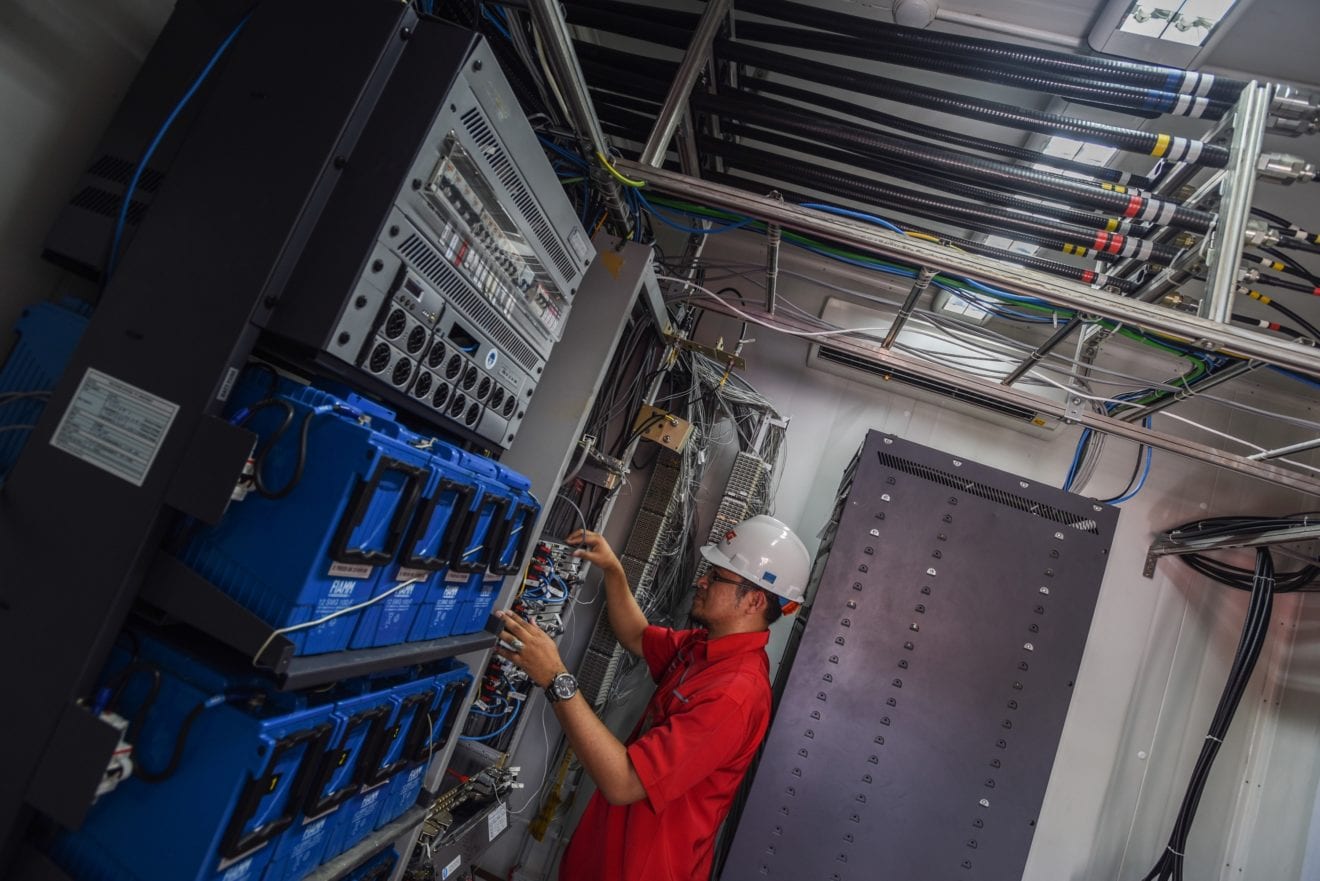
    PT Telekomunikasi Indonesia Tbk (Telkom) said it is optimistic it would play the role of international telecommunication infrastructure hub with the development of its Indonesia Global Gateway Cable System (IGG).

    “We are developing IGG and it is now in process. Tekom will have significant role. We have program to become an international hub,” Vice President for Corporate Communication of Telkom, Arif Prabowo said here on Thursday.

    Arif said the IGG would link Indonesia and Europe and the United States.

    In 2018, it is expected that construction of the networks between Indonesia and Europe would be completed with the landing point in Dumai and the landing point for submarine cable between Indonesia and the United States would be in Manado, he said.

    “The two lines would connect with each other to support domestic and international data traffics,” he said.

    Separately , General Manager for Submarine Network Division of NEC Corporation Toru Kawauchi said in a statement that his company had signed a contract with Telkom for the IGG development.

    “NEC is chosen again by Telkom as the supplier of optic fiber submarine cable system with a speed of 100Gb/s IGG, which would link nine big cities in Indonesia with Singapore and two international submarine cable systems Dumai and Manado,” Toru Kawauchi said.

    IGG is a submarine optic fiber cable system consisting of cables with a speed of 100 Gigabit per second (Gbps) x 80 wavelength (wl) x 4 optic fiber pair (fp), around 5,300 kilometers long which will link big cities in Indonesia such as Dumai, Batam, Jakarta, Madura, Bali, Makassar, Balikpapan, Takaran and Manado, with Singapore.

    After the completion of the IGG project in early 2018 , the cable systems will not only increase connectivity between big cities in Indonesia, but also would provide direct links between the two international submarine cable systems — one from Europe with landing point in Dumai, and another from the West Coast of the United States with landing points in Manado.

  • Indonesia Banking Award Winners Announced

    Indonesia Banking Award Winners Announced

    Tempo Media Group, in collaboration with the Indonesia Banking School, held the annual Indonesia Banking Award (IBA) to recognize Indonesian banks with the best performance in 2015.

    The IBA this year featured an award for the best bank in remuneration and a new award for a sharia business unit. Banks with the best performance in Indonesia were given awards in six categories, namely the most efficient bank, the most reliable bank, diversity of the board, the best bank in retail banking services, the best bank in productivity, and the best sharia business unit.

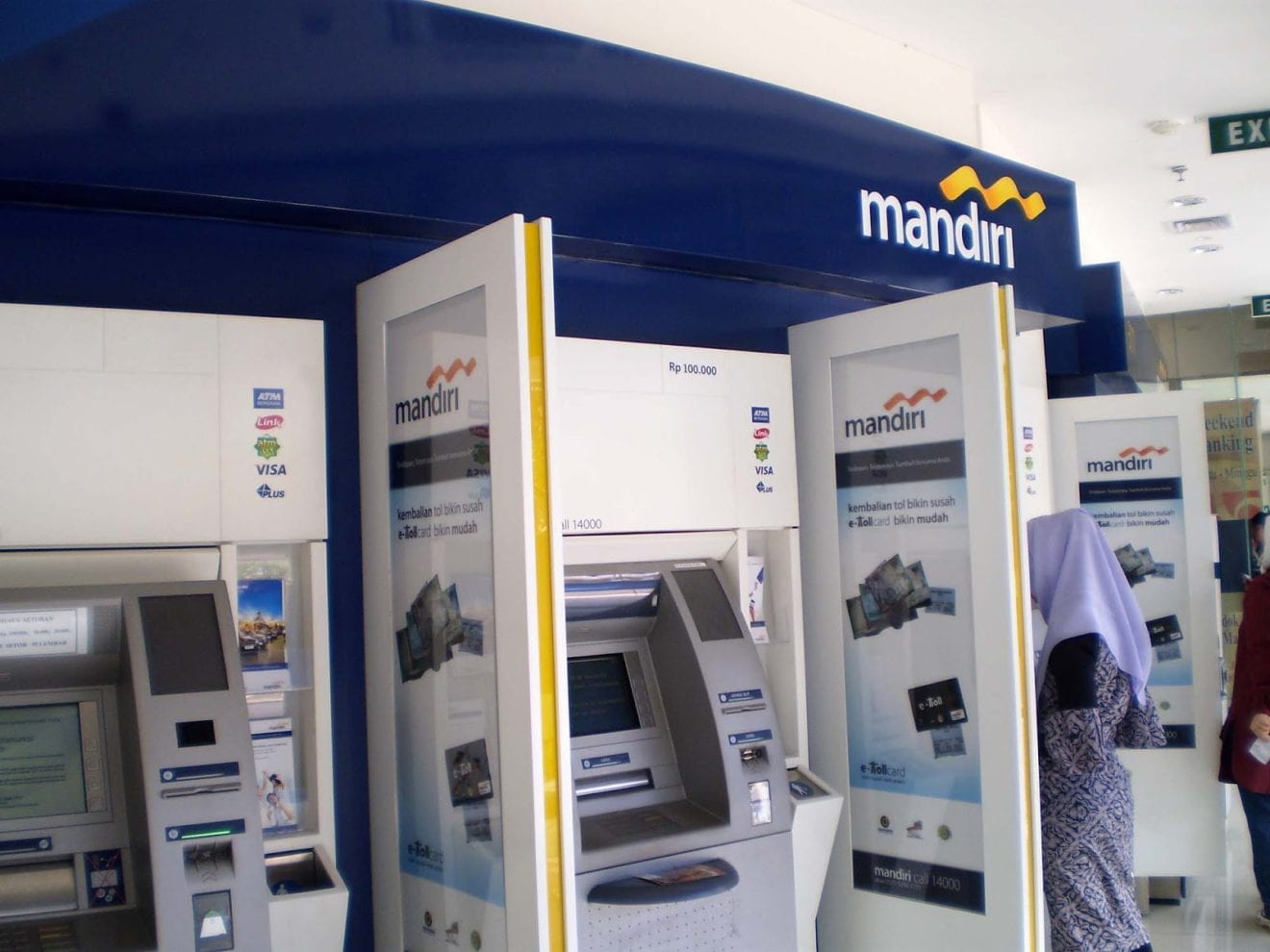
    The most reliable bank award in the national conventional bank category with a total asset of above Rp 100 trillion (US$7.6 billion) was given to Bank Central Asia (BCA), Bank Rakyat Indonesia (BRI), Bank Negara Indonesia (BNI) and Bank Mandiri. For conventional banks with a total asset value of Rp 50 trillion (US$3.8 billion)-Rp 100 trillion, the award was given to OCBC NISP and Bank BTPN. In the sharia bank category, the award was granted to BRI Syariah, Syariah Bukopin and BNI Syariah.

    The best bank in productivity award for conventional banks went to Panin Bank, Bank Jasa Jakarta, KEB Bank Hana, and regional development banks (BPD), i.e. Bank Jatim, Bank Sulteng, and Bank BJB.

    The best sharia business unit award went to BPD commercial banks, namely Bank Kalbarl, BPD DIY, Bank NTB, and Bank Jambi. In the non-BPD category, the award was given to Maybank Indonesia, CIMB Niaga, OCBC NISP, and Bank BTN. In addition, the diversity of the board award went to Bank Mandiri, BNI, and BCA.

    The most efficient bank went to BPDs with a total asset value of above Rp30 trillion (US$2.3 billion), namely Bank Jateng, bank Jatim, and Bank BJB. The award for BPDs with a total asset value of Rp10 trillion (US$769 million)-Rp30 trillion went to Bank Kalbar, Bank SulSelBar, Bank Aceh, Bank Papua, and Bank BPD Bali. In the category of BPD with a total asset of below Rp 10 trillion, the award was won by BPD DIY, Bank Lampung, Bank Sulteng, Bank NTT, and Bank Sultra.

    Conventional banks with a total asset value of above Rp 100 trillion granted with the best bank in retail banking services award were Bank Mandiri, BCA, BNI, BRI and Danamon. For conventional banks with a total asset value of Rp 50 trillion-Rp 100 trillion, the award went to OCBC, NISP and Bank BTPN.

    Bank Jatim, Bank Jateng and Bank BJB bagged the Best Bank in Retail banking services award in the category of BPDs with a total asset value of above Rp 30 trillion. In the category of BPDs with a total asset value of Rp 10 trillion-Rp 30 trillion, the award went Bank Riau Kepri, Bank Nagari, and Bank Sulselbar. In the category of BPDs with a total asset value of below Rp 10 trillion, Bank Maluku, Bank NTB and Bank Sulteng had been awarded with the title.

    The IBA was held at Hotel JS Luwansa in Kuningan, Jakarta, on Wednesday, September 7, 2016. Attending the event was Financial Services Authority (OJK) deputy chairman Nelson Tampubolon, Deposit Insurance Corporation (LPS) executive director, Bank Indonesia (BI) deputy governor Hendar Harahap, and Tempo Media Group president director Bambang Harimurti.

  • Wharf T&T said to attract at least seven bidders

    Wharf T&T said to attract at least seven bidders

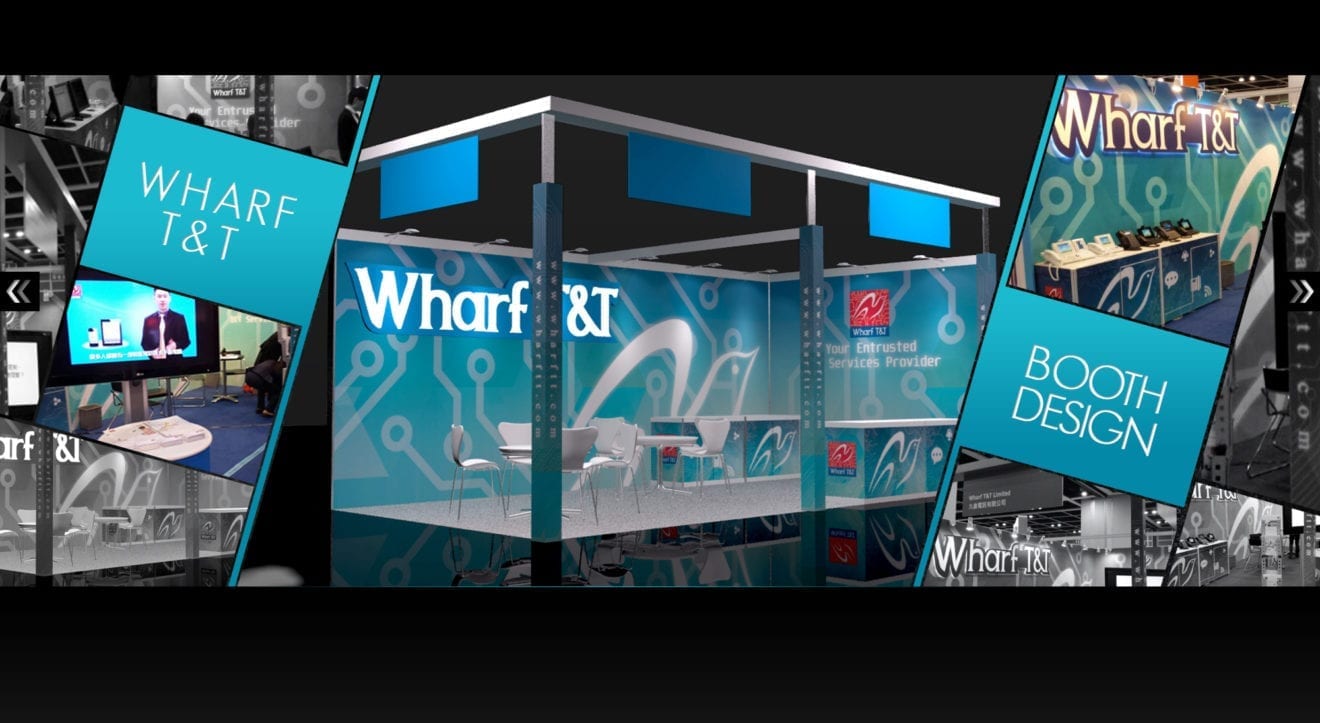
    At least seven companies, including HKBN and SmarTone, have submitted bids for Wharf Holdings’ Hong Kong telecoms division Wharf T&T, according to reports.

    The private equity copanies including KKR, MBK Partners and TPG Capital Management have also submitted bids for the company.

    The sale is looking likely to reach a price of $1 billion to $1.2 billion, according to the report. HKBN is currently the front-runner in the auction, but may face antitrust scrutiny and will require shareholder approval for the purchase, so its bid is less certain than others’.

    Wharf T&T is Hong Kong’s second largest enterprise fixed line telecoms operator in Hong Kong, and also has subsidiaries providing residential broadband, eBusiness and IT services.

    Parent company Wharf Holdings put its telecoms business up for sale in June following a strategic review of its communications, media and entertainment division.

    Last year Wharf T&T generated an ebitda of around $100 million, the sources said.

  • Shinsegae to open all-in-one shopping complex

    Shinsegae to open all-in-one shopping complex

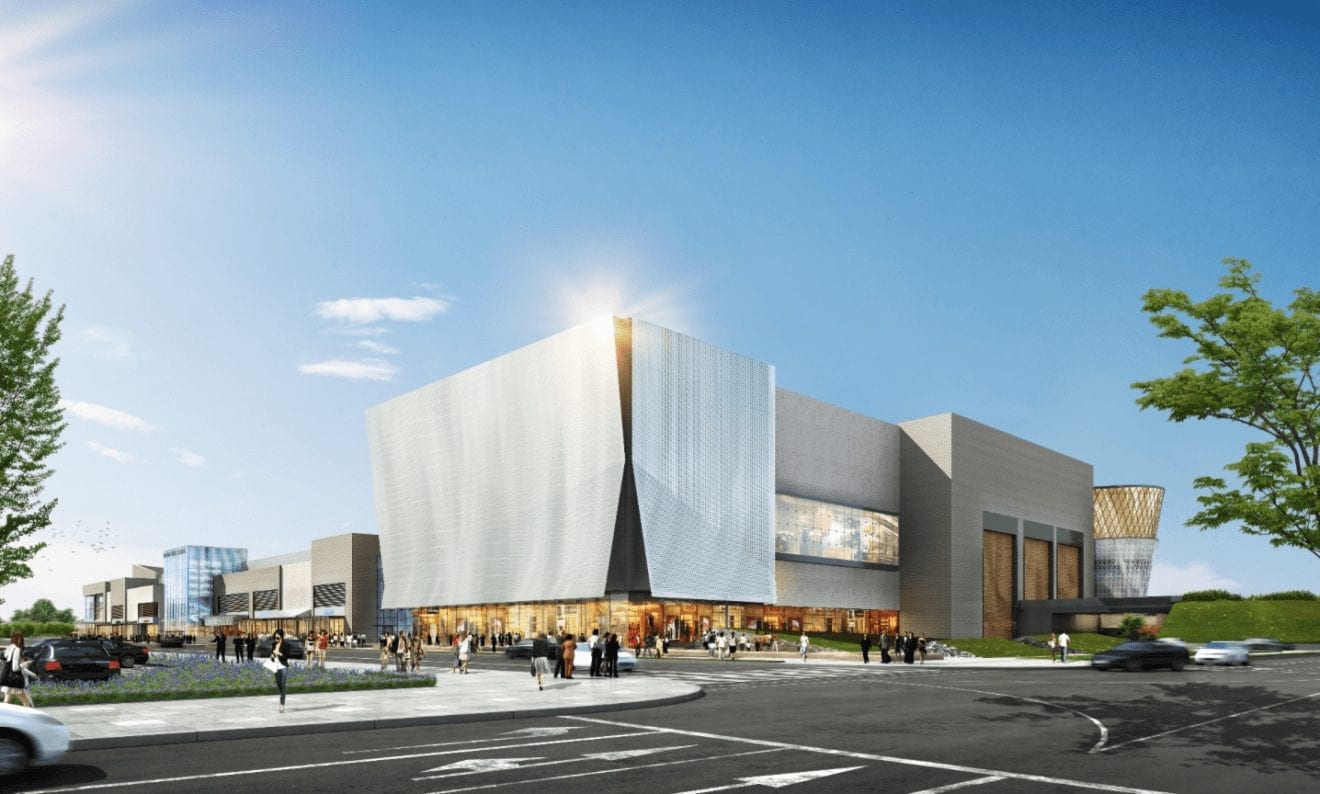
    Shinsegae Group is set to open South Korea’s largest shopping theme park in Hanam, southeast of Seoul, on Friday to offer a wide variety options for shopping, leisure and culinary experiences.

    “Starfield Hanam” is a three-story building with four underground floors, covering an area spanning 460,000 square meters located some 20 kilometers southeast of Seoul. It’s equivalent to 70 football fields, big enough for visitors to day trip to without leaving the shopping mall that houses 750 brand stores and a parking space for 6,200 vehicles.
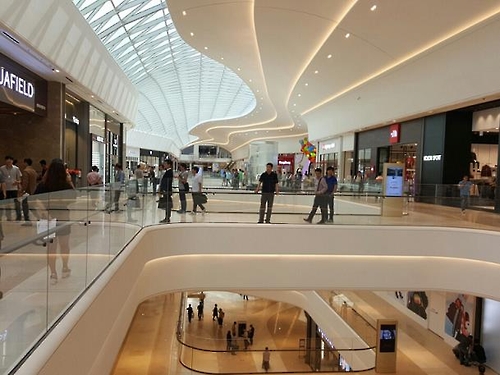
    Shinsegae Group opens "Starfield Hanam," South Korea's largest shopping theme park on the southeastern outskirts of Seoul on Sept. 9, 2016. (Yonhap)

    Shinsegae Group opens “Starfield Hanam,” South Korea’s largest shopping theme park on the southeastern outskirts of Seoul on Sept. 9, 2016.

    The 1 trillion won (US$916.5 million) joint investment with Taubman, a U.S. shopping mall owner and operator, is the Korean retail giant’s ambitious project to revitalize its offline retail channel in the face of tougher competition with emerging online and mobile malls.

    “This is Korea’s largest suburban shopping mall that provides shopping, leisure and rejuvenating experiences in one place,” Lim Young-lock, vice president of Shinsegae Property, the group’s property development unit, said during a press meeting on Monday. “We hope that it will become the ultimate destination for a one-day shopping trip for customers in the Seoul metropolitan areas and potentially, across the nation.”

    Starfield Hanam targets to post 820 billion in sales in the first year, hoping to raise it to 5 trillion won within 4-5 years, Lim said.

    Women’s clothing stores as well as open cooking studios and ceramic workshops are located on the first floor, differentiating itself from traditional department stores that have cosmetic and luxury brands on the first floor.

    On the second floor, about 30 luxury brands, including Louis Vuitton, Gucci and Prada, are lined up along with contemporary fashion brands.

    Shinsegae placed its affiliate stores in the first basement floor, including E-Mart Traders, a warehouse-style supermarket similar to U.S. chain Costco, and Electro Mart, the group’s electronic retail shop.

    Apart from other malls that mostly focus on shopping experiences, Starfield offers various options for men to see, experience and buy.

    Hyundai Motor Co., South Korea’s largest automaker, has a showroom on the first floor to showcase its Ioniq green car and luxury sedan Genesis brands.

    The Ioniq showroom features the Ioniq line, which includes the firm’s first pure electric vehicle built on a dedicated platform. In addition to the electric version, the Ioniq also comes in plug-in hybrid and traditional hybrid models.
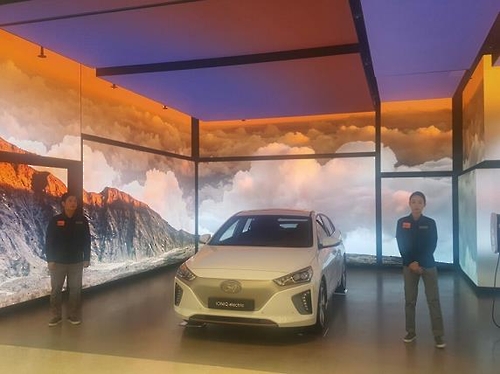
    Hyundai Motor displays plug-in Ioniq model at its showroom at Starfield during a pre-opening event on Sept. 5, 2016. (Yonhap)


    Foreign automakers and motorcycles are also heating up the competition to attract male customers.

    BMW MINI launches Asia’s first “City Lounge” where customers can see and test drive the German automaker’s MINI models, and American motorcycle Harley Davidson’s shop displays its latest models and sell related products.

    In November, American electric car maker Tesla Motors is set to launch its first dealership to prepare for its entry into the Korean market.

    “Traditional shopping malls usually have a lack of options for male customers, but Starfield offers things to do and see for men like me, who like cars and electronic gadgets,” Kim Min-seok, a 24-year-old from Seoul, said during a pre-open event. “I’m looking forward to seeing Tesla’s electric cars when it opens a new shop.”

    The shopping theme park has a lot to offer to family visitors as well.

    Aquafield, an indoor and outdoor waterpark, and Sports Monster, an electronic sports field, are located on the third and fourth floor.
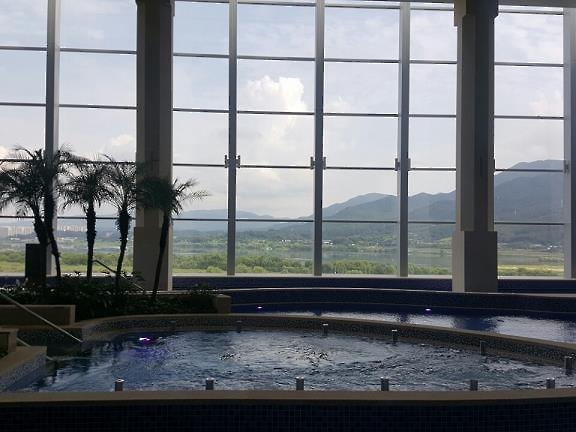
    Aquafield at Starfield Hanam on the third floor. (Yonhap)

    Aquafield covers an area of 13,000 square meters, with an indoor swimming pool that has a panoramic view of the Han River and the surrounding mountain, a water park and an upscale spa.

    At Sports Monster, people can enjoy basketball, volleyball and badminton as well as rock climbing and bouncing on a trampoline.

    It also displays an “e-sports arena” that combines virtual reality (VR) gadgets and 4D technology for such sports as surfing, snowboarding, horse racing and rowing.

    “I felt almost like I was falling from a cliff while getting on a roller coaster in this virtual reality,” Shin Min-hee, a 20-year-old, said, taking off a pair of VR goggles.

    There are also various restaurants, cafes and desert places and a food market for fresh ingredients.

    PK Market, a food market that has “Live to Eat” slogan, sells international food ingredients, vegetables, fishery and meat.
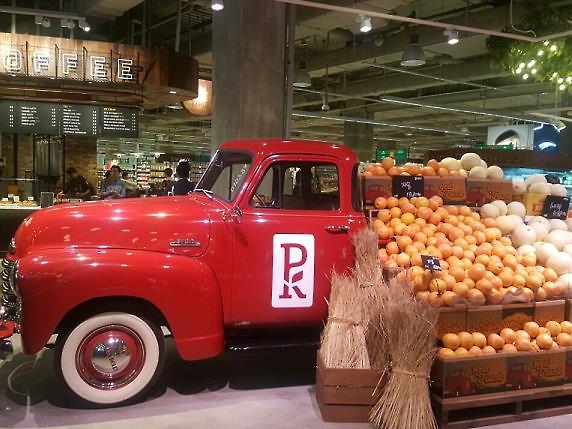
    PK Market sells fresh vegetables, fishery and meat as well as international food ingredients. (Yonhap)

    “Eatopia” (a compound for eat and utopia), and “Gourmet Street” feature branches of famous local and international restaurants.

    “I was surprised to see many visitors even during the pre-opening events, which far exceeded my expectations,” said Lim, after touring the mall. “I hope Starfield can change customer expectations for an offline shopping mall through new experiences.”

     

  • Telkom contracts NEC for new subsea cable

    Telkom contracts NEC for new subsea cable

    Indonesia’s PT Telkom has contracted NEC to build a cable system connecting six of the nation’s large islands with Singapore.

    The Indonesia Global Gateway Cable System will link the islands of Sumatra, Batam, Java, Bali, Kalimantan and Sulawesi.

    As well as providing enhanced connectivity between nine major Indonesian cities, the cable will link to Singapore and provide direct connectivity with two international subsea cables that land in Europe and the US respectively.

    The 100Gbps, eight wavelength, four fiber pair cable system will span around 5,300km in total. It is scheduled for completion in early 2018.

    “NEC is honored to be selected once again by Telkom as the supplier of an optical fiber submarine cable system, the advanced 100Gb/s IGG system,” NEC general manager for submarine networks Toru Kawauchi said.

    “Since first building an optical fiber submarine cable system for Telkom in 1991, NEC has continuously helped to expand Indonesia’s domestic connectivity, the Papua Cable System (SMPCS) being the latest such contribution.”

    The Sulawesi Maluku Papua Cable System connects eight provinces in eastern Indonesia – East Nusa Tenggara, Maluku, North Maluku, North Sulawesi, Papua, Southeast Sulawesi, South Sulawesi and West Papua.

    The nine cities that will be connected via the IGG system are Dumai, Batam, Jakarta, Madura, Bali, Makassar, Bilikpapan, Takaran and Manado.