Author: Mei Ling Tan

  • IBM opens 9th APAC cloud center in Korea

    IBM opens 9th APAC cloud center in Korea

    IBM has launched its first cloud data center in Korea together with SK Holdings, a Korean IT services company IBM partnered with last year.

    The company’s ninth cloud data center in Asia Pacific, it is the latest step in IBM’s ongoing expansion of the physical infrastructure that supports its cloud services. The facility in Pangyo, outside of Seoul, is the 47th site in this global cloud data center network.

    IBM is going after the Korean public cloud services market, which IDC expects to grow from $445 million last year to $1 billion in 2019. Target customers are both Korean enterprises and start-ups, according to IBM’s announcement.

    The cloud data center will have the capacity to support “thousands of servers,” IBM said.

    Its services include public, cloud, and hybrid environments, as well as IBM’s extensive Platform-as-a-Service portfolio, collectively branded Bluemix. Among them are APIs for the company’s “cognitive computing” capabilities called Watson, which developers can use to build those capabilities into applications they design.

  • Xiaomi eyes offline expansion

    Xiaomi eyes offline expansion

    Chinese smartphone vendor Xiaomi Corp unveiled a new smartphone with China Mobile Communications Corp on Thursday, as the company steps up efforts to expand offline retailing channels.

    China Mobile, the country’s largest telecom mobile carrier by subscribers, said it hopes to sell 30 million Xiaomi handsets this year, signaling a boost for Xiaomi, which is wrestling with declining shipments and mounting competition from rivals such as Huawei Technologies Co Ltd.

    Priced from 899 yuan ($136), the new phone, the Redmi Note 4, will be on sale at China Mobile’s 20,000 offline stores and more than 100,000 bricks-and-mortar retailing partners’ stores.

    Lei Jun, CEO of Xiaomi, said the company has sold more than 110 million smartphones under Redmi, a brand known for its cost-effectiveness. “The new phone is our latest effort to offer a quality smartphone that everyone can buy.”

    The move came as China’s online smartphone sales hit a ceiling, and market players are banking on bricks-and-mortar retail partners for growth.

    James Yan, research director at Counterpoint Technology Market Research, said it is highly possible to achieve the sales target, given China Mobile’s sprawling offline presence.

    “Telecom operators’ retail channels account for 30 percent of China’s total smartphone sales, and more than half of that are handled by China Mobile,” Yan said.

    The new phone’s good design and sophisticated body, better than most of Xiaomi’s previous phones, will also help boost sales. And the Beijing-based firm’s supply chain partner Wingtech Group is able to ensure an abundant supply of the new phone, he added.

    In 2015, China Mobile and Xiaomi jointly unveiled a smartphone called Redmi Note, whose total sales volume hit 27.5 million units, but that happened when Xiaomi was growing rapidly.

    The partnership between Xiaomi and China Mobile will also be expanded to Southeast Asia, as China’s smartphone market is reaching saturation point and local players are eyeing overseas markets for opportunities.

    Li Huidi, vice-president of China Mobile, said the company is making investments in India and Southeast Asian counties where Xiaomi has established a presence.

    “We will partner with hardware vendors such as Xiaomi to bring more domestic devices to overseas markets,” Li added.

    He did not disclose details, but analysts said it is likely for China Mobile to leverage its overseas investments or foreign partners to build retail channels for Chinese handsets.

  • Prada falls on tough times in China

    Prada falls on tough times in China

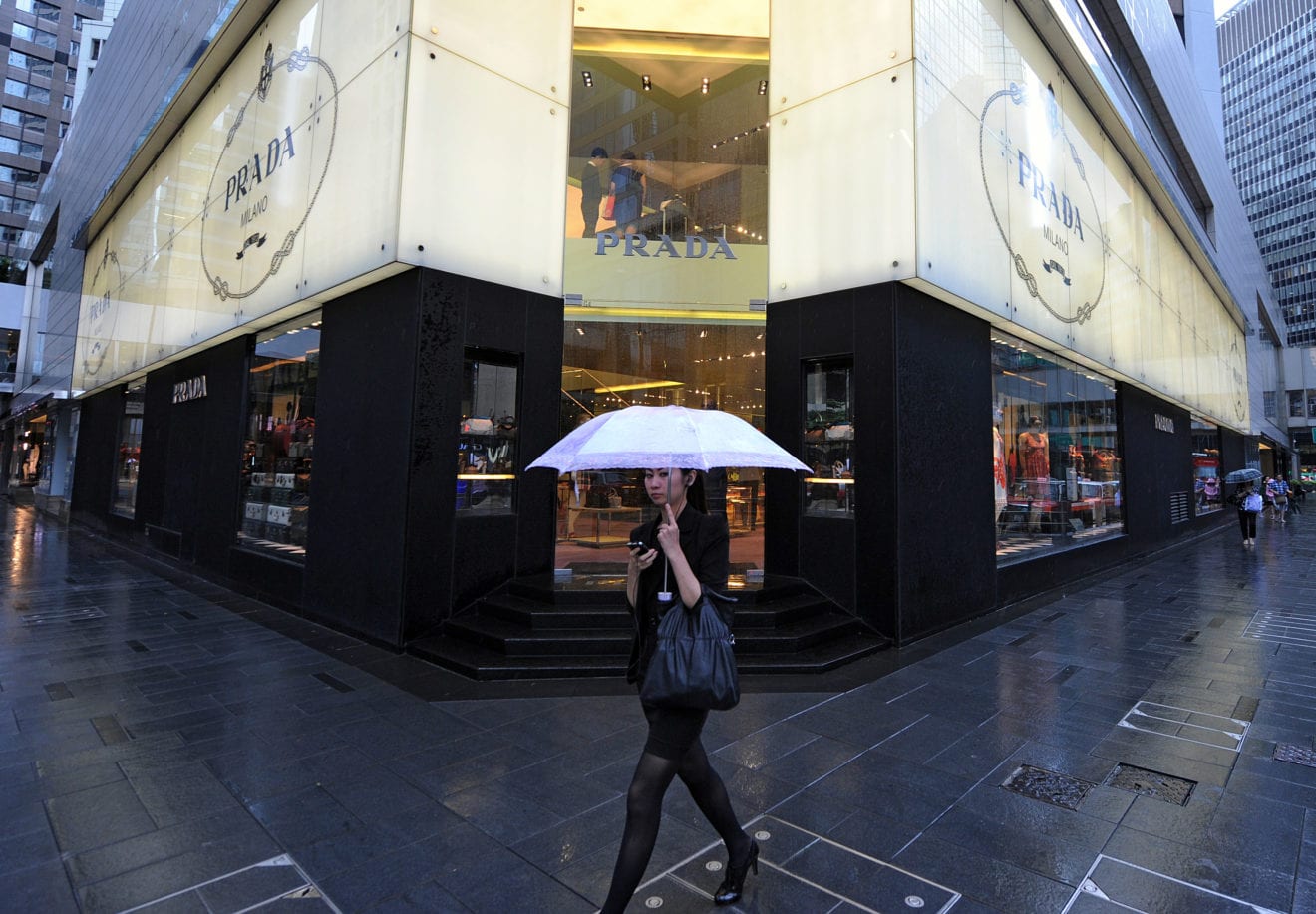
    Italian fashion brand Prada is suffering from shrinking demand in its largest market of China, with a 20%-plus drop in first-half sales dragging down overall profit to the same degree.

    The Hong Kong-listed, Milano-based company announced late Friday that net revenue dropped 15% on the year to 1.55 billion euros ($1.37 billion) for February to July. The fall was “entirely attributable to a sales decline in the retail channel as the wholesales and royalties were positive,” Prada said. Retail net sales, accounting for more than 80% of net revenue, sank 18%.

    A significant blow came in greater China as sales from directly operated stores fell 24% to 278.7 million euros. On top of lower sales at stores on the mainland, “Hong Kong and Macau continued to weigh heavily on the region’s contraction,” the company said. China’s anti-corruption campaign and economic slowdown bit into purchases of pricey items. A reduced appetite for travel by mainlanders to Hong Kong and Macau also took a toll.

    The fall in revenue was not confined to greater China. All of its geographic categories, brands and product lines suffered declining sales. By product, sales of its signature leather goods dropped 22%, “especially in the Far East,” according to the statement.

    Excluding greater China, Europe was another hard-hit region, with a 21% drop in net sales. The main reason was terrorist attacks in major cities, with the company blaming a “reduction of traveler flows, resulting mainly from the publicized tragic events.”

    But there were some silver linings in Europe as well. Russian sales saw double-digit growth in local-currency terms, and the U.K. apparently benefited from “the weak pound after the Brexit” vote. Casualties in Japan and the Middle East were relatively light, with retail sales declining just 2% and 1%.

    Net profit decreased 25% to 141 million euros even after such belt-tightening measures as cutting labor and lease costs as well as advertising and communications expenses.

    Along with launching new collections to stimulate its customers’ appetite for buying, the company is upgrading important stores while shutting down others. Eighteen new outlets were opened in the half, while 14 were closed, bringing the number of directly owned stores to 622. The company continues to refurbish strategic stores into so-called new-concept stores in such key locations as a GUM department store in Moscow facing Red Square, and the Plaza 66 complex in central Shanghai on bustling Nanjing West Road.

    Prada closed 1.6% higher here at 21.65 Hong Kong dollars on Friday, ahead of the earnings announcement. Despite seeing some gains that day, the shares have lost more than 10% since the start of the year, while the benchmark Hang Seng index has risen 4.5%.

  • Lotte Group vice chairman found dead, suicide suspected

    Lotte Group vice chairman found dead, suicide suspected

    A local news agency reports that a suicide note was found in the executive’s car.

    A senior executive at South Korea’s Lotte Group was found dead on Friday, a suspected suicide, hours before he was to be questioned by prosecutors conducting a criminal probe into the family-run conglomerate, news reports said.

    Lotte Group, in a text message to reporters, said it confirmed the death of Vice Chairman Lee In-won through police and other sources. It did not elaborate further or give the cause of death.

    South Korea’s Yonhap News Agency, citing unnamed sources, reported a body believed to be Lee’s was found on a walking path outside Seoul on Friday morning. Police were trying to confirm the body was Lee’s, Yonhap said, adding that a suicide note was found in the executive’s car.

    Prosecutors raided Lotte offices in June, looking into a possible slush fund as well as breach of trust involving transactions among the group’s companies, sources said at the time.

    Lee, who was 69, had been scheduled to appear before prosecutors on Friday morning for questioning, Yonhap said.

    Park Ju-gun, head of corporate analysis firm CEO Score, said Lee’s death is a blow to prosectors given his high rank in the group.

    “Lee’s standing within Lotte was almost on par with that of the owner family members,” he said.

    Lee had been with the group since 1973 and was a top lieutenant of Chairman Shin Dong-bin, who last year saw off a bitter challenge from his older brother for control of the conglomerate founded by their 94-year-old father, Shin Kyuk-ho.

    “He oversaw Lotte Group’s overall housekeeping and core businesses and accurately understood the minds of Chairman-in-Chief Shin Kyuk-ho and Chairman Shin Dong-bin to be carried out well in subsidiary companies,” Lotte Group said in a statement.

    Lee was also engaged in finding new growth opportunities for Lotte, the group said.

    “Vice Chairman Lee has always emphasized improving Lotte employees’ sense of ethics as he believed ethical management directly translates to improving company value.”

    The investigation had already exacted a devastating toll on Lotte’s business, which ranges from hotels to retail to chemicals. Its Hotel Lotte unit was forced in June to shelve an initial public offering to raise up to 5.7 trillion won ($5.12 billion), which would have made it the world’s largest this year.

    Also in June, its Lotte Chemical unit withdrew from bidding for U.S.-based Axiall AXLL 0.09% , citing its difficulties in South Korea. Rival Westlake Chemical WLK -0.58% ended up with a $2.33 billion deal for Axiall.

    Fire department staff and police found a body believed to be Lee’s, an official at the Yangpyeong fire department near Seoul told Reuters, declining to be named as he was not authorized to speak to media. Police officials could not be immediately reached for comment.

    A South Korean prosecution official, who declined to be identified as he was not authorized to comment on the matter, expressed condolences for Lee’s death and said prosecutors planned to reconsider the schedule for the ongoing investigation.

  • Curtain to Rise on Major Fashion Event Centerstage Next Month

    Curtain to Rise on Major Fashion Event Centerstage Next Month

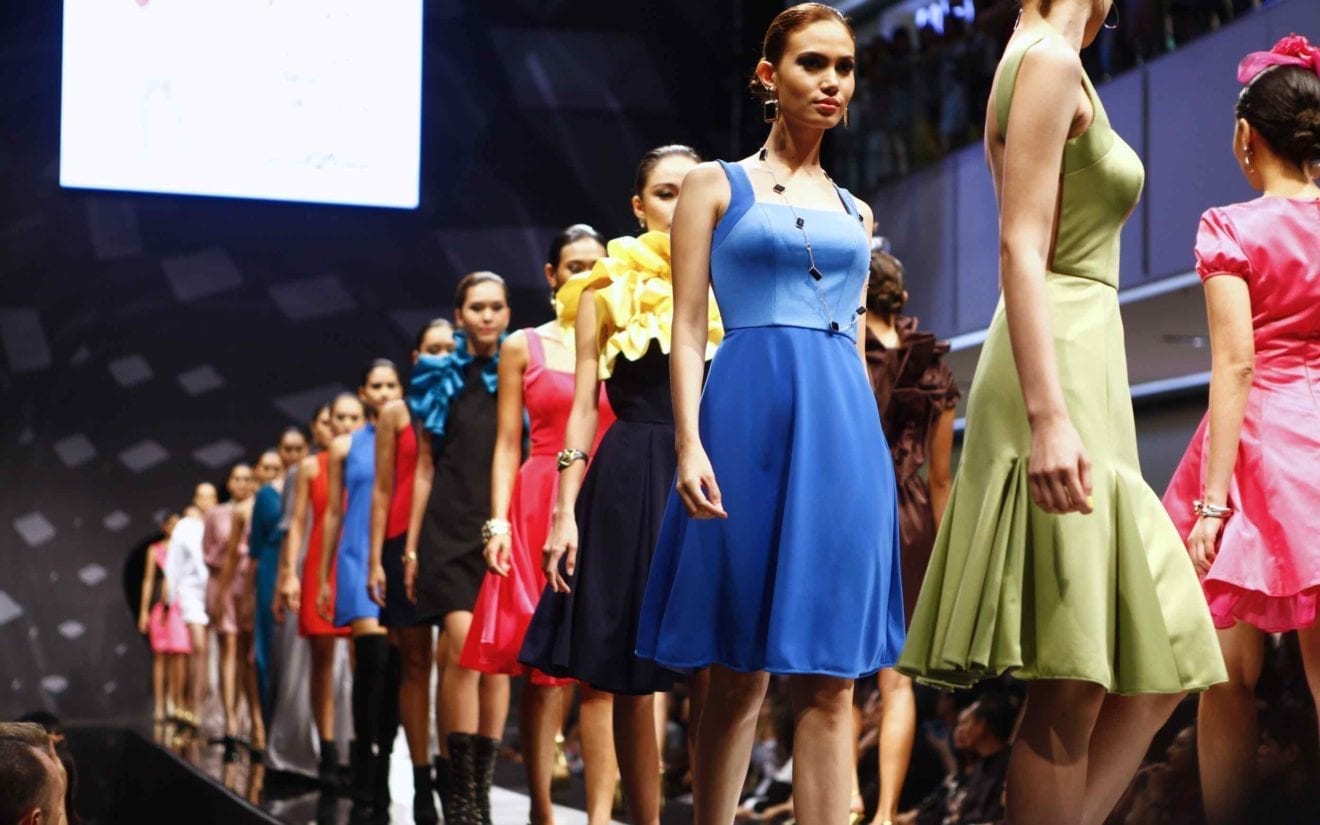
    CENTRESTAGE, a brand new fashion promotion and launch platform, will be held from 7 to 10 September at the Hong Kong Convention and Exhibition Centre (HKCEC). Organised by the Hong Kong Trade Development Council (HKTDC), the trade show will feature some 200 fashion brands from 20 countries and regions, as well as more than 50 spectacular events, including the large-scale opening gala fashion show CENTRESTAGE ELITES and around 30 other fashion shows. There will also be designer sharing sessions, industry seminars, networking events and more.

    At a press conference today, HKTDC Deputy Executive Director Benjamin Chau noted, “Hong Kong has long been known as the region’s fashion capital, setting style trends for the region. To further solidify the city’s position, we are debuting CENTRESTAGE to provide the ideal promotion and launch platform for international, especially Asian, fashion brands and designer labels.” Mr Chau added that the trade show is supported by local and overseas industry players, and is expected to attract buyers, particularly select shops, department stores and e-tailers, as well as fashion media and fashion enthusiasts in the region.

    Designers and guests at the press conference included local designer Mim Mak as well as Simon Choi, Project Director of Fashion Mirage, Hong Kong Fashion Designers Association and Elina Lee, Director of Partnership, Marketing, Communications, Events & Special Projects, Hong Kong Design Centre (HKDC).

    “Shooting Stars” is the theme of the inaugural CENTRESTAGE, which includes four thematic zones: GLAM, ALLURE, METRO and FORWARD. The participating countries and regions, include the Chinese mainland, Taiwan, Japan, Korea, Malaysia, Thailand, India, Australia, the United States and Europe. Local and overseas industry associations will also attend, such as the Hong Kong Fashion Designers Association, the California State Trade and Export Promotion & Center for International Trade Development from the US, the Taiwan Textile Federation and the Thailand Textile Institute.

    Some 30 fashion shows: Showcasing new collections, new talents

    To further showcase Hong Kong as an international fashion capital, the large-scale opening gala fashion show CENTRESTAGE ELITES will be held on the first day (7 September). The hottest rising stars in Asia, namely Mim Mak from Hong Kong, Simon Gao from Beijing, Ko Taeyong from Seoul and Pongsak Suprratccheep & Thita Kamonnetsawat from Bangkok, will display their latest collections for Spring/Summer 2017. Top models including Angie Ng and Kiki Kang are invited to present designer collections at this spectacular fashion extravaganza.

    The Hong Kong Fashion Designers Association will stage a show, Fashion Mirage, on 7 September. According to Simon Choi, Project Director of Fashion Mirage, the show will adopt a theme based on five local cultural elements and the event will feature 50 fashion designers, including Walter Ma and Barney Cheng.

    For years, the Hong Kong Young Fashion Designers’ Contest (YDC) has identified many fine talents for the local fashion industry and has been a cradle for Hong Kong’s designer brands. The final competition of YDC 2016 will be held on the last day (10 September) of CENTRESTAGE, where 17 finalists will take the stage to compete for the top three awards, as well as the Best Footwear & Accessories Design Award. Trendy Japanese label FACETASM’s founder and designer Hiromichi Ochiai will be the VIP judge and will share his valuable views and insights with the finalists.

    In addition, the Knitwear Innovation & Design Society will organise the Knitwear Symphony to nurture a new generation of knitwear designers and promote Hong Kong’s knitwear design and capability.

    The nearly 30 fashion shows at CENTRESTAGE will also feature such brands as 45R, anagram, ANTEPRIMA, Aquascutum, ARTHUR LAM, ATSURO TAYAMA, Charmante, Galtiscopio, HARRISON WONG, HIDY N.G., initial, i.t., JNBY, KENAXLEUNG, KOYO, LOOM LOOP, LU LU CHEUNG, Marimekko, MOISELLE and more.

    20+ seminars and networking activities: Sharing new developments, new trends

    Apart from fashion shows, the HKTDC has invited forecasting experts from WGSN and Fashion Snoops to analyse fashion and retail trends for the coming year. At another seminar, the designers participating in CENTRESTAGE ELITES will discuss and share ideas on Asia’s design influence on international styles and trends. YDC VIP judge Hiromichi Ochiai will likewise share his creative journey with visitors to the show.

    During the event, there will also be thematic seminars to help businesses grasp the latest developments in the global market. These include “Technology Trends Transforming the Fashion Industry”, “Innovation and Technology Symposium 2016” and a panel discussion on “A More Sustainable Fashion System: Is Digital Disruption Fuelling Positive Change?”

    Hong Kong in Fashion: citywide participation

    CENTRESTAGE is set to become a signature fashion event for the region showcasing top-notch creativity in Asia and drawing close attention from fashion enthusiasts. To take CENTRESTAGE outside the HKCEC and share the excitement of the fashion industry with the public, the HKTDC is launching a citywide campaign “Hong Kong in Fashion”. The campaign, which will run from today until 25 September, features more than 80 activities organised with support from more than 90 partners, including fashion and design institutions, renowned fashion brands, malls, hotels and restaurants. The activities are open to all fashion lovers.

    The HKDC will organise “Fashion PMQ” from 7 to 19 September. Elina Lee said the event will feature 40 local fashion and accessories designers, with an aim to facilitate the development of Hong Kong’s fashion industry. Fashion Mart (9-11 September) will be the highlight, while the HKDC has arranged a number of Fashion Crossover Pop-ups at various PMQ studios from 7 to 19 September to feature collaborations or crossover items by fashion designers from different disciplines.

    The Footwear Design Competition, organised by The Federation of Hong Kong Footwear Ltd. and co-organised by the HKTDC, has helped to nurture many talented footwear designers over the years. This year’s awards presentation ceremony and winning entries parade will be held as a “Hong Kong in Fashion” event on 2 September at the concourse of the apm shopping mall in Kwun Tong.

    Other public activities include the Street Snap Competition. From now until 25 September, participants can upload a personal fashion styling snapshot to Instagram (#CENTRESTAGEHK) for a chance to win a total of more than $100,000 worth of gifts. For details of the many “Hong Kong in Fashion” activities, please visit: centrestage.com.hk/hkinfashion

    The last day of CENTRESTAGE (10 September) will be “OPENSTAGE”, which will be open to public visitors aged 12 or above free of charge. Members of the public will have the chance to experience this major fashion industry event and check out the latest designs from leading brands. Individual exhibitors will retail their discounted products, offering fair visitors more shopping fun.

  • Flying start for Innisfree China at Disneyland

    Flying start for Innisfree China at Disneyland

    Korean beauty brand Innisfree China, known for its natural ingredients, has come up with a fresh idea to promote its new store in Shanghai Disneyland.

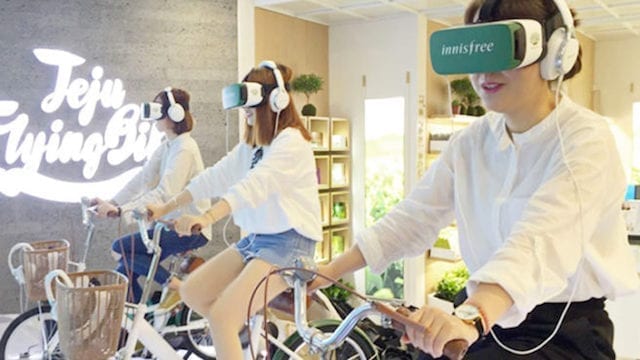
    Using the “Jeju flying bike”, it is offering customers a virtual visit to the company’s home base of Jeju Island. They mount the bike and put on VR goggles for the journey, created by PostVisual.

    They “fly” from the 16.5 sqm store to the 1650 sqkm island, which is a Unesco World Heritage Site for its volcanic landscape. Through eye-tracking technology, the virtual tourists can fly around the island and “collect” natural ingredients such as canola blooms, green tea leaves and nutmeg.

    To create the 360deg aerial and underwater surroundings, PostVisual spent about three months producing the content, even building its own VR drone camera in-house.

    innisfree VR

    Thousands of visitors have already taken the virtual ride, and the concept will be rolled out this year to flagship stores in Hong Kong, Indonesia, Singapore and Vietnam as well as elsewhere in the US.

  • Jimmy Choo sales outperform Burberry and Mulberry

    Jimmy Choo sales outperform Burberry and Mulberry

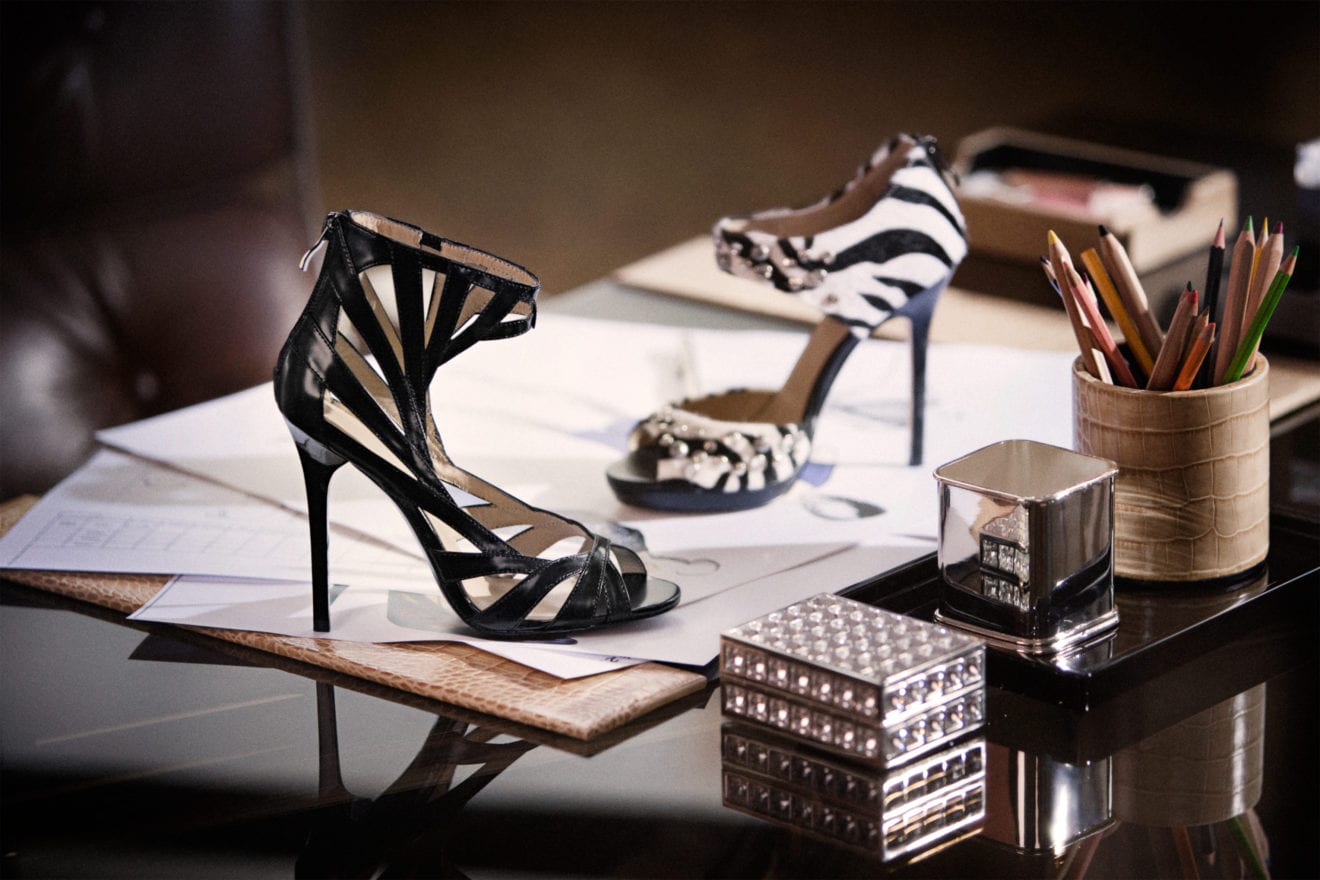
    British footwear brand Jimmy Choo has outperformed luxury peers such as Burberry and Mulberry to post a strong set of growth figures for the first half of 2016.

    While competitors struggle with declining luxury demand in Asian markets, Jimmy Choo has bucked the trend and reported an impressive 22.1 per cent growth in Asia (ex-Japan) with China leading the way with double digit like-for-like growth; proving its measured approach to store expansion and brand building is successful without over exposing the brand.

    Europe, Middle East and Asia revenue grew by 12.2 per cent – commendable given it is one of Jimmy Choo’s most mature markets – with the UK performing well as domestic demand remained robust, supported by a renovated store portfolio.

    The recent uptick in luxury goods demand in the UK, as international travellers take advantage of the weaker pound, will further benefit Jimmy Choo’s UK performance in the second half.  The Americas, however, is proving a tougher nut to crack though, as sales declined 3.4 per cent; affected no doubt by the continuing volatility in the US department store market which has led wholesale orders to decline.

    Creative director Sandra Choi has led a strong half year of product design, building upon Jimmy Choo’s British identity to produce ranges which continue to resonate with consumers across the globe. The brand’s recent decision to focus on expanding men’s footwear is proving fruitful, as it’s now its fastest growing category, representing 8 per cent of total revenue. That will continue to grow as the brand opens dual gender stores and invests in the product and marketing of men’s collections.

    Globally, Jimmy Choo sales grew 9.2 per cent at reported currency and 3.8 per cent at constant currency. Improved gross margins and cost controls drove adjusted EBITDA growth of 13.7 per cent. Reported operating profit rose 42.6 per cent to £25.3 million.

    Jimmy Choo is in prime position to continue its growth momentum with its multi-pronged focus on eCommerce (bolstered by growing social media engagement and a robust distribution network) and conversion of retail outlets to new concept stores – all supported by a stellar product offer that is effective in both design and range.

    *Nivindya Sharma

  • Pop-star eateries for Bangkok’s Show DC complex

    Pop-star eateries for Bangkok’s Show DC complex

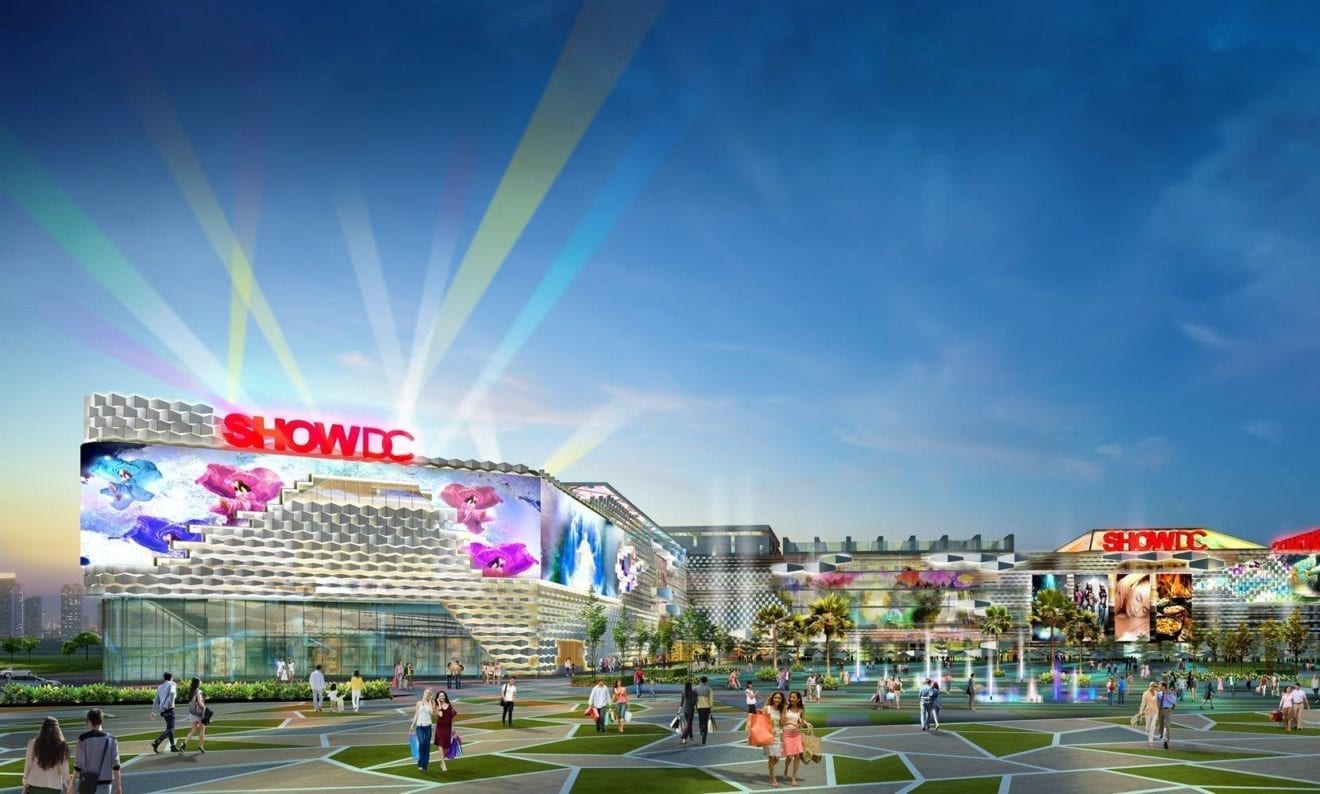
    K-pop star Psy of Gangnam Style is one of several celebrities who will have eateries at the upcomingShow DC/YG Republique integrated food and entertainment complex in Bangkok.

    He will have a noodle house, while other Korean stars featured are singer Rain with After The Rain restaurant, and boy band BTS (Bangtan Boys) with Brick Cafe.

    Mr. Chayadit Hutanuwatra, Chairman of SHOW DC Corp Ltd (Right) and Dr. Julianne Hur, Vice President of The The Mall OF Korea (Left)

    Mr. Chayadit Hutanuwatra, Chairman of SHOW DC Corp Ltd (Right)
    and Dr. Julianne Hur, Vice President of The The Mall OF Korea (Left)

    This was revealed at a media update event, which featured a K-pop fashion show featuring Thai model Rawiwan Bunprachom (“Yoghurt”).

    Show DC 5

    Mr. Chayadit Hutanuwatra, Chairman of SHOW DC Corp Ltd (Center), Mr. Thammarat Thuratong, Celeb E-san’s owner (Far Right), Dr. Wichuda Na-Songkhla Sriyaphai (Far Left), Deputy Managing Director of Wandee Culinary Art School

    Near Rama IX Road the Bht9.5 billion (US$274.8 million) project is 90 per cent complete and on track to open in November. It covers 18,000 sqm over six levels, and more than 400 brands have already signed up 93 per cent of the retail space.

    Show DC 1

    K-District @Show DC will be the largest K-Pop town outside Korea. As well as retail and restaurants, it will showcase an acting and talent academy from Korea, plus Korean plastic surgery clinics, cosmetics, fashion and lifestyle shops.

    Show DC 2

    “Our plan is also to stimulate the economy and promote Thai products by putting together best-in-class Thai products at the Thai Thai Market, covering 2500 sqm on the fourth floor,” says Show DC chairman Chayadit Hutanuwatra. The market will feature 150 shops.

    Outlets at the project’s “Shop & Enjoy” experience include Asia Herbs Association, Hot Star (Taiwanese snacks), Kanna (health food), Krua Wandee Culinary Art School and Stick House (Italian-style ice cream), along with fashion brands BKK Original and H&M.

  • Gitanjali Gems eyes world expansion

    Gitanjali Gems eyes world expansion

    After announcing plans to capture the global recovery in demand for diamond jewellery and other luxury items, India’s Gitanjali Gems saw its share price hit a 52-week high.

    This follows the jewellery manufacturer and exporter’s share price dipping to its lowest in many years on March 1.

    As well as diverting its focus from gold ornaments to diamond jewellery, Gitanjali has introduced low-carat gold content in stone-studded products, and is planning to raise Rs 110 crore (US$1.64 million) for its proposed expansion plan in both domestic and global markets.

    “The company is going in for diamond jewellery retailing all over the world, and also for more profitable items,” says MD Mehul Choksi. “It plans 50 more stores in the US to expand its presence by 50 per cent in the world’s largest diamond-jewellery consuming market. We are also setting up distribution centres in China and the Middle East.”

    Gitanjali also plans to increase its shop-in-shop model by 3000 outlets worldwide.

    After the US, the company plans to concentrate on its home market, followed by China and west Asia.

  • CBRE Research urges landlords to engage

    CBRE Research urges landlords to engage

    Online and offline retailing in Southeast Asia is expected to merge further, according to a new study by CBRE Research Singapore.

    Its report It’s All About Place-making urges landlords to play their part to stay ahead in a fast-changing retail landscape where consumers transit seamlessly from physical to digital platforms.

    CBRE Research projects that nearly 4 million sqm of city retail stock across Malaysia, Singapore, Thailand and Vietnam will be completed in the next three to five years. CBRE studied retail stock in Bangkok, Hanoi, Ho Chi Minh City, Jakarta, Kuala Lumpur and Singapore.

    “Some retail developments across these six cities have had to shut down in the face of high vacancy rates and low footfall as they failed to capture consumers and retain tenants,” says the report. “One suggestion is for landlords to acquire eCommerce platforms or set up logistics networks to give consumers the fully integrated omnichannel experience.”

    Established shopping centres with online platforms that provide “click-and-collect” or “store-to-door” services give consumers a higher sense of reliability and earn trust as well, says the report.

    “Both physical and online-only retailers are also more inclined to expand their footprint in these shopping centres in their bid to incorporate an omnichannel strategy.”

    Wave of change

    Combining both online and offline channels is one of five strategies CBRE Research recommends to landlords as Southeast Asian economies cope with structural shifts in the face of disruptive technologies.

    This wave of change has affected retail sales across the markets, with CBRE Research using the PLACE acronym…

    Place-making: Conceptualising shopping developments with the consumer’s experience at the forefront. A good social experience makes a strong positive association on the consumer and is tougher to replicate on the digital platform, says the company.

    Leveraging technology: Landlords should take advantage of the high internet and smartphone penetration among SEA consumers to improve the offline shopping experience. Technology can provide consumer insights and interaction while helping boost foot traffic and sales.

    Actively engaging: Forging personal connections with consumers is imperative for landlords to stand out from the competition and gain loyalty. Tenant engagement, and landlords need to find ways to show support.

    Combining channels: Landlords can break down the silos between online and offline by helping tenants incorporate an omnichannel strategy through vertical and horizontal integration, such as acquiring an eCommerce platform or setting up a logistics network to fulfil delivery needs.

    Engaging digital tenants: Landlords should seek to lease space to up-and-coming eCommerce retailers as they are likely to be more savvy about digital marketing and in tune with modern consumer needs.

    New needs

    “The onus of ensuring that stores in shopping centres remain an important and relevant touch point for consumers should not lie with retailers solely,” says CBRE Research Singapore/Southeast Asia head Desmond Sim. “The roles of the asset manager, landlord and shopping centre need to evolve to cater to the new needs of retailers and consumers amid stiff competition.

    “This task is all the more urgent as the market is anticipating a surge in internet use among developing countries, particularly Indonesia and Vietnam where mobile phone use has the greatest potential to increase.”

    Store-based retailing will stay the key point of purchase among SEA consumers in the next five to 10 years and account for at least 90 per cent of total sales value, says CBRE Research. However, landlords will face increasing pressure to make every visit to the shopping mall a memorable experience.

    With its headquarters in Los Angeles, CBRE Group is a commercial real-estate services and investment firm with more than 400 offices worldwide.

  • Mega Market emerges from Thai investment

    Mega Market emerges from Thai investment

    Eight months after being acquired by TCC Thailand, Metro Cash & Carry Vietnam has undergone a range of changes, including a new name – Mega Market.

    Since taking over Metro, the Thai group has accelerated agricultural projects to support Vietnamese producers. In July, TCC started exported hundreds of tonnes of Vietnamese fruits and vegetables to Thailand through Big C Thailand. It has also been seeking other suppliers for such products as avocados, sweet potatoes and oranges.

    Mega Market now has 19 wholesale centres across Vietnam, with three each in Hanoi and Ho Chi Minh City.

    As the main shareholder of Big C Thailand (97.94 per cent), TCC Group has plans to merge Mega Market with the Thai supermarket.

    TCC Thailand chairman Charoen Sirivadhanabhakdi says Vietnam offers good resources for agricultural development.

    TCC Thailand paid US$704 million to acquire Metro Vietnam in January, buying Big C Thailand the following month for US$3.5 billion.

  • FJ Benjamin secures Marc Jacobs rights

    FJ Benjamin secures Marc Jacobs rights

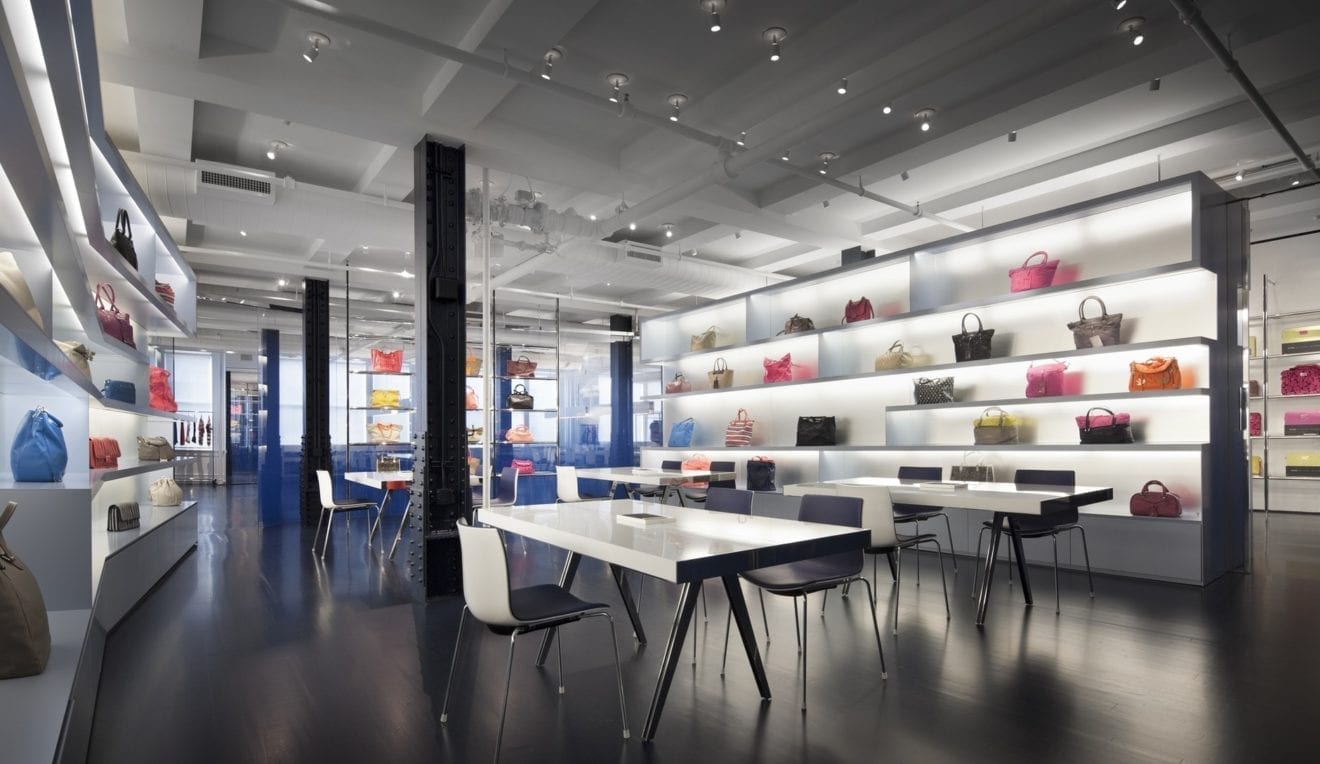
    Singapore fashion and lifestyle group FJ Benjamin has secured exclusive rights to distribute the Marc Jacobs brand.

    An agreement with Marc Jacobs International allows FJ Benjamin to open Marc Jacobs stores in
    Indonesia, Malaysia and Singapore.

    FJ Benjamin plans to open four stores in the next two years carrying the full range of the American designer’s women’s ready-to-wear, shoes, jewellery, bags and accessories.

    Starting his own label at the age of 23 in 1986, Jacobs became the youngest designer to win the Perry Ellis Award for New Talent from the Council of Fashion Designers of America.

    FJ Benjamin Holdings group COO Douglas Benjamin describes Marc Jacobs as one of the most exciting and sought-after fashion brands.

    Dating back to 1959, FJ Benjamin Holdings specialises in brand building and management through distribution and retail. With offices in Indonesia, Malaysia and Singapore, it manages more than 20 brands and has 226 stores.

  • Why retailers should embrace showrooming

    Why retailers should embrace showrooming

    Trends eventually stop being trendy and either disappear into obscurity or become part of everyday life.

    The trends which end up only being fads often come in with a bang and leave with a thud, leaving embarrassing photos and fashions in their wake. Remember those 80s hairstyles?

    The other trends — the ones that create a whirl of buzz and actually manage to stick around — can often change social, cultural and political landscapes. When it comes to the world of retail, trends are often born and die in a single day. This isn’t without good reason.

    Consumers now control the retail landscape. Your competitors are now only a click or tap away. Lower prices, more sizes and dynamic shopping experiences are waiting in the shopper’s purse or pocket as they navigate your retail spaces.

    This specific shift in consumer behavior has led to one trend that has now become part of nearly every shopping experience.

    Love it or loathe it, showrooming is a behaviour that retailers need to embrace.

    Many retailers have taken a defensive stance against consumers visiting their physical stores to research items they find and often plan to purchase only online.

    Headlines encouraging retailers to “battle” or “combat” showrooming conjures images of war.

    Going against the tide of consumer behavior will rarely lead to success. Especially when you consider MasterCard’s recent Mobile Shopper study, which found that nearly one-third of shoppers in Singapore (31.9 per cent) will use their phones to research product costs and details while in a brick and mortar store.

    Understanding the reasons consumers want to showroom can help you to find ways to embrace this consumer behaviour and connect with your shoppers in a way that encourages them to buy when they are ready.

    Retailers must consider the catalysts for showrooming, the information consumers seek and how to position their brand as a source for everything they need to be an informed consumer.

    Let’s look at a few of these behaviours more closely.

    Research purchases

    A primary reason shoppers showroom is to research items they have discovered online. The knowledge that better deals and desirable products are so easily accessible has motivated consumers to become informed shoppers.

    Retailers can meet this showroomer need by ensuring product pages are optimised for mobile devices and that the information on these pages is comprehensive. Communicate product specifications as well as other value propositions that help your brand stand out. Are your materials locally sourced or all natural? Let your shoppers know! Have your handbags been carried on the red carpet? Share the photos!

    Help the in-store consumer to reconnect with the items they shopped online by making the shopping cart accessible on a mobile device and include details such as SKU, product number, brand, style, size and color as potential search criteria.

    Finding a lower price

    After viewing an item in your store, the shopper may try to find a lower price at one of your competitors. If price is not a differentiator, other shopper services could cause the showroomer to stray.

    Promote information about low price guarantees as well as return and exchange policies. Show perks such as repeat buyer discounts or loyalty program rewards.

    Tout services such as ship from store or in-store pick up at nearby locations. These also include low-price guarantees, in-store pick up, loyalty rewards and international shipping.

    phone, shopping mall, hand

    Look-alike items

    Many showroomers may use your app to locate an item in your stores. Give the shopper more reasons to buy from your brand by including product recommendations based on their shopping, buying and profile information.

    This level of customer intelligence is now more accessible to marketers and packs a lot of power to keep the showroomer engaged with your brand while helping to raise your average order value.

    Virtual store representatives

    Lastly, think of all the ways your store shoppers interact with your store staff.

    What questions do the shoppers ask? What concerns or problems do they encounter in your stores? Your site needs to serve as a virtual store representative by being making all of this information easily accessible.

    Consider how many times you’ve asked a store representative if they have an item in a different size only to find out they don’t have your size in stock. Now consider that 32 per cent of global respondents to PWC’s Total Retail 2016 study said they would be happier shoppers if they could check stock levels at other stores while in a store. That’s nearly one in three shoppers in your stores that want this kind of information.

    Make sure they can find answers! Additional areas to cover are product reviews, manuals, detailed specifications, installation information, warranties, demos, product videos… anything that answers the most commonly asked questions in your stores.

    Rather than seeing showrooming as a threat to your sales, accept the fact that this is how today’s consumer will shop — so find ways to use this behaviour to your advantage, keeping shoppers engaged.

    Shifting your perspective to empower today’s multi-device, multi-channel shopper will only help to boost sales and show your shoppers that you care.

    *Benjamin Glynn is managing director for Southeast Asia with Emarsys.

  • Telcos not connecting with Singapore teens

    Telcos not connecting with Singapore teens

    Only 8% of teenagers in Singapore (versus 12% globally) feel that telecoms service providers understand their lifestyle and offer services to match it, according to research from Vanson Bourne.

    But at the same time, only 18% (30% globally) report experiencing poor customer service from their service provider over the past year, while 46% (same as globally) say that as a result, they will not use the same provider again. Significantly, a 41% of respondents shared this information with family and friends.

    The study, which was commissioned by Amdocs, covered 4,250 respondents (15-18 years) from the United Kingdom, United States, Canada, Brazil, India, Germany, Russia, Mexico, the Philippines and Singapore.

    Among respondents in Singapore, 49% (43% globally) believe their smartphone makes them smarter and “cooler”, while 55% (52% globally) check their social media accounts first thing in the morning. Almost half (31% globally) say they would probably not meet someone again if they didn’t have a WhatsApp account.

    Also, 56% say they prefer using emojis (47% globally) to sending emails, as they feel it allows them to express their feelings more clearly than words. A similar number said the same about posting photos (45% globally).

    In addition, teens demand constant internet connectivity, with 68% (56% globally) saying they are likely to feel anxious and alone if separated from the internet than if separated from family (51% versus 52% globally). The value of internet access is so significant that 56% (55% globally) strongly believe fast Internet access to be a human right.

    Further, 59% (61% globally) stream videos, compared to 20% (14% globally) who download.

    For TV, 47% (51% globally) stream versus 18% (11% globally) who download, while for music, 41% (46% globally) stream, compared to 37% (28% globally) who download. And they are typically doing so for free, with less than a third saying they ever pay for content.

    The study also found that teens perceive content and app providers as “service providers” and love them more, they want to harness technology to design their own experiences, and they expect future technology to allow them to become digital beings as much as human beings.

  • Former Thai ICT minister spends first night in jail

    Former Thai ICT minister spends first night in jail

    Former ICT Minister Doctor Surapong Suebwonglee is spending the night in jail after being found guilty of criminal malfeasance regarding an amendment to the Thaicom / Shin Satellite contract.

    The case, brought by the counter corruption commission, accused Surapong and former ICT Ministry Permanent Secretary Kraisorn Pornsutee and former Space Administration Bureau director Chaiyan Pungkiatpairoj (himself later permanent secretary) of illegally amending the concession to allow Shin Corporation to lower its shareholding of Shin Satellite from not less than 51% to not less than 40%.

    This materially changed the requisites in the concession contract as it would lessen the risk Shin Corporation had in Shin Satellite, and it could, though unlikely, open the way for the 60% of shareholders to get together to outvote concession holder Shin Corporation.

    Such a material change would have needed cabinet approval.

    The courts noted that while Surapong did submit evidence that he had asked the Thaksin Shinawatra cabinet for approval; and evidence that the attorney-general said he had the power to go ahead with the amendment whilst the cabinet approval was pending, Surapong had omitted one important detail.

    The former ICT Minister withheld information from the attorney-general that the cabinet secretariat had refused to table the amendment as it would have been a conflict of interest.

    Thaksin Shinawatra’s family and associates (driver, cook, and maid) still held a controlling stake in the company that bore his name at that time.

    Doctor Surapong was given a one year jail sentence beginning immediately and was led away to jail immediately after the verdict was delivered. The two others were given one year jail sentences, suspended for five years.