Author: Mei Ling Tan

  • Cellcard launches carrier billing in Cambodia

    Cellcard launches carrier billing in Cambodia

    Cambodian mobile operator Cellcard and mobile payments company Fortumo have teamed up to offer direct carrier billing for digital content.

    Cellcard’s 4 million subscribers will be able to pay for digital content via their monthly mobile bill.

    The alliance is aimed at providing payment options for the Cambodian market, which has a credit card penetration of less than 5% but a smartphone penetration of around 40%.

    Fortumo’s direct carrier billing platform is used by smartphone app stores Google Play and Windows Phone Store, digital media companies including Sony, Hooq and Gaana as well as game developers such as EA Mobile nad Gameloft.

    The company’s alliance with Cellcard comes in the wake of recently-announced partnerships with Reliance Communications in India, Zong in Pakistan and Viettel in Vietnam covering payments over Google Play.

    Across APAC, Forumo’s direct carrier billing platform is now available to 1.5 billion customers in 16 countries.

  • Taiwan Mobile to offer enterprise IoT services

    Taiwan Mobile to offer enterprise IoT services

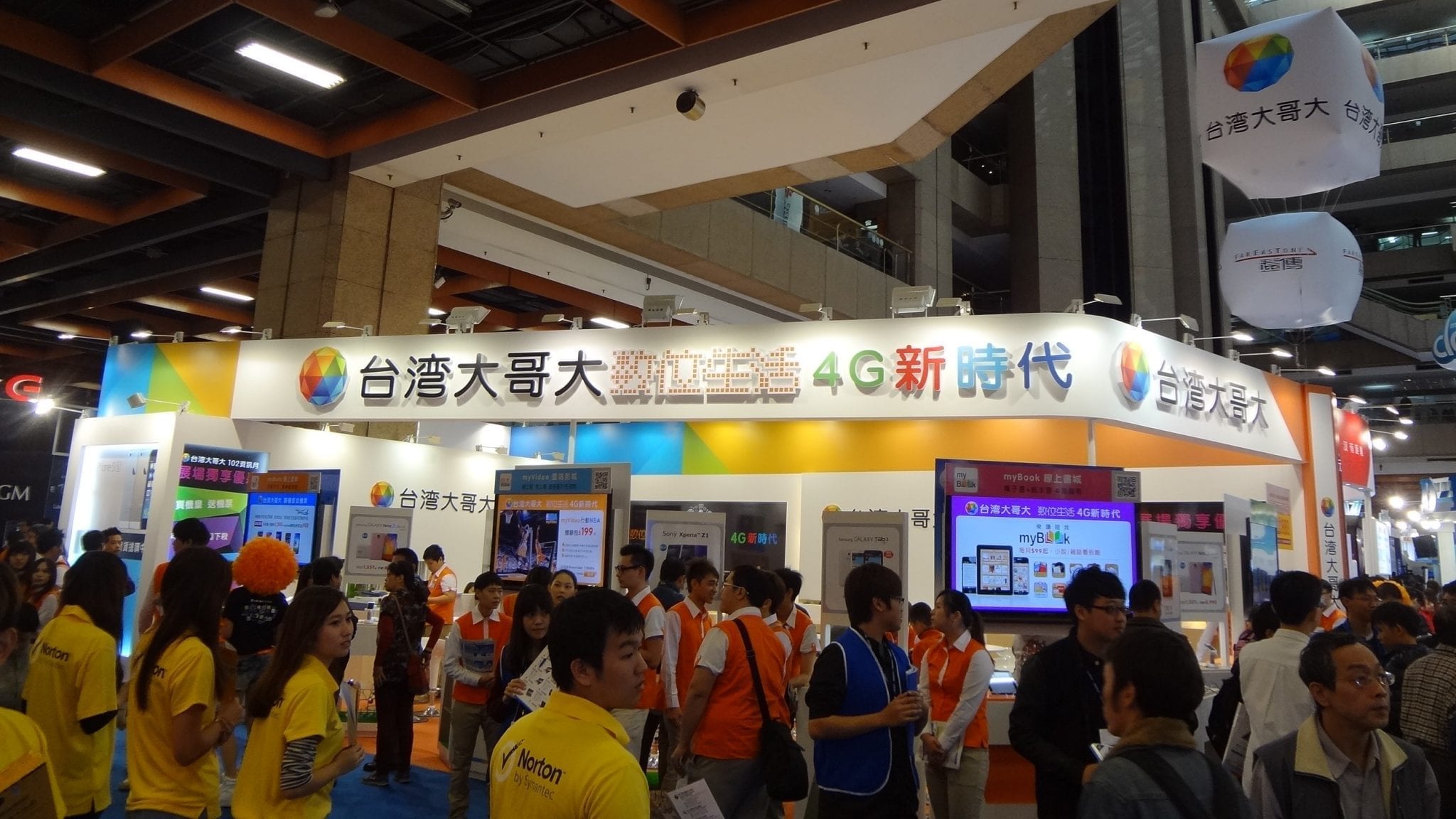
    Taiwan Mobile plans to offer enterprise IoT services in the Taiwanese market using the Cisco Jasper Control Center platform.

    The operator plans to offer plug-and-play IoT services that can be configured to provide analysis, automation and diagnostic intelligence.

    The company will offer services for any industry, with a particular focus on segments including connected cars, mobile payment, manufacturing, smart cities and public transport.

    “Enterprises throughout Taiwan are eager to deliver new, value-added IoT services to their customers,” Taiwan Mobile senior director of mobile marketing and IoT services Eddie Chan said.

    “Companies are increasingly focused on offering services that generate recurring revenue while improving the customer experience. Taiwan Mobile is excited to be at the forefront of enabling this transformation for businesses throughout Taiwan via the industry-leading Cisco Jasper IoT platform.”

    Cisco acquired US-based Jasper and its cloud-based IoT service platform for $1.4 billion in March, as part of efforts to gain a stronger foothold in the burgeoning new market segment.

    The Cisco Jasper Control Center offers real-time monitoring, management and control over IoT services, and is scalable to global implementations thanks to the company’s partnership with 30 global mobile operator groups representing more than 120 mobile networks worldwide.

  • Hong Kong Issues First Licenses For Stored Value Facilities

    Hong Kong Issues First Licenses For Stored Value Facilities

    Though its population of 7.5 million is equal to that of a mid-size mainland Chinese city like Hangzhou, Hong Kong makes up for lack of people with strength in its financial markets. And news today that the Hong Kong Monetary Authority has issued stored value facilities licences is big news.

    HKMA has granted stored value facilities licenses to five companies under the Payment Systems and Stored Value Facilities Ordinance: Alipay, Octopus, TNG, Money Data, and HKT Payment. Octopus’ license is effective November 13, 2016, but the other firms have effective licenses from today, August 25.

    “The grant of the first batch of licenses for SVF issuers is turning a new page in the retail payment development in Hong Kong,” Norman Chan, CEO of HKMA.

    The Ordinance commenced operation on November 13, 2015. Under the Ordinance, the HKMA is empowered to implement a mandatory licensing system for multi-purpose stored value facilities and perform relevant supervision and enforcement functions.

    A one-year period is allowed for existing issuers of stored value facilities or new market operators to apply for stored value facilities licenses from the HKMA.

  • Starbucks Korea hosted 2nd annual Barista Championship for Partners with Disabilities

    Starbucks Korea hosted 2nd annual Barista Championship for Partners with Disabilities

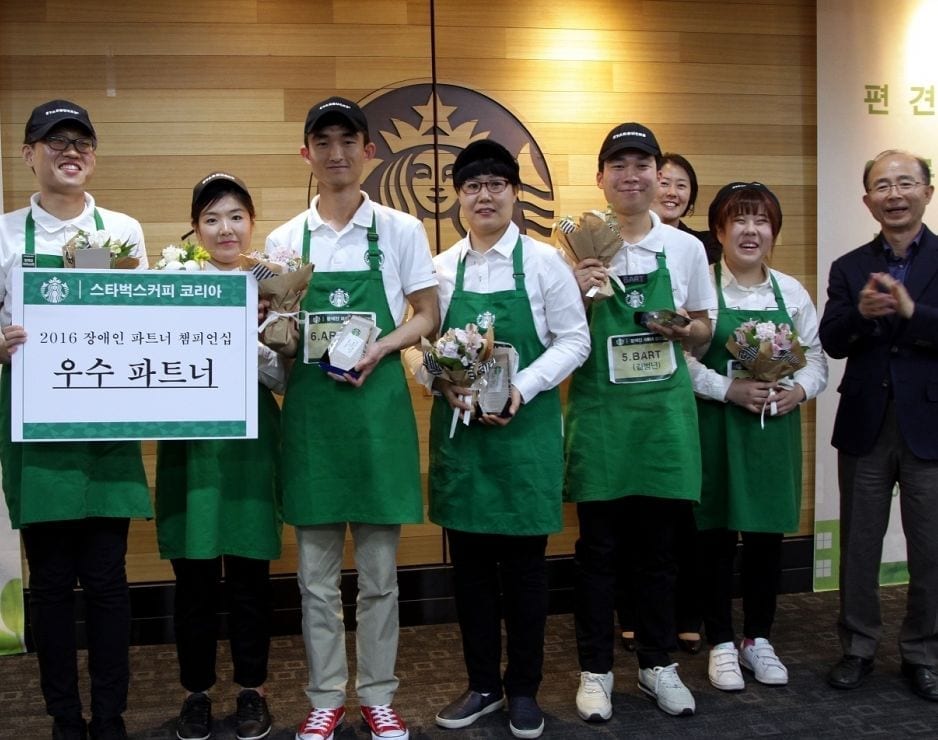
    Learning that she was the winner of Starbucks Korea’s Barista Championship for Partners with Disabilities was a surprise for Banny M.H. Choi.

    “When I found out about this championship, I wasn’t sure if I could do it, but I decided to challenge myself,” said Choi, who has a hearing loss. “When they announced that I was the winner I couldn’t believe it. I didn’t expect to earn first prize because I was so nervous.”

    Excelling in the competition was a source of pride for Choi.

    “I have always tried my best to eliminate prejudice about the disabled,” Choi said. “After winning this competition, I am confident that I can do anything regardless of my disability.”

    Starbucks Korea hosted the championship for the second consecutive year, as a way to recognize partners (employees) with disabilities. Choi and the remaining nine finalists were selected to participate based on recommendations from their district managers.

    During the competition, they were judged by three partners from the Starbucks Coffee Leadership and Operations Service Team on beverage quality, speed of service, cleanliness and latte art. As the victor, Choi received a trophy and a Starbucks Card loaded with 100,000 Korean Won (approximately USD$90.00).

    “We take pride in the fact that Starbucks is a welcoming workplace for everyone,” said S.K. Lee, president, Starbucks Coffee Korea. “We hope to demonstrate the talents of all our baristas and change perceptions about the abilities of people with disabilities.”

    The company’s effort to hire and train people with disabilities has not gone unnoticed. In April, Starbucks Korea received the presidential award from the Korea Employment Agency for the Disabled and the Ministry of Employment and Labor.

    “This year’s finalists had very impressive skills, which made it difficult to select one winner,” said Lee. “Next year, we will offer a competition in each market in the China and Asia Pacific region to recognize more of our partners.”


  • AskMe may shut down ops from August 31

    AskMe may shut down ops from August 31

    Consumer internet firm AskMe may shut down operations from August 31, suggest minutes of a meeting held in July. It has terminated the services of its delivery boys and asked employees to work from home.

    The meeting between the authorised representatives of majority shareholder AENL and minority shareholders was held on July 18, the minutes of which refer to August 31 as a longstop date after which the business will wound up. “If deal is not consummated by 31/08/2016 – business to be wound up and adjust USD 5 million towards closure cost,” the minutes of meeting said.

    In an email to staffing firm Innov, which provided delivery boys to the company, AskMe said that August 31 will be the last day for working for all the delivery boys it engages. “We would like to inform you that last working date for all delivery boy/procurement boys hired through you. You are requested to prepare the full and final calculation, for all boys engaged through you, as per the terms of agreement and share with us,” it said.

    AskMe sent a similar email to employees stating, “No employee is required to report to their respective offices/location from 24th August onwards. All are required to work from home.”

    While the email sent to employees cited “temporary suspension of operations while the strategic direction is awaited” as the reason, the minutes of the meeting which took place on July 18 between the authorised representatives of majority shareholder AENL and minority shareholders suggest the company is headed for closure.

    The minority shareholders in the company said in a statement, “We don’t find much merit in Astro doing an audit, bid more time thereby holding dues of employees and vendors. It should be noted that the last quarterly audit committee comprised their own nominees. The Astro-appointed audit committee has been there for the last two years overseeing good governance in AskMe.”

    They further said, “PwC Malaysia also did a quarterly group audit since AskMe is a subsidiary of Astro, which is a Malaysia based company. Furthermore, to make matters even more problematic for employees, Astro is not even issuing relieving letters (forget dues) to the staff who have resigned, thus marring their future employment opportunities. We also have a mail from them that includes the minutes of meeting between Astro and Getit Group where they have acknowledged the closure costs including salaries. They have already been accused of harassing a female company secretary as highlighted in a formal complaint to the MCA and ROC. All these actions are total departure from professional and corporate ethics.”

    Malaysia-based Astro, the majority shareholder in Getit had earlier said that “there is little prospect for turnaround and the business is insolvent”. It had made public its intent to appoint a forensic auditor to review Getit’s books and said that it will take appropriate steps based on the results of that audit.

    Getit, which now owns AskMe, has been tottering financially following a feud between its owner, Astro, and its minority shareholders. Despite a huge marketing push it failed to get the required traction and customer base.

    A battle of sorts was brewing between the minority shareholders and Astro since early this year over financial issues. The minority shareholders had earlier alleged that Astro had not cleared dues worth Rs 300 crore and is exiting from the company, while Astro had cited AskMe’s inability to meet its plans due to lack of scale and difficult times in India’s e-commerce market, among other factors.

  • Foreign convenience stores in China to face lower-tier challenge

    Foreign convenience stores in China to face lower-tier challenge

    • Convenience store growth is surging, bucking the trend of weakening physical retail store sales. 7-Eleven is the market leader, though FT Confidential Research’s latest consumer brands survey found that other foreign chains were increasingly popular.
    • This is, however, a highly fragmented market and foreign chains will struggle to expand into lower-tier cities, where domestic operators offer greater competition, sometimes supported by local governments.
    • International operators are also coming under pressure from other big foreign retailers in China, while domestic newcomers are expanding aggressively in the belief that online-to-offline (O2O) services will help them seize market share and overcome short-term profitability issues.

    Convenience stores continue to eat into the retail market share of larger formats. In a second-quarter FT Confidential Research survey, 83.4 per cent of urban consumers described themselves as regular convenience store patrons, 0.9 percentage points up on our previous survey in the fourth quarter of last year, while the proportion regularly frequenting supermarkets or hypermarkets fell 1.2 percentage points (see chart).

    The convenience store format has been a standout in an otherwise gloomy market for bricks-and-mortar retailers. Though nationwide sales of fast-moving consumer goods rose 13.2 per cent last year, according to Kantar Retail, a consultancy, hypermarket sales slipped 0.2 per cent and sales at traditional, independent grocery stores fell 10.4 per cent.

    Convenience store chains are stealing market share, with store count growing an average 10 per cent each year from 2010 to 2015. Our survey found that 88.6 per cent of younger shoppers, aged 24-29, frequently go to convenience stores, up 3.4 percentage points from our survey six months ago. In contrast, the proportion of this cohort regularly going to supermarkets or hypermarkets fell 0.8 percentage points in that time.

    Despite growing demand, the convenience store market remains fragmented, with no national leader. The most popular chain was different in 10 of the 11 major markets in China, according to our survey (see chart).

    Beyond Shanghai

    Growth is concentrated in first-tier cities such Beijing and Shenzhen and certain second-tier cities. Shanghai, the biggest market by far, is now saturated, with store count increasing just 2.9 per cent in 2015, having shrunk in 2013, according to the China Chain Store & Franchise Association. Shanghai had one convenience store for every 3,466 residents, a far greater concentration than in Beijing (7,185 people per store) and Chongqing (28,846 people per store). Second-tier Harbin, Wuhan and Changsha were the three cities with the fastest-growing store count in 2015, while Beijing came in seventh (see chart).

    Foreign chains out in front

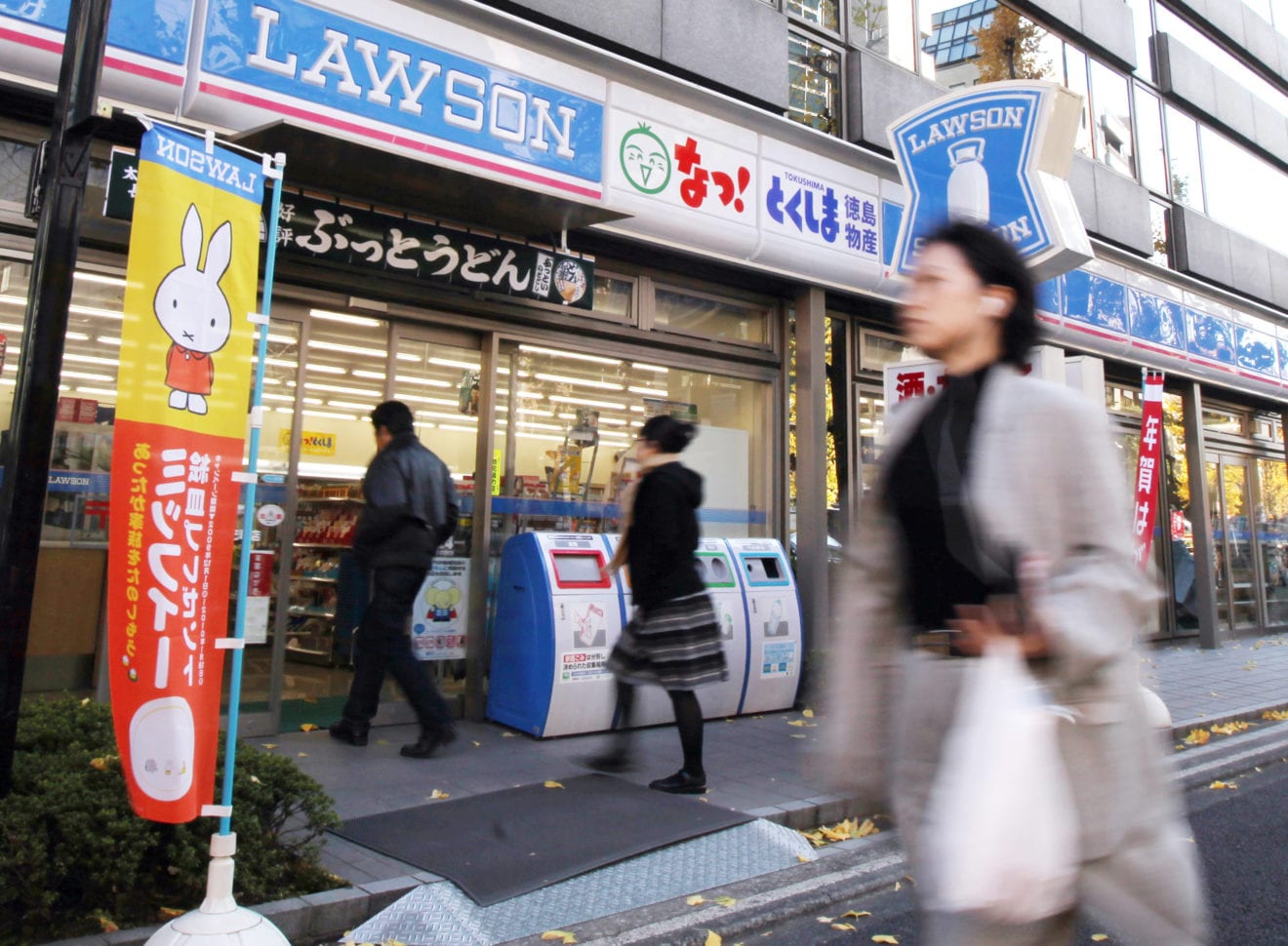
    Our survey found that foreign brands remain more popular than their domestic peers. Japanese brand 7-Eleven was the most popular, with 20.4 per cent of respondents saying they frequently shopped at its stores, up 1.1 percentage points from the fourth quarter of last year (see chart). The popularity of two other Japanese chains, FamilyMart and Lawson, also rose, up 0.8 and 1.2 percentage points, respectively.

    After years of losses, foreign brands may finally have found ways to consistently turn profits in China. Shanghai FamilyMart, a joint venture between FamilyMart Japan and Ting Hsin Group formed in 2004, turned a profit for the first time in 2013. This ¥745m ($7.4m) profit expanded to ¥1.5bn last year.

    FamilyMart’s clean, reliably stocked outlets appeal to white-collar workers, but it is the prepared fresh food options that have really proved popular. The company now has four factories preparing ready-made food in or around Shanghai and reportedly sells about 300,000 bento boxes each day in the city. Prepared fresh food makes up roughly half of the total sales of each FamilyMart store, according to Ting Hsin vice-president Wei Yingxing.

    Bottlenecks to expansion

    The nature of convenience stores makes brand loyalty tough to engender: is a Shanghai urbanite going to walk further to their favourite chain for something as basic as a bottle of water?

    This is helps explain why the expansion of foreign brands into lower-tier cities has been harder than they anticipated. In 2010, FamilyMart set a goal of opening 4,500 stores in China, but had only reached one-third of that by February 2016. Three years ago, Lawson targeted 1,500 stores in Shanghai and 500 in Chongqing by 2015. As of May 2016 it had opened just 506 and 111, respectively. Among the top 10 chains nationally, the market share of domestic chains has actually rebounded slightly since 2012, while the rapid growth of foreign chains has slowed, according to Kantar (see chart).

    Domestic competition tough to overcome

    Shanghai has provided domestic companies with a case study in how to compete against foreign entrants. Almost all big domestic convenience store chains have beefed up their offerings of ready-to-eat food products, mimicking FamilyMart’s success in Shanghai. Many are now accelerating store openings in areas dominated by foreign chains, while some have managed to poach middle managers from international companies.

    This competition from domestic chains is dragging on store count growth for the multinationals: the number of 7-Eleven stores in Chengdu dropped to just 56 by May this year from 87 in February 2013 (see chart). FamilyMart has also expanded only slowly in Chengdu. In contrast, local leader Hongqi has 1,543 outlets in the city, and reported a 15.2 per cent increase in operating revenue and a 5.3 per cent rise in net profits to Rmb170m ($26m) in 2015.

    The target demographic of foreign convenience stores is much smaller in second-tier cities than in the major coastal hubs, given lower incomes and different consumption patterns. In Beijing in 2015, the daily revenue of each 7-Eleven outlet was, on average, more than Rmb16,000. The equivalent figure in Tianjin and Chengdu rarely breaks Rmb10,000. This has forced foreign companies to be more strategic about where they open outlets in these cities.

    Government policy may also limit expansion. Since 2009, the Chinese government has banned retailers with foreign backgrounds from selling cigarettes nationwide, a business we estimate could account for a third of convenience store sales. In Shanghai, the municipal government also offers subsidies to state-owned firms, and in second-tier cities the relationship between local companies and local government is usually even closer.

    In response, Lawson has signed a franchise contract with Wuhan Zhongbai, authorising Hubei’s leading retailer to open Lawson convenience stores in the province — even though Zhongbai has its own convenience store chain, named Haobang. These sorts of tie-ups may be a solution for foreign chains to expand in the provinces, but maintaining service quality will prove a challenge.

    Here come the newcomers

    Furthermore, the market’s rapid growth is luring in new players. Large, established foreign retailers are looking to leverage their brand popularity and existing infrastructure. Carrefour, for example, has already opened 13 Carrefour Easy convenience stores in Shanghai. Germany’s Metro also recently opened its first two My Mart convenience stores in the city.

    Domestic entrants are even more aggressive. Quanshi has opened 270 stores in Beijing since it was established in 2011. In comparison, 7-Eleven had 192 stores in Beijing as of May 2016, having entered the market in 2004.

    Quanshi’s ampm brand (not to be confused with BP’s chain of service stations) is one of a swath of Chinese operations, across numerous industries, banking on O2O services to drive growth. The chain claims that short-term profitability issues from its model can be overcome once economies of scale are achieved. Companies like Quanshi see O2O services, including package storage but also delivery, as the future of the convenience store business.

    The commercial viability of this strategy is so far unproven. A deal between JD.com and Taiyuan Tangjiu, a Shanxi chain, in which the online mall hosts the convenience store’s online presence while its couriers provide one-hour delivery, has not been a success.

    Given such intense competition, we believe the convenience store market will remain fragmented and locally focused. For now, it is unclear that a national leader will emerge, as 7-Eleven has in Japan. In second- and third-tier cities, lower incomes and local protectionism mean that foreign chains may take over bustling, high-rent street corners, but will struggle to establish a dominant position.

     

  • Sunway’s footfall and sales up due to Pokemon Go

    Sunway’s footfall and sales up due to Pokemon Go

    Sunway Malls is seeing a surge in traffic and sales on the back of the launch of its Pokemon Go Lure Module earlier on 9 August- just a few days after the popular game was officially introduced in the country.

    The retail group said in a statement to A+M, with the retail industry already beset with a 4.4% fall in Q1 2016, the surge has offered a temporary relief for retailers. In comparison, growth was up 4.6% a year ago according to Retail Group Malaysia’s figures.

    Riding on game’s ability in moving large traction of traffic across various Poke stops, Sunway Malls was among the early adopters of the lure module activation to drive traffic into group’s four malls – Sunway Pyramid, Sunway Putra, Sunway Giza and Sunway Carnival in Klang Valley and Penang.

    “To date, we have seen traffic increase by an average of 10% for Sunway Pyramid, 8% for Sunway Giza, 6% for Sunway Putra Mall, and 4% for Sunway Carnival Mall,” Kevin Tan, chief operating officer of Sunway Malls said.

    Sunway said its preliminary report also suggests a rise in sales especially for its F&B retailers.

    “We are unable to verify exactly the total amount of overall sales achieved at the moment, but some of our retailers have shared that their shops have been busy because of the campaign. Currently, it looks like F&B operators have the most to gain whilst fashion retailers see the traffic but business is as usual,” Tan added.

    For example, for its Sunway Pyramid – F&B operator Gong Cha at recorded a 10% increase in sales while snacks retailers J&G Chicken and Crispy Crust saw higher than average sales. Similar trends were also observed in both Sunway Putra Mall and Sunway Giza, averaging an 8% increase.

    Over in Penang, Sunway Carnival reported the best results by far, with retailers such as Bread History recording a sales increase of 50% since the campaign began. Meanwhile, F&B operators Mocktail Bar and Blackball saw a 30% increase while Winter Warmers reported a 20% increase in sales.

    Other F&B operators of the mall such as Chatime, Sushi King, Kim Gary, New Zealand Natural and Shihlin Taiwan Street Snacks recorded a 15% increase in sales while Sakae Sushi, Yoshinoya, Starbucks and Kaffa Signature saw sales increased by 10%.

    A check on Google Trends also showed that the search for Sunway Pyramid coordinate shot up by a whopping 5000% due to its popularity as one of the locations with the most Poke stops, whereas Sunway Putra Mall saw a 180% increase for searches related to the mall’s tenant offerings.

    Much of this could be attributed to the fact that Malaysia was made to wait for Pokemon Go launch until recently, said the company. The game has been trending worldwide pending its official release here.

    “We saw it as our opportunity to leverage on game’s immense potential. The one thing unique about Pokemon Go is that gamers are finally coming out of their houses and converging in the outdoors. They have to explore their surroundings and learn the locations of the stops and gyms and familiarise themselves with whichever areas they are in, which is great for us as it means they explore our mall.  All these will ultimately translate into business and sales for our retailers,” Kevin said.

    It is widely known that malls in general have high traffic during the festive period and school holidays, but Sunway said – the introduction of Pokemon Go has certainly spiked up the footfall for the non-peak season.

    Ever since the introduction of GST (Goods & Service Tax) April last year, Malaysians were subsequently hit by the removal of petrol subsidy, sugar, inflation and drop in currency value.

    The retail and mall industry has been hit with lower consumer confidence, lower consumer spend and certainly lower footfall for certain malls. This prompted various malls in Malaysia to step up efforts in attracting more footfall, and riding the well-received Pokemon Go games is just one of the many strategies in place.

  • Jamba Juice Opens First Location in Indonesia

    Jamba Juice Opens First Location in Indonesia

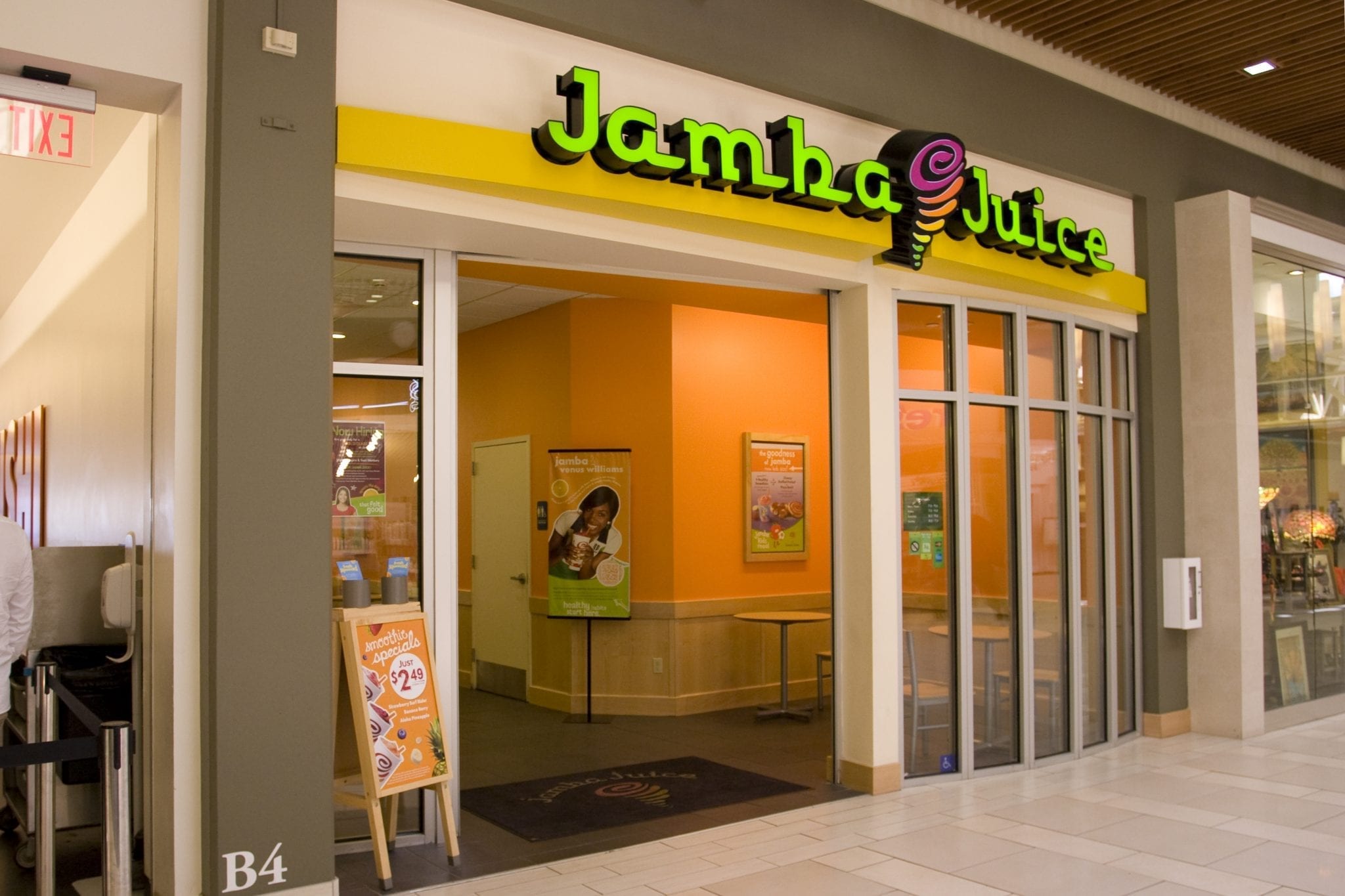
    Jamba Juice Company, a leading lifestyle brand with a passion for making healthful living fun, announced today that the Panen Lestari Internusa (“PLI”) group has opened the first Jamba Juice location in Indonesia. The store is located in the popular Central Park Mall, in Jakarta. PLI is a subsidiary of Mitra Adiperkasa (“MAP”), the largest retailer in Indonesia, with more than 1,800 retail outlets, a portfolio of 150 brands, and over 22,000 employees.

    The Jakarta store brings the total number of Jamba locations to 886 stores globally.

    “We are excited to introduce the Jamba Juice brand in Indonesia,” said Agus Gozali, Managing Director of PT, PLI. “Their menu of local fruit-based products are aligned with our consumers’ needs. Central Park Mall is one of the largest premium lifestyle malls in Indonesia and by adding a lifestyle brand like Jamba Juice to the mall we will ensure consumers have access to menu offerings that are both fit and fun. The Jamba store will be located at one of the mall’s major entrances, making it highly convenient for mall guests.”

    In addition to Jamba’s top selling products like Strawberries Wild® and Banana Berry™, the Indonesian menu will include several local products featuring popular Indonesian fruits, including guava and dragon fruit.

    “The launch of our first Indonesian location is significant for the Jamba brand and business. We continue to see demand for our hand-made, premium products across the globe,” noted Arnaud Joliff, Senior Vice President, Chief Systems Officer and GM International at Jamba Juice. “We are very fortunate to be represented in Indonesia by such a knowledgeable, passionate and well-established partner as PLI. We look forward to many years of partnership as we build the Jamba Juice brand in Indonesia.”

    Jamba Juice is currently awarding franchise opportunities in other select markets around the globe. For more information, please visit www.jambafranchise.com.

  • Singapore Builds Flight Simulation Center in Tangerang

    Singapore Builds Flight Simulation Center in Tangerang

    Singapore-based flight simulator provider SIM Aero Asia plans to build a flight simulator training center in Tangerang, Banten. The US$50 million (Rp666.6 billion) project is expected to start operating next year.

    SIM Aero Asia business development officer Alex Teoh said the Indonesian aviation industry’s growth rate is currently among the most rapid in Asia. He said this creates an opportunity for SIM Aero Asia to its business in Indonesia.

    “We have received the permit from the Investment Coordinating Board (BKPM). Through our subsidiary SIM Aero Indonesia we are ready to rent airline simulator equipment to Indonesian airlines,” he said in Jakarta, Wednesday, August 24.

    Teoh said Indonesia’s need for flight simulation devices will increase, especially since a number of domestic airlines are raising the number of their fleet to meet the rising demand for air transport services.

    Alex is confident SIM Aero optimistic Indonesia can contribute to the development of the Indonesian aviation industry by providing aviation training with international standards.

    Alex said his company plans to provide three simulation equipment; one A320 flight simulator and two helicopter simulators. The rent is around US$400 per hour for the A320 and US$800 for a helicopter simulation.

  • Indonesia asks New Zealand to lower import duty

    Indonesia asks New Zealand to lower import duty

    Indonesia has asked New Zealand and Australia to lower import duties on two export products from Indonesia-herbicides and insecticides-from 5 percent to zero percent under the ASEAN-Australia New Zealand Free Trade Agreement (AANSFTA).

    “To increase trade with Indonesia, import duties for herbicide and insecticide, which are high at 5 percent need to be made zero percent,” said Industry Minister Airlangga Hartarto here on Thursday.

    Airlangga said this after holding a meeting with the Ambassador of New Zealand to Indonesia, Trevor Matheson at the Industry Ministry Building, Jakarta.

    Meanwhile, the Director General of Security and Development Access International Industry, Ministry of Industry, Harjanto explained, there are two ASEAN member countries that export herbicide and insecticide to New Zealand, namely Indonesia and Malaysia.

    Unfortunately, since the cooperation agreement has been in force, the import duty for Indonesian products is higher than for Malaysia, which is zero percent.

    This makes the products from Malaysia more competitive than the products from Indonesia.

    “Herbicide and insecticide is used by New Zealand for work on the farm. We hope products from Indonesia can be as competitive as from Malaysia through the liberalization of this market,” said Harjanto.

    Harjanto speculated that outside the AANZ FTA agreement, Malaysia and New Zealand have other agreements, which allow import duties for Malaysian products to be zero percent.

    According to data from the Industry Ministry, trade value between Indonesia and New Zealand reached US$1.07 billion, of which Indonesia is experiencing a deficit of US$200.8 million.

    Harjanto hoped that with zero percent import duty, the trade balance between Indonesia and New Zealand would become more balanced, so that cooperation between the two countries can be strengthened further.

  • Pertamina Reports Net Profit rp23,8 Trillion Six Months

    Pertamina Reports Net Profit rp23,8 Trillion Six Months

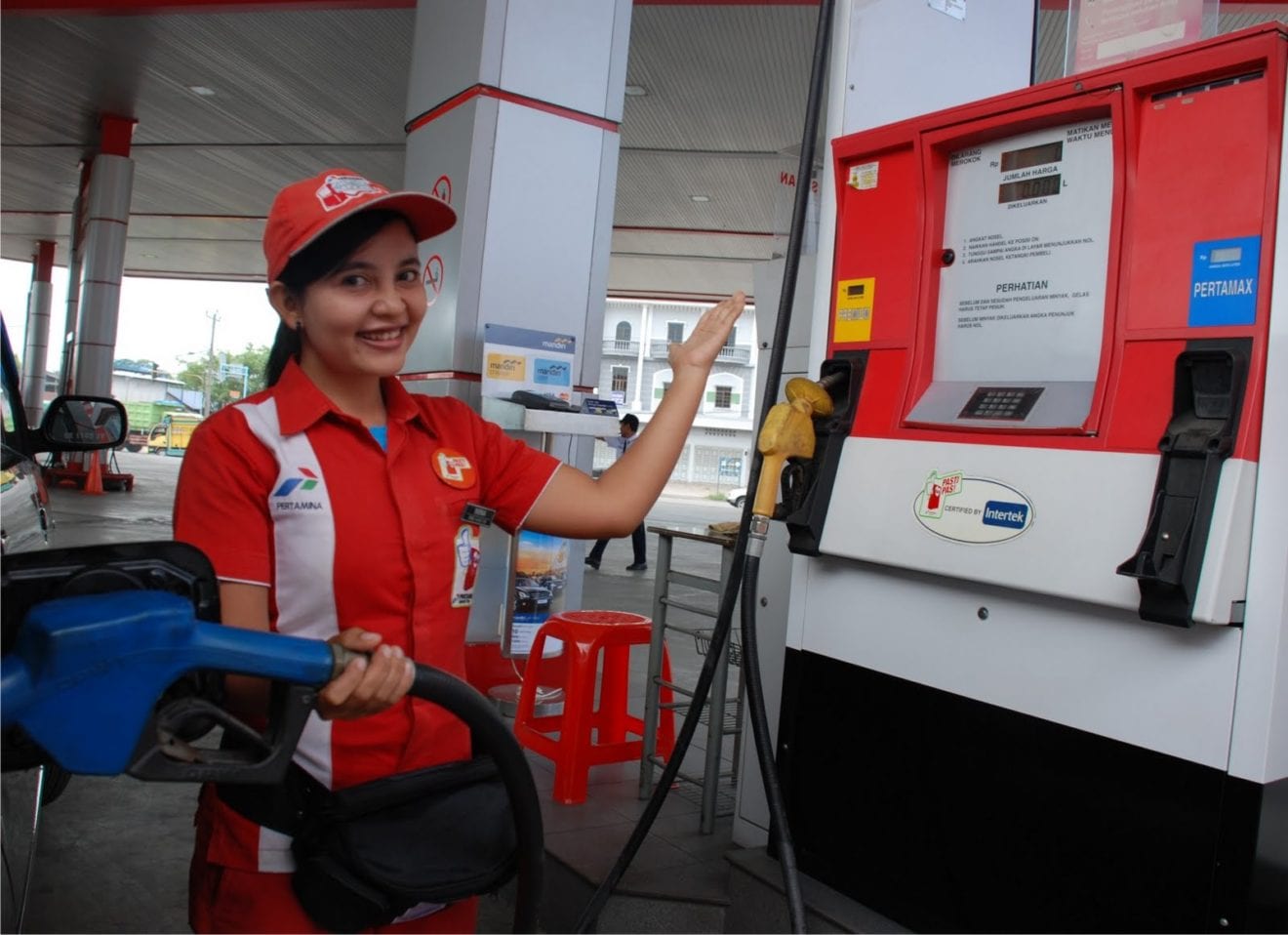
    PT Pertamina reported US$1.83 billion (Rp23.8 trillion) in net profit in the first half of the year, or an increase of 221 percent from the same period last year.

    Chief Executive of the state-owned energy company Dwi Soetjipto attributed the increase in profit to improved performance of its business units and efficiency in operation.

    “We are grateful that efficiency and increase in performance in the upstream and downstream operations have resulted in an increase in net profit to US$1.83 billion,” Dwi said.

    He said in the first half of the year, the company was still confronted with declining prices of oil in the world market.

    The condition served a big blow to oil companies in the world though the impact was less damaging on Pertamina, he said.

    The prices, however, began to pick up in the following three months, he added.

    Pertaminas Finance Director Arief Budiman said in the first half of 2016 the company recorded US$17.19 billion in income, down 21 percent from US$21.79 billion in the same period last year.

    Its operating income rose 110 percent from US$1.56 billion in the first six months of 2015 to US$3.28 billion in the same period in 2016.

    “We are strong in cash flow with balance reaching US$5 billion. Therefore, we are strong enough to carry out corporate action when necessary,” he said.

    He said the company produced 640,000 barrels of oil equivalent per day consisting of 305,000 barrels of crude oil and 1,938 mmscfd of gas.

    Investment in a number of upstream projects have been implemented such as in the 1×55 MW geothermal power project of PLTP Ulubelu 3, and 2×55 MW PLTP Lumut Balai now 45 percent completed .

    The company also continued to develop infrastructure both for gas transport and processing and marketing.

    Among gas pipe projects such as Arun-Belawan-KlM-KEK, Muara Karang-Muara Tawar, Gresik-Semarang, and Porong-Grati gas pipes have been more than 80 percent completed.

    Development of processing infrastructure is being accelerated such as Refinery Development Masterplan Program (RDMP) of Kilang Balikpapan, which is now in the final phase of “Basic Engineering Design”, and RDMP of the Cilacap refinery now in the phase of “Front End Engineering Design”.

    Meanwhile, a number of marketing infrastructure projects have been in the final phase of development such as Pulau Sambu and Tanjung Uban oil fuel terminals, procurement of oil fuel and crude oil tankers of the General Purposes (GP) and Medium Range (MR) types with delivery expected this year.

  • Yusen Logistics Indonesia acquires highest standard of quality certification

    Yusen Logistics Indonesia acquires highest standard of quality certification

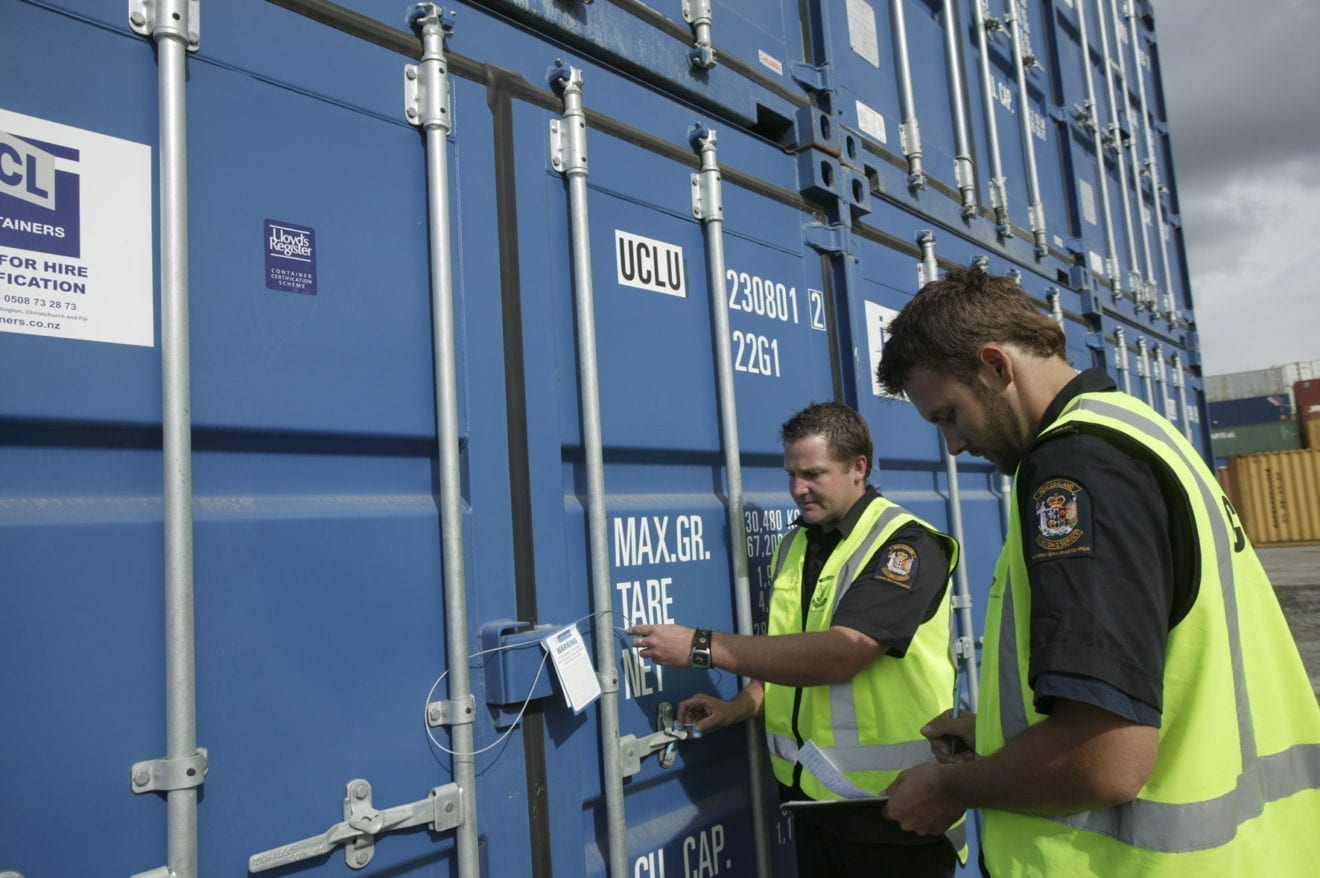
    PT Yusen Logistics Indonesia has become the first logistics business in Indonesia to acquire GDP certification, the industry standard of quality for the storage and transport of medical and pharmaceutical products.

    PT Yusen Logistics Indonesia has been handling pharmaceutical and medical devices more than 10 years, transferring high value, temperature sensitive products all over the world through Yusen Logistics’ European Pharma Network. With demand for advanced quality rising, the Company has invested in acquiring GDP(*) certification to verify the quality of its services to customers.

    Yusen Indonesia can now assure customers that transportation quality and shipment safety is being met through strict compliance with GDP guidelines; insured by regular inspections and systematic staff training.

    The Company’s Pharma shipping service employs company-owned vehicles with temperature control capability and real-time GPS tracking. Delivery routes are finalized after assessment of transportation risks, with implemented temperature mapping and monitoring. For air shipments, through using systematic cargo management techniques, Yusen Indonesia’s Customs clearance services are faster and more efficient; achieving greater service accuracy.

    As part of Yusen Logistics’ medium term business plan, “GO FORWARD, Yusen Logistics – Next Challenges”, the Company has taken measures to expand its healthcare logistics services across Europe, most recently opening a new GDP warehouse in Amsterdam(**) and expanding its global shipping network. Now that Yusen Logistics Indonesia has acquired GDP certification, the expertise Yusen Logistics has cultivated in Europe will be applied to Asia – providing safe, reliable and speedy services to its customers.

    (*)GDP: Good Distribution Practice
    (**)September 2015

  • Browser and search engine UCWeb claims 50pc market shares in India and Indonesia

    Browser and search engine UCWeb claims 50pc market shares in India and Indonesia

    UCWeb, the mobile browsing arm of e-commerce giant Alibaba Group which is behind the UC Browser, is claiming more than 50 per cent shares of both the Indian and Indonesian mobile browser and search engine markets, six years after entering the countries for the first time.

    The company also revealed it has reached the milestone of recording more than 400 million monthly active users globally, including 88 million in India.

    Amid stagnant growth in mobile internet usage and cutthroat competition in its home market, the Chinese company said the successes have been built on its relentless effort to adapt to both media environments, spearheaded by local sales teams, and a lack of any strong local competitors.

    “In these markets [UCWeb] has focused on being a big ‘platform’ that enables users to discover content.

    Indian viewers have a much stronger appetite for sport, music and videos, while less interest in social and gossip news, as in China

    He Xiaopeng, UCWeb’s president

    “We don’t care about short-term revenue and profit overseas. And we don’t rely on small apps to acquire traffic,” said He Xiaopeng, UCWeb’s president.

    His comments came as the company officially shortened its name from UCWeb to just “UC”, in an effort to highlight its upgrade from being a simple browser to what officials called a “digital media and entertainment platform”, which along with other operations such as Alibaba Music, and Alibaba Pictures, form the company’s growing culture and entertainment matrix.

    In a separate announcement, it said in partnership with Mumbai entertainment TV station Colors, it is also launching an English language news conglomerate, “UC News”.

    “India is among the few markets that still see traditional media outlets growing,” He explained.

    “This is different from China and Indonesia, where social media and online celebrity culture dominate.

    “Indian viewers have a much stronger appetite for sport, music and videos, while less interest in social and gossip news, as in China,” He said.

    The company employs nearly 100 staff in India, and a few less in Indonesia, mainly business development and marketing staff, who are backed up by much larger technical and products team in Guangzhou, He said, within a total workforce of 500.

    Chen Chao, the company’s general manager, said it is relatively easy building a successful presence in markets like India and Indonesia, where users are happier to accept foreign companies, and there is a lack of competitive local firms.

    UCWeb has far less interest in developed markets such as Japan, he added, for instance.

    The company’s expansion in the emerging markets comes as growth in the number of mobile internet users has plateaued in China, and browser competition has intensified between rivals such as QQ, which is backed by Tencent, and Baidu’s own browser.

    Zhu Dalin, an analyst with Analysys International, said the announcements underlined UCWeb’s ambition to become a major platform, which alll users can access easily.

    “It is also stressing its customised feeds, but its competitors are doing this.

    “China’s mobile internet landscape has changed so fast that it may not necessarily have developed in the way that UC wished,” said Zhu.

    Unlike during the personal computer age, mobile users can now access content through a various of ways, so browsers such as UC have to fight even harder for users, analysts say.

    India and Indonesia have become natural targets for UCWeb, despite having to overcome tough regulatory risks.

    The company has also built a strong presence in Iran, before being blocked by the Iranian government overnight, along with Facebook and Google.

    He Xiaopeng said the biggest challenge in India turned out to be poor infrastructure, on top of a lack of electricity, water and online payment tools.

    UCWeb’s local operating experience could potentially be an asset for its parent Alibaba, which is also exploring opportunities in markets including India.

  • Samsung promises to employ more local talent

    Samsung promises to employ more local talent

    Korean technology giant Samsung has promised to develop and nurture local talent in Indonesia through its Samsung Research and Development Institute (SRIN), a platform for innovation.

    The SRIN is currently carrying out a roadshow at several academic institutions in Indonesia to help young developers put their ideas into practice where previously it “would be hard for them to do so”, as the company claims. The platform could become a gateway for Indonesian talent to contribute to the development of new technologies for Samsung or other companies.

    Aside from developing its devices, Samsung’s other goal is to drive innovation in the internet of things (IoT) segment, which the company says is starting to take off in Indonesia.

    Samsung Indonesia’s marketing director for IT and mobile technology, Vebbyna Kaunang, said the use of Samsung’s IoT technologies in Indonesia was currently limited to business-to-business application, such as equipping offices with smartphone-controlled lights and other utilities. It is still unclear when these features will be made available to the general public.

    Because the company is pushing this segment further in the hope of preparing it for the Indonesian market, the development of local talent seems more important than ever, as qualified Indonesians could contribute to future Samsung technologies.

    Earlier this year, the company laid out plans to seek more Indonesian developers to help create local content for its burgeoning virtual reality (VR) service.

    “What we plan to do is to get our digital ecosystem in gear and hopefully fulfill all device segments with the latest technology every time. Through programs held by the SRIN, we are able to do that using unnurtured talent,” she said at the launch of Samsung’s new Galaxy Note 7 on Tuesday.

    The Galaxy Note 7 is described by Samsung as its pinnacle of innovation. Assembled in the company’s factory in Cikarang, West Java, the smartphone is equipped with features such as an iris scanner for more secure access, an improved stylus called the S Pen, and the ability to function for 30 minutes under water at a depth of 1.5 meters.

    The device itself is not yet available in retail stores in Indonesia, but pre-orders for the country sold out within three days earlier this month at a price of Rp 10.7 million (US$813).

    Vebby added that the components of the Galaxy Note 7 were 100 percent compliant with the upcoming regulation, which requires all 4G smartphones sold in the country to be made of at least 30 percent local components.

    At present, the government applies a mandatory rule of having 20 percent local content in 4G smartphones sold in the country, but the rule applies mostly to hardware, while the upcoming regulation will also encapsulate software requirements.

    The regulation is slated to be implemented at the beginning of next year.

    Samsung released its Galaxy S7 smartphone in March.

  • Indonesia outlines strategy for sports development

    Indonesia outlines strategy for sports development

    Indonesia President Joko Widodo on Wednesday stressed on the development of sports which have the potential to garner medals at international championships, including badminton, archery and weightlifting.

    “Prioritise development of games which have already shown achievements,” President Widodo said at the State Palace after congratulating the country’s medallists at the Rio Olympics, including the gold medallists in the badminton mixed doubles.

    In addition to that one gold medal, Indonesia also collected one silver medal and one bronze medal in weightlifting competitions at the Olympics, improving from the achievement at the Olympics in 2012, during which only one silver medal and one bronze medal were secured, reports Xinhua.

    Widodo added that the development “includes the improvements of facilities, infrastructure and training camps”.

    “If it is better undertaken with a long strategy, more gold medals will be able to be garnered,” he said.

    Widodo said that he had coordinated with the sports minister on how to materialise the new strategy.