Author: Mei Ling Tan

  • Trade Expo Indonesia Targets 14,700 Potential Buyers

    Trade Expo Indonesia Targets 14,700 Potential Buyers

    The Trade Ministry is targeting the Trade Expo Indonesia (TEI) 2016, which will be held on October 12-16, to be able to attract 14,700 domestic and foreign potential buyers.

    “We provide 1,100 outlets,” Director General of National Export Development of The Trade Ministry Arlinda said in a press conference in Jakarta on Wednesday, August 24, 2016.

    Arlinda said there are currently 4,000 potential buyers who have confirmed to attend the expo.

    The Trade Expo 2016 comprises of six leading sector zones, namely manufacture, furniture and home decoration, food and agriculture, creative industry and investment.

    The TEI promotion has been intensively conducted in domestic and abroad.

  • RHB Bank to assess opportunities in Indonesia

    RHB Bank to assess opportunities in Indonesia

    RHB Bank Bhd, which saw its bid to acquire a stake in Indonesia’s PT Bank Mestika Dharma Tbk fall through, is optimistic about the prospects in that country and and will assess the opportunities.

    Group Managing Director, Datuk Khairussaleh Ramli, said the Indonesian market was good with banks recording stronger credit growth and higher return on equity compared to Malaysia’s.

    It has been reported that, on average, an Indonesian bank’s return on investment was between 15% and 20% compared with Malaysia’s 9) and 11%.

    “(However) at this point there is nothing on the table for us to look at and when it does we will have to evaluate the opportunity,” he said after announcing RHB Bank’s first-half 2016 financial results here on Wednesday.

    He said the recent bilateral agreement signed between Indonesia Financial Services Authority (IFSA) and Bank Negara Malaysia would pave the way for banks to have greater access in both countries.

    In 2009, RHB Bank, which was then the banking unit of RHB Capital Bhd had, proposed to acquire 80 per cent of PT. Bank Mestika Dharma Tbk for RM1.16 billion but IFSA’s move to limit the foreign ownership to 40 per cent emerged as a stumbling block for the deal to be signed.

    The second bid to acquire a 40% stake, also fell through after RHB Capital did not get the Indonesian authorities’ approval before the deadline of the sales and purchase agreement on June 30, 2014.

    Also under its own corporate exercise, on April 14, 2016, RHB Bank emerged as the new group’s holding company and it was listed on Bursa Securities on June 28, 2016.

    For the first half-year ended June 30, 2016, its pre-tax profit fell by 12.7% to RM1.22bil due to a one-off impairment on a corporate bond in Singapore. For the first-half of 2015, it reported a pre-tax profit of RM1.40bil.

    Revenue for the six months of 2016, however, rose to RM5.42bil from RM5.37bil.

    Khairussaleh said the financial market would remain challenging due to the macro-economic uncertainties in most parts of the world.

    “The risks of external demands and softer consumer sentiments are expected to moderate Malaysias gross domestic product growth in 2016 to 4% from 5% last year.

    “The banking sector growth too is expected to remain modest, attributable to a deceleration in corporate loans market and ongoing consolidation of household loans sector,” he said.

    He said although the bank’s performance in the second quarter was affected by one large impairment on securities, RHB was on track to achieve its long-term objectives set under the reframed strategy of focusing on performance.

    For the second quarter ended June 30, 2016, pre-tax profit stood at RM469.33mil, down from RM724.9mil a year ago. Revenue increased to RM2.68bil from RM2.65bil previously.

    “The group will stay on course in executing the various initiatives under its transformation programme, while continuing to be vigilant amid a challenging macro environment and volatility in the market place,” he said.

  • East Nusa Tenggara proposes flights on Kupang-Dili-Darwin route

    East Nusa Tenggara proposes flights on Kupang-Dili-Darwin route

    The Tourism and Creative Economy Office of East Nusa Tenggara Province has suggested to the Ministry of Transportation to start the Kupang-Dili-Darwin flight route.

    “The flight route will increase the number of foreign tourist arrivals in East Nusa Tenggara and other regions in Indonesia,” Head of the Tourism and Creative Economy Office of East Nusa Tenggara Province, Marius Jelamu, stated here on Thursday.

    He noted that the Kupang-Dili-Darwin flight route is, so far, unavailable. Hence, foreign tourists keen on visiting the province have to take a flight via Jakarta or Denpasar to Komodo airport in Labuan Bajo or El Tari airport in Kupang.

    Until mid 80’s there were international commercial route between Kupang and Darwin in Australia.According to Jelamu, the flight route should be considered as the three destinations are located in proximity to each other.

    “East Nusa Tenggara shares its borders with Timor Leste, and it is close to Australia. If there is a flight connecting the three destinations located in three different countries, then the transportation and communication lanes will be smoother,” Jelamu affirmed.

    Starting a transportation lane from one country to East Nusa Tenggara would help the province boost its economic growth, especially in the tourism sector.

    “It will ease travel for the foreign tourists from Timor Leste and Australia planning to visit East Nusa Tenggara and other regions. Moreover, the visa-free policy will facilitate the flow of tourists into the province,” he stated.

    He noted that the Indonesian flight carrier Garuda Indonesia could seize this opportunity as the market will always exist.

    “The flight carrier should not harbor concerns as passengers are always available,” he added.

  • New Marriott wing at Resorts World Manila opens Sept

    New Marriott wing at Resorts World Manila opens Sept

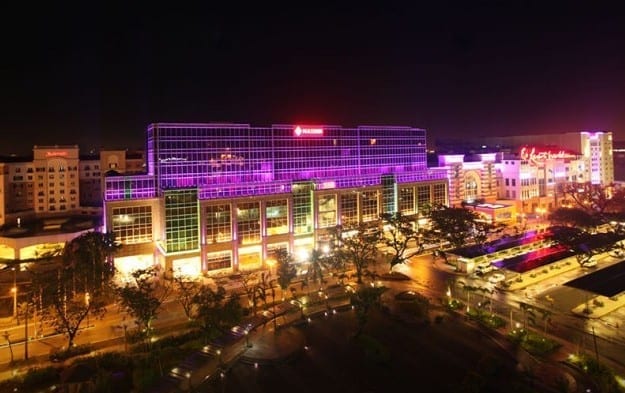
    The new west wing of the Marriott hotel at casino resort Resorts World Manila will be in operation by next month, said on Tuesday Genting Hong Kong Ltd.

    Resorts World Manila – located in the Philippines capital Manila, next to the city’s international airport – is owned and operated by Travellers International Hotel Group Inc. The latter is a venture between Philippine-based Alliance Global Group Inc and Genting Hong Kong.

    Resorts World Manila – already featuring three hotels – is currently undergoing a phase three expansion. “Ongoing developments which will introduce three new hotels – Hilton Manila Hotel, Sheraton Hotel Manila and a new Maxims hotel – are expected to be completed by the end of 2017,” Genting Hong Kong stated in its unaudited interim report for the six months to June 30. The document was filed with the Hong Kong Stock Exchange on Tuesday after trading hours.

    The firm added that the new expansion would “include additional gaming and retail facilities.”

    “Looking ahead, Resorts World Manila’s phase four development will give way to more retail alternatives and another international hotel brand,” Genting Hong Kong stated.

    The new wing at Marriott will add 228 new hotel rooms to Resorts World Manila, according to previous releases. Total room count for the exiting three hotels – Maxims Hotel, Remington Hotel and Marriott Hotel Manila – stood at 1,226 in the second quarter of 2016. Hotel occupancy rate during that period was 87 percent, according to Travellers International.

    Travellers International’s net profit for the second quarter of 2016 amounted to PHP638.2 million (US$13.7 million), an increase of 3.1 percent from a year earlier, the company reported on August 15.

    Genting Hong Kong’s share of profit from Travellers International totalled US$19.1 million in the first half of 2016 compared with US$22.6 million in the prior-year period. Genting Hong Kong said the decline was “primarily due to increase in general marketing and depreciation expense during the period.”

    Cruise business

    Genting Hong Kong – also an operator of casino cruise ships – reported a net loss of US$54.6 million for the six months ended June 30. The loss compared with a net profit of US$2.2 billion for prior-year period.

    The company said the net loss was mainly attributable to the absence of a one-off accounting gain of US$1.57 billion following the reclassification of Genting Hong Kong’s investment in Norwegian Cruise Line Holdings Ltd and the absence of a gain of US$599.6 million from the disposal of shares in Norwegian Cruise. Both of these operations were completed in the first half of 2015.

    Genting Hong Kong, a subsidiary of Malaysian conglomerate Genting Bhd, has accelerated its expansion plans for its cruise business. “The company continues to develop its three-brand cruise portfolio with focus on each of the major cruise market segments – Crystal Cruises for the ultra-luxury segment, Dream Cruises for the premium segment and Star Cruises for the contemporary segment,” Genting Hong Kong stated in its Tuesday interim results report.

    The company last month announced it would invest more than EUR100 million (US$113.1 million) to upgrade the three shipyards in Germany that it acquired in April. The move follows the company’s earlier purchase of the Lloyd Werft Bremerhaven shipyard in Germany last year. Genting Hong Kong plans to build new cruise ships to expand its fleet.

    The firm’s new Asian cruise line, Dream Cruises, is scheduled to start operations in November, according to Tuesday’s report.

  • Allianz secures distribution rights with Malaysia’s Maybank

    Allianz secures distribution rights with Malaysia’s Maybank

    Allianz is hoping the agreement will give access to Maybank’s 4 million customers in Asia. The insurer said it has jointly developed three life insurance products with Maybank which includes a unit-linked life insurance product compliant with Islamic Shariah law, a single-premium investment product and a life policy which combine protect with investment. “This partnership demonstrates Allianz’s continued focus on growing in the Asia region, of which Indonesia is a key priority.

    We’re excited to bring our multi -channel approach, innovative products and digital expertise to serve the protection needs all Maybank customers,” said Allianz’s regional chief executive for Asia Pacific, George Sartorel, in a statement on Tuesday. Under the collaboration, a team of more than 150 insurance advisers will sell the products to Maybank clients via their retail branches. Joachim Wessling, chief exectuive of Allianz Life Indonesia said: “This cooperation between two outstanding companies combines our strengths in providing world-class services and solutions, to deliver insurance protection tailored to our customers’ needs. We look forward to working closely with Maybank to secure a safer future for our customers in Indonesia.”

    Last week, it emerged that Allianz and France’s Axa are locked in a bidding war to acquire the 15-year distribution rights to sell insurance products through Standard Chartered’s channels in Asia. Meanwhile, Hanwha Life, South Korea’s second largest life insurer, is set to pump KRW150bn (£102m, €121m, $134m) into its Indonesian arm in a bid to expand its foothold in the country’s booming insurance sector.

  • Entrepreneur Now Awards 2016 nominations now open

    Entrepreneur Now Awards 2016 nominations now open

    Entrepreneur Now has launched the Entrepreneur Now Awards 2016 at a kickoff event at the Work Loft in Silom. This is the second year for the award ceremony which aims to honour and support SMEs in Thailand. The awards are organised with more than 20 community partners including many local chambers of commerce.

    There are eight categories in this year’s awards:

    • Outstanding female entrepreneur
    • Eco-entrepreneur
    • Creative entrepreneur
    • Innovative entrepreneur
    • Social enterprise entrepreneur
    • Most entrepreneurial team
    • SME (50 employees to 100)
    • Best newcomer

    In order to apply, entrepreneurs need to submit an application by October 31st, including uploading a 3-minute video about their company. Nominated startups will attend a networking evening with the judges, a group of seven diverse representatives from local startups, corporates, universities and organisations.

    The awards are open to both Thai and foreign SMEs with under 100 employees, provided they have a registered company in Thailand.

    This year’s awards ceremony will be held on November 23rd and organiser Pacharee Pantoomano promised it will be “bigger and better” than last year, with over 10 million baht worth of prizes available.

    The criteria the judges will use to select Thailand’s best entrepreneur are “uniqueness, eco-sustainability, striking achievements, recognition and traction, overcoming challenges, value in Thailand and ASEAN, vision and personal growth”.

    Judge Jacky Cheng said it was exciting to “mentor real businesses, not just ideas”.

    Duanghamon Kaewphongsri won last year’s Oustanding female entrepreneur award with her startup, Annette I Tim Tuk Tuk, selling artisan ice cream from iconic tuk-tuks. K. Duanghamon announced they are about to open their new 800 sqm factory and create products for export.

    Another of last year’s winners, Jonas Becker from Thinkatorium encouraged as many entrepreneurs as possible to apply: “There’s nothing to lose. It’s a good way to reflect on your company, where you are and where you want to be”.

    Probably the most complex part of the application process for startups is preparing the three minute video. The judges encouraged startups to include facts and figures. Rather than try to cover everything, focus on the criteria which best apply to you. K. Pacharee noted that many startups reuse their video to represent themselves at future events. Entepreneur Now will prepare additional help for preparing the video component in the next few weeks.

    Startups have until October 31 to submit their application via the Entrepreneur Now website.

  • Napster taps Terada for next-gen music streaming products

    Napster taps Terada for next-gen music streaming products

    Napster is upgrading its analytic ecosystem to implement the Teradata Unified Data Architecture (UDA).

    The deployment includes multiple nodes of the Data Warehouse Appliance with Teradata QueryGrid for seamless data and systems integration and, in addition, a Teradata Appliance for Hadoop with Cloudera.

    Digital streaming is one of the most widely accepted methods of distributing musical content. With a catalog of over 40 million songs, Napster delivers a premium music streaming experience to more than three million paying subscribers in 34 countries across the globe.

    “This upgrade establishes Teradata’s UDA technology as the go-forward foundation for analytics to drive Napster’s next-generation music streaming products,” said Brian Ringer, CTO of Napster. “Our newest product offerings such as the Listener Network — which measures music taste overlap among like-minded music fans around the world to help them discover more music they love — demands more advanced big data tools and techniques for understanding and leveraging customer behavior.”

    Ringer said Teradata helps Napster optimize detailed customer level data — including content and application usage, and gives them the ability to more effectively analyze and predict lifetime customer value through customer behavior and usage data.

    “As we leverage big data through our UDA and new Hadoop Appliance with Cloudera, we expect to understand and serve our customers with deeper personal relevance and even greater listening enjoyment,” he said.

    Also, Napster is deploying Teradata QueryGrid, which works to connect a Teradata and Hadoop system to massive scale, with no effort, and at speeds of 10 Gbps.

  • Analytics shift to predictive, prescriptive

    Analytics shift to predictive, prescriptive

    While the value of historical and descriptive analytics persists, the balance has been tipped towards more predictive and prescriptive analytics, according to a new report from Machina Research.

    For many decades, enterprises have solidly built their knowledge, strategic insights and processes around well-established approaches to data management and analytics.

    Terms such as ETL (extract-transform-load), data warehouses, data-marts and business intelligence became solid ground on which to build strategic and business approaches and decisions.

    With millions of connected devices providing real-time data about the physical world as it is, data management and analytics processes have been inundated with new requirements and opportunities.

    Machina Research said business and strategic decisions are being augmented with highly operational and predictive/prescriptive analytics, shifting the ground from “look at what happened” to “what may happen” and how best to address those potential scenarios.

    “One of the more significant developments as part of, and in parallel to, developments in IoT, is the approach of two different ‘waves’ in data management—Big Data and Fast Data,” said Emil Berthelsen, principal analyst at Machina Research.

    “Both are characterized by scale and speed, and the combination or aggregation of these two waves have led to significant changes and new requirements on data management technologies,” said Berthelsen.

    He said the landscape of IoT data and analytics is certainly evolving and will include a new age of machine learning, augmented insights and managed autonomy, as well as a new set of enabling technologies and data governance tools.

  • SAP China teams up with Alibaba Cloud

    SAP China teams up with Alibaba Cloud

    SAP China and Alibaba Cloud have teamed up to launch three cloud-based SAP services to Chinese customers by the end of the year.

    The companies have revealed plans to launch in-memory computing platform SAP HANA Cloud Platform and two other services in 2016.

    The two other services are the cloud-based SaaS CRM solution Hybris Cloud for Customer, as well as SAP Business ByDesign, integrated cloud suite tailored for mid-sized businesses.

    Alibaba Cloud president Simon Hu said the partnership is aimed at addressing the growing ubiquity of cloud services.

    “Cloud computing has become the new infrastructure for businesses around the world,” he said. “Through in-depth collaboration, Alibaba Cloud and SAP will join hands to bring more world-class cloud products with highly reliable and strong capabilities to companies in different industries.”

    SAP Greater China president Mark Gibbs said the company achieved triple-digit growth in the region from its cloud business in the first half of 2016.

    “The cloud business is a key part of SAP’s digital framework and one of the driving forces behind our rapid business growth in China.” he said.

    “The three cloud-based solutions that we are about to launch with Alibaba Cloud will further expand SAP’s cloud footprint in China, and meet the needs of more Chinese enterprises. It will help Chinese companies to effectively embrace the opportunities brought by digital transformation.”

  • Korean department stores trigger restaurant battle

    Korean department stores trigger restaurant battle

    Korean department stores have become the new battleground for Korean restaurant chains.

    Restaurants have long been a lucrative business for department store operators – accommodating hundreds of weary shoppers every day, they have sometimes been referred to as a ‘goose that lays a golden egg’.

    However, until now, opening such a restaurant had been a near-impossible task without deep connections to the store’s higher-ups.

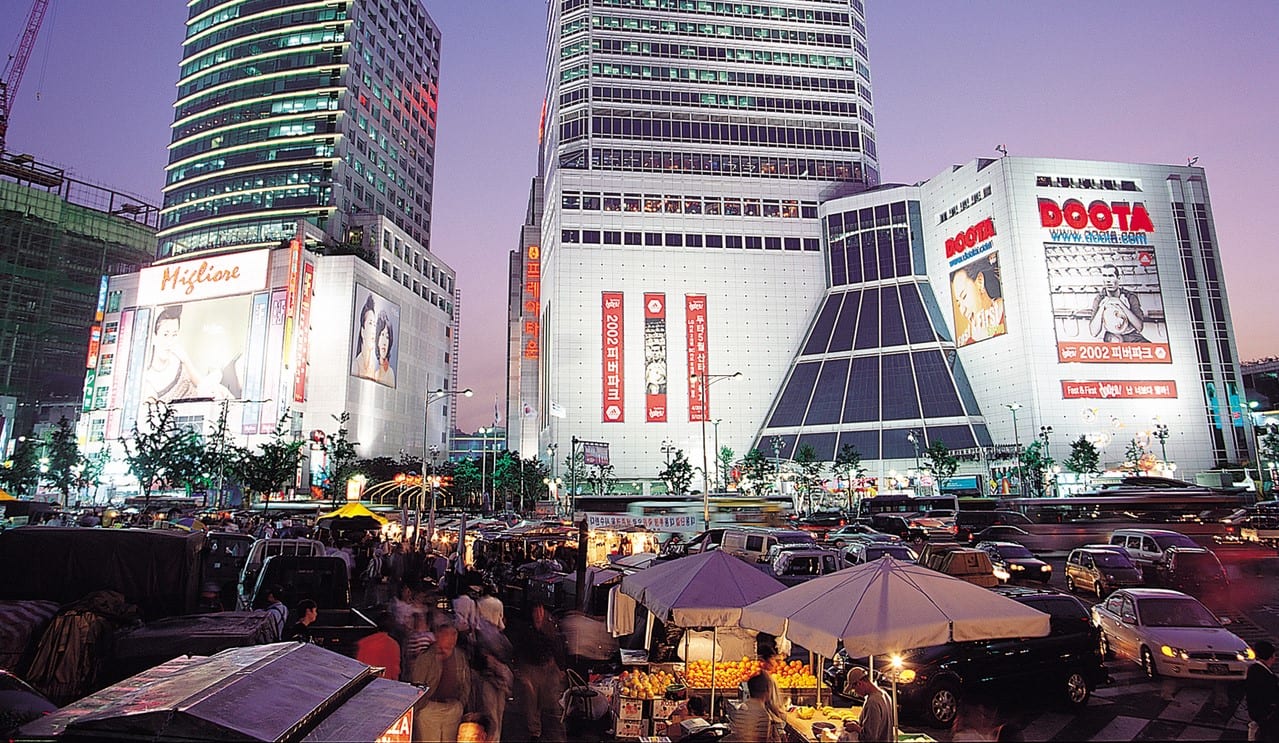
    According to retail industry sources, several new restaurants are set to open next month in the food court section of Lotte’s flagship department store in Myeongdong, which is currently being renovated. Of note, the new owners didn’t have to lobby Lotte management or be a member of a Lotte family to open their establishments.

    Lotte faced significant criticism in June when the media spotlighted Seo Mi-kyung, Lotte founder Shin Kyuk Ho’s third wife, and her company Yuki Co, which operates a bibimbap restaurant (Yukyung),  naengmyeon restaurant (Yuwonjeong) and coffeehouse (Margaret) at the Lotte’s Myeongdong store.

    “We’re in the middle of clearing up our business with Seo’s company,” said the department store official. “We plan to operate our food court based on the popularity of restaurants and their competitive advantage.”

    A high-end sushi restaurant, Sushi Chohi, Chinese restaurant Luii, and European casual restaurant Elbon Grand Cafe operated by chef Choi Hyun-seok are among the new eateries that will open in mid-September.

    Hyundai Department Store, once criticised for giving favors to its subsidiary Hyundai Green Food, is also rearranging the food courts at its stores to accommodate popular restaurants from across Korea. And although it still operates Hyundai Green Food-owned restaurants like Bonga Sushi and Hansol Naengmyeon at its branches, it’s now focusing its efforts on attracting other popular restaurants.

    “Bonga Sushi and Hansol Naengmyeon have made a name for themselves, and their inclusion is not necessarily due to the Hyundai family relationship,” said a Hyundai Department Store official. “We’re concentrating more on attracting well-known restaurants to our food courts, because restaurants with no competitive edge aren’t likely to survive.”

    Italian restaurants Le Jiu and Signature Lab opened their latest locations at the Samseong-dong branch, while Amorino, an Italian gelato franchise, opened a new eatery at Hyundai’s Apgujeong branch.

    Shinsegae Department Store also introduced new restaurants this year. Youth-driven restaurants from Gangnam and Hongdae, including Chinese cuisine franchise Choma, steakhouse restaurant Fukuoka Hambageu, and premium tteokbokki restaurant Villa de Spicy, according to Shinsegae, were met with high acclaim.

    Shinsegae also said that new restaurants tend to attract more customers to its stores.

    “Department stores are no longer solely a place for shopping. They’re transforming into one integrated living space for consumers to spend their free time,” said a retail industry official. “Given the circumstances, the stores will continue with their efforts to accommodate more popular and competitive restaurants.”

  • North Korea’s KCTV said to launch streaming service

    North Korea’s KCTV said to launch streaming service

    An unlikely new player has reportedly entered into the video streaming business, according to reports – North Korean state broadcaster KCTV.

    BBC News notes that the broadcaster’s new set-top-box, Manbang, has been called North Korea’s version of Netflix in some reports.

    Manbang is said to connect to the North Korean intranet and allow viewers to watch documentaries on demand and five TV channels.

    While KCTV claims that consumer demand for the price is high, connectivity in North Korea remains at very low levels.

    This is not the first time that North Korea, notorious for keeping a tight grip on the control of information entering into and coming out of the country, has been found been developing its own limited versions of popular internet services.

    In May, researchers found a rudimentary social network, resembling a crude version of Facebook, designed for users of North Korea’s intranet. But this was quickly pulled down after pranksters started creating spoof profiles, including one for Kim Jong-Un.

  • India won’t relax FDI rules for DoCoMo case

    India won’t relax FDI rules for DoCoMo case

    The Indian government does not intend to relax rules regarding foreign investments to allow Japan’s NTT DoCoMo to exit its Tata DoCoMo joint venture at a pre-determined price.

    The government has taken the view that there is no case for bending the rules for a single company.

    Rules that have been in place since 2007 – almost two years before Tata Group and NTT DoCoMo entered the joint venture – stipulate that no foreign investor is entitled to exit its investment at a pre-determined price or with assured return, the report states.

    But the agreement between NTT DoCoMo and Tata Group stipulated that DoCoMo was entitled to sell its shares at the highest of either the market price or half the initial subscription price.

    An arbitration court recently found Tata Group’s majority shareholders and Tata Teleservices liable for $1.17 billion in damages due to the failure to live up to the shareholder agreement, even though the Reserve Bank of India is prohibiting the company from doing so due to the rules.

    The government is considering amending the regulations for future foreign direct investments, introducing a price band rather than the current fair price stipulation, to make the market more attractive to investors. But the finance ministry has ruled out applying the rules retroactively to cover the DoCoMo transaction.

  • Uber Japan about to launch UberEats

    Uber Japan about to launch UberEats

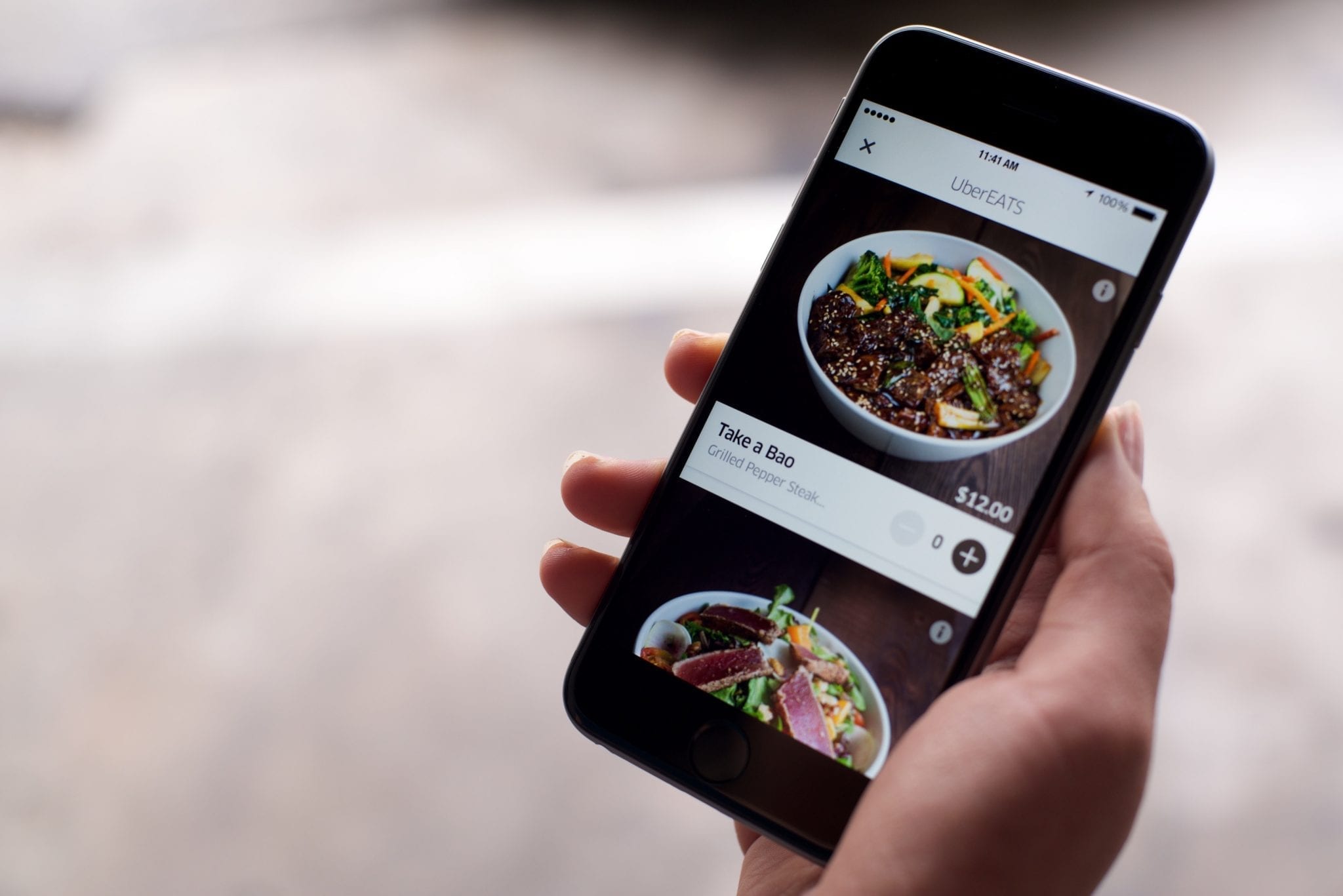
    Uber Japan is about to launch UberEats, with advertisements for bicycle and motorcycle delivery positions appearing on its Japan Facebook page last week, as well as a related video.

    An UberEats Japan website is already up, but only with a link for Tokyo restaurants to register.
    Launched in March, UberEats is available in 28 cities internationally.

    Generally, Uber has struggled in Japan, reports Tech in Asia. As regulations prevent drivers from accepting money from passengers in a private vehicle, Uber works more like a taxi. Its trial program in Fukuoka last year was shut down for paying drivers, and protests from taxi companies have prevented similar trials in other regions. There was also backlash from the taxi industry when Toyota invested in Uber this year.

    However, non-professional drivers can accept payments in areas where public transport is not available. Uber took advantage of this by launching a service with a non-profit organisation in Kyotango city.

  • Old Navy Opening Doors At First Store in Malaysia

    Old Navy Opening Doors At First Store in Malaysia

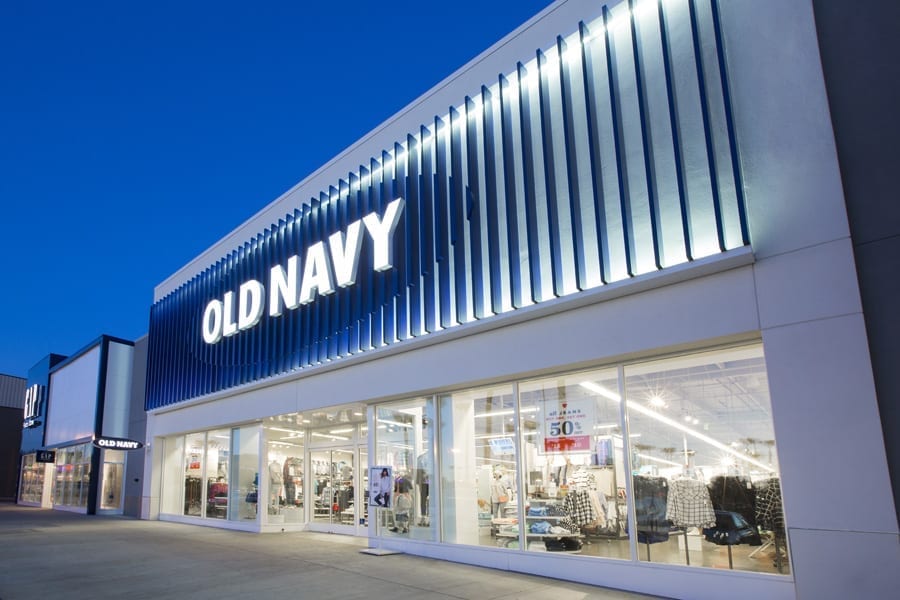
    Global apparel brand Old Navy announced today that it is opening its first store in Malaysia at 1 Utama Shopping Center, the fifth largest mall in the world, which is located in the heart of MSC Malaysia Cybercentre Township Bandar Utama. Old Navy makes current American fashion essentials accessible for every family, with a focus on fashion, family, fun and value. The brand launched in 1994 and quickly became one of the top apparel brands in the United States, making history in 1997 as the first retailer to reach $1 billion in annual sales in less than four years. Old Navy is part of the Gap Inc. portfolio of brands, which also includes Gap, Banana Republic, Athleta and Intermix.

    The brand’s entry into Malaysia marks another milestone in Old Navy’s continued global growth strategy. The first store will feature the same great product that the brand has become known for in the United States and will offer apparel and accessories collections for men, women, kids and babies. It will also provide a fun and energizing shopping experience for customers, featuring a spacious 800 square meter layout and Old Navy’s newest store design.

    The store will open its doors on September 30 at 5:00 pm and will be open until 10:30 pm. To celebrate the opening, customers can enjoy fun activities, meet special guests, and receive RM60 back when they spend RM200 and above. Additionally, the first customers in line will receive a free limited edition Old Navy Malaysia tote bag with any purchase, and the first 100 customers will be eligible to win a RM1000 shopping spree.

    This is the seventh franchise market expansion for Old Navy. In March 2014, the brand opened its first franchise-operated stores in the Philippines and has since opened stores in Qatar, Kuwait, Saudi Arabia, the UAE, and most recently, Indonesia. The brand’s move into Southeast Asia builds on the success that Gap and Banana Republic have experienced since entering the market in 2007.

    Franchise partner RSH Limited has a 39-year history of delivering seamless brand experiences to customers in Southeast Asia, the Middle East and South Pacific. Today, RSH Limited’s portfolio includes more than 70 international brands with over 700 stores and shops-in-shop in 11 countries.

  • JCB Introduces Corporate Social Responsibility Initiatives

    JCB Introduces Corporate Social Responsibility Initiatives

    CB Co., Ltd. (JCB), the only international payments brand based in Japan, today announced the introduction of corporate social responsibility (CSR) initiatives.

    JCB selected four priority areas to address in response to the expectations of stakeholders and society: education, protection of the environment, international support and disaster recovery support. JCB is focusing its CSR activities especially on the Asia Pacific region in 2016.

    JCB has been conducting a wide variety of CSR activities for over 10 years. In 2011, JCB’s 50th anniversary, it established the JCB Employee Social Contribution Program that enables employee to participate in activities contributing to society, and also started financial support of NPOs working to revitalize areas stricken by the Great East Japan Earthquake.

    Major CSR activities in 2016

    – International support: Honolulu Museum of Art artwork preservation (March 2016)

    JCB is supporting the Honolulu Museum of Art, which has an extensive collection of Japanese traditional art, ukiyo-e, and other Asian artworks.

    – International support and protection of the environment: Indonesia forest conservation (May 2016)

    JCB is supporting the planting of mangrove trees to protect natural resources. Planting these trees also helps to preserve and improve the livelihood in Indonesia’s coastal regions.

    – International support and education: Myanmar school construction (February 2017)

    JCB is supporting the construction of schools in non-urban areas in order to help enhance education in this rapidly developing country. Construction is to be completed in December 2016 and presented to the community in February 2017.

    Hiroshi Terada, Executive Vice President of Corporate Communications Department said, “JCB started to enhance our efforts to promote international CSR activities from this year. The areas include the markets where are important for our business or have strong relationships with Japan. JCB will continue cooperating with NPOs and NGOs around the world and actively fulfilling its CSR in the future.”