Author: Mei Ling Tan

  • Jollibee Hanoi makes it five

    Jollibee Hanoi makes it five

    Jollibee Hanoi has opened its fifth outlet, taking its Vietnam store count to 81.

    “The outlet in To Hieu St in Cau Giay district is a key, strategic location for us to serve customers,” Tran Ngoc Hoai Thuong, PR manager at Jollibee Vietnam, said in an interview.

    jollibee

    Earlier, Jollibee Vietnam announced plans to add 20 outlets in the country every year, and that it would seek partners for further expansion through franchising.

    Jollibee Foods Corp (JFC), Jollibee’s parent company, has reported that its system-wide sales grew by 15.1 per cent in the second quarter compared to sales for the same period of 2015.

    As of June 30, JFC has a 50 per cent  interest in joint ventures with Highlands Coffee (Vietnam, Philippines), Pho 24 (Vietnam, Indonesia, Cambodia, Korea and Australia) and 12 Hotpot (China). It also has a 40 per cent interest in Smashburger that has 366 outlets, mostly in the US.

    JFC was operating 2528 restaurant outlets in the Philippines and more than 600 abroad, according to its latest financial report.

  • Korean fashion brands in Zalora pop-up

    Korean fashion brands in Zalora pop-up

    South Korean fashion brands are featuring in an online pop-up store on regional sites of online fashion portal Zalora.

    It’s all part of a concerted bid to expand recognition of Korean fashion bards across the broader Asia-Pacific region.

    Launched in Singapore, the Premium Korean Fashion pop-up shop is open until October in Zalora sites in Singapore, Malaysia, Indonesia, the Philippines, Hong Kong and Taiwan, according to the officials at the Korea Trade-Investment Promotion Agency (Kotra) and the Korea Fashion Association.

    Seventeen South Korean designer brands, which have been recognised for their competitiveness both at home and abroad, are showcasing their products on the pop-up store.

    A launch ceremony was attended by some 80 Southeast Asian fashion journalists and so-called power bloggers. It marks South Korea’s first marketing activity targeting the entire Southeast Asian region.
    At the event, Giulio Xiloyannis said there is growing interest in Korean fashion in Southeast Asia and that the opening of the pop-up store is not only a new attempt but also an important event for Zalora.

    A Kotra official said the trade agency will step up efforts to gain access to major online portals in an effort to make inroads into regional markets.

    “Southeast Asia is emerging as the next eCommerce market after China as youths account for a large portion of its population and regional economies are growing at a fast pace,” Lee Byung-woo, head of Kotra’s office in Kuala Lumpur. “Efforts will be made to help Korean brands gain a foothold there.”

  • Alibaba making moves to buy ShopClues

    Alibaba making moves to buy ShopClues

    Chinese internet giant Alibaba has been discussing the acquisition of Indian online marketplace ShopClues, which is valued at more than US$1 billion.

    Alibaba wants to merge the marketplace of Paytm, in which it has a stake, with larger rival ShopClues, reports The Times of India. The newspaper says Alibaba has several acquisition targets as it aims to firm up its presence in India against Amazon.

    Based in Gurgaon, ShopClues has raised about $250 million with investors including GIC of Singapore, Helion, Nexus Venture Partners and Tiger Global. It is positioned as an online flea market, selling cheaper and mostly unbranded merchandise.

    Former Zynga and Yahoo executive K Guru Gowrappan, who has been mandated to chart Alibaba’s growth in Asian markets (excluding China), is driving the merger-and-acquisition talks with the senior management of ShopClues, sources say.

    Meanwhile, Alibaba group, which holds a stake of about 40 per cent in Paytm, has started the process to separate the Noida-based company’s core payment business and smaller commerce business into two separate entities.

  • From loss to profit for Parkson Retail Asia

    From loss to profit for Parkson Retail Asia

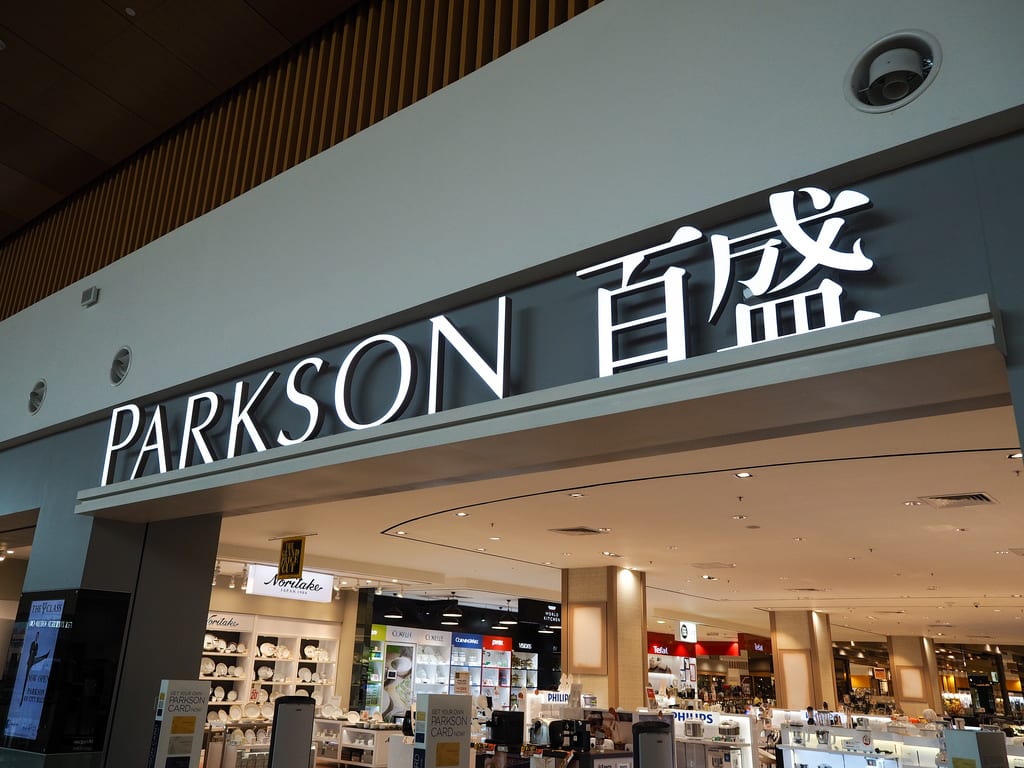
    Department store Parkson Retail Asia has managed a turnaround with profit before tax (PBT) of S$35 million (US$25.8 million) for the year ended June 30, compared to a pre-tax loss of $40.6 million the previous year.

    Profit was boosted by gain from a partial disposal of equity interest in Parkson Hanoi (PHCL) of $45.6 million. A subsidiary of the group, PHCL is now an associate company.

    On a same-store basis, PBT for the year fell by 46.9 per cent year-on-year to $17.4 million.

    For Malaysia, PBT declined by 28.9 per cent through negative same-store sales of -6.5 per cent and weak local currency; Vietnam had a pre-tax loss of $0.5 million with -2.9 per cent same-store sales; there was a pre-tax loss of $3.2 million in Indonesia; while Myanmar’s results were affected by uncertainty arising from redevelopment plans for the FMI Centre where the store is located.

    For the group’s fourth quarter, same-store sales grew 21.5 per cent in Malaysia, attributed to early festive buying arising from a shift in the Hari Raya calendar as well as the same quarter last year being hit by low sales following the introduction of the Goods & Services Tax.

    New concepts

    New concepts have been initiated, such as introducing Korean apparel, affordable private labels, and specialty shoe stores.

    “We have been consolidating our department store space by identifying non-performing stores with the view to closure upon tenancy expiry,” says Parkson.

    In Myanmar, the group had a 25 per cent decline in same-store sales, affected by plans to close the FMI Centre, while Vietnam had a 4.1 per cent decline for the quarter, with the discretionary retail environment difficult amid an increasingly crowded retail scene.

    Indonesia was more positive with 7.3 per cent growth in same-store sales, mainly because of early festive buying as a result of a shift in the Lebaran calendar.

    Overall, gross sales proceeds (GSP) and revenue for the quarter grew by 9.8 per cent and 10.9 per cent respectively to $232.1 million and $93.9 million. However, GSP and revenue declined by 10.2 and 9.4 per cent respectively to $967.7 million and $388.4 million.

    The group’s pre-tax loss for the quarter was $13.4 million. Contributing factors included impairment on fixed assets for two loss-making stores of $5.4 million, impairment on prepaid rental and rental deposit of $3.3 million, provision on deposit for a managed store in Ho Chi Minh City of $2.2 million, and the initial loss-making periods associated with new stores and businesses.

  • Isetan Philippines in planning

    Isetan Philippines in planning

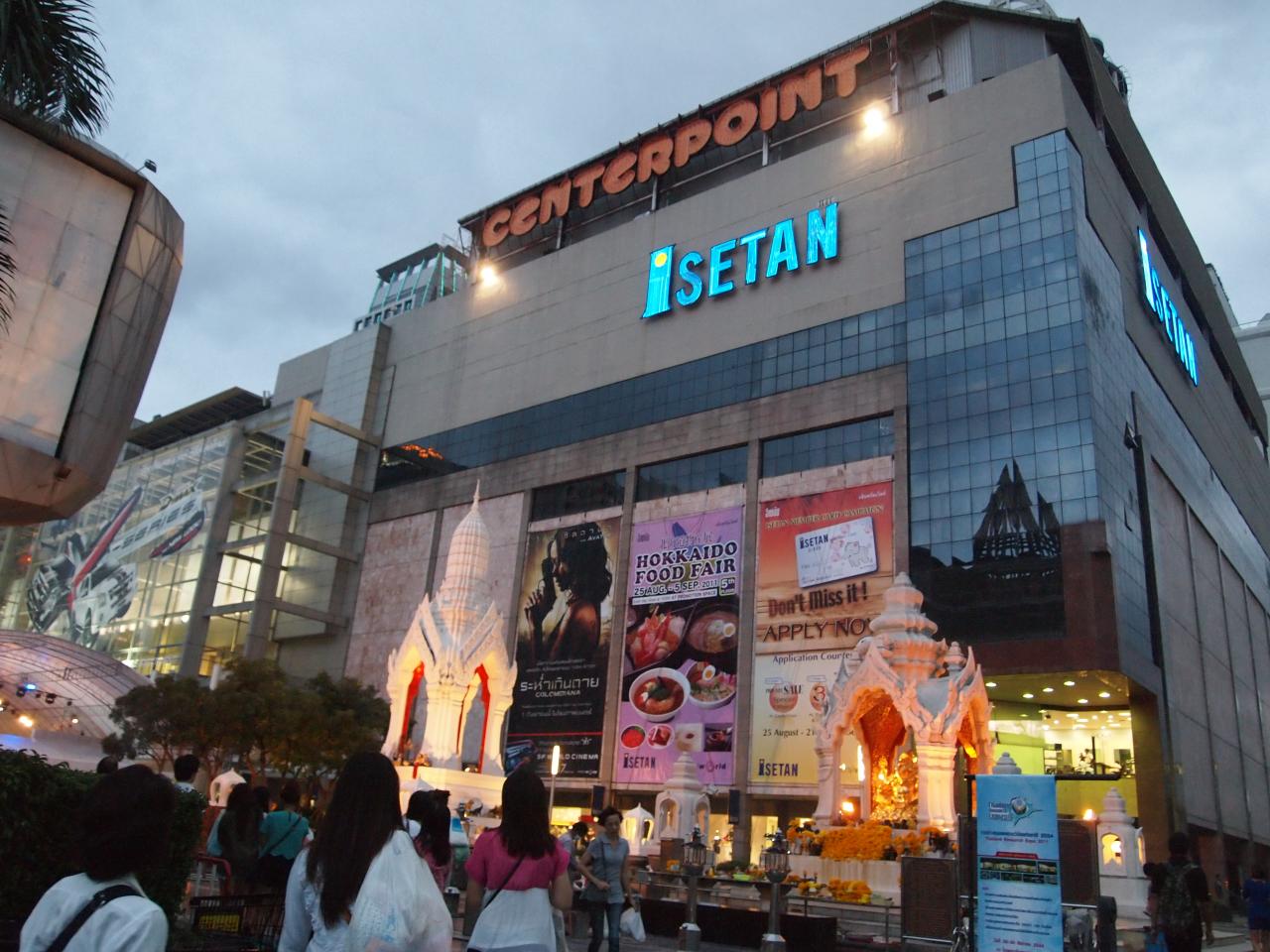
    A Japanese department store operator has set its eyes on the Philippines to build commercial-residential facilities by 2022.

    Isetan Philippines will work with Nomura Real Estate Holdings to build properties in Manila. The project is projected to reach approximately $500 million.

    The developer, a rival of Takashimaya, plans to erect four 40-story condo buildings with more than 1500 residential units on a 15,000 sqm lot.

    Isetan’s parent, Isetan Mitsukoshi, will operate a department store and other commercial facilities on the lower levels of the buildings. The retail giant plans to offer products developed in-house in addition to local favourites..

    According to reports, the Philippine project is part of Isetan Mitsukoshi’s Asia’s expansion amid Japan’s shrinking domestic market.

  • What lies behind the Gap sales decline

    What lies behind the Gap sales decline

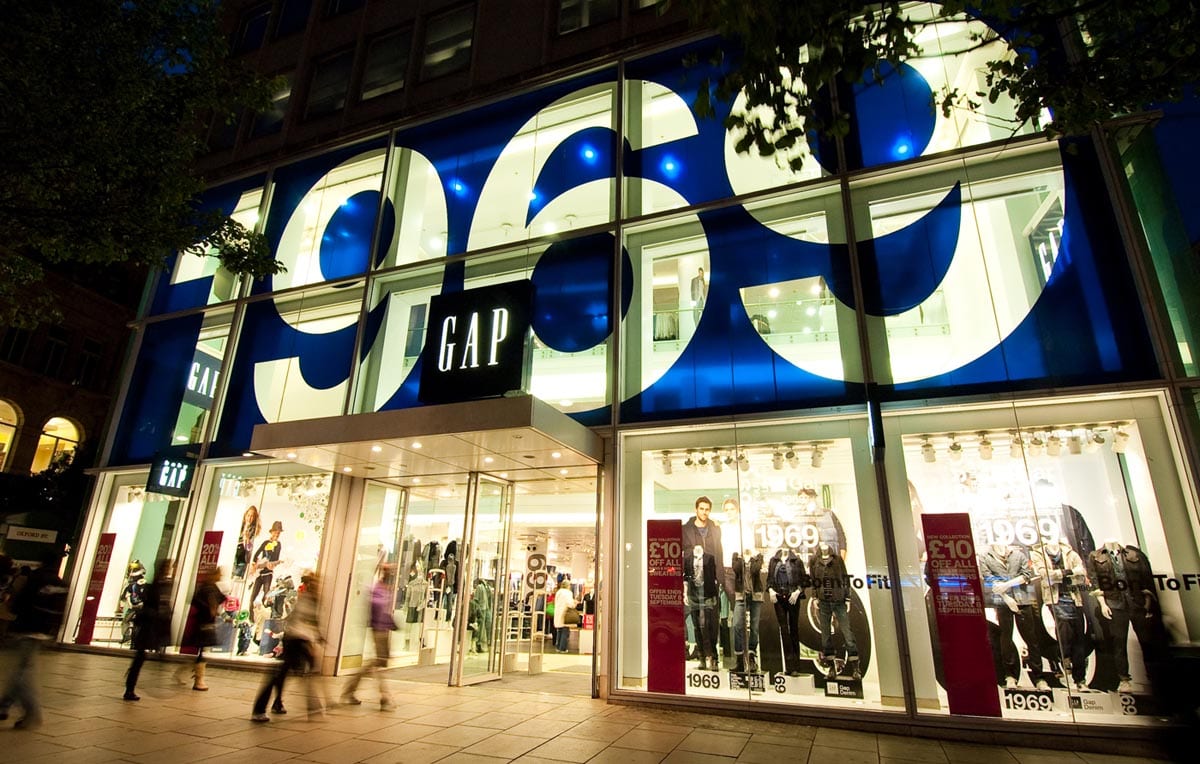
    That the overall pace of the Gap sales decline has moderated since both last quarter and last year is the only – very small – crumb of comfort for Gap Inc in its latest set of results.

    Gap last week reported a profit of US$125 million for the quarter, down from $219 million a year earlier. Total revenue declined 1.2 per cent to $3.85 billion.

    The total sales decline in the US is actually worse than last year with much heavier declines at Banana Republic and flat growth at Old Navy dragging down performance.

    Looking in stores it is not hard to see why this is the case. The Gap brand has no sense of newness and heavy discounting and constant promotion still appear to be the only tools the company has to drive trade. From Conlumino’s data it is clear that in the US Gap is not only losing customers but the customers it has retained are visiting less and spending less – mostly thanks to taking advantage of offers and deals. This is a dangerous position that erodes sales and profit, and suggests Gap has not even begun to remedy its underlying problems.

    Although it is clear the company is serious about creating a step change at its main brand, and while the autumn “#DoYou” campaign and its associated merchandise represent a small step forward, Gap has failed to convince it has done enough to correct the problems in its business.

    While Gap has troubles, Banana Republic is even more problematic. Over the quarter total sales in the US fell by 7.1 per cent, and on a global basis comparable sales for Banana shrunk by 9 per cent off the back of a 4 per cent decline in the prior year. The assortment is at the heart of Banana’s issues and symbolises a brand that has simply lost its way. The spring and summer collection is best described as predominantly bland with a generous sprinkling of oddness thanks to garments with strange cuts and patterning. Customers are confused and, of course, increasingly unwilling to pay the premium that Banana Republic once commanded. As a consequence the brand is falling into exactly the same trap as Gap as it resorts to discounting and deals to shift merchandise.

    Banana Republic is a smaller part of the group, but it is one in which a turnaround will be difficult to engineer. For this reason, it is getting set to completely shutter its UK, and possibly European, operations. As much as this retrenchment is an admission of failure, it is a necessary contraction given the parlous state of the business.

    Old Navy, which once delivered consistently positive numbers, spluttered again this quarter with flat growth in the US. While this brand is in a much better position than its siblings, it has become much less consistent in its marketing and instore merchandising, something which is reflected in its choppier sales numbers.

    Gap Inc is a troubled retailer without much of a plan – a plan that is desperately needed as its net profit decline of 43 per cent in this quarter aptly shows.

  • Sennheiser Singapore store an Asian first

    Sennheiser Singapore store an Asian first

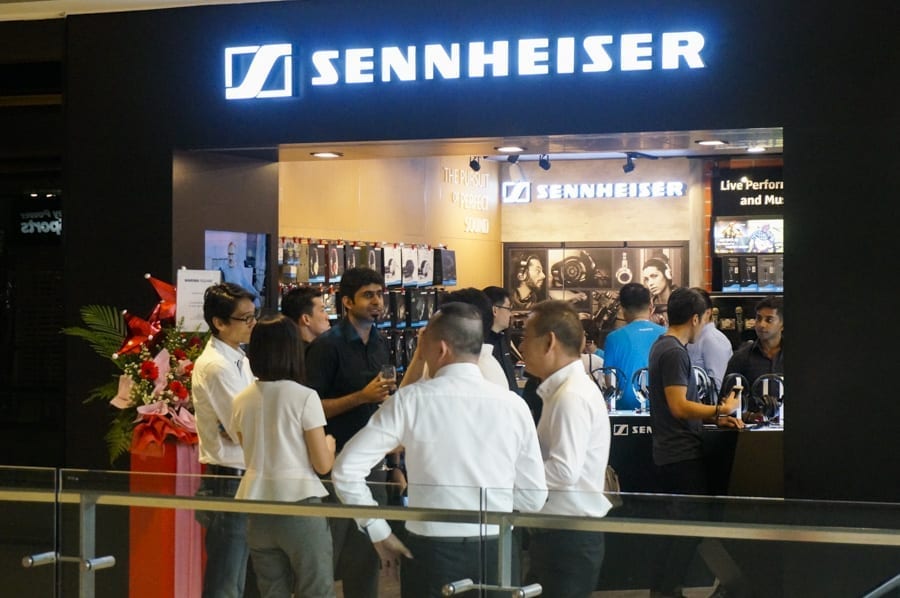
    Headphone brand Sennheiser Singapore has opened its first store, at Marina Square.

    After its home country Germany, the store is only its second fully owned outlet, but it is the only one to offer a one-week free trial service.

    sennMS-10 (1)

    Customers can take home the HD650, HD800S and Momentum Wireless models to trial for a week. The company says this will allow customers to experience product features to help them decide which model to buy.

    Sennheiser also offers a pick-up and drop-off  point for customers who want to have their products checked and/or repaired. This saves them having to go to the company’s service center at Alexandra Technopark.

    Compared to the previous outlet run by a distributor, the new Sennheiser brand store offers a wider range of products. As well as headphones there are microphones – models mainly used by musicians and video journalists – as well as enterprise audio products.

    “Singapore is a key market for us, and this is an integral part of our regional go-to-market strategy,” says Sennheiser Asia sales and marketing VP Martin Low.

  • Raja Ampat launches tourism and conservation website

    Raja Ampat launches tourism and conservation website

    The government of Raja Ampat, West Papua, has launched a website on tourism and conservation to support tourism services in the region.

    The government is striving to boost innovation, Head of the Public Service Regional Office Technical Implementation Unit (BLUD UPTD) Water Conservation Area Raja Ampat Adrianus Kaiba noted in a press release received by Antara in Manokwari on Thursday.

    A technical institute, since its establishment in 2015 and under the coordination of the Department of Marine and Fisheries Raja Ampat, has been given the authority to manage water conservation in the area.

    He remarked that it was committed to improving services. Launching a website is rated as a step forward to improve the quality of services offered to both domestic and foreign tourists.

    “As a conservation area, we felt it was important to manage conservation in a professional and sustainable manner for the preservation of nature in this area,” he pointed out.

    He emphasized that the website was launched by Raja Ampat Regent Faris Abdul Umlati at Kampung Saonek, South Waigeo District, Wednesday (Aug. 17). It is part of a series of celebration activities to commemorate the 71st anniversary of the countrys independence.

    Kaiba said any information on water conservation in Raja Ampat can be updated on www.kkpr4.net, which is developed by BLUD UPTD.

    Meanwhile, Umlati highlighted that the website provides information on various conservation initiatives, scientific research, as well as water conservation activities being carried out in Raja Ampat in a sustainable manner.

    He believes the website will help domestic and foreign tourists obtain information regarding Raja Ampat, mainly related to water conservation.

    Moreover, Umlati remarked that the website is important to ensure that the areas biodiversity is always maintained and can be enjoyed by future generations.

    The Raja Ampat Islands are located at the northwestern tip of West Papua Province. They are located right in the heart of the coral triangle and are the worlds center of marine biodiversity.

    The results of ecological studies by The Nature Conservancy and Conservation International showed that Raja Ampat is home to 75 percent of the coral reefs in the world, with 553 species of coral and 1,437 species of reef fish.

    The waters in the area have abundant resources to provide sustenance and a means of livelihood for more than 40 thousand people spread across 135 villages in Raja Ampat.

    Local communities in Raja Ampat have cultural links and strong traditional ownership rights over the land and sea territory.

    Local authorities, through the BLUD UPTD Water Conservation Area, continue to ensure that water conservation is being carried out effectively, efficiently, and professionally.

    This step is being taken to ensure preservation of the natural resources and to improve the experience of tourists visiting the area to enjoy its natural beauty.


  • Tokopedia Tops Indonesia`s E-Commerce Website List

    Tokopedia Tops Indonesia`s E-Commerce Website List

    Seven years after its establishment, start-up company Tokopedia continues to strengthen its foothold in Indonesia’s e-commerce market. Tokopedia CEO William Tanuwijaya said that there are currently one million registered sellers in Tokopedia.

    “Over 16.5 million items are delivered monthly to buyers in Tokopedia,” William told Tempo, Wednesday, August 17, 2016. “The items are sent [to various regions] from Sabang to Merauke. The volume reaches trillions of rupiah per month,” William said during Tokopedia’s 7th birthday party at Pullman Hotel Central Park, Jakarta.

    William said Tokopedia has successfully become Indonesia’s most popular e-commerce website. Per SimilarWeb data, Tokopedia (9th in Indonesia) ranks above Twitter and Wikipedia. Data from Appnie also show that Tokopedia app is used most often compared to other e-commerce websites, such as Lazada (16), Bukalapak (17), Blibli (22), Elevenia (18), or Mataharimall.com (20). Its total active users are twice of other e-commerce website users.

    William said Tokopedia was started with a dream of providing an equal opportunity for all Indonesians. “Today is Tokopedia’s seventh year in realizing the dream,” William said.

    Willian said consumer behaviour has changed in the past few years. “Two years ago, mobile visitors were 56 percent and contributed to 29 percent of purchase. Yet, in the first half of 2016, 79.55 percent of visit were mobile and the transaction volume hit 73.5 percent,” he said. Today, a total of 1.3 billion pages are opened monthly in Tokopedia.

    Tokopedia is currently making efforts to help vendors by establishing cooperation with banks to distribute loans of up to Rp18 billion per vendor.

    “Our mission is to ensure all Indonesia a digital access to economic equality,” William said.

  • HK netizens support smart city push

    HK netizens support smart city push

    More than 50% of local internet users believe it is important for the government to transform Hong Kong into a smart city, according to a HKIRC survey.

    Hong Kong internet users believe that a smart city transformation will help them save time (79.6%), enhance the quality of life (77.4%) and live green (62.4%).

    HKIRC revealed the results of the survey at its eighth Digital Marketplace seminar at Cyberport last week, which had the theme of “Smart City Business ─ Shaping Our Future.”

    At the event speakers from MTR, PwC Advisory Services, Future Impact Lab Limited, The Chinese University of Hong Kong, JOS, Realmax Hong Kong, Smart City Consortium, Cyberport and Octopus Cards shared their thoughts on various smart city topics.

    The survey also showed that over 70% of respondents are interested in smart technologies in the near future.

    Among those willing to spend 11% or more of their monthly incomes, 38.2% would like to spend on smart healthcare or education, 37.6% on smart living, 31% on smart safety, 29.2% on smart finance, 29% on smart mobility and 27.7% on smart utility.

    HKIRC noted that this implies there is massive business potential for startups and enterprises in the emerging smart city technology space.

    But despite seemingly strong support for smart city policies, respondents believe there is still plenty of room for improvements in terms of the breadth and depth of products and services in smart government, smart living, smart mobility and smart economy.

    “The survey results echo the government’s spearhead action in Smart City development.” HKIRC chairman Simon Chan said.

    “This year’s DMP demonstrates a strong demand from the public for Smart Technologies, and the business community is ready to launch products and solutions to meet the needs. We are happy to see that the city has started to emerge itself into a Smart City.”

  • Qihoo 360 launches new advertising initiatives

    Qihoo 360 launches new advertising initiatives

    Chinese internet company Qihoo 360 is rolling a number of initiatives to help CMOs better connect with Chinese netizens.

    The company, named by iResearch as the number one provider of internet and mobile security products in China based on user base, is looking to make advertising effective in China’s fast-growing online market.

    Many global brands are looking to capture the potential of China’s large pool of netizens. With global brands competing with large local brands, CMOs need to fine tune their digital strategy in a market where most consumers prefer to shop online, and increasingly via their mobile phones.

    Qihoo 360 has built one of the largest open internet platforms in China to monetize its massive user base, which is 99.6% of Chinese netizens, primarily through online advertising and through internet value-added services on its open platform. Through its Qihoo 360 International Advertising Unit, the company services over 250 advertising business customers in Hong Kong and overseas markets.

    The new product updates include Huajiao, a livestreaming app showcasing user-generated content that is now available in Hong Kong. Another product, 360 Mobile Security, will soon be available for advertising placement in Hong Kong for selected advertisers, allowing them to precisely target Chinese tourists during their travels.

    Six business core business strategies were also announced for 2H 2016, including “more innovative products”, “more professional support in planning”, “more responsive customer service”, “more comprehensive technology upgrades”, “more powerful voice on behalf of the market”, and “more effective tools and systems.” they aim to help CMOs to target Chinese online customers more effectively.

    “Today, we’re pleased to showcase the power of our big data analytics services, together with the announcement of our latest business strategies and future direction – assisting brand development and boosting advertising effectiveness with branded content,” said Dr. Michael Yang, chief business officer of Qihoo 360.

    “Qihoo 360 connects with 96.6% of Chinese netizens. We aim to help Hong Kong and overseas brands effectively and accurately connect with the right audience in the China market through a comprehensive product portfolio,” he said.

  • StarHub brings back 12GB+ mobile data bundles

    StarHub brings back 12GB+ mobile data bundles

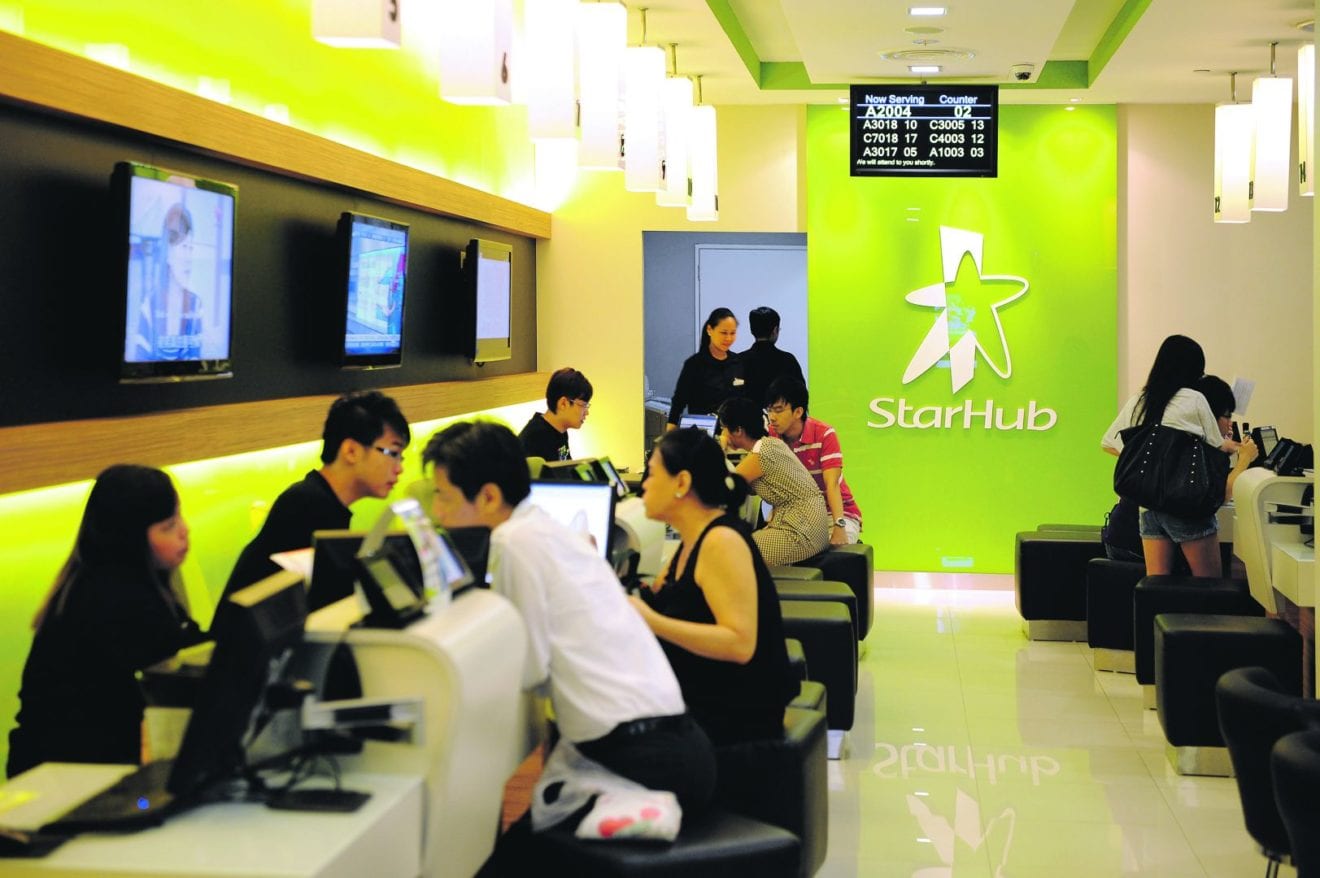
    Singapore’s StarHub has launched a new range of plans bundling large volumes of mobile data with 1Gbps fiber broadband subscriptions.

    The operator’s new SurfHub plans include between 12GB and 24GB of 4G data as well as the 1Gbps home broadband plan.

    Prices start at under S$100, which is about half the cost of a standalone 12GB mobile plan, StarHub head of product and marketing Wang Li-Na said.

    “We know customers miss the freedom that huge data bundles offer and wish they were as affordable as before. Faster 4G technologies have catalysed the adoption of data-intensive services, and our customers are now sharing more and watching for longer on their smartphones, she said.

    “With SurfHub, we want to continue giving our Hubbing customers the best value, which is what StarHub is known for.”

    The plans also come with between 150 minutes and 700 minutes of talk time and 1000 to 1500 SMS, and offers for 50% off value-added services including international roaming, multiSIM and the StarHub Go Select online streaming service.

    StarHub has also increased the mobile data allocation for its five-services-in-one pack HomeHub Go – which combines 3G and 4G mobile broadband, fiber home broadband, fiber TV and home phone services – to 15GB.

  • Vodafone Fiji launches LTE-Advanced

    Vodafone Fiji launches LTE-Advanced

    Vodafone Fiji has become one of the first operators in the Pacific to roll out an LTE-Advanced network.

    The operator has gone live with an LTE-A network that currently covers 65% of the population, and aims to expand this to 85% by Christmas. The network offers theoretical peak downlink speeds of 225Mbps.

    Customers with compatible smartphones will be able to take advantage of the LTE-A network without any additional costs or setup requirements.

    Vodafone has had a presence in Fiji since 1994, and has now been the first mobile operator in the country to roll out every generation of mobile technology since upgrading from 2G to 2.5G GPRS. The company first launched 4G services in the market in 2013.

    “[The rollout] ensures that Fiji is on par with the developed countries in the world and remains on the forefront of digital revolution,” Vodafone Fiji CEO Pradeep Lal said.

    “Billions of people across the world are already online and more are expected to join them in the next few years as broadband coverage expands transforming the world into a highly connected and interactive world. The world is fast evolving with the power of mobile communication and Internet of Things are no longer seen as a distant future but more so is happening now.”

  • M1 commences Singapore’s first HetNet rollout

    M1 commences Singapore’s first HetNet rollout

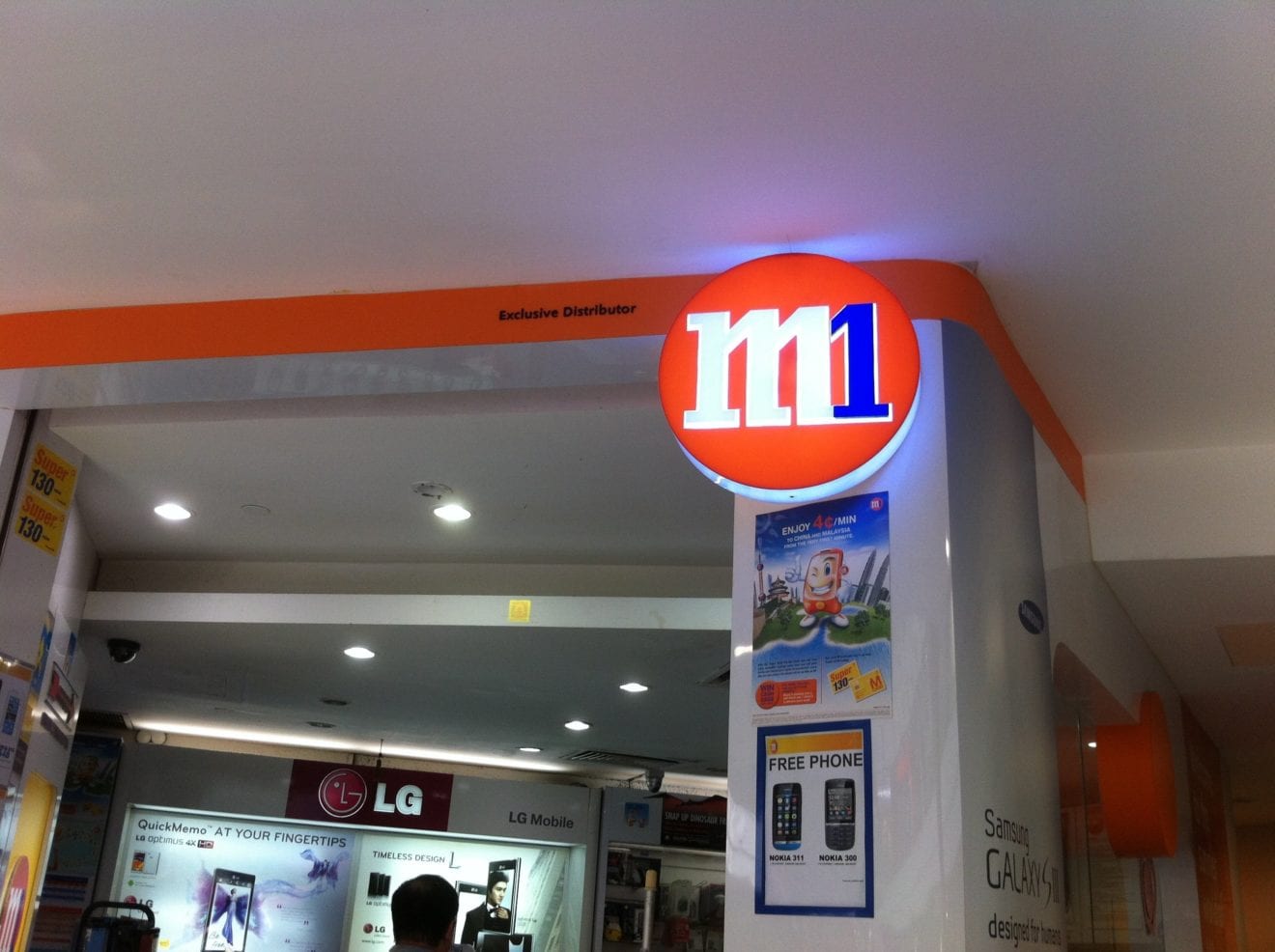
    Singapore’s M1 has announced it has commenced Singapore’s first commercial HetNet rollout in collaboration with Nokia.

    As part of the rollout, M1 plans to progressively deploy Nokia’s Flexi Zone small cells and Wi-Fi equipment at hundreds of high-traffic hotspots across Singapore, including mass transit stations, malls and popular outdoor areas.

    The operator will also use small cell technology to bring connectivity to hard-to-reach areas including car parks, basements and parks.

    M1 plans to use LTE-WiFi Aggregation (LWA) technology to deliver peak download speeds of more than 1Gbps over its 4G+ network by 2017.

    The rollout follows HetNet trials earlier in the year at multiple locations including three MRT stations. During the trial, download speeds were improved by 60%.

    M1, MyRepublic, Singtel and StarHub have all been working with the Infocomm Development Authority (IDA) of Singapore on nationwide HetNet trials. M1’s participation has included trials of HD VoWiFi, as well as Wi-Fi on public buses.

    “The results from our HetNet technology trials were positive. 90% of users enjoyed a better mobile experience, with faster download and upload speeds. We are pleased that the trials have given our partners such as M1 useful insights and confidence to further enhance the mobile experience through commercial HetNet deployment,” IMDA chief executive designate Gabriel Lim said.

    The IMDA is due to be formed through the merger of IDA with the Media Development Authority (MDA) of Singapore.

    “As Singapore moves towards a Smart Nation, we look forward to working closer with companies in the tech, engineering and R&D space to develop solutions that can enhance connectivity and improve Singaporeans’ lives,” Lim added.

  • Electric car charging station companies issue warning over VW settlement

    Electric car charging station companies issue warning over VW settlement

    Electric vehicle charging companies are calling for independent oversight of the $2 billion Volkswagen AG is required to invest in clean car infrastructure, saying VW should not have the power to shape the nascent electric car charging space.

    The German automaker agreed to invest the money, which includes $1.2 billion nationally and $800 million in California, as part of its penalties for equipping hundreds of thousands of its diesel vehicles sold in the United States with software designed to cheat tailpipe emissions tests.

    While charging station companies called the money a potential “game changer,” they worry that if it is misspent, it could hurt competition.

    “The agreement shouldn’t pick winners and losers, especially given that this emerging market transition will in no small part define 21st century transportation,” twenty eight companies, including ChargePoint, EV Connect and Electric Vehicle Charging Association, said in a letter to the U.S. Justice Department on Friday.

    The letter, seen by Reuters on Tuesday, said an independent administrator is key to ensuring that the program treats all industry participants, regardless of business model and technology, fairly.

    VW did not immediately respond to a request for comment.

    “The program should be structured to benefit drivers in California and across the nation, not enable the settling defendants to enter or influence the markets for (zero emission vehicle) charging and fueling equipment and services,” the letter said.

    It said regulators should earmark some of the funds for a rebate program to incentivize employers, apartment owners, workplaces and other facility managers who want to install EV charging stations.

    A shortage of charging stations at workplaces and multi-unit apartment dwellings is seen as a key hurdle to the widespread adoption of electric vehicles.

    VW’s plan for spending the $2 billion, which has yet to be released, will be overseen by the California Air Resources Board and the U.S. Environmental Protection Agency.