Author: Mei Ling Tan

  • The seven reasons for Alibaba’s success ; Alibaba’s development and framework

    The seven reasons for Alibaba’s success ; Alibaba’s development and framework

    Alibaba was initially founded in Jack Ma’s apartment in Hangzhou in 1999, before Alibaba.com was launched later that same year. In 2003, as the number of Internet users in China reached 80 million,[1] Taobao.com was launched as an online market. Shortly afterwards, both Alipay and Aliwangwang (instant messenger on Taobao) were launched to complete the purchasing process in Taobao. In 2007, the number of Internet users in China rose to 210 million[2] and Alimama was launched as an advertisement transaction platform. Taobao started to monetize that same year. Tmall was launched in 2008, as Alibaba ran both B2C and C2C platforms. In 2009, Alibaba Cloud computing was founded, illustrating Alibaba’s commitment to prioritize big data as part of its strategy. In 2010, the following three platforms were launched as part of Alibaba’s increasing focus on mobile payment: Juhuasuan (a platform for C2B); AliExpress (a global consumer marketplace) and Mobile Taobao App.

    Alibaba’s framework is based on the three following targets:

    1. Chinese customers: Taobao (online shopping destination), Tmall (brands and retail platform), Juhuasuan (group buying marketplace), 1688.com (Chinese wholesale marketplace).
    2. Customers abroad: AliExpress (global consumer marketplace), Alibaba.com (global wholesale marketplace).
    3. Support platforms: Alipay (online payment service); China smart logistic (logistic information system); Alimama (online marketing services); Alibaba cloud computing (platform for internal and third-party use).
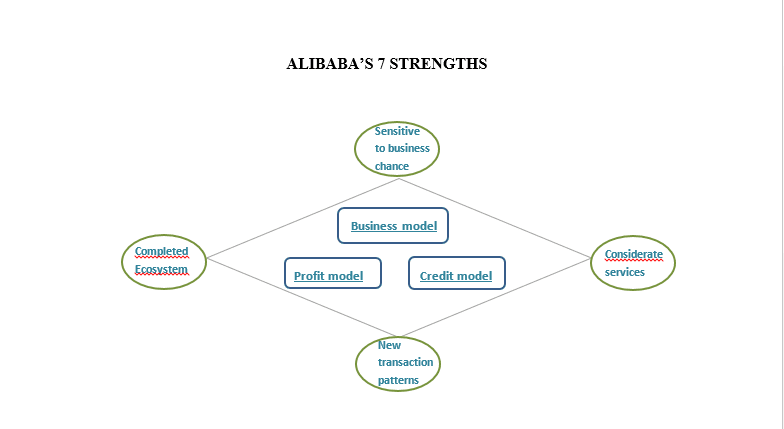
     

    Screenshot 2016-07-19 09.20.09

    The three core factors that influence Alibaba are its Business model, Profit model and Credit model. In addition, there are four subsidiary factors namely considerate service, sensitive for business chance, new transaction patterns and completed system supporting Alibaba to gain its success.

    1. Alibaba’s unique business core to provide services mainly to small enterprises and individual defines a unique business opportunity which not only emancipates the productive forces of small enterprises but also offer much more diversified consumption choices for consumers.

    Alibaba’s service offer focuses on small enterprises. Whether we talk about 1688 – a B2B eCommerce platform specifically aimed at wholesale and procurement business – Taobao (including Tmall business shopping mall) – a B2C & C2C eCommerce platform gathering numbers of individual sellers – or YiDaTong (the largest Chinese professional import and export agent) which not only subsidizes small enterprises but also helps them accumulate credit through history data, all three of Alibaba’s core businesses mainly focus on providing services to small enterprises helping them create value which could not be accomplished by any of them individually (such as cost control). Additionally, the three core businesses represent a complete eCommerce ecosystem.

    The focus on small enterprises also leads to a phenomenon whereby a large variety of goods are available to a large variety of target consumer groups (age, profession, wealth, etc.) on the platform. In 2014, the Alibaba platform as a whole experienced a total transaction volume of 2.3bn CNY (close to 330 bn EURO).

    1. Alibaba’s profit model that Alibaba gets profits by charging services in marketing and technical supports rather than by charging admission fee contributes to a large and robust market share made up of loyal customers.

    Alibaba’s profits mainly come from advertisements and keyword bidding within platforms, which in total represents 57% of profits. The second most important source of profits is the variety of technical services based on big data of consumer behaviors, representing 25% of profits. One of the important reasons why Alibaba could beat eBay China can be found in their strive to cultivate the online transaction habit among Chinese customers by allowing sellers to register for free and by removing intermediate fees. EBay China, on the other hand, was in a rush to harvest the Chinese market by charging fees for all transactions completed on the platform. Taobao thus gathered a large number of sellers, thereby encouraging an even larger number of customers to purchase via the Taobao platform. Hence, Alibaba successfully developed a strong and loyal online customer base.

    Nowadays, the Alibaba platform represents more than 0.5bn registered users, among which there are more than 0.23bn active buyers and more than 8m active sellers. The Annual orders already exceed 11bn. [3]Thanks to the large number of customers on the platform, Alibaba can make use of advertisement, keyword bidding and customer’s data for profit. Advertisements on Taobao can generate thousands of clicks for a single brand; the bidding for keywords contributes to the higher ranking of brands in search results; technical services assist sellers in the management of their online store and relationship with customers through analysis of customers’ preferences and feedbacks.

    1. Alibaba’s accurate credit model, which builds a third-party payment platform as a bridge between consumers and e-stores to standardize payment process and to protect consumer’s rights, helps to develop a good and trustworthy reputation among customers.


    • All sellers on the eCommerce platform are requested to pass an online certification test to verify their identity information.

    Such certification ensures the supervision of sellers on the platform at all times and reduces the possibility of illegal transactions.

    • All transactions are recorded and can be traced back by both sellers and customers. Based on the records, Taobao set up a system to measure the degree of integrity of both actors.

    Such a system ensures that any fraudulent behavior is published for everybody to see and can lead to a significant loss in the number of future transactions because of the lack of the other party’s trust. The system protects the legitimacy of each transaction and helps customers chose more reliable sellers.

    • Alipay is an online payment platform, combining ease of use, safety and efficiency. Payments are first transferred to Alipay. Once the buyers have received their product and ensured they are not faulty, the payment is transferred to sellers from Alipay. If the product is faulty or does not meet the expectations of the buyer and returned, so is the payment.

    When eCommerce first appeared in China, the safety of online purchases was the most important problem that concerned customers. Alipay provides a reliable solution which has won the trust of Chinese customers. Because of its convenience, Taobao attracts more and more online shoppers. Nowadays, people can use Alipay to pay for any fees arising in their lives in general. Besides, Alipay allows customers to purchase goods on credit used in the current month and paid back the following month. Up to 2013, the number of users in Alipay approached 0.3bn while the number of transactions reached 900bn CNY (about 128bn EURO) and the active users of the Mobile terminal reached 0.1bn which exceeded the number of users on PayPal.

    • Online feedback is largely encouraged. The more comments a customer writes for products, the more discount coupons he receives.

    Word of mouth can strongly influence customer’s behavior, especially when all information concerning a particular product is more difficult to find. The large amount of comments can guide and encourage customers in their purchasing experience and help them pick out their preferred product, while reducing post-purchasing regrets.

    1. Alibaba’s considerate service offer provides a comfortable purchasing environment and a positive online customer experience leading to high user engagements.

    Based on the analysis of its large customer base, Alibaba always knows how to provide the most suited services for optimal customer satisfaction. It helps sellers to maintain positive interaction with buyers; it offers online business training for various stores; it introduced a special coding system to manage the large number of stores on the platform; it developed its own instant communication tool to improve seller-buyer communication exchange; it enables the reimbursement of any product ensuring payment return within the following seven days, and so on. Those support services help sellers grow their business while helping buyers to find their preferred products, thus generating more and more transactions.

    1. Alibaba excels at identifying and seizing unique business opportunities, thereby positioning itself as a leader and developing customer loyalty.

    In China, two festivals have a major impact on people all over the country: Spring Festival (the Chinese New Year) and ‘Double 11’ (a festival created by Taobao).

    The ‘Double 11’ festival falls on November 11th, just between Chinese National Day and Christmas when people would prefer physical in-store shopping (offline). Although most customers would typically be avoiding shopping during that period, Taobao developed a campaign encouraging consumption, so much so that the day became an actual shopping festival. On that day, various brands offer different discounts and even launch new products. Customers pick out their various preferred products and purchase them online on November 11th. In 2014, ‘Double 11’ generated over 1bn CNY in total trading volume for Tmall within the first three opening minutes. Within the first 14 minutes 2 seconds, volumes exceeded 5bn CNY. Total volume for the day reached 53bn CNY (approximately 7.6bn EURO)! In a single day, Taobao generated revenue of 1.5bn CNY and net profit of more than 0.5bn CNY (approximately 71m EURO).[4]

    The ‘Double 11’ day has successfully developed a new popular shopping event for the majority of customers in China. At such an event, the various Tmall sellers’ needs for advertisement and software services increase largely. Alibaba thus gains enormous profits from the event, while both sellers and buyers rely more on the open platform. Alibaba’s advantage in cloud computing also represents a valuable asset for the shopping festival.

    1. Always keeping an eye on customers’ evolving needs, Alibaba dares to challenge the traditional transaction patterns and explores new ways to create more value for customers.

    C2B transaction model: When customers are in particular predominance for a certain transaction, Alibaba deploys the C2B transaction model to reduce costs in the traditional supply chain and shortens the time required for product turnover, thereby increasing customer satisfaction. On the one hand, Alibaba gathers a large number of scattered customers who express the similar needs to form a powerful purchase group that can buy single products at a wholesale price. On the other hand, Alibaba takes advantage of its massive online customer behavior data to develop products suited to particular customer habits. For example, the analysis may show that customers based in south regions use their dryers more frequently on account of the wet weather and therefore need more resistant machines while other customers may not like vacuum cleaners which require the user to bend down when using it. In that case, Alibaba takes charge of 12 product lines in 12 brands and exerts total control over the production schedule to ensure the production of the selected products which are predicted to be in high demand within shortened production cycles. Lastly, Alibaba integrates the product the production with front-end sales to bring instant personalized products to customers. Within the single day of May 8th 2014, Tianmao sold 180,000 sets of the 12 products which equated the sales volume for a period of 3 months on the internet.

    O2O strategy: In Alibaba’s plan, customers can purchase a product by scanning two-dimensional codes and then receive products with another code which involves the interaction of the instruction and after-sales functions. Customers can also take part in various brand-run initiatives and receive targeted advertisements by scanning corresponding codes. In order to accelerate the plan execution, Alibaba is actively developing its expansion to mobile terminal areas – “Alipay Wallet” represents one such significant trial. “Alipay Wallet” not only provides different ways for payment such as code scan and direct cash-transfer, but also partners with different banks in order to provide an assistance service to customers for managing their many bills and coupons. Along with many other purchased Apps covering other domains including taxi services, maps, weather, music and travel, “Alipay Wallet” aims to transfer the content and activities of customers’ daily lives onto the O2O service.      

    1. Rather than positioning itself as a simple eCommerce company, Alibaba focuses on providing excellent service quality to both sellers and buyers, by introducing easier ways to do business for the former and developing a positive purchasing experience for the latter.

    In order to achieve its goal in terms of positioning, Alibaba keeps expanding its core business to many different domains such as advertising services, logistic network, financial services and mobile terminal services.

    1. Alimama: Alimama is an advertising platform which operates as Alibaba’s B2B system: owners of advertisement positions such as blog owners post the positions in Alimama and advertisers purchase their favorite positions according to their own criteria. Nowadays, Alimama focuses on three dimensions: Big Data, “Taobao Ke” (cost per sale mode) and the combination of video and mobile terminals. Through these dimensions, Alimama aims to help merchants find their specific target customers and help customers achieve their preferred products easily.
    2. Big Data: Besides the massive internet flow, transactions and database that Alimama represents, Ali also integrates comprehensive data resources that cover almost every aspect of customers’ daily lives through the acquisition of software companies in many other domains such as map, weather, taxi, music and travel. The accurate and diversified data can thus help advertisers select the most appropriate website advertising channels and reach customers effectively.
    3. “Taobao Ke” is a group of people dedicated to assisting merchants in the promotion of their products who receive a commission when a transaction is completed (cost per sale billing model). CPS is useful for eCommerce since people who successfully identify customers and convince them to complete a purchase are rewarded by commission.
    4. The combination of video and mobile terminal: In April 2014, Taobao bought 16.5% shares of China’s largest video site, intending to leverage the strengths of video in both PC and mobile to enable the interaction of an advertisement between the two terminals. When the audience watch advertisements during videos, Taobao will send the related information to the mobiles of people in the audience in various forms, including games and coupons to entice clicks from the audience.
    5. Ali micro finance: Ali micro finance mainly provides micro deposits and loans. It uses the data collected directly from the Ali platform: credit data and behavioral data. It translates the online customer behavior data into businesses and categorizes individual credit ratings by small enterprises according to their eligibility to apply for small loans from Ali micro finance (eg. small amount, short-term, momentarily borrow and return), as these small structures usually experience difficulty in obtaining loans in the traditional banking channels. Meanwhile, Ali’s small loan service also attaches great importance to the use of new technologies. It relies a lot on the cloud computing technology to determine whether there is a particular match between a certain buyer and a seller, whether they speculate credits, what rate the risk possibility stands at and so on. This not only ensures the safety and efficiency of the service but also reduces operating costs. In addition, the Internet makes it possible to provide a set of financial services, 24/7, 365 days a year, to large-scale small enterprises at the same time. This meets the major demand for capital resulting from the increasing number of small enterprises being founded in China.
    6. CSN (China Smart Network) project: CSN project was launched by Ali in collaboration with the four most influential logistics companies in China. Ali hopes to achieve the goal of enabling the delivery of products to buyers within 24 hours of ordering via the platform. Different logistic networks belonging to different logistic companies are integrated into forming the single most effective network in terms of parcel turnover for customer delivery. Different logistic companies focus and provide their expertise on specific portions within the network to maximize efficiency. Meanwhile, based on data analysis, Ali selects the most suitable logistic company for different portions of the network and allocates delivery businesses according to performance. As a consequence, logistic companies need to improve service quality and reduce costs, while ensuring continuous delivery. Moreover, customers can choose their favorite types of deliveries such as ‘fastest’, ‘cheapest’, ‘safest’ and ‘best service’ since the CSN can deploy the work capacities of the logistic companies.


    ALI’S FUTURE DEVELOPMENT

    Globalization

    In November 2014, Ali expanded its commercial transaction worldwide for the first time. Since that date, Ali’s global ecosystem consisting of its eCommerce platform, logistic network, cloud computing and big data has been developed further and communicated on publicly. On Tianmao International’s platform, Chinese customers can purchase goods of popular retail brands abroad directly and customers from other countries including Russia, Brazil, the US and Canada can also purchase products from China directly. Due to the reduced amount of procedures required in foreign trades without importers, Ali is able to transfer the profits from the importers to the merchants and thus cut down transaction costs. The CSN network represents a global coverage of countries to increase the convenience for parcel delivery to customers. For example, CSN developed a special supply chain in Russia allowing customers to receive products within 35 days. It also increases the cooperation with banks in other countries to improve the payment system.

    Besides the globalization of its eCommerce activities, Ali is also developing its finance business abroad. Recently, Ali has cooperated with Lending Club – the biggest online loan platform. The cooperation signifies that small American enterprises which get loans from Lending Club can now look for Chinese producers and supply sources on Alibaba’s platform.

    Taobao Village

    Focusing on eCommerce development in rural areas of China is one of Ali’s most important future strategies. In the same way that it always looks for business opportunities among small enterprises and individual customers, Ali fosters the online purchase forces in thousands of villages across China. Taobao village represents the village where active online shops reach more than 10% of local households and trading volume amounts to more than 10m CNY. The high concentration of online shops in these villages makes it possible to form an eCommerce chain made up of producers, suppliers, shops and logistics, thereby facilitating development and economies of scale. Moreover, Taobao village helps to address the problem of local unemployment (Taobao village brings about more than 280,000 jobs and the average income at Taobao village is 2.19 times higher than that found in normal villages); it contributes to the transfer of the environmental advantage into an economic advantage (since the natural and original product is welcomed by customers); and it helps to diminish the purchase gap between urban and rural areas. Up to December 2014, 211 Taobao villages were developed. Ali provides support through credit and loans, talent training and promotion.

    Develop more offers suited to more fields in customers’ daily lives

    Yulebao: An investment platform for television work with approximately 7% annual return on investment. Investors have the opportunities to meet with directors of various TV projects, take part in premieres, travel to the filming locations of certain TV programs, etc. The customer’s preference is better evaluated and will truly influence the Chinese entertainment trends. Besides, it helps high quality projects which do not necessarily have the matching high budget to get investment for production. Yulebao was launched in March 2014.

    Ali future hospital: In August 2014, Ali collaborated with a renowned hospital in Shanghai, installing Alipay to allow patients to complete their own registration process, payment and report-fetching online. Most importantly, Alipay is combined with medical insurance in order to deliver a fully automated service to customers.

    [1] The data comes from  Alibaba’s prospectus: https://www.sec.gov/Archives/edgar/data/1577552/000119312514184994/d709111df1.htm

    [2] The data comes from  Alibaba’s prospectus: https://www.sec.gov/Archives/edgar/data/1577552/000119312514184994/d709111df1.htm

    [3] The data comes from  Alibaba’s prospectus: https://www.sec.gov/Archives/edgar/data/1577552/000119312514184994/d709111df1.htm

    [4] Data comes from “Le single day Chinois bat tous les records de ecommerce”:

    https://www.le-webmarketeur.com/2013/12/10/le-single-day-chinois-bat-tous-les-records-de-e-commerce/


    Author :

    Prof. Xavier Pavie

    Associate Academic Director, MSc in Management, ESSEC Business School

    Director of iMagination Center


    Yixuan Luo

    Master student at ESSEC Business School

  • HomeSquare’s 7th Annual Smart Buy Weeks Kicked Off last week

    HomeSquare’s 7th Annual Smart Buy Weeks Kicked Off last week

    HomeSquare, Hong Kong’s largest one-stop shopping mall for home furnishing is proud to bring back its Smart Buy Weeks event for the seventh year in a row. Taking place from July 17 to August 17, 2016, more than 58,000 pieces of furniture will go on sale for as little as $1, $100, or with discounts of up to 90%, making for a perfect opportunity for new homeowners to furnish their living space without breaking the bank. In all, Smart Buy Weeks will save consumers a total of up to HK$18 million!

    A press conference/opening ceremony for HomeSquare 7th annual Smart Buy Weeks was held today, officiated by Mr. Henry Lam, Sun Hung Kai Real Estate Agency General Manager (Leasing) and Ms. Yoki Hui, Sun Hung Kai Real Estate Agency Senior Leasing Manager.  They were joined by representatives from GoGoVan and YATA Department Store, Hong Kong Design Institute as well as international designer JLee Ho Lam to kick off the annual mega sales event.

    Mr. Henry Lam estimates that the 32-day Smart Buy Weeks this year would attract more than HK$1.23 million shoppers, a 10% increase from last year.  He also expects to see stronger footfall this year, with around 184,800 visitors on opening day alone and approximately 37,768 visitors on an average weekday, representing a 10% and 9% increase from last year respecively.  Mr Lam believes HomeSquare’s annual Smart Buy Weeks will attract around 101,959 daily visitors during public holidays and weekend, which would record 10% growth from last year.  The expected retail consumption per capita would be between HK$500 to HK$5,500, with those interested in interior design likely to spend up to HK$230,000 on average.   It is expected to generate  HK$224 million business turnover to tenants, representing a year-on-year increase of 12%.

    Mr Lam adds, “HomeSquare’s annual Smart Buy Weeks always endeavors to excel beyond customers’ expectations.  We strive to surprise shoppers with innovative themes and offers every year.   With Smart Buy Weeks going into its seventh year, we believe that just offering low prices is no longer enough for today’s sophisticated shoppers who pursue quality lifestyle in home design.  Therefore, HomeSquare, being a visionary leader in home furnishing industry, has invested HK$4 million on this annual campaign this year to bring a 360-degree all-encompassing lifestyle design experience to shoppers.  With support from different business parties, HomeSquare’s 7th Annual Smart Buy Weeks will present a recorded number of sales rebates to shoppers ever.  We have set an entirely new standard on all aspects of home life, from diversified shopping offers, home design ideas, shopping process, to post-sales service.

    In recent years, consumers have developed higher standards for home decor product design and quality.  They are no longer looking for “the best deal”, but the “best valued product”, meaning product price and quality are of equal importance to shoppers.  Sophisticated shoppers will do online research, compare brands and products, learn about the product’s design philosophies and product durability, among others.  Two areas that consumers have become increasingly interested in are brand heritage and the quality of material used. These concepts are more important to consumers, even ahead of price. Consumers are more willing to buy items from an established, respected brand because they know the item could last them well from 5 years to over a decade, in addition to vintage furniture gaining value in price as time goes on, hence the continual increasing interest in high-end furniture. HomeSquare’s Smart Buys Week focuses on the aforementioned trends, and have collaborated with renowned international brands that are known for their quality and craftsmanship, these include: Denmark’s BoConcept, French mattress brand Treca, Italy’s Cattelan Italia, and Decor Collection, which exclusively handles a myriad of European brands.

     Special offers by international brands at HomeSquare’s 7th Annual Smart Buy Weeks include: 

    Brand    Item    Discount Price Quantity
    BoConcept Groove Tray 90% HK$85 9 Pieces
    TRECA Treca French Bed 90% HK$2,540 1 Pieces
    Cattlelan Italia Baum Clothing Rack HK$1 HK$1 1 Pieces
    Décor Collection Thalya Chair HK$1 HK$1 1 Pieces

    HomeSquare 7th Annual Smart Buy Weeks has interpreted “360-degree all-encompassing lifestyle design experience ” via five aspects of special offers: 

     1: Nearly 60,000 products available to fit various tastes, different home decor needs and diversified shopping behaviors: 

    This year’s Smart Buy Weeks have garnered full support from Hong Kong’s home furnishing businesses, seeing 100% home tenants’ participation, including new join to Smart Buy Weeks and most sought-after brands, offering a total of more than 58,000 items available for both online and offline purchase.  Every item is sold at a major discount, from popular brand name goods to award-winning designer pieces, to meet the needs of shoppers with different tastes and needs.  To cater to the surging demand for online shopping, HomeSquare has launched a smartphone app exclusively for Smart Buy Weeks offering a quality, easy-to-use and secure online shopping experience.  Shoppers can select and pay for furniture all on their smartphones, making online shopping at HomeSquare as easy as a snap of the fingers.

    2: Hong Kong’s first 360-degree cinematheque offering valuable insights for building one’s home: 

    For this year’s Smart Buy Weeks, HomeSquare has invited LAAB Architect, the makers behind the amazing 309-sq-ft “transformer” apartment that was covered by CNN, as well as international creative artist Ms. JLee Ho Lam to share their respective insights on building a “Smart Home” and an “Art Home”. The immersive experience includes a virtual exploration of interiors and products that are part of Smart Buy Weeks.

    3: HomeSquare partners with GoGoVan for all-inclusive door-to-door delivery service: 

    During Smart Buy Weeks, GoGoVan’s team of professional drivers will be on hand to provide door-to-door delivery service. To ensure customers don’t have to wait long for service, HomeSquare has launched a “GoGoHome 30 Second Challenge” initiative — if a GoGoVan driver takes longer than 30 seconds to pick up the shopper, coffee is on us!

    4: HomeSquare teams up with partners to present the biggest surprises and most sales rebates for shoppers ever: 

    This year, HomeSquare has partnered with GoGoVan, HSBC Credit Card and YATA Department Store to launch the most number of promotions and surprising rebates for shoppers, including some new exclusive offers to shoppers.

     5: Hong Kong Design Institute stars show off the blueprint to build a happy home: 

    This year, HomeSquare will join hands with Hong Kong Design Institute to present “Think and Do” scholarship program.   The three students awarded the scholarship will share their insights on creating unity within the home via symmetrical layout and proportional settings in the Home 360 exhibition. In addition, JLee will share the secrets to crafting an “art home” with the use of special offered products of Smart Buy Weeks.

     Be The First To Experience Immersive 360-Degree Tour Of Two Distinctive Units 

    Following the opening ceremony, Mr. Henry Lam and Ms. Yoki Hui led a press tour of the 360-degree cinematheque, which screened films on the amazing 309-sq-ft “transformer” apartment designed by LAAB Architect, which was covered by CNN; as well as the “Home. Art. Home” presented by Ms. JLee Ho Lam.  Media were offered an exclusive preview of the 360-degree virtual exploration of interiors and products that are part of Smart Buy Weeks, letting media venture into, and explore the virtual space via VR goggles.  LAAB Architect introduced to the audience the “Small Home Smart Home” while JLee explained the eight tips on how to merge art and home decor in “Home. Art. Home”. With this VR experience, Smart Buy Weeks hopes to help visitors unlock the potential to building their homes.

  • aCommerce Builds World-class eCommerce Fulfilment Capability  with Manhattan Associates

    aCommerce Builds World-class eCommerce Fulfilment Capability with Manhattan Associates

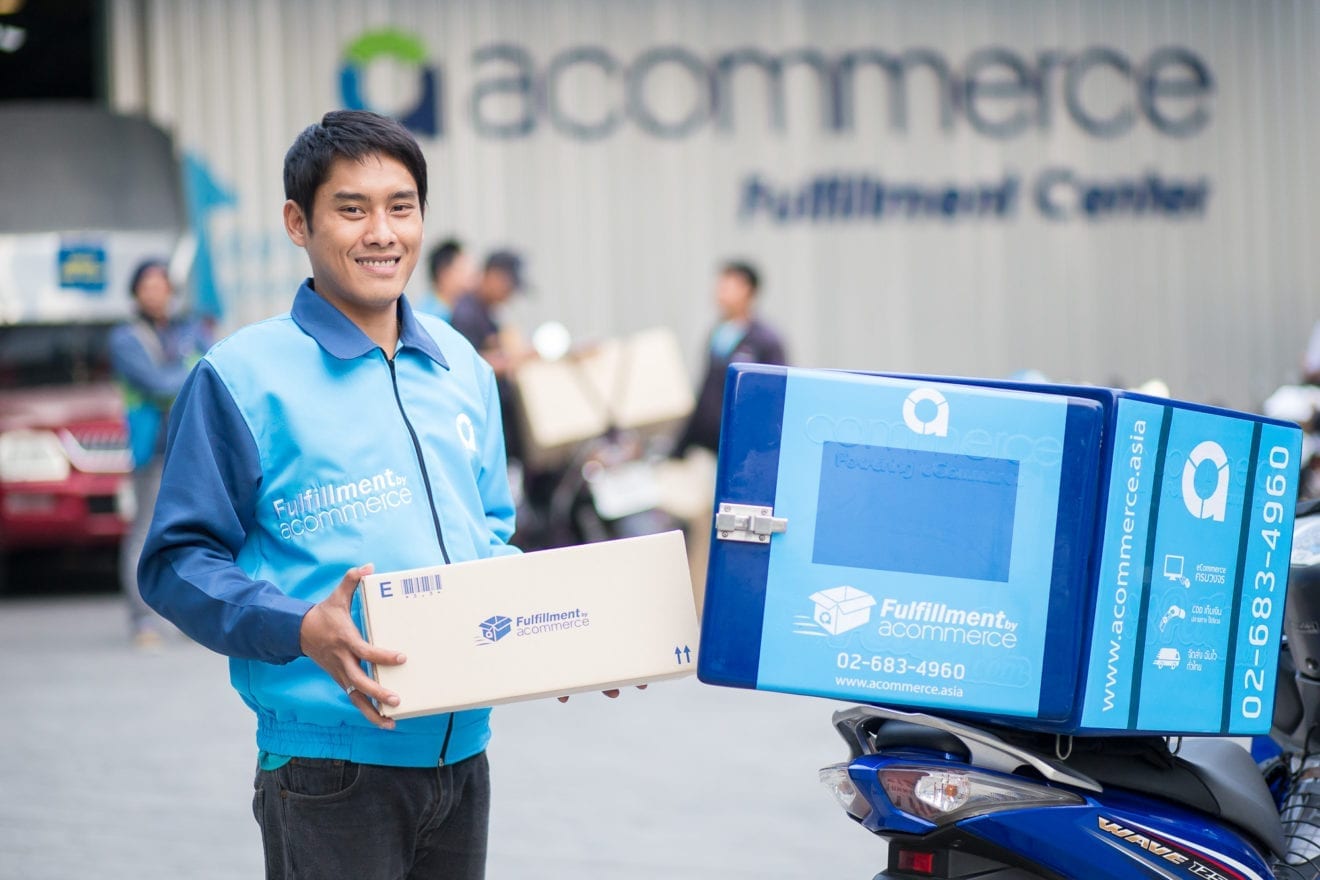
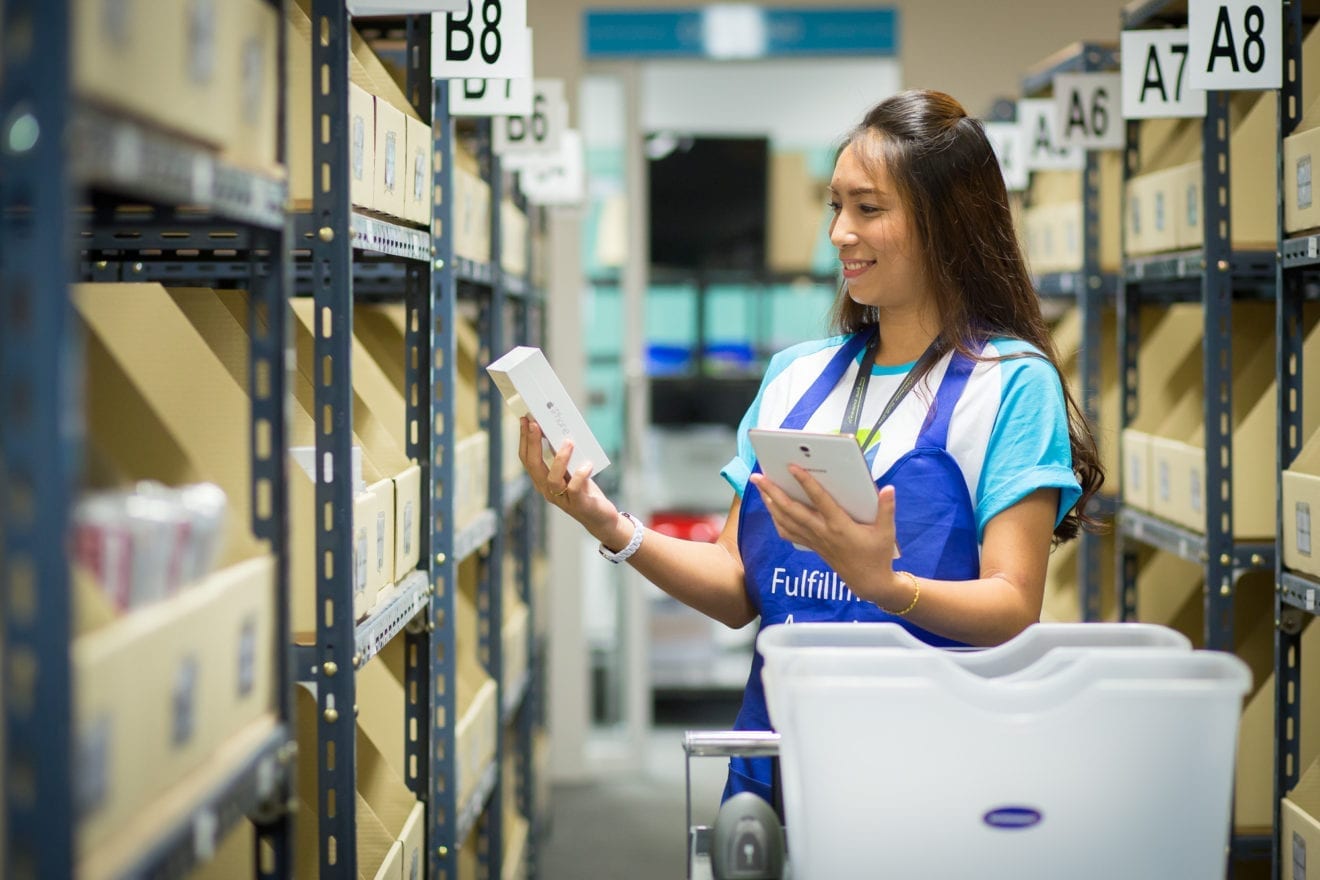
    Manhattan Associates, Inc., (NASDAQ: MANH) today announced that Southeast Asia’s leading ecommerce service provider and online distributor aCommerce has selected the Manhattan SCALE™ product suite to support its continued expansion in the Southeast Asia region. Manhattan SCALE will deliver an improved warehouse management capability across aCommerce’s warehousing estate in Indonesia, Philippines and Thailand, enabling an easier and faster integration of new aCommerce customers. The system will also provide the required degree of scalability for the business’s projected growth in the years ahead.

    warehouse_49

    While the initial implementation of Manhattan SCALE at aCommerce’s distribution centre (DC) in Thailand will be conducted by a joint team from Manhattan, aCommerce and Manhattan’s Thai GeoPartner Logiciel Consulting and Development Co., aCommerce expects its own team will manage subsequent deployments at its other DCs in the region.

    Paul Srivorakul, Group CEO at aCommerce, commented: “Over recent years, local e-tailers and international retail brands expanding into Southeast Asia have focused on building their websites and supporting front end systems but today their ecommerce strategies are increasingly structured around order execution and fulfilment processes. With the Manhattan SCALE solution, we’re aiming to drive improvements in revenue and profitability for our clients through higher service levels to the end consumer as well as give them a more efficient outsourced logistics capability.”

    warehouse_200

    Richard Wright, managing director at Manhattan Associates, Southeast Asia, commented, “Our unique platform will allow aCommerce to deliver on its customer service, distribution efficiency and enterprise growth goals, as well as create exceptional value for its retail customers and the consumers that they serve. We are honoured to be selected by aCommerce and excited to play such a key role in furthering its success as the leading integrated ecommerce services platform in Southeast Asia.”

  • AccorHotels picks Ruckus Wireless as Wi-Fi vendor

    AccorHotels picks Ruckus Wireless as Wi-Fi vendor

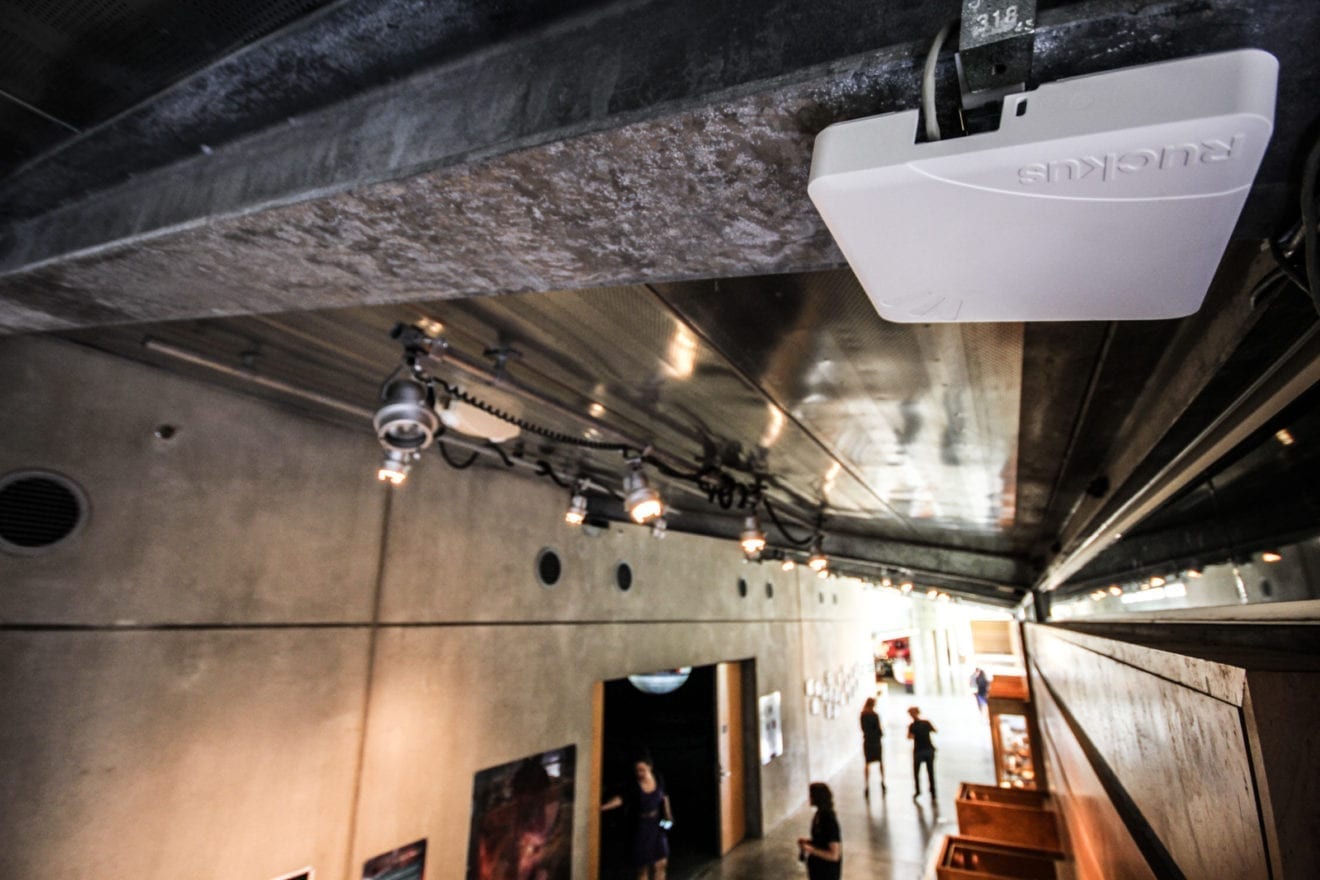
    AccorHotels Group  has selected Ruckus Wireless as the preferred Wi-Fi partner for its chain of more than 3,700 hotels in 90 countries.

    The company has started implementing 802.11ac access point technology from the vendor at hotels including Novotel Hong Kong Nathan Bay Kowloon to improve performance for both customers and staff.

    As part of the agreement, Ruckus ill also update the hotel group’ technical infrastructure to help support new standards and customer requirements.

    “Our digital strategy is hyper-focused on our customers and owners—and their expectations for high-performance, multi-access, personalized Wi-Fi services,” said David Esseryk, vice president of guest technology and innovation at AccorHotels.

    “Ruckus’ understanding of the hospitality industry and close relationship with global HSIA services providers made the choice clear-cut. We look forward to working together, streamlining processes and ultimately further enhancing our powerful brand DNA.”

    Hotels require strong Wi-Fi infrastructure to support what is often a large number of concurrent users. Guests have also come to consider Wi-Fi as a must-have requirement.

    Ruckus Wireless Wi-Fi technology includes unique selling points including directional, high-gain RF signal routing to improve coverage, performance and cost-effectiveness, making the company a popular choice for the hospitality sector.

  • APAC telehealth market to hit $1.79b by 2020

    APAC telehealth market to hit $1.79b by 2020

    Increased usage of mobile and broadband internet in the Asia-Pacific region are driving the adoption of new healthcare delivery models, new analysis from Frost & Sullivan shows.

    The research indicates that telehealth is helping to address challenges like rising costs, increasing incidence of chronic and infectious diseases, and ageing populations.

    The telehealth market in the region, which includes telemedicine, remote patient monitoring (RPM) and mobile health (mHealth), is estimated to reach $1.79 billion in 2020 from $1.02 billion in 2015, growing at a compound annual growth rate (CAGR) of 12%.

    Telehealth is helping to optimize costs, improve resource efficiency in primary care and aged care, drive medical tourism, and engage the young and healthy population in early intervention, prevention and wellness, the report finds.

    Governments in Asia-Pacific are also playing a significant role in driving technology development and adoption by investing in infrastructure, developing telehealth and eHealth roadmaps and creating policies that directly or indirectly attract investment in health technology.

    At a country level, telecoms are also working with governments to help build Smart Cities and Smart Nation infrastructure with telehealth as a key area almost always included in a Smart City plan. Such projects allow vendors to expand their presence and penetration into strategic industries and also bring in their experience and expertise from other regions to Asia-Pacific.

    However, while the demand for telehealth technologies is strong, vendors and healthcare providers in the region, have not been able to grow their businesses to the aspired scale and volume.

    “A number of pilots have failed to reach commercialization due to poor clinician adoption, an unfavourable regulatory environment and the lack of clarity around payment models,” said Natasha Gulati, Transformational Health Industry Manager, Frost & Sullivan Asia-Pacific.

    “Establishing a sustainable business model is the single most critical business challenge for market participants today and we are constantly working with our clients to introduce business model innovation in this domain,” she said.

    The report concluded that the region now needs to explore change management strategies that will drive adoption, especially among providers.

  • Telstra acquires MSC Mobility

    Telstra acquires MSC Mobility

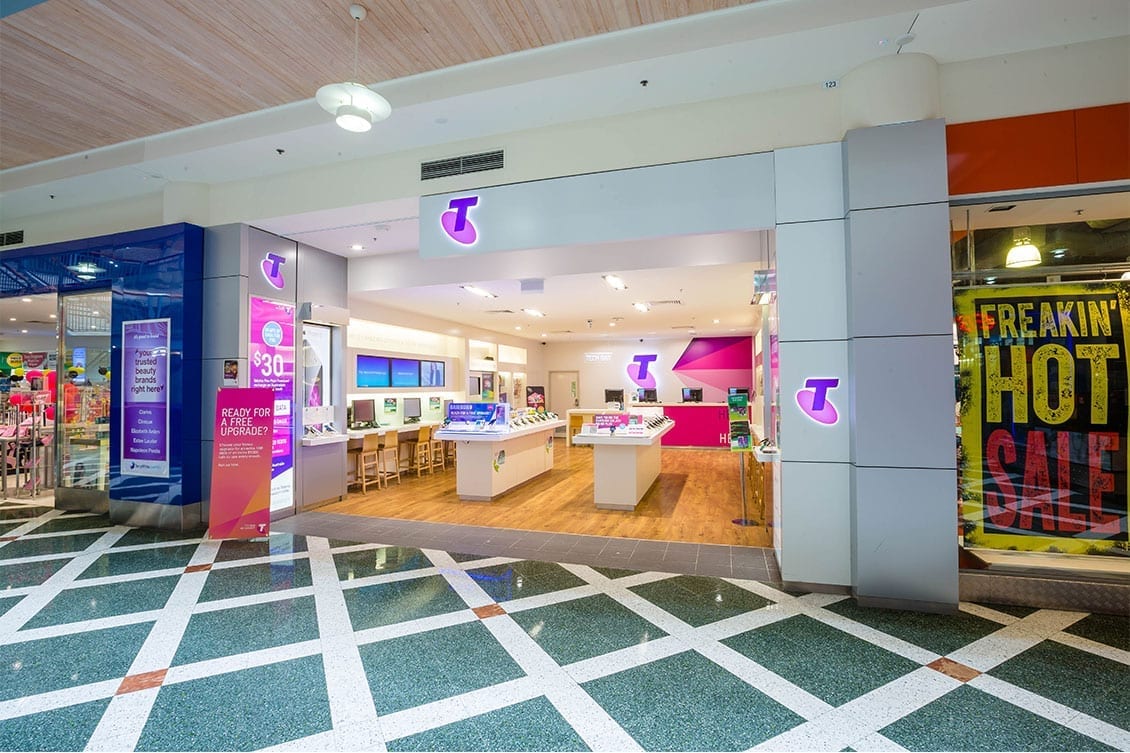
    Telstra has acquired local enterprise mobility solutions provider and decade-long channel partner MSC Mobility (MSC), in a move to bolster its enterprise mobility offerings.

    MSC provides mobile device management and provisioning services for large organizations, including providing devices and support to end users, and professional services, including strategy consulting and mobility solutions design.

    The company’s core capability is its enterprise mobility management platform, which incorporates mobile device management software such as Airwatch and MobileIron.

    The platform has already been rolled out and delivered device management services for “a large number of the telco’s enterprise customers”, Telstra said in a statement.

    Telstra did not disclose the value of the deal. The acquisition, which will be completed within coming weeks, will enable Telstra to manage the end-to-end enterprise mobility lifecycle, including valuable reporting and analytics that help customers drive better business outcomes, the telco noted.

    Telstra executive director of global products Michelle Bendschneider said that the deal is a key step in the incumbent’s focus on enterprise mobility, which has been prioritized as a fundamental part of Telstra’s growth strategy.

    “This acquisition is an investment capturing the fastest growing segment of the enterprise mobility market: managing the supply of apps, content and mobile services to enterprises,” the executive said.

    “To achieve our growth aspirations in enterprise mobility, we need to develop our customer relationships from a holistic mobility view, rather than just what sits on their device or tablet.”

    Bendschneider added that MSC’s established processes and platform can be expanded to host and support the service in Asia, Europe and the US.

    The acquisition of MSC is Telstra’s latest buy in weeks, after it acquired Microsoft partner Readify earlier this month to boost its cloud offerings for enterprises.

    In February, Telstra also made a strategic investment in Chinese cloud storage service provider, Qiniu, through its investment arm, Telstra Ventures, a month after it acquired another Microsoft partner, Kloud.

  • Valentino heading into India

    Valentino heading into India

    Italian fashion house Valentino is about to enter India, joining a growing list of luxury brands changing their focus to a buoyant retail scene far from the slowing Chinese economy.

    Valentino is reportedly dealing with IDFS Tradings and is also in talks with DLF Luxury Retail.

    Over the past few months, French luxury leather-goods maker Longchamp, Italian bespoke menswear brand Isaia and Swiss watch brand Bovet have been launched in India.

    One commentator says the possibilities of an omni-channel strategy is among factors attracting top brands to India.

  • Yum China divestment on track

    Yum China divestment on track

    The Yum China divestment is expected to be completed by October 31.

    The US fast food giant released the target date along with second quarter figures showing solid sales growth across most Asian markets, especially within the KFC division.

    CEO Greg Creed said he was particularly pleased with “the continued sales momentum at KFC China,” which delivered better-than-expected same-store sales growth of 3 per cent.

    “Yum! Brands delivered second-quarter (global) core operating profit growth of 7 per cent and earnings-per-share growth, excluding special items, of 9 per cent. Given our strong first-half results and current trends in China, I’m pleased to raise our full-year core operating profit growth forecast to at least 14 per cent.”

    Creed said the China result represented its fourth-consecutive quarter of positive same-store sales growth at KFC China.

    “Importantly, our China Division is off to a good start in the third quarter for both KFC and Pizza Hut Casual Dining, including a return to positive same-store sales at Pizza Hut in recent weeks.”

    Outside of China, challenging industry conditions in the US contributed to soft sales results.

    The separation of the China business would create “two powerful, independent, focused growth companies,” said Creed.

    “Our capital structure is fully in place and we plan to return a significant amount of capital to shareholders both prior to and after the spin.”

    Creed promised further information at an investor briefing on October 11.

    Yum China same-store sales were even, with an increase of 3 per cent at KFC, offset by a decline of 11 per cent at Pizza Hut. The China division opened 72 new stores during the quarter, taking its network there to 7246

    Meanwhile, in developing Asian markets – including Malaysia, Indonesia and the Philippines – which account for 7 per cent of KFC’s global turnover, sales rose 11 per cent in the quarter and are running 10 per cent ahead of last year for the first half.

    In Thailand, which accounts for 3 per cent of KFC’s global turnover, sales rose 17 per cent in both the second quarter and the first half.

    And in developed Asian markets – such as Japan, Korea and Taiwan – which accounts for 9 per cent of turnover, sales rose 6 per cent by quarter and half.

    Pizza Hut sales in developing Asian markets rose 5 per cent in the second quarter and 3 per cent in the first half. In developed Asian markets, sales fell 7 per cent this year.

  • Lessons from eBay’s personalised marketing

    Lessons from eBay’s personalised marketing

    All retailers can take lessons from eBay’s personalised customer marketing campaigns.

    For the modern-day marketer, the concept of the right message to the right person at the right time may seem like an over-used cliche; a pipe-dream, considering the mountain of tasks and campaigns.

    As customers and channels expand, this challenge will only continue to grow unless one can invest (not just financially but intelligently) in marketing automation solutions that will support a customer experience that blends a parallel between business driven marketing (i.e. brand led) with customer driven marketing (i.e. customer led).

    Customer-driven marketing has continuously demonstrated higher engagement rates as recipients are receiving messages that are relevant to their own interactions. This strategy is not new though, with eBay being one of the best examples of a retailer’s excellent use of marketing automation with personalisation.

    For many years now, eBay (which most of us have probably used at some point) have run thousands of customer-driven campaigns every single day. These campaigns run automatically, with relevant content for each individual customer based on their individual interaction. eBay is one of my favorite examples of a personalised customer experience; the e-tailer curates information to your needs, such as serving you listings of a similar product, or sending you listings of items you’ve been watching for. What eBay has done perfectly is to focus on the key stages in its customer lifecycle that it needs to manage. At these specific customer touch-points, it makes sure the experience is as relevant for each customer as possible.

    In 2016, Software as a Service has evolved to make this personalised customer experience easily achievable through three key steps:

    1. Mine the machine: data is king and sits at the epicenter of marketing automation. Data collection is essential for marketers, but which data is the most relevant for your business? Begin by thinking of the customer experience you want to achieve, the criteria that is needed and then the data required to fulfill this criteria. If it doesn’t already exist, how can you get this data?
    2. Predict the potential: data without context is meaningless, but contextualising data must lead to a conclusion: in most cases, an understanding of the customer and how to drive success. What have you learnt from this data and how will these conclusions drive customer impactful actions? What can you anticipate from this data analysis and how can you manage your objectives based on this? The data analysis should also be clear on the stages in the customer lifecycle to focus on.
    3. Evolve the execution: having understood the data, the customer and the stages in the customer lifecycle to focus on, it’s time to act. Which campaigns should you send and how should you manage content? Can a 1-2-many message work or should it be 1-2-1? Furthermore, which are the most relevant channels for this execution? A personalised omni-channel customer experience can be utopian but which channels are your customers expecting engagement on?

    When implemented with marketing automation, engagement rates for relevant customer driven campaigns can be 10 times those of regular newsletters. By implementing these across the customer lifecycle, particularly at the most critical stages, marketers can ensure that they are providing customers with an experience that is most likely to drive conversions. Conversions are not necessarily purchases but may mean positive brand interactions.

    In a more recent case, Spotify not only created a weekly data-driven personalised playlist through its Discover Weekly, but ran automated campaigns based on customer affinity. So if you can’t get enough of Justin Bieber, and he releases a new remix of Sorry, you’ll be the first to know.

    The right message sent to the right person at the right time, but a time-consuming task that can only be achieved efficiently by leveraging marketing technology.

  • LVMH affiliate invests $50m in Clio

    LVMH affiliate invests $50m in Clio

    L Capital, an affiliate of luxury brand group LVMH, will invest US$50 million in Korean cosmetics company Clio, which aims to go public by the end of this year.

    Clio will issue redeemable convertible preference shares to be taken over by the investment company, and an official agreement for this pre-IPO investment will be signed next week.

    After almost two decades of mediocre turnover since its establishment in 1997, Clio’s sales surged to 107 billion won ($93.07 million) last year with an operating profit of 22.5 billion won, boosted by an appearance on a popular TV show. Its total market value after IPO is expected to be more than 1 trillion won.

    L Capital ventured into the Korean corporate world two years ago by investing 60 billion won in YG Entertainment, becoming the second-largest shareholder of one of the top three entertainment companies in Korea.

    Its second choice of Clio reflects the growing demand in Asia, particularly China, for K-beauty products.

    Korean cosmetics exports to China alone last year were worth $1.09 billion, double the value of the previous year and coming in second to French cosmetics.

    US cosmetics company Estee Lauder last year became a major shareholder of Have and Be, the parent company of Dr Jart, while Goldman Sachs’ private equity fund took over Carver Korea, which owns AHC, for 520 billion won this year.

  • New ambassador sings praises of Gucci Asia

    New ambassador sings praises of Gucci Asia

    Chinese actress/singer Chris Lee is Gucci Asia’s new ambassador for timepieces and jewellery.

    The fashion giant says Lee was chosen for her personal style, which is in “absolute harmony” with Gucci creative director Alessandro Michele’s philosophy of self-expression.

    CHRIS-LEE-JEWELLERY-AMBASSADOR_SP_3_300dpi-1200x800

    “I have been captivated by Michele’s collections since he became creative director as they are original and joyful,” says Lee.

    For her first official photoshoot, the celebrity wore items from Gucci’s fine timepieces and jewellery collections. For watches, she modelled the GG2570, named in homage to Michele’s lucky number (25) and Gucci’s hallmark decade, the ’70s. She also wore the G-Timeless automatic, which features decorative bees, a heart and stars on the dial.

    For jewellery, Lee promoted pieces from the Icon Fine Jewellery Collection, including rings, bangles and a matching pendant chain necklace in 18-karat pink gold and white enamel. In an update, small flower and leaf motifs have been added to Icon’s engraved “G” motif.

    Gucci says the campaign launches across Asia this month.

  • Weather dampens Mothercare sales

    Weather dampens Mothercare sales

    Baby care specialist retailer Mothercare has reported a reasonable set of results for its Q1 trading, with UK sales declining by 2.1 per cent, reflecting an unsuccessful battle against unseasonable weather conditions.

    UK like-for-like Mothercare sales were up by 1.2 per cent, although this represents a slight slowdown on growth, impacted by a reduction of store space.

    As Mothercare continues to focus on its turnaround, it must establish a loyal customer base, appealing to all ages through social media engagement and exemplary customer service. As part of this turnaround, Mothercare continued its refurbishment of stores this quarter, with this a key component of its modernisation plan to improve the customer shopping experience, and ultimately entice young mothers back to its stores.

    Mothercare is also working to improve its online proposition as part of its aim of becoming a ‘digitally led business’. Over the quarter, online sales grew by 6.4 per cent, while mobile now represents 84 per cent of online traffic.  Innovation of its app is proving to be highly successful, with additions to differentiate it from the mobile site, such as Baby Tunes (songs and white noise for babies), helping to create a more interactive experience.

    International exposure remains volatile, although sales were strengthened this quarter by the timing of Ramadan, which fell entirely in Q1 this year. In spite of this impressive growth, Mothercare must remain cautious in light of the UK’s decision to leave the EU, with this development likely to impact trading globally. Hedging in both the dollar and royalty receipts should limit the impact on the weakening of the pound, allowing Mothercare to see further sustained growth this financial year.

  • First Superdry China stores set to open

    First Superdry China stores set to open

    The first Superdry China stores are set to open in what a commentator describes as a core future market for parent SuperGroup.

    Nivindya Sharma, a senior analyst at Verdict Retail, says the brand’s international expansion strategy will now focus on “two key, but notoriously difficult, markets – the US and China” in the current financial year.

    “Superdry will open its first trial stores in China in 2016 and five in the US as it experiments with different store formats. Its relatively cautious approach to store rollout, and focus on eCommerce as a route to developing brand awareness and understanding local customer behaviour should serve it well,” said Sharma.

    News of its summer debut in China came amid an impressive full-year result: SuperGroup sales rose 21.3 per cent to £590.1 million, aided by its collaboration with British Hollywood star Idris Elba. Underlying pre-tax profit rose 16.3 per cent to £73.5 million.

    “Against a bleak background of stalling sales from major high street players such as Next and Primark, SuperGroup posted a stellar set of full-year results with strong growth across both its retail and wholesale divisions,” said Sharma.

    “No doubt, the net 24 stores the retailer opened during the year were major contributors to its FY results, but robust like-for-like growth indicates consumer demand remains strong for Superdry’s distinctive product.”

    Womenswear was the strongest growing category for the year, reflecting the push Superdry has made to broaden womenswear ranges and merchandise them more prominently in-store and online.

    “The brand is focused on developing its presence in womenswear, especially as it experiments with new concept stores in the UK that give more space to women’s ranges, and focus on enhancing the shopping experience using knowledge from its customer insight program,” said Sharma.

    “However, to truly make a mark in the UK’s highly competitive womenswear market, Superdry will have to consider how best it can soften and translate its male-centric brand image to appeal to female consumers.”

  • Bidding disappoints McDonald’s Corporation

    Bidding disappoints McDonald’s Corporation

    McDonald’s Corporation says it is struggling to attract the calibre of bidders it envisioned when it put its China and Hong Kong franchise up for tender.

    The restaurant group is offering a 20-year master franchisees for its markets in China, Hong Kong and South Korea. Bidding has gone into its second round and predictions are the deal could be worth US$2 billion to $3 billion.

    Conditions include McDonald’s keeping management intact for two years, with a limitation on taking the franchise public. Other restrictions have reportedly discouraged many private-equity firms from participating in the bidding.

    Global buyout firms such as Bain Capital, Carlyle Group and TPG Capital have put up their hands with the aim of teaming up with some of the Chinese strategic bidders.

    Bidders asked to submit for the second round of the tender include dairy company Beijing Sanyuan Foods, Beijing Tourism Group, ChemChina, state-owned China Cinda Asset Management and Sanpower.

    McDonald’s share price has surged more than 23 per cent since CEO Steve Easterbrook launched a turnaround effort. The plan for Asia comprises one or more local partners taking over the China and Hong Kong franchise of 2800 stores for 20 years while paying royalties to the corporation.

    However, many investors are anxious following the food scandal that hit McDonald’s sales in 2014, reports BFN.

    Meanwhile, McDonald’s last year announced plans to sell its business in Taiwan plus a substantial ownership stake in Japan, but as yet investors have yet to be secured. “We are making solid progress as we look for long-term strategic partners with local relevance who have complementary skills and expertise,” says a company spokesperson.

  • Alibaba Group opening VR shop

    Alibaba Group opening VR shop

    Chinese eCommerce giant Alibaba Group Holding plans to open a virtual-reality technology (VR) demonstration shop this month, with the technology to roll out by the end of the year.

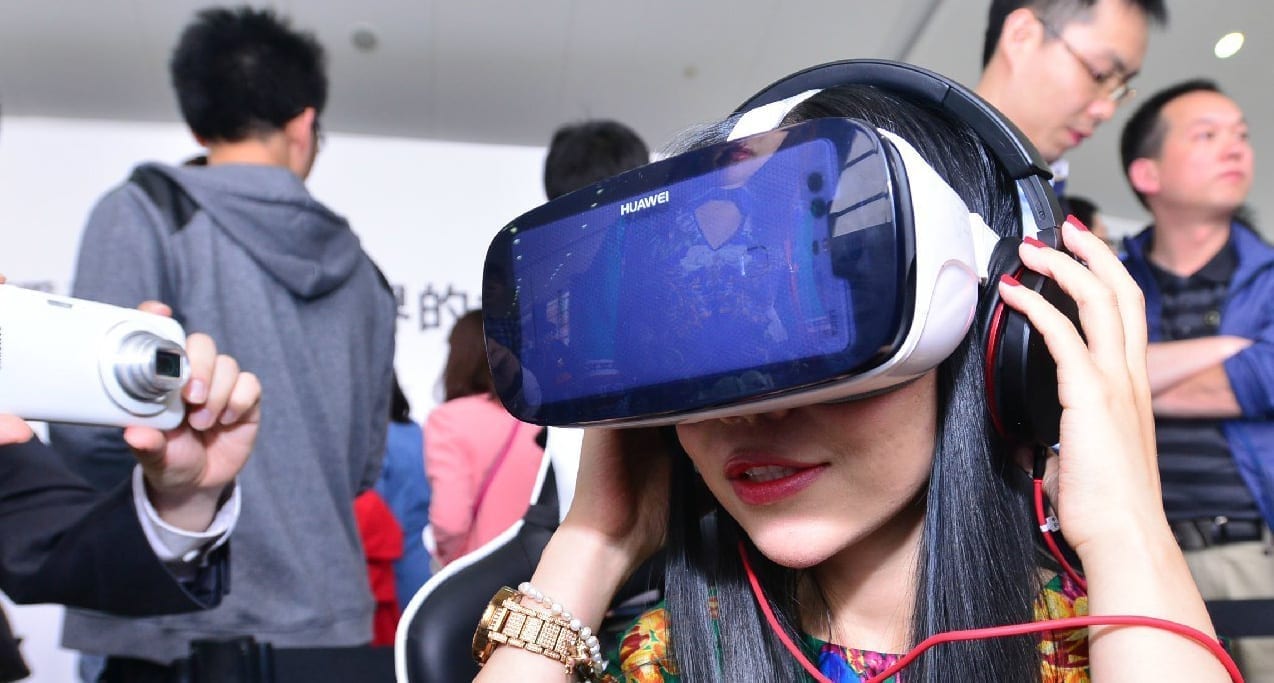
    Its VR product is designed for online shopping. Alibaba’s 400 million customers will have their buying experience enhanced by wearing a VR helmet or glasses designed to simulate being in a physical store.

    At a media briefing in Shanghai, an Alibaba representative wearing a Vive VR helmet from HTC Corp of Taiwan showed how a shopper could tour a three-dimensional digital store.

    The demonstration showed a robotic store associate talking to the visitor and recommending new products.

    Shoppers can rotate products they see in the virtual store by moving a controller connected to the helmet, and even ask for a model to show how the product works or is worn. Users can also use the controller to click the buy button.

    “VR is a great way to demonstrate products or services, especially for such categories as furniture and travel products,” says Alibaba senior director of mobile Zhuang Zhuoran.

    Alibaba set up its Gnome Magic Lab in March to develop software to enable merchants to build virtual stores. While costs are high to convert a real product to its digital, three-dimensional equivalent (about $50), the company hopes to be able to reduce this to about $1.

    VR gear ranges in price from $20 to $1000, and consumers buy 300,000 VR units on Alibaba’s Chinese online marketplaces each month, says the group.