Author: Mei Ling Tan

  • SM Prime’s P10B Retail Bonds Priced at 4.2005%

    SM Prime’s P10B Retail Bonds Priced at 4.2005%

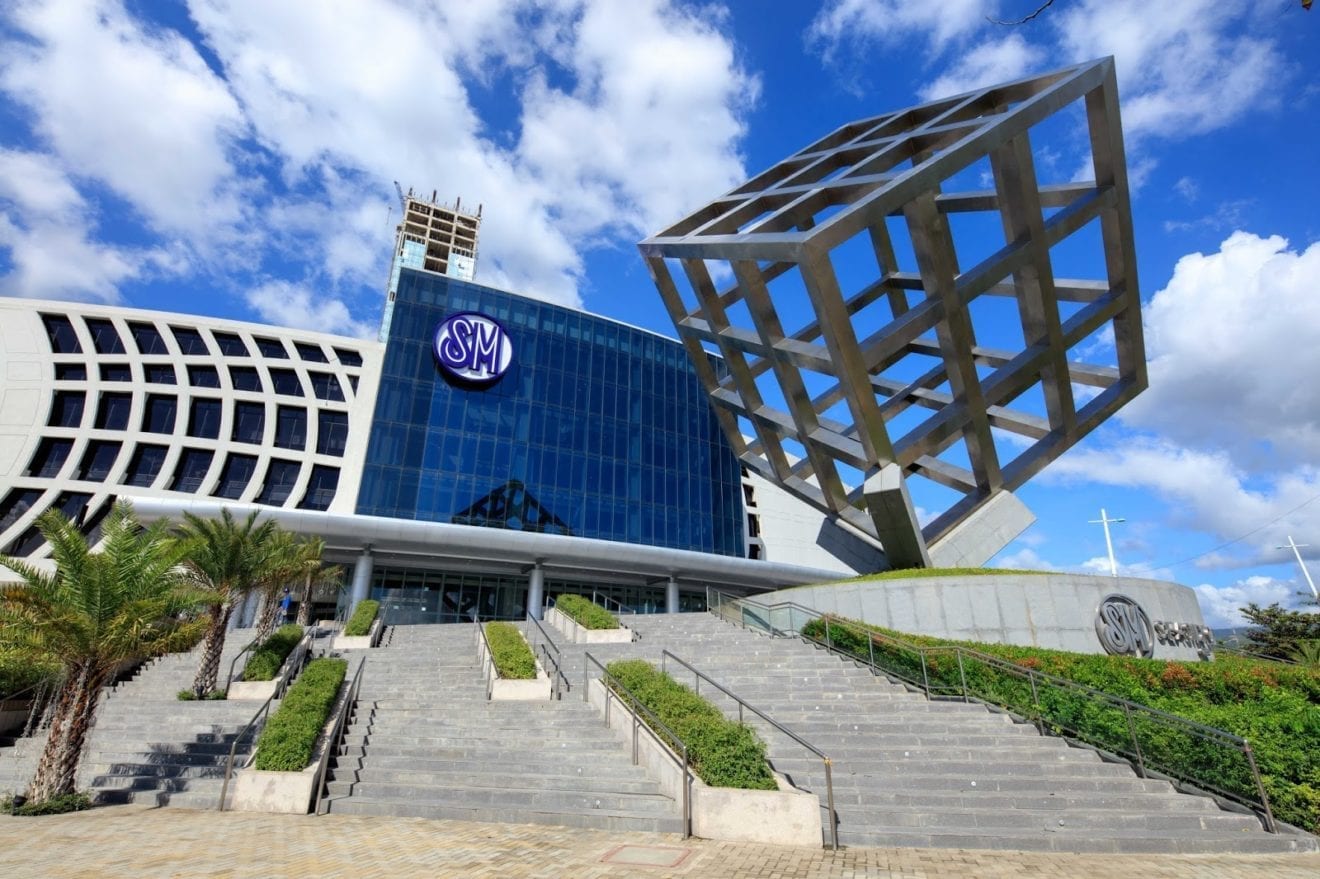
    SM Prime Holdings, Inc. has set the interest rate for its Peso-denominated Series F, 10-year retail bonds at 4.2005% per annum.

    SM Prime will issue an aggregate principal amount of Php10.0 billion of the Series F bonds, which will be offered to investors through underwriters from July 13 to 19, 2016.

    The retail bonds will be issued on July 26, 2016. According to the underwriters, SM Prime received a strong demand for the retail bonds.

    The SM Prime bonds have been rated PRS Aaa by Philippine Rating Services Corporation (PhilRatings), the highest rating assigned by PhilRatings.

    Obligations rated PRS Aaa are of the highest quality with minimal credit risk, and denotes that the Issuer’s repayment capacity is extremely strong.

    This series of SM Prime bonds is the third offering of Peso-denominated retail bonds to the public.

    “The retail bond to be issued will sustain SM Prime’s development roadmap, which is geared towards provincial expansions mostly allotted on malls and offices developments. We remain optimistic on the huge growth potential in the provinces where large areas remain unserved.” SM Prime President Hans T. Sy said.

    The SM Prime bonds’ joint issue managers, joint lead underwriters and joint bookrunners are BDO Capital & Investment Corporation, BPI Capital Corporation, China Bank Capital Corporation and First Metro Investment Corporation.

    East West Banking Corporation, PNB Capital and Investment Corporation and United Coconut Planters Bank are participating underwriters for the bond issue.

    SM Prime remains committed to its role as a catalyst for economic growth, delivering innovative and sustainable lifestyle cities, thereby enriching the quality of life of millions of people.

    SM Prime Holdings, Inc’s stock was up 3.89% in today’s trading at the Philippine Stock Exchange.

    SPMH ended the day with a trade price of P29.40 a share, up P1.10 from the previous day’s trading.

    A total of 41 million SMPH shares, with a total value of P1.19 billion, exchanged hand today.

  • Adidas football flagship opens in Guangzhou

    Adidas football flagship opens in Guangzhou

    In a world first, an Adidas football flagship has opened in southern China’s Guangzhou Teemall.

    Adidas Group Greater China MD Colin Currie describes it as an important milestone for both Adidas and Chinese football.

    “At the same time, it emphasises the group’s determination and commitment to promote the development of Chinese football.”

    On the first floor of the northern square of Teemall, the store provides the equipment of such Adidas-sponsored clubs as Associazione Calcio Milan, Bayern Munich, Chelsea, Juventus, Manchester United and Real Madrid, as well as exclusive products of superstar players like Bale, Messi and Pogba.

    Customised name-printing on jerseys is also offered.

  • Thailand retail growth predicted at 6%

    Thailand retail growth predicted at 6%

    Thailand’s retail market is expected to grow at a compound annual growth rate (CAGR) of more than 6 per cent from now until 2020.

    This was revealed in the latest market study by global technology research and advisory company Technavio.

    Its research report, Thailand Retail Market 2016-2020, offers an analysis of the market in terms of revenue and emerging trends, as well as forecasts for six major product segments – grocery, apparel and footwear, beauty and personal care, personal accessories, home and garden, and consumer electronics.

    Grocery

    Valued at US$103 billion last year, the grocery market in Thailand is forecast to reach $145 billion by 2020, growing at a CAGR of 6.92 per cent. The segment is largely driven by the modern retail sector, while increasing urbanisation and changing consumer lifestyles are playing a significant role in the market’s development.

    Supermarkets and convenience stores have shown the fastest year-on-year growth rates with 9.5 and 10.5 per cent respectively last year.

    “Even though hypermarkets offer attractive prices, consumers are increasingly preferring supermarkets for the convenience factor and the availability of a wide product range,” says Technavio lead retail goods expert Poonam Saini. “Unlike supermarkets, which are in urban zones, hypermarkets are generally in bordering areas, catering almost exclusively to nearby consumers.”

    Apparel and footwear

    The second-largest market segment last year, apparel and footwear is expected to reach $9.19 billion by 2020, growing at a CAGR of more than 3 per cent.

    Several foreign companies are competing with local companies in the segment, says the report. International brands have fair penetration rates, offering stylish designs and a wide product range through modern retail stores. Local brands have also been successful with their long-established presence along with customer loyalty and trust.

    “The popularity of the online channel is growing, and players are actively using social media sites such as Facebook and Instagram for promotional campaigns and marketing activities,” says Poonam.

    “Websites such as Zalora.com are becoming popular for apparel and footwear products, as these sites offer promotions and discounts.”

    Beauty and personal care

    One of the fastest-growing segments, beauty and personal care (BPC) is having more than 3 per cent CAGR and is expected to reach $5.53 billion by 2020. A continuous exposure to western beauty and grooming trends has helped maintain the growth of the market over the past few years.

    International BPC companies have a nearly 50 per cent share of the market, with comprehensive product portfolios and innovative products. Thai retailers are expanding and attracting new consumers, says the report, citing cosmetics brand Sephora, which opened two new stores in 2014 after entering the market late the previous year.

    Top vendors

    Technavio’s research analysts name five top vendors for Thailand in the report.

    Topping the list are supermarket Big C and retail conglomerate Central Group. Then follow CP All, which has a chain of 7-Eleven stores, and homewares stores Global House and Home.

    Other prominent vendors in the market are Adidas, Aeon, Isetan Mitsukoshi Holdings, Lazada, Nike, Sephora, Seven & I Holdings, Tesco, The Mall Group and WearYouWant.

    Technavio develops more than 2000 reports every year, covering more than 500 technologies across 80 countries. It has about 300 analysts globally.

  • Parc Central retail ‘stadium’ opens doors

    Parc Central retail ‘stadium’ opens doors

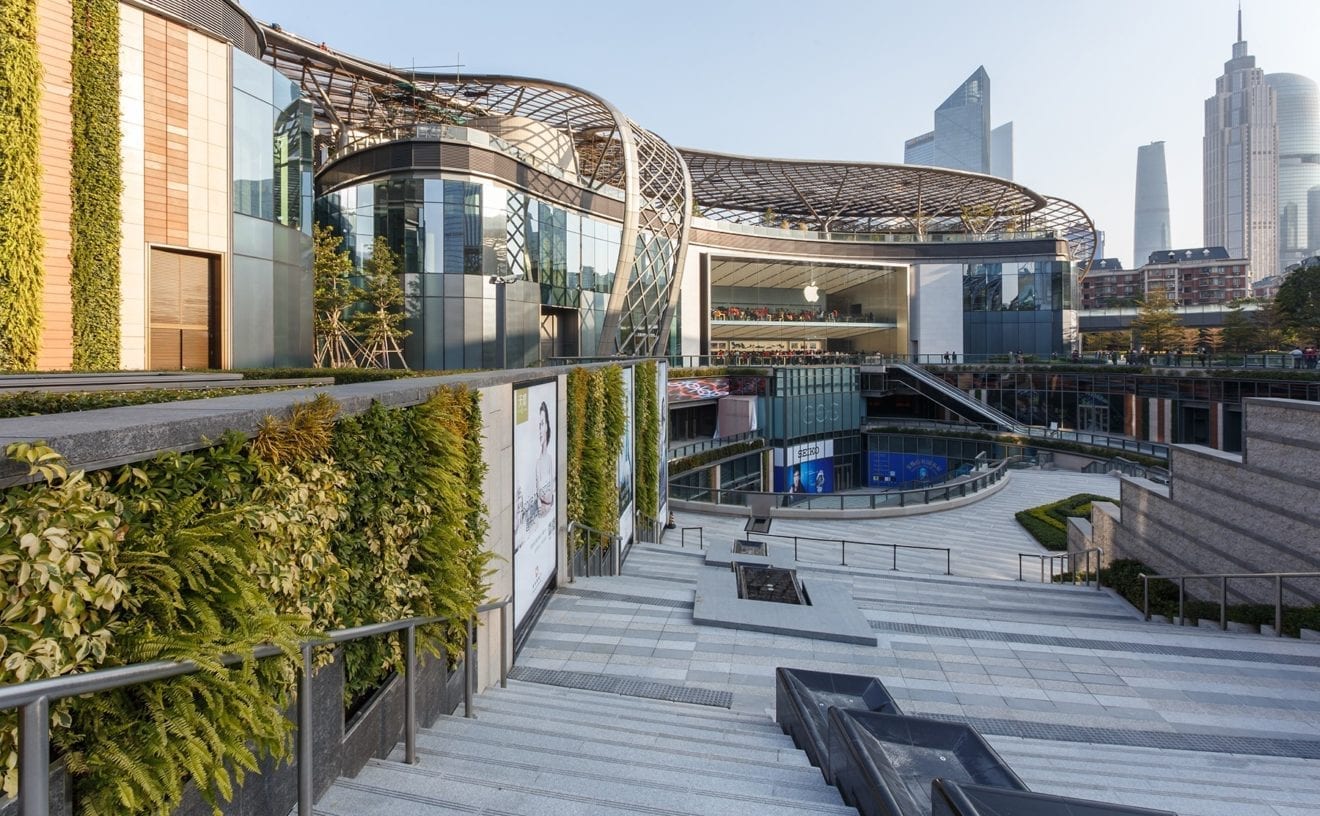
    Urban park retail development Parc Central, Guangzhou is now fully open in the heart of the CBD.

    Commissioned as masterplanner, architect and interior designer, Benoy has delivered the Pearl River Delta city project in collaboration with Ronald Lu & Partners. Described as a “stadium for retail”, it blends low-rise and below-ground retail spaces within a multi-level parkland along a major thoroughfare.

    On the site of a former square, Parc Central was developed to contribute socially and spatially to the city, as well as economically. It is a focal point along the city’s “green axis’”, a 110,000 sqm retail development designed around an open parkland environment. Its gardens, planted walkways and living walls create an undulating green space.

    Parc Central is only 24m high, lower than surrounding buildings, with two levels above ground and three levels below ground. Drawing on the symbol for peace, harmony and fortune in the Chinese culture, the architecture references the “double fish” in the form of a steel monocoque roof structure. The two buildings curve around the central gardens and are joined by a pedestrian bridge. The roof canopies are supported by tree-like columns beneath which gardens extend the landscape element up the building.

    Sustainable design

    Sustainably designed, Parc Central has a rainwater collection system, low-E (low thermal emissivity) glass facades and a corrosive-resistant plastic EFTE roof.

    Inside, the Benoy team has introduced flowing ceiling cove forms and uninterrupted joinery with atriums to punctuate the retail journey and draw light into the arcades. A neutral colour palette of white and reconstituted stone creates a natural background for the mall, showcasing tenants and their merchandise.

    Part of the scheme is a new public transport interchange for Guangzhou, connecting the metro system with a bus network. Overhead footbridges connect to neighbouring developments.

    Parc Central, Guangzhou - Benoy full

  • GrabBike Indonesia Records 300% Growth

    GrabBike Indonesia Records 300% Growth

    Online app-based transportation service GrabBike recorded a growth of 300 percent (year to date) until the first half of 2016.

    “Our growth has been outstanding since last January when Grab did a rebranding as the service provider with the most complete vehicle reservation platform,” Public Relations Manager for Grab Express and Grab Bike Dewi Nuraini said in a statement on Thursday, July 14, 2016.

    Dewi says Grab’s machine learning technology and data analytic capabilities are the significant driving growth factors and allow major efficiency.

    In addition, the company also gradually reduces subsidy for every trip completed by 50 percent. “This indicates the high involvement of the users on Grab’s multi-service platform,” Dewi said.

    One of Grab’s four monthly active users in Indonesia averagely uses more than one Grab services. Besides the app-based motorcycle taxi or GrabBike, Grab has a private car rental, taxi order, and courier service.

    Dewi said Indonesia has become the largest market for Grab, based on the number of trips completed on the entire platform. Therefore, Grab specifically focuses its business in Jakarta.

    “Grab also plans to expand its multi-service platform to more than eight major cities in Indonesia,” said Dewi.

  • Businesses in Indonesia Capitalize on Pokemon GO Popularity

    Businesses in Indonesia Capitalize on Pokemon GO Popularity

    “We are excited to announce that Pokémon GO is officially available to Trainers in Germany,” Pokemon Go announced on Wednesday (13/7) on its official website.

    With an official Indonesian release imminent, savvy businesses across the country have begun harvesting the game’s unique featured — requiring players to travel around and explore different areas to find and catch Pokémon.

    The National Museum, Jakarta, suggested players, known as Pokémon trainers, hunt the little monsters through the institution’s grounds on Monday.

    “Are you a Pokémon master/trainer? Come hunt Pokémon at the National Museum. It will add to your knowledge in a fun way!,” the Museum National tweeted.

    Motorcycle taxi ride-hailing application Go-Jek also did not want to miss the opportunity to benefit from the game.

    “Wanna seek Pokémon? Go with Gojek,” the ride hailing app said.

    Qraved.com, a Jakarta-based restaurant search and reservation site, joined the parade after launching a list of restaurants close to Pokéstops — places where players can get free items to enhance game experience — around the Sudirman area.

    The app — created by license owner Pokémon Company, multinational consumer electronics and software company Nintendo and Google’s spin-off software developer Niantic — itself, according to Quartz, has seen its players in the US alone spend $1.6 million each day on in-app purchases.

  • AIS to offer family safety services

    AIS to offer family safety services

    Thai operetor AIS has awarded a contract to Gemalto covering the company’s LinqUs Mobile Protection solution.

    Gemalto will provide integrated sophisticated safety-checking features for digitally connected consumers, allowing mobile users to seek real-time location information and online protection for their loved ones.

    AIS expects to use the capability to enhance customer engagement by offering services aimed at keeping subscribers safe and connected to their families. Gemalto will also provide support services to AIS.

    Gemalto partners with iMobileMagic, a provider of cloud based family location and protection products, to offer a service which will allow users to receive real-time notifications when their kids, elderly or other relatives arrive, leave, or stray away from designated areas.

    Families can expect to be able to instantly locate their loved ones or send panic alerts during emergencies. Parents will have the additional ability to put restrictions on their children’s device usage.

    This cloud-connected mobile application, which runs on a wide range of devices and wearables, can help AIS customers to stay close to their families and even pets, in a simple and cost-effective way.

    “Safety and security are the key issues on everyone’s mind these days, and Gemalto’s LinqUs Mobile Protection solution allows us to meet the rapidly changing needs of our society, with lower cost of ownership,” said Titipong Khiewpaisal, SVP for consumer marketing and sales at AIS.

    “It is easy to deploy, scalable, and even available on wearables, making it easy for our customers to stay up to date with the status of their family members, anytime and anywhere,” he said.

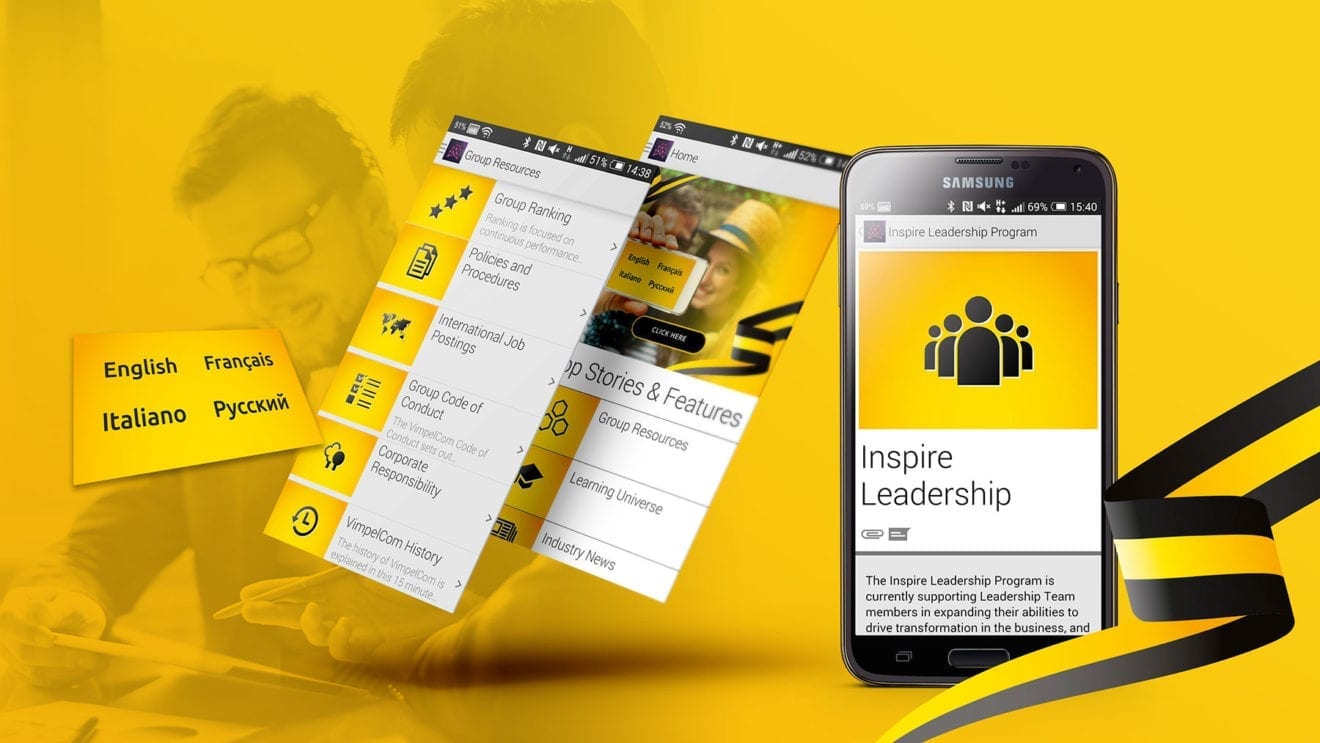
  • VimpelCom to invest $1b in Pakisan over five years

    VimpelCom to invest $1b in Pakisan over five years

    Global telecoms group VimpelCom has announced plans to invest $1 billion in its Pakistani operations over the next five years.

    The company plans to roll out what it says will be one of the largest and most ambitious IT infrastructures in the industry for its Mobilink and Warid operations.

    With the new systems the company aims to ensure faster rollout of new products and services, particularly in areas including mobile entertainment, communications, the IoT and mobile financial services.

    Mobilink recently completed a merger with Warid to create Pakistan’s largest mobile operator with over 50 million customers.

    The merger was announced  in November last year, won regulatory approval in May and closed at the start of this month.

    At a press conference announcing the investment plans Mobilink CEO Jean-Yves Charlier said with the merger 38 million Mobilink customers will be provided with 4G while 12 million Warid customers will be provided with 3G.

    He also said around 1,500 joint Mobilink-Warid franchise shops will be opened nationwide. The operator has also made a commitment to the government to roll out services to remote areas.

  • Axiata details major organizational revamp

    Axiata details major organizational revamp

    Malaysia’s Axiata group has announced a major organizational and management shake-up across its group of companies, with the reshuffling or appointment of multiple new top executives.

    The company has embarked on a transformation as part of its strategy of executing its succession plan and strengthening its ability to manage an entity that has grown to more than twice its size since its inception.

    As part of the restructuring, Axiata has established a new unit to oversee its Southeast Asia operations. The current CEO of domestic mobile subsidiary Celcom Axiata, Dato’ Sri Shazalli Ramly, has been selected to take responsibility for all Southeast Asia operations.

    Axiata recently set up a similar unit to manage the operator’s South Asia operations and appointed Dr Hans Wijayasuriya, currently CEO of Sri Lanka’s Dialog Axiata, as regional CEO for South Asia.

    Celcom itself will meanwhile undertake an organizational refresh which will involve the establishment of a new executive committee, including the appointment of six new key senior positions.

    Axiata Group CEO and Celcom chairman Jamaludin Ibrahim will chair this committee.

    Former Robi Axiata CEO Michael Kuehner will meanwhile become the new CEO of Celcom starting in September.

    He will be assisted by two new deputy CEOs – Azwan Khan Osman Khan and Mohamed Adlan Ahmad Tajudin, who have been promoted from within the group.

    Celcom has also appointed a neew CFO – Jennifer Wong – a new chief human capital officer (CHCO) – Azmi Ujang – and a new chief transformation and digital officer – Azmi Ujang.

    Finally, Axiata Group has also named the planned successor for Wijayasuriya. Supun Weerasinghe will take over as Dialog’s CEO at the start of next year.  Weerasinghe is currently CEO of Robi Axiata, and will himself be replaced in this role by Robi COO Mahtab Uddin Ahmed.

  • History of barcodes in the World

    History of barcodes in the World

    Barcodes originated from the increasing need to create a system to manage retail operations in a more efficient manner.  Retailers were getting bigger and bigger and stock control was becoming more and more difficult.  They needed a system to make it simpler.   In 1952, Norman Joseph Woodland and Bernard Silver stepped up to the plate and developed the modern barcode.   They based their barcode on morse code, using dots and lines. Woodland created his first barcode from sand on the beach.

    Later, in 1959, David Collins became aware of the need to automatically identify railroad cars. He created a system for monitoring and controlling railroad carriages also using blue and red reflective stripes attached to the side of the cars which encoded a six digit company identifier and a four digit car number.  He called this system Kar Trak. This is an example of what the Kar Trak system looked like.

    Both of these barcodes developed by Woodland and the Kar Trak Barcodes had problems due to the fact that the scanner could not read the barcodes easily if they had any dirt on them.   They didn’t have the technology they needed to create the modern day barcode scanner.  The whole system was abandoned in 1970s but later in the 1980s a new system emerged which utilised radio tags.

    In the beginning, barcodes were scanned by special optical scanners called Barcode Readers.  Later technology improved and scanners and interpretative software were used on devices including desktop printers and even smartphones.

    As the years progressed, barcodes were improved and transformed into the barcodes we find today.  With the development of technology, barcodes scanners were also improved which made the retail process simple and easy for both the supplier and the retailer as well as for the customer.

    Barcodes became very widely used to manage retailer checkout systems. Their use has spread to a variety of other tasks such as automatic identification and data capture.  The very first Universal Product Code (UPC) was scanned in June 1974 at the Marsh Supermarket in Ohio.  It was on a packet of Wrigley Company chewing gum.  The packet of gum was bought by Clyde Dawson and the cashier was Sharon Buchanan.  It cost 67 cents. This packet of gum and the receipt are now on display in the Smithsonian Institution’s National Museum of American History in Washington.

    In 1966, the National Association of Food Chains (NAFC) got involved in the barcode business.  They wanted to develop a system where checkouts at retailers could be automated and controlled.  They created a committee which created guidelines for the development of barcodes and assisted in creating a standard approach to implementing barcodes in retailers.

    As more and more retailers invested in purchasing the equipment needed to scan the barcodes, these stores benefited greatly.  It allowed for more responsiveness to customer needs by revealing which products were in higher demand.  Sales increased by 10 – 12 % and the operating costs decreased by 1 -2%.  This enabled the retailers to lower their costs and thereby increase their market share.  By 1988, 8000 retailers were converting to using barcodes per year.

    However, there were people who were against the launch of barcodes.  This scepticism mainly came from conspiracy theorists who believed that barcodes were an intrusive surveillance technology.   Also, some Christians believed that barcodes hid the number 666 which represents the number of the beast.

    Despite these protests, barcodes took the world by storm, and were adopted by more and more stores throughout the world, as well as in South Africa.  In these modern days, you can’t walk into a store without seeing a barcode.  Barcodes have come a long way since 1960.  They have revolutionised retailers by increasing their efficiency and control over stock, thereby increasing their profit level and generally making the retail business as smooth as possible. Barcodes are now used throughout the world for a huge variety of products ranging from beauty products to gardening tools all the way to groceries.

    This is one of the reasons why it is necessary to buy barcodes South Africa for any product you want to sell in South Africa or Asia, including china. These will be registered with your chosen retailers who can then begin selling your product.  When you buy barcodes in South Africa, you are becoming part of history.

  • ‘Dire’ Hong Kong market cripples Burberry sales

    ‘Dire’ Hong Kong market cripples Burberry sales

    A “dire” Hong Kong market has damaged Burberry sales for the latest quarter.

    Retail revenue remained unchanged at £423 million, but like-for-like sales fell 3 per cent.

    “Whilst sales declined across all three regions (Asia Pacific, EMEIA and the Americas), a dire performance in Hong Kong and Macau stood out as a particularly stubborn thorn in the side of the luxury player,” observed Andrew Hall, an analyst with Verdict Retail.”

    Burberry has appointed a new CEO, Marco Gobbetti, who inherits sales weakness across all regions from Christopher Bailey, who remains on as president and chief creative officer.   Gobbetti’s appointment is seen as a direct response to growing frustration with Bailey’s inability to turn Burberry’s poor performance around.

    “One of Gobbetti’s priorities must be examining operations in these far eastern markets and considering new avenues for growth especially given there has been a renewed crackdown on gift giving in China, accompanied by the growing popularity of ‘Daigous’ – overseas shoppers who buy luxury goods and ship them to China for clients,” said Hall.

    Britain’s exit from the EU is likely to benefit Burberry in the short term, as international tourists to the UK rush to capitalise on the weakened pound. However, long term,  Burberry’s UK operations may well suffer from a reduced flow of wealthy tourists as travel to the UK becomes more regulated, making it imperative Burberry finds a way of turning this evolving geopolitical drama to its advantage.

    “While Gobbetti faces a number of challenges as he attempts to revive flagging retail sales, his experience at Celine will stand him in good stead,” said Hall.

    “Burberry’s strength in digital and the continuing appeal of its brand are good foundations to work with and the clear segmentation of leadership between Bailey and Gobetti will benefit Burberry’s strategic direction.”

  • Kapok at NDC launches own label

    Kapok at NDC launches own label

    Lifestyle shop Kapok at NDC has launched its own label, Future Classics.

    The label features wardrobe staples with a focus on fabric, silhouette and details, and is said to “redefine genderless casualwear”.

    “Working with Japanese and technical fabrics, Future Classics garments are cut to fit and flatter Asian body shapes,” says Kapok, describing the clothing as a “subtle show of selvedge on denim, with a quirky hanger embroidery logo to add a touch of fun”.

    Kapok also features bags by Danish brand Rains, French labels like APC and Maison Kitsune, and Astier de Villatte city-themed candles.

    Kapok was founded by former French banker Arnault Castel in Hong Kong in 2006. The brand now has eight stores in the city, and opened two years ago in Singapore at the National Design Center.

    Future Classics’ will be available in Kapok at NDC from Friday following the collection’s reveal in Hong Kong.

  • Welcoming Australian FreakShakes in Asia

    Welcoming Australian FreakShakes in Asia

    Milkshake treats known as FreakShakes, devised by suburban cafe in the Australian capital of Canberra, have started making inroads to Asia.

    Patissez became a social-media sensation last year when it introduced its signature milkshakes piled with cookies, pretzels and even slabs of cake. Also known for its cakes and desserts, the family-owned patisserie was besieged by queues, so a second store was opened in the centre of the city.

    Now its first store outside Australia has been attracting crowds since opening in Kuala Lumpur last month.
    “We’re thrilled. The team in Kuala Lumpur is excellent,” says owner Anna Petridis. “The store is on Jalan Talawi, Bangsar Village, and it’s beautiful – everything a Patissez store should be. I plan to use that store as the model for all future outlets.”

    Patissez has also just opened in Singapore, in the new Raffles Holland Village. “It’s totally different to Kuala Lumpur but has its own flavour, which definitely suits the area and local market,” says Petridis.

    Now the company is planning more store locations in Kuala Lumpur and Singapore, plus expansion into Bangkok, Beijing and Shanghai. As part of this growth, it is setting up the “Patissez Exchange” which will enable staff members at any level to have the chance to work in the international stores.

  • Zara Vietnam flagship nearly ready

    Zara Vietnam flagship nearly ready

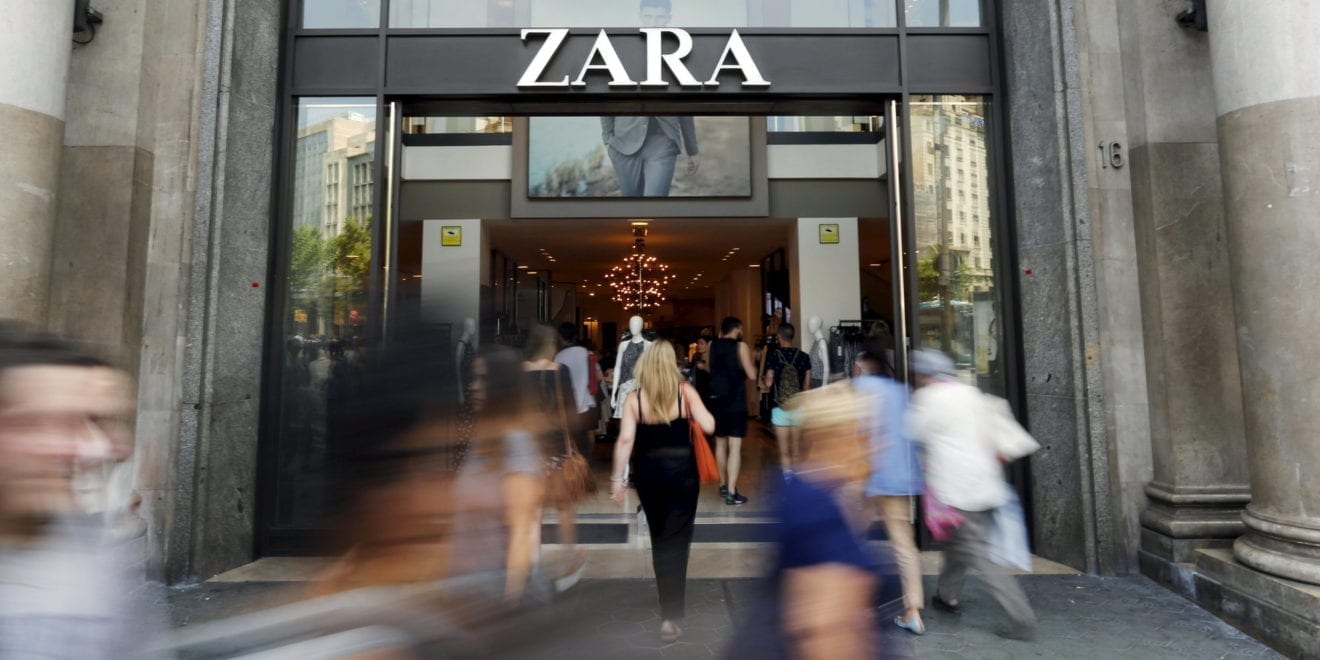
    Zara Vietnam’s flagship store is taking shape at Vincom shopping mall in Ho Chi Minh City, and is expected to open soon.

    The Spanish fast-fashion brand announced in May that it would expand to Vietnam this summer, setting its debut store’s opening date for this month. However, posters in the city say the store opening is next month. It is expected the store will have two storeys.

    Zara-Vietnam

    Fast-fashion brands are popular in Vietnam, and Zara has a huge customer base there. After ordering online and having items brought in from overseas, Vietnamese customers have been eagerly anticipating the arrival of its stores.

    However, the brand would need to look at its pricing. Vietnamese consumers have found that while some brands are considered economical in the West, once they enter Vietnam their prices double or even triple, with Mango and Topshop typical examples.

    Mango Mega store VN

    Zara is aiming to open up to 360 stores globally this year, and in Vietnam is sharing the market with other international fashion like Gap, Nine West and Ralph Lauren.

    Meanwhile, Mango is planning to open a men’s store in Vietnam, and H&M is said to be considering expansion in Vietnam.

  • Bangkok commerce group launches WeMall

    Bangkok commerce group launches WeMall

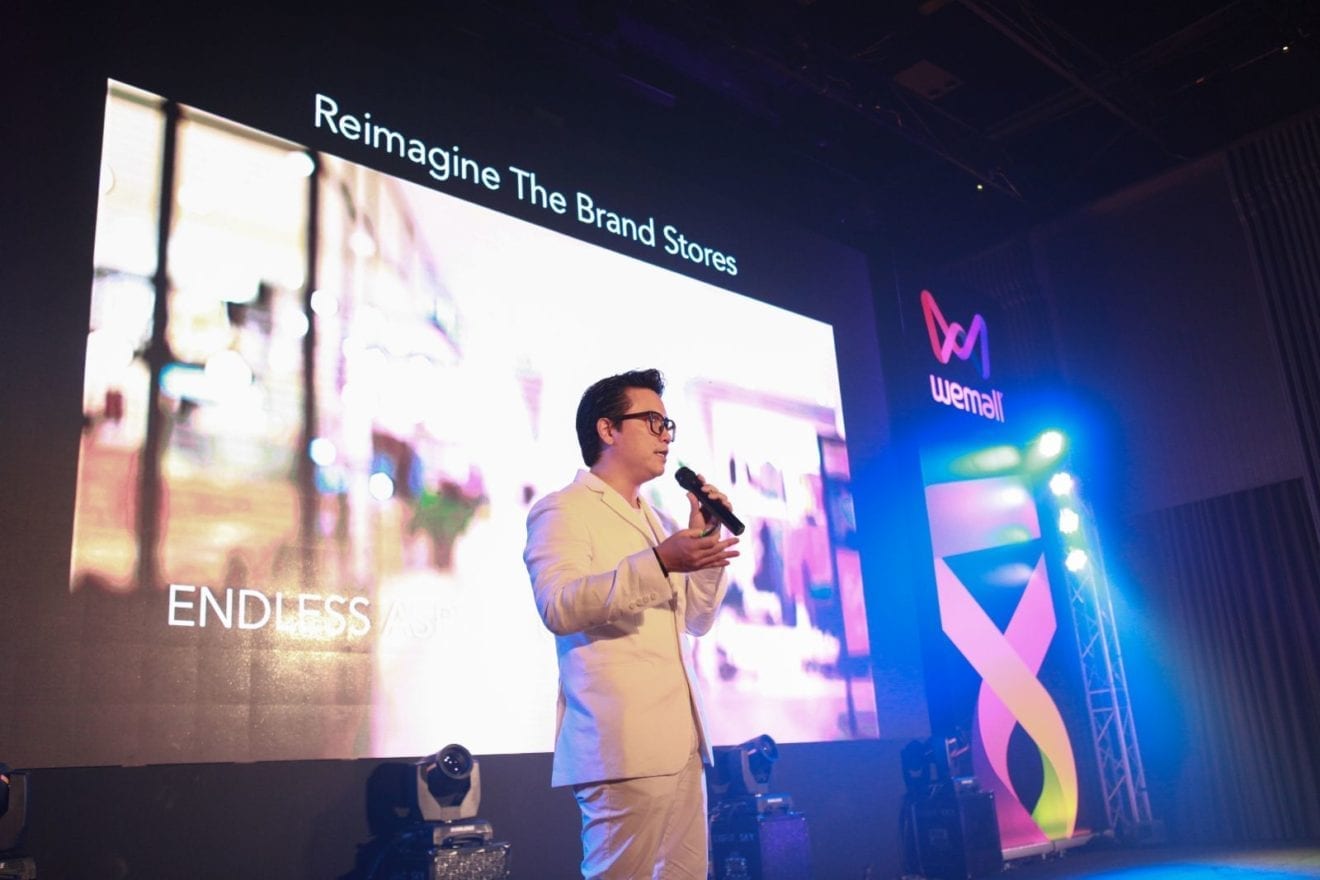
    Bangkok company Ascend Commerce has spent more than Bt300 million (US$8.555 million) branching into eCommerce by developing WeMall, which it hopes will feature more than 1000 brands next year.

    Ascend Group CEO Punnamas Vichitkulwongsa says the ASEAN eCommerce industry has outpaced the global growth rate. Thailand’s share of the $15 billion online retail market in the region is around $2 billion, with the country ranking fourth behind Singapore, Indonesia and Malaysia.

    appwemall

    Ascend GM Seubsakol Sakolsatayadorn says online shopping now accounts for 2.3 per cent of the total retail-market value in Thailand, with the growth rate for developed nations ranging between 10 and 12 per cent.

    He says WeMall will focus on end-to-end services and promote itself as the branded marketplace with trusted mechanics for online shoppers. The outlet offers two forms of partnerships, full-scale services and self-formulated services.

    “Brands can run their own online outlets via ready-to-use features. When the business climate turns increasingly competitive, they will be able to adjust their strategy in a timely manner.”

    WeMall has been running trial services for a month, during which it attracted more than 2 million visitors, and more than 60,000 products were sold and delivered.

    “In its pivotal phase,” says Seubsakol, “WeMall features more than 15,000 items from more than 1100 brands in nine main product categories: beauty and healthcare, home appliances, electronic devices, computers and laptops, lifestyle, mums/kids/babies, cellphones and tablets, and cameras and gadgets.”