Author: Mei Ling Tan

  • KDDI taps Gemalto for connected cars and IoT

    KDDI taps Gemalto for connected cars and IoT

    Japan’s KDDI has selected Gemalto to provide the platform to enable secure connectivity for connected cars and IoT applications worldwide.

    Gemalto will provide its LinqUs On-Demand Connectivity (ODC) subscription management solution and embedded SIMs (eSIMs) to the operator.

    As a result, KDDI can expect to provision any requested operator’s profile on connected cars equipped with pre-embedded eSIM.

    Motorists can access optimized real-time information about traffic and nearby amenities, navigation, vehicle diagnostics, and emergency services, anytime, anywhere.

    Gartner forecasts that by 2020, there will be around 250 million vehicles on the road with some form of wireless connectivity, making connected cars a major element of the Internet of Things. The lack of flexible and interoperable remote subscription management is a major challenge in deploying IoT.

    Gemalto’s solution, based on global GSMA specifications, is designed to simplify logistics for OEMs.

    “Gemalto’s solution is based on interoperable GSMA standards, and will provide a common and consistent way to connect devices in the future,” said Keiichi Mori, executive officer and general manager of KDDI’s IoT business development division.

    “With long-lasting relationships with over 500 mobile operators worldwide and a strong local presence, they can help us expand our services to other IoT applications, to obtain rapid growth in the connected world.”

    Michael Au, Gemalto president for South Asia and Japan, said IoT is increasingly turning connected cars into powerful hubs for value-added services such as infotainment, real-time vehicle telematics, and usage-based insurance, offering plenty of opportunities to OEMs and service providers.

  • NEC sets up open-source software center

    NEC sets up open-source software center

    NEC in Japan and NEC Technologies India have established the “OSS Technology Center,” an organization specializing in technical support related to the use of open source software (OSS).

    The new organization began operations July 1, with approximately 50 staff based out of NTI, consisting of experienced OSS engineers who are well-versed in OSS solution architecture, as well as essential software development and support capabilities.

    The OSS Technology Center aims to strengthen the organizational structure for supporting global enterprises in building systems based on OSS, to reinforce collaboration with international OSS vendors and to provide rapid technical support to users who construct systems operated globally using OSS.

    Moreover, the new organization will actively carry out development of new network functions related to Software-Defined Networking (SDN), Network Functions Virtualization (NFV) and application platform functions, such as container and Platform as a Service (PaaS).

    All of these are part of the OSS Technology Centre’s OpenStack-based development activities, in addition to its contributions to making source codes openly available by providing them to the OSS community.

    In recent years, the need for enterprises to capitalize on OSS, particularly OpenStack, in cloud computing, big data computing and SDN/NFV, has become increasingly pronounced.

    Also, in terms of next-generation ICT technologies, there are heightened expectations towards OSS applications in areas related to Systems of Engagement (SoE) and Internet of Things (IoT).

  • Citilink to Open New Hong Kong-Manado Route

    Citilink to Open New Hong Kong-Manado Route

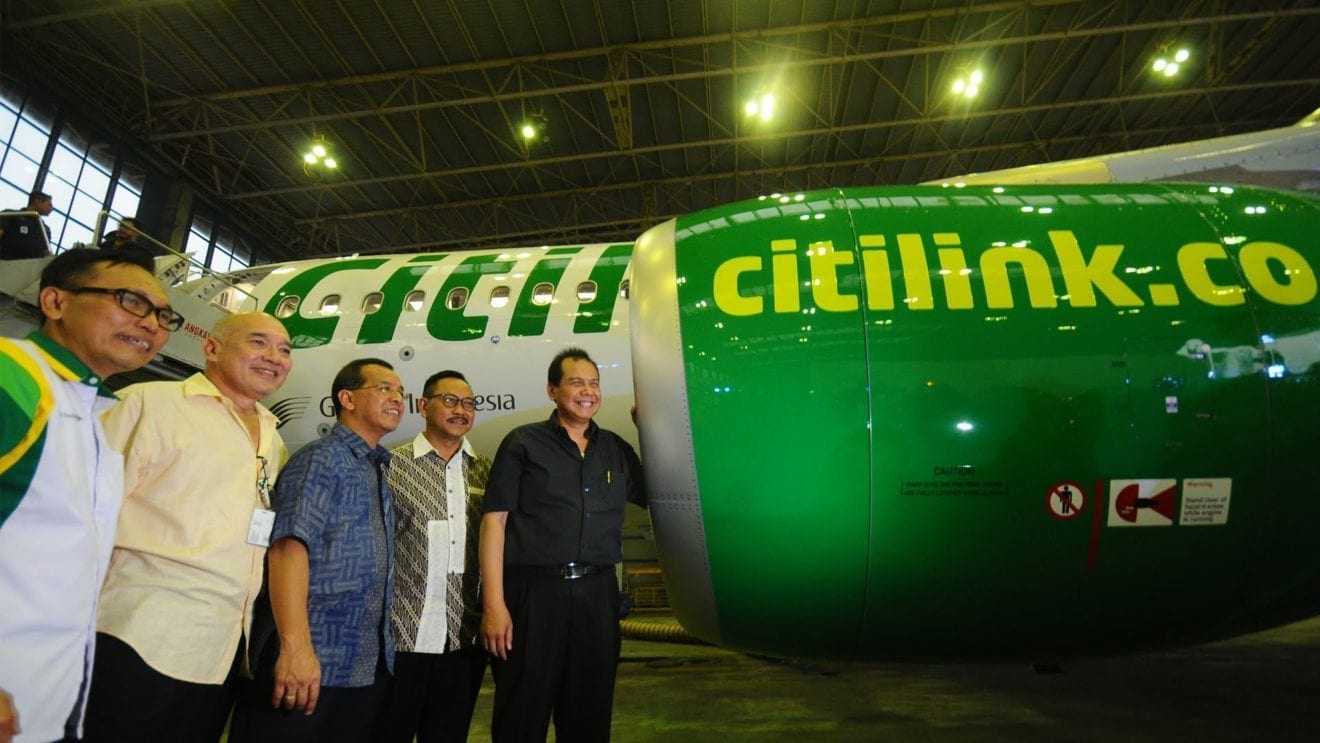
    Citilink, the low-cost arm of national flag carrier Garuda Indonesia, is set to open a new route from Hong Kong to Manado in North Sulawesi in a bid to lure Chinese tourists to the archipelago.

    Citilink Indonesia commercial president director Hans Nugroho said Manado was one of Indonesia’s most popular destinations among Chinese tourists besides Bali and Raja Ampat in West Papua.

    “Manado has become famous as a diving destination. Hopefully the new route will afford foreign tourists easier access to Indonesia,” said Hans.

    Using an Airbus A320 for its maiden flight on the new route, Citilink is slated to carry 180 tourists from Hong Kong to Manado on Tuesday. Hans estimated that the carrier would be able to accommodate up to 3,000 passengers until the end of August.

    According to Tourism Ministry data, the number of foreign visitors to Indonesia reached 915,200 in May, 12.6 percent of whom came from China.

  • MoneyGram Inks Deal with Arsema, Expands to Indonesia

    MoneyGram Inks Deal with Arsema, Expands to Indonesia

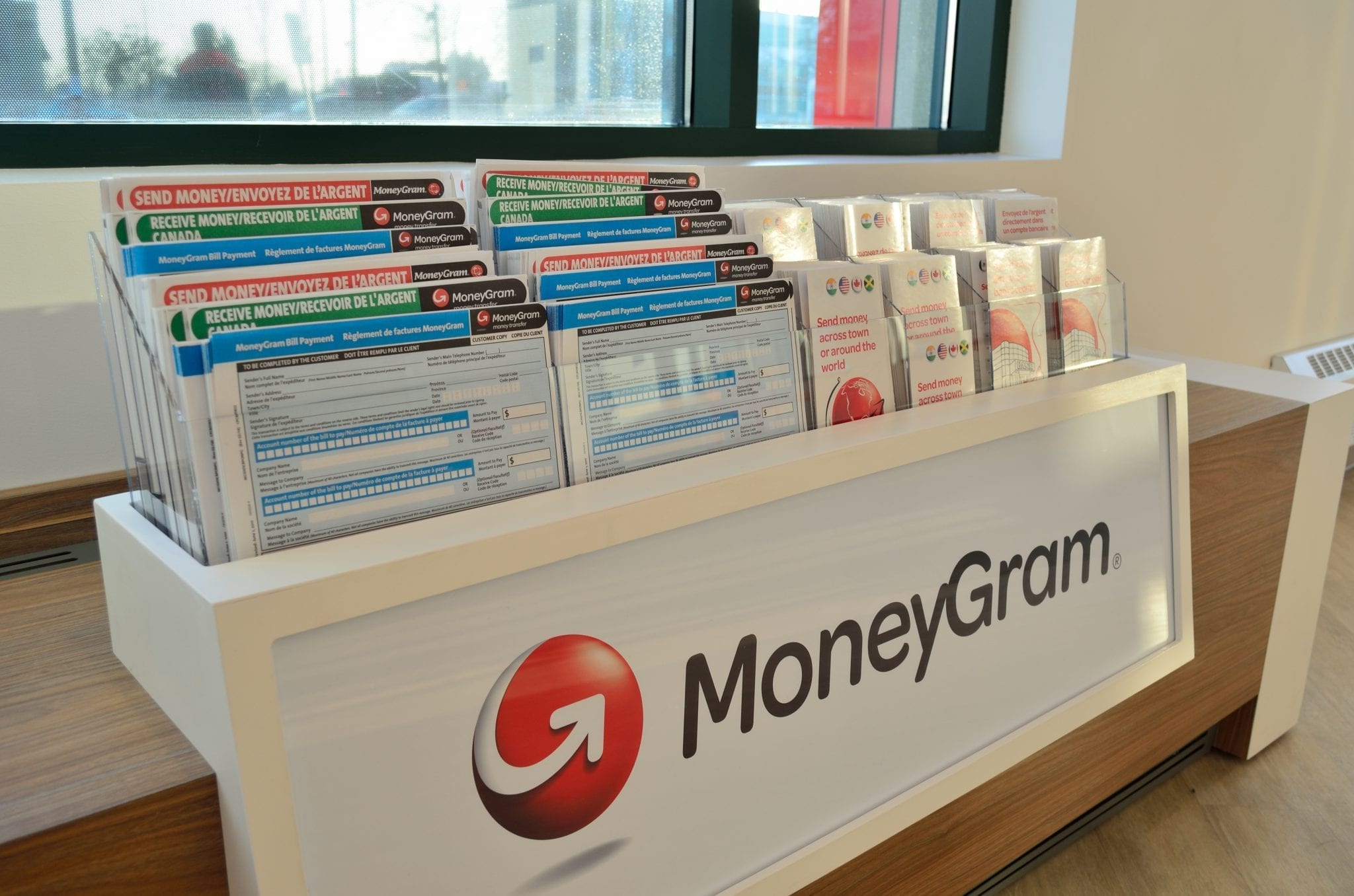
    MoneyGram recently announced that its Indonesian subsidiary PT MoneyGram Payments System has inked a long-term deal with Indonesian remittance company Arsema. Per the agreement, Arsema would channel MoneyGram’s money transfer services at all post offices of Indonesia. The services would start from Central Java and Bali region.

    MoneyGram strives to provide secure money transfer services to its customers and the deal with Arsema will further help the company in its efforts. This collaboration will also expand MoneyGram’s reach across Indonesia. Also, the aforesaid deal will facilitate operation to serve customers better with faster and more convenient offerings.

    The overall process has become much easier and can be completed in a few simple steps. Customers can now simply visit any MoneyGram agent location and start transferring and receiving funds after filling up and submitting a form and displaying a photo identification proof. The funds can be ready for collection is Depending on agent’s operating hours and regulatory requirements, the transactions can be made within 10 minutes or less.

    Apart from strengthening its presence in high-growth potential markets, MoneyGram has forayed into several unexplored and underdeveloped global markets. The company has also been expanding in markets that offer high growth potential. Per the World Bank report, remittances worth $9.6 billion flowed into Indonesia in Apr 2016. We expect the latest deal to help the company capitalize on the opportunity, which in turn, should add to its top line going forward.

  • Batam to continue cooperation with Yokohama

    Batam to continue cooperation with Yokohama

    The Batam city government said it will continue cooperation, which began last year, with the Japanese city of Yokohama.

    Batam city mayor Muhammad Rudi said the cooperation would be continued as the cooperation has been a success thanks to assistance from the Yokohama city administration.

    “The assistance includes how Batam could reduce carbon gas emission and economize on power. At the airport and government hospital, power consumption could be saves by 30 percent,” Rudi cited.

    He said Batam also hopes that the Yokohama city administration to provide assistance in the form of technology needed for Batam development.

    “In seeking to reduce carbon gas emissions, denuded forests are a problem, therefore wee need more assistance to cope with the problem,” he said.

    “We are grateful with the equipment but we also need technology to use the technology products,” he said.

    Director of the Development Cooperation Department of Yokohama, Toru Hashimoto said Batam is the fourth city in ASEAN with which Yokohama cooperates.

    The three other cities are Da Nang of Vietnam, Bangkok of Thailand, and Cebu of the Philippines.

    Through the cooperation, Batam is expected to grow to be like Yokohama to become a smart city, Toru said.

    “Batam and Yokohama are equally good. In November we will have a seminar on Asia Smart City in Yokohama. We hope the mayor and deputy mayor would attend the seminar,” he said.

  • Over six million tourists visit Indonesia

    Over six million tourists visit Indonesia

    Some six million foreign tourists visited Indonesia since the issuance of presidential regulation number 21 of 2016 concerning visa-free facilities for foreign citizens from 169 countries, an official said.

    While 4,095,264 tourists came from 15 countries which have reciprocal agreements with Indonesia, 2,881,945 tourists came from 144 countries without any such pact with Indonesia, chief of the public relations services of the directorate general of immigration, Heru Santoso, elaborated at a meeting with journalists here on Friday.

    “Admittedly, the figure is still far from the government-set target of 20 million tourists per year, but I believe it will further increase in the future,” he stated.

    He noted that no tourists visited from 10 countries in this list of 169 countries. These ten countries are Antigua and Barbuda, Burundi, Czech Republic, Gabon, Haiti, Marshall Islands, Kiribati, Lesotho, Puerto Rico and Saint Lucia.

    “I think the promotion campaign still needs to be intensified,” he added.

    The directorate general of immigration also handled 135 criminal cases (pro justitia) in the first half of 2016, he said, adding at least three foreign nationals were involved in the cases.

    “They committed immigration related crimes. In 2015, five foreign nationals were involved in such cases,” he informed.

    The office also recorded 4,715 cases of immigration administration violation in the January-June 2016 period. The cases involved 117 citizens from countries eligible for visa-free facilities, he disclosed.

  • Sriwijaya Air to open Manado-China flight route

    Sriwijaya Air to open Manado-China flight route

    Sriwijaya Air is planning to open the Manado-China direct flight route at the end of this year to cater to the increasing number of Chinese tourists traveling to North Sulawesi.

    Sriwijaya Air’s move is aimed at benefiting from the opportunity as it will have a positive impact on the regional economy, its district manager for Manado, Achmad Trenggono, said here on Friday.

    The plan to open more flight routes from and to the North Sulawesi provincial capital of Manado will have a multiplier effect, he added.

    “We are ready to support the North Sulawesi provincial governments efforts by encouraging the tourism sector,” he stressed.

    He believed that if the tourism sector is developed properly, it will have a massive impact on other sectors in the province.

    The general manager of the state airport operator of Sam Ratulangi (Samrat) international airport, Halendra Waworuntu, pointed out that his side is prepared to help the airline company open new flight routes from Manado to destinations across the world.

    “Only chartered planes have served international flights from Manado so far,” he informed.

    He underlined that the plan to open the Manado-China flight route will have a bright prospect because the province has a large potential to develop its economy.

  • Embassy promotes trade expo Indonesia in Senegal

    Embassy promotes trade expo Indonesia in Senegal

    The Indonesian Embassy in Dakar, Senegal, has held a business meeting with Senegalese businessmen to promote various mainstay products and the 31st Trade Expo Indonesia (TEI) to be held in Jakarta on October 12-16, 2016.

    The business meeting was attended by Senegalese businesspersons who have been doing business with their Indonesian counterparts.

    Secretary general of the Senegalese national chamber of commerce and industry Ndeye Seye, Dakar chamber of commerce and industry secretary general Aly Mboub, Poultrade CEO Washimp Obalah and Libellule CEO Gaelle Rispal attended the meeting.

    It was also attended by Senegalese businessmen in Thies who have visited the TEI organized in previous years.

    Indonesian Ambassador to Senegal Mansyur Pangeran said here on Sunday that the relations between Indonesia and Senegal, particularly in the business field, have been running well since long ago.

    However, their bilateral trade was still low, recorded at US$89.37 million only in 2015.

    The Indonesian embassy promoted various mainstay products during the meeting such as oil palm, cocoa, rubber, cinnamon and textile.

    During the meeting, Senegalese businessmen asked information regarding the types of products, prices, container transportation services, payment mechanism and sharia banks in Indonesia.

    Poultrade is interested in developing business with Indonesia for soap noodles. It is planning toimport 300-500 tons of the product from Indonesia per month.

    The ambassador said Indonesias free-visa policy was also hailed by Senegalese businesses and it is likely that more Senegalese businesses will take part in the 31st TEI.

  • Finance ministry believes 2017 growth will be better

    Finance ministry believes 2017 growth will be better

    The Indonesian economy will grow at a faster pace in 2017 than it did in 2016, the Ministry of Finance believes.

    “I believe the economic growth next year will be higher than that of this year,” chief of the ministrys fiscal policy body, Suahasil Nazara, said at a meeting of the working committee of the House of Representatives (DPR) Budget Body here Wednesday.

    Economic growth in the past five years has tended to slow down as internal upheaval and global pressure had slightly affected the national economic performance, he noted.

    The economic slowdown is expected to reach its peak this year after the government issued a series of fiscal policies, the first since 2015, aimed at boosting the national economy, he said.

    “The fiscal policies are aimed at spurring economic growth. This way we encourage tax receipts and divert expenditures to more productive infrastructure projects from non-productive infrastructure projects and cut fuel subsidies. All of these will lead to higher growth,” he added.

    The country began to see the result of the fiscal policies when economic growth was recorded at 4.8 percent in 2015 and 4.92 percent in the first quarter of 2016, he said.

    “In view of that, the assumed economic growth for 2016 is set at 5.2 percent as compared to 4.8 percent in 2015. Since the first quarter of 2016, the economic growth has reached 4.9 percent. We believe the turning point has been visible but it takes time to increase,” he said.

  • Hyderabad Duty Free keeps on running various promotional campaigns at Hyderabad Airport

    Hyderabad Duty Free keeps on running various promotional campaigns at Hyderabad Airport

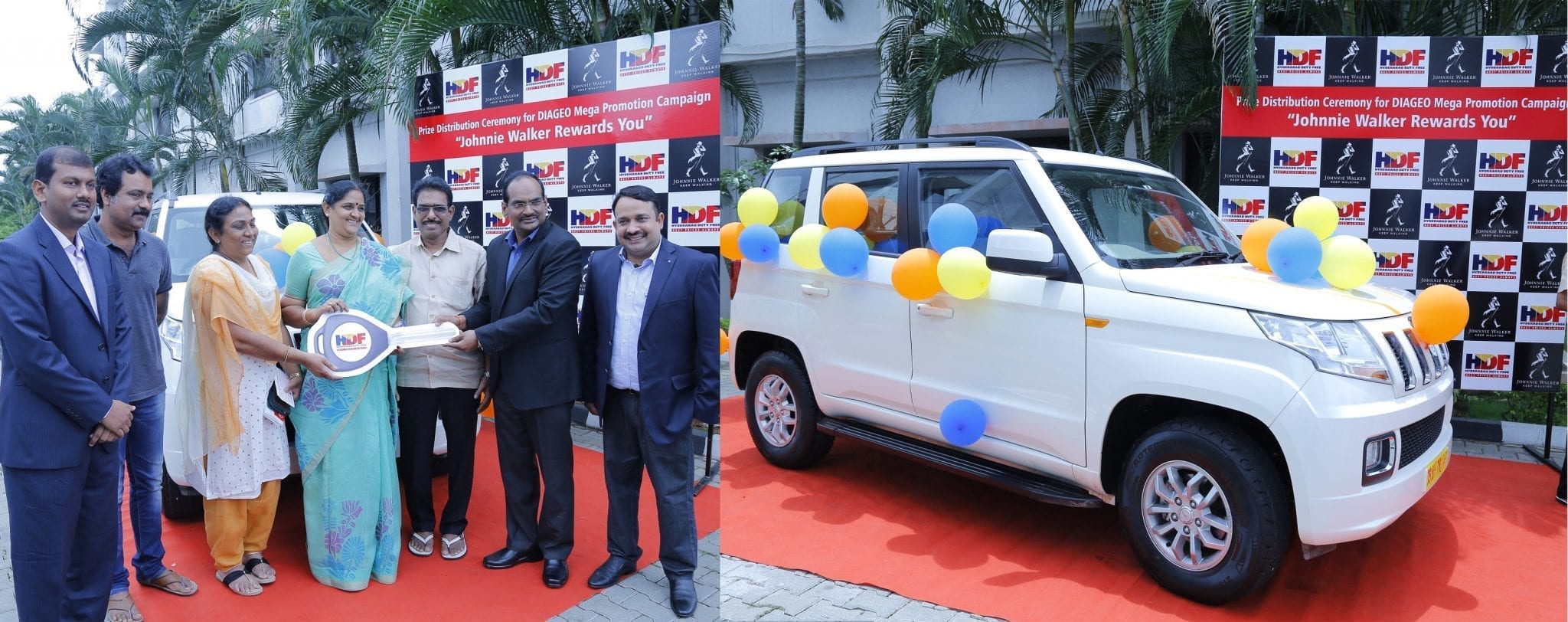
    Hyderabad Duty Free (HDF), a 100% subsidiary of GMR Hyderabad International Airport Ltd. (GHIAL), in collaboration with DIAGEO group gave away the bumper prize of a Mahindra TUV 300 to Mr. Surya Pathapati, a frequent flyer from Hyderabad Airport. This was the part of the “Johnnie Walker Rewards You” promotional campaign organized at Hyderabad Duty Free.

    HDF_02

    Visible in the picture are: Mr. SGK Kishore, Chairman, Hyderabad Duty Free Retail Limited (Sixth from Left) along with the relatives of the prize winner and key dignitaries of HDF and GHIAL. To participate in this mega promotion, flyers had to purchase a Johnnie Walker (JW) product in one transaction valued at $50 and above. This entitled the participants to receive a coupon / entry card. At the end of the promotional event, a winner was chosen in a lucky draw.

  • Entrant results are in for the Golden Pin Concept Design Award 2016

    Entrant results are in for the Golden Pin Concept Design Award 2016

    Taiwan’s international Golden Pin Concept Design Award wrapped up its call for entries for 2016 on 15 June, and the award has once again broken the record for the number of entries received.

    Of the 3,380 entries received from 11 countries in 2016, design concepts from China and Taiwan make up the bulk of the participation figures. New countries spotted on the entry list in 2016 include Australia, Israel, and Thailand. Malaysia and South Korea, countries with marginal representation in 2015, saw a significant jump in their entry numbers in 2016, an indication of the award’s growing reputation.

    The Golden Pin Concept Design Award, launched in 2015, is an annual award that offers a total of NT$900,000 (more than US$27,000) in cash prizes. Entrants are encouraged to consider philosophies, ideologies, principles, or areas of thought attributable to huaren culture or lifestyles in their submitted concepts, as well as the Chinese concept of zhongguan (中觀). While separately the words mean ‘center’ or ‘middle’ (zhong 中) and ‘to observe’ or ‘to watch’ (guan 觀), the meaning of the combined phrase is much deeper–something akin to ‘mastery gained from the perspective afforded those at the center of things.’

    While philosophical Chinese concept of zhongguan may seem difficult for someone unfamiliar with Chinese language to understand, this year, entries from international participants revealed some surprising and perceptive interpretations.

    • Designer Noa Razer from Israel entered a series of ceramic Chinese stools adorned with decorative motifs from cultures around the world. Named “Stoolim,” the series explores integration, influence, and synthesis between cultures.

    As with last year, designers from countries and areas outside of Taiwan with large huaren (Chinese-speaking) populations were once again keen participants in the award.

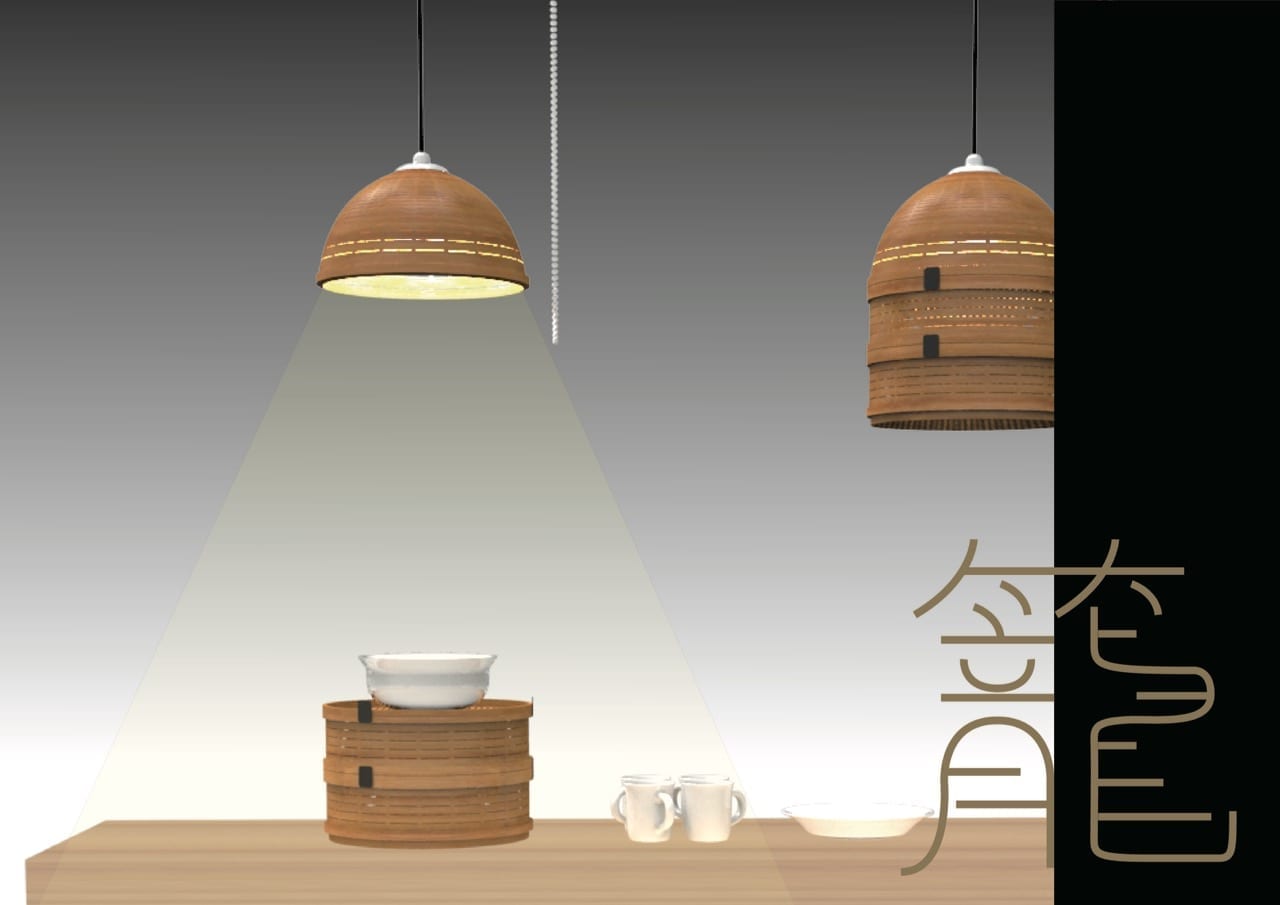
    • Guan-Yu Chan from Malaysia took the woven dish covers commonly used by Chinese families living in the southern parts of the Greater China region and adapted them into a modern pendant light-dish cover combo. The resulting work, called “CAGE–Dish Cover Design” by the creator, adds a touch of contemporary luxury to a once utilitarian object and ensures it is no longer relegated to the kitchen cupboard or market stall table.
    • Jiahui Tan of Fable, a boutique design agency in Singapore, entered “PLAY,” a cultural book commissioned by the National Heritage Board (NHB) for a community exhibition. The work, which takes the structure of DNA for its visual language, plays on the meanings and structures of the English letter ‘Y’ and the Chinese character ren (人), which means ‘man’ or ‘person’ in English, as well as a famous Chinese idiom (前人种树, 后人乘凉) that encourages people to appreciate the efforts of their predecessors in providing the comforts people enjoy today.
    • From Hong Kong, Yiu Hoi Lun’s poster “Migrant Worker” attempts to highlight the suffering many migrant workers in China face during the Chinese New Year holiday when they attempt to leave the cities and return to their family homes in the countryside. The designer was inspired by images she saw on TV and the internet of people breaking down in tears as they waited in endlessly long lines in the rain, snow, freezing temperatures just to buy their train tickets.
    • Calvin Sio of Hylé Design Macau entered “Fond of Shar[ing]–Food Serving Board” into this year’s award. The platter is inspired by the Chinese dining custom of sharing food from multiple dishes placed in the center of a table. The platter also comes with a set of interchangeable handles. Inspired by the shape of the armrests and backs of Ming Dynasty chairs, the handles allow for easy gripping of the platter from multiple angles around a table.

    Perhaps unsurprisingly, entries from Taiwan and China offered some of the most complex and deeply considered fusions of contemporary design and zhongguan.

    • Through the tableware series, “Home Craft,” Taiwanese designer Yu-Rui Liang attempts to create a contemporary use for the traditional craft of Chinese joss paper, also known as ghost or spirit money. The forms of the cups, plates, candle holders, and other utensils in the series are also inspired by objects found in religious shrines and temples in Taiwan.
    • “Roaming Through [the] Garden,” a typography system created by Chinese designer John Yan, incorporates architectural elements of the Classical Gardens of Suzhou–a UNESCO World Heritage Listed historical site–into the character design. He hopes that as readers take in the font, they will feel as though they are walking in a classical Chinese garden.

    While most entries were received in the Product Design category, as was the case in 2015, the number of entries submitted into the Spatial Design and Packaging Design categories rose by over 50%. Entries into the Visual Communications category remained more-or-less stable.

    Running since 2015, the Golden Pin Concept Design Award is one among three awards in the Golden Pin design award group. The annual competition is open to submissions from students, professionals, and corporations from around the world, and accepts product and project design concepts in four design disciplines: Product Design, Visual Communication Design, Packaging Design, and Spatial Design. Concept designs must not be available in the market, nor may they be produced within the year of the award.

    In 2016, entries will be assessed in three stages by a carefully selected international jury. All entrants that pass the second round of selections will be awarded a Golden Pin Concept Design Award Design Mark and a certificate. Best Design of the Year winners will receive one of three cash prizes awarded at a grand ceremony in Taipei, Taiwan in early December, each worth NT$300,000 (approx. US$9,800).

    The Golden Pin Concept Design Award is executed by the Taiwan Design Center and organized by the Industrial Development Bureau, Ministry of Economic Affairs. The Ministry of Economic Affairs acts in an advisory capacity.

  • GMR Hyderabad International Airport Adds New Brands to its F&B Kitty

    GMR Hyderabad International Airport Adds New Brands to its F&B Kitty

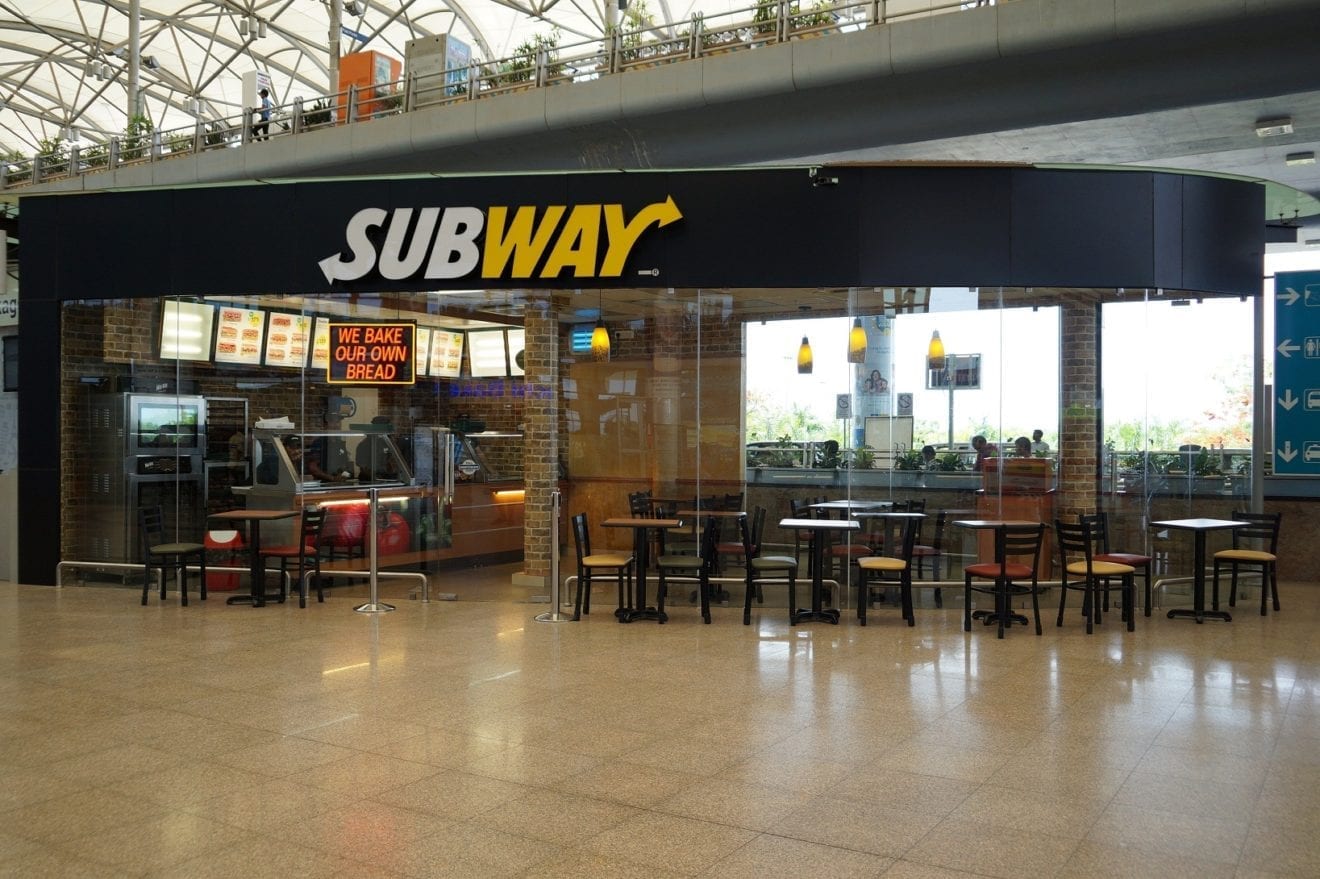
    GMR Hyderabad International Airport becomes all the more favourite destination for foodies. Recently, the airport added Mc Café and Subway to its succulent list of global F&B (Food & Beverages) brands.

     With the opening of its first outlet at Hyderabad Airport, Mc Café, has done a maiden venture in the F&B category of Indian Airports; this also happens to be their first outlet in Hyderabad City. Mc Café, which is a renowned brand of coffee-house-style food and drink chain owned by McDonald’s, is available for passengers and visitors at the F&B Space at Car Park Level of the airport. One can explore an exciting range of beverages, smoothies, hot cakes, indulgent treats of burgers, chicken wings among the many more.

     Subway, a popular American fast food restaurant franchise, is available at Airport Village (Arrivals level) and F&B space at the car park level of the airport. The outlet offers a wide range of Indian and international subs. Few of the subs are 97% fat free catering to the needs of health conscious people. Operating round the clock, both these outlets are attracting the foodies in hordes.

     Commenting on the inclusion of these two brands at Hyderabad Airport, Mr. SGK Kishore, CEO, GMR Hyderabad International Airport Ltd. (GHIAL), said, “We welcome Mc Café and Subway at Hyderabad Airport. Hyderabad, as a city, is well known for its hospitality and variety of cuisines it offers to everyone. In the same line, we at Hyderabad Airport, too, go extra mile to welcome our passengers and visitors by continuously enriching our portfolio of Food & Beverages. The addition of Mc Café and Subway has definitely made our F&B offer all the more attractive.”

  • Multi-label boutiques stand out with mix of local and Asian labels

    Multi-label boutiques stand out with mix of local and Asian labels

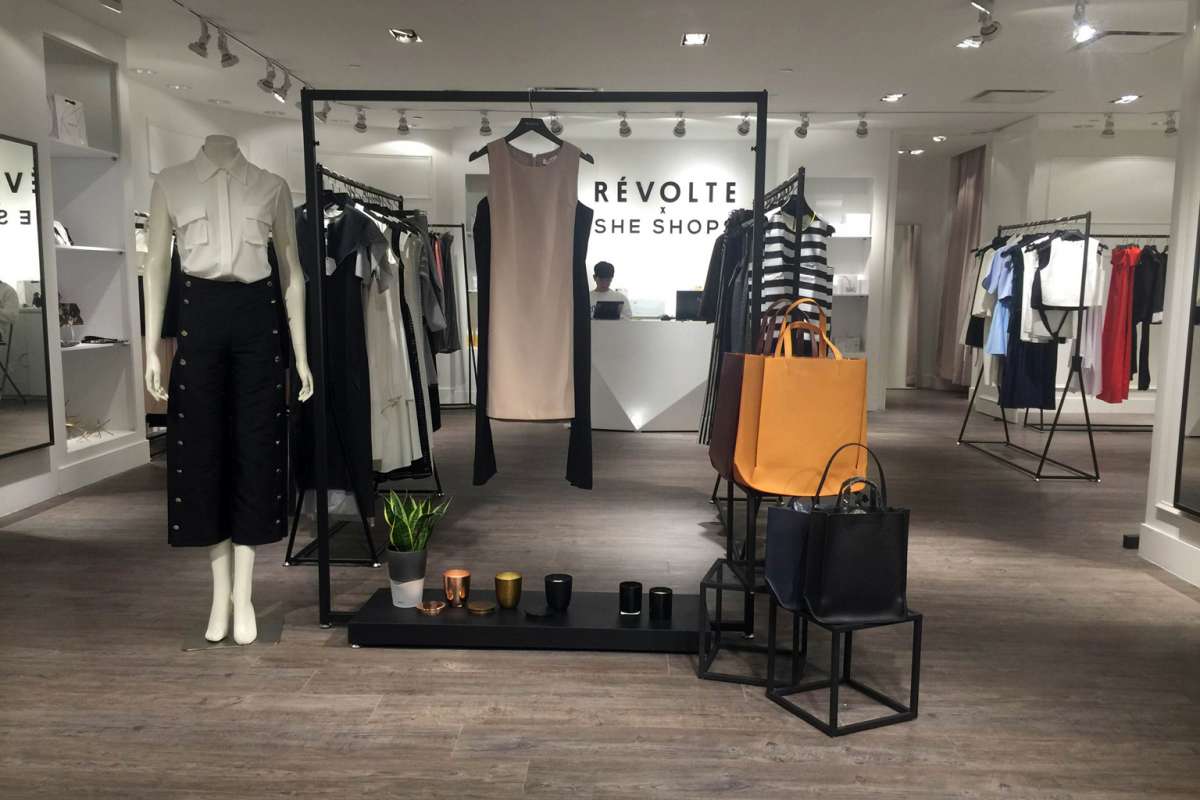
    A handful of retailers here are out to prove that home-grown and Asian fashion designers can hold their own against their international counterparts. These multi-label boutiques carry either purely Singapore and Asian brands, or a selection of such labels mixed with international ones. Such stores include SocietyA, Revolte x SheShops, L'armoire, Keepers and W.E. Workshop Element. Trixilini, previously at Millenia Walk, will reopen at Scotts Square on Saturday, carrying a handful of home-grown labels alongside international ones. Ms Pek Lay Peng, 31, says she set up SocietyA because "we saw a growth in Asian designers well trained in the fashion industry, but under-represented. We want to dispel the misconception that Asian designers are not of international standards". SocietyA, which started as an e-commerce site in 2014, has a showroom in Race Course Road. It started with 13 home-grown and Asian brands. It now has 25, including Singapore womenswear label Aijek and jewellery brand Diliya B, and South Korean labels Soulpot Studio and Grace Raiment. Jewellery designer Carolyn Kan, 43, who started design collective Keepers in 2011 and recently opened a permanent space for it at the National Design Centre, says the market is ripe for concept stores to cast the spotlight on Asian and Singapore designers. She says: "There are more strong Asian designers to choose from and a growing pool of Singaporeans who seek home-grown brands with unique and well-made designs." She names womenswear brand In Good Company, bag designer Ling Wu and watch brand Hypergrand as home-grown brands to watch, as they "know how to balance unique design aesthetic with commercial know-how and are focused on sustainable growth". Ms Vivian Lim, 26, product and brand development manager of Revolte, says Revolte x SheShops gives Singapore designers a platform to showcase and sell their designs. The store is a joint venture set up last year by Singapore retail brand Revolte and SheShops, an SPH Magazines-owned fashion e-commerce site. It carries nine home-grown labels, including Revolte. She says: "Our customers are a mix of Singaporeans and tourists, which gives the labels good exposure." Revolte x SheShops has two outlets, at Wheelock Place and Raffles City. A third is in the works. Designers are all for being stocked at such multi-label boutiques as it helps them save on operating costs and widens their customer reach. Eight Slate designer Savina Chai, 22, says she previously sold mainly to customers who were "more experimental with trends" when her womenswear brand was available only at the brand's online store. But since being carried at Revolte x SheShops, she says her customers now include more "mature women aged 35 to 45 who go for pieces that are timeless and work-appropriate". However, multi-label fashion boutiques championing Singapore and Asian designers say business can be challenging, especially in this tough retail climate. In October last year, 5,000 sq ft multi-label store Mporium opened at Suntec City, carrying more than 35 Asian and Singapore brands such as Aijek, Amos Ananda and Q Menswear. It closed in April. Owner Jennifer Yii declines to share why it closed, but says she is moving into e-commerce. Mr Alfie Leong, 46, founder of W.E. Workshop Element, which has branches at Suntec City and 313@Somerset, says there are times when the retailer does not turn in a profit, especially when the brands it carries do not have new stock to sell, leading to a sales dip. He says: "It boils down to time management and decisions on production and design. If designers have no stock to sell, they might miss out on peak periods such as Chinese New Year or Christmas." Mr Leong, like other boutique owners interviewed, declines to give sales figures. Another challenge these retailers face is that Singaporeans are reluctant to shell out money for homegrown and Asian designers. Ms Lim says: "Many shoppers would rather pay a high price for established international brands or pennies for fast fashion." Founder of L'armoire, Mr Rocco Wu, in his 30s, agrees: "The majority prefer to spend money on a brand they are familiar with. Only a few would follow their heart and pay for a design that they like, regardless of the brand." Mr Walid Zaazaa, 38, director of multi-label shop Manifesto at Capitol Piazza, feels that to win customers and compete against global brands, Singaporean and Asian designers "have to be original and retail business ready". He says: "The only way for Asian designers to compete with international brands is to come up with original concepts and designs and not copy or follow their favourite brands. The most important factor is to not compromise on quality." His 14-month-old store carries only one Singapore label: biro. He says the menswear brand was chosen because "it has a timeless aesthetic and its focus on quality complements the rest of our international labels". Advocates of home-grown and Asian labels feel there is a demand from consumers who are bored with mass-market brands and want to stand out from the crowd. Operations manager Jade Khoo, 28, is a regular patron of SocietyA. She says: "The styles carried are not commonly seen in other stores, but yet are easy to pull off. I feel unique when I wear the clothes." Public relations freelancer Alicia Ali, 28, who shops at Keepers and lists Hypergrand and Malaysian womenswear designer Cassey Gan as her favourites, says: "Compared with mass-market brands, Singapore and Asian designers cater more to the Asian silhouette and because they produce their designs in limited quantities, I find that they are more exclusive." Six boutiques housing Asian brands 1 SocietyA What it carries: Modern and contemporary apparel and accessories from Singapore and Asian designers. Shop feminine lace dresses and jewellery from home-grown designers Aijek and Amado Gudek, or more colourful and graphic separates from South Korean label LIE. The store also carries PH5, a New York-based brand of knitwear by Chinese designer Mijia Zhang. Prices start from $39 for accessories and from $79 for apparel and shoes.
    Best buys: 3D-printed gold stainless steel earrings (above), $129, from Amado Gudek; and polyester jumpsuit (top), $519, from South Korean label Ti:Baeg Where: 452 Race Course Road, Level 2; open daily from 9am to 6pm, by appointment only
    2 W.E. Workshop Element What it carries: Mostly apparel and accessories for women from home-grown brands such as Sabrina Goh and the store's in-house label BSYM, which was formerly known as MU Apparel. It also carries Japanese label Nocturne #22 In C Sharp Minor , Op. Posth, as well as South Korean brand Headline Seoul. For men, there is a selection of shirts from Singapore menswear brand Sixth Empire. Prices range from $14 for a pair of socks to $249 for a polyester dress from home-grown brand Ying The Label.
    Best buys: Pleated multi-colour dress (top), $59.90, from MU Apparel; and striped tote bag with leather handles (above), $159, from Good Feel Where: 313@Somerset, 313 Orchard Road 02-25, open daily from 11am to 10pm, tel: 6509-1500; 438 Suntec City Tower 5, 3 Temasek Boulevard, 02-433, open daily from 11am to 9.30pm,
    3 Revolte x SheShops What it carries: Casual and slightly more dressy apparel and accessories from nine home-grown brands such as Eight Slate, Soigne and in-house label Revolte. There is also a small selection of skincare from South Korean brand Algovital Angel and menswear from home-grown label The Authority. Prices start at $35 for an envelope clutch from home-grown brand Pleatation to $796 for a lattice coat by Taiwanese label Nude made by Suoi.
    Best buys: Sleeveless grey knit top (top), $99, from Revolte; and red camisole (above), $52, from Soigne Where: Raffles City Shopping Centre, 252 North Bridge Road, 02-32, open daily from 11am to 10pm,
      4 Manifesto What it carries: Singapore menswear brand biro, which is known for its casual wear of cotton T-shirts and jeans, is stocked alongside Japanese labels such as menswear brand Omiyage, and cult European brands such as French labels Maison Kitsune and Lemaire. Luxury British eyewear label Linda Farrow and sneakers from brands such as adidas and Swear London are also stocked here. Prices range from $65 for a pair of plastic bathing shoes from British brand F-Troupe to $2,788 for a wool-knit winter jacket from French designer Isabel Marant.
    Best buys: Men's denim jacket (top), $519, from Japanese brand Talking About The Abstraction; and women's hibiscus print cotton shirt (above), $325, from Maison Kitsune Where: Capitol Piazza, 13 Stamford Road, 02-19; open: 11am to 9pm (Sunday to Thursday) and 11am to 10pm (Friday and Saturday)
    5 Trixilini What it carries: Womenswear from a range of international brands, such as New York-based Yumi Kim and Bali-based Uma & Leopold, and home-grown brands Aijek, Stolen and underwear brand Perk by Kate Intimates. Prices start from $129 for a top to $549 for a dress. Best buys: White sleeveless dress (top), $159, from Bali-based Paulina Katarina; and blue maxi dress (above), $469, from Yumi Kim Where: Scotts Square, 6 Scotts Road, 03-08; open: 10am to 8.30pm (Monday to Saturday), 11am to 8pm (Sunday and public holiday)
    6 L'armoire What it carries: Cutting-edge apparel, shoes and accessories from Asian and Western designers, such as Paris-based Korean designer Moon Young Hee and American fashion designer Rick Owens. About 60 per cent of the merchandise is for men. Prices range from $75 for a pair of cotton ankle socks from 11 by BBS, the contemporary diffusion line of Barcelona-based menswear designer Boris Bidjan Saberi, to $5,560 for a blue horse leather jacket, also by the same designer.
    Best buys: Cotton vest with plastic knit overlay (top), $1,550, from Moon Young Hee; and detachable patterned jogger pants (above), $615, from South Korean label D. Gnak Where: Raffles Hotel Shopping Arcade, 328 North Bridge Road, 02-25; open daily from noon to 8pm

  • Singapore economy grows 2.2% in Q2, beating expectations

    Singapore economy grows 2.2% in Q2, beating expectations

    The Singapore economy grew 2.2 per cent on a year-on-year basis in the second quarter, marginally higher than the 2.1 per cent expansion in the previous quarter and in line with analysts’ expectations, according to advance estimates from the Ministry of Trade and Industry (MTI) on Thursday (Jul 14).

    On a quarter-on-quarter, seasonally adjusted and annualised basis, the economy expanded 0.8 per cent, an improvement from the 0.2 per cent growth in the first quarter.

    The figures were in line with analysts’ forecasts, with economists in a Reuters poll predicting a 2.2 per cent year-on-year growth and a 0.9 per cent growth on a quarterly basis.

    The manufacturing sector expanded by 0.8 per cent on a year-on-year basis, a reversal from the 0.5 per cent decline in the previous quarter. Growth was supported by an increase in the output of the biomedical manufacturing and electronics clusters, MTI said. On a quarter-on-quarter basis, the sector grew at an annualised rate of 0.3 per cent, following the 18.4 per cent growth in the preceding quarter.

    The construction sector grew by 2.7 per cent, easing from the 4.5 per cent growth recorded in the previous quarter. The moderation in growth was largely due to a slowdown in private sector construction activities, the ministry said. On a quarter-on-quarter basis, the sector expanded at an annualised rate of 0.6 per cent, lower than the 3.5 per cent expansion in the preceding quarter.

    Growth in the services-producing industries came in at 1.7 per cent, the same pace of growth as in the previous quarter. Growth was driven mainly by wholesale and retail trade, and the transportation and storage sector. Within the retail trade sector, growth was supported by strong motor vehicle sales. On a quarterly basis, the industry grew by 0.5 per cent, reversing the 4.8 per cent contraction in the preceding quarter.

    The advance GDP estimates were computed largely from data in the first two months of the quarter – in this case, April and May. They are intended as an early indication of the GDP growth in the quarter, and are subject to revision when more comprehensive data become available, said MTI.

    The preliminary GDP estimates for the second quarter, including performance by sectors, sources of growth, inflation, employment and productivity, will be released next month.

    GROWTH IN LINE WITH EXPECTATIONS, BUT LIKELY TO DETERIORATE: ANALYSTS

    Mizuho senior economist Vishnu Varathan said manufacturing primarily drove the improvement for the second quarter.

    “Manufacturing snapped six consecutive quarters of year-on-year contraction, to come into an expansion. It’s a modest expansion, but nonetheless a poignant one,” he said.

    The improvement of the economy in the second quarter, after the numbers for the first quarter were upwardly revised from 1.8 per cent to 2.1 per cent, probably framed a “stabilisation story” in Singapore’s growth, if not a slight improvement, added Mr Varathan.

    However, economists told us the recovery is likely to be tentative, with the volatile pharmaceuticals unlikely to sustain the lift in industrial production, while sectors like transport engineering and petrochemicals continue to show signs of weakness.

    On the external front, the impact from UK’s vote to leave the European Union is likely to be felt in the coming months, said Mr Brian Tan, Nomura Singapore’s Southeast Asia economist.

    “The Singapore economy is so open, not just to trade, but also from the financial market channels because we’re an international financial centre, so both these channels could have a very negative impact on the Singapore economy once Brexit has happened,” Mr Tan said.

    He added the impact may possibly be apparent in the July and August trade data, saying that “because of this, we worry that the growth outlook for Singapore will deteriorate over the coming quarters, especially when we get into the third quarter when the impact of Brexit might be a bit more visible.” 

    Amid ongoing macroeconomic risks and currency market volatility, observers also said the Monetary Authority of Singapore is likely to actively review the need to weaken the Singapore dollar.

    For the full year, the Government’s forecast is for Singapore’s economy to grow by between 1 and 3 per cent.

  • Chicken rice restaurant Pow Sing suspended for link to gastroenteritis outbreak

    Chicken rice restaurant Pow Sing suspended for link to gastroenteritis outbreak

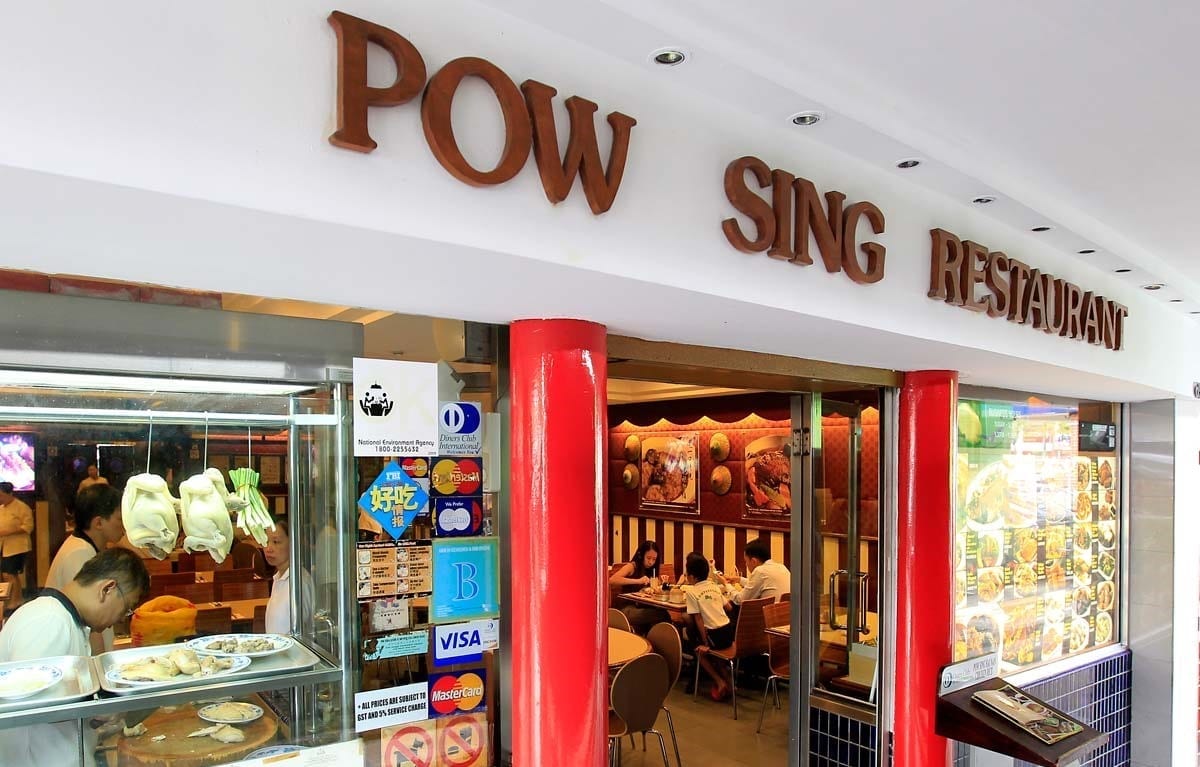
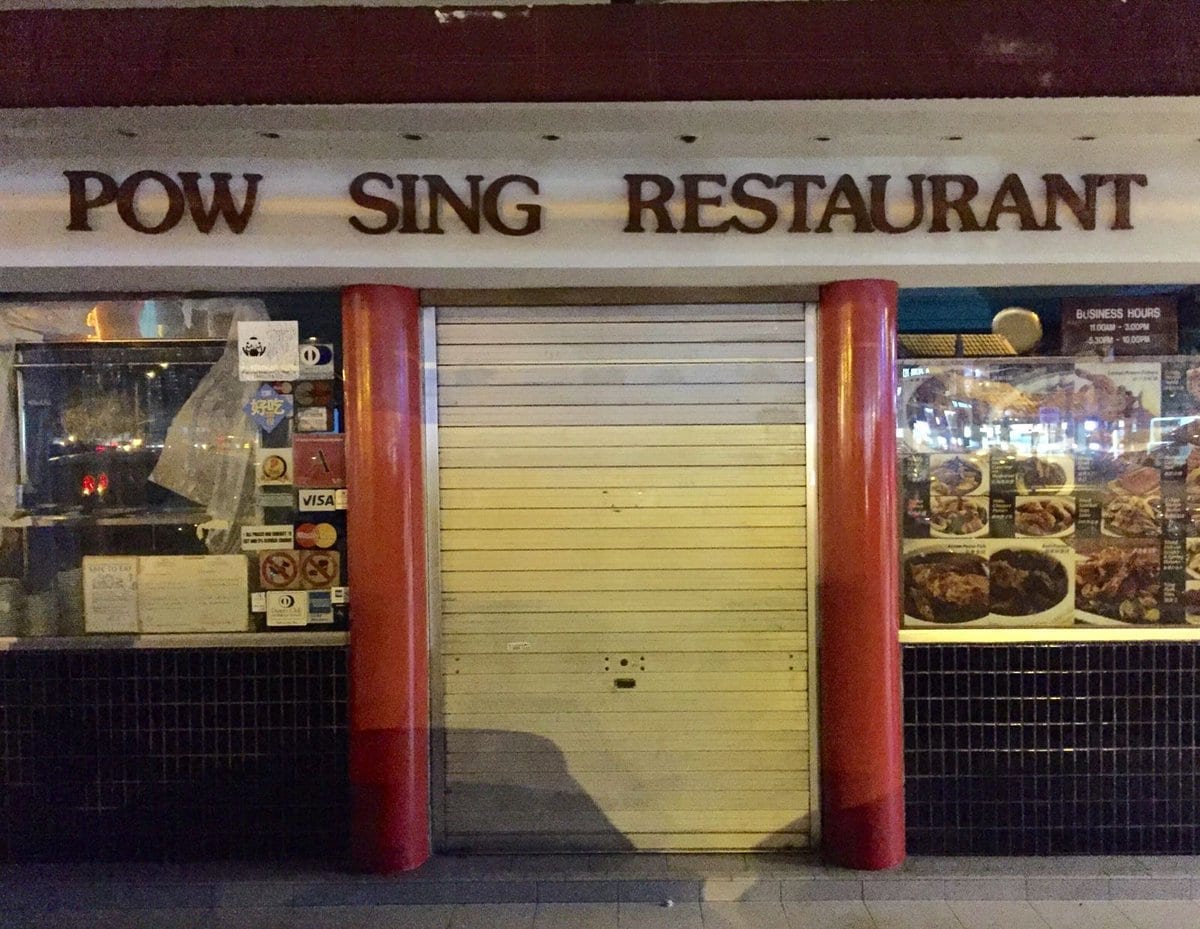
    Pow Sing Restaurant along Serangoon Garden Way, known for its chicken rice, has been suspended due to links to several cases of gastroenteritis between Jul 4 and 11, the Ministry of Health (MOH), National Environment Agency (NEA), and Agri-Food and Veterinary Authority of Singapore (AVA) said in a joint press release on Wednesday (Jul 13).

    As of Tuesday, 29 reported gastroenteritis cases have been verified and further investigations are ongoing, the authorities said.

    MOH, NEA and AVA were first notified of the cases on Jul 4 and had immediately conducted joint inspections of the restaurant’s premises the next day, they said.

    Several hygiene lapses, including a failure to maintain temperature records and allowing an unregistered food handler to prepare food, were observed, and the restaurant had been instructed to rectify them immediately, the agencies added.

    “There is reason to suspect that there might be a continuing source of infection in the premises,” the authorities stated, noting that they were alerted to another four cases on Jul 11, after checks were conducted.

    NEA suspended the 33-year-old restaurant starting Wednesday to protect consumers from public health risks, the agencies said. Pow Sing has also been instructed to dispose of all ready-to-eat and thawed food as well as perishable food items, conduct thorough cleaning and sanitising of its premises including equipment, utensils, work surfaces and toilets, and review and rectify the lapses in food preparation processes identified during the joint inspections.

    Meanwhile, AVA has collected food samples from the restaurant and is conducting laboratory tests on them, and MOH is screening stool samples from the affected cases and the restaurant’s food handlers. Only food handlers who are tested to be free of food poisoning pathogens and have re-attended and passed the Basic Food Hygiene Course will be allowed to resume work, the authorities said, adding that MOH and NEA will continue to monitor the situation closely.

    Based on the findings of the joint inspections, NEA will take necessary enforcement actions against the restaurant for hygiene infringements, the authorities said.

    “Food operators are also reminded to ensure that all food handlers are registered with the NEA and that they do not engage in any food preparation if they are sick. Food retail outlets are inspected regularly and strict enforcement action will be taken against any errant food retail outlets,” they added.

    Members of the public can report incidents related to food hygiene by calling the 24-hour NEA Contact Centre at 1800-CALL-NEA (1800-2255-632).

    RESTAURANT CLOSED FOR RENOVATIONS: OWNER

    When Channel NewsAsia visited Pow Sing on Wednesday at around 8.50pm, the restaurant was shuttered and had notices outside indicating it was “closed for renovations” starting Wednesday.

    “We will resume our business once the renovation finishes. If there are any further delays we will keep you up to date,” the restaurant said in the notice.

    One of the two founders of the Pow Sing group, Lee Chin Soo, said the renovations of the restaurant had nothing to do with the gastroenteritis incidents and that he only found about the suspension on Tuesday morning.

    “It has already been so long; we have never done any sort of renovation. I took this chance and I wanted to change the seats and change the look of the restaurant. I took the chance to clean out everything that looks dirty,” he said.

    Mr Steven Tan, the other founder of the brand, is said to be overseas.

    Mr Lee said he wished to find out why the hygiene lapses happened, as it was the first time such a thing had happened at the restaurant in its 30-plus years of operations.

    “NEA and MOH have not gotten back to us about the cause, and I really do not have much information but I would like to know more. I will take more steps in future to look at everything more closely,” he said.

    He added that he would not “run away” and would face his responsibilities.

    “The employees here have been with me for a very long time, I also stop by often … I have been serving chicken rice since I was young,” Mr Lee said.

    Meanwhile, a manager of Pow Sing Kitchen, also under the Pow Sing group, said it had a separate kitchen from Pow Sing Restaurant and was run by different management, even though they reported to the same bosses. Pow Sing Kitchen, which was still open on Wednesday night, is not affected by the closure, said the manager, who only wanted to be known as “Tommy”.

    CnP7awMVIAABKNI