Author: Mei Ling Tan

  • Primark sales flourish on new store openings

    Primark sales flourish on new store openings

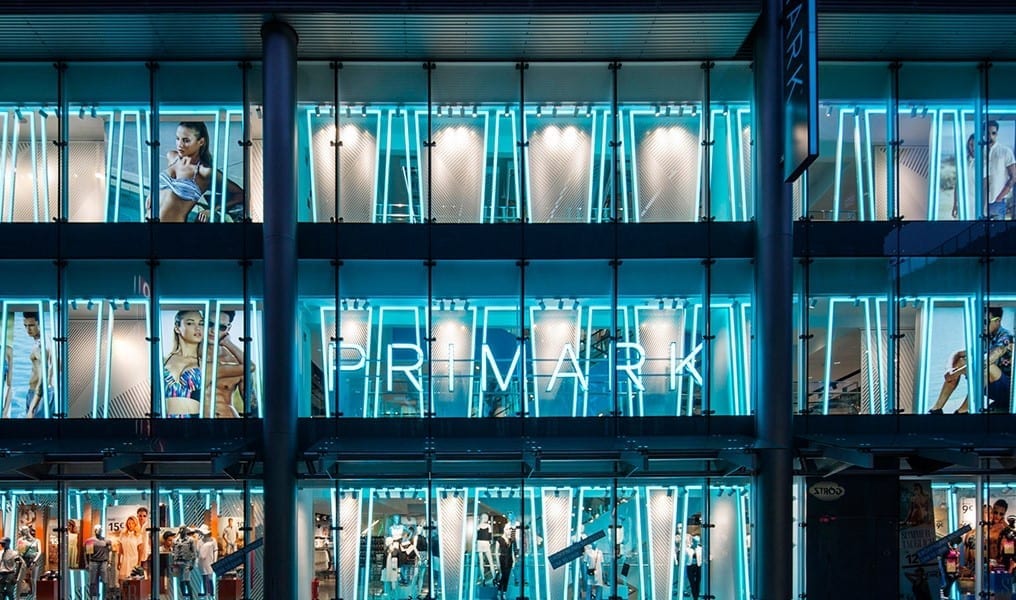
    Despite third quarter like-for-like sales being hit by unseasonal weather, especially in April, UK-based discount apparel chain Primark has posted a solid 40-week performance – with a strong third quarter boosting overall growth.

    Primark sales benefitted from the weakness of the pound towards the end of the quarter, and from the 800,000 sqft in selling space added since the beginning of the financial year.

    The company ended the period with 310 stores and 12 million sqft of selling space. Primark is continuing its march throughout Europe and the US, and opened 11 stores in the quarter, including three in the UK, its third in the US and its first in Arese, northwest of Milan in Italy.

    Early trading in these new stores has been promising, especially in its recent US and Italian ventures – while new stores in France continue to impress, highlighting the appetite for the brand in the country. Having previously been overly cautious with its store expansion strategy, Primark’s recent bold attitude is set to continue with plans to add a net 300,000 sqft of space in the fourth quarter – including two more stores in the US, and also doubling its Creteil store in Paris.

    Despite the uncertainty brought on by the UK’s EU referendum result, Primark remains optimistic and will forge ahead with its expansion plans. Given its strong value proposition and the clear demand for its offer, Primark is well placed to benefit as shoppers’ discretionary spend comes under further pressure – though retaining its competitive pricing will be crucial.

    Consumers now place far more importance on quality and value for money – ensuring Primark cannot scrimp on fabric, quality or fit. While Primark continues to shun the online channel, it must invest in its in-store experience, with focus needed on reducing queuing times at fitting rooms and at the till, as well as customer service.

  • YNAP pins hopes on expansion

    YNAP pins hopes on expansion

    Italian online fashion retailer Yoox Net-A-Porter (YNAP) aims to double sales and boost profits by 2020 as it expands in new markets, including Asia, but says it is still committed to Britain despite the vote to leave the European Union.

    The group says it is expanding its London headquarters and hiring several hundred new staff members despite Brexit. About a sixth of its total revenue comes from Britain.

    “We believe in this market. We believe in London and we continue to grow here,” says chief executive Federico Marchetti. “We have a very resilient business model thanks to our geographies being global.”

    YNAP says it plans to more than double revenues to around 4 billion euros (US$4.4 billion) by 2020. Its growth plans include further expansion in China and the rest of Asia.

    It also plans to offer jewellery and watches – Swiss watchmaker Richemont is a major shareholder – targeting sales of 100 million euros by 2020. This is part of a strategy to focus more on premium customers and fast-growing brands, as well as investing heavily in mobile. It says three-quarters of sales are set to come from mobile devices by 2020, from 41 per cent now.

    YNAP, a merger of Italy’s Yoox with upmarket rival Net-A-Porter, has its own multi-brand shopping websites but also runs online stores for luxury brands including Armani and Valentino. It added Prada this week.

    Finance chief Enrico Cavatorta says he expects synergies from the merger to take full effect from 2018, improving margins, and says the group should be cash positive from 2018.

  • Bespoke Club celebrates new flagship store

    Bespoke Club celebrates new flagship store

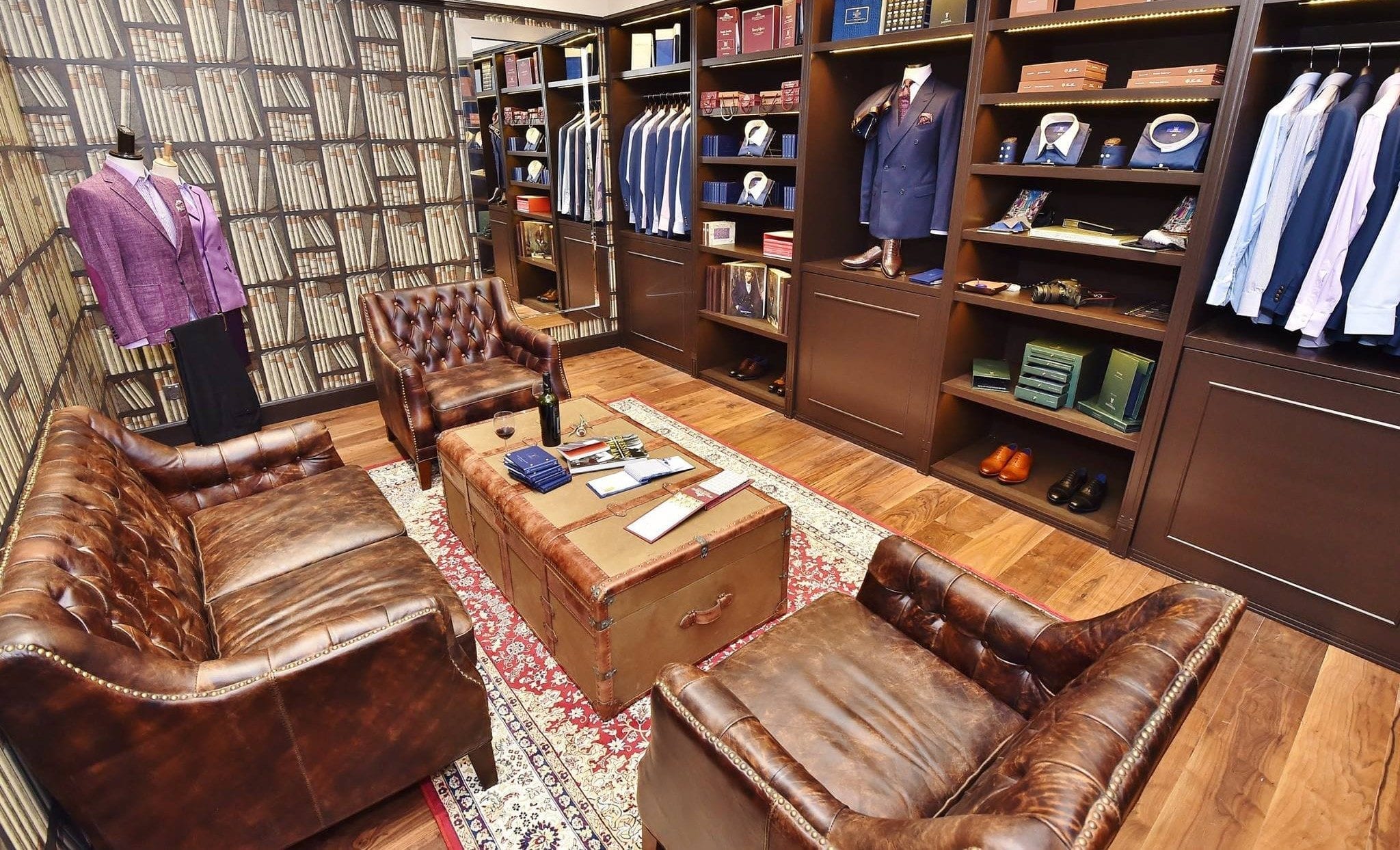
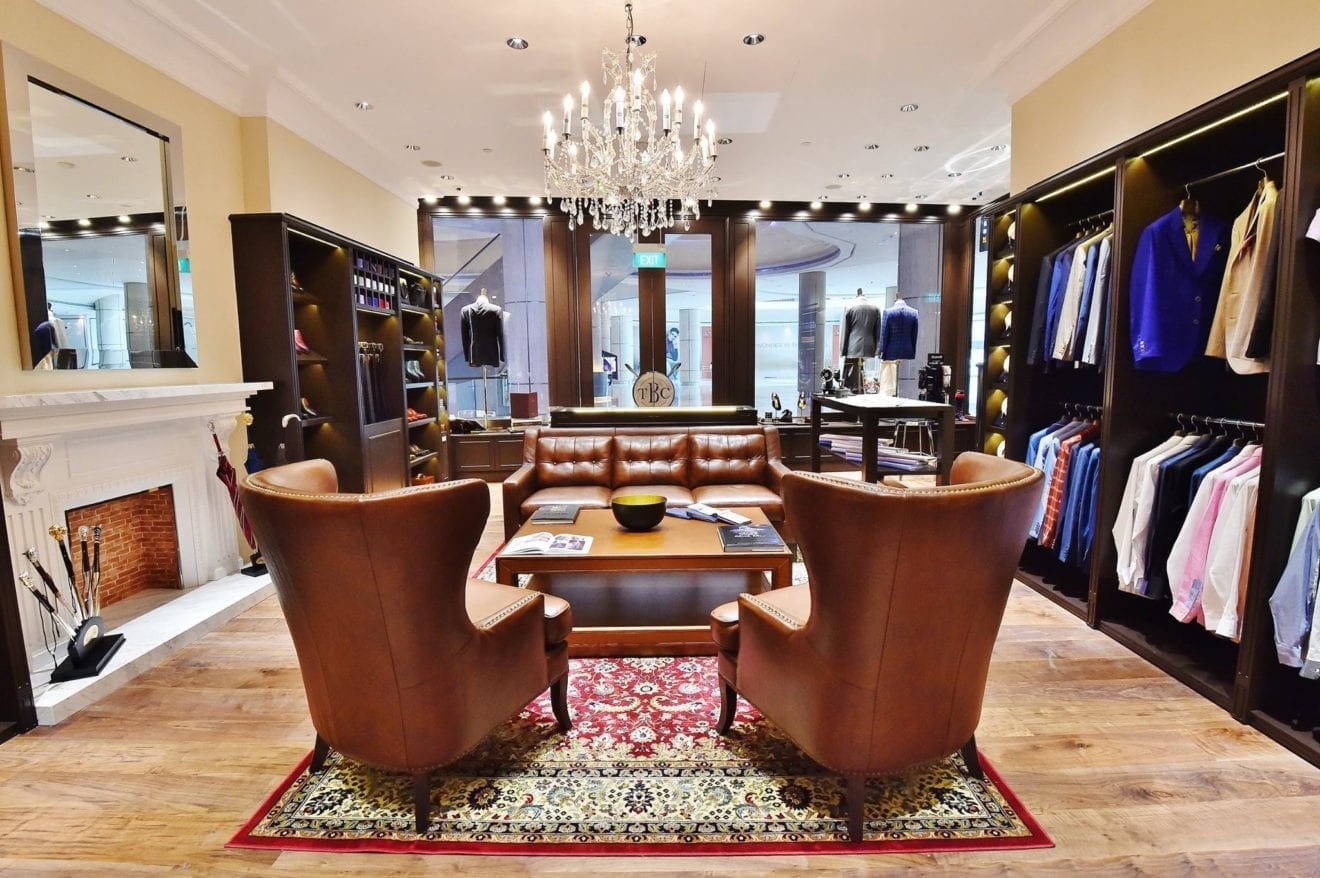
    Tailoring brand The Bespoke Club has launched its flagship store at Suntec Boutique, hosting a celebration attended by VIP clients, celebrities and other special guests.

    The Bespoke Club specialises in bespoke suits and shirts. Club patrons have complete governance over style, cut and materials, with access to more than 5000 European fine fabrics, haberdashery and accessories.

    bespoke

    It takes up to 50 hours of manual work to create a bespoke garment. Rolling the lapel, felling the collar, setting the canvas and sewing the buttons are all done by hand at The Bespoke Club. Its new store offers the style of a Savile Row boutique, and includes a personal shopping suite for privacy and discretion.

    However, clients do not need to visit the store – The Bespoke Club offers a personalised tailoring service at the client’s home or office.

    A range of packages is available, and there are special rates for corporate partners. Also available at The Bespoke Club are accessories, leather goods and custom-made shoes.

    Meanwhile, at the opening party, brand ambassador Srikant Ramaswami gave the opening speech on the essence of bespoke, while Buro 24/7 Singapore editor Norman Tan gave a presentation on the art of fine tailoring. As guests mingled over canapés, wine and champagne, Tan hosted a tie-a-bowtie competition with prizes for participants.

    Srikant Ramaswami - The Bespoke Club

    Reflecting the colours of the brand, the venue was dressed in blue and white.

  • PNJ sales slightly goes up

    PNJ sales slightly goes up

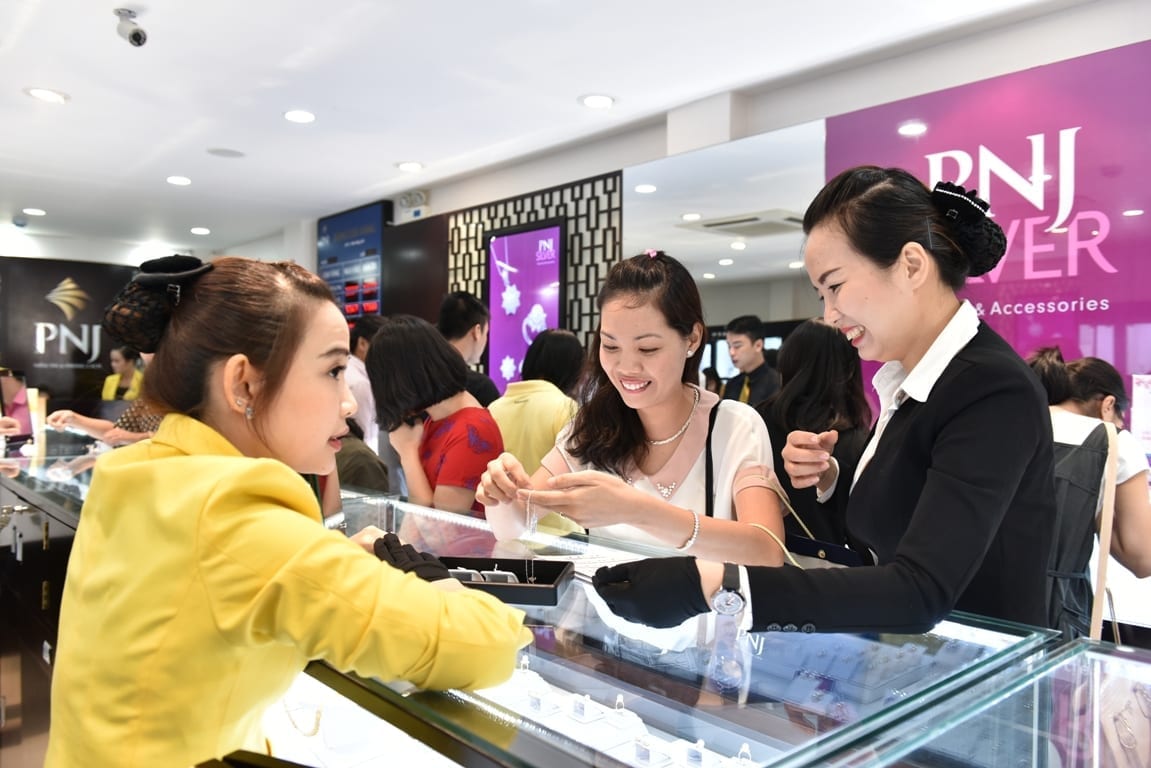
    Vietnam-based Phu Nhuan Jewelry (PNJ) has recorded US$178 million in sales and a pre-tax profit of VNĐ304.5 billion (US$13.65 million) in the first six months of this year.

    These are increases of 4 and 116 per cent respectively for the same period last year, says a PNJ official.

    During the period, the jewellery manufacturer also opened 13 stores, taking its total to 204 retail outlets, plus more than 3000 wholesalers, according to Viet Nam News.

    PNJ was named Employer of the Year in last year’s JNA Awards, which cover the international gemstone and jewellery sector.

    When PNJ restructured its jewellery workshop two years ago, a 35 per cent increase in productivity followed. It invested US$4.6 million to build a six-storey factory capable of producing four million units a year.

    PNJ launches about 20 jewellery collections a year.

  • The Salvation Army joins start-up ShopBack Singapore on its Social outreach

    The Salvation Army joins start-up ShopBack Singapore on its Social outreach

    The Salvation Army partners ShopBack Singapore, one of the top Cashback sites in Southeast Asia, to introduce the #ShopBackGivesBack outreach. The budding start-up’s first foray into social responsibility encourages shoppers to shop and do good.

    From now till 31 August 2016, ShopBack Singapore will make a $10 donation to The Salvation Army for every first purchase made by users who sign up for a free account at https://www.shopback.sg/salvationarmy. No minimum spend is required from user to initiate the gifting.

    “The name #ShopBackGivesBack was chosen as it serves as an apt representation of both our business and social responsibility outreach,” said Ms. Josephine Chow, Country Head of ShopBack Singapore. “The backbone of our business involves giving cash back to the online shoppers. In line with GSS, we invite Good ShopBack Samaritans to indulge in shopping while doing good for The Salvation Army.”

    The international charity organisation has been serving the underprivileged in the local community without discrimination. Throughout its 81 years of establishment in Singapore, The Salvation Army has launched several diverse social programmes to cater to a wide range of needs in society.

    “The Salvation Army has come a long way in identifying social needs and doing our best to help people who truly need relief from difficult circumstances. We are pleased to partner ShopBack Singapore in its initiative to give back to the community. With the support of ShopBack Singapore and its kind shoppers, we can continue to provide better care for abandoned and abused children, families in material need, elderly requiring nursing care, and other needy segments in Singapore,” said Colonel Lyndon Buckingham, Territorial Commander, The Salvation Army, Singapore, Malaysia and Myanmar Territory. ShopBack SG 2

    To foster the spirit of giving and buying this GSS, ShopBack Singapore will be raising the Cashback tier from up to 30% to 40% for the Good ShopBack Samaritans. They will also get to enjoy exclusive voucher codes to help them save more as they shop from over 500 online stores such as Taobao, Guardian, Expedia and Cathay Cineplexes.

    Injecting social responsibility into a company’s core at an early development stage

    Most people tend to associate social responsibility with large corporations. They are more entrenched in their respective fields and tend to have more resources to execute social responsibility on a greater scale, which translates to a bigger impact.

    “In spite of resource constraints, ShopBack Singapore is keen to tighten its belt, step forth and give back to society,” said Mr. Henry Chan, Co-Founder of ShopBack. “We applaud this initiative and give the team our full support to take #ShopBackGivesBack further. This social responsibility outreach will serve as a good initiative to explore different ways of giving back while maintaining a sustainable business.”

    Currently less than two years old, ShopBack is seeing a steady 20% month-on-month growth across the region in five markets, garnering at least six orders per minute for its online retail partners. The desktop-first Cashback site just launched its mobile app last week, which topped the Shopping Category for free apps in less than 24 hours.

    Moving forward, ShopBack Singapore will look into the option of Cashback donation to involve over 250,000 local users in the #ShopBackGivesBack outreach. With the integration of charity organisations such as The Salvation Army as one of ShopBack’s payout options, shoppers will then be able to donate their accumulated Cashback straight to the desired organisation without forking out cash from their wallets.

  • Bolloré Logistics Sponsors Honey Factory for Urban Beekeeping in Seoul

    Bolloré Logistics Sponsors Honey Factory for Urban Beekeeping in Seoul

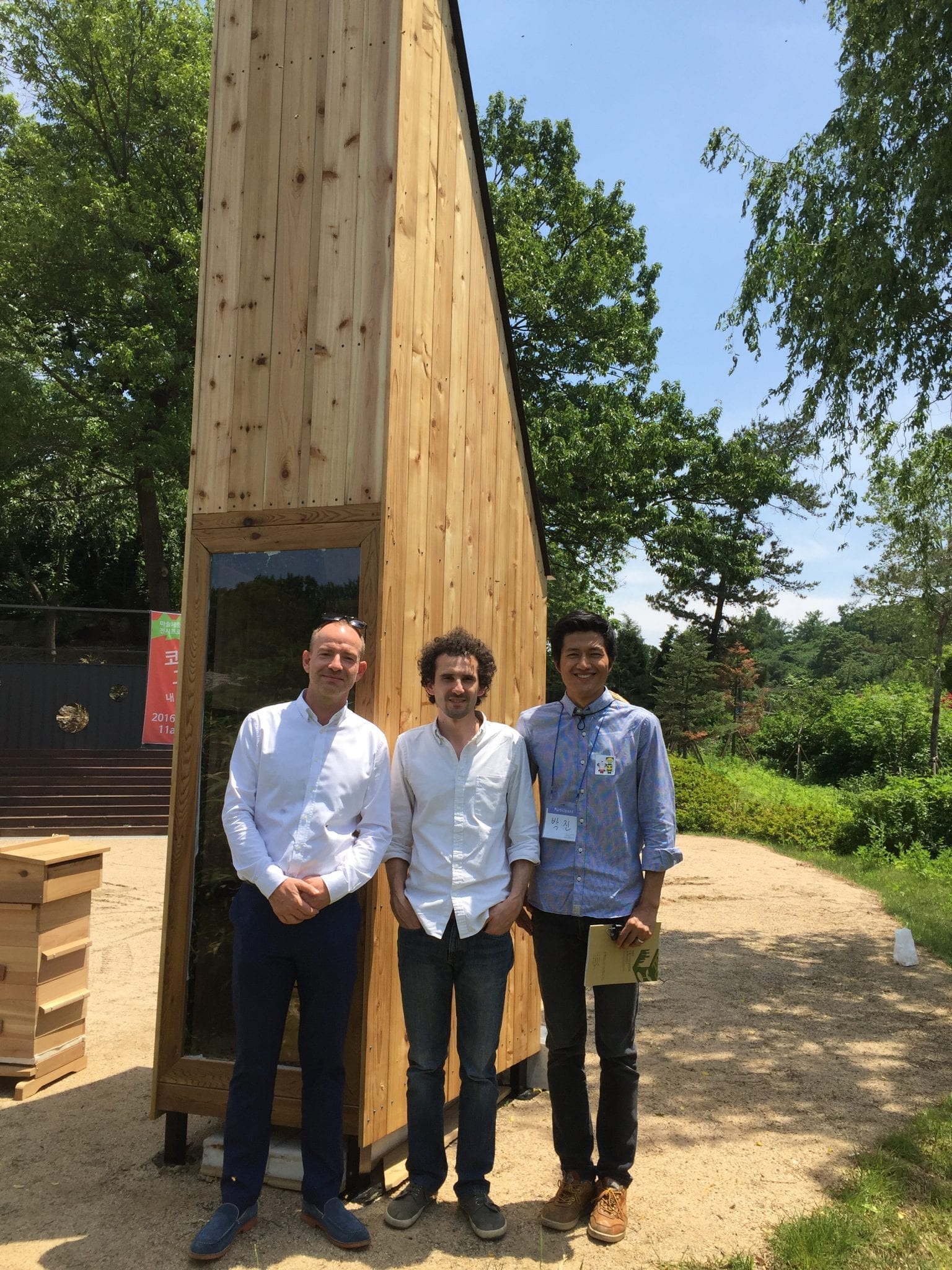
    In an effort to promote the idea of urban beekeeping and to provide information about its environmental benefits, Bolloré Logistics Korea recently sponsored a beehive structure called Honey Factory, in Seoul, South Korea.

    Currently installed in Seoul Children’s Grand Park, it was first introduced in Asia at the 2016 International Conference on Urban Agriculture during The 5th Seoul Urban Agriculture Expo that took place last May 19-22.

    Designed by Italian industrial designer Francesco Faccin, this wooden beehive has a 4.5-meter chimney that keeps curious children safe from the bees. It also protects the bees from harm due to bad weather and helps keeping it at constant temperature with optimal ventilation. Honey Factory is an ideal beehive for city parks as a standard hive can cover a radius of three kilometers.

    The first Honey Factory has also been operating since 2015 installed in the garden of the Triennale Design Museum in Milan, Italy, and carries out educational activities as well as producing great urban honey.

    This action is fully in line with the biodiversity action plan put into effect within the Bolloré Logistics Business Unit. Bolloré Logistics’ biodiversity strategy has three fundamental pillars based on the ARC concept (Avoid / Reduce / Compensate):

    (1) Embracing biodiversity as one of the company’s environmental concerns;

    (2) Working with customers and suppliers on biodiversity issues and the impact of our activities;

    (3) Make our sites models for biodiversity, all over the world.

    By sponsoring the first Honey Factory in Asia, Bolloré Logistics hopes to increase efforts to protect bees, as they play a vital role in maintaining biodiversity.

  • Taiwan-based Shoemaker Set to Expand Factory in Indonesia

    Taiwan-based Shoemaker Set to Expand Factory in Indonesia

    A Taiwan-based sports shoes manufacturer has expressed its interest to expand its business in Indonesia. The company, who has had a factory in Tangerang since 1996 with 1,100 workers, will expand and is expected to absorb up to 10,000 workers.

    The Investment Coordinating Board (BKPM) chairman Franky Sibarani has welcomed the planned expansion. “It’s very positive to help to create employment and optimize investment benefits in a bid to improve people’s welfare,” he said in an official statement as quoted by Bisnis.com, Tuesday, July 12, 2016.

    The BKPM chairman said that the company has picked Majalengka District as one of the possible location for its expansion. The company will expand its factory and also bring along some of its suppliers as part of its supply chain.

    Franky sees it as a positive move amid the government’s effort to make Indonesia as a supply chain hub of products being marketed in Southeast Asia and Asia.

    “We will certainly support labor intensive industries who have set their sight on Indonesia as their production base,” he explained.

    BKPM data shows that investment realization from Taiwan throughout 2015 stood at US$107.95 million, consisted of 275 projects and was ranked 15th in the list of countries investing in Indonesia. Meanwhile, in February 2016 that Taiwan’s outward investment to Indonesia was ranked seventh with a total investment of US$1.5 billion.

    Taiwan’s investment is expected to help achieve the target of 2016 investment realization of Rp594.8 trillion, particularly from foreign investment which is set at Rp386 trillion, or 65% of the targeted total investment realization.

  • Inamall launch opens doors for RI businesses

    Inamall launch opens doors for RI businesses

    The launch of a marketplace dedicated to Indonesian-made products on Chinese e-commerce giant Alibaba’s platform will open doors for local small and medium enterprises (SMEs) to break into the Chinese market.

    Over the weekend, Trade Minister Thomas Lembong and a number of officials took part in officiating Inamall in China, which is currently accessible through Alibaba’s subsidiary marketplace Tmall Global. Prior to the announcement, Inamall had reportedly been active since last year.

    Inamall will feature exclusively Indonesian-made products, with a particular emphasis on food and beverages. Some Indonesian brands that have entered this marketplace include coffee brands Kopi Luwak and Kapal Api, along with snack products ranging from Kusuka chips to Inaco Nata De Coco.

    Through the partnership with Alibaba, Indonesia now has a direct access to a lucrative online market, which would allow Indonesian producers to sell their products directly to Chinese consumers without the hassle of distributors.

    Indonesian ambassador to China and Mongolia Soegeng Rahardjo elaborated during the event that since Inamall’s soft launch last year it has been visited by up to 400 million Chinese users, thus highlighting the extensive interest in Indonesian products in the People’s Republic.

    The interest, Soegeng noted, arose because members of the Chinese public had less faith in their local products because of safety issues, especially when it comes to food and beverage products. With this perception by Chinese people, Indonesian products will get a better foothold in their market.

    “But the challenge now is how [Indonesian vendors] are able to maintain the quality of their goods, maintain their capacity and ensure the continuity of their production so that outside markets are able to consistently come back to an Indonesian product,” he said during the Inamall launch in Hangzhou last week, as reported by Antara.

    Adding to that, the director of the Indonesian Chamber of Commerce and Industry (Kadin) in China, Liky Sutikno, noted that Inamall would enable Chinese consumers to develop emotional connections with Indonesian products, enough for them to buy again and again if they adore the product, thus creating precious brand loyalty.

    At the same event, the managing director of the Global Alibaba Group, K. Guru Gowrappan, noted that Alibaba’s intentions in Indonesia are to help build the country’s e-commerce ecosystem so that local SMEs will be able to thrive.

    Alibaba had already begun to extend its reach into the Southeast Asian e-commerce market, with its recent purchase of a controlling stake in Singapore-based platform Lazada earlier this year.

    Commenting on this partnership, the Communications and Information Ministry’s e-business director general, Azhar Hasyim, said that having their products able to transcend borders directly into a market like China would be massively beneficial for Indonesian SMEs.

    In terms of online traffic, Azhar says that with many Indonesians being familiar with Chinese websites and online services, the market exposure could increase as a result on both sides.

  • Standard Chartered Bank Indonesia appoints new CEO

    Standard Chartered Bank Indonesia appoints new CEO

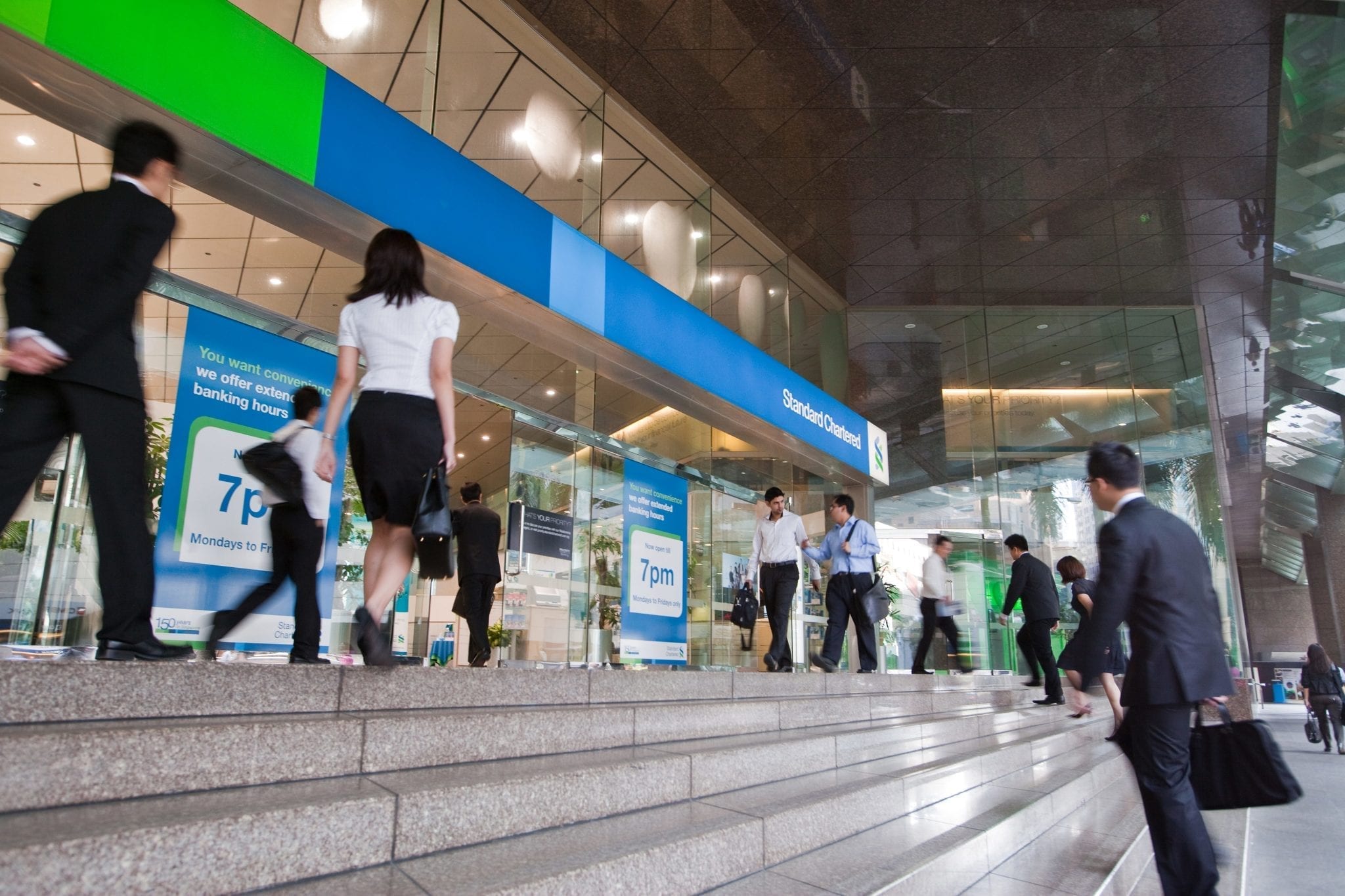
    UK-based financial giant Standard Chartered has appointed Rino “Donny” Donosepoetro as the new CEO of its Indonesian branch, replacing Shee Tse Koon, who is leaving to pursue another career.

    Donny’s new appointment will be effective as of Sept. 1 as it is subject to regulatory approval. He will report to Ajay Kanwal, Standard Chartered’s regional CEO for ASEAN and South Asia.

    Lea Kusumawijaya, chief financial officer at Standard Chartered Bank Indonesia, has been appointed as acting CEO with immediate effect.

    “Donny brings with him an extensive and diverse international experience in the operations of the bank’s different business sectors,” Kanwal said in a statement on Tuesday afternoon.

    He said Donny, who has a degree in international relations, had knowledge in the areas of audit and governance that would further strengthen the group’s businesses and franchises in Indonesia.

    In his 20-year career in the group, Donny has held a number of diverse roles across businesses in several markets including the United Arab Emirates, Indonesia, UK, Singapore and the Falkland Islands.

    As a CEO of Standard Chartered’s Indonesian branch, Donny will be responsible for developing and executing the company’s business strategy. He is also expected to build relationships with local clients as well as regulators and stakeholders, as well as improving bottom-line profitability and capital.

    Kanwal said the bank was fully committed to investing in Indonesia, with a focus on corporate and retail banking, which is “strategically important as it has been in the country for over 150 years.” The bank is also sharpening its focus on enhancing wealth management platforms and investing in commercial banking to cater the growing local medium businesses.

  • East Lampung to develop 11 tourism attractions

    East Lampung to develop 11 tourism attractions

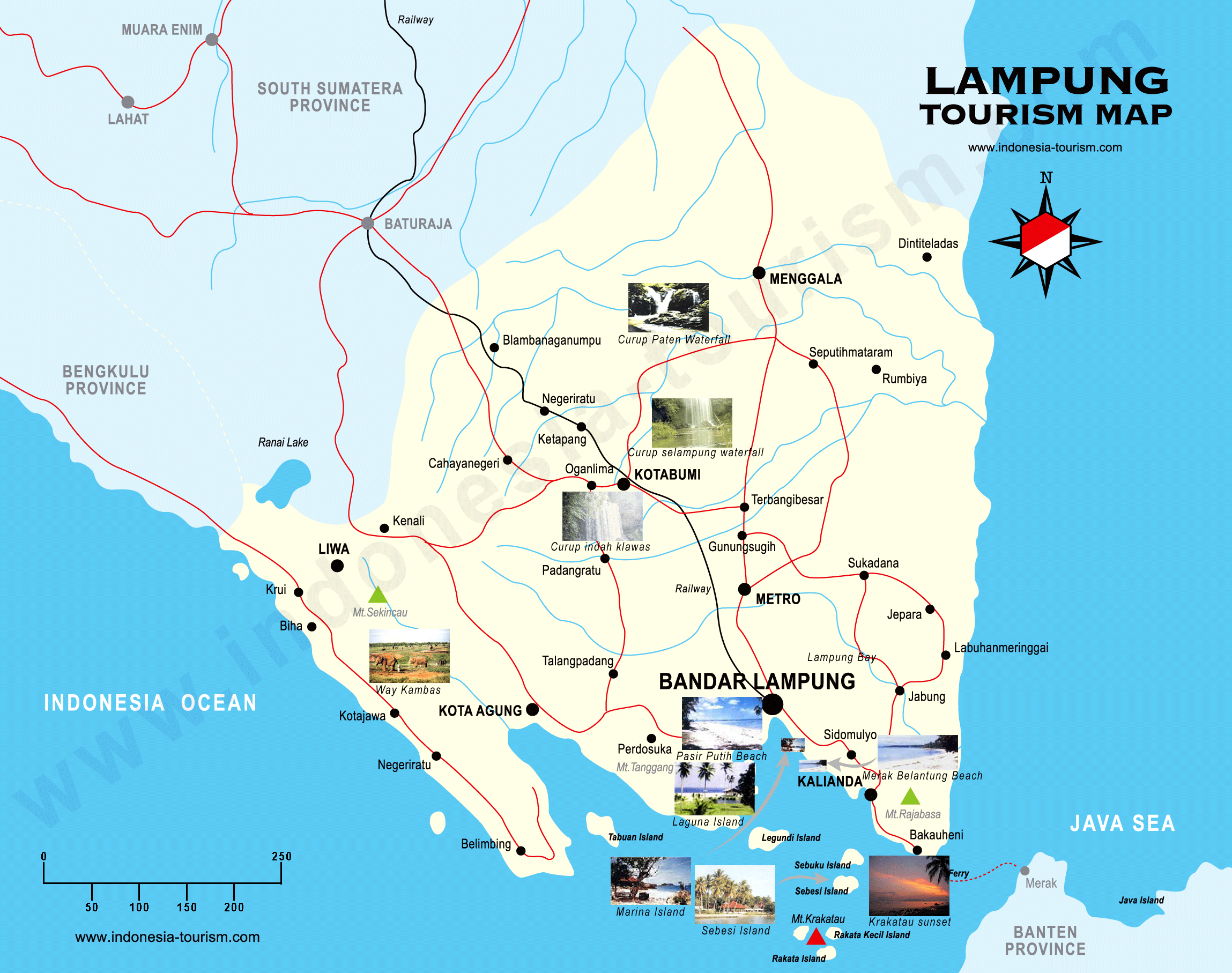
    The government of East Lampung District in Lampung Province, through the local Culture and Tourism Office, is making every effort to develop 11 tourism attractions in the district in its attempt to attract even more local and foreign tourists.

    “East Lampung district government is ready to develop 11 tourist attractions that include natural, marine, and cultural tourism,” local Culture and Tourism Office Chief Mastur remarked.

    Among many districts in the province, East Lampung is rich, beautiful and an interesting area with friendly people and a lot of tourist attractions.

    According to him, among the 11 tourist attractions to be developed include the Way Kambas National Park, Pugung Raharjo Archaeological Park, Kerang Mas beach, Lake Kemuning, Lake Beringin, agro tourism and cultural tourism.

    Of the 11 tourist attractions, Mastur said Kerang Mas beach in Labuhan Maringgai is now being developed.

    Once this beach development is completed, Lake Kemuning and Lake Beringin will also be developed in stages in an effort to attract 250 thousand tourists to East Lampung in 2016.

    “Our target is to see 250 thousand tourists visiting these tourist attractions this year,” Mastur said.

    Lampung province has 64 waterfalls, numerous small, beautiful islands, and seven leading tourist areas where supporting infrastructure facilities are being improved.

    The seven leading tourist areas are the Waikambas National Park; South Bukit Barisan National Park; Kiluan Bay; Tanjung Setia and Krui Marine Tourism; Siger Tower; Mount Anak Krakatau and Sebesi Island; and Bandarlampung Tourism Area.

  • Ministry striving to attract 400 thousand South Korean tourists

    Ministry striving to attract 400 thousand South Korean tourists

    The Indonesian tourism ministry is taking innovative steps to achieve this years target of attracting 400 thousand tourists from South Korea, including by participating in the “Wedding Expo” in Seoul on July 9-10, 2016.

    Assistant Deputy for Market Development of the Asia-Pacific region of the Ministry of Tourism Vinsensius Jemadu stated from Seoul, South Korea, on Monday, that the ministry continued to fill innovation gaps.

    “We are looking for the slightest opportunities to promote Indonesias segment aboard. It has been almost three years that we have participated in events promoting this segment, but now, we will try again,” he noted in connection with the Tourism Ministrys participation at the wedding exhibition to offer honeymoon packages to various tourism destinations in Indonesia.

    Jemadu is optimistic that its target of drawing 400 thousand tourists from South Korea would be reached.

    In 2015, a total of 359,468 South Korean tourists visited tourist destinations in Indonesia.

    Jemadu pointed out that Bali and Bintan were now the most sought-after locations for pre-wedding photographs among brides and also the venues for the weddings of young Korean couples.

    “They really like the beach and the ambience of the tropical waters in Indonesia,” he noted.

    South Korea has direct flight connectivity to Indonesia. As many as three airlines operate flights to two international airports in Indonesia, and there are some 618,748 seats available on flights to the country.

    “This exhibition is held in summer in South Korea. We hope that during winter, South Koreans will leave the country and visit Indonesia that has moderate weather and is always a good option for couples on honeymoon,” he said.

    “Of course, we did this exhibition to promote the country as a wedding destination for couples planning to wed in autumn. It is this momentum that we are pursuing,” he stated.

    Meanwhile, Head of Asia-Pacific Exhibition of the Ministry of Tourism Rita Sofia in South Korea expressed hope that all engaged in supporting the tourism sector in Indonesia will continue to prepare various attractions, amenities, and access to support the arrival of newlywed South Koreans.

    Tourism Minister Arief Yahya seconded Sofias view as he believed that Korea was a potential market that could be tapped by showcasing Indonesias cultural and natural attractions.

    “The Asian market must be tapped by showcasing the oriental culture, and the countries must be frequently visited to create a joint program. For instance, the distance from Seoul to Indonesias tourism destinations, including to Manado, is not too far, so we just need to increase the number of direct flights,” he explained.

    Yahyas recent visit to South Korea already resulted in a commitment made by the two South Korean airlines —Jeju Air and Jin Air Korea — to operate flights to Indonesia.

    “It will boost the number of South Korean tourist arrivals in the country,” he affirmed.

    Industries participating in the exhibition had also prepared a variety of honeymoon vacation packages. General Manager Globlindo Arief Authority has prepared various packages: Bali Honeymoon Escape, Lombok Honeymoon, Tanjung Lesung Honeymoon, Kepulauan Seribu Honeymoon, and Raja Ampat Honeymoon.

  • Fujitsu, Oracle form cloud alliance in Japan

    Fujitsu, Oracle form cloud alliance in Japan

    Fujitsu and Oracle are forming a new alliance to deliver cloud services to customers in Japan and their international subsidiaries.

    Under the alliance, Oracle’s Cloud Application and Platform services – such as Oracle Database Cloud Service and Oracle Human Capital Management (HCM) Cloud – will be powered by Fujitsu’s datacenters in Japan. Under the new strategic alliance, Fujitsu will work to drive sales of robust cloud offerings to companies in Japan and their subsidiaries around the world.

    Fujitsu will install the Oracle Cloud services in its data centers in Japan and connect them to its K5 cloud service in order to deliver enterprise-grade cloud services.

    The first Oracle application that will be offered to Fujitsu customers under the joint offering is Oracle HCM Cloud. As part of the agreement, Fujitsu will implement Oracle HCM Cloud to gain insight into its workforce throughout the company’s worldwide network of offices.

    The combination of these solutions including Oracle Database Cloud Service, Oracle HCM Cloud, and K5, will enable Fujitsu and Oracle to deliver mission critical systems over a cloud environment within Fujitsu’s data centers while maintaining the high levels of performance and reliability that had previously been achieved in on-premise environments.

    “We at Fujitsu support the digital transformation of our customers, and aim to contribute to optimized customer systems and business growth with the roll out of our Digital Business Platform MetaArc,” said Shingo Kagawa, SEVP, head of digital services business & CTO, Fujitsu Limited.

    “In particular, we offer the core cloud service on MetaArc, K5, which addresses systems of engagement (SoE) and systems of record (SoR). Oracle is a leader in Japan’s database market segment and possesses strong capabilities in the SoR domain. Now, as we look to strengthen MetaArc and K5, taking part in this strategic alliance with Oracle will work to meet the cloud needs of our customers.”

    “In order to realize the full business potential of cloud computing, organizations need secure, reliable and high-performing cloud solutions,” said Edward Screven, Chief Corporate Architect, Oracle.

    “Oracle’s new strategic alliance with Fujitsu will allow companies in Japan to take advantage of an integrated cloud offering to support their transition to the cloud.

  • Thai PM details Thailand 4.0 policy

    Thai PM details Thailand 4.0 policy

    The Thailand 4.0 policy will chart the country’s new direction, according to prime minister General Prayut Chan-o-cha.

    During his recent national address on the program “Return Happiness to the People”, the prime minister said Thailand 4.0 is a new economic model to develop Thailand into a valued-based economy.

    It is envisioned to change the country’s traditional farming to smart farming, traditional SMEs to smart enterprises, and traditional services to high-value services.

    The policy also seeks to promote creativity, innovation, and the application of technology in various economic activities, the objective of which is to create equilibrium between the environment and society.

    The report in the government website said Thailand has passed through three economic development models – Thailand 1.0, which emphasized agricultural development; Thailand 2.0, which focused on light industries and helped upgrade the country’s economy from the low-income to middle-income status; and the third model, Thailand 3.0, which emphasized heavy industries for continued economic growth.

    In Thailand 4.0, the country needs to pull itself out of the middle-income trap and deal effectively with disparities and the imbalance between the environment and society.

    “This model will be carried out along with the 20-year national strategy and economic reform through the mechanism of “public-private-people partnership.” It will transform Thailand’s comparative advantage into a competitive advantage. In this regard, new engines of growth will be introduced,” the report noted.

    The Prime Minister was also quoted as saying that 10 target industrial groups will become new engines of growth. “Thailand 4.0 also consists of seven industries that are considered the backbone of the digital economy,” the report added.

  • Optus to compensate customers after regulatory probe

    Optus to compensate customers after regulatory probe

    Australia’s Optus has been ordered to pay around A$2.4 million ($1.8 million) in compensation to mobile customers after an investigation found that some users were overcharged or mislead while signing up for mobile phone insurance.

    Regulator Australian Securities and Investments Commission (ASIC) has instructed Optus to refund around 175,000 Optus mobile customers and write to around 500,000 customers who may have been affected.

    Optus self-reported breaches including a failure to provide some mobile insurance customers with a required product disclosure statement and financial services guide, which may have prevented many customers from being aware of key features and limitations of the insurance they purchase.

    The operator also disclosed that some customers did not receive the one month free insurance they were entitled to under a promotional offer, were incorrectly charged a premium during a rain-check period and in some cases were issued the wrong cover.

    Inadequate training, monitoring and supervision of staff were some of the factors to blame for the oversights, the investigation showed.

    Optus will pay compensation including interest in the form of direct credit to customers’ accounts. The operator is also proposing to donate the compensation owing to former customers who cannot be located to a charity aiding with financial literacy.

    Optus has also taken steps to address the cause of the issue, including providing additional training for sales staff and appointing an independent company to conduct a thorough review of its regulatory compliance functions.

  • ABFRL takes over Forever 21 India

    ABFRL takes over Forever 21 India

    Aditya Birla Fashion and Retail (ABFRL) will acquire US-based clothing brand Forever 21 India from existing local franchise partner Diana Retail.

    The Rs.175-crore (US$26 million) transaction involves a business transfer agreement, not share transfer, says ABFRL in a filing with the Bombay Stock Exchange.

    The Forever 21 business will become part of ABFRL’s Madura Fashion & Lifestyle division.

    ABFRL was formed after the consolidation of the branded apparel businesses of the Mumbai-based Aditya Birla Group, one of India’s largest conglomerates. It has a presence in 375 Indian cities.

    Forever 21 has a network of more than 700 stores worldwide.

    “With the acquisition of Forever 21, we aim to create a strong foothold in the womenswear business in the western-wear segment, which is growing at 20 per cent,” ABFRL MD Pranab Barua said in May when the company announced it would enter into a deal to acquire Forever 21’s online and offline rights for the Indian market.

    In March, it is reported that Flipkart’s online fashion store Myntra, which sells Forever 21 products, was seeking to take over management of the US brand’s India  brick-and-mortar stores.