Author: Mei Ling Tan

  • President Trump ‘good for Asia’

    President Trump ‘good for Asia’

    Global Brands CEO Bruce Rockowitz is confident President Trump will be good for Asia’s apparel industry.

    Speaking at the release of the company’s half yearly results in Hong Kong Thursday afternoon, Rockowitz, who knows Trump personally, does not believe tariffs will be imposed on goods imported from China because it will hurt too many American businesses.

    A growing US economy would benefit Global Brands Group because it was already performing well in a weak market. “We’re not banking on it, we’re not budgeting for it.” But if the US economy improves, the company is ready to reap the rewards, he said.

    “He [Trump] is a businessman. A very smart businessman. He is pragmatic. He is a person who will put the right people around him and he will listen to them

    One thing we believe is that there is going to be an economic boom in the US because of his policies and the fact he controls both houses. Lowering the corporate tax to 15 or 16 per cent will result in a lot of new jobs in the economy.”

    With lower company taxes and more jobs, more money will be circulating in the economy. ON top of that Trump plans infrastructure planning – meaning more spending.

    “The one thing he will want to be remembered for is for a great economy.”

    If he imposed taxes on imports, giant American companies like Apple, Walmart and car makers who rely on imported components (and in Apple’s case complete products) would be adversely impacted and Trump would not want that, Rockowitz said.

    “Forty-five per cent import duties would be catastrophic, so I don’t think he will do that.

    “The election is over and we are seeing now he is being more conciliatory.”

  • Tencent revenues up 13pc

    Tencent revenues up 13pc

    Third-quarter revenues grew by 13 per cent to RMB40.388 billion (US$5.951 billion) for China’s Tencent Holdings, an investment holding company whose subsidiaries provide media, entertainment, internet and mobile-phone value-added services, and online advertising.

    Tencent revenues from value-added services business increased by 9 per cent to RMB27.975 billion for the quarter, while revenues from online games revenues rose by 6 per cent to RMB18.166 billion, mainly driven by positive seasonality for PC online games and by continued contributions from new smartphone games.

    Social networks revenues went up by 15 per cent to RMB9.809 billion, reflecting growth from digital content subscription services, and to a lesser extent from virtual item sales.

    Revenues from online advertising increased by 14 per cent to RMB7.449 billion, performance-based advertising revenues grew by 18 per cent to RMB4.368 billion, and brand display advertising revenues increased by 9 per cent to RMB3.081 billion, primarily driven by higher contributions from mobile platforms such as Tencent News and the positive impact of the Rio Olympic Games.

    Profit attributable to equity holders of the company eased by 1 per cent to RMB10.646 billion for the quarter.

    Strategy continues

    Tencent Holdings continued its “Connection” strategy during the quarter by strengthening its social platforms and leveraging social traffic. More interactive social and performance advertising formats were added to drive user engagement, while advertiser tools were sharpened to improve performance measurement and deliver deeper data insight.

    For digital content, the company’s CMC (China Music Corporation) and QQ Music management teams were integrated, and there was “aggressive” investment in content for its video platform, resulting in a substantial growth in subscriptions. Partly because of a healthier copyright control environment, more users paid for content on the company’s digital literature platform.

    For payment-related services, the company says it made significant progress in driving merchant adoption. Nearly 700,000 merchants participated in its Weixin Pay “Cash-free Day” promotion in August – an increase of more than seven times year-on-year. A Weixin Checkout feature was introduced for merchants to simplify onboarding procedures and minimise payment integration work.

    Cloud services revenue more than tripled year-on-year as more enterprise accounts were opened and use by key accounts increased, particularly in sectors such as online games, online video and O2O services.

    During the year the company strengthened its mobile security in such areas as virus scanning, phony base-station detection, anti-fraudulent phone-number library, phone memory optimisation and speed boosting.

    More users

    For its key platforms, the company says monthly active users (MAU) for QQ increased by 1 per cent to 647 million, with new features including SMshow, offering animated personal avatars.

    During the Rio Olympics, more than 100 million QQ users participated in a virtual torch relay campaign by building augmented reality into phone-to-phone interactions.

    For Qzone, smart-device MAU also grew by 1 per cent, to 584 million. For WeChat and Weixin together, MAU reached 846 million, representing year-on-year growth of 30 per cent.

    Revenue growth was strong for the company’s social networks business through more game-related virtual items being generated, plus digital content sales.

    There was an 87 per cent leap in revenue from smartphone games, to about RMB9.9 billion. This was mainly driven by portfolio expansion and strong performance by major titles. At the end of September, Honour of Kings surpassed  a record 40 million daily active users.

    Advertising saw robust expansion, with Weixin and the mobile news app being the key contributors to year-on-year growth. Initiatives featuring the Rio Olympics attracted about 700 million unique visitors across the news and video platforms.

  • US investor buys into Mitra Adiperkasa

    US investor buys into Mitra Adiperkasa

    US private-equity company General Atlantic has made its first investment in Indonesia by buying into lifestyle retailer Mitra Adiperkasa (Map).

    It has subscribed for Rp1.08 trillion (US$80.5 million) in bonds issued by Map which are convertible into shares in its F&B subsidiary Map Boga Adiperkasa (MBA), which runs Cold Stone Creamery, Godiva, Krispy Kreme, Pizza Express and Starbucks in Indonesia. It has more than 300 stores across 24 cities, and has more than doubled its store count over the past five years.

    Map runs multi-channel retail concepts in Indonesia across a diversified portfolio of department stores, sportswear, specialty fashion, F&B, and lifestyle products. It has nearly 2000 retail stores.

    “We believe the rapid rise in Indonesia’s middle and young working classes, the increase in this population’s disposable income, and the continued rural-to-urban migration represents an opportunity for us to strengthen our international food brands and cement our leadership position in the F&B market,” says Map CEO V.P.

    Sharma. A portion of the investment money will be used to accelerate the F&B division’s network expansion.
    “Indonesia’s domestic consumption comprises more than half of gross domestic product, and consumption patterns are increasingly shifting toward modern and aspirational lifestyle brands,” says General Atlantic Southeast Asia head Wai hoong Fock. “These secular trends position MBA’s food & beverage portfolio well for further expansion.”

    Regional commitment

    The partnership, General Atlantic’s first investment in Indonesia, indicates its commitment to long-term market prospects in South-east Asia,” says Fock, who joined General Atlantic from CVC Capital Partners last year to lead its South-east Asia investing program. He is based in the firm’s Singapore office.
    General Atlantic has 18 investment professionals in Asia, based in offices in Beijing, Hong Kong, Mumbai and Singapore. The firm opened its Singapore office in 2011, investing three years later in Singapore-based online mobile entertainment/communication Garena platform. It has also supported the growth of retail and F&B companies including lifestyle brand Tory Burch, luxury fashion brand Zimmermann, restaurant group Barteca Holdings, urban juice-bar concept Joe & The Juice, community accommodation marketplace AirBNB and transportation network company Uber.

    Map has 1921 retail outlets in 68 cities throughout Indonesia. Its retail concepts include department stores (Debenhams, Galeries Lafayette, Seibu and Sogo), fashion and lifestyle (Crabtree & Evelyn, Kipling, Lacoste, Marks & Spencer, Massimo Dutti, Nautica, Sephora, Swarovski, Topman, Topshop and Zara), sports (Converse, Golf House, Oakley, Payless ShoeSource, Reebok, Rockport, Skechers, The Athlete’s Foot and The Sports Warehouse), F&B (Burger King, Cold Stone Creamery, Domino’s Pizza, Godiva, Krispy Kreme and Starbucks), kids (Kidz Station and Oshkosh B’Gosh) and bookstore Kinokuniya.

  • Korean duty-free stores suffer losses

    Korean duty-free stores suffer losses

    Korean duty-free stores newly opened in Seoul are losing money as heavy marketing costs erode profits.

    A review of financial documents from the major players show heavy competition is taking its toll on all players.

    Five duty-frees stores opened new shops in the capital city after winning licenses in two bids — one in July and the other in November 2015 — in hopes of courting deep-pocketed Chinese customers, but none of them has reached the break-even point since opening.

    Shinsegae Duty Free, which opened in mid-May, posted 121.2 billion won (US$103.8 million) in sales over the past four months, but it accumulated 37.2 billion won of operating losses, its regulatory briefing showed.

    Galleria Duty Free 63, a duty-free store run by Hanwha Galleria, said it booked 193.4 billion won of sales between December 28 and September 30, but the operating deficit reached 30.5 billion won over the period.

    HDC Shilla Duty Free, a joint venture between Shilla Hotel and Hyundai Development, said it posted 228.7 billion won and 16.7 billion won in sales and operating deficit, respectively, in the January-September period.

    SM Duty Free, a unit by leading tour agency Hana Tour, said it logged 71.1 billion won in sales and 20.8 billion in operating losses from its opening on February 15 to September 30.

    Doota Duty Free, a unit by power equipment and construction conglomerate Doosan Group, logged 10.4 billion won in sales and 16 billion won in operating losses in the first half of this year. It has not yet disclosed the third quarterly report.

    Business prospects remain grim for the fledgling operators as the government is set to give out four new operating licenses in Seoul as a way to promote tourism.

    The Korea Customs Service earlier said it will pick the winners next month, but it remains unclear as a snowballing influence-peddling scandal involving the business community has prompted investigation into the companies that donated funds to two sports foundations, involving those vying for duty-free shop licenses.

  • ‘Forever in Thai Hearts,’ an exhibition hosted by Thailand’s Ministry of Culture

    ‘Forever in Thai Hearts,’ an exhibition hosted by Thailand’s Ministry of Culture

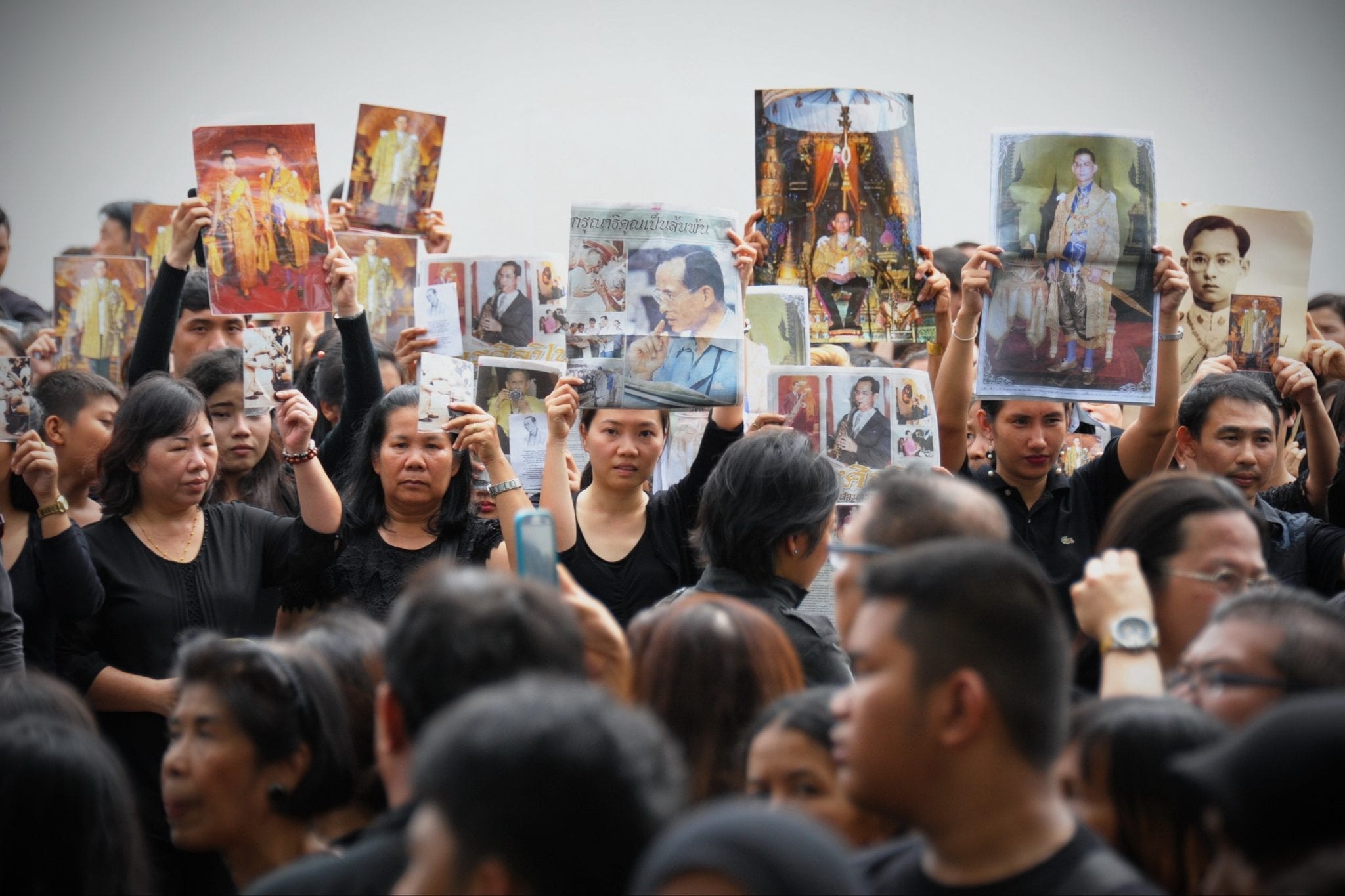
    Thailand’s Ministry of Culture, assigned by the government, joins hand with Siam Paragon to host ‘Forever in Thai Hearts,’ a photo exhibition portraying historical moments of Thai nation to mark the Royal Funeral of His Majesty King Bhumibol Adulyadej. Locals and visitors are invited to join a vowing campaign by recording their pledges to carry on his legacy and royal teaching. All images and video clips are to be included in ‘The People’s Archives’ memorial book. This exhibition runs from 19-30 November 2016 at Lifestyle Hall, 2nd Floor, Siam Paragon.

    On this occasion, General Thanasak Pratimaprakorn, Deputy Prime Minister, presided over the opening ceremony on 19 November 2016. Joining the opening ceremony were Vira Rojpojchanarat, Minister of Culture, Chadatip Chutrakul, Executive of Siam Paragon, Thanpuying Angkarb Boonyatthiti, Khunying Charmaree Snidvongs Na Ayudhya and M.L. Kwanthip Devakul. As the highlight of the opening ceremony, the song ‘Kao Dern Tor Pai ’ or ‘Moving Ahead’ composed by Dolchai Boonyaratavej with the melody written by Pongpoon Pibulkasetkij was performed by Chitralada School Choir to encourage everyone in moving forward with conscience and hope.

    General Thanasak Pratimaprakorn, Deputy Prime Minister, pointed out that “In making a memorial book titled ‘The People’s Archives’ and a documentary ‘Forever in Thai Hearts,’ the government has assigned Ministry of Culture to collect images and video clips contributed by public sectors, various organizations and medias. Aiming to preserve and publish Thailand’s historical moments related to the passing of the late monarch, highly revered by all Thais, we have received great feedback from people across the country. Over 30,000 images and video clips including images reflecting the sense of deepest respect and appreciation to His Majesty the Late King Bhumibol Adulyadej, images of mourners from near and far traveling to pay their respects before the royal remains as well as messages of condolences and heartfelt gratitude were shared via our provided platforms. Hence, we have also chosen images uploaded to Facebook , Line application and email to be exhibited at ‘Forever in Thai Hearts’ exhibition at The Bangkok National Museum since 28 October 2016.

    “To offer wider opportunities for both Thais and foreigners in expressing their boundless gratitude to the late monarch and witnessing these historical moments, Ministry of Culture together with Siam Paragon has organized ‘Forever in Thai Hearts’ exhibition at Lifestyle Hall, Siam Paragon. On this occasion, 100 unseen images are specially curated to be on display.

    Joining the Ministry of Culture, Mayuree Chaipromprasith, executive of Siam Paragon, added, “The passing of our revered King Bhumibol Adulyadej is the greatest loss and despair in the lives of all Thais nationwide. As his royal subjects, we would like to express our deep-felt gratitude and humble loyalty by organising ‘Forever in Thai Hearts’ photo exhibition. This exhibition narrates the story of a deep mutual bond between the longest serving monarch and his people through images and films portraying his lifelong works and devotion. We also would like to invite everyone to join a vowing campaign by recording the ‘do-good-deeds, follow-the-King’s-teaching’ videos, all of which are to be included in ‘The People’s Archives’ memorial book. In this exhibition, each participant will receive a portrait of His Majesty the Late King Bhumibol Adulyadej.”

    Nopakun Kunsujarid, the President of Bangkok Photographic Society, one of photographers whose image was included in the exhibition said, “I took this picture on 22 October 2016 when massive mourners filled Sanam Luang to capacity in order to join the historic mass singing event being filmed by MC Chatrichalerm Yukol. That heartfelt tribute to the Late King on that day was another momentous day in our history that Thai people across the nation united as one. From this picture, many mourners are seen holding both new and old portraits of His Majesty the Late King Bhumibol Adulyadej. People were smiling and being helpful to each other. The passing of our revered king united everyone together again. As a photographer, I intended to communicate these emotions as best as I could.

    Adul Tanthakosai, whose image was also on display stated, “This picture was taken on 14 November at the festival of the Illuminated Boat Procession known as the sacred ‘Lai Reua Fai’ festival in Nakon Panom Province. I was impressed by the unity of locals. Not only had they come to participate in the festival, but also to express their profound appreciation to His Majesty the Late King Bhumibol Adulyadej through lighted candles and the formation of Thai number ‘9’. Many people cannot travel to pay their final respect at the Grand Palace in Bangkok, so they took this chance to do their part in this festival as a token of humble loyalty.”

    Tanakrit Kalaseranee, also added, “I wished to take pictures that demonstrate deepest emotion of mourners coming to pay their final respects to the royal remains as well as pictures of those working as volunteers, so I chose to capture moments from a prime spot inside the walls of Royal Palace where the majestic Chakri Maha Prasat Throne Hall stood tall as a background. This image was taken on 15 November 2016 and it truly conveys my true feeling. The image of students assisting elderly people on their wheelchairs portrays the value of togetherness, sincere gratitude and unconditional love we all share.

    Please be invited to witness and be part of ‘The People’s Archives’ in remembrance of His Majesty the Late King Bhumibol Adulyadej by joining the ‘Forever in Thai Hearts’ exhibition taking place on 19-30 November 2016 at Lifestyle Hall, 2nd Floor, Siam Paragon.

  • Honor Malaysia launches first concept store

    Honor Malaysia launches first concept store

    In collaboration with mobile phone retailer TF Mobile Enterprise, technology brand Honor Malaysia has opened its first concept store at Plaza Low Yat in Kuala Lumpur.

    Honor Malaysia instore

    A spokesman says the move aims to strengthen the company’s interactions with consumers by complementing its eCommerce presence with retail stores.

    Honor Malaysia 1

    Featuring its line-up of Honor devices, the store has a launch promotion until November 21 during which buyers will receive gifts. They can also enter a draw to win Honor products.

    Honor Malaysia is a subsidiary of Huawei Technologies (Malaysia).

    honor-malaysia-open

  • Jet Airways to fly to Singapore from Bengaluru daily

    Jet Airways to fly to Singapore from Bengaluru daily

    Leading private carrier Jet Airways will operate a daily service to Singapore from here from December 14 to expand its connectivity in the Asean region, the airline said on Monday.

    “The new flight is introduced to meet the demand for a direct flight to Singapore from business travellers across southern cities — Hyderabad, Mangaluru, Coimbatore and Thiruvananthapuram,” it said.

    Jet will operate Boeing 737-800, departing at 11.10 a.m. and landing in Singapore at 6.10 p.m. The return flight will depart at 7.15 p.m. and arrive in Bengaluru at 9.15 p.m.

    Jet Airways currently operates daily flights from Mumbai, Delhi and Chennai to Singapore.

  • Bridgestone appoints M&C Saatchi Singapore as APAC AOR

    Bridgestone appoints M&C Saatchi Singapore as APAC AOR

    Bridgestone China & Asia Pacific has appointed M&C Saatchi Singapore as its agency of record (AOR) from January 2017 following a closed-door pitch involving four global agencies.

    This win follows the agency’s recent wins as AOR for Shell Retail Singapore and the social media accounts of NETS and Bank of Singapore.

    M&C Saatchi Singapore will partner with Bridgestone China and Asia Pacific to drive digital transformation of customer experience and related operational processes.

    The agency’s remit includes developing a through-the-line brand campaign, with a focus on a thorough revamp of the current website and social media strategy. Malaysia will be the first focus market for the agency.

    In a statement, Chris Yang, GM, Bridgestone China and Asia Pacific, said the agency impressed with “their understanding of consumer insights and how it translates into solutions for our brand and business across all touch points.”

    “Consumer experience has always been at the heart of what we do at Bridgestone,” he added.

    Tanuj Philip, CEO of M&C Saatchi Singapore, said the agency has been focused on building a specialist digital and social unit within the agency, and that the win is “a testament to the expertise and experience of the team”.

    “We look forward to partnering with Bridgestone to reinvent customer experience in the category,” he added.

  • Thai farmers receive government loans to stabilize market prices

    Thai farmers receive government loans to stabilize market prices

    Thailand is the world’s second largest rice exporter, and it is confronted by a fall in prices that has mostly affected the rice farmers, with prices hitting a thirteen months low. Now the Thai Government has taken action and has proposed a set of measures with would help alleviate the pressure from the country’s rice farmers.

    According to Thailand’s Minister of Commerce Apiradee Tantraporn, rice farmers will receive 10,500 baht, or 299 US dollars, for every tonne of white paddy stored. The measure is aimed at all Thai farmers, with those who store Thai Pathum Thani fragrant rice to receive 11,300 baht, that is 322 US dollars, per tonne.

    “The overall budget is set at 18 billion baht ($514 million). This is to help relieve grievances farmers are facing while the main crop is being harvested,” Mrs. Apiradee Tantraporn told journalists.

    Last week, the government announced it would offer loans worth 1,3 billion US dollars to jasmine rice farmers, if they store the grain for at least six months to slow down market supply.

    Another measure the government has taken is easier access to open rice paddy markets. Mrs. Tantraporn said this is in order to boost competition among rice farmers and for their benefit, in the middle of this period’s price depression. According to state officials, in the province of Udon Thani’s retail centres and PTT gas stations, markets will be opened in the next weeks. Here the farmers will be allowed to sell their rice and negotiate the prices directly with the buyers, circumventing the need for intermediaries.

    Action is also taken in Lopburi and Sukhothai, where the government and other agencies have joined forces in order to promote and allow farmers to sell their rice directly. In Sukhothai, milled rice was on sale at up to 40% discount prices, while in Lopburi, the Si Sa Ket police was put together a market for farmers to sell the rice to their families and police staff.

    In total, there will be no less than  109 open markets organised in 44 provinces, all with the sole purpose to to help farmers sell rice paddy directly to consumers.

  • John Little to close final outlet at Plaza Singapura – 174 years of history at a glance

    John Little to close final outlet at Plaza Singapura – 174 years of history at a glance

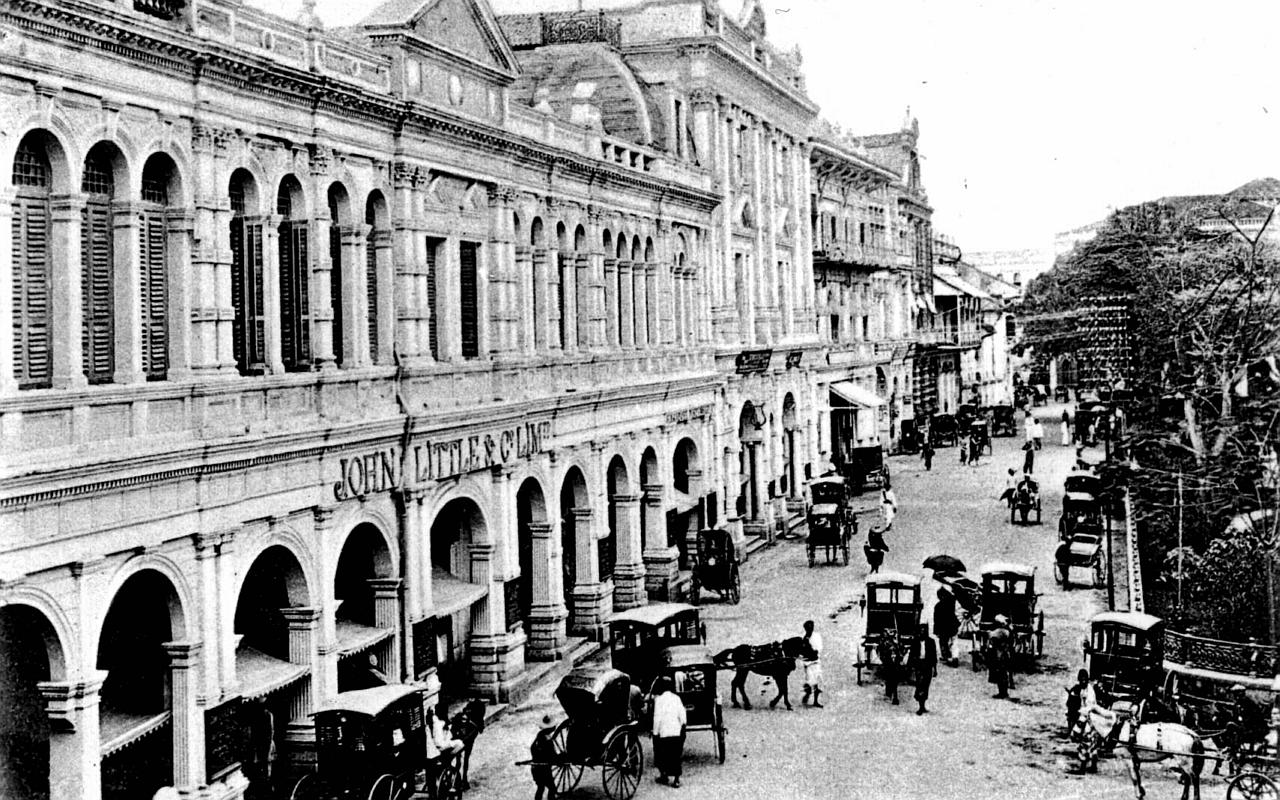
    John Little, the oldest department store in Singapore, will close its last outlet by the year end. The store has operated since 1842, and the Plaza Singapura branch since 1979. Robinsons Group, which manages John Little, said that the brand may live on as a pop-up store.

    Here is a rundown of the store’s 174-year history:

    1842: John Martin Little, a Scotsman just 18 years of age, joins forces with his relative Francis S. Martin to go into the retail business together at Commercial Square (now Raffles Place).

    1845: Francis S. Martin sells all his stock in trade to the new firm Little, Cursetjee & Co, run by John Martin Little and Parsi businessman Cursetjee Frommurze.
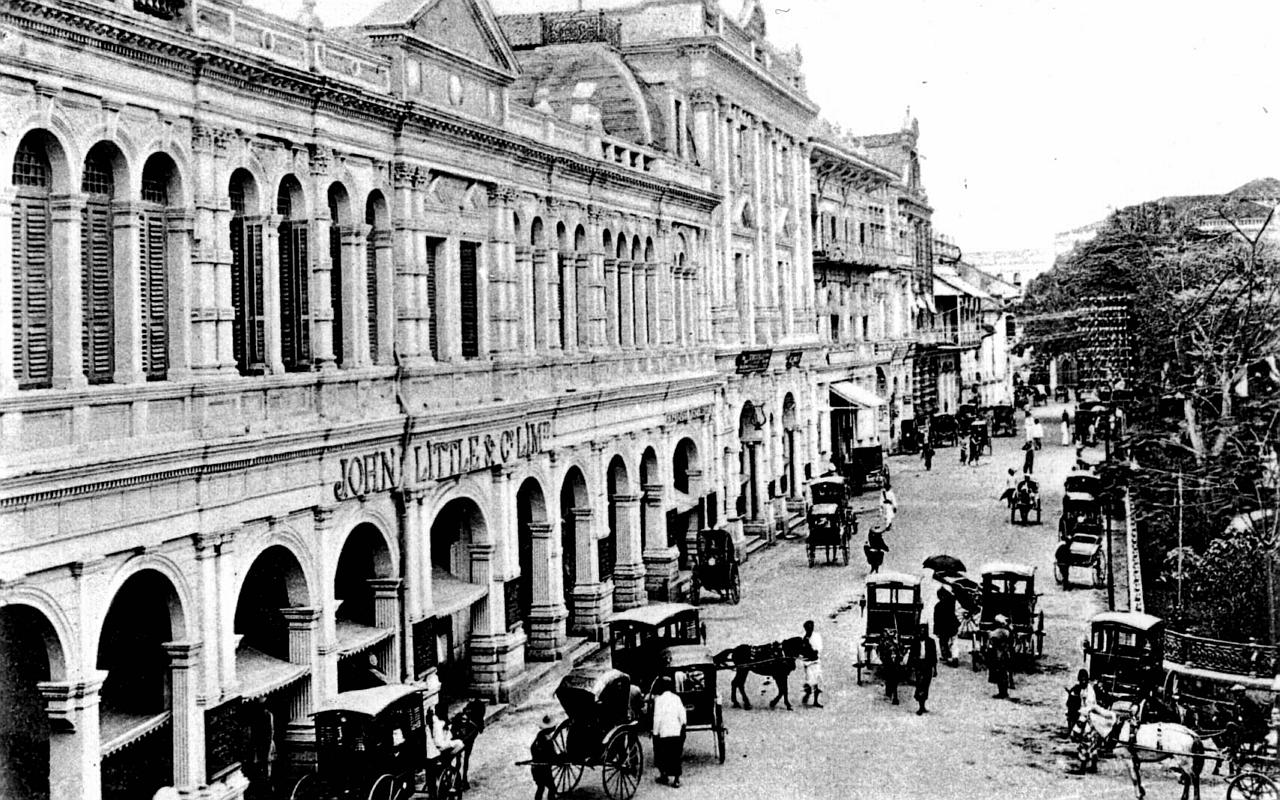

    John Little & Co in Raffles Place in the early 1890s.1853: Cursetjee Frommurze leaves the partnership and sets up shop on his own as Cursetjee & Co.

    Cursetjee’s new business hires an ambitious English businessman from Australia, by the name of Philip Robinson – who will strike out on his own to form Robinsons predecessor Spicer & Robinson in 1858.

    John Martin Little’s brother Matthew comes on board the Little enterprise and the business becomes John Little & Co.

    1894: In January, John Little & Co, Limited is registered in London with a capital of £75,000 (S$3 million in today’s dollars), to acquire the Singapore business as a going concern “and to carry on business as exporters, importers, and general storekeepers”.

    John Martin Little dies in April, at the age of 70, in London.
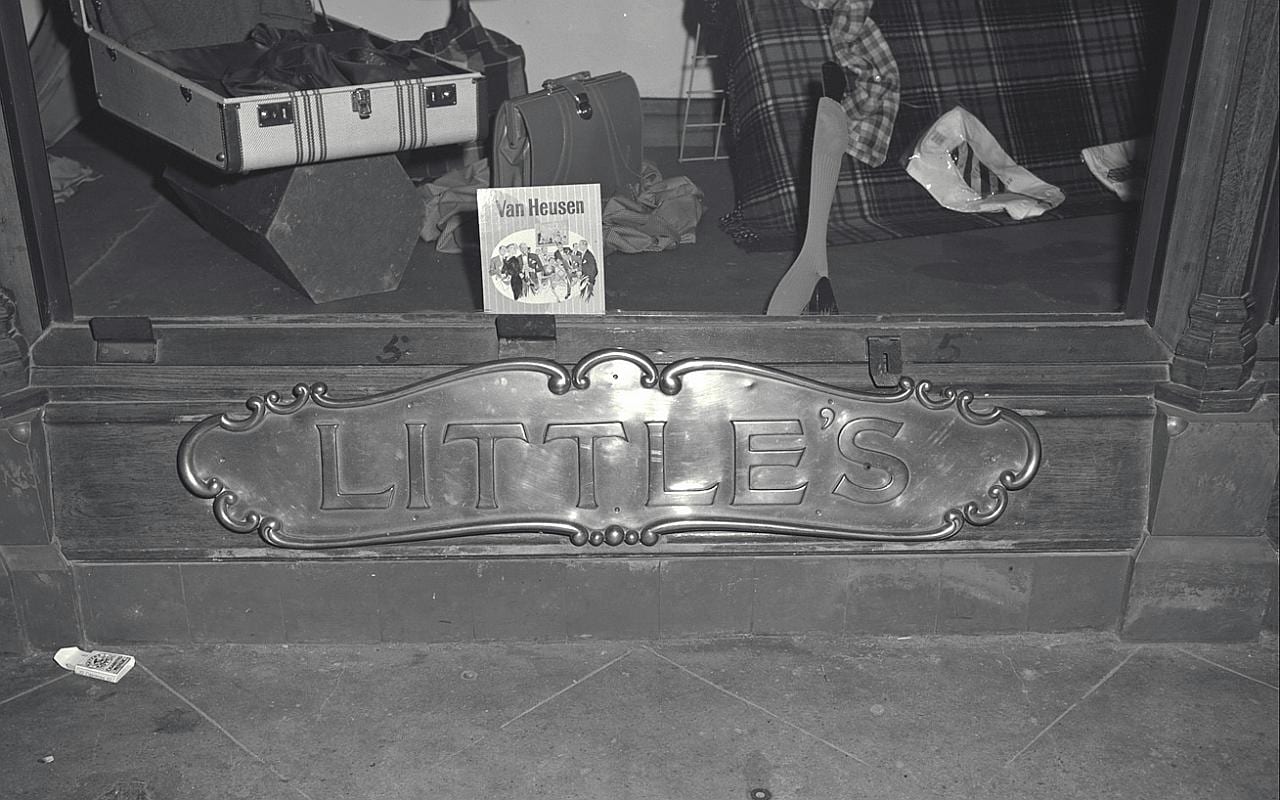

    A sign outside the John Little building showing the emporium’s name.
    1897: The Mid-day Herald’s “Impressions of a New-comer” column lauded the millinery department at John Little for being “under the supervision of thoroughly experienced modiales (fashionistas)”, adding that “they are quite competent to satisfy even the most fastidious of their sex as regards fashion, the material to be used, and all the rest of it”.

    The author of the column was impressed, writing: “Emporiums they are, verily and indeed… and, though they are few in numbers, they entirely suffice to meet the demands here, by reason of the vast and varied stocks they keep.”

    A model displaying a half-slip during a fashion show at John Little in 1955. PHOTO: ST FILE

    1900: John Little is converted into a limited company.

    1909: The April opening of the annual sale at John Little makes the news for causing a “tremendous” traffic jam. The Straits Times reported that every spot of space outside the store was “taken up by carriages and rickshas (sic) awaiting their fares, who were making purchases inside”.

    1914: John Little opens a branch in Kuala Lumpur in April, after having had an office in the city for eight years.

    The Straits Times reported then, that the new store was “three storeys high and boasts an electric lift in addition to a beautifully modelled staircase, of easy gradient”.

    It featured menswear and womenswear sections, a grocery and wine department, and a furniture department. There was also a “luxurious refreshment room” for customers.

    1926: John Little opens a branch in Penang.

    1929: John Little opens a branch in Ipoh.

    1939: John Little becomes the first European store to feature Chinese as models alongside Europeans. It was common practice at that time for retailers to show off the latest fashions by having live models in “mannequin parades”.

    1942: The Japanese Occupation of Singapore begins. John Little’s Singapore premises are converted into a Japanese-only department store, Daimaru.

    Its Malaysian operations do not survive the war.

    Model Mercy Undersan wearing a swimsuit during a fashion show for John Litte, in 1953. PHOTO: ST FILE1946: John Little’s Singapore premises are among the commercial buildings commandeered by the British military authorities after the ouster of the occupying Japanese forces at the end of World War II.

    The Straits Times urges the normalisation of civilian retail operations in post-war Singapore, so as to quell the growth of the black market.

    The newspaper wrote in March then: “It is of the utmost importance that the premises of large European retail stores should be made available to their owners the moment those owners are in a position to resume business.”

    The authorities seem to agree. By August, John Little is back in business.

    1955: John Little is acquired in February by Jardine Matheson, the Hong Kong firm founded by two Scotsmen in 1832 to trade in smuggled opium.

    John Little is bought over by home-grown Robinsons in July.

    1959: Workers are unionised under the Singapore Textiles and General Merchants’ Employees’ Union.

    1960: John Little moves its retail operations out of its building in Raffles Place, which had expanded to four storeys since the day of John Martin Little.

    The John Little building is leased out as office space to other companies.

    The department store goes on to set up shop across the island.

    The John Little building is seen in Raffles Place in 1960. PHOTO: ST FILE1972: Specialists’ Shopping Centre opens in Orchard Road. Robinsons opens an outlet by December.

    John Little will go on to be the anchor tenant in four of the building’s seven storeys.

    1973: The Raffles Place premises are sold to the Singapore Land and Investment Company for S$27,965,000 (S$130.5 million today).

    1977: John Little closes shop in Liat Towers.

    1979: John Little opens shop in Plaza Singapura in August, its fourth and biggest outlet at the time.

    In December, it closes down its Straits Trading Building branch “as the space requirements are too limited”.

    1985: The Plaza Singapura outlet is closed, as are John Little stores in Robina House and Clifford Centre.

    1987: John Little is rebranded “JL” in an attempt to win over younger customers.

    2003: John Little returns to Plaza Singapura. It has seven other branches across the island – in Specialists’ Shopping Centre, Northpoint, White Sands, Causeway Point, Jurong Point, Compass Point and Parkway Parade.

    2005: John Little closes shop in Parkway Parade.

    2006: John Little closes shop in Compass Point and White Sands Shopping Centre.
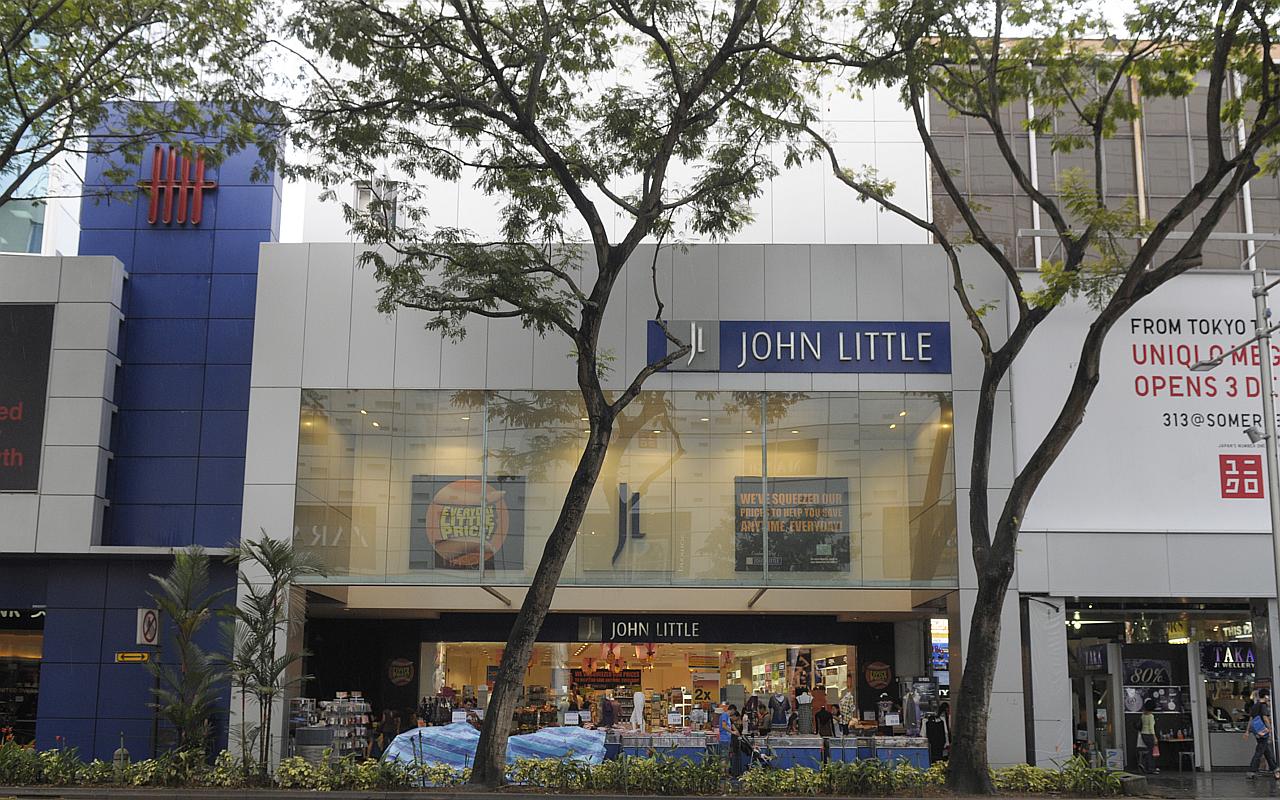

    2007: John Little shutters its flagship Specialists’ Shopping Centre premises.

    It relocates to the seven-storey Orchard OG Building, where it is the sole tenant, and opens a new flagship outlet in Marina Square.

    2008: Dubai’s Al-Futtaim Group takes over Robinsons.

    John Little closes shop in Northpoint.

    2010: John Little leaves the Orchard OG Building and also closes its Causeway Point outlet.

    2015: John Little closes shop in Marina Square and Tiong Bahru Plaza.

    2016: John Little closes shop in Jurong Point and prepares to wind down at Plaza Singapura.

  • CapitaLand Mall Asia Showtime in Cannes

    CapitaLand Mall Asia Showtime in Cannes

    Targeting global retailers who are looking to Asia to chart growth, CapitaLand Mall Asia has its biggest presence ever at international retail event Mapic in Cannes, France.

    It is the fifth consecutive year CapitaLand has exhibited at Mapic, one of the world’s largest events matching developers with retailers. It runs over three days this week.

    Crowds at CapitaLand's booth at MAPIC

    CapitaLand is preparing to open eight malls in three Asian countries next year with a combined retail gross floor area (GFA) of nearly 1 million sqm, the group’s largest-ever retail offering in a single year.

    Of the eight malls, six are retail components of integrated developments in China and the others are stand-alone malls in India and Malaysia. They are Raffles City Changning, CapitaLand’s second Raffles City project in Shanghai; LuOne, also in Shanghai; Raffles City Shenzhen; Raffles City Hangzhou; Suzhou Center Mall (pictured); CapitaMall Westgate in Wuhan; Melawati Mall in Kuala Lumpur; and Forum Mall in Mysore.

    Raffles City Changning

    Raffles City Changning


    Ready catchments

    CapitaLand Mall Asia CEO Jason Leow says the opening of the malls underscores the group’s strength in connecting retailers to ready catchments of shoppers.

    At September 30, 76 per cent of CapitaLand’s assets contributed to recurring income, of which shopping malls and integrated developments form the bulk, says Leow.

    “Our 103 malls in Singapore, China, India, Japan and Malaysia provide brands with access to about 3 billion consumers in these five markets combined.”

    He says Mapic is an excellent platform for CapitaLand to boost its brand visibility and strengthen its retailer network.

    Mr Jason Leow with retailers at MAPIC

    Its presence at the trade show has been enhanced by one of its joint ventures being nominated for the Mapic Awards. Listed for Best Futura Shopping Centre Award, Jewel Changi Airport was developed by Jewel Changi Airport Trustee – a JV between Changi Airport Group and CapitaLand Mall Asia – as a mixed-use complex featuring lifestyle offerings including a five-storey indoor garden, play attractions, shopping and dining options, a hotel, and airport services.

    It is scheduled to open next year. The Futura award recognises retail developments with outstanding architectural qualities and strong, original concepts.

    Jewel Changi Airport is the only Singapore entry among 50 projects shortlisted across 12 categories at the Mapic Awards, with the results to be announced at a gala dinner.

    CapitaLand Mall Asia CapitaLand Mall Asia, a wholly owned subsidiary of real-estate company CapitaLand, is one of the largest shopping mall developers, owners and managers in Asia by total property value of assets and geographic reach.

  • Singapore shoppers look to online shopping for good deals

    Singapore shoppers look to online shopping for good deals

    The extended season will lead to an eleven percent ($9.1 billion) increase in online sales to a total of $91.6 billion, according to Adobe’s 2016 Digital Insights Shopping Predictions report. Large retailers expected to account for the bulk of the growth, with an average growth rate of 16.6% compared to smaller retailers at 7%.

    “We expect to see a five percent spike in online shopping in early November and a record 24 percent increase in the last two weeks of December,” said Mickey Mericle, the vice president of marketing and customer insights at Adobe.

    “‘Click and collect,’ faster shipping and retail promotions starting earlier than ever are all contributing to the extended shopping season. Despite the uptick in sales we expect to see slower growth in total online sales this year,” he says.

    Singapore shoppers

    Closer to home, findings specific to the Singapore market show that consumer budgets are tight and the savvy shopper prefers online shopping due to the higher likelihood of finding good deals and bargains this way.

    Marketers can also expect fewer last-minute shopping rushes as respondents are now shopping slightly earlier in November. This suggests that marketers should make the effort to reach out to these early birds accordingly.

    Notably, consumers report visiting an average of 3-5 sites before making a purchase, which offers marketers a critical chance to target these potential customers once more and bringing them back on-site via remarketing

    Almost half of Singaporean millennials (49%) surveyed value experiences more than material goods, with a sizeable 41% echoing this sentiment when all local consumers who are surveyed are factored into the picture.

    Finally, the study shows that mobile shopping is king as consumers praise retailers for better optimizing their sites for mobile browsing, allowing them to shop on the go with their hectic schedules.

  • China’s personal shoppers are cashing in

    China’s personal shoppers are cashing in

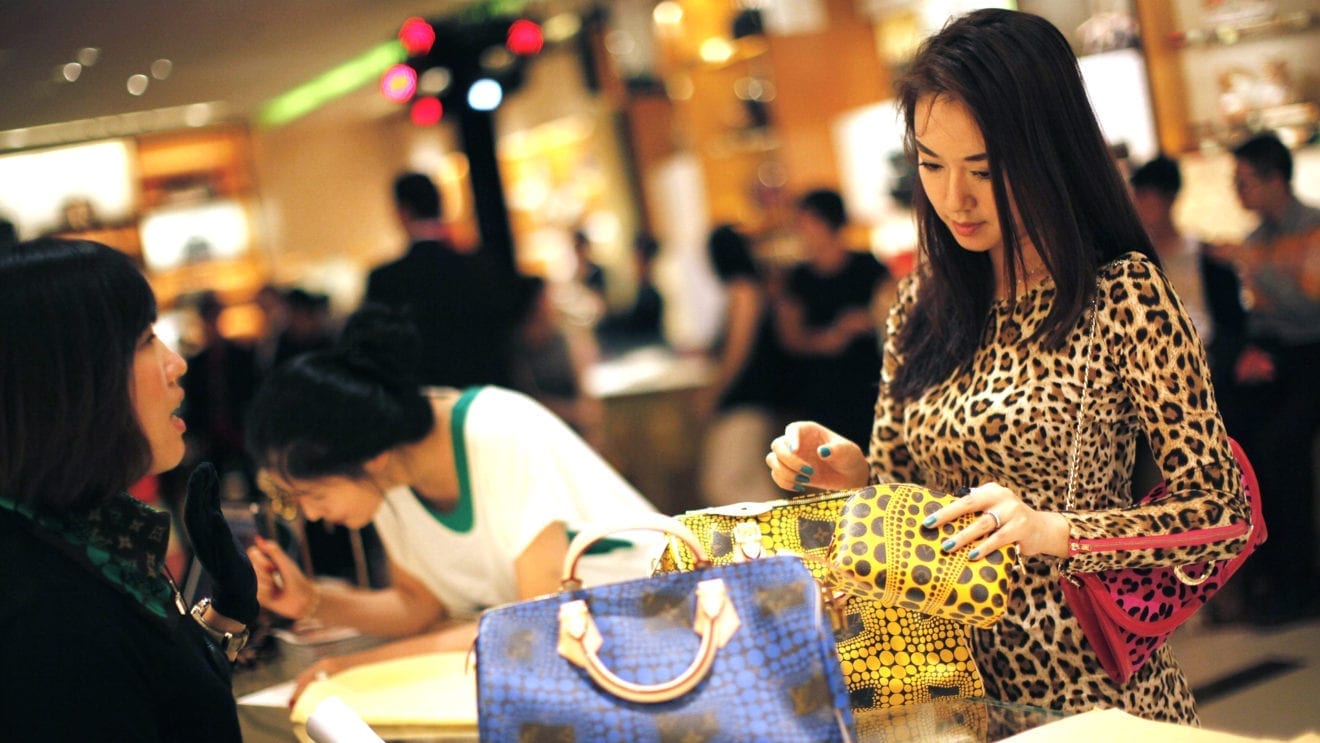
    Julie Li is laden with Harrods carrier bags full of cosmetics, but they are not hers; the 30-year-old finance graduate from Beijing is a fulltime freelance retail consultant, something known in China as a daigou.

    “I worked as a daigou alongside my day job for about three years, but six months ago, I decided to quit my job to fully concentrate on the business because the profit margin is lucrative and the hours are more flexible,” said Li, who asked to be known by a pseudonym.

    Dressed in a fashionable white Reiss dress and holding a light color Chanel leather handbag, Li is glued to her smartphone. She is using the messaging app Wechat to communicate with clients in China who are willing to pay a premium for authentic luxury goods that are usually relatively cheaper than they are in China.

    Having developed three major wholesale clients, each with around 300 customers, Li buys 10,000 pounds’ worth of top-end lipsticks on behalf of clients every day.

    “The weak pound after Brexit is also giving a boost to my business and sales have doubled in recent months,” Li said.

    Charging 5 percent of the retail price and handling large quantities on a daily basis, she is able to pocket as much as 20,000 pounds in commission during a good month.

    “My clients are usually middle-incomers in China who have a strong appetite for high-quality products,” she said. “I believe the quality standards, the product ranges and the cheaper prices are the main reasons why Chinese consumers look to the West.”

    Li said a high-end daigou has to know about products, prices, colors, range, and availability.

    Experts say the agents have challenges because customers need to be convinced the goods they receive are genuine and that suppliers are reliable.

    “An important issue is the uncertainty faced by consumers who wonder whether products are genuine because, the higher the demand for a product, the more there is a chance it will be a fake or an adulterated product,” said Pervez Ghauri, professor of international business at Birmingham Business School.

    The buyers are mainly from the Chinese mainland and specialize in helping customers in China buy luxury products, including bags and cosmetics, as well as health supplements, such as baby milk formula.

    Business has boomed in recent years, accounting for RMB 34 billion to RMB 50 billion ($5 billion to $7.4 billion) in global sales last year, according to a report from consultants Bain & Company.

    In 2008, the baby milk scandal, in which Chinese milk and infant formula was contaminated with melamine, led to many Chinese parents shopping overseas for milk formula. At the height of the boom in demand for milk formula, retailers in the UK rationed the sale of powdered baby milk to ensure availability for domestic parents.

    Observers note that safety standards are one of the reasons why some Chinese consumers buy Western products.

    Geoffrey Wood, dean of the Essex Business School, said many Chinese consumers believe Western countries have more rigorous production standards, and the will to enforce rules ensuring quality.

    Seizing the opportunity presented by the baby milk scandal, 29-year-old Jimmy Zhen-not his real name-began buying milk powder for his Chinese customers in 2009 while working a fulltime job.

    “In the beginning, I only shopped for family and friends who knew I was abroad and felt the authenticity of the products was assured. Through word of mouth, I developed a large customer base, and built trust with my clients,” he said. After demand rose, he became a fulltime shopper in 2011.

    A restriction brought in by the UK government in 2013 to cap the sales of milk formula at two cans per customer stacked the deck against Zhen’s business, but he managed to find a way out by paying students 50 pence above the retail price for every can they sold him. He currently ships more than 8,000 tins each month.

    Earlier this year, the Chinese authorities tightened regulations around cross-border online shopping. Commentators say the changes, to Chinese customs regulations and ecommerce has dented the daigou’s trade, but Zhen has adjusted by shipping four cans at a time instead of six. It ensures he avoids paying import tax.

    Daigou shoppers admit their industry exists in a grey zone legally and is likely to be short-lived, but Li is cashing in for as long as she is able.

  • Finnish Hartwall Original Long Drink now in Hong Kong

    Finnish Hartwall Original Long Drink now in Hong Kong

    Since the summer of 2016 there is new beverage on the market in Hong Kong that originates in Finland – the legendary Hartwall Original Long Drink. This world’s first long drink was originally developed for the 1952 Helsinki Olympics, a very innovative product back then, to say the least: a cocktail in a can, easy to serve and ready to drink.

    It has been a Finnish success ever since but only as recently as in 2015 also been taking Sweden by storm.

    “Hartwall Original Long Drink was supposed to be served only for the Olympic visitors, but since Finns fell so much in love with it, the production has continued ever since. Moreover, it even created a whole new category of ’long drinks’ in Finland – better known as ’lonkero’ among the Finns”, says Eeva Ignatius, Brand Manager of the Hartwall Original Long Drink.

    Hartwall Original Long Drink is a mix of Finnish premium gin and grapefruit soda. “The gin manufacturing process is a carefully cherished artisan work, and the drink is still produced according to the original recipe from 1952.

    All the gin ingredients are hand-selected, and the final quality is ensured with triple filtering. The original taste, a mix of gin and grapefruit, is totally unique and cannot be found anywhere in the world.”

    Year after year, Hartwall Original Long Drink rules the sales statistic as Top 1 alcoholic beverage in Finland. “It is a true Finnish icon and many Finns consider it as our national drink. Even the package symbolizes our national heritage as the blue and white colours come from the Finnish flag. The thin white stripes on the other hand symbolize the running track of Helsinki Olympic stadium and remind us of the history.”

    Now Hartwall Original Long Drink has started to conquer the world, with the long-waited sales started in Sweden in April 2015, resulting in immediate success. At the same time, Hartwall signed a distribution contract in the Netherlands and Belgium.

    “Hartwall Original Long Drink was originally invented to be shared with the world and now it is about to happen”, Ignatius concludes.

    Now the Finnish “lonkero” is sold in 900 7-Elevens around Hong Kong, as Hartwall earlier in 2016 started cooperation with major distributors in Japan, Taiwan and Hong Kong.

    In In Taiwan, the local retail store chain Simplemart added Hartwall Original Long Drink to its selection in its 500 stores.

    “We were not expecting such huge success. In Hong Kong, for instance, many shops are struggling to meet the high demand. The sales figures of long drink are ten times higher that those of a famous international beer brand that was launched using the same retail channel,” says Matti Ristola, Director of Export at Hartwall.

    hartwall-long-drink2

    “The unique taste, great story and easy-to-identify container of Hartwall Original Long Drink have become popular across the world. Furthermore, the long history and strong success of the beverage in the Finnish market give it credibility; before winning over consumers, we must attract distributors to the product,” says Eeva Ignatius.

    “Hartwall has a fine history as a provider of Finnish products that spans 180 years. Finns love our brands, and our foothold in the Finnish market is strong. I believe that many of our high-quality brands that are successful in Finland have what it takes to succeed also abroad. The success story of Hartwall Original Long Drink is a good example of this. Exports are an important part of our growth strategy, and we will continue to investing in them in the future,” Hartwall CEO Kalle Järvinen says.

  • Hong Kong still tops Asian retail rent rankings

    Hong Kong still tops Asian retail rent rankings

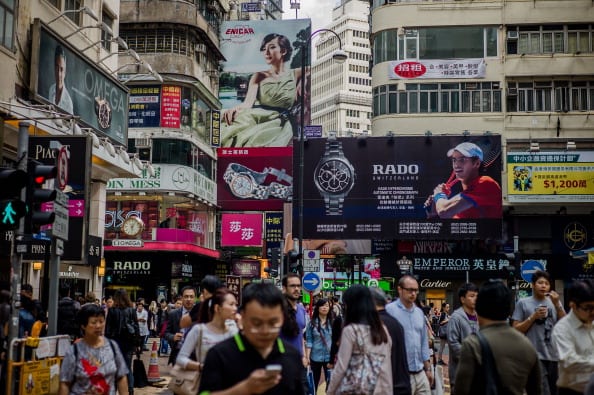
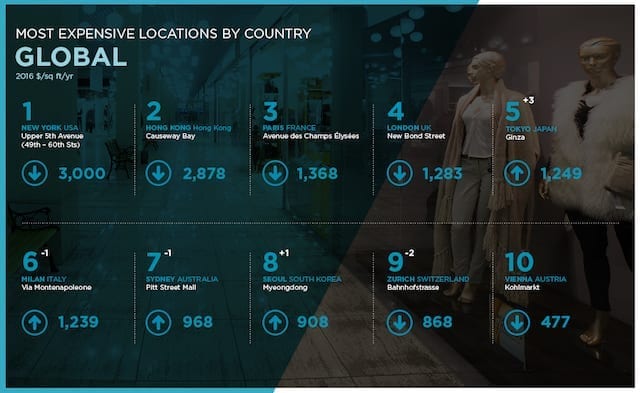
    Tokyo’s Ginza has overtaken Sydney into second spot behind Causeway Bay in the latest DTZ/Cushman & Wakefield Asian retail rent rankings.

    The annual Main Streets Across the World report tracks 462 of the top retail streets around the globe, ranking them by their prime rental value.

    Globally just 36 per cent of the markets witnessed an increase in rent rates, a reflection of the growing power of eCommerce and economic challenges in many economies around the world.

    New York’s Upper 5th Avenue, which saw its first decrease in annual rents per square foot since the financial crisis, and Causeway Bay remain more than twice as expensive as the leading street in any other country. So while Causeway Bay rents fell year-on-year, it had no impact on its ranking.

    But DTZ/Cushman & Wakefield says the downward pressure on Hong Kong retail rents is creating an opportunity for some retailers looking to snap up units on prime pitches in good rental terms.

    In Asia, Beijing’s Wangfujing has lept two places into eighth at the expense of Guangzhou’s Ti Yu Zhong Xin District, and Kuala Lumpur’s Pavilion has fallen one spot to 12th. Ho Chi Minh City in Vietnam has jumped two spots to 14th and is now more expensive than Auckland, Nanjing and New Delhi.

    DTZ/Cushman & Wakefield commentators say advances in technology will shape the consumer experience of retail as well as drive the way how people shop and live in the future, placing more pressure on retail rents.

    “We have seen an increasing number of retailers in Hong Kong continually enhance shoppers experience through leisure offerings and differentiate their market positions to maintain competitiveness under the impact of eCommerce disruption,” said Kevin Lam, DTZ/Cushman & Wakefield’s head of business space, Hong Kong.

    Key fact APAC

    “Though we could see that some high street rents were close to the bottom in Q3, eCommerce disruption so far on rents is rather indirect in view of close proximity in Hong Kong.”

    Elsewhere, Chinese brick-and-mortar retailers are facing stiff competition from the growing eCommerce market and the emerging trend is to partner with online-to-offline platforms in an attempt to capture these changing trends in consumer behavior. In parallel, both retailers and landlords are raising the bar on the experience offered to consumers by expanding the food and beverage and leisure offerings.

    Theodore Knipfing, Cushman & Wakefield’s, head of retail, Asia Pacific, says retailers continue to be cautious in their store expansion across the region due to concerns including continued global economic instability, and this will continue well into 2017.

    “When expansion does happen, the focus is typically on quality over quantity. All in all, despite the cautious outlook across the region, major international and regional retailers will have to eye overseas growth, as their respective domestic markets reach saturation point and investors demand results.”

    Most expensive locations by city Pacific chart

    Global rankings

    In the global rankings, the Champs Elysees in Paris comes third followed by New Bond St, London, Tokyo’s Ginza and the Via Montenapoleone in Milan. Pitt St mall in Sydney is seventh followed by Seoul’s Myeongdong district, the Bahnhofstrasse in Zurich and Vienna’s Kohlmarkt.

    global