Author: Mei Ling Tan

  • More stake for Matahari Putra Prima in MatahariMall.com

    More stake for Matahari Putra Prima in MatahariMall.com

    Matahari Putra Prima (MPPA) has doubled its stake in online Indonesian retailer MatahariMall.com.

    The multi-format retailer, which operates Hypermart, Smartclub, Foodmart, Boston and FMX chains, says it has [aid cash for an additional 5 per cent share in the fast-growing eCommerce business.

    “With the acquisition, MPPA hopes to benefit from wider access to eCommerce as its  development will remain strong this year,” MPPA said in a statement. “The company views eCommerce in Indonesia as an enormous market and will continue to grow. The investment and partnership with MatahariMall.com is a new opportunity to foster O2O eCommerce

    components that encourage sales [growth] in the future.”

    MPPA said the  relationship will improve MPPA’s position as the leading multi-format modern retailer in Indonesia, as well as contribute to a sound financial outlook going forward.

    Matahari Mall body

    New Foodmart Primo

    In other news, MPPA has opened its second upper scale supermarket format, Foodmart Primo at Lippo Mall Kuta, Bali.

    The opening of Foodmart Primo in Bali is based on the company’s studies on the upward trend of customers’ shopping behavior in the island. The store has a gross selling area of about 1510 sqm and provides a wide selection of high quality of imported and local products.

    Director of Foodmart operations, Dave Rao, says due to the nature of the location the store will cater more to tourists than residents, so the stock mix will be slightly different from a typical Foodmart Primo.

    “We have additional categories like handicrafts, souvenirs, aromatherapy, travel accessories, beach accessories, and more, specially targeted at holiday-makers. But our main feature remains the restaurant which is a ready-to-eat area offering pizzas, roasts, pastas, traditional food, fresh juices, sandwiches, salads and a boutique bakery.”

  • Vocus Acquires Netgen

    Vocus Acquires Netgen

    A substantial chunk of fiber is changing hands down under. Vocus Communications has announced plans to acquire Netgen Networks in a deal worth about $500 million.

    Nextgen had built a 17,000km fiber backbone across Australia with fiber into 1,100 buildings including 70 data centers.

    They were also a 50% owner with Vocus on the ACS project building a subsea cable between Perth, Singapore, and Indonesia, which Vocus will take 100% possession of. And they were building the North West Cable system between Darwin and Port Hedland to the oil, gas, and mining industries as well, which will also be bought by Vocus.

    The deal, which follows their recent purchase of M2, will see Vocus add substantial infrastructure muscle in an effort to better compete with Telstra, Optus, and TPG.

    Vocus already has some 700km of fiber hooking up 1,300 buildings in Australia, as well as a more extensive 4,200km of fiber over in New Zealand.

  • Australian NBN launches first HFC services

    Australian NBN launches first HFC services

    Australia’s nbn has announced the launch of the National Broadband Network’s first HFC services under the multi-technology mix model.

    The company in charge of overseeing the rollout and wholesale operation of the national network revealed that around 18,800 premises in Redcliffe in Queensland are now ready for service.

    Service providers in the area will be given access to peak wholesale speeds of up to 100Mbps uplink and 40Mbps downlink.

    The current NBN rollout plan calls for 875,000 HFC premises to be ready for service nationwide by June 2017, with 200,000 of these end-user premises activated on the network.

    The NBN was originally intended to use FTTP for more than 90% of Australia’s population, but on taking power three years ago the current government abandoned this model  in favor of a rollout using a mix of using a mix of FTTH, HFC and FTTN.

    At the time it was claimed this would allow the rollout to be completed faster and more cheaply than using FTTH, but the projected cost and timeframe of the multi-technology rollout has ballooned to be potentially nearly as expensive as the initial rollout plan.

    The in-opposition Labor party has pledged to use FTTP for an additional 2 million premises if it wins power. An election was held over the weekend and while it’s a close race and the votes are still being counted, experts expect the current government to win by a slim margin and form a minority government.

  • Zalora Scholarship is now open

    Zalora Scholarship is now open

    Asian eCommerce company, Zalora, has relaunched its scholarship program, now on its second year.

    The theme for the Zalora Scholarship this year is “Function Vs Fashion: How the Two Coexist in (Major) Trends Over the Decades”.

    The online retailing company says the fashion-meets-function trend is growing rapidly now, more than ever as wearables flood the market. One prime example is the activewear industry as fitness wear becomes more than just clothes for working out.

    The Zalora Scholarship will award six tertiary students from the Philippines, Singapore, Malaysia, Indonesia, Hong Kong and, for the first time, Taiwan, with a grant and internship at Zalora offices.

    Applicants may submit their entry in the form of an essay or infographic. Winning entries will be selected based on creativity, innovation and relevance to the theme as well as analytical skills and academic results.

    Michele Ferrario, CEO of Zalora Group said: “As Asia’s online fashion retailer, we’re dedicated to continuously recognise and support the most promising talents in the region who desire for a career in fashion. We believe this will not only help develop and groom the future leaders of this industry but also contribute to the growth of eCommerce in Asia.”

    Zalora welcomes applicants from all tertiary institutions that fall under Zalora Partner Institutions in Singapore, Hong Kong, Indonesia, Malaysia, Philippines and Taiwan. One student from each of these countries will be offered a scholarship.

    Applications will close at 11:59 PM (GMT) on July 31.

  • Social media giants plan new e-payment offerings

    Three new e- payment services from Line and Facebook will become available to Thai mobile users by the end of this year, as the social-media companies gear up with a view to tapping into high growth potential in the domestic market.

    Jin-Woo Lee, chief executive officer of Rabbit Line Pay, told the “Thailand E-commerce Summit 2016” that the company would provide two new services in the near future under the Rabbit Line Pay brand, enabling mobile payments via a smart phone using any operating system.

    Mobile users will simply need to download the Rabbit Line Pay application to their device in order to use the system, he said, adding that the new payment services would be piloted at retail outlets such as McDonald’s in August.

    “I believe Thailand is the first country in which we will provide the new e-payment service. In the next couple of months, we will test it with retail shops, and then with the Skytrain in December, before making it officially available in the market,” the CEO said. Another new offering under Rabbit Line Pay services is a logistics service available to mobile users who already have the Rabbit Line Pay app.

    Under the logistics service, the company has joined hands with Kerry to deliver products to customers when they order from the Line shop. Kerry will provide a same-day delivery service for users located in Bangkok, with cash on delivery being a payment option. The new service will initially be available in Bangkok.

    “For Line, Thailand is the second biggest market, after Japan. I believe there is high market potential in Thailand for the provision of services that support mobile users in a simple and convenient way,” Lee said.

    The company is currently working with four commercial banks – Siam Commercial Bank, TMB Bank, Bangkok Bank and Kasikornbank – to support e-payment transactions under its new offerings, he added.

    Line now has around 40 million users in Thailand, the chief executive said.

  • Filipino Job Seekers in Luck as Local Online Hiring Activity Registers Growth for the first time in 2016

    It’s a good time to be looking for a job in the Philippines. According to the latest Monster Employment Index (MEI) data for May 2016, online hiring activity has registered positive growth for the first time ever this year.

    Overall recruitment activity has increased 11% between May 2015 and May 2016. This is a 14% improvement from the previously reported -3% decline year-on-year for April.

    Tracked by employment website Monster.com, the MEI Philippines is a gauge of online job posting activity, recording the industries and occupations that show the highest and lowest growth in recruitment activity locally.

    The Retail sector reported a whopping 106% year-over-year growth in online hiring activity – the steepest growth registered of the industries monitored by the MEI. This is up from 49% year-over-year reported in April.

    The Production/Manufacturing, Automotive and Ancillary sector continued to register the sharpest year-over-year decline at -34% in May. This is an improvement from -56% registered between April 2015 and 2016.

    Across occupational groups, HR & Admin roles took the lead in the growth of hiring activities at 39% year-over-year. This is huge 34% improvement from the 5% registered in April.

    Online hiring in Hospitality & Travel roles remained the weakest, registering -55% year-over-year decline.

    “A recent survey by the Philippine Statistics Authority (PSA) revealed strong employment among Filipinos. Preliminary reports have also shown that local unemployment stands at around 6.1% in April 2016, down 0.3% from April 2015. As Philippines continue to position itself as one of Asia’s growth areas, foreign investments are likely to continue to pour into the country to spur growth and hiring,” said Sanjay Modi, Managing Director, Monster.com – APAC and Middle East.

    “The Philippines’ retail sector continues to exhibit strong growth partly due to increased consumer spending power, fuelled by increasing income in the BPO sectors. It was recently reported that the hospitality sector had contributed P1.39 trillion to the Philippines economy, despite slower recruitment across these roles. This has likely resulted from the slower turnover within the sector after its hiring spree last May, which worked out well for the sector. Until the need arises, employers are in no hurry to add to their headcount.”

    The Monster Employment Index Philippines is a monthly gauge of online job posting activity, based on a real-time review of millions of employer job opportunities culled from a large representative selection of career websites and online job listings across Philippines. The Index does not reflect the trend of any one advertiser or source, but is an aggregate measure of the change in job listings across the industry.

  • Tokopedia deal lets online shoppers pay in store

    Tokopedia deal lets online shoppers pay in store

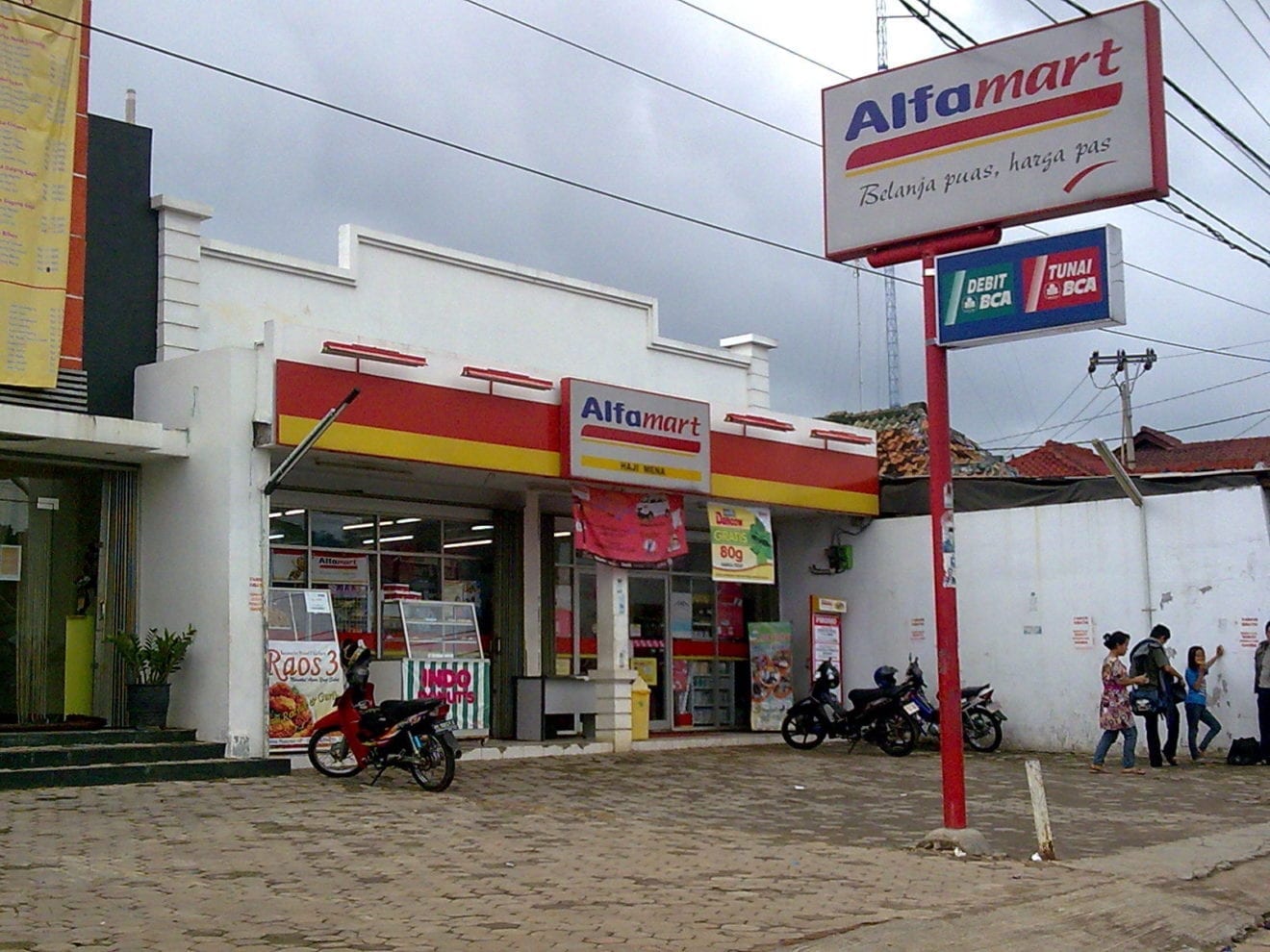
    Indonesian online platform Tokopedia has signed an agreement with retailer Alfamart allowing online shoppers to pay at their nearest convenience store branch.

    Customers do not need a special account to complete a transaction in an Alfamart store.

    “The payment will be automatically verified and the order will pass directly to the seller,” says Tokopedia VP Melissa Siska Juminto.

    “The partnership will benefit not only customers but also sellers as order processing will be faster and will boost the seller’s reputation.”

    Tokopedia has previously partnered with several other retailers such as 7-Eleven and Indomaret, and also launched the Mitra Toppers program that helps merchants access capital loans.

    Tokopedia raised US$147 million in April, bringing its total disclosed funding to $247 million, the largest so far in Indonesia.

    It now has more than 7.5 million transactions a month, with a 10-20 per cent monthly growth rate. About 69 per cent of users access the company’s site using mobile phones.

  • Vocus to buy Australia’s Nextgen Networks

    Vocus to buy Australia’s Nextgen Networks

    A substantial chunk of fiber is changing hands down under. Vocus Communications has announced plans to acquire Netgen Networks in a deal worth about $500 million.

    Nextgen had built a 17,000km fiber backbone across Australia with fiber into 1,100 buildings including 70 data centers.

    They were also a 50% owner with Vocus on the ACS project building a subsea cable between Perth, Singapore, and Indonesia, which Vocus will take 100% possession of. And they were building the North West Cable system between Darwin and Port Hedland to the oil, gas, and mining industries as well, which will also be bought by Vocus.

    The deal, which follows their recent purchase of M2, will see Vocus add substantial infrastructure muscle in an effort to better compete with Telstra, Optus, and TPG.

    Vocus already has some 700km of fiber hooking up 1,300 buildings in Australia, as well as a more extensive 4,200km of fiber over in New Zealand.

  • Another close shut down in Singapore

    Another close shut down in Singapore

    Streetwear chain 77th Street is about to become another victim of Singapore’s struggling retail scene.

    The home-grown clothing company will close the doors of its last outlet, in Ang Mo Kio, by the end of this month, according to Channel NewsAsia.

    Founder Elim Chew says high rents have forced the closure, with the present rate of $35 a square foot having risen from $9 when she started the business at Far East Plaza in 1988.

    At one point, 77th Street had 16 outlets around Singapore, and was the first Singaporean retailer to set up a shopping mall in China in the early 2000s by opening 77th Street Plaza. This has since closed.

    Chew has now ventured into the logistics industry, setting up the app Fastfast along with Adrian Ng of mobile app and retail technology developer Codigo. The app allows people in between jobs or retirees to become document or package couriers. About 4500 people have signed up to be FastFast drivers, according to The Straits Times.

    Meanwhile, the first six months of this year have seen several retail brands exit Singapore, including Britain’s New Look, French menswear chain Celio, and local label M)Phosis.

  • Watson Indonesia launches expansion plan

    Watson Indonesia launches expansion plan

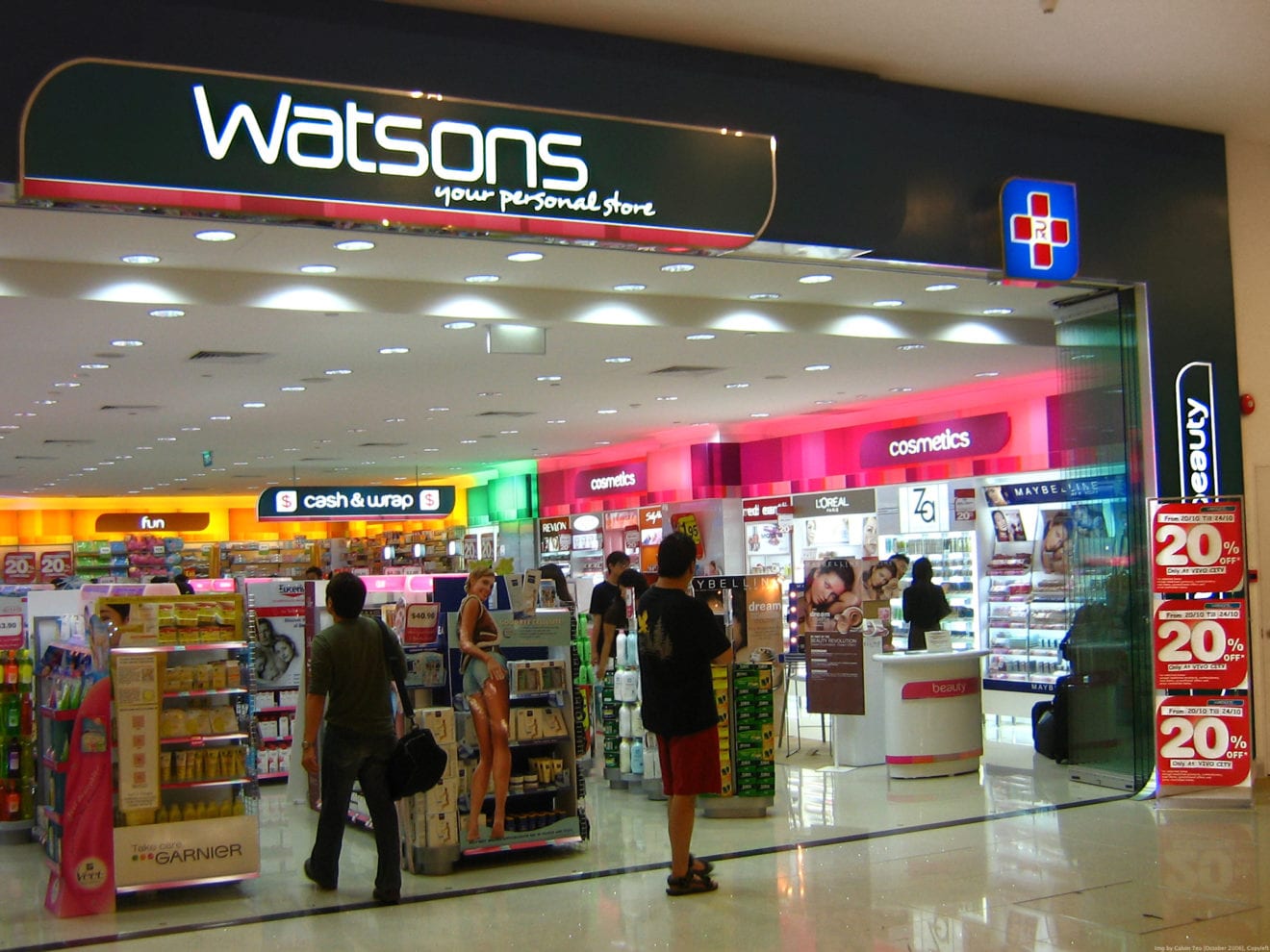
    Watson Indonesia plans to open up to 20 new stores this year.

    Duta Intidaya, the local Watson’s rights-holder since 2006, will use about 65 per cent of the US$6.49 million raised in its recent IPO to fund the new stores, with the balance of the cash going to repay bank debt.

    While there are more than 100 Watson stores in Singapore and more than 400 in the  Philippines, the brand is under-represented in Indonesia, where to date just 47 have opened.

    Duta Intidaya says the new stores will open predominantly in shopping malls, with one high street store planned for tourist resort Bali. Three new stores have already started trading in Jakarta this year.

    Hong Kong-based AS Watson is keen to see the brand catch up its rivals by store network numbers: Century has more than 200 stores and rival Hong Kong chain Guardian has more than 100.

    “We are still small, so we need more funds to expand and the IPO is the most proper decision at this time. We want to build a stronger brand,” Duta Intidaya director Sukarnen Suwanto told a press conference.

    Duta Intidaya plans to continue growing at a rate of 15 to 20 stores annually, and will launch online in 2017.

  • The next Korea’s largest retail multiplex

    The next Korea’s largest retail multiplex

    Shinsegae Group will open a multiplex shopping mall in Hanam in South Korea’s Gyeonggi province, around September.

    It says it will be the country’s biggest shopping multiplex with a dining area bigger than the Olympic stadium in Seoul. It will have four storeys above ground and another four below.

    As well as luxury brands, the mega-mall will even have vehicle showrooms including BMW, Hyundai and Harley Davidson.

    A Shinsegae department store and wholesale retailer E-mart Traders will bookend the mall.

    On the rooftop will be outdoor swimming pools and spas, while the fourth floor will feature a sports area with badminton, basketball and tennis courts.

    Shinsegae CEO Chung Yong-jin says the mall will be the culmination of the group’s retail know-how.

  • TGI Friday’s Japan with Hollywood taste

    TGI Friday’s Japan with Hollywood taste

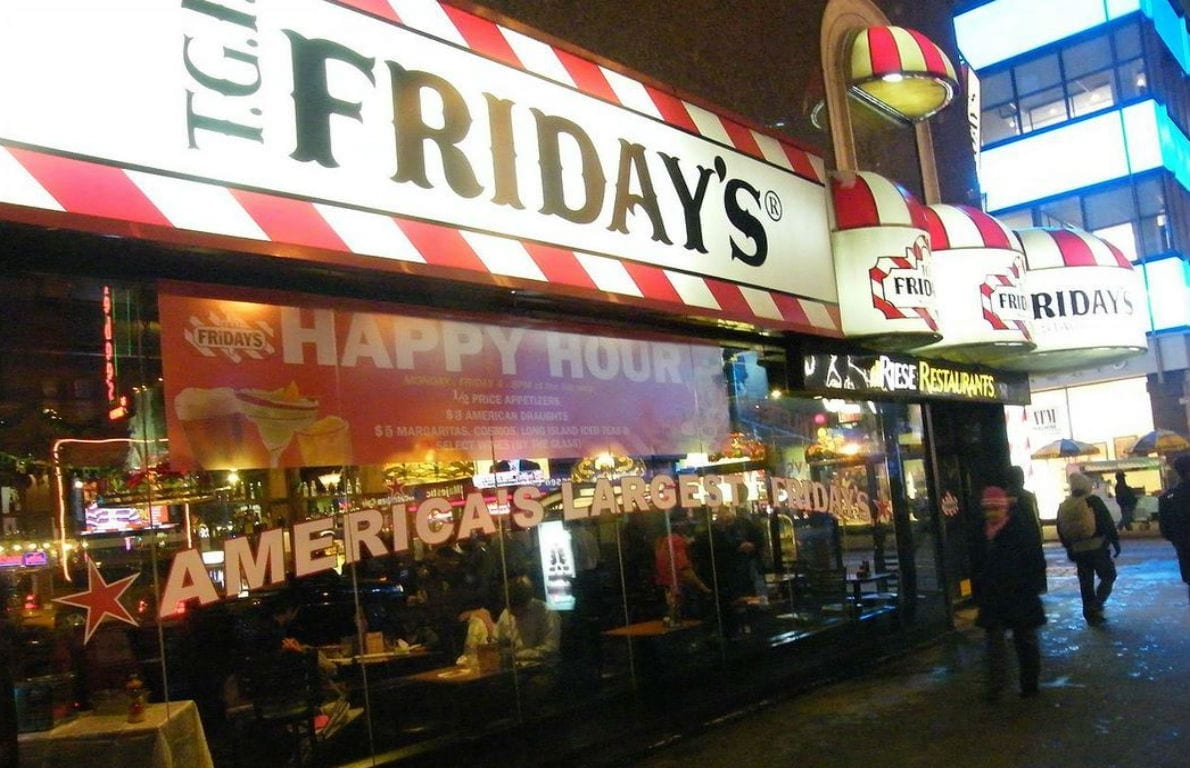
    TGI Friday’s Japan, the US franchise known for its kitschy decor and classic American fare, is opening its latest restaurant in Tokyo’s Gotanda area tomorrow – a Friday, of course.

    TGI-Friday
    Inside new TGI Friday Tokyo

    TGI is hoping to capitalise on the atmosphere at its new outlet, near Gotanda Station, with a Hollywood theme the chain says is different from the established locations in Japan. It is sited in a former cinema, and will be replete with replica Hollywood movie memorabilia and posters.

    It will feature the flair bartending shows that are a feature of the Japanese outlets.

    TGI Friday’s has more than 900 outlets in 60 countries, with the first Japanese restaurant opening in Shibuya, Tokyo, in 1999. There are more than a dozen outlets now in Japan, including the Kanto and Kansai areas.

  • Mars China teams with Alibaba

    Mars China teams with Alibaba

    Mars, best known for M&M’s and Snickers candy brands, has become the latest global consumer foods brand to partner with eCommerce giant Alibaba to grow its online presence in China.

    In a joint announcement, Mars China said all of its brands, which also include Dove chocolate and Pedigree and Royal Canin pet foods, will now be available to consumers through Alibaba’s online marketplaces Tmall.com and Rural Taobao. The Virginia-based company added it would leverage Alibaba’s marketing and data capabilities to drive engagement with those consumers, while using Alibaba’s logistics network to extend its reach in the Chinese market.

    Food and beverage giants Mondelēz International and Nestle struck similar agreements with Alibaba in recent months in a bid to expand their business in China. Both companies pointed to eCommerce as an important sales channel in the market given that Chinese consumers are the world’s most prolific online shoppers. And according to market intelligence firm Kantar Health, eCommerce sales of fast-moving consumer goods are growing in China, climbing 37 per cent last year versus 34 per cent in 2013-2014.

    Wrigley China VP and MD Cecilia Li noted the importance of eCommerce in the Mars China strategy as well, but also emphasised the role that shoppers under 35 are playing in the country’s consumer economy.

    “China’s younger generation is the new driving force of consumption,” she said, and “they rely on eCommerce.” Li called the agreement with Alibaba a “significant strategic partnership for Mars.”

    Many of Mars’ products are already selling on Tmall. Wrigley opened its flagship store in 2009, and others have since followed. But the company said that in addition to now having access to all of Mars China’s products, the new tie-up will give consumers a “convenient and international ‘one-stop’ shopping experience” via Alibaba’s platforms. That includes consumers in the rural countryside, whose rising spending power has drawn the attention of companies doing business in China.

    Alibaba will also partner with Mars’ Beijing-based Global Food Safety Center “to enhance food safety management, promote consumer education and share the latest scientific research findings with industry stakeholders.” Launched last year, the center conducts food safety research and training.

  • Ford’s exit from Indonesia upsets its dealers

    Ford’s exit from Indonesia upsets its dealers

    Ford’s dealers in Indonesia are now seeking to recoup their losses after the automaker said earlier this year it would close all operations in the country.

    Ford has been struggling to gain market share and to make some reasonable profits in Indonesia since its entrance in the market in 2002. Recent years have been especially challenging, as the country’s new car market started to be affected by the overall economic slowdown. At the beginning of the year, the Detroit-based automaker said it decided to exit from all segments of business, including closing dealerships and stopping sales and imports of Ford and Lincoln vehicles. The company made a similar decision for Japan as well.

    Reuters reports that dealers are now looking to get around 75 million dollars in compensation, looking to take their demands to court if they are not reaching an agreement with the automaker. They are claiming they made considerable investment in their businesses to support an expansion plan that Ford announced in 2011, but which never came. When it announced the shutdown back in January, Ford said it would start talks with its dealers to implement its exit plan later in the year.

    The automaker has a staff of 35 and sells its cars through 44 franchised dealerships in Indonesia, while last year it delivered around 6,000 vehicles, taking a 0.6 percent share of the total new car market. General Motors also decided to close its production operations at a local plant in Indonesia in 2015, ceasing output of locally manufactured GM-branded autos, forced by the intense competition from the Japanese brands, such as Toyota and Honda.

  • BlackBerry finds partner in Indonesia’s Emtek

    BlackBerry finds partner in Indonesia’s Emtek

    An Indonesian media conglomerate on Monday announced a partnership with BlackBerry in which it will help the Canadian company bring more functionality to its BBM messaging app.

    Elang Mahkota Teknologi, known as the Emtek Group, owns two national TV stations, online news portals and production houses. It also has invested in numerous startups. The partnership will enable Emtek to bring these properties’ content to BBM users, as well as develop new BBM applications and services through a licensing agreement. The content maker will pay BlackBerry an estimated $207 million in licensing fees over six years through a Singapore subsidiary.

    “We wanted to continue to offer our users even more with the most content-rich media and new services such as e-commerce, video, music and games,” said John Chen, BlackBerry’s executive chairman and CEO.

    The deal follows a trend in which messaging apps are morphing into platforms that offer a range of services. BBM has 60 million monthly active users in Indonesia, more than anywhere else in the world. Currently, the app has about 90 million monthly active users around the world.

    KMK Online, an Emtek digital content maker, will set up an office in Toronto so it can work closely with BlackBerry.

    Emtek has been stepping up efforts to generate revenue from its content via online platforms. In 2015, the company consolidated its production and distribution divisions. Earlier this year, it invested in Malaysia-based online video streaming service iFlix, which later launched services in Indonesia.

    “We see significant opportunity to grow the consumer BBM business globally and are excited to invest in research and development to further advance BBM,” Emtek CEO Alvin Sariaatmadja said in a press release.

    BlackBerry’s handset business has found itself left behind in the smartphone age and is now trying to focus on software.