Author: Mei Ling Tan

  • Itron Smart Payment Solution Selected to Improve Nationwide Electrification in Indonesia

    Itron Smart Payment Solution Selected to Improve Nationwide Electrification in Indonesia

    Itron, a world-leading technology and services company dedicated to the resourceful use of energy and water, announced today that PT Mecoindo, a joint venture between Itron and a local partner, signed a contract with PT PLN (Persero), a state-owned utility company in Jakarta, Indonesia, to deploy 635,000 Itron smart payment meters. With this Itron solution, PT PLN will provide end-customers with a convenient, cost-effective way to prepay for electricity; thus improving electrification for Southeast Asia residents. Installation is expected to be complete by the end of 2016.

    Itron’s smart payment technology is designed to help utilities implement revenue protection measures as well as empower consumers to manage their electricity usage according to their budget and needs. Consumers have insight into how much money they have spent in a given period and how much they have left, reducing the likelihood of an untimely shut-off. In addition to these consumer-focused benefits, utility companies realize business value by simplifying utility customer service, lowering operational costs and reducing delinquent account risks, while improving cash flow.

    “We believe Itron’s products are the highest quality in the industry and the best fit for our electrification program,” said Septa Hamid, general manager of supply chain management at PT PLN (Persero). “Our goal is to provide convenient and affordable electricity services to more people in Indonesia, and with Itron’s smart payment solution, we are making that goal a reality.”

    “We are pleased Itron’s smart payment solution was selected by PT PLN. Itron’s technology will help PT PLN achieve its electrification goals and bring a greater understanding of energy use and costs for consumers,” said George Daenuwy, PT Mecoindo president director. “We look forward to contributing to this program, which truly demonstrates how we are helping utilities better manage resources for a more resourceful world.”

  • DoCoMo to provide 375Mbps LTE-A at Mt Fuji summit

    DoCoMo to provide 375Mbps LTE-A at Mt Fuji summit

    Japan’s NTT DoCoMo has announced plans to deploy LTE-Advanced at the summit of Mount Fuji, Japan’s highest and most famous mountain.

    The company will provide mobile services with maximum downlink speeds of 375Mbps as well as 3G service during the climbing season from July 10.

    The company will also offer a maximum downlink of 337.5Mbps on the four most heavily used routes on the 3,776 meter summit, the Subashiri, Gotemba, Fujinomiya and Yoshida trails.

    DoCoMo will also deploy Wi-Fi hotspots at some cabins on the slopes, and make shared tablets available in some cabins that support video streaming, translation app Hanashite Hon’yaku and other value-added mobile services.

    “Going forward, DoCoMo will continue to ensure that Mount Fuji climbers enjoy high-quality mobile services as part of its initiative to enhance the quality of mobile communications in expanded coverage areas around Japan,” the operator said in a statement.

    Mount Fuji is the 35th most prominent – or highest – mountain in the world and a UNESCO World Cultural Heritage Site.

  • Manulife Indonesia to spin off sharia business unit, increase market share

    Manulife Indonesia to spin off sharia business unit, increase market share

    Manulife Indonesia has submitted a proposal to the Financial Services Authority (OJK) to generate a bigger market share for its holding company by creating a spin-off of its sharia business unit, a company executive has said.

    “We have submitted the documents for the spin-off to the OJK,” Manulife Indonesia’s sharia unit head Yetty Rochyatini said in Jakarta.

    She said the Canada-based company was waiting for the OJK to complete a new regulation on sharia mutual funds, which would be released this year.

    Manulife’s sharia business unit recorded 31 percent growth year-on-year in its risk-based capital to 125 percent in the first quarter of 2016. The government has stipulated that all sharia insurance companies must have a minimum risk-based capital of 30 percent.

    Yetty said the company’s qard (benevolent sharia loan) funds amounted to Rp 240 billion (US$18.2 million), enough to meet the solvency level needed.

    According to the company’s unaudited financial report, the sharia business unit recorded Rp 25.2 billion of gross premium income in the first quarter of this year, an 84 percent increase year-on-year.

    “While waiting for the OJK to formulate the regulation, we continue to prepare ourselves by enlarging the business size and boosting sales,” Yetty said.

  • 385.5 tons of beef illegally imported to Indonesia in 2016

    385.5 tons of beef illegally imported to Indonesia in 2016

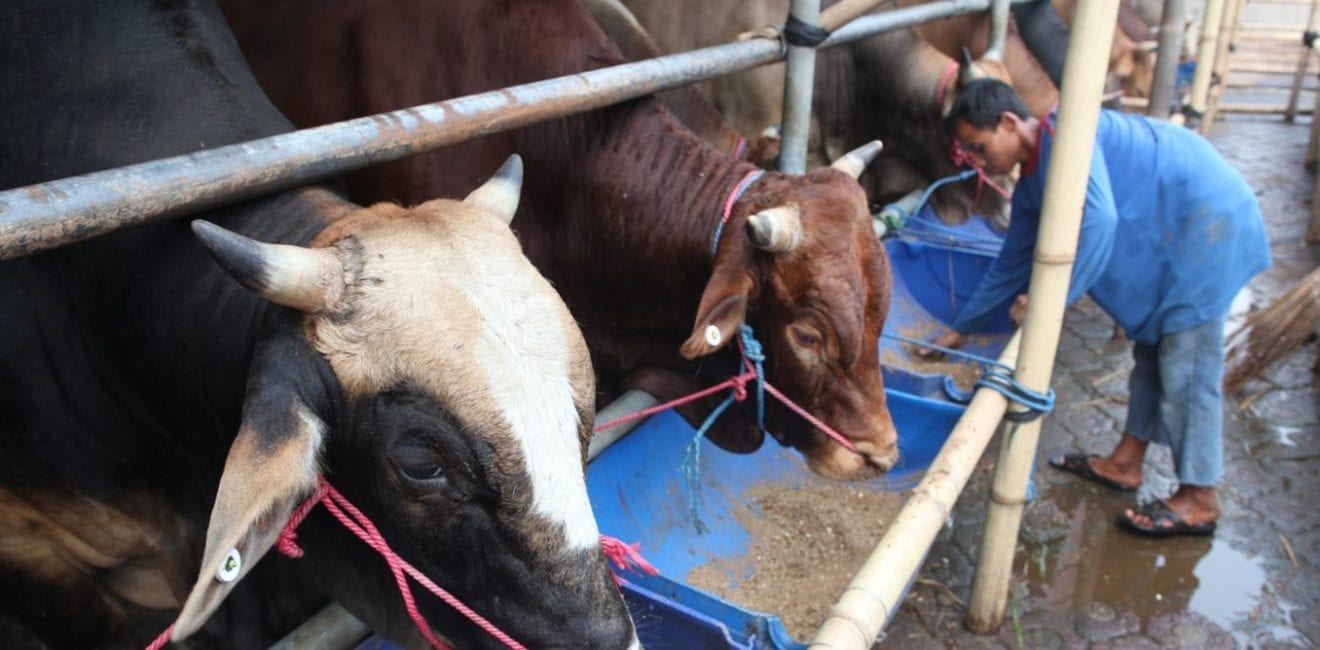
    Indonesias Finance Minister Bambang Brodjonegoro said the surge in beef smuggling or illegal beef imports in 2016 have risen to 385.5 tons.

    “In 2015, Indonesia managed to prevent 23.4 tons (of beef being imported illegally). Until June 2016 we have foiled 385.5 tons of illegal beef imports attempts,” said Bambang here Thursday.

    Bambang said 21.8 tons of illegally imported beef had been given to the Coordinating Ministry of Peoples Empowerment and Culture before being distributed by the Ministry of Social Affairs among the needy.

    The Customs and Finance Ministry are also making efforts to monitor the goods entering Indonesia illegally.

    Besides giving away 21.8 tons of smuggled beef that is beyond the states quota, an auction for 163 tons of beef will also be held in the next two days.

    “We will hold an auction for smuggled beef found in seven containers, amounting to a total of 163 tons, which was imported from Australia and New Zealand on May 21, 2016,” Bambang said.

    Furthermore, the ministry is currently preparing for the auction and expects the meat to be distributed immediately after that.

    “We will ask the winning bidder to sell it at affordable prices to the public. Under the direction of the president the affordable price of beef is around Rp80.000,” he added.

  • Thailand legislature passes new frequency act

    Thailand legislature passes new frequency act

    Many NLA members also clashed on the composition of the NBTC board which will now be a unified board with 7 members instead of 11 with a telecoms and broadcasting sub-board. Many of the legislators feared that the changes in the criteria such as age and experience would lead to a board filled with career bureaucrats.

    The selection process will see a 7-member committee (consisting of the chair of the country’s three courts, chair of the national anti-corruption commission, auditor-general, comptroller-general and governor of the bank of Thailand) to select 14 candidates to be sent to the upper house to vote on.

    Earlier there was widespread concern over article 13 that would force the NBTC to comply with the Digital Economy Commission policy and article 19 that gave the DE Commission final say as to whether the NBTC had complied with their plans or not.

    The new article 15 also allows for shared use of spectrum while articles 24 and 25 forces the NBTC to consider the greater good rather than just money when holding a spectrum auction.

  • Yum! Brands China sale falters

    Yum! Brands China sale falters

    Following a missed deadline by potential investors, the sale of a minor stake in Yum! Brands China business has been delayed.

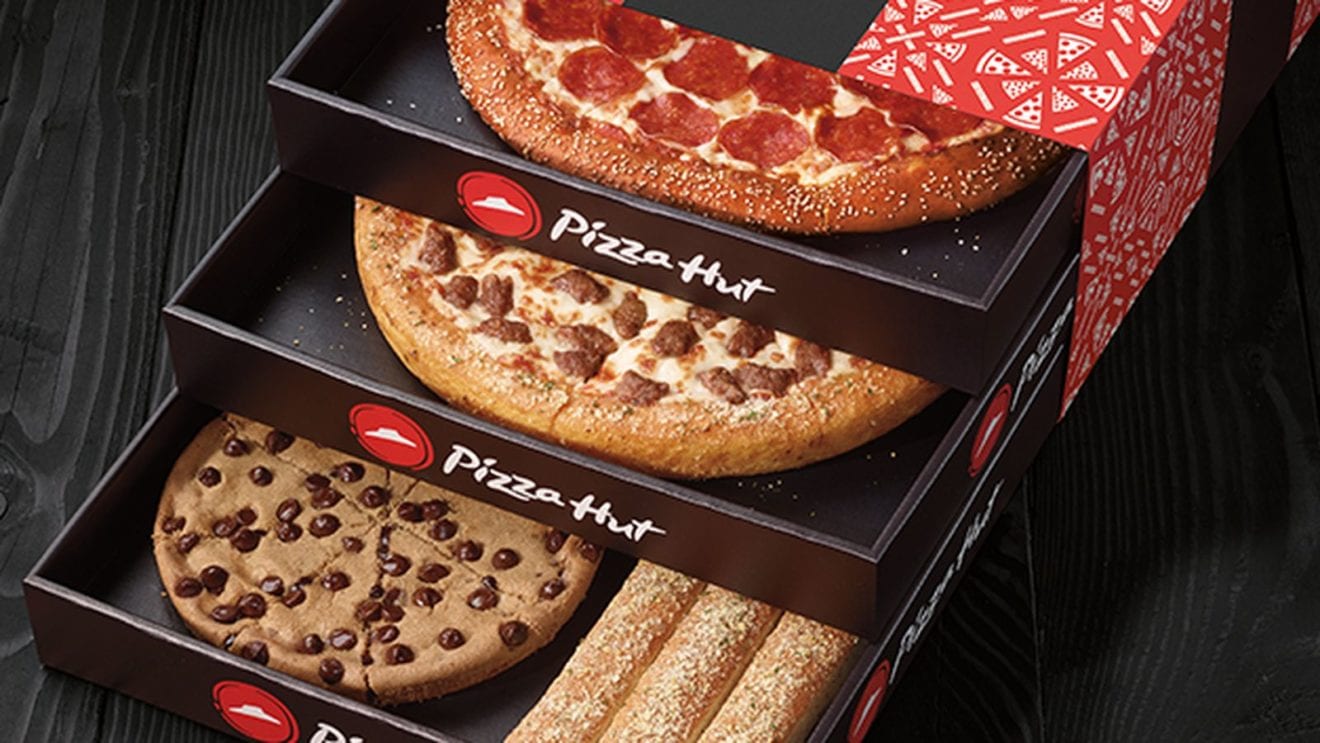
    Yum runs KFC and Pizza Hut outlets in China, while the potential bidders include Singapore state investment company Temasek Holdings and Chinese private equity firm Primavera Capital.

    One report says the suitors held off submitting bids after Yum tried to impose new terms on the investments. The investors have also indicated they disagree with Yum’s proposed valuation of $10 billion for the China unit.

    After a prolonged sales slump caused by food-safety scandals, Yum last year decided to spin off its China business into a separate publicly traded company. Since this was announced in October, Yum has had stronger same-store sales results from KFC in China.

    With the terms change, Yum would not be obliged to pay royalties to the China business for any products it developed, plus it would not share the burden for some of the Chinese unit’s advertising spend.

    Yum told potential investors of the new conditions just days before the bid deadline, and the company has yet to set a revised deadline.

    Meanwhile, Yum spokeswoman Virginia Ferguson says the company is making “great progress” toward the separation of the China business.

    At an investor conference this month, CEO Greg Creed said he expects the China separation to occur around the end of October.

    A group backed by sovereign wealth fund China Investment Corp withdrew a bid for control of the China business after failing to agree on a price. It claimed that initial due diligence showed Yum’s profit margins were under pressure in an increasingly competitive market.

    Yum’s market share in China fell to 24 per cent last year from 39 per cent in 2010, data from Euromonitor International shows.

    According to its website, the company plans to add 600 outlets this year to its more than 7200 restaurants across China.

  • Chinese tourist shopping myths proven wrong

    Chinese tourist shopping myths proven wrong

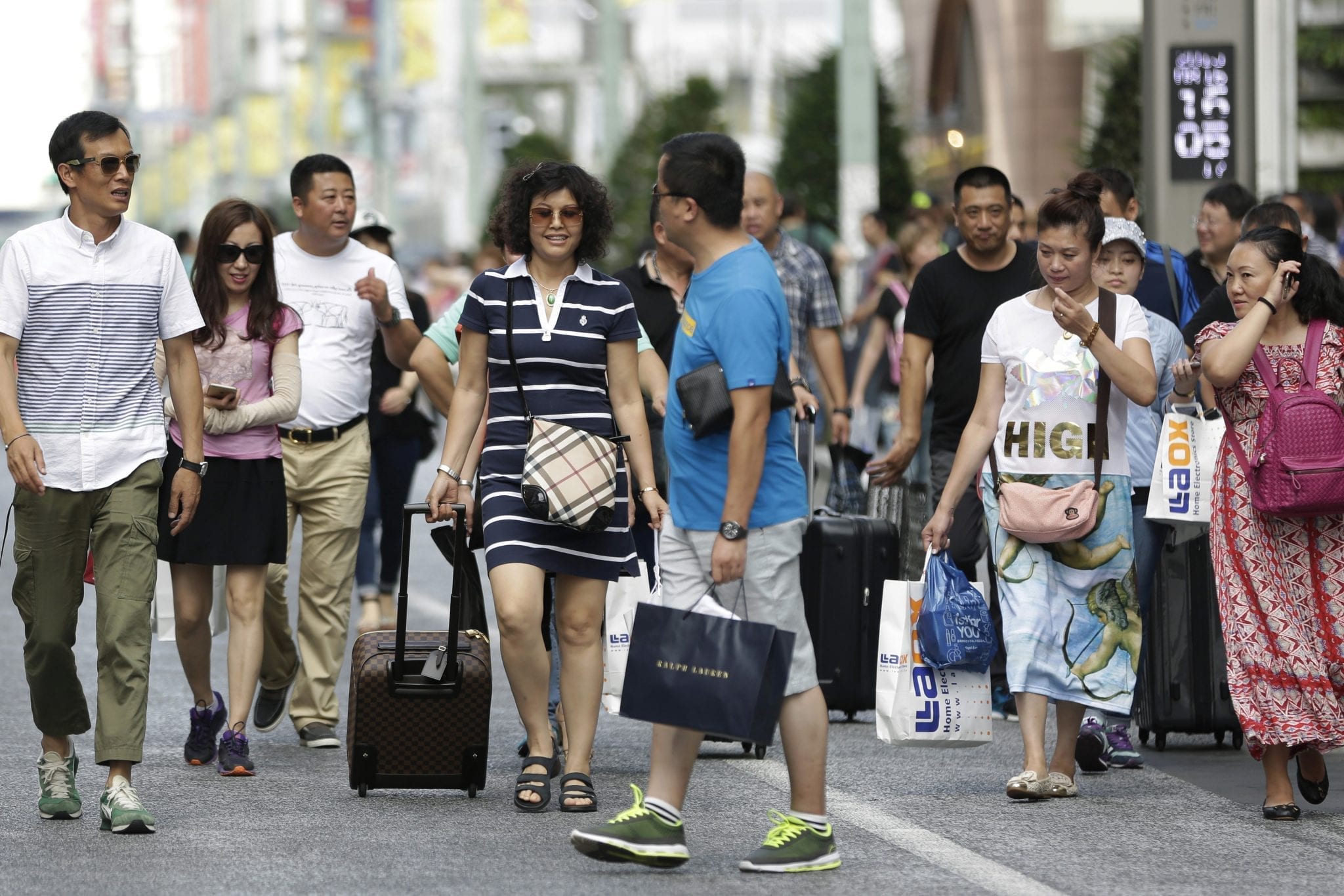
    Myths about the behaviour and spending patterns of Chinese tourists abroad have been debunked by a new report.

    A study by Oliver Wyman seeks to dispel common misconceptions about outbound Chinese travelers, illustrating how global destinations can sharpen their appeal to meet their changing needs and expectations.

    “The Changing Face of the Chinese Traveller” may help global travel destinations, such as Hong Kong, sharpen their appeal to meet travellers’ changing expectations, explains Hunter Williams, Oliver Wyman partner and author of the report.

    Myths discussed include “They go abroad only to shop,” “They spend indiscriminately,” “They are always in groups”, “Independent travelers are quickly replacing groups,” and “Chinese travelers are more trouble than they are worth.”

    Myth 1: “They go abroad only to shop”.

    Not true. While nearly 100 per cent of travellers shopped during their trip, fewer than 15 per cent of Chinese travellers surveyed cited shopping as the main reason for their trip, in contrast to 63 per cent who specified sightseeing as their top motivation. This impacts the ways in which destinations around the world appeal to this audience.

    “In Hong Kong, where slowing growth in Chinese travellers and their spending has seen retail sales fall 12.5 per cent in the first quarter of 2016, the city will need to become less dependent on shopping by Mainland Chinese visitors and encourage spending on other activities,” said Williams. “Indeed the study reveals that Korea, now the most popular destination for Chinese travellers, is now the destination where shopping is the primary motivation for travel.

    Myth 2: “They spend indiscriminately”.

    Not entirely true. Relatively speaking, Chinese travellers do spend large sums while abroad. On average, they spend around US$3000 per person, roughly the equivalent of a month’s household income. It is also true that they spend a lot on shopping – approximately US$1200 – which may have helped to fuel the misconception that they spend indiscriminately. However, only around half of the spending is on themselves. More than 32 per cent is to purchase gifts for others, and 19 per cent is for resale back home.

    “Chinese travellers have sophisticated needs, so retailers need a segmented approach that emphasises unique value – it’s no longer enough to offer a blanket approach.”

    Myths 3 & 4: “They are always in groups” or “Independent travelers are quickly replacing groups”.

    Not true. Both the number of tour-group travellers and the number of independent travellers are on the rise, showing both individuals and groups will continue to be important traveller segments for some time to come. Independent travellers are not replacing group travellers, but are complementing them.

    “For example, Hong Kong and Macau rank close to the top for the percentage of independent trips, while Taiwan ranks close to the bottom,” says Williams. “At the same time, over the past few years group travellers have actually accounted for a larger share of all travellers dispelling the misconception that groups are gradually being replaced by individual travel.

    “However, The Chinese travellers surveyed considered tour operators to be the single least useful source of information, showing tour operator relationships are no longer enough.”

    Myth 5: “Chinese travelers are more trouble than they are worth”.

    Not true. As a result of cultural misunderstandings, Chinese tourists can often be misjudged. For example, there is no tipping culture in China and it is often socially acceptable to eat food on public transport. Explaining service charges upfront and the proper usage of facilities can reduce miscommunication. Similarly, rules, and penalties for breaking them (such as cleaning fees for smoking in non-smoking rooms), should be clearly communicated. Open two-way communication is the surest way to avoid misunderstanding, says Williams.

    “Today there is no such thing as the archetypal Chinese traveller as this group is complex and multi-faceted. If consumer facing businesses make broad generalisations and buy into the misconceptions, they will miss key opportunities. Businesses need a cohesive Chinese traveller strategy, where the realities of each region and destination must be considered separately.”

    Further findings

    The report, conducted among 1750 Chinese people who had travelled abroad in the past year, also revealed key travel habits. In retail, duty free captures more than one third of total shopping spend. Cosmetics are the most commonly purchased category, followed by alcohol. However, department stores and shopping malls are the most frequently visited channel. They still receive nearly one third of spend, with clothes, food and souvenirs being the most purchased categories.

    Hong Kong has tended to be the default first destination for Chinese travellers with watches and jewellery their most popular shopping category by some distance, with Sogo, Aeon and The Landmark being amongst the most popular retail players.

    • With offices in 50+ cities across 26 countries, Oliver Wyman is a global leader in management consulting that combines deep industry knowledge with specialised expertise in strategy, operations, risk management, and organisation transformation. Oliver Wyman is a wholly owned subsidiary of Marsh & McLennan.

  • Paypal now available for iPay88 merchants

    Paypal now available for iPay88 merchants

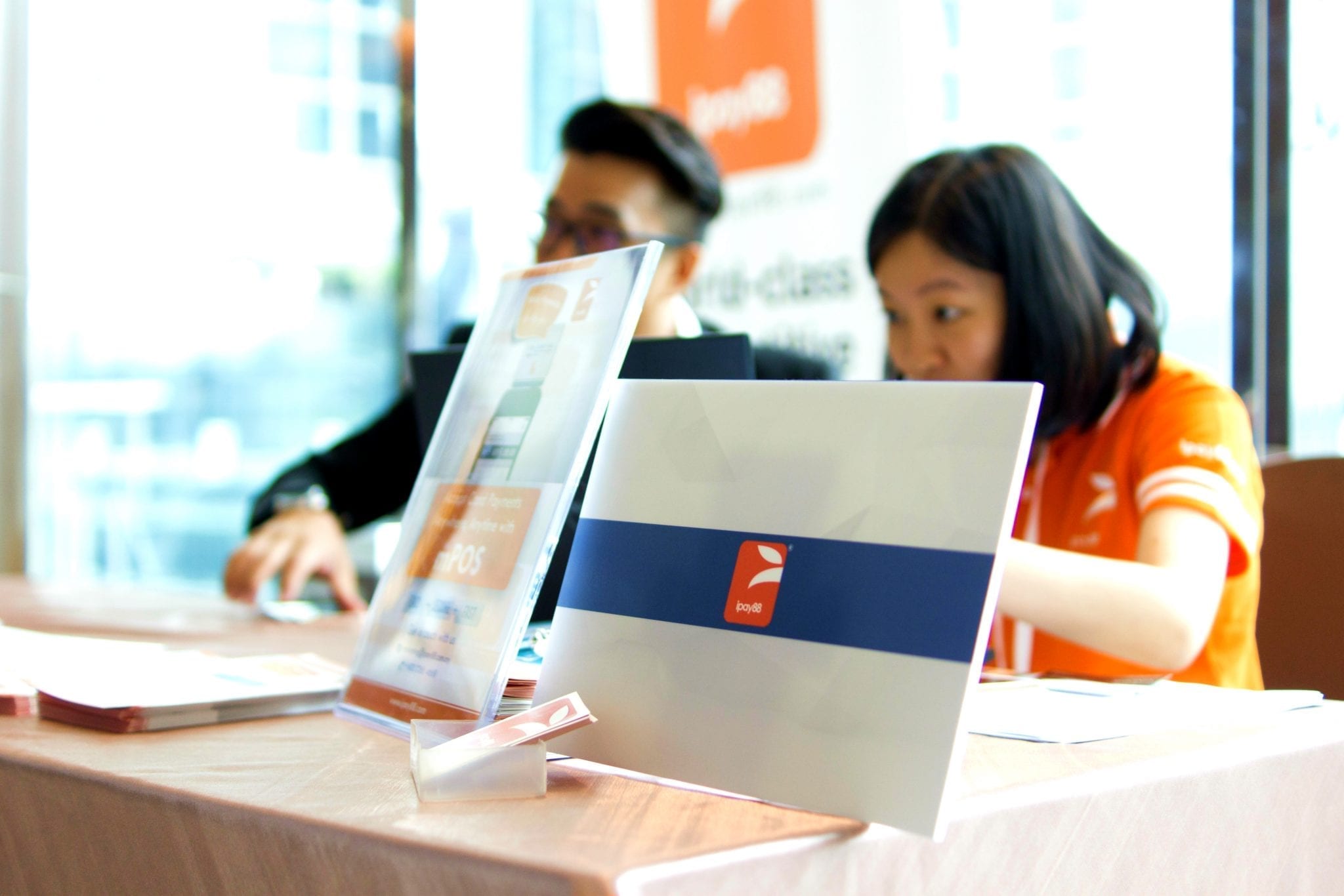
    Malaysian online payment service iPay88 has entered a collaboration with online payment company PayPal to promote and support cross-border trade for iPay88 merchants.

    For small businesses in particular, cross-border eCommerce provides a chance to sell to the world, and iPay88 believes the collaboration will enable its merchants to leverage PayPal’s 184 million active accounts and presence in more than 200 markets.

    OLYMPUS DIGITAL CAMERA

    Executive director KL Chan says iPay88 has nearly 10,000 e-merchants, including SMEs and conglomerates, but there is also a large, untapped market of businesses and companies still considering moving into eCommerce. “This collaboration with PayPal is timely as it will help capture this market effectively by offering both online banking and credit-card payment options.”

    Merchants signing up for a PayPal account can now do so through iPay88. Approvals will be sent to merchants within three working days. Aside from the quick sign-up process, iPay88’s online merchants will also be able to benefit from PayPal’s multi-currency checkout.

    Chan estimates the collaboration will drive extra revenue for iPay88 in 12 months.

    “It has always been a challenge for businesses, especially small ones, to expand and sell overseas,” says PayPal Southeast Asia GM Rahul Shinghal. “PayPal is committed to helping them grow by leveraging the power of eCommerce, which gives them a level playing field when competing with larger export houses.”

    A subsidiary of NTT Data Corporation, iPay88 was set up in Kuala Lumpur in 2006 and has an established presence in Indonesia, Singapore, Thailand, the Philippines and Vietnam.

  • China Jo-Jo Drugstore expansion drives revenue

    China Jo-Jo Drugstore expansion drives revenue

    China Jo-Jo Drugstore expansion drove revenue up 15.8 per cent in the year to March 31.

    Online sales soared 77.8 per cent year-on-year to US$26.5 million and now accounts for 29.7 per cent of the group’s sales.

    New stores helped offline retail sales rise 4.9 per cent with total group revenue reaching $89 million. Same-store sales rose 6.4 per cent.

    But net profit was down from $856,000 to $447,000, largely due to continuing expansion costs.

    US-listed China Jo-Jo Drugstores now has 58 retail pharmacies in China’s Zhejiang Province and the business also distributes drug and other healthcare products to other drugstores and vendors.

    Chairman and CEO Liu Lei described the results as “solid”.

    “We consolidated the operations of our retail drugstores and implemented key initiatives such as increasing product adaptability, providing access to mobile payments, and launching in-pharmacy virtual doctor clinics to drive sales and provide value-added services to our customers. We maintained profitability while migrating our product mix to higher margin pharmaceutical and health and wellness products.

    “At the same time, our expansion in the fast-growing online pharmacy markets in China continues to outpace the industry. Our online pharmacy sales continued to grow rapidly through both third-party eCommerce platforms and our own online pharmacy website.”

    He said moving forward, the company will focus on opening or acquiring more stores, creating deeper relationships with its customers, holding regional dominant market share in retail pharmacy, while taking a data-driven approach in identifying popular products and enhancing its abilities to promote online sales.

    “We believe we have the right strategy for succeeding as a leading online and physical retail chain pharmacy stores in China.”

  • NTT Data to support VietUnion payment service

    NTT Data to support VietUnion payment service

    Japanese payments company NTT Data Corporation has agreed to take on pioneer Vietnam fintech company VietUnion Online Services, which has an intermediary payment services licence issued by the State Bank of Vietnam.

    VietUnion, a group company of Saigon Construction Corp (SCC), mainly provides payment services through big chain retailers such as convenience stores.

    VietUnion has been expanding its payment business primarily through Payoo, which enables users to make payments to about 4000 stores, including supermarkets and in shopping centres.

    Payoo also has a smartphone app that can be used for internet banking, and it provides software for mobile POS systems, smart cards for transport and tuition fee management for more than 1700 schools in Ho Chi Minh City.

    With more than 30 years of experience in the payments business in Japan, NTT Data will help VietUnion expand its non-cash payment services and help develop Vietnam’s payment infrastructure.

    NTT Data will introduce Payoo and other payment services to its customers in global eCommerce and financial institutions in APAC regions through collaborations with its other companies – iPay88 in Malaysia, NTT Data Hong Kong, and NTT Data Thailand.

  • Starbucks India helping Tata Group internationally

    Starbucks India helping Tata Group internationally

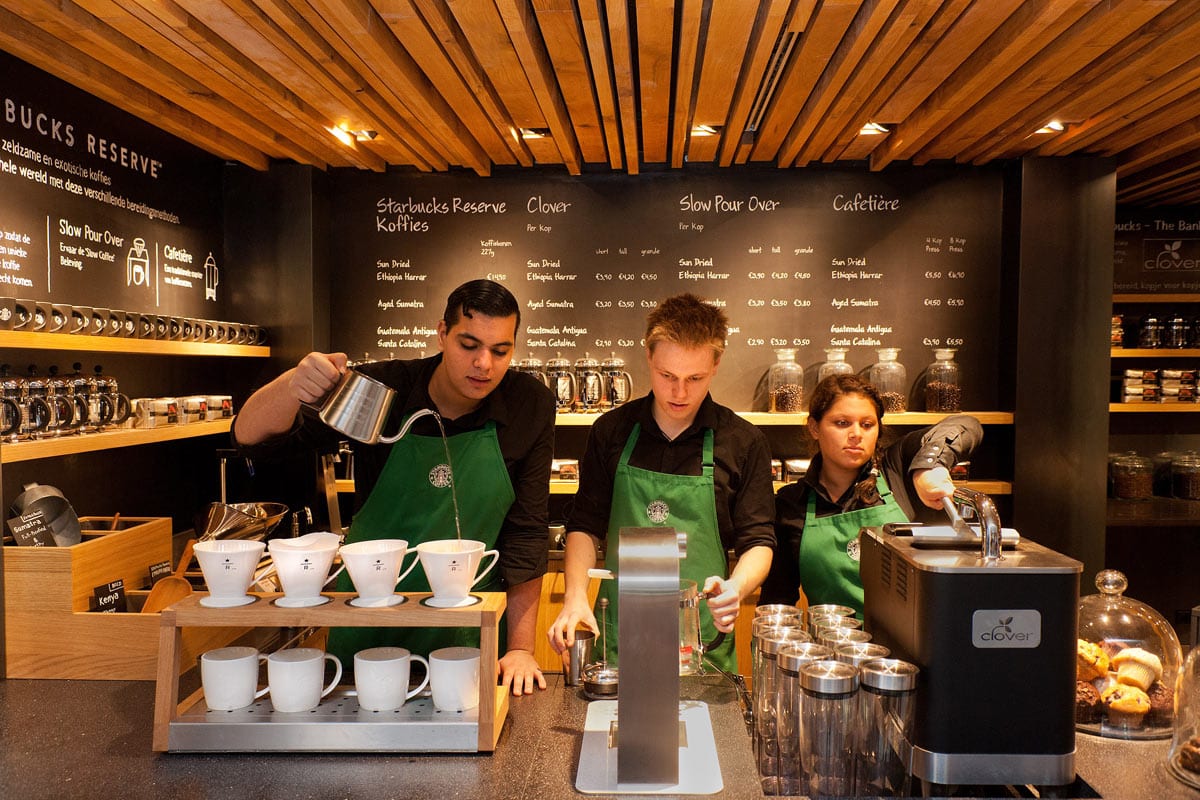
    Strengthening their partnership, Coffee retailer Starbucks India is helping lift international exposure for India’s Tata Group brands.

    Starbucks is introducing Tata’s single-origin coffee in the US and its mineral water in Singapore, and helping develop a signature Indian tea blend. In return, Tata group is introducing Starbucks coffee on Vistara flights and launching its specialty tea brand Teavana in India.

    Starbucks will sell single-origin, premium coffee from India at its Starbucks Reserve Roastery and Tasting Room in Seattle, says chairman/CEO Howard Schultz said after meeting Tata chairman Cyrus Mistry at the iconic store. Starbucks will be opening a similar outlet in Shanghai next year.

    Tata-Starbucks will also introduce Kenyan and Sumatran coffees at Starbucks stores across India, says the company, and Starbucks coffee will be available on Vistara, a full-service airline, later this year. Vistara is a joint venture between Tata Sons and Singapore Airlines, and has more than 457 flights weekly to 17 destinations.

    Following the success of the tea category in its US stores, Starbucks will extend its Teavana specialty tea brand to India in December. The joint venture is also collaborating on the development of a signature Indian tea blend for Starbucks stores in India.

    India has become Starbucks’ fastest-growing market since the first cafe opened in 2012 in a partnership with Tata Global Beverages. The chain has expanded to 84 locations across six cities.

    The company’s China and Asia-Pacific unit generates about 13 per cent of its total revenue, and Starbucks plans to open about 900 outlets in the region this fiscal year, compared with 700 store additions in the Americas and 200 in Europe, the Middle East and Africa. It has more than 2000 cafes in China alone and plans about 500 new stores a year in the country.

    Starbucks also plans to expand the availability of Himalayan Mineral Water, bottled by Tata Global Beverages, beyond Starbucks stores in India to Singapore this year. It is also exploring opportunities to introduce the brand to stores across Starbucks China and Asia-Pacific region.

  • Ambitious online plan for Tesco Thailand

    Ambitious online plan for Tesco Thailand

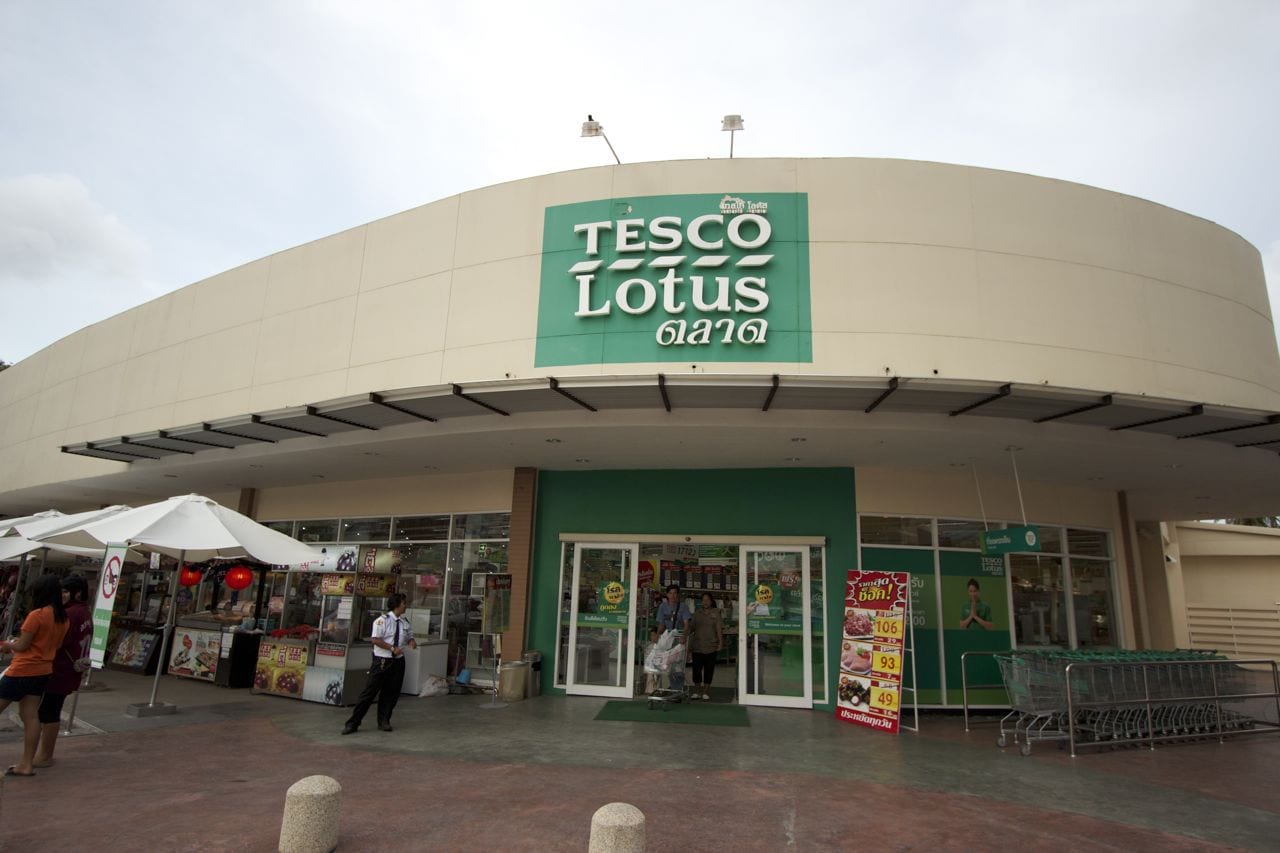
    Tesco Thailand aims to double its online shopping sales annually for the next three to five years.

    Local digital and online business director for the UK-owned Tesco Lotus business, Wanna Swuddigul, told The Nation newspaper Thai shoppers are looking for instant access to product information and to be able to buy while they browse. The company’s eCommerce site is especially popular in Bangkok and larger Thai regional cities. More than three in four shoppers are female.

    “The largest age groups are 25-44 years old. Most online customers are mid- to up-market customers,”Swuddigul said.

    “As demand tends to come from customers living in urban areas, Tesco Lotus has recently introduced a new delivery service at lockers located at 48 condominiums along the BTS and MRT lines, in prime residential neighbourhoods such as Sukhumvit, Sathorn, Ratchada, Phayathai and Phaholyothin,” she said.

    Tesco Lotus launched an online store in 2012, claiming to be the first major Thai retailer to do so.

    Besides its own store, Tesco Lotus offers more than 9000 items on the Lazada online mall.

    Tesco Lotus uses big data to carefully monitor changing customer preferences for products and service expectations so as to constantly update the range online.

    “By constantly listening to what our customers want and need, we innovate services and solutions that address their pain points,” she told The Nation.

    “We aim at least to double the growth of our online sales and order numbers every year, as we have done since the launch of our online business in 2012.”

    The best-selling categories online are cold beverages, household chemicals and cooking needs, such as seasonings.

  • Uniqlo US to open at Disney resort

    Uniqlo US to open at Disney resort

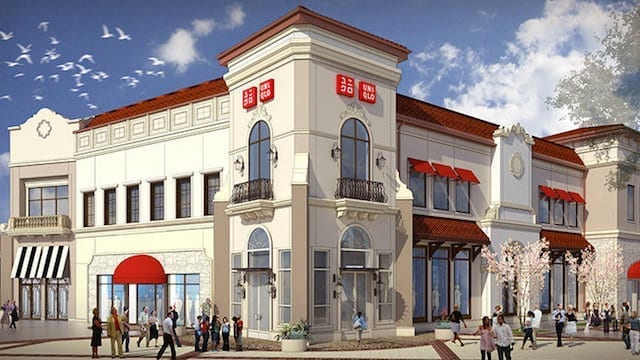
    Disney Springs, at Walt Disney World Resort in Lake Buena Vista, Florida, will be the location for the latest store for Japanese fashion retailer Uniqlo US.

    Opening next month, the first Uniqlo store in the US southeast will occupy 25,000 sqft (2300 sqm) across two sales floors. It will showcase the brand’s full assortment of LifeWear as well as items incorporating its Japanese heritage plus special Disney-inspired products.

    “We hope to make every day at our store feel like opening day for our customers,” says Uniqlo US CEO Hiroshi Taki.

    There will be Japanese-inspired daily giveaways, as well as in-store events each week and month like Taiko drummers and a Japanese-style game show.

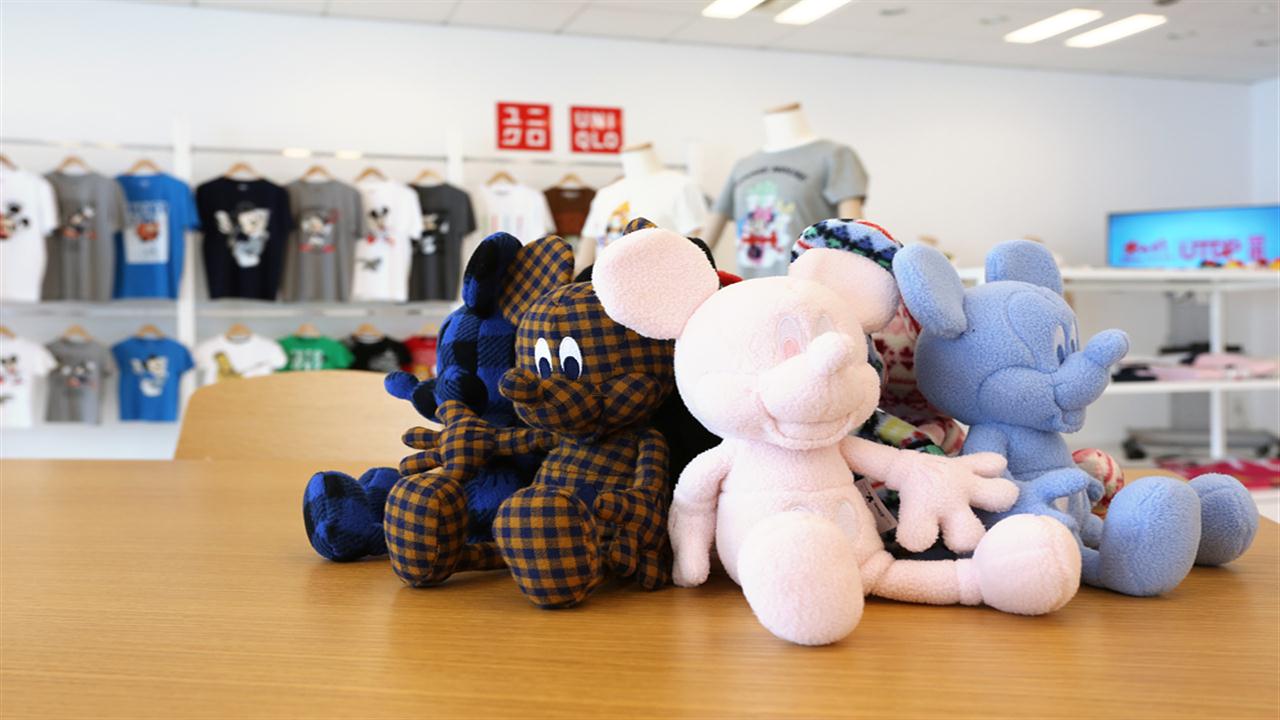
    Uniqlo continues its link with Disney, which started in May last year with its global launch of a line featuring Mickey Mouse as a professional tennis player and golfer. The same month, the store launched Disney’s new Tsum Tsum concept plush toys.

    Uniqlo-Disney-Spring-Florida

    In July, Uniqlo announced “friendship in Disney Pixar movies” as the theme for its annual UT (Uniqlo T-shirt) Grand Prix 2016 design contest.

    The following month Uniqlo launched the “Magic for All” global initiative with Disney Consumer Products, adding Marvel action and Star Wars themes to its LifeWear fashions.

    In September, Uniqlo opened a Magic for All store on the fifth floor of its Shanghai global flagship store, the largest in the world, and in April the Magic for All line was installed on the 12th floor of the Uniqlo Ginza Global Flagship Store in Tokyo. It will be there until the end of next month.

    A brand of Fast Retailing, Uniqlo has 43 stores in the US, including Boston, Los Angeles and Seattle, and its online store.

  • Cosmo Lady to go global

    Cosmo Lady to go global

    Hong Kong-listed lingerie brand Cosmo Lady says it will venture into overseas markets to seek global business partners.

    The first Chinese underwear brand to go public, two years ago when it launched on the Hong Kong Stock Exchange, Cosmo Lady is seen in China as “the Oriental version of Victoria’s Secret”.

    In 2015, Cosmo Lady ranked number one in the overall China’s intimate wear market with a market share of 3.3 per cent and total revenue increased by 23.6 per cent to about RMB 4.95 billion. Cosmo Lady Group primarily focuses on the design, research, development and sales of its own branded intimate wear products including bras, underpants, loungewear, thermal clothes, hosiery and other items. While China’s underwear market been growing by 10 per cent year-on-year over the last few years, the company believes there are also big opportunities to expand offshore.

    Cosmo Lady opened 1032 retail stores 2015 and its distribution network now comprises 8050 retail stores in more than 330 cities.

    “Cosmo Lady will continue its progressive expansion strategy of retail network in five major types of locations, including commercial streets, residential neighborhoods, transportation hubs, school zones and supermarkets and its high-end retail network in malls, department stores and shopping centers,” the company said in a statement.

    Chairman and CEO Zheng Yaonan said the company will progressively expand in locations with not only the lower market share but also high growth potential, and continue to explore the industrial external growth opportunities.

    “At the same time, Cosmo Lady will also be committed to improve core competitiveness and outperform their competitors through a series of initiatives such as the expansion into overseas markets and the collaboration with other well-known underwear brands, which will the company’s long-term strategic plan.”

    This year, Cosmo Lady secured the rights to use Walt Disney characters on several specially-designed underwear lines.

    The brand launched its latest range last April, reaching more than 200 million people through live broadcasts on social media platforms such as Weibo and WeChat.

    “It is the company’s ambition that in the future Cosmo Lady will hold an Oriental version of the Victoria’s Secret fashion show in the US.”

  • Airtel adopts BI platform from Cloudera

    Airtel adopts BI platform from Cloudera

    India’s Bharti Airtel has adopted Cloudera Enterprise as part of efforts to build a 360-degree view of its customers in India.

    The deployment aims to help the operator better leverage customer data to execute successful omni-channel campaigns and influence buyers in India’s highly competitive market.

    Airtel’s product offerings in India include wireless and fixed services, mobile commerce, high speed DSL broadband, IPTV, DTH, and national and international long distance services to carriers.

    With over 265 million customers across its India operations, Airtel needs to make sense of and leverage the huge volumes of customer and network data it collects on a daily basis from its multiple channels, which was previously stored in multiple traditional systems built over a period of time.

    With Cloudera Enterprise now at the core of Airtel’s information architecture, the massive volumes of data are in a centralized location, and available to all business users and groups.

    “As part of our digital journey at Airtel, our main focus is on providing the best customer experience with our new business intelligence (BI) and analytics platform, powered by Cloudera,” Airtel group CEIO Harmeen Mehta said.

    “Now, we are able to gain an even greater technical edge, empowering our marketers with intelligent data and analytics to make better decisions and improve the entire customer lifecycle with customized offerings.”