Author: Mei Ling Tan

  • DBS Indonesia to boost wealth management services

    DBS Indonesia to boost wealth management services

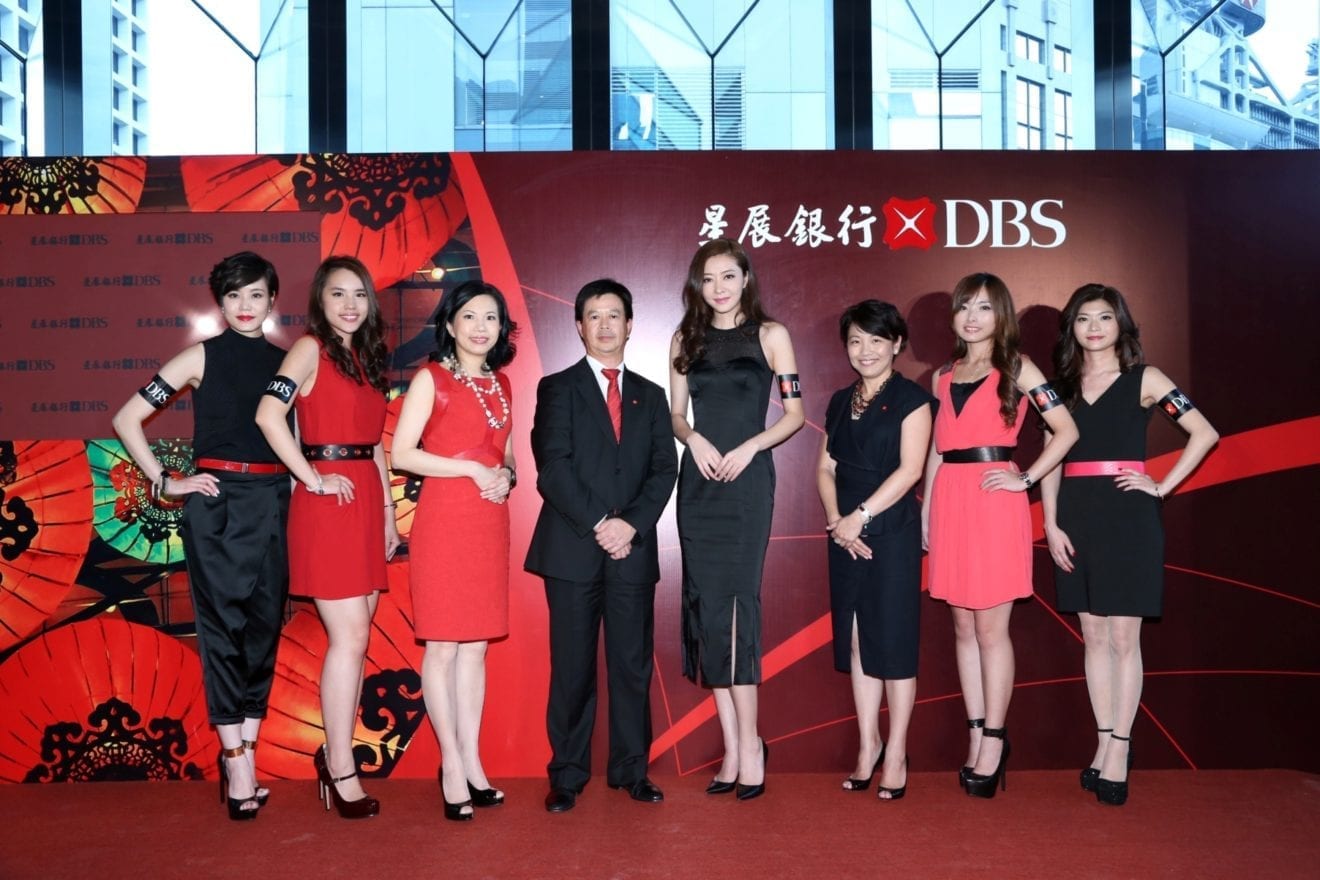
    Private lender Bank DBS Indonesia, a subsidiary of Singapore-based DBS Group Holdings, is seeking up to 38 percent growth in its consumer business revenue this year, primarily driven by the bank’s move to expand its wealth management services.

    DBS Indonesia’s consumer banking group director Wawan Salum said on Monday that wealth management had contributed 48 percent to the bank’s consumer banking revenue.

    “Indonesia, China and India are top priority markets for DBS,” he said in Jakarta.

    Wawan said the bank’s wealth management revenue was also boosted by the growing number of priority customers who had individual savings of more than Rp 500 million ( US$37,979 ).

    He further explained that DBS Indonesia was eyeing a 30 percent growth in its priority customers this year. To reach the target, he said, the bank would expand its digital product lines to respond to customer needs.

    Wawan said DBS Indonesia would also increase the relationship management skills of its officers so they could be more effective in their interactions with customers. “We will also use big data to understand the behaviors and needs of our customers,” he said.

  • Hong Kong’s mobile penetration grows to 95%

    Hong Kong’s mobile penetration grows to 95%

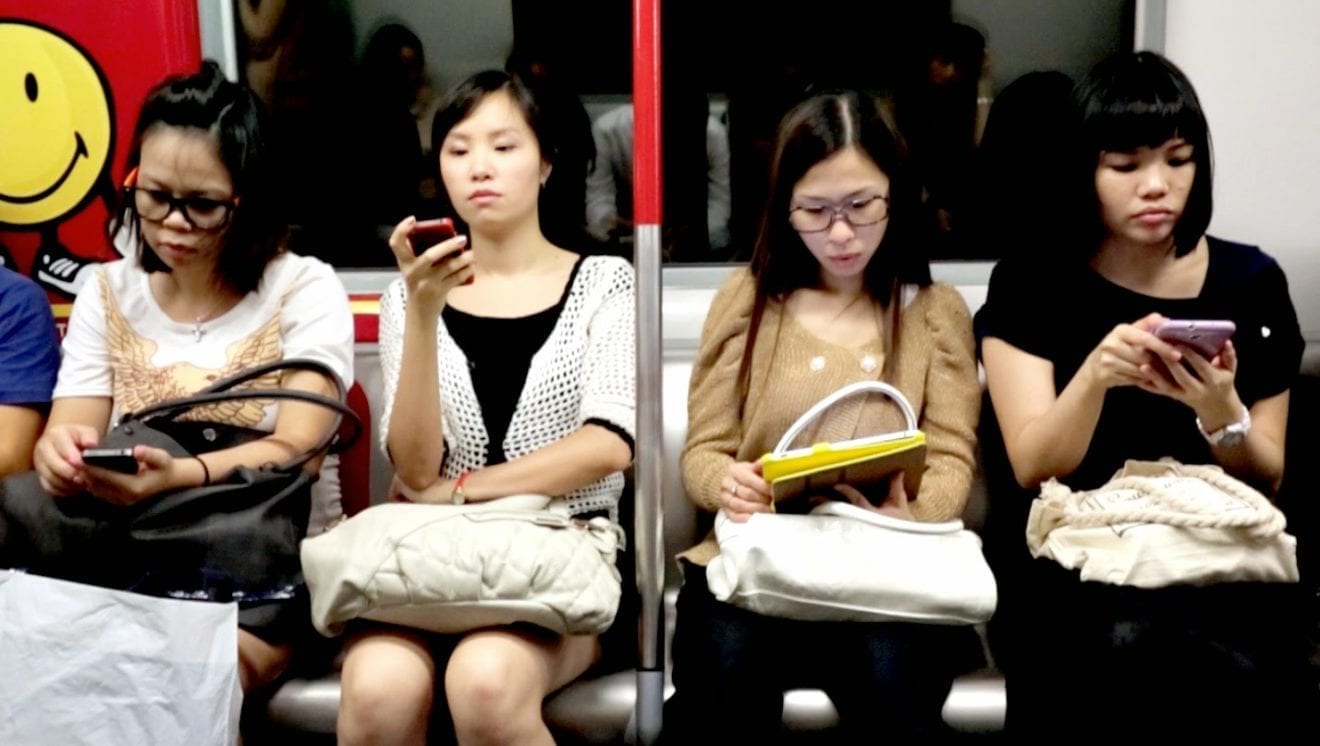
    Hong Kong’s mobile subscriber base has reached saturation point, with a population penetration of 95%, according to mobile industry body the GSM Association (GSMA).

    The company’s new report into APAC’s mobile economy, published at Mobile World Congress Shanghai this week, shows that there are around 6.9 million mobile subscribers in Hong Kong.

    While the penetration rate has grown from 90% as calculated in last year’s study, the report notes that there is little room for growth.

    But in terms of the percentage of subscribers to 4G services it is another story, with only around 40% of Hong Kong subscribers having made the switch to the faster technology as of 2015. The GSMA expects this to increase to 71% by 2020.

    The report finds that as of 2015 62% of the APAC population was subscribed to a mobile service. The GSMA predicts that the region will add another 600 million new subscribers by 2020, increasing the penetration rate to nearly 75%.

    Mobile accounted for an estimated 5.4% of APAC’s GDP last year, equivalent to $1.3 trillion in economic value.

    “More than half the world’s mobile subscribers are based in Asia Pacific and the region will be the main engine of global subscriber growth for the remainder of the decade,” said Mats Granryd, GSMA Director General.

    “Rising subscriber penetration, alongside accelerating migration to faster networks and more advanced services, continues to fuel innovation and digitisation across both advanced and emerging markets in this highly diverse region. Mobile is helping Asia build digital societies that allow its citizens to access services, anytime and anywhere – and these mobile-powered digital societies are becoming major drivers of social and economic development.”

  • Perry Ellis International Enters Into a Licensing Agreement for Original Penguin

    Perry Ellis International Enters Into a Licensing Agreement for Original Penguin

    Perry Ellis International, Inc. announced today that it has entered into a license agreement with Chun Yuan International Company granting rights to design and distribute Original Penguin by Munsingwear® fashion bedding and home products in the Philippines.  Distribution will include department stores, home specialty shops and E-Commerce sites.  A special capsule collection will launch in Spring 2017 with a full collection introduction in the fall.

    Original Penguin is an iconic American brand that mixes sportswear and contemporary fashion appealing to a style-savvy consumer who’s into details, but doesn’t take himself too seriously. Original Penguin pays homage to its brand heritage, while staying culturally relevant in their global markets. The brand reworks their archive of mid-century classics to reflect today’s lifestyle without compromising that heritage or the craftsmanship that established the Original Penguin name.

    “We are thrilled with this partnership with Chun Yuan International and look forward to working with their team to offer Original Penguin’s lifestyle products in the Philippines.  This addition will complement our solid market position and benefit our 25+ free standing stores and continue the expansion of our global reach,” commented George Feldenkreis, Executive Chairman of Perry Ellis International.

    Kevin Lee, President of Chun Yuan International stated, “We are excited to partner with Original Penguin, a leading global brand with the well-known Penguin icon that is highly appreciated by the young generation in the Philippines.

  • The Top 3 Biggest Insurance Risks for SMEs in Singapore

    The Top 3 Biggest Insurance Risks for SMEs in Singapore

    Workplace injury, property damage, and liability are the top 3 biggest insurance risks for small and medium enterprises (SMEs) in Singapore over the next 12 months, according to AIG Asia Pacific Insurance Pte. Ltd.

    SMEs in Singapore face rising business risks as they deal with increasing costs amid an economic slowdown. SMEs claimed more than S$5 million last year, and AIG Singapore expects the claims volume to stay in this range over the next 12 months.

    Claims data from AIG Singapore reveals the top three risks for SMEs in Singapore arise from workplace injuries (56 per cent), fire or water damage to property (20 per cent), and legal liability (20 per cent).

    A particular area of concern is workplace injury, with claims growing by 17 per cent in 2015 compared to 2014. The amount paid for workplace compensation claims is also forecasted to increase by 20 to 30 per cent this year.

    Based on AIG Singapore’s data, the manufacturing industry saw work-related injuries account for 90 per cent of its top claims over the last three years. The top three industries that submitted SME-related claims are food and beverage, retail, and manufacturing.

    AIG Singapore’s Head of SME Packages, Krishna Moorthi Sri Ramalu, said: “With growing awareness of external threats such as cyber attacks and data theft, much attention has been placed on how these external risks can cripple SMEs. While these threats are indeed significant and on the rise, SME owners must not forget their assets are exposed to internal risks every day.

    “AIG Singapore forecasts that the greatest risks SMEs will face in the next 12 months are due to internal factors such as injury to employees and damage to property and equipment.”

    A risk that can’t be ignored

    He added, “Workplace injury claims accounted for over half of AIG Singapore’s claims last year. It is a key risk factor for SMEs that cannot be ignored, particularly with a 10 per cent rise in fatal workplace injuries from 2014 to 2015.

    “Fire breaking out at SMEs’ premises is also a risk that, while not as common, can cause severe and long-term losses that have a huge financial and reputational impact on the business.”

    Krishna highlighted the example of a fire at a major shopping centre earlier this year, which caused the shopping centre to close for around five days. This resulted in 13 potential property damage claims (including seven business interruption claims) from AIG’s SME clients operating in the shopping centre.

    The total estimated cost of these claims is S$241,000, which can be a significant out-of-pocket sum for the SMEs if they do not have any insurance cover.

    In 2015, the average claim made by an SME was around S$6,000, while the highest claim was S$214,000 made by a medical clinic when its water pipe burst and damaged both the clinic and neighbouring retail units.

    “SME owners often do not invest in risk management and contingency planning as they are preoccupied with the day-to-day running of their companies. However, it is precisely because of their smaller scale that SMEs can ill-afford hefty losses caused by business interruptions or closures, loss of income, supply chain delays or damage to neighbouring properties.

    “In fact, this year’s tough economic climate exacerbates the financial impact on SMEs. In the event of incidents such as fires, property damage, or floods, they may be hit with high costs and forced to stop operating for a period of time. SMEs need to look at how they can protect their business operations and get these operations back on track swiftly if incidents occur,” Krishna said.

  • South Korea Industrial Production Gains 2.5% In May

    South Korea Industrial Production Gains 2.5% In May

    Industrial output in South Korea climbed 2.5 percent on month in May, Statistics Korea said on Thursday.

    That beat forecasts for a flat reading following the 0.8 percent decline in April.

    On a yearly basis, industrial production climbed 4.3 percent – topping expectations for a fall of 1.0 percent following the 0.8 percent increase in the previous month.

    The all-industry activity index was up 1.7 percent on month and 4.8 percent on year. The Manufacturing Production Index added 2.6 percent on month and 4.5 percent on year.

    The Producer’s Shipment Index gained 1.0 percent on month and 3.7 percent on year. The Producer’s Inventory Index added 0.3 percent on month and 0.5 percent on year. The Production Capacity Index was flat on month and gained 0.5 percent on year.

    The Index of Capacity Utilization Rate collected 2.1 percent on month in May and 0.7 percent on year. The Manufacturing Average Capacity Utilization Rate was 72.8 percent, up 1.5 percentage point from the previous month. The Index of Services climbed 0.1 percent on month and 3.4 percent on year.

    The Retail Sales Index added 0.6 percent on month in May and 5.1 percent on year. The Equipment Investment Index was flat on month and climbed 2.9 percent on year.

    The Domestic Machinery Shipment Index added 0.2 percent on year. The value of Domestic Machinery Orders Received in May gained 0.6 percent on year. The value of construction completed at constant prices added 2.9 percent on month and 20.2 percent on year. The value of Construction Orders Received at current prices tumbled 25.5 percent on year.

    The Composite Coincident Index added 0.4 percent on month. The Cyclical Component of Composite Coincident Index, which reflects current economic situations, added 0.2 points from the previous month.

    The Composite Leading Index in May added 0.3 percent on month. The Cyclical Component of Composite Leading Index, which predicts the turning point in business cycle, was flat on month.

    Also on Thursday, the bureau said that retail sales added 0.6 percent on month in May and gained 5.1 percent on year.

    That follows the 0.5 percent monthly decline and the 4.2 percent yearly gain in April.

  • Watson to open more stores in Indonesia

    Watson to open more stores in Indonesia

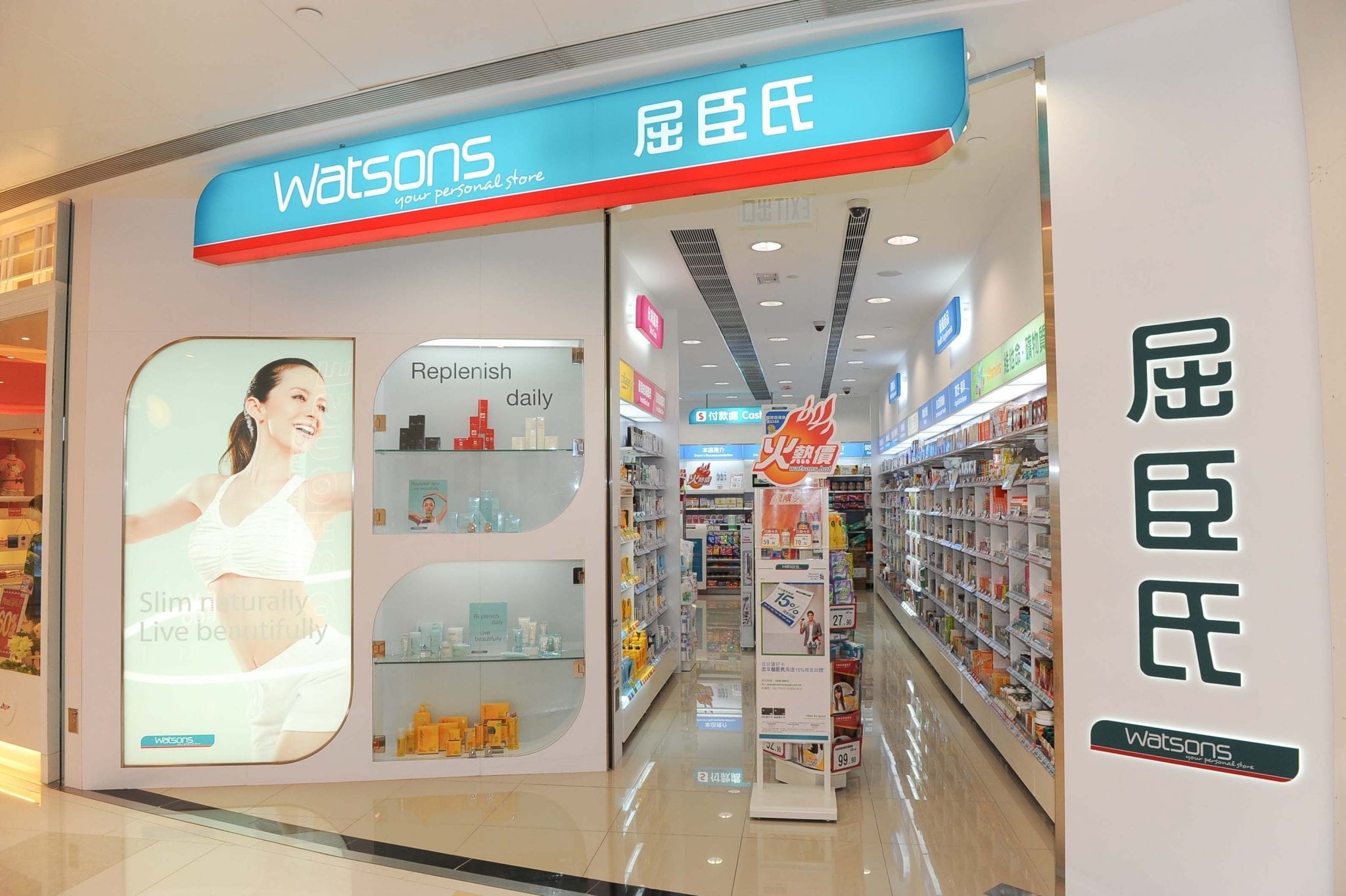
    Watson Indonesia’s debut on the Indonesian Stock Exchange (IDX) has marked a new chapter in the company’s expansion journey to a wider market base.

    Duta Intidaya, the sole franchisee of Hong Kong-based personal care retail chain AS Watsons Group, made the decision to go public to finance its aggressive expansion plans to match Watson’s operations in neighboring countries.

    There are more than 100 Watson stores in Singapore and over 400 in the Philippines, but only 47 in
    Indonesia, even though the latter is the largest economy in Southeast Asia.

    The company plans to open 15 to 20 Watson stores this year, using 65 percent of the proceeds from its initial public offering (IPO), which stood at Rp 86.05 billion (US$6.49 million). The remaining 35 percent of the IPO funds will be used to repay the firm’s debt to lender HSBC.

    The new stores will be located in big city malls and at a stand-alone store in Bali. Each store takes roughly Rp 1 billion to set up. Three new outlets have been set up in Jakarta as of now.

    They are expected to boost Watson’s presence and help the company compete with other personal care retail chains, like local Pharos Group’s Century Healthcare and Hero Group’s Guardian. Century has over 200 stores right now, while Guardian has more than 100 stores.

    “We are still small, so we need more funds to expand and the IPO is the most proper decision at this time. We want to build a stronger brand,” Duta Intidaya director Sukarnen Suwanto said in a press conference.

    The company offers various beauty products, personal care and health and general merchandise products, of which less than 10 percent are imported.

    He acknowledged that growth had been slow in the past. It opened its first store in 2006, but only started to expand aggressively in 2013 and 2014 with around 30 stores opening up during the period. At present, it has set up as many as 47 stores in Java.

    Duta Intidaya took three years to prepare for the IPO by opening more stores, which eventually increased costs for rent, staff recruitment and store renovations.

    The rising costs led the firm to suffer Rp 35 billion in net losses last year, even though its revenues grew 17.7 percent to Rp 192 billion from 2014. The growth rate in revenue was higher than the 18 percent rate the retail industry posted, according to marketing research firm Nielsen.

    “We believe we will get payback from the investments. The retail industry is more like a marathon than a sprint. The more stores opened up, the more growth reaped in the long run,” Sukarnen said.

    He refused to provide details on its bottom line target, but added that it eyed 20 percent growth in revenues this year.

    In the long run, the company hopes to open up 15 to 20 stores every year and launch an online shop in early 2017. Online sales of its products are currently only available through the webmarket Lazada. Developments in the online market are expected to generate at least half of total sales by 2020.

    Meanwhile, Duta Intidaya’s shares ended at Rp 189 apiece on Tuesday, 5 percent higher than the IPO price of Rp 180 per share. It reached a peak of Rp 213 per share within the first hour of trading.

  • Hong Kong jewellers to feel Brexit hit the most

    Hong Kong jewellers to feel Brexit hit the most

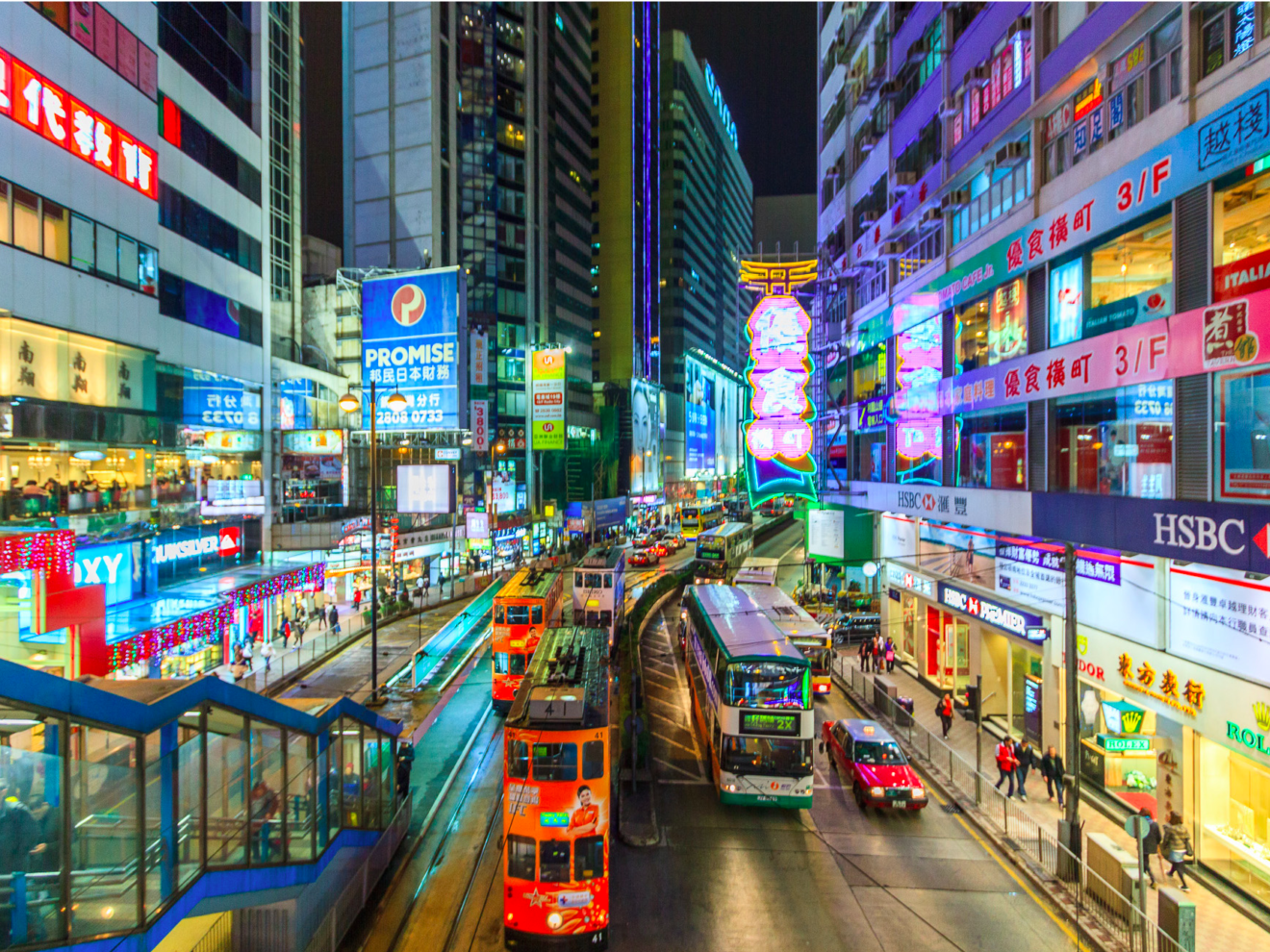
    The retail sector in Hong Kong is finding it difficult to keep their boat afloat amidst the decline in mainland tourists since a year ago. Now, the Britain’s vote to leave the EU is likely to make matters from bad to worse for the Hong Kong’s retail sector, says reports.

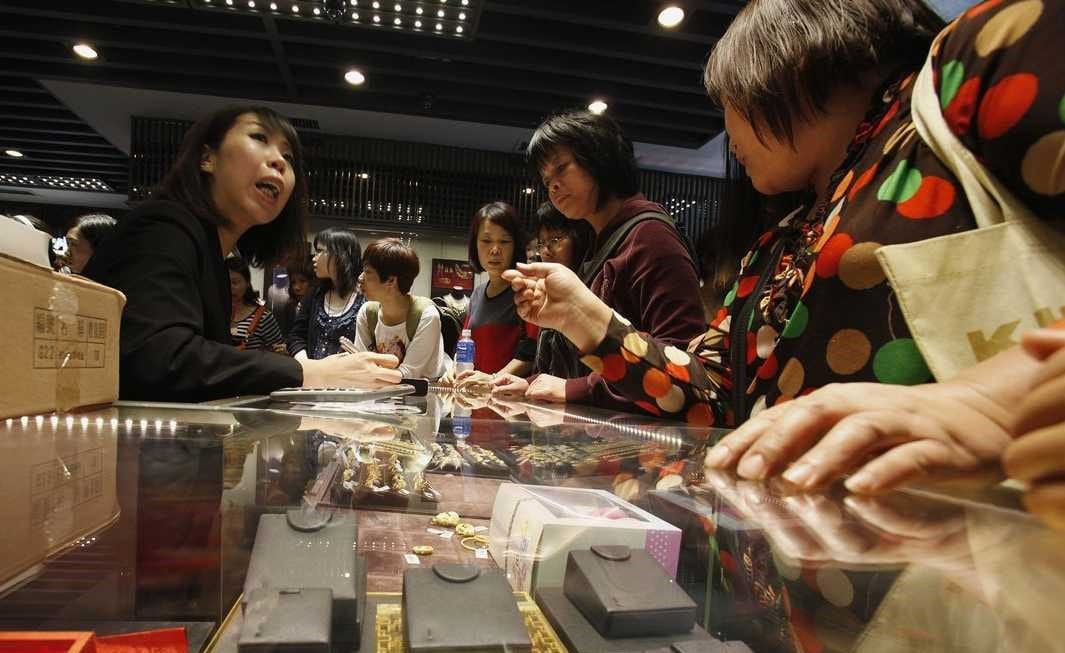
    A recently released Hong Kong government report showed retail sales slipping to 12.5 per cent Y-O-Y in the first quarter to HK$115.2 billion, from HK$131.6 billion in the same period last year. The total number of retail establishments also dropped sharply to 64,498, fewer by 1,400 from the first quarter last year. And there have been 10,000 retail sector job losses in the past year, with the number of employees also down to 320,400 by the end of first quarter.

    Apart from the decreasing number of tourists, outbound travel is expected to grow on the back of a stronger US dollar and weaker Chinese yuan, resulting in less spending in Hong Kong, say industry experts.

    Industry analysts have predicted for a much worst conditions for the upcoming future, after Brexit triggered global uncertainty. The situation is expected to push higher the value of U.S. dollar. Also, the experts have forecasted for an outright recession in Hong Kong this year.

    Hong Kong being financial hub and its currency peg, their economy is expected to be hit the hardest in Asia, say experts. The Hong Kong dollar, meanwhile, which is pegged to the greenback, is expected to appreciate significantly after the Brexit, say reports.

    In its latest note, the Morgan Stanley analysts say demand, too, for commercial property is likely to be impacted by weaker Hong Kong economic growth and the sluggish labour market, says reports.

    The experts further predict that the only the only bright spots in the overall retail market gloom, however, were recommendations from Bank of America Merrill Lynch and China International Capital Corp to invest in Hong Kong jewellery makers, which they said should benefit from the rising price of gold, amid global risk aversion fuelled by the Brexit.

    As per the reports, both maintained ‘buy’ ratings recently for Luk Fook Holdings, a Hong Kong gold-jewellery retailer. “Luk Fook would be the biggest beneficiary from the recent upward trend in the gold price due to its smallest hedging ratio of 15 per cent to 20 per cent,” BoA Merrill Lynch analysts said as per reports.

  • Globe picks NetApp SolidFire for cloud storage

    Globe picks NetApp SolidFire for cloud storage

    The Philippines’ Globe Telecom, via its Globe Business group, has deployed NetApp SolidFire’s all-flash scale-out storage platform to support its virtual private cloud and dedicated private cloud services.

    Globe Business provides a suite of products and services for mobile, fixed, broadband, data connections, internet and managed services.

    In order to accelerate its cloud offerings and give it a better competitive edge, Globe Business turned to NetApp SolidFire to modernize its data center infrastructure.

    With NetApp SolidFire’s scale-out design, customers can scale and control performance and capacity independently, without downtime or disruption. Data can be protected using NetApp SolidFire’s always-on data-at-rest encryption and real-time replication.

    “With its flexibility and cost efficiency, more and more companies in the Philippines are taking advantage of cloud computing,” said Mike Frausing, Globe senior advisor for enterprise and IT enabled services group. “As they demand higher performance versus just capacity, we realized that adding more disks to the rack was too expensive and inefficient.”

    Frausing said that with NetApp SolidFire, Globe customers have confidence that their needs for guaranteed levels of performance can be met. “We can offer reliable cloud services at a better price, providing a competitive — and a domestic — alternative to foreign cloud providers.”

  • Sriwijaya Air to serve regular flights to four cities in China

    Sriwijaya Air to serve regular flights to four cities in China

    Sriwijaya Air will be serving regular flights to four cities in China by the end of 2016, Senior Manager, Corporate Communications of the Sriwijaya Air Group, Agus, said here on Tuesday.

    Flights will operate along Denpasar-Hangzhou, Denpasar-Nanjing, Denpasar-Wuhan and Denpasar-Changsa routes, he added.

    The flights will be using Boeing 737-800NG and each aircraft will have a capacity of 185 seats. These flights will be once a day.

    “The new flights are part of the efforts to attract more foreign tourists to Indonesia,” Agus noted.

    As per him, every year, about 500 thousand tourists come from China to Indonesia using this airline.

    “Sriwijaya has the highest number of flights to China, compared to other air carriers,” Agus informed.

    He underlined that in July 2016, Sriwijaya will operate two units of Boeing 737-800NG to serve flights to China and several domestic destinations such as Sampit and Muara Bungo.

    In addition to open flights to China, Sriwijaya Air will also serve an international flight to the Middle East. It will fly to Jeddah.

    “This is a new market for Sriwijaya Air. We are sure that the demand is high, especially for umrah (Minor Hajj) trip,” Agus noted.

    He pointed out that the flight to Jeddah will start by the end of 2017.

  • DHL eCommerce expands presence in China

    DHL eCommerce expands presence in China

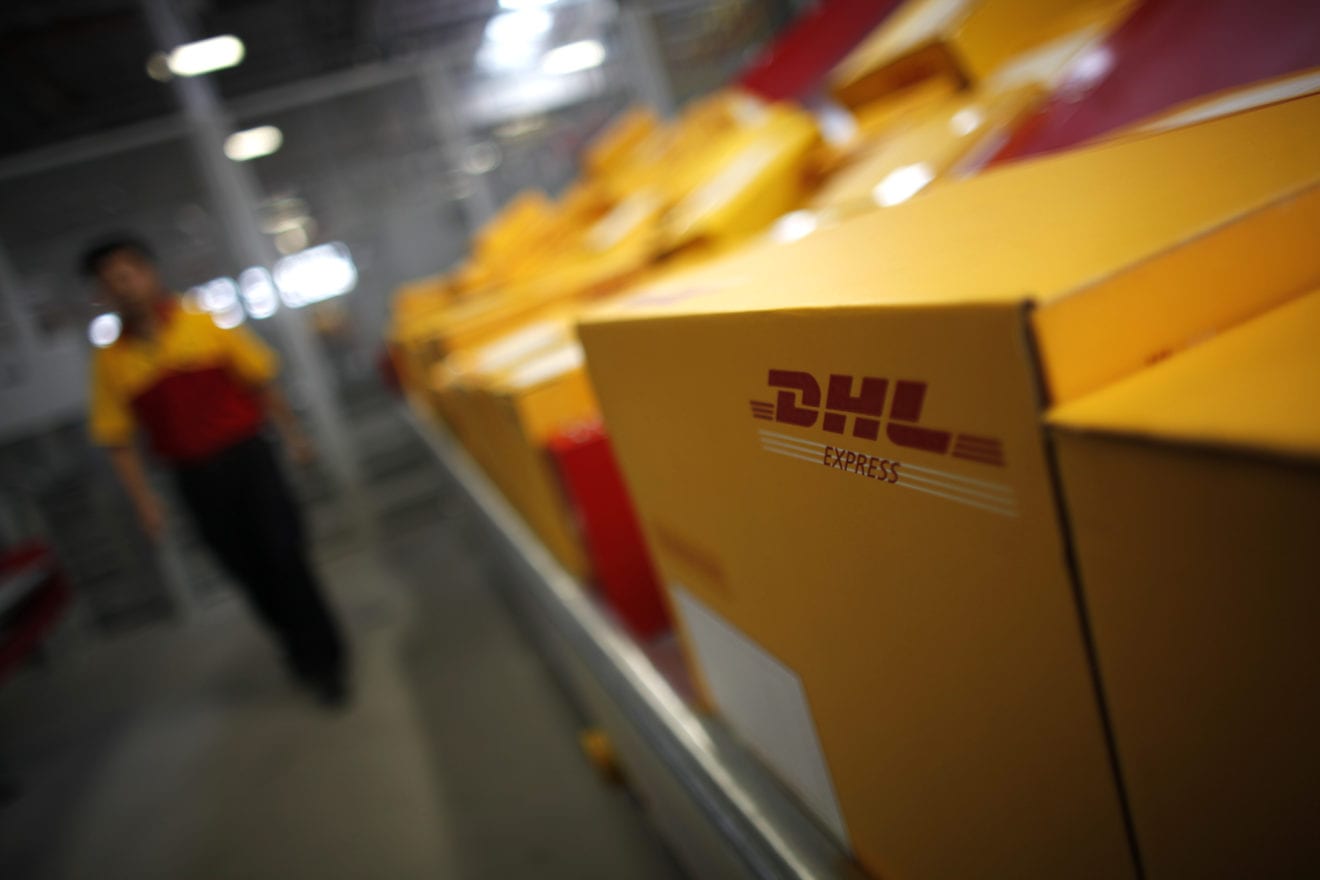
    DHL eCommerce has opened a Distribution Centre in Shenzhen as part of its effort to expand its presence in China by at least another 50 percent.

    The new centre will support the manufacturing and online retail sectors. It can handle 18 million shipments per year and will allow shipment and clearance of e-commerce exports across the globe. It will also consolidate international outbound shipments in Southern China and will provide customer service support for locally-based online merchants.

    “We see significant potential in China’s e-commerce sector, particularly between China and the U.S., where we’ve seen triple digit growth since 2015,” said Charles Brewer, CEO of DHL eCommerce in a press statement.

    “With China accounting for more than 40 percent of global retail e-commerce sales in 2015, our investments in China demonstrate our focus on developing efficient and reliable logistics services, to bring high quality e-commerce services to Chinese retailers and meet changing consumer expectations.”

    DHL eCommerce is also making serious plans to expand existing distribution centres in Shanghai and Hong Kong – the centres will be able to handle 48 million and 71 million shipments a year, respectively.

    “Since its launch last July, the DHL eCommerce Shanghai Distribution Centre has seen a 700 percent increase in the volume of e-commerce goods being shipped out of China. With our plans to expand our existing capabilities in Shanghai and Hong Kong, we are confident that this will provide our customers with the fullest support they need, in order to reach their global customer base,” said Malcolm Monteiro, CEO of DHL eCommerce in Asia Pacific.

  • Telstra sells most of its stake in China’s Autohome

    Telstra sells most of its stake in China’s Autohome

    Australian operator Telstra has sold the most of its majority stake in Chinese online car sales business Autohome to Ping An Insurance Group for $1.6 billion.

    Andrew Penn, Telstra CEO, said proceeds from the sale of a 47.4% stake in Autohome will be used to fund a capital management program that will start in the first half of the 2017 financial year.

    After the sale is completed, Telstra will retain a 6.5% interest in the company and will have one nominee director on the board.

    “Ping An will be an important strategic partner for Autohome. Its nationwide footprint in China and experience and expertise in auto financing, insurance and e-commerce mean Ping An is well placed to help Autohome develop outside of its traditional focus on online advertising,” Penn said in a statement.

    Autohome is an online destination for automobile consumers in China. It has a comprehensive automobile library and automobile listing information, as well as an advertising platform for automakers and dealers.

    In the first quarter 2016, the company reported a significant expansion of its transaction platform with a total of 4,957 new vehicles sold through its B2C transaction platform.

    Average daily unique visitors who accessed its mobile websites and mobile applications has also grown to 8.8 million and 7.2 million, respectively.

    Leng Peidong, President of Ping An Trust, said that with Ping An’s nearly 300 million online users, 150 million financial customers, longstanding relationships with car manufacturers and distributors, and a nationwide offline service network, it will be in a better position to transform Autohome into a full auto transaction service platform.

  • Xiaomi to open 1000 experience stores and emerge as ‘Muji in tech sector’

    Xiaomi to open 1000 experience stores and emerge as ‘Muji in tech sector’

    Smartphone vendor Xiaomi Corp said on Monday it plans to open 1,000 offline experience stores over the next three to four years and continue to expand its product portfolio.

    The move toward experience stores comes in the wake of online smartphone sales hitting the ceiling.

    Xiaomi has been grappling with declining phone shipments and mounting competition from rivals such as Huawei Technologies Co Ltd.

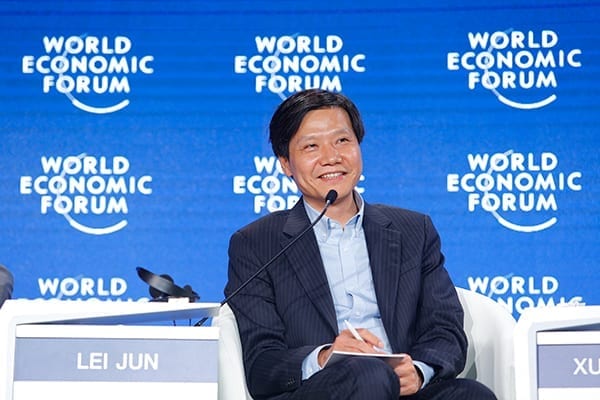
    Lei Jun, founder and CEO of Xiaomi, said the Beijing-based company wants to be the Muji in China’s tech sector. Muji is a Japanese retail company that sells a wide variety of household and consumer goods.

    “Xiaomi was never meant to be just a smartphone vendor. Instead, we are aiming to offer consumers a wide range of products at affordable prices,” Lei said at the Summer Davos in Tianjin.

    “We need about 40 kinds of electronic products to attract consumers to our online shopping platform and offline retail stores,” he said, adding the company has invested in 55 smart hardware manufacturers in recent years.

    Xiaomi has expanded its offerings from smartphones to drones, air purifiers, patch panels to rice cookers.

    “When I founded Xiaomi in 2010, I knew clearly that it would take 15 years for Xiaomi to go public, because the company’s business model is too complicated and consumers need time to cultivate belief in our products,” Lei said.

    Di Jin, research manager at IDC China, said Muji’s business model works quite well for fast-moving consumer products such as shampoo. But for electronic products, the key to success still lies in hefty investments in research and development.


  • First-ever Myanmar Study Highlights Factors for Brand Success & Future Game Changers

    In a nascent marketplace where local brands hold their own against foreign competitors, Apple has emerged as the most differentiated brand whereas local telecom player MPT ranks as the most loved. Brands like mobile provider Telenor have also earned recognition for innovation, despite being a recent market entrant.

    Myanmar’s rapid transformation also means businesses need to ready themselves for game-changing scenarios propelled by technology and infrastructure advancements. Myanmar is set to become the first country in the world to go straight to smartphone as part of its “leapfrog” development. Key changes affecting marketing and brands include the rise from almost zero mobile penetration to nearly 50% in just a couple of years. Technology will likely direct a new generation of digital growth, from retail to banking to social communications.

    The Spotlight on Myanmar findings are based on everyday buying decisions such as coffee, soft drinks as well as long-term purchase decisions around mobile service and handset sectors. Research shows that the most effective messages come from brands that put their products and benefits front and centre. Key differentiators behind the strongest brands are those that project idealism, desirability and a sense of adventure.

    BrandZ research in Myanmar includes 1,660 consumer interviews and covers 42 key international and regional brands that are already building a sense of meaningful difference in Myanmar, based on either their global profile or their local activity. Findings show that:

    • Apple is the most differentiated brand in Myanmar followed by Coca-Cola and Samsung. Apple indexed 232, where the average brand indexes at 100.
    • Mobile network Telenor is the most innovative brand in the survey, indexing 125, with rivals MPT and Ooredoo coming second and third respectively.
    • MPT is the most loved brand in the survey, indexing 129, nine points ahead of Samsung and 11 points ahead of Telenor and Huawei.
    • Samsung’s brand proposition scored the highest at129, ahead of Apple on 125 and MPT on 118.
    • Huawei scored highest on brand power -a brand’s ability to boost sales or gain market share due to consumers’ predisposition to choose this brand over another – indexing 436, significantly higher than its global average score of 81. Huawei performs better in Myanmar than it does in its home market, China, on this measure.

    “There are huge opportunities for international brands to be successful in Myanmar, if they get their cultural message right and understand the diversity of the country, particularly in the border areas. Our teams have identified comparisons with the India of 30 years ago and indeed some aspects of rural India today. Also valid are comparisons with Indonesia, which also has a large population that lives off the land as well as a huge range of different climatic regions,” said David Roth, CEO at The Store, EMEA and Asia.

    The report also highlighted a number of key trends that will change how brands and agencies should approach this market, now and in the next few years, including:

    • Rapid improvement in infrastructure. It has taken just three years to build a national mobile network; other changes including the arrival of greater electrification and improved transportation links will happen much faster than would be expected in many markets.
    • e-tailing is coming. Despite the current poor retail infrastructure, the rapid growth in e-commerce in other developing markets acts as an indicator that the speed will be similar in Myanmar.
    • The world’s first mobile-only market. Consumers are increasingly looking to mobile for both information and entertainment. While TV is important, brands need to consider Myanmar as not just a mobile-first environment but also a mobile only market.
    • Sell the effect, not the spec. Consumers are new to choice in Myanmar so they will navigate the new landscape differently. Brands need to focus on how the product will meet their needs and make it easier to compare functions and prices.
    • Appreciate the diversity of Myanmar. This is not a homogenous nation. Although 88% of the urban population is Buddhist, there is a huge range of ethnic, climatic and cultural variety, which will be particularly critical in the personal care sector.

    “BrandZ’s first research in Myanmar will help international and regional marketers understand the challenge of building strong brands in this new market. Experience in other fast emerging markets shows that first mover advantage and the loyalty it engenders in consumers can last for decades. Myanmar is a long-term commitment but one that will pay off for the brands that get it right,” said Doreen Wang, Head of BrandZ, from Millward Brown.

  • Airport retailer struggles to pay bills as parent in Seoul gets raided

    Airport retailer struggles to pay bills as parent in Seoul gets raided

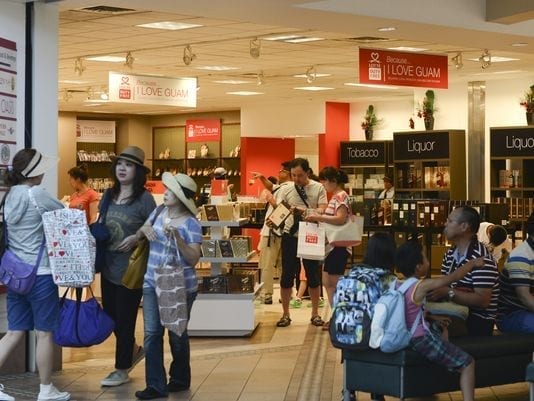
    South Korean authorities raided the headquarters and other offices of Lotte Duty Free Guam’s parent company in Seoul earlier this month.

    The duty-free retailer sells an array of high-end products, from eyewear to liquor, to passengers who’ve passed through the airport’s security check.

    “The airport is not concerned at this time with the news coming out of Korea about Lotte,” Airport Executive Manager Chuck Ada’s office said in a statement. “It has nothing to do with Lotte Duty Free Guam’s obligations under its specialty retail concession contract with (the A.B. Won Pat Guam International Airport Authority).”

    Lotte Duty Free Guam is a wholly owned subsidiary of Hotel Lotte Co. Ltd., which is based in South Korea. Hotel Lotte and other companies under the Lotte Group have been the subject of a widening investigation by South Korean authorities, according to media reports.

    The news about the raids came after an audit, released in February, indicated Lotte Guam was facing financial problems.

    The most recent audit of the retailer’s financial statements showed Lotte Guam posted $14.3 million net loss at the end of last year. Lotte Guam also recorded a $14 million loss at the end of 2014, and an $8.9 million loss in 2013.

    In January 2015, Lotte Guam asked the airport for a temporary reduction in rent. Ada denied the request, saying it would affect the agency’s ability to pay its debts, according to letters between the airport and Lotte.

    An email and phone calls to Lotte legal counsel Cesar Cabot were not returned.

    Ada was unable to comment on whether Lotte had made a subsequent request for reduced rent.

    In 2013, Lotte Guam signed a contract to pay the Guam airport agency $15 million a year for 10 years, and the airport used these future payments to enhance its ability to borrow more money from bond investors.

    In light of the reports of the investigation into Lotte’s parent company, the airport “has to do their own due diligence,” said Guam’s Public Auditor Doris Flores Brooks.

    However, Brooks said it’s too soon for her to comment whether there’s reason to be concerned about the airport’s future finances.

    The Wall Street Journal reported that according to South Korean media, the raids were triggered by an investigation into whether a local cosmetics company paid bribes in exchange for floor space at Lotte’s duty-free retail outlets in that country.

    Lotte’s South Korean office confirmed the raids occurred, but the company declined to comment regarding the specifics of the investigation, according to the Wall Street Journal.

    Lotte Guam is part of the worldwide Lotte Group’s duty-free enterprise, which reported more than $4 billion in annual sales in 2015, according to the statement from Ada’s office.

    “The airport has confidence that with Lotte’s experience and vast financial resources that it will abide by and meet the terms of our 10-year agreement,” the statement said.

    If Lotte Guam fails to make a payment, the airport agency said it’s protected by a letter of credit of more than $15 million. A letter of credit is issued by a bank as a backup source of payment.

    When asking for the rent to be reduced, Jung Min Lee, chief executive officer of Lotte Guam, wrote that sales “have not met projections, and are not even near the estimated levels based upon available economic data.”

    “Lotte respectfully requests GIAA’s kind consideration in order to survive this temporary rough patch of adversity and market events that are beyond Lotte’s control,” Lee wrote. The request cited the weakened value of the yen and the ruble against the U.S. dollar as a reason for the dismal sales.

    Guam’s tourism industry has seen a dip in Japanese visitor arrivals and steep plunge in tourist arrivals from Russia, and those challenges continued this year.

    Lotte Guam’s net sales of $15 million weren’t enough to cover all of the duty-free retailer’s bills last year, including: $15 million in rent to the airport; almost $4 million in payroll and employee benefits; and $3.3 million in professional fees, the 2015 audit report showed.

    The airport agency doesn’t want to increase airline fees to cover losses from duty-free concession revenues, Ada wrote in his letter denying the rent reduction. When the airport raises airline fees, airlines could pass on the cost to the traveling public.

    Lotte’s $15 million rent payment to the airport in fiscal 2015 made up nearly 25 cents for every $1 of the airport agency’s operating revenue that year, a separate government audit report shows.

    Lotte Guam and the airport agency continue to fight luxury goods retailer DFS Guam in Superior Court over the duty-free shop spaces at the airport.

    DFS was the duty-free concessionaire for 30 years until the airport awarded a 10-year concession agreement with Lotte in 2013.

    Lotte has paid $20 million for projects to improve the look of the duty-free concession areas at the Guam airport terminal, according to the airport agency.

    “There is no question that the Lotte concession has been of tremendous benefit to the airport and the people of Guam,” the agency said in a statement.

  • How retailers in HK can survive the crisis in the industry

    How retailers in HK can survive the crisis in the industry

    Francis Gouten, director of Gouten Consulting and former chief executive of Richemont Asia Pacific Ltd., talks to Nick Bradstreet, managing director and head of leasing for Savills Hong Kong, about the Hong Kong retail market.

    How do you see the economic environment at the moment?

    FG: It is certainly the most challenging I’ve seen since SARS (the outbreak of severe acute respiratory syndrome in 2003). But the rents in shopping malls are not decreasing. However, nobody dares to close shops in the luxury space, but it will happen; it must happen.

    What kind of pressures are having an impact on retail?

    FG: There are lots of factors, the pressure of rent and the pressure of the stock market, as major groups are managed by financial people. You have to show quick results, and we are in a world of short-term views.

    There is a complete change — in Hong Kong we now rely less on the mainland Chinese. Hong Kong was the first destination for rich people, and now they are going somewhere else. There are still many visitors in Hong Kong, but they are not spending as much.

    How can retailers respond to the crisis?

    FG: Before, many of the big brands set out to impress the mainland Chinese, and they rented bigger stores to show they are big brands. But in part, this killed the malls and the interest in those places, because when you have a brand on three floors, what else is there? What can I discover?

    If I have to advise shopping malls nowadays, I would say reduce store sizes and bring more diversity to malls. Don’t give three floors to one brand.

    So what will happen to brands?

    FG: The top brands will recover. They will remain financially strong, but right now they are cutting expenses and people, and freezing openings. They are taking a long-term view at the moment.

    Asia is still an important part of the business, but perhaps not as important as in the past 10 years. A big part of the results in Asia was gifting, around 35-40 percent, generating more exclusive and over-priced products. But this is no longer the case.

    What market strategy should brands take?

    FG: You need to go to local consumers and target them directly. Luxury took off because of the fashion brands, but now everybody is in luxury.

    Top brands need to go back to their original positioning of a premium experience by welcoming the clients, providing a high-quality service and exclusive offerings. They need go back to the heritage of brand and target the core customer.

    So service and the experience are essential to this?

    FG: What did luxury mean 60 years ago? Luxury was a well-made, high-quality product made in limited quantity. This product was made by families, with fantastic know-how of a single product, and only one or two shops in the world.

    People came from around the world to buy this special item, often customized to their own liking. Clients are still seeking that kind of exclusivity and service.

    You need to protect your DNA, origin, and essence of the brand. How can brands understand their clients? How can they serve them better?

    There needs to be an upgrade in the quality of the service, which can be done through detailed training programs for all in-store staff.

    I once purchased a beautiful jacket from a luxury brand, and the salesperson asked me if I wanted to pay an extra 50 cents for a bag. I thought, “It’s raining outside, of course I want a bag. Charge me HK$500 more, I don’t care! If you go into a luxury shop, you should be treated as a luxury client. This is important.”

    Do you need to bring the price point of luxury items down?

    FG: Brands are thinking about it, but it’s always difficult in luxury. For current products, customers who bought already will feel cheated. Some brands have done it already by only dropping prices for new products, and then rethinking their way of localizing profit.

    Is Macau doing better than Hong Kong?

    FG: A little better. A few years ago some of their shops were No. 1 in the world. Now, Macau will continue to grow, but it will be more mass-market. When you have a large mass market you have room for the upper market as well.

    Macau is a pure leisure destination, and when you are on holiday you spend money, so you’ll see some changes in tailoring a luxury experience.

    So how is the Hong Kong market developing?

    FG: You are seeing the return of activewear and mass traffic brands. Expensive sportswear is a strong trend, because these brands have improved image perceptions. Thirty years ago it was not the case. Now these brands have better designs, specializations and technology.

    And what is happening with e-commerce?

    FG: China is the world’s biggest e-commerce market – they are selling cosmetics, ladies’ shoes, kids’ toys, but it is not yet for luxury.

    You have many fake products, and e-commerce is also a discount business. I do not recommend luxury brands go there. If I can buy your products in mass on the internet, what does that do to your image?

    But e-commerce cannot be stopped – it needs regulation. The majority of brands do not understand it. But it is important for brands to have people who understand the digital environment.

    What is even more important nowadays is, as I have mentioned, to reinvigorate the luxury experience and focus on attention to detail.

    The experience of luxury should be intimate, bespoke and, above all, exclusive.

    Going back to the roots of luxury and targeting the core customer will ensure a bright future for luxury.