Author: Mei Ling Tan

  • Indonesia to take part in Beijing Tourism Expo

    Indonesia to take part in Beijing Tourism Expo

    The Indonesian government will participate in the Beijing International Tourism Expo (BITE) to be held on May 20-22 to realize its target of attracting two million Chinese tourists this year.

    The Indonesian Tourism Ministry would be one of the main sponsors of the expo, Deputy Tourism Minister in charge of International Tourism Marketing Development I Gede Pitana stated here, Friday.

    The ministry was optimistic that Indonesia would be able to attract Chinese tourists during the long holiday from October 1 to 7 this year, he noted.

    China has become Indonesias main tourist contributor, according to Tourism Minister Arief Yahya.

    Last year, some 987 participants from 81 countries took part in BITE, which was visited by some 120 thousand people.

    BITE has been organized annually for the past 13 years, and Indonesia has taken part in the expo twice.

    Other countries expected to participate in BITE this year are the United States, the Maldives, Seychelles, Thailand, Sri Lanka, Japan, Taiwan, South Korea, Malaysia, India, and some European countries, among others.

    Indonesia has set a target of attracting 20 million foreign tourists by 2019, from 9.7 million last year.

    This year, Indonesia hopes to lure some 12 million foreign tourists.

  • BI Urged to Stimulate Housing Market

    BI Urged to Stimulate Housing Market

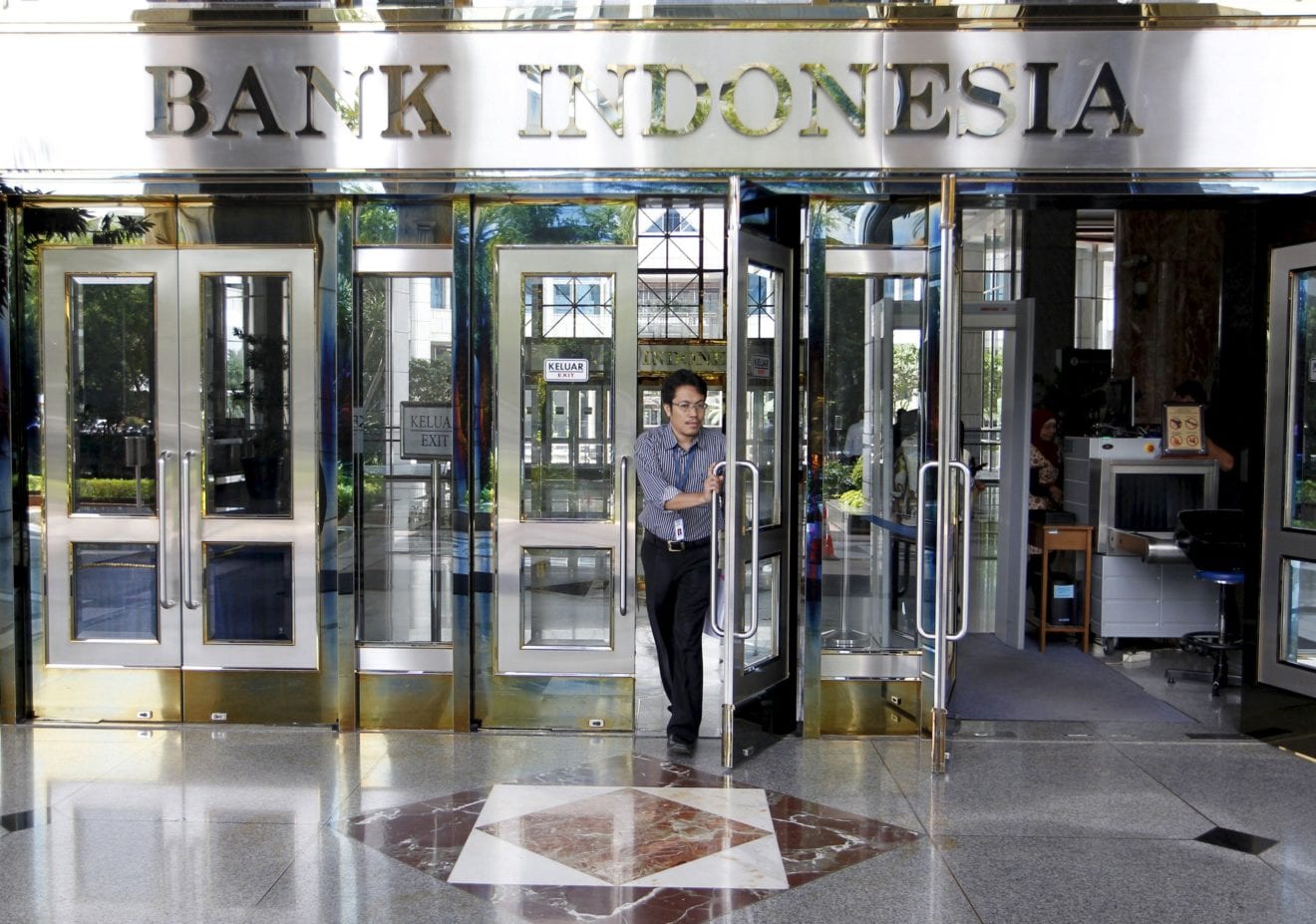
    Indonesia Property Watch (IPW) CEO Ali Tranghanda asked Bank Indonesia to issue a more progressive regulation on Loan to Value (LTV) in order to tackle issues with a slowdown in the national housing market recovery.

    “For the middle-lower segment, particularly houses with loan liquidity facility (FLPP), the LTV can be fully provided so that the down payment is set to 0 percent,” Ali said in a press release on Friday, May 6, 2016.

    For the middle segment, Ali suggested that the LTV should be set to 90 percent, so that the down payment would stand at 10 percent. Meanwhile, Ali said that BI should strictly govern the LTV for upper segments, “because the upper segment is a subject to massive speculations, although it has impacts on the housing market,” Ali added.

    According to Ali, policies that can hamper the cash flow of middle-lower segments includes the requirement for developers to market homes that are under construction.

    “BI is expected to stimulate the housing market movement,” Ali added.

    Ali explained that the relaxed policy could be implemented until the housing market fully recovered. Given with the current market condition, Ali said that BI should not burden the housing sector with strict regulations.

    The national housing market has so far not shown signs of recovery. After a growth in sales figure in the fourth quarter 2015, the trend did not continue in the first quarter of this year. The IPW reported that the housing market in the first quarter plummeted by 23.1 percent compared to the previous quarter, or was down by 54.09 percent compared to the first quarter of last year.

    Data from the IPW revealed that almost all regions experienced a decline in sales, and the middle segment remained the largest market share at 52.19 percent. Meanwhile, the upper and lower segments accounted for 28.27 percent and 19.54 percent of the housing market share, respectively. Earlier in the fourth quarter 2015, the upper segment dominated the market share.

  • Apkasi to prepare online app system to ease investors

    Apkasi to prepare online app system to ease investors

    The All Indonesia District Administrations Association (Apkasi) will set up an online application system to make it easier for those seeking to invest in the countrys regions, its chairman Mardani H Maming said here on Saturday.

    “The online application system will help investors wishing to know about potential of any region,” he said, adding the system is planned to be launched in 2017.

    Mardani, who is also the district head of Tanah Bumbu, South Kalimantan province, stated that he hoped the new system would make importers able to buy commodities directly from producers.

    Also, the same system could be used as a mechanism for distributing subsidy to regions in need, he explained.

    Citing an example, he said a region that did not produce rice could obtain the produce from other regions to ensure it remained well stocked.

    Apkasi organized Investment and Trade International Summit 2016 at JIExpo Kemayoran in Central Jakarta from May 5-7 in an effort to attract investment.

    Mardani informed that a number of investment and trade related transactions were made during the event, including in plantation, animal husbandry, infrastructure and tourism sectors.

    “Memorandums of understanding have also been signed with foreign parties, including those from Japan and China,” he said.

    In the speech marking the events conclusion on Saturday, President Joko Widodo urged the regional governments in the country to develop their respective regions potential.

    He called on them to focus on a certain area for efficiency and to also ease control.

    He cited the example of a region that only provided golfing facilities and grew as a result.

    “It is not impossible for regions here to develop only sugar or fish. If they do so, these will become known as sugar or fish regions,” he said.

    He also asked the regional governments to speed up the licensing process.

    “If BKPM (capital investment coordinating board) could finish the process of giving eight licenses within an hour, the regional governments must also be able to do the same,” he stated.

    The government is continuing to make efforts to improve ease of doing business in the country, he said.

    “Several years ago, we were ranked 120th in ease of doing business index. Last year, we were at 109th out of 189 countries, far below the list topper Singapore, or Malaysia at 18th and Thailand at 49th,” he elaborated.

    He said he has ordered the Coordinating Minister for Economic Affairs to ensure that the country achieves the 40th rank this year, he said.

    “Breakthroughs must be made to achieve it. This is our common task. It is not impossible to achieve it, but we need to work hard. We must not be at ranks lower than 100 or so forever,” he urged.

    The president again reminded that Indonesia has now entered a competitive era, and said, “If we are unable to change ourselves, we will be run over. We must win the competition if we wish to become a victorious nation.”
  • Deau Cognac opens office in Shandong

    Deau Cognac opens office in Shandong

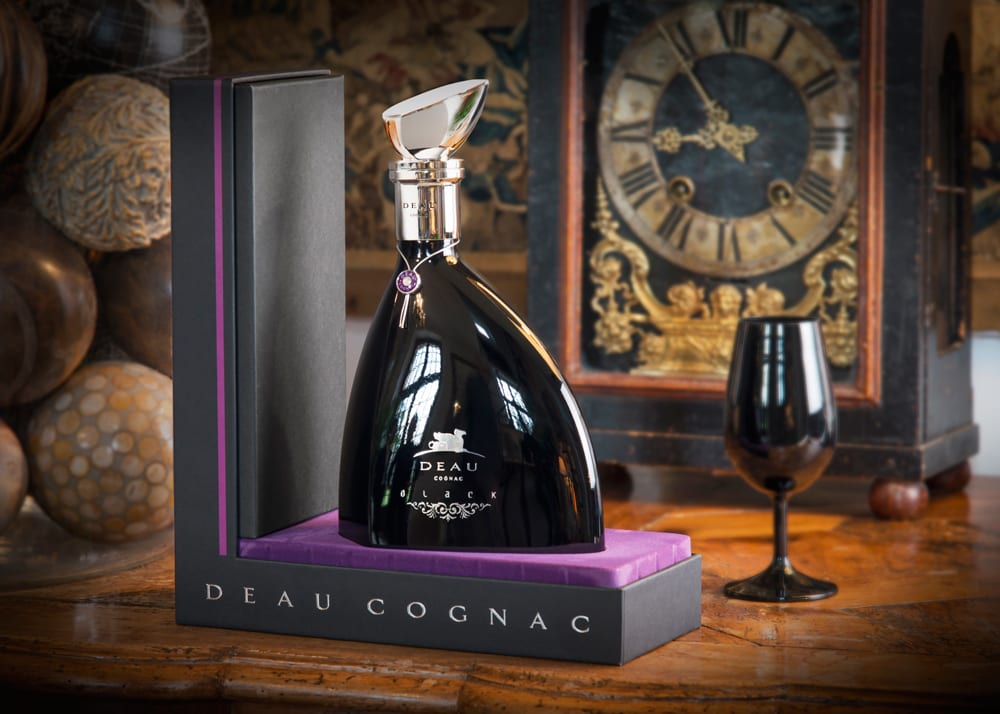
    Deau-Cognac-leadWith 40% of its business currently in Asia, and a new commercial office opened recently in Shandong Province, Tsing Tao, Deau Cognac now hopes to build on its relationships with key Asian retailers.

    To this effect, the brand will be exhibiting for the second time at the TFWA Asia Pacific Exhibition (Stand A02) and Conference, to continue its expansion into the Asia Pacific travel retail market.

    Olivier Hidier, Commercial Director, comments: “Last year was our first time exhibiting at TFWA AP, and we had such a good experience and received such positive feedback, that returning was a given.

    “The region is full of opportunities, but remains challenging to break into and secure a strong foothold. Currently, China represents the biggest share of our Asian business, so the recent slowdown in Chinese spend has been tough, but we are optimistic this will return.

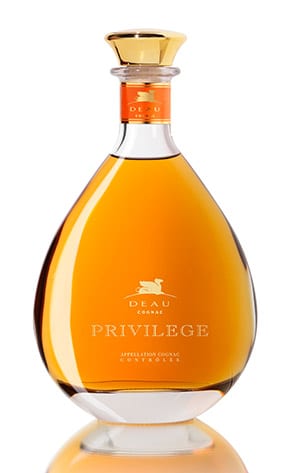
    Privilège VSOP Cognac

    Deau will also be showing its Privilège cuvée – a unique blend of Cognacs, slowly matured in ageing cellars.

    “Opening our Shandong Province commercial office has enabled us to better service and support the market through our own dedicated sales development team that in turn works very closely with local distributors.”

    This year, Deau will be showcasing its Cognac Extra Black, which has been given a ‘facelift’ with a more premium black cover, and gift pack.

    “The demand for premium products in the region continues to be strong, so we thought returning to Singapore with a more high-end looking product was important,” adds Hidier.

    “The new look cover and gift pack is sure to catch the eye of passers-by, and will look amazing displayed in any retail environment.”

    Deau will also be showing its Privilège cuvée – a unique blend of Cognacs, slowly matured in ageing cellars. Aiming to enhance its perceived quality, the cuvée has also been improved, receiving an upgrade to both its look and taste.

    The front label has been replaced with an engraving, whilst the blend now sits as a superior VSOP – making it ideal for the region. Also perfect for travel retail are its two Tasting Boxes, beautifully presented, and enabling consumers to try either three, or all six of the main Deau Cognac expressions.

    “We may be a small brand in comparison to the main Cognac players, but we have a unique offering, which is quite exceptional, and one we feel is ideal for this channel,” adds Hidier.

    “We have seen success in the domestic markets, and we are now looking to replicate this in travel retail; it is a great showcase for further building awareness of our brand, and an excellent platform for which to go to the next level of growth.”

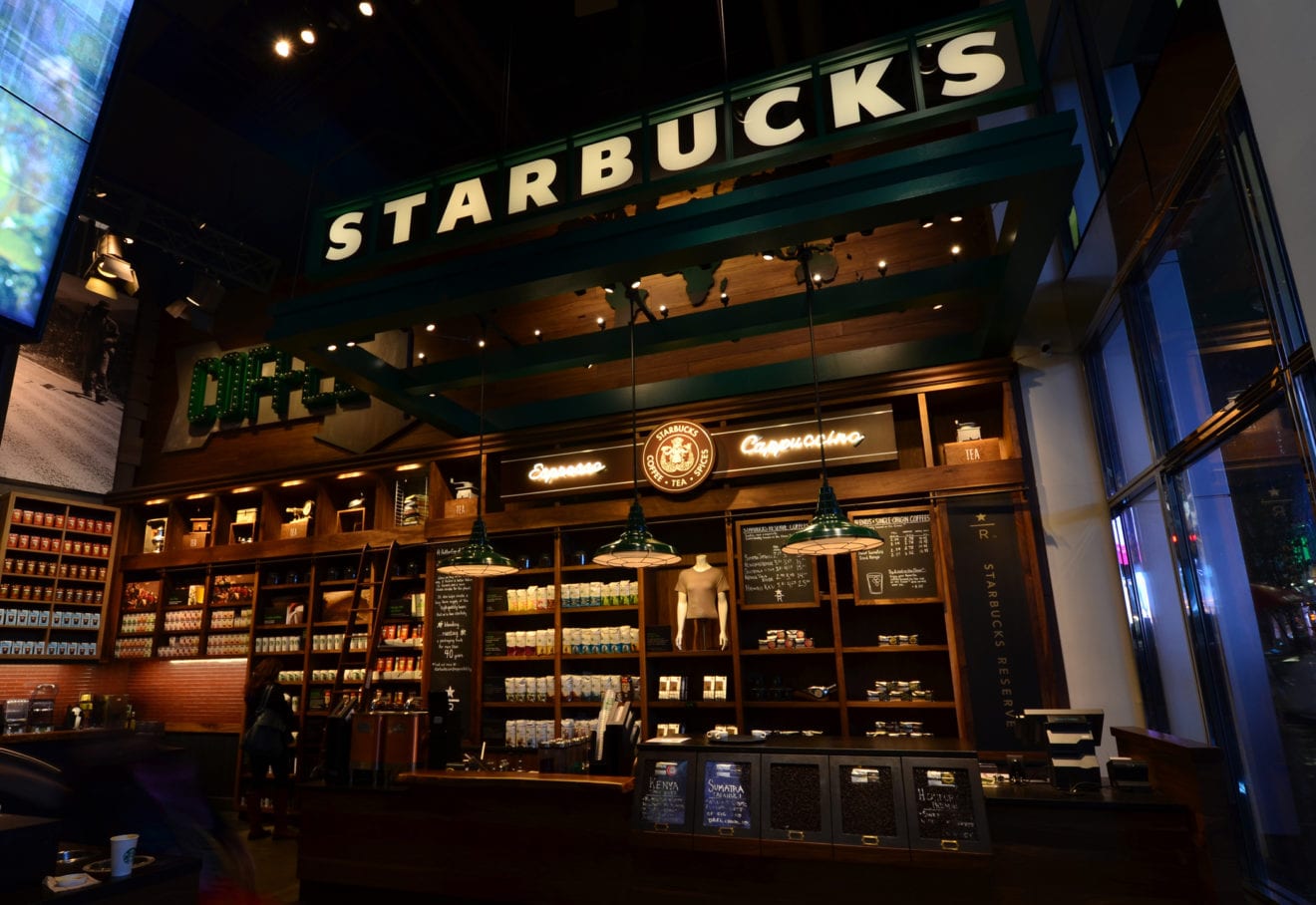
  • Starbucks: New Stores Are Nice, But Here’s The Real China Domination Plan

    Starbucks: New Stores Are Nice, But Here’s The Real China Domination Plan

    Last week, I reasoned why Starbucks’ growth plans in China would lay the foundation for the company’s ultimate success in the long-term. Put simply, China will make you rich as a Starbucks shareholder.

    The “long game,” as CEO Howard Schultz describes it, includes opening 500 locations per year for the rest of the decade, to build on the 2,000 stores the company has in 100 cities.

    But growing its store base isn’t the only plan. While expansion is a driving factor for long-term growth, the company’s plans in the short-term should make shareholders very happy as well: digital growth.

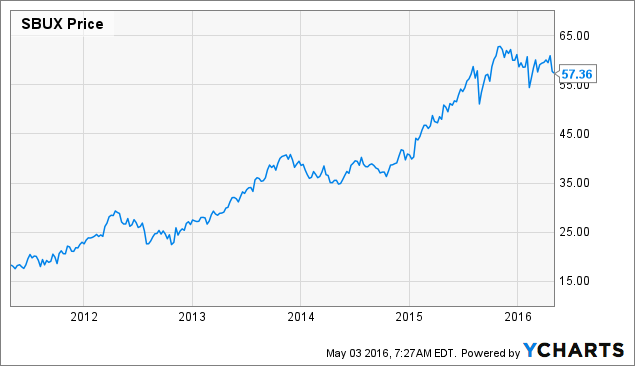
    In 2014, Starbucks really started to press forward with its mobile app ambitions. Schultz predicted the drop in mall traffic and strain felt by traditional retailers as a result. While he talked about the revolutionary features the app would bring, the stock price languished, trading sideways for much of the year.

    But in 2015, we saw a rejuvenated stock, one that climbed almost 50% as its app-based payment method accelerated sales growth in the U.S. This year, look for Mobile Order and Pay to be the driver in the U.S., and for delivery to boost results next year. It’s why the Americas segment boasts such strong same-store sales growth, up another 7% last quarter despite growing comps 7% in fiscal 2015.

    To say the company’s digital efforts have made an impact would be an understatement. It increases the brand strength, encourages higher spending, more loyalty and gift card loading. It was a total game-changer, and it remains that way today.

    That’s why taking it over to China will make an enormous impact.

    Several times, and most recently in the latest quarterly conference call, Schultz has referenced that the company is bringing its digital presence across the Pacific.

    I am more convinced ever that… as we fully roll out our new partnerships with the leading digital companies and brands in China and leverage our unique digital, mobile, card, gifting, and loyalty programs across our business in China later this year and ultimately across CAP overall, we will perform at even higher levels of success and profitability in the future than we do today.

    Although revenues respectfully climbed 18% and 14% in China/Asia-Pacific last quarter, I would look for a deeper mobile push in China to be like gasoline on the fire.

    Taking a peek at the most recent conference call from Alibaba (NYSE:BABA) sheds some light on the mobile/online retail world of China (bold emphasis added):

    So retail sales is going against the grain of what many consider to be a decelerating economy. And that’s because the shift of the Chinese economy is going from investment-driven to consumption-driven… e-commerce penetration continues to grow and that is largely because Alibaba is behind driving that penetration of online commerce. And we’ve seen a very massive shift of users going online, that’s because of the advent of the mobile device.

    Starbucks is also a beneficiary of this move, even though sales aren’t done online necessarily, but through a mobile device. I know this doesn’t seem like a big deal to some, but when shares were trading sideways throughout 2014, that’s when the company was gearing up to unleash its mobile potential.

    SBUX Chart

    Despite the doubters, Schultz continued to stress the “flywheel effect” that Starbucks’ digital efforts would create, and boy was he right. It has propelled the Americas segment to new heights and it will continue to do so going forward.

    There’s no reason China will be any different. Although recent comps in CAP have been disappointing by many analysts’ expectations, I think this will help to drive them higher later this year and throughout fiscal 2017. Given that CAP comps have been underwhelming this year, it should also be a low bar to hurdle next year.

    So while increasing the store footprint in China is the right thing to do for the long-term, the digital expansion was absolutely necessary for the short and intermediate term. Especially for such a big and technologically-driven Chinese market.

  • BreadTalk to open in Myanmar next year

    BreadTalk to open in Myanmar next year

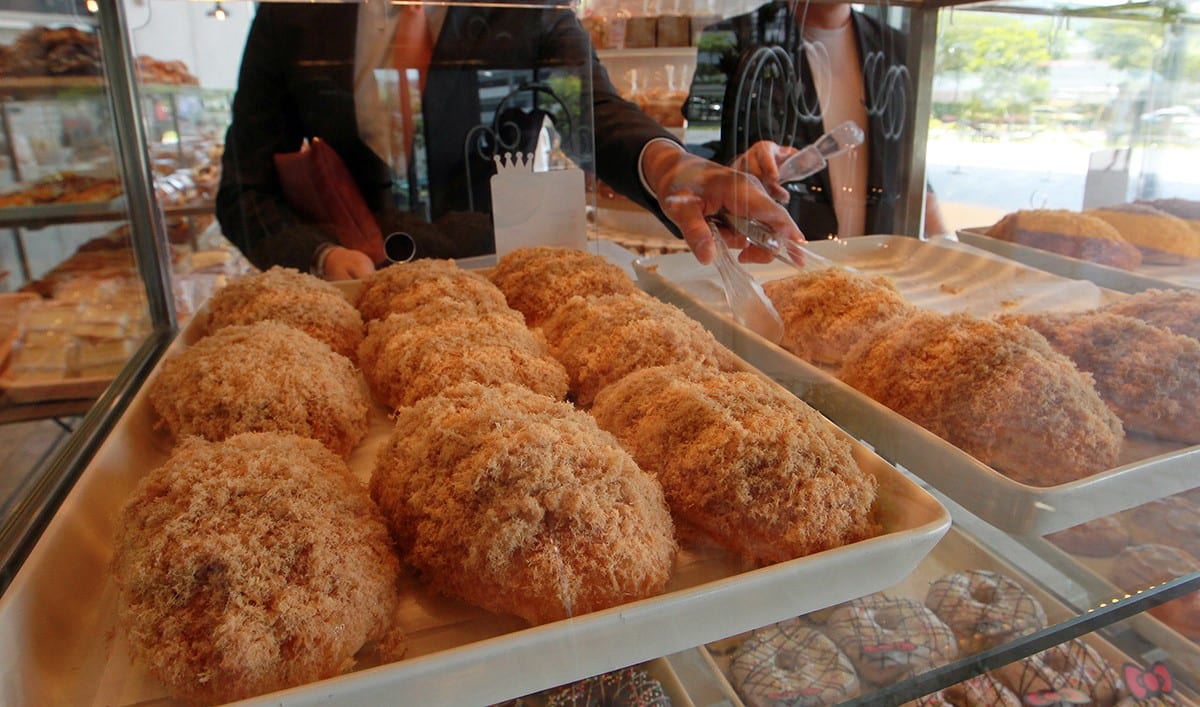
    Myanmar’s growing group of middle-class consumers can now look forward to Singapore bakery giant BreadTalk’s pastries and baked goods as the home-grown bakery brand will soon be available in Myanmar.

    It signed a franchise agreement with Myanmar Bakery on Tuesday (May 3), which will allow Myanmar Bakery to hold the master franchise to operate BreadTalk outlets in Myanmar.

    The first outlet is expected to open in Yangon by early 2017 in one of the shopping centres owned by the Shwe Taung Group. Myanmar Bakery is part of Myanmar conglomerate Shwe Taung Group, which owns an extensive network of real estate businesses in Myanmar.

    The deal marks the first food and beverage venture in Myanmar for the Shwe Taung Group and is also BreadTalk’s maiden foray into Myanmar.

    “With a growing middle class and rising retail consumption, there are immense growth opportunities for BreadTalk in Myanmar,” said Mr Tan Aik Peng, chief executive officer of BreadTalk’s Bakery division.

    “The Singapore team is working closely with the Shwe Taung Group to understand the Myanmar market and we promise an exciting line up with BreadTalk’s first boutique bakery in Yangon.”

    He added that BreadTalk was confident that they will “introduce a new lifestyle of bread appreciation” to Myanmar’s burgeoning middle class.

    BreadTalk operates close to 800 outlets across Singapore, China, Hong Kong, Indonesia and Thailand.

    The Shwe Taung group of companies is a conglomerate involved in real estate, construction and engineering, infrastructure, hotels, entertainment, trading and investment. It also operates the Junction Centre group of shopping centres, which include malls in Yangon and in Naypyitaw, the country’s administrative capital.

    The group is also behind the upcoming Junction City, which is an integrated development in downtown Yangon which will comprise a lifestyle shopping mall, an office tower and a five-star luxury hotel scheduled to open in the first quarter of 2017.

  • WearYouWant advises start-ups to add profitability to execution strategy

    WearYouWant advises start-ups to add profitability to execution strategy

    WearYouWant, Thailand’s leading online fashion and beauty marketplace is advising start-ups to have a clear strategy toward profitability as investors are now demanding it and that the e-commerce space in SE Asia is currently experiencing an exciting time.
    At the Last Mile Fulfilment Asia (LMFAsia) Conference & Exhibition 2016 held in Singapore last month which brought together  retailers, e-commerce businesses, logistics and parcel industry professionals, CEO and Co-Founder of WearYouWant Martin Toft Sorensen said there was considerable discussion on how start-ups should focus beyond just team, product and market to become successful.
    “Start-ups should have a clear path and strategy towards achieving profitability by scaling the business without forgetting the life time value of the customer versus cost per acquisition,” pointed out Sorensen.
    “If e-commerce businesses simply follow a desire to climb user acquisition heights quickly without keeping an eye on the ROI, there is a higher risk of a greater fall. Penetration from online platforms can go far, wide and deep but the trajectory needs to be based on running a business that brings money for investors, shareholders and other stakeholders in the near future.”
    Echoing this advice is Thailand’s e-commerce guru, Pawoot Pongvitayapanu, CEO and Founder at efrastructure inc. and Managing Director and Founder of TARAD.com, who also attended the business platform event. 
    Sorensen advises that in addition to creating a viable business model that balances cost of acquiring customers with the ability to monetize the lifetime value of a customer, start-ups should also be creative in how to attract and keep customers. 
    While many e-commerce sites are reporting high sales growth, the reality is that they may not be showing any profitability, said Sorensen. 
    “In Thailand, we have yet to see any e-commerce companies proving they can scale and yet become profitable.
    The recent acquisition of Rocket Internet’s fast growing, yet loss-making e-commerce site Lazada by Chinese e-commerce giant Alibaba, and Zalora (Thailand and Vietnam) by Central Group, has definitely created waves in the e-commerce industry”.
     Martin (left) and Pawoot (right) at LMF Singapore Mar2016_RS
    Sorensen says that while Lazada will pave the way for Alibaba to penetrate into SE Asia in a market leader position, it remains to be seen whether Zalora’s acquisition by a traditional offline retailer will kick start true omni-channel experiences in Thailand.
     
    Sorensen adds that this is an exciting time particularly for e-commerce companies and start-ups in general, as well as for investors. 
  • AEON Showcase Their Product Line-Up and Other Financial Services at the 16th Money Expo Bangkok

    AEON Showcase Their Product Line-Up and Other Financial Services at the 16th Money Expo Bangkok

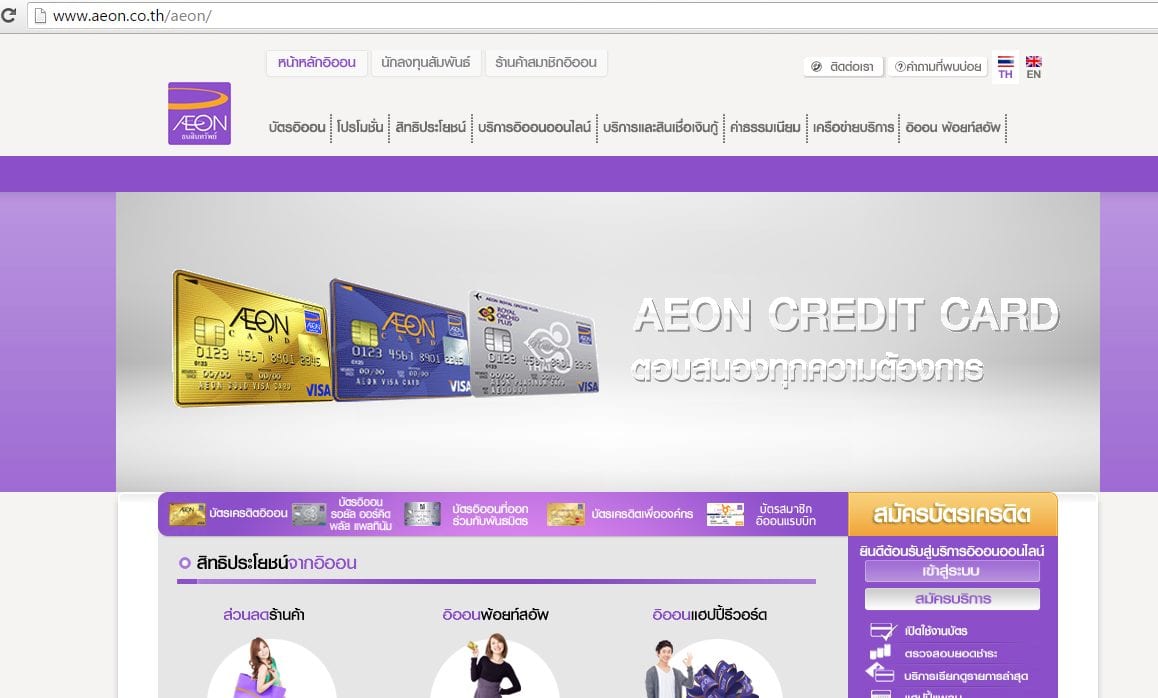
    AEON Thana Sinsap (Thailand) Public Company Limited will join the 16th Money Expo Bangkok from May 12th to 15th 2016 at Challenger Hall 2 – 3 , Impact Arena, Muang Thong Thani. AEON’s booth, B1, is inspired by the concept “Your Future Begins Today” with the beautifully laid out on the 850 square meters spread.

    At the expo, AEON line up their various financial services including the AEON M GEN VISA Card which aims to offer the special entertainment privileges to match with customers’ lifestyle such as free movie ticket every month, exclusive discounts for M GEN Set at THB 120 and M GEN Buddy Combo set at THB 99. Moreover, AEON introduces the AEON Royal Orchid Plus JCB Platinum Card exclusively for Japan lovers which exchange every THB 20 spending to 1 mileage as well as access to our exclusive lounge and discounts to many Japanese restaurants. Exclusively for AEON customer who subscribe to any service with AEON, they will get a chance to win the luxurious 3 days and 2 nights accommodation package from Sri Panwa valued at THB 112,800 as well as iPhone 6s 64 GB valued at THB 30,700 , John Lang Ford bag valued at THB 1,290 and other various premium.

    AEON customer will also enjoy other exclusive deals such as special interest 0% installment on the Honda motorcycle or gold, special tour packages from H.I.S and insurance services. They will also be entertained with a special mini concert from Bie Sukrit, Wier Sukollawat and Kang Vorakorn. For more information, visit www.aeon.co.th.

  • Pioneering Ginza-style mall in Hong Kong in bad shape

    Pioneering Ginza-style mall in Hong Kong in bad shape

    It is said that a commercial property can support three generations of a family in Hong Kong. The idea is that owning a commercial property is a sign of wealth as well as social status.

    However, an investor who bought a commercial unit in Jordan Square in 1992 for HK$700,000 has sold it 24 years later for HK$100,000 (US$12,890). He lost 86 percent of his investment in the store, which has a saleable area of 70 square feet. 

    The shopping mall in which it is located is on Jordan Road, a five-minute walk from The Austin, a high-end residential complex. The mall has four stories and a floor area of 20,000 square feet. It was built by a local developer in 1992 and divided into 160 ministores.

    In recent years, many shopping malls have described themselves as “Ginza-style”. The Ginza-style mall dates back to the 1980s in Japan, when the price of land in Tokyo was exorbitant in the prime Ginza district. Stores, restaurants and bars moved to higher floors of those malls to save on rent.

    These malls usually had elevators, as customers knew beforehand which floor they needed to get off at.

    I still remember when I first heard about a Ginza-style mall; it was in 1992, when Jordan Square opened for sale. The project had attracted great publicity, as it allowed ordinary people to own a retail unit for a relatively small amount. In fact, many local actress and singers invested in the project back then.

    More of these Ginza-style malls appeared across the city after Jordan Square. And most of them failed in the end, because of chaotic management and limited marketing.

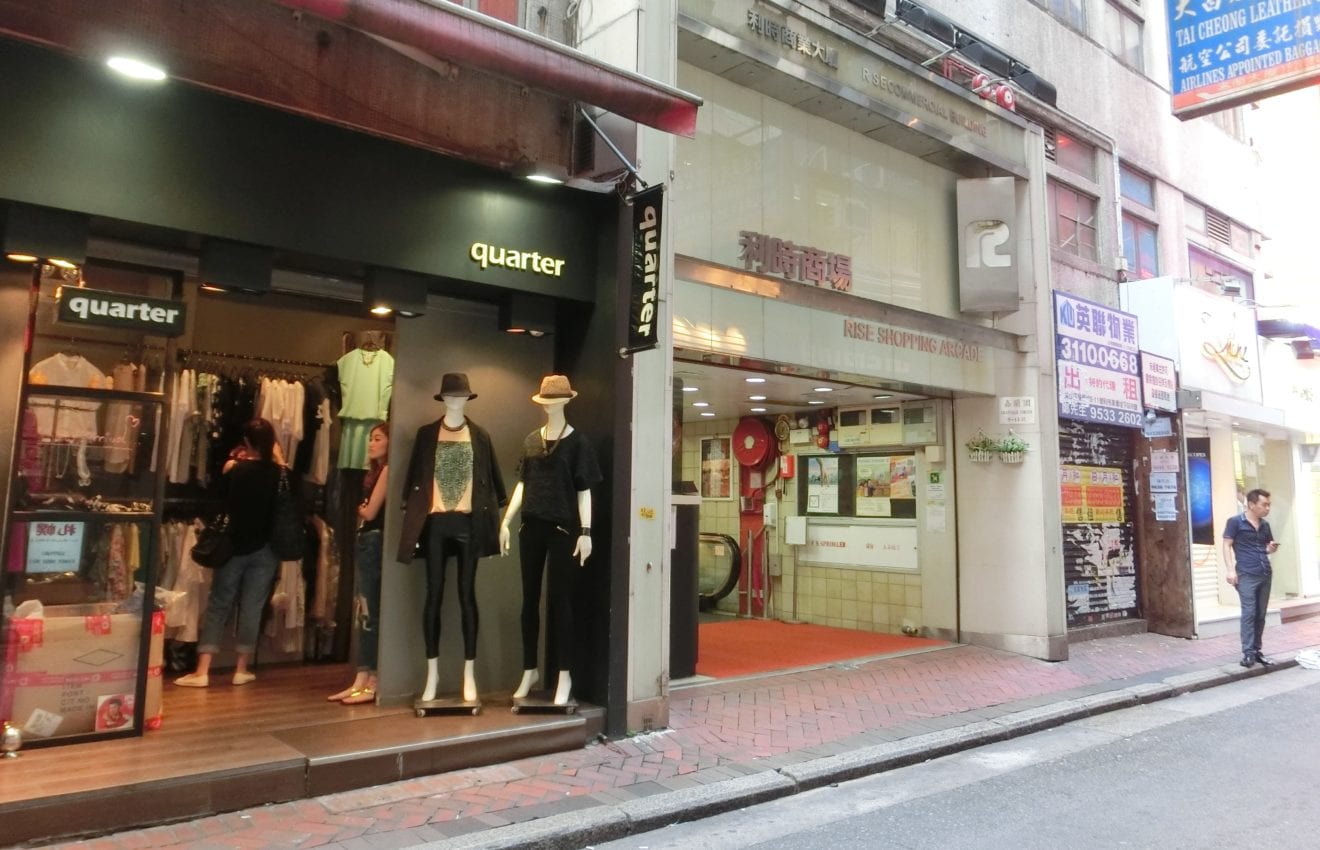
    But there are some successful examples, like Sin Tat Plaza and Ho King Commercial Building in Mong Kok, Rise Shopping Arcade in Tsim Sha Tsui and Island Beverly in Causeway Bay. All these Ginza-style malls have been popular with the younger crowd.

    Nevertheless, the emerging online shopping trend has posed a great challenge to these physical stores, since online shopping sites offer a wider range of products at lower prices. Jordan Square was sold off-plan back then, and the buyers signed the contract after hearing the developer’s presentation.

    However, when the building was completed in 1993, they found that the mall was smaller than they expected and the saleable area was less than what the developer had promised.

    The developer was liquidated later as a result of lawsuits and a property market downturn. As a result, the independent owners of the stores in the building have taken over control. The water and power supply was cut off, and most of the stores failed to find a tenant. And the mall has even become a gathering place for drug addicts and the homeless.

    Jordan Square has a market value of somewhat more than HK$10 million based on the recent transaction price of HK$100,000. There is room for an appreciation in value of more than 10 times at this prime location. A seasoned investor has reportedly already bought 11 stores in the building for between HK$100,000 and HK$470,000 each.


  • Robinsons Retail plans P5 billion ($106m) store roll-out

    Robinsons Retail plans P5 billion ($106m) store roll-out

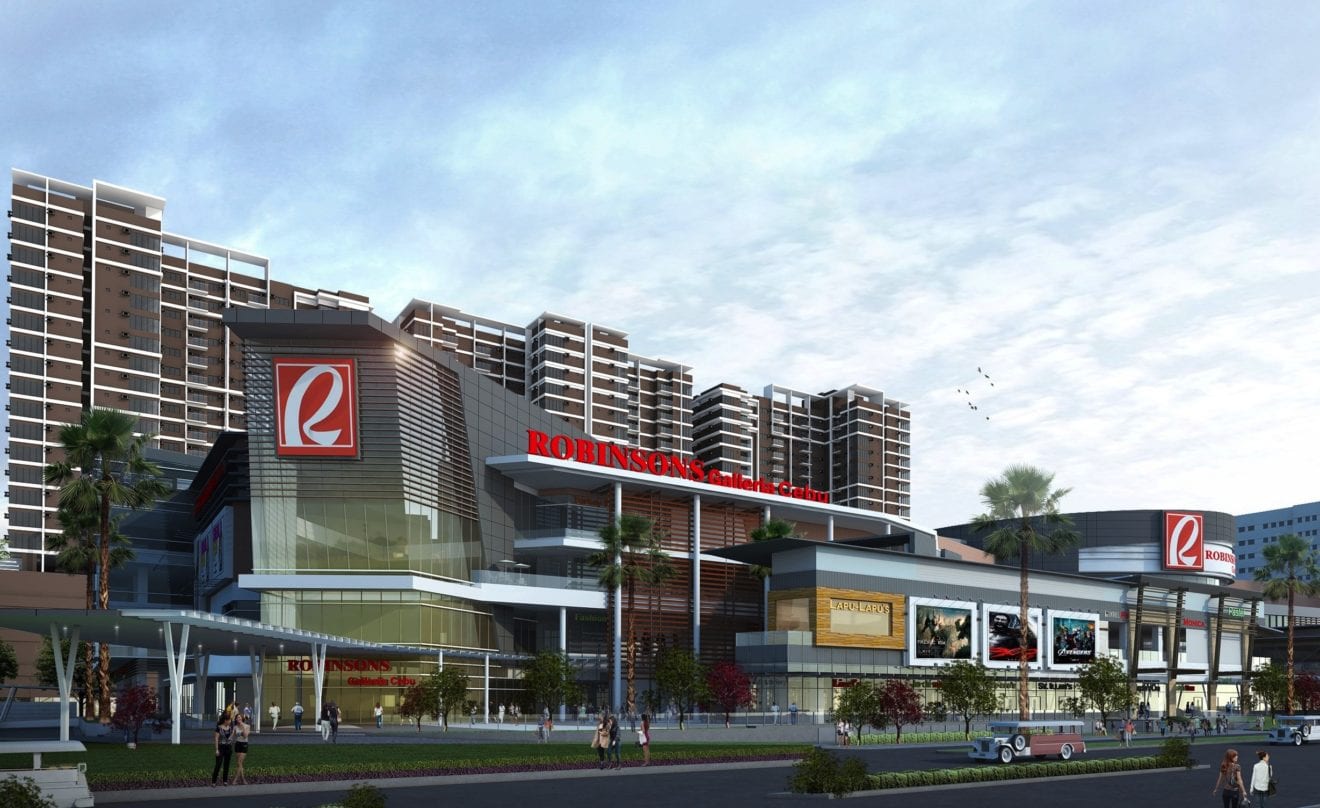
    The company’s planned capital expenditures in 2016 is a 59 per cent increase from the P3.1 billion it spent in 2015.

    Robinsons Retail said expects to reach more than 200 stores in 2016 and would continue to explore merger and acquisition opportunities.

    “We have also gotten into a good start this 2016 with solid same-store sales growth for the first two months of the year as we benefited from increased consumer spending from a still robust domestic economy. We will continue with our footprint expansion, with focus on areas outside Metro Manila Looking for potential mergers and acquisition continues to be part of our strategy in growing the business,” said Robina Gokongwei-Pe, Robinsons Retail president and CEO.

    Convenience stores and supermarkets will represent a bulk of the planned new stores.

    The retail firm currently operates 10 retail formats under six business segments, including department stores, supermarkets, home improvement stores, convenience stores, drug stores and specialty stores. As of end-2015, it was operating 1506 stores with total GFA of 974,000 sqm.

    The company entered the coffee shop business with the opening of Costa Coffee shops in several locations in Metro Manila last year.

    It also ventured into smaller-format stores like Robinsons Easymart for supermarket and Robinsons Townville for community mall to reach a wider market.

  • Hermes sales rebound

    Hermes sales rebound

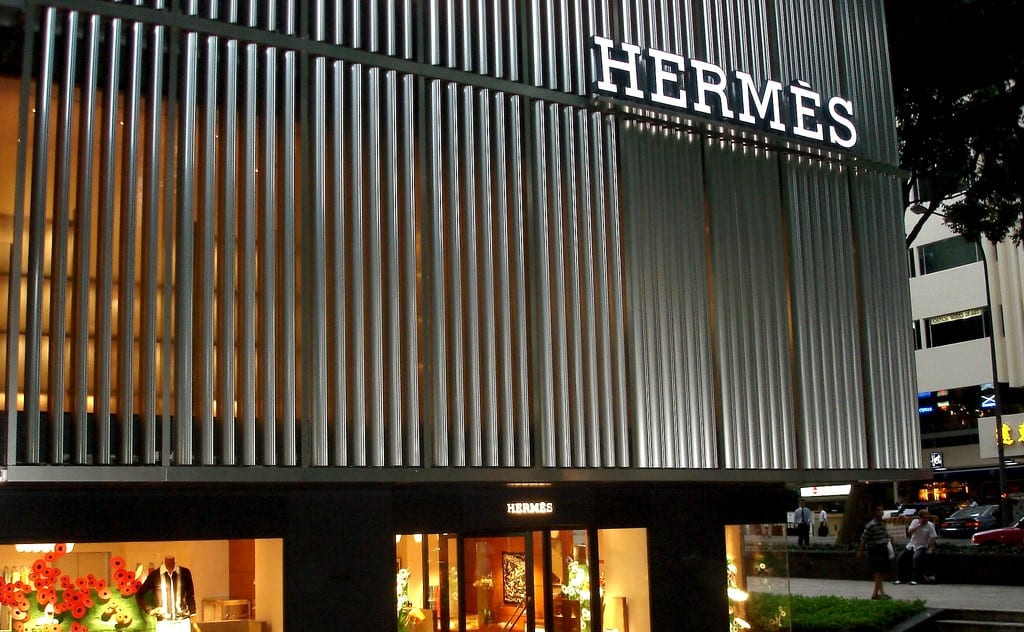
    Hermes sales rebounded globally in the first quarter of this year, exceeding analysts expectations.

    But the best news seems to be from Hong Kong where the French luxury goods label reported sales had “stabilised” after last year’s serious decline.  Sales fell in Macau, Hermes said, without providing further details.

    In the broader picture, the company saw respite in its home market after shoppers began to return to stores following the nervousness fuelled by the terror attacks late last year.

    Hermes sales for the quarter rose 6.2 per cent on a constant currency basis, to reach 1.19 billion euros (US$1.35 billion)

    CEO Axel Dumas said during an earnings call that the fallout from the terror attacks – in both Brussels and Paris – was still hurting luxury goods retailers. Footfall had returned to normal in Milan and London, but remained down in Paris, causing a 9.2 per cent drop in sales of ties and silk scarves in the quarter.

    Leather goods was the only category to show a rise in sales – a healthy 15 per cent.

    “There’s a lot of volatility,” Dumas said. “We have to adapt to circumstance.”

  • Amazon Q1 profits surge

    Amazon Q1 profits surge

    E-commerce giant Amazon.com posted its fourth straight profitable quarter, boosted by a 28 per cent sales increase and a surging growth in its Amazon Web Services division.

    Amazon reported a net income of $513 million for the first quarter, or $1.07 per share, compared with the net loss of $57 million, or $0.12 per diluted share, in first quarter 2015.

    The Seattle online retailer saw a 28 per cent increase in its net sales for the first quarter compared with the $22.7 billion in the previous corresponding period. Excluding the $210 million unfavourable impact from year-over-year changes in foreign exchange rates throughout the quarter, net sales increased 29 per cent compared to first quarter 2015.

    “Amazon devices are the top selling products on Amazon, and customers purchased more than twice as many Fire tablets than first quarter last year,” said Jeff Bezos, founder and CEO of Amazon.com.

    “Earlier this week, the $39 Fire TV Stick became the first product ever — from any manufacturer — to pass 100,000 customer reviews, including over 62,000 five star reviews, also more than any other product ever sold on Amazon. Echo too is off to an incredible start, and we can’t yet manage to keep it in stock despite all efforts,” Bezos said.

    Bezos added they are building premium products at non-premium prices, and they are thrilled many customers are responding to their approach.

    Amazon’s retail business saw a 31 per cent increase for the quarter to $20.5 billion, up from the $15.6 billion from the previous corresponding period.

    Amazon Web Services, with customers that include Netflix, Airbnb, Yelp and Expedia, saw a 63 per cent increase to $2.6 billion, up from the $1.6 billion from the same period the previous year.

    For the second quarter of 2016, the company expects its net sales to be between $28.0 billion and $30.5 billion, or to grow between 21 per cent and 32 per cent compared with the previous corresponding period. Operating income is expected to be between $375 million and $975 million, compared with the previous period’s $464 million.

  • BritishIndia store closes with a flourish

    BritishIndia store closes with a flourish

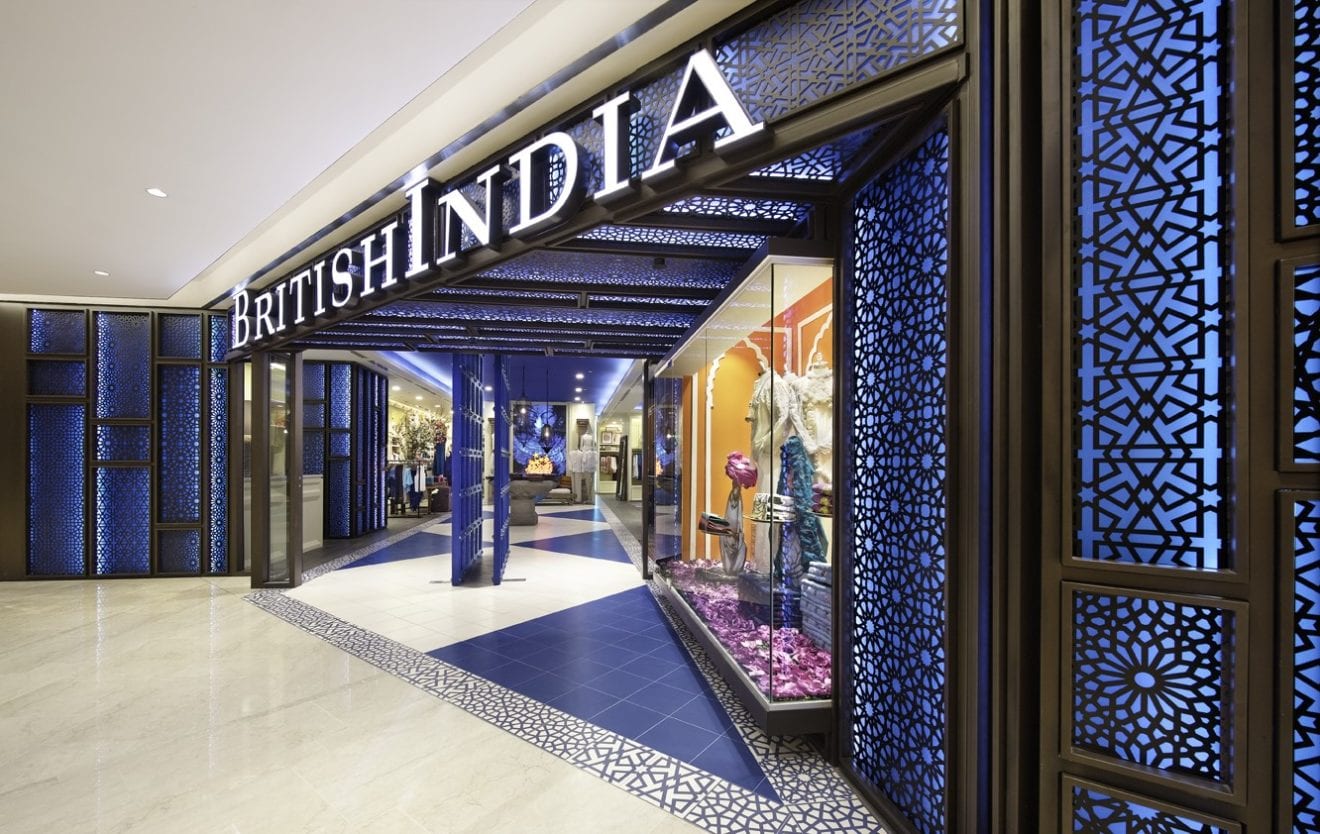
    Thousands of BritishIndia Malaysia customers grabbed a bargain as they farewelled the fashion store in Suria KLCC over the past week.

    BritishIndia farewell sale

    The fashion brand’s farewell sale offered 50 per cent off all items, ending its presence in the mall since 1998.

    BritishIndia farewell

    Built from scratch in Malaysia more than 20 years ago, BritishIndia now has more than 40 stores, in shopping centres in Singapore, Thailand and the Philippines.

    There is still a presence in Malaysia, with stores in 1Utama Petaling Jaya, Bangsar Shopping Centre, Mid Valley Megamall, Pavilion Kuala Lumpur, Publika Kuala Lumpur, SACC Mall in Shah Alam and Sunway Pyramid.

    Meanwhile, the brand says it is seeking further expansion overseas.

    The brand has been embroiled in a long drawn-out court case with Suria KLCC management over it lease terms.

  • SM City San Jose opening brings SM malls to 57

    SM City San Jose opening brings SM malls to 57

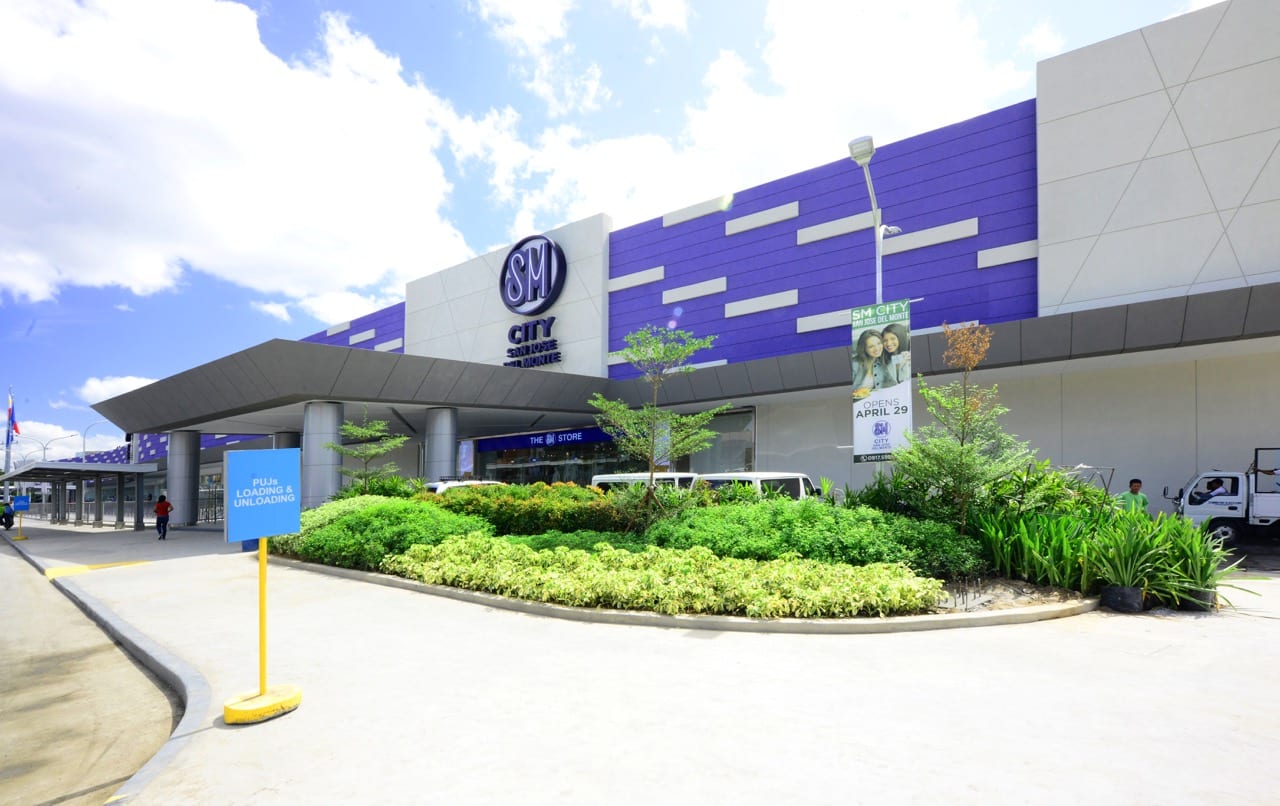
    SM Prime is opening its 57th mall in the Philippines.

    SM City San Jose Del Monte will open today. It is the third in the province of Bulacan after SM City Baliwag and SM City Marilao.

    The new mall will add 101,000 sqm in gross floor area to the total floorplate of SM Prime, SM Prime, the country’s largest integrated property company. Total retail space will add up to 7.4 million sqm, the largest footprint in the country.

    “We continue to expand in the provincial areas as we remain optimistic about their huge potential for growth. The opening of SM City San Jose Del Monte in Bulacan is a testament to this strategic direction as we remain steadfast in developing premier destinations around the country,” SM Prime President Hans Sy said.

    San Jose Del Monte is a second-tier city with predominantly middle income households, of which, 62 per cent have family members that are OFWs. The city contributes to one of the fastest growing residential and commercial hubs in the Northern Gateway of Metro Manila, covering 59 barangays and a population of almost 500,000 based on the 2010 census.

    SM City San Jose Del Monte opens with 70 per cent of space lease-awarded occupying its three floors with retail stores, dining outlets, recreation and entertainment facilities, and service centers topped with commendable architectural design making it the newest vibrant urban hub in the north of Metro Manila.

    The prime spaces are allocated to local and international retail brands, food outlets and anchor tenants such as The SM Store, SM Supermarket, SM Appliance Center, Ace Hardware, BDO, Surplus, Watsons and SM Cinema with four state-of-the-art cinemas.

    By the end of 2016, SM Prime is targeting to have 61 malls in the Philippines and six in China with an estimated combined GFA of 8.6 million sqm.

  • Raoul Singapore closes last store

    Raoul Singapore closes last store

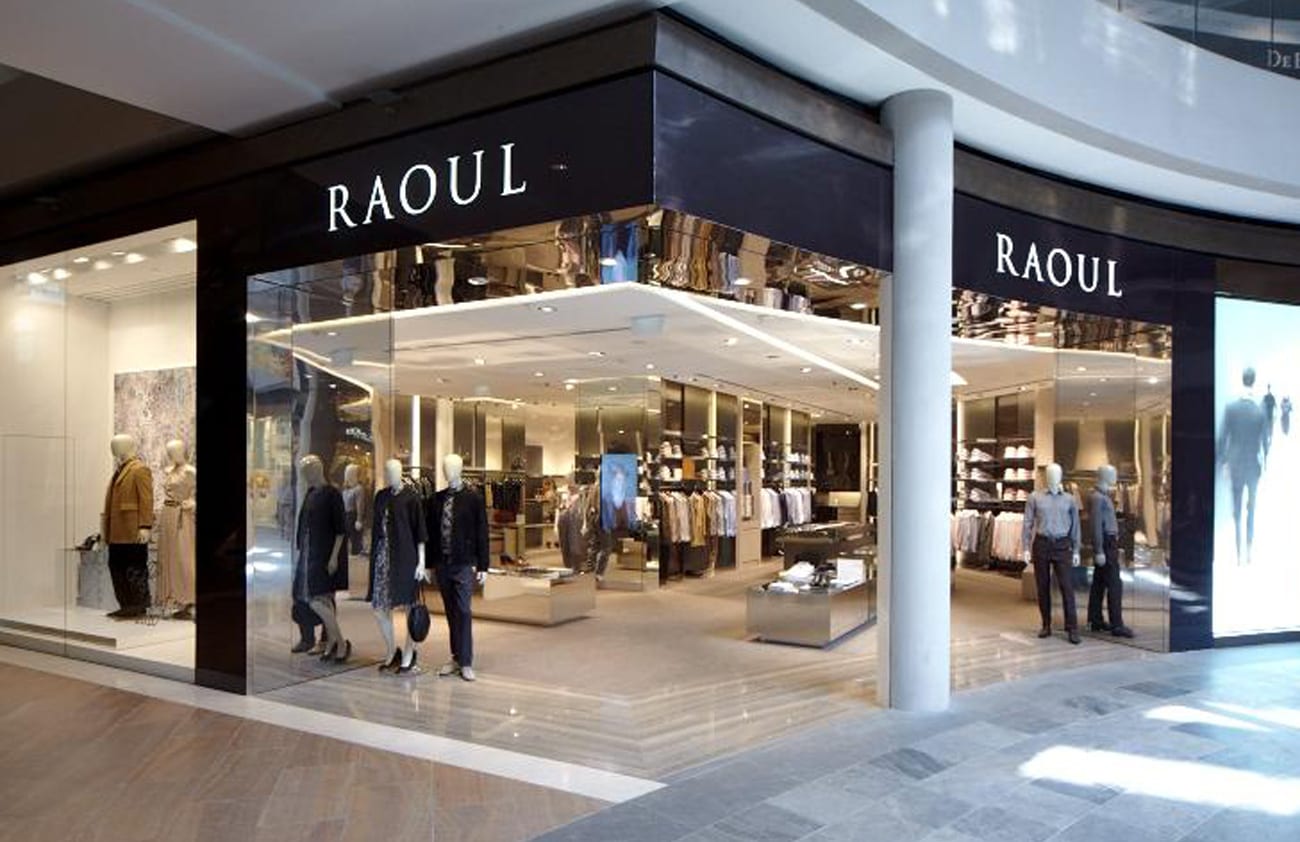
    The last Raoul Singapore boutique has closed its doors as creator FJ Benjamin decides to focus on wholesaling.

    Raoul, positioned as an affordable luxury brand, began life as a menswear brand back in 2002 before expanding into women’s fashion – because women shoppers were buying smaller sized men’s shirts to wear themselves.

    At one point, it had boutiques as far afield as Melbourne and London and became a beacon for the Singapore fashion industry in a market dominated by European fashion labels.

    Raoul closed its Paragon store on Orchard Rd in February, unwilling to pay the rents demanded.

    The founding premise

    When your business model is built around retailing products designed by others – as FJ Benjamin has for more than 50 years – your fortunes rise and fall with those brands and the head office decisions in other countries. That was a major part of the motivation to launch Raoul, which met with success very quickly.

    Over its first 50 years, FJ Benjamin held Singapore or regional rights to brands as diverse as Gucci, Gap, Manchester United, La Senza, Fendi, Goyard, Celine, Givenchy, Banana Republic, La Perla, Naomi Campbell, Valentino, Nautica, Victorinox and Rado. But after the financial crisis, it pulled back from high end labels to focus more on lifestyle brands.

    “In business you have to be nimble. We thought ‘OK, lifestyle has done well for us. Let’s continue’,” Douglas Benjamin, the company’s COO, told a presentation attended by Inside Retail Asia back in 2010.

    The Raoul brand was conceived on a trip by Benjamin to London.

    “The company had always been franchising and representing brands from other companies. My father was a strong believer we needed to have our own brand. In 2003 we bought some shirts from some expensive stores and after three to four months I was wearing shirt and the cuffs were fraying, buttons coming off.”

    What if they could produce shirts that looked as high in quality, but actually lasted?

    “We decided to develop a men’s shirt label. We’d get the best quality material and make it in Asia and if you give a man a choice, he will buy.”

    So Raoul – the French name for Ralph – was launched through stores in Singapore, Malaysia and Indonesia. The first store combining both ranges opened its doors in 2007 and a flagship in the classic Paragon shopping centre on Orchard Rd in 2009. Later, stores would follow in Mainland China and the Middle East.

    Raoul is by no means finished despite the closure of the Singapore stores. A concession continues to trade at Robinsons department store on Orchard Rd and the company will now concentrate on wholesaling with a particular focus on the US, UK and Middle East. Among the UK stockists of Raoul are Harrods, Harvey Nichols and Liberty of London. Saks and Neiman Marcus in the US and KaDeWe in Germany also stock Raoul, further underlining the brand’s fashion cachet.

    Despite its high profile globally, Singapore seemingly cannot sustain a flagship store. As a saddened fashion designer Sabrina Goh of fellow home-grown brand Elohim By Sabrina Goh told the Straits Times this week: “Raoul has always been seen as a sound brand with years of industry experience, and financial and production clout. It really just illustrates how tough the current Singapore retail market is.”