Author: Mei Ling Tan

  • Multi-brand Korean cosmetic shops thrive

    Multi-brand Korean cosmetic shops thrive

    Korean cosmetic shops that sell various brands under one roof have steadily expanded their presence across the country, giving sophisticated customers more options, according to industry sources.

    AmorePacific, South Korea’s No. 1 cosmetic company, operates about 1350 multi-brand stores, called Aritaum nationwide, which offer a wide selection of its products, including such mass brands as Laneige and IOPE. The company also operates single brand shops such as Innisfree and Etude House in the lower-end and Sulhwasoo and Hera in the higher-end segment as part of a two-track strategy.

    Also showcasing multi-brands are beauty and health care stores, such as CJ’s Olive Young and its smaller rival Watsons, which have expanded and enjoyed growing popularity among urban youngsters.

    To catch up with the latest trend, local cosmetic companies have launched multi-brand cosmetic shops in major retail strips.

    LG Household & Health Care Ltd., the nation’s second-largest cosmetic maker, launched a multi-brand shop called Nature Collection, in February, operating 11 stores in major retail strips in Seoul. The store features brands that focus on a natural look, including The Face Shop and Beyond.

    “Nature Collection is promoted through word-of-mouth, with various products and promotional events,” a company spokesman told Yonhap news service.

    Able C&C, which created the boom for the single brand shop with Missha, has recently opened a multi-brand shop called Beauty Net on a popular street in Seoul to display a wide range of select products.

    Beauty Net Korea store

    Industry officials say multi-brand shops are effective in improving customer convenience and brand management and promotion, providing easier access to new brands.

    “Expansion of these multi-brands provide the other brands with more chances to be introduced to customers,” said an Able C&C spokesman.

  • Apple India stores a step closer

    Apple India stores a step closer

    A government panel has recommended the removal of a trading obstacle that would free Apple India to open single-brand retail stores across the country, one of its few growth markets.

    A three-member panel has recommended the waiving of the mandatory 30 per cent local sourcing condition for Apple, which earlier this year asked the government to consider the exemption. The reason for the waiver is said to be the cutting-edge technology the company would bring to India, reports The Tech Portal.

    With the committee’s finding, Apple is just a step away from a final decision. The Department of Industrial Policy and Promotion (DIPP) will send the proposal for final approval to the Finance Ministry.

    Apple has retail stores across the world, including China and Japan. In India, it sells its products through exclusive reselling arrangements with chains such as Imagine and iStore.

    In November last year, India scrapped the condition of 30 per cent local sourcing for overseas companies seeking to invest more than 51 per cent equity in the single-brand retail segment, if certain other conditions are met.

    Chinese tech retailer Xiaomi has also applied to open single-brand stores in India while seeking the sourcing exemption for a range of products including Wi-Fi amplifiers, Bluetooth speakers and power banks.

  • New lifeline for sagging Rocket Internet fashion sites

    New lifeline for sagging Rocket Internet fashion sites

    Investors have injected US$339 million lifeline into GFG, which owns the struggling Rocket Internet fashion websites.

    Rocket Internet and others have sunk the euro 300 million into its Global Fashion Group, raising GFG’s valuation to €1 billion – which is about a third of what it was worth hardly a year ago, when it raised €150 million.

    Launched in Luxembourg in 2014, GFG is a holding company formed from a merger of five eCommerce fashion companies – India’s Jabong, Latin America’s Dafiti, Russia’s Lamoda, Middle East firm Namshi, and Zalora (Southeast Asia and Australia).

    GFG acting CEO Romain Voog says the financing will provide the group with the capital it needs to continue with its strategy of “building out its leading position” in the online fashion sector in emerging markets.

    Rocket claims GFG’s performance has improved in the past year, easing its losses and raising its adjusted EBITDA margin. But it has been struggling to gain market share, and pulled out of Thailand and Vietnam, one of the fastest-growing eCommerce and internet markets in Asia.

    And GFG’s Jabong business in India, considered the next big market after China, has reportedly been up for sale for months with its valuation eroded by a tenth in just a year. Meanwhile, rival eCommerce companies like Flipkart and Snapdeal have soared in value.

    Voog is optimistic the reduced losses combined with this funding round will help accelerate the GFG’s path to profitability while it expands. A third of the €300 million raised came from Rocket. Swedish investor Kinnevik was also involved, along with existing shareholders.

  • Fossil Asia all set to enter wearable segment

    Fossil Asia all set to enter wearable segment

    As a part of its exercise to strengthen its foothold in the Indian market, watch and accessories brand Fossil is looking not just at penetrating with mono brand retail stores but also introducing its wearable lines which marries technology and fashion.

    The company said it is also going from strength to strength in increasing its presence in the third party e-commerce sites even as it considers setting up its own e-commerce platform following the government’s recent change in rule regarding FDI in e-commerce.

    “Retail and especially, e-commerce, is growing in India. It is only a matter of time when a large chunk of purchases will happen through it. We are piloting our platform but it will be non-transactional for the time being. We may look at transaction from it after regulatory approvals sometime later this year,” Jack Quinlan, Senior V-P, Asia Pacific, Fossil Asia Pacific.

    The company said it is also looking to scale up its mono brand retail stores.

    Aims for 25 stores

    “Our own stores here have struck growth for us. Indian market is growing in double digits. In India, we have 14 mono brand stores. We are looking to take that to 25 in the next few years,” he added.

    Fossil India is the 100 per cent subsidiary of the global brand. It had previously sold through multi-brand retailers. However, following approval of its single brand retail licence, the company had set up its mono brand stores. It has so far committed an investment of $4.5 million (₹30 crore) in the Indian market for retail, Quinlan said. To attract consumers into the affordable luxury brand, the company is will be introducing its wearable line by August-September and it will be priced around $275, he added.

    According to data, smart watches and smart brands is a growing market. Gartner predicts that by the end of 2016, smart watches will constitute about 40 per cent of wearable devices for the wrist. It is estimated that seven out of the top ten smart phone vendors have either entered or are planning to enter the wearable space. Several watch makers have also joined the fray.

    In India, Fossil sells its watches, leather goods and jewellery. “We are also looking at multi-brand retail to bring in more products,” he added.

    Asked if the company is looking at sourcing or manufacturing in India, Quinlan said the company has a sourcing for its leather goods, and factory in Himachal Pradesh for its watches.


  • Why Singapore is deemed as the failure market for Decathlon

    Why Singapore is deemed as the failure market for Decathlon

    French sporting house Decathlon is a relatively young player in the local retail scene, opening up its store earlier this year. The brand entered the retail scene at a point many established players were pulling out.

    The launch came after it had already established an e-commerce practice for nearly two and a half years to “painstakingly” understand and collect consumer data from the market. It is safe to say when Decathlon started up in Southeast Asia, the public did not really know it was a sports retailer.

    This, admits Clarence Chew (pictured) , head of marketing and communications at Decathlon, was one of the biggest problems.

    “E-commerce is not easy and was a struggle when you are selling products that people don’t actually need. People didn’t care about us. If they saw online that the product was too cheap, they would think it isn’t of quality; too expensive, and they wouldn’t want to spend. So our problem was how do we tell customers we are here?” he said, at a recent event hosted by OgilvyOne called “Delivering consumer value in an era of Disruption”.

    The brand decided to be part of the discovery process using a multi-channel approach. It was wherever consumers were looking and ensured it was part of the consumer journey.

    What also helped Chew in this process was the senior management was able to see e-commerce as part of the customer journey and not as a separate entity from the retail function. As such the goal was more synergistic.

    He added, “It wasn’t a push but rather a pull factor for us that drew customers.”

    Another big sigh of relief for Chew was when he was able to successfully convince the senior management to make Singapore a “failure market” for the brand and  use it as a test bed for all things new and shiny in the digital landscape. After all, failure is vital to any great discovery and innovation. He said:

    “In Singapore, I can do whatever I want with any budget I want. And I will not be blamed if it fails.”

    Chew explained the country was chosen for its dense and diverse population. The city-state structure worked to the brands’ benefit and there was a healthy mix of old and young and locals and expatriates. This helped the brand see the contrast between old school marketing tactics and new shiny toys and figure out what really works.

    “Singapore  is a nice drawing board. Chances are if it works here, all the other countries like Malaysia and Indonesia will all eventually embrace it,” he added. But for every other country, clarified Chew, he would still need to meet the regular KPIs and carry out customised marketing.

    Bringing change internally

    Another challenge Chew faces, is getting people on board to try new ideas. He said:

    “Even if you have a CEO willing to adopt stuff, you have many other people in the organisation who don’t know and don’t care or won’t agree.”

    Agreeing with him was panelist Tony Menezes, VP of Cognitive Solutions at IBM, who also added that the country’s safe nature helped companies come up with creative solutions and ideas without as high a fear of intellectual theft. Ultimately even if technology is available, companies need to be willing to embrace it.

    “Companies need to recognise the disruptive idea will come from day to day interaction with customers and employees. Figure out how to tap into that source,” Menez said.

    For IBM, even today, the company is holding a new contest cognitive bill where employees came up with ideas to make the company a cognitive company across industries. IBM has 50 ideas from it which will come down to 10 to potentially explore.

    Ultimately if the culture of innovation has to be embraced across all levels from top to front-line in a company. When asked by the audience if building relationship is tough in a disruptive world, he said:

    “Brands that have an affiliation with consumers and communicate clearly how they plan to protect personal data, will earn the trust of consumers.”

    He explained that the commonalities amongst the many brand hacks and online breaches in recent years show that leading companies address the problems head on and share a direct strategy  with consumers rather than sit idle.

    “If consumers know that when they opt in they will get something in return from the brand and the brand is clear about it, they will get more trust.”

    And sometimes the best way to do this is to ask. As Todd Kurie, VP of marketing at RedMart, who was also on the panel said:

    “Even relatively old-school tactics like surveys can go a long way to show you are listening”

    He added the brand is a huge believer in simply asking consumers what they want.

  • Korea’s Lotte opens cinema in Hong Kong

    Korea’s Lotte opens cinema in Hong Kong

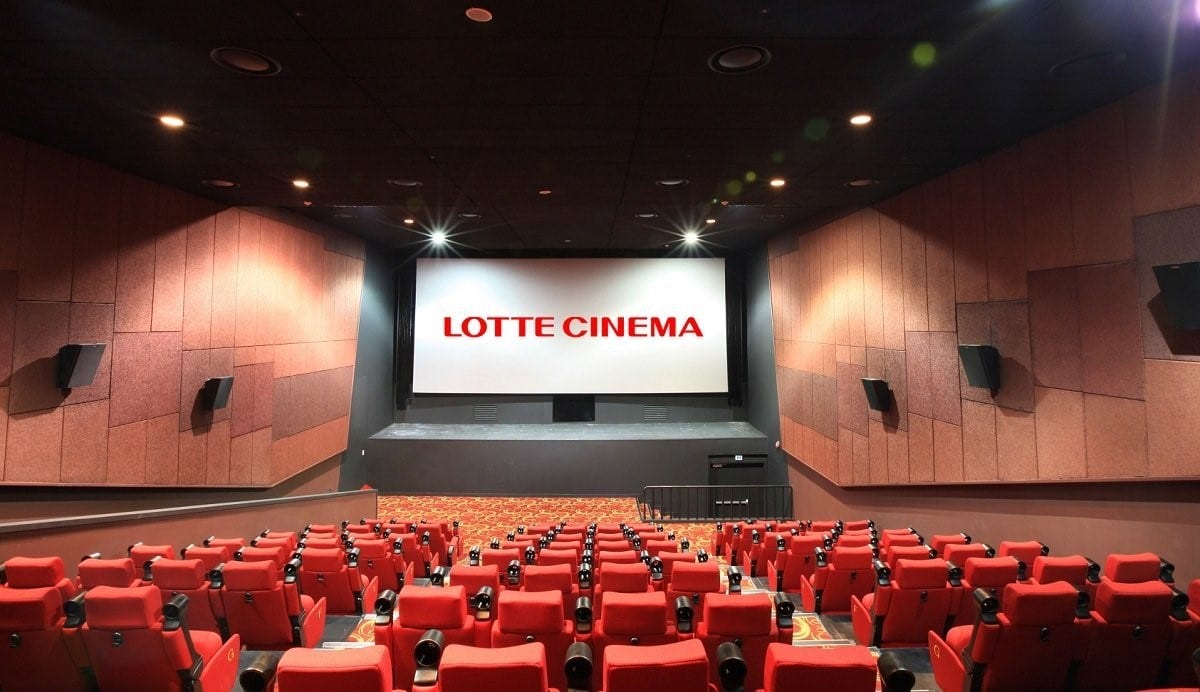
    Tucked away in a nondescript corner of Shau Kei Wan, on the eastern tip of Hong Kong Island, is the city’s newest movie house, L Cinema.

    The first theatre in Hong Kong from Lotte Cinema – South Korea’s second-largest movie-theatre chain – the complex, which opened in February, comprises two auditoria of 87 seats each.

    A visit to the second-floor theatre is like taking a trip back in time: there’s a simple counter serving snacks and a few posters on the walls but that’s about it. And while it looks out of place among the key cutters, launderettes and domestic-helper agencies around Mong Lung Street, an area not big on entertainment or retail, it’s a welcome addition, according to movie-goers who visited one wet Monday night.

    “It’s a really convenient location for people living in the Eastern District,” says 14-year-old Shau Kei Wan resident Felix Ho. “I’ll be coming a lot.”

    “I just watched Zootopia and it was a really comfortable experience. Plus the ticket prices are really good!” says Janet Ho, who is accompanied by two school friends. “The staff are friendly and the sound was fine, though it wasn’t as good as some cinemas, but that doesn’t bother me.”

    Daily screening schedules can be found on the L Cinema Shau Kei Wan Facebook page.

  • City’super was born in Hong Kong after Japanese department store Seibu exited the market

    City’super was born in Hong Kong after Japanese department store Seibu exited the market

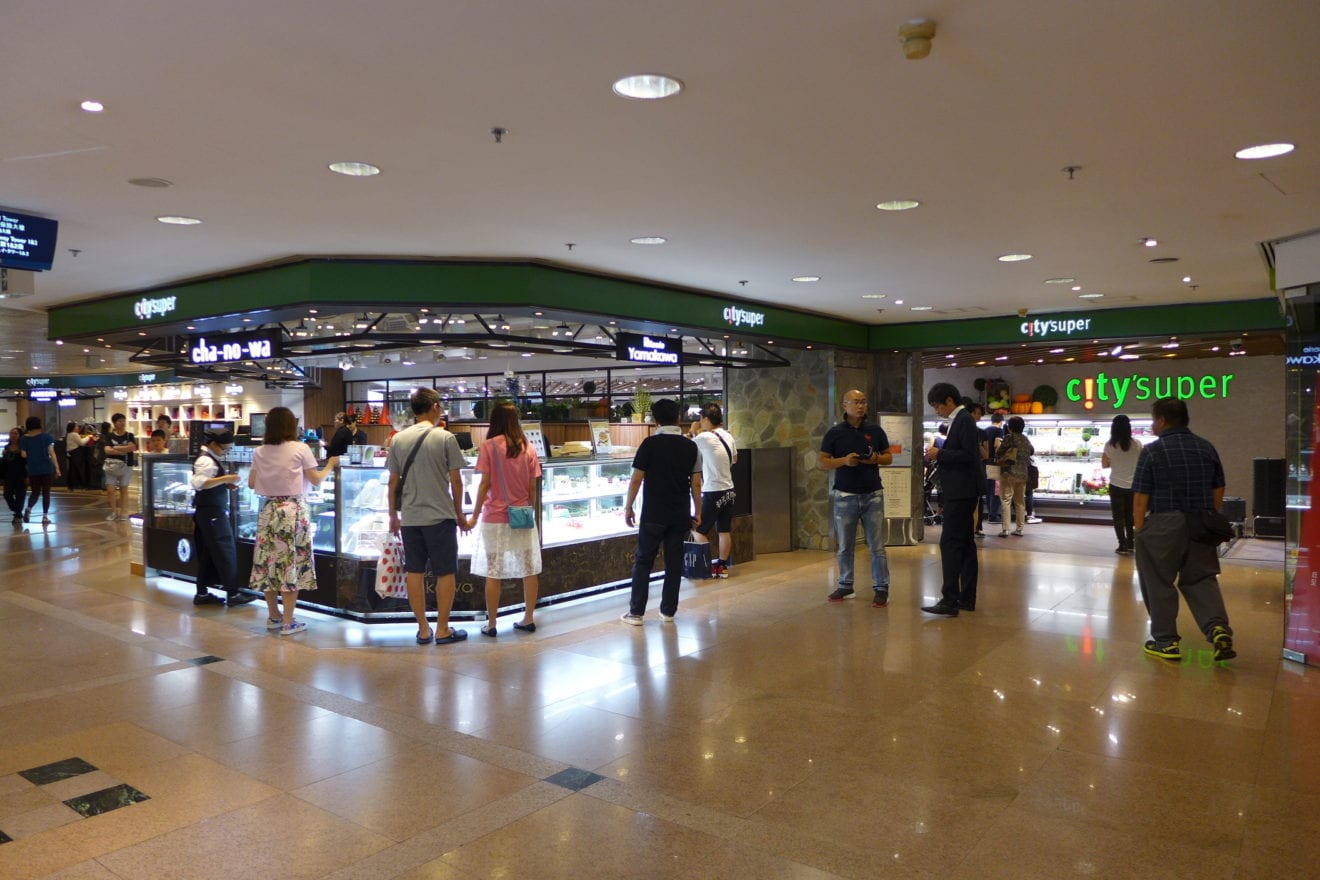
    Many customers buy imported food and wine at Hong Kong’s City’super but few would know the group of founders were closely involved with a chain of Japanese department stores.

    In the 1980s high-end retail fashion and food markets were dominated by those Japanese operators. In 1990 Seibu department stores under a group management led by Masashi Ishikawa established its flagship store in the Admiralty district.

    city super

    Japan’s economic downturn during that decade, however, led Seibu to leave Hong Kong and its other overseas markets. Ishikawa, though, had fallen in love with Hong Kong and did not want to leave.

    He and other Japanese management, along with 14 local senior staff decided to create start-ups of their own in the city.

    They considered too many other stores were selling luxury-brand clothes and too few were selling good food and wine. So the City’super concept was born.

    But the 20-member founding group still needed a financial backer before their high-end mega stores could be launched.

    It did not take long to find a supporter.

    They convinced Masaaki Ogino, a Hong Kong-based Japanese businessman with textile manufacturer Fenix Group, about the future of their project. Ogino and his partners took just three days to back it.

    The rest is history.

    Twenty years on and City’super has become a household name for lifestyle stores selling top-quality meats, fruits and vegetables along with wine, beverages and other lifestyle products. It has brought in new concepts to shopping; it was the first adopt a bank queueing system, in which all customers form a line to be served by the next available cashier, and allows them to pay faster.

    But such innovation and always trying something new may not always prove successful.

    In 1998 Hong Kong Telecom introduced interactive TV for shopping on demand and City’super joined the project as a service provider to sell its products on demand through TV. That proved to be too much ahead of its time because internet speeds were slower 20 years ago and the it was not popular. The company exited the venture some years later and suffered a significant loss.

    “The Lesson learned was that we might think twice jumping into new technology. But we don’t regret doing it. It was just a bit costly lesson,” City’super president Thomas Woo said.

    The company’s current hot product, Cha Cha soft cream, had a bumpy start.

    It formed a joint venture with Japanese partners to launch a traditional Japanese confectionery counter selling authentic Japanese sweets and ice-cream but it drew few customers. It lost money for a few years and the company once wanted to close it.

    But a staff member suggested it should be given a six-month period for a final chance. The team eventually developed the popular Japanese green tea soft cream and launched it as a brand — Cha Cha — which now always draws a long queue of customers.

    The company’s first batch of shops opened in Times Square in 1996. It now has four shops in Hong Kong, three in Shanghai and six in Taiwan.

    Besides City’super, it has Log-On brand which sell stationery, travel accessories and beauty products. There are now 12 such outlets in Hong Kong, three in Shanghai and six in Taiwan.

    It also operates the CookedDeli dining stores which offer international cuisine in Hong Kong and Shanghai.

  • Maui Jim to introduce new glass styles in Singapore

    Maui Jim to introduce new glass styles in Singapore

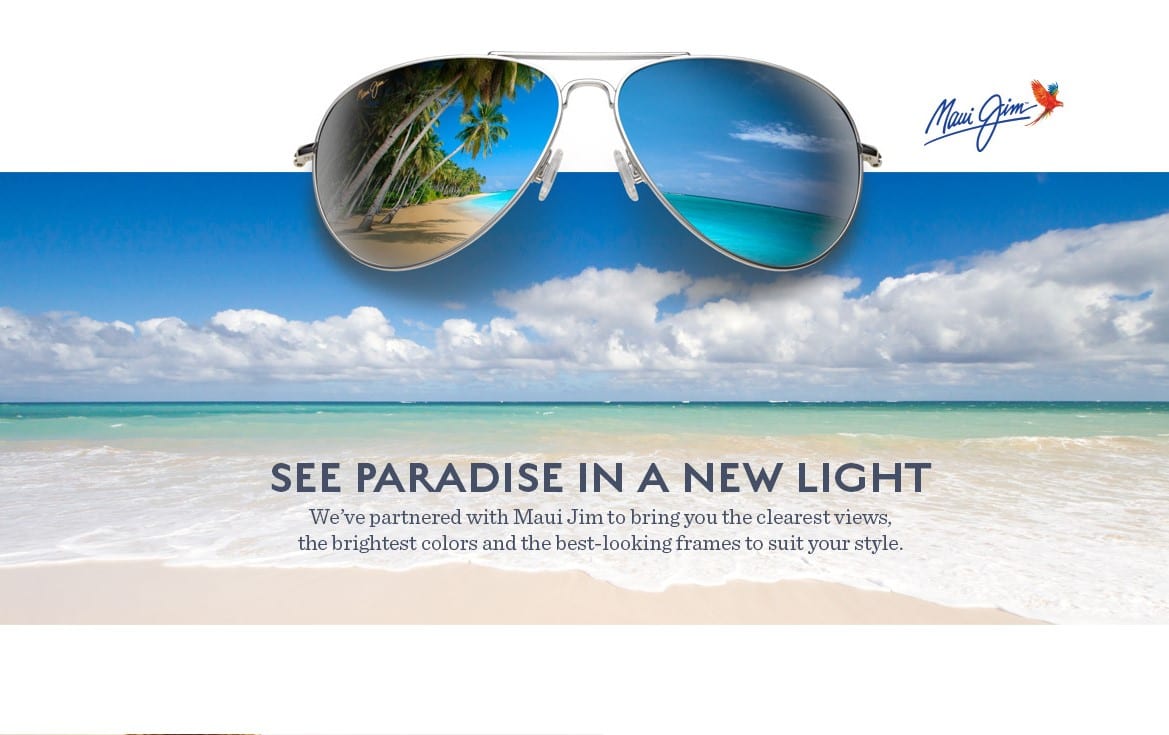
    Premium sunglass company Maui Jim will introduce four new super-thin glass styles to its collection at next month’s TFWA Asia Pacific exhibition.

    The company said the new glasses were 20% and lighter than conventional glass lenses, comfortable to wear, boasted excellent scratch and solvent resistance and offered the best optics available.

    Maui Jim Ocean is available in various colour combinations: Tortoise with Peacock nylon frame and HCL Bronze lenses; Tortoise with Raspberry and Maui Rose lenses and Grey Tortoise Stripe and Neutral Grey lenses. The lenses in this style only are MauiGradient, lighter at the bottom than top. This is to protect the eyes and make reading easier.

    Popoki, is a similar shape but slightly smaller and constructed in Satin Monel metal. The vintage silhouette is complemented by acetate temples in burgundy, green and blue mottled colour combinations. The frame base colours are satin dark gunmetal with Maui Rose lenses; satin chocolate with HCL bronze and satin black with neutral grey.

    With a trendy oversised frame to suit men and women with slightly larger faces, Rising Sun is crafted in lightweight nylon for comfort. Three colourways are offered: Burgundy stripe with Maui rose lenses; matte tortoise with HCL bronze; classic matte black with neutral grey.

    The more masculine Snapback is a classic wayfarer sunglass style, constructed in light nylon with the same high clarity ST lenses. Available in matte black, matte tortoise, grey tortoise and green stripe with complementary lens colours, this style is designed to suit every face shape, indicated Maui Jim.

    The company said: “All Maui Jim sunglasses have PolarisedPlus2 lenses which wipe out 99% of glare, manage 95% of HEV and block 99% of harmful UV while boosting colours to unmatched levels. They have been recommended by The Skin Cancer Foundation as an effective UV filter for the eyes and surrounding skin.”

    Maui Jim will be located K9 Basement 2 at TFWA Asia Pacific.

  • Hermes retail sales rose 8pc in Q1

    Hermes retail sales rose 8pc in Q1

    French leather goods maker Hermès Group’s revenue was up 6 percent in the first quarter of 2016, despite a challenging luxury landscape.

    Consolidated revenues for the house were 1.19 billion euro, or about $1.35 billion at current exchange rates. Even with the negative effects of the Paris terrorist attacks, Hermès’ European sales grew 9 percent compared to the same period the previous year, with strong performances of its brand-owned boutiques.

    Trying times
    Japan sales were up 13 percent compared to last year, which Hermès attributes to selective distribution. The rest of Asia saw sales rise 4 percent, with growth in China offset by challenges in Hong Kong and Macao.

    Hermès’ leather goods and saddlery business grew 15 percent in the quarter. The group has recently established new facilities for leather production, with the fifteenth opened on April 1 in Héricourt.

    All other areas of Hermès’ business saw a decline.

    With a slowdown in the United States, Asia and France, ready-to-wear and accessories sales were down 2 percent. Silk and textile sales were down 9 percent, attributed to the recent events in Europe.

    Perfume sales dipped 4 percent, while watches declined 3 percent.

    Its other business ventures, including silvermaker Puiforcat and bespoke shoemaker John Lobb, balked the trend, rising about 30 percent to about $65.6 million in sales.

    Hermes shoe fw 2014
    Hermès fall/winter 2014

    Hermès says that its goal of 8 percent revenue growth at constant exchange rates for 2016 may be out of reach due to economic, geopolitical and currency fluctuations.

    The brand is planning to celebrate the horse this year, with an effort that focuses on its longstanding connection to nature through equestrian arts.

    Other luxury brands are feeling the pinch of current events.

    French conglomerate Kering’s luxury sales in the first quarter of 2016 were buoyed by Western Europe, Japan and emerging markets, as it managed growth in a challenging environment.

    Bottega Veneta’s sales were down 7.6 percent as reported, or 8.3 percent on a comparable basis. The brand was mostly hurt by the strength of the U.S. dollar and by Asian tourists avoiding Europe and other parts of the globe following terror attacks

  • Hanoi Telecom taps Infinera to expand backbone

    Hanoi Telecom taps Infinera to expand backbone

    Vietnamese wireless operator Hanoi Telecom Corporation has expanded its backbone network using equipment from Infinera.

    Hanoi Telecom extended its existing Infinera TM-Series metro network with the vendor’s DTN-X technology for its backbone connecting Ho Chi Minh City and Vung Tau.

    The new technology is allowing Hanoi Telecom to deploy 500Gbps super-channels – a first for the Vietnam market.

    Infinera’s Instant Bandwidth is also being used to allow optical capacity to be easily software-activated in 100Gbps increments.

    “We intend to advance the deployment of high bandwidth solutions to our customers in the Vietnam market by using the DTN-X XTC Series based on the innovative PIC technology,” Hanoi Telecom chairwoman and CIO Trinh Minh Chau said.

    “Infinera’s Instant Bandwidth allows us to differentiate our services through pre-deployed capacity which can be delivered on-demand via software defined activation. In addition, Infinera’s platforms have demonstrated the type of reliability and quality we are looking for in our network.”

    Infinera’s local partner Nissho Electronics Vietnam oversaw the rollout.

    Hanoi Telecom provides carrier and wholesale services focused mainly on wireless, broadband and VoIP services, as well as retail operations under the Vietnam Mobile brand. The company is one of Vietnam’s lagest wireless operators with more than 13 million subscribers.

  • BlackBerry upgrades Priv to Android 6.0

    BlackBerry upgrades Priv to Android 6.0

    BlackBerry has released the Android 6.0 Marshmallow (Android M) operating system for Priv, its first smartphone fully powered by Android.

    Priv with Android M is coming soon to major carriers offering the smartphone. Existing Priv users will be able to upgrade to Android M by downloading the software update on their device.

    Android M on Priv promises users more ways to improve their mobile security by providing new opportunities to monitor and control privacy with its unique DTEK app.

    Users will obtain greater productivity through enhancements to the BlackBerry keyboard, BlackBerry Hub, BlackBerry launcher and battery performance. Updates to the BlackBerry camera will foster their creativity.

    The BlackBerry Keyboard has been updated to provide better predictive typing, accuracy, and control. And there are customized notifications to better organise apps and manage productivity with a touch of a button.

    When Priv is at rest, Doze automatically puts the device into a sleep state to increase standby battery life. The App Standby feature will keep infrequently used apps from impacting the battery life.

    “Priv by BlackBerry is the most secure Android device in the market and we continue to find ways to further enhance users’ security and privacy by adding new features with the Marshmallow operating system update,” said John Chen, executive chairman and CEO of BlackBerry.

    Building on BlackBerry’s legacy of security and keeping customer data private, DTEK by BlackBerry has been updated to empower users with more ways to monitor and control their privacy – better protecting PRIV from malware, hacks and data breaches.

    Features include customized personal data permissions. DTEK gives the power back to users to control what to share and when. Users can turn permissions off at any time and still continue to use the app.

    With, improved notification settings, users will only be shown notification controls for sensors that a given app has specifically requested access to. For example, if an application does not request microphone it will not appear in the list.

  • Alipay extends partnership with Uber

    Alipay extends partnership with Uber

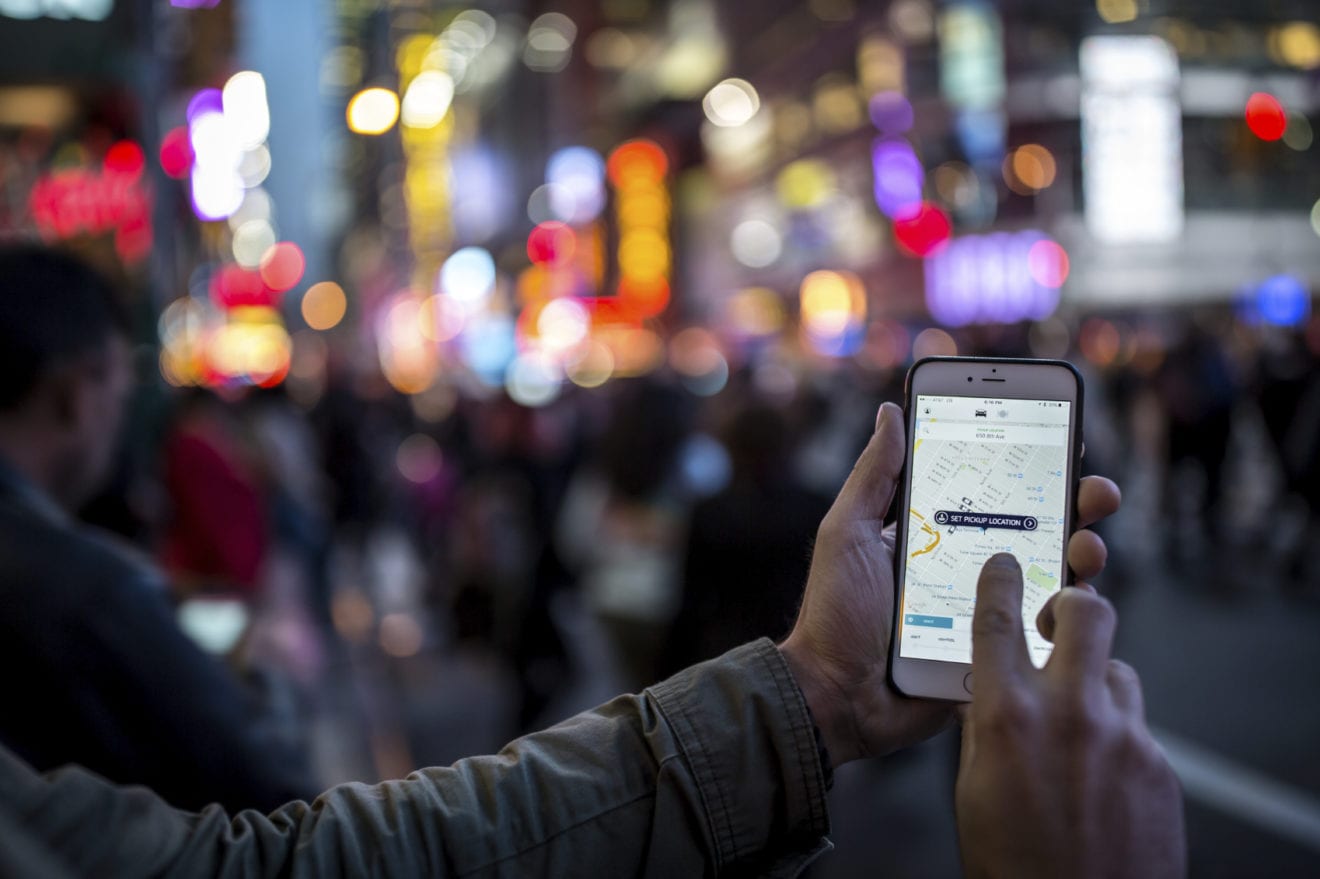
    Uber has teamed up with Alipay to allow passengers from China to pay for international Uber rides in Chinese yuan using their Alipay accounts.

    Alipay has been available as a payment option for Uber in China since 2014. However, Chinese travelers who wish to use the Uber service outside of mainland China require dual currency credit cards or currency conversions.

    The new deal aims to make the Uber service more accessible to Chinese travelers by doing away with this requirement.

    Uber’s head of business for Asia Pacific Eric Alexander told Economic Times that the partnership with Alipay will enable Uber to cater to the growing number of Chinese travelers who use Uber internationally. Alexander expects the integration to grow the number of rides taken by 9 to 10 times globally. Alipay’s userbase numbers 450 million.

    Alipay’s parent company, Alibaba, is an investor in Didi Kuaidi, Uber’s competitor in China.

    The partnership is also expected to affect Uber users from India due to Alipay’s partnership with Paytm, a mobile wallet and e-commerce operator in India.

    The latter is expected to integrate the Uber app into its own mobile app in the coming month.

    With the Paytm integration, riders in India will be able to use the Paytm app to hail Uber rides globally and pay for the service in their domestic currency.

    The integration is targeted at enabling passengers with no credit cards to use the Uber service internationally.

  • Idea introducing carrier billing for Google Play

    Idea introducing carrier billing for Google Play

    India’s Idea Cellular is preparing to launch carrier billing for the Google Play store, bringing the capability to India for the first time for Android devices.

    A Google representative confirmed to India’s NDTV that the company is in the process of implementing carrier billing to Google Play for Idea Cellular customers.

    The capability will be progressively expanded to other Indian operators in the future, the report states.

    Carrier billing makes a lot of sense for Google in the Indian market, where only around 645 million debit cards have been issued but there are around 1 billion mobile users.

    Idea Cellular was the first Indian operator to offer carrier billing on the Windows Phone store back in 2014.

  • Luxury prevails in Dubai’s retail space

    Luxury prevails in Dubai’s retail space

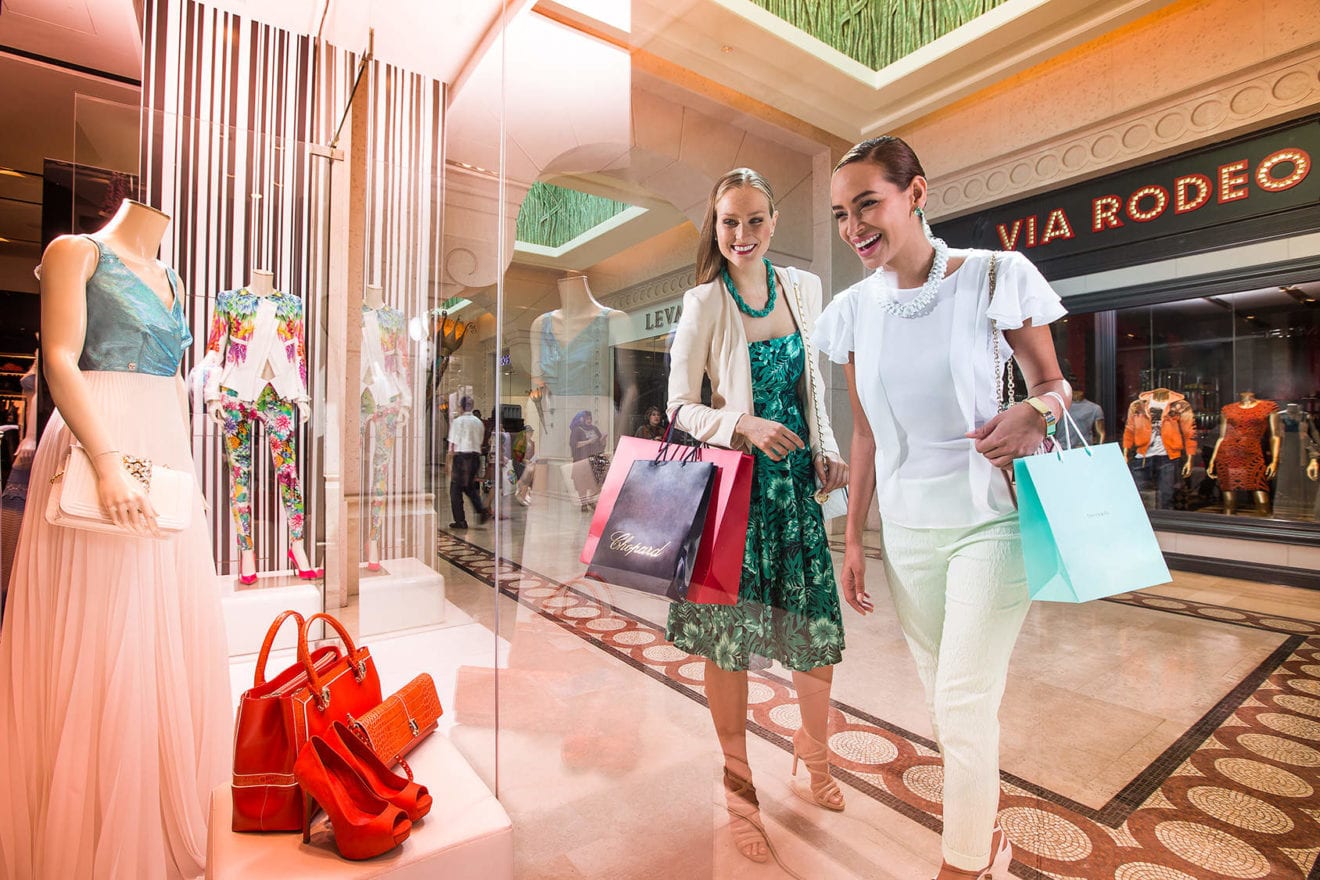
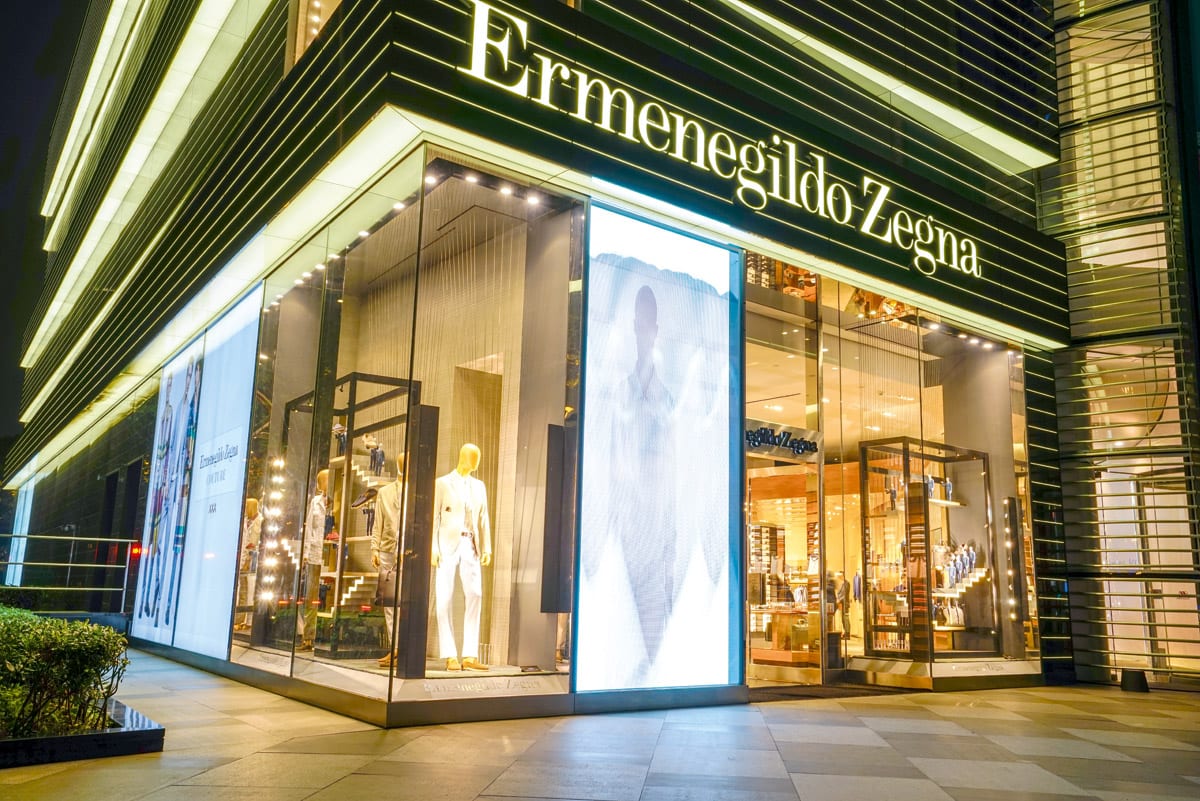
    Despite suggestions to the contrary, luxury retail spending is still rising in the UAE, albeit at a slower pace.

    Dubai, in particular, is leading the way. In a survey carried out before the World Retail Congress last month, Dubai Chamber said the retail sector in the emirate was expected to grow by 5 percent annually until 2017, by which point it was forecast to reach $55bn in value.

    The research, based on data from Euromonitor and an AT Kearney Research study, suggests luxury retail still offers multiple opportunities in the UAE.

    “There is growth of wealthy and ultra-rich consumers, the main potential customers of the luxury segment. All in all, consumption is going up and retailing in the UAE is a major sector, which is supportive of economic growth and offers a lot of business opportunities,” the analysis says.

    The research is supported by Savills, which ranked Dubai at number four in the world in its Global Retail Destination Index 2016, behind New York, London’s West End and Hong Kong.

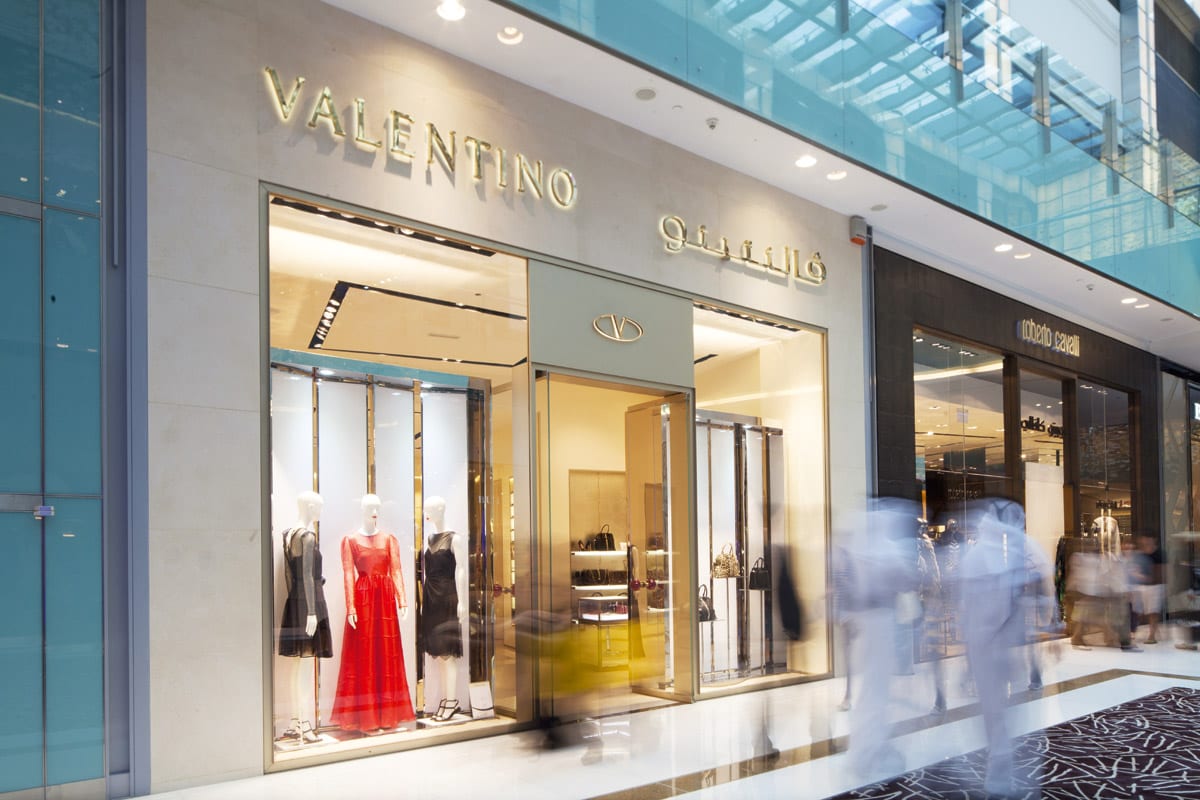
    The report focused on Dubai Mall, and ranked it higher than London’s Regent Street, New York’s Fifth Avenue and the Champs-Elysees in Paris in terms of the overall quality of its retail facilities and amenities. Further enhancing Dubai Chamber’s findings, the Savills report says, “Dubai is forecast to report the strongest growth in retail sales over the next five years of the seven Global Cities examined, potentially challenging London’s West End’s current global position.”

    The growth is supported by a strong tourism sector, with 14.3 million overnight visitors to Dubai last year, according to the Mastercard Global Destination Cities Index 2015, which led to a total spend of $11.7bn, an average of $819 per visitor.

    “Dubai is now perceived as a top global retail destination,” says David Godchaux, CEO of Core Savills, the UAE associate of Savills. “But this is only the tip of the iceberg as we now start seeing developers trying to improve the shopping experience not only for tourists as in the past 15 years, but also for residents.

    “This trend of moving away from the ‘bigger is better’ approach, to more user and resident friendly retail developments, bringing a real city experience and European-style shopping to areas of Dubai similar to those found in London, Paris and Milan, is something that was much awaited by the market and that we see finally happening.”

    Dubai Chamber estimates the emirate’s retail market reached $35.4bn last year, and says it is expected to grow by 7.7 percent in 2016 and an average 8.1 percent annually between 2017 and 2020, when retailing sales turnover are expected to surpass $52bn.
     This predicted growth comes despite the backdrop of uncertainties surrounding economic conditions due to the drop in oil price, and the obvious currency effects of a strong dollar and a weak rouble affecting the number of high-spending visitors coming to the emirate.

    That effect was reflected in last year’s Luxury Goods Worldwide Market Monitor, compiled each year by Bain & Co, which said the luxury goods retail market in the Middle East had plateaued, driven by a reduction in tourism spending.

    However, the report’s author Cyrille Fabre, partner and head of Bain’s Retail and Consumer Products practices in the Middle East, said at the time the report was released: “Going forward, we expect the Middle East market to show new signs of life driven by mall openings, but the region’s growth will occur at a much slower level versus the last five years.

    “A sustainable high single-digit growth rate will become a new normal for the market with important implications of the required capabilities for success.”

    Knight Frank’s head of commercial and retail, Matthew Dadd agrees: “At the moment in the UAE, we’re not seeing much take-up of new luxury retail space.”

    The confidence in the luxury retail market, however, has been fairly evident at the city’s two key shopping malls, he says, with other cities keen to develop their luxury retail offerings as well, which have continuously lagged behind Dubai in the luxury segment.

    “Within the major malls there is the configuration-extension of the luxury segment offering, both within Mall of the Emirates and Dubai Mall,” he says. “Also, when you look regionally, there is the provision of quality, prime retail centres such as Mall of Qatar or the forthcoming Majid Al Futtaim centres in Riyadh regarding new luxury space for the market segments which have traditionally been under-served.”

    Looking to the year ahead, Dadd says the single-figure growth is quite likely, but confidence remained high. “It’s going to remain fairly stable in its current state, which has been more subdued than it has been in previous years,” he says.

    “We’ve still got a high GDP per capita for locals across the GCC. There is still a lot of personal wealth that can be spent in the luxury segment. You will see the mall developers looking to position themselves as the focal go-to destination of luxury spend and the access and the add-on amenities in terms of leisure that really make the mall appealing for the whole family will be paramount to obviously increasing the spend per head in these malls and retaining that spend within Dubai, UAE or the region rather than going internationally.”

    That confidence is also reflected in the ability of some malls to increase their rent.
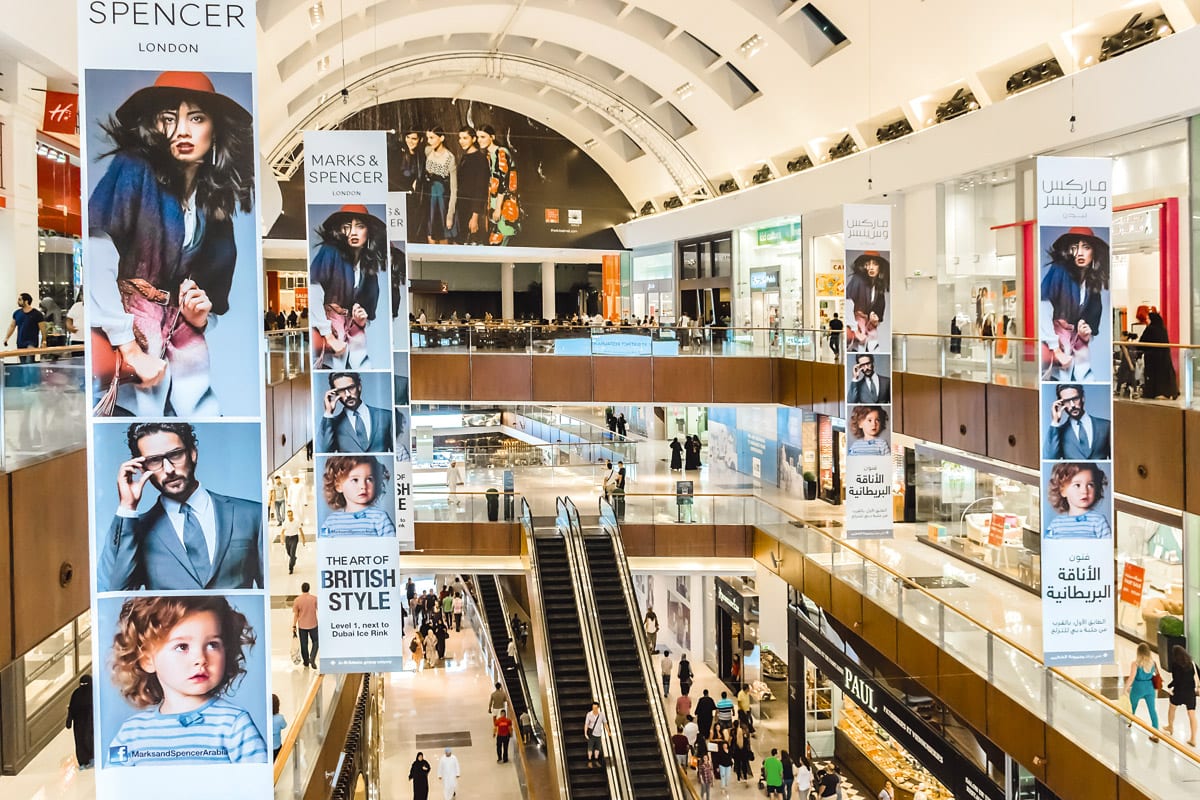
    According to Knight Frank, Emaar Malls Group has 18.5 percent of the emirate’s 3 million square feet (sq ft) of retail gross leasable area. The publicly-listed company, 84 percent owned by Emaar Properties, said it raised rent prices for renewals by 25 percent in 2015. It is also planning to add 92,900 sq ft to its “trophy asset” Dubai Mall this year, further underlining its confidence in luxury retail.

    “The Dubai Mall, our trophy asset, is today the first choice for luxury retail for high net worth individuals [HNWIs] from a wider catchment area of the Middle East, Africa, South Asia and China, thus serving over 2.5 billion people,” chairman of Emaar Malls and Emaar Properties, Mohamed Alabbar said while announcing Emaar Malls’ annual figures for 2015. The division recorded a $451m net profit and rental income growth of 11 percent to $815m.

    However, Dadd says the rental increases have been limited to “the core markets”.

    “Across the markets, you’re not seeing exorbitant rent increases,” he says. “I think the market is being more realistic in terms of where spend is and it has got to be truly reflective of the overall performance of the mall before they can actually start putting in any increments.”

    The perennial issue for luxury retailers is exodus of HNWIs from the Gulf region to cities in Europe and the US, as they escape the desert summer.

    The Saudi government estimated that in 2014, tourists travelling outside the kingdom spent at least $20bn on shopping trips abroad every year.

    A report towards the end of last year, by the Travel & Tourism Intelligence Centre, said GCC outbound expenditure would reach $100bn by 2018, up from $65bn in 2013.

    Knight Frank’s recent wealth report emphasised the seasonal fluctuations of multi-millionaire ($10m-plus) populations around the world, showing a 571 percent difference in the number of multi-millionaires in Dubai between the winter and summer months (10,470 at peak, 1,560 at low).

    Maintaining brand loyalty has been an important facet when it comes to luxury retailers. Luxury brand public displays and activations are a weekly occurrence in Dubai’s malls. Dadd says it is important to enhance customer consumer experience in order to develop brand loyalty.

    “When you go into any shop, it doesn’t matter if it’s luxury or mainstream trade, your experience is paramount to your return visit,” Dadd says. “When you look at international brands that have local stores that experience has got to be the same level of standard and quality [as the home market] in terms of customer experience with the staff and the shop, the fit-out, the apparel or the merchandise that are being sold. So you’ve really got to ensure that is kept to a high standard when you’re talking about an international brand.”
    An extension of the brand loyalty is the need for luxury retail brands to implement an omni-channel experience into their customer engagement strategies, which means engaging in e-commerce.

    “If you’re looking at the base case scenarios of where online trends are at the moment, they’re obviously coming from a very low base,” Dadd says. “I think they are picking up and if you look at where the UAE is in terms of digital accessibility, it’s number three in the world after UK and US, so when you look at where the take-up is in terms of mobile access and access to retail platforms, that is growing very quickly.”

    While still in its infancy in the region, recent moves by high profile companies based in the Middle East have underlined the need to develop and grow an online presence.

    “You can look at where Marka VIP have launched their new online portal and obviously we see Mohamed Alabbar taking a stake in [European online luxury fashion site] Net-a-Porter to expand that across the Middle East. It’s showing how the market is developing, maturing and following the trends that we’re seeing in Europe, US and Asia.

    “But I still don’t think it will necessarily be of concern yet to any of the bricks-and-mortar of the retail industry, because it’s still very much an experience when you’re going to buy a luxury product.”

    A natural extension of that has been social media, in particular Instagram, which has become one of the most influential online tools for luxury brands.

    “Instagram is obviously a visual tool and when you’re looking at the luxury segment — IWC or Prada — these brands can very much sell a lifestyle through images which is a very quick and easy way of targeting large proportions of the population which has access to social media,” Dadd says.

    “The influence of Twitter can’t be underestimated in Saudi Arabia, which has the highest penetration of Twitter followers.”

    At the heart of brand loyalty — online or in the malls — is the customer.

    “Customer experience is paramount and it has to transcend everything — online or in-shop,” Dadd says. “The brand is core to any business, and in the luxury segment it is key. Brands have got to work a little bit hard to make sure they position themselves correctly throughout all platforms.”
  • Samsung Galaxy S7 arrives in Malaysia

    Samsung Galaxy S7 arrives in Malaysia

    Samsung Malaysia Electronics Sdn Bhd announced the official arrival of the much-awaited Samsung Galaxy S7 into Malaysia.

    Since its global unveiling, the highly anticipated Galaxy S7 and S7 edge have constantly been dubbed as the perfect smartphones – a flawless combination of performance and quality.

    Samsung Malaysia Electronics vice-president of Mobile and IT Business Unit, Lee Jui Siang said in a statement that: “When we launched the Samsung Galaxy S7 edge back in March, we were very pleased to receive an overwhelming response. Since then, many have asked about its sibling the Galaxy S7 and have expressed purchase intentions; as such, we decided that it was time to bring in the Galaxy S7.”

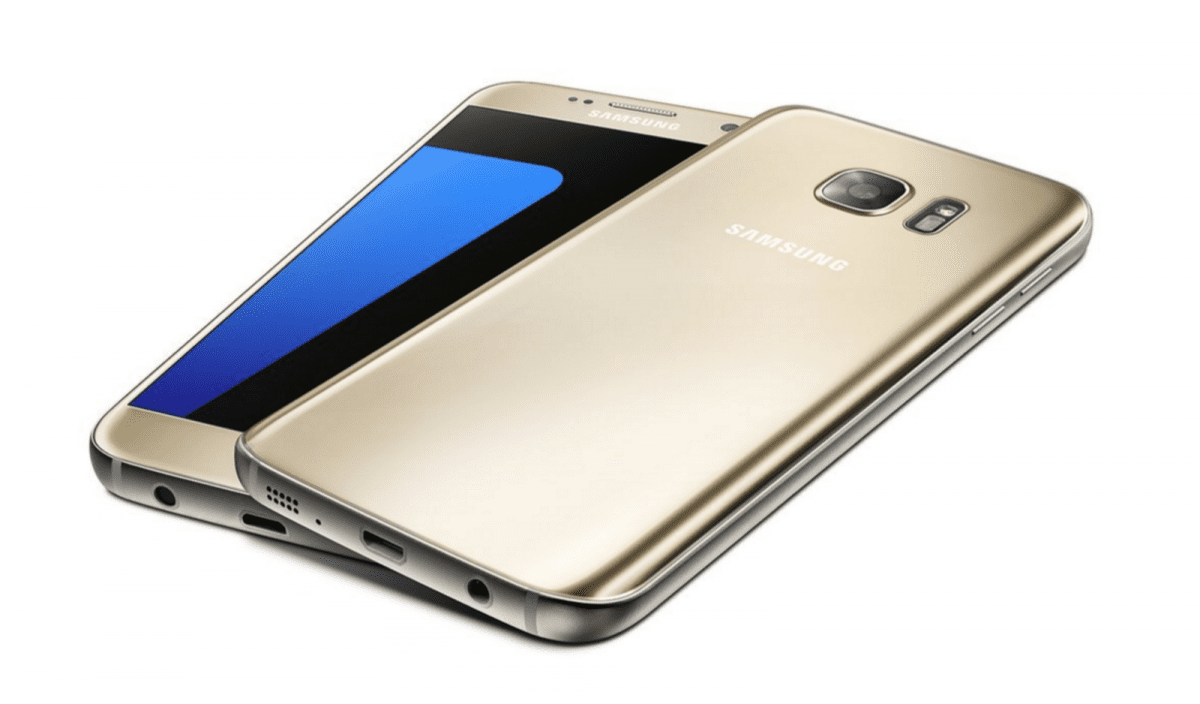
    Apart from its 5.1-inch Quad HD Super AMOLED display, the Galaxy S7 packs the same impressive features as its dual edge sibling, the Galaxy S7 edge.

    Despite the slightly smaller screen size as compared with the Galaxy S7 edge’s 5.5-inch display, Samsung still manages to emote the same feeling of sleekness and sophistication into this version with the same full 3D glass and metal body. The Samsung Galaxy S7 will be available in Malaysia from today at Samsung experience stores and selected Maxis stores.

    Offered at a recommended retail price of RM2,699 (inclusive of 6% goods and services tax), the device is available in three colours – black onyx, gold platinum and silver titanium.