Author: Mei Ling Tan

  • Pokemon cafe to open in Singapore next month

    Pokemon cafe to open in Singapore next month

    Singapore will be the first country in South-east Asia to have its own Pokemon cafe, albeit only for some two months.

    The cafe, which will run from May 27 to July 31, will be located on the fourth floor of Bugis Junction. During this time, the Pokemon cafe will be temporarily taking over the retail space of Everything With Fries at #04-05, said Parco in a press statement on Monday (April 25).

    Besides Pokemon-themed food, the cafe will also be selling some limited edition merchandise, the retailer said. Photo sessions with Pikachu will also be available.

    Parco said the cafe will be a reproduction of the one that ran in Shibuya, Tokyo from January to March last year.

  • Samsung Gear 360 Camera Goes On Sale In South Korea

    Samsung Gear 360 Camera Goes On Sale In South Korea

    The new Samsung Gear 360 VR camera is now available to buy in South Korea an we finally have some confirmation on how much it will cost.

    The Gear 360 is now available in KRW 399,300 which is around $350 at the current exchange rate, Samsung has not announced an international pricing for the device as yet, although it is expected to be around the $350 mark in the US when it launches.

    Samsung are now selling the device online in South Korea from today, it will, also be made available in more than 450 retail stores in the country on the 1st of May.

    The Samsung Gear 360 is designed to record 360 degree videos and also snap 360 degree photos, it has two cameras on on the front and one on the back and it can snap 25.9 megapixel photos and record video at a 3840 x 1920 resolution.

    The video below is a 360 degree video that was shot using the camera and it shows what the device is capable of.

    As yet Samsung have not given an exact launch date for the device in the US and Europe, as soon as we get some more information on when it will be made available, we will let you guys know.

  • LF Logistics opens giant Singapore e-commerce facility

    LF Logistics opens giant Singapore e-commerce facility

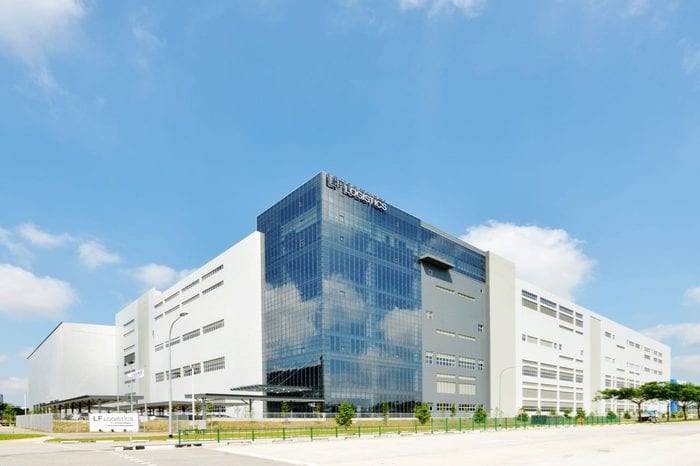
    LF Logistics has opened a 1-million-square-foot logistics facility in Singapore, the largest automated and customs bonded distribution warehouse in the city state that will target surging e-commerce growth in Asia.

    The nine-story center is located in West Jurong and is the company’s largest distribution facility in Southeast Asia, able to store up to 130,000 pallets with a throughput of 550 pallets per hour, aimed at meeting the fast-changing needs of brands and retailers in the region.

    “Our logistics business has been a bright spot with double-digit growth,” said Spencer Fung, the CEO of Li & Fung group. He did not provide an investment amount.

    According to the recent Asia Pacific Online Retail Forecast, 2015 To 2020, total online retail revenue will nearly double in Asia Pacific from $733 billion in 2015 to $1.4 trillion in 2020, a compound annual growth rate of 14.3 percent over the next five years.

    The total online retail revenues in just five markets of Asia Pacific — China, India, Japan, South Korea and Australia — surpass the combined figure for online retail in the U.S. and Western Europe combined.

    Joseph Phi, president of LF Logistics, said cross-border trade was expected to rise even faster with the establishment of the Association of Southeast Asian Nations Economic Community and the pending Trans-Pacific Partnership.

    “Our new logistics facility is well positioned to serve Singapore, as well as the broader Asia region and beyond. We see this facility as a gateway to the world,” he said.

    Although China dominates the e-commerce headlines, Southeast Asia is one of the markets of the future, said Steven Li, director of strategic partnerships for Cainiao, the logistics platform of Chinese online giant Alibaba Group.

    “Alibaba merged with Lazada recently, the largest online marketplace in Southeast Asia, and we believe the e-commerce market in the Philippines, Indonesia and Thailand will explode in two or three years,” he said at the Cargo Facts Asia conference in Hong Kong.

    Following the opening of the LF Logistics facility, Beh Swan Gin, chairman of the Singapore Economic Development Board, also highlighted the potential of the region.

    “The burgeoning middle class in Southeast Asia will drive consumer demand for more sophisticated products and services,” he said. “This new LF Logistics facility in Singapore is well-placed to address this opportunity. It will also enable the company to harness Singapore’s strong base of supply chain expertise to build differentiating competencies in e-commerce and omni-channel logistics.”

    Singapore Post has been quick to jump on the e-commerce train, and over the past two years, the group has been ramping up its regional logistics capabilities with new or expanded facilities, including the development of a $145 million fully integrated regional e-commerce logistics hub in Singapore that is expected to start operating in mid-2016. SingPost currently has more than 20 warehousing and fulfilment centers in the region.

    Alibaba Group has invested more than $200 million in a partnership with SingPost through a series of initiatives aimed at expanding its e-commerce logistics platform across Asia-Pacific. Alibaba increased its equity stake in the group to 14.51 percent.

    In a second initiative, Alibaba last year acquired a 34 percent stake in SingPost subsidiary Quantium Solutions International for $68 million, with SingPost holding the majority 66 percent share. QSI is a provider of end-to-end e-commerce logistics, warehouse and fulfilment services in Asia Pacific with a network spanning 10 countries.


  • Indonesian ride-hailing firm Go-Jek needs more funds in market fight-CEO

    Indonesian ride-hailing firm Go-Jek needs more funds in market fight-CEO

    Indonesian online ride-hailing service Go-Jek is in talks with potential investors to raise fresh funds to expand the business, as the heavy subsidies it gives to drivers to keep rates competitive are unsustainable in the long run, its chief executive said on Friday.

    Go-Jek, a play on the local word for motorbike taxis, has become popular among commuters on the traffic-clogged streets of Jakarta as its phone app removes much of the hassle of finding a driver and negotiating fares.

    Go-Jek, which has a network of more than 200,000 motorbike taxi drivers, is battling aggressively with other ride-hailing apps such as Grab and Uber [UBER.UL], driving rates lower to gain market share in the country of 250 million people.

    But Go-Jek cannot afford to continue relying on subsidies as “you end up where you run out of money”, Go-Jek founder Nadiem Makarim told on the sidelines of an e-commerce industry conference in Jakarta.

    Raising funds from investors to expand the business is part of the solution, the Harvard Business School graduate said, adding that several venture capital and private equity firms have expressed an interest in Go-Jek because of its size and potential.

    Founded in 2010, Go-Jek has since increased its services to food deliveries, cleaning and even massages. The company, which already operates in big Indonesian cities like Bandung and Surabaya, also plans to broaden its reach and add more drivers.

    Its ambition, however, has been met with regulatory obstacles and strong resistance from established taxi operators such as PT Blue Bird Tbk and PT Express Transindo Utama Tbk.

    Taxi drivers’ protests turned violent in the Indonesian capital last month, when they called for ride-hailing apps to be banned. Government ministers had also said the tech firms should be subject to the same regulatory and tax requirements as conventional public transportation companies.

    Yet Go-Jek’s Makarim told a packed conference that regulations and demonstrations were not his “biggest headaches”.

    “For me, the number-one challenge is building something to scale,” he said. “It’s the technology part that I think is the hardest, it’s what keeps me up at night.”

  • Indonesia AirAsia to Go Public

    Indonesia AirAsia to Go Public

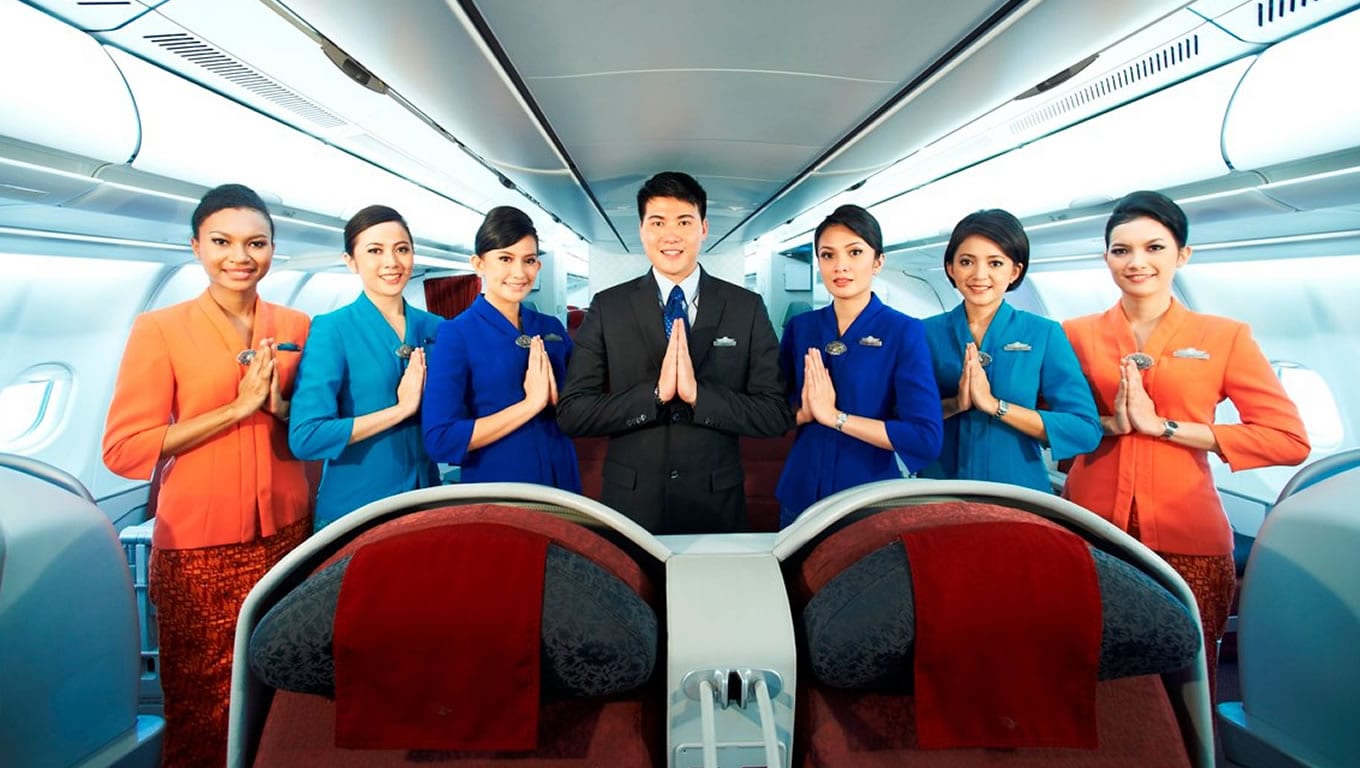
    Budget airliner PT Indonesia AirAsia—the subsidiary of Malaysian AirAsia Berhad—is preparing to hold an initial public offering on the Indonesia Stock Exchange in late 2017 or early 2018. Before going public, the airline will seek to improve its finances.

    “We are improving our financial performance. We cannot say yet what the improvements are,” president director Sunu Widyatmoko told yesterday.

    He did say that the IPO proceeds will be used to increase AirAsia’s number of fleet and flights.

    Based on the financial statements of AirAsia Berhad, which owns 49 percent stake in Indonesia AirAsia, the subsidiary posted negative performances last year with revenues dropping 37 percent to Rp5.02 trillion.

    The main reason for the income decline was a decrease in passengers’ volume by 22 percent.

    In December 2015, Indonesia AirAsia recorded a loss of Rp885.2 billion and a net loss of Rp2.33 trillion. It was an even bigger loss compared to 2014, when the company noted a loss of Rp635.8 billion and a net loss of Rp883.5 billion.

    The airliner also recorded a foreign exchange loss of Rp1.27 trillion last year, which prompted its Malaysian parent company to inject an additional capital of Rp2.05 trillion in quarter three, in the form of perpetual capital securities.

    Sunu said that another cause for last year’s major loss was the Flight QZ8501 disaster. The plane crashed while en route from Surabaya to Singapore, claiming the lives of 155 passengers and seven crew members.

    AirAsia Berhad CEO Tony Fernandes said the two main reasons why Indonesia AirAsia needs to become a listed company is to improve transparency and corporate management, and to allow Indonesian investors to own the airliner’s shares.

    Fernandes also said in Jakarta earlier this week that Indonesia AirAsia had gone through rough times last year, but the company now aims to leave that past behind and focus on business expansion.

    In mid-2015, Indonesia AirAsia is one of 13 airlines ordered by the Transportation Ministry to raise capital due to its negative equity. At that time, Indonesia AirAsia’s equity was minus Rp1.32 trillion, with liabilities amounting to Rp6.15 trillion and an assets value total of Rp4.83 trillion.

  • Citi Indonesia posts Rp 633 billion profit

    Citi Indonesia posts Rp 633 billion profit

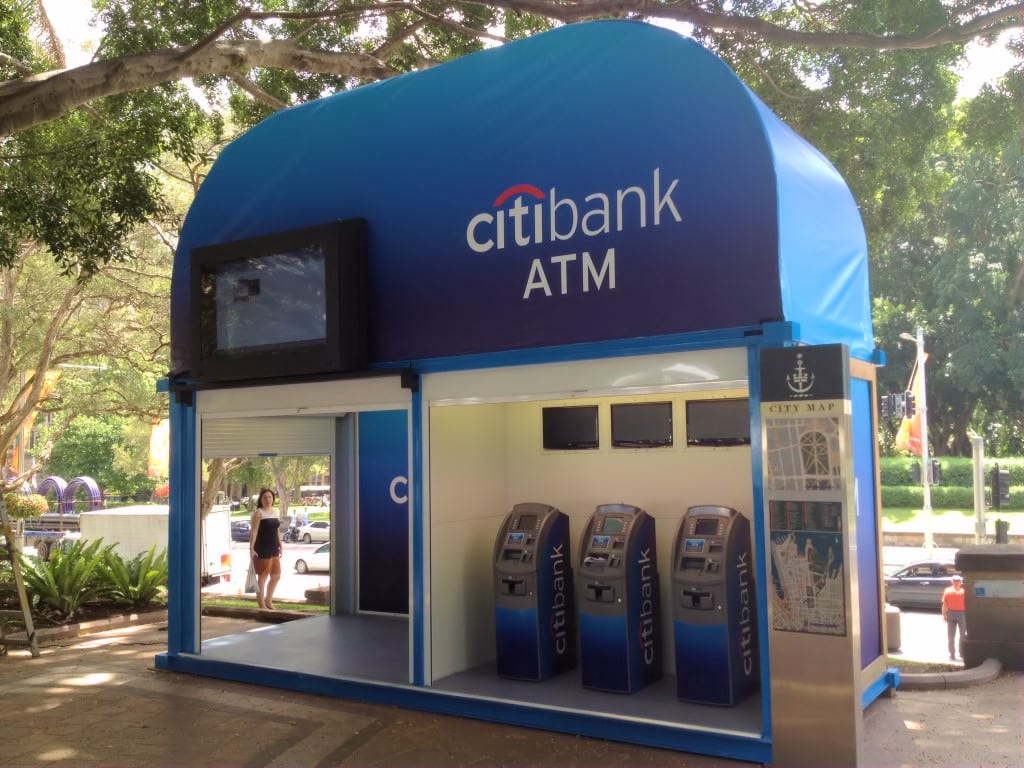
    Citi Indonesia recorded Rp633 billion ( US$48 million ) in net profits in the first quarter this year, a 12 percent rise from Rp 567 billion in the same period last year.

    The profit growth was driven by a 10 percent increase in net interest income, as also reflected in the bank’s total assets as of March this year that reached Rp76.5 trillion, a 6 percent year-on-year ( yoy ) surge from the corresponding period last year.

    Citi Indonesia chief executive officer Batara Sianturi said,”We enjoyed higher quality of assets in the first quarter this year with our net non-performing loan [NPL] ratio staying as low as 1.15 percent,” adding that the bank’s loan loss provision ( CKPN ) had also improved by 25 percent to Rp 131 billion.

    Citi Indonesia also fared well, as seen in the third-party funds that reached Rp 51.2 trillion, a 4 percent increase yoy with the current account and savings account ( CASA ) taking the lion’s share of 71 percent and therefore contributing to the sustained net interest income.

    The bank also set aside a minimum capital requirement of 28.86 percent as of March, the company said in a statement.

    The bank’s financing ratio for small and medium enterprises account for 9 percent of the total credit as of March this year.

    “We will continue supporting Indonesia’s economic growth by implementing fund disbursements in accordance with the government’s priority programs, including in the infrastructure sector and other industries that bolster exports and loans being channeled to small and medium enterprises.”

    Last year, Citi Indonesia garnered Rp 1.5 trillion in net profits with an asset increase of 14.6 percent yoy.

    In the digital arena, the bank also developed innovations and services by launching four smart branches focusing on digital banking solutions.

  • Use Data To Show Customers They’re More Than Just A Number

    Use Data To Show Customers They’re More Than Just A Number

    Companies claim that customers aren’t “just a number to us,” but that’s more than a catchphrase for number-crunching analytics firm 84.51°.

    The company is the recent spinoff of former Kroger-Tesco analytics joint venture dunnhumby, now wholly owned by US supermarket giant The Kroger Co. Renamed for the longitude of its Cincinnati headquarters and rebuilt from the ground up in 2015, 84.51° now focuses much of its activities on Kroger customers and partners, such as global consumer packaged goods companies. It believes that its core competitive differentiator is not technology, but rather its focus on helping customers build long-term relationships with their consumers and other customers.  (The company says its new name also represents the “longitudinal view” it takes on understanding customer behavior.)

    Most retailers rely on segmentation analysis to determine which promotions to send consumers, creating blocks of homogenous groups of people (such as single-parent households in middle-class neighborhoods). But 84.51° uses analytics differently, eschewing what CIO Yael Cosset calls an “archaic” approach in favor of a much more relevant, personalized one.

    “We think of it as a snowflake, because we believe no two individuals are the same, and hence we should not engage them the same way, send them the same promotions,” he says.

    So, for example, you might send a promotion for a particular kind of bottled water to consumers who have already demonstrated an affinity for that kind of product, but you wouldn’t send them a promotion for a cola drink just because the supplier is offering one. This is the kind of commitment necessary to develop long-term relationships with consumers, Cosset says.

    The company goes beyond knowing which consumers like to buy bottled water or condiments; it tries to identify which ones prefer sparkling water to flat, or Dijon mustard to steak sauce. “You can’t do that with segmentation,” Cosset says.

    That approach requires investing in the development of sophisticated algorithms that enables 84.51° to analyze millions of data points about each individual consumer, including their reactions to previous promotions.

    Using Oracle Exadata and Oracle Big Data Appliance, teams of analysts and data scientists at 84.51° leverage a combination of conventional statistical packages and more advanced machine learning algorithms to generate the analytics foundation required to deliver personalization at scale.

    A single campaign uses dozens of targeting models in combination with complex optimization algorithms to send the right offers to the right people. Often, offers are based on contextual cues gathered in real time and are specifically targeted for each customer.

    “We spend a huge amount of time, money, and resources to really get solid sustainable data assets,” Cosset says. “Our data asset is a competitive advantage.”

    Retailers cannot expect to build long-term, sustainable relationships with customers if they base the terms of those relationships on financial incentives alone, Cosset says. “They’re transactional, not relationship-based,” he says. “The real differentiator is what you do with the data—how do you provide real and relevant value to every single customer, how do you engage them the way that matters most to them, how do you create this personal relationship.”

  • Garuda Indonesia Urged to Strengthen Domestic Market

    Garuda Indonesia Urged to Strengthen Domestic Market

    Indonesian Tourism Minister Arief Yahya has told national carrier PT Garuda Indonesia to continue strengthening domestic market due to its huge potentials.

    “Our domestic market is very strong. Last year, there were 255 million visits by domestic tourists. This year, the target is 260 million visits. If that amount is multiplied by Rp. 1 million, it means Rp260 trillion circulated,” Arief said in Jakarta on Friday (29/4).

    Arief added that once the domestic market is strengthened, it would be easy to develop international market.

    In comparison with domestic market of neighboring countries, Aried added, Indonesia is much bigger. He cited Singapore, which does not have domestic market or domestic market in Malaysia that is not too big.

    The Minister added that that the Government is gearing up to meet the target of 20 million tourists visiting Indonesia in 2019.

  • The 1872 Clipper Tea Company brings the world’s most luxurious teas to Singapore

    The 1872 Clipper Tea Company brings the world’s most luxurious teas to Singapore

    Check out its new flagship store at ION Orchard.

    The 1872 Clipper Tea Company is bringing the artisan tea experience to Singapore with the opening of its 743-square feet flagship store at ION Orchard.

    4t8a8786 (1)

    Founded by Sri Lankan entrepreneur Balage Porolis de Silva, The 1872 Clipper Tea serves an array of teas from different ranges, namely Essentials, Herbals and Blossoms, Tropics, Luxuries, Travel and Heritage.

    “We aim to kindle curiosity for tea by providing rich, exploratory experiences that bring people together. We want to trigger and engage the different senses of our customers to provide that experience,” said Rehan Amarasuriya, Director of The 1872 Clipper Tea Company.

    De Silva first established a jewellery boutique in Singapore in 1872. Apart from selling gems, the boutique also served the best Ceylon tea to customer, as having tea is a daily ritual for relaxation and enjoyment in Sri Lanka.

    The 1872 Clipper Tea’s name pays tribute to the historic Clipper ships that raced to carry chests of the freshest teas to all corners of the world, at the same time acknowledging the year the company planted our roots in Singapore.

    Besides serving a variety of hot teas, this takeaway retail concept would also include a range of specialty teas and tea-infused pastries and desserts.

    “We want to break the traditional mindset that tea should be consumed hot. There are endless possibilities as to how tea can be enjoyed,” Rehan says.


  • Indonesian online retailer Bhinneka plans IPO to fund expansion

    Indonesian online retailer Bhinneka plans IPO to fund expansion

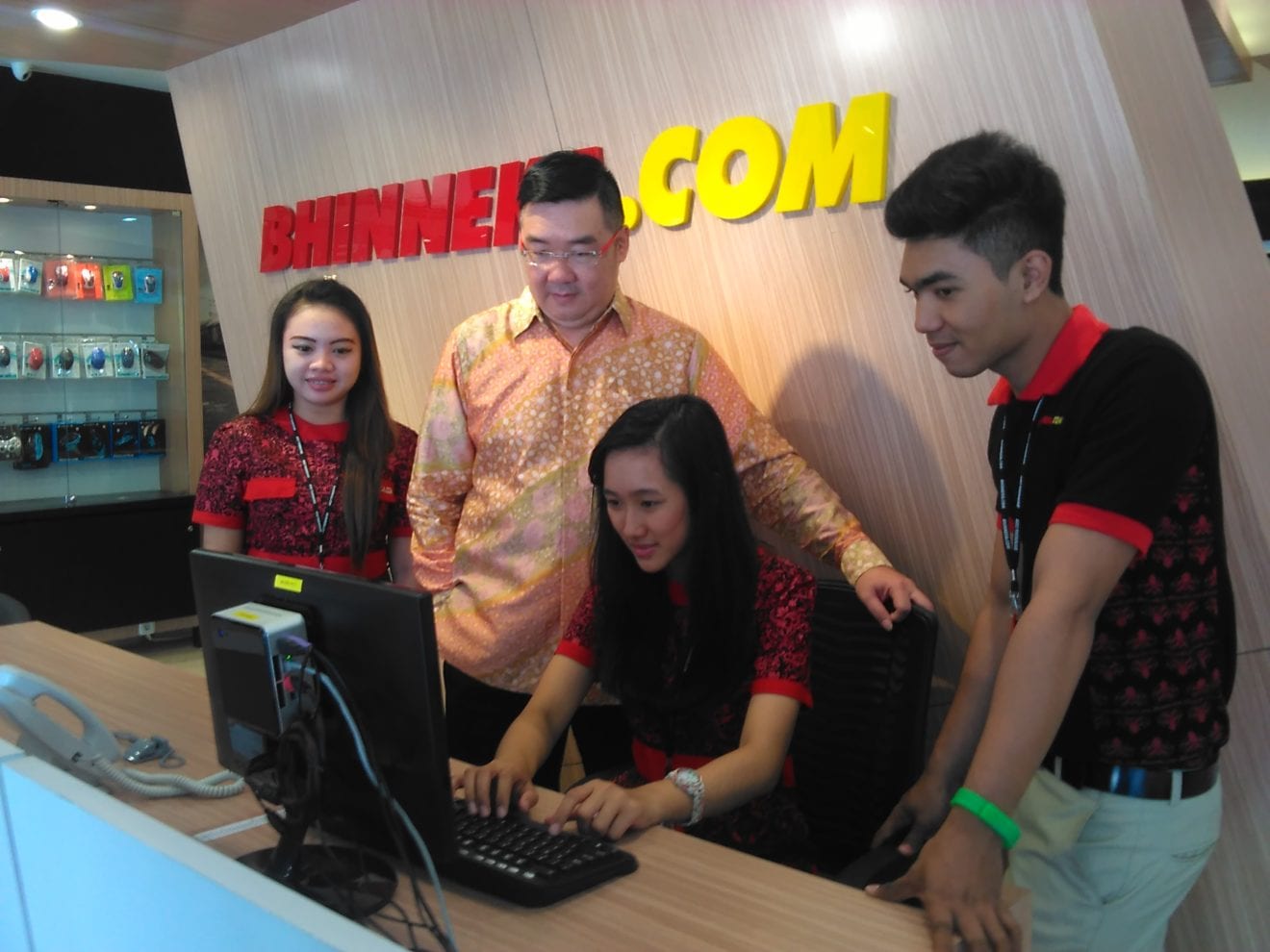
    Indonesian online retailer PT Bhinneka Mentari Dimensi is planning an initial public offering (IPO) in 2018 to widen its reach, one of its directors said on Thursday, as the e-commerce battleground heats up in Southeast Asia’s biggest economy.

    The e-commerce market in the country of 250 million people is ripe with potential but it is fragmented and comes with complex regulatory and logistical barriers.

    “Our objective to go public is for scaling,” director Andi Boediman said, adding that the company plans to expand its store network and strengthen its supply chain while investing in technology and marketing.

    The company operates online through Bhinneka.com, with customers able to have purchases delivered to their homes or its physical stores, which also serve as retail outlets for the electronic goods specialist.

    Bhinneka is in a good position to attract investors, Boediman told reporters on the sidelines of a conference in Jakarta.

    “We are an online retailer that is focused and reasonably sizeable,” Boediman said, adding that revenue “at least doubled” last year and that he expects a strong performance in 2016.

    Bhinneka decided to pursue an IPO in Indonesia because it can be a dominant player on its home ground, Boediman added. He declined to disclose how much the IPO is expected to raise or the company’s financial figures.

    The company’s domestic rivals include SoftBank-backed Tokopedia, Blibli and Indonesian conglomerate Lippo Group’s MatahariMall.com. Lippo is also considering an IPO for its e-commerce business, a director said in February

    The Indonesian market is still growing while being supported by a large consumer base, said David Rimbo, managing partner for transaction advisory services at Ernst & Young in Indonesia.

    “I think the timing is right for Indonesian players to actually realize basically decent valuations,” he said.

  • E-Commerce to Take Up 20% of the Indonesian Retail Market

    E-Commerce to Take Up 20% of the Indonesian Retail Market

    The Trade Ministry said that the e-commerce business has a chance of capturing 20 percent of the conventional retail market. The scouring of conventional retail markets is likely to happen given the fact that customers are now more familiar and accustomed with online shopping, due to its time and budget efficiencies.

    “This phenomenon must be supported by adequate policies and infrastructure,” Srie Agustina, the ministry’s acting director general of domestic trading, said during the Indonesian E-Commerce Summit and Exhibition in Serpong, Banten, yesterday.

    Srie estimated that the e-commerce industry will take over 20 percent of the conventional retail market share in the next four years. Right now, e-commerce’s share in the conventional retail market is five percent.

    At the E-Commerce Summit opening yesterday, President Joko Widodo warned local e-commerce businesses about the “attack” of foreign players. According to the President, the acquisition of Southeast Asia’s popular online shopping site Lazada by China’s e-commerce giant Alibaba two weeks ago is something that industry players must keep an eye on. “It’s a warning for everyone.”

    Alibaba announced that it has acquired Rocket Internet’s stake in Lazada worth US$1 billion (Rp13 trillion). The takeover strengthens Alibaba’s position in the e-commerce markets of Asia and the world. The acquisition allows Alibaba to reach 560 million online consumers in Southeast Asia, including Indonesia.

    To boost the quality the domestic e-commerce industry, the Trade Ministry will mandate online trade sites to register with the ministry.

    The Indonesia E-Commerce Association (IDEA) is planning for an accreditation of e-commerce sites, in a bid to improve the quality and credibility of local e-commerce players. The accreditation assessment will begin in June carried out on 200 sites online sales-and purchase businesses. The assessment categories include operational sites, clarity payment, and customer service aspects.

    Earlier, Minister of Communications and Informatics Rudiantara expressed his optimism that the retail e-commerce business this year can record a transactions deals total of US$20 billion or around Rp260 trillion.

  • SIA to support Indonesia’s tourism campaign under new partnership

    SIA to support Indonesia’s tourism campaign under new partnership

    National carrier Singapore Airlines and Indonesia’s Ministry of Tourism on Thursday (Apr 28) announced a partnership to boost foreign tourist arrivals into Indonesia.

    Both parties signed a memorandum of understanding at the National Coordination Tourism Meeting in Jakarta on Thursday, and they will work to finalise details of the partnership in a memorandum of cooperation at a “later date”, the joint press release said.

    Under the three-year partnership, SIA will support the ministry’s tourism campaign “Wonderful Indonesia”, which aims to attract 20 million foreign tourist arrivals annually by 2019.

    Joint activities will include advertising and other campaigns to promote travel to Indonesia via Singapore from key source markets, which include China and India for the first year of collaboration, the press release said.

    SIA, together with its subsidiary SilkAir, serve 13 cities in Indonesia with more than 150 weekly flights, the airline said.

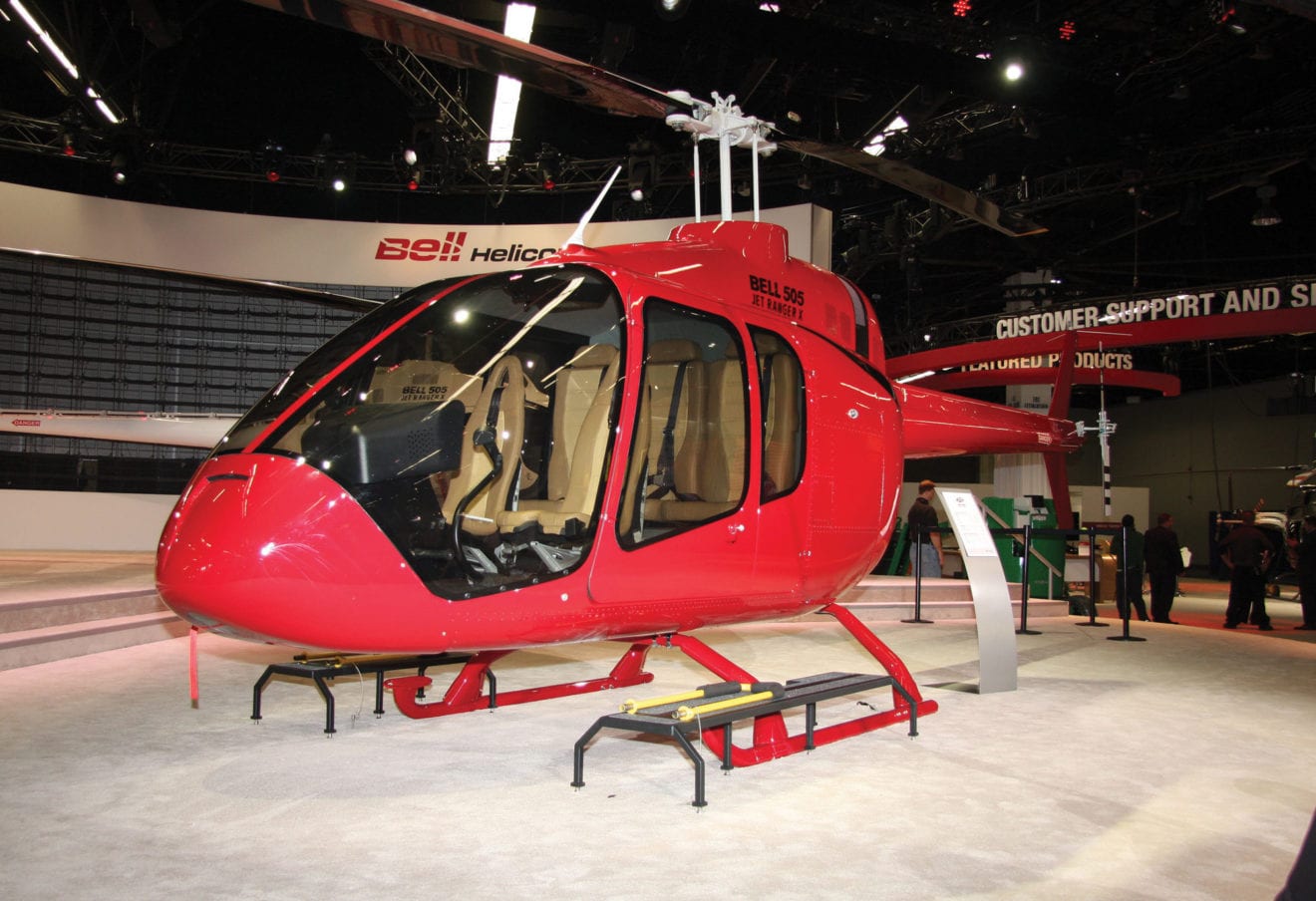
  • Indonesian charter operator orders 30 Bell Jetranger X

    Indonesian charter operator orders 30 Bell Jetranger X

    The aircraft will be used for air taxi operations throughout Indonesia and its more than 14,000 islands.

    PT Whitesky Aviation is a Jakarta based company specialising in non-scheduled (charter) flight. The company currently operates a fleet of six Bell Helicopter aircraft, including three Bell 429s and three Bell 407s.

    “This signing is testament to the growing demand for the Bell 505, especially in the corporate and VIP sectors,” said Matt Hasik, executive vice president of commercial business for Bell Helicopters. “There are now more than 380 letters of intent around the globe, and more than 130 Bell 505 LOIs in the Asia Pacific Region alone.”

    The Bell 505 is the company’s long mooted Bell Jetranger 206 entry-level replacement. With a cruise speed of 125 knots (232 km/h), range of 360 nautical miles (667 km) and useful load of 1,500 pounds (608 kg), the Bell 505 is designed to be safe and easy to fly while remaining affordably priced.

  • Weaker Economic Environment in Asia Continues to Impact Commercial Markets

    Weaker Economic Environment in Asia Continues to Impact Commercial Markets

    According to CBRE’s Q1 2016 MarketView, total commercial property investment turnover in Asia Pacific in the first quarter of 2016 declined by 36% quarter-on-quarter as investors generally turned more risk-averse, due to stock market volatility and weaker economic environment. Asian capital in particular, however, remained active across the region with the completion of three big-ticket transactions in Greater China by Chinese investors.

    Q1 2016 saw Hong Kong’s second largest-ever transaction for an office property, in which China Everbright Limited acquired the Dah Sing Financial Center for around US$1.3 billion. Regardless of this key deal though, investment activity on the whole remained low in Hong Kong.

    “Despite slower activity in the investment environment overall, international institutional investors are continuing to display strong preferences for core assets in major markets to increase their exposure for strategic diversification,” said Dr. Henry Chin, Head of Research, CBRE Asia Pacific. “In Australia and Japan, however, even though international investors remain active with strong demand for core assets, transaction volume in both markets declined. High prices in Australia discouraged domestic fund managers from purchasing, with some opting to sell non-core assets to recycle capital for future investments. In Japan, despite strong demand from investors, the lack of stock was a limitation as there were fewer institutional quality properties being offered for sale, especially in core markets such as Tokyo.”

    Concerns over the economic climate, along with weaker business and consumer sentiment, have also led to softening occupier markets across the region in Q1 2016.

    “The first quarter of the year is traditionally a quiet period for office leasing,” said Dr. Chin. “The office sector saw a slowdown in leasing momentum overall, however, in China’s tier-one markets such as Shanghai and Shenzhen, office demand remains robust with solid rental growth. Elsewhere, leasing demand is being driven by flight-to-value relocations with firms moving to decentralized areas to reduce costs. Expansionary demand is confined to Shanghai and Mumbai. In light of weakening corporate sentiment, landlords are also becoming more cautious and focusing on tenant retention, especially in markets such as Hong Kong and Tokyo.”

    In the retail sector, Hong Kong suffered its biggest decline in retail sales since 1999, falling by 13.6% year-on-year in January and February combined, due to the sharp drop in tourist arrivals and weaker domestic consumer sentiment. The bulk of Asia Pacific’s leasing demand was driven by fast fashion and F&B retailers. Most Asian markets were quiet but leasing momentum in the Pacific remained healthy.

    “Most Asian retail markets are still negatively impacted by the change in tourist consumption and traveling patterns, especially by Mainland Chinese tourists. The weak Chinese yuan is affecting their spending power. Additionally, in contrast to the last couple of quarters, the strong Japanese yen is beginning to impact visitor spending in Japan, which places pressure on retail sales growth. In Q1 2016, Tokyo saw luxury brands scale back their rate of expansion after a decline in sales, whereas in Pacific, demand from new international retailers remains strong,” said Dr Chin.

    “Many international retailers remain very sensitive to location, driven by flight-to-quality. The coming quarters are likely to see investors re-focus on core properties in major shopping districts. With the current challenging climate, management expertise and knowledge are key issues for retail investors,” he added.

  • M1 trials HD VoWiFi over HetNet technology

    M1 trials HD VoWiFi over HetNet technology

    Singapore’s M1 has launched the nation’s first public native HD voice over Wi-Fi (VoWiFi) trial using HetNet technology.

    The trial service supports calls to and from fixed numbers without having to use a separate calling app, and allows for two-way mobility between Wi-Fi and mobile networks for seamless handover.

    M1 is using smart network prioritization technology to ensure quality voice calls over Wi-Fi even during periods of heavy network usage.

    The operator is working with the Infocomm Development Authority (IDA) of Singapore on the deployment as part of the authority’s HetNet Trials initiative.

    The service is currently available to HetNet Trials users at M1’s Wi-Fi deployment sites in the Jurong Lake District. The company has deployed six HetNet hotspots throughout the district, at locations including train stations and bus interchanges.

    In addition to VoWiFi, M1 is working with IDA on the trial of Wi-Fi services on public buses.

    Last month mobile operator 3 Hong Kong launched a premium voice over Wi-Fi service that supports the use of up to five devices, including smartwatches tablets and PCs, along with a smartphone connected to the same account.