Author: Mei Ling Tan

  • AWS still dominates cloud infrastructure market

    AWS still dominates cloud infrastructure market

    Amazon Web Services (AWS) continues to dominate the cloud infrastructure services market with a 31% worldwide market share, dwarfing the chasing pack, according to new Q1 data from Synergy Research Group.

    The big three followers – Microsoft, IBM and Google – in aggregate accounted for 22% of the market, while the next 20 top-ranked cloud providers accounted for another 27%. The good news for Microsoft and Google is that they both achieved growth rates of well over 100% so they are at least slowly gaining some ground on the market leader.

    Outside of the big four, the next 20 cloud providers are growing at an average 41% per year, but in a market that is growing at over 50% that means that most of them are losing market share.

    The next 20 providers include Alibaba, CenturyLink, Fujitsu, HPE, NTT, Oracle, Orange, Rackspace, Salesforce, and Vmware.

    With most of the major operators having now released their earnings data for Q1, Synergy estimates that quarterly cloud infrastructure service revenues (including IaaS, PaaS and private & hybrid cloud) have now comfortably passed the $7 billion milestone.

    Growth rates remain somewhat similar across the major regions meaning that the United States continues to account for around half of the worldwide market.

    “This is a market that is so big and is growing so rapidly that companies can be growing by 10-30% per year and might feel good about themselves and yet they’d still be losing market share,” said John Dinsdale, a Chief Analyst and Research Director at Synergy Research Group.

    “The big question for them is whether or not they are building a sustainable and profitable business. This can be done by focusing on specific regions or specific services, but the bulk of the market demands huge scale, a broad footprint, very deep pockets and a long-term corporate focus.”

  • Huawei may acquire stake in Bakrie Telecom

    Huawei may acquire stake in Bakrie Telecom

    Huawei is reportedly set to acquire a 9% stake in struggling Indonesian CDMA operator Bakrie Telecom as part of a debt repayment procedure.

    Bakrie Telecom secured shareholder approval to issue convertible bonds worth 56% of shares in the company, that will then be divided among its 50 creditors.

    The convertible bonds are worth around 7 trillion rupiah ($530.5 million), with a price per share of 200 rupiah, four times higher than the company’s current trading price.

    As Bakrie’s largest lender Huawei will receive bonds accounting for 9% of Bakrie Telecom shares. Indonesian independent telecom tower operators Protelindo and SUPR will receive stakes worth 7%  and 6.8% respectively, according to the report.

  • Telstra commits $38m to address mobile outages

    Telstra commits $38m to address mobile outages

    Australia’s largest operator Telstra has committed A$50 million ($38.3 million) towards improving its network resiliency following a spate of outages, but coverage of its announcement was tainted by another minor outage.

    At an investor presentation in Melbourne, Telstra COO Kate McKenzie revealed that the operator has completed a review into the recent mobile network disruptions.

    The review identified a range of steps to reduce the likelihood of another outage, including increasing redundancy, adding more capacity to the core network, introducing new procedures for key network element restarts and improving resilience in international connectivity.

    In response, Telstra will spend around A$25 million installing real time traffic monitoring and customer impact monitoring equipment.

    The remaining A$25 million will be spent increasing the network’s capacity to handle a large number of re-registrations occurring simultaneously after a disruption.

    “What this means is that in the event of a disconnection, a much larger number of customers will be able to re-register at the same time so any disruption to services will be of a much shorter duration,” she said.

    The review was conducted by Telstra’s specialist teams, experts from Ericsson, Juniper and Cisco, and independent advisor Dave Williams from Tech Mahindra. It follows a series of mobile network outages in a short period with various causes.

    Unfortunately for Telstra, local media coverage of Telstra’s investment announcement has concentrated on the fact that hundreds of Telstra customers were reporting outages affecting mainly internet access just hours after the announcement was made.

    According to the company, the outage affected ADSL broadband in Queensland, lasted less that half an hour and was unconnected to the recent mobile network outages, but this did not stop subscribers from commenting about the irony on social media.

  • Apple sales fall 26% in Greater China, optimistic on China and India

    Apple sales fall 26% in Greater China, optimistic on China and India

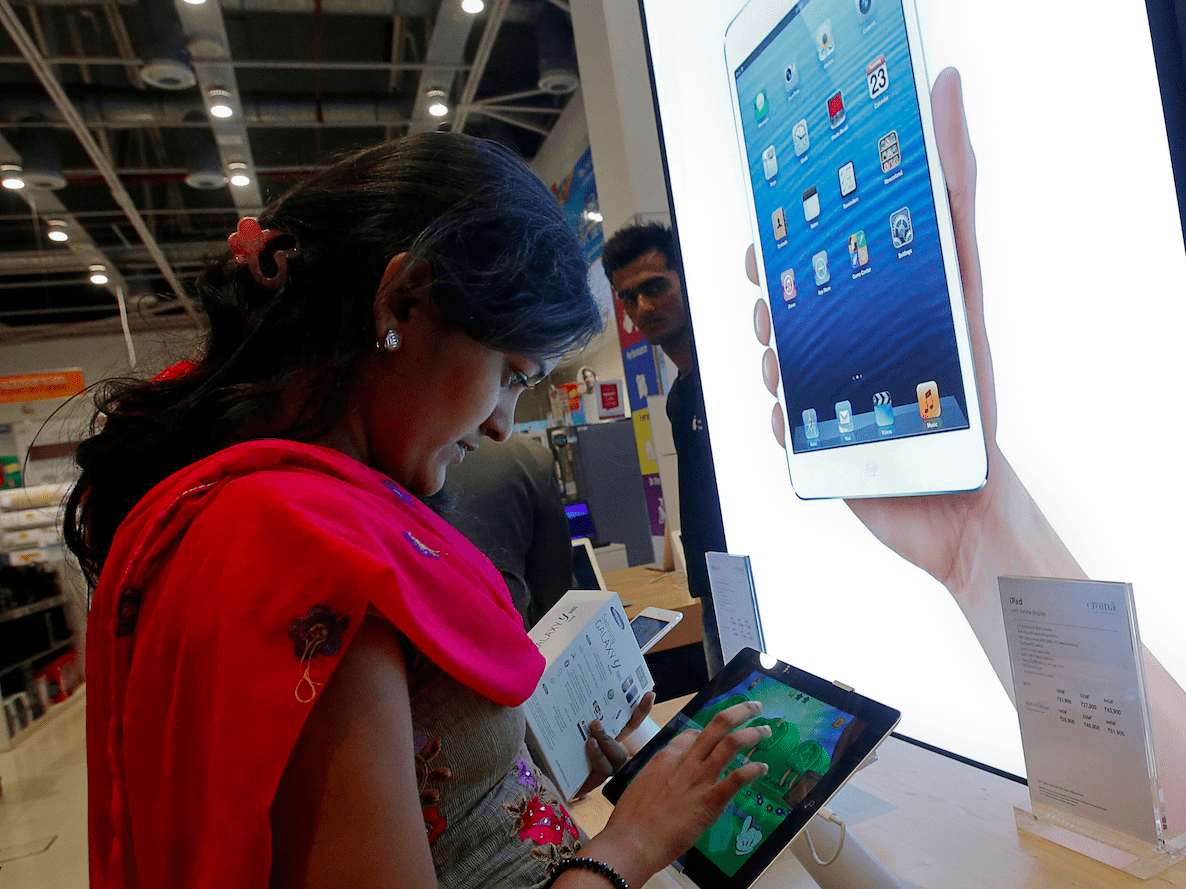
    Apple’s double-digit growth in Greater China, which has helped fuel the huge success of the iPhone over the past few years, came to a grinding halt last quarter, with revenue falling 26 per cent as iPhone demand softened.

    Sales in the Greater China region, which includes the mainland, Hong Kong and Taiwan, dropped to $12.5 billion in its fiscal Q2 ending 31 March. The region accounted for a quarter of Apple’s total revenue, down from 29 per cent a year ago.

    Revenue in mainland China, Apple’s second largest market after the US, fell 11 per cent (7 per cent in constant currency terms) – a year ago sales surged by 81 per cent.

    Apple yesterday reported its first-ever quarterly drop in iPhone sales,which dropped 16 per cent to 51.2 million units.

    Apple CEO Tim Cook said in the earnings call he doesn’t think China is as weak as everyone says. “In China we may not have the wind at our backs that we once did, but it’s a lot more stable than what I think is the common view. So we remain really optimistic on China.”

    He noted that it opened seven stores in China last quarter, taking its total to 35, and will open five more this quarter.

    Cook talked up its services businesses, which expanded 20 per cent last quarter and represented the company’s second largest revenue-generating category in Q2. But with Apple suspending its iBooks and iTunes Movies services in China last week after the country’s video and publishing regulator imposed stricter guidelines on online content, its growth prospect in services could be severely dampened.

    Beyond China
    The company faced declining sales across the Asia-Pacific region, with revenue falling 25 per cent in Asia Pacific (ex China and Japan) to $3.16 billion.

    Japan was the bright spot in the region, reporting a 25 per cent jump in sales to $4.13 billion.

    Responding to a question about India, the third largest smartphone market in the world, Cook said infrastructure and sales channels will be key.

    The LTE networks being rolled out in the country will “unleash the power and capability of the iPhone in a way that an older network, a 2.5G or even some 3G networks, would not”, he said.

    He noted that unlike in the US, where operators sell the vast majority of phones, in India the operators in general sell virtually no phones. “So it’s through retail, and retail is many, many different small shops”.

    The company has been working on its sales channels for the last 18 months, and Cook said he is encouraged by the results that it’s beginning to see.

    “But because the smartphones that are working there are low end, primarily because of the network and the economics, the market potential has not been as great there. But I view India as where China was maybe seven to ten years ago, and I think there’s a really great opportunity there,” he said.

  • DBS taps digital platform to grow retail banking operations

    DBS taps digital platform to grow retail banking operations

    DBS launched a “mobile-only bank” and said it aims to garner 5 million customers and a deposit base of Rs50,000 crore over the next five years

    On Tuesday, DBS launched a “mobile-only bank” and said it aims to garner 5 million customers and a deposit base of Rs.50,000 crore over the next five years. Named digibank, the DBS mobile application will allow individuals to access a wallet at first and then open a savings deposit account with the bank. The balance in the account will earn 7% interest per annum.

    “We are going to focus outside our affluent banking base and we hope to be a mass consumer banker through this product. We hope to get 5 million customers over the next 3-4 years through digibanking,” said Piyush Gupta, chief executive officer at the bank. Currently, DBS Bank has 35,000-45,000 customers in India, according to Surojit Shome, head of India operations for the bank.

    DBS Bank isn’t the only one to board the digital bandwagon. Large Indian banks such as State Bank of India, ICICI Bank Ltd, HDFC Bank Ltd and Bank of Baroda are building digital channels with an aim to garner new customers and serve existing ones better.

    The rush for digital dominance comes even as 11 payments banks are preparing to launch their operations. These banks will have the infrastructure and technology to provide digital banking from day one.

    Among the most popular digital channels is the use of the smartphone for transactions. Transactions on mobile phones in India have surged in recent months owing to large value transactions being concluded on smartphones by corporate clients besides an increase in retail transactions, Mint reported on 28 March. Data from the Reserve Bank of India (RBI) show that on a year-on-year basis, the amount transacted in December 2015 rose more than fourfold to Rs.49,029 crore from the Rs.11,323 crore transacted a year ago.

    India is estimated to have about 220 million smartphone users in 2015 and a February report by networking solutions firm Cisco forecast this would jump to 651 million by 2019.

    Gupta of DBS said the bank’s digital offering stands out because of an inbuilt dynamic security system that takes away the need for one-time authentications and a natural language interface that allows customers to use voice commands to transact.

    Mobile banking products of most banks require the customer to enter a one-time password to conclude any transaction.

    For the initial authentication of a new customer, DBS has tied up with Coffee Day Enterprises Ltd that runs the Cafe Coffee Day outlets. A customer will be required to carry an Aadhaar or a PAN card to a Cafe Coffee Day outlet and, using a biometric system, will be allowed to open an account.

    Meanwhile, DBS Bank will continue to expand its branch network to service corporate clients and small and medium enterprises, Gupta said. The bank has 12 branches in India and has applied to RBI to move to a wholly-owned subsidiary structure. “The application is pending and we have been told it may take 12-18 months to process. We have not received any negative feedback though,” Gupta said. The bank’s Indian assets form only 5% of its total book. Gupta said the bank is hoping for double digit growth in its India balance sheet.

    The bank will leverage its digital platform to build a retail loan book of Rs.10,000 crore over the next five years. “Right now, we are launching digibank mostly on the liabilities side. We will introduce investments and, later, loans, over the next few months,” said Gupta.

    “If you look at some of the global stories, the broad perspective is that a bank starts excelling in certain things when it begins to focus in some areas. Digital-first banks such as some in the US like Atom Bank, they channelize all their energies into one thing as opposed to existing Indian players who will continue to focus on traditional branch banking and in addition give digital services,” said Vivek Belgavi, partner and leader of financial services technology at PwC.

    Belgavi added that new companies would largely focus on untapped segment such as individuals who do not visit a branch as a target for their digital banking.

    “It is a classic disruptor strategy. It will go after segments which are under-served. There is a segment that does not visit branches and because they don’t visit branches they expect a superior experience; if this is not catered to, this is what the disruptors will focus on,” he said.


  • iCube, Clustrix Partner to Handle Asia’s Most Demanding Website Workloads

    iCube, Clustrix Partner to Handle Asia’s Most Demanding Website Workloads

    Clustrix, provider of the first scale-out database designed for the elastic scaling requirements of high-transaction, high-value workloads of today’s web applications, announced a partnership with iCube (www.icubeonline.com), an Indonesia-based e-commerce agency and Magento Silver Solution Partner. This announcement gives South Asian customers a single local source for Magento development, services and Clustrix technology, including Clustrix’s recently announced ClustrixDB for Magento bundle.

    With a growing client base that includes some of the largest online merchants using Magento in South Asia, iCube has found that with Clustrix, they can address the scalability limits their clients are facing by adding ClustrixDB for Magento to their clients’ Magento sites. “We’re constantly evaluating the latest and greatest technologies for our customers, and ClustrixDB is without a doubt one of the ones we’re most excited to add to our portfolio,” said Muliadi Jeo, CEO, iCube. “We were quite surprised during our testing with the performance improvements that ClustrixDB was able to achieve, especially as load increased.” 

    Five times the performance of MySQL and zero-downtime catalog updates on Magento

    ClustrixDB for Magento offers a fully fault-tolerant drop-in replacement for the MySQL back-end that powers virtually all Magento sites. It includes:

    • The ClustrixDB database, which can scale out to accommodate more than five times the traffic and orders of a typical Magento site
    • The Shadow (re)Indexer, a drop-in replacement for key Magento indexers that allows you to perform catalog updates without taking the system offline

    With this partnership, iCube can supply merchants throughout South Asia with the products and local support services needed to power and manage a high-transaction, high-value Magento site, and reduce checkout interruptions due to catalog updates from minutes and hours to just seconds. 

    “This is an exciting expansion of our partner community with our first Asia-based Magento partnership,” said Lindsey Anderson, Vice President of Sales, Clustrix. “ClustrixDB is already used by several top Asian e-commerce companies, and this partnership will facilitate continued expansion in the APAC region.”

  • Profit of CIMB’s Indonesian ops grows by over three times

    Profit of CIMB’s Indonesian ops grows by over three times

    CIMB Niaga said in a statement, posted by its parent on Bursa Malaysia’s website, that the improved net profit came on the back of a 1.4% yoy increase in net interest income and a 18.5% yoy jump in non-interest income, mainly due to improved foreign exchange and capital market businesses.

    Operating expenses and provisions declined by 1.4% and 7.3% on a yoy basis respectively. “While we remain cautious given the economic situation, we hope our positive performance this quarter will provide a strong base for our results going forward. Our operating income held up well through strong contributions towards non-interest income from an uplift in the treasury business.

    “Our credit card business continued to garner market share, while current account and savings account (CASA) balances grew strongly, bringing about a CASA ratio of 52.05%.

    “CIMB Niaga capital ratio strengthened to 18%. Our improved capital position should hold us in good stead to face the market and economic uncertainties,” said CIMB Niaga president director Tigor M. Siahaan in the statement.

    With total assets of 231.67 trillion rupiah (RM68.54bil) as of March 31, CIMB Niaga maintained its position as Indonesia’s fifth largest bank by assets.

    Total gross loans were lower at 171.02 trillion rupiah (RM50.60bil) as at March 31 as the bank maintained a conservative growth strategy.

    Despite the slower growth in CIMB Niaga’s loans, several business segments posted positive expansion such as personal loans and credit cards.

    “We continue to pursue our aspiration of being a leader in digital services by focusing on customer experience and optimising the use of the latest technology to bring value to our clients,” Tigor said.

    In the syariah banking segment, CIMB Niaga’s Islamic business unit’s total financing stood at 7.60 trillion rupiah representing a growth of 13.9% yoy with third-party deposits of 8.16 trillion rupiah as at March 31.

    CIMB Niaga’s capital adequacy ratio (CAR) strengthened to 18% as at March 31, 2016.

    “The government has proposed some positive changes since the start of the year to boost the economy. Bank Indonesia cut interest rate to 6.75% from 7.50% and the government has also lined up several economic stimulus packages for 2016. I’m confident that as CIMB Niaga remains focus in the areas of asset quality, cost efficiency and CASA growth, the bank will be primed to capitalise on opportunities when the economy improves,” added Tigor.

  • Rakuten drones to deliver from May 9

    Rakuten drones to deliver from May 9

    Japanese eCommerce giant Rakuten will launch the Sora Raku drone delivery service for general consumers on May 9.

    The  Rakuten drones will make their debut on a golf course, where they will deliver golf equipment, snacks, beverages and other items to players at pickup points.

    Using the service, players can use the dedicated Android app to place orders, confirm the total possible order quantity, and receive push notifications when preparations begin for dispatch and when the drone commences its journey. To use the service players will need to log in using their Rakuten Member IDs, and can choose to pay by either credit card or with Rakuten Super Points.

    Drone rakuten


    On the operator’s side, once an order has been received, staff waiting at a dedicated depot pack the goods into a delivery box and load it onto the drone. The staff then initiate the delivery process from the control screen on a dedicated tablet, and the drone flies to the pickup point autonomously. After landing, the drone automatically releases the load and returns automatically to the takeoff point.

    The drone to be used in the service is the “Tenku,” a dedicated drone developed specifically for Sora Raku by Rakuten and Autonomous Control Systems Laboratory Ltd. (ACSL), which Rakuten invested in in March this year, based on an existing ACSL drone. In addition to the new load-release feature, the drone also uses image recognition technology from the Rakuten Institute of Technology for landing. Tenku is equipped with an autopilot system developed domestically by ACSL and boasts highly stable flight performance, even in strong winds. The drone also employs a design that makes it highly visible even on a golf course.

    Drone rakuten 1

    Initially, the service will be offered for a period of one month at the Camel Golf Resort, a golf course in Chiba Prefecture. Based on user feedback and analysis of the operation, Rakuten will look into the continuation and expansion of the service, as well as its implementation at other golf courses.

    By offering the Sora Raku drone delivery service at golf courses,  Rakuten hopes to provide a new shopping experience and make drones more widely accepted among consumers. In addition, Rakuten is looking into the use of drones for deliveries in sparsely populated areas and mountainous regions, in transporting supplies during disasters and in its eCommerce businesses, including Rakuten Ichiba, and aims to accumulate technical and operational expertise through running the service and put it to use in developing further innovative drone delivery services.

  • Siam Retail building two more malls

    Siam Retail building two more malls

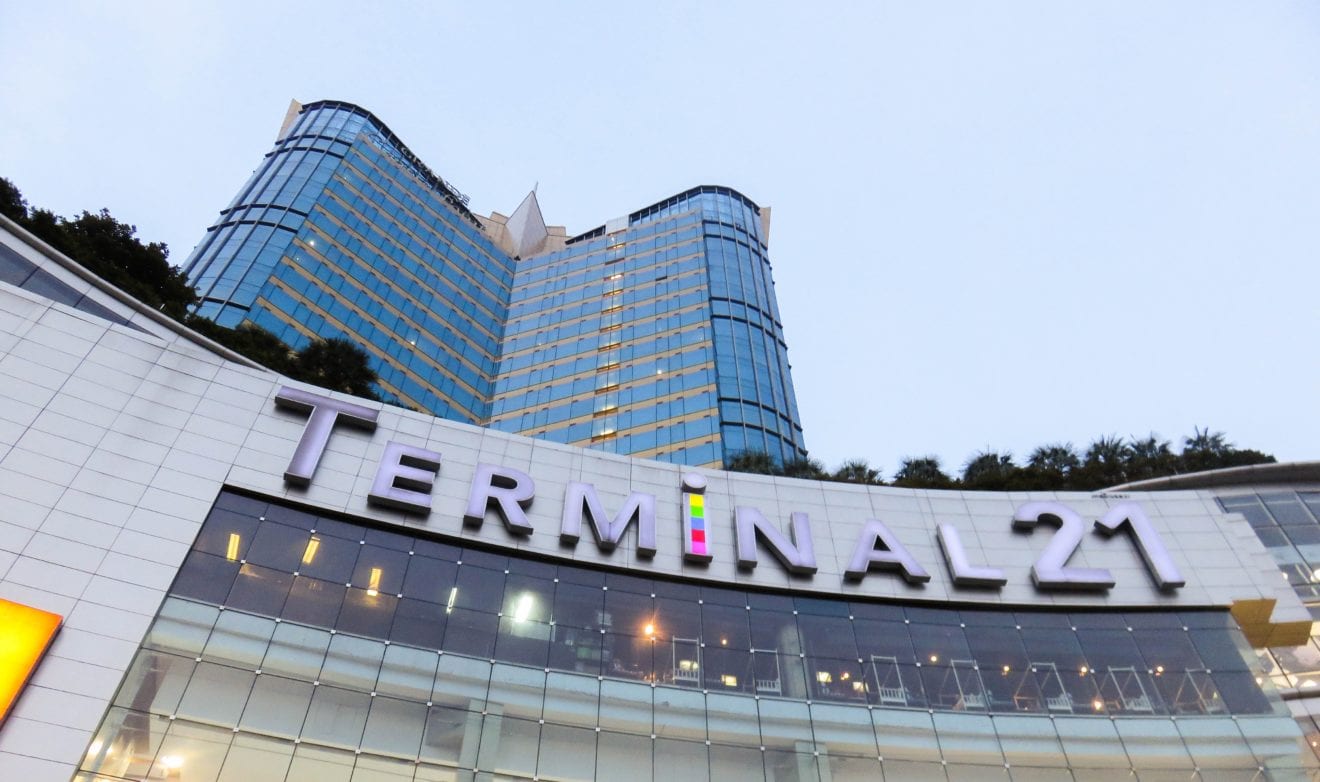
    Thai property developer Siam Retail is building two more Terminal 21 shopping malls – in Pattaya and Nakhon Ratchasima province.

    President Prasert Sriuranpong says the company is investing 6 billion baht (US$170.5 million) in the Pattaya development because it is one of three main tourist destinations outside Bangkok, along with Phuket and Chiang Mai.

    “Pattaya is full of foreign tourists, and the number of arrivals will continue to increase in the coming years,” he says. “Our lifestyle shopping mall will take about two years to complete.”

    Meanwhile, the Nakhon Ratchasima project will be ready before the end of the year. Terminal 21 Korat is near the Mitrapap Highway and is being developed under the “Market Street” concept – themed shopping based on seven world cities, with a sightseeing tower as high as 30 storeys.

    Also costing 6 billion baht, the mall will offer 200,000 sqm of retail space, almost triple the size of Terminal 21 Asoke in Bangkok, which has 70,000 sqm. Anchor tenants include SF Cinema City, The Rink Ice Arena, Fanpekka theme park and Foodland Supermarket. Shops will offer 200 local and international brands.

    Siam Retail plans to spend 100 million baht to promote the mall. Nakhon Ratchasima is considered a gateway to the northeast, with a population of 2.6 million, including more than 50,000 university students. It is also a tourist destination, with more than 5 million visitors each year.

    Siam Retail had revenue of 3.5 billion baht last year, up by 9 per cent from 2014 despite the economic slowdown. More than half the revenue came from Fashion Island, 25 per cent from Terminal 21 Asoke and the rest from The Promenade and Life Center.

    The new malls are part of the company’s 20-billion-baht expansion plan over the next six years. Apart from shopping malls, the company will turn its attention to hotels and property investments in Britain.

  • Under Armour’s big first quarter

    Under Armour’s big first quarter

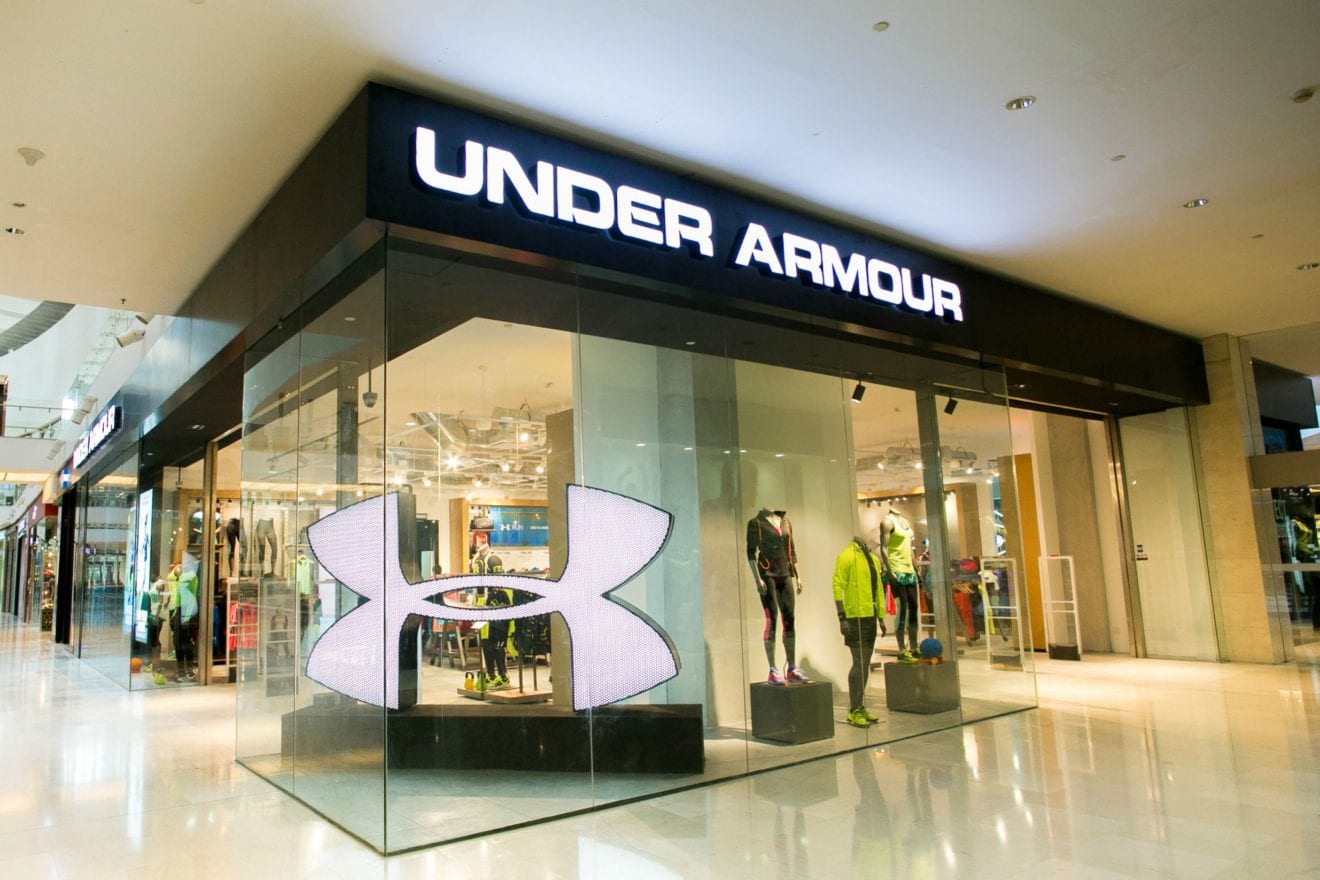
    Apparel and footwear chain, Under Armour, has reported net revenue growth of 30 per cent for the first quarter of 2016.

    The increase saw the sports brand reach net revenue of $1.05 billion, with the 2016 outlook raised to $5.0 billion representing growth of 26 per cent over 2015.

    “For the past 24 consecutive quarters or six years, we have driven net revenue growth above 20 per cent and we are incredibly proud of our start to 2016 with first quarter net revenue growth of 30 per cent,” said Under Armour chairman and CEO, Kevin Plank. “The strong results posted this quarter truly demonstrate the balanced growth of our brand across product categories, channels and geographies.”

    During the first quarter, wholesale net revenues grew 28 per cent year-over-year to $744 million compared to $579 million in the prior year’s period. North America net revenues for the first quarter grew 26 per cent year-over-year, or 27 per cent on a currency neutral basis.

    International net revenues, which represented 14 per cent of total net revenues for the first quarter, grew 56 per cent year-over-year, or 65 per cent on a currency neutral basis.

    “In footwear, this includes the remarkable success of the Stephen Curry signature basketball line, as well as the exciting launches of our first smart running shoe and our new line of Jordan Spieth inspired golf shoes,” said Plank.

  • Old Navy Indonesia makes debut

    Old Navy Indonesia makes debut

    American apparel and accessories brand Old Navy Indonesia has opened its first retail outlet at the Central Park Mall in west Jakarta.

    Offering American-style basic clothing items, Old Navy is part of the Gap portfolio alongside Athleta, Banana Republic and Intermix. The brand has more than 700 stores and shops-in-shop in 11 countries, including the Philippines.

    Old Navy Central Park mall Indonesia

    “Indonesian customers understand the international retail scene very well,” says Old Navy senior director of franchise buying Michele Chinn Fahey. “There’s a really a high awareness of international retail brands and a growing demand for American fashion.”

    For its Indonesian debut, Old Navy is collaborating with Armaan Retail Indonesia.

    Old Navy Central Park mall Indonesia 1

    “With 250 million people living across 15,000 islands, and three different time zones, Indonesia has huge potential,” says Armaan Retail CEO Benjamin Handradjasa.

    Old Navy’s store covers 1200 sqm and offers clothing and accessories for men, women, children and babies. There is also a special section for maternity clothes.

    Among the store’s first customers on its opening day was Indonesian actress and singer Ana Octarina.

  • Sevenfold growth forecast for Indian eCommerce

    Sevenfold growth forecast for Indian eCommerce

    The Indian eCommerce industry is expected to burgeon in the next four years, according to a report by the Confederation of Indian Industry (CII) and Deloitte Touche Tohmatsu India.

    While the business to business (B2B) segment is expected to more than double from US$300 billion last year to $700 billion in 2020, the business to consumer (B2C) segment will grow more than seven times from $13.6 billion to $101.9 billion, says the report.

    It will be supported by a spurt in number of online shoppers, from 20 million in 2013 to 220 million in 2020, as well as a three-fold increase in average spending by online shoppers, from $147 in 2013 to $464.

    However, there is a price: combined losses for eCommerce companies such as Flipkart, Snapdeal (Jasper Infotech) and PayTM (One97 Communications) last year stood at $557 million, says the report. It notes that most B2C eCommerce companies globally, even after five to 20 years in business, have low profitability.

    “This trend, however, does not hold true for B2B eCommerce companies, which are profitable with greater GMV values.” The report attributes this to lack of heavy discounting, greater emphasis on quality rather than price, and higher volumes of purchases.

    A spurt in internet penetration, especially via mobile devices, is expected to propel eCommerce sales in India, with the report saying the proportion of 3G users among internet users has improved substantially since 2013, when about 28 per cent of the 150 million mobile internet users in India had 3G connections. This year, about 59 per cent of the estimated 371 million mobile internet users in India are expected to have 3G connections.

    According to the report, India had the highest share of mobile based eCommerce sales (41 per cent), ahead of China (37 per cent) and the US (15 per cent). The report also estimates a significant growth in the digital payments segment, from $20 billion in 2014 to $115 billion in 2018, though 60 per cent of transactions in India currently use cash on delivery.

    While payments in instalments and digital wallets account for less than 2 per cent of overall transactions, they will grow faster than plastic money, says the report. eCommerce firms such as Flipkart, Snapdeal and Amazon India are seeking to strengthen their payment offerings.

    Snapdeal bought utility payment service provider FreeCharge for $400 million last year, in the biggest domestic consumer internet deal. Amazon acquired Emvantage Payments for an undisclosed amount in February, and market leader Flipkart acquired payment services start-up FX Mart, which holds a prepaid wallet licence, in September last year. In March, the company launched mobile wallet Flipkart Money, 18 months after shutting down its payment gateway PayZippy.

  • Siam Makro plans $258m expansion

    Siam Makro plans $258m expansion

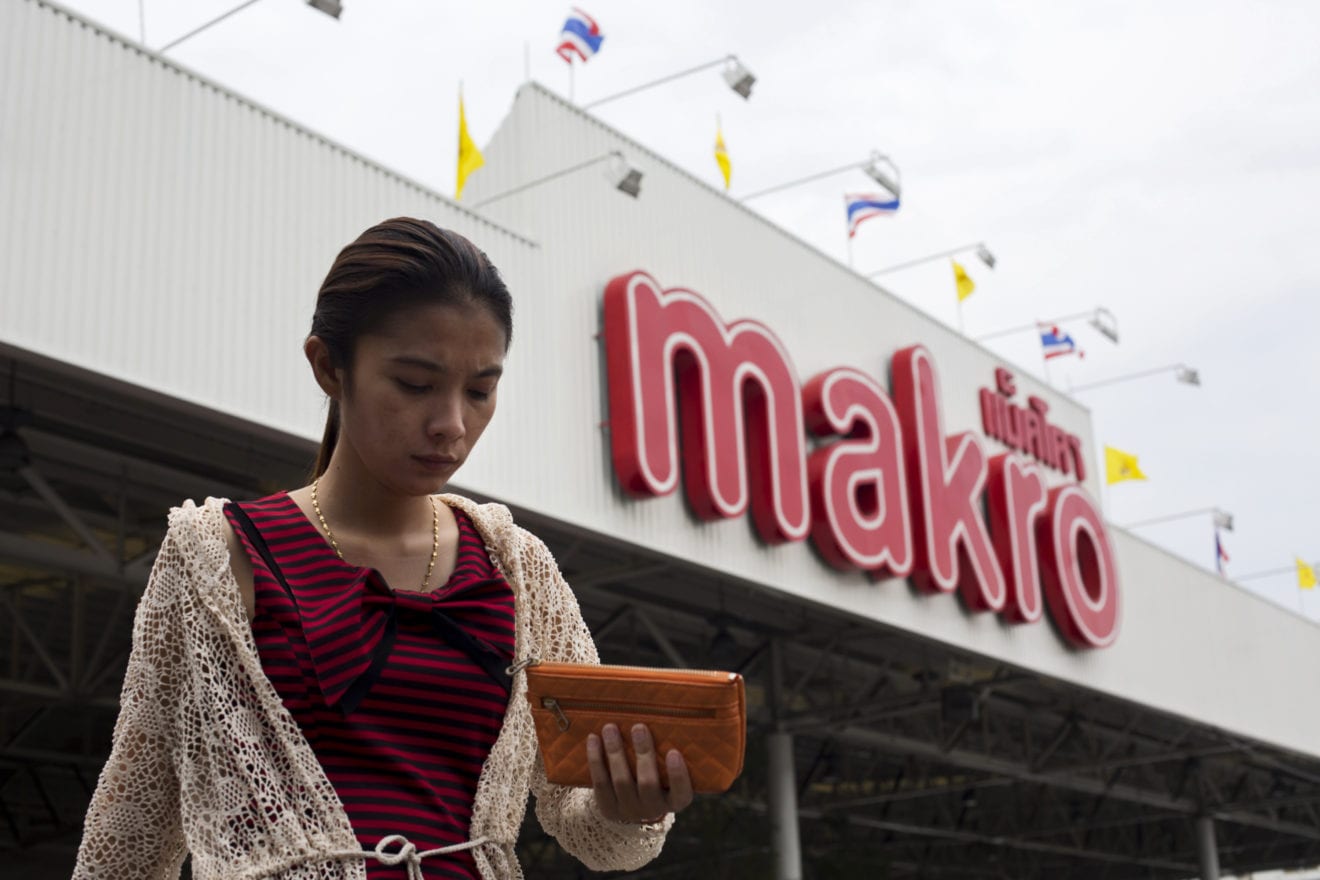
    Thai cash-and-carry chain Siam Makro plans to invest up to 9 billion baht ($258 million) in opening stores this year in Thailand and overseas.

    Its parent company, CP All, which through its ownership of 7-Eleven Thailand is the country’s largest convenience store operator, plans to sell some of its 97 per cent stake in Siam Makro. It has appointed Siam Commercial Bank as financial advisor for a public share sale.

    It is reported CP All aims to keep a stake of more than 50 per cent in Siam Makro, whose main customers are hotels, restaurants and small convenience stores.

    Siam Makro plans to spend 6 billion baht to open 20 stores in Thailand this year, plus 3 billion baht to expand elsewhere in Southeast Asia. CFO Saowaluck Thitaphant says possible markets include Cambodia, Laos and Vietnam.

    She says the company is also interested in India, and plans a store for Myanmar once the political climate is clearer following elections.

    Siam Makro expects revenue to rise by less than 10 per cent this year.

    CP All, controlled by billionaire Dhanin Chearavanont’s Charoen Pokphand Group, says it will use proceeds of the share sale to repay debt.

  • Does Your Brand Need a Store in China to Succeed?

    Does Your Brand Need a Store in China to Succeed?

    As brands speculate about continued economic buoyancy in China, the necessity of having physical stores has come under increasing scrutiny. The unrelenting enthusiasm for e-commerce shown by Chinese consumers has also given cause for questioning the relevance of physical retail.

    Luxury and fashion brands have scaled back on their original optimistic plans to store expansion in China. Most notably, Louis Vuitton announced the closure of several Chinese stores last November. Also Walmart, has this week, launched a major brand repositioning to offer e-commerce solutions to Chinese consumers.

    Pessimism about store space is becoming endemic. Dangdang.com, a local online bookseller similar to Amazon, has launched an audacious plan to create actual bookstores based on the idea they will receive free-rent in increasingly vacant shopping malls in big cities.

    When a store, is not just a store

    Looking at the importance of a store presence in China requires a specific cultural lens. A key starting point for most, if not all, foreign brands is that they are not inter-generational. That is, the reputation and trust of the brand has not been passed down through family legend. Instead, brands are initiating relationships from scratch with a fresh generation of consumers.

    Taking the case of luxury, consumers have experienced the brand as a personal form of development. A key moment of truth in their relationship with brands is formed through store experiences –the physical inspection and feeling of products.

    When interviewing Chinese consumers, the key difference that strikes me is how emotional the store experience and service are in the stories they tell about their favourite brands. Often, they become aware of a brand through peer recommendation, but their loyalty and ultimate advocacy is created through their retail experience.

    Forgoing or not maintaining a retail presence is like introducing a ‘circuit breaker’ at the most crucial stage of brand adoption. Stores, irrespective of economic forecasts, must be seen as a symbolic, practical and emotional stepping stone for new consumers in China.

    In one particular interview with in Chengdu, the thriving city in the Western part of the country, a Chinese entrepreneur was describing to me that one of his favourite brands was Tod’s (which he could not pronounce, and jokingly called it “potato slices” because it was the closest Chinese word he could find).

    Despite having extreme difficulty in engaging with the brand at the official level, he has become a Tod’s aficionado based on his experience at the store – that he described as “like the home I imagine I would live in Italy”.

    For him, the brand was the retail experience, it was enough to cement this loyalty and enthusiastic promotion to a large group of businessmen, who like himself, were ‘finding their feet’ with luxury brands.

    Beyond a transaction point: Chinese stores as brand equity

    From a broader strategic point of view, brands need to see stores in a wider cultural perspective. Beyond a point of transaction and sales number, stores are the clearest and most uncompromised expression of your brand to new consumers in China.

    In the context of ‘face’, retail presence in new malls and as part of the new middle class’ weekend walkabouts is essential to suggest status and respect to Chinese consumers.

    Once again, using Chengdu and luxury as an example: The way foreign brands were perceived in terms of their premium offering was directly related to their presence in two of the city’s new mall developments –meaning Burberry and Michael Kors enjoyed almost equal rating as early-arriving European brands.

    Adding to perceptions is the way that Chinese consumers share their recommendations with others in-person and online is almost always footnoted with a proof point on quality. Invariably, this is described as the look, feel, or physical appearance of the product materials – the fabric of the dress or the sheen of the casing. In this initial peer-to-peer introduction to brands, physical inspection at a store is an essential part of the purchase journey.

    Forgoing or not maintaining a retail presence is like introducing a ‘circuit breaker’ at the most crucial stage of brand adoption. Stores, irrespective of economic forecasts, must be seen as a symbolic, practical and emotional stepping stone for new consumers in China. Something that e-commerce, or lack of stores, can not address.

  • Central Group wins Big C Vietnam auction

    Central Group wins Big C Vietnam auction

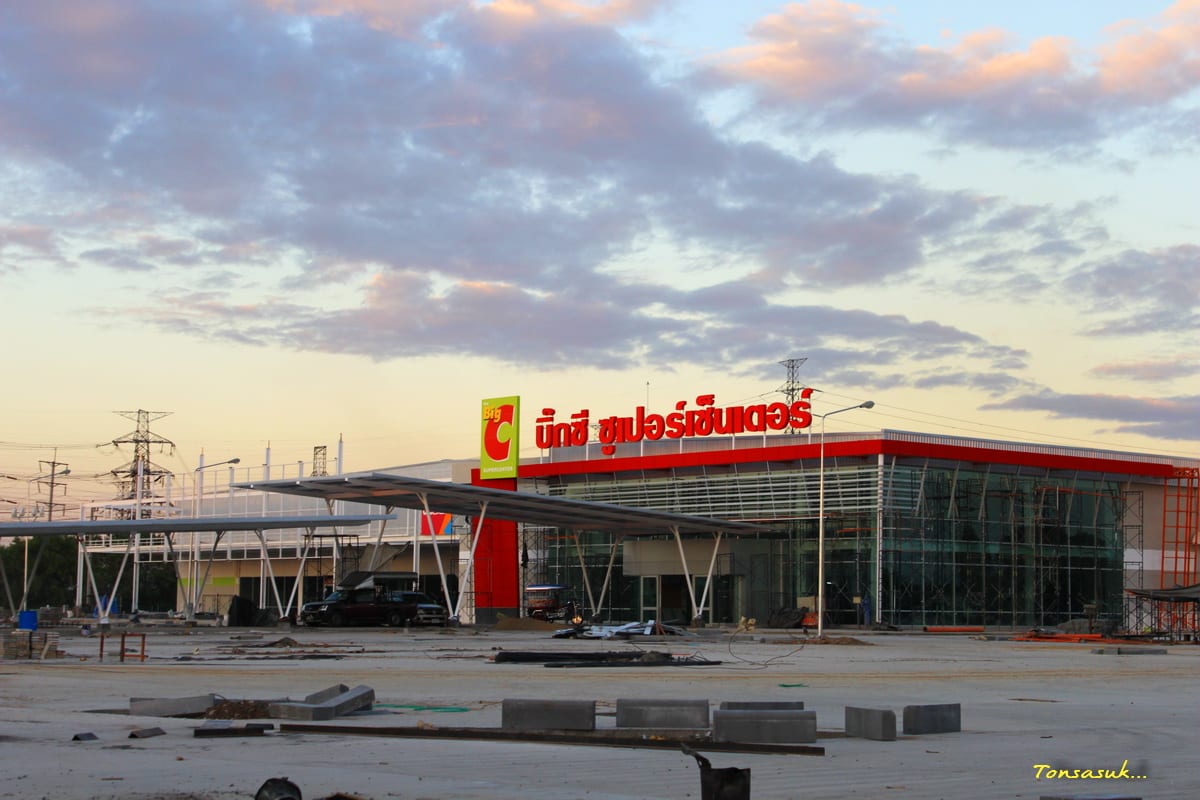
    Thai retail conglomerate Central Group has won the bidding battle for Groupe Casino’s Big C Vietnam business.

    Groupe Casino has confirmed Central paid €1 billion (US$1.14 billion), which will be used to pay down debt.

    That price is as much as $300 million more than the French retailer reportedly expected to get for the business whose value was earlier publicised at around US$800 million.

    One of the rival bidders – Lotte Group of Korea – is believed to have withdrawn from the process when it became clear the price would exceed $1 billion.

    Casino says it will net €920 million after sale costs.

    Central Group is already building a substantial collection of assets in Vietnam, rolling out Robins department stores in main centres and acquiring a controlling interest in the country’s largest electronics retail chain Nguyen Kim. Outside Vietnam it owns department stores in Italy, Germany and Indonesia, amongst other markets. Worldwide it boasts 4400 stores under various brands.

    In an odd twist, Central was a minority shareholder in the Big C Thailand operation which Groupe Casino sold a majority 58.6 per cent stake to rival Thai retailer Berli Jucker last month. Berli Jucker is controlled by tycoon Charoen Sirivadhanabhakdi, who last year paid €3.1 billion for German owned Metro Group’s hypermarket business in Vietnam. Berli Jucker is believed to have bid for Big C Vietnam but lost out to Central.

    The Big C Vietnam operation comprises 43 stores and 30 shopping malls. It turned over  €586 million in 2015.