Author: Mei Ling Tan

  • Esprit sales flat, as expected

    Esprit sales flat, as expected

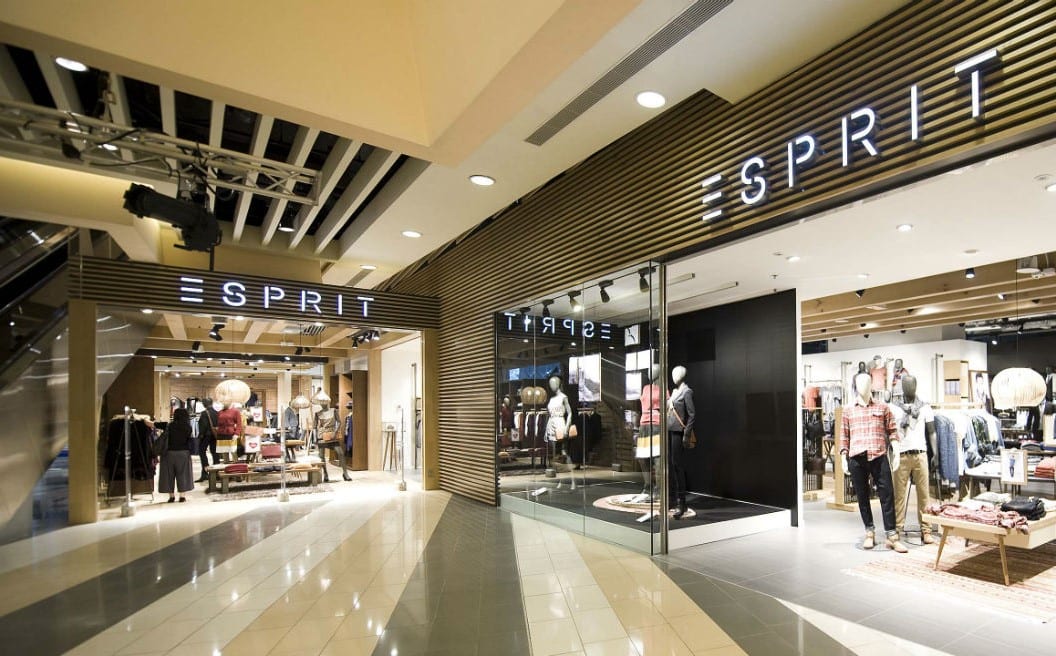
    Largely in line with expectations, Esprit sales were flat, the fashion brand says in its interim report for the six months to December 31.

    While its overall turnover was down 0.4 per cent overall, retail turnover grew 6 per cent while wholesale turnover fell 11.4 per cent.

    The gross profit margin for Esprit Holdings was stable at 50.5 per cent, while the net loss of HK$238 million was in line with expectations. The group had a healthy net cash position of HK$4.2 billion with zero debt.

    Unfortunately, positive retail sales growth in Europe was offset by continued weakness in the wholesale channel, and negative development in the Asia Pacific region. Asia Pacific turnover declined 6 per cent year-on-year, mainly dragged down by China with its 11.6 per cent drop. China represents 46 per cent of the region’s turnover.

    In its breakdown of turnover in Asia Pacific, China led with HK$655 million, 7 per cent of group turnover. Then came Hong Kong (HK$185 million, 2 per cent, down 0.4 per cent), Australia and New Zealand (HK$162 million, 1.7 per cent, up 0.3 per cent), Singapore (HK$129 million, 1.4 per cent, down 4.7 per cent), Taiwan (HK$98 million, 1.1 per cent, up 6.5 per cent), Malaysia (HK$97 million, 1 per cent, down 2.7 per cent), Macau (HK$56 million, 0.6 per cent, down 12.7 per cent) and others (HK$43 million, 0.5 per cent, up 6.2 per cent).

    In the previous financial year, the group moved towards vertical integration which resulted in more cost-efficient product development and supply chain processes, allowing product improvements in terms of design, quality and value-for-money.

    To maximise the selling potential of its improved products, this past year the group started pursuing an Omnichannel business model. In its early stages, this has led to improvements in growing its loyal customer base “Esprit Friends” and fully integrating the commercial activities of all sales channels.

    In September, the group launched an intensive brand-marketing campaign to strengthen and rejuvenate its image.

    Performance during the first six months of this financial year (between July and December) indicated that the vertical and omnichannel model was an effective basis to turn around its business, the company said.

    In its report, the company paid tribute to its co-founder, Doug Tompkins, who died in December, describing him as a “conservationist, outdoorsman, philanthropist, agriculturist and businessman”. He and his then wife, Susie Buell, formed the company in 1968. Esprit’s collections are available in 40 countries, in about 870 directly managed retail stores and through more than 7500 wholesale sales points including franchise stores and department-store outlets. The Group markets its products under two brands, Esprit and EDC.

    Listed on the Hong Kong Stock Exchange since 1993, Esprit has headquarters in Germany and Hong Kong.

  • Central Market and 11street Take 19th Century Malaysian Handicrafts Online

    Central Market and 11street Take 19th Century Malaysian Handicrafts Online

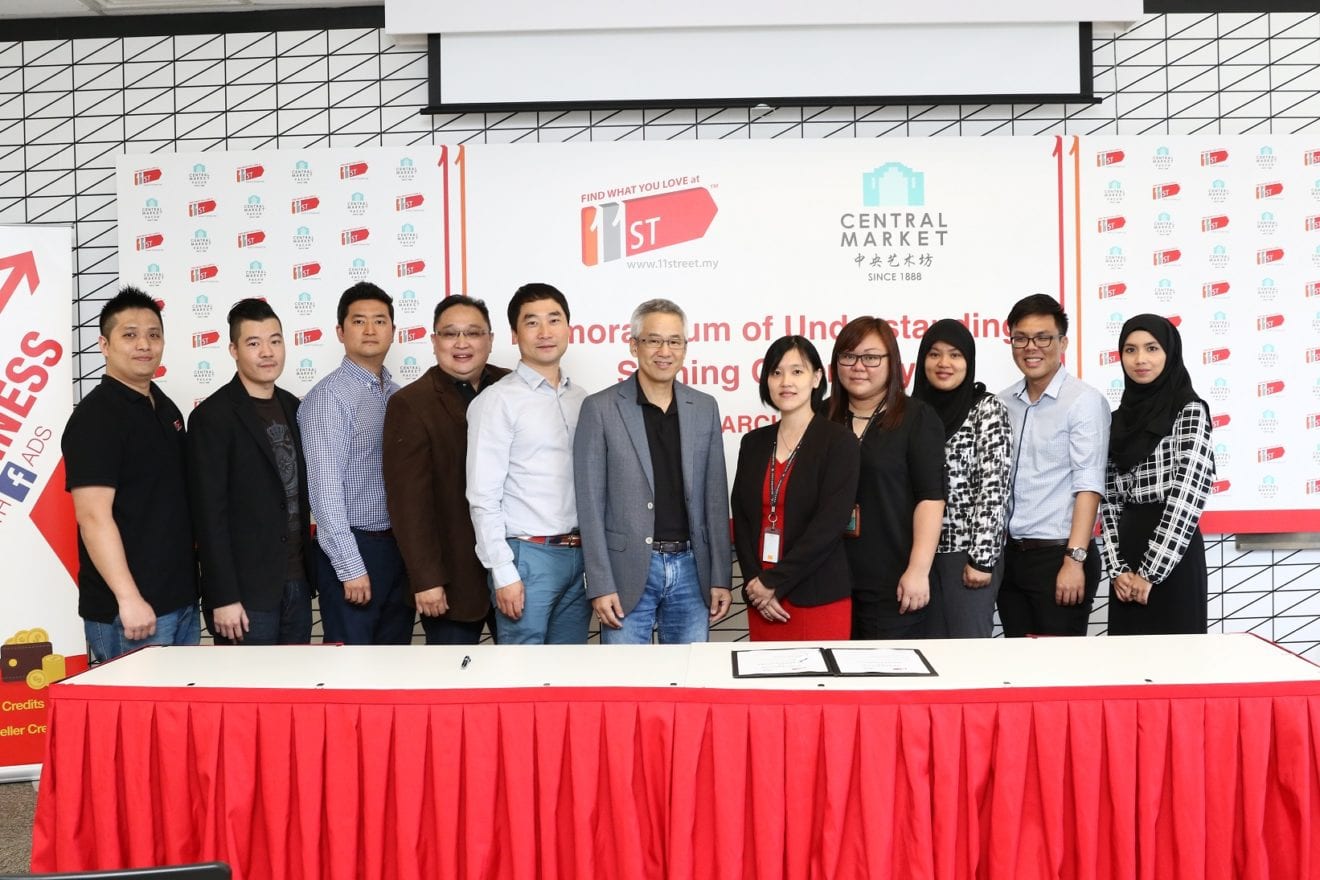
    Online marketplace 11street (www.11street.my) and Central Market, one of Kuala Lumpur’s oldest and most famous centres for Malaysian culture and handicrafts products, have signed a Memorandum of Understanding (MoU) to make the historic venue’s offerings available to customers online.

    Customers throughout the country can now browse and buy a huge variety of products from Central Market’s diverse mix of retailers, ranging from home & living, fashion, sports & leisure, electronics and even groceries. 

    “This strategic collaboration will enable a business, which began life in the 19th century to make its products available to consumers across the country through a state-of-the-art 21st century medium,” said Hoseok Kim, Chief Executive Officer of 11street during the signing ceremony.

    Central Market has a rich history that dates back nearly 130 years to 1888. It currently hosts a total of 300 tenants and has become a landmark for souvenir shopping as well as an iconic opportunity to sample some of the finest aspects of Malaysian culture.

    “Collaborating with 11street has been a fantastic development for us. One of the secrets of Central Market’s unbroken track record of success has been its location within the heart of Kuala Lumpur. Being close to a public transportation hub has also played a role in making it a major attraction for both tourists and Malaysians alike,” Cheong Wai Mun, Complex Manager of Central Market.

    “Now, with the brand new presence on 11street, Central Market has broken its reliance on geography. Retailers can focus on doing what they do best – offering an incredible range of artistic and exciting products as well as services at attractive prices – to a wider group of audience,” Cheong said.

    The move has been warmly welcomed by Central Market’s tenants. One of them is Gadis Manis Malaysia, a brand that promotes Malaysian’s cultural diversity, with products such as bags, t-shirts, tableware, stationary and aromatic oils inspired by Malaysia’s nature, architecture and cultures.

    “I founded Gadis Manis in 2008 after moving to Malaysia and falling in love with the cultures diversity. I’m confident that partnering with 11street will add a new dimension to the business. I look forward to introducing my unique creations to a hugely expanded online customer base,” said founder, Florence Lambert Lee.

    Staying under the same roof, Wau Tradisi, a traditional handicraft shop that sells homemade Wau, congkak, gasing, wayang kulit and many more takes part on welcoming the collaboration. Wau, a uniquely designed Malaysian kite is a tradition inherent to the culture of Eastern States of Malayan Peninsula residents, such as Kelantan and Terengganu. Whereas congkak, gasing and wayang kulit are the traditional Malay games that have a century of history. 

    Expressing the happiness, Sarimah, founder of Wau Tradisi said, “E-commerce is universal nowadays, I’m glad that both Central Market and 11street make the effort to promote Malaysia culture by having our traditional items sold at 11street. With the combination between traditional products and modern online marketplace, I believe we can continue to carry on and bring our culture to more people, and even the future generation.”

    Other than Gadis Manis and Wau Tradisi, the list of enthusiastic tenants also includes Borneo Pearl, which sells hand assembled jewellery pieces using pearls cultured in Sabah, and the Coconut Shop, which offers a wide range of products crafted from coconuts.

    “All of Central Market’s tenants will benefit from the solid marketing support that 11street offers to its customers in order to make their online businesses a success. That includes education and training programs which covering effective product listing, digital content strategy, integrated online marketing, and photography,” Kim added.

    In conjunction with the new launch, a series of Central Market’s promotional offers and discounts that are close to 40% will be available on 11street until 24 February 2017.

  • iPhone SE launch date revealed

    iPhone SE launch date revealed

    The Asia-Pacific iPhone SE launch dates have been revealed.

    In Asia-Pacific, customers in Australia, China, Hong Kong, Japan, New Zealand and Singapore will be able to order the new handset model beginning Thursday, March 24, with availability beginning Thursday, March 31.

    The iPhone SE will be available “in early April” in India and Taiwan, but release dates were not given for other Asian markets.

    The new iPhone SE marks a philosophical shift into a lower price bracket for the tech giant, with the SE essentially an evolution of the old iPhone 5 product with features previously only found in the larger iPhone 6 models.

    iPhoneSE-RsGld-3Angles-LockScreen-PR_US-EN-PRINT

    Apple says the SE is the world’s most powerful phone with a four-inch display, “reinvented from the inside out, giving customers a powerful, full-featured iPhone no matter which model they choose”.

    The 64-bit A9 chip, introduced in iPhone 6s and iPhone 6s Plus, offers iPhone SE customers two times faster CPU and three times faster GPU performance compared to iPhone 5s, offering longer battery life and less energy use. It features M9, Apple’s new generation motion coprocessor and faster wi-fi.

    Pricing will start at US$399 in the US for a 16Gb model, with prices yet to be revealed for Asian markets.

    But both the tech and business community appeared underwhelmed by Apple’s launch overnight, which also included a new 9.7 inch iPad Pro and cheaper models of the Apple Watch.

    “Given the softness of Apple’s performance last quarter, today’s event was an opportunity for the company to start regaining some of the momentum it has lost,” commented Neil Saunders, CEO of retail analyst Conlumino.

    “Unfortunately, this opportunity was largely squandered with fairly mundane product updates being the sole focus of the occasion. Gone was the sense of wow, gone was the sense of excitement that makes consumers want to dash out and get the latest Apple products.”

    Saunders says the technical ability and engineering prowess of Apple is indisputable, but the launch unveiled little more than tweaks.

    “As such they will likely little to persuade consumers, especially in saturated core markets like the US and the UK, to rush out and upgrade. The one slight positive is that some of the cheaper price points, across lines like Apple Watch and the new smaller iPhone, will allow Apple to penetrate some consumer segments that have, hitherto, found its products too expensive.

    “However, that Apple should need to focus on price is a worrying sign and a reversal on the previous position that its products were so innovative and cutting edge that it was able to command a premium.”

    Saunders concluded that Apple needs to come up with “revolutionary rather than evolutionary product” this year.

    “It has failed to do so at this event, which does not bode well for future sales or market share.”


  • Xiaomi India lodges FDI application

    Xiaomi India lodges FDI application

    Xiaomi India, the Chinese smartphone maker’s local subsidiary, has lodged an application with the government to operate single-brand retail stores.

    The move coincides with US tech giant Apple resubmitting a similar application as it attempts to gain formal Indian Government approval to operate its own Apple Stores in the heavily-regulated economy.

    Xiaomi currently sells handsets online and through a network of offline distributors.

    But to gain approval to open single-brand stores, companies must commit to sourcing at least 30 per cent of its stock or componentry locally. Apple is applying for a waiver of this clause on the grounds it makes “state-of-the-art” and”’cutting edge” technology products which cannot be sourced locally.

    “Chinese smartphone maker Xiaomi has submitted an application to the Department of Industrial Policy and Promotion (DIPP),” an official confirmed to Indian news media this week.

  • Australia Strengthens Presence in Indonesia

    Australia Strengthens Presence in Indonesia

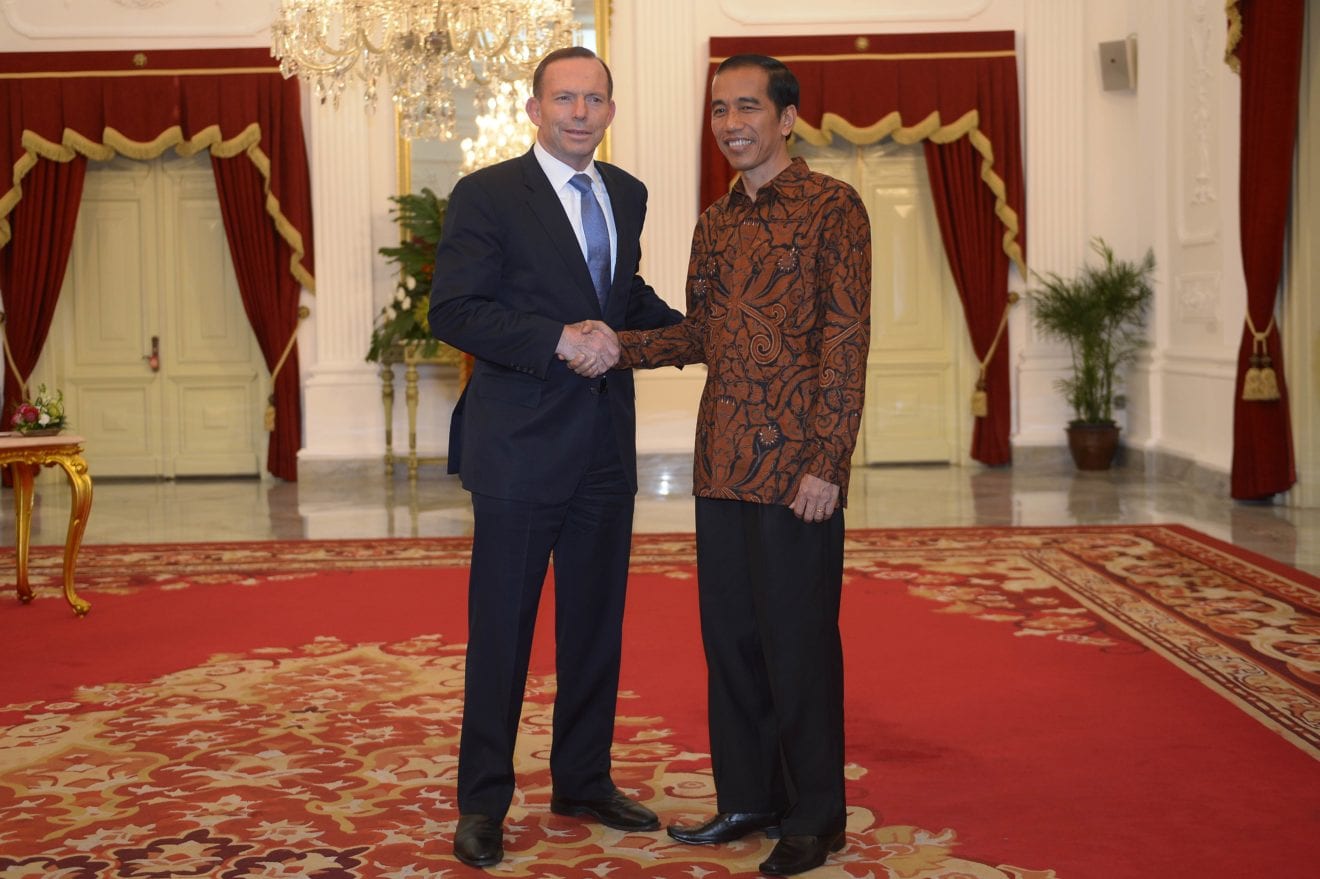
    Australian Foreign Minister Julie Bishop, as part of her busy schedule, visited Jakarta, Makassar in South Sulawesi Province, and Bali during a working visit on March 20-23, 2016.

    Bishop started her agenda by holding meetings with her Indonesian counterpart Foreign Minister Retno Marsudi and Vice President M. Jusuf Kalla in Jakarta to discuss efforts to boost bilateral, political, trade, and investment cooperation.

    Foreign Minister Bishop then formally inaugurated Australias newly constructed embassy in the Patra Kuningan area, South Jakarta, which includes a five-storey Chancery, accommodation for some Embassy staff, and a recreation and medical center covering an area of more than 50 thousand square meters.

    “The state-of-the-art building and joint project between Australian and Indonesian companies symbolizes our commitment to strong and enduring ties with Indonesia. The new embassy facility will accommodate Australias increased presence in Indonesia and will provide a secure working environment for our personnel,” she stated.

    The new embassy complex was built by Indonesian company Total Bangun Persada in partnership with Leighton (Asia) and continues to make a positive contribution to the local economy.

    Some 2.5 thousand local workers were employed at the site during the construction process. The Australian government is also upgrading infrastructure in the embassys neighborhood.

    “The embassy showcases the best in Australian innovative design and cutting-edge technology to make the most out of Indonesias environment while minimizing the impact on local water and energy sources,” Australian Ambassador to Indonesia Paul Grigson noted.

    The new embassy is the largest ever to be constructed by an Australian government in the world and reflects the depth of the relationship between Australia and Indonesia, he remarked.

    The embassy complex uses low-resource technologies such as rainwater harvesting and solar water heating systems.

    Extensive landscaping was carried out during construction. Four mature Banyan trees were also relocated. This relocation is the biggest of its kind to be ever undertaken and has been recognized by the Indonesian Guinness Book of Records. The effort also won a Museum Rekor Indonesia Award.

    The distinctive colors chosen for the Chancery are designed to represent Australias wealth in minerals and metals such as copper, zinc, brass, steel, and aluminum.

    “The new Australian Embassy complex is not only a tribute to the countrys creative design and innovation but is also a tangible example of a very successful Australian-Indonesian construction partnership,” Grigson emphasized.

    Bishop expressed hope that more number of Indonesian tourists would visit her country.

    “Every year, a million Australians visit Indonesia. We wish to push for an increase in the number of Indonesian tourists visiting Australia,” Bishop stated here on Monday after inaugurating the new Australian embassy.

    She said Australia applies a universal visa system across the world. Currently, Australian tourists do not require a visa to visit Indonesia.

    From January to November 2015, the number of Australian visitors to Bali was the highest, reaching 876,748 out of the total of 3,631,195 foreign tourists arriving on the island.

    Australia is a potential market for Bali, or even Indonesia as a whole, largely due to its proximity. It has always been one of the three biggest sources of tourists to Bali.

    On March 22, Bishop opened the new Australian Consulate General in Makassar, Australias third diplomatic post in Indonesia.

    “Australia is committed to building trade and investment partnership with Indonesia and expanding our people-to-people contacts. The Consulate General will deepen our business, education, and cultural links with the provinces of eastern Indonesia,” the minister noted.

    On the occasion, Bishop announced the appointment of Richard Mathews as Australias first Consul General in Makassar, which is Indonesias fifth-largest city and a key commercial hub for Australians doing business in eastern Indonesia.

    Eastern Indonesia is an increasingly popular destination for Australian trade and investment, particularly in the resources, agribusiness, and food processing sectors.

    Mathews is a career officer with the Department of Foreign Affairs and Trade and was most recently the director of the Nuclear Policy Section. He had earlier served overseas as deputy representative in the Australian Commerce and Industry Office, Taipei; deputy head of Mission in Athens; and as second secretary in Bandar Seri Begawan.

    In Canberra, Mathews has worked in the India, Sri Lanka, Bangladesh, and Europe sections.

    He has also worked as director at the Centre for Defence and Strategic Studies; Indonesia director in the Northern Territory Government; and as a visiting fellow and Indonesia Merdeka fellow at the ANU.

    Mathews claimed that the new diplomatic facility will help to reinforce and strengthen trade and investment ties with eastern Indonesia.

    “I want to build a network of business, educational facilities, and Australian alumni in eastern Indonesia,” Mathews emphasized.

    He promised to promote sound relations between the two sides.

    Meanwhile, South Sulawesi Deputy Governor Agus Arifin Numang stated that the consulate general would help strengthen trade relations between his administration and Australia.

    “We hope that trade relations with Australia would be improved,” he noted.

    Earlier, Vice President Kalla had expressed hope to lure more Australian investments in Makassar.

    “Australia is relatively closer to the eastern part of Indonesia,” the vice president pointed out.

    Grigson listed trade, education, and culture as the three priority sectors that the consulate general in Makassar would pursue.
  • Coffee Producer Classic Worldwide International Group Expands to Indonesia’

    Coffee Producer Classic Worldwide International Group Expands to Indonesia’

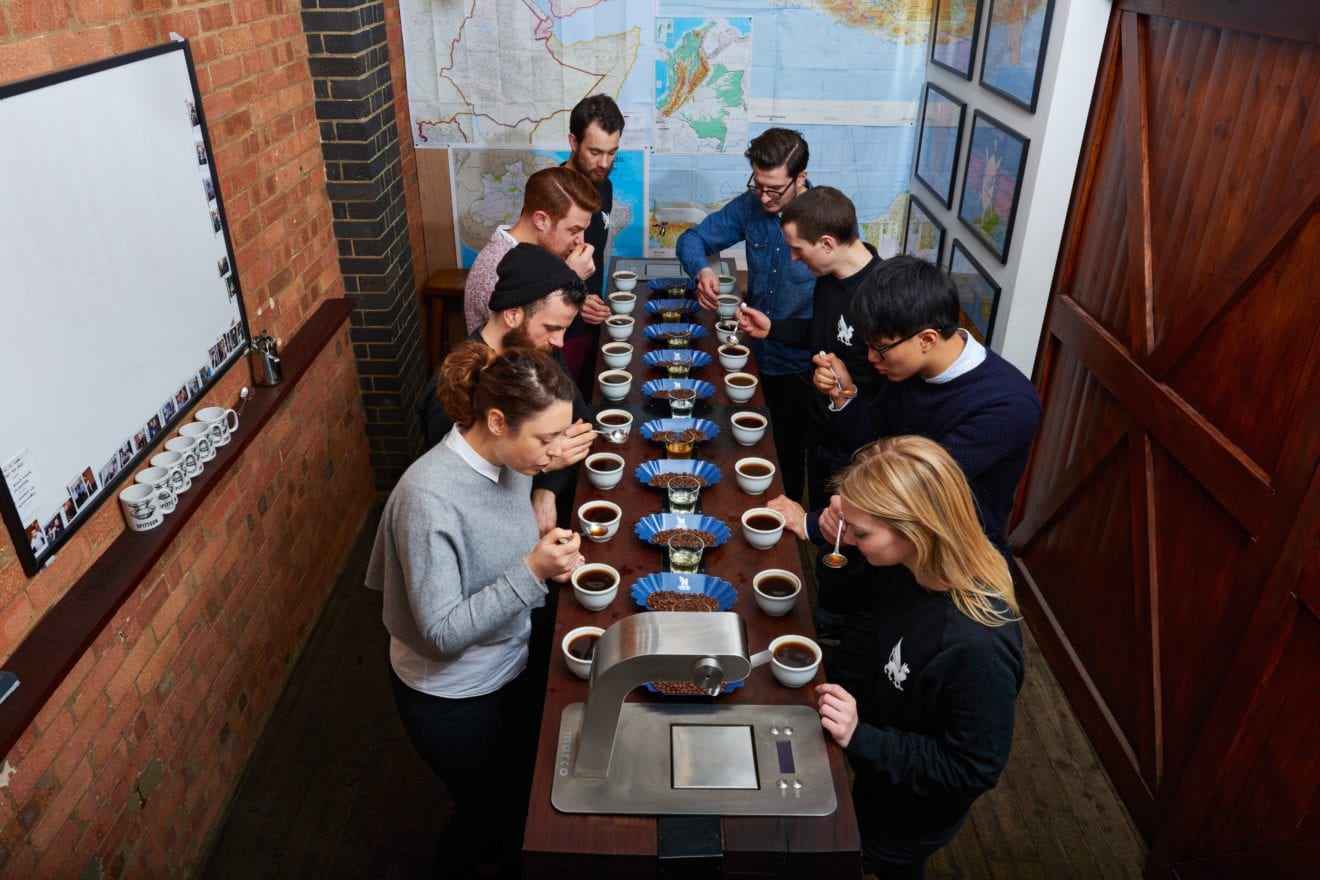
    Dato Sri Rozaini, Executive Director at CWIG, said the company’s expansion to Indonesia required about IDR 1 trillion (approx. USD $76 million) worth of investment over the past two years, including the construction of the coffee plant. The main reason for expansion to Indonesia is that production costs are lower in Indonesia compared to the home country. CWIG targets to control a 3 – 5 percent stake in Indonesia’s coffee market after the first year of operations. This market share should then be raised to 20 – 30 percent in the next three years. This is an ambitious target as Indonesia’s coffee market is characterized by many brands and types of coffee.

    CWIG is confident that it can control a significant stake in Indonesia’s coffee market because the company has developed strongly, within a short time, on the Malaysian market. Although it only started to sell its coffee products in Malaysia in 2014, Rozaini says CWIG already controls a 30 – 40 percent market share in Malaysia’s coffee market. A similar scenario is expected in Indonesia. Rozaini added that – provided the expansion to Indonesia is successful – the company also plans to expand its coffee business to Brunei and the Philippines.

    Remarkably, CWIG’s coffee plant in Banten will not use domestically-sourced coffee beans (although Indonesia is among the world’s top coffee bean producers). Instead the company will import the beans from Vietnam and Brazil. The reason behind this decision is that the company wants to use (high-grade) arabica coffee beans for its coffee products. Indonesia, on the other hand, is mostly a robusta bean producer.  Parts of Aceh and North Sumatra do produce arabica beans but the grade of these beans are not in line with the requirements of the company.

  • Jakarta Convention Center to hold biggest marine tourism expo

    Jakarta Convention Center to hold biggest marine tourism expo

    The Tourism Ministry supports the countries biggest marine adventure tourism exhibition, “Deep & Extreme Indonesia 2016”, which will be held at the Jakarta Convention Center, from March 31 to April 3, 2016.

    “The Tourism Ministry supports the organizing of the event. Lets explore the beauty of Indonesias underwater world,” Tourism Destination Development Deputy of the Tourism Ministry Dadang Rizki said here on Sunday.

    Organized since ten years ago, the exhibition is the biggest and most complete of its kind held in the country. It explores marine tourism markets in various regions to be developed into world best diving tourist destinations.

    It is admitted that Indonesia is best for its beautiful undersea world with various diving destinations such as Raja Ampat in West Papua; Bunaken in Manado (North Sulawesi); Lembeh Bitung in Lombok (West Nusa Tenggara/NTB); Labuan Bajo in East Nusa Tenggara (NTT); Wangi-Wangi, Kaledupa, Tomia and Binongko in Wakatobi (Southeast Sulawesi); and Morotai as well as Halmahera in Ambon (Maluku).

    Indonesia has thousands of places of this kind that are scattered across the country from Sabang in Aceh Province to Marauke in Papua Province, he said.

    Dadang explained that the Indonesian underwater world is host to various coral reefs which serve as habitat for more than 2,000 fish species and various sea biota.

    Different fish species such as wrasse, dansel, trigger, sweetlip and unicorn are all can be found there. There are also various big fish species such as tuna, marlin, hammer head sharks, sailfish, yellowfin tuna, barracuda, dolphin and whales.

    Different tourism operators and diving organizers, government organizations, tourism promotion boards and travel bureaus will take part in the exhibition.

    The operators and diving organizers will display diving operator ship and various diving accessories, and other water sport devices. They will also exhibit underwater photography equipment.

  • BNI Set to Penetrate ASEAN Market

    BNI Set to Penetrate ASEAN Market

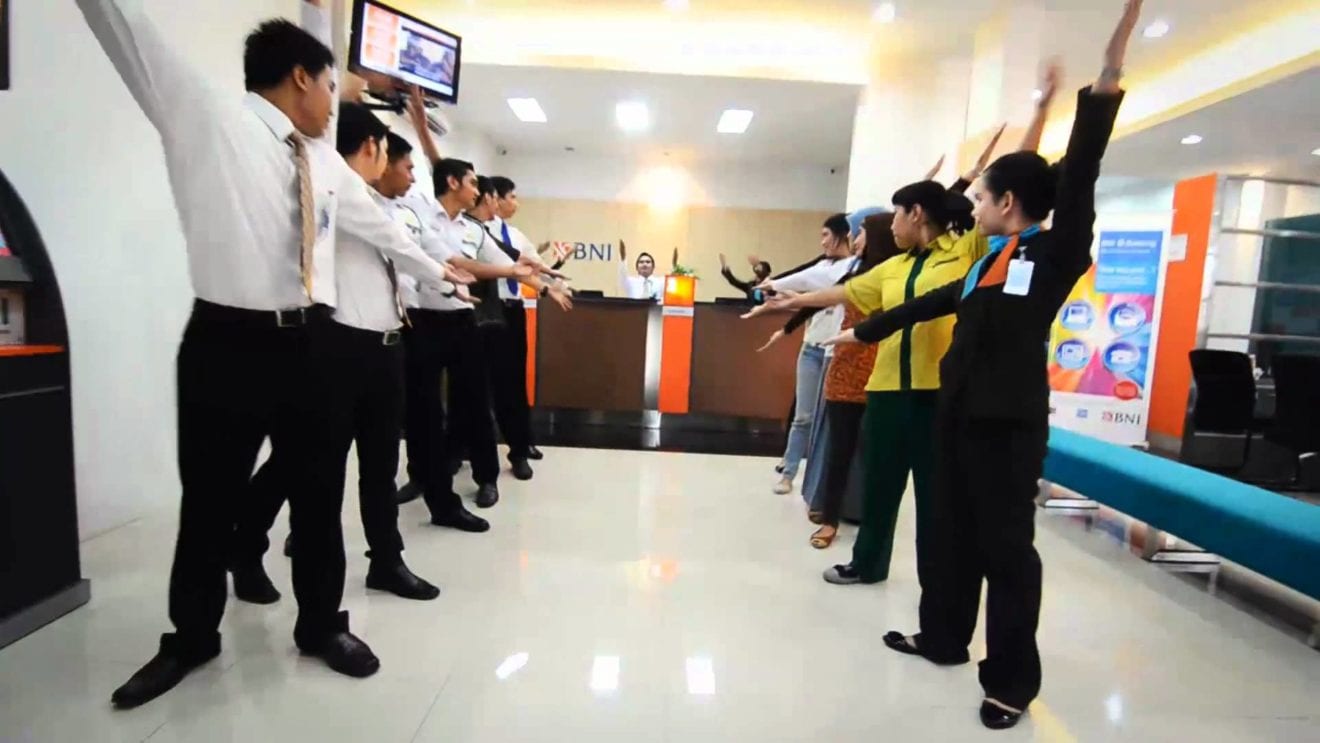
    Bank Negara Indonesia (BNI) president director Achmad Baiquni said that state-owned lender BNI would expand its business in other Southeast Asian countries, in addition to Myanmar.

    “There are some countries targeted by BNI, but we can’t reveal them yet, because it’s too early,” Baiquni told us during a tree-planting event at kilometer 59 of the Jakarta-Cikampek toll road on Saturday, March 26, 2016.

    Baiquni added that the expansion plan would be executed based on existing business potentials. Myanmar was selected since other state-owned companies were expanding their business in the country.

    “We have to follow our customers,” Baiquini explained.

    Baiquni admitted that BNI had looked into the business potential in Myanmar. He also expected that the expansion plan would be realized this year.

    BNI and Bank Mandiri are preparing to expand their businesses in the ASEAN market prior to Financial Services Authority’s agreement signings with Central Bank of Myanmar and Bank Negara Malaysia.

  • All eyes on Indonesia’s e-commerce pie

    All eyes on Indonesia’s e-commerce pie

    Squinting at the electronic tablet screen, shopkeeper Maihar tapped the colourful icons to top up her customer’s mobile phone credit.

    “Today I sell phone credits. Tomorrow I will run an online grocery store from my bed,” the 59- year-old told The Sunday Times from her small provision shop in Jakarta, which she has been running for the past 20 years.

    “I used to be ‘gaptek’. I knew only how to switch the computer on and off,” she said, using the Indonesian slang “gagap teknologi”, which refers to people who are technologically backward. “But the Internet is changing the way we do business so I am learning to use it.”

    Madam Maihar made the plunge into cyberspace four months ago when she was introduced to Kudo, a local tech start-up which allows “agents” like her to sell clothes and concert tickets from its 10-odd merchant partners through a shopping application installed on its tablets.

    So far, she has used it to pay utilities and phone bills for her customers. In return, she gets shopping discounts from Kudo.

    GETTING ON THE DIGITAL BANDWAGON

    I used to be ‘gaptek’. I knew only how to switch the computer on and off. But the Internet is changing the way we do business so I am learning to use it.

    MADAM MAIHAR, an Indonesian shopkeeper, using the Indonesian slang “gagap teknologi” to refer to people who are technologically backward.

    Small-time entrepreneurs like Madam Maihar as well as big capital owners and tech start-ups like Kudo and others, including from Singapore, are all eager for a piece of Indonesia’s e-commerce pie, valued at US$12 billion (S$16 billion) in 2014 and US$18 billion last year.

    Billed as the next frontier in e-commerce after China and India, Indonesia’s market is expected to swell to US$130 billion in 2020, with an annual growth of 50 per cent, Information and Communications Technology Ministry spokesman Ismail Cawidu told The Sunday Times.

    The government wants e-commerce to become “Indonesia’s backbone in digital economy so we can become the biggest in Southeast Asia in 2020”, he said. It will soon roll out a road map for the industry that will provide clear guidelines on logistics services, financing for start-ups, consumer protection, taxes and cyber security.

    Recognising Indonesia’s digital potential, Singapore’s Foreign Minister Vivian Balakrishnan during a visit to Jakarta in January proposed a new partnership between the two neighbours.

    “We believe Indonesian universities and technical institutes will produce many graduates with digital skills and we are thinking of launching a scheme in which Singapore companies which are looking for talent will be able to recruit talent here, deploy them here and provide services for the rest of the world,” Dr Balakrishnan said.

    With nearly a third of its 250 million population able to access the Internet, seven in 10 of whom do so on their smartphones, Indonesia has a ready captive market.

    This, coupled with low labour costs and growing affluence, is a big draw for budding tech firms.

    Mr Ivan Tan, IE Singapore’s group director of South-east Asia Group, which has helped 50 Singapore firms to collaborate with Indonesian players, said: “The increased spending power of the middle class and the rapid adoption of new technology will drive e-commerce growth in this country.”

    While traditional on-demand transport, food and shopping services such as Go-Jek motorcycle-hailing service and Tokopedia online marketplace continue to dominate the industry, new ventures such as UangTeman, which provides short-term micro loans online, and HaloDiana, a private virtual assistant, have sprung up.

    Low Internet penetration rates and service gaps such as poor infrastructure which drive up logistical costs, patchy mobile connectivity and limited banking facilities have spawned a new breed of innovative businesses.

    For instance, Kudo, whose investors include two from Singapore, targets the “have-nots” by recruiting agents in rural locations to shop on behalf of their less technologically savvy communities.

    Bareksa, an investment portal start-up, allows people to start mutual funds online with only $10 without stepping into a bank.

    Singapore firms also are jumping on the bandwagon, despite challenges such as language barrier, few business connections, foreign investment restrictions, bureaucracy and online payment problems.

    SingPost said it has “a special arrangement with Pos Indonesia” with full online tracking and work sharing at a discounted price that helps to lower logistic costs and cut delivery times for Chinese e-commerce giant Alibaba merchants selling to the Indonesian market.

    Mr Henry Chan, business development head at ShopBack, which returns a portion of cash to shoppers who buy through the website, said while China has high demand, its “competitiveness is also very, very high”.

    “Indonesia is closer to home and something we can relate to a lot more on a cultural basis,” he said.

    Despite an “imperfect ecosystem”, from unclear government regulations to Indonesians’ love for haggling, it is only a matter of time before the country completely embraces the idea of e-commerce, technology experts say.

    Said Indonesian Internet Service Providers Association chairman Jamalul Izza: “There’s no way but up. When we are lazy to go out or get stuck in a traffic jam, what else is there to do but shop or buy food online?”

  • Microsoft Store opens in Lazada Thailand

    Microsoft Store opens in Lazada Thailand

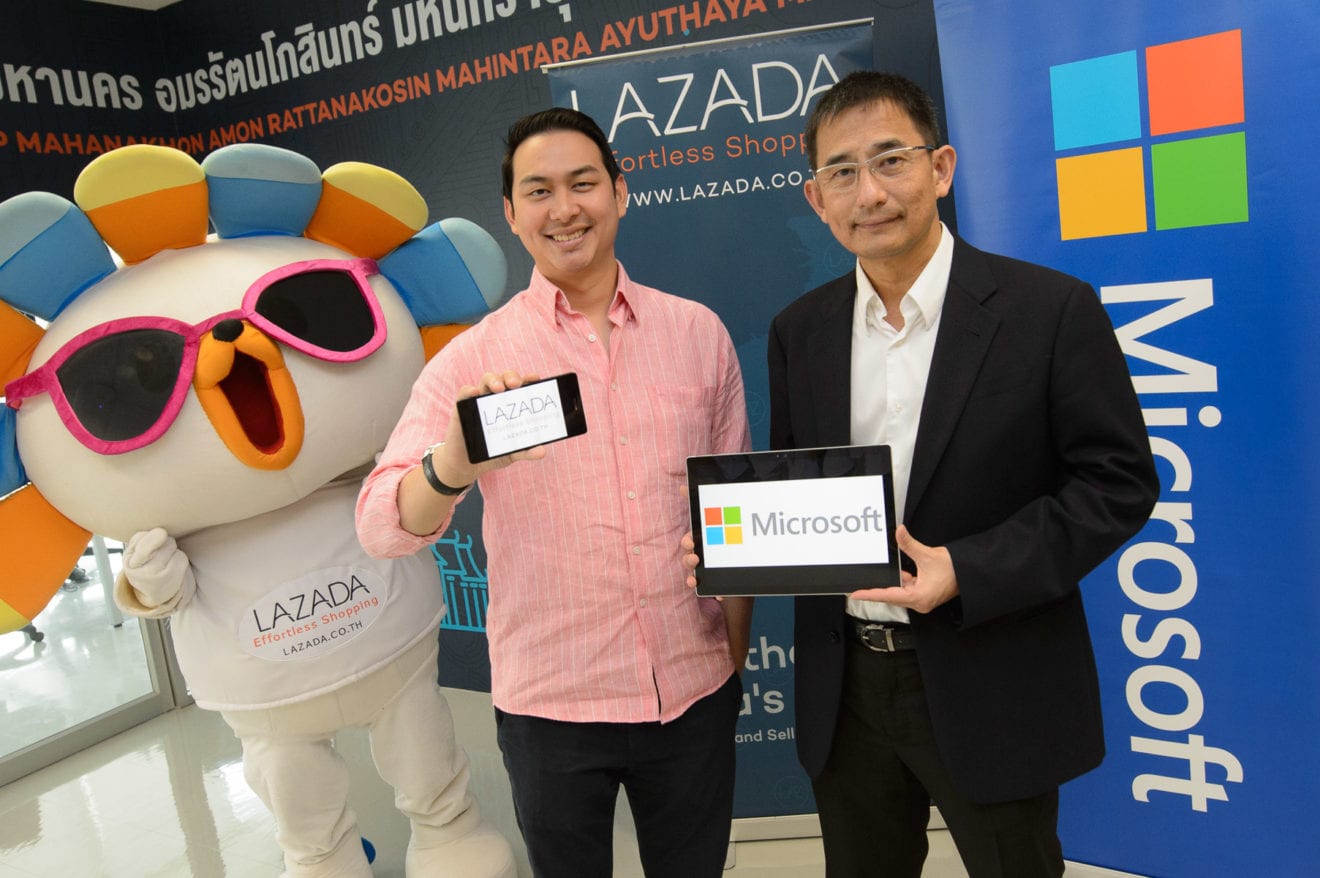
    Microsoft Thailand recently announced the official launch of its Microsoft Online Store on Lazada Thailand.

    The store is envisioned to be a one-stop shop for Microsoft’s products and a destination for exclusive offers and deals, giving Thai consumers access to the full lineup of devices, software, and services, including Surface, Lumia smartphones, Windows 10-powered laptops, tablets, and 2-in-1 devices, various hardware accessories, and the Office productivity suite.

    Following a similar partnership between Microsoft and Lazada in Malaysia last year, Thailand becomes the second country in the region to welcome the Microsoft Online Store on the Lazada platform.

    “The launch of the Microsoft Online Store on Lazada is an important milestone for Microsoft Thailand as the explosion of social and mobile technology has enabled the era of online shopping in Thailand,” said Orapong Thien-Ngern, General Manager, Microsoft Thailand. “Partnering with Lazada gives Microsoft an opportunity to build on our customer-centric approach and deliver our products and services to Thai customers via a platform that is already familiar to them.”

    The Microsoft Online Store opening comes just days before Lazada celebrated its fourth anniversary in Thailand. Lazada has seen rapid growth in the country since its launch in March 2012.

    “We are delighted that Microsoft is launching its online store with Lazada. Together with Microsoft, we are making exciting, aspirational innovative products accessible to more consumers in Thailand,” said Tarin Thaniyavarn, Chief Commercial Officer, Lazada Thailand.

  • Mobile firms splash the cash in Myanmar

    Mobile firms splash the cash in Myanmar

    Recently, Telenor launched its first nationwide karaoke contest, offering the winner a prize of 200 million kyats (about Bt5.8 million) and a chance to have the album released. Telenor and Ooredoo also distributed affordable handsets, while MPT charges only 3,200 kyats (Bt93) for 4GB night-time Internet data usage.

    All that investment appears to be worth it, as the three strengthen their presence ahead of the expected approval for a 4G rollout later this year. Market shares also matter as Vietnam’s Viettel last week won the fourth telecom licence in partnership with a local consortium.

    To the incumbent, aside from promotion, network expansion is vital, as well as points of sale.

    MPT now covers 92 per cent of the population, and aims to cover 95 per cent by the end of this month.

    Koichi Kawase, chief commercial officer of MPT-KDDI joint operations, which runs a operates 900MHz 3G service, said: “Network expansion has always been a priority in our agenda. There is no doubt that MPT boosts its leadership with over 18 million users and the largest 3G network here. We have updated our quality from 2G to 3G so we can provide clear voice and better Internet services.”

    It now has more than 80,000 points of sale.

    Serving more than 14 million subscribers – 52 per cent of who are active data users – Telenor extends its coverage to 62 per cent of the population.

    Telenor Myanmar CEO Petter Furberg, said: “We have made impressive progress in our first full year of operation with net subscriber growth of 1.9 million in the fourth quarter of last year. And our SIM market share is currently estimated to be around 37 per cent, according to our fourth quarter report,” said.

    Despite currently standing in the third place in terms of the number of subscribers, Qatar’s Ooredoo also foresees a brighter future in the booming market. It invested more than $1.7 billion in the last quarter of 2015 alone, when the number of subscribers increased by 1 million to 6 million. Its network now covers 80 per cent, set to rise to 90 per cent by the end of this year.

    “This has been made possible by our record investment in 3G technology,” said Ooredoo Myanmar’s CEO Rene Meza. He is committed to increase its investment in Myanmar in the years to come.

    Both Telenor and Ooredoo invest hugely in telecom towers as well as fibre optic networks.

    “We are thrilled that 86 per cent of our customers currently use our data services. We are seeing explosive growth in data traffic on the network, which has increased 5 times in the last year, driven by the affordability of Ooredoo Internet tariffs. We also see that data usage per subscriber, which reached an average of 580 megabytes per month in Q4, at par with what customers in Europe are consuming on their mobile phones,” he said.

    According to Meza, Ooredoo products and services are now available in over 100,000 retail outlets, in addition to more than 100 brand stores countrywide. He was pleased that a research by Nielsen shows Ooredoo having a comfortable lead in data experience over mobile Internet competitors.

    “We have made the investment, and it is working. We are connecting more data customers than ever before, who feel a real difference in data speed and overall network quality,” he said.

  • UnionPay now in Thailand

    UnionPay now in Thailand

    While the company’s success up to now has relied on the huge domestic home market in China – which accounts for 99 per cent of all UP credit cards issued – this could be about to change. UnionPay is setting its sights on global expansion and intriguingly Thailand is the catalyst which will help make this happen. Over the past few years several landmark decisions about ATM/debit cards have been made by the Bank of Thailand (BOT) and the Thai Bankers’ Association (TBA), and these are beginning to be implemented this year.

    To combat the growing incidence of ATM and debit-card fraud, the BOT decided that all new ATM/debit cards in Thailand must carry secure embedded chips, a mandate which comes into force this May. Significantly, the BOT and TBA adopted UnionPay’s chip technology as the standard for all of Thailand’s debit cards, the first country outside of China to do so.

    This will mean a mass transformation of Thailand’s 50-million strong debit-card market, as currently few debit cards have embedded chips and they are mainly used as ATM cards and not for retail transactions. Most cards will, therefore, need to be replaced and to support this UnionPay has joined with Bangkok Bank to establish the Thai Payment Network (TPN). Other leading Thai banks are also expected to become shareholders in this joint venture company.

    Thai banks and other financial service providers will produce the new cards under the TPN and TPN-UnionPay brands, which will be locally issued and processed in line with BOT policy.

    China UnionPay chairman Ge Huayong said that the launch of TPN in Thailand has great significance and he cited four major reasons for this. It is a new breakthrough in the development of technical standards in China’s financial sector, it represents a model for China’s policy of Going Global, it lays a solid foundation for large-scale acceptance and issuance of UnionPay cards in other local markets, and it will help UnionPay develop a business-expansion model which can be replicated which will accelerate the roll-out of its global business.

    Ge Huayong also added that it ties in with China’s “One Belt, One Road” international expansion strategy as UP plans to develop similar payment infrastructure in other countries along the Belt and Road.

    Meanwhile, in another major development China UnionPay last month signed a memorandum of understanding with Visa to collaborate on payments security, innovation and financial inclusion.

    Visa CEO Charlie Scharf said the two card giants would work together to develop innovations in digital payments and broaden the access of financial services to a wider population.

    All these developments fit well with the Thai government’s digital payments strategy and should ensure that Thailand is at the forefront of using new technology in the payments industry.

    The benefits include helping our businesses keep up-to-date with modern technology while ensuring the public has easy and convenient access to financial services.

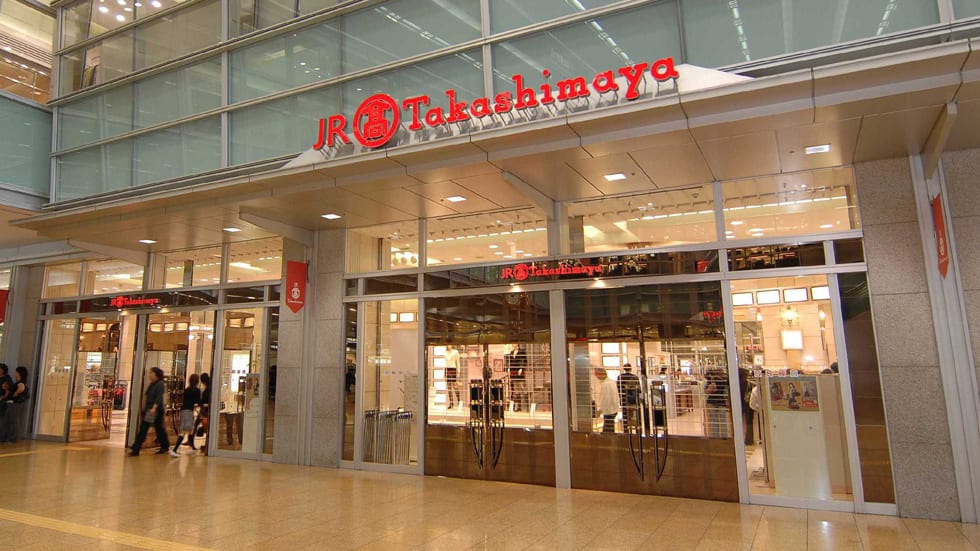
  • Takashimaya Tokyo going duty free

    Takashimaya Tokyo going duty free

    Eyeing the growing tourist market, Japanese department store Takashimaya is going duty free with an airport-style store in Tokyo.

    Not only sales tax, but also alcohol and tobacco duties will be waived under the venture, in which the Takashimaya Tokyo store is partnering with ANA Holdings and South Korea’s Samsung Group.

    Takashimaya will contribute more than half of the capital for the outlet, establishing an oversight company with All Nippon Airways Trading and Hotel Shilla of the Samsung Group. Scheduled to open next spring, the store will probably be on an upper floor of Takashimaya’s Shinjuku branch. Depending on its performance, the partners may roll out further stores.

    Shoppers will be able to buy items in-store to pick up later at Haneda or Narita airport after completing departure procedures.

    Hotel Shilla, which runs hotels and duty-free stores, generated sales of 3.25 trillion won (US$2.73 billion) last year. The company is second only to the Lotte Group for duty-free stores in South Korea, and its international presence includes Singapore’s Changi Airport.

    ANA Trading runs airport souvenir shops.

    Visitors to Japan increased 47 per cent last year to 19.73 million, according to the Japan National Tourism Organization. More people are travelling there multiple times a year and visiting localities outside greater Tokyo via train and bus. A major bus terminal is slated for completion in Shinjuku this spring.

    Takashimaya rival Isetan Mitsukoshi Holdings opened a similar duty-free store in Tokyo’s Ginza area in late January.

  • Lippo Group Launches Web-Based E-Procurement Service Mbiz.co.id

    Lippo Group Launches Web-Based E-Procurement Service Mbiz.co.id

    Mbiz.co.id offers an integrated and web-based e-commerce experience. It offers an electronic catalog of thousands of products in  various categories, ranging from IT products, stationary and industrial tools to groceries, provided by a number of certified vendors in Indonesia.

    “The value of sales from online retail in Indonesia is less than 1 percent of the total [bricks-and-mortar] retail sales,” said Andrew Mawikere, co-founder of Mbiz.co.id, describing the growth potential in the sector.

    Christopher Hartono, head of general services at Bank Nobu, a bank owned by the Lippo Group, said ever since the lender cooperated with Mbiz.co.id since October last year, the company was able to easily acquire any goods it needed.

    “Transactions became more transparent and convenient,” he said.

  • Ecommerce Turns into Mcommerce in China

    Ecommerce Turns into Mcommerce in China

    The shift of ecommerce sales from the desktop to mobile devices has been under way in China for a couple of years. And according to data from the end of 2015, the tilt toward mobile is clear.

    Analysys International Enfodesk reported that nearly two-thirds of retail and consumer-to-consumer (C2C) ecommerce sales in China in Q4 2015 occurred via mobile. That was up from 55.5% the previous quarter—the first time mobile accounted for a majority of ecommerce sales in the country.

    2015 may have been a turning point, but the rise of mobile has been ongoing since early 2013, when 9.0% of retail and C2C ecommerce sales occurred via mobile devices.

    eMarketer estimates that mcommerce sales were just shy of the 50% mark as a share of ecommerce sales for the full year last year.

    This year, eMarketer forecasts retail mcommerce sales in China will grow by 51.4%, to reach 55.5% of retail ecommerce sales in the country this year. That will still amount to just 10.9% of total retail sales, however.

    By 2019, the end of our forecast period, mobile users in China will spend nearly $1.5 trillion on mobile commerce, which will amount to nearly a quarter of the country’s retail market.