Author: Mei Ling Tan

  • Seems customers leave bigger tips if they use mobile payment apps

    Seems customers leave bigger tips if they use mobile payment apps

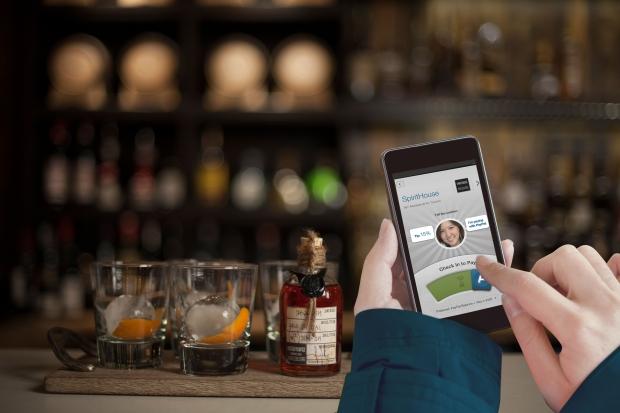
    It’s likely only a matter of time before mobile payment apps become more popular among consumers, and there are some people very excited: restaurant waitstaff and bartenders. Both mobile payment app providers and restaurants have noticed an uptick in tips if consumers use their smartphones to make payments for food and drinks.

    Customers may need to wait for their food order to be completed, but don’t have to just sit and wait to pay. In addition, some apps allow restaurant patrons to check their bill in real-time, and even split it among the number of guests.

    “We do see increase at bars where people haven’t been tipping,” said Michelle Songy, co-founder of the Cake mobile pay app, in a statement to CNBC. “I’d like to think as we are trying to make the payment experience a bit more fun, easier or quick it leaves you with a better experience.”

    Mobile phone and tablet users are expected to make 72 billion transactions in 2015, and that number will increase up to 195 billion annually by 2019, according to Juniper Research.

  • Alibaba likely to surpass Walmart as world’s top retailer

    Alibaba likely to surpass Walmart as world’s top retailer

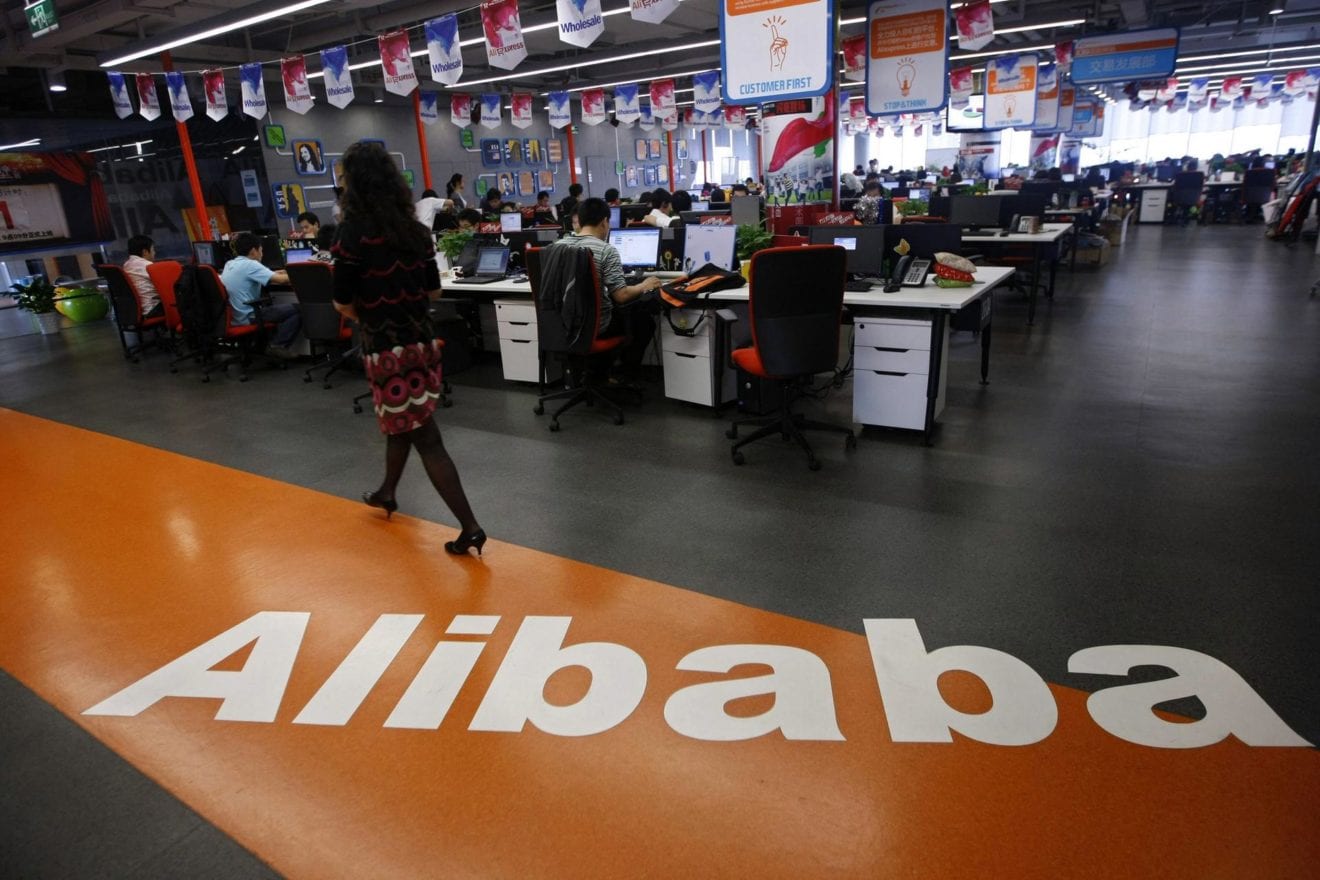
    Chinese e-commerce giant Alibaba is expected to surpass the US multinational firm WalMart soon as the world’s largest retail platform with its total trading volume this fiscal year set to exceed USD 463.3 billion, an official media reported today.

    Chinese e-commerce giant Alibaba is expected to surpass the US multinational firm WalMart soon as the world’s largest retail platform with its total trading volume this fiscal year set to exceed USD 463.3 billion, an official media reported today.

    An official announcement by Alibaba Group Holding Ltd expected to be made at the end of this fiscal year on March 31.

    WalMart Stores Inc posted net sales of USD 478.6 billion for its fiscal year ending Jan 31, while the latest trading volume figure for Alibaba amounted to three trillion yuan (USD 463.3 billion), the company said yesterday.

    It is equivalent to China’s Sichuan province’s gross domestic product (GDP) last year, when the province’s GDP ranked sixth on the Chinese mainland, state-run China Daily reported today.

    Zhang Yong, the company’s CEO, said in Hangzhou that the figure was recorded on the company’s business-to-customer platform Tmall, consumer-to-consumer platforms Taobao and Rural Taobao, and group-buying site Juhuasuan.

    Zhang said he expected the company will achieve an annual trading volume of six trillion yuan by 2020 (about USD 980 billion) and that “in 2024, we wanted to be a business platform serving 2 billion consumers and tens of millions of enterprises at home and abroad.”

    According to Zhang, the company will strive to combine cloud computing and big data technologies with the Internet and the Internet of Things, as well as consumer terminal equipment, to spur its development.

    The Internet of Things is the network of physical objects devices, vehicles, buildings and other items embedded with electronics, software, sensors and network connectivity that enables these objects to collect and exchange data.

    Citing the National Bureau of Statistics and McKinsey & Co figures, Gao Hongbing, director of AliResearch, said that of Alibaba’s 3 trillion yuan in total trading volume, about 660 billion to 1.17 trillion yuan is newly increased consumption.

    “Online shopping has been an important engine to promote consumption, which meets the nation’s strategy of promoting domestic demand,” Gao said.

    Last year, Chinese consumers’ willingness to spend reached the highest level since 2012, despite the economic slowdown, according to a study published in February by The Nielsen Company.

    “This is a result of China’s commitment to shifting from an investment-driven to a consumption-driven economy,” said Kiki Fan, managing director of Nielsen China, China Daily reported.

    “Booming online shopping provides more variety and convenience to customers, thus fuelling their spending desire,” the Daily quoted Fan as saying.

    Despite its economic growth falling below 7 per cent (USD 6.9 per cent) for the first time since 2009, China surpassed the United States last year to become the largest e-commerce market in the world, according to statistics from multinational consultancy Forrester Research Inc.

    Chinese government has fixed 6.5 to seven per cent GDP target for this year.

  • Jucker votes for Big C buy

    Berli Jucker shareholders have voted in favour of the US$6.2 billion acquisition of a majority stake in Big C Thailand.

    The vote – virtually unanimous – followed news the listed company had secured funding for the purchase from a syndicate of 15 banks and means the deal is now all but complete. Settlement is expected late this month.

    But while the future of Big C Thailand now appears to be resolved, negotiations continue over the fate of Big C Vietnam, a smaller, less profitable business controlled by France-based Casino Group, which is shedding overseas assets to reduce its debt exposure.

    Casino has a 58.6 per cent controlling interest in Big C Thailand, which Berli Jucker will now acquire.

    In Vietnam, Thai tycoon Charoan Sirivadhanabhakdi, through another business, has recently purchased the Metro hypermarket business from Metro AG of Germany, to bolt on to Berli Jucker’s B’Smart convenience store network.

    Charoan was thus a favourite to acquire the Big C Vietnam operations to build even greater critical mass, and lodged a bid prior to the first round deadline with his soon to be Big C Thailand partner, Central Group.

    But sources within Asia’s business community are now confident Korea’s Lotte and Japan’s Aeon are frontrunners. Lotte runs the market leading Lotte Mart hypermarket business in Vietnam and would gain a significant foothold in the nation if it could secure Big C as well.

    Aeon, which is building shopping centres in Vietnam main cities, reportedly submitted an offer that valued the business at more than US$800 million according to sources quoted in Vietnam media.

    Lotte also submitted a bid prior to the first round deadline.

    Casino has declined comment on the Vietnam sale other than to say it was “progressing well” when it reacted to ratings agency Standard & Poor’s decision to cut its credit rating to junk status  on Monday

  • Hong Kong Retailers Seek to Keep Strength

    Hong Kong Retailers Seek to Keep Strength

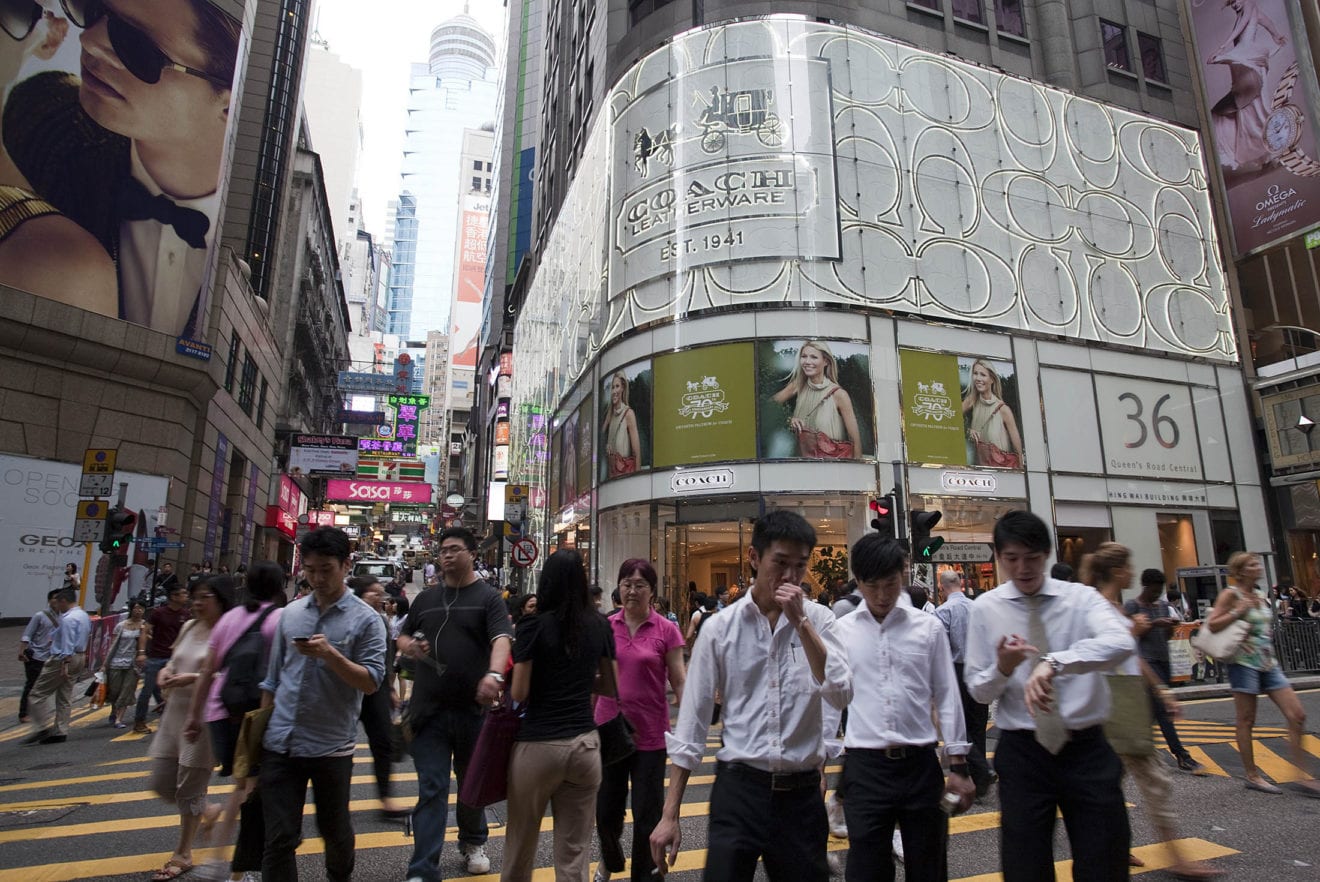
    Hong Kong has been branded as “shopping paradise” to many for a long time, but the city seems to have lost its attractiveness in recent years, as retail sales have been dragged down by a significant drop in tourist numbers.

    Retail sales have declined for 11 consecutive months as of January this year in Hong Kong, while the unemployment rate in the sector is on the rise. Signs of improvement are not in sight at the moment.

    Rents in Russell Street, once the most expensive shopping place in the world, has been slashed by half now. Hong Kong General Chamber of Commerce Chairman Y K Pang says it seems that less cost would benefit shop owners as well as customers, but as of now it appears that is not the case.

    “The competition is really fierce. Other regions are so eager to share a slice of cake from us. No matter how low the cost is, without customers, there is no money to make. So we should welcome all visitors regardless of where they are from.”

    Currently, there are less than 50 mainland cities allowing their residents to visit Hong Kong on an individual basis. Some are suggesting expanding the Individual Visit Scheme to boost Hong Kong’s tourism as well as its retail industry, but C K Chao, Founding Chairman of Federation of Hong Kong brands, has another view.

    “When tax lowers on the mainland, and people are better off, they could buy the same products there without paying more, or even less than in Hong Kong, why would they come? Hong Kong should establish our own brands, so visitors are here to buy watches, jewelry, and clothes made in Hong Kong. ”

    Chao is hoping the government can establish a specialized department to regulate as well as guide the retail sector for further growth.

    At the same time, Dr. Szetu Chi Man with the Institute for Entrepreneurship at Polytechnic University of Hong Kong, says local companies should get fully prepared to embrace technology to expand business.

    “Small companies in Hong Kong still think that they can make money through traditional channels, so they are not ready to use technology yet. I hope the government could help them improve their service to stay competitive in the market. ”

    Raymond Tang is the Managing Director of Kingvic International Limited, a footwear company in Hong Kong. He says manpower is vital to retailers, and more people should have the access to professional training and courses.

    “The turnover rate is high. Many young people take retail jobs before they get a formal one, and they only stay for a couple of months. So we are always short of hands and they have no experience to offer good service.”

    He admits that it is not easy to transform the business model, and Hong Kong should waste no time to act to save the retail sector; otherwise, this “shopping paradise” could soon lose its glamour.


  • Cruise business up 14% in Singapore last year

    Cruise business up 14% in Singapore last year

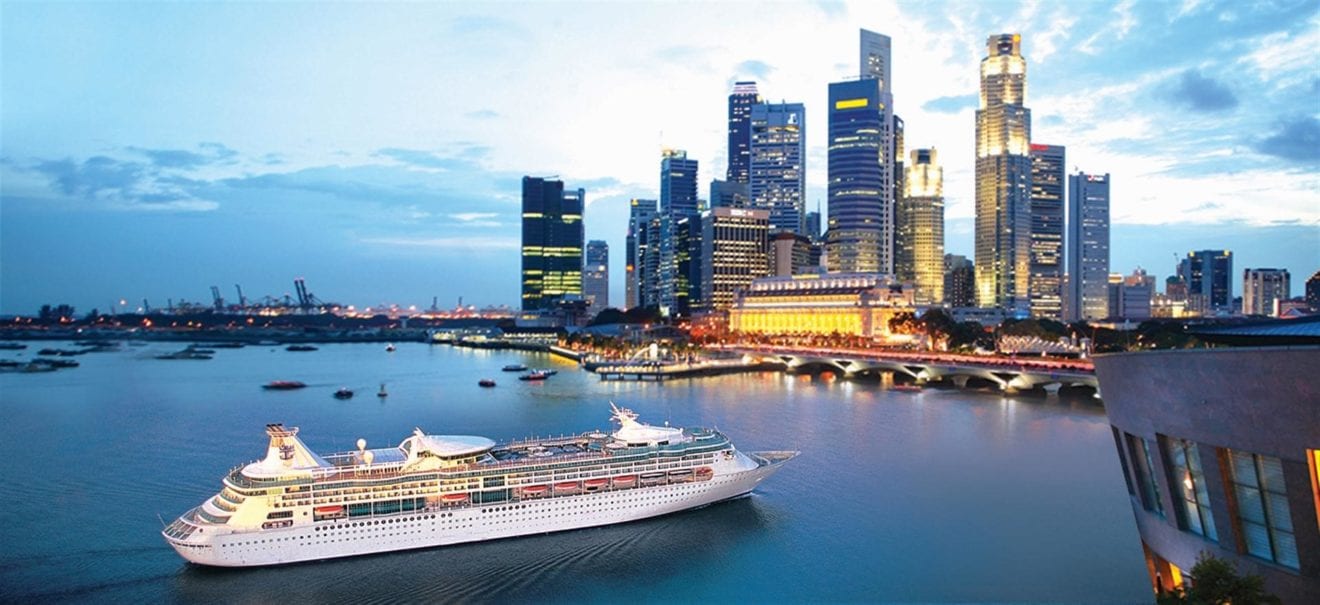
    The Singapore Tourism Board (STB) reports that the country witnessed encouraged growth in the cruise and business segments as the Singapore Cruise Centre (SCC) was named the number one cruise port in Asia in 2015.

    Interestingly, the cruise industry saw a 14% year-on-year increase in cruise passenger throughput last year to more than one million.

    In addition, the country welcomed a total of 385 cruise ships, including international cruise brands such as TUI cruises, and Royal Caribbean, as well as nine maiden calls – new to Singapore and Southeast Asia.

    GROWING CRUISE INCENTIVES…

    The STB added that Singapore also launched the inaugural unified Southeast Asia Cruise brand​ and forged MOUs with Vietnam and Thailand to develop the regional cruise business. ​

    The tourism body also manages the Cruise Development Fund (CDF) which actively supports the ‘home-porting’ of new cruise ships or extension in deployments of existing home-ported cruise ships out of Singapore, with the aim of growing Singapore’s cruise industry and tourism generally.

    Significantly, the Royal Caribbean International cruise company signed its first-ever multi-million dollar marketing collaboration with STB and the Changi Airport Group (CAG) last year to promote overseas fly-cruising out of Singapore.

    This tripartite agreement now operates between 2015 and 2018 and all parties are estimating it could attract an additional 170,000 overseas visitors to Singapore on Royal Caribbean cruises over this aforementioned period.

    DFS AND HEINEMANN

    All of which is good news for DFS Singapore, which operates the departure-transit and arrivals transit shops alongside Ocean Duty Free’s outlets at the Singapore Cruise Centre.

    Heinemann Asia Pacific opened its third and largest duty free shop (157sq m) in partnership with the Singapore Cruise Centre (SCC) at the Harbourfront Ferry Terminal last January. Around 5m passengers use this terminal each year-Ed.

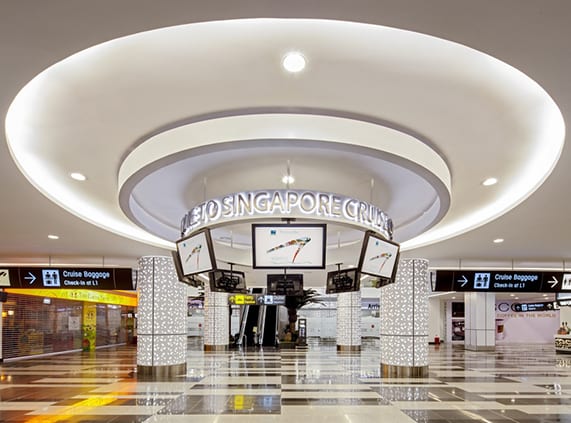
    The grand looking SCC

    The grand looking Singapore Cruise Centre.

    As reported, the STB is now forecasting that this year’s total tourism receipts will be between S$22bn and $22.4bn ($16bn to $16.3bn) representing a growth range between 0% and 2%. By contrast, it is forecasting international visitor arrivals of between 15.2m and 15.7m – a growth of between 0% to 3%. ​

    This follows a year when international visitor arrivals grew by 0.9% to 15.2m in 2015. However, tourism receipts declined by -6.8% to S$22bn ($16bn) with this attributed mainly to the decline in BTMICE visitor arrivals and spending. By contrast, leisure visitor arrivals grew by 2%.

  • Chinese customs breaks $4.4m smuggling ring

    Chinese customs breaks $4.4m smuggling ring

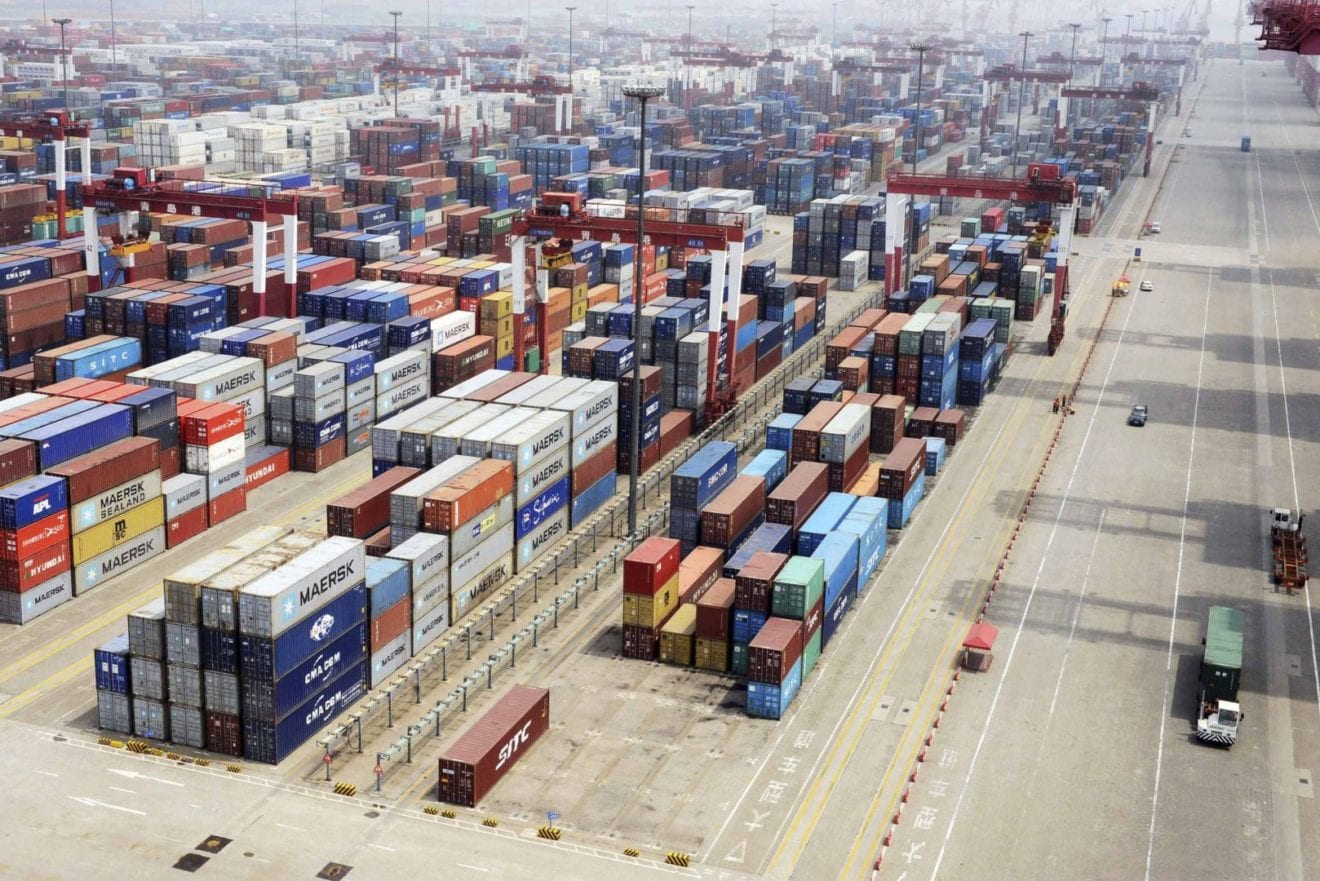
    Mainland Chinese Customs recently smashed a $4.4m South Korean cosmetics smuggling racket operating between the Chinese port of Ningbo and Incheon Port, South Korea.

    This follows a crackdown on organised crime smuggling branded goods into China, according to the General Administration of Customs in the People’s Republic of China.

    According to China Customs, this latest raid which it has made public involved the seizure of more than 110,000 pieces of cosmetics in the Ningbo port and industrial hub in east China’s Zhejiang province [south of Shanghai on Hangzhou Bay-Ed].

    The smuggled South Korean brands included Sulwhasoo, Whoo, Mamonde and Laneige. Customs said in a statement that the head of the operation – referred to only as ‘Li’ – admitted that the operation has smuggled nine containers into China worth more than $4.4m from South Korea since November 2013, using false declarations.

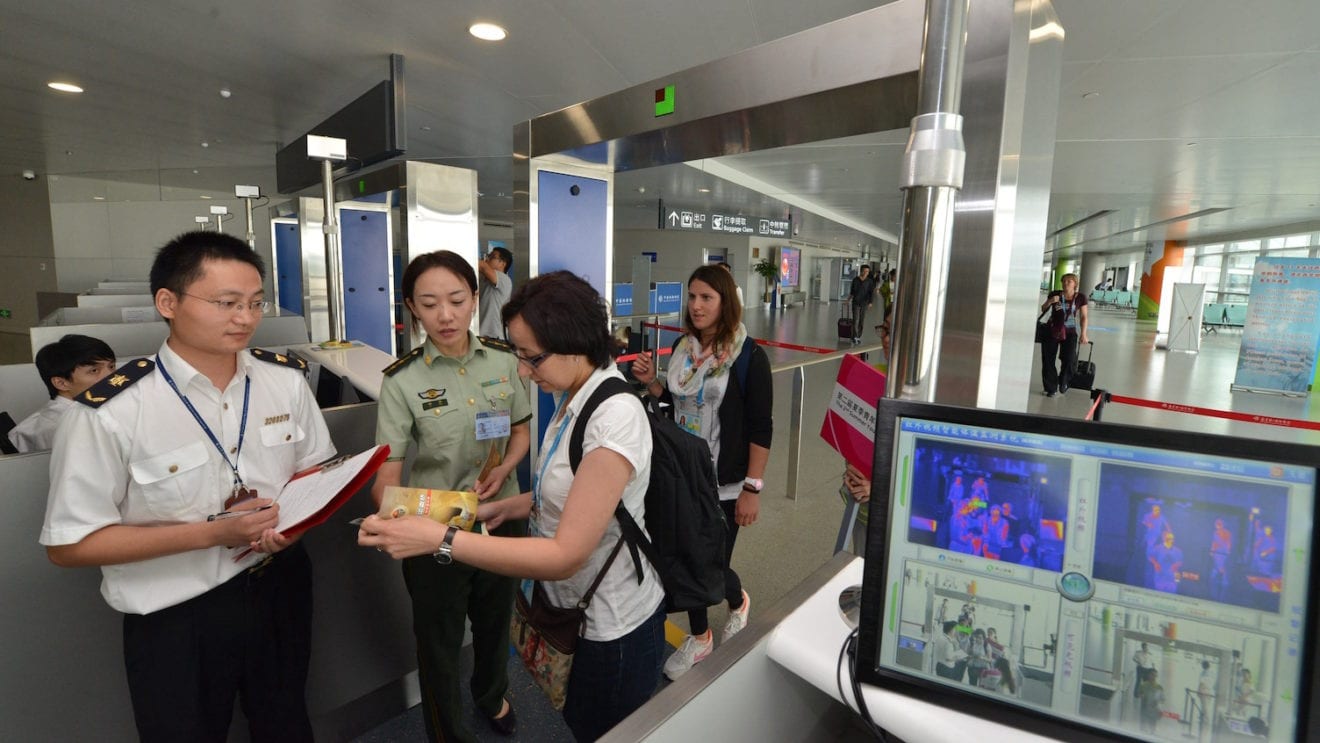
    Customs officers examine the smuggled cosmetics from South Korea

    Customs officers examine the smuggled cosmetics brands originally labelled as ‘plastic particles’ from South Korea.

    The operation also smuggled charcoal back into China using the empty containers which were labelled as ‘plastic particles’ on the official documentation.

    Customs officers smashed the ring after raiding cargo storage facilities on the wharf at Ningbo where the cosmetics were temporarily stored before being distributed into the Chinese black market.

    TRACING THE SOURCE…

    Exactly where these cosmetics brands were originally sourced within South Korea will obviously be a matter of some interest to the original manufacturers, distributors and retailers.

    Meanwhile, the General Administration of Customs in the People’s Republic of China says it is now employing considerable resources to try to stem the tide of all branded smuggling – both in and outside of China.

  • Singapore’s SME retail exporters can now gain better access to US market

    Singapore’s SME retail exporters can now gain better access to US market

    The revised de Minimis Threshold increases the limit to the United States from US$200 to US$800.

    Web-based small and medium enterprises (SMEs) retail exporters in Singapore can now gain better access to the United States market with the revision of de Minimis Threshold.

    The revised de Minimis Threshold – the amount at which US import duties apply – increased the limit from US$200 to US$800. This means that sellers no longer need to pay the US import duties when the price of their products is under US$800.

    “The revised de Minimis Threshold provides a timely opportunity for local businesses to internationalise. The US is the number one export destination for eBay Singapore sellers with its strong consumer purchasing capacity and high expenditure in e-commerce,” said Teri Canayon, country manager of eBay Singapore Cross-Border Trade. “With a lower barrier for cross-border e-commerce for our Singapore SMEs, there will be even greater incentives to boost exports to the US market, ultimately driving greater growth.” 

    Sellers can also mail higher value products directly to the US market, which allows them to better manage their supply chain and inventory costs.

    In addition, the cost of products to American consumers is lowered. This encourages them to buy more overseas, which may eventually give Singapore businesses a better chance to grow sales in the US market.

  • HSBC sets sights on Vietnam

    HSBC sets sights on Vietnam

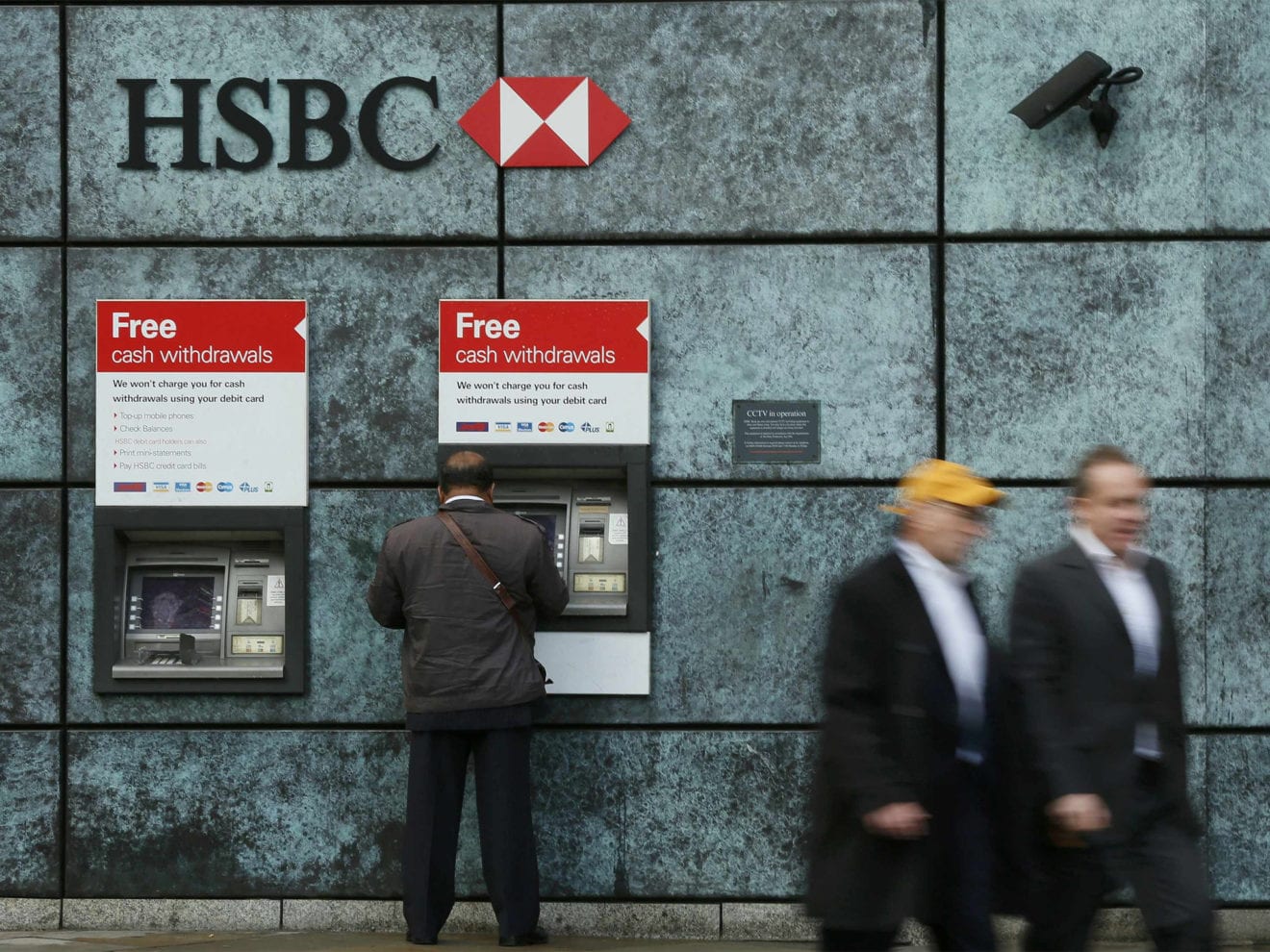
    HSBC Bank (Vietnam) chief executive Pham Hong Hai (right) and Kelvin Tan, chief executive of HSBC Thailand, say HSBC aims to capitalise on its presence in seven of the 10 Asean countries.

    HSBC seeks to offer a better integrated regional service with the increase of cross-border investment following the formation of the  Asean Economic Community (AEC).

    The bank in particular is looking at Vietnam, where investment is set to surge under government policies to attract foreign investment.

    Kelvin Tan, chief executive of HSBC Thailand, said the company aimed to capitalise on its presence in seven of the 10 Asean member countries. Only Myanmar, Cambodia and Laos do not have branches of HSBC.

    “We made it very clear to our investors since last year that Asean will be one of our main focuses to help HSBC’s future growth,” said Mr Tan.

    HSBC will also focus on the Pearl River Delta, which consists of Hong Kong and Guangzhou, China.

    Mr Tan said the company will enhance the connectivity between its subsidiaries in each country to serve customers better and expand business.

    “We add value to our services by offering well-connected financial services in this region.”

    When a Thai customer expresses an interest in investing in another country in which HSBC operates, the bank will refer the customer to the office in that country, which can provide local information for doing business.

    Many HSBC customers have already expanded their businesses in other countries, especially Vietnam, to tap into a bigger market as well as take advantage of low labour costs, he said. Thai investors should benefit from the cheaper labour by setting up production bases there and using Thailand as their regional headquarters, which is the policy that the Thai government is promoting.

    “Thailand is in a very strategic location for logistics and air transport so pushing the RHQ concept is a step in the right direction, but the government will also have to include stakeholders as part for this development,” said Mr Tan.

    Pham Hong Hai, chief executive of HSBC Bank (Vietnam), said Vietnam had attracted heavy investment from Asean countries over the past few years as well as from other Asian countries such as South Korea, Japan, Taiwan and China.

    Vietnam’s low labour costs and political stability are the major draws that attract a huge amount of foreign direct investment, he said. Given the low wage rate for unskilled labour, the country has attracted a lot of labour-intensive industries.

    “Cambodia, Laos and Myanmar also have cheap labour, but Vietnam has the added positive factors of political stability and good infrastructure,” said Mr Pham.

    He said the low wage rate would last for about five years.

    However, one problem that has emerged in Vietnam is a shortage of workers at management level. Mr Pham said he expected the AEC integration to attract more white-collar workers to the country.

    He said Vietnam’s ruling party just elected a new central committee, which is expected to maintain the current policies to strengthen the country’s economy.

    The policies that will be continued include privatisation of state enterprises, modernising the banking sector, enhancing the effectiveness of fiscal policy and improving the business environment, he added.

    Vietnam’s state enterprises contribute 35% of GDP. The government is due to allow private firms to gradually own bigger stakes in the enterprises in order to enhance their effectiveness.

    The government is improving Vietnam’s business environment by passing new laws that will shorten the time required to start a new business and also to obtain a licence, Mr Pham said. There there are a lot of opportunities in businesses such as logistics, retail and manufacturing, which are growing quickly.

    “When the manufacturing sector grows it is always followed by logistics services to support the industries,” he said. “We also see that the retail sector’s growing fast with Thai companies such as Central and TCC Group investing in Vietnam.”

    He said with a population of 90 million, with young people forming a large proportion, Vietnam’s demographic make-up offers great opportunities for retail businesses to benefit from their purchasing power, which will grow significantly.
  • Robinson Department Store plans growth

    Robinson Department Store plans growth

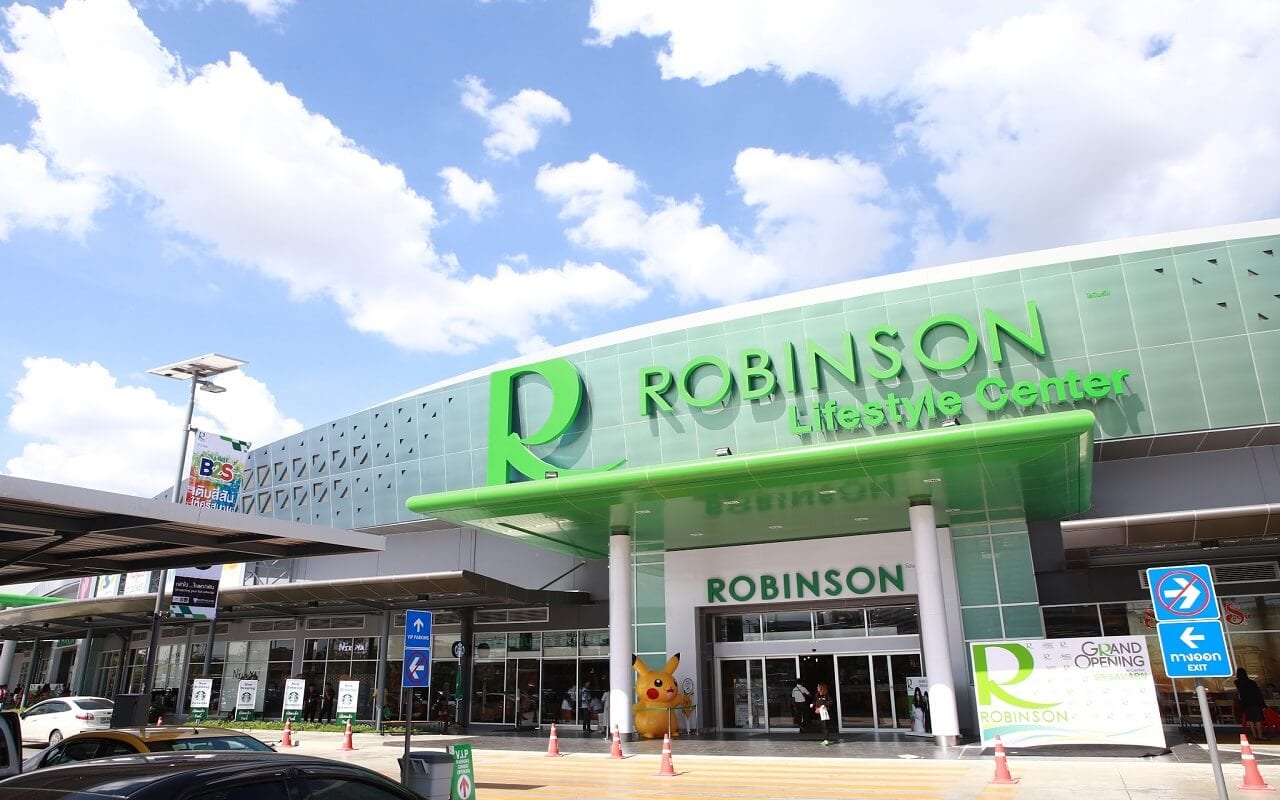
    Thailand’s Robinson Department Store aims to invest about 16.8 billion baht (US$479 million) on opening stores over the next five years with the aim of boosting average sales growth by 5 to 7 per cent a year.

    Majority-owned by Central Group, Thailand’s largest retail conglomerate, Robinson plans to boost store numbers to 56 by 2020 from 42 now, pinning its hopes on government economic-stimulus measures, says president Alan Thomson.

    That growth would equate to an average of 2.8 new stores a year, but the store’s rate of expansion has slowed with it dropping to two new stores this year, whereas it had four last year and five two years earlier. Thomson says this reflects Thailand’s current economic weakness.

    Its two new branches this year will cost it 1.6 billion baht, but it is hoped sales overall will rise 7 per cent from last year’s 25 billion baht, reaching 35 billion baht by 2020.

    Thomson says Robinson also plans to outlay 2.5 billion baht on renovating 20 outlets.

    Robinson also has two stores in Vietnam, and aims to double that by 2020. “We are trying to identify challenges before we expand in Vietnam,” says Thomson, indicating the company may invest more in Thailand’s neighbour next year.

    Meanwhile, the company’s same-store sales rose 3.1 per cent in the fourth quarter of 2015, versus a drop of 2.1 per cent for the full year.

  • New Muji Singapore flagship planned

    New Muji Singapore flagship planned

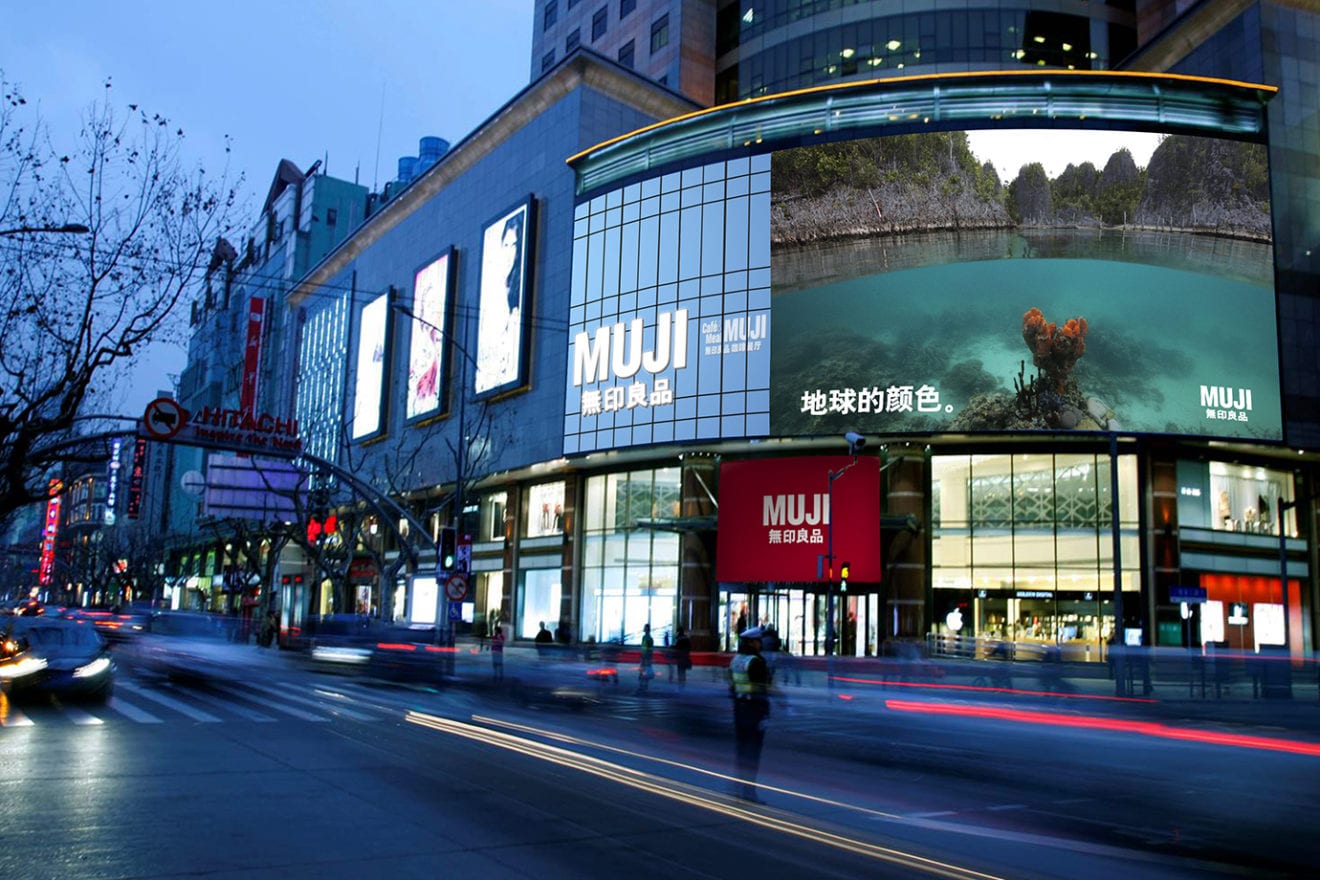
    A new Muji Singapore flagship store is planned – but the Japanese lifestyle brand is coy about the opening date.

    Featuring an expanded array of lifestyle concepts, the new store will measure about 3300 sqm, according to the chairman of Muji’s parent company Ryohin Keikaku, Masaaki Kanai.

    “Apart from the usual Muji products, we will have an ‘Open Muji’ concept where we invite community creators to interact and collaborate with the company, in line with our objective to create an interactive society,” said Kanai, who was a keynote speaker at the Innovation by Design Conference in Singapore.

    Muji has 10 stores already in Singapore, including a Muji To Go store at Changi Airport’s Terminal 2 and Cafe & Meal Muji, which opened at Paragon last year.

  • Warm weather chills TSI Holdings bottom line

    Warm weather chills TSI Holdings bottom line

    With unseasonably warm weather at the end of last year dampening demand for winter clothing, Japanese apparel retailer TSI Holdings had weaker earnings for the year ended February 29.

    Its operating profit was flat at about 1 billion yen (US$8.86 million), falling short of a 1.2 billion yen projection. Sales fell about 9 per cent to 165 billion yen against a predicted 167 billion yen.

    Same-store sales, including online data, eased 3.6 per cent, with dips of 8 per cent for November and 4.1 per cent for December. High-margin items such as wool overcoats from mainstay brand Natural Beauty Basic met lukewarm demand.

    During the quarter, the company opened 58 stores for 21 brands, and has been negotiating with domestic and overseas apparel and natural cosmetics companies, leading to partnerships with a Chinese apparel company and a domestic beauty industry company.

    TSI also reports a “drastic shift” from paper media to digital promotion, and is enhancing its relationship with Google. This follows its eCommerce ratio growing from 9.6 to 10.8 per cent.

    Almost all brands’ O2O sites are now on the table, says the group, which is developing smartphone apps. Four brands opened sites – Free’s Mart, Jill Stuart, Natural Beauty and Zio Bernardo. Free’s Mart also became the first Japanese brand launched on the Zalora eCommerce site in Southeast Asia.

    The group’s own eCommerce sites grew 129 per cent year-on-year, from 11 to 20.

    TSI has 14 apparel subsidiaries in Japan and three overseas, and its 63 brands include Adore, Callaway, High Street, Nano Universe and Stussy.

  • SM Mall of Asia to build museum

    SM Mall of Asia to build museum

    The SM Mall of Asia and Museo del Galeon are set to launch the Manila-Acapulco Galleon Museum in Pasay City in the third quarter of 2016.

    The dome-shaped museum will feature the history of the 250-year old global trade route where the Philippines and Mexico played major roles. Its main feature is a replica of the galleon ships used for trade.

    “The new museum will be a game changer as we see this significantly contributing to education and tourism. We are very excited to take part in bringing back to life this importance piece of our trade heritage and history,” Edgar Tejerero, president at SM Lifestyle Entertainment, the entertainment solutions company of SM Prime Holdings.

    SM Mall of Asia museum 1

    The museum will highlight the galleon trade’s impact on today’s commerce, banking, travel, and cultural exchange. The dome will showcase the actual process of building a galleon, while exhibiting relics such as porcelain, gold and other goods that were traded in the Spanish era.

    SM Mall of Asia’s ongoing redevelopment, which includes the museum, will expand its floor space from the current 406,962 sqm to a gross floor area of around 700,000 sqm. Upon completion in 2017, SM Mall of Asia will regain its status of being the largest mall in the Philippines, a status currently enjoyed by SM North EDSA which has a GFA of 497,912 sqm.

    Museo del Galeón Inc is a non-stock non-profit corporation tasked to preserve historical artifacts pertaining to the galleon trade.

  • Fossil wearables teams with major fashion labels

    Fossil wearables teams with major fashion labels

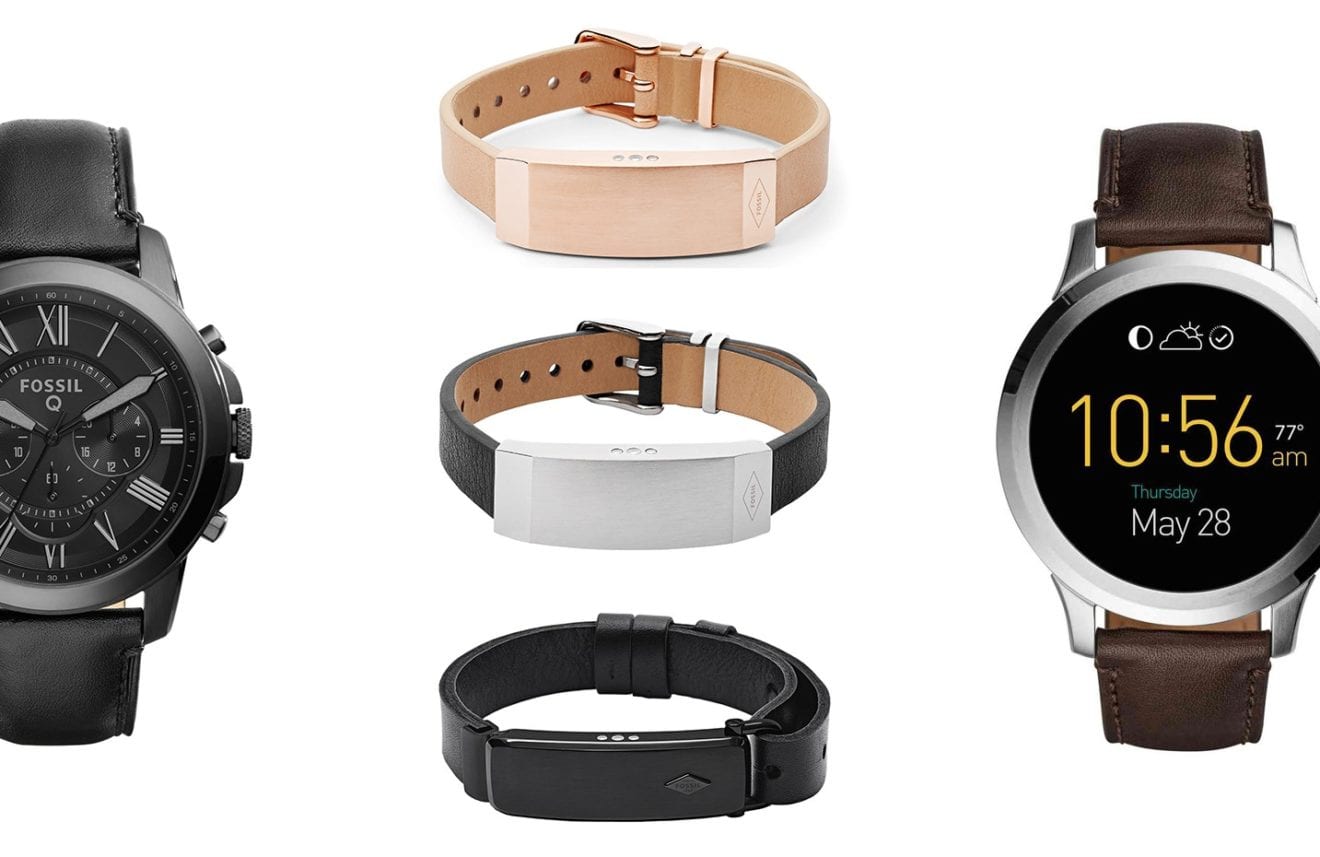
    Fossil wearables has teamed with major fashion brands Chaps, Diesel, Emporio Armani, Fossil, Kate Spade New York, Michael Kors, Misfit and Skagen to launch in 40 countries in 2016.

    Fossil Group says it plans more than 100 wearables products – which include display- and non-display watches and trackers – will be available in 40 countries and more than 20 languages later this year. The category of wearables offered will vary by brand.

    Fossil Group will support the wearables with unique and branded apps across all brands, three product categories, and two operating systems. The 2016 launches are part of the company’s efforts to bring a fashion-first focus, innovation and an increased variety of products to the wearables industry.

    “One of the distinct advantages of a fashion company over traditional consumer electronics manufacturers is our product cycle,” said Greg McKelvey, chief strategy and digital officer with Fossil Group.

    “We demonstrate remarkable speed to market, from development to launch, in order to meet the retail industry’s seasonal new product deadlines.

    “The industry has been slow to adapt to growing consumer desires for new styles and options for wearables. With the diversity of major fashion brands we offer, customers will be delighted with the sheer volume of styles and options available when shopping for a wearable that fits their personal style.”

    With the look, feel and fashion appeal of traditional watches, Fossil Group’s digital display watches and non-display watches leverage the company’s core competency in making beautiful, quality watches.

    Since acquiring Misfit in November 2015, Fossil Group has increased capabilities for the development and production of the technology supporting its wearables products. The company’s wearable technology platform includes proprietary power management technology that enables coin cell battery-powered non-display watches and trackers to be deployed across the entire Fossil Group brand portfolio.

    Without the need for daily, weekly or even monthly charging, the new devices function much more like traditional watches and lifestyle accessories than as typical consumer electronic products that require daily maintenance.

    Concurrent with the advancement of Fossil Group’s owned technology and research and development capabilities, the company continues its strong partnerships with third-party technology partners, including Google and their Android Wear platform, to deliver on the company’s short- and long-term wearables strategy.

    Fossil Group this week displayed Fall products – including wearables, watches, jewellery, leather goods and other accessories – to business partners and media in its new European headquarters in Basel, Switzerland, during the annual Baselworld marketplace show for the world’s watch and jewellery industry.

    The new, 108,000 sqft, seven-floor Basel facility was constructed with modern geometric architecture. Three floors of brand showrooms present brand-immersive experiences for each of the company’s 17 owned and licensed brands, and a large auditorium and event space.

  • Real Singapore retail sales rise

    Real Singapore retail sales rise

    Real Singapore retail sales recovered slightly in January, rising 1.4 per cent year-on-year.

    The headline figure widely reported by business media of a 7.5 per cent increase included motor vehicles.

    Real retail sales fell 0.5 per cent from December to January, and by 1.2 per cent with vehicles included.

    The total retail sales value in January 2016 was estimated at $4.1 billion, higher than the $3.8 billion in January 2015.

    Retail sales Jan 2016 Singapore

    Medical goods and toiletries and department stores showed the strongest year-on-year gains, while telecommunications goods and computers accounted for by far the largest fall.

    The accompanying charts show the sales trends by product category.

    Sales of food & beverage services (seasonally adjusted) increased 2.4 per cent month-on-month in January Year-on-year, they declined by 0.6 per cent in January.

    The total sales value of food & beverage services in January 2016 was estimated at $685 million.

  • 7 Tips for a Safe and Low-Priced Online Shopping Experience

    7 Tips for a Safe and Low-Priced Online Shopping Experience

    The possibilities for online shopping seem endless. To buy clothing, electronics and even your groceries you don’t have to leave the house anymore. Buying online is usually cheaper than buying in store too, because you can find really great discounts and deals online.

    But can you trust your mailman to deliver the package, won’t someone steal your package from your mailbox and how about the safety of online payments? Here we will share with you how to find discounts for your online shopping adventures and how to shop safely.

    1. Choose cash on delivery

    Well known webshops such as Lazada and Zalora give you the option to choose ‘cash on delivery’ (COD) as a payment method. In short, this means that you pay the delivery man in cash when he hands over the package to you on your doorstep. This way you only pay when you actually receive your package. Most of the time the delivery is free of charge. If you don’t want the hassle of staying at home until the postman arrives you can also let them deliver your package at work.

    2. Look at reviews

    Not too sure about the webshop you are about to order from? Get advice from others! You can check Trusted Company to view experiences per webshop from fellow shoppers.

    3. Check payment security systems

    Check if a webshop is Norton Secured and/or PCI DSS approved. The Norton Secure seal means that sensitive data is protected and the PCI DSS seal tells you that the security standards for account data protection are high. Your payment details are most likely to be secured when a webshop shows the two seals.

    4. Shop at international shops

    European and American shoppers have been shopping and paying online for ages already. They are not hesitating to pay online, simply because it always goes smoothly. Big international merchants, like Asos and The Body Shop are not trustworthy but also have good customer service. The only downfall is that international shipping will take longer.

    5. Use discount code websites

    Websites like Saleduck collect all discount codes and deals from webshops for you. When you are in the check-out process of a webshop and about to pay, a lot of webshops give you the option to fill in a discount code. If you don’t have a discount code, most of the time you can find one at a discount code website.

    6. Get in app discounts

    A lot of webshops really want to promote their app so they offer you a great discount when you download it. If you purchase something through their app for the first time, you can count on a nice discount, for example 15%.

    7. Use credit card discounts

    If you own a MasterCard, Citibank or CIMB Bank creditcard, you are in luck. A lot of webshops have special promotions for customers that pay with these cards. Discounts go up to an additional 25% off. Sometimes these offers are only valid on certain days, like MasterCard’s Monday promotions.