Author: Mei Ling Tan

  • 3 things you need to know about Hong Kong’s online shoppers

    3 things you need to know about Hong Kong’s online shoppers

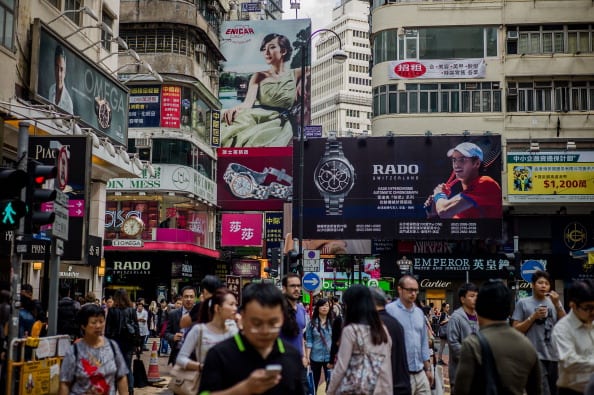
    The line between browsing and buying online and offline in Hong Kong is blurring as technology enables nearly everything to become a digital touch point for consumers. Following the success of e-commerce boom in China, Hong Kong retailers are also keen to leverage the “online shopping fever” these years, and some e-tailers have started organizing similar Online Shopping Festivals in Hong Kong. But the real question is: what are the consumer perceptions toward these shopping events?

    Based on our recent study, here are some highlights you ought to know about Hong Kong e-shoppers:

    LESSON 1: KNOW YOUR CONSUMERS

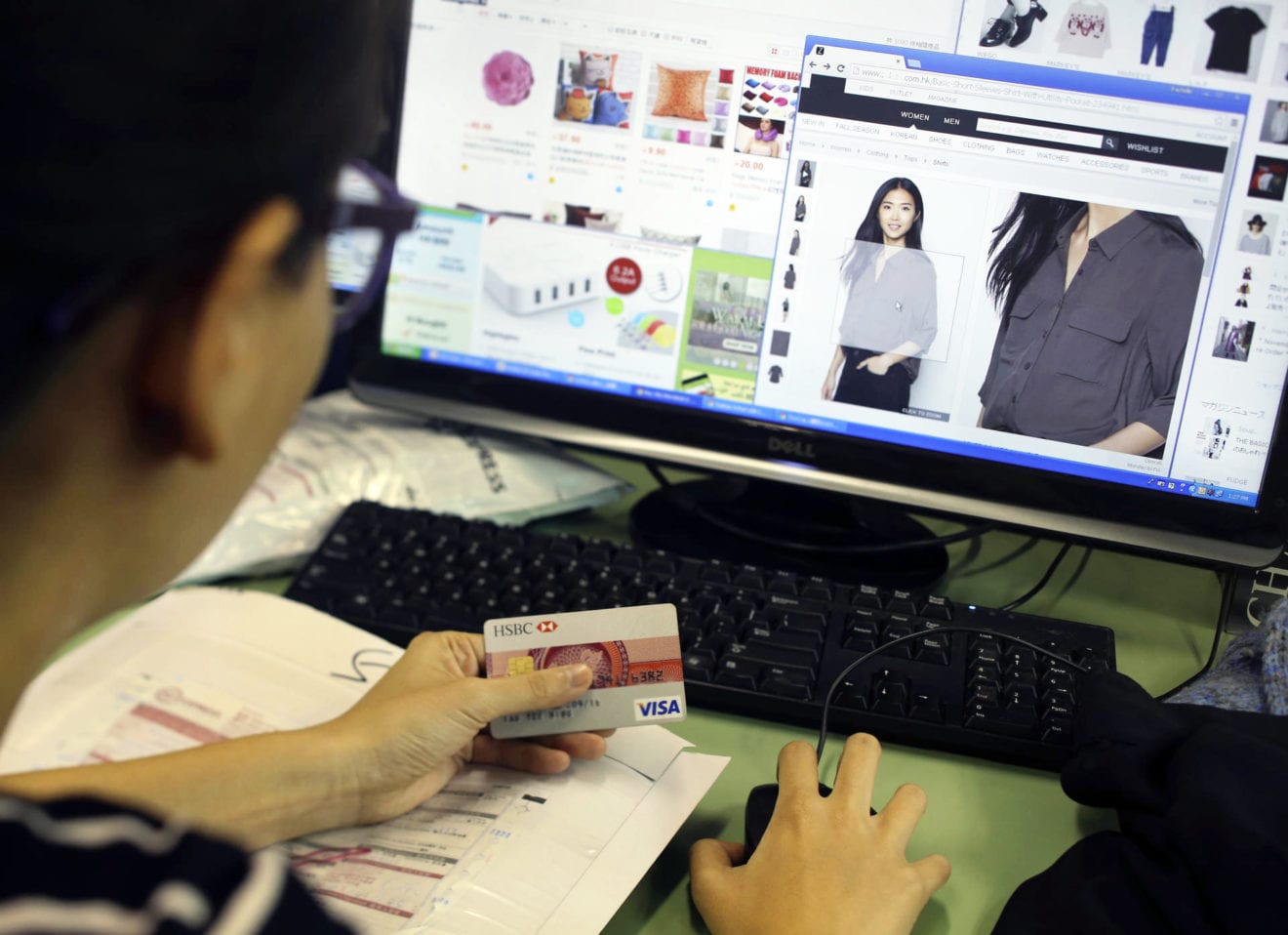
    Generally speaking, 88% of Hong Kong consumers shopped online in the past 12 months. The young generation (aged below 30) are all active e-shoppers, while one-third of the e-shoppers in Hong Kong purchased online within one week.

    LESSON 2: KNOW YOUR POINT OF SALES

    Over 80% consumer shop online through desktop computers, while two-out-of-five online shoppers choose their smartphone for e-shopping.

    LESSON 3: KNOW YOUR PRODUCT STRATEGIES

    The top three most popular categories for e-shoppers are clothing, travel package/ air tickets/ hotels, and restaurant coupons.

    E-commerce is quickly becoming crucial to growth because creating a relevant, integrated and engaging shopping experience means winning offline as well.

  • Here’s why new NFC-enabled SIM cards may flop in Singapore

    Here’s why new NFC-enabled SIM cards may flop in Singapore

    The service is too costly. Singapore’s telco operators recently unveiled new NFC-powered SIM cards, which will allow commuters to pay fares using their mobile phones. The SIM cards will also be accepted at 30,000 ez-link terminals across the island.

    However, the new SIM cards might fail to gain enough popularity because of several stumbling blocks, according to a report by DBS.

    The report noted that the popularity of iPhones in Singapore is a big hurdle to the rise of the new SIM cards. The NFC-powered SIM cards are incompatible with iPhones, which only support Apple Pay and make up a third of mobile phone sales in the country.

    DBS also highlighted that ez-link is not accepted at 7-11 stores and many other retail outlets, which prefer NETS and credit cards.

    Apart from these hurdles, the cards are also extremely expensive at $37.50 apiece.

    “EZ-link is not widely popular for retail transactions even in Singapore. Plus NFC enabled payment is not adding any security feature to the ez-link card while “Apple Pay” adds security to credit card transactions. So we do not see that the NFC enabled SIM based payments will be widely used. Anyway, telcos may not get much commission out of the transactions, as the bulk may go to ez-link for its large customer base using it for buses and trains,” the report noted.

  • Hong Kong luxury ambitions wane

    Hong Kong luxury ambitions wane

    New consumer research suggests the Hong Kong luxury market is set for another challenging year.

    While 42 per cent of consumers surveyed in China are looking to spend more on luxury items, in Hong Kong the figure is only 25 per cent. That marks a five percentage point drop from 30 per cent of last year, according to the seventh edition of the China Luxury Forecast, released by PR company Ruder Finn and Asian market research company Consumer Search Group (CSG).

    The report says the results further reinforce last year’s conservative approach to retail spending by Hong Kong consumers.

    Growing wealth has led to consumers broadening their international horizons, with spend on travel still the top luxury category for both mainland China and Hong Kong. More than half (53 per cent) of consumers on the mainland say they intend to spend more on luxury travel in the coming year, up from last year’s figure of 50 per cent. This is expected to drive more growth in luxury markets outside China.

    In Hong Kong the luxury travel picture again paints a decrease in purchase intention, down by 5 per cent compared to last year.

    Bright spot

    Meanwhile, eCommerce continues to be the bright spot for luxury brands, with online purchases by mainland Chinese and Hong Kong customers amounting to 26 and 20 per cent respectively of luxury spending.

    Surveying 1040 consumers from more than 120 cities in China and 301 from Hong Kong, the forecast covers people from tier 1, 2 and 3 mainland cities. For first-tier cities it interviewed 300 consumers, 400 from second-tier cities and 340 from third-tier cities. Their average annual household income was RMB 833,509 (US$128,293.35) in the mainland, and HK$957,006 (US$123,340.22) in Hong Kong.

    When it comes to online purchases, accessories and beauty are the favoured products, and official brand websites the most preferred digital channels. Customers have also indicated higher confidence in spending online without having first visited physical stores, with an average number of two visits, down from 2.3 and 2.6 visits last year in China and Hong Kong respectively.

    Word of mouth is the key influencer for product choice, surpassing celebrities, luxury communities and key opinion leaders.

    Hong Kong and China customers also value “Chinese” elements differently when it comes to buying products or services. On the mainland, 58 per cent of respondents said that “embedded Chinese elements” were “extremely or very important”, compared to sentiment in Hong Kong, at just 11 per cent. Also, 55 per cent of Chinese consumers said they appreciated “elements symbolising good luck” compared to 25 per cent of Hong Kong consumers.

    Most valued by Hong Kong consumers (44 per cent of respondents) were elements reflecting Chinese heritage, which were second-most appreciated by Chinese consumers (52 per cent).

    Travelling to shop

    China’s luxury travel market continues to grow, with Chinese respondents taking four domestic and three international trips, while in Hong Kong luxury consumers take 3.7 international trips annually. Japan, Taiwan and China are the top three destinations for those from Hong Kong, while Hong Kong tops the list for mainland travellers, followed by France and Japan.

    For mainland consumers, culture and history were the main reasons for destination choice (63 per cent), while Hong Kong travellers most valued transportation convenience (50 per cent). Shopping was the second most popular motivation in both markets (46 per cent and 47 per cent in China and Hong Kong respectively).

    Most luxury consumers in both Hong Kong and mainland China have a budget for shopping when travelling abroad. As many as 57 per cent of Chinese consumers and 46 per cent in Hong Kong know in advance what brands they will buy.

    “While the demand for luxury remains strong in mainland China, Hong Kong luxury consumers are showing lesser intent in luxury purchase,” says CSG Hong Kong executive director Simon Tye.

    “Hong Kong customers are still interested in discovering new luxury brands and experiences. They are very discerning customers who know and appreciate quality products.”

    Travel and beauty show the most significant growth in the luxury sector, according to Ruder Finn Asia GM for luxury Gao Ming.
  • Clarks retailer S Culture ends year in the red

    Clarks retailer S Culture ends year in the red

    Clarks shoe brand retailer, S Culture has announced a loss for the year and will not pay a dividend.

    Chairman Chong Hot Hoi described 2015 as the worst year for Hong Kong retail sales since  2002, driven by the fall in big spending tourists from the mainland and weak domestic consumer spending.

    S Culture recorded a same-stores sales decline of 6.6 per cent and a net loss of HK$16.4 million for the year. Chong said the opening of new retail outlets during 2014 and early 2015 contributed to the loss, as they were yet to break even under the unfavourable atmosphere of the retail market during the year.

    S Culture sells shoes under the Clarks, Josef Seibel, Petite Jolie and The Flexx retail brands in Hong Kong, Mainland China and Taiwan. It flagged a looming loss in a profit warning issued in early July.

    But despite 2015 being a year to forget, the company is optimistic about 2016.

    “Hong Kong is bracing for greater economic challenges as the prospective interest rate increase shall induce capital outflows that could pressure Hong Kong as the Asian financial hub at a time when China’s economy is growing at its slowest pace in the past 25 years,” said Chong in the company’s trading announcement.

    “Looking ahead, the near-term outlook for retail sales will still be constrained by the weak performance of inbound tourism as cited by the government. We would also watch closely the impact from dimmer global economic prospects amid US interest rate normalisation. To this end, we had been imposing measures and applying more flexible operating tactics in order to minimise such effects to our operations as a whole. In the meantime, while there had been signs

    that the general operating costs, such as market rental level, were declining, we were still cautious about the other operating costs such as staffing and utilities as their nature was downward sticky,” he said.

    “Despite the above, we still remain positive and maintain our belief in our business. While we are still experiencing unfavorable market drivers in the local retail market, we are still confident that the group would be poised to be highly attentive to the changes in the retail market and apply the appropriate strategies to tackle the existing challenges and keep our pace for steady development, especially in the mainland. We still hold the same view about mainland consumer market and continue with our strategy to increase our presence in the mainland.”

    S Culture has now expanded into the cities of Shanghai, Qinhuangdao, Haikou, Qingdao, Songyuan, Zhengzhou, Harbin, Luoyang, Dandong and Beijing through collaborating with the local retailers and operates four company-owned stores with its brands well-received in the mainland, Josef Seibel and The Flexx.

    “We expect to increase our market share in the Mainland by utilising both on- and off-line channels whichever is more effective in the case.”

  • Taco Bell China on the way

    Taco Bell China on the way

    Mexican-inspired fast food is about to tickle Asian palettes, with the first Taco Bell China restaurant scheduled to open this year.

    Yum Brands! CEO Greg Creed, speaking at a consumer and retail conference in New York, says the first taco Bell China outlet will open in Shanghai.

    US-headquartered Yum! Is in the process of separating its China business into an independent, publicly traded company this year. It has about 7000 KFC and Pizza Hut restaurants in China and believes the spin-off will boost returns and increased asset value for shareholders of both companies post-split.

    Yum! plans to franchise 96 per cent of its outlets by the end of next year, and believes that model will enable it to nearly treble the store network from the present 6900 stores to 20,000.
    A subsidiary of Yum, Taco Bell is an American chain of fast-food restaurants based in Irvine, California. Founded in 1962 by Glen Bell, it has more than 6600 stores across mainland US with 175,000-plus employees.

  • Vietnam mobile phone market heats up

    Vietnam mobile phone market heats up

    The Vietnam mobile phone market is heating up, with major retailers pushing smaller businesses to the wall as new branded stores open almost every week.

    With limited marketing budgets, smaller retailers, the traditional mainstay of the mobile phone business, are unable to complete, reports TalkVietnam.com.

    Mobile World, which has a 39 per cent market share with its 603 Thegioididong outlets nationwide, has unveiled a plan to open a further 400 stores.

    Other retailers such as FPT Shop, VienthongA and Viettel Store are also scrambling to open more shops. FPT has more than 250 outlets already, VienthongA has more than 200, and Viettel Store has more than 300.

    FPT and VienthongA aim to open 50 to 100 stores this year, and new player VinPro plans to double it 100 outlets this year.

    Meanwhile, small phone retailers are now focusing on selling top-up cards for mobile phones, accessories and used phones. Some also sell such products as portable speakers, Wi-Fi transmitters and sports cameras to stay solvent.

    Small mobile phone shops hold between 30 and 35 per cent of the market, but their share will shrink, says FPT Retail Digital general director Nguyen Bach Diep.

  • Li Ning skips out of the red

    Li Ning skips out of the red

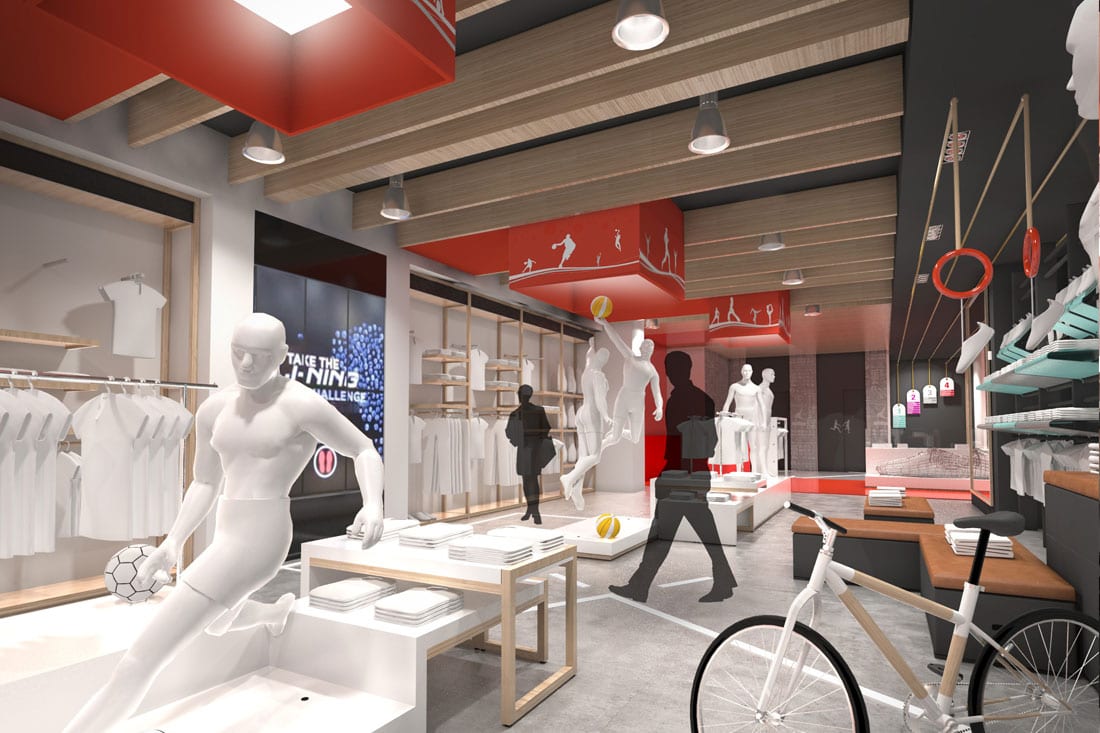
    Thanks to a health boom on the mainland, Chinese sportswear brand Li Ning has skipped out of the red to turn a modest profit after three years of losses.

    For its latest financial year, it had a net profit of Rmb14 million (US$2.2 million), reversing from a Rmb781 million loss in 2014. Revenue grew 17 per cent to nearly Rmb7.1 billion.

    Over the past three years, the brand has restructured, shedding 20 per cent of its inventory, closing thousands of underperforming stores and adding more than 300 directly run outlets. It also increased its eCommerce inventory.

    In a filing with the Hong Kong stock exchange, Li Ning says retail, wholesale and eCommerce outlets all achieved double-digit revenue growth last year.

    “Supportive national policies stood the sportswear industry in good stead,” says the company. “The initiative to lead an eco-friendly life has deeply implanted the idea of pursuing a healthy lifestyle in the hearts of people.”

    Li Ning is backed by private equity group TPG Capital and Singapore sovereign wealth fund GIC. The company was founded by Chinese gymnast Li Ning, who won three gold, two silver and one bronze medal at the Olympic Games in Los Angeles in 1984. Following his retirement, he set up the company in 1990, selling footwear, apparel, accessories and equipment for sport and leisure.

  • Oh!K expands into Indonesia

    Oh!K expands into Indonesia

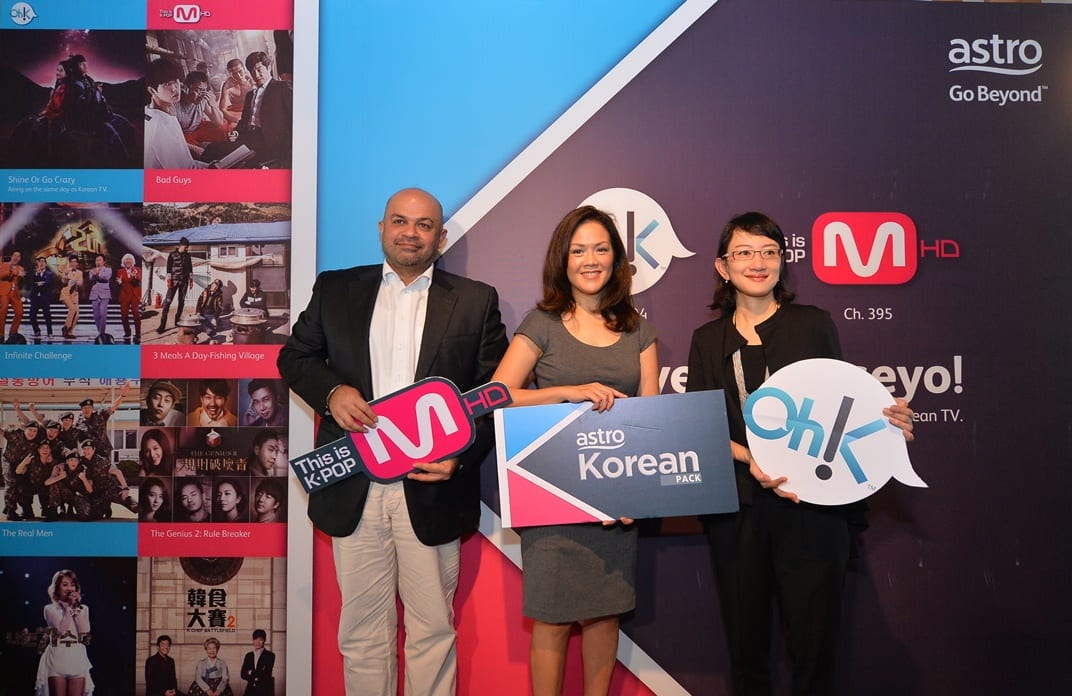
    K-entertainment fans in Indonesia will now be able to catch the latest and best Korean content within hours of its world premiere with the launch of Oh!K on Tribe.

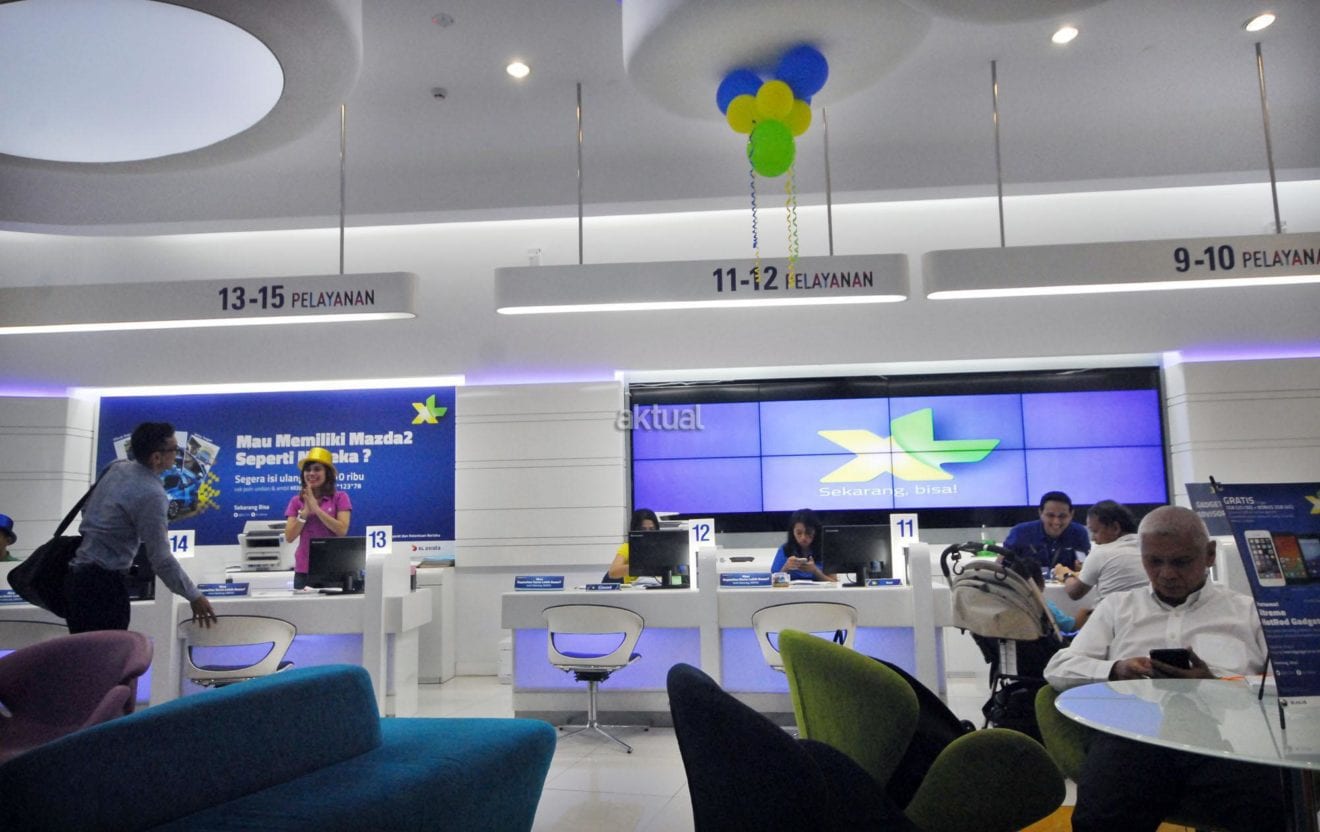
    This new OTT service from XL, a telecommunications operator, offers its subscribers via the Tribe app exclusive access to fresh, first-run, localized and high-quality video, via mobile devices and online.

    Oh!K currently boasts a slew of popular series including Monster, which will premiere later this month, and Marriage Contract, which is currently running on the channel. These express titles air within 24 and 48 hours of Korean telecast, respectively.

    “Since Turner launched Oh!K in October 2014, the channel’s reach and popularity has grown significantly,” said Phil Nelson, Turner’s managing director for Southeast Asia. “In just 18 months, partners in Singapore, Malaysia, Hong Kong and now in Indonesia with Tribe, have responded to the growing appetite for quality Korean content.”

    Other express titles on Oh!K include Just Married and Korea’s No. 1 variety show Infinite Challenge – starring celebrity hosts Yoo Jae Suk, Park Myung Soo, Jung Joon Ha, Jung Hyung Don, Hwang Kwang Hee and Haha.

    Oh!K’s programming is also supplemented by special live simulcasts from Korea, such as the MBC Drama and Entertainment Awards and Gayo Daejun (Korean Music Festival) available on the channel.

  • Alibaba taps VR to enhance shopping experience

    Alibaba taps VR to enhance shopping experience

    The global virtual reality market to grow at a rate of 96% by 2019, according to a new report made available by Research and Markets.

    VR is being adopted in a wide variety of applications ranging from healthcare, gaming devices, public entertainment, prototype creation to military exercises.

    Chinese e-commerce giant Alibaba has now set up a research lab as it looks to use VR to enhance the shopping experience for its 400 million users.

    The company is also exploring how VR technology can be applied to its other services, including online games and video streaming, according to reports.

    Head-mounted displays have created opportunities for VR in a number of applications. A head-mounted display consists of an image source, collimating optics, and a mechanism to mount the device on the head.

    The device is wearable, and projects images and information relative to the user’s line of sight in front of the user. A report on the HMD market predicts growth of 49% over the next five years.

    Virtual reality devices, which are compatible with smartphones, can help users by providing specific information about their requirement on-the-go, without pulling out their portable devices. This technology is expected to commercialize in 2016 and could be worth $2.30 million in 2016.

    Alibaba has already created three-dimensional visuals for hundreds of products and will issue standards for merchants to create VR-enabled shopping options. It is also said to be working on creating music and videos.

  • Thai 4G: Deputy PM tightens reauction timeline

    Thai 4G: Deputy PM tightens reauction timeline

    Deputy Prime Minister Wissanu Krueangam who has stepped into the mess left after Jas Mobile Broadband walked away without paying for its 900-MHz licence. He has stated that there would be no need to invoke the junta’s absolute power clause in the interim constitution just yet – though he did give the telecom regulator strict marching orders.

    He said the NBTC must successfully auction off the spectrum at a price that is not less than what Jas bid and must do so within one year. It it fails then Jasmine must be held responsible for any shortfall.

    Earlier NBTC Takorn Tantasit had put a timeframe of 4 months for an auction with the starting price of Jas’ winning bid and a second auction one year after that if it fails to go.

    Takorn said the starting price might be lowered to Dtac’s last bid of $1.98 billion (70.18 billion baht)  instead of Jas Mobile’s winning bid of $2.14 billion (75.65 billion baht) or even a round figure of 70 billion baht.

    The auction guarantee would rise to between 10 to 30% of the revised opening bid (previously it was 5% of 12.88 billion baht opening bid)

    Takorn said the draft auction rules would be finished by April 12 which would then be put out for public comment between April 18 to May 23 and should be formalised in the Royal Gazette by 31 May. The auction will be held by June 20 at the latest.

    Takorn said that Dtac had protested TrueMove’s inclusion in the auction given that they already had won half the 900-MHz spectrum. However, Takorn said the NBTC insists that True will be eligible to take part.

  • XL Axiata to sell more telecom towers for $250m

    XL Axiata to sell more telecom towers for $250m

    Indonesia’s XL Axiata has arranged to sell 2,500 more telecom towers for 3.56 trillion rupiah ($250 million) as part of an ongoing asset management reorgnization.

    XL has agreed to sell the towers to local tower operator Professional Telekomunikasi Indonesia (Protelindo) and rent most of them back for 10 years as the anchor tenant.

    Announcing the move, XL said it expects to benefit from significant capex and opex savings, and plans to use proceeds from the sale to help further reduce its debt.

    The operator is also expected to use the divestment to help more aggressively roll out 4G services.

    XL already sold 3,500 towers to PT Solusi Tunas Pratama (SUPR) as part of a deal arranged during 2014, and used the proceeds to reduce its debt burden.

    In related news, credit ratings agency Moody’s has recently published a report predicting that telecom tower companies in Indonesia as well as India are well-placed to continue growing.

    Tower companies in the two markets are the most developed in Asia, Moody’s said. But the company noted that geographical, operational and regulatory differences between the two countries will affect their growth rates and financial performance.

    “We expect continued growth in both markets as mobile operators, building out and strengthening their third- and fourth-generation (3G and 4G) footprints, will seek to lease tower space and sell more of their own towers,” Moody’s assistant vice president and analyst Nidhi Dhruv said.

    “In this context, we expect overall year-on-year revenue growth of about 8%-10% for tower operators in both countries during the next one to two years.”

  • Telekom Malaysia launches POP in Laos

    Telekom Malaysia launches POP in Laos

    Telekom Malaysia has arranged to establish a new point of presence in Laos in collaboration with the Lao National Internet Centre (LANIC).

    Under the agreement, LANIC will host and provide infrastructure for the POP via its international data center in Vientiane.

    Telekom Malaysia will use the POP to provide alternative connectivity options to its customers and afdress growing demand for international internet bandwidth in Laos.

    LANIC is an affiliate of the Laos Ministry of Posts and Telecommunications. The new POP will enable services including IPVPN, IP transit and global Ethernet services.

    “This alliance with LANIC will further strengthen our regional footprint in Southeast Asia, Telekom Malaysia VP for product marketing and operations Mohamed Asri Jaafar said.

    “Through the new POP, TM will be able to offer a vast range of services at a competitive price, going in and out from Laos through diversified routes via submarine and terrestrial cables, connecting to our existing on-net network presence.”

    Telekom Malaysia now has 22 POPs worldwide, spanning Asia, Australia, North America, Europe and the Middle East.

  • Viettel picked for Myanmar telecom JV

    Viettel picked for Myanmar telecom JV

    The Myanmar government has selected Vietnamese military-run operator Viettel as the international partner for the consortium likely to be granted the nation’s fourth telecom license.

    Viettel has been selected from a pool of seven contestants and been granted the rights to negotiate with the local consortium over a potential partnership.

    According to the report, only five of the entrants were deemed eligible to apply, and Viettel was the only one of these five to submit an application before the March 18 deadline.

    If negotiations go well Viettel will become a minority shareholder in a company established by a consortium of 11 local companies from the technology and other sectors, as well as a subsidiary of the Myanmar military run Myanmar Economic Corporation.

    The joint venture is expected to be granted the market’s fourth nationwide telecom license, after Telenor Myanmar, Ooredoo Myanmar and the consortium between Myanmar Posts and Telecom (MPT) and Japan’s KDDI.

    Viettel is expected to pay 49% of the $300 million license fee, equivalent to its stake in the venture.

  • Where’s Marcel? – in the Philippines

    Where’s Marcel? – in the Philippines

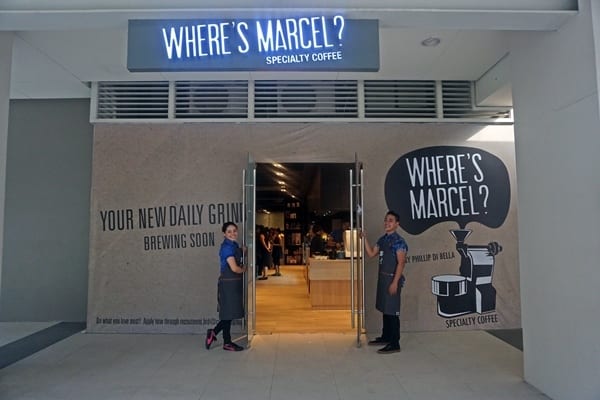
    Where’s Marcel has opened its first cafe outside Australia – in Manila, the Philippines.

    The Philippine branch on Pearl Drive in Ortigas is the company’s third store after Sydney and Melbourne.

    Where’s Marcel? coffee founder Marcel Ruggieri said “there’s very good foundations here for specialty coffee,” based on the company’s market research.

    Aside from the cafe, the company sells wholesale processed beans, through a principle of farm to table they call “crop-to-cup.” Through this, the company will assist local farmers in growing beans and buy directly from them.

    “To operate ethically should always be a benchmark for… life. Not just in a hospitality sense, but everything we do,” Ruggieri said. “We’re improving the quality in the cup, we’re improving the training and services to the clientele.”

    He said plans to expand the company’s wholesale operations in the country are set in the coming year.

    “The retail front gives a cafe experience; it’s also an opportunity to showcase our coffee, and train and develop staff… it’s really a great platform to demonstrate.

    “With regards to our wholesale operations, we focus on educating and building our clients’ business. So when we supply coffee, we’re not just supplying the bag of beans,” he said.

    The cafe will complement its coffee with Filipino dishes and desserts prepared by Filipino chefs Sau del Rosario Christine Paredes.

    Founded in 2014, Where’s Marcel? got its name from a blunder.

    “Funny enough, at a farm, they lost me,” Marcel Ruggieri, founder of the cafe, told the press during the cafe’s launch. During a trip to Brazil to source beans with his team, Ruggieri lost his away around, prompting his companions to ask, “Where’s Marcel?”

    “The joke kind of stuck through that trip.”

    Where’s Marcel? - in the Philippines

  • Bison Consolidated debuts with small discount, but picks up momentum

    Bison Consolidated debuts with small discount, but picks up momentum

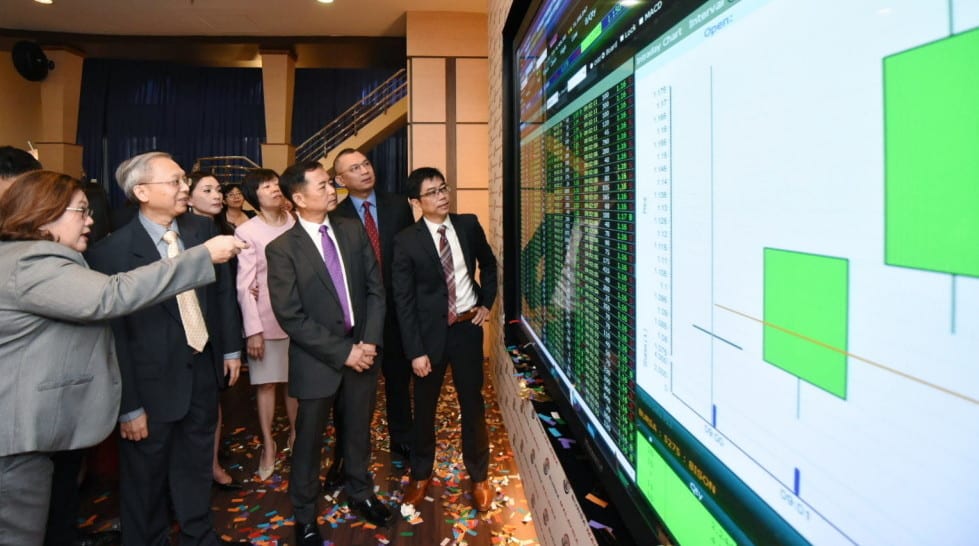
    Save for the first initial public offering (IPO) this year on the Malaysian market, corporate debuts on Bursa Malaysia has seen dampened openings thus far. Convenience retail chain store operator Bison Consolidated Bhd listed on the Main Market of Bursa Malaysia on Tuesday, opening at MYR1.09 on a volume of 2.2 million shares, a small discount to its IPO price of MYR1.10. This was despite encouraging reception prior, where the 15.5 million new public shares offered had been 6.94 times oversubscribed. The counter closed its first trading day positively, however, at MYR1.17, marking a 6.36 per cent premium to the opening price. 68,480,900 shares traded hands.

    Bison is the third Malaysian IPO in 2016, and the last for this first quarter period. The first two had been building materials supplier Chin Hin Group Bhd earlier this month, and Ranhill Holdings Bhd mid-March. Bison is an investment holding company, and through its subsidiaries, it is involved in the business of press and convenience retailing under its main trade name of “myNEWS.com”.

    It also operates eight outlets of WHSmith, under its equal joint venture with UK retailer WHSmith Travel. Managing director Dang Tai Luk told reporters after the listing ceremony that the group intends to open another 115 stores with the IPO proceeds over the next 36 months. It has already opened 20 stores, with another 50 targeted to be opened within 2016. “Our target for 2016 is achievable; we have already identified 30 locations, and are considering another 30 locations. From those numbers, I would say we are targeting to open 70 stores a year,” he said, adding that a key criteria is the population density in the selected locations. Bison seeks to build its network of stores in high-street locations, departing from its old strategy of setting up in commercial buildings and various types of shopping malls.

    Its IPO prospectus noted that the group has 255 outlets, as at February 10, which carry a range of print media, convenience retail products and offer consumer services like electronic payment services and money remittance services. According to Smith Zander International Sdn Bhd, Bison owns an estimated market share of 8.6 per cent in outlet numbers, and 6.6 per cent in terms of revenue for the year 2015. The company is also looking to establish another distribution centre either in the north or south of Peninsular Malaysia, looking at either Penang or Johor states.

    It currently has one 125,000-sq ft warehouse facility in central Peninsular, and Dang noted that the new warehouse will not be bigger than the existing one. “We have always managed our own distribution, and we want to improve and make it more efficient,” he said.

    The management has no plans to expand beyond Malaysia at the moment, as it believes there are more opportunities to tap onto in the domestic market. Bison raised MYR88.68 million ($22.19 million) from the IPO, of which MYR35.55 million or 40.1 per cent will be utilised for the purpose of outlet expansion and enhancing the group’s existing outlets; and MYR14.45 million or 16.3 per cent will be used to improve its nationwide logistics and IT capabilities to support its growing network and product base, the establishment of an additional distribution centre, food preparation and packaging facility and acquiring additional transport equipment. Another MYR32.23 million or 36.3 per cent will be utilised to finance inventory stocking for new and existing outlets as well as other working capital requirements. The proceeds will be utilised for these purposes over the next 36 months. The remaining portion will fund listing expenses.

    CIMB Investment Bank was the principal adviser, managing underwriter and sole bookrunner for the IPO.