Author: Mei Ling Tan

  • No silver spoon in this Malaysian billionaire’s daughter’s mouth

    No silver spoon in this Malaysian billionaire’s daughter’s mouth

    Yen Kuok was never handed anything on a silver platter. In spite of being the daughter of Malaysia’s richest man, Robert Kuok, she worked her way through trial and error to make a success of her online consignment fashion store in Hong Kong.

    In an article by social news network SAYS Malaysia, Yen relates how she had a no-nonsense upbringing and went to school with only a moderate amount of pocket money.

    “The way my family brought me up was very strict. In fact, I was not given much pocket money. When I was in school, my friends’ pocket money was usually much more than mine,” she was quoted as telling the media in Hong Kong.

    She even talked about how her first piece of branded clothing by Viktor & Rolf was a gift from her brother when she was 17 years old.

    Yen explained that her grandmother set these strict rules when advising her son that her granddaughter should not be raised like a “princess” just because she came from a wealthy family.

    Even her father’s approach to education was unconventional, because unlike many other parents of today, he never pressured her to bring home a string of As.

    “My father kept telling me that going to school is not only about studying and getting good grades, but instead, education is meant to expand one’s horizons,” Says Malaysia reported her as saying.

    “My father had never forced me to get an A in my exams, and he said it doesn’t matter if I get a B.”

    That approach worked wonders, as Yen excelled academically and was eventually accepted into both Stanford and Harvard (opting for the former in sunny California) before settling down in Hong Kong upon graduation.

    Her online consignment store, called ‘Guiltless’, is the first of its kind in Hong Kong to offer luxury goods at “pre-loved” prices, “with a first-class retail experience”, she told Wundrful, an online platform that highlights the people behind their respective brands.

    “Besides collecting and curating second-hand luxury goods, the site also offers new items from past collections at up to 80% off their original retail price,” SAYS Malaysia reported.

    But even after she had overcome various obstacles to establish her business, it wasn’t always smooth sailing for the self-made entrepreneur.

    With little in her pocket when she first started out her business, Yen resorted to modelling the clothes herself and cropping off her head before uploading the pictures onto the site.

    Soon, profits started trickling in, and she was able to hire real models and pay professional photographers to take better shots of her merchandise.

    “Finally, I worked on the packaging to improve the buyer experience. After about five months of trial and error, we finally got it right,” she told Wundrful.

    Her father must certainly be proud.

  • HKIA February traffic +4.9% to 5.7m pax

    HKIA February traffic +4.9% to 5.7m pax

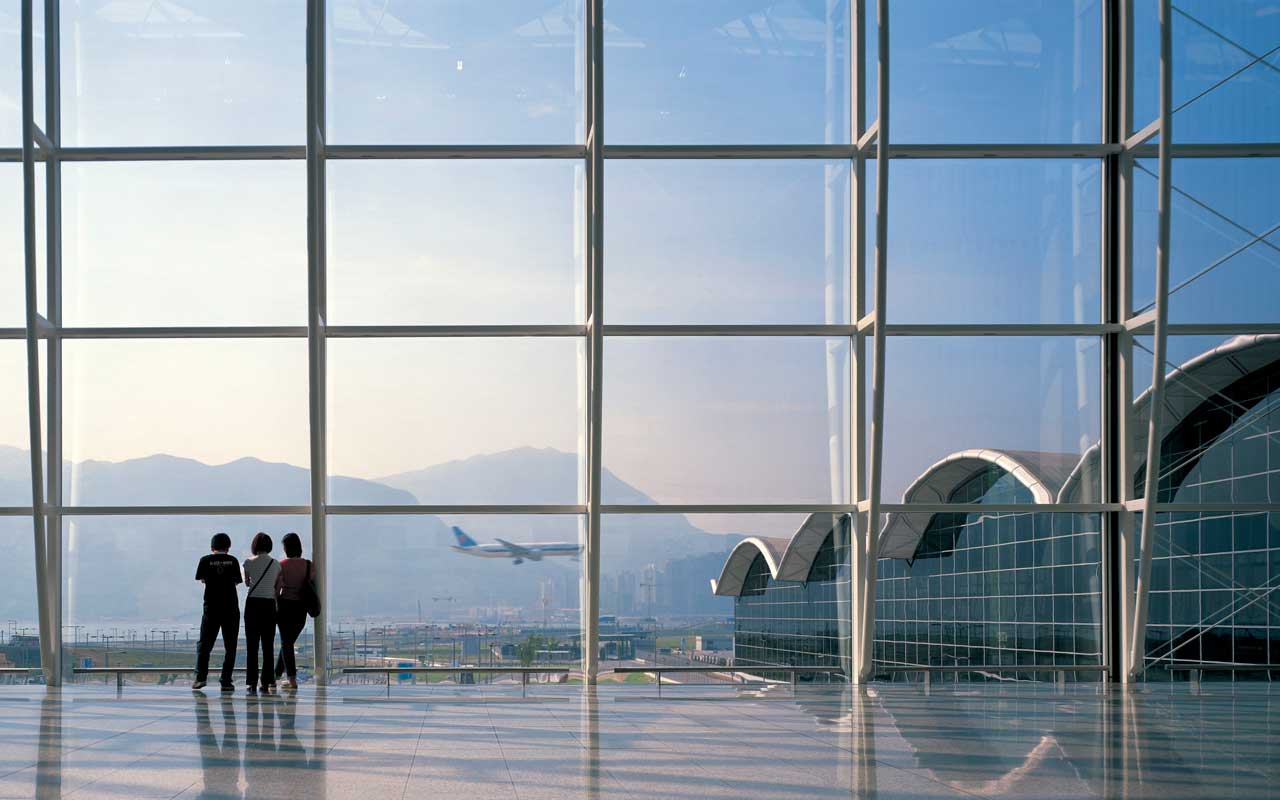
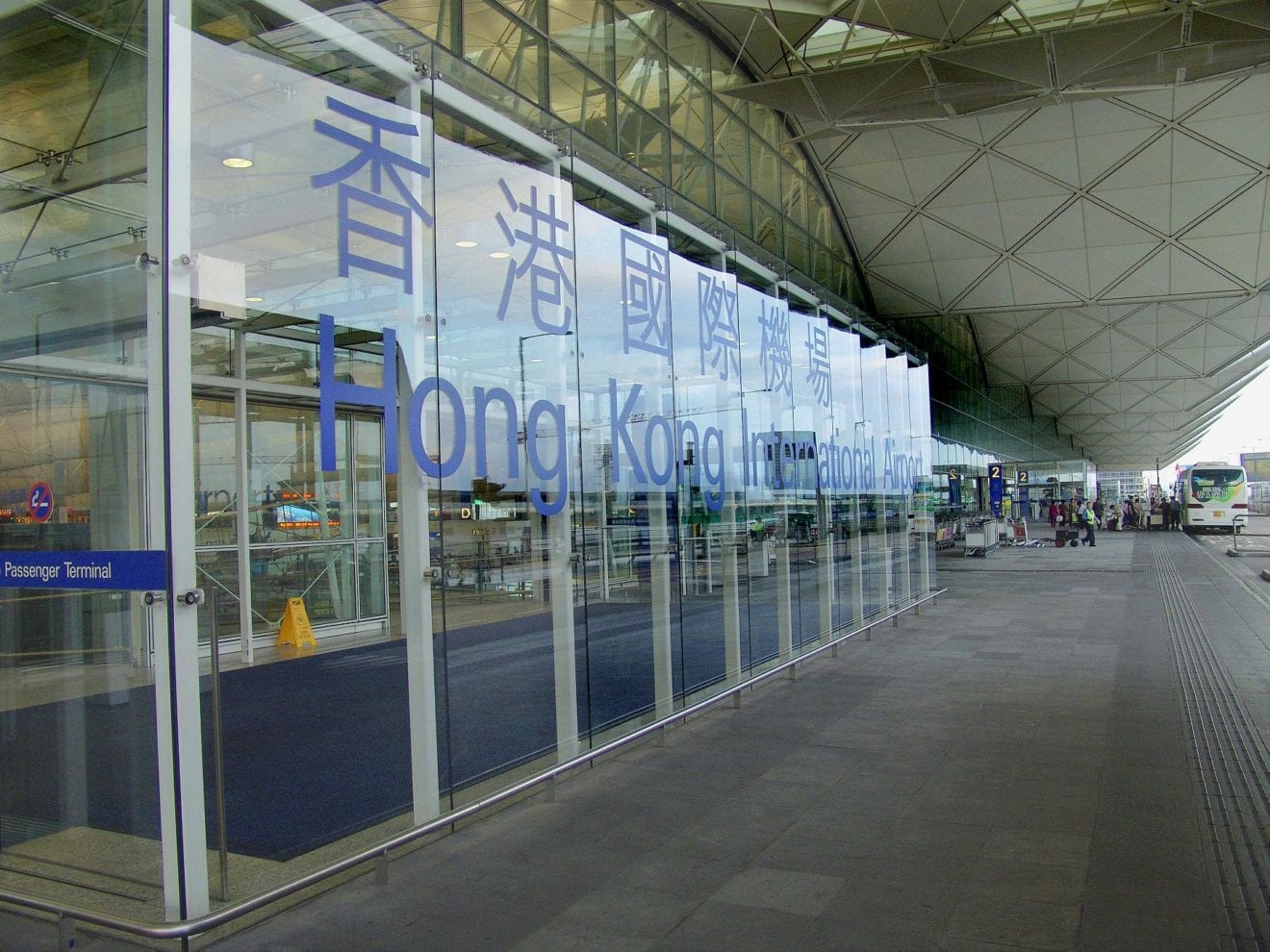
    Hong Kong International Airport (HKIA) has reported that its February passenger traffic grew by 4.9% to 5.7m, while flight movements increased by 4.5% to 32,625 during the month.

    Airport Authority Hong Kong said that growth was mostly thanks to a 16% rise in Hong Kong resident travel compared with January 2015, with passenger numbers to and from Southeast Asia and Japan showing the biggest increases.

    IN PRAISE OF TECHNOLOGY

    Commenting, Executive Director of Airport Operations of Airport Authority Hong Kong C K Ng said: “To enhance the travel experience for HKIA’s passengers we strive to provide customer-centric services by leveraging the latest technology, including the introduction of the ‘HKG My Flight’ mobile application in 2013 that provides airport information, real-time flight status and more.”

    Hong Kong airport large

    New technology is also helping passengers find the information they want at HKIA, according to airport management.

    He added: “With the application of iBeacon technology, passengers using the ‘HKG My Flight App’ can receive push notifications of airport information, including dining and shopping offers and promotions at the airport.

    “While arrays of initiatives are in the pipeline, we will continue exploring the application of different technologies in daily operations, aiming to enhance mobility, automation, efficiency and convenience for passengers,” added Ng.

    He said HKIA is also delighted that ‘HKG My Flight’ recently won the Gold Award in the Best Location-based Marketing Category at the Mob-Ex Awards 2016 organised by Marketing magazine.

    HKIA Departures 2

    Hong Kong International Airport traffic rose by 4.9% to 5.7m passengers in February 2016.

    Having said that, there was no technology available to help halt the decline in cargo throughput for February, which was mainly attributed to a 23% year-on-year drop in exports. AAHK added that the fall in cargo volume was also partially due to the industrial action at ports on the US west coast in the first quarter of 2015.

    In the first two months of 2016, HKIA handled 11.6m passengers and 67,820 flight movements, up 9.0% and 5.0% from the previous year respectively. Cargo traffic dropped 6% year-on-year to 619,000 tonnes.

    On a rolling 12-month basis, HKIA handled 69.5m passengers and 409,255 flight movements, marking year-on-year increases of 8.4% and 3.8%, respectively.


  • Iconsiam adds retail area for keen investors

    Iconsiam adds retail area for keen investors

    Iconsiam Co has increased its investment by another 4 billion baht for more retail space in response to the long waiting list of foreign investors wanting to expand their businesses at its shopping project.

    Director Chadatip Chutrakul said the company recently secured a 30-year lease for an additional five-rai plot on Charoen Nakhon Road, opposite the current construction site of Iconsiam.

    The total land area for Iconsiam will reach 55 rai with an investment budget rising to 54 billion baht. The total gross floor area will reach 525,000 square metres.

    “More than 100 foreign companies including restaurants, entertainment and fashion firms want to invest in our project. This shows their confidence in the Thai retail market,” she said.

    The company is studying the development of a new retail phase, which will start construction by the end of this year and be completed in 2017, simultaneously with the overall project.

    Construction of Iconsiam is about 20% complete. Iconsiam plans to target Thais for 65-70% of its customers.

    The project will offer a complete range of products and services from more than 500 retailers from around the world. Several of the restaurant brands will be new to the country, including a three-Michelin-star eatery.

    Also planned is a rooftop garden with open-air eateries overlooking the Chao Phraya; an 8,000 sq m area dedicated to food, fashion and handicraft specialities from all corners of Thailand; a multipurpose auditorium for meetings, concerts and shows with 3,000 seats; Thailand’s first world-class museum complex; a 400-million-baht water-fire-sound-and-light feature; and a riverside park and event plaza covering 10,000 sq m.

    It also comprises two luxury waterfront residential condominium buildings of 70 and 50 floors, one of which carries the Mandarin Oriental Residences brand and Iconluxe, providing luxury brands for fashion, jewellery and watch-making over 25,000 sq m.

    The company will open booking for its retail space soon. Iconsiam expects to draw 250,000 visitors a day.

    The Bangkok Metropolitan Administration said Iconsiam has allocated 2 billion baht to support the construction of the first phase of the new skytrain Golden Line, linking Saphan Taksin station to Charoen Nakhon Road near Taksin Hospital.

    Iconsiam is a joint venture between Siam Piwat Co, the owner and operator of Siam Center, Siam Paragon, and Siam Discovery; Magnolia Quality Development Corporation, the owner and developer of luxury quality residential and mixed-use projects; and multi-national conglomerate Charoen Pokphand Group.

  • Lotte seeks calm waters after family turbulence

    Lotte seeks calm waters after family turbulence

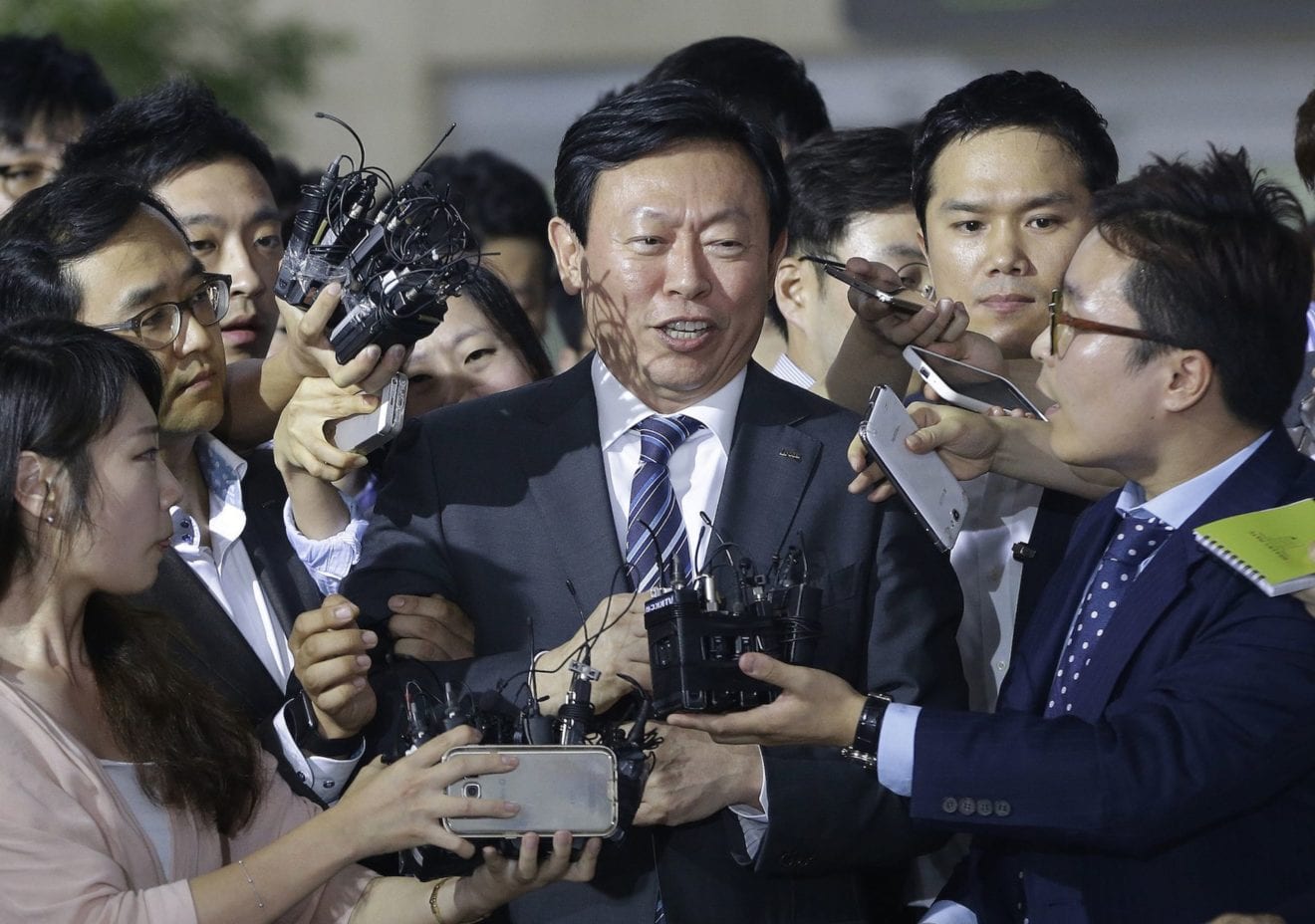
    The fate of Lotte Group hung in the balance several months ago, as the fraternal battle over control of the retail giant reached its peak.

    However, a year into the family battle, Chairman Shin Dong-bin managed to settle the dispute and strengthened his grip over the country’s fifth-largest conglomerate, which has operations in Korea and Japan.

    Most shareholders of Lotte Holdings in Japan voted in support of the younger son, who heads both the Japanese and Korean operations, despite efforts by his older brother, Shin Dong-joo, to oust the chairman as CEO of the Japan-based unit.

    In the second shareholders meeting on March 6, Shin Dong-joo even suggested that he would give 2.7 billion won ($2.3 million) worth of shares to members of the association of Lotte Holdings workers – the second-largest shareholder after Kojyunsya, with a 27.8 percent stake – should he win the vote. But the agenda failed to win a majority of shareholders’ votes, and the meeting finished only in about 30 minutes.

    “We figured that the meeting’s result shows firm support for the chairman, and the succession battle has actually ended,” a Lotte Group spokesperson said.

    Shin Dong-joo may have used up most of his maneuvers to nullify the leadership of Shin Dong-bin, though the result of a lawsuit to determine the legitimacy of Shin Dong-bin’s reign at Lotte Holdings has yet to come.

    As the highly publicized feud appears to be coming to an end, Chairman Shin Dong-bin is seeking to revamp the group through three key initiatives: corporate restructuring, global expansion through mergers and acquisitions, and empowering female executives.

    Cleaning up the corporate structure

    Of all things, the chairman placed the improvement of Lotte’s corporate structure high on the agenda since the fraternal battle exposed an opaque governance structure and the founding family’s strong hold over the group.

    Founded in 1948 in Japan, Lotte has gone from a small chewing-gum maker to a major business unit with interests encompassing retail, chemical and car rental services. Today, Lotte Group has a total of 86 affiliates with annual sales hitting 81 trillion won. Still, only eight affiliates, or 9.9 percent, are listed on the Kospi market, making credible information on the unlisted units hard to come by. This type of backward system is linked with founder Shin Kyuk-ho’s business principle that keeps most of the businesses unlisted.

    The feud and ensuing investigation revealed that a handful of unlisted units based in Japan – with obscure functions and business areas – are at the top of the corporate governance structure.

    Chairman Shin Dong-bin is trying to fix the system through the listing of key Lotte affiliates.

    The first target is Hotel Lotte, the de facto holding company of Korean Lotte affiliates. Lotte Group said last year that it will take the hospitality operator public in the first half of this year. The hotel unit passed a preliminary screening for its planned initial public offering (IPO) in January, according to the Korea Exchange.

    After the group’s core affiliate goes public, more affiliates, including some of the Japan-based Lotte units, as well as Lotte Data Communication Company, Korea Seven and Lotteria, are expected to go public, according to the Korea Exchange.

    Alongside the IPO efforts, the business tycoon has sought to ease the group’s complex cross-shareholding system by purchasing shares of key Lotte units at the center of the cross-holding web.

    Last year, the chairman acquired a 1.3 percent share in Lotte Confectionery, which was held by Lotte Construction & Engineering.

    The move cut Lotte’s cross-shareholding links by 34 percent from 416 to 276, and the number has since been further reduced to 67, according to Lotte Group and a report from the Fair Trade Commission.

    To speed up structural governance reforms promised by the chairman, the group launched a task force last year that will be entirely focused on a structural overhaul. Lee Bong-chul, head of the group’s support department, leads the team.

    Another area of focus by the chairman is business expansion through different mergers and acquisitions. When he took the helm at Lotte Group, Shin Dong-bin clinched a number of big deals to acquire different units, including electronics store chain Hi-Mart, car rental service operator KT Rental and a liquor unit of Doosan Group.Global expansion

    Most recently, he has set his sights on the global market beyond the Asian continent.

    Last May, Hotel Lotte bought the New York Palace Hotel in Manhattan for $805 million from real estate management firm Northwood Investors.

    But the purchase of the landmark hotel was only part of Hotel Lotte’s broader efforts to extend its properties.

    Song Yong-dok, CEO of Hotel Lotte, said last year that the hospitality chain will acquire 33 more hotels outside of Korea by 2020, a move to become an international hotel chain.

    The CEO specifically cited hotels in Los Angeles, Chicago, London, Paris and Frankfurt as potential bases for new hotels in the coming years.

    The CEO’s interest reflects the hotel operator’s intention to further move into European and U.S. markets, since the unit’s global operations currently center on Asian countries such as Vietnam and Uzbekistan and other regions such as Russia and Guam.

    Five months after the hotel purchase, Lotte announced the largest acquisition deal to date in the conglomerate’s history.

    Lotte Group agreed to buy a sizable stake in Samsung’s petrochemical units for around 3 trillion won, extending its business beyond retail and hotels.

    Under the deal, Lotte Chemical will absorb the businesses of the new units.

    “Lotte Chemical, which specializes in basic petrochemical materials and synthetic fibers, has been on the lookout to include future-oriented chemical businesses and products to create synergies with existing products,” the group said.

    When the deal is completed in the first half of this year, the Lotte affiliate is expected to boost its competitiveness in plastic materials such as polycarbonate, acrylonitrile butadiene styrene and polystyrene, where Samsung’s chemical units are strong.

    Lotte expected the deal to raise Lotte Chemical’s total annual sales to 20 trillion won from 14.9 trillion won in 2014.

    The group also looks to bolster its presence, with the surging population in high-growth markets in Southeast Asia, including Vietnam and Indonesia.

    Earlier this month, Lotte Group submitted a bid to buy retail chain Big C in Vietnam from French retailer Groupe Casino.

    Big C is the second-largest supermarket chain in Vietnam, and also operates in Thailand and Laos with 600 stores. The extensive retail network of the discount chain will help Lotte cement its position in the Southeast Asian market.

    Groupe Casino’s sale of its Vietnam units attracted multiple bids in Asia, including offers from Thai tycoon Charoen Sirivadhanabhakdi and Japan’s Aeon as well as Lotte.

    The value of the deal is estimated to be over $ 1 billion.

    Also joining the bid are Central Group, Thailand’s biggest retailer, and Vietnamese companies Co.opmart and Masan Group, according to reports in the Wall Street Journal.

    Another region that draws Lotte’s interests is Russia, with its enormous potential in untapped natural resources and land.

    The group recently established farming and logistics networks along the Black Sea and Maritime Province.

    The move is expected to create synergies with the existing Lotte Confectionery plant in Kazakhstan.

    “The chairman pays attention to the region because the current economic slowdown in Russia could translate into benefits for those interested in investment in the region,” said a source at Lotte Group who declined to be named.

    Empowering female leaders

    Chairman Shin Dong-bin has reiterated that increasing the number of female workers and executives is one of his priorities.

    The group openly said that its affiliates should hire more women to enhance gender diversity.

    Now, the proportion of new female workers accounts for 35 percent, and the company plans to increase the ratio to 40 percent.

    The chairman also acknowledged that generally perceived characteristics of women, such as sensitivity, fit Lotte’s major business areas centered on shopping and retail segments.

    “We have many customers who are women,” Chairman Shin Dong-bin said during a meeting with female executives at Lotte affiliates last year. “And I am sure that women know best what women really want, so hiring more women workers and putting them in executive posts is one of the most important tasks for Lotte.”

    Empowering women workers has emerged as a major social issue, as few women are found at the senior level of big companies.

    In Korea, women represent a miniscule 1.9 percent of board directors, according to a GMI Ratings survey.

    The ratio puts South Korea at the bottom of the ranking out of 45 countries surveyed.

    The chairman has set the target of filling 30 percent of its executive posts with women.

    “Following the direction of Chairman Shin Dong-bin, we have been focused on hiring women since 2006,” a representative of Lotte Group said. “Now, 11 percent of senior workers, whose rank is above senior manager, consist of women. But we will expand the proportion to 30 percent by 2020.”

    Lotte’s efforts are reflected in major personnel changes that saw more women promoted to the executive level.

    At the end of last year, Lotte announced the promotion of two women to executive positions.

    At the time, the company appointed its first female executive to have risen through the ranks from an entry-level employee and also the first non-Korean female executive.

    “We don’t want to just say that we want more women,” the representative said. “Our efforts will be shown in numbers by hiring and promoting more women.”

    Chairman Shin Dong-bin, left, describes the 123-story Lotte World Tower to Hugh Trenchard, a member of the British Parliament, last July ;The Lotte World Tower, built by Lotte Group, is the tallest building in Korea. [LOTTE GROUP,JOINT PRESS CORPS]President Park Geun-hye, center, and Lotte Chairman Shin Dong-bin, left, tour the Busan Center for Creative Economy and Innovation run by the group in March;CEO Song Yong-dok of Hotel Lotte, second from right, poses outside the New York Palace Hotel in Manhattan after Lotte acquired the American hotel last May.

  • Eight steps for riding out the economic storm

    Eight steps for riding out the economic storm

    In a few days it will be one year since the implementation of the Goods and Services Tax. Although the GST has been widely unpopular, many economists consider GST as the most efficient way of widening Malaysia’s tax base. Currently, almost everyone pay taxes.

    The Malaysia Consumers Movements commend the Ministry of Domestic Trade, Cooperatives and Consumerism and the Royal Customs Department, who have worked extremely hard in curbing profiteering activity and ensuring that price increases were not excessive. Enforcement officers have acted promptly on complaints lodged against unethical businesses for unfairly increasing prices, while prosecuting a few for related offences.

    The Customs Department has reportedly collected RM51 billion since April last year, as compared to only RM37.2 billion before the GST.

    It is therefore clear that the GST has indeed provided a lifeline to the government but this has come at an expense. Consumers today are grappling with high cost of living issues while business complain of high cost of operating, forcing consumers to tighten their belt and businesses to retrench staff.

    It is important to note that the amount of taxes collected through GST will be highly dependent on the strength of domestic private consumption, which is influenced by consumer confidence in the economy.

    According to industry report compiled by the Retail Group Malaysia, Malaysian retailers are not too optimistic on the growth for the sector in the first quarter of 2016 and expect a negative year-on-year growth of 0.4%. Consumers are fearful of high prices and are increasingly reluctant to spend.

    Bank Negara in its report has projected 4.0-4.5% growth rate in 2016, compared with 5% last year. The Statistics Department indicated that the consumer price index in February rose to a seven-year high at 4.2% from a year earlier. The inflation rate is highest since December 2008 when it hit 4.4%. This rise was attributed to higher costs for food and consumer goods.

    These not very convincing statistics calls for us to review, rethink and refine solutions for riding the projected storm ahead.

    1. Stop the Bickering

    Negative news will have an impact on consumer and investor confidence. What we say and do backfires on us in negatively portraying our country’s image. We must collectively demonstrate political stability, a key factor for investors and consumers. Malaysia practices parliamentary democracy where leaders are elected every 5 years. It therefore ignites sheer concerns when attempts are made to dislodge sitting elected government by force. Street demonstration is not our culture, and it shouldn’t be!

    2. Corruption is Detrimental

    The government must demonstrate political and administrative will when implementing austerity measures and fighting corruption. There is a big time need to plug leakages and tackle corruption. The recent report of misappropriation totalling RM107 million by a senior government official surely sends a wrong message to consumers. Questions surface if there are more of such cases?

    3. Promote Healthy Competition

    It is important for the government to promote competition and speed up further liberalisation of key economic sectors. Monopolies are detrimental and must be dismantled as it harms consumers. There is a need to reassess the approved permit policy. Improve business efficiency by eliminating bureaucratic red tape which significantly increases cost of doing business.

    4. Transparency in Action

    Implementation of policies must be openly deliberated. Stakeholders at all levels must be consulted and their expectations adequately managed. Unilateral decisions must be stopped immediately. The era of government knows best is over. The point being, whenever there is any price revision announcement, it distorts cost elements throughout the supply chain, and more often than not, negatively impacting consumers.

    5. Halt Price Increments

    The government and businesses must pledge not announce any more price increases. Consumers are still grappling to deal with what was announced in 2015 and any new increases will definitely not be of any help.

    6. Ethical Trade Practices

    Businesses must demonstrate integrity in action across the value chain. Profit should not be derived at the expense of consumer suffering. Business leaders must uphold high standards of social responsibility which must go beyond mere CSR or brand-building gimmicks. There is only so much that the government can do to audit. Businesses must own up!

    7. Prudent Consumption Patterns

    Consumers should re-examine our consumption patterns and make adjustments. The era of cheap goods and services is over. Malaysia practices a competitive open market economy and it is therefore unfair to completely shift blame on the government for failing to reduce prices.

    We must avoid wastage and over-consumption, where we purchase things.

    8. Ramp Up Enforcement

    It is commendable that the ministry has done very well in monitoring, tracking and acting against errant businesses which unfairly raise prices. But why only expect the regulators to do the auditing. In the era of social media, we are all empowered to highlight real time issues and ensure they are addressed in a timely manner.

    Name and shame those manipulating the system, why must we keep silent?

    It is time to close ranks and face the storm together as one team. We hold the trump card, in charting the destiny of our nation.

  • 3 startups win entry to IBM Watson-backed ‘pre-accelerator’ in Singapore

    3 startups win entry to IBM Watson-backed ‘pre-accelerator’ in Singapore

    IBM needs no introduction when talking about technology and computing. The US-founded company casts a long shadow over the developments that brought us the personal computer. These days, it’s throwing its weight behind another development: cognitive computing.

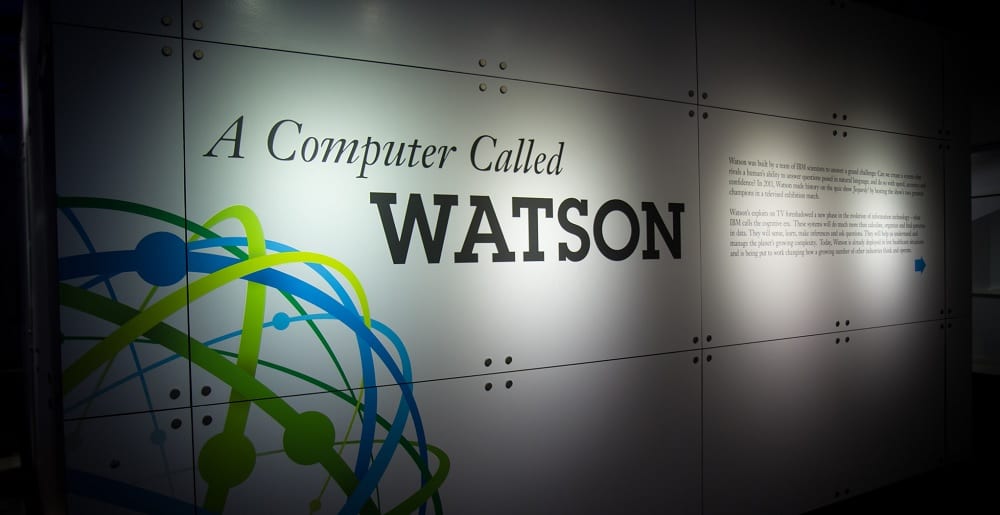
    The IBM Watson project is a computer system that’s based on machine learning and natural language processing. You might have seen it beating humans at Jeopardy. The aim is for the computer to keep learning from previous user interactions and experiences, and thus provide better solutions over time.

    This year, the firm held the IBM Watson Asia-Pacific New Venture Challenge, looking for startups that use the technology to develop new ideas and applications. The six-week, 25-team competition culminated in an event in Singapore, where the 12 winning teams were announced.

    Of the companies that came out ahead in the contest, three of them were the top performers on the strength and execution of their ideas. The 12 winners are invited to join Tag.Pass, a newly-announced “pre-acceleration” program run jointly by IBM and Singapore’s Infocomm Investments. Areas of interest include retail, travel, healthcare, the public sector, and finance. They also get access to IBM’s Watson API and cloud resources, making them part of a worldwide network of developers.

    Top teams

    Raydar

    Singapore-based Raydar is a search engine for stock photos. It uses the Watson tech to get better insights on content and improve its keywords, making its search function more effective.

    Snapask

    Snapask is a Hong Kong-based, on-demand mobile marketplace connecting students to tutors. It uses Watson to make sense of the students’ and tutors’ behavior on its service in order to be able to offer more personalized content.

    Silverlake

    Silverlake is a Malaysian company that helps businesses improve customer experience and engagement through big data. Among its software products is WALIC, a lifestyle concierge app powered by Watson that offers customers personalized recommendations.

    Runners-up

    Cogniant

    Singapore-based Cogniant is a mental healthcare service. Its app uses the technology to help mental health patients remember their medication and complete their thoughts in collaboration with their clinicians.

    Embodied Sensing

    Embodied Sensing is another Singaporean company. It works on speech-to-text and voice recognition. The product, Emotibadge, uses Watson tech to analyze conversations between staff and customers in order to improve customer service.

    Konversations

    Konversations komes comes from India. It helps prospective students choose universities, student loans, careers, and more, through a chat app. It uses dialogue tech provided by Watson to ensure a natural experience for users.

    LocoBuzz

    LocoBuzz is based in India and provides an online marketing service that includes big data, social media, and email marketing. It uses Watson to make sense of unstructured data and improve its customer intelligence to enable better targeting for its clients.

    mClinica

    Back to Singapore with mClinica, a health data and analytics startup for pharmaceutical companies and medical professionals. Watson tech helps it prevent medication dispensing errors and update prescription information in medical libraries in real-time.

    MobiCart

    Singapore-based MobiCart helps aspiring e-tailers to set up an online storefront on iOS, Android, and HTML5. It also provides an ecosystem of add-ons for merchants, like payment systems.

    StockFlock

    Singapore’s Stockflock is an online platform for investors, offering company comparisons so that users can make better investment decisions. It uses Watson tech to better personalize its search function and the information it sends to its customers.

    Swizzle

    Swizzle hails from South Korea. It uses its own tech along with Watson to scour the internet for trends, insights, and influencers. This way, it helps advertisers identify potential customers and better target their campaigns.

    Zumata Technologies

    Singapore-based Zumata works with travel retailers to offer hotel and travel booking options. Through predictive tech and proprietary APIs, it offers travel sites and agents competitive prices and attractive inventory. Watson tech helps the firm with changing listing information, like hotel descriptions and images.

  • Mitsui Fudosan planning big Malaysian mall

    Mitsui Fudosan planning big Malaysian mall

    Mitsui Fudosan will develop a nine-story, 45 billion yen ($397 million) mall in Malaysia with local partners as part of an effort to solidify its overseas earnings base for the future.

    Costlier than the company’s outlet malls in Taiwan and the Chinese city of Ningbo, this will likely mark the biggest project for a commercial facility abroad by a Japanese real estate developer. The plan is to open a LaLaport mall like those of Japan in Kuala Lumpur in 2021.

    Working with Eco World Development Group and two other local partners, Mitsui Fudosan will set up a special-purpose company as early as this year.

    The mall will sit on the 78,500-sq.-meter premises of the Bukit Bintang City Centre, a project co-led by Eco World that includes residential and office space.

    The mall will boast five above-ground floors and four underground floors. Construction will begin in 2017. Retail space will likely total 80,000 sq. meters — close to the 102,000 sq. meters of a major LaLaport mall in Chiba Prefecture. The plan is to draw about 300 businesses to the new facility, among them restaurants, household goods stores and fashion retailers. Tenants focusing on middle-income consumers, including Japanese businesses gaining popularity in Malaysia, will be solicited. Annual sales are targeted at 42 billion yen.

    Mitsui Fudosan intends to apply Japanese know-how to running the mall through such steps as training store managers and introducing a system to track daily sales of each store. In this way, it seeks to distinguish the facility from the competition.

    Malaysia has enjoyed relatively high real gross domestic product growth among members of the Association of Southeast Asian Nations. With the ranks of the middle class seen continuing to expand, the Japanese company expects demand to stay strong.

    Mitsui Fudosan opened an outlet mall near an international airport in Malaysia last year. Tenants catering to middle-income consumers are faring well, and sales have beaten initial expectations. An expansion is now planned, driven by popular demand.

    Mitsui Fudosan’s wide-ranging business domains include commercial facilities, housing, office buildings and hotels. In Japan, the shrinking population limits prospects for demand growth in housing and office buildings. The company is thus strengthening commercial establishments, such as outlet malls, in Asia. And in the London area, it is working on mixed-use facilities.

    The company plans to invest 550 billion yen overseas from fiscal 2015 to fiscal 2017 and to spend about as much on office building and other projects in Japan. Mitsui Fudosan hopes to generate about 12% of its overall operating profit abroad in fiscal 2017, up from just 6.4% in fiscal 2014.

  • Cosmetics retailers will like the look of China’s online import tax rules

    Cosmetics retailers will like the look of China’s online import tax rules

    China is changing tax rules for imported goods that are sold online in a move that will make beauty products such as eye creams and moisturizing gels from L’Oreal SA’s Lancome and Korea’s Amorepacific Corp. become cheaper for Chinese consumers.

    The government will remove a special tax, or so-called parcel tax, previously levied on imports sold online. Instead, it will charge value-added and consumption duties that are currently imposed on most products sold in China but with a 30% discount, according to a Thursday statement posted on the website of the Ministry of Finance.

    The move came after China in January broadened a pilot program in which a port district in the eastern city of Hangzhou was allowed to trade imported goods at lower taxes. As the world’s second-largest economy pushes its online retail industry and promotes cross-border e-commerce, the country has expanded the program to 13 cities. China’s State Council approved the latest changes which will come into effect on April 8, according to the Thursday statement.

    “Cosmetics will be the biggest beneficiary after the tax adjustment,” said Catherine Tsang, a Hong Kong-based tax partner at PricewaterhouseCoopers LLP. As beauty and personal care is one of the most popular category among imports bought by China’s Internet shoppers, any price cuts will further boost the market, Tsang said in an interview.

    Riding on a wave of popularity from South Korea’s TV dramas and music, Amorepacific’s Etude House and other brands from the country are in demand among Chinese customers. For Korean products, cross border e-commerce has become a more direct and cheaper way to expand in China compared with setting up store networks, Tsang said.

    Online sales of imported goods have grown at a compounded rate of 63% in the five years to 2015, reaching 638 billion yuan ($98 billion) and accounting for 17% of China’s total online retail sales, according to data from Mintel Group Ltd.

    The most popular categories of products being purchased online in China are consumer electronics, clothing and shoes, appliances, food and beverage, and beauty products, according to research firm Euromonitor International.

    Previous changes to promote cross-border e-commerce include:

    • China started pilot program with a zone in Hangzhou in March 2015
    • Trial expanded Jan. 2016 to Tianjin, Shanghai, Chongqing, Hefei, Zhengzhou, Guangzhou, Chengdu, Dalian, Ningbo, Qingdao, Shenzhen, Suzhou
    • Parcel tax in zones set at 10% (food, infant items), 20% (electronics, apparel), 30% (high-end watches), 50% (cosmetics, alcohol)
    • Tariffs waived for items that incur taxes below 50 yuan

    While food and baby items such as diapers may cost more after the April adjustments because of their current lower tax rates, those imports may remain attractive as China’s growing middle-class are becoming more concerned about health and are willing to pay more for quality, daily necessities, PwC’s Tsang said.

    “That’s why the demand for imported goods is increasing so fast,” she said. ”China’s consumer now are less price-sensitive especially to products they eat or use on their skins.”

  • Kerry Logistics’ FY2014 Core Net Profit up 10%

    Kerry Logistics’ FY2014 Core Net Profit up 10%

    William MA, Group Managing Director of Kerry Logistics, said, “2014 was a year of consolidation and integration for Kerry Logistics. Through organic growth, investments and strategic acquisitions, we continued to expand our operating scale, strengthen our service capabilities and extend our network coverage during the year. Resources were deployed to integrate newly acquired businesses into our existing network and system, enhancing service offerings and increasing efficiencies. These efforts produced double-digit growth in both our core operating profit and core net profit, as well as improved margins in all our business segments.”

    Expanding Scale through Continued Investments
    The Group continued to enrich its logistics facility portfolio during the year. As at 31 December 2014, it managed a logistics facility portfolio of 45 million square feet, of which 23 million square feet were self-owned.

    In Mainland China, the Group completed the development of two new logistics centres in Zhengzhou and Kunshan, and commenced construction of two other facilities in Chengdu and Xi’an, adding a total of 1.6 million square feet of logistics facilities to its portfolio in the country. It also purchased a parcel of land with a site area of 728,000 square feet in Shanghai for the development of a new flagship facility of 1.1 million square feet to cope with the expansion of its IL business in the city. Upon completion, it will be the largest logistics facility of the Group in Mainland China.

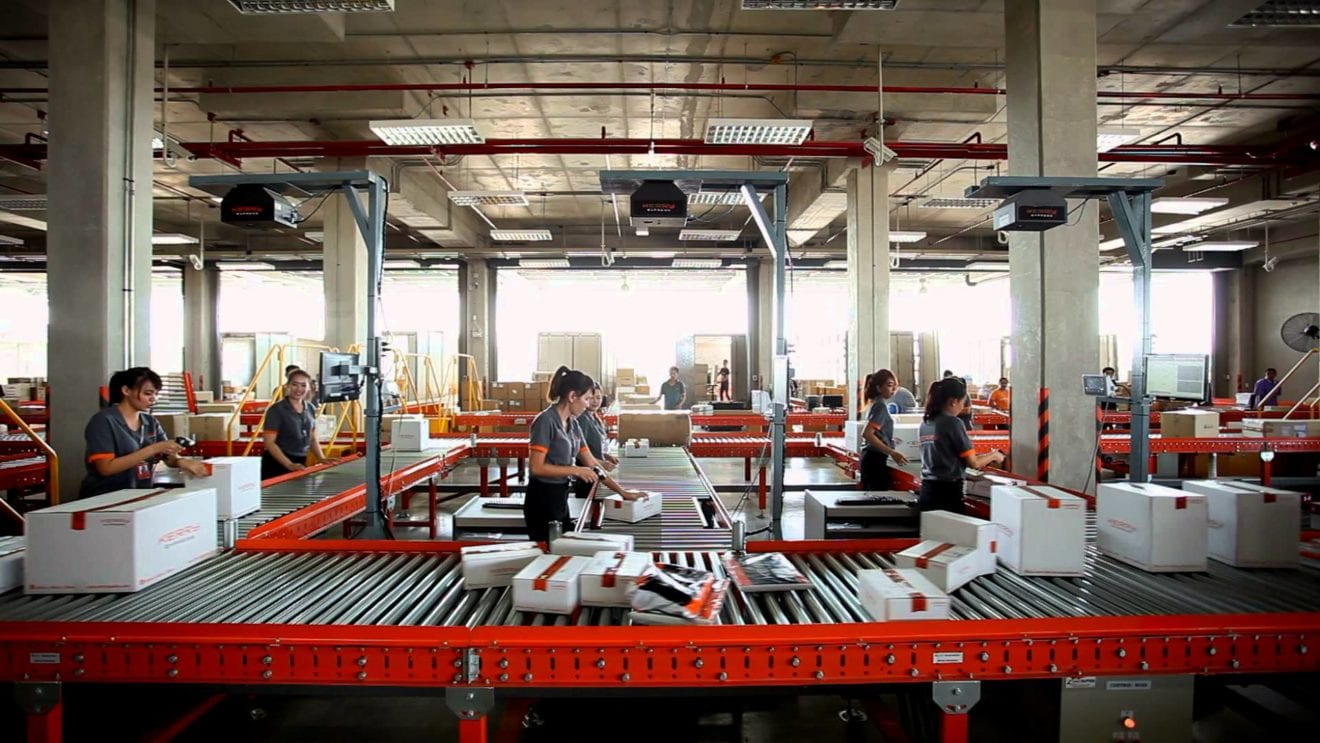
    Within ASEAN, the Group has been building new facilities in Thailand to capture rising opportunities in this dynamic market. Phase 2 of the new logistics centre in Rayong was completed during the year. Phase 1 of the Kerry Bangna Logistics Centre is currently under construction and will serve as a new sorting centre for Kerry Express and a fulfilment centre for e-commerce customers upon completion. In addition, the Group added a new warehouse and a new Inland Container Depot in Kerry Siam Seaport to develop the port into a key cargo gateway for the growing trade in the region. In Cambodia, the Group is planning to construct a 160,000 square feet bonded warehouse on its newly acquired land at a Free Trade and Special Economic Zone in 2015.

    Group’s Financial Highlights
    • Turnover increased by 6% to HK$21,115 million (2013: HK$19,969 million)
    • Core operating profit increased by 14% to HK$1,612 million (2013: HK$1,413 million)
    • Core net profit increased by 10% to HK$976 million (2013: HK$886 million)
    • Integrated Logistics (“IL”) business achieved a 12% increase in segment profit to HK$1,409 million (2013: HK$1,258 million)
    • International Freight Forwarding (“IFF”) business recorded a 11% increase in segment profit to HK$378 million (2013: HK$342 million)
    • All segments recorded improved margins in 2014
    • Full-year dividend payout ratio increased to 24% (2013: 21%)
    • Final dividend of 8 HK cents per share recommended

    Enhancing Capabilities by Service Scope Extension
    In 2014, the Group’s IL segment maintained solid growth on the back of expanding network and coverage in Greater China and ASEAN countries, with more higher-margin value-added services and new customer wins. The Group’s logistics operations achieved a segment profit margin of 10% in 2014. Turnover and segment profit of the logistics operations in Hong Kong also increased by 22% and 28% year-on-year respectively.

    In Hong Kong, the Group launched Kerry Pharma to tap into the ever-growing pharmaceutical and healthcare market by setting up a brand-new GMP compliant secondary packaging facility and obtaining the WHO GDP certificate for the provision of warehousing, distribution and secondary packaging services for pharmaceutical products. It also expanded into the automotive sector in Hong Kong and was appointed to provide parts logistics services to several internationally renowned automotive brands. Across the Taiwan Strait, the Group has built a service network supported by ten service hubs that covers the whole island, and became the only logistics company attained SGS WHO GDP international quality accreditation as well as GDP from the Taiwan Food and Drug Administration.

    Riding on the success of the fast-growing Kerry Express (Thailand), the Group took further steps to build an ASEAN-wide regional express platform through acquiring a local express company in Cambodia and expanding the business into Singapore, Malaysia, Indonesia and the Philippines. To strengthen its ASEAN-wide cross-border road transportation network, Kerry Logistics took full control of the KART business in Malaysia and Thailand, further integrating the operations in the two countries into its KART network. The Group also formed a new joint venture with shareholders of PT Puninar Saranaraya, one of Indonesia’s largest logistics companies, in March 2015 for growth of IL business in Indonesia.

    Extending Coverage through New Market Expansion
    During the year, the Group restructured its business in Europe which contributed to satisfactory results in tandem with the gradual economic recovery in the region. As part of the Group’s long-term IFF strategy to build a global network across six continents, it has also expanded the reach and capacity of its IFF business through acquisitions and the formation of new joint-ventures in the Middle East, Canada, New Zealand and Senegal. The stable growth of the IFF business was accompanied by increased profitability and volume. While the segment profit increased by 11%, the segment profit margin rose to 3%, bringing it closer to the international average.

    Hong Kong Warehouse – Unlocking Asset Values and Maximising Returns
    Kerry Logistics’ Hong Kong warehouse portfolio comprised nine warehouses with a combined GFA of 5.1 million square feet. It maintained nearly full occupancy with segment profit margin increased to 59.7% and achieved double-digit growth in rentals for successful contract renewals. The Group expects to see continuous stable growth from this business riding on its 9% growth in segment profit in 2014.

    In a bid to unleash the potential of its facility portfolio and to address actual community needs, the Group submitted an application to the Town Planning Board of Hong Kong in the first quarter of 2015 to convert one of its Hong Kong warehouse facilities into a columbarium. Subject to approval, the investment, excluding land premium to be paid to the government, is estimated to be around HK$2 billion.

    George YEO, Chairman of Kerry Logistics, said, “The integration of China’s economy with its neighbours is a major trend seen by the increasing intra-Asian trade and growing cross-border logistics. The combined economy in the region is becoming the central growth pole in the world. With our unique position as ‘Asia Specialist, China Focus, Global Network’, we aspire to be a major logistics provider for the new Silk Road. We will continue to grow our IL and IFF businesses through continuous improvements in operating efficiencies, service offerings, network coverage, and securing suitable acquisition opportunities in target markets. Our extensive exposure in the region and a broader international customer base will enable us to ride economic cycles and sustain long-term growth to reward our shareholders.”

  • Singapore Post Ramps Up China E-commerce Push

    Singapore Post Ramps Up China E-commerce Push

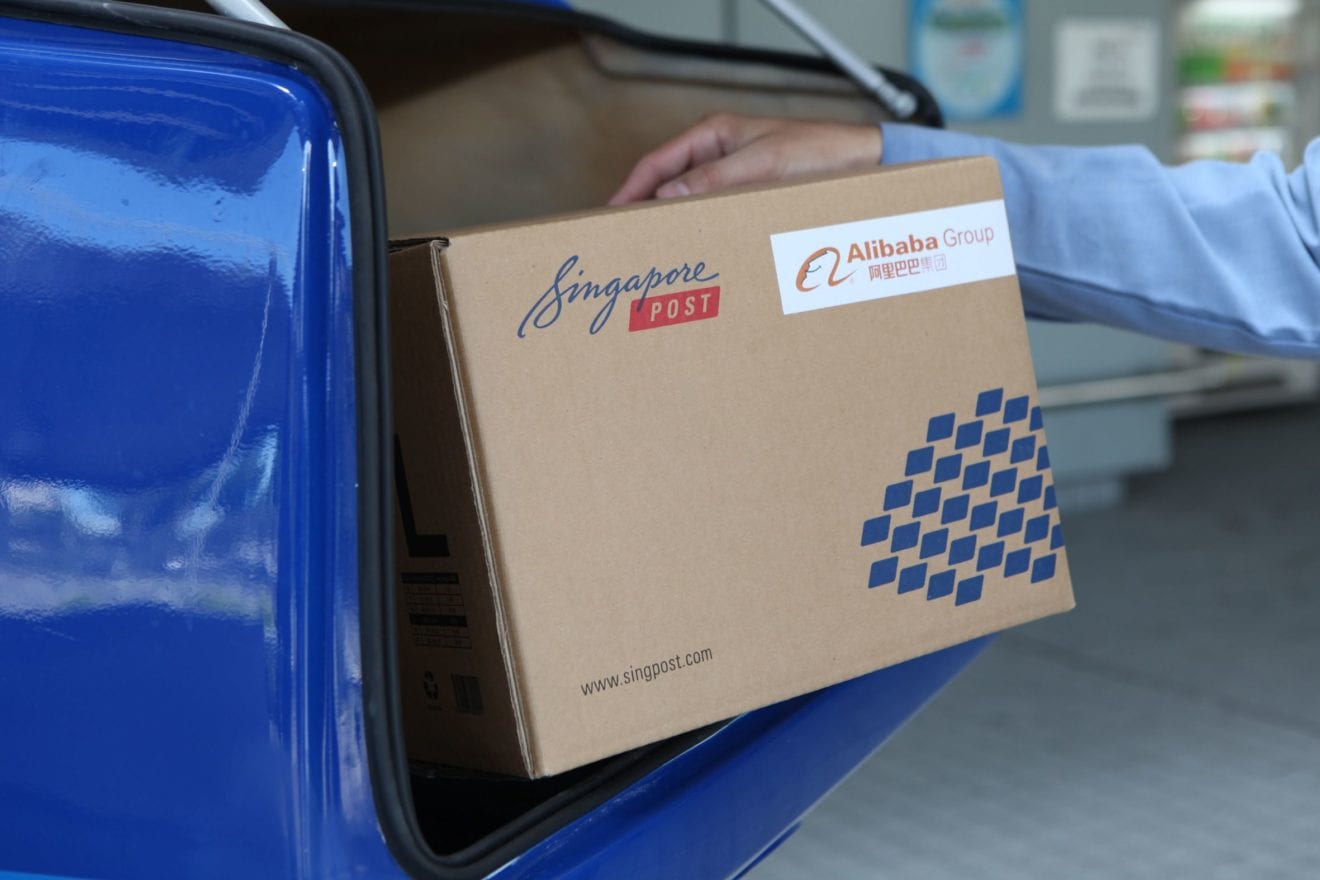
    Despite signs of a slowdown of imports into China, Singapore Post (SingPost) remains bullish on the prospects for e-commerce flows into Asia’s largest economy. The postal agency has upped its stake in Shenzhen-based e-commerce provider 4PX Information Technology.

    SingPost forked out US$25.6 million to acquire an additional 17.91% position in 4PX, one of China’s top e-commerce cross-border players, whose scope of services ranges from forwarding, express delivery and warehousing to software and consulting services for e-commerce vendors. The postal operator now holds a 36% stake in the Chinese firm.

    4PX runs warehouses in China, Australia, UK, Germany and the US, employing north of 2,600 staff. The company has over 20,000 customers in more than 50 locations in China and globally.

    “The additional investment in 4PX, with its extensive logistics capabilities in warehousing, express delivery and freight forwarding, is a key part of SingPost’s strategy to strengthen our integrated end-to-end e-commerce logistics solutions and to leverage on the rapid growth in China’s e-commerce activities,” said Goh Hui Ling, deputy CEO (international mail) of SingPost.

    With general cargo growth in the doldrums, logistics providers are keen on developing a footprint in e-commerce, which promises rich pickings and robust growth momentum. According to one estimate, global B2C volume is expected to reach US$2.26 trillion a year by 2020, with an annual growth rate of 15 to 20%.

    International carriers are particularly gung-ho on China, citing Chinese consumers’ rising cravings for international brands. Anselm Eggert, head of e-commerce at Lufthansa Cargo, stated that they are showing strong interest in European brands, especially health and beauty products.

    Freighter leasing firm Airborne Global Solutions invested US$16 million last September for a 25% stake in the nascent United Star Express, a new Chinese freighter operator that is expected to take to the skies halfway through this year. Its partners in the venture are Chinese Boeing 737 operator Okay Airways, a developer and an investment company, and Vipshop, the third-largest e-tailer in China, according to AGS president Rich Corrado.

    Postal agencies are pushing aggressively into this arena, their eagerness intensified by a need to make up for the ongoing shrinkage of their traditional letter mail business. With their delivery networks they have a strong advantage over competitors in the critical final-mile segment in their home markets, but they are also increasingly targeting international flows to other markets.

    Japan Post established its own website in China last autumn to offer Japanese merchandise to Chinese consumers. Orders are consolidated and moved by ocean vessel to Shanghai for overland distribution.

    China Post has been in hot pursuit of e-commerce business, which is reflected in the rapid growth of China Postal Airlines. According to one source, China Southern Airlines’ decision last year to bring two parked 747-400 freighters back into service was prompted by the Chinese postal agency.

    To develop its traffic from the postal agencies of Hong Kong and China, Cathay Pacific has implemented barcode scanning of mail at its stations in China and in Hong Kong. This enables the electronic transmission of departure, transit and arrival information. In a second phase, the airline is looking to integrate various IT interfaces – from booking to space management and mail warehouse transit management – to establish real-time data flow, said Mark Sutch, the airline’s general manager of cargo sales and marketing.

    For now many airlines view postal business as the biggest inroad into B2C e-commerce, but this will likely change. Eggert envisages greater involvement from carriers down the road. At this point Lufthansa is studying the market in order to be able to develop more targeted options later on.

    “I think in the future we will go beyond mail. I think the industry needs to think how to work together with partners,” Eggert said. This will require closer alignment, including some degree of IT integration. In light of the fact that the air cargo industry does not have a stellar track record in developing joint solutions, this will be a challenging avenue for operators to pursue, he added.

  • Huawei moves further into mobile payments

    Huawei moves further into mobile payments

    Apple and Samsung recognize that revenue from the sale of mobile devices, alone, cannot keep shareholders happy.

    With the vendors venturing into what is arguably one of the most exciting spaces in the financial services space – payments – it begs the questions of who will follow suit and whether the market can afford multiple payment providers.

    Not to be left behind, Chinese mobile phone device manufacturer, Huawei, is accelerating its payments ambition in 2016 with two significant announcements in the first quarter of 2016.

    The first is an agreement with Bank of China to jointly co-develop what the two organizations are claiming to be the next mobile based payment system under the Huawei Pay label. This was followed by a separate announcement with China UnionPay, the country’s state-run bank-card processor.

    This is not Huawei’s first foray into payment. Unofficially, Huawei Pay debuted in China with the launch of the company’s latest flagship smartphone – the Mate S in December 2015 following a test run of the payment service in September 2015. Using NFC technology, placing the Mate S in close proximity to a China UnionPay POS terminal with Quick Pass function will launch the Huawei Pay service.

    Users can complete the transaction via fingerprint authentication. The partnership with UnionPay holds the promise of extending Huawei Pay across China to a broader spectrum of Huawei handset users – mostly smartphones equipped with fingerprint sensors and an NFC chip simply by downloading the Huawei Pay app.

    China UnionPay, which holds a monopoly on bank-card payments in the country, also works with Apple Pay, which was launched in China last month.

    Local market research firm iResearch estimate that third party mobile payment transactions reached 2.42 trillion yuan in the third quarter of 2015, a 64% jump from Q2 2015. The China Internet Network Information Center estimated mobile payments to have risen to 357 million, up 60% from the previous year.

    The Chinese mobile payment market is expected to get very crowded rapidly with other mobile device manufacturers, including Xiaomi, ZTE and Lenovo, rumored to be developing their own mobile payment service. Xiaomi is doing so following its acquisition of a local payment company – Jiefu Ruitong in early 2016.

    According to iResearch China’s mobile payment is dominated by Alipay (70%) and WeChat Wallet (19%). To compete in this market Huawei plans to secure the assistance of more banks as part of its smartphone launch strategy. Without releasing details the company said it is designing more payment scenarios for its smartphone users.

  • HKG offers instant ‘cash’ to airport shoppers

    HKG offers instant ‘cash’ to airport shoppers

    Hong Kong International Airport (HKG) is running a double promotion to travellers, which includes instant rebates in the form of coupons worth up to HK$5,000/$645, as well as a free delivery service.

    From 1-11 April travellers spending more than HK$20,000 and HK$50,000 by electronic payment on the same day at the 68.5m-passenger hub can receive an instant rebate of HK$1,200 and HK$5,000 respectively in the form of HKG cash coupons. These must be spent at airport outlets, TRBusiness has confirmed.

    Separately, travellers who spend more than HK$1,000/$129 in a single transaction at HKG airport benefit from complimentary local delivery. Free delivery service to mainland China, Macau and Taiwan is also offered to travellers who spend more than HK$2,500 on clothing, bags and accessories in a single transaction.

    SHOPPING AND DINING OFFERS

    As well as these offers, during the promotion period, HKG is collaborating with its retailers to provide travellers with a series of other shopping and dining offers, as well as a selection of complimentary gifts. Travellers can get more details by scanning the QR code on the promotion materials.

    HKG was the fifth most important duty free and travel retail sales location in the world in 2015.

  • Samsung won’t like it, but Xiaomi is coming to South Korea

    Samsung won’t like it, but Xiaomi is coming to South Korea

    China’s Xiaomi is now expanding in a country where the competition is particularly tough: South Korea.

    The land of Samsung and LG isn’t an easy proposition, but Xiaomi isn’t doing it alone. The company has this month inked a number of deals with Korean suppliers and distributors to ensure that it will have a presence on the ground in the country.

    Xiaomi has reached an agreement with Youmi and Koma Trade, making the two Korean companies the only official dealers of Xiaomi products in the country.

    The two partners will sell a variety of Xiaomi products, including battery packs, headphones, the Mi Band fitness tracker, and the Ninebot “hoverboard.” Neither company will sell Xiaomi phones, but they will be able to repair the devices and provide support.

    The land of Samsung and LG isn’t an easy proposition, but Xiaomi isn’t doing it alone.

    The paper says the partners are “small companies whose core business has become providing services for Xiaomi. Xiaomi selected the two companies since they can devote all their energy to the Chinese tech giant.”

    In addition to building up its network in the land of Samsung, Xiaomi has also been working on ecommerce and online payments.

    On March 8, news broke that Xiaomi’s smart TVs would be sold in Korea by ecommerce giants Gmarket and Auction.

    Xiaomi has also inked agreements with a number of other Korean ecommerce marketplaces, including E-Mart, ZMI, and 11st. This isn’t exactly a surprise – Xiaomi has always emphasized ecommerce sales beyond its own website, with deals on Alibaba’s Tmall and Taobao in China. But in South Korea, where the ecommerce market is a bit more fractured, the company is spreading its resources around.

    The smartphone conundrum

    None of those stores, however, are selling Xiaomi phones – yet. Aside from the occasional short-lived sale online, it’s rare to see Xiaomi’s smartphones for sale in the country, other than second-hand or from random Chinese importers. Ecommerce market KT briefly sold Xiaomi phones in January, but had to close the sale after just two days citing “legal issues.” It’s not clear if Xiaomi officially backed those sales.

    But those “issues” haven’t scared Xiaomi away from the Korean market. Just today, the Korea Herald reported that Xiaomi has filed for a patent in South Korea for its Mi Pay epayments service – a phone-based service that can’t exactly be used with its battery packs or TVs.

    Xiaomi certainly has smartphone sales in Korea on its roadmap.

    The Mi Pay patent shows that Xiaomi certainly has smartphone sales in Korea on its roadmap. The Herald speculates what many have long expected – that Samsung and LG have put pressure on Korean retail companies and mobile carriers to keep Xiaomi out.

    But their embargo doesn’t look like it will last forever. Xiaomi has managed to find enough local partners to gain a solid foothold in the country, and it looks like it will only expand from here. Samsung and LG might not like it, but it looks like their Chinese competition will be hawking smartphones in their backyards any day now.

  • Sushi for W390 in Korea

    Sushi for W390 in Korea

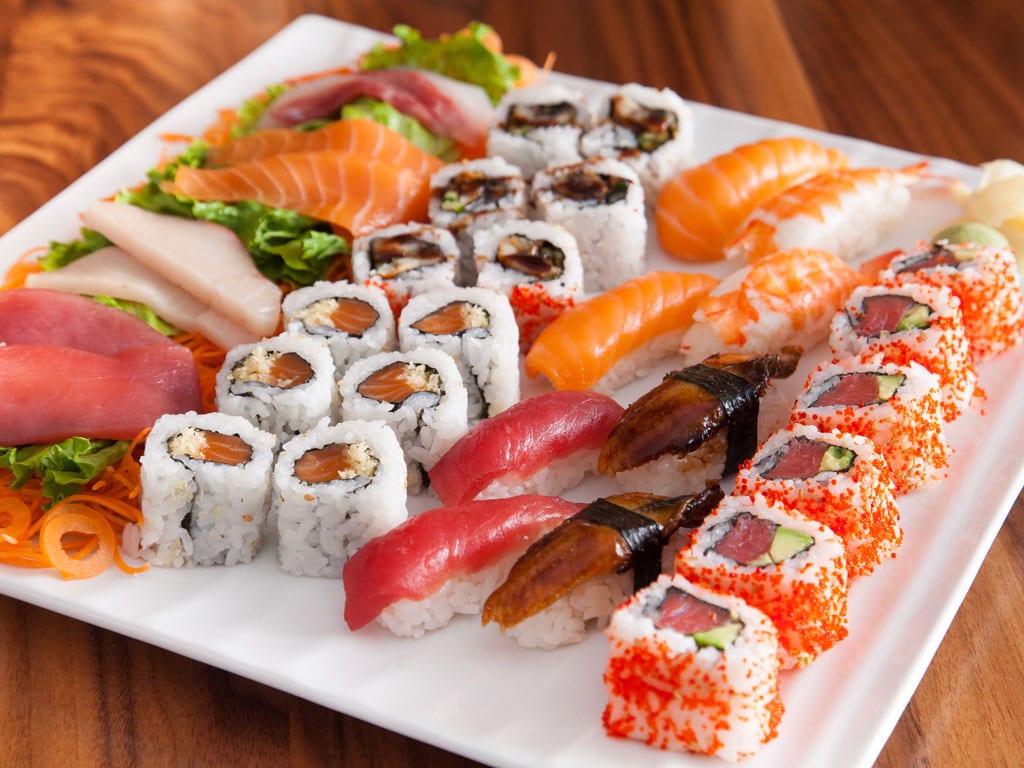
    Korea’s retail giant Homeplus launched an expanded line of sushi, which will sell for 390 won (30 cents) each until April 6.

    Homeplus announced Wednesday that it built on their existing sushi line “Chef Sushi,” which was originally limited to 16 types, to 34 variations. These bite-sized delicacies include localized specialties such as tuna-mayonnaise and beef bulgogi sushi, which will cater to the tastes of children and customers who seek something other than seafood on their sushi rice.

    Homeplus’ Convenient Cooking Team manager Heo Na-young said, “We have seen a rise in demand for sushi at our branches due to the overall improvements in retail sushi qualities and the effects of recession.”

    Heo said Homeplus will continue to expand the selection of sushi provided by the retail shop to meet customers’ needs and wants. Chef Sushi will maintain an affordable price range after the promotional period ends.

    Homeplus also sells 8,900 won ($7.7) fried chickens.

  • Indonesian shoppers flock to Singapore as rupiah surges

    Indonesian shoppers flock to Singapore as rupiah surges

    Tourist arrivals will spike this year.

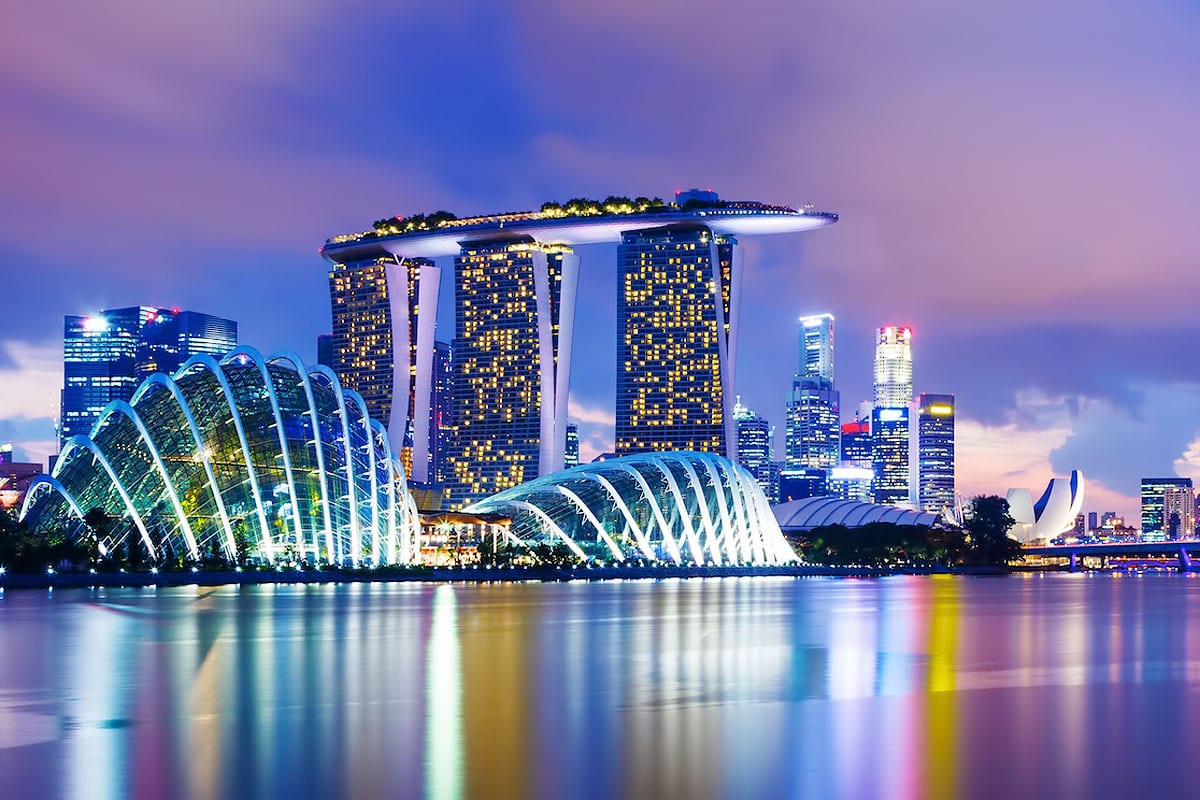
    Buoyed by the resurgent rupiah, Indonesian holidaymakers are once again trooping to Singapore to shop and splurge, according to a report by Bloomberg.

    The rupiah has surged 9.9 percent against the U.S. dollar over the past six months, second only to Malaysia’s ringgit among emerging markets, as slowing inflation and a nascent commodity-price recovery lured money to the nation’s assets.

    “The rupiah has done really well this year and it makes things look cheaper elsewhere for Indonesians,” said Nizam Idris, head of foreign-exchange and fixed-income strategy at Macquarie Bank Ltd. in Singapore. “The currency will find support from decent yields and bottoming commodity prices.