Author: Mei Ling Tan

  • Myanmar rushes through masses of investments

    Myanmar rushes through masses of investments

    The Myanmar Investment Commission (MIC) has approved an unusually large number of projects in its final meeting before the new government takes office, including luxury resorts, office towers, port developments, factories and roads.

    The commission, which answers directly to the President’s Office, meets several times a month to approve foreign, joint-venture and local investments.

    According to MIC information dating back to January 2015, the average number of investments approved at each meeting is just under 10. No more than 20 projects have been approved at any previous meeting.

    Bucking the trend, the MIC approved 48 new investments on March 25, according to a document published on the Directorate of Investment and Company Administration website.

    Asked about the unusually high number of approvals, a spokesperson directed requests to secretary Aung Naing Oo, who was not available for comment on Tuesday.

    Notably, the MIC has approved a number of major projects at Yangon’s ports.

    Kaung Myanmar Aung Shipping Co, owned by well-known tycoon Khin Maung Aye, received consent to build a wharf and supporting facilities in Seikkan township after winning a government tender just over a week ago.

    New Downtown Development Public Co has approval to build a shopping mall and office complex in the Myanma Port Authority-owned Nanthida compound and New Strand Development Co has permission to build commercial, office and retail space, hotels and serviced apartments at Ahlone international port in Ahlone township.

    Several port-related investments have also been approved at Thilawa. Khaing Oo Co has been given the green light to build a jetty and buildings, and Myanmar Edible Oil Industrial Public Co is allowed to build and operate a multi-purpose international wharf in the Thilawa port area.

    The MIC also approved a number of hotels and resorts in its most recent meeting, including H&Co Platinum Pathein Co’s 15-acre project in Ayeyarwady region comprising a hotel, shopping mall and villas.

    Pongpipat Development, known for operating the Heinda tin mine in Tanintharyi region, has been given permission to build a resort in Htee Khee village in Myitta, Dawei township, while a company called K Future secured approval to build a hotel on Bo Net Kyaw island in Kawthoung district.

    In Yangon, KT Development Co has approval to build a hotel, office space, retail, serviced apartments and other commercial businesses and long-term leasehold units on an 11.753-acre site in Yankin township.

    New City Development Public, which also has links to tycoon Khin Maung Aye, has approval to build a light industrial park in Yangon region’s East Dagon township. Another of his companies, Kaytumadi Development Public, has approval to build two further industrial parks in Bago region’s Taungoo.

    Also in Bago, Hantharwady Development Public has approval to build an improbably large eco-resort and high-end housing project on 2455.77 acres, and Thiri Multi Agricultural Co has permission to build a hotel in Taungoo.

    A number of roads were also approved, and more than a dozen manufacturing ventures. Three companies – Mya Kan Engineering, Htoo Naing Lin and Linn Shwe Sin – received a green light to produce and distribute crushed stones.

    Sembcorp Myingyan Power Co has received the go-ahead to build a 225-megawatt gas-fired plant near Mandalay, which will eventually transmit more power to the national grid than any other independent gas-fired plant in the country.

    Malaysian firm OCK Yangon has been approved to build telecoms infrastructure and Asian Blue Aviation to run an international air transport service. The company is a tie-up between Japan’s ANA Holdings and Shwe Than Lwin-owned Golden Sky World, and plans to offer services between Yangon and Tokyo.

    The MIC approval does not necessarily guarantee a project will go ahead, as Hong Kong-based developer Marga Landmark and a number of local companies discovered when their real estate projects beside Shwedagon Pagoda were cancelled by the President’s Office early last year.

    Many of these projects will also require approvals from other government departments. Nevertheless, once approval has been granted it is difficult to undo.

    Han Thar Myint, who chaired the National League for Democracy’s (NLD) economic committee until it was dissolved last week, said the incoming government had not been warned that such a large number of investments would be approved.

    “Since respective ministerial offices do not have to inform us of their decisions, we had no knowledge of this. We cannot criticise or object to the outgoing government permitting a lot of new investments, or whatever the case is,” he said.

    “Only after the new ministers have taken office can these things possibly be done.”

    Last month the NLD called for an investigation into a wave of lucrative business deals that had seemingly been fast-tracked by officials in the outgoing government during the period between the election and the power transfer.

    Military MPs reacted to the motion with disapproval, standing up in unison to demonstrate their objection. The debate infuriated the outgoing government and prompted presidential spokesperson Ye Htut to suggest that it does not need to be accountable to parliament.

    “Whether the incumbent Union government should be accountable to the second parliament or not is an issue to be reviewed according to the constitution,” he said, adding that the government had decided to “suspend” its cooperation with parliament on responding to questions and proposals.

  • Singapore start-up betting on more luxury consumption

    Singapore start-up betting on more luxury consumption

    The global economic chill may have helped cool the runaway growth in luxury brands as consumers start to think twice before splurging. One e-commerce player, however, is hoping for an Indian summer.

    Daniel Lim, one of the co-founders of Reebonz, said the “aspirational middle class” – particularly in Asia – will underpin demand for personal luxury products.

    Reebonz sells new and pre-owned designer bags, shoes and other personal luxury items on its website and mobile app. It has a service, Reebonz Closet, available in selected markets, that lets users buy and sell directly to one another.

    Merchants from around the world are also able to list their items on Reebonz Marketplace, creating variety in selection. The company also has in-store presence in Australia and pop-up stores in Singapore.

    Aspiring toward luxury

    Lim’s forecasts come at a somewhat challenging time for personal luxury goods. A study by management consulting firm Bain & Company released in December showed the real growth in the global personal luxury, at constant exchange rates, was only 1 to 2 percent in 2015. This compared with a 3 percent growth in 2014 and 7 percent in 2013.

    Bain said in the report that a combination of currency fluctuations, contracted local spending, government reforms against graft, and tourist arrivals influenced regional performances in 2015.

    “Macroeconomic factors will always be there,” said Lim in an exclusive interview with CNBC. However, “luxury is one of the few classes of products, where people aspire to constantly upgrade,” he said.

    Erwan Rambourg, global co-head of consumer and retail research at HSBC echoed the sentiment, telling CNBC that luxury demand is “often driven by social, cultural and fashion trends rather than by mere financial means.”

    Unlike other purchases, luxury items have great resale value, the Reebonz co-founder added.

    Online shopping has seen rapid growth over the last several years, underpinned by emergence of e-commerce giants such as Amazon and Alibaba. Euromonitor data showed in 2015, internet retailing totaled $990.7 billion worldwide, up from $851.20 billion in 2014.

    Luxury players have been relatively slow to adopt e-commerce due to fear among brands of not being able to replicate the experience of in-store buying, according to Lim.

    Data from Bain showed online shopping currently comprises only 7 percent of the luxury market, with 93 percent of market share still resting with brick-and-mortar stores.

    But Lim expects more innovation to take place as more players explore online options and models to sell to customers. “We have only touched the tip of the iceberg,” he said.

    Since its foundation in 2009, Reebonz has expanded into several developed and developing markets in Asia Pacific, including Australia and Indonesia among others. While the company is still focused on Asia Pacific, it delivers to 30 countries worldwide, including the United States.

    Tackling China

    Last April, Reebonz entered Asia’s largest luxury consumption market: China.

    Lim said Reebonz’s decision to enter China was influenced by favorable cross border e-commerce tax policies, the huge market for luxury, and strong local partnerships the company has forged.

    Even though some of the tax policies that attracted his company to China are now being reversed, Lim remains unfazed.

    Last week, China announced it will charge imported retail items purchased online in the same way as any other imported goods, scrapping a provision that enabled e-commerce companies to import goods more cheaply, reported China’s Xinhua news agency. The changes will be effective from April 8, said Xinhua.

    The move will see many e-commerce retailers experience a cost increase through higher taxes, according to Yating Xu, an economist at IHS Global Insight. Xu told CNBC the tax reform is designed to level the playing field for traditional retailers, who have, in recent years, been hurt by the tax benefits enjoyed by e-commerce players.

    He acknowledged, however, the steep competition Reebonz faces from local players in China.

    Many luxury brands, such as Burberry, Estee Lauder, and Calvin Klein, have launched e-boutiques on Alibaba’s Tmall platform to penetrate broader areas of China, according to Hui Wan, research team lead at Euromonitor International.

    Other brands such as Alexander McQueen and Balenciaga have established official websites “to present their brand image, launch their new collections and sell products as well,” she said.

    Wan told CNBC, currently “Chinese consumers prefer to browse online but buy at the stores, especially for luxury goods purchases.”

    Lim is banking on Reebonz’s strong reputation for selling authentic products, wide range of options and good customer service to make headway into the biggest luxury market in Asia Pacific.

    “Penetrating China obviously will take a bit of time but I think we see a great opportunity there.”

  • Pfizer doubles its web sales of its health products in China

    Pfizer doubles its web sales of its health products in China

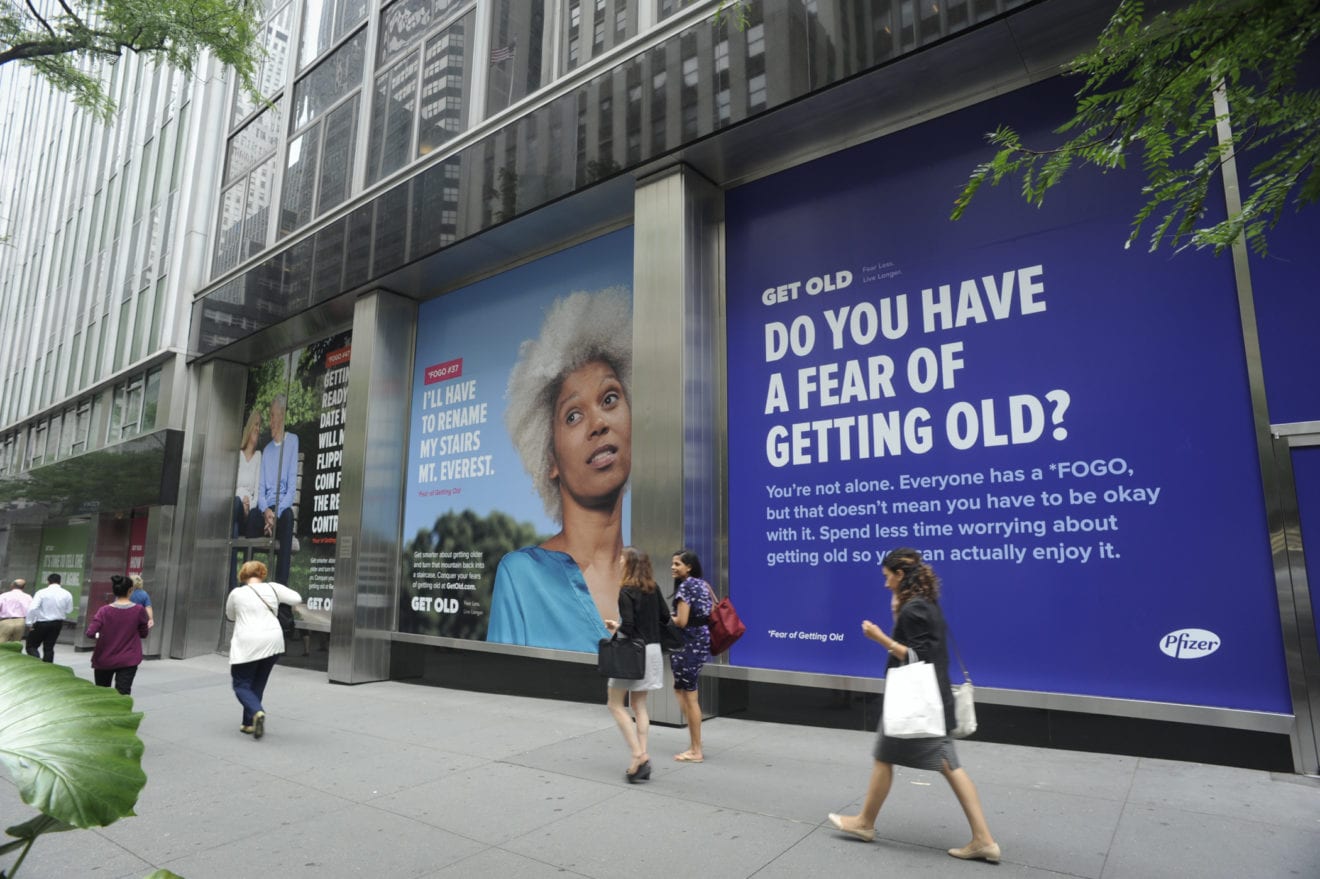
    Online shoppers in China are steadily increasing their purchases of health products, and that offers an opportunity for popular U.S. brands of nutrition supplements. E-commerce sales of Pfizer’s health products, including popular supplements like Caltrate and Centrum, are growing at a more than 100% every year in China, according to Don Kerrigan, Pfizer’s vice president of Global Commercial Excellence & Activation.

    In fact, China has become Pfizer’s second-largest market for health products, exceeded only by the U.S. More than 200 million Chinese consumers have purchased health products from Pfizer, Kerrigan says.

    Many of those consumers purchase Pfizer products online, even though Pfizer does not operate its own e-commerce site in China. Instead, it has been selling since 2012 through an official storefront Tmall in 2012, one of the two giant online shopping portals operated by China’s leading e-commerce company, Alibaba Group Holding Ltd. Pfizer also sells on JD.com, Alibaba’s leading competitor, and other marketplaces in China, including Yhd.com, which is owned by Wal-Mart Stores Inc.

    Leveraging marketplaces enabled Pfizer to quickly begin selling online in China, Kerrigan says.

    The massive traffic to Alibaba’s online marketplaces in China—those marketplaces, mainly Taobao and Tmall, generated $449 billion in sales in 2015, Alibaba says—means companies like Pfizer can gather a tremendous amount of information quickly about what Chinese consumers like, Kerrigan says. That lets relatively new players like Pfizer test the market and respond quickly.

    “An e-commerce platform like Tmall can provide data on what consumers are buying in different categories,” Kerrigan says. “You can gain insight into what else they’re buying, and how consumers are managing their health or their wellness. That is helpful to us in how we build out broader solutions for consumers.”

    While many overseas brands employ e-commerce service providers to manage their web sales in China, Pfizer relies on its own 17-person team in China.

    The explosive growth of online shopping in China can make it difficult for brands like Pfizer to anticipate demand. Kerrigan says his business ran out of stock within hours of the beginning of the annual Singles’ Day online sale last Nov. 11.Alibaba says its Singles’ Day 2015 sales grew 60% over the 2014 event to $14.3 billion.

    Pricing is another issue as some merchants or individuals sell a brand’s products at low prices on China’s big web marketplaces. To differentiate itself from these sellers, Pfizer has developed specific products to sell only through e-commerce channels in China.


  • McDonald’s to set up 1500 new restaurants in China, Hong Kong and Korea

    McDonald’s to set up 1500 new restaurants in China, Hong Kong and Korea

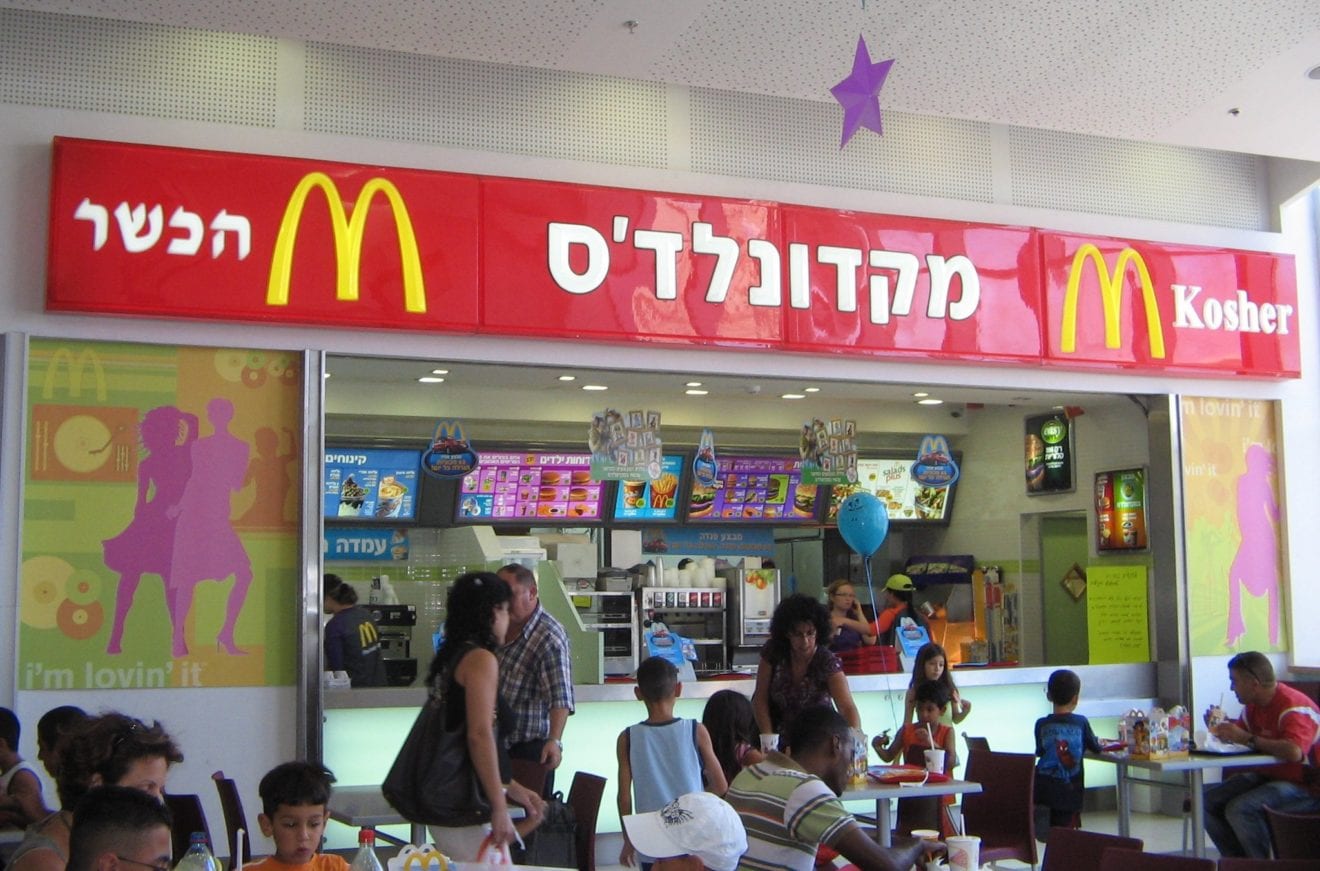
    McDonald’s Corporation, the world’s largest hamburger chain, said on Thursday that it was adding more than 1,500 new restaurants in China, Hong Kong and South Korea over the next five years and was on the lookout for suitable investment partners.

    The US company said the new outlets are in addition to the more than 2,800 restaurant locations it has in these markets, most of which are company-owned.

    “We’re committed to Hong Kong for the long term and intend to combine our global brand with local insights and expertise. This gives us the ability to enable faster decision-making, achieve restaurant growth and deliver a great restaurant experience for our customers in Hong Kong,” said Steve Easterbrook, President and Chief Executive of McDonald’s.

    The company has 230 McDonald’s restaurants in Hong Kong and employs more than 15,000 people. On average, it serves about 1 million customers every day.

    McDonald’s Hong Kong said: “We have continued our great success in the past 40 years and we know that we would require continued capital expenditure in the future – to open new locations, rebrand our restaurants, accelerate McCafe penetration, and invest in the digital experience so as to take advantage of the opportunities in Hong Kong.”

    “We have not approached any potential strategic partner(s) at this point in time and we are still exploring what the right ownership structure will be for the new McDonald’s outlets in Hong Kong,” it said.

    Jeannette Chan, regional director of retail department at JLL said McDonald’s ambitious expansion plan showed its confidence on market prospects in Asia.

    “Most of the fast food retailers are contemplating expansion or relocation after seeing a sharp fall in Hong Kong retail rentals for street level shops,” she said.

    However, some industry experts said the expansion would be largely focused on the mainland, where there is still huge growth potential. “The Hong Kong market is already saturated” sources said.

    It would be better for McDonald’s to team up with local partners who have well established retail networks for its expansion in the mainland,” they said.

  • Hong Kong’s retail sales plunge most in 17 years

    Hong Kong’s retail sales plunge most in 17 years

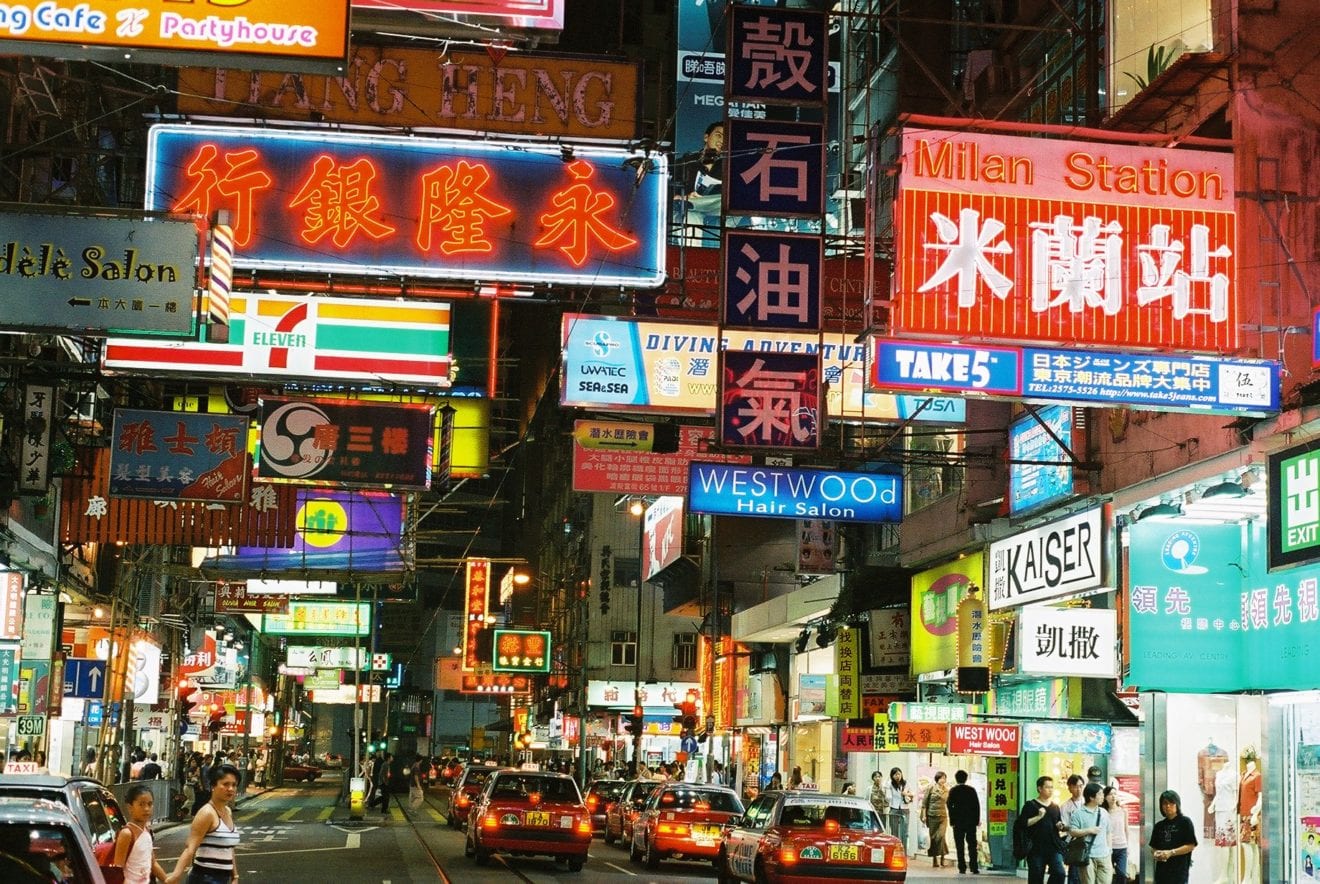
    Hong Kong’s retail sales in February plunged the most since 1999 as fewer Chinese tourists visited the territory during the Lunar New Year holiday.

    Retail sales dropped 21 percent in February to HK$37 billion (US$4.8 billion) year-on-year, according to a statement from the Hong Kong’s Department of Statistics.

    Combining January and February, sales fell 14 percent. The monthly decline is the worst since January 1999 when sales were also down 21 percent.

    “Apart from the severe drag from the protracted slowdown in inbound tourism, the asset market consolidation might also have weighed on local consumption sentiment,” the Hong Kong government said in a statement yesterday. “The near-term outlook for retail sales will still be constrained by the weak inbound tourism performance and uncertain economic prospects.”

    The government will monitor closely its repercussions on the wider economy and job market, it said.

    Chow Tai Fook Jewellery Group, the world’s largest listed jewelry chain, and Sa Sa International Holdings reported slumping sales over the holiday from Feb. 7 to Feb. 13 when Chinese tourists to the territory dropped 12 percent.

    The stock market rout and a slowing Chinese economy have affected consumer sentiment for luxury goods, Chow Tai Fook has said.

    Mainland China tourists “are unlikely to come back in the short term,” CCB International Securities analyst Forrest Chan said.

    Hong Kong residents are also consuming less due to stagnant property values and the weak stock market, he said.

    “Hong Kong’s retail market will continue to fall for the rest of 2016 as all the negative factors won’t be solved in the near term,” Chan said in a telephone interview.

    Chinese visitors are projected to fall 3.2 percent for the year, according to the Hong Kong Tourism Board, with average spending dropping 4 percent to HK$6,948.

    Sales of jewelry, watches and clocks, and valuable gifts dropped 24 percent, while those of electrical goods and photographic equipment plunged 27 percent, according to yesterday’s statement.

  • Sanrio and Universal Parks & Resorts Open New Hello Kitty Retail Store Concept

    Sanrio and Universal Parks & Resorts Open New Hello Kitty Retail Store Concept

    Sanrio, the global lifestyle brand best known for beloved pop iconHello Kitty, and Universal Parks & Resorts have opened the Hello Kitty Shop Featuring Hello Kitty and Friends at Universal Orlando Resort.

    The Hello Kitty Shop at Universal Studios Florida marks Sanrio’s official retail debut and Hello Kitty’s first appearance at a theme park in North America. The supercute retail experience, located along Hollywood Boulevard in the theme park, offers specialty merchandise including stationery, home goods, apparel, accessories, collectibles and confectionery treats. The majority of product will be exclusive to the park. Additional Sanrio characters including Chococat, My Melody, Badtz-Maru,Pompompurin and Keroppi will also be featured.

    “As Sanrio’s first official retail debut at a theme park in North America, the Hello Kitty Shop offers a new retail experience for fans of all ages,” said Jill Koch, Sr. Vice President of Brand Management and Marketing at Sanrio, Inc. “Our partnership with Universal delivers a new touch point for the brand through special products, unique merchandising and a fully branded store experience that incorporates many of our beloved characters.”

    The Hello Kitty Shop at Universal Studios Florida offers a supercute, immersive environment that fans of all ages will love. Customers can shop for exclusive merchandise, enjoy photo opportunities, create souvenir versions of Hello Kitty’s signature bow, mail letters and receive small gifts. With four specially themed areas within the Hello Kitty Shop, fans can find treats at the “Hello Kitty Sweet Yummy Shop,” loungewear and home goods in the “Hello Kitty Lounge” area, multi-character accessories, stationery and gifts in the “Hello Kitty and Friends Town” area, and collectibles featuring Sanrio characters reimagined with classic Universal properties in the “Hello Kitty at the Movies” area. New products and designs will be released regularly so fans will always find something new.

    Beginning March 31st, guests can also say hello to Hello Kitty herself. Hello Kitty will make regular appearances, greet fans and take photos.

  • Telstra announces new head of retail

    Telstra announces new head of retail

    One of Australia’s most senior telecommunications executives, Kevin Russell, will join Telstra this month as Group Executive Telstra Retail. In this new role, he will lead the company’s consumer, business, stores and product functions.

    Russell replaces Karsten Wildberger, who resigned last December to return to Europe.

    Wildberger left Telstra on March 31, and short term arrangements are in place until Russell commences in late April.

    Russell, 49, has a wealth of telecom and technology experience in Australia, US, Europe, Asia and the Middle East.

    He has held executive roles for SingTel Optus, most recently as Country Chief Officer and CEO Consumer, Australia, as well as senior positions at Hutchison Whampoa Group in Australia and internationally.

    Telstra CEO Andrew Penn said Russell would bring substantial expertise to the retail role at an important time for Telstra. Russell will report directly to Penn.

    “We are looking forward to welcoming Kevin to the Telstra leadership team. He has an impressive track record working for several of the world’s largest telcos in a range of demanding markets,” Penn said in a statement.

    “He has passionately worked to build customer experiences in new and existing major consumer brands and service business clients. He has managed major programs across national fixed and mobile networks and is well regarded in the local technology community.”

    Russell was with SingTel Optus from January 2012 to March 2014, holding the positions of COO, CEO Consumer, Australia then the combined role of Country Chief Officer and CEO Consumer, Australia.

    He is currently CEO for a Silicon Valley-based technology start-up.

    Meanwhile Telstra has also appointed controversial former Nokia CEO Stephen Elop to the newly created role of group executive for technology, innovation and strategy.

    Ken Hu appointed Huawei CEO

    Huawei deputy chairman Ken Hu (pictured) will become the company’s acting CEO from April 1 to September 30, in accordance with the company’s Rotating CEO system.

    The rotating CEO acts as the primary person in charge of the company’s operations and crisis management during his tenure and is responsible for convening and chairing the meetings of board of directors’ executive committee and the company’s executive management team, Huawei said in a statement.

    Hu is a member of Huawei’s board of directors and executive management team (EMT) and is also chairman of Huawei USA.

    As part of his role as deputy chairman, Hu is head of Huawei’s human resources committee and is responsible for the company’s leadership and organizational development. He is also the head of the company’s global cyber security committee which oversees the development of Huawei’s global cyber security strategies and the establishment of an end-to-end cyber security assurance system.

    With 20 years of experience in the telecoms industry, Hu is integral to the strategic direction of the company and instrumental to Huawei’s efforts to expand its business in the global markets. He joined Huawei in 1990.

  • China to cut import tax on some online retail purchases

    China to cut import tax on some online retail purchases

    China will cut import taxes on some online retail purchases starting April 8, the finance ministry said on its website on Thursday.

    Goods with a value of 20,000 yuan (US$3,070) or less bought online and shipped into China would no longer be subject to customs duty, the ministry said.

    Imports of goods bought online had previously been subject to customs duty, consumer tax and value-added tax, according to the ministry’s statement. The tax due will now also be capped at 70 percent of the applicable consumer tax and VAT.

    Goods worth more than 20,000 yuan would be liable for the current general trade tax, the ministry said.


  • South Korea detects first Zika virus case

    South Korea detects first Zika virus case

    South Korean authorities have detected the first Zika virus case in the country, the Korea Centres for Disease Control and Prevention (CDC) announced on Tuesday.

    A 43-year-old man, who had made business trips to Brazil between February 17 and March 11, was tested positive for the mosquito-borne virus, Xinhua news agency quoted the agency as saying.

    The patient began developing fever and muscle ache from March 16.

    Zika is known as a virus that spreads through bites from a specific mosquito. It is particularly risky for pregnant women as the virus is thought to be linked to a rare birth defect, microcephaly.

    Microcephaly causes newborn babies to have an unusually small, damaged brain.

  • Cambodia duty-free store opened by DFS

    Cambodia duty-free store opened by DFS

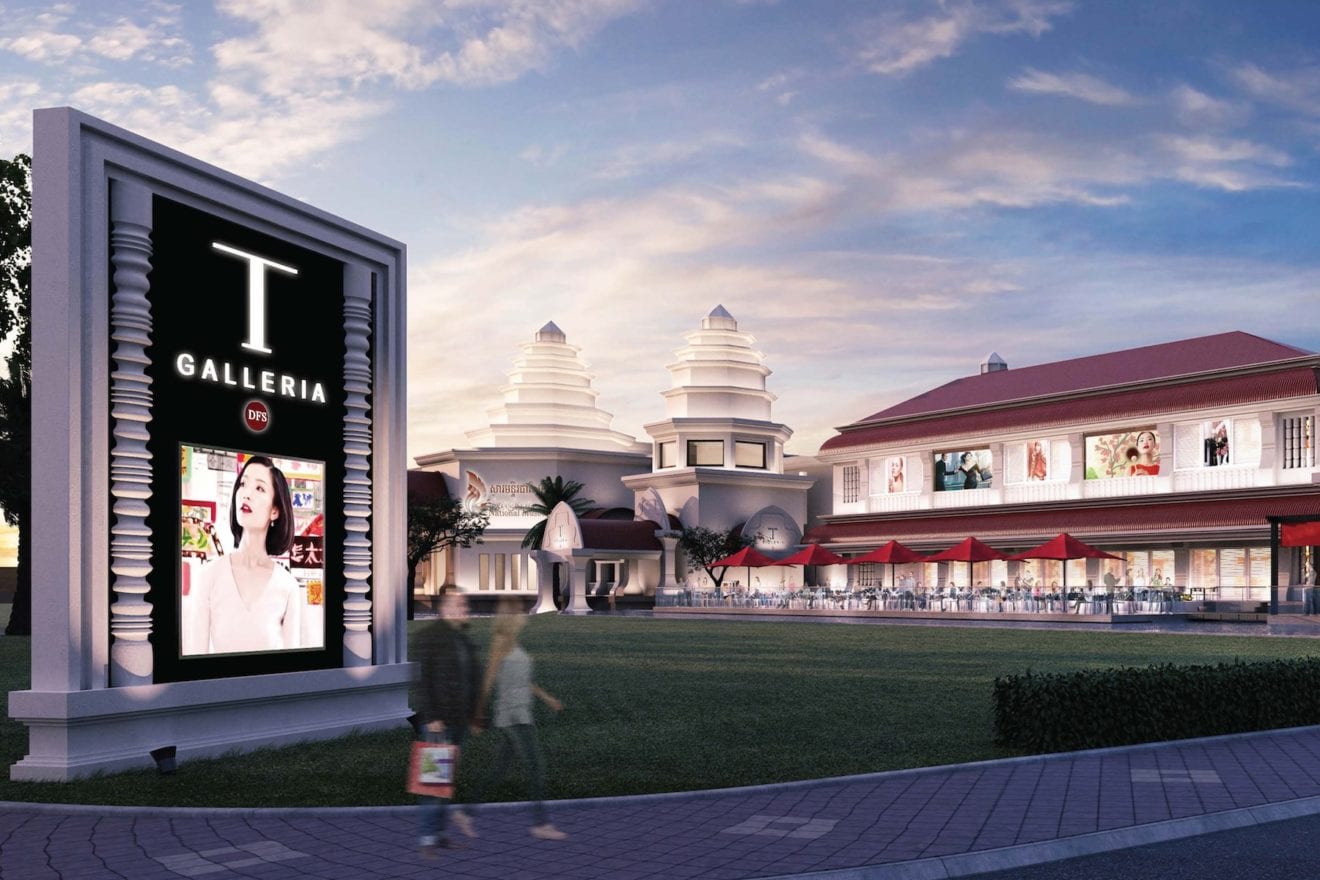
    Luxury travel retailer DFS Group has opened its first T Galleria by DFS store for Cambodia in the resort town of Siem Reap.

    Near the ancient temple of Angkor Wat, T Galleria by DFS, Angkor is the largest Cambodia duty-free luxury department store, offering an integrated retail, hospitality and leisure experience.

    The store is opening in phases until June, bringing 170 brands to the 86,000 sqft (7990 sqm) space, including fashion and accessories, watches and jewellery, wines and spirits, and beauty and fragrances as well as locally handcrafted artisan products.

    Next to Angkor National Museum and overlooking a park, the new outlet features traditional Khmer motifs and carvings by Cambodian artisans. Stone columns feature panels carved in styles reflecting the nearby temples and palaces of Angkor Wat, intricately patterned wall screens and floor tiles evoke local architecture, and a 20m art installation suspended above the store’s vaulted atrium, was inspired by the hues of Buddhist monks’ robes. More than 200 local sales associates will welcome customers.

    Several firsts for Cambodia duty-free come with the opening of the store, such as watches and jewellery brands Bulgari, Carl F Bucherer and Tiffany & Co and international fashion brands Burberry, Bottega Veneta, Fendi, Gucci, Ralph Lauren, Saint Laurent and Zegna. There are also 12 exclusive beauty and fragrance brands such as Bobbi Brown, Cle de Peau Beaute, Mac and Sulwhasoo.

    Among Cambodian artisans featured are Angkor Artwork, whose master craftsmen Eric and Thierry Stocker produce lacquer and straw marquetry using traditional techniques. There is also Golden Silk, one of the last fully integrated silk producers in the world to use the rare yellow silkworm indigenous to Cambodia, and Samatoa, an eco-friendly accessories brand that has revived the technique of lotus-fibre weaving.

    T Galleria by DFS, Angkor has also teamed up with Artisans d’Angkor, a socially conscious business aimed at revitalising Cambodia’s traditional craftsmanship while pioneering a sustainable working environment. Its exclusive collection of handwoven silks and fine crafts were designed by and will benefit local artisans.

    An onsite restaurant, Crystal Jade, will open in June, the first outlet in Cambodia for the Singapore brand. It will serve traditional Chinese cuisine and dim sum dishes in a casual setting overlooking gardens and reflecting pools.

  • Kuala Lumpur MRT retail spaces up for grabs

    Kuala Lumpur MRT retail spaces up for grabs

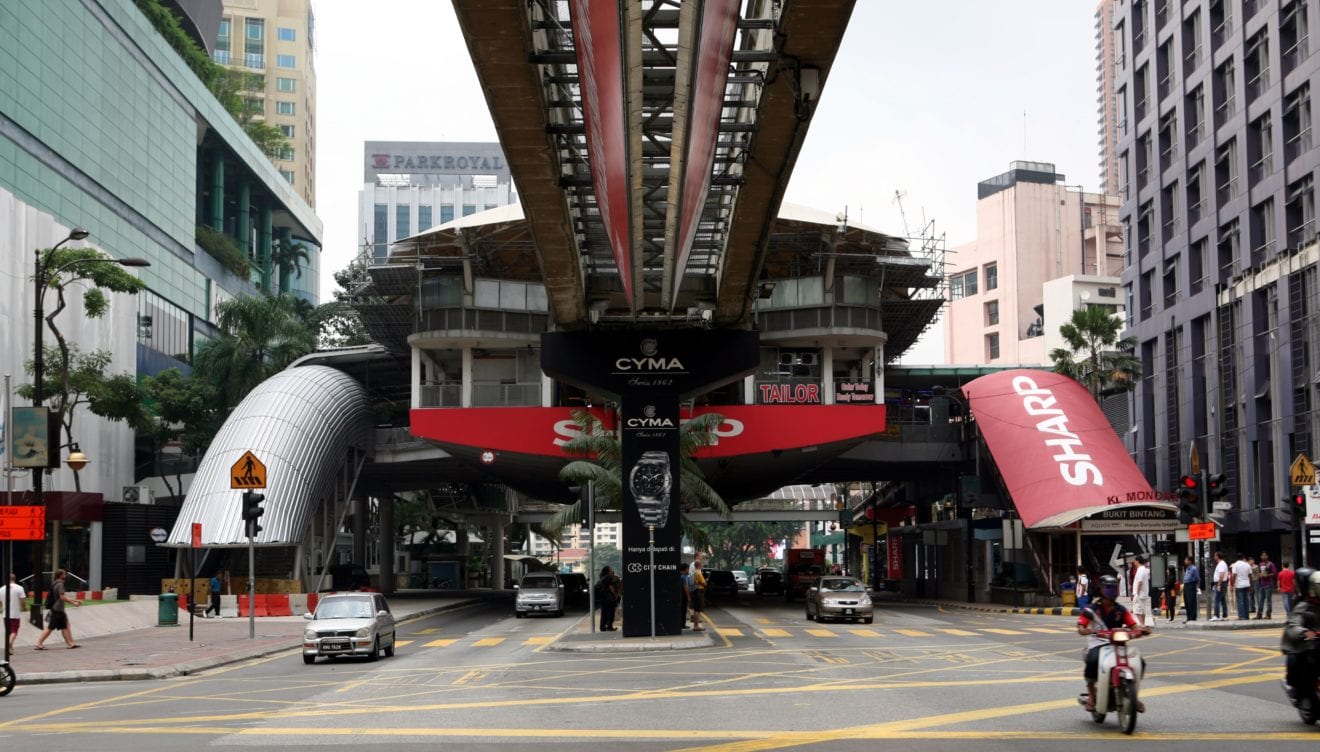
    Kuala Lumpur MRT retail spaces – 41 spots at 21 stations – have been put to tender.

    The Mass Rapid Transit Corp (MRT Corp) says proposals and bids for the spaces, on the upcoming MRT Sungai Buloh-Kajang line, must be submitted by April 18.

    Commercial land management director Datuk Haris Fadzilah Hassan says the company hopes to announce successful applicants by the end of June.

    About 30 per cent of the units have been set aside for indigenous entrepreneurs, and Haris says the company is seeking retailers for the balance who have “exciting business ideas and services, suitable for commuters with fast-paced mobility and urban lifestyle”.

    Small and local businesses are encouraged to apply, and more retail spaces will become available in the future.

    The Sungai Buloh-Kajang line will open near the end of this year.

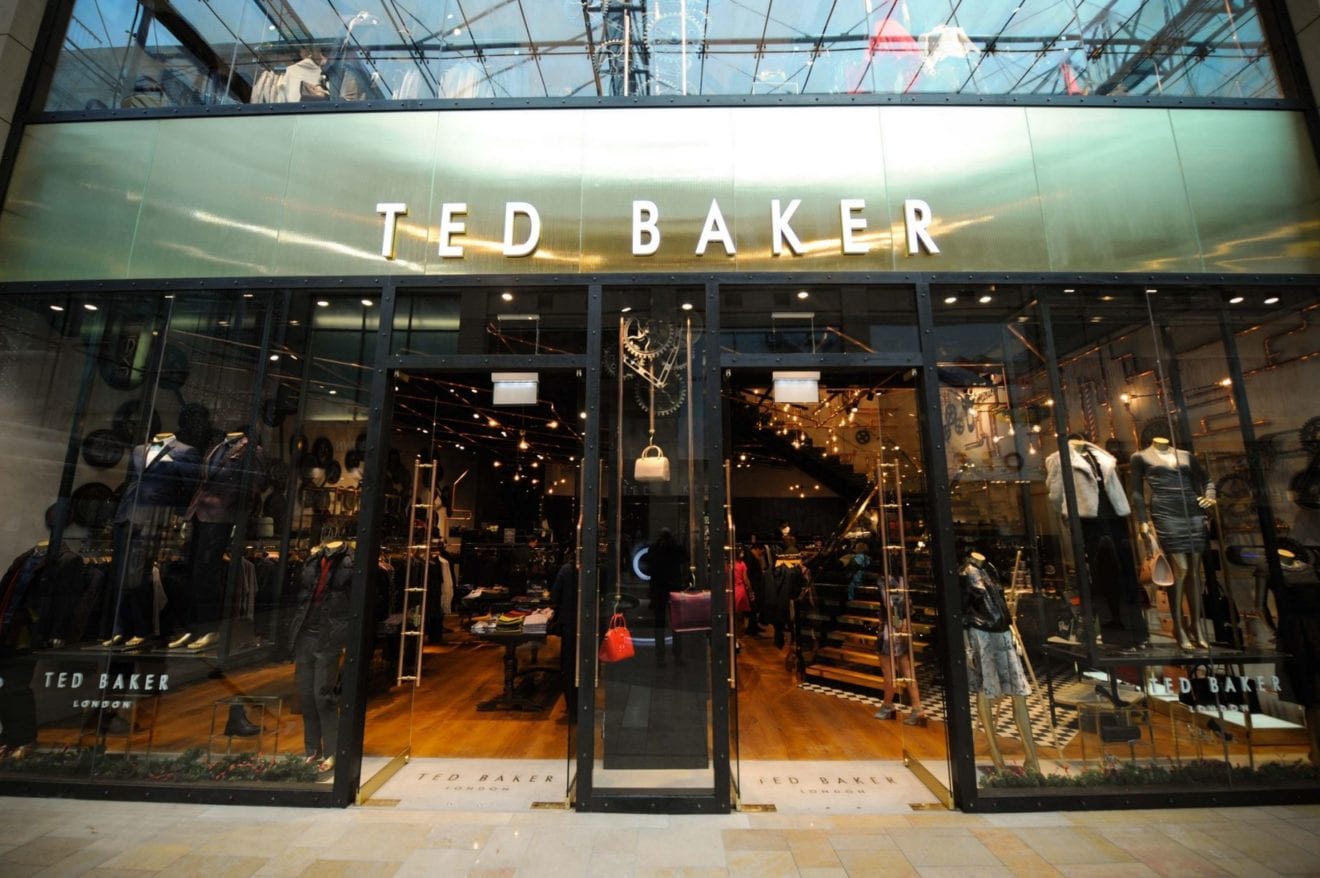
  • Ted Baker Asia trading ‘a challenge’

    Ted Baker Asia trading ‘a challenge’

    Global fashion chain Ted Baker overcame an uncertain backdrop in Asia to boost profits by 18.6 per cent last year.

    Rebecca Marks, an analyst at Verdict Retail, said Ted Baker’s strong full year results demonstrate the strength of the brand, driven by its reaction to trends “and signature mix of quality and attention to detail”.

    Ted Baker reported a pre-tax, full-year profit of £58.7 million.

    But the company said while trading generally was in line with expectations, the Ted Baker Asia business trading environment “continues to be challenging”.

    “Whilst Asia currently represents a small part of our business at 3.4 per cent of revenue, we remain positive about the long term opportunities to develop the brand in this territory,” the company said.

    “In Asia, we remain focused on building brand awareness in this market where we are in the relatively early stages of investment. In line with our development strategy in this territory, we have opened another store in Beijing and we are opening further concessions in China and Japan.”

    Marks said the overall results showed Ted Baker was on track to establish itself as a global lifestyle brand.

    “The  investment in brand-building in newer markets paying off,” she said.

    “A strong performance in North America demonstrates the brand’s growing recognition, enhanced by 22 retail and wholesale openings in this market throughout this period. Closer-to-home, the brand is investing in a new distribution centre in the UK to service its European markets – a necessary move to support the growing popularity of its e-commerce platform, where its 45.8 per cent growth primarily reflected its performance in the UK.”

    While womenswear sales were up 15.9 per cent year-on-year, menswear collections outperformed with 20.1 per cent growth.

    “As the prevalence of celebrity and fitness culture continues to heighten male’s interest in fashion and personal appearance, Ted Baker opportunely responded to its typical 25-45 year old male shoppers’ growing demands for increased choice and style with its fashion-led quality collections justifying its premium price points,” said Marks.

    “A raft of planned store openings planned in the coming year, alongside continued investment in its eCommerce platforms and personalisation globally, will help ensure Ted Baker is positioned to enjoy another flourishing financial year ahead. Initial reactions to its Spring/Summer collections have been positive, tapping into the growing activewear market with its new contemporary collection of premium sportswear for women, Fit to a T.

  • Vietnam payment platform wins PE funds

    Vietnam payment platform wins PE funds

    A Vietnam payment platform start-up has received a US$28 million shot in the arm from private equity investors.

    M_Service, which launched the mobile e-wallet MoMo, received the boost from Standard Chartered Private Equity (SCPE), which invested $25 million, and existing shareholder and strategic investor Goldman Sachs, which added $3 million to its initial $5.75 million investment of 2013.

    More than half of Vietnam’s population of 90 million use the internet, and the app provides a useful service in a country where there are few debit or credit card users. Government data shows that mobile phone subscribers in Vietnam grew 26 per cent to 124 million during 2009-2013..

    Smartphone app MoMo provides eWallet services and over-the-counter remittance and payment platforms for a customer base of 2.5 million people, and already claims to have more than 1 million customers.

    “It is extremely exciting to see financial support and the customer base for MoMo growing,” says M_Service general director Pham Thanh Duc.

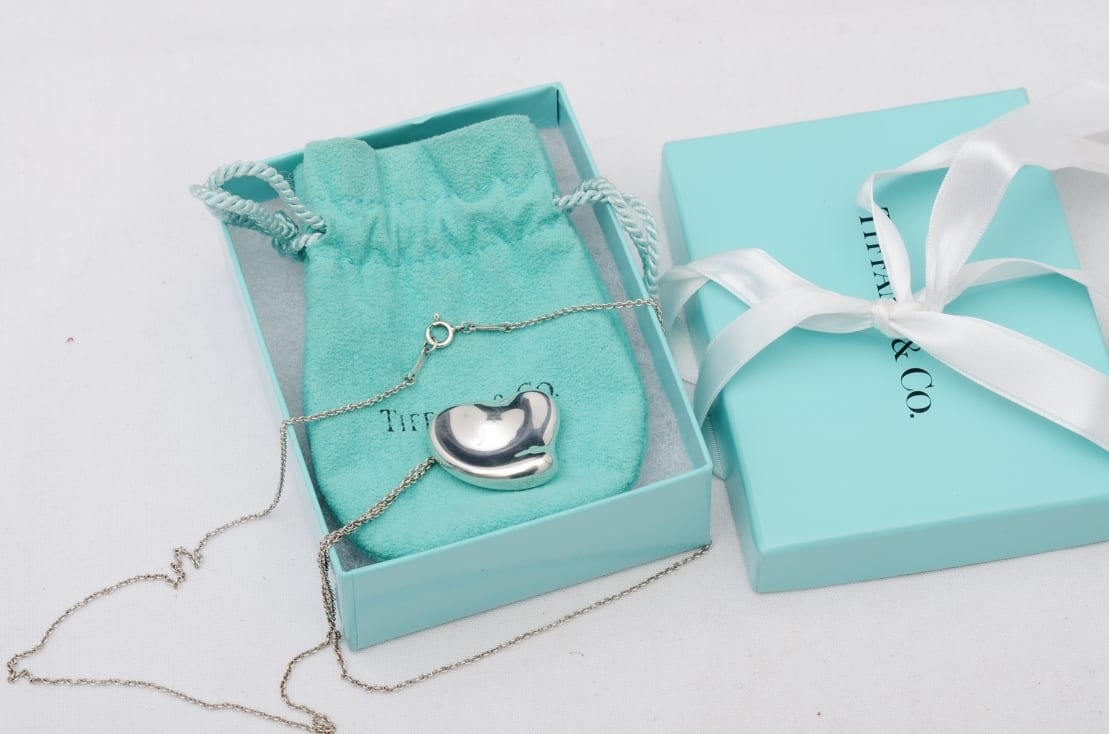
  • Tiffany ‘needs to reconnect’ with consumers

    Tiffany ‘needs to reconnect’ with consumers

    Jeweller Tiffany & Co’s latest results represent a disappointing end to what has been a challenging year for the company.

    The fact that worldwide net sales declined by 2 per cent even on a constant currency basis neatly indicates that the weakness is not solely down to the appreciating dollar. This point is underpinned by the fact that on a constant exchange rate basis all regions – with the exception of Japan – posted negative same store sales growth.

    Looking across the geographies the most problematic region remains the Americas where total sales declined by 8 per cent for the quarter; on a comparable store basis the decline was 10 per cent. While it may be true that some of this is down to weaker tourist spending in key cities where Tiffany has its flagships, it is also the case that Tiffany is struggling to maintain market share and relevance among middle-income and affluent American consumers.

    That this is so is partly down to a much more competitive environment for fashion jewellery, which constitutes an important part of the company’s sales mix. The growth of Pandora across the US, for example, has helped to take some custom away from Tiffany. Although Pandora’s US growth is now on a slower trajectory, we believe it is still gaining market share.

    While Tiffany still has a strong brand, it is notable that the brand resonates most with affluent older shoppers. Among affluent younger shoppers the brand is not viewed negatively but is seen as representing ‘old world luxury’ which does not entirely chime with their lifestyles and values. This means Tiffany often loses out among this important, and growing, group.

    Tiffany has tried to address this problem with the introduction of new fashion focused collections and more accessible introductory price points across some ranges. However, while the changes have been well received, they have been sufficient to change perceptions.

    These are clearly long term issues which have acted as a drag on Tiffany for some time. However, they were exacerbated during the fourth quarter by the lower levels of holiday gifting of jewellery in the US. For a brand like Tiffany, where lavish gifting is an important driver of buying, such a trend was distinctly unhelpful.

    Looking ahead, the upcoming fiscal year will be one in which the declines start to bottom out – especially after the second quarter. However, it is unlikely that the year will be one of much progress and Tiffany will end the year flat to slightly down.

    Growth will only come when Tiffany finds a way to reconnect its brand to the American consumer.

  • Indonesia is ASEAN eCommerce sleeping giant

    Indonesia is ASEAN eCommerce sleeping giant

    Indonesia is the most-promising ASEAN eCommerce market, according to Hong Kong-based consultant Paul McKenzie.

    He told a seminar in Bangkok, organised by brokerage and investment group CLSA, that Indonesia has the greatest potential because of its developing infrastructure and private equity advantage.

    Thailand is a little behind, he said, with the eCommerce landscape growing but not to the same scale as Indonesia.

    “It’s simply too early right now for The Philippines – there are not enough big and efficient companies in the market, and Malaysia’s market is just too small,” said McKenzie. However, Malaysia had less of a potential void for eCommerce as offline retail penetration was even higher than China.

    His talk focused on the “e-liftoff”’ of ASEAN countries, corresponding with a CLSA report published last year, and he predicted that the ASEAN eCommerce market would grow in terms of IPO, which would make it more appealing for investors.

    He also spoke about the Line app being essential to eCommerce in the ASEAN region. “More than 60 per cent of Thais 14 years and older are on Line, and mobile is the future of online shopping.”

    He predicted that within the next few years, mobile will be even more important in ASEAN than it now is in China. He said a third of online transactions were made on mobile, and 50 per cent of online browsing was done on mobile, lagging behind China by only a year.

    He said further progress was being hindered by slow data speeds, with users complaining about transactions being dropped and pages not loading. Another problem was that most shoppers in the region did not have credit cards.

    McKenzie said ASEAN countries had being doing well with delivery in the main centres, which meant there was a market for more warehouses or logistical services.

    Meanwhile, 1200 retailers, eCommerce and fulfilment company representatives gathered at the two-day Last Mile Fulfilment Asia conference in Singapore. Speakers included CEO Paul Srivorakul and CLO Mitch Bittermann from the Thai eCommerce solutions provider aCommerce Group, which has started expanding in Indonesia.

    “The changes in the Indonesian market are happening much faster when compared to other regions in Southeast Asia,” Srivorakul says on a company blog. “A lot of investment is taking place in Indonesia’s eCommerce infrastructure, cash-on-delivery networks and third-party logistics (3PL) systems.”

    The company has a presence in four countries in Southeast Asia: its home market as well as Indonesia, The Philippines and Singapore. Of its 200 clients, 120 are in Indonesia. Major clients include BerryBenka, Blibli.com, Elevenia, Mitra Adi Perkasa and L’Oreal. The company has about 500 employees in Indonesia, and runs two multi-client fulfilment centres as well as a 5000 sqm fulfilment centre for Lippo Group’s eCommerce arm MatahariMall.

    The company is also preparing to launch a four-level fulfilment centre in the next two months, which will increase the country’s warehouse capacity by 17,000 sqm, bringing the total to 32,000 sqm.