Author: Mei Ling Tan

  • Adidas Sets Goal For 3,000 More Chinese Stores

    Adidas Sets Goal For 3,000 More Chinese Stores

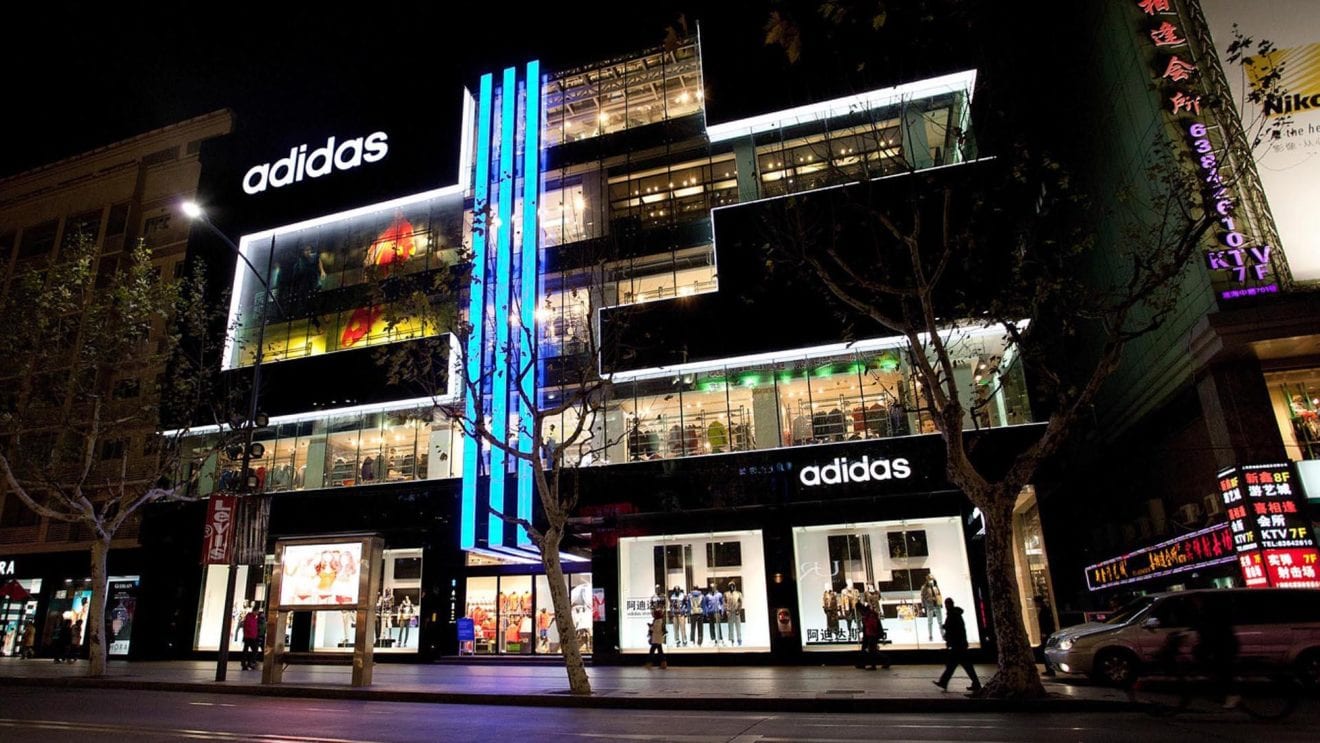
    Colin Currie, head of Adidas’ China operations, announced in a press conference that the sportswear company would be adding 3,000 more storefronts to the 9,000 it already operates inside the People’s Republic. Currie emphasized that these new stores wouldn’t just be rehashes of existing designs but targeted implementations of locations that focus on running, soccer and tennis equipment and apparel.

    It’s details like these that Currie hopes can help Adidas find revenue, even when the Chinese economy doesn’t seem to be making it any easier.

    “We are cautiously optimistic, but we’re far more on the optimistic side,” Currie said during the briefing.

    It’s one thing to say that Adidas is confident but another thing to actually mean it. A pledge to open 3,000 stores certainly seems like an earnest statement that can’t be easily walked back, explained that changing demographics might be why Adidas is so ready to hitch its wagon to the down-right-now Chinese economy. As more and more Chinese consumers enter the middle class, Adidas has planned, since at least 2010, to take advantage of the growing desire for sportswear, not just for fitness but as everyday dress as well.

    “We expect two-thirds of our growth to be from consumers in the lower-tier cities as they become attracted to sportswear — not just for fitness but for easy casual wear,” Currie said at an event in 2010.

    If it’s any consolation for Adidas and the Chinese economy at large, odds are both parties will succeed or fail together.

  • New Balance India return

    New Balance India return

    New Balance India is to make a comeback – and says it aims to open about 50 stores within the next few years.

    The US sports shoes brand’s first foray into India was in the early 2000s, but it shut its shops after a few years. Now its VP for Asia Pacific Darren Tucker says it plans outlets across shopping malls and high streets in Delhi, National Capital Region (NCR), Mumbai and Bengaluru.

    “We were ahead of time,” says Tucker. “We did not have such a wide brand presence globally then, and the retailing experience was poor. Now, the market looks more mature.”

    Its first store this time around opened yesterday – an 1100 sqft (102 sqm) New Balance Athletic Shoes standalone outlet at DLF Mall of India in Noida, near New Delhi. The company has a distribution agreement with The Major Brands Group in Mumbai for retailing New Balance products in India.

    “It’s not about the number of stores,” says Tucker. “We would prefer to have a profitable retail presence and grow at a relatively slower pace this time.

    “All our global competitors are here. The market is built. We know our competitors, and that’s an advantage.”

    With an average selling price of Rs.7000 (US$105) for shoes, New Balance will be a premium offering. Tucker says apparel is a promising segment, so lifestyle will be a focus area. The company has also tied up with online retailer Jabong for e-etailing, and is negotiating with global partner Amazon for the Indian market.

    “Considering the growth of eCommerce in India, that’s a must,” says Tucker. The company will continue to leverage its global marketing properties across sports and athletics, and plans to develop local properties. “For India, it’s going to be cricket first.”

    At the moment, the sports shoe and apparel market in India is dominated by Adidas, Nike, Puma and Reebok. Japan’s Asics Corp. opened its first standalone store in Delhi last July.

    A report by Images F&R Research estimates India’s active sportswear market at Rs.6000 crore, growing at 13 per cent a year.

    New Balance, which reported $3.3 billion in sales worldwide in 2014, was founded in 1906 by British immigrant William J. Riley to sell arch supports to police officers and waiters. The company was bought by Jim Davis, the son of a Greek immigrant, in 1972 and from its base in Boston now sells athletic shoes, apparel and accessories for men, women and children across 5000 outlets worldwide under brands such as Aravon, Brine, Dunham, PF Flyers and Warrior Sports.

  • Masterpiece Auction House opens in Hong Kong

    Masterpiece Auction House opens in Hong Kong

    Indonesia-based Masterpiece Auction House will host its first auction in Hong Kong featuring Southeast Asian and Chinese modern and contemporary art works this Saturday (March 26).

    The public preview will start tomorrow (March 22).

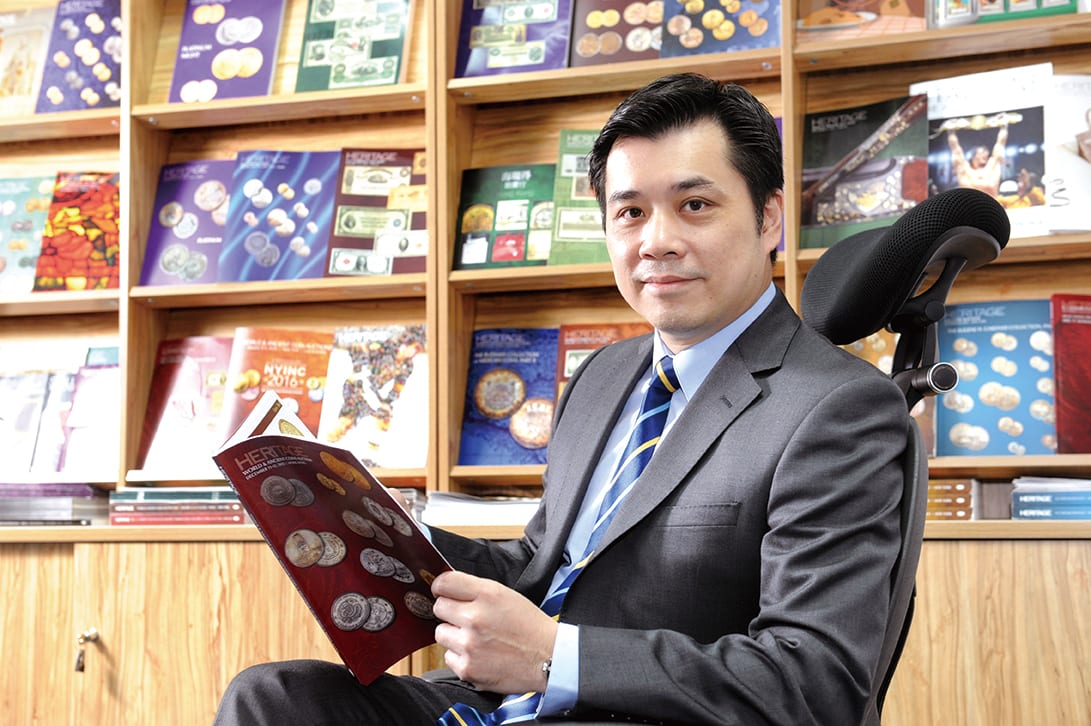
    Masterpiece Auction House recently opened an office in Hong Kong to help expand its market share of the growing Asian modern and contemporary art market, said the President Director of Masterpiece Auction Private Ltd,, Benny Oenardi Raharjo.

    The company plans to host two auctions in Hong Kong every year showcasing artworks – paintings in particular – by established, emerging and young artists from Southeast Asia and Asia. It will also provide junior painters with an opportunity to introduce their work, which will help increase their international exposure.

    “The art market in Hong Kong has been buoyant, with more and more people buying artwork not just for the love of it, but as part of their financial and investment portfolio,” Raharjo said. “Our entry into Hong Kong, a key art hub of the region, will allow Masterpiece Auction House to grab a larger slice of the growing Asian modern and contemporary art market.”

    Associate director-general of investment promotion Dr Jimmy Chiang said Hong Kong has a strategic location in the heart of Asia and is close to the Mainland.

    “Against this backdrop, art auction houses or related companies in Hong Kong enjoy unrivalled access to a huge number of high net-worth individuals in Asia Pacific, as well as a pool of seasoned art managers, art-specific transportation and logistics support.”

    Founded in 2003, Masterpiece Auction House is recognised as one of the leading and the most dynamic auction houses in Indonesia, Singapore and Malaysia. It gives exposure to high quality of fine art, particularly with the vision of developing and raising the national and international exposure of Indonesian art, especially through the medium of paintings.

    *Photo: Masterpiece Auction House president director Benny Oenardi Raharjo.

  • South Korea Has Reached Peak Coffee Shop

    South Korea Has Reached Peak Coffee Shop

    In fashionable retail and commercial districts of southern Seoul, nearly one in every two buildings boasts a coffee shop – evidence of a boom that has delivered dizzying growth for the likes of Starbucks and local chains.

    But now the market is getting even more crowded, as convenience stores such as 7-Eleven offer 1,000 won (87 cents) cups, and smaller players are feeling the heat.

    “We declared an emergency situation, gathered all employees eight times to debate strategies,” Moon Chang-ki, CEO of mid-priced coffee chain Ediya, the country’s largest operator by location with about 1,800 stores, told reporters recently. “If we sell at that price, our store owners won’t earn any margins.”

    To compete, Ediya says it has instead focused on improving the quality of its coffee, and actually raised prices last year. Other chains have responded to growing competition by cutting back on store numbers and staff, or expanding overseas.

    The number of chain and stand-alone coffee shops in South Korea more than tripled to about 49,600 in 2015 from 12,400 in 2011, according to Korea Contents Media – far faster than overall consumption of coffee, which Koreans have been drinking for decades.

    PEAK COFFEE

    South Korea’s per capita coffee consumption has nearly doubled since 1990 to 2.3 kg (5 lb) per person, according to the International Coffee Organization – still roughly half the 4.5 kg that Americans consume.

    Revenue growth at coffee chains in the country slowed to about 8 percent in 2014, however, from more than 20 percent annually between 2008 and 2012, analysts say. While the number of new coffee shops in Seoul increased, so did closures, according to city data.

    Brewed coffee sales at 7-Eleven, run by Lotte Shopping’s Korea Seven Co Ltd, jumped 88 percent in 2015 after it introduced drip coffee early last year costing about a dollar, almost one-fifth the cost of an average Starbucks cup.

    McDonald’s Corp stores cut coffee prices to 1,500 won from 2,100 won early last year, and have seen sales of the beverage almost triple, the company told Reuters.

    By contrast, local chain Cafe Droptop, with about 225 shops, cut about 20 percent of its workforce at the end of 2015. Another chain, Coffine Gurunaru, with about 100 shops, incurred combined operating losses of 2.5 billion won ($2.2 million) in 2013 and 2014 after being profitable in the previous two years, filings show.

    “Even fried chicken restaurants and pubs are adding coffee, trying to be a cafe, while espresso machines are spreading in offices,” said Lee Kyung-hee, who heads the Korea Business Strategy Institute, a consultancy. “The coffee industry is fighting a war without borders.”

    GOING ABROAD

    Starbucks entered the market in 1999, and is widely credited with starting the country’s habit for splurging on higher-quality coffee and creating a cafe industry SK Securities said was worth about 2.5 trillion won ($2.2 billion) in 2014.

    Starbucks Coffee Korea, a 50-50 joint venture between the world’s biggest coffee chain and South Korean hypermarket operator E-Mart, now has 860 stores, putting the country behind only China and Japan as the company’s biggest markets in Asia, with sales more than doubling between 2011 and 2014.

    It posted a 20 percent increase in net profit to 30.77 billion won in 2014, the most recent year for which results are available, on revenue of 617 billion won, up 28 percent.

    But with industry growth slowing, some chains have been pushing abroad.

    Caffe Bene, which reached 932 domestic stores in 2014 before trimming back to 850 at the end of March, posted a 3.3 billion won net loss in the first three quarters of 2015, according to the latest public data.

    Last month, a joint venture between Singapore’s Food Empire and Indonesia’s Salim Group acquired a 38 percent stake in Caffe Bene, becoming the second biggest shareholder after South Korean private equity fund K3 Equity Partners.

    The chain said it was looking to expand in Southeast Asia to drive growth.

    Zoo Coffee, with 65 domestic shops, has opened about 200 franchise stores in China since entering the country in 2013 and in December announced a tie-up with China’s giant Dalian Wanda Group to open 50 stores per year there.

    Cafe Droptop in November opened its first overseas outlet in Shanghai.
  • HSBC Going Solo in China Credit Cards Gives Boost to Expansion

    HSBC Going Solo in China Credit Cards Gives Boost to Expansion

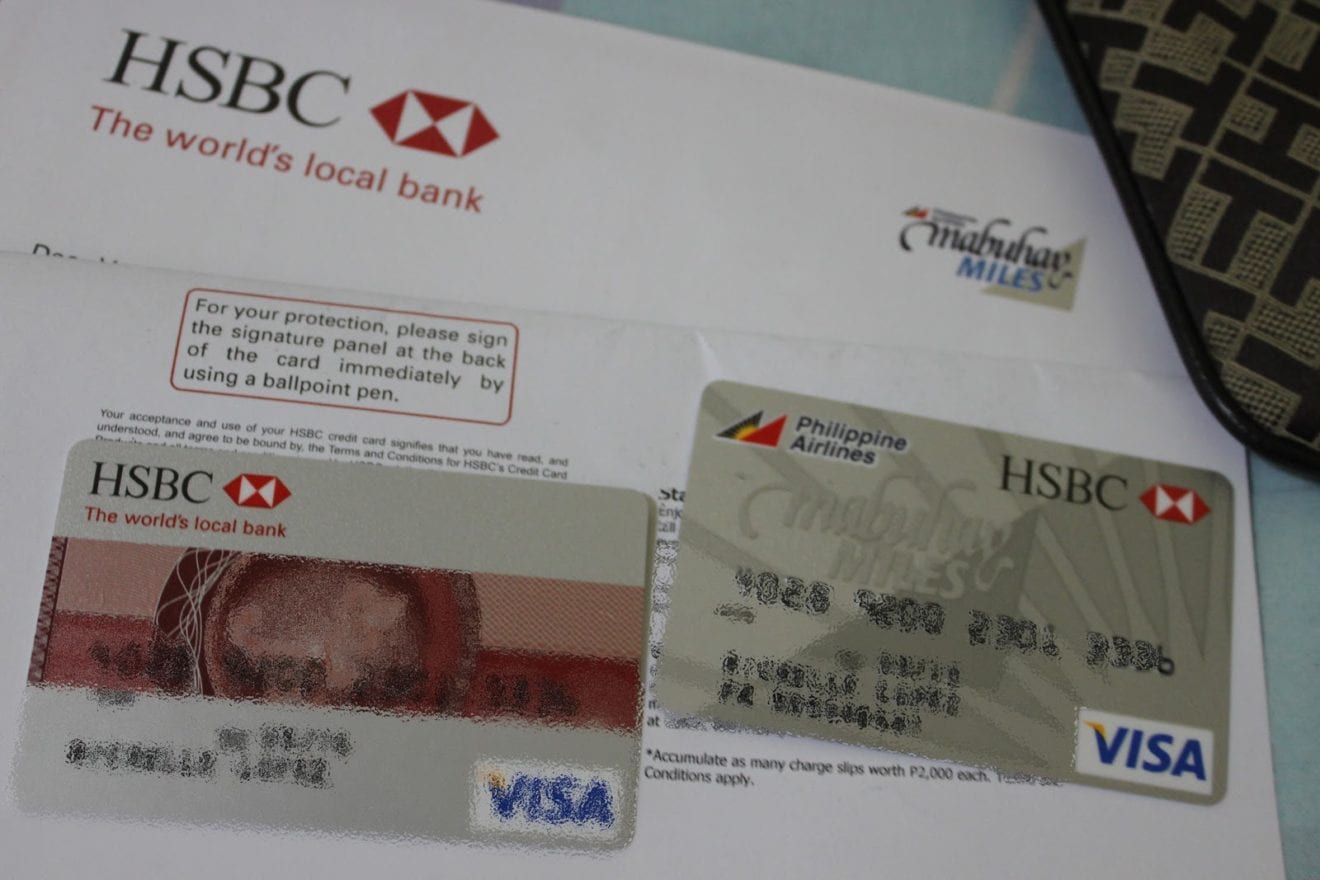
    HSBC Holdings Plc winning approval to start a credit-card business in China’s $1 trillion market offers Chief Executive Officer Stuart Gulliver added flexibility in his push into the nation’s retail banking and wealth-management industries.

    The approval from Chinese authorities came as HSBC ended a card venture with Bank of Communications Co., the bank’s Asia-Pacific head Peter Wong said in a weekend interview, paving the way for the U.K. company to join Citigroup Inc. and Bank of East Asia Ltd. as the only foreign credit-card issuers on the mainland. Wong didn’t say when HSBC won the nod from regulators, or provide any specifics on how the business will be rolled out.

    Gulliver’s Asian ambitions have been dealt a setback by crashing commodity prices, a slowing Chinese economy and a pretax loss in the fourth quarter. An independent card unit in China would improve HSBC’s access to a fast-growing market that had 449 million cards on issue as of September and allow the bank to find new clients for its retail bank.

    Getting approved for its own operation in China “is a meaningful step for HSBC as it gives the bank the autonomy to run the business,” said Chen Xingyu, a Shanghai-based analyst at Phillip Securities Research. “Since the Pearl River Delta is HSBC’s focus, having its own credit-card business can help the bank expand in the region.”

    Credit-card offerings can act as a springboard for drawing customers to other parts of the business such as private banking, Chen said. HSBC is getting a license for a planned brokerage venture with Shenzhen Qianhai Financial Holdings Co.

    The Pearl River Delta, located to the north of Hong Kong and centered around the city of Guangzhou, is home to more than 40 million people. HSBC plans to add 4,000 jobs in that area as the bank shifts about $100 billion of investment to Asia in an effort to expand retail banking and wealth management. The bank will slow the pace of thathiring amid China’s economic downturn, but HSBC won’t alter its strategy, Gulliver said last month.

    Good Relations

    While the bank has ended its card venture with Bank of Communications, HSBC intends to maintain its roughly 19 percent stake in the Chinese lender, Asia-Pacific Chief Executive Officer Wong said Saturday in an interview on the sidelines of China’s annual congress of lawmakers in Beijing.

    “We still have a lot of other initiatives” with Bank of Communications, Wong said. “We have a very good relationship.”

    HSBC’s card offerings would compete with its old venture partner, which had 40 million domestic cards as of June, while Industrial & Commercial Bank of China Ltd. had 108 million, according to their 2015 interim reports.

    The London-based company has been working with Bank of Communications, China’s fifth-largest lender by assets, since 2004 on businesses including credit cards. The Chinese bank announced the establishment of the credit-card venture — with 2.5 billion yuan of capital — in an October 2009 statement to Hong Kong’s stock exchange.

    HSBC shares in Hong Kong fell 0.3 percent on Tuesday to HK$49.50 as of 1:31 p.m. local time, compared with the benchmark Hang Seng Index’s 0.8 percent loss. The bank’s stock dropped 20 percent this year.

    The number of Chinese credit cards in circulation at the end of the third quarter had nearly doubled to 449 million since 2010, central bank data show. That total is about the same as the combined populations of the U.S. and Japan. The outstanding balance on those cards was 6.7 trillion yuan, up 26 percent from a year earlier, according to the People’s Bank of China data.

  • M1 launches 1Gbps fiber bundle for SOHOs

    M1 launches 1Gbps fiber bundle for SOHOs

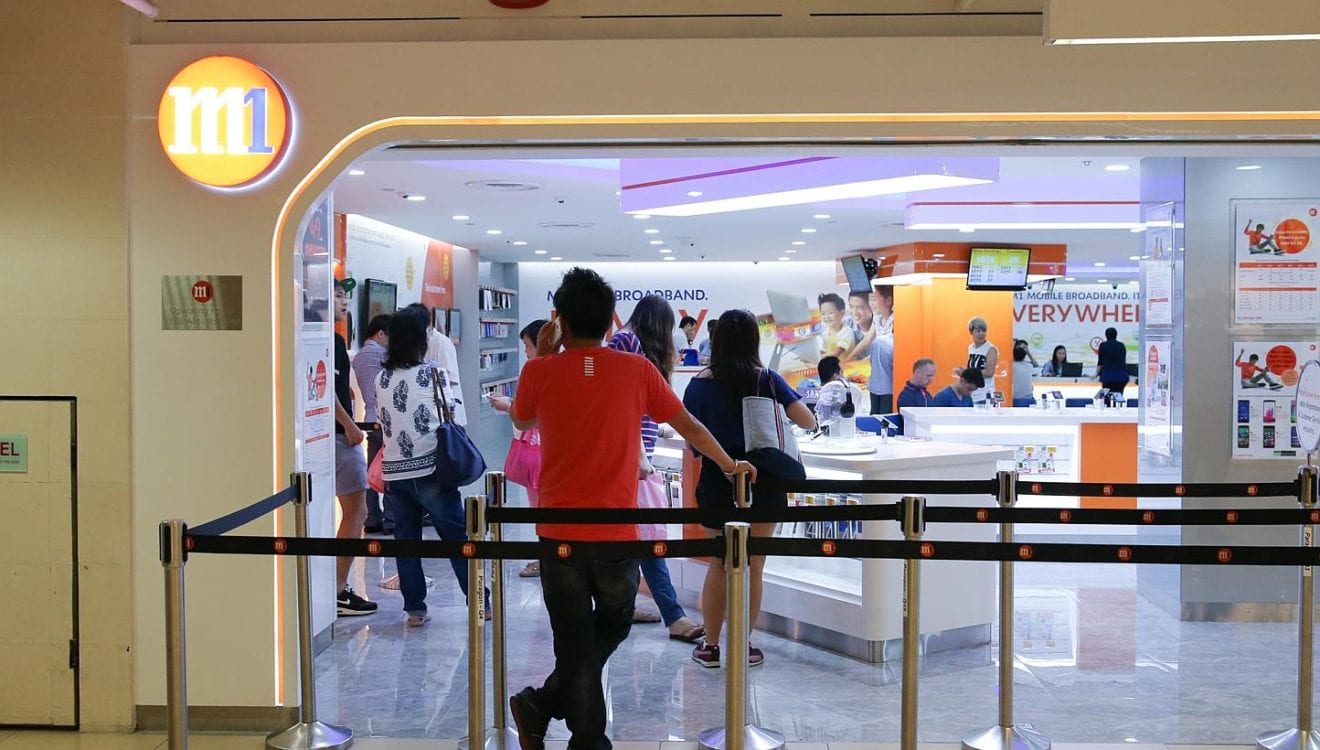
    Singapore’s M1 has launched a range of bundled fiber and business communications plans tailored for small and home offices.

    The company’s new SOHO Fibre Broadband plan includes a symmetrical 1Gbps fiber connection as well as business services including web and e-mail hosting, unified communications and fixed voice services.

    M1 is marketing the service towards Singaporean entrepreneurs seeking to start and grow a business from home. SOHO stands for small office/home office.

    The service is priced at S$59 ($43.75) per month on a 24 month contract. This price also includes a 300Mbps mobile broadband service.

    In Malaysia meanwhile, Telekom Malaysia has added a 100Mbps connection option for its Unifi broadband services.

    The company is offering a 100Mbps downlink 50Mbps uplink plan bundled with IPTV, OTT video subscriptions and 600 minutes of free callsThe operator has also introduced a 100Mbps business broadband option.

    But the plans come at a hefty price of 299 ringgit ($77.37) per month for the consumer option and 379 ringgit per month for the business plan. This is a promotional price which will rise to 329 ringgit and 399 ringgit respectively after June 30.

    By comparison, rival Time charges 299 ringgit for a 500Mbps plan, but also has a far smaller coverage area.

  • Farah China to launch next year

    Farah China to launch next year

    Perry Ellis International has signed an agreement with MRH SpaRotica Groupe (MRH) to introduceFarah China next year.

    The brand will be launched in department stores, free-standing stores and specialty outlets as well as online with third-party eCommerce platforms such as Tmall. The first free-standing Farah store is planned to open early next year.

    With street credibility, the Farah has creative brand ambassadors from art, music and modern culture who are empowered to become product developers, storytellers and educators inspiring millennials. The products are sold internationally through major retailers and company-owned stores, as well as online.

    “This is our first agreement for Farah in greater China and represents a major step in the expansion of the brand outside of the United Kingdom and Europe,” says Perry Ellis International chairman/CEO George Feldenkreis.

    MRH president/CEO Richard Kisembo says the company is confident of the impact Farah can make in China. “We believe in brands that make emotional connections with consumers, and Farah will stand out for its modern classics.”

    Perry Ellis International is a designer, distributor and licensor of men’s and women’s apparel, accessories and fragrances. It owns a portfolio of brands including: Axist, Ben Hogan, Cubavera, Grand Slam,  Jantzen, John Henry, Laundry by Shelli Segal, Manhattan, Original Penguin by Munsingwear, Perry Ellis, Rafaella and Savane. The company also licenses trademarks from third parties, including Jag and Nike for swimwear, and Callaway, Jack Nicklaus and PGA Tour for golf apparel.

    Based in Shanghai, MRH curates and invests in brands through acquisition and licensing. It has retail stores, distributes merchandise through franchisees, and runs eCommerce websites.

  • UNIQLO to Open First Global Flagship Store in Singapore and in Southeast Asia Region

    UNIQLO to Open First Global Flagship Store in Singapore and in Southeast Asia Region

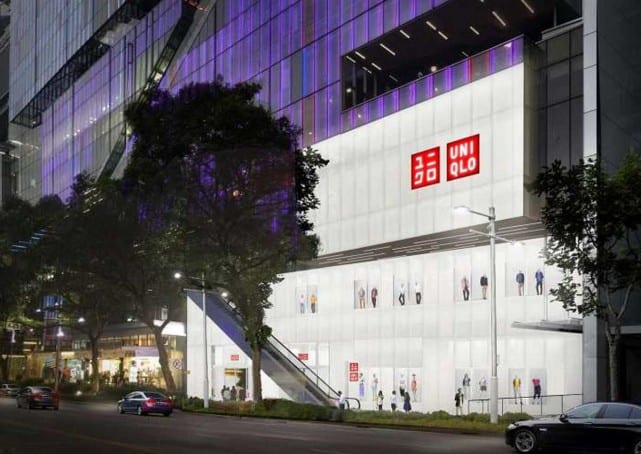
    UNIQLO today announces that it will open its first global flagship store in Singapore, and in the Southeast Asia region, in the autumn of this year. The new store, which will be the largest UNIQLO store in Singapore and in the region, will be located in the Orchard Central mall along Orchard Road, the fashion hub of Singapore for both local residents and international visitors.

    “We are very honored, and excited, to open our first UNIQLO Global Flagship Store in Singapore. Having been a member of the local retail scene since 2009, we remain committed toward contributing to the local community and being an integral part of Singapore’s growth and future,” said Taku Morikawa, UNIQLO Southeast Asia CEO. “We will continue our effort to design and create innovative clothes that enrich the daily lives of people, as a reflection of our LifeWear philosophy,” he added.

    The Singapore Global Flagship Store will provide an extensive range of the latest lines for women, men, kids and babies, in a sales area of approximately 2,700 square meters across three levels in the Orchard Central, the first and tallest vertical mall in Singapore. Modelled on highly successful UNIQLO flagship stores around the world, customers will enjoy the best that UNIQLO has to offer, in a truly unique retailing setting – from the product range to the store’s interior and layout.

    The opening of a Global Flagship Store in Singapore highlights its prominence in UNIQLO’s expansion plans worldwide and will add to global flagship stores in key locations today, including New York’s Fifth Avenue, London’s Oxford Street, and Ginza in Tokyo. Through its innovative, high-tech displays and extensive product lineup, the new Singapore Global Flagship Store will serve as a launch pad to display the brand’s LifeWear to a wider audience. The latest UNIQLO Global Flagship Store will create more than 300 jobs in Singapore.

    UNIQLO Singapore Global Flagship Store (official name to be announced at a later date)

    Opening Date: Autumn 2016 (Planned)
    Address: 181 Orchard Rd, #01-01, Singapore 238896
    Sales Area: Approx. 2,700 square meters across three levels

    About UNIQLO LifeWear

    Apparel that comes from the Japanese values of simplicity, quality and longevity. Designed to be of the time and for the time, LifeWear is made with such modern elegance that it becomes the building blocks of each individual’s style. A perfect shirt that is always being made more perfect. The simplest design hiding the most thoughtful and modern details. The best in fit and fabric made to be affordable and accessible to all. LifeWear is clothing that is constantly being innovated, bringing more warmth, more lightness, better design, and better comfort to people’s lives.

    About UNIQLO and Fast Retailing

    UNIQLO is a brand of Fast Retailing Co., Ltd., a leading global Japanese retail holding company that designs, manufactures and sells clothing under seven main brands: Comptoir des Cotonniers, GU, Helmut Lang, J Brand, Princessetam.tam, Theory, and UNIQLO. With global sales of approximately 1.6817 trillion yen for the 2015 fiscal year ending August 31, 2015 (US $13.88 billion, calculated in yen using the end of August 2015 rate of $1 = 121.18 yen), Fast Retailing is one of the world’s largest apparel retail companies, and UNIQLO is Japan’s leading specialty retailer.

    UNIQLO continues to open large-scale stores in some of the world’s most important cities and locations, as part of its ongoing efforts to solidify its status as a truly global brand. Today the company has a total of more than 1,700 stores in 17 markets worldwide including Japan, Australia, Belgium, China, France, Germany, Hong Kong, Indonesia, Malaysia, Philippines, Russia, Singapore, South Korea, Taiwan, Thailand, U.K. and the U.S. In addition, Grameen UNIQLO, a social business established in Bangladesh in September 2010, currently operates several Grameen UNIQLO stores in Dhaka. UNIQLO manages an integrated business model under which it designs, manufactures, markets and sells high-quality, casual apparel. The company believes that truly great clothes should be supremely comfortable, feature universal designs, are of high quality and offer a superb fit to everyone who wears them.

    With a corporate statement committed to changing clothes, changing conventional wisdom and change the world, Fast Retailing is dedicated to creating great clothing with new and unique value to enrich the lives of people everywhere. For more information about UNIQLO and Fast Retailing, please visitwww.uniqlo.com andwww.fastretailing.com.

  • Lazada Philippines Celebrates 4th Birthday with 7 Million Visits

    Lazada Philippines Celebrates 4th Birthday with 7 Million Visits

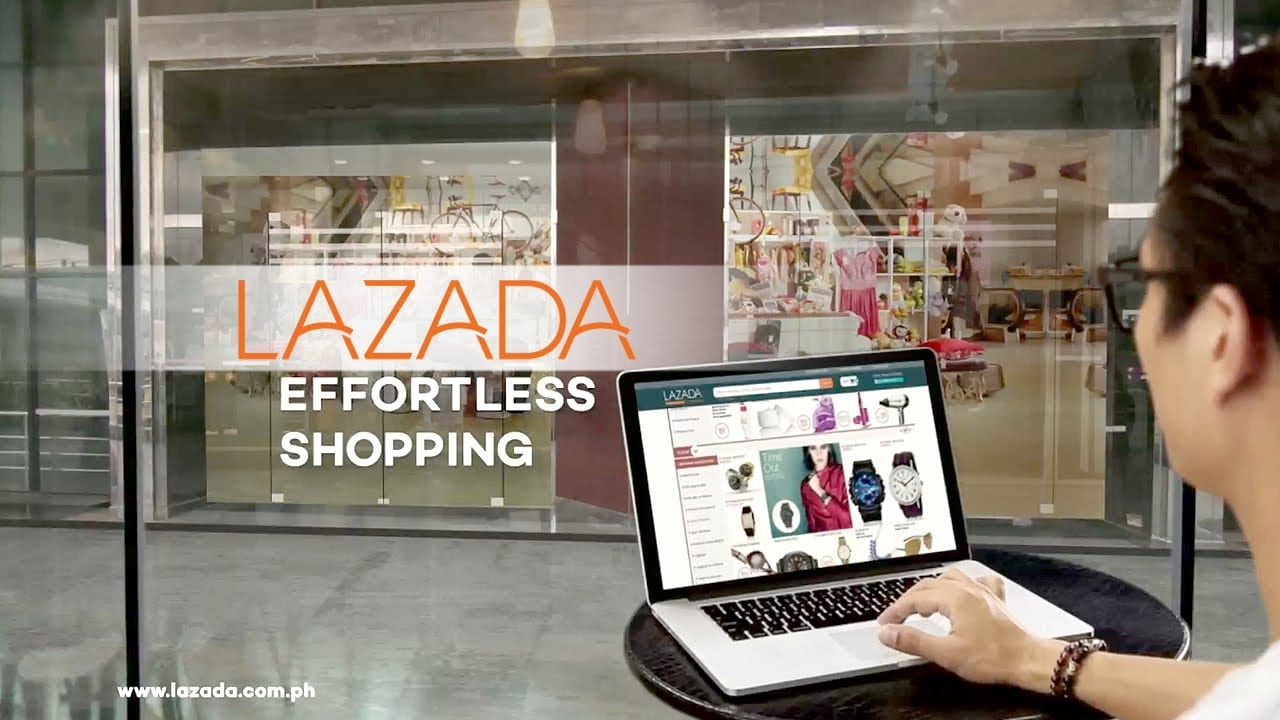
    March marks another year for ecommerce site leader, Lazada Philippines (www.lazada.com.ph). The country’s leading one-stop shopping and selling destination, capped its 4th anniversary with a Birthday Sale last March 15 – 18, 2016.

    Lazada sent online shoppers into a frenzy starting midnight of March 15 with product deals and flash sales up to 90% off. The Philippines alone recorded almost 7 million visits all throughout the sale – 8 times higher than average traffic of one of the biggest shopping malls in the Philippines.

    laz 1

    The campaign was participated in by more than 2,300 SME merchants and more than thirty local and international brand partners – all with special sale offers to online shoppers. Birthday sale top categories included Mobiles & Tablets, Health & Beauty and Home & Living where 6,000 mobile phones, 2,000 bluetooth smart watches and 1,500 hair straighteners were sold. Lazada also sold over 4,500 packs of diapers, a strong indication that Filipino parents are embracing the convenience of online shopping.

    laz3


    95% of ordered items were shipped within 24 hours to half a million customers who placed their orders across all Lazada countries. A large bulk of orders came from Metro Manila, Cebu, and Cavite respectively. Orders were also recorded to have reached the Dinagat Islands, Sultan Kudarat and the Mountain Province. The Lazada Mobile App brought in more than 50% of purchases proving the shift towards the use of smartphones and tablets in day to day transactions of Filipinos.

    With the huge uptake on mobile app shopping during the Birthday Sale, Lazada is launching another app-exclusive sale from April 7 – 10, offering discounts up to 80% off across a wide assortment of product categories. Top categories, brand deals and flash sales will also be available exclusively on the mobile app.

    laz 2

  • ShopBack explores giving Cashback for everyday activities

    ShopBack explores giving Cashback for everyday activities

    In a bid to venture beyond its core offering of paying people to shop online, ShopBack Singapore has conducted a weeklong public polling exercise to find out what are the everyday activities that Singaporeans would like to get paid for.

    shopback 1

    Since ShopBack’s establishment in September 2014, the start-up has given almost SGD2,000,000 in Cashback to shoppers’ preferred bank or PayPal accounts. Currently, the Singapore market has a base of over 250,000 shoppers.

    “Apart from getting Cashback for shopping online at any one of our 500 over retailers, we’ve learnt that some of our customers hope to get paid for their daily actions as well,” said Ms. Josephine K Chow, Country Head, ShopBack Singapore. “So we ran a poll to consolidate the top actions that Singaporeans do, and really wanted to get paid for.”

    “One of the popular picks is getting Cashback for passing through Electronic Road Pricing (ERP) gantries. Perhaps Singaporeans will be more forgiving towards ERP, satellite-based or not, if there’s Cashback available?” she quipped.

    2

    A weeklong poll was conducted from 21 March 2016 to 28 March 2016. Over 300 responses have been captured.

    “We’re still in the midst of sorting out the results and discussing feasibility of giving Cashback for the suggested daily actions. The top five actions will be announced at 10.00AM this Friday,” said Ms. Chow.
    Other crowd favourites include getting Cashback for getting matches on dating apps, paying penalty for bringing durians on MRT and catching bosses for swearing.

  • Anti-Hindu posters at Texas “Dairy Queen” removed

    Anti-Hindu posters at Texas “Dairy Queen” removed

    Anti-Hindu signs at Kemah (Texas) restaurant of “Dairy Queen” (DQ), which upset Hindus worldwide found highly inappropriate, have been reportedly removed.

    Dean A. Peters, Associate Vice President of Communications of American Dairy Queen Corporation headquartered in Minneapolis, in an email response to Hindu statesman Rajan Zed, wrote on March 31 evening: “We are pleased to announce that as of Wednesday, March 30th, the DQ location in Kemah, Texas is now under new ownership and all interior and exterior signs posted by the former franchisee were immediately removed from that location.”

    Zed, who is President of Universal Society of Hinduism, in a statement in Nevada today, thanked International Dairy Queen (IDQ) Inc. for understanding the feelings of the community and resolving the issue.

    But, Rajan Zed pointed out, that DQ appeared to have been shirking from its responsibility by not formally apologizing for allowing these derogatory signs reportedly posted at its Kemah store for many months. DQ seemed to have even failed to follow its own “Mission Statement: To create positive memories for all who touch DQ” by permitting such disparaging signs.

    Zed urged IDQ Inc. CEO John P. Gainor Junior to come up with an official apology and institute a mechanism in its franchise operations ensuring that such belittling of religions did not happen in the future. Posters reportedly displayed at its Kemah store were highly inappropriate and trivialized the oldest and third largest religion of the world with about one billion adherents and a highly philosophical thought.

    International Dairy Queen Inc.; based in Minneapolis; is a subsidiary of Omaha headquartered Berkshire Hathaway Inc.; serving treats and food in over 6,600 locations in USA, Canada and 28 other countries since 1940. Warren E. Buffett is the CEO of Berkshire Hathaway Inc.

  • Telstra, Singtel agree to build Perth-Singapore cable

    Telstra, Singtel agree to build Perth-Singapore cable

    Singtel, Australia’s Telstra and SubPartners have jointly entered an agreement to build a new subsea cable linking Australia and Singapore.

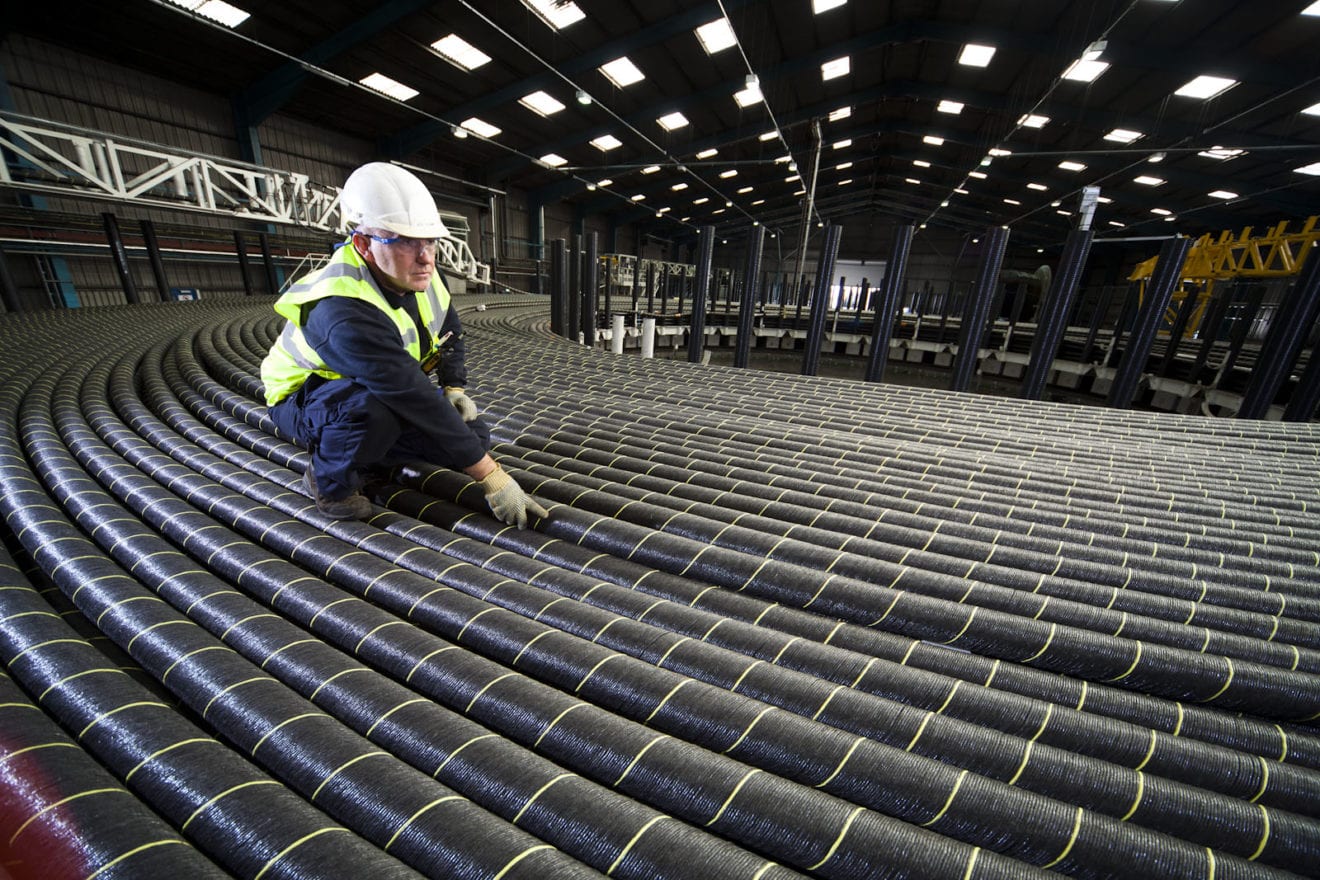
    The new APX-West cable will run between Perth on the west coast of Australia to Singapore. The two fiber pair cable will have a minimum design capacity of 10Tbps.

    Construction of the 4,500km cable is expected to commence at the end of July and scheduled for completion in 2018.

    APX-West will serve as an alternative to the SEA-ME-WE 3, the current data bridge between Signapore and Perth, and will help expand data connectivity and capacity between Singapore and Australia.

    “The APX-West cable will be a new data superhighway to expand data connectivity and capacity between Singapore and Australia, providing network redundancy and the lowest latency from Australia to Southeast Asia, the Middle East and Europe,” Singtel group enterprise VP for carrier services Ooi Seng Keat said.

    “With these capabilities, the Singtel Group, including Optus, can meet customers’ growing data requirements for bandwidth-intensive applications such as unified communications, enterprise data exchange, internet TV and online gaming.”

    Telstra is Australia’s largest operator by revenue, and Singtel operates Optus, Telstra’s main rival.

  • Most consumers install apps carelessly

    Most consumers install apps carelessly

    Kaspersky Lab has has published research indicating that consumers are installing apps on their devices, without being aware of the potential consequences.

    Kaspersky Lab’s “Are you cyber savvy?” Quiz, which questioned 18,507 consumers about their online habits, found that an alarming number of consumers are leaving their privacy, and the data on their phones, exposed to cyberthreats because they are not installing apps on their devices safely.

    A “shocking” 63% of consumers neglect to read the license agreement carefully before installing a new app on their phone and one-in-five (20%) do not read messages when installing apps. They simply go through the motions of clicking “next” and “agree,” without understanding what they could be signing up to.

    When users neglect to read license agreements or messages during the app installation process, they do not know what they are agreeing to. Some apps can affect user privacy, prompt the installation of other apps, or even change the OS settings of a device completely legally, because the user has “agreed” to it during the installation process.

    The quiz also discovered that just under half (43%) of users could be at risk from the apps on their mobile device, because they are not “cyber-savvy” enough to limit app permissions when installing apps.

    Further, 15% of respondents do not limit what their apps can do on their phone at all and 17% give apps permissions when prompted, but then forget about it, while 11% think they cannot change those permissions.

    When app permissions are left unchecked, it is possible, and legal, for apps to access the personal and private data on mobile devices, from contact information, to photos and location data.

    To protect themselves, consumers should only download apps from trusted sources; select the apps you wish to install on your device wisely; read the license agreement carefully during the installation process; read the list of permissions an app is requesting carefully. Do not simply click “next” during installation, without checking what you are agreeing to; and use a cybersecurity solution that will protect your device from cyberthreats.

  • Globe open to pursuing M&As over 700-MHz spectrum

    Globe open to pursuing M&As over 700-MHz spectrum

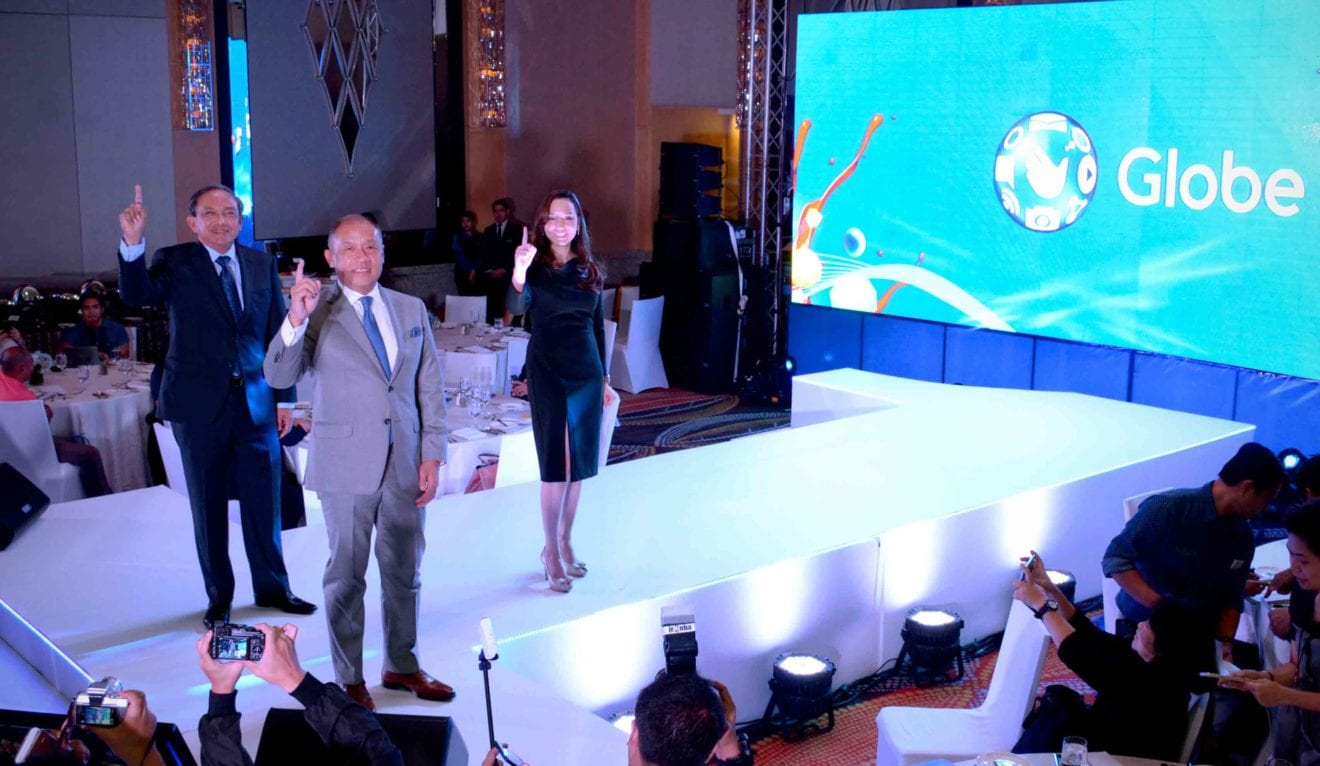
    The Philippines’ Globe Telecom has revealed it is open to the possibility of acquiring conglomerate San Miguel Corporation’s (SMC’s) telecom subsidiaries to give it access to valuable 700-MHz spectrum.

    Globe’s CEO Ernest Cu said the company would be open to acquiring SMC’s Wi-Tribe and High Frequency Telecommunications units, considering that efforts to appeal to regulator NTC to allocate it a portion of the spectrum have repeatedly been rebuffed since as early as 2005.

    He said the prospect of buying the companies comes up occasionally and the company is always open to considering a deal.

    SMC controls the entire 700-MHz band via its ISP subsidiaries. The company had been planning to form a joint venture with Australian operator Telstra to become the Philippines’ third mobile operator, but this partnership was called off last month after negotiations stalled.

    According to the report, SMC still plans to use the spectrum to launch a mobile venture this year, initially targeting the metro Manilla region.

    Globe and rival PLDT are meanwhile persisting in efforts to convince the NTC to assign portions of the band to them. The most recent attempt involved an appeal to the Philippine Competition Commission filed in February.

  • Lotte opens 2nd duty-free store in Tokyo

    Lotte opens 2nd duty-free store in Tokyo

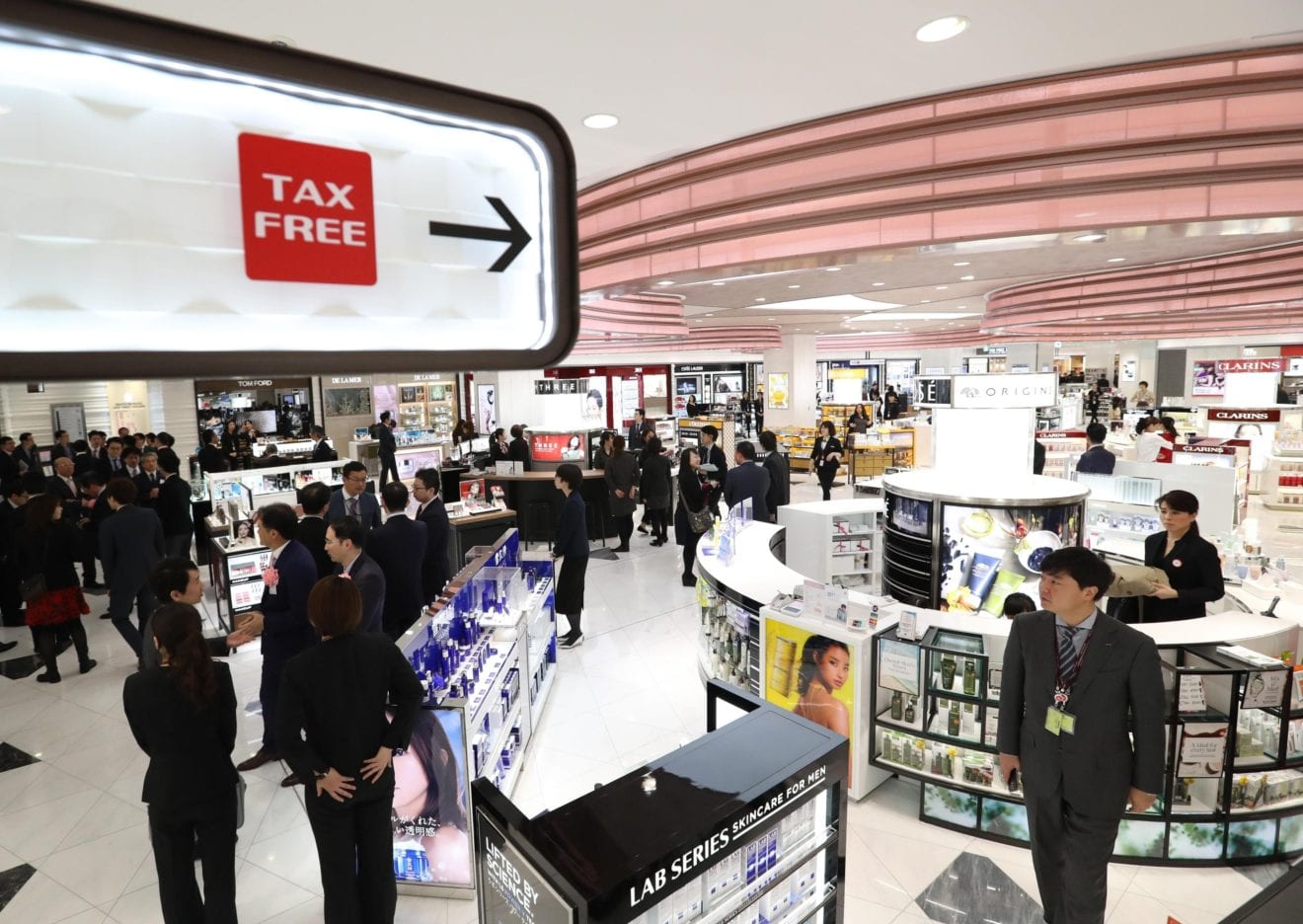
    Lotte Duty Free, South Korea’s No. 1 duty-free operator, opened a duty-free store in Tokyo on Thursday to target rising travelers, as part of efforts to expand its global presence.

    The duty-free store opened in the upscale shopping district of Ginza, the second following one in the Japanese capital in late January.

    Lotte, the world’s No. 3 duty-free operator, said it will strengthen its brand competitiveness in Japan, which attracted a huge influx of Chinese travelers last year.

    Lotte chairman Shin Dong-bin and his family, including his mother, wife and son, attended the opening ceremony. His father and corporate founder Kyuk-ho and his elder brother and former vice president Dong-joo did not attend.

    The rare family gathering at a public event was seen as an effort to show internal unity as Lotte has been trying to improve its tarnished corporate image following a prolonged succession feud between the founder’s two brothers.

    “The duty-free business has created some noise in South Korea, but I hope it to do well,” Shin told Yonhap News Agency during the ceremony. “I think this store is better than I expected.”

    Lotte lost its duty-free license in Lotte World Tower in southern Seoul in a November bid, amid the family succession feud and criticism for its dominance in the domestic market.

    Shin said his company will open a new tax-free store in Thailand in June, and two more in Japan — Osaka in early 2017 and Fukuoka later that year.

    Lotte, the retail giant who runs businesses in Korea and Japan, said the new duty-free shop is targeting 150 billion won (US$131 million) in sales this year and it plans to open additional shops in Japan over the next decade.

    Foreign visitors to Japan hit a record high of 19.69 million in 2015, marking the first time since 1970 that inbound travelers surpassed those who headed abroad, according to the Japan National Tourism Organization. Koreans were the biggest tourist group to Japan by nationality, followed by Chinese with 3.78 million.