Author: Mei Ling Tan

  • Foodpanda Hong Kong eats up rival

    Foodpanda Hong Kong eats up rival

    Foodpanda Hong Kong has just bought rival Delivery.com’s local operation to consolidate its leadership in the local food delivery market.

    The move is the latest by the five year old, 49 per cent Rocket Internet-owned startup to streamline its international operations, focusing on core Asian areas. Just a year ago, Foodpanda operated in 40 countries around the world. Now having exited Africa, Latin America and even some Asian countries, like Vietnam, the company is focusing on 24 in Asia, the Middle East and Eastern Europe.

    Foodpanda Hong Kong has paid an undisclosed amount to buy the Delivery.com business, which focused more on the corporate sector and office workers. Besides taking a competitor out of the market, the deal will add depth to the flow of business during the day, adding more daytime turnover to the night-time, largely residential trade, where it is already strong.

    In a statement, Didier Bensadoun, president of Delivery.com Hong Kong, said the two businesses were the first two entrants into the maket, in 2014.

    “Working together we will continue to solidify a position of leadership.”

    Delivery.com marks Foodpanda Hong Kong’s third acqisition: It has already swallowed by local startups Dial a Dinner and Koziness.

    The company’s strategy is to acquire rivals to consolidate its market share. Where it cannot do that –in Vietnam, for example – it withdraws.

  • Indonesians urged to eat more fish

    Indonesians urged to eat more fish

    Living in a country, which is rich in fisheries resources, the Indonesian people have been urged to eat more fish to increase their protein intake and boost the growth of the nations younger generation.

    Maritime Affairs and Fisheries (KKP) Ministry said eating more fish will be useful in increasing the peoples protein intake and for overcoming the growth problem of Indonesian children. “In the past 10 years, one (in three) Indonesian children grew shorter due to (inadequate) food quality,” KKP Minister Susi Pudjiastuti said on Wednesday.

    She said with the efforts of her ministry to fight fish theft in Indonesian waters, the quantity of fish and fish protein for domestic consumption in the society could be increased.

    Therefore, she said, foreign consumers would not be the only party who would enjoy the countrys premium fish products through exports, but the local Indonesian population could also enjoy the benefits of these resources.

    “Ideally, we export fish after our consumption needs at home have been met,” the minister said, adding that the Indonesian people will meet their nutritional intake and become healthier if they obtain adequate protein.

    The Peoples Coalition for Fishery Justice (Kiara) expects the government to optimize production in the maritime and fishery sector for domestic consumption owing to the fact that the size of the population has increased rapidly over the past several decades. Indonesias population is now pegged at about 250 million.

    “Since the 1990s, the proportion of fishery production for consumption has been increasing. Some 71 percent of fish production in the 1980s was allocated for human consumption,” Kiara Secretary General, Abdul Halim said.

    He said during the period of 1976-2012, the world fish and fishery trade increased 8.3 percent in nominal terms and 4.1 percent in real terms per annum.

    Abdul therefore urged the KKP to remain focused on safeguarding the countrys fish resources amid reports that a number of countries are experiencing a decline in their fish catch.

    “Poaching will continue to be a challenge for the Indonesian people because many countries which have run short of fishery resources,” the Kiara Secretary General said.

    The KKP had earlier said that there has been an upward trend in the fish consumption of the Indonesian people. The increasing trend is believed to be the results of campaigns asking people to increase fish consumption in various parts of the country.

    The KKP in its written statement made available to Antara on March 24, said the countrys per capita fish consumption per annum was recorded at 42.11 kilogram (kg) in 2015, exceeding the target set at 40.90 kg per capita per annum.

    In 2014, fish production for domestic consumption was set at 13.07 million tons, up 10.01 percent from 2013.

    Although it is important to supply fish for domestic consumption, the country also needs to increase its fish exports.

    Toward this end, the KKP will gather the profiles and business plans of fisheries companies in the country to make it easier in the calculation of the countrys fisheries exports.

    “If we know the profiles and performance of fisheries industry, it will make it easier for us to calculate our export targets,” KKP Director General for the Promotions of Maritime and Fisheries Products, Nilanto Perbowo said on March 30.

    Nilanto also invited various partners of fisheries associations to provide data about their performance and business plans. This will be useful for setting the export target and for the issuance of fishery raw material import licenses, he said.

  • BNI, Indonesia’s Leading Bank, Adopts e-Learning to Improve Credit Performance

    BNI, Indonesia’s Leading Bank, Adopts e-Learning to Improve Credit Performance

    Omega Performance, a TwentyEighty company, and BNI, Indonesia’s fourth largest bank, teamed up to create a robust e-Learning platform to improve the bank’s quality of assets aimed at reducing its credit risk. By focusing on training and developing its loan officers, BNI has found a solution to reduce the percentage of its nonperforming loans (NPLs).

    Risk management is one of the top threats facing Indonesian banks in today’s economic climate. BNI had shown improvement year over year regarding its NPLs, but leaders of the bank wanted to do even better.

    BNI’s strategy to reduce the burden on its financial system was to manage its operational risks by investing in technology and its people through a systematic training system for its loan approval processes. The best way to do this was to supplement its in-house training model with an e-Learning platform from Omega Performance. Training employees using a technologically advanced platform ensures consistent learning opportunities are available to all credit officers and it encourages knowledge sharing within the bank.

    “A few years ago, I personally evaluated the content Omega Performance offered in terms of credit training, and I was highly impressed with the quality of the material,” said Putu B. Kresna, head of the organizational learning division at BNI. “After that experience, we have been successfully working together ever since.”

    Since it was established in 1946, BNI has grown and developed into a national bank with sustainable financial performance and millions of customers worldwide. The bank relies on its wide-ranging service network, comprising of 1,585 domestic outlets and nine overseas branches in Singapore, Hong Kong, Japan, Korea, the United Kingdom and the United States.

    In addition to seeing improvement on its NPLs, BNI senior managers saw instant results in the change in employee perception towards training. It’s clear that BNI employees are seeing great value in being trained by a partner that understands the banking credit culture like Omega Performance.

    Omega Performance has been able to get BNI’s most experienced credit officers to buy into the e-Learning platform. Using a blended approach that includes online self-study, facilitator-led interactive workshops, skills application labs and a Train-the-Trainer style of learning has laid a strong foundation for training at BNI. Omega Performance is providing training platforms to help BNI in consumer lending, business lending fundamentals, financial accountability for lenders, commercial loans to business and minimizing problem loans.

    “We are pleased that BNI has chosen Omega Performance as its trusted learning partner to help the bank make continuous improvements in its NPL ratio by using our blended credit training solutions,” said Gil Madrid, business development director at Omega Performance. “By elevating the competency and risk management skills of its bankers to international standards, BNI has taken an invaluable and progressive step to fulfill its vision of creating and sustaining a strong credit culture at the bank.”

  • Merck foresees healthy growth ahead in Indonesia

    Merck foresees healthy growth ahead in Indonesia

    Publicly listed Merck, founded in 1970 as the Indonesian unit of German life science group Merck KGaA, expects double-digit growth in total sales in 2016 following a similar growth in its healthcare business last year.

    The biopharma business, for example, rose by 14.5% in 2015, above the industry average of 8% to 9%. On the other hand, the consumer health business soared by 16%, according to the Jakarta Post.

    The Indonesia unit will also strengthen its current strategy of maintaining partnerships with both private and government organizations such as the Health Ministry and the Jakarta Administration, through which Merck will expand public awareness about health issues, encourage public acceptance and broaden market access for Merck’s pharmaceutical products.

    Merck is also currently expanding the production capacity of its factory in TB Simatupang, South Jakarta, to further boost future sales.

    These and other key industry news will be discussed next week at CPhI SEA, the only trade exhibition dedicated to the pharma industry in the region, to be held at the Jakarta International Expo during April 6-8.

  • Fuji keen to intensify cooperation with Indonesia

    Fuji keen to intensify cooperation with Indonesia

    Fijian Minister for Agriculture, Rural, and Maritime Development and National Disaster Management Ina Seruiratu has expressed his countrys keenness to expand cooperation with Indonesia in various fields.

    “We have expanded our cooperation with Indonesia in areas such as agriculture, which is paramount for the two countries as well as in the field of residential development,” Seruiratu noted in a press statement of the Indonesian Coordinating Minister for Political, Legal and Security Affairs Luhut Binsar Pandjaitan released on Thursday.

    He made the remarks after receiving assistance worth US$5 million from the Indonesian government through Minister Pandjaitan to help alleviate the financial burden of the victims of Cyclone Winston, which left 19 people dead and affected part of the country.

    He expressed hope that the Indonesian assistance would strengthen relations between the two nations.

    Pandjaitan also said his country was looking forward to taking a cue from Indonesia in mitigating natural disasters as it was also a disaster-prone nation.

    “Besides learning from Indonesias experiences, we also want to gain a deeper understanding of disaster mitigation technology from the country,” he revealed.

    During his visit to Fiji, Minister Luhut also met Prime Minister Josaia Bainimarama to extend his condolences over the disaster that affected the South Pacific country.

    Luhut praised the Fijian premier for his swift action in addressing the disaster.

    “I believe that under the leadership of Prime Minister Bainimarama, Fiji would soon recover and rebuild itself,” he added.

  • Garuda Indonesia Inaugurates Flight to London Heathrow

    Garuda Indonesia Inaugurates Flight to London Heathrow

    In a bid to strengthen its business expansion and nation branding in Europe, Garuda Indonesia today has inaugurated flight service to Heathrow Airport, London. Earlier, since September 2014, Garuda Indonesia has opened flight service to Gatwick Airport, London.

    “London Heathrow is the world’s 6th busiest airport with high passenger traffic. Garuda Indonesia’s service in the airport is expected to expand passenger connectivity in European market, particularly England, mainly through SkyTeam network to various world destinations,” said President Director of Garuda Indonesia M. Arif Wibowo in a press release as quoted by Bisnis.com, Thursday, March 31, 2016.

    Garuda Indonesia will offer flights from Jakarta to London Heathrow through Singapore (transit), whereas from London Heathrow to Jakarta, Garuda will operate five times weekly nonstop flight service (every Tuesday, Wednesday, Thursday, Saturday and Sunday), using Boeing 777-300ER aircraft with First Class service, with a capacity of 314 passengers, with 8 seats configuration for First Class, 38 seats for business class and 268 seats for economy class.

    Meanwhile, Deputy for Financial Service Business, Survey and Consulting Division of SOE Minister, Gatot Trihargo, in his speech representing Indonesia’s SEO Minister has expressed his appreciation on Garuda Indonesia’s effort who has continuously provides the best services to its users.

    “As a the nation’s flag carrier who also carries a five star rating, Garuda Indonesia’s presence, wherever it is, will carry the state’s name. Flight services to London Heathrow is expected to strengthen Garuda’s flight network, which can certainly help boost Indonesia’s economic, business and tourism growth,” Gatot added.

  • Metro Retail income soars 20.6 per cent

    Metro Retail income soars 20.6 per cent

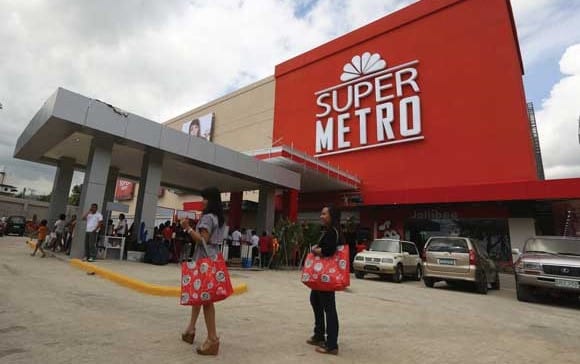
    Metro Retail Sales, Visayas’ largest retailer, has reported a rise in after-tax income of 20.6 per cent to P758.6 million (US$16.4 million) for 2015.

    Metro Retail (MRSGI)’s net sales grew 13.9 per cent to P32.5 billion last year from 2014, said the company in a disclosure to the Philippine Stock Exchange. Earnings before interest, taxes, depreciation and amortisation rose 18 per cent to P1.49 billion in the same period, due to reduced operating expenses.

    The company’s same store sales grew by 8.8 per cent on the back of strong performance of its hypermarkets, department stores and supermarkets.

    Several milestones for the 33-year old Metro Retail made 2015 an exceptional year for the company. It saw the expansion of its store network nationwide, with 24 supermarkets, 12 hypermarkets and 10 department stores, with a total gross floor area of approximately 400,000 sqm by December 2015.

    Said chairman and CEO Frank Gaisano: “2015 has certainly been a banner year for Metro Retail, as our strong financial performance clearly shows. I believe that 2016 will be another record year for Metro Retail, being well on track with our store expansion and logistics efficiency initiatives to support our goal of doubling our footprint in the next five year.”

    The company was listed in November 2015, having the largest new equity issuance at P3.6 billion for that year.

    Its entry into the local bourse is seen not only to support the company’s expansion plans, but also underscore Metro Retail’s capability to compete with other industry players in serving the value conscious market.

    Metro Retail partnered with Ayala Land for the establishment of its stores in four new Ayala commercial developments – a department store and supermarket in Bacolod City, Negros Occidental; a supermarket in Iloilo City; a supermarket in Cebu City; and a department store and supermarket in Pasig City.

    Metro Retail also expanded its department store network with the acquisition of the department store assets of SIAL Specialty Retailers, a joint venture between ALI and Stores Specialists in March. Located at Fairview Terraces Mall and the UP Town Center, the stores have a combined gross floor area of approximately 25,000 sqm and will increase Metro Retail’s department store network to 12.

  • Lotte declares $860m Japan target at Ginza launch

    Lotte declares $860m Japan target at Ginza launch

    Lotte Duty Free anticipates that sales at its spectacular new downtown duty free shop in Tokyo’s Ginza shopping district will reach KRW150bn/$129m in its first year. At the opening today, the retailer also announced plans to open four to five stores in other regions in Japan and expects total sales from its stores in the country to grow to one trillion won ($860m) within a decade.

    The Korean-style duty free shop in Tokyo, Japan marks Lotte Duty Free’s entry to the country’s downtown market. A source at the company told us: “We will create a new paradigm for duty free in Japan as we have done in South Korea.”

    ‘STEPPING STONE’

    Today, the South Korean duty free and travel retailer went further by outlining its goal to become the world’s number one duty free player. Sunwook Jang, President of Lotte Duty Free (pictured above in the centre), commented: “Japan is rising as the biggest rival country (to Korea) in inviting Chinese tourists. By using the Tokyo Ginza store as a stepping stone, we will strengthen the brand competitiveness and advance the date of becoming the global number one duty free shop.

    “We will keep expanding (our) overseas stores, publicise the competitiveness of Korean products and grow together with the SMEs in the overseas market.”

    In a statement, the company goes on to say: “Lotte Duty Free plans to continuously expand overseas stores in order to let the world know the superiority of the Korean-style duty free shop and strengthen the competitiveness of the duty free industry in Korea.”

    Currently, Lotte Duty Free has overseas retail operations at Jakarta Airport and Jakarta downtown in Indonesia), Kansai Airport in Japan and Guam airport, and it is accelerating the expansion of new overseas stores in Bangkok, Thailand and Osaka, Japan. The company first entered the Indonesian market in 2012.

    GINZA HIGHLIGHTS

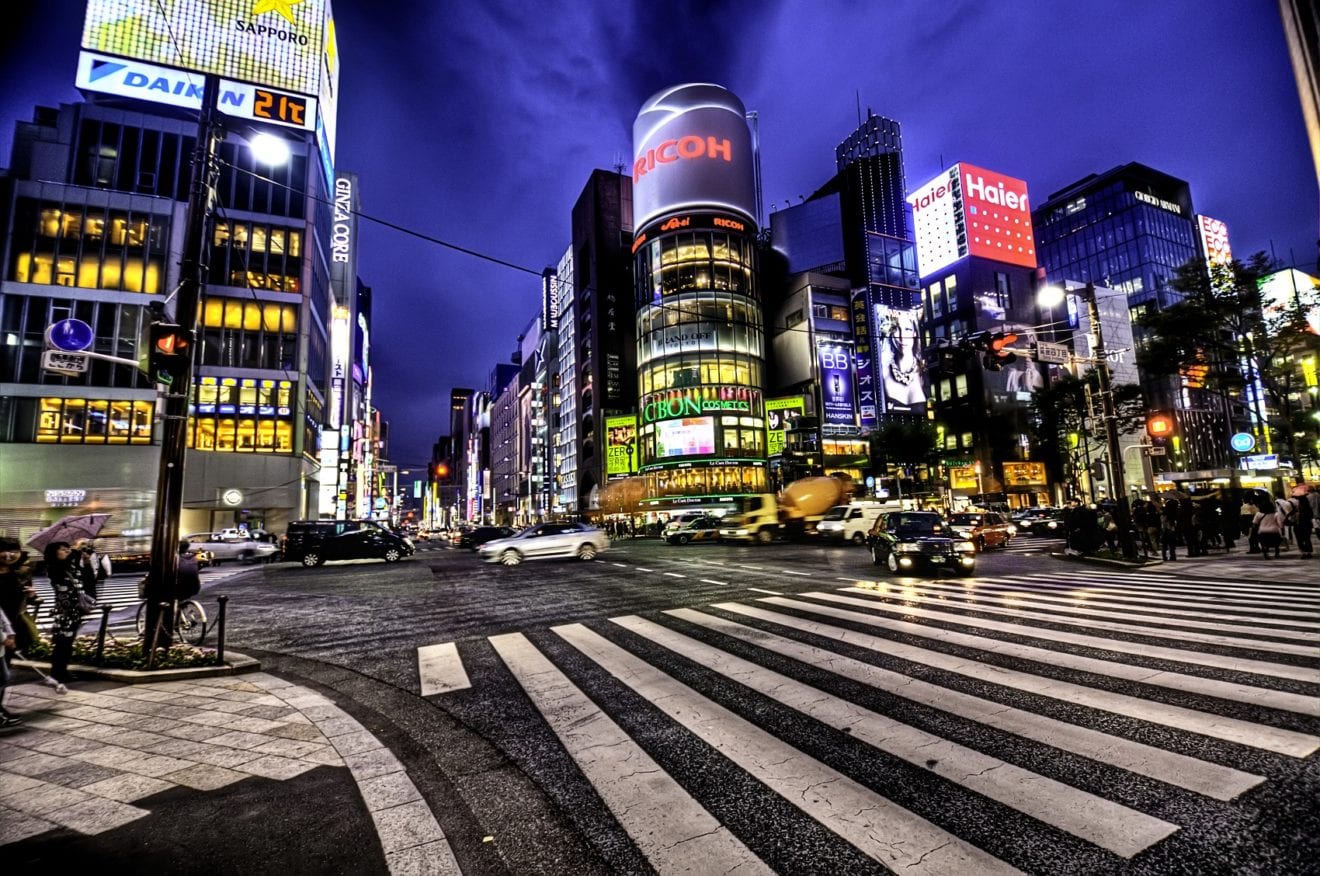
    The shopping district of Ginza attracts 20 million visitors per year and Lotte Duty Free’s store is claimed to be the biggest duty free shop in Tokyo at 4,396sq m in total area.

    The shop offers shoppers 300 brands in categories such as watches, jewellery, cosmetics, perfumes, electronics and accessories. Popular Korean brands like MCM, Whoo, IOPE, Mediheal and competitive Korean SME brands are expected to spread the K-beauty and K-fashion message more widely across the Japanese market.

  • Is this the city of the future?

    Is this the city of the future?

    Today, more than half of our planet’s population live in urban areas, with millions of people migrating from the countryside to towns and cities in search of prosperity to a point where the world’s urban population has rocketed from 746 million in 1950 to 3.9 billion in 2014, according to the United Nations.

    As urban populations balloon, the strain on cities – many of them hundreds of years old – increases, with everything from transport to living space, healthcare and security put under pressure.

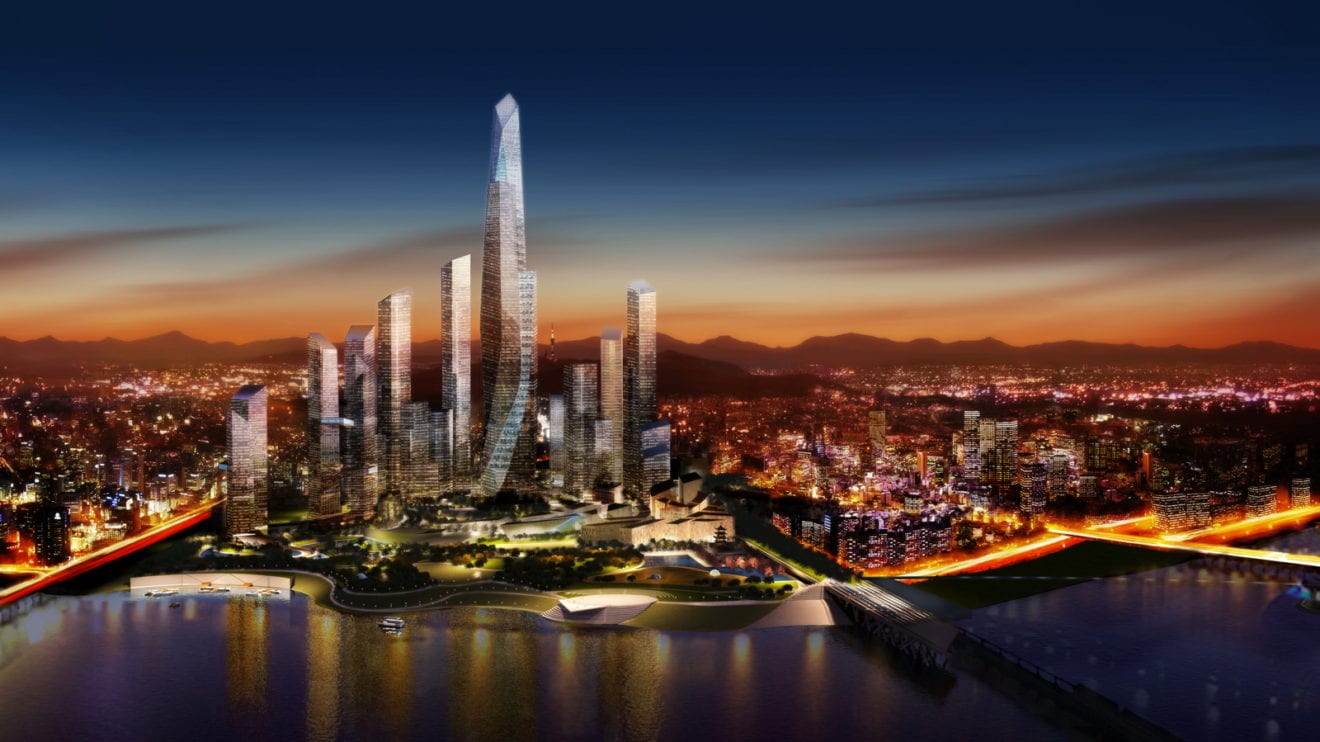
    In South Korea, the Songdo International Business District (Songdo IBD) is offering one vision of how cities might look in the future. A $35 billion project, Songdo has been developed across more than 1,000 acres of reclaimed land.

    “The original concept of Songdo was as a gateway city to the Korean mainland from Incheon International Airport, where basically all the uses – be they residential, retail, work, educational or cultural – would… all be within a 15 minute walking time of one another,” Jonathan Thorpe, senior EVP and chief investment officer at Gale International, part of the public-private partnership behind Songdo, told CNBC’s Sustainable Energy.

    As well as being technologically advanced, there is a heavy emphasis placed on sustainability. Forty percent of the city has been designated as “green public space” while the city is also home to 20 million square feet of LEED – Leadership in Energy and Environmental Design – certified space.

    “The residents can… control their lighting, their heating, ventilation, air conditioning usage, all within a single panel,” Thorpe said.

    “Moreover, they can track the actual consumption of energy that they individually are consuming, compare that to the use of their neighbours and this helps, really, greatly increase efficiency,” he added.

    The importance of technology is crucial, according to renowned British architect Norman Foster.

    “In many ways technology has been a constant throughout civilization,” Foster told Sustainable Energy.

    “It’s always been maximizing the materials to transform the climate and create a more comfortable environment in an age before cheap energy,” he said.

    “We have to relearn those traditional lessons and apply that with the technology of our time. You have to look at all the elements within the building – the materials, the way in which it responds to climate – to reduce the amount of energy and ideally move to buildings which harvest energy.”

  • Malaysia Airports partners with Union Pay to boost Chinese spend

    Malaysia Airports partners with Union Pay to boost Chinese spend

    The Commercial Division of Malaysia Airports Holdings Berhad is collaborating with UnionPay International to boost Chinese tourist spending at its airports.

    The move is said to be in line with Malaysia Airports’ Commercial Division’s new strategic direction which calls for a targeted passenger focus. According to Malaysia Airports Holding Senior General Manager Commercial Services Berhad Mohammad Nazli Abdul Aziz, the collaboration also fits in with the significant growth of Chinese passenger traffic.

    Air China, Shanghai Airlines and Spring Airlines were the latest to join the fleet of Chinese airlines flying to Kuala Lumpur and Kota Kinabalu in 2015. Together they connect Malaysia to more than 17 key cities located throughout China.


    “According to statistics obtained from Tourism Malaysia, on average, a Chinese tourist spends approximately MYR3,300 (US$847). If Tourism Malaysia achieves its target Chinese tourist arrivals of over 2 million for 2016, this will translate to more than MYR6.7billion (US$1.72 billion) in tourist receipts. Capturing a fraction of that will contribute positively to our revenue. UnionPay is a fast-growing global payment brand.

    Partnering UnionPay International will allow us to tap into the Chinese tourists.”Nazli said: “The Chinese tourists market is a priority for us given their volume and strong spending power. Last year, total passenger movement between Malaysia and China stood at approximately 5.54 million, the second highest for Malaysia Airports. Much of it is boosted by the fact that we currently have 12 airlines connecting Malaysia to over 17 destinations in China. We expect the Chinese tourists market to increase even further with the visa-waiver programme.

    To further boost tourist spending, Malaysia Airports has signed several new brands at its international gateways. Among the local brands are Noodlelicious, Sofia Iman, Killiney Kopitiam, and Upin & Ipin Café. New international brands include Michael Kors, Pedro, Montblanc and Barry Smith.

    The partnership between Malaysia Airports Holdings Berhad and UnionPay includes the ‘Be Rewarded When You Spend Campaign’, of which the launch coincided with the prize presentation ceremony to mark the conclusion of Malaysia Airports’ Indulge & Explore Campaign.

    UnionPay International Southeast Asia General Manager Wenhui Yang said: “We are pleased to partner Malaysia Airports for the “Be Rewarded When You Spend” campaign. Malaysia Airports is one of the biggest players in Malaysia’s tourism and hospitality industry, our collaboration is in line with our efforts to bring greater value and more exciting privileges to our customers, wherever they go.”

    Foo Yit Kin from Kota Bahru, who claimed the Grand Prize in the Indulge & Explore Campaign, won a six-day trip to participate in a Panda Experience Programme in China.According to data recorded by Malaysia Airports’ recently-concluded Indulge & Explore Campaign, Chinese tourists were among the top three airport spenders. For the three-month duration of the campaign, which ran from 7 December 2015 to 6 March 2016, Chinese tourists spent an estimated MYR1.65million (US$425,000) at KLIA/klia2 combined. On the whole, the campaign saw a +7% increase over the previous year’s initiative.

    In addition to the Grand Prize won by Foo, the Indulge & Explore Campaign also awarded 13 weekly prizes, including Lovina Dolphin trips to Bali and New Leaf Detox programmes in Koh Samui, Thailand. The 13 weekly prize winners were selected throughout the campaign period, with each weekly prize winner also entered to win the Grand Prize.

    According to Malaysia Airports, more than 43,500 travellers from 164 countries partook in the Indulge & Explore Campaign, with top participation from Malaysians followed closely by Chinese tourists.


    Malaysia Airports’ Indulge & Explore Campaign, which was supported by MasterCard, provided the opportunity for shoppers to double their entries when they used their MasterCard.Nazli added: “The Indulge Campaign is an important component of our overall commercial strategy. It underscores our drive towards providing passengers and visitors with the total airport experience. 2016 will see us doing even more to drive the message home.”

    MasterCard Group Country Manager Indonesia, Malaysia and Brunei and Group Head Islamic Payments and Southeast Asia Safdar Khan said: “MasterCard understands that Malaysians love to travel and for many of them, shopping is an integral part of their trip. According to our latest Consumer Purchasing Priorities Survey, nine in ten Malaysians intend to travel in the next year and shopping is among their top three activities when travelling.”

    He added: “Together with Malaysia Airports, we are delighted to have delivered unique travel experiences in conjunction with the Indulge & Explore Campaign over the past decade. We look to continue offering exciting benefits and exclusive rewards to MasterCard cardholders at every step of their journey.”

  • Hong Kong International Airport officially opens Midfield Concourse

    Hong Kong International Airport officially opens Midfield Concourse

    Airport Authority Hong Kong (AA) held a Grand Opening Ceremony at the Midfield Concourse (MFC) of Hong Kong International Airport (HKIA) today to celebrate the full operation of the facility.

    The ceremony was officiated by Jack So Chak-kwong, Chairman of the AA, he said: “The concourse is an important development project that will help HKIA meet increasing traffic demand in the medium term, as we work towards completion of the three-runway system.”

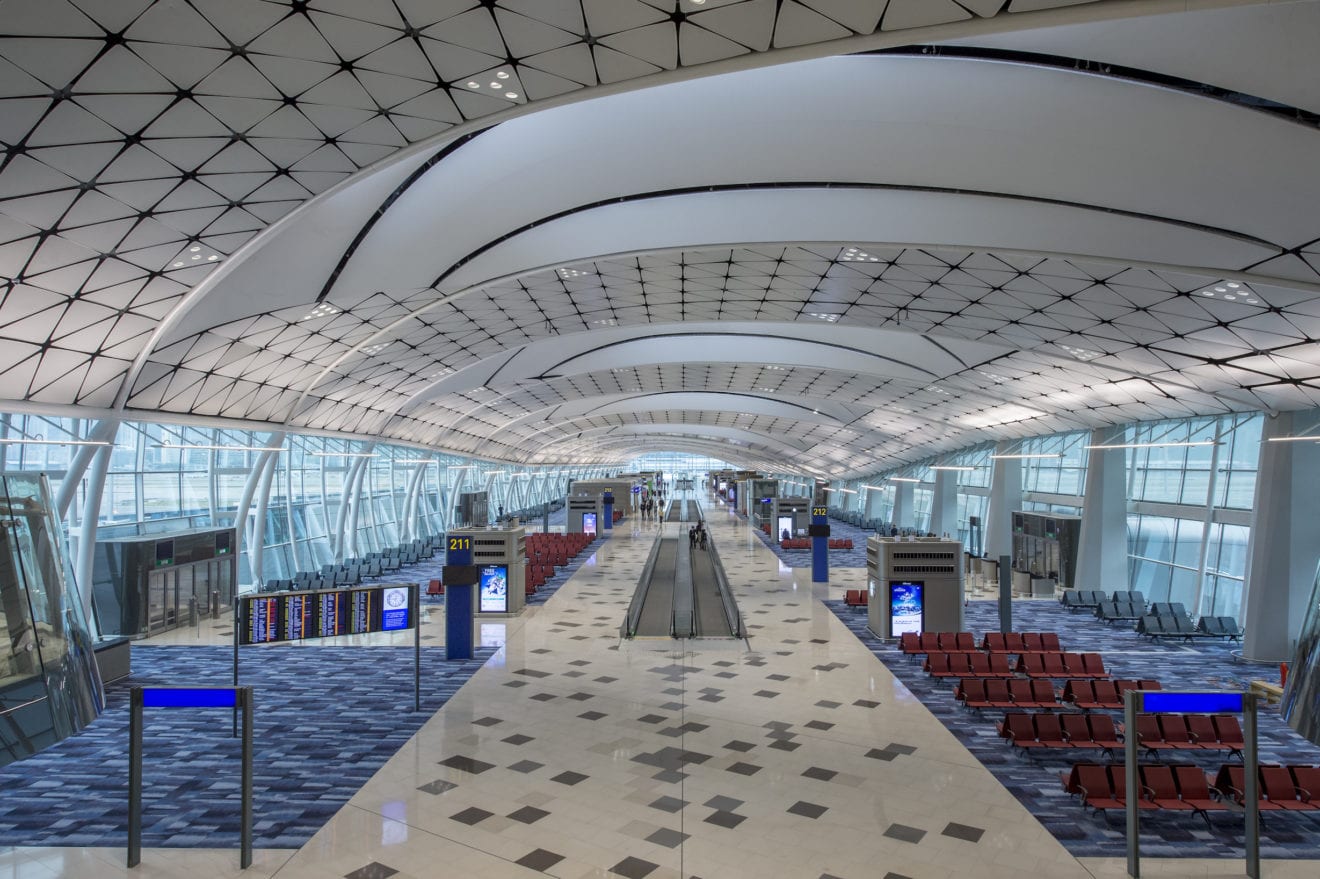
    Located to the west of Terminal 1 between HKIA’s two existing runways, the 105,000sqm five-storey concourse provides 20 parking positions. AA says the new concourse and has increased the ratio of passengers boarding and disembarking aircraft using airbridges, enhancing the overall airport experience. Passengers can reach the MFC by an extension of the Automated People Mover system from Terminal 1.

    “HKIA, connecting Hong Kong to about 190 cities in the Mainland and overseas, is the most important transport infrastructure maintaining Hong Kong’s external connections, as well as an engine for our city’s economic growth. The outstanding achievement of HKIA today is attributable to the collective efforts of HKIA’s business partners, the aviation services sector, the relevant government departments and every stakeholder in society. My congratulations on the full operation of the MFC and I wish the business of our airport will continue to prosper,” said Carrie Lam Cheng Yuet-ngor, Chief Secretary for Administration.

    Last month Airport Authority Hong Kong (AA) opened nine new retail shops and a café at the MFC. Additionally, eight retail and three catering outlets are soon to be opened at the concourse, including a new multi-category store concept from DFS. The catering outlets will offer café and casual-dining options to departing passengers who have limited time before boarding.

    The concourse also features various ancillary facilities, including newly designed seats with power sockets, deck chairs along the glass facade, as well as free Wi-Fi connections and internet-enabled computer stations.

    HKIA has also just launched a range of promotions for travellers, including an instant rebate of up to HK$5,000 worth of cash coupons and a free delivery service.

  • CIMB expects more conducive economy for consumer banking in 2H2016

    CIMB expects more conducive economy for consumer banking in 2H2016

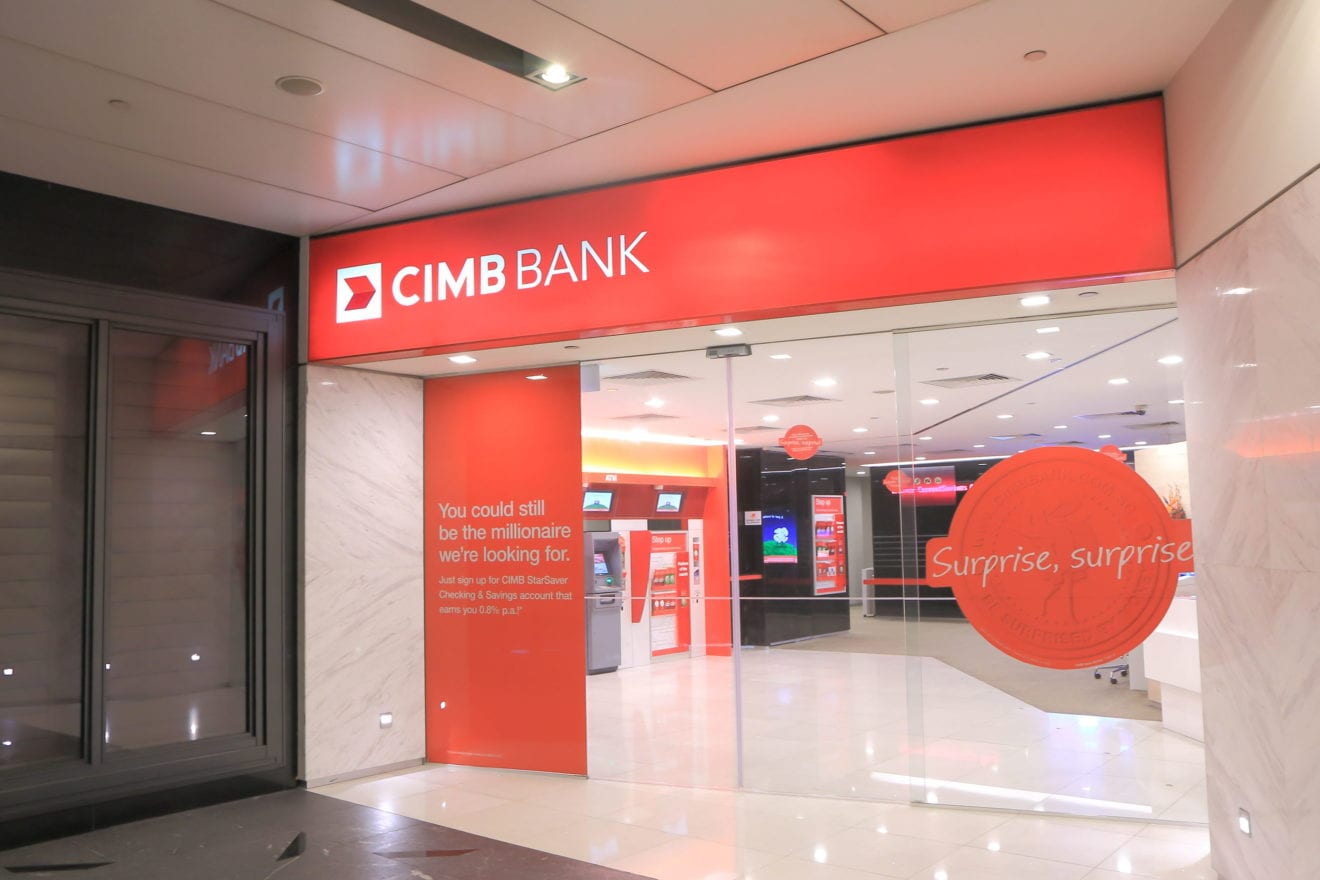
    Collaboration between CIMB and Tesco Stores (Malaysia) Sdn Bhd today, the group’s CEO of group consumer banking Renzo Viegas told pressmen that while the current marketplace remains tough for business, the mass affluent community will still continue to invest.

    “It’s a tough environment, so loan growth will be slower than last year for sure (in terms of) investment products, people are really concerned about the global economy and the Malaysian economy; (there are) a lot of volatility, so people are holding back their investment decisions, but the mass affluent customers will still invest, so the second half should pick up a bit,” he said.

    “(In the) second half (of 2016), the whole economy environment should improve to become more stable and predictable; investment by consumers should also grow, and therefore our wealth management would also do well,” he added.

    On the other hand, Viegas said CIMB is also monitoring its credit quality closely, to avoid any deterioration in the group’s consumer portfolio.

    “All in all, there will still be slower growth, and we are watching the credit quality. So far, there is no deterioration to our credit quality in consumer portfolio. But there are still challenges, and there are still going to [be] opportunities like the launch today,” he said.

    Viegas said the partnership will allow CIMB to benefit from Tesco Malaysia’s three million weekly customers, by the increased accessibility to other products offer by the bank.

    “In the next two years, we hope we can garner half a million new card customers,” he added.

    Earlier at the launching ceremony today, CIMB’s CEO Tengku Zafrul Aziz announced an exclusive five-year strategic partnership with Tesco Stores (Malaysia) Sdn Bhd to come out with the new card services.

    The collaboration will also see CIMB set up its consumer banking kiosks at 38 Tesco stores nationwide. Tesco Malaysia currently operates 55 stores, with about 8,000 employees.

    Zafrul said the partnership between CIMB and Tesco Malaysia represents a winning formula in delivering value to both companies’ customers.

    “Being able to bring our vast suite of products through a seamless and paperless process to Tesco stores, make for a truly compelling value proposition to customers, both current and new. We genuinely believe that this partnership is the start of many great things ahead,” he said.

    The new CIMB Tesco MasterCard members will enjoy an annual fee waiver. From April 1, 2016 to March 31, 2017, one Tesco Clubcard point will be awarded for every RM2 spent on CIMB Tesco MasterCard at other retail outlets.

    Tesco Malaysia CEO, Paul Ritchie, also commented that the partnership, which had taken a year to materialise, is the form of bringing the best of two companies to enhance customers’ shopping trip.

    “With Tesco’s variety in range at fantastic promotions and good prices, and CIMB’s strengths in the financial and banking sector, together we will be able to reward our customers and create value to earn their long-term loyalty,” he said.

  • IOC bids for fuel marketing and retail rights in Myanmar

    IOC bids for fuel marketing and retail rights in Myanmar

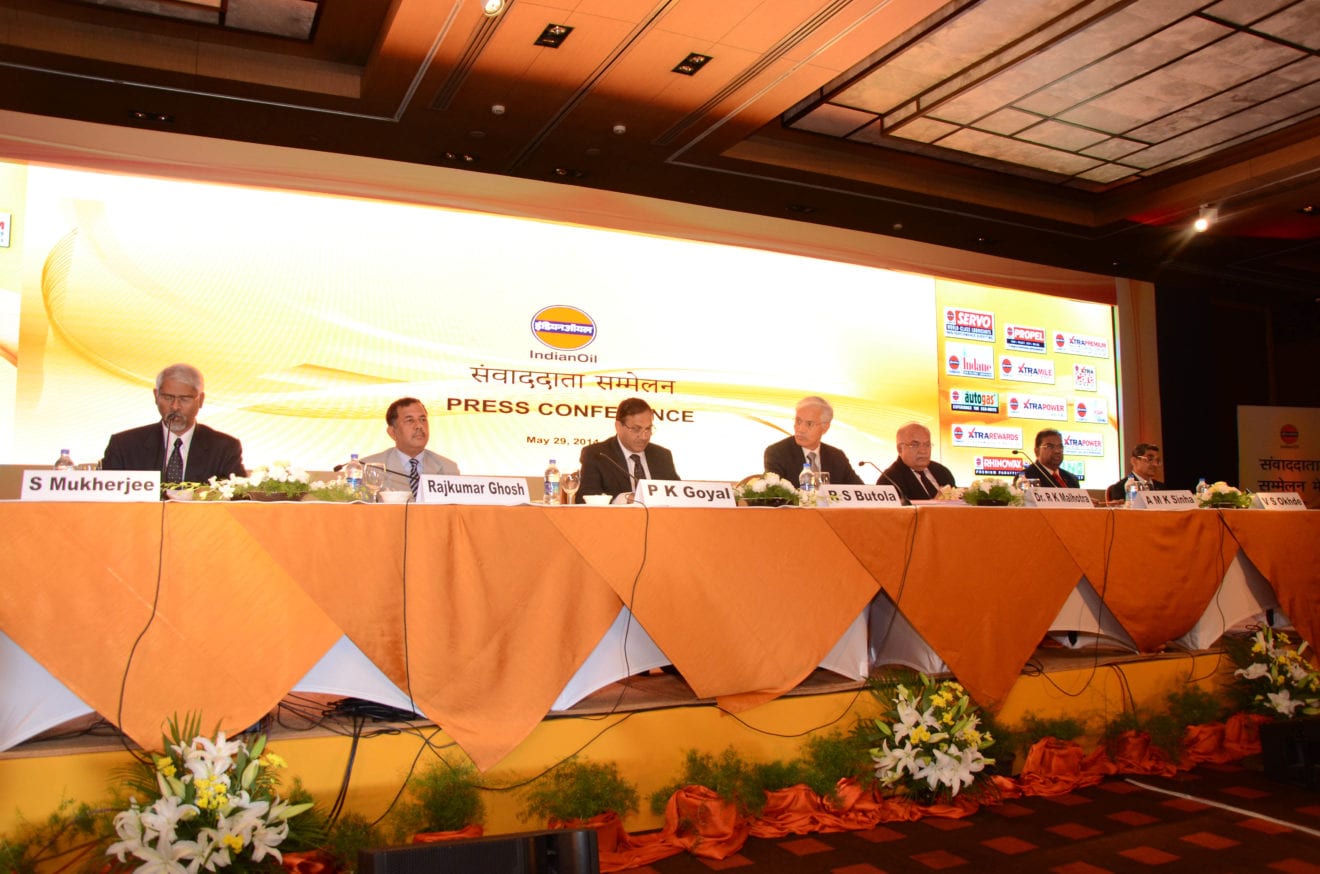
    State-run Indian Oil Corp (IOC) has bid for rights to import, store and distribute petroleum products in Myanmar.

    “We have put in a bid to enter fuel marketing and retail business in Myanmar,” a senior company official said.

    Myanma Petroleum Products Enterprise (MPPE) last year invited companies to form a joint venture for import, storage, distribution and sale of all petroleum products except liquefied petroleum gas (LPG) and liquefied natural gas (LNG).

    A separate tender for cooking gas LPG was floated. IOC had bid for that tender too, the official said.

    MPPE left the fuel distribution business when it was privatised in 2010, but is planning a re-entry into the fast-growing business sector that is marred by widespread dissatisfaction over service standards and fuel quality.

    In 2010, MPPE transferred 216 filling stations to private companies across the country but it still runs 12 pumps which supply fuel to state-owned vehicles.

    It also owns four main fuel terminals and 24 sub-fuel terminals. Around 70 private companies run the country’s 1163 petrol stations, but few have storage facilities or an import licence.

    MPPE now wants to tie up with foreign companies to expand the business and rehabilitate existing facilities. MPPE will hold 51 per cent of equity while the foreign company will hold the rest.

    The joint venture will be for a maximum of 30 years, extendable two 10-year periods.

    The official said IOC wants to use its just commissioned Paradip refinery in Odisha to ship fuel a short distance across the Bay of Bengal to get to Myanmar.

    Being the country’s largest fuel retailer, it also has experience of setting up fuel stations and managing logistics, which would be helpful in the nascent market.

    IOC is among the 11 to have bid for the separate tender to build a new liquefied petroleum gas (LPG) terminal and supply chain business for the distribution and marketing of the cooking and heating fuel.

    Winner of this tender will have to upgrade eight storage containers each with a capacity of 5550 metric tonnes of LPG for Ministry of Energy-owned No 1 Refinery (Thanlyin), and build a wharf with the capacity to load and unload 2000 metric tonnes of LPG.

    This is the first time foreign companies will be allowed to distribute LPG in Myanmar.

    Besides IOC, Singaporean firms Puma Energy Group and BB Energy (Asia) and a consortium of Japan’s Marubeni Corporation and Tokai Holdings has also bid.

  • Retail sector woes continue despite New Year festivities

    Retail sector woes continue despite New Year festivities

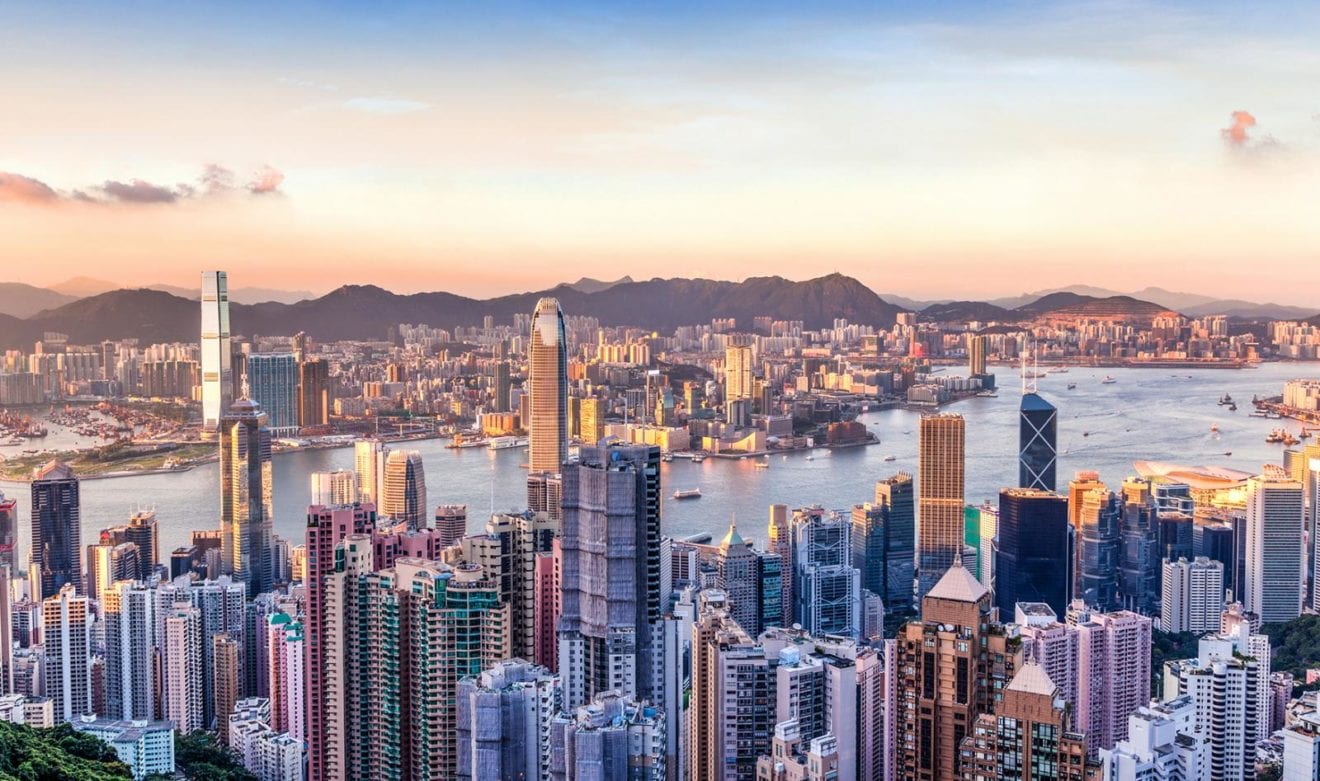
    Hong Kong’s retail sector woes continued in the second month of this year when sales tumbled by more than 20 percent during the period when the Lunar New Year is celebrated. The value of total retail sales in February, provisionally estimated at HK$37 billion, was down by 20.6 percent compared with the same month in 2015. The revised estimate of the value of total retail sales in January dropp…

    Hong Kong’s retail sector woes continued in the second month of this year when sales tumbled by more than 20 percent during the period when the Lunar New Year is celebrated. The value of total retail sales in February, provisionally estimated at HK$37 billion, was down by 20.6 percent compared with the same month in 2015.

    The revised estimate of the value of total retail sales in January dropped by 6.6 percent compared with a year earlier. For the first two months of this year, retail sales fell by 13.6 percent compared with the same period in 2015.

    January and February retail sales of jewelry, watches and clocks, and valuable gifts dropped by 24.2 percent, the government said.

    Apparel sales fell by 11.4 percent, while commodities in department stores fell by 12.3 percent.
    Sales of electrical goods and photographic equipment were down by 26.7 percent and miscellaneous consumer durable goods dropped by 31.9 percent. Motor vehicles and parts sales tumbled by 21.2 percent.

  • Will Hong Kong retail market, like Jesus, rise from the dead?

    Will Hong Kong retail market, like Jesus, rise from the dead?

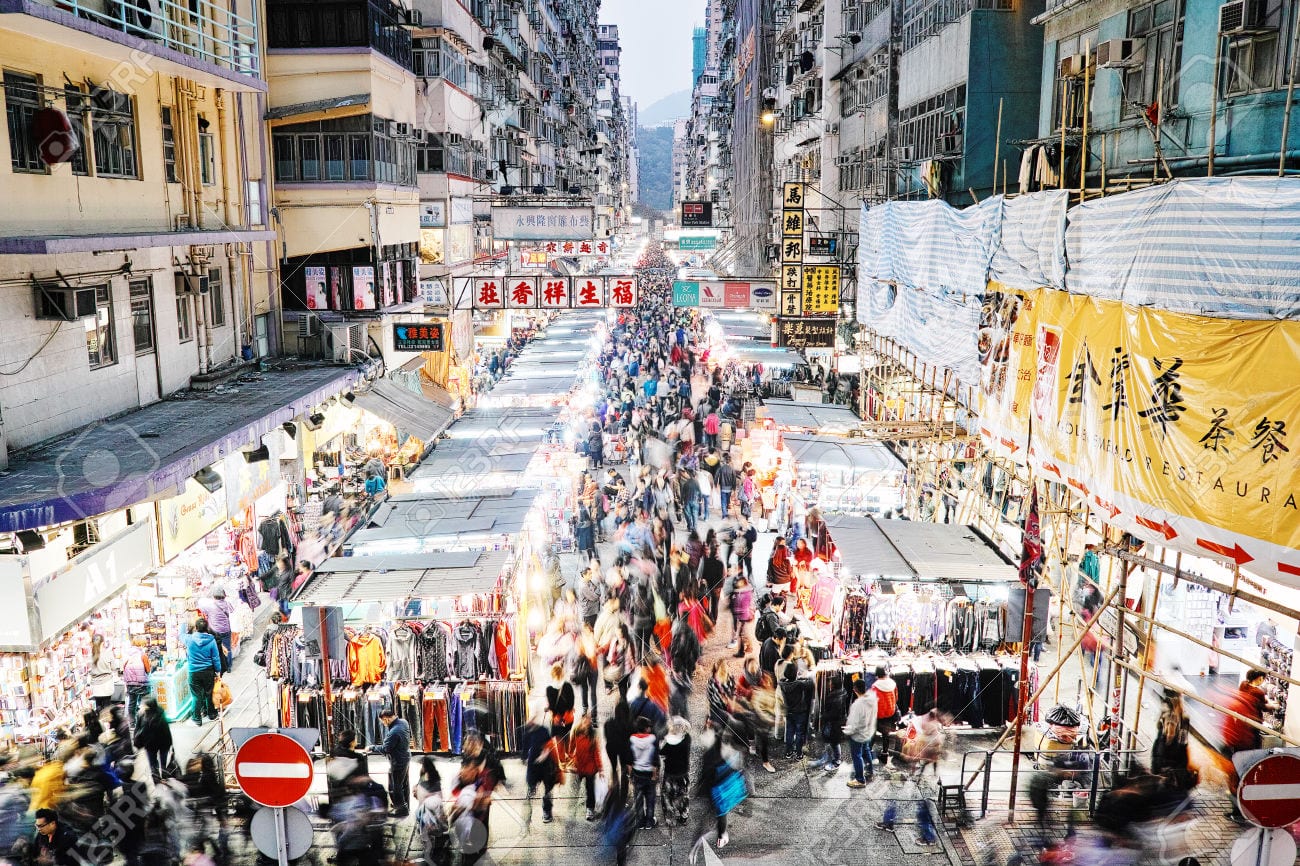
    Spring is here, but our struggling retailers have yet to notice its arrival.

    Last week Li Ka-shing said the economy this year is the worst in 20 years, especially in the case of the retail market, which is facing a situation that is worse than SARS in 2003.

    It’s nice to know, though, that while Cheung Kong is grumbling, rival Sun Hung Kai Properties has come up with a way to cope with the situation.

    At its trendy shopping mall APM in Kwun Tong, Hong Kong’s No. 1 landlord is introducing short-term tenancy.

    Six shops of between 100 square feet and 300 square feet will be coming on stream for tenancy of no more than six months, says Maureen Fung Sau-yim, general manager (leasing) of Sun Hung Kai Real Estate Agency.

    Fung says the tenancy will involve a new profit-sharing system, in which 10 to 12 percent of the sales will be taken as rental.

    This new deal is breaking away from the traditional three-year lease where retailers have to pay 20 percent of their sales to the landlord.

    Landlords are adjusting their leasing strategies in the wake of the poor retail sentiment brought about by slowing tourist arrivals.

    Swire Properties, for example, is terminating the leases of underperforming tenants such as Dan Ryan and Grappa’s (and before that, the beloved of the middle class Marks & Spencer) as part of efforts to transform Pacific Place in Admiralty.

    From the tenants’ side, gold, jewelry and luxury watch shops, along with pharmacies or cosmetics outlets, are giving their spaces back to food stalls and other small operators who previously could not afford the high rent.

    Kowloon Watch, for example, has just closed its store at a shopping mall near my residence, its fifth closure in the past 12 months, leaving only seven shops in operation.

    The short-term tenancy seems the most logical strategy in the new business climate. Some trendy retailers, such as Bathing Ape, which used to draw long queues for its limited edition products, will be perfectly suited for this flexible scheme.

    In the first three months, visitors to APM surged over 10 percent to 27 million with sales topping HK$900 million, according to Fung.

    This coming Easter, the mall will be spending an advertising budget of HK$2.3 million, up 10 percent from the previous year, in anticipation of a huge wave of visitors, especially those coming from the Kai Tak Cruise Terminal.

    Hopes are high that the local retail market, like Jesus Christ, can rise from the dead after its extended crucifixion.