Author: Mei Ling Tan

  • German retail giant Metro to split businesses into two listed entities

    German retail giant Metro to split businesses into two listed entities

    German retail giant Metro said last week it will spin off its businesses into two separately listed units, sending its shares sharply higher.

    “The management board of Metro is preparing the creation of two independent and sector-focused companies through a demerger of the group,” Metro said in a statement.

    Metro shares were the strongest performer on the mid-cap MDAX index of the Frankfurt stock exchange on Wednesday, shooting up 7.73 per cent to €26.47 in a generally firmer market.

    A wholesale and food specialist group would be created comprising the group’s Metro, Makro and Real brands, as well as a consumer electronics products and services group centred around its Media and Saturn retail chains.

    Since there is little operational overlap between the two businesses and limited synergy effects, management felt “very strongly that a split into two independent and focused businesses would be in the best interest of all stakeholders, as it would facilitate a significant opportunity for faster and more profitable growth,” said supervisory board chief Juergen Steinemann.

    “Both entities would become individually stock-listed, with their own distinct profile, management and supervisory boards,” Metro said.

    The aim would be to give each of the companies and their respective management full control over their corporate strategies.

    “This will further increase customer focus, accelerate growth of the businesses, simplify structures and improve time-to-market and operational excellence,” it argued.

    Moreover, both entities would be able to independently pursue acquisition and partnership strategies, enabling them to define their own expansion strategies.

    Metro said its management and supervisory boards “will make a decision on the contemplated demerger of Metro group after a period of intensive consultation and review.”

    Should the boards and shareholders be in favour, “implementation of the demerger is aimed for mid-2017,” Metro said.

    “Over the past years, we have successfully revitalized our core businesses while significantly strengthening our group balance sheet,” said chief executive Olaf Koch.

    “Both our wholesale and food specialist business as well as our consumer electronics business have continued to commercially improve, are on a steady successful path and are best-equipped for an independent future,” Koch said.

    “Our shareholders would effectively own two well positioned market leaders, both of whom are increasingly focusing on their respective business areas and are generating more value for customers, employees and business partners.”
  • To survive, we need to change: German luxury brand Braun Buffel

    To survive, we need to change: German luxury brand Braun Buffel

    Amid a retail environment clouded by slowing global growth and the rise of technological trends that threaten to displace traditional retailers, the boss of German luxury brand Braun Buffel said change will hold the key to survival.

    “Mankind tends to stay with what they know and sometimes people are not open to changes. But to survive in the long run, we need those changes,” owner and managing director Christiane Brunk.

    The more than century-old label, founded by Johann Braun in 1887, is best known for its handcrafted leather goods and accessories, but has in recent years ventured into new segments such as sunglasses and watches – a step which Mrs Brunk described as “enhancing the brand’s experience”.

    Such nimble thinking is also evident in the introduction of more colours and shapes to its product line. According to Mrs Brunk, Mr Braun’s great granddaughter and the fourth generation to helm the family business, these changes made the historical European brand “a little bit more fashion forward”.

    The leather used in products sold worldwide also differs, so as to cater to the varying preferences and climate in various parts of the world. For example, the leather used in products sold in Asia has to undergo special treatment to suit consumer preferences and the climate in this part of the world, according to Braun Buffel’s master craftsman and production manager Manfred Goll.

    “In Europe, the consumer prefers softer materials, but leathers which are stiffer and have other surfaces do better in this region,” Mr Goll said through a translator. “Leather in Asia also needs to be treated to avoid any reaction to the humid climate.”

    Meanwhile, the company is also embracing the rising trend of e-commerce, with plans to roll out an online retail platform in Asia soon.

    While analysts have identified Internet retail as a key threat for brick-and-mortar retailers, Mrs Brunk thinks otherwise: “As a traditional company, we might not belong to the group of early adopters … but this is something that we can’t exclude from our distribution channels.”

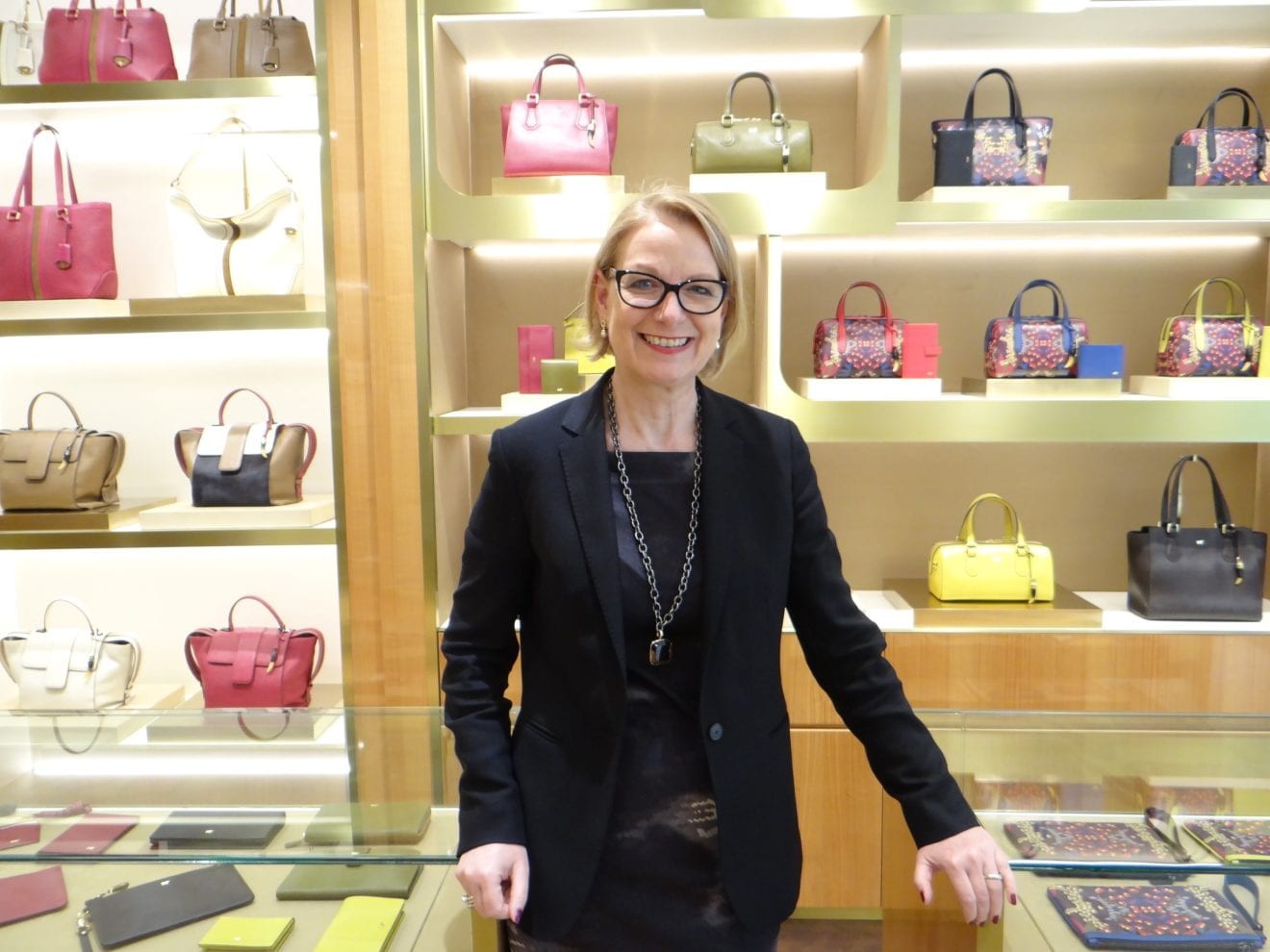
    Christiane Brunk, Managing Director of Braun Büffel.

    FLAGSHIP BOUTIQUE OPENS IN SINGAPORE

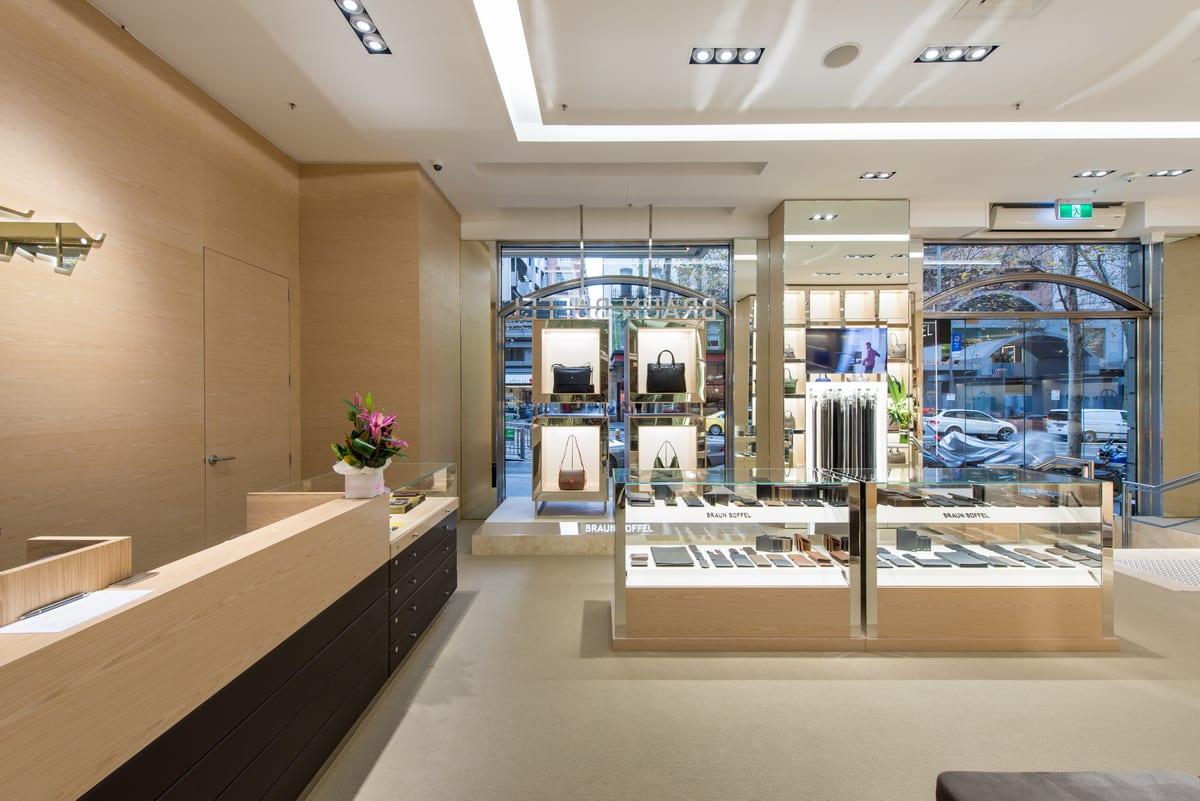
    Change is also evident with the official opening of a flagship boutique at Singapore’s Marina Bay Sands on Tuesday.

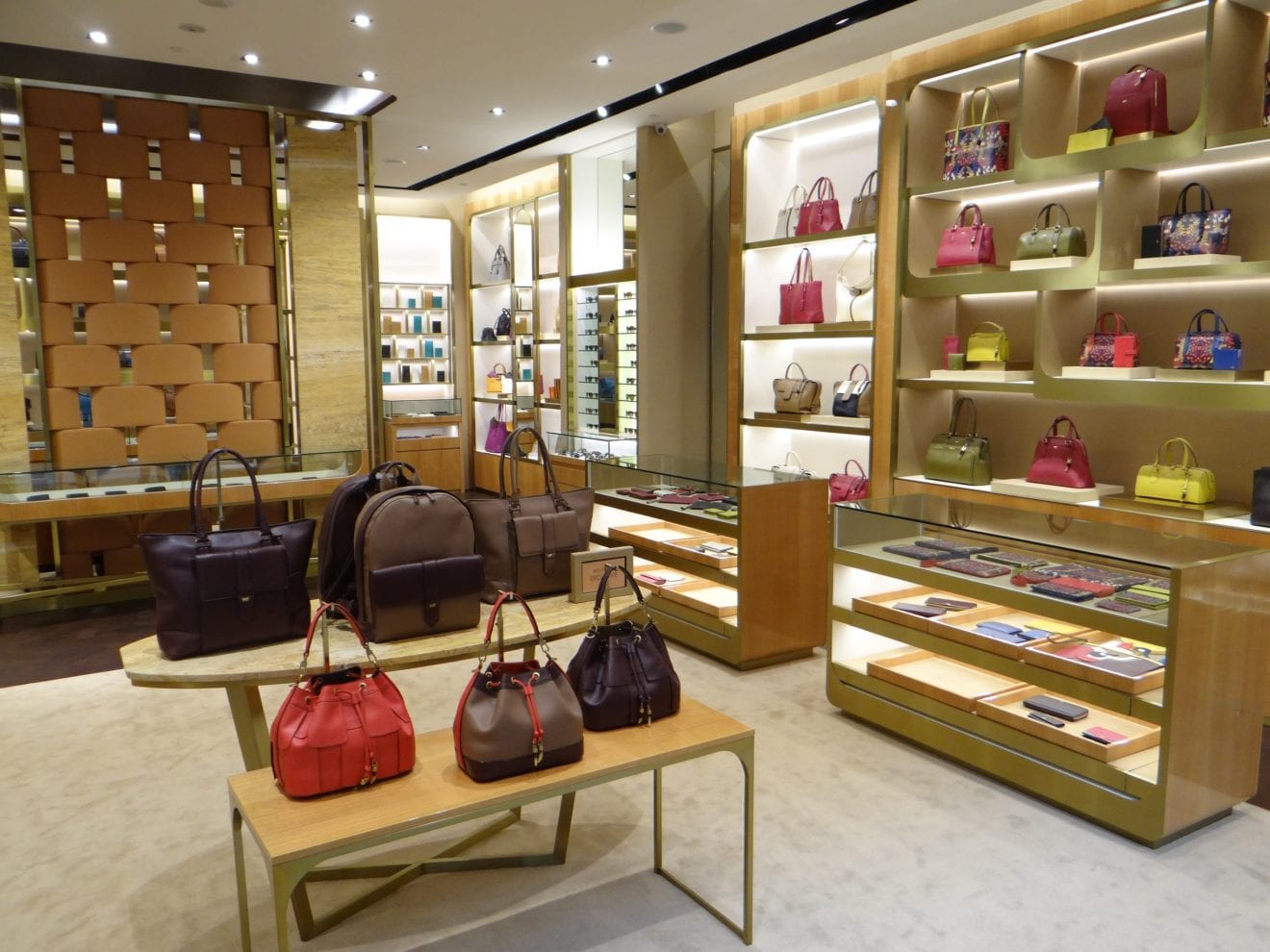
    The 1,500-square-foot store, which features Braun Buffel’s trademark leather extensively in the form of an Italian fine-grain leather wall and bespoke leather armchairs in the lounge area, is the first in the world to roll out the brand new design concept.

    According to Mrs Brunk, it will serve as a test bed for future store designs and understanding consumer preferences in the region, especially the Indonesian market which the brand is keenly eyeing.

    “Singapore is always a good and important base for us in the Asia-Pacific region because there’s good global connectivity and a multicultural population which gives you great customer insights,” said Mrs Brunk, who took the reins at the 129-year-old label in 2005.

    “In Singapore, we always get very good and precise feedback so it was clear to choose here as the first location in Asia-Pacific again,” she added, referring to how the German leather goods label picked the Lion City as its first Asian market back in 1982.

    Braun Buffel’s latest Fall-Winter 2016 collection on display at Marina Bay Sands. (Photo: Tang See Kit)

    “GO SLOW AND STEADY”

    But while change is the only constant in keeping up with competition, the well-established leather goods manufacturer prefers to stick to its own pace.

    For one, the brand new boutique in Singapore – Braun Buffel’s fifth store in the Lion City –was a year in the making.

    “When we do things, we try to do it as perfectly as possible. That’s our principle so we took our time to go over details such as choosing the leather for the wall,” Mrs Brunk said.

    This “slow and steady wins the race” approach also applies to Braun Buffel’s expansion plans.

    “We don’t dance (at) too many parties,” Mrs Brunk said. “There are fields such as product quality and development where we take the lead, but in terms of store expansion, sometimes you have to wait. These are huge investments and as ‘careful merchants’, we need to make sure our investments are successful.”

    Apart from Indonesia where a booming middle class means untapped opportunities for the German luxury brand, China is the other emerging market where Braun Buffel has set its sights on.

    When asked whether she is worried about the spending power of Chinese consumers amid an ongoing anti-graft campaign, slowing economic growth and a turbulent equity market, Mrs Brunk said: “During the past 130 years, we have overcome several crisis including wars, and in an economy there will always be ups and downs. I think we are doing a quite good job in China now and even though the market is slowing, we still see room for expansion.”

    She added: “We now have nearly 200 point-of-sale in China. We are very keen on certain locations in big cities like Beijing and Shanghai. But it’s not our strategy to expand very fast so we are not under pressure (from the slowing economy).”

  • Asia gives Jimmy Choo an unlikely boost

    Asia gives Jimmy Choo an unlikely boost

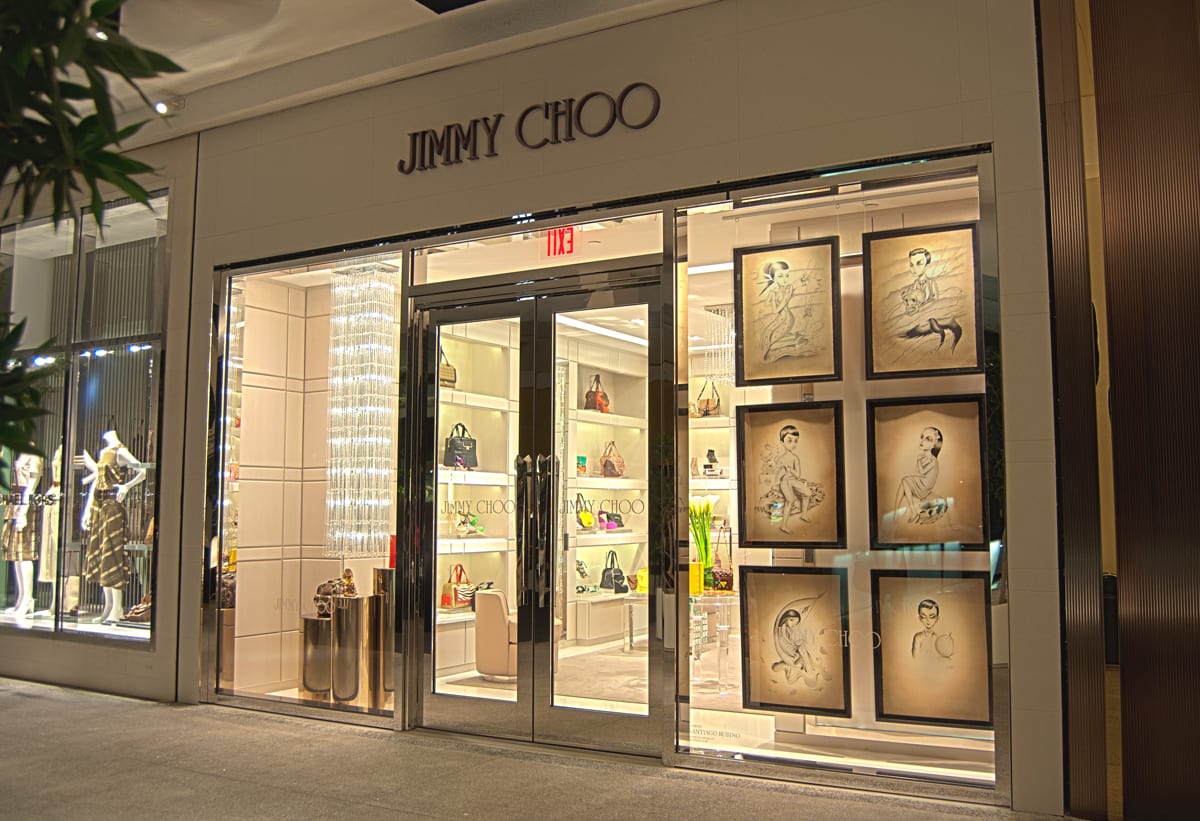
    While a majority of luxury fashion retailers are blaming Asia for declining sales and failing to meet profit projections, Jimmy Choo has confounded the market by praising the continent.

    Jimmy Choo has reported sustained growth in far eastern markets to deliver 6.1 per cent revenue growth for 2015, to £317.9 million.

    “Whereas other players such as Burberry have faltered with declining Chinese demand, Jimmy Choo has been able to deliver impressive revenue growth across Asia,” notes Andrew Hall, an analyst atVerdict Retail.

    “The brand’s relative immaturity in these markets has helped to shield it from the decreasing demand and a stuttering economic slowdown in the region. Investment in new store openings and plans for new flagship stores across Asia sets Jimmy Choo apart from its rivals and will continue to reap rewards for the brand.”

    Jimmy Choo’s Asian sales rose a staggering 21.2 per cent, more than enough to offset a 2 per cent decline in sales in Europe, Middle East and Africa.

    The company reported a pre-tax profit of £22.1million, a significant turnaround on the 2014 loss of £8.2 million. It opened 13 new stores.

    In an earnings statement, Jimmy Choo said its Asian business in Asia and Japan is growing well.

    “We see significant opportunities to maintain this outperformance in the years ahead. Despite challenging market conditions, we expect continuous operating efficiencies and the dynamism and flexibility of our teams to enable us to drive margin expansion and continue the reduction in leverage and financing costs.”

    Said chairman Peter Harf: “Jimmy Choo continues to outpace the sector despite the challenging competitive environment. The company successfully reversed the first half decline in wholesale revenues and remains on track with growth forecasts in Asia and Japan where brand awareness continues to grow strongly.”

    However, Hall warns that Jimmy Choo is far from immune to the geopolitical situation: the decline of Russian luxury consumers in Europe, attacks in Paris deterring European consumers, and the weakening of the euro have contributed to disappointing performance in EMEA.

    “While the brand has achieved an operating margin of 9.4 per cent, compared to 8 per cent last year, the shoe specialist must be wary of creeping costs as it not only pursues store expansion but invests in omnichannel capabilities and continues to develop a strong social media presence,” said Hall.

    “Creative Director Sandra Choi has led a strong year of product design, building upon Jimmy Choo’s British identity to produce seasonal ranges which continue to resonate with consumers across the globe. While attempts to embrace the male market remains a difficult nut to crack, the development of stores aimed at both genders and the strength of new fragrances has seen the brand make headway into capturing a male demographic.”

    Hall said Verdict expects Jimmy Choo to continue to outperform the luxury sector in Asia giving it another year of solid total revenue growth.

    “However the Chinese market remains volatile and Jimmy Choo should be wary of putting all of its eggs in one far-eastern basket as its grip on European markets loosens.”

  • Trinity Group confident despite loss

    Trinity Group confident despite loss

    With revenue totalling HK$1.9 billion (US$245 million), Hong Kong-listed retailer Trinity Group lost HK$88.5 million last year.

    Trinity Group, which sells premium menswear brands in greater China and Europe, says it continued to be dragged down by the dampened consumer spending environment in China, but has implemented business reforms as well as restructuring aimed at improving its position long term.

    As well as the slower growth in China, its main market, the group also lost money with one-off restructuring costs and the impact of the RMB’s depreciation.

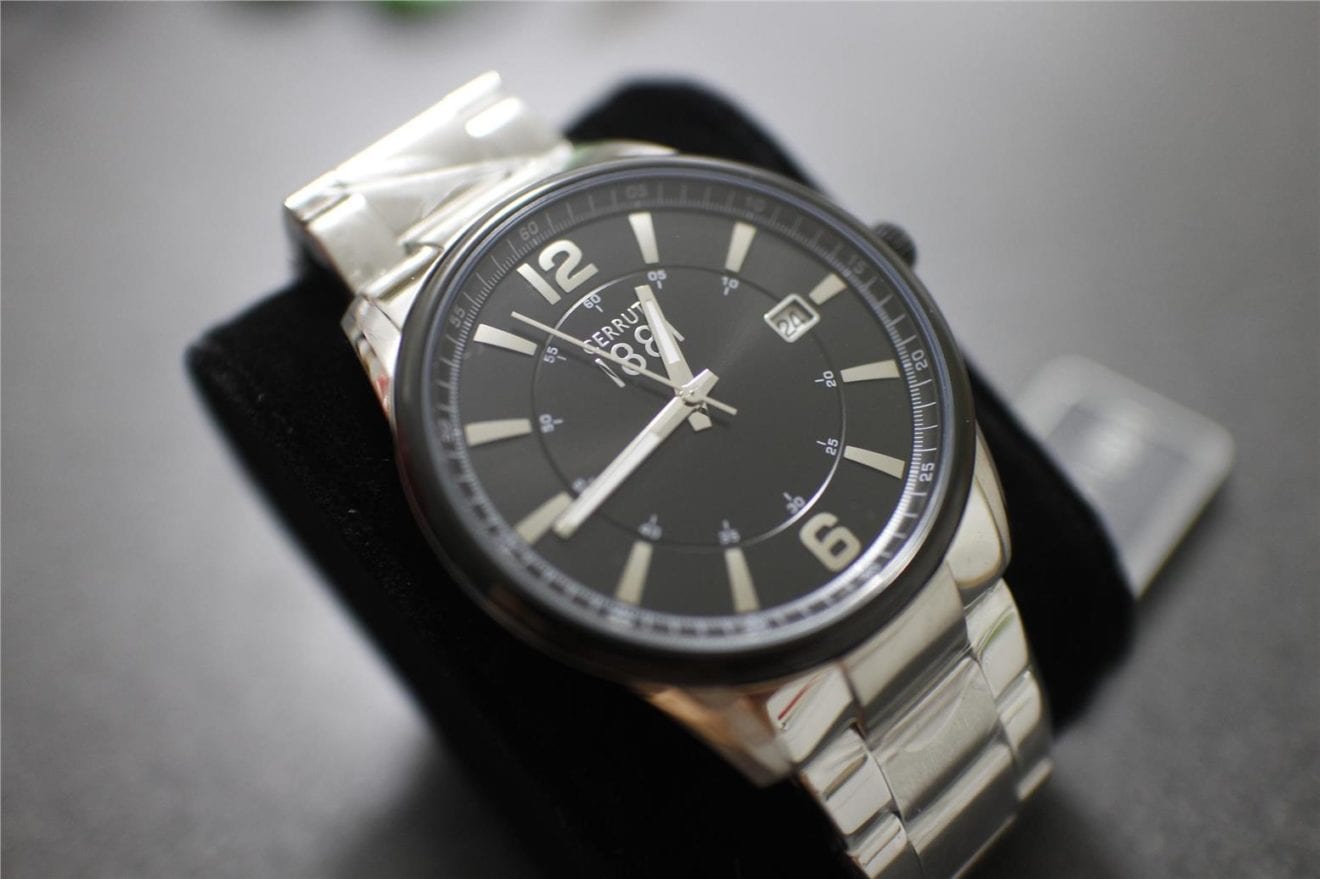
    Trinity Group, a Fung Retailing company, owns the Cerruti 1881, Kent & Curwen and Gieves & Hawkes brands and manages D’Urban under long-term licence in Greater China.

    CEO Richard Cohen says while the group took measures to mitigate against the expected lower consumer spend, the impact on same-store sales in the last quarter was far more significant than the retail sector predicted. However, the group’s overall performance was in line with that experienced by the wider high-end and premium retail sectors.

    “Our results, along with others in the industry, are disappointing but not wholly unexpected. Looking forward, we believe there are significant international wholesale, franchising and retail opportunities for the group in the long term.”

    Efficiency measures by the group last year included improvements to sourcing and inventory management. This involved a consolidation restructure, including moves to further reduce staff costs, which resulted in one-off full-year costs of HK$60 million.

    Fifty non-performing stores were closed, reducing the group’s outlets from 399 at the end of 2014 to 349.

    Cohen says the group was able to maintain gross-profit margins above 70 per cent despite the difficult retail environment.

    While maintaining its focus on the Chinese consumer, Cohen says the Trinity Group has revised its global strategy.

    “The growing middle class in China is increasingly travelling abroad, so our strategy is to continue to engage with these core customers when they travel, while also reaching out to new clientele.”

    Related to this strategy, the group signed an exclusive five-year agreement in September that will see international sports icon David Beckham play a multifaceted role in driving Trinity’s Kent & Curwen business globally.

  • Lippo Group expands into online wholesaling

    Lippo Group expands into online wholesaling

    After launching its Matahari Mall online shop in October, Indonesia’s Lippo Group is expanding its eCommerce activity into wholesale services.

    It is set to launch Mbiz.co.id next month, targetting businesses and government institutions. It digitises the procurement process, which Lippo Digital Group CEO Adrian Suherman says translates into efficiency.

    To offer its customers more choice, Mbiz is hoping to attract a wide range of vendors to join its platform as suppliers. The aim is to offer an easy alternative to cumbersome conventional procurement, where a business has to find vendors and compare them one by one, negotiate prices and record transactions manually. Mbiz wants to expedite procurement by making vendor information easily available, comparable and transparent, as well as offering flexible payments.

    Meanwhile, the eCommerce site has been selling products from 12 main categories, including electronics, furniture, office supplies and packaging. Its vendors include Asus, HP, Philips, Samsung, Sony and other blue-chip companies.

    Mbiz intends to start selling heavy machinery and agricultural goods as well as maintenance, repair and overhaul items for businesses and government institutions.

    “If we talk about fashion in B2C business, it is going to be the clothing itself, but in B2B or B2G business, the items are yarn, loom, sewing machines, embroidery machines and fabrics,” says Mbiz co-founder Ryn Hermawan.

    As many businesses have their own particular procurement systems, Mbiz uses a direct-selling strategy, giving individual presentations to companies and organising events to introduce its services. A follow-up team is available to train businesses and help them evaluate their performance.

    Mbiz can also offer clients product recommendations and input on when they need to buy goods based on their historical data.

    For the largely untapped government institution market, Mbiz will play the role of vendor by providing its e-catalogue to the Government Procurement Regulatory Body (LKPP). Co-founder Andrew Mawikere says the potential for the procurement of government goods and services in Indonesia last year was Rp31 trillion (US$2.36 billion) without e-tendering.

    Mbiz has fewer than 100 employees and is funded by Lippo, but says it is open to foreign investment in the future. The unit is run by Brilliant E-Commerce, part of the Lippo group. Matahari Mall is run by Global Ecommerce Indonesia, in which Investama Digital Ventura holds a majority stake.

  • eCommerce won’t dent Asian retail real estate demand

    eCommerce won’t dent Asian retail real estate demand

    Growing online sales will not undermine demand for Asian retail real estate, according to the last CBRE study of major international brands.

    For the seventh edition of How Active Are Retailers Globally?, the real-estate company looked at more than 150 major international brands based in Americas, Asia Pacific and EMEA (Europe, the Middle East and Africa) countries.

    China is the top target market in the Asia Pacific (APAC) and fourth-ranked globally, with 27 per cent of retailers looking to expand there. Hong Kong follows in sixth position (24 per cent), Japan in seventh (22 per cent) and Singapore in ninth (21 per cent). The top three globally were Germany (35 per cent), France (33 per cent) and the UK (29 per cent).

    China and Hong Kong maintained their placings, while Japan, Singapore and Australia (11th) all rose higher in the ranking, up from 13th, 18th and 15th positions respectively.

    “Hong Kong will remain a desirable market for retailers, particularly as it continues to serve as a popular shopping destination for mainland Chinese tourists,” says CBRE Hong Kong executive director for retail services Joe Lin.

    “The main difference is a shift from luxury to mid-range brands. This is forcing luxury retailers to consolidate their footprint, leading to a drop in rental cost in prime locations and therefore opportunities for non-luxury retail brands.”

    Most APAC markets saw increased interest for this year, with the exception of China and South Korea. Malaysia (10 per cent), Indonesia (9 per cent), Thailand, Vietnam and The Philippines (all 8 per cent) received more than double the interest they saw last year, when all markets secured between 1 and 3 per cent.

    Asked about the risk factors for the coming year, brands indicated that real-estate cost escalation (56 per cent) and unclear economic prospects (42 per cent) continue to be at the forefront of their minds.

    “We’re seeing more of a challenging economic environment, and concerns such as high operating costs and a lack of quality space means retailers are somewhat more wary this year,” says CBRE head of Asia Pacific research Dr Henry Chin. “However, even as markets such as China and Hong Kong are experiencing a slowdown, we see increasing numbers of opportunistic retailers looking to enter markets like Hong Kong, supported by strong underlying consumer demand.

    “Japan and Australia remain attractive, while Southeast Asia showed strong growth because of opportunities for retailers around an expanding middle class and stronger economic growth.” CBRE senior director and head of retailer representation for Asia Joel Stephen says there are still opportunities for retailers to grow their business in Asia, underscored by the region having four of the 10 most popular destinations. “The goal now for all brick-and-mortar retailers is to build an engaging offer that encourages people to stay longer and spend more.”

    The survey shows that 83 per cent of brands suggest their physical store expansion plans for this year will not be affected by the growth of eCommerce. From a retailer perspective, only 22 per cent of the brands see stiff competition from online retailing as a threat to their business.

    At the same time, retailers are cautiously optimistic on physical expansion. Of those canvassed, 17 per cent have large-scale ambitions, many of them looking to open more than 40 stores this year (up from 9 per cent last year), while 67 per cent plan to open up to 20 stores.

    “A physical store presence in key locations is still critical to the strength of a brand’s image,” says Stephen. “Customers still feel a need to go into stores, to physically touch a product and enjoy the feel-good factor associated with a particular brand experience. The store is integral to the shopping journey and can be used in different ways, such as to click and collect, research of the product or brand, or to test the product. It isn’t solely about the transactional side.”

    A new trend is brands looking to expand into travel hubs, such as airports and train stations, giving them access to high footfall in busy locations. But for APAC retailers, shopping malls are still the preferred destination by far, at close to 90 per cent.

    While globally the key concern for brands in negotiations for premises is lease length, APAC retailers are most concerned with turnover rent clauses (GP). They are also particularly concerned about changing consumer behaviour (40 per cent), which is higher than the global average (31 per cent).

  • Grab to deliver for MatahariMall

    Grab to deliver for MatahariMall

    Taxi and ride app service Grab has formed a strategic partnership with one of the Indonesia’s largest conglomerates to provide logistic services for online shopping.

    It has signed up with Lippo Group’s MatahariMall, launched last year at a cost of $500 million
    – the largest eCommerce investment in Indonesia. A competitor to Sequoia-backed Tokopedia, MatahariMall is aiming for $1 billion in sales within its first few years.

    Formerly under the Singapore brand GrabTaxi, the company rebranded in January to reflect its extra services, including deliveries, beyond its original licensed taxi service.

    “Technology can be a key driver of economic growth, and we are both invested in opening the digital economy to all Indonesians,” says Grab co-founder/CEO Anthony Tan of its deal with Lippo.

    Backed by investors like Didi Kuaidi (China’s largest ride app), GGV Capital and SoftBank, Grab is reportedly valued at more than $1 billion. Its rivals include Uber and Indonesia-based Go-Jek, both of which are also entering the delivery/logistics space.

  • Disappointing year for Matahari Putra Prima

    Disappointing year for Matahari Putra Prima

    While the net income of Indonesian grocery retailer Matahari Putra Prima (MPPA) was below expectations, it recorded slightly improved revenue and sales for the year ended December 31.

    Its revenue was Rp13.9 trillion ($US2 billion), with sales up 2.5 per cent from Rp13.6 trillion in 2014. Its net income came in at Rp183 billion, giving it an operating profit of Rp268.8 billion, or 1.9 per cent of sales.

    CEO Noel Trinder says that despite the economic difficulties, the group continued its strategic direction of expanding business through new or enhanced formats.

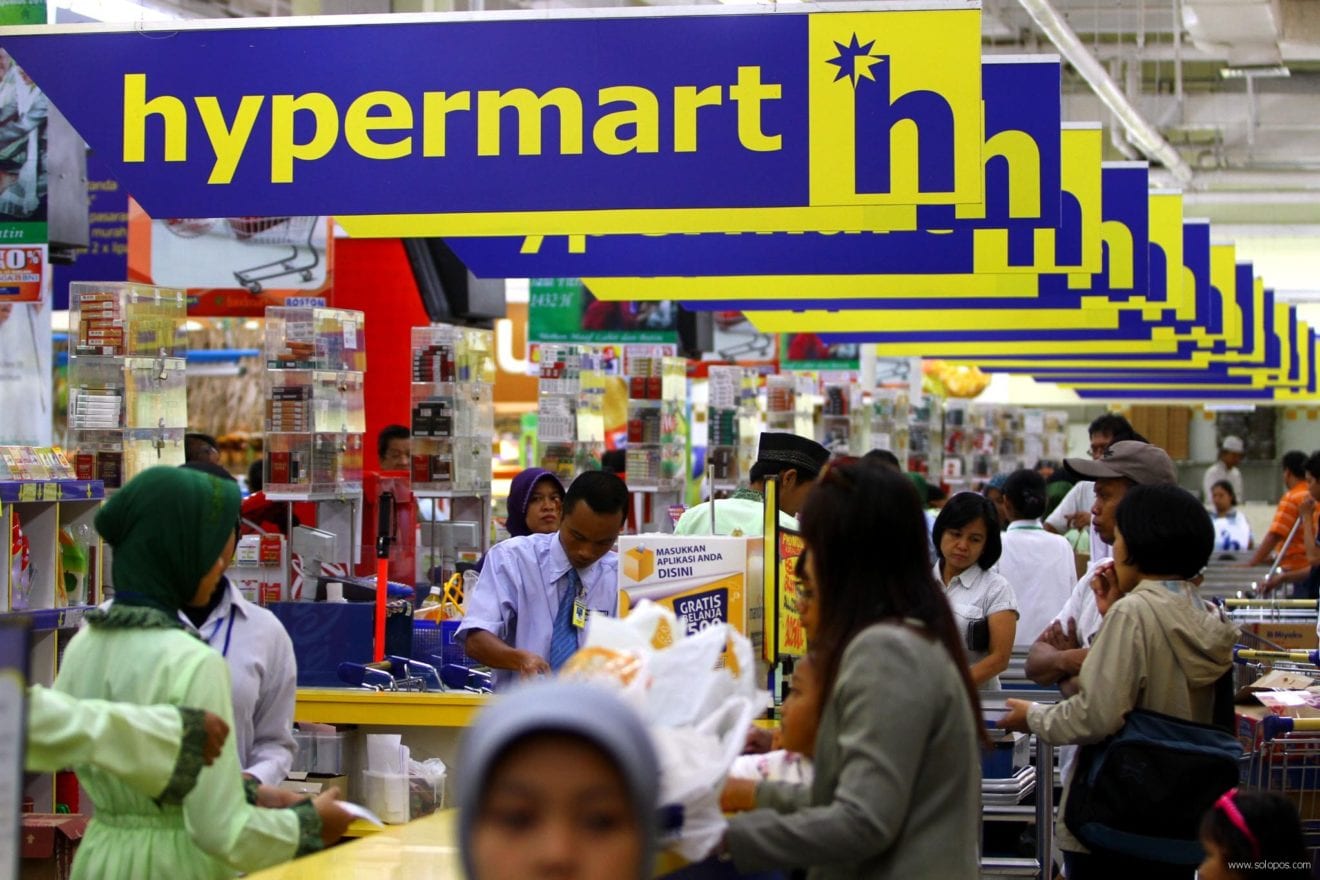
    As well as continuing its Hypermarket G7 rollout, Matahari PP also revamped its Foodmart and Bostonformats, and launched the SmartHub and FMX concept debuts formats on the wholesale side.

    MPPA opened 33 outlets during the year, and now has 293 multi-format stores. Four G7 stores opened, and eight stores were remodelled to the concept.

    One of Indonesia’s largest retailers, Matahari PP has more than 30,000 employees in 112 hypermarkets, 23 supermarkets (Foodmart and Primo/Fresh), 49 minimarket/convenience stores (FMX), 108 health and beauty stores (Boston) and its wholesale outlet (SmartClub).

    In total, it has 293 stores in 68 cities throughout Indonesia.

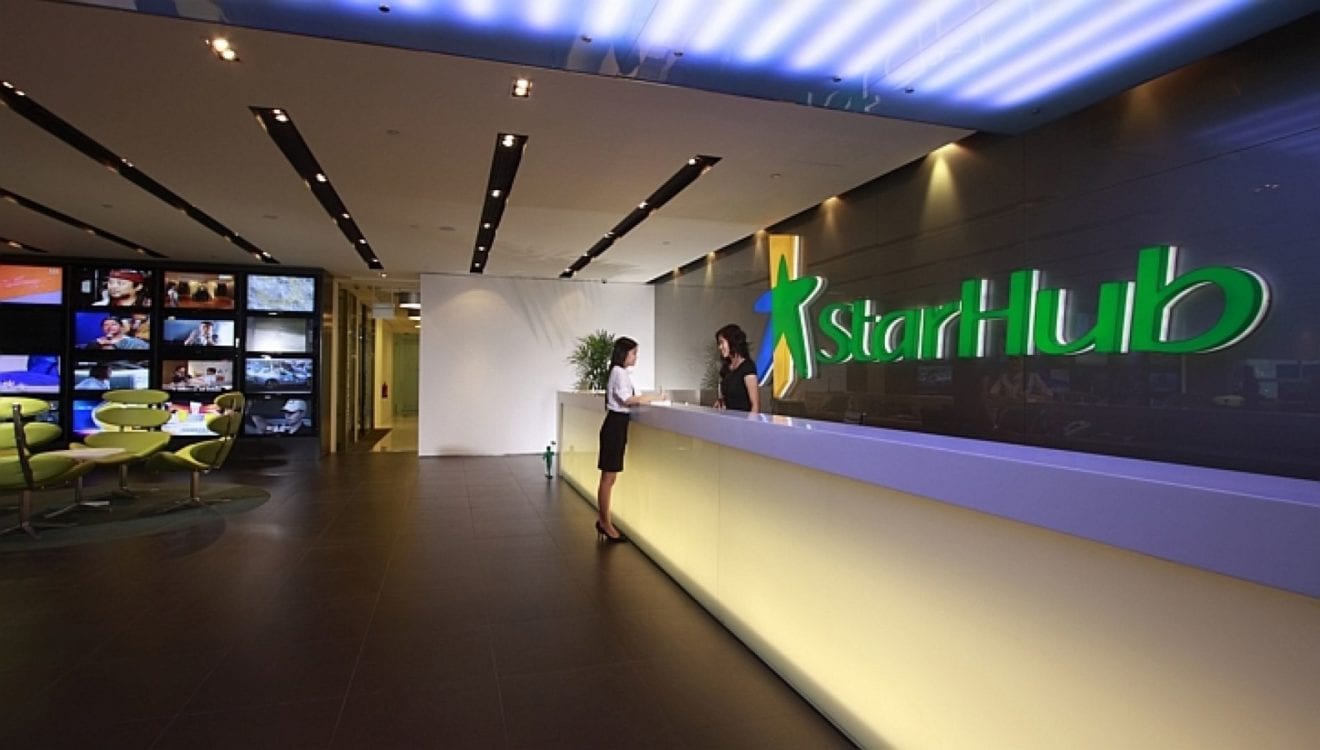
  • StarHub TV features short-form content, telemovies

    StarHub TV features short-form content, telemovies

    Singaporean audiences can soon look forward to more exciting “Made in Singapore” content from as early as the third quarter of this year.

    StarHub’s new wave of Public Service Broadcast (PSB) lineup includes of travelogues shot in “the most exotic” corners of the world, kids infotainment shows and sports programs that shine the spotlight on the everyday superhuman athletes.

    For the first time, viewers who enjoy consuming content on the go, will also be able to view short-form content―each ranging from five to 15 minutes in duration.

    Local movie fans will also be treated to an array of locally produced telemovies centered on the kaleidoscopic facets of Singaporeans’ lives.

    PSB content is produced under the Media Development Authority of Singapore’s (MDA) Public Service Broadcast Contestable Funds Scheme (PCFS). The PCFS aims to extend the reach of PSB content to multiple broadcast platforms, as well as to bring more opportunities to local production houses to deliver creative, high-quality PSB content.

    Viewers will be able to catch StarHub’s exciting lineup of PSB content on its self-packaged channels, E City (StarHub TV Channel 111/825) and SuperSports Arena (StarHub TV Channel 112/205), as well as via its online streaming service, StarHub Go.

    In total, StarHub will be commissioning about 110 hours of original productions. These productions will incorporate PSB values, such as celebration of the Singapore’s culture and heritage, and promotion of the Singaporean identity, through innovative storytelling.

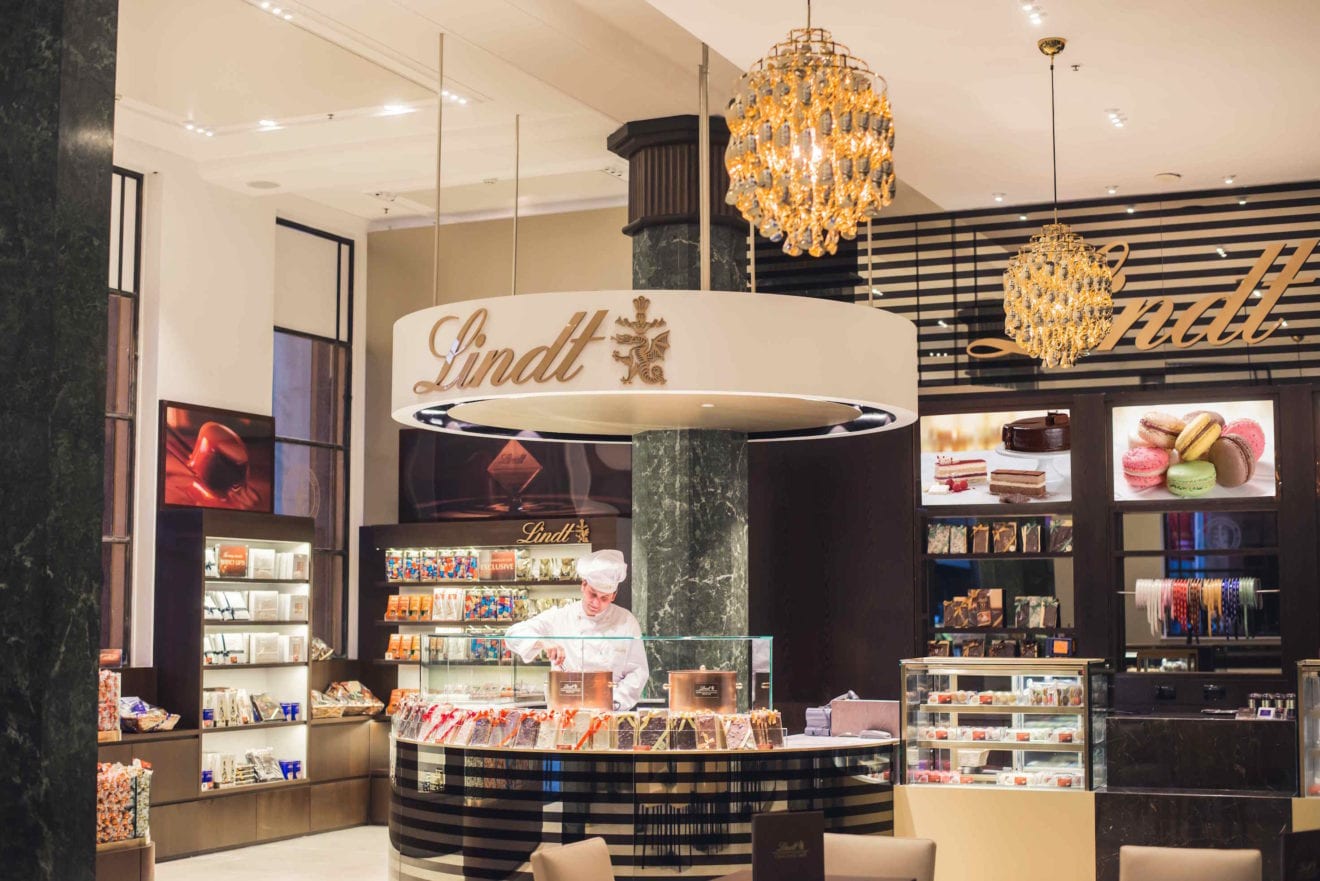
  • Lindt Aims to Surpass Godiva’s Chocolate Retail Network by 2020

    Lindt Aims to Surpass Godiva’s Chocolate Retail Network by 2020

    Lindt & Spruengli AG wants to overtake Godiva and become the world’s largest premium chocolate retailer by 2020.

    In pursuit of the goal, Lindt plans to open 20 to 30 shops each year, the Kilchberg, Switzerland-based maker of Lindor balls said in a statement Tuesday as it reported full-year profit growth in line with analysts’ estimates and raised its dividend 10 percent.

    Lindt, which has more than 300 shops, will need to accelerate its expansion plan to beat its larger rival, which runs more than 450 boutiques. The candy maker said it will use its store network to communicate with consumers, seeking prime locations and offering some products they can’t find elsewhere. Lindt added 50 stores last year, including 16 in Brazil, and retail sales rose more than 20 percent, faster than the company’s total sales growth.

    “If we continue with this pace, we’ll get there,” Chief Executive Officer Ernst Tanner said in an interview, adding that Lindt wants a “worldwide presence” while Godiva is “very strong” in certain markets such as North America and Japan.

    First-half organic sales growth will be slightly below the long-term target of 6 percent to 8 percent because of tougher comparisons to the previous year’s first half, Tanner said. Growth will be stronger in the second part of the year, he added. Lindt is not planning big price increases this year, and growth will be driven more by volume, he said.

    The stock fell 1.2 percent to 68,600 francs as of 12:46 p.m. in Zurich.

    Lindt will open its first shop in Moscow this year and add more stores in Brazil, France and the U.K., he also said.

    Earnings before interest and tax rose 9.4 percent to 518.8 million francs ($522 million). Analysts expected 519.6 million francs, according to the average estimate. Sales rose 7.1 percent on an organic basis.

    Lindt became the third-largest chocolate maker in the U.S. when it bought Russell Stover for 1.5 billion francs in 2014. North American sales rose 7.9 percent last year, slowing from 14 percent growth in 2014 as Russell Stover eliminated unprofitable products.

  • Oracle aims to remove cloud adoption barriers

    Oracle aims to remove cloud adoption barriers

    Oracle has launched a new family of services designed to help remove some of the biggest obstacles to cloud adoption.

    While organizations are eager to move their enterprise workloads to the public cloud, many have been constrained by business, legislative and regulatory requirements that have prevented them from being able to adopt the technology.

    To address this, Oracle aims to make it easier for organizations to adopt Oracle Public Cloud Services and run them wherever they want – in the Oracle Cloud or their own data center.

    Oracle Cloud at Customer enables organizations to implement Oracle’s cloud services in their own data center. This is the first offering from a major public cloud vendor that delivers a stack that is 100% compatible with the Oracle Cloud but available on-premises.

    Customers can adapt the public cloud services for a number of use cases, including disaster recovery, elastic bursting, dev/test, lift-and-shift workload migration, and a single API and scripting toolkit for DevOps.

    By extending the Oracle Cloud into their data center, customers can have full control over their data and meet all data sovereignty and data residency requirements that mandate customer data remain within a company’s data center or contained within a geographic location.

  • 43% of Hong Kong consumers shop on smartphones

    43% of Hong Kong consumers shop on smartphones

    Mobile shopping has taken hold in Hong Kong, with more than two in five consumers making purchases via their mobile device in the past three months, the latest MasterCard Online Shopping Survey reveals.

    The widespread use (98.8%) of internet-enabled smartphones in the city has set the backdrop for more and more Hong Kong consumers (42.9%) choosing to engage in mobile shopping, marking an 18.3% increase since 2011.

    The survey also indicated that an increasing number of local shoppers are now embracing new payment technologies, with 11.2% currently using digital wallets compared to 7% last year.

    Similar to previous years, convenience (53.2%) continues to be the key driver for mobile shopping, followed by the growing availability of apps that make it easy to shop (33.8%) and the ability to shop on the go (28.4%).

    Almost half (48.6%) of local respondents said they had downloaded a shopping app on a mobile phone in the last six months, and the most popular items bought via mobile shopping include clothing and other fashion accessories (24.3%), movie tickets (21.9%) and toys and gifts (16.2%).

    Hotel accommodation (14.3%) and items from supermarkets (12.4%) also climbed up the list as some of the most common spending categories among local consumers.

    The majority of Hong Kong consumers (84.2%) made at least one purchase online in the past three months, and their average length of online shopping experience is 3.2 years. And 81.8% of local consumers planned to shop online in the next six months.

    But over three quarters (77.8%) regarded security of payment facility as a key consideration when shopping online.

    When asked about the major improvement area for online shopping, more than half of the respondents (54.4%) also expressed that one should be assured that transactions are secure.

    “While Hong Kongers cited convenience as the top motivating factor for mobile and online shopping, we also understand that security of payment facility remains a key consideration,” said Anna Yip, head of Hong Kong and Macau, MasterCard.

    Overall, consumers in Asia-Pacific are embracing new payment technologies with one in five (19.5%) using digital wallets, a two-fold increase from two years ago (9.7%). Emerging markets are leading the way with smartphone users in China (45%), India (36.7%) and Singapore (23.3%) being the region’s biggest adopters of digital wallets.

    In terms of online shopping, China continues to lead the Asia-Pacific region as in previous years, with almost every respondent (97%) having shopped online at least once in the previous three months. However, when it comes to mobile shopping, India surpassed China (76.1%) for the first time, with 76.4% of respondents indicating that they had made a purchase through their smartphones.

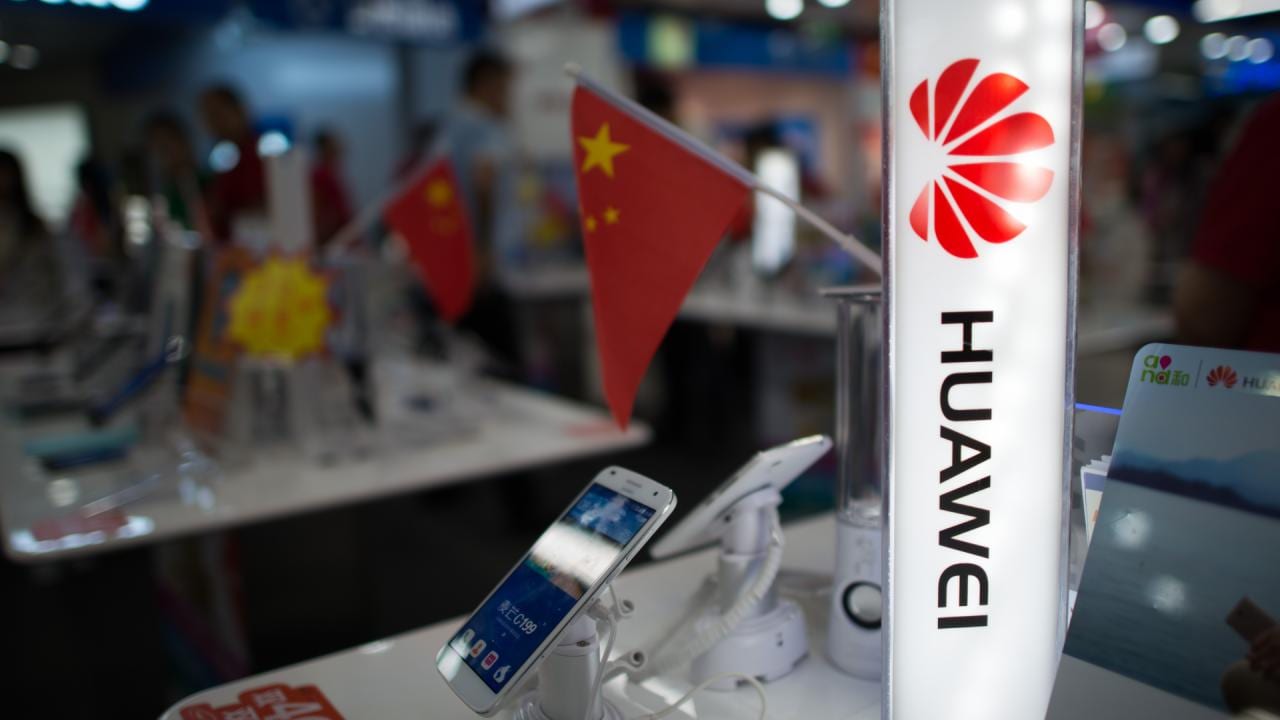
  • Huawei’s 2015 profit grows 33% to $5.7b

    Huawei’s 2015 profit grows 33% to $5.7b

    Huawei has reported a 33% growth in net profit for 2015 on the back of strong performance across the vendor’s carrier, enterprise and consumer business groups.

    The company’s net profit reached 36.9 billion yuan ($5.69 billion), with revenue increasing 37% to 395 billion yuan.

    Revenue from Huawei’s carrier business group jumped 21% to 232.3 billion yuan, with 4G network rollout revenue accounting for a large portion of the annual growth.

    Enterprise revenues meanwhile reached 27.6 billion yuan, up 44% year-on-year, while consumer revenue surged 73% to 129.1 billion yuan.

    “In part, Huawei owes its long-term growth to the sheer size of the ICT market, which is the driving force of digital economies around the world. However, our growth is also a direct result of strategic focus and heavy investment in our core businesses,” Huawei rotating CEO Guo Ping said.

    Huawei invested 59.6 billion yuan – or 15% of its annual revenue – in 2015 alone, he said. The company’s total R&D investment over the past decade exceeds 240 billion yuan.

    “Over the next three to five years, we will concentrate on enhancing connectivity, enabling the development of vertical industries, and redefining network capabilities, working closely with our customers and partners to maximize industry development opportunities,” Ping said.

  • OCBC launches banking app for Apple Watch

    OCBC launches banking app for Apple Watch

    Singapore’s OCBC Bank has launched a new mobile banking app designed for the Apple Watch.

    With the app, users can have instant access to their personal banking information, including the full list of their balances – bank accounts, cards and investments, recent transactions, and the location of the nearest OCBC Bank branch or ATM, on their Apple Watch.

    Customers must first perform a one-time activation on their OCBC iPhone mobile banking app before using the Apple Watch app. Once activated, account information and recent transactions can be viewed on Apple Watch, without the need to login to mobile banking.

    This service is available for customers using mobile devices such as iPhone 5, iPhone 5S, iPhone 6, iPhone 6 Plus, iPhone 6S or iPhone 6S Plus operating on iOS 9 and Apple Watch devices running on WatchOS2.

    The service can only be activated on a single pair of Apple Watch and iPhone devices at one time and all account numbers displayed on the watch are partially masked with only the last four digits revealed. No information is stored on the phone or watch and for security purposes, customers can choose to set a passcode on their Apple Watch.

    Market intelligence firm IDC estimates the worldwide wearable device market will reach a total of 111.1 million units shipped in 2016, a strong 44.4% increase from the 80 million units shipped in 2015. By 2019, the five-year compound annual growth rate (CAGR) of wearable devices would be 28%, with Apple smart watch devices taking the lion’s share of the market.

    “Smartwatches represent the next generation of personal mobile devices, and our Apple Watch app will offer the convenience, security and choice that customers demand when it comes to everyday banking on-the-go,” said Aditya Gupta, OCBC Bank’s Singapore head of e-business, said.

    “We are confident the Apple Watch app will be a big hit with our fast-growing number of customers who are mobile and digitally-savvy.”

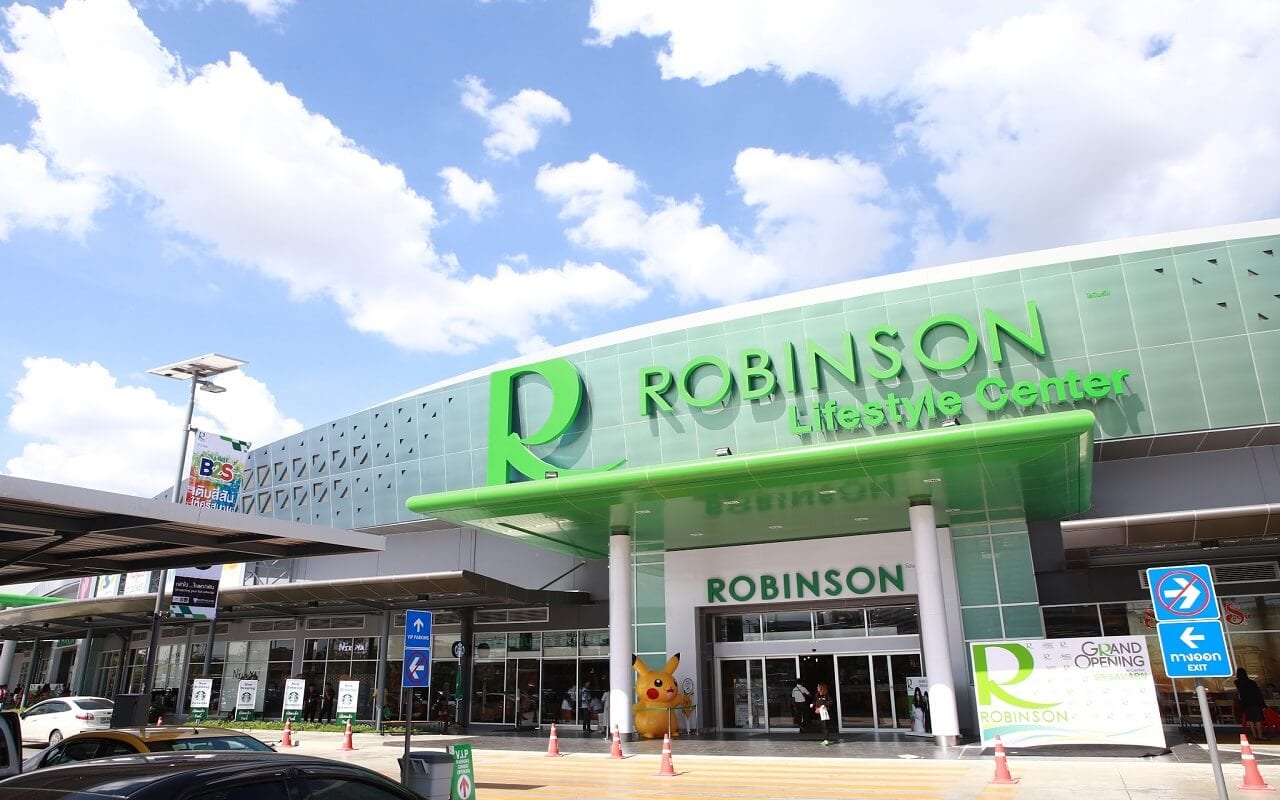
  • Robinsons Retail Philippines chair retires

    Robinsons Retail Philippines chair retires

    The Philippines’ second wealthiest man according to Forbes, John Gokongwei Jr, has retired as chair and CEO of Robinsons Retail Philippines.

    Robinsons Retail covers supermarkets and household brands such as Toys ‘R’ Us, True Value and Mini Stop.

    Gokongwei, who will turn 90 on August 11, had announced plans to retire and focus on charity work when he reaches 90.

    Gokongwei was born in China to Filipino parents, and arrived in Cebu when he was one year old. He started his multi-billion dollar retail and property empire in the province south of Manila by trading goods using a bicycle and a small boat off the pier of the province.

    His only son Lance Gokongwei, 49, will take his place, while his brother James Go remains as vice chairman.

    Robinsons Retail reported a net income of P3.1 billion ($67 million) in the first nine months of 2015, up 18.8 per cent year on year as net sales rose 12.7 per cent to P63.3 billion.

    As of the end of September in 2015,  Robinsons Retail had a total of 1466 stores, with 208 new stores, a 10.7 per cent increase in gross floor area to approximately 939,000 sqm over a year ago.