Author: Mei Ling Tan

  • Nokia starts cutting jobs after ALU merger

    Nokia starts cutting jobs after ALU merger

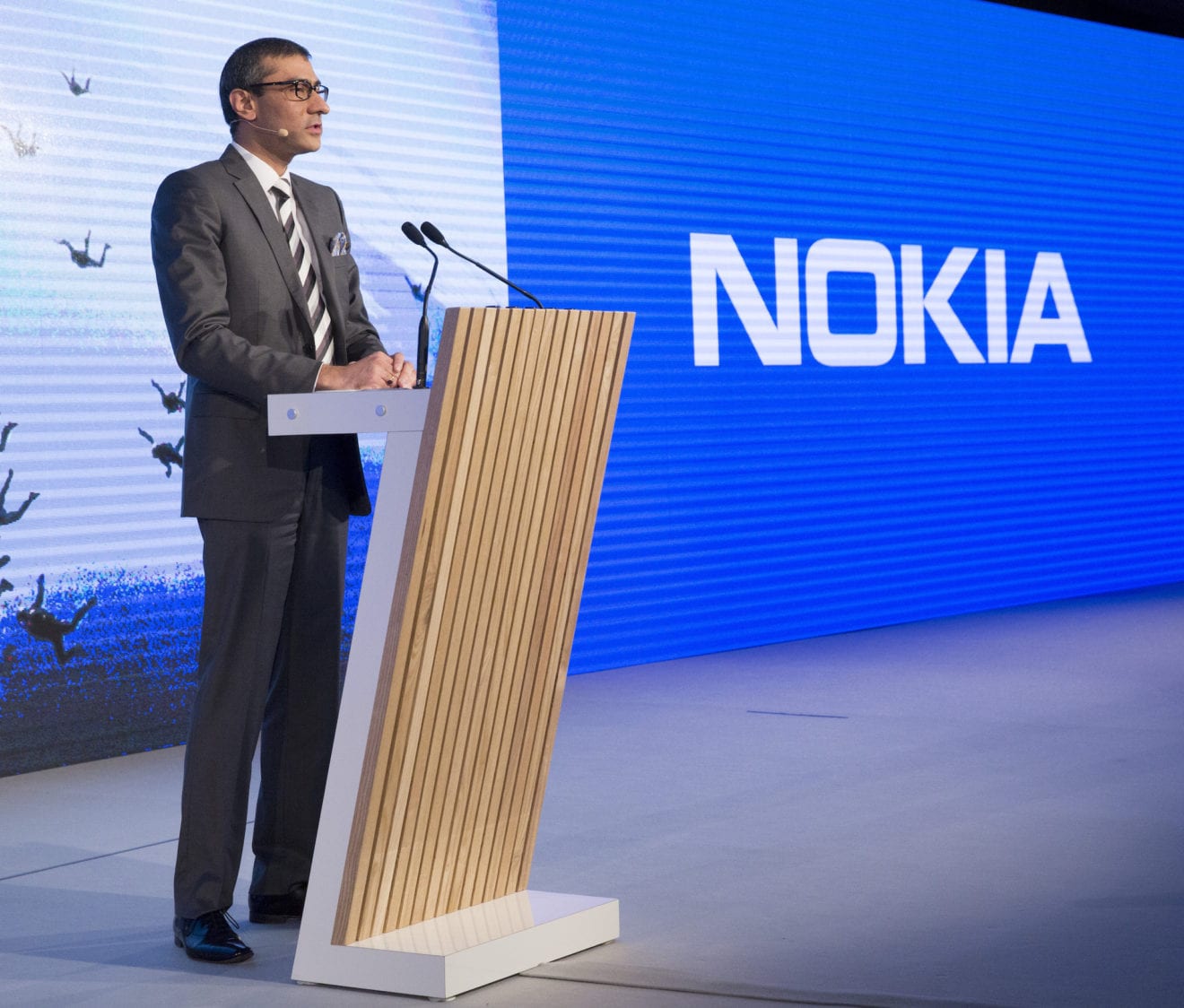
    Nokia has commenced a program to cut thousands of jobs worldwide as part of the cost-cutting and transformation program associated with the takeover of Alcatel-Lucent.

    The company plans to cut 1,300 jobs in Finland, 1,400 in Germany and 400 in France as part of the headcount reduction program, which will take place between now and the end of 2018.

    But Nokia also agreed to create 500 new R&D jobs in France as a condition of receiving approval from the French government to acquire Alcatel-Lucent.

    Nokia has not yet revealed how many jobs will be eliminated worldwide. The company has around 104,000 employees.

    The job cuts form part of a program aimed at achieving €900 million ($1.02 billion) in annual operating cost synergies by 2018. Nokia said the program is also aimed at adapting to challenging market conditions and shifting resources to important new and upcoming technologies including 5G, the cloud and the IoT.

    “These actions are designed to ensure that Nokia remains a strong industry leader,” commented Nokia president and CEO Rajeev Suri.

    “When we announced the acquisition of Alcatel-Lucent we made a commitment to deliver €900 million in synergies – and that commitment has not changed. We also know that our actions will have real human consequences and, given this, we will proceed in a way that that is consistent with our company values and provide transition and other support to the impacted employees.”

  • MRCB to build Giant’s RM56.8m processing and distribution centre

    MRCB to build Giant’s RM56.8m processing and distribution centre

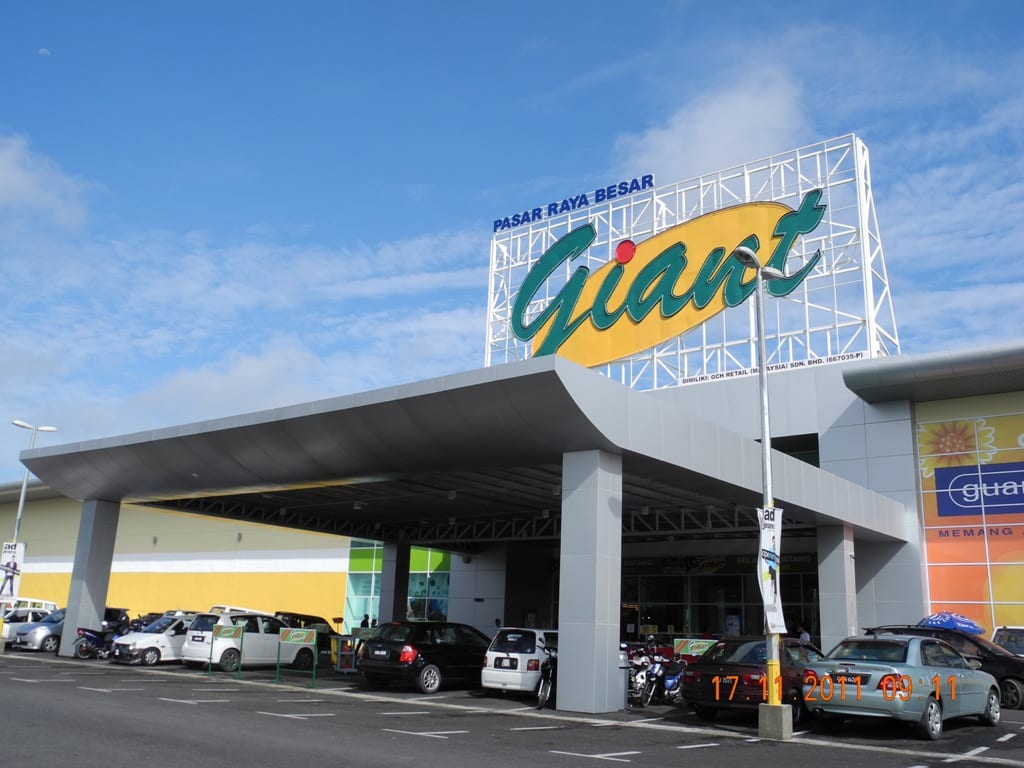
    Malaysian Resources Corp Bhd (MRCB) will build a RM56.8 million cold storage processing and distribution centre in Kajang, Selangor, for the Giant retail chain.

    MRCB’s wholly-owned subsidiary MRCB Builders Sdn Bhd today signed a contract with GCH Retail (M) Sdn Bhd, through Jupiter Lagoon Sdn Bhd, a wholly-owned subsidiary of Hong Kong-based Dairy Farm International Holdings Ltd and an associate of GCH Retail.

    GCH Retail operates the Giant chain of hypermarkets and supermarkets in Malaysia.

    The 140,000 sq ft processing and distribution centre will be built on a five-acre site in Kajang. The distribution centre will be built on a 12-month fast track basis and is expected to be completed in August next year.

    Speaking to reporters after the signing ceremony, GCH Retail regional director for Malaysia and Brunei Datuk Tim Ashdown said it is an important development for the group as it currently has a small fresh food facility measuring 40,000 sq ft in the country.

    “This will allow us to control the supply chain much more actively,” he said, adding that the new facility will further bring down the cost of logistics and deliver lower prices to its customers.

    Ashdown also said the group plans to open five new Giant stores this year.

    Over the years, MRCB has constructed 12 Giant outlets in Malaysia, valued at over RM500 million. A RM52 million outlet in Setapak here is set to be delivered this month.

    MRCB shares closed unchanged at RM1.23 in the morning session with 259,300 shares traded, for a market capitalisation of RM2.2 billion.

  • Prime Central Rents Rise by 5.3% in a Quarter

    Prime Central Rents Rise by 5.3% in a Quarter

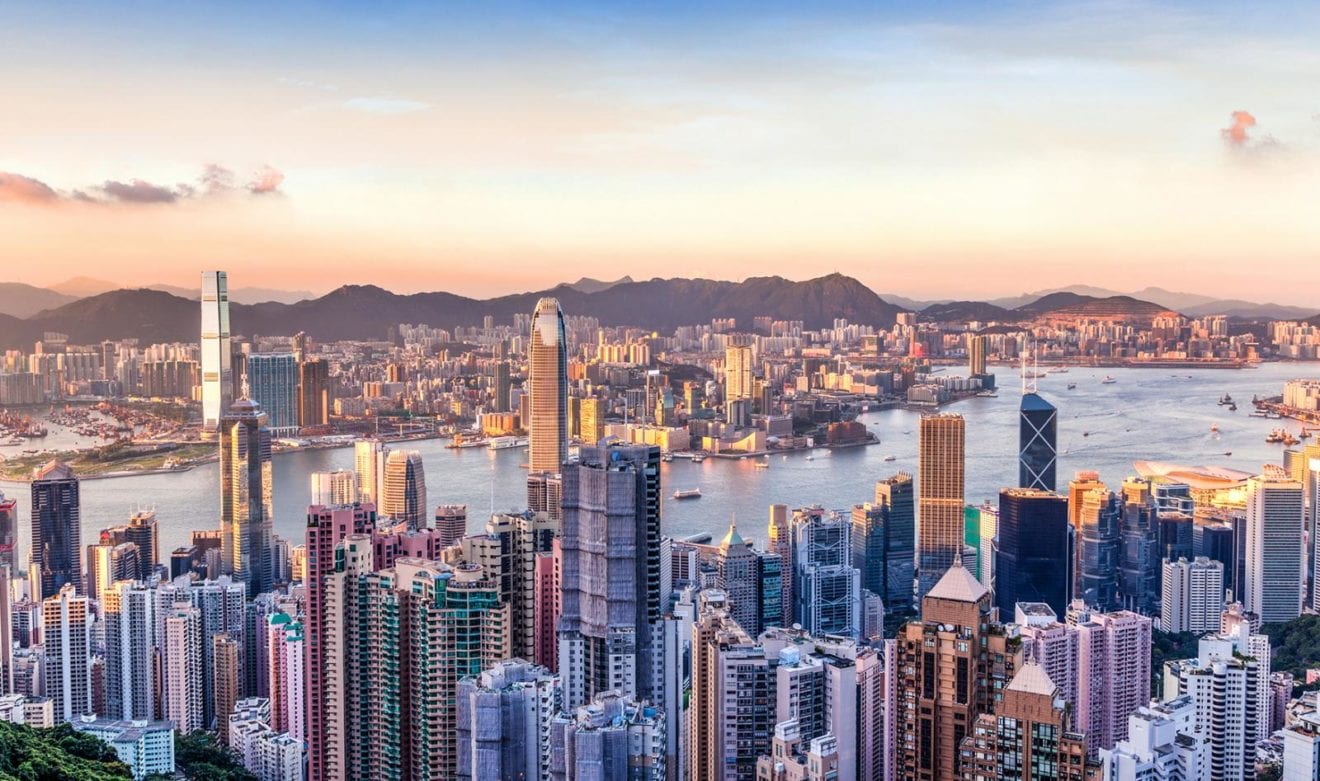
    In a review of the Hong Kong office and retail property markets today, DTZ/Cushman & Wakefield, a global leader in commercial real estate services, pointed out that office rents in core business districts continued to rise in Q1 2016, with Prime Central and Greater Central leading the pack with a surge of 5.3% and 4.3% quarter-on-quarter to HK$128.88 and HK$115.64 per sq ft per month respectively.

    The continuous surge in Greater Central’s rentals was underpinned by the demand from Mainland Chinese financial companies, which accounted for 49% of the major new lease in terms of size in Greater Central. In fact, insurance and banking & finance companies remained the main drivers of new lease demand in Q1, accounting for 80% of the total size of all major new lease in the quarter.

    The overall absorption at approximately 262,000 sq ft in Q1 was largely due to the purchase of One Harbour Gate (West Tower) in Hung Hom by China Life. Apart from this, most of the districts had negative absorption. Mr Andy Yuen, DTZ/Cushman & Wakefield’s Director of Office Agency in Hong Kong, noted, “The released stock in the core districts is evidence that the flight to premises with greater space and cost efficiency continued, as many companies relocated for consolidation purpose. This led to better absorption levels in non-core areas such as Hong Kong South and Kowloon West.”

    In the face of high rents, this quarter some traditional Central tenants began to decentralize. For example, legal firm Ince & Co. has committed to move from Citibank Plaza in Central to One Island East in Quarry Bay, and Mizuho Financial Group from Chater House, Two Pacific Place and The Gateway to K11 office in Tsim Sha Tsui.

    Mr John Siu, DTZ/Cushman & Wakefield’s Managing Director, Hong Kong, commented, “Although rental growth is expected to slow in Q2 due to corporations’ concern about the prospects of the global and China markets, the high rentals in Hong Kong is contributing to a growing gap between the city and some other key regional business centers. For example, between the CBD Grade A1 office rentals in Singapore and Hong Kong, there is a gap that grew from 37.0% in Q1 2015 to 54.3% in Q1 2016, and the difference in prime rentals2 was even bigger, from 29.9% in Q1 2015 to 57.3% in Q1 2016. This substantial gap is likely to affect MNCs’ decision to office location and might hurt Hong Kong’s competitiveness in the long run.”

    For the retail market, falling visitor volume – total volume in January and February declined by 13.6% year-on-year, Mainland tourist volume by 18% – and falling sales for all sectors of goods in January and February, led by jewelry and watches (down 24.2%) and electrical goods (down 26.7%), continued to undermine the rental level. Rent on high street, as indicated by general index, fell by another 5-7% quarter-on-quarter in Q1, with rentals in Causeway Bay falling by 51% from the peak level in 2013.

    In addition, concerns of economic slowdown and social instability are prompting some retailers to seek earlier termination of their leases, in an attempt to save on rental expenses. Should this become a broader trend, the general high street rent could see another drop of 10-15% from the current level in this year.

    Mr Kevin Lam, DTZ/Cushman & Wakefield’s Head of Business Space, Hong Kong, said, “Despite this, retailers are taking the opportunity of the falling rental level to re-enter the core retail areas. There are fashion, accessories, shoes, cosmetic companies taking up street frontage shops vacated by companies of luxury goods, as those trades are sustained by a broader base of demand.”

    “Foreign brands are also benefitting from the more affordable rents to enter the Hong Kong market. Recently more Japanese and Korean brands from fashion, cosmetics, lifestyles to the food & beverage sector are aiming at the Hong Kong retail scene.”

    Another positive development of the retail market is that rents for F&B venues maintained a gradual upward trend, rising by 0.3-1.0% quarter-on-quarter in Q1. Mr Lam commented, “Demand for F&B spaces remains keen, although for new F&B operators, they are more interested in upstairs venues of moderate size in the key retail areas instead of ground shops, as a way of better cost control.”

    The successful merger of Cushman & Wakefield and DTZ closed September 1, 2015. The firm now operates under the iconic Cushman & Wakefield brand and has a new visual identity and logo that position the firm for the future and reflect its trusted global legacy and wider history. The new Cushman & Wakefield is led by Chairman & Chief Executive Officer Brett White and Global President Tod Lickerman. The company is majority owned by an investor group led by TPG, PAG, and OTPP.

  • HSBC expanding retail banking business in China’s Guangdong province

    HSBC expanding retail banking business in China’s Guangdong province

    HSBC, the largest bank in Europe and Hong Kong, is planning to expand its retail banking business in China’s Guangdong province in the coming years, with credit cards. securities trading and residential mortgage business in the pipeline, said Asia-Pacific chief executive Peter Wong Tung-shun.

    Wong was in Guangzhou on Wednesday morning with group chief executive Stuart Gulliver and Greater China head Helen Wong to co-host the launch ceremony of HSBC Express, the bank’s first train sponsorship programme. Under the sponsorship deal, 11 out of 22 trains between Guangzhou and Shenzhen will be named HSBC Express.

    “These trains are for mass commute. The programme aims to bring the image of HSBC to the public as we are expanding retail banking in Guangdong, which would provide huge opportunities for HSBC in the coming years,” Gulliver told the South China Morning Post at the launch ceremony.

    “While Hong Kong has 8 million customers, there are over 50 million Cantonese speakers in Guangdong province. HSBC is very strong in retail banking in Hong Kong, which is a big part of our business. Retail banking would be our important business thrust in Guangdong in the years ahead,” he said.

    HSBC now has 64 outlets in Guangdong, accounting for a third of its 177 outlets in China. The lender has traditionally focused on corporate banking in China but Gulliver said the growing wealth in Guangdong makes it the ideal place for retail banking. “On its own, the Guangdong economy is the 16th largest in the world. The middle classes are growing, and so is the demand for retail business services,” Gulliver said.

    Wong told the Post that retail expansion would include launching HSBC credit cards, which received regulatory approval last year but the launch date is yet to be confirmed.

    Securities trading is also in the pipeline. The bank has set up a joint venture with the Qianhai authorities, becoming the first foreign firm to hold a majority stake, of 51 per cent, in a securities joint venture trading stocks for customers from Qianhai special economic zone. It is to commence operation sometime this year.

    Wong said resident mortgage business is anther retail segment in demand, adding that the bank would also like to go into other types of wealth management businesses.

    “When people get wealthy, they like to buy homes. HSBC can offer mortgage and other wealth management services for these customers in Guangdong,” Wong said. “HSBC has a long history in both Hong Kong and Guangdong. We have been in Hong Kong for 150 years and set up our first office in Guangzhou in 1909. We financed Kowloon and Guangzhou railway in the old days. We are here for the long term,” Wong said.

    Gulliver said that with the many train and bridge projects linking Hong Kong with Guangdong, the interconnection between the two would be huge in the future. This is transforming the area from a low-end manufacturing centre into a high-end technology area led by Shenzhen, providing huge opportunities for HSBC.

  • PGI: Platinum Jewellery Weathers Difficult Conditions Favorably in Key Markets

    PGI: Platinum Jewellery Weathers Difficult Conditions Favorably in Key Markets

    Platinum Guild International (“PGI”) today published the findings of its third annual Retail Barometer. The Barometer, conducted by independent platinum market experts and industry analysts, reveals the consumer retail sales data of platinum jewellery in 2015 and projections for 2016. It is the only research in the industry that measures sell-out, i.e. platinum ounces sold from retailers to consumers.

    The Retail Barometer gives a unique view of platinum demand from retail sales. Platinum jewellery is the second largest consumer of platinum in the world after the autocatalyst market.

    The research survey covered over 400 jewellery retail companies with approximately 23,000 retail outlets in the four main international markets of China, India, Japan and the USA. The research was conducted between January and February 2016.

    Huw Daniel, Chief Executive Officer of PGI, commented, “Despite manifold challenges in the luxury category and a difficult year for jewellery in general, jewellery retailers vested in platinum have weathered the storm ahead of their peers. The historically low platinum metal price has benefitted consumers and retailers alike, presenting a unique opportunity to acquire the most aspirational fine jewellery. Even China, the biggest market for platinum jewellery, shrank to a much lesser extent than other jewellery sectors. Both China and India remain key development markets for platinum jewellery which we will further grow ahead of the market average, leveraging successful programs and new launches.”

    Tim Schlick, Chief Strategy Officer of PGI, commented, “The jewellery industry is at a point where future growth comes from either conquest of market share or unlocking untapped consumer segments. PGI and our partners feel confident that having initiatives that provide both will continue to give us a competitive edge, as consumers increasingly seek quality and differentiation.”

    China
    China’s economic growth in 2015 was slowest in 25 years at 6.9%. The slow-down reflects an adjustment towards a consumption-based economy, which bodes well for future growth in platinum jewellery. Retail witnessed a year of fluctuation, however the growth in the H2 didn’t counter the decline in H1, resulting in a modest platinum jewellery volume decline of -4% for the whole year

    • The bridal segment continued to grow moderately despite the overall decline in jewellery consumption — in addition to pair rings and engagement rings, bridal platinum jewellery saw growth in other jewellery products, such as necklace and bracelet, which were typically purchased as a set along with the wedding rings.

    Based on initial retailer outlook, PGI expects to see a flat year of virtually no growth, or even a modest decline of 0% to -3%.

    India
    The Indian economy was also impacted by the global slow down, although consumer spending at a macro level increased slightly. Platinum Jewellery volume grew 24% in 2015, driven by increasing acceptance of platinum as the choice of the young aspiring urban consumer. Platinum saw increases across the board from Platinum Love Bands, Men’s Jewellery, and the new Evara Platinum Blessings, which marked platinum’s entry to the key wedding category in 2015.

    For 2016, PGI and retail partners expect continued growth of +23% — retailers expect platinum to continue outperforming the category average.

    Japan
    Japan’s economy is working to maintain modest recovery leading up to the 2020 Olympics with a GDP growth of 0.6%. The exceptionally warm winter benefitted jewellery and record numbers of inbound tourists benefitted metropolitan retailers and service providers, especially department stores and non-bridal. Platinum jewellery sales outperformed total jewellery, and platinum jewellery volume increase 2.7% in 2015.

    For 2016, retailers are nervous about economic outlook, but expect growth rate of +1% to +2% in platinum jewellery volume.

    USA
    The US economy has been further recovering and growing moderately at 1.9% in 2015 with overall retail growing in line with the GDP growth rate. Platinum jewelry imports experienced sharp increases in 2015, while retail demand increased +10%.

    For 2016, PGI expects platinum to continue to benefit from the positive 2015 momentum, in particular if the ounce price remains low, resulting in an expected volume growth rate of +5% to +7%.


  • Private Equity eyes Yum! China

    Private Equity eyes Yum! China

    US private equity company KKR & Co tops a growing list of potential investors in Yum! China, the fast food giant’s planned spin-off.

    Bloomberg has named KKR, Baring Private Equity China and sovereign fund China Investment Corp as potential bidders for cornerstone stakes in the Chinese fast food company which will operate some 9000 franchised restaurants under the KFC, Pizza Hut and Taco Bell brands.

    Yum! Currently has 7100 restaurants in Mainland China and plans to open 600 more this year. It has also just announced plans to launch Taco Bell in China.

    Yum! Is reportedly planning to retain a controlling stake in the spun-off entity, perhaps limiting the stake sold to 20 per cent. That sized stake could attract an investment of US$2 billion.

    Bloomberg also identified Chinese private-equity firm Hopu Investment Management as another potential buyer.

    Such investments – still speculative at this stage – may offer Yum! Another means of raising capital without a formal float

    Yum! Prevously said it believes that where one united company would have targeted 10 per cent earnings per share growth, each of the two separated companies would achieve a 15 per cent growth rate independently (based on EPS growth and dividend yield).

    “We believe this transaction is a classic example of ‘one plus one equaling more than two’ as it will enable each company to realise its full potential and achieve greater value on a standalone basis,” said Greg Creed, Yum! Brands CEO, announcing the spin-off plan last December..

    “We continue to make solid progress on our planned separation into two independent, publicly-traded companies… each with compelling growth strategies, distinct investment characteristics, and optimised capital structures,” he said.

  • Lotte El Cube – Korea’s new compact mall

    Lotte El Cube – Korea’s new compact mall

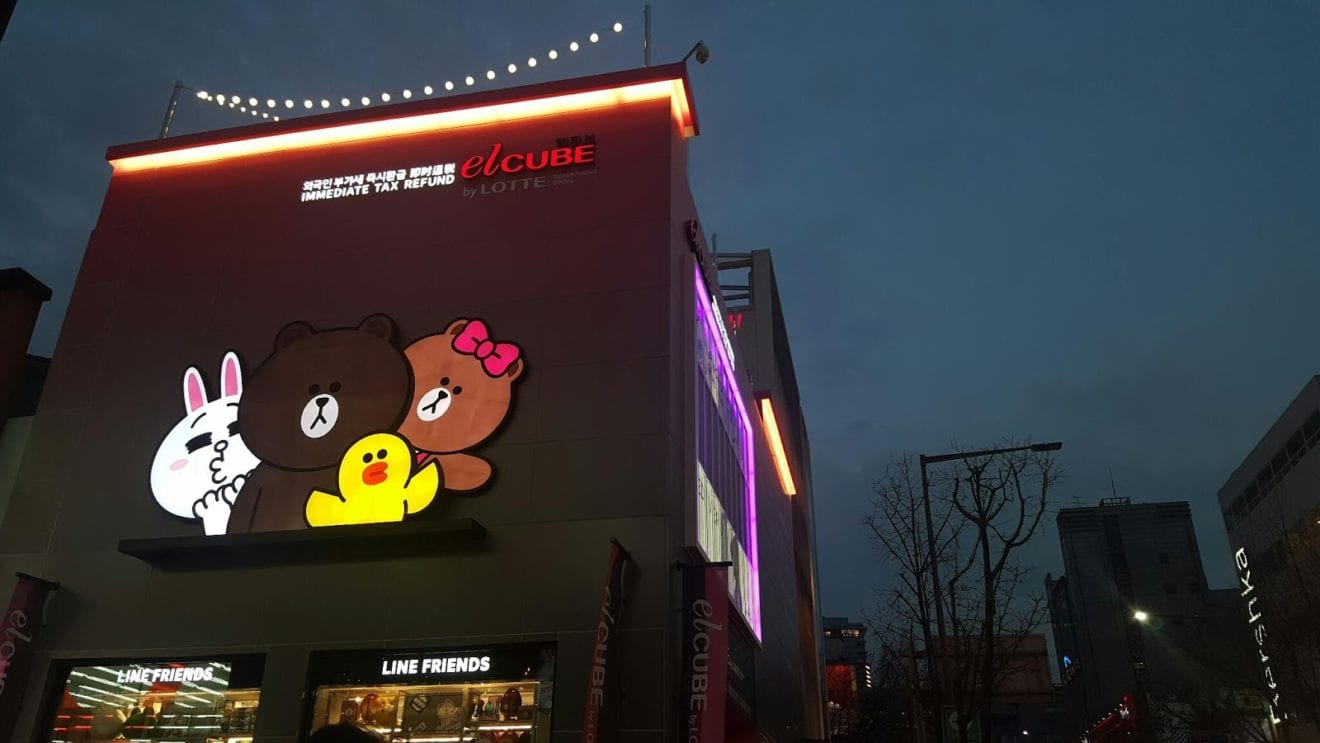
    In a bid to overturn the sluggish growth of traditional brick-and-mortar retail, Lotte Department Store is launching a new type of shopping mall in Seoul, the Lotte El Cube.

    In a trendy university neighborhood, the relatively small store focuses specifically on young, fashion-conscious shoppers – a departure from the retailer’s usual strategy of offering something for everyone at its department stores.

    Lotte El Cube 4

    Covering 630 sqm in a three-storey building, the Lotte El Cube houses 20 clothing brands, mostly casual in style. Featured labels include Pigment, PlayNoMore and Tomotom’s.

    “El Cube can adopt different concepts and focuses, such as beauty and lifestyle, depending on the location and needs of consumers,” says Lotte, which plans a second such outlet also in Seoul within a year.

    Lotte says it took its cue from Japan’s Isetan Department Store, which has several branches with different offerings. Isetan Mirror is dedicated to cosmetics and beauty products, while its Alta mall targets shoppers in their 20s.

    Lotte El Cube 5

    Known for its urban art and indie music culture, the neighbourhood where El Cube has set up is also attracting start-ups. The average number of daily users of nearby Hongik University Station grew from 72,000 in 2014 to 78,000 last year, and the neighborhood is also expanding in size.

    Lotte El Cube 1

    Annual combined sales at South Korea’s department stores – Hyundai and Shinsegae as well as Lotte – have had negative growth since 2014. Lotte is confident El Cube will attract new customers and become a fresh source of revenue amid unfavorable market conditions.

    “The key is to find new consumers as department stores are expected to face headwinds and low growth,” says Lotte merchandise strategy division head Woo Gil-jo.

    To match other stores in the area, El Cube will have extended shopping hours, from midday to 10pm.

  • Jack Ma’s grand eCommerce plan

    Jack Ma’s grand eCommerce plan

    Alibaba Group executive chairman Jack Ma wants to knock down barriers to global eCommerce by creating a business-driven, Internet-based platform that will function something like the World Trade Organization – but without all the controversy.

    Speaking at the Boao Forum for Asia, the founder of the world’s largest eCommerce company called for the establishment of “a new platform on which we are not debating, not having disputes, we are sharing trade,” Ma said.

    “On this platform we are promoting technologies as well as inclusive financing, so all [small businesses] and young people can enjoy the benefits of trade, so we are connecting the world with trade.”

    Ma’s ultimate goal is the creation of a virtual, borderless economy not constrained by politics. He calls the vehicle for achieving this the World e-Trade Platform, or eWTP. As envisioned, the eWTP would be set up primarily to formulate international rules to eliminate barriers to eCommerce and help small businesses and consumers everywhere participate in cross-border trade. The online platform would be open to a wide range of stakeholders including SMEs and would not be dominated by governments and multinational corporations.

    At the Boao forum – a business, government and academic leadership conference held annually on China’s Hainan Island – Ma said the WTO, which promotes free trade through lower tariffs and other trade barriers, “did a great job” in the last century in fostering a more global economy.

    China in particular after its accession to the WTO in 2001 experienced tremendous economic growth, he noted.

    But globalisation’s benefits have accrued unevenly and the WTO’s current rulemaking round, called the Doha Development Round, has been stalled for the last 15 years, largely over differences between developed and developing nations, Ma pointed out.

    The eWTP’s purpose is to help “the 80 percent of companies and developing countries that cannot participate in world trade,” he said, adding, “It is not the purpose of the eWTP to destroy the WTO, but to try to destroy trade protectionism.”

    Ma, who said last year he wants to help 10 million small businesses outside of China sell into global markets, stressed that he saw the proposed body as “complementary to the WTO … [so that] more nations that are poor like China was 15 years ago, let them enjoy the trade.”

    “Let’s make trade simpler, let’s take out some of the rules and laws that are not working, to move trade faster,” Ma said. “Let businesses drive it with governments and NGOs and other organisations participating.”

    During a Boao panel discussion focusing on Ma’s eWTO proposal, Indonesian trade minister Thomas Lembong and Luis Alberto Moreno, president of the Inter-American Development Bank, expressed support for the initiative.

    The explosive worldwide growth of eCommerce is spawning new business models and has the potential to spark fundamental changes in the way international trade is conducted by eliminating costly layers of intermediaries and shortening global supply chains. At the same time, the borderless, relatively frictionless nature of Internet trade offers small-and medium-sized businesses everywhere unprecedented access to global markets.

    “It’s hard to comprehend how fast things are changing, how fast things are moving,” Lembong said. “We really are talking about the dawn of a new era alongside the old one.”

    The eWTP could speed these changes, Lembong said, calling it “an intriguing concept.”

    “To me, eCommerce is an oasis of freedom in a world that threatens to be over-regulated and politicized” by protectionist trade barriers, he said, comparing the current trade regime to “a traffic jam.”

    Ecommerce “is an antidote to the poison of protectionism,” Lembong said. “Technology is a great equaliser, the best tools are available to the smallest companies. Now, thanks to technology and the mobile Internet, anybody with a mobile phone can become an entrepreneur.”

    Moreno noted that international eCommerce faces a number of challenges. Products can’t be consistently delivered quickly across borders because of inefficiencies in international logistics and customs procedures.

    “For a product to enter a country there might be 10 agencies you have to deal with,” Moreno said.

    Boao panelist Kasper Jakobsen, CEO of US-based infant formula maker Mead Johnson, agreed that global import regulations needed greater uniformity.

    “The biggest barrier to expanding [trade] platforms across boundaries is so many products have to comply with different regulations in all the markets they are sold in,” Jakobsen said.

    A clue to what reduced barriers with eWTP might look like can be seen in China’s efforts to boost cross-border eCommerce by setting up free-trade zones and bonded warehouses where certain goods ordered by Chinese consumers from overseas companies are subject to lower tariffs and receive expedited customs processing.

    “We have to ramp up and get ready for that platform Jack is inviting us to join,” Moreno said.

    Panelists also agreed backing should be sought for the eWTP proposal from world leaders at the upcoming G20 summit, scheduled to be held in September in Hangzhou, China, where Ma’s Alibaba Group is headquartered.
  • Aeon Mall plans ASEAN expansion

    Aeon Mall plans ASEAN expansion

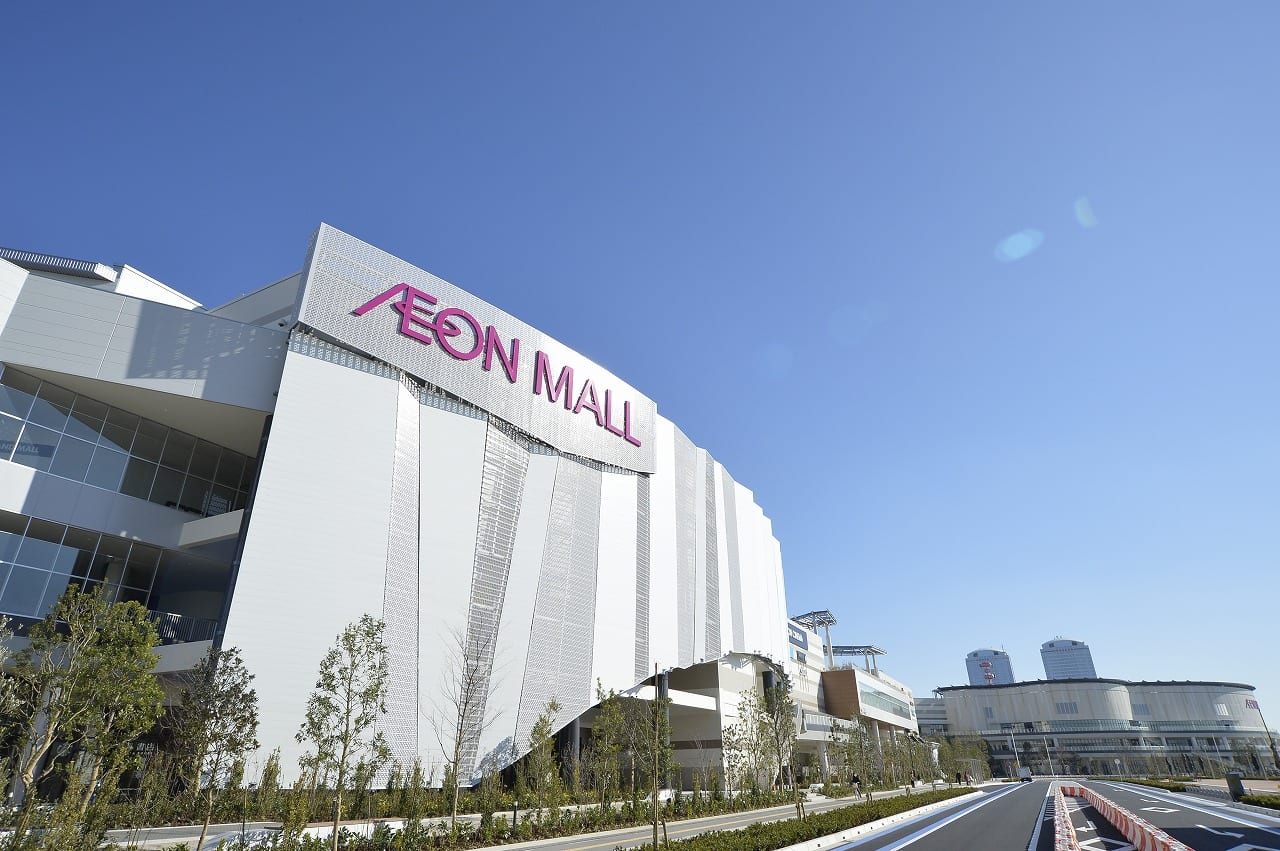
    Japan’s Aeon Mall plans more shopping centres in Indonesia and Vietnam, and is also looking at possibilities in Laos, Myanmar and Thailand.

    Under its 2020 strategy, it is planning five more outlets for Jakarta, after entering the 250-million-strong market with its first Aeon Mall in Indonesia last year, and will also add three more branches in Ho Chi Minh City and another in Hanoi.

    Aeon Mall’s ASEAN division director and executive GM Mitsugu Tamai says the company is also studying the feasibility of business development in Thailand, Laos, Myanmar and Thailand.

    He says the aim is to have its first Aeon Mall in Thailand by 2020, probably on the outskirts of Bangkok. The project would be undertaken either through its own investment or via a joint venture.

    As well as Aeon Mall BSD City in Indonesia, the group has 24 locations in Malaysia and another mall in Phnom Penh, with another on the books for the Cambodian capital. For this, the Japanese retailer will continue its collaboration with Bangkok-based Major Cineplex Group with a Major Cineplex at the mall.

    Major Cineplex chairman Vicha Poolvaraluk says his company is investing about Bt200 million (US$6.5 million) on a 10-screen theatre, including an IMAX laser theatre, as well as 20 bowling lanes.

    Other Thai companies, including Black Canyon Coffee, Fuji Restaurant, Jaspal and S&P, are also interested in opening branches at the mall, which will cover 100,000 sqm in Pong Peay district, and is scheduled to open in the first half of 2018.

    Aeon Mall is also looking at China as a key destination for overseas expansion. It already has 11 malls there, and by 2020 hopes to have more than 10 per cent of its revenue contributed by overseas business, up from 2 to 3 per cent now.

    “With aggressive outlet expansion, the company aims to see a 120 per cent year-on-year increase in terms of revenue from overseas markets,” says Tamai.

  • FedEx Announces Winners of Small Business Grant Contest in APAC

    FedEx Announces Winners of Small Business Grant Contest in APAC

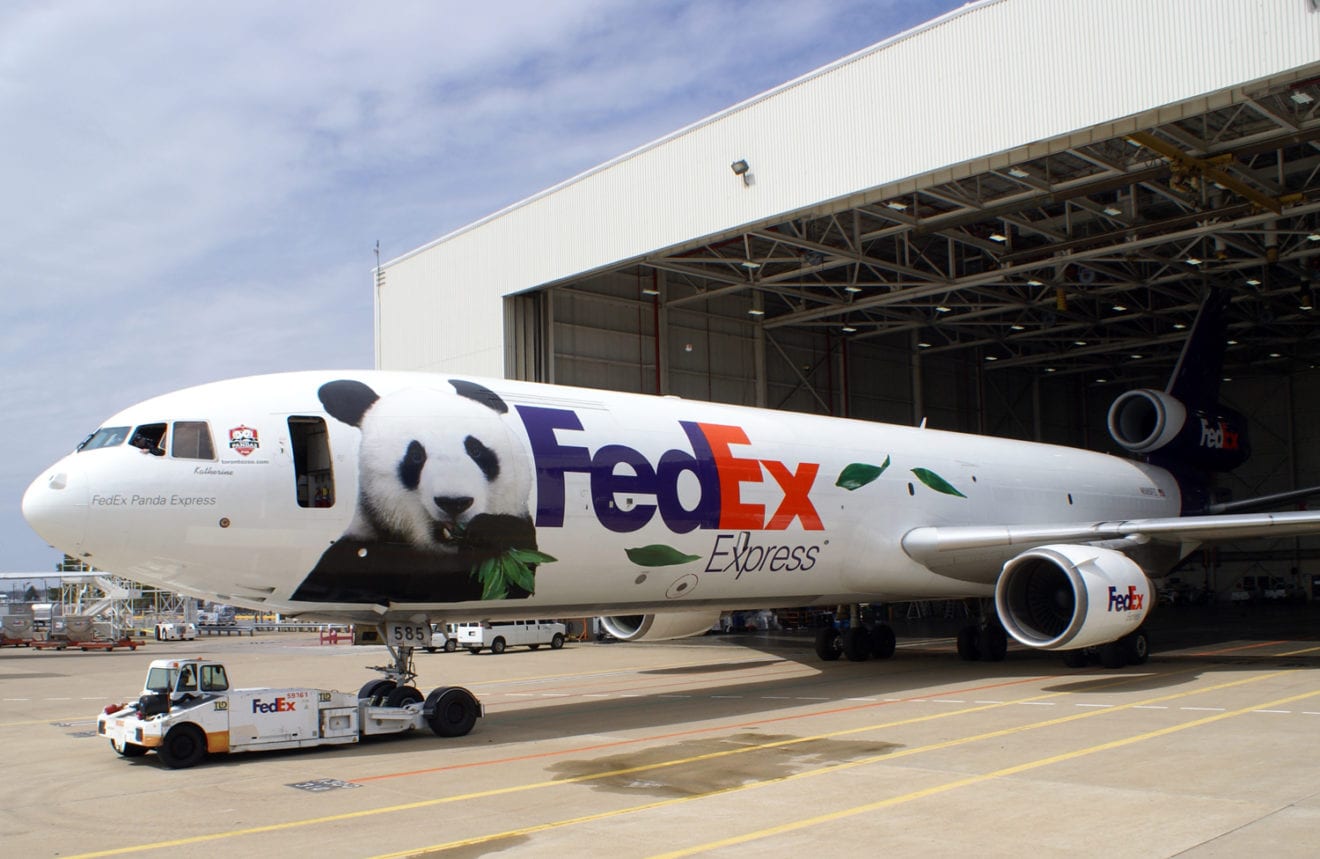
    FedEx Express announced the winners of the first-ever FedEx Small Business Grant Contest in Asia Pacific.

    In Hong Kong, B-Free Technology Ltd., a local technology innovator, was awarded the grand prize of approximately US$20,000 (HK$150,000). After hearing about a disabled youngster who had been confined to his home for eight years as he could not negotiate the five stairs at the lobby of his building, the company founder came up with the award-winning B-Free Chair to help the disabled to navigate stairs and regain mobility. The grant from FedEx will allow the company to further research and develop its next-generation wheelchair, the B-Free Ranger, and expand into the European market.

    The winner of the Singapore contest was RedWhite Apparel Pte Ltd, a long distance cycling bib shorts company that was awarded the grand prize of approximately US$18,000 (S$25,000) to assist in its plan to go global. RedWhite Apparel was launched in 2014 by Amreet Singh and Yuvaraman Viswanathan whose passion is cycling ultra-distances of 200 kilometers or longer. Frustrated by bib shorts that were uncomfortable and didn’t provide adequate support, they set out to make their own high-performance but affordable long-distance bib shorts for modern cyclists. Going global has been RedWhite Apparel’s goal since the company was launched, and it already has a presence in Singapore, Malaysia, Thailand, Indonesia and Taiwan. The founders plan to use the grant to help secure wider distribution and expand into Australia, Europe and USA.

    “SMEs account for 98 percent of all businesses in Asia Pacific and are a vital part of the regional economy. However, according to a recent FedEx study, only 36 percent of APAC SMEs are exporting despite there being a great opportunity to sell to markets beyond their own borders,” said Karen Reddington, president, FedEx Express Asia Pacific. “Through the Small Business Grand Contest, FedEx aims to support small businesses looking to branch out into new markets and help them fulfill their global aspirations. Both in Hong Kong and Singapore, we were highly impressed by the quality of entries we received. The contest serves as a showcase for the dynamism, innovation and creativity of the SME community in both markets and we hope it will inspire the wider business community and budding entrepreneurs.”

    The contest was open to all for-profit small businesses that met entry criteria around the number of employees in the organization and the length of time the companies had been established, among others.  In October, eligible SMEs were first required to register online and outline their business plans to go global.  Selected finalists then progressed to the final judging stage in November.

    First rolled out in the U.S. three years ago, this year marked the first time that the FedEx Small Business Grant Contest was held in other regions of the world. In addition to Hong Kong and Singapore, the contest took place in Brazil.

  • Kerry Logistics to Operate Inland Ports in Myanmar

    Kerry Logistics to Operate Inland Ports in Myanmar

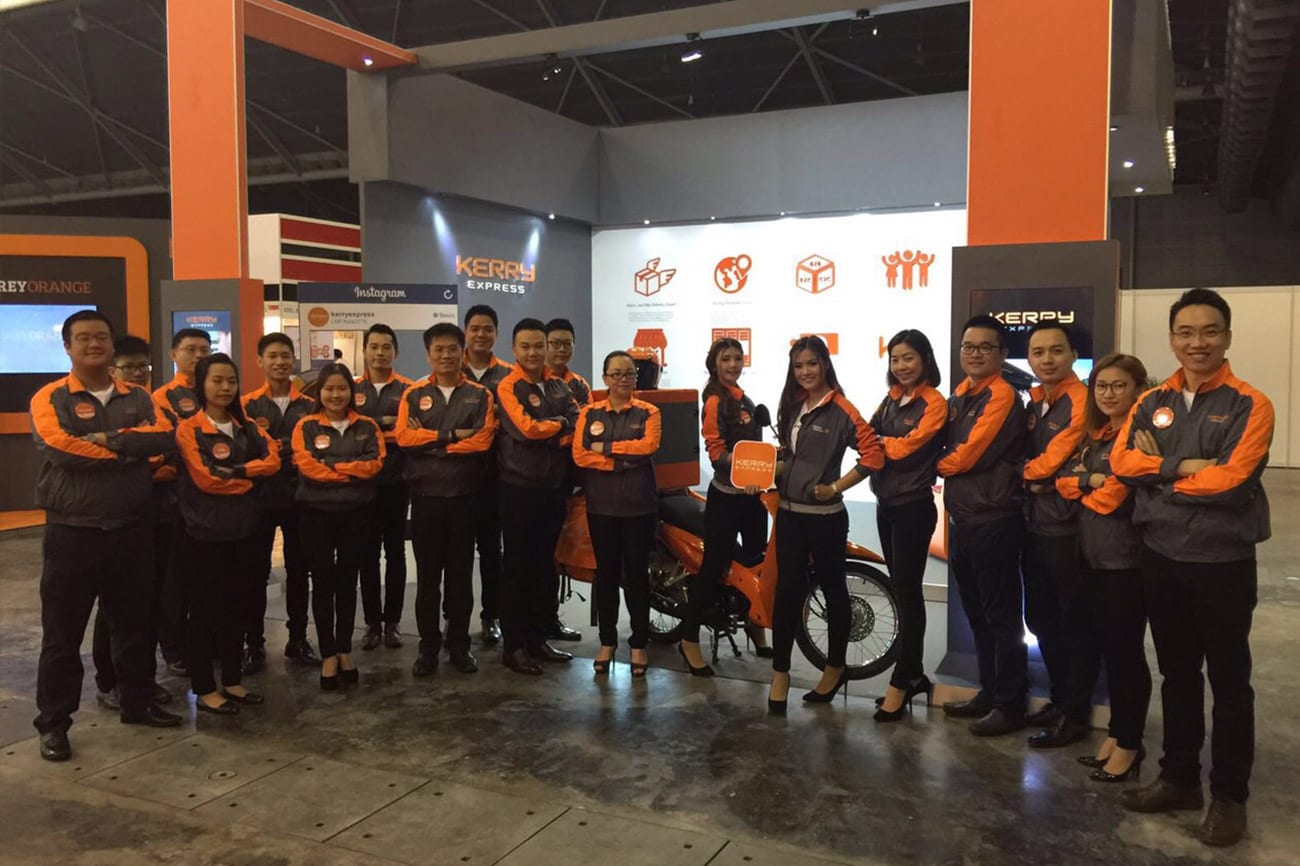
    Kerry Logistics announced that its subsidiary, KLN (Singapore) Pte Ltd, has been awarded concession to operate inland ports in Yangon and Mandalay, two major commercial cities in Myanmar.  The awarding ceremony organised by the state-owned Myanma Railways under the auspices of the Ministry of Rail Transportation of Myanmar was held at the Sule Shangri-la Hotel, Yangon.

    In a bid to seize new opportunities for cross-border trade upon entering the ASEAN Economic Community, the government of Myanmar is committed to developing the railway transportation potential and promoting mass cargo transportation in the country. The inland ports will serve as container and cargo terminals linked by railway to major routes in the country, and as hubs for the exporters, importers and domestic logistics service providers of cargoes in and out of Yangon and Thilawa Ports, as well as for cross-border cargoes from neighbouring countries such as China and Thailand.

    Commenting on receiving the concession, George Yeo, chairman of Kerry Logistics, said, “We would like to thank the Ministry of Rail Transportation of Myanmar for its trust in us, and are pleased to be offered the opportunity to contribute our expertise in terminal logistics operations to benefit the development of Myanmar.  Railway transportation is an essential backbone in support of Myanmar’s economic development, both within the country and with nearby regions. Given Kerry Logistics’ presence in ASEAN, our goal is to further strengthen the linkage among countries in the region and seek accelerated growth by developing an integrated Greater Mekong Region platform covering Thailand, Cambodia, Myanmar and Laos.  The inland ports in Yangon and Mandalay form a vital part in pursuing such an integration.”

    With its expertise in terminal logistics, strong foothold and experience in the ASEAN region, and commitment to the development of Myanmar, Kerry Logistics will work in close cooperation with the Ministry of Rail Transportation of Myanmar to strengthen the country’s rail transportation capabilities and expand its network both domestically and within Southeast Asia. This partnership is expected to create 400 job opportunities and facilitate industry expertise sharing in the country.

  • DRB-HICOM Asia Cargo Express Launches New Aircraft Livery

    DRB-HICOM Asia Cargo Express Launches New Aircraft Livery

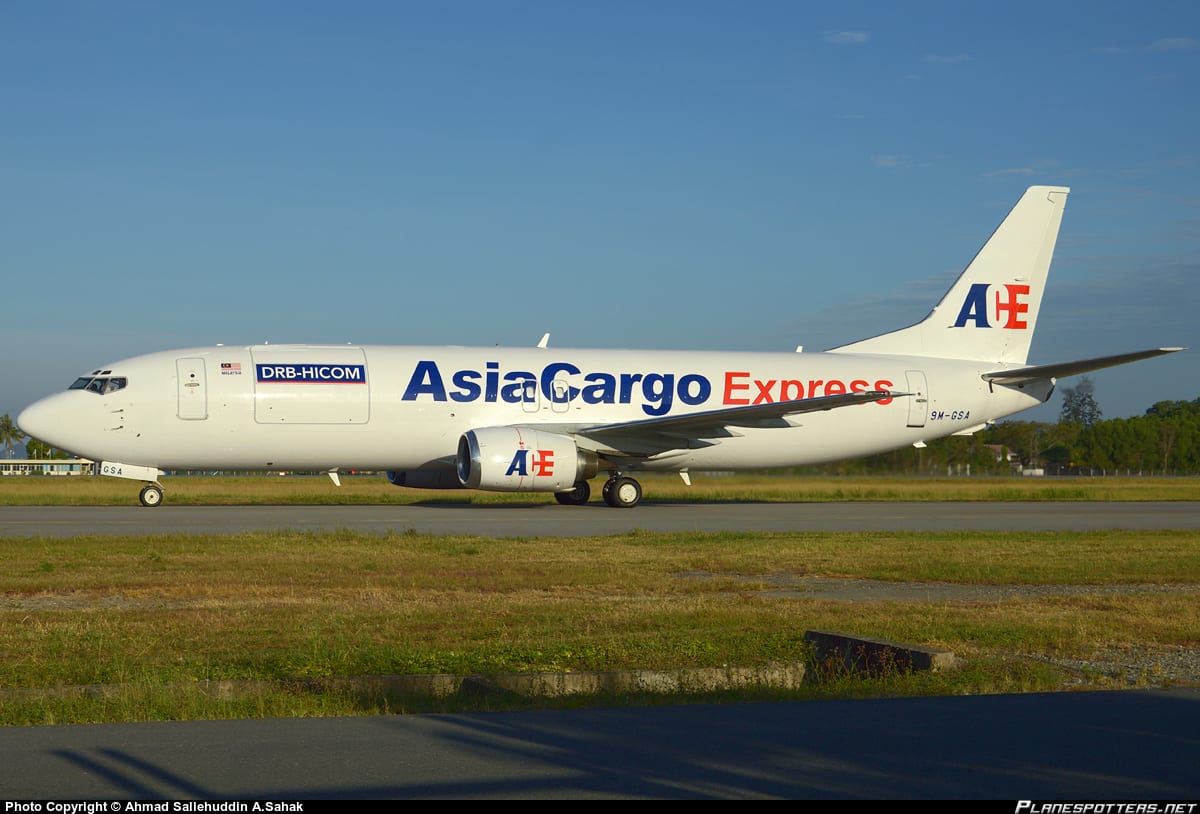
    DRB-HICOM Asia Cargo Express (ACE) has officially launched its new livery and logo for its air freight services at KLIA.

    A wholly owned subsidiary of KL Airport Services Sdn Bhd (KLAS), and a member of the DRB-HICOM Group, ACE currently offers air cargo services between Peninsular Malaysia, Sabah and Sarawak with emphasis on reliability, safety and quality.

    ACE, which was acquired by KLAS in February 2015, is the main service provider for Pos Malaysia, for its courier and mail services between the Peninsular, Sabah and Sarawak, which currently plies Kuala Lumpur, Kuching, Miri and Kota Kinabalu.

    According to DRB-HICOM Group Managing Director, Dato’ Sri Syed Faisal Albar, the services offered by ACE is part of a strategic move by DRB-HICOM Group to provide the regional market with an intermodal logistics solutions and total supply chain management.

    Aiming to be the premier air cargo carrier in the region, plans are in place for ACE to grow its fleet and extend its services to other major ASEAN cities. Currently ACE operates two Boeing 737-400F aircraft, each with a capacity of 18.5 tonnes of cargo and a flying radius of 4.5 hours.

    The IATA 2015 air cargo report forecasts a positive five years outlook with 4.1 per cent compounded annual growth rate.  ACE, with the addition of the third freighter aircraft this year, will be able to extend its services beyond Malaysian shores, contributing to the growth of DRB-HICOM’s logistics business.

    Group Chief Executive Officer of KLAS Group, Mohd Rani Hisham Samsudin added: “KLAS Group is moving towards becoming a fully integrated logistics service provider providing an end-to-end supply chain management solution. Through ACE alone, we target a revenue of not less than RM100 million each year, primarily from increasing our aircraft utilisation and expanding its operations throughout the region,” said Mohd Rani.

    The launch was officiated by the Minister of Transport, Dato’ Sri Liow Tiong Lai. Present at the event was the Chairman of DRB-HICOM Berhad, Brig. Gen. (K) Tan Sri Dato’ Sri (Dr.) Haji Khamil Bin Jamil, Group Managing Director of DRB-HICOM, Dato’ Sri Syed Faisal Albar, Senior Management of DRB-HICOM Group, as well as ACE’s current and potential customers.

    DRB-HICOM has five logistics services companies under its umbrella which include Pos Malaysia, KLAS, Konsortium Logistik Berhad, ACE and DRB-HICOM Auto Solution.

  • Equinix launches data hub service

    Equinix launches data hub service

    The ways in which enterprises assemble their network infrastructure have been evolving rapidly as the industry-wide shift to the cloud accelerates. This week Equinix offered another piece of its ongoing response to that shift, unveiling a new Data Hub service that lets enterprises store their data next to the clouds they use but keep control over it.

    Equinix already has Cloud Exchange, providing connectivity to an ecosystem of cloud providers, as well as Performance Hub, which gets the enterprise WAN into the data center.

    This new offering simply bundles the space and power needed to house big data in a pre-configured package and with partners lined up to help with the particular storage technology.

    The idea is to let folks put their data as close as possible to the cloud services that use it, while at the same time not ceding control or access to it.

    That might be for compliance reasons, it might be to leverage a common data store from multiple cloud providers, it might be simply for data protection or replication, or simply to keep latency as low as possible for things like IOT.

    It’s all part of the industry shift toward caring where data actually is on the internet. From low latency trading, to sovereignty issues, to the caching of content at the edge, to small cells, to proximity to renewable energy, the recurring theme in this era of internet infrastructure has been the old real estate saying, ‘location, location, location’. It’s a quite different theme from the prior decade, in which everything was about achieving scale.

  • Fujitsu switches on Tatebayashi Data Center

    Fujitsu switches on Tatebayashi Data Center

    Fujitsu has commenced operations at its new Tatebayashi Data Center. The newly opened Annex C, featuring optimized air conditioning systems and operating environment, meets Japan’s highest environmental performance standards.

    Fujitsu built the facility with a particular focus on support for hybrid clouds to support burgeoning demand, as well as for robust security and resiliency to disasters.

    Fujitsu is using the data center as the core facility for its digital business platform MetaArc, which supports the digital business of customers, and is helping to bring greater dynamism to the businesses of its customers.

    By optimizing the air conditioning systems, operating environment, and the ICT equipment environment, the new annex increases the use of outside air for cooling to roughly 7,000 hours per year, from roughly 3,250 hours for previous data centers.

    In addition, Fujitsu developed a new architectural structure and air conditioning method that maximizes the use of natural convection for airflow, thereby reducing the amount of electricity used for air conditioning and other equipment by approximately 60%. It is designed to achieve power usage effectiveness (PUE) of 1.20, the most efficient level in Japan.

    In addition to connections with other Fujitsu data centers throughout Japan and Fujitsu’s cloud services, the new annex uses standard equipment for closed networks to enable connections with third-party clouds, thereby providing fast support for hybrid cloud usage needs.

    The new annex is equipped with three different types of server rooms to meet diverse customer needs. The Standard rooms are high-quality server rooms equivalent to Tier 3. The Cloud rooms are for the exclusive use of clouds and use new air conditioning methods and support high integration and high power supply capacity.

    Thirdly, the FISC-compliant rooms are for customers in the financial services industry. The new annex complies with the Center for Financial Industry Information Systems (FISC) security standards, and uses an electricity distribution system with a UPS with reliability that exceeds Tier 4 standards.

  • Seezar Soesan plans more Gloria Jean’s

    Seezar Soesan plans more Gloria Jean’s

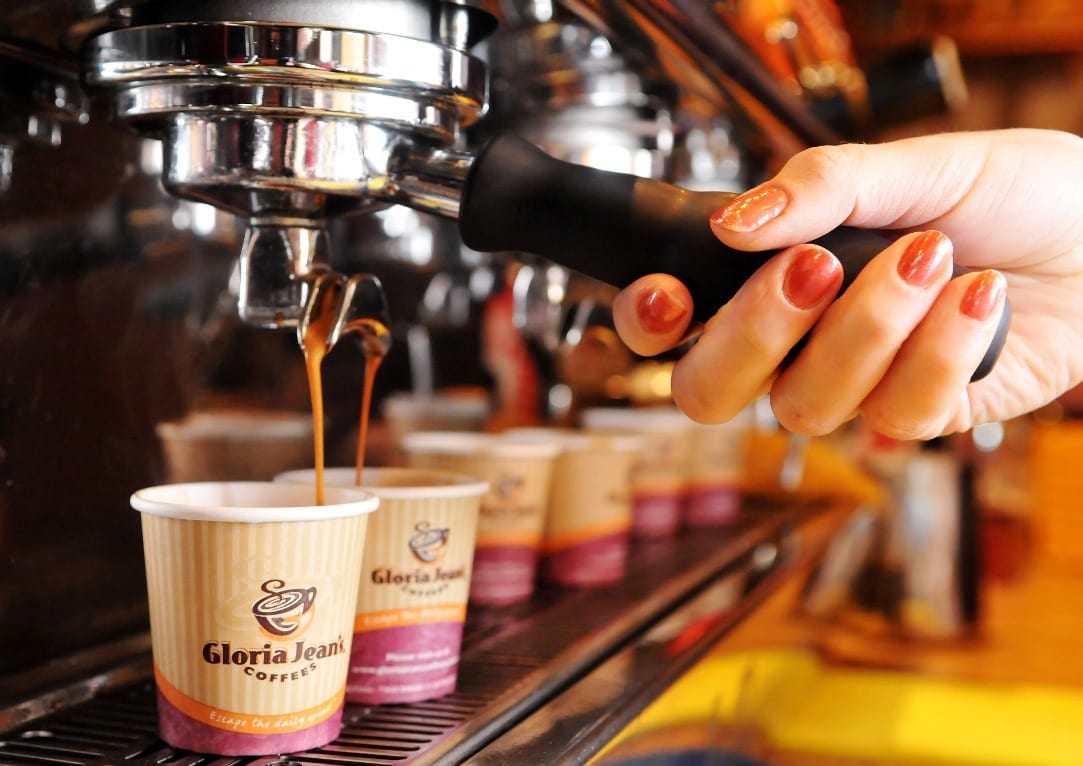
    Australia-based coffee retail chain Gloria Jean’s is planning to open more outlets in Myanmar through its local franchisee Seezar Soesan.

    It already has two branches in Yangon, one in Myanmar Plaza, which opened in January, and the other in Yangon’s new international airport terminal, which opened in March.

    Seezar Soesan COO U Kyaw Htin Latt says the company plans to continue as sole operator for the next two years, but may allow other interested firms to open branches after that.

    Other coffee outlets in Myanmar include Espressonite Myanmar, Nervin and Ya Kun.
    Seezar Soesan has business interests in such areas as IT, trading, construction, agriculture, consultancy and media services.

    Part of Australia’s largest multi-food franchiser Retail Food Group (RFG), Gloria Jean’s Coffees has nearly 800 outlets in 39 markets worldwide.