Author: Mei Ling Tan

  • Singtel, Inmarsat join forces on maritime cyber security

    Singtel, Inmarsat join forces on maritime cyber security

    SingTel has forged a strategic alliance with Inmarsat to jointly offer cyber security tools for the global maritime industry.

    Under the partnership, Trustwave, the cyber security arm of Singtel, will provide its Unified Threat Management (UTM) managed solution, to be integrated with Inmarsat hardware onboard ships, to protect data reduce cyber risk for maritime companies.

    Singtel said the UTM service offers a suite of cyber security defenses, such as advance firewall, anti-virus, intrusion prevention and web-filtering.

    Singtel and Inmarsat plan to launch the new maritime cyber security service in the second half of 2016, the companies said a joint statement.

    The new service will be delivered through FleetXpress, the highly anticipated high-speed broadband communication service Inmarsat launched in March for maritime and offshore operators.

    Andrew Lim, managing director of business group at SingTel’s Enterprise Group, said the partnership with Inmarsat is important for the company as it marks the first phase in rolling out Singtel cyber security services for Inmarsat.

    “As maritime systems become more digital, it is imperative for the industry to protect data onboard ships against all forms of cyber attacks. Our partnership with Inmarsat will provide maritime companies with a cyber security solution to meet rapidly evolving cyber threats, globally,” the executive said.

    Gary Gagnon, Inmarsat’s senior vice president of global cyber security, said the partnership with Singtel supports the company’s commitment to the market and elevates the benchmark for maritime cyber security.

    “The landscape of shipping is changing. As we move from traditional shipping into the ship intelligence era, the threat of cyber attacks have never been more real,” commented Ronald Spithout, president of Inmarsat Maritime.

    “Risks from malicious attacks and unlawful access to a ship’s intelligence, its system infrastructure and networks cannot be ignored, and the shipping industry needs to take action.”

    The Singtel-Inmarsat collaboration comes a day after Inmarsat announced it will use its new Global Xpress satellite fleet to provide in-flight connectivity services for the airline industry.

  • Maybank to grow Singapore retail SME loan portfolio by 40% this year

    Maybank to grow Singapore retail SME loan portfolio by 40% this year

    Maybank is planning to “aggressively expand” its retail small and medium enterprises (RSME) financing across Singapore and the region, it said on Monday.

    The bank will be lending money to more businesses with revenues of up to $20 million, termed “retail SMEs” because they have simpler financing needs akin to those of retail or consumer banking.

    The move follows the implementation of its RSME model in Malaysia, which has seen a compounded annual growth rate (CAGR) of more than 30 per cent in loans since it was fully rolled out in 2013.

    Maybank Singapore said it expects to grow its total RSME loan portfolio by 40 per cent this year.

    In the two years since the RSME business was officially launched here, SME loans have increased by more than 50 per cent and deposits have risen by almost 25 per cent, according to Mr Choong Wai Hong, head of community financial services (CFS) for Maybank Singapore.

    “Our RSME business was a newly created segment which we identified as having great potential in 2011,” said Mr Lim Hong Tat, chief executive of Maybank Singapore.

    Mr Lim added that Maybank will be focusing on building its RSME portfolio regionally as the formation of the Asean Economic Community has resulted in countries placing increasing emphasis on smaller firms. “Asean economies are powered by the SME segment, which generates about 50 per cent of employment and some 40 per cent of GDP on average,” he added.

    “The SME industry itself is growing by between 8 and 28 per cent CAGR in these markets and presents an untapped potential for growth.”

    Maybank has introduced its RSME model in Indonesia, the Philippines, Cambodia, Laos and Brunei.

    The bank also has online capabilities to help small business owners improve their productivity in areas such as payroll, collections and payments. Maybank intends to devise more innovative financing solutions to help business owners manage uncertainties around their cash flow.

    “As the only bank with a presence in all 10 Asean countries, we are well-poised to help more small businesses capitalise on new opportunities to grow their business locally and access new markets in the region,” Mr Choong said.

  • Hui Xian Reit sees steady growth despite slowing Chinese economy

    Hui Xian Reit sees steady growth despite slowing Chinese economy

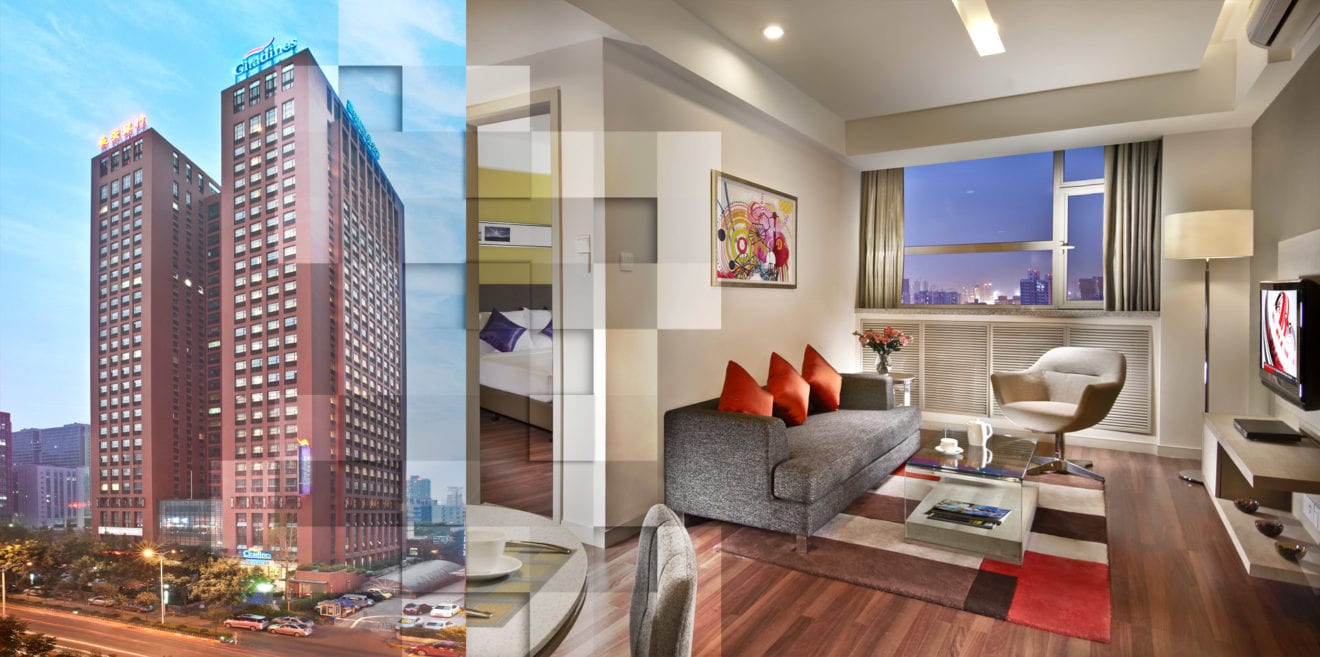
    Hui Xian Real Estate Investment Trust, the first yuan-denominated reit listed in Hong Kong, said on Tuesday that its amount available for distribution rose 8.4 per cent last year despite the weak growth in the mainland Chinese economy and the ongoing global slowdown.

    The reit said the amount available for distribution grew to 1.48 billion yuan from 1.36 billion yuan a year ago, with 98 per cent to be distributed to unit holders. Distribution per unit for the second half of the year was about 13.4 fen.

    Together with the interim amount announced earlier, the total distribution per unit for the year rose 5.2 per cent year on year to 27 fen. Its distribution yield was 8.11 per cent, based on the closing unit price of 3.33 yuan on December 31, 2015.

    “Last year was challenging, marked by a worldwide economic slowdown and increased international volatility,” said Kam Hing-lam, chairman of Hui Xian Asset Management, the manager of the reit, which is partly owned by Cheung Kong Property Holdings.

    Nonetheless, Hui Xian Reit managed to maintain the growth momentum, Kam said, adding that the increase was mainly driven by the organic growth of its existing leasing and hotel portfolio. The reit also gained from the additional income contributed by the newly acquired Chongqing Metropolitan Oriental Plaza from March 2 last year.

    Total revenue for the period was 3.05 billion yuan, up 9.1 per cent on an annual basis, while net property income rose 9.9 per cent to 2.04 billion yuan.

    Hui Xian Reit said its core asset, the Oriental Plaza in Beijing, achieved stable growth as it had heavy visitor flows despite a gloomy retail environment in mainland China.

    The average monthly passing rent surged 9 per cent to 1,193 yuan.

    Last year was challenging, marked by a worldwide economic slowdown and increased international volatility
    KAM HING-LAM, CHAIRMAN, HUI XIAN ASSET MANAGEMENT

    The reit said its offices and serviced apartments showed stable income growth while the hotel sector showed signs of stabilising.

    The average occupancy rate at Grand Hyatt Beijing improved to 58.8 per cent from 55.9 per cent a year ago, with the average room rate per night down 7.9 per cent year on year to 1,461 yuan.

    Hui Xian said all its existing projects were in mainland China, generating revenue in yuan. The currency’s exchange rate volatility, however, did not have a significant impact on the performance of the reit’s projects.

    Though most of its borrowings are in Hong Kong dollars, its yuan exposure will become visible when the currency’s exchange gain or loss is realised upon repayment.

  • Japan’s biggest bank sees crucial role for Philippines

    Japan’s biggest bank sees crucial role for Philippines

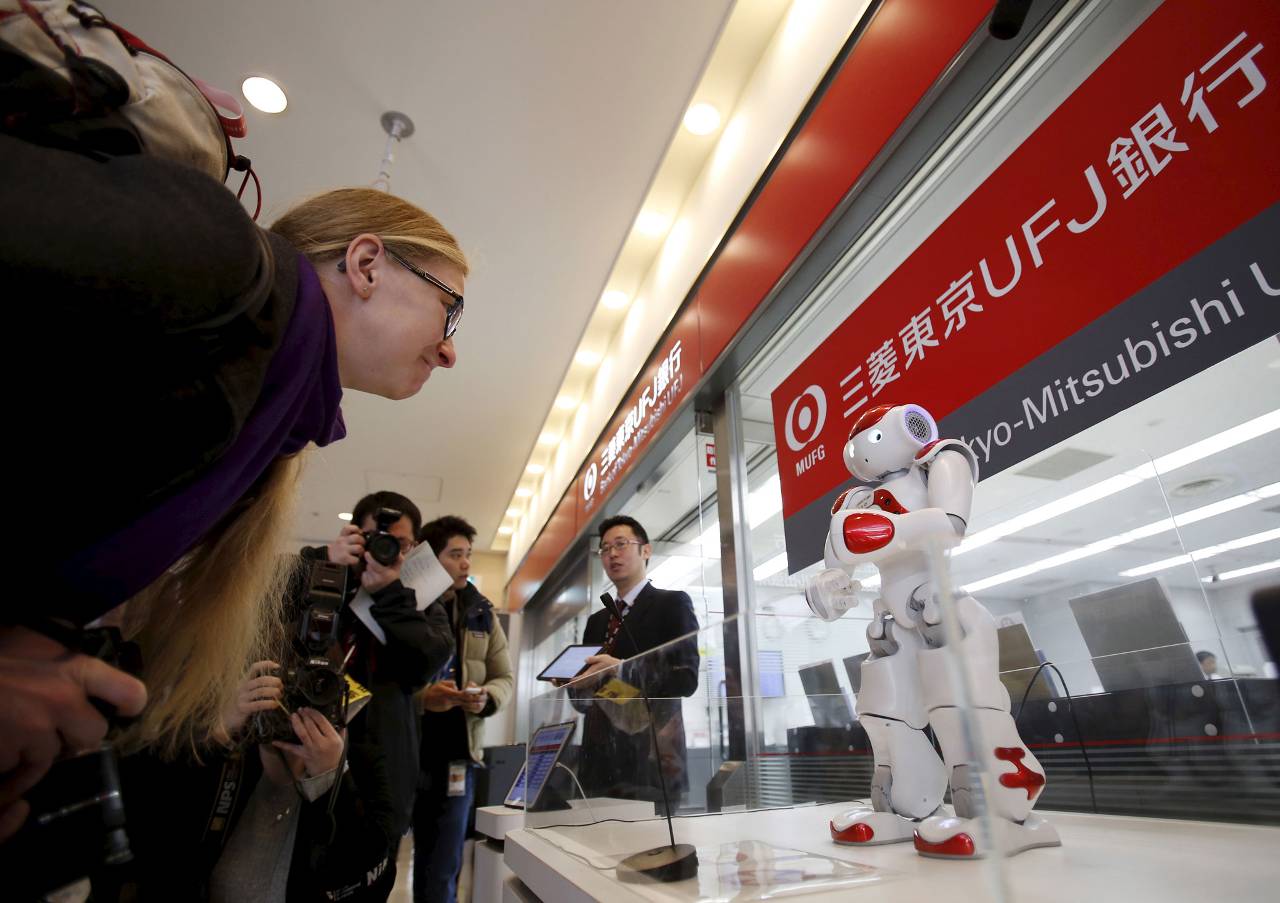
    Japan’s biggest lender Bank of Tokyo-Mitsubishi UFJ said the Philippine market plays a crucial role in its goal to become Asia’s Tier 1 financial institution.

    BTMU, which recently bought a 20-percent stake in the Philippines’ Security Bank Corp., said it envisions surpassing three of the biggest banks in Asia (HSBC, Citibank and Standard Chartered Bank) by 2020.

    “The Philippines is one of the most important markets for the bank because the economy is strongly performing, and many Japanese companies have been advancing in the Philippines,” Go Watanabe, BTMU chief executive officer in Asia and Oceania Region, told reporters in a roundtable discussion on Tuesday.

    “The Philippines is the missing part of BTMU. That is why we have decided to have a strategic alliance with Security Bank,” he added.

    Watanabe said its P36.9-billion investment in the local lender, which is also the biggest capital infusion to date in the Philippine financial market, is part of BTMU’s strategy to identify the right partners in high growth markets and to deepen its presence in organic communities.

    He said that with the partnership BTMU could now provide its strong base of Japanese customers with retail banking services using the local network of Security Bank.

    With BTMU’s diverse global network, it can also provide global corporates and Filipino companies with services such as project and trade financing, he added.

    For his part, BTMU General Manager Tadahiro Miyamoto, said that with the large consumer market in the Philippines, many Japanese firms are showing interest in expanding operations into the country.

    Potential for auto industry
    “There are many companies interested in the Philippine market. One is the retail segment such as food and apparels, but currently, probably the most interested segment is automotive,” he said.

    Miyamoto added that if the Comprehensive Automotive Resurgence Strategy (CARS) program of the government becomes successful, there are potentially many Japanese manufacturers and suppliers that would be producing car parts in the Philippines, which would create even more investment opportunities for the sector.

    Despite this, Watanabe said that encouraging more manufacturing firms to do business in the country is a bit challenging because of the lack of incentives and persistent gaps in infrastructure and power generation.

    “The challenge for the Philippines is how to encourage overseas companies, especially manufacturing, to invest in this country. In that respect, BTMU is willing to support the country to encourage them to invest more in the Philippines,” he said.

    “More than 100 million population is a good big market. If the government will think about good incentives, I think it will be a good chance for the Philippines to increase the entry of foreign direct investments, not only from Japan but also from other countries,” he added.

    Meanwhile, Miyamoto said improvement in other areas such as infrastructure, and the cost and reliability of electricity are also needed.

    “There are a lot of projects going on. We hope that those will be realized soon so that there will be more general support for Japanese companies to invest more here,” he said.

    Interested in PPP
    In this regard, Watanabe said the public-private partnership program (PPP) of the government, particularly in infrastructure, is necessary for the country.

    “Japanese companies are showing strong interest in participating in the PPP. BTMU as the best project finance bank, together with good peso liquidity from Security Bank, means our team is the best team to support the PPP and encourage Japanese customers to participate in the PPP. This will be very beneficial to this country,” he said.

    At present, Miyamoto said BTMU has no PPP investment yet, but the bank has been looking to participate in projects included in the pipeline.

    One particular project that the BTMU is interested in is the Clark Green City, which includes access and inter-city roads, a railway system, a mixed-use residential and commercial block, business district, industrial estates, schools and centers, government offices, and other facilities that would make up a major city.

    At full development, the city is estimated to accommodate some 1.12 million residents and 800,000 workers.

    “It is a very good project. It creates a lot of positivity for the Philippines and we will see what we can do,” Miyamoto said.

    Another project that can be considered by BTMU is the North-South Railways Project, Watanabe added.
  • Plukka Debuts a Pop-Up in New York City

    Plukka Debuts a Pop-Up in New York City

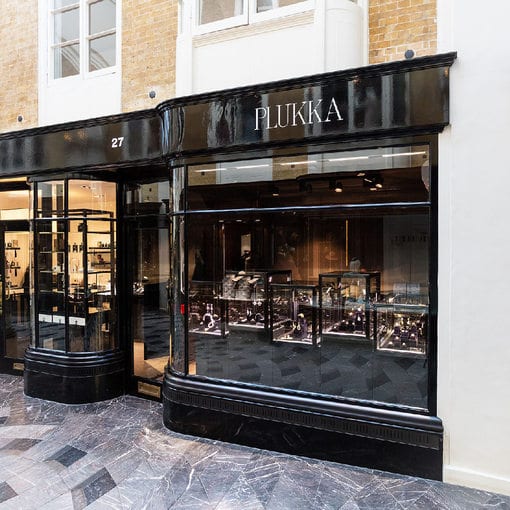
    Plukka, which launched as a flash-sale website for made-to-order fine jewelry, is getting increasingly serious about bricks-and-mortar retailing. The Hong Kong–based company, which opened freestanding stores in Hong Kong and London in 2014 and 2015, respectively, has debuted a pop-up store at the Jack Vartanian store on Madison Avenue.

    And the roughly 600-square-foot space is, according to Plukka founder Joanne Ooi, “a preliminary step to opening a permanent NYC boutique in the future.”

    She adds, “It’s Plukka’s objective to be the first truly global multi-brand designer and fine jewelry retailer, so having a presence in the U.S., and specifically New York City, is a fundamental part of our mission. New York contains a hugely disproportionate share of both clients and influencers, so we consider the city a crucial beachhead location.”

    Plukka made news last year for launching a program that delivers up to $15,000 of merchandise to existing clients in New York City and Hong Kong—so they can shop in their homes.

    Plukka’s New York pop-up, which will run for two months, will feature ”designers not available in New York City,” says Ooi, whose picks for the temporary shop include pieces from L’Dezen by Payal Shah, Ashu Malpani, Sidney Chung, Baer Jewels, and Tana Chung. “We represent and work with many designers who are already in this market,” including Suzanne Kalan, Hoorsenbuhs, Yeprem, and Wendy Yue.

    “But the whole point of our very large stable of incredibly talented designers is that we can show different designers in different markets, depending on tastes, interests, demographics, and buying patterns,” she explains. ”We are using this pop-up to make the point that we are truly the premier discovery machine for the world’s most creative fine jewelry.”

  • Dubai Mall named world’s best for shopping experience

    Dubai Mall named world’s best for shopping experience

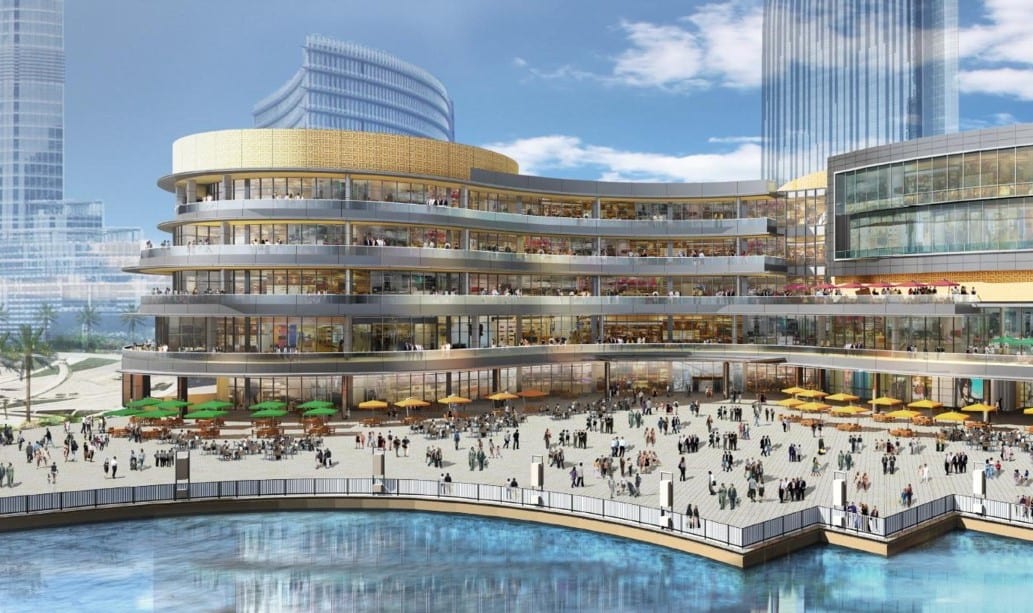
    Dubai Mall has ranked higher than London’s Regent Street, New York’s Fifth Avenue and the Champs-Elysees in Paris in terms of the overall quality of its retail facilities and amenities, according to the latest Global Retail Destination Index 2016 from Savills.

    The report measures the various retail attributes held by London’s West End and compares them to six other leading cities – Dubai, New York, Paris, Milan, Hong Kong and Singapore.

    The Dubai Mall locations were based on their brand positioning in comparison to the key retail destinations in the West End. As a result, each strip of the mall – Star/Grand Atrium strip, Fashion Catwalk and Fashion Avenue – was treated like a ‘street’.

    The report said: “Dubai is forecast to report the strongest growth in retail sales over the next five years of the seven global cities examined, potentially challenging London’s West End’s current global position.”

    The top ranking global retail city from the analysis was New York. London’s West End ranked second alongside Hong Kong, followed by Dubai.

    According to the Mastercard Global Destination Cities Index 2015, there were 14.3 million overnight visitors to Dubai last year, which commanded a total spend of $11.7 billion, an average of $819 spent per visitor. This was some way behind New York’s average spend of $1,416.

    Dubai Mall was named the least expensive in terms of indicative prime total occupational costs as of Q4 2015 – prime rent per sq ft $240; additional occupational costs per sq ft $60; total occupational costs per sq ft $300. This compared to the total occupational costs per sq ft in New York’s Fifth Avenue of $3,900.

    According to a survey response in the report, 88.4 percent of people said Dubai has the best choice and quality of shops in the world.

    Dubai outperformed London, Paris, Singapore and Milan for shopper experience, which included ease of shopping, connectivity, service levels and directional signage.

    David Godchaux, CEO of Core Savills, said: “Dubai is now perceived as a top global retail destination. But this is only the tip of the iceberg as we now start seeing developers trying to improve the shopping experience not only for tourists as in the past 15 years, but also for residents.

    “This trend of moving away from the ‘bigger is better’ approach, to more user and resident friendly retail developments, bringing a real city experience and European-style shopping to areas of Dubai similar to those found in London, Paris and Milan, is something that was much awaited by the market and that we see finally happening.”

  • Teak & Mahogany Accelerates Business Growth And Efficiency With NetSuite

    Teak & Mahogany Accelerates Business Growth And Efficiency With NetSuite

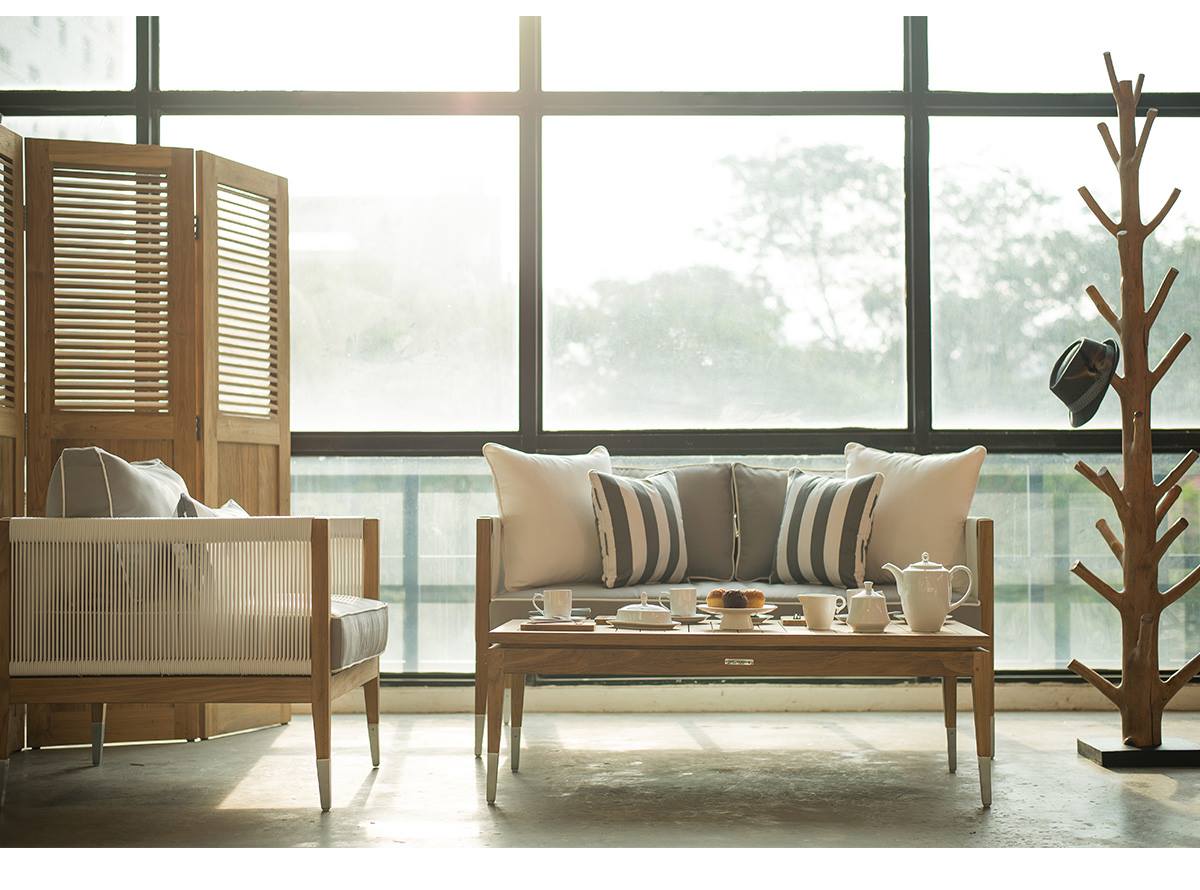
    NetSuite Inc. (NYSE: N), the industry’s leading provider of cloud-based financials / ERP and omnichannel commerce software suites, today announced that Teak & Mahogany, a Singapore-based B2C and B2B merchant of fine outdoor and indoor furniture and accessories, has deployed NetSuite to streamline its business operations and gain operational efficiency to support rapid international growth. Teak & Mahogany replaced two separate instances of MYOB and a number of Excel sheets with one single instance of NetSuite. Teak & Mahogany is now using NetSuite to manage its core business processes, including financials, warehouse and inventory management, order management, CRM and multicurrency management for the Euro and the dollars of Australia, the US and Singapore. Since deploying NetSuite, Teak & Mahogany has experienced end-to-end business efficiency and strong growth in sales to hotels, restaurants, bars, condominiums and other commercial buyers, as well as growth in its retail business, resulting in a 300 percent gain in net profitability between 2014 and 2015.

    Prior to NetSuite, Teak & Mahogany struggled with two separate instances of MYOB, for accounting and retail, while relying on Excel to manually manage inventory and order fulfillments. The siloed applications resulted in regular miscommunication, manual data errors and poor productivity, while a lack of real-time visibility into key business metrics made it difficult to make informed business decisions. After evaluating a number of alternative solutions, including Microsoft Dynamics NAV (Navision) and SAP, Teak & Mahogany selected NetSuite for its rich functionality and flexibility in a single, integrated and scalable solution, based on a cloud architecture that delivers anywhere, anytime access and minimizes IT resource requirements. PGE Solutions, a 5-Star NetSuite Solution Provider partner headquartered in Manila with a regional hub in Singapore, has helped Teak & Mahogany with implementation and ongoing optimizations, aligning NetSuite to the company’s unique business needs and strategic growth objectives.

    Founded in 1996 with a flagship retail store in Singapore, Teak & Mahogany is better positioned with NetSuite to grow its multi-channel business across Southeast Asia and the USA. NetSuite helped to support Teak & Mahogany’s recent introduction of a broader lineup of indoor furniture and accessories, expanding on its traditional outdoor focus to bring its total SKU count above 3,000, including seating ensembles, barbecues, bars, dining sets, lighting and more. NetSuite can help Teak & Mahogany drive sales across its B2B distributor channel, which sells its products in Singapore, Australia and Hawaii through CRM functionality that provides a complete real-time view of customers and prospects, from clubs to condominiums, and automated invoicing that streamlines transactions. Multi-currency conversions in NetSuite also helps the company to seamlessly transact in the Euro with their Danish supplier and in the dollars of Singapore, Australia and the U.S. with their three distributors, with more currencies available as it grows commercial sales across the APAC region. Teak & Mahogany also relies on NetSuite for purchase orders, billing and fulfillment with four retailers in Australia and one in Hawaii that sell Teak & Mahogany merchandise.

    “Our goal with NetSuite from the start was to expand the business and there’s no doubt NetSuite has played a big role as we have increased our profitability,” said Philip Jensen, Teak & Mahogany Co-owner and Marketing and Export Manager. “NetSuite gives us outstanding flexibility and fantastic real-time data that shows us how the company is doing at any time. With NetSuite, we have a greater focus on growing the business with efficiency and real-time KPIs. We’re relying more on NetSuite to drive the future of the company rather than people using spreadsheets.”

    Other key benefits that Teak & Mahogany has realized since deploying NetSuite are:

    Better order fulfillment. Teak & Mahogany has improved order fulfillment accuracy to 100 percent since deploying NetSuite, compared to error rates in the range of 350 a year with previous Excel-based processes, improving customer satisfaction.

    Improved inventory management. NetSuite has helped Teak & Mahogany better manage and replenish inventory, dramatically reducing costly overstock at its 23,000 square feet of multi-floor warehousing space in Singapore.

    Continued inventory enhancements. Expanding usage of bin management will improve inventory efficiency and precision across distributed warehousing space, supported by the OzLINK solution from NetSuite partner Oz Development.

    Greater productivity with a lean workforce. NetSuite automation has helped Teak & Mahogany to consolidate multiple job roles, and since deploying NetSuite, Teak & Mahogany has trimmed the workforce by five full-time personnel, realizing substantial savings.

    According to Zakir Ahmed, Vice President and General Manager, NetSuite Asia: “Teak & Mahogany is one of the growing number of businesses in Asia Pacific turning to NetSuite to help realize efficiencies and support rapid growth. Teak & Mahogany’s impressive gains in profitability are a strong testament to the potential benefits of running a business on a unified cloud-based system.”

  • Croesus Retail Trust buys Hiroshima mall for over $40m

    Croesus Retail Trust buys Hiroshima mall for over $40m

    It is expected to provide stable income.

    According to KGI Fraser, Croesus Retail Trust (CRT) is acquiring Fuji Grand Natalie, a suburban retail property in Hiroshima Prefecture.

    It added, “The NPI yield of the acquisition is 6.3 percent using the purchase consideration of JPY3.3b. The total acquisition cost is JPY3.63b (S$44.3m), funded by equity using part of the net proceeds from the private placement raised earlier.”

    In its report KGI Fraser cited steady income stream as the property “is master-leased to Fuji Co Ltd/Ehime (8278 JP) till end-March 2024 on a fixed monthly rent basis.”

    RHB meanwhile described Fuji Grand Natalie as an income-producing large scale suburban retail mall in Hatsukaichi City with 100 percent level of occupancy.

    The acquisition, according to RHB, will be accretive to CRT’s shareholders.

    – See more at: https://sbr.com.sg/retail/more-news/croesus-retail-trust-buys-hiroshima-mall-over-40m#sthash.6auQqA0v.dpuf

  • RCom to upgrade CDMA network to 4G from May

    RCom to upgrade CDMA network to 4G from May

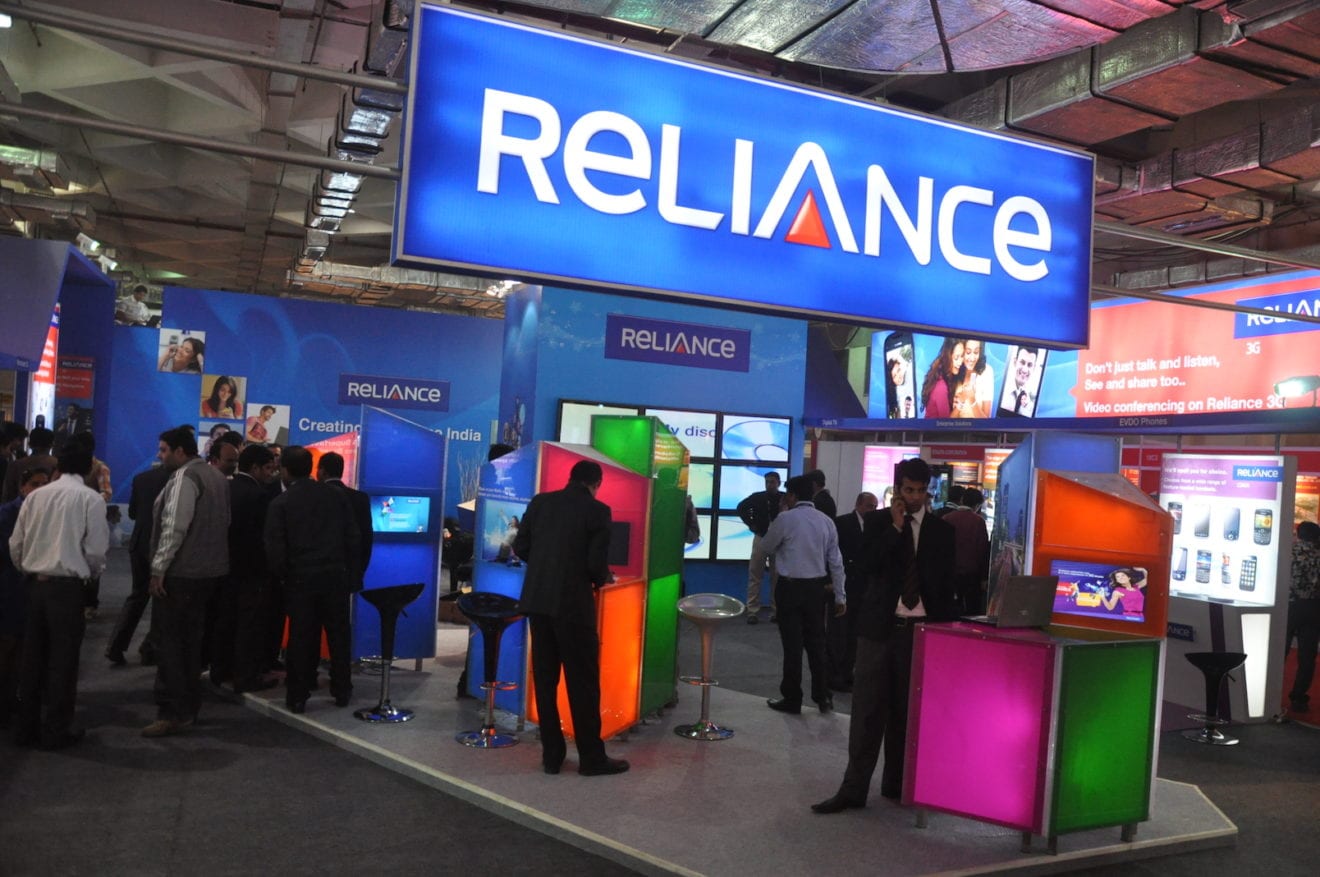
    India’s Reliance Communications (RCom) has revealed plans to progressively upgrade its CDMA customers to 4G starting in May.

    The operator will upgrade its CDMA network to LTE using the newly liberalized 800-MHz spectrum starting on May 4, citing a letter sent from the company to the Department of Telecom.

    RCom will progressively move its roughly 5 million CDMA customers onto 4G as the rollout progresses.

    RCom has already liberalized its 800-MHz spectrum in 16 of India’s 22 telecom circles and recently received clearance from India’s cabinet to do the same in four more.

    The first round of spectrum liberalization cost a hefty 53.83 billion rupees ($806.5 million), while the second will cost around 1.3 billion rupees. In the remaining two circles, RCom has already paid for liberalized 800-MHz spectrum.

    The sources stating that RCom plans to take advantage of its spectrum sharing pact with Reliance Jio Infocomm by deploying its own network but mostly using Reliance Jio’s infrastructure to provide the 4G services.

    RCom and Reliance Jio plan to leverage each others’ spectrum to ensure they are both capable of providing pan-India 4G coverage and competing against the nation’s three largest operators, Bharti Airtel, Vodafone India and Idea Cellular, which have already launched 4G.

  • Samsung Pay China goes live

    Samsung Pay China goes live

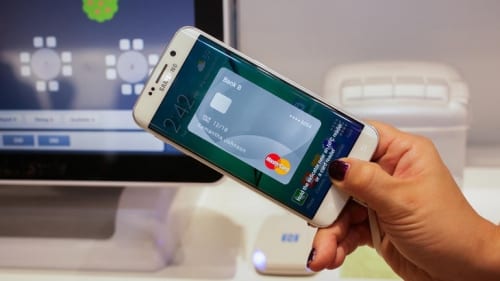
    Samsung Pay China is live after being launched by the South Korean smartphone giant this week.

    Samsung Electronics said Tuesday the introduction of the Samsung Pay China mobile payment service will speed its efforts to expand the scope of its flagship mobile payment platform globally.

    The South Korean tech company said Chinese users of high-end Galaxy smartphones can now use Samsung Pay in cooperation with China-based bank card giant UnionPay.

    The mobile platform supports magnetic secure transmission technology that works on traditional credit card machines. Like rivals Apple Pay and Android Pay, it also supports near field communication technology that requires a separate transaction device.

    Users of UnionPay debit and credit cards can now use Samsung Pay-equipped smartphones to make purchases, including the Galaxy S7 and Galaxy S7 Edge just released earlier this month.

    Samsung Pay joined forces with nine major Chinese banks, while six more partners will be added in the near future, Samsung added.

    Samsung said it will also make efforts to roll out more devices that support its mobile payment platform.

    Samsung Pay, first released in South Korea and the US last year, currently boasts around 5 million users. Samsung said last month it is also preparing to launch in Australia, Brazil, Spain and a handful of other countries.

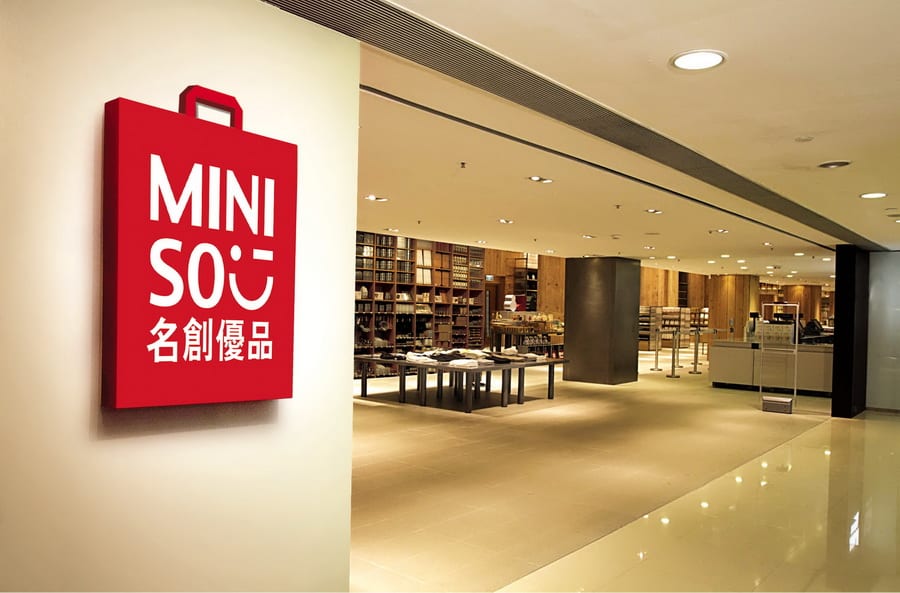
  • Miniso stores set global retail record

    Miniso stores set global retail record

    Japanese fashion retailer Miniso has enjoyed explosive growth across Asia, last year raking in sales revenue of more than RMB5 billion (US$769.9 million).

    Launched in Tokyo by designer Miyake Jyunya and Chinese entrepreneur Ye Guofu just three years ago, the company has since opened more than 1400 stores internationally. Its expansion last year is believed to have set a global retail record.

    It aims to continue its growth this  year, aiming at RMB10 billion in sales.

    Offering fashionable and casual products, Miniso has as its brand philosophy “high quality, low price and full of texture”. Its prices range from 10 to 29 yuan, with a wide range of target consumers.

    It first focused on store design and decoration to attract attention, following up with high service levels. The linking of decoration, service, quality and economy is termed “four goods” by Miniso.

    As well as clothing, Miniso offers creative home necessities, health and beauty products, fashion jewellery, office supplies, stationery gifts, seasonal items and even food and drink – more than 10,000 lines altogether.

    Miniso stores can be found throughout greater China and in Dubai, Hong Kong, Italy, Macau, The Philippines, Singapore and the US.

    Jyunya graduated from Japanese Bunka Fashion College along with two other international brand founders, Issey Miyake and Zenzo Takada.

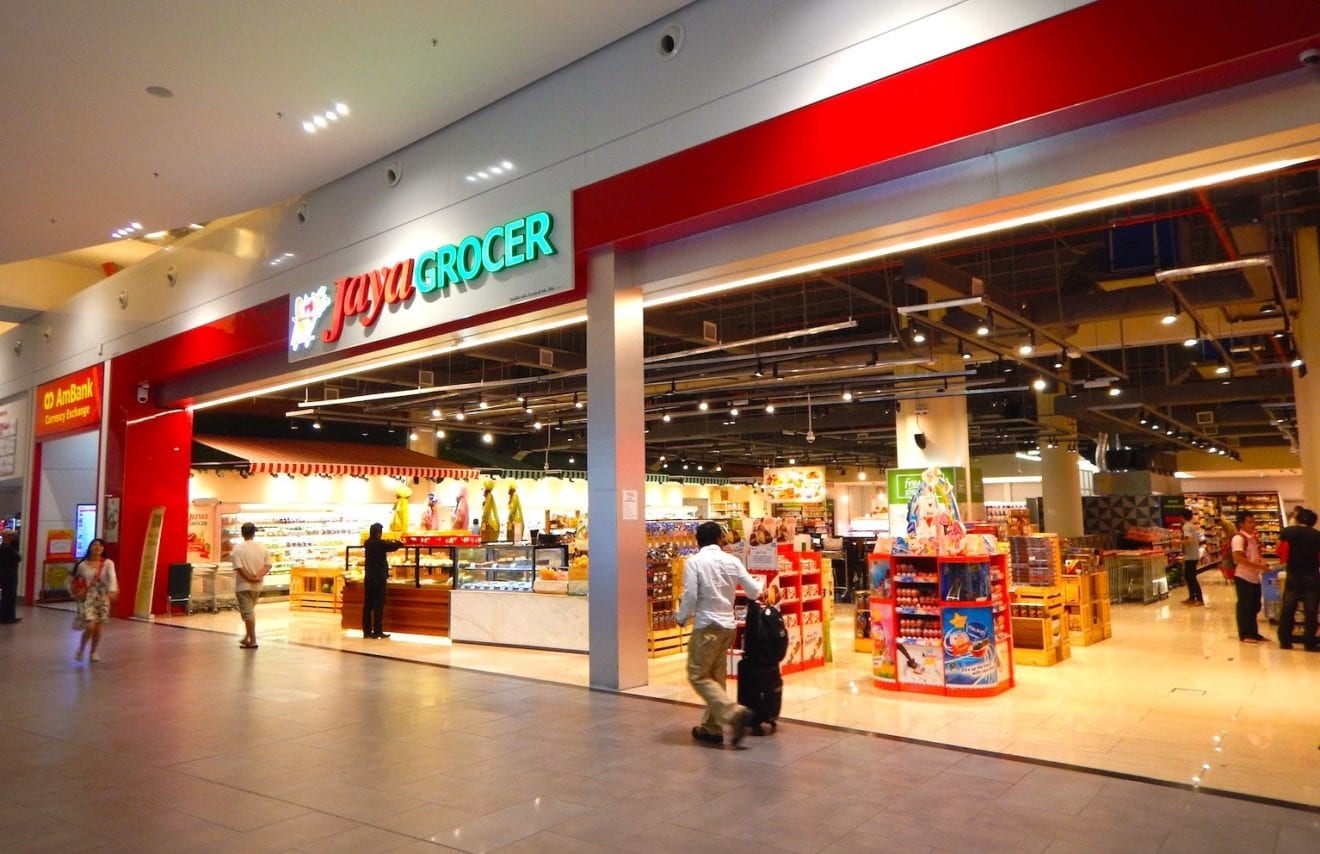
  • Investors eye Jaya Grocer Malaysia

    Investors eye Jaya Grocer Malaysia

    Jaya Grocer Malaysia is attracting the interest of private equity firms wanting to buy a shareholding of up to 49 per cent.

    Creador, TPG Growth and a Japanese fund based in Singapore have been shortlisted in a deal said to value the supermarket chain at about RM175 million (US$43.8 million), reports The Star. It quotes sources as saying the exercise for the sale of an equity stake began last year.

    Other firms initially interested in a shareholding included the Abraaj Group and Navis Capital Partners.

    Jaya Grocer is owned by Trendcell, with its 16 outlets posting RM18 million in earnings last year. The chain opened its first outlet in Petaling Jaya in 2007, and now has outlets in such malls as the Empire Shopping Gallery, KLIA2 and The Intermark.

    Jaya Grocer was founded by the Teng family, which also founded Giant Hypermarket and Teng MiniMarket Centre (TMC) in Bangsar. The family sold the Giant chain to Hong Kong-based Dairy Farm group in 1999 for an undisclosed amount. Meanwhile, TMC has been wholly owned and run by GCH Retail (Malaysia) since 1980. Also run by the Teng family is Pasaraya Hero, launched in 2010.

    It is unclear if the current sale process, being run through an open-bid system by Deloitte, includes these supermarkets.

    Meanwhile, Navis has invested in Jaya Grocer competitor Village Grocer the Big Group, which runs Ben’s Independent Grocer.

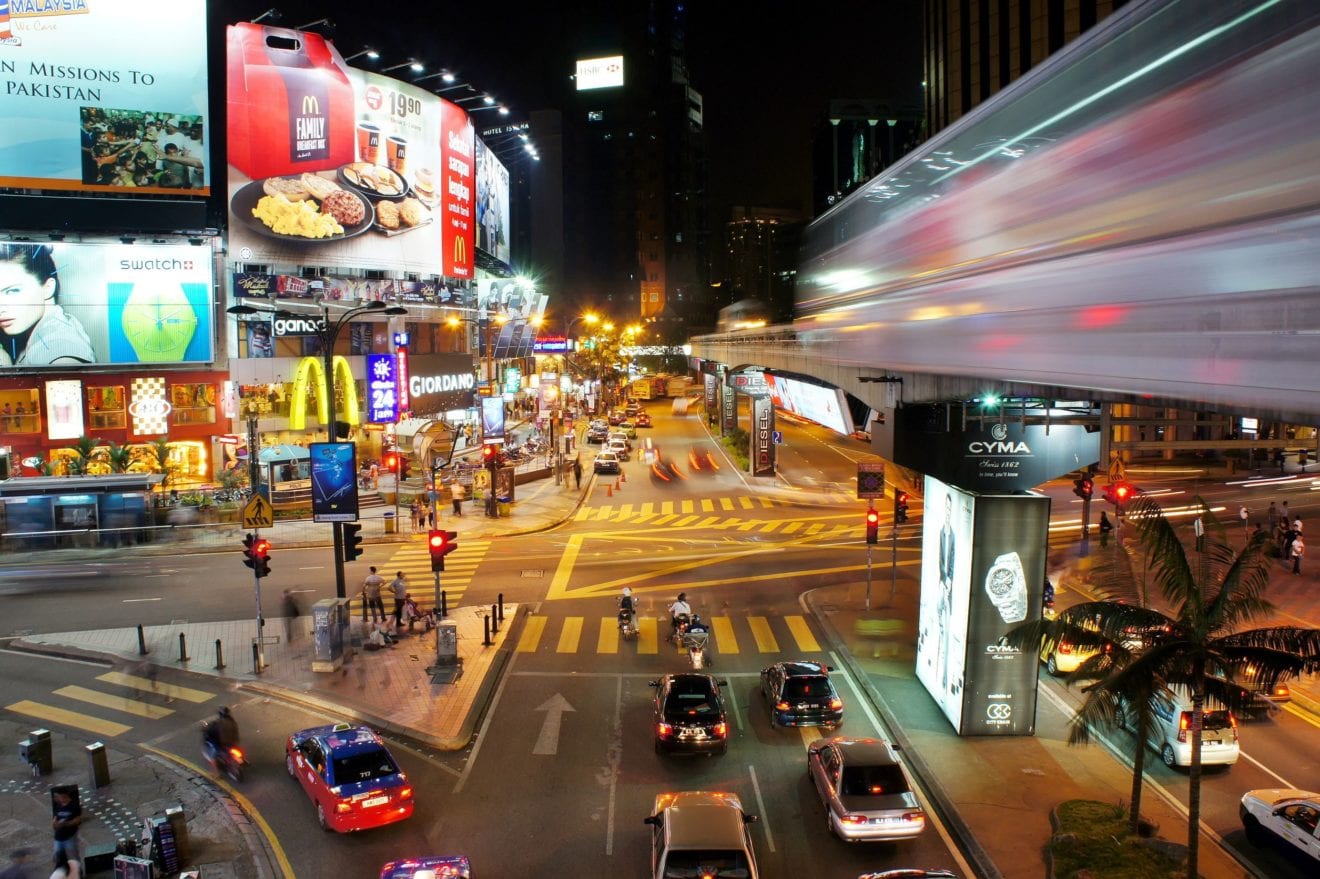
  • New Bukit Bintang mall for Kuala Lumpur

    New Bukit Bintang mall for Kuala Lumpur

    Retail, entertainment and hospitality brands will feature in a planned City Centre development including a Bukit Bintang mall in Kuala Lumpur.

    “The mall will transform the retail landscape in Kuala Lumpur, catering to all shopping needs with the introduction of home-grown and new-to-market international brands,” says Eco World Development, which is part of the joint venture planning the $400 million project.

    Other signatories to the heads-of-terms agreement signed in Kuala Lumpur are BBCC Development,Mitsui Fudosan (Asia) and Zepp Hall Network. Eco World Development says the project will have an estimated gross development cost (GDC) of RM1.6 billion (US$400 million) and cover 19.4 acres (7.8ha) of mixed residential and commercial development, with UDA Holdings and the Employees Provident Fund (EPF) also as partners.

    Under the agreement, the retail mall will be owned and run through a joint-venture company, Mall JVCo.

    Phase one of the project will be a 45-storey block of strata offices and two blocks of serviced residences, comprising of 680 units, with construction to begin in the third quarter of this year.

    Mitsui Fudosan will jointly develop a 1.4 million sqft (126,000 sqm) lifestyle retail mall, while Zepp Hall is investing in a 2000-seat event hall, the first of its kind outside Japan. Zepp Hall is a subsidiary of Sony Music Entertainment (Japan), and its core business is running venues. Its concert hall will be in the Entertainment Block in BBCC, next to the mall.

    The project is expected to also get underway in the third quarter, and take eight to 10 years to develop. The Mall JVCo is proposed to be equally owned by Mitsui Fudosan Asia and the shareholders of BBCC.

    “This substantial investment by Mitsui Fudosan Asia represents the largest retail investment to date by the group outside Japan,” says Eco World.

    The mall will be developed under the Mitsui Shopping Park LaLaport brand, a regional mall concept conceived by Mitsui Fudosan more than 35 years ago. The concept has evolved from “a place where people gather” to “a place where people interact”.

    BBCC also signed a MoU with Ascott, a member of Singapore’s CapitaLand and the largest international serviced-residence owner-operator in the world, with more than 45,000 units in 290 properties, spanning 100 cities in 27 countries.

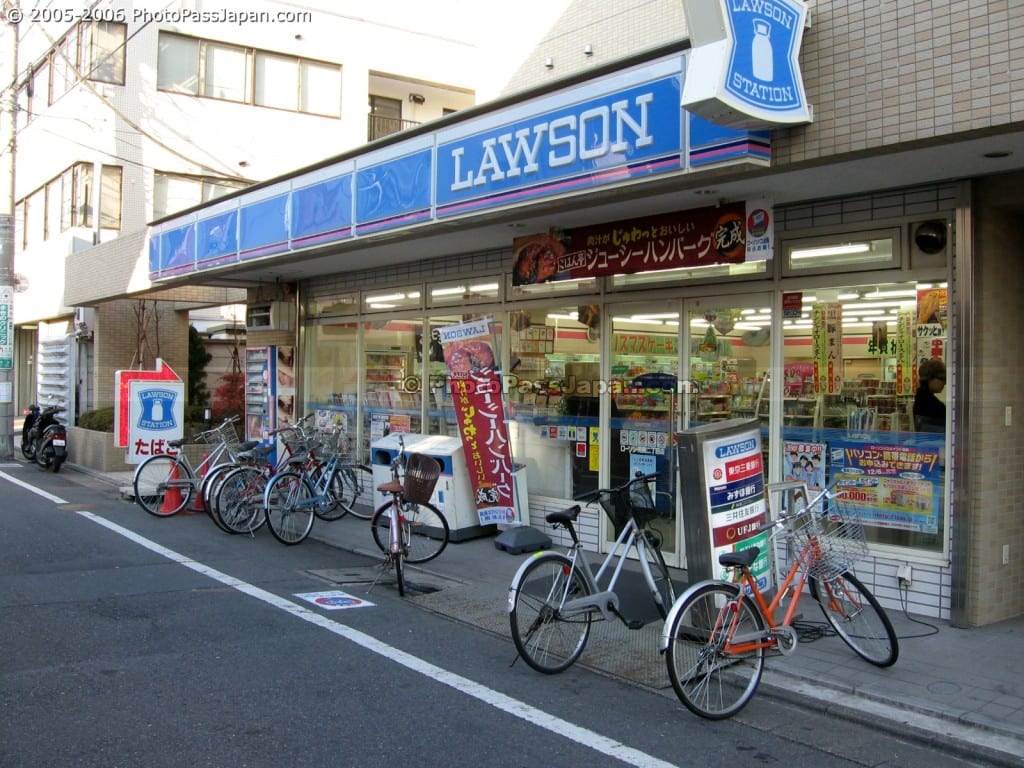
  • Lawson chases retail rival in Philippines

    Lawson chases retail rival in Philippines

    Japanese convenience store chain Lawson is cautiously planning its expansion in the Philippines, which the company considers a key market to expanding its global presence.

    Under pressure to keep up with rival Japanese chains 7-Eleven, Ministop and Family Mart, which are rapidly opening new stores, Lawson President and CEO Genichi Tamatsuka said Tuesday that the company and its Philippine partner, supermarket operator Puregold Price Club, are developing “a winning franchising formula.” They plan to test the model in late 2016 before moving into full-scale operation in the next two to three years.

     PG Lawson, the partners’ joint venture, opened fewer than 20 stores when they began doing business in the Philippines last year. In contrast, Family Mart opened more than 30 shops when it entered the Philippine market in 2013.

    Lawson and Philippine partner Puregold Price Club officials open first flagship convenience store in Makati central business district

    Going commercial

    “Franchising is the key,” Tamatsuka said. In Japan, 99% of Lawson’s 12,000 stores are franchises, he said.

    PG Lawson has set a medium-term target of opening 500 outlets in the Philippines by 2020. This year alone, they plan to spend 450 million pesos ($9.7 million) on 75 stores located mostly in office buildings.

    On April 5, the company opened its first flagship store and its 20th outlet along Ayala Avenue in the Makati business district. Last year, Lawson opened shops mostly near schools.

    John Hao, Puregold’s investor relations head, said PG Lawson will partner with independent property developers to gain access to office spaces with tenants like outsourcing companies that operate around the clock.

    Most of Lawson’s competitors already have the backing of big real estate companies. Family Mart is partly owned by Ayala Land and Ministop is operated by Robinsons Retail Holdings of the Gokongwei Group, which also owns Robinsons Land. Alfamart, an Indonesian convenience store operator, has SM Group as its Philippine partner. SM owns SM Prime Holdings, the Philippines’ largest developer.

    Lawson CEO Genichi Tamatsuka

    7-Eleven, despite not having a real estate backer, is expanding aggressively. As of the end of last year, it had 1,602 stores nationwide, up 25% from 2014. This year, it plans to spend 3.5 billion pesos to accelerate its openings.

    With more than 2,000 convenience stores serving 100 million people, Tamatsuka sees great potential in the Philippines, where the retail sector is dominated by 700,000-800,000 neighborhood shops called sari-sari (“variety”) stores. Modernizing just 5% of these mom-and-pop retailers translates to around 35,000 convenience stores, he said.

    Lawson sees the Philippines and other Southeast Asian countries such as Thailand, Indonesia, and Vietnam, as important markets for the company’s global expansion. In the next five to 10 years, it expects to have more outlets overseas than in Japan, Tamatsuka said. At present, overseas shops make up just 5% of the total.

  • Fossil Group to launch wearables for 8 brands

    Fossil Group to launch wearables for 8 brands

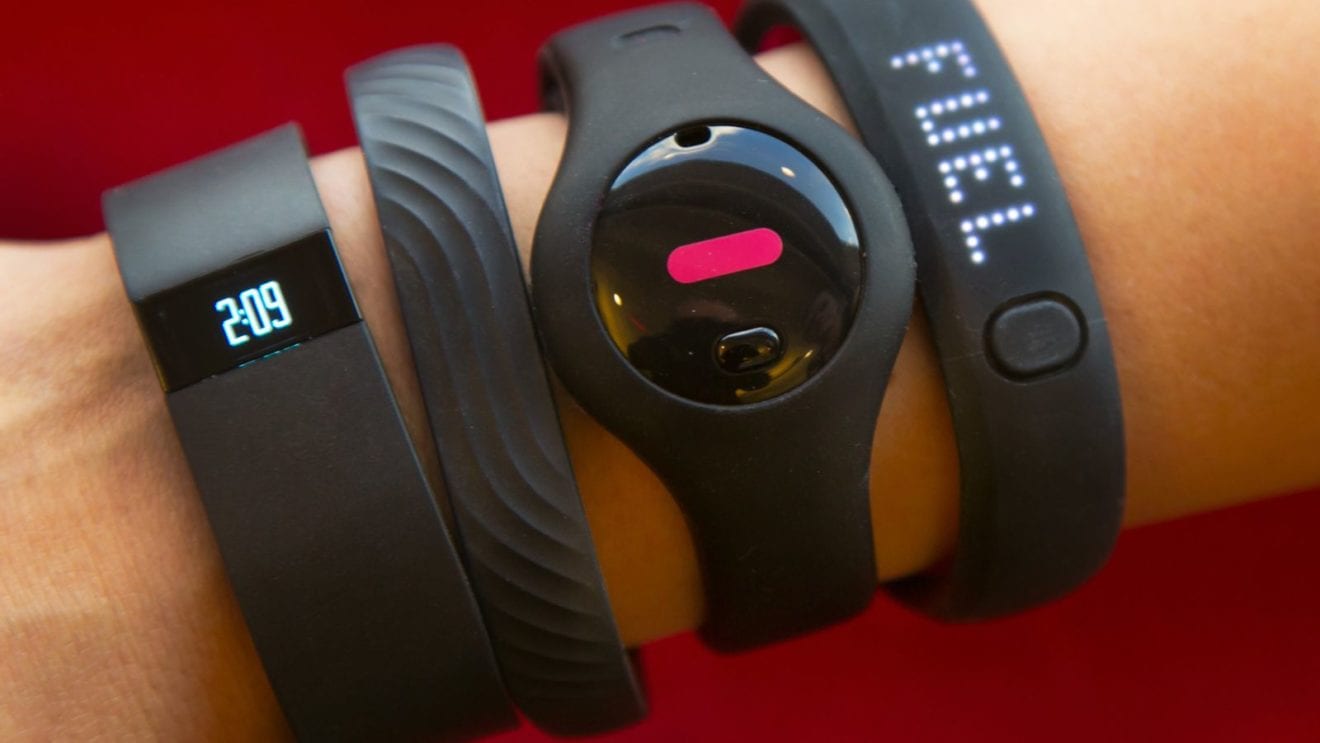
    Eight brands from the Fossil Group – Chaps, Diesel, Emporio Armani, Fossil, Kate Spade New York, Michael Kors, Misfit, and Skagen – will each launch wearables this year.

    The company said more than 100 wearables products, including display and non-display watches, will be introduced in 40 countries and more than 20 languages before the holiday season.

    Fossil Group said it will support the wearables with unique and branded apps across all brands, three product categories, and two operating systems. This is part of a corporate initiative to bring a fashion-first focus, innovation and an increased variety of products to the wearables industry.

    “One of the distinct advantages of a fashion company over traditional consumer electronics manufacturers is our product cycle. We demonstrate remarkable speed to market, from development to launch, in order to meet the retail industry’s seasonal new product deadlines,” said Greg McKelvey, chief strategy and digital officer, Fossil Group.

    The Fossil executive said the industry has been slow to adapt to growing consumer desires for new styles and options for wearables, but with the diversity major fashion brands offer, customers will be delighted shopping for a wearable that fits their personal style.

    Since acquiring Misfit in November 2015, Fossil Group has increased capabilities for the development and production of the technology supporting its wearables products.

    Its wearable technology platform includes proprietary power management technology that enables coin cell battery-powered non-display watches and trackers to be deployed across the entire Fossil Group brand portfolio. Without the need for daily, weekly or even monthly charging, the new devices function much more like traditional watches and lifestyle accessories than as typical consumer electronic products that require daily maintenance.

    The company also has strong partnerships with third-party technology partners, including Google and their Android Wear platform, to deliver on the company’s short- and long-term wearables strategy.

    Research firm IDC estimates that shipments for wearable devices will reach 237.1 million by 2020, which it said could be attributed to more vendors offering new wearables products and higher consumer awareness and demand for such devices.

    Aside from technology firms, fashion houses and luxury brands are also now entering the wearables space as part of a broader strategy to vary product offerings and cater to taste and preferences in the digital age.