Author: Mei Ling Tan

  • Inmarsat to debut GX Aviation this year

    Inmarsat to debut GX Aviation this year

    Inmarsat has announced it will use its new Global Xpress (GX) satellite fleet to provide in-flight connectivity services for the airline industry.

    The company will launch its Global Xpress Aviation offering this year, and has already arranged to serve initial customers including Lufthansa, Singapore Airlines and Jazeera Airways.

    Inmarsat’s GX network entered commercial service in December. It currently includes three Ka-band satellites with sufficient capacity to meet existing and near-term demand for Airlines.

    A fourth GX satellite has already been commissioned, and is completing construction and testing by Boeing. Inmarsat said it will build on this capacity to meet more long-term demand.

    Inmarsat has also contracted Airbus Defence and Space to build the first two satellites for its sixth-generation fleet, the first of which is due for delivery by 2020.

    The new sixth-generation satellites will support both the Ka-band and L-band. Inmarsat expects to use the Ka-band payload to augment the capacity of the GX network in busy regions, and use the L-band capacity for a new generation of aviation safety services.

    Inmarsat is also building the European Aviation Network, which will integrate a satellite network with an LTE-based ground network provided by Deutsche Telekom. Aircraft will automatically switch between satellite and terrestrial connectivity.

  • Telstra conducting network review after outages

    Telstra conducting network review after outages

    Australia’s Telstra and vendor partners Ericsson, Cisco and Juniper have assembled a team of engineering experts to conduct an end-to-end review of its network after the company experienced three mobile network outages in two months.

    During a recent speech at the CommsDay summit, Telstra Operations COO Kate McKenzie said the company has already implemented changes based on reviews of the network to increase the capacity and path diversity of critical signaling channels.

    The company also plans to shortly augment the capacity of the HLR front end that managers customers’ subscription data.

    While the review is underway, Telstra Operations is working under a heightened awareness plan including requiring executive-level review of any changes planned for the mobile and core IP networks.

    “Our network is resilient and we are determined to get the best advice from around the world to help ensure that it stays that way. Our focus is on ensuring our network is the best available and rebuilding our customers’ trust by meeting their expectations every day,” McKenzie said.

    Telstra has offered its customers two separate free data days as compensation for the outages, including one last Sunday. McKenzie revealed that its mobile customers consumed 2.68Tb of data by the end of the day, three times the amount downloaded on a normal weekday and 46% downloaded during the last free data day in February.

  • RayBan Manila marks first Asian pop-up

    RayBan Manila marks first Asian pop-up

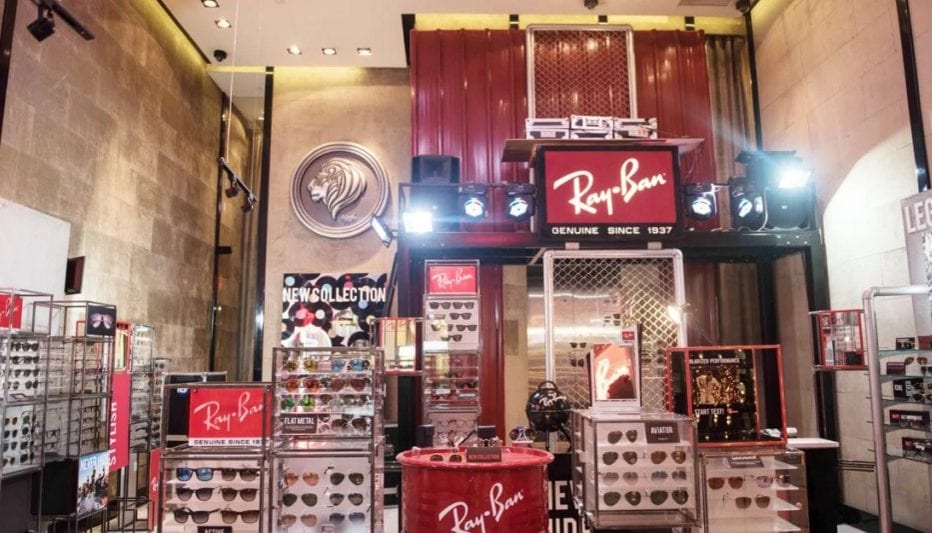
    A new Ray-Ban Manila pop-up store is the eyewear brand’s first in Asia.

    The pop-up, at the Greenbelt shopping centre in Makati, will showcase the Ray-Ban Aviators range.

    Originally designed for US military pilots in 1937, Ray-Ban Aviators is one of the leading global brands in the premium eyewear category.

    “We’re trying to recreate everything here in the Philippines. We’re the first (in Asia) from Ray-Ban,”  Vincent Teotico, Ray-Ban’s assistant marketing manager, told Manila Bulletin.

    The Ray-Ban Hub – the first flagship store in New York City inspired the Pop-Up Concept Store, both having an urban feel, with neon lights and fun activities inside.

    Asked about setting up a permanent store in the Philippines, Teotico said this would be possible depending on the turnout of their latest move in the Philippine market.

    Ray-Ban’s Pop-Up Concept Store will only be around until July on the ground floor of Greenbelt 5 in Ayala Center, Makati City. Ray-Ban products are also available at optical stores such as Eye Society outlets in Jupiter St and SM Aura in BGC.

  • Malaysia malls target Vietnamese

    Malaysia malls target Vietnamese

    Representatives of Malaysia malls have been in Vietnam trying to drum up business via tour operators.

    But the Malaysians will face an uphill battle luring Vietnamese – Bangkok is only an hour away from Ho Chi Minh City and probably the best-serviced destination in the region, with at least seven airlines offering hour-long flights daily between the two cities.

    Retail and tourism representatives from Malaysia met with tour organisers in Hanoi and Ho Chi Minh City to introduce a campaign aimed at enticing Vietnamese to visit Malaysia to shop.

    Three specific annual sales campaigns were also being promoted by the group, including officials from the Malaysia Tourism Promotion Board (Tourism Malaysia) and Secretariat Shopping Malaysia(SSM).

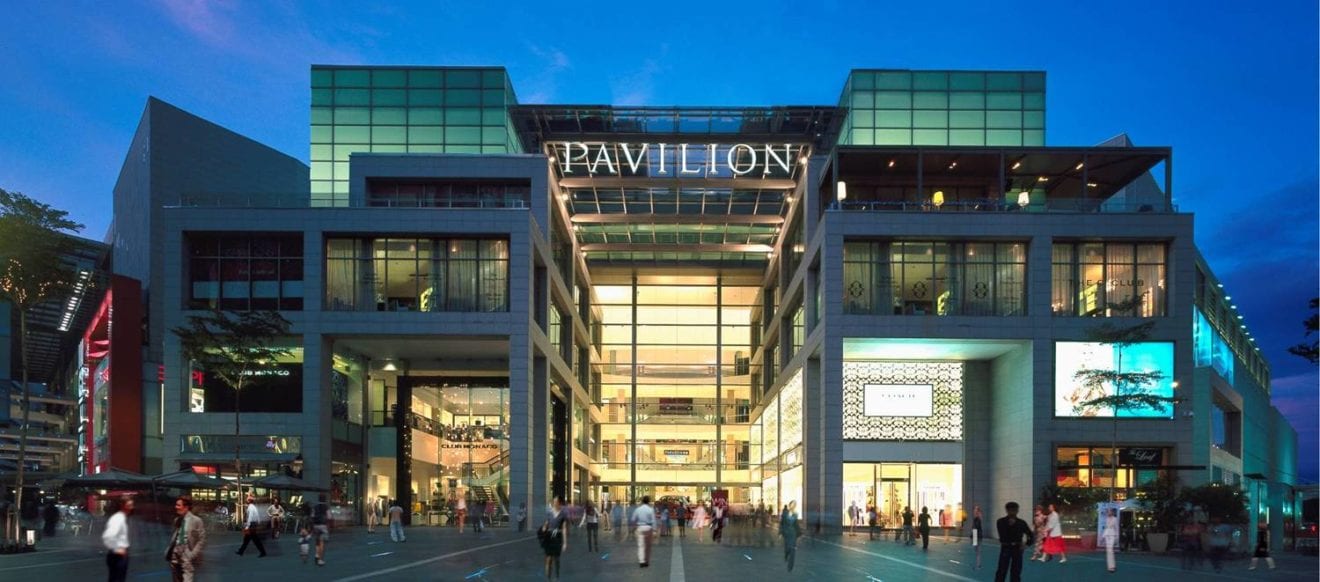
    At an associated travel mart, 14 representatives of 10 malls and retail groups met with travel agencies to seek possible co-operation, reports TuoitreNews. In the delegation were representatives of such groups as the Batu Road Retailers Association, Fahreinheit88, Pavilion Kuala Lumpur and Sunway Putra Mall.

    Tourism Malaysia deputy-director general Chong Yoke Har says the sales campaigns are the 1Malaysia Super Sale for all of March, the 1Malaysia Mega Sale Carnival, from June 15 to August 31, and the 1Malaysia Year-End Sale, on the last two months of the year.

    Tourism Malaysia has also introduced Miss Shophia, the new shopping symbol for Malaysia and designed to help international tourists find shopping experiences.

    Shopping accounts for most of Malaysia’s tourism revenue. As of the end of September last, tourist spending rose 2.9 per cent from a year earlier to RM15.3 billion (US$3.8 billion), or 30 per cent of the total tourism revenue of RM51 billion.

    Last year, 229,626 Vietnamese tourists visited Malaysia, a 19 percent decline from 2014, when they spent about RM560.1 million. Chong is hopeful more Vietnamese will return to Malaysia for shopping as the two countries are relatively close and there are nonstop flights.

    Meanwhile, Bangkok is closer, accommodation is cheaper and shopping malls targeting foreigners and tourists are clustered close together and well served by public transport.

  • K-beauty spreads worldwide

    K-beauty spreads worldwide

    The ‘K-beauty’ market is expanding its sphere of influence beyond Asia, and reaching out to other global markets.

    According to Aju News, a Korean newspaper, Korean cosmetics brands are exploring new markets worldwide. As the global interest in K-pop and K-dramas is rising, women all over the world are now looking at K-cosmetics.

    Amore Pacific has been eyeing the international market since the 1990s. After establishing factories in France and China, the company continued to expand its influence worldwide, with products now being sold in the U.S., Malaysia, Indonesia, Vietnam, Canada, Thailand, the Philippines, Singapore, Myanmar, and Japan, generating global sales of 1.26 trillion won.

    Able C&C’s cosmetics brand Missha is following the lead, spreading K-beauty all over the world. Missha stores can now be found in Brazil, Germany, Mexico, Venezuela, Turkey and Spain. The Brazilian market in particular is expected to generate strong sales growth, as reports show that the local cosmetics market is the fourth largest in the world.

    LG Household & Health Care’s The Face Shop is focusing on the Middle Eastern market, opening 55 stores in five countries – Jordan, Saudi Arabia, UAE, Oman and Armenia.

    Cosmetics brands are using a number of different marketing strategies to aggressively target overseas markets.

    In areas where natural ingredients and safety are important, such as Europe and the US, businesses are attracting customers with their ‘natural’ brands. Some brands promote elements of Korean tradition to attract western consumers. Many are ‘blending in’ with the locals through collaboration with local businesses.

    To boost overseas expansion, the Korea Trade Promotion Corporation (Kotra) is taking steps to boost sales of Korean cosmetics through American and Chinese online shopping sites.

    Kotra will host a ‘K-beauty summit’ to help Korean cosmetics brands export their products. The agency’s ‘online export incubating program’ will be introduced, and is expected to help businesses sell their products through Amazon.

    Kotra is also seeking to secure new trading opportunities in China in collaboration with the online shopping site TaoBao, operated by Chinese eCommerce behemoth Alibaba. The two parties plan to host a K-beauty expo in China during the first half of the year.

    Innisfree store in Shanghi

    The cooperation with TaoBao is only the start, as Kotra is also planning to work with other online shopping portals such as JD.com.

    Officials at Kotra emphasise the importance of making inroads in the American and Chinese markets to prolong the popularity of the K-beauty trend. They expect to draw the attention of young consumers who are sensitive to fashion and style trends and familiar with online shopping.

  • Shakey’s Philippines sold to investment groups

    Shakey’s Philippines sold to investment groups

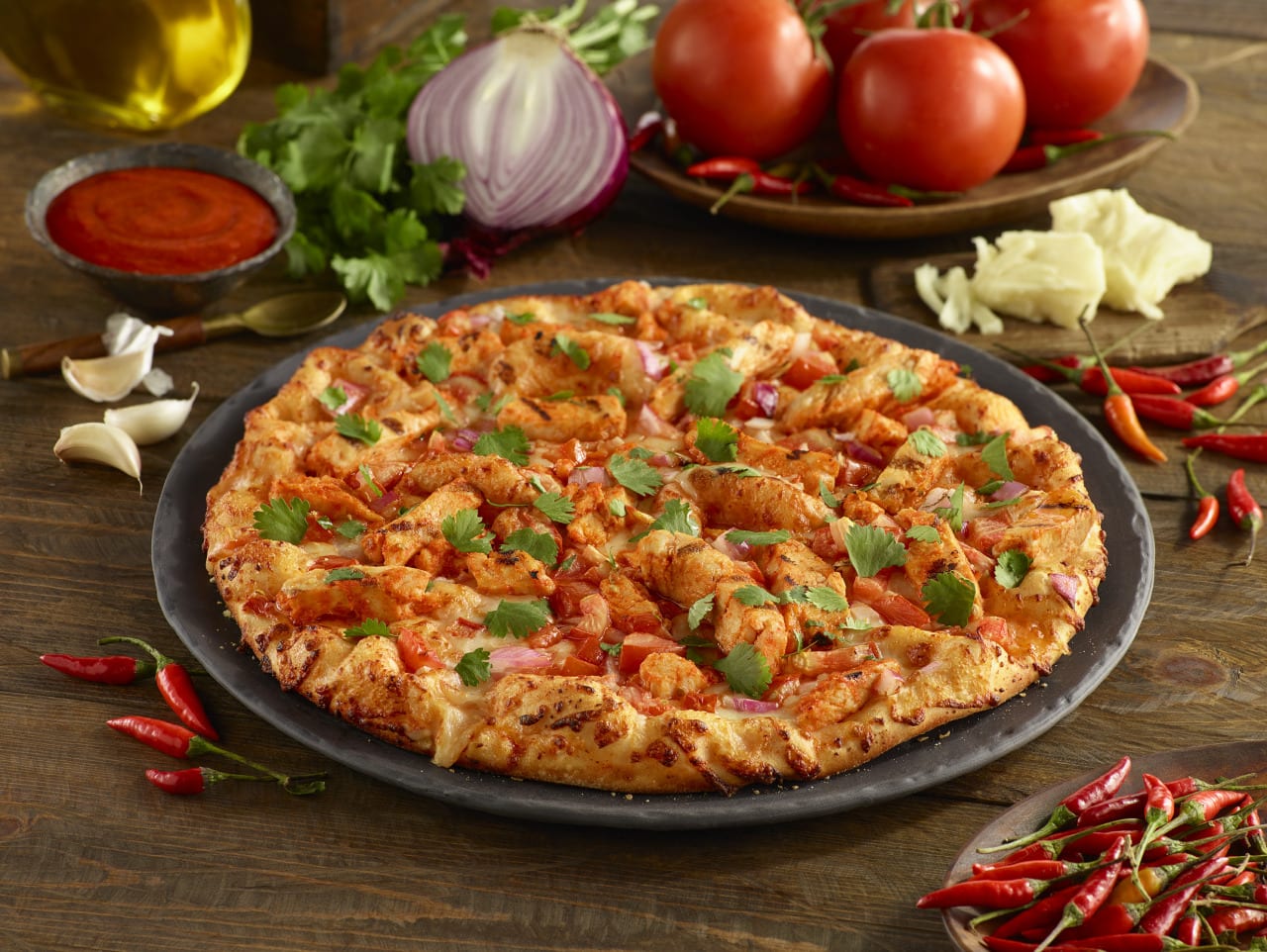
    Philippines conglomerate Century Pacific Group has partnered with Singapore’s sovereign investor GIC to buy the parent of Shakey’s Philippines, the pizza restaurant chain.

    The tie-up will acquire majority of of the business from the Prieto family, which will continue to hold a minority stake in International Family Food Services (IFFSI), the owner and operator of the Shakey’s Philippines.

    “We are excited about this opportunity to invest in Shakey’s as we are believers in the potential of the continued growth of the Philippine middle class,” Century Pacific president Christopher Po said in a statement.

    The transaction also includes the acquisition of Philippine franchise for US artisan pizza Project Pie as well as Bakemasters, one of Shakey’s suppliers of bakery products.

    The acquisition of Shakey’s, which had about 170 stores in the Philippines at the end of 2015, is the second partnership between Century Pacific’s controlling Po family and GIC. In May 2014, the Singaporean fund converted a P3.4 billion ($73 million) loan into a 10 per cent stake in Century Pacific Food, the group’s canned goods maker.

  • Thailand unveils Digital Thailand plan

    Thailand unveils Digital Thailand plan

    Thailand’s Cabinet has approved a 20-year Digital Thailand development program that seeks to transform the nation into a global digital leader.

    Government spokesperson Major-General Sansern Kaewkamnerd said that the first phase of the plan would focus on six areas – infrastructure, economy, society, government, human resource development and trust.

    The first 18 months will be of digital foundation followed by digital inclusion and full transformation.

    Major General Sansern said that in ten years, thanks to this plan, Thailand will be a developed country and a global digital leader.

    Elsewhere Thailand’s National Reform Committee has recommended that police be given full powers to censor and shut down websites without a court order as part of its reform of online media to ensure all media is legal and moral.

    Other key recommendations include using big data analytics to identify networks of perpetrators on social media networks and centralization of power with the Police Technology Crime Suppression Division instead of the ICT Ministry.

    The NRC also recommended that computer crimes be divided into crimes on computers and data, and crimes using computers.

  • Campaign encourages more Japanese SMEs to invest in the Philippines

    Campaign encourages more Japanese SMEs to invest in the Philippines

    Japanese SMEs are being enticed to invest in the Philippines, where labor cost is competitive and a majority of workers are English-speaking.

    Spearheading the campaign are Rizal Commercial Banking Corp. (RCBC) and Resona Bank, a bank for small and medium enterprises in Japan’s Kansai and Osaka areas. To date, 55 Japanese firms have established their facilities in the Philippines following the tie-up agreement they entered into in 2012.

    Japanese companies which have established their facilities in Philippines affirmed the advantage of the competitive cost of Philippine labor with the added benefit of Engish-speaking skills that enable easier training and work atmosphere.

    In their latest campaign, RCBC’s Japanese Business Relationship Office first senior vice president Yasuhiro Matsumoto recently accompanied Trade Secretary Adrian Cristobal Jr.  to a Philippine Investment Opportunities Forum in Osaka, Japan.

    Attended by 350 corporate clients, the forum was organized by the Resona Foundation for Asia and Oceania with co-organizers Osaka Prefecture Government, the Osaka Municipal Government, the Kansai Economic Federation, the Osaka Foundation for Trade and Industry, and the Osaka Chamber of Commerce Industry. This was also supported by JETRO, Resona Bank and the Kinki Osaka Bank.

    Matsumoto highlighted the success secrets of companies operating in the Philippines. As RCBC’s key senior officer focused on Japanese clients, Matsumoto had seen and supported the entry and growth of Japanese companies, specially in export processing zones.

    Matsumoto further cited the growing spending power of the Filipino consumer as shown by the surge in business by a range of consumer-focused companies in food, beverage, and middle-end retail outlets that are supplanting the formerly ubiquitous low-end sari-sari stores in the urban centers. With the second largest population in ASEAN, with a young average age, the Philippine potential for investments is huge, he said.


  • South Korea’s online shopping keeps double-digit growth

    South Korea’s online shopping keeps double-digit growth

    Online shopping in South Korea maintained a double-digit monthly growth as consumers increasingly prefer purchases online rather offline amid widespread penetration of smartphones, a government report showed Monday.

    Combined retail sales, including those online and offline, reached 29.18 trillion won (25.46 billion U.S. dollars) in February, up 2.9 percent from a year earlier, according to Statistics Korea.

    Online shopping jumped 22.7 percent from a year earlier to 4.69 trillion won in February, while mobile shopping through smartphones surged 54.0 percent to 2.39 trillion won.

    The figures showed consumers preferring purchases in cyberspace to visiting offline stores in one of the world’s most Internet-connected country.

    In 2015 when the Middle East Respiratory Syndrome (MERS) outbreak weighed down on South Korea’s private consumption, online shopping posted a double-digit monthly growth. Mobile shopping through smartphones surged more than 40 percent every month last year.

    In February, online sales of bags, cosmetics, furniture and leisure items recorded a double-digit increase compared with a year earlier.

    Main items purchased through mobile phones in February were baby products, shoes, clothing and cosmetics, which accounted for about two thirds of total mobile shopping in February.

  • Furla to showcase FW16 collection in Singapore

    Furla to showcase FW16 collection in Singapore

    Italian luxury leathergoods supplier Furla will showcase its FW16 collection at the upcoming Tax Free World Association Singapore show in May.

    According to the company, the new Furla bags embody the rebellious spirit, typical of the music scene, from rock to pop and influenced by a metropolitan tribal beat in its more modern interpretation.

    The bags are decorated with laser cuts, which add 3D effects and create kaleidoscopic patterns, embellished with golden studs. The new Furla Loop bag, for example, has fringes emphasising movement and femininity.

    Shoulder straps, the season’s protagonists, recall guitar-like straps and are enriched with details and weave effects. The leathers are smooth, supple and soft and adapt to the body. Perfectly on-trend, charms convey a personal touch to each bag, making it special for every occasion.

    The colour palette is sharp and well-defined, veering from black to blues to army green with touches of deep red and metal sparkles.

    The Furla Valentina and Furla Club bags are characterised by a new and colourful camouflage pattern that becomes a manifesto of the fervent cultural mixes of big cities, especially when matched to the new tribe tattoo themed straps and tags.

    The Furla Metropolis bag has evolved into a “creative laboratory” where new dimensions, craftsmanship and materials are developed and enriched.

    Also being shown is the new travel-retail exclusive Furla bag, a limited-edition set of three crossbody bags in Saffiano leather, each with a smaller detachable pouch inside. Available in three colour combinations: Lampone & Magnolia, Onyx & Gold, and Cobalto & Silver, each bag has an adjustable and detachable strap.

    Furla global travel retail director Gerry Munday said: “Asia is extremely important to the Furla brand and accounts for 35% of our global business in travel-retail. We are seeing significant growth in all areas, with a 36% sales increase in 2015 thanks to our presence now in 48 countries with a total of 195 airport doors versus 174 in 2014. We also have some exciting projects being finalised which will be announced in due course.

    “I’m confident this growth will continue as we continue to bring out collections that break the mould in terms of innovation, design and styling. The FW16 collection has already received incredible feedback and, with the addition of our latest travel-retail exclusive, we are looking forward to a very successful and productive week in Singapore this year.”

  • Economy Hong Kong’s retail sales drop hardest in 17 years

    Economy Hong Kong’s retail sales drop hardest in 17 years

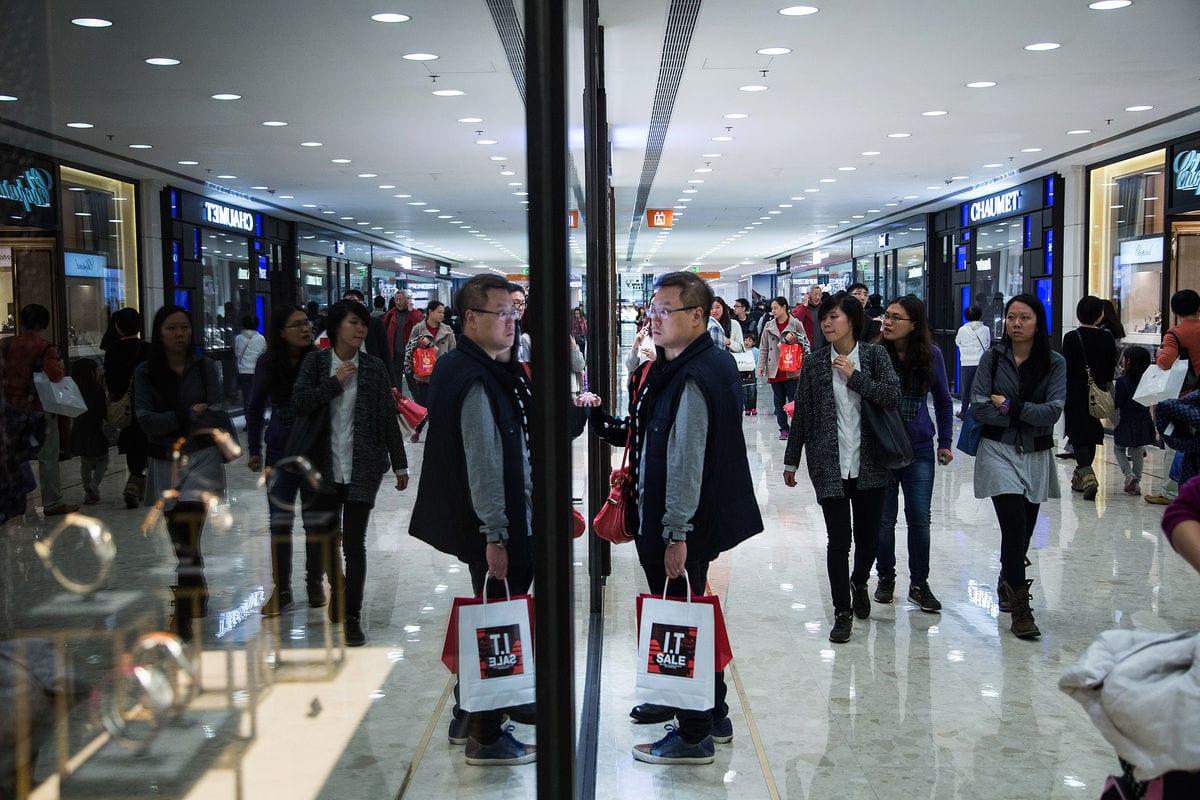
    Hong Kong’s retail sales plunged in February, as the economic slowdown in China prompted fewer visits from the mainland.

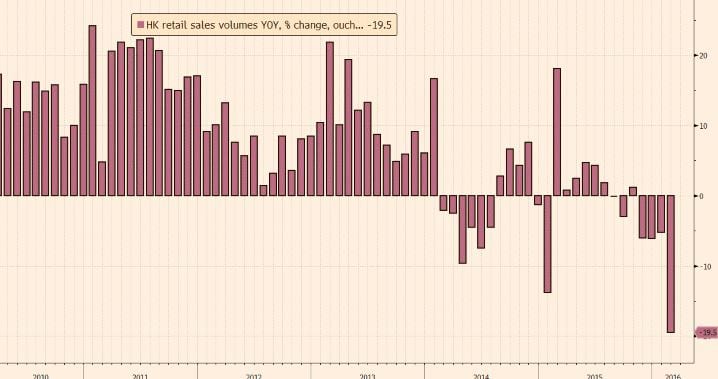
    On an annual basis, the total value of retail sales in February dropped by 20.6 per cent to HK$37bn, from January’s 6.6 per cent drop. The drop in February was the worst since January of 1999.

    After stripping out price changes, the total volume of retail sales decreased by 19.5 per cent, the worst since September of 1998.

    Combining January and February figures, the value of sales of luxury goods like jewellery, watches and clocks, which mainland Chinese tourists often visit Hong Kong to buy, decreased by 24.2 per cent. This was followed by 11.4 per cent decrease in clothes, a 12.3 per cent decline in commodities in department stores, and 7.7 per cent decrease in medicines and cosmetics.

    In a statement, Hong Kong’s Census and Statistics Department said:

    Apart from the severe drag from the protracted slowdown in inbound tourism, the asset market consolidation might also have weighed on local consumption sentiment.

    The near-term outlook for retail sales will still be constrained by the weak inbound tourism performance and uncertain economic prospects. The Government will continue to monitor closely the retail sales performance and its repercussions on the wider economy and job market.

    With Chinese consumers unwilling to spend on luxury goods, Swiss watchmakers, known for their luxury watches, are having a hard time, with UBS cutting earnings forecast.

  • Suning Plans $7.7B Fund To Expand And Invest Overseas

    Suning Plans $7.7B Fund To Expand And Invest Overseas

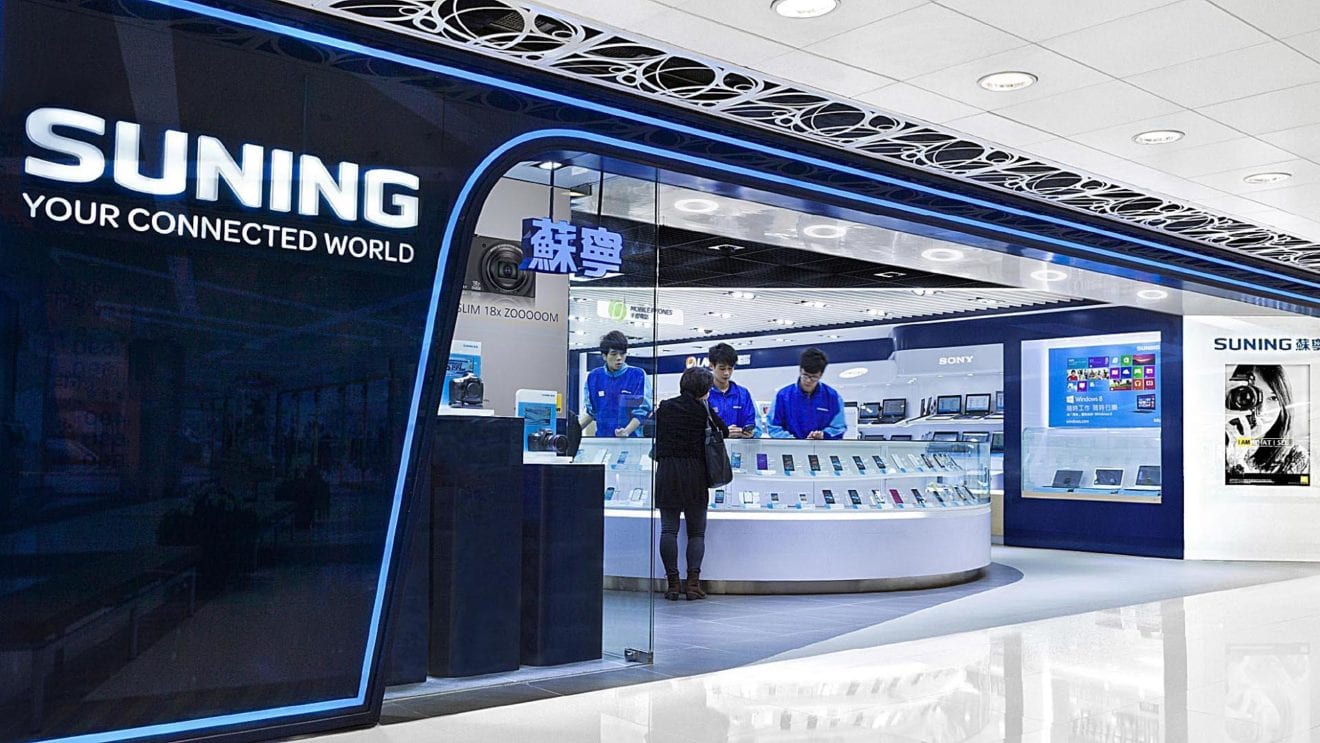
    Suning Commerce Group, one of China’s largest electronics retailers, plans to create a separate investment arm seeking to raise as much as RMB50 billion (US$7.7 billion) within five years.

    The Nanjing-based Suning is also establishing two separate investment funds each targeting RMB2 billion by the end of this year.

    One fund will focus on investing in media and content production industries. The other vehicle will target the sports consumption and retailing sectors.

    The newly planned funds may potentially seek to accelerate the group’s outbound investments, as well as expand its existing investment activities, according to state-owned China Daily.

    Previously, Suning operates its investment activities across three funds.

    Suning Rundong Fund, with RMB5 billion, targets a diverse range of sectors, including technology, media, telecommunications, and the cultural and entertainment industry.

    Suning Goldstone Fund, founded in 2014 with RMB4 billion, focuses on retail infrastructure such as physical stores and logistics.

    Suning Qingchuang Fund, with RMB300 million, backs startups with a focus on those specializing in emerging industries.

    The retail giant invested RMB1.93 billion in smartphone maker Nubia Technology Ltd., a subsidiary of ZTE Group, to take a 33.33% stake in the company in December 2015.

    In August 2015, Alibaba Group Holding Limited formed an extensive strategic alliance with Suning to create a far-reaching O2O (online-to-offline) e-commerce platform.

    In October 2014, Suning planned to transfer 11 retail stores for RMB4.01 billion (US$650 million) to Goldstone Investment Ltd., the direct investment arm of CITIC Securities to focus on core and profitable assets.


  • Singapore telcos hit the road with transit NFC pay service

    Singapore telcos hit the road with transit NFC pay service

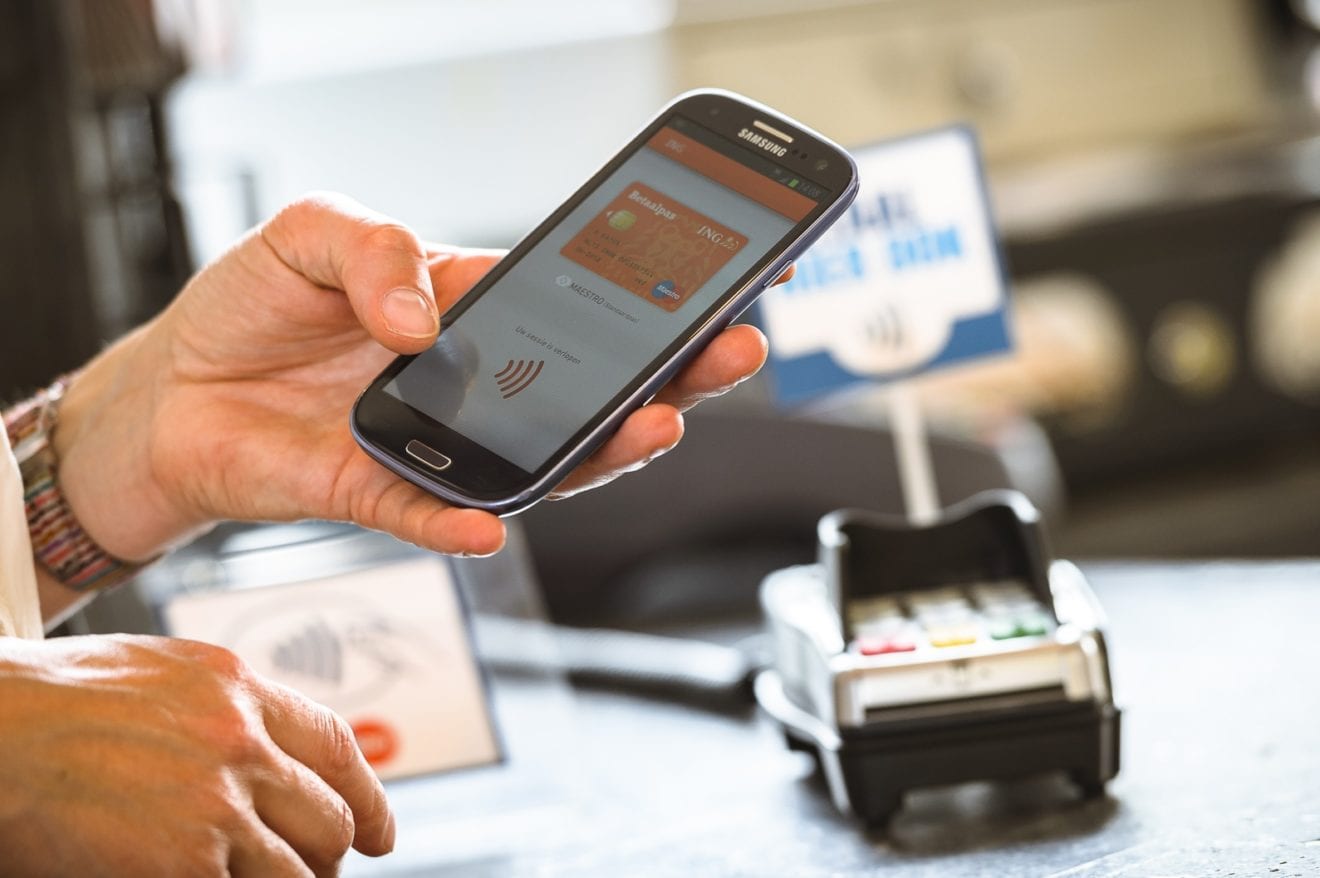
    Singapore’s three telcos have unveiled plans to offer NFC-enabled service for the country’s public transport network, enabling mobile users to pay for their fares using their smartphones.

    All three operators issued statements today, alongside a separate release from industry regulator Land Transport Authority (LTA), which announced the completion of a joint pilot conducted between the telcos and local public transport operators, as well as payment service provider EZ-Link. The latter’s contactless payment card currently is used by public transport commuters and as a payment option at more than 30,000 locations, including convenience stores, fast food outlets, retail stores, and taxis.

    Available today, M1’s service would be the first to allow its subscribers to swop their SIM cards for NFC-enabled chips that they could then use on buses and trains island-wide. They could do so at any of the telco’s retail outlets, but would need to have compatible devices for the NFC payment to work, including Samsung Galaxy Note Edge 4G+ and Sony Xperia Z. The Apple iPhone was not on the current list of approved devices.

    The NFC SIM cards are embedded with EZ-Link purse, which supports specifications under Singapore’s own standard Contactless e-Purse Application (CePAS). Upon activating the new SIM cards, mobile users would be able to top up or check the balance of their credit stored in the purse, as well as use their device to pay for other services that support ez-link payments.

    Singtel said sale of its transit NFC SIM cards would start in late-April, when subscriber would be able to purchase the chips from its retail stores. A S$5 registration fee for these SIM cards would be waived for a limited time, the operator said.

    M1 said its transit SIM card would cost S$37.45, with a service activation fee of S$9.10 that also would be waived until April 30.

    StarHub said its NFC transit chips would go on sale at its retail outlets from April 2 and would be priced at S$37.45 for a new SIM, or S$26.75 for a SIM replacement. It added that the “NFC ez-link purse fee” of S$5 would be waived “until further notice”.

    The telco’s head of business strategy Yeong Mun-Ling said: “This development is a step in the right direction towards stimulating digital commerce growth in Singapore. Our world is becoming increasingly digital and we are looking forward to meeting the needs of our mobile customers, who want to do more with their smartphones.”

    M1 CMO P. Subramaniam also noted: “Transit is the ‘killer phone app’ Singapore consumers have been looking forward to and we are pleased to be the first to offer customers the convenience of making payment with the one device that is always with them, their phone.”

  • TANGS names Kevin Dyson as new CEO

    TANGS names Kevin Dyson as new CEO

    TANGS has announce that Mr Kevin M. Dyson will be appointed Chief Executive Officer (CEO) with effect from 1 April 2016. He will also be appointed as a member of the Board of Directors of C.K. Tang Limited.

    According to a release from TANGS, effective 1 April 2016, Mr Foo Tiang Sooi will relinquish his duties as CEO, and will remain as a member of the Company’s Board of Directors. He will continue to be in the Company as Senior Director.

    As CEO, Kevin will be responsible for all aspects of the business and provide leadership in achieving TANGS’ vision as a world-class retailer.

    Here’s more from TANGS:

    Prior to joining TANGS, Kevin spent 25 years with Barneys New York, a leading luxury retailer in the USA, with extensive experience in store management, merchandising, and the expansion of stores across the USA.

    Mr Foo Tiang Sooi’s new role as Senior Director will be focused on the financial aspects of the business, providing support to the Chairman as well as the new CEO. He has been a member of the Board since 1994, before assuming the role of Chief Operating Officer (COO) in 1999, and being appointed as CEO in 2006.

  • Coupang Faces off against Retail Giant Shinsegae

    Coupang Faces off against Retail Giant Shinsegae

    “We should catch up to Coupang, accepting the risk of financial loss,” said Chung Yong-Jin, vice chairman of Shinsegae Group. “Coupang is taking away our customers in their 20s and 30s. Why are we just sitting on our hands and leisurely watching the exodus?”

    The JoongAng-Ilbo has recently reported that vice chairman Chung Yong-Jin of Shinsegae Group had harshly criticized Shinsegae executives for making a lukewarm response to Coupang eating into its customer base.

    Chung was quoted as saying: “Even if we have to incur a deficit, the entire distribution channel should come up with strategic online product offerings and sell them at rock bottom prices to lure in 20-30 something consumers who use smartphones to make purchases. To that end, we should give priority to taking E-mart’s online mall to new heights.”

    He made such a comment because E-mart, the discount store unit of Shinsegae, has lost business to social commerce operators, especially Coupang, over the past year.

    After all, Shinsegae Group waged a price war against e-commerce leader Coupang last month: it announced that it would sell baby formula, feminine hygiene products and instant coffee at the lowest possible prices. E-mart, the country’s largest discount store chain logging 13 trillion won in sales and 500 billion won in operating profit, started to fight back, accepting the risk of incurring a deficit.

    Coupang, established in 2010, has emerged as a threat to Shinsegae Group, the country’s largest retail juggernaut. Coupang’s sales grew sharply from 348.5 billion won in 2014 to 1.5 trillion won in 2015, greatly unnerving Shinsegae Group. If the growth of Coupang continued at such high speeds, Shinsegae Group fears, it could be overtaken by Coupang in 2-3 years.

    Computer-based and mobile traffic to E-mart’s online mall is languishing in the one million visitor range. Sales from its online mall account for about 5 percent (or 700 billion won) of its total sales (13 trillion won). In contrast, the number of visitors to Coupang reached over 7 million, dwarfing traffic to E-mart’s online mall.

    Coupang’s mobile app came out on top in traffic for 41 consecutive months from July 2012 to November 2015.

    Though E-mart with deep pockets is trying to take sales away from Coupang by offering products at sharply discounted prices, the majority view is that Coupang still gets the upper hand on E-mart when it comes to mobile shopping. A Coupang official said: “We are unscathed by E-mart going on the offensive. Actually, things are looking up as the mobile shopping market is on the upswing. It has become obvious that so many consumers have faith in Coupang.”

    According to Coupang, consumers, who have enjoyed convenient mobile shopping experiences since the launch of Coupang, will not easily drift away from Coupang.

    There is no doubt that Coupang is enjoying a “first-mover” advantage as sales from its mobile shopping platform surpassed 80 percent of its total sales. According to Statistics Korea, mobile shopping sales hit 2.66 trillion won in January 2016, exceeding computer-based e-commerce sales (2.54 trillion won) for the first time.

    Coupang is expanding its business realm on the back of its signature “Rocket Delivery” program, its delivery staff dubbed “Coupang men,” and its ‘direct commerce’ business model, in which Coupang takes care of all the stages of e-commerce from selling to delivery.

    Coupang plans to invest 1.5 trillion to increase the number of Coupang men to 15,000 and the number of logistics centers from 14 to 21 by 2017.