Author: Mei Ling Tan

  • Smiggle plans Hong Kong, Malaysia roll-out

    Smiggle plans Hong Kong, Malaysia roll-out

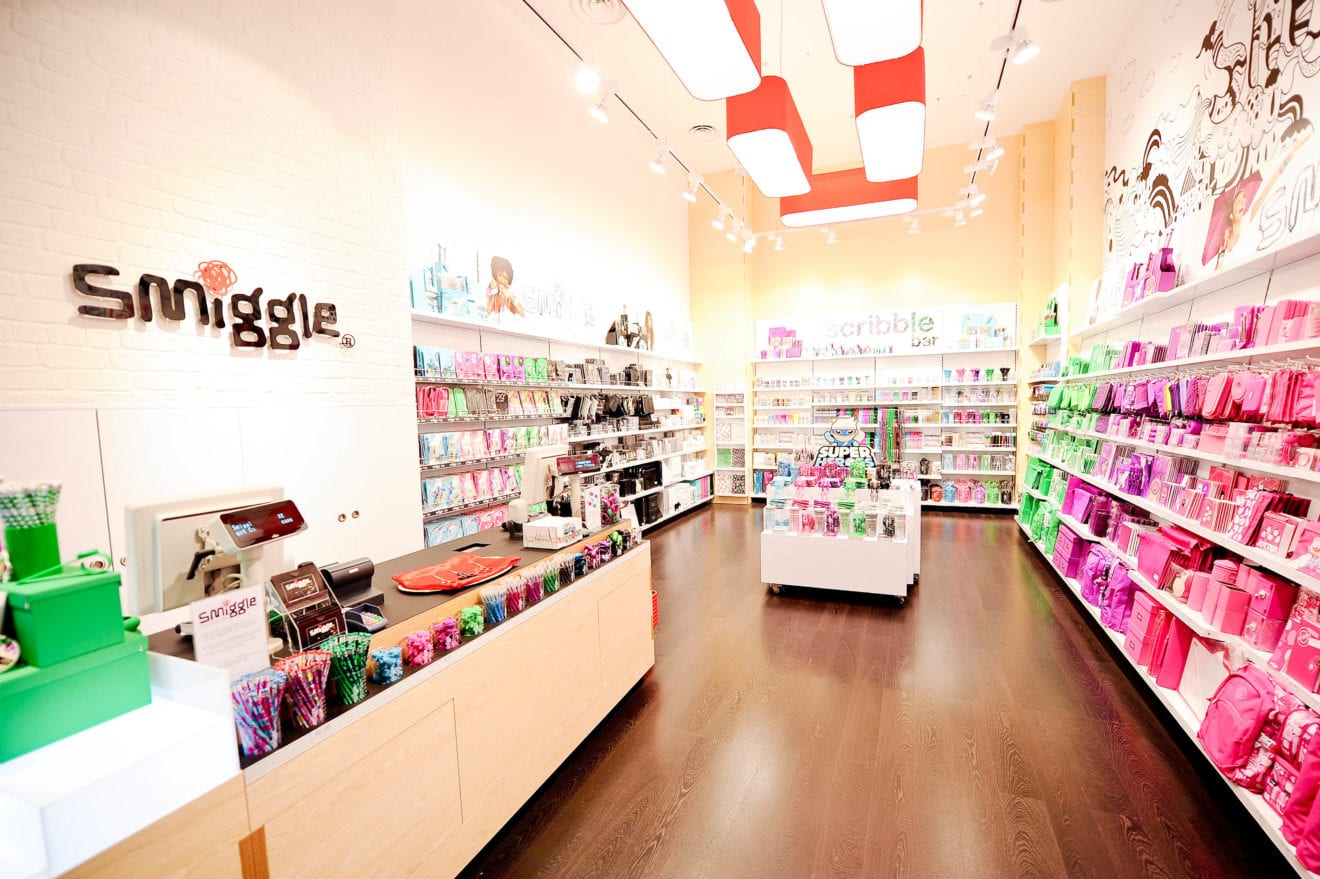
    Trendy stationery retailer Smiggle says it will open two more stores in Hong Kong in the next six months.

    Smiggle, owned by Australian-listed multi-brand retail group Premier Investments, also plans its first store in Malaysia before July 31 and expects to build a network of 50 stores across Hong Kong and Malaysia during the next five years.

    The chain already has 42 stores trading in the UK, plans 18 more over the next six months, and targets 100 there by Christmas.

    The Smiggle plans were revealed in the parent company’s half year result to January 30, The company, which also owns the Peter Alexander nightwear, Dotti, Jay Jays, Just Jeans, Portmans and Jacqui-E retail chains, predominantly trades in Australia and New Zealand. But Smiggle is a standout.

    Premier’s chairman, Solomon Lew, says Smiggle will remain and strong growth driver for the group.

    “Smiggle delivered global sales growth of 46.5 per cent and our UK roll-out is progressing well ahead of schedule. We continue to believe that Smiggle has the potential to become a truly global brand.”

    The company reported a net profit of AU$98.3 million (HK$583.625 million) for the half ended 30 January 2016, up 24.9 per cent year-on-year, before tax and interest.

    Total sales were up 15.1 per cent to AU$565 million, while like-for-like sales were up 6.9 per cent.

  • Philippines’ mobile wallet providers announce interoperability

    Philippines’ mobile wallet providers announce interoperability

    Mobile money interoperability in the Philippines took a step forward with the successful integration of the digital payments mobile app of PLDT and Smart Communications’ Paymaya Philippines with Globe Telecom’s mobile money service GCash.

    The interoperability agreement is part of an initiative of the GSM Association (GSMA) and the Philippine Central Bank in making mobile money services more inclusive and accessible to more people in the country.

    With the interoperability in place, users of the PayMaya app can soon send funds to users of other mobile money systems, including GCash, and vice-versa. This move is seen to boost the growth of mobile money usage in the country, and in turn, expand the local digital commerce ecosystem.

    “This development comes on the heels of the launch of the National Retail Payment System (NRPS) Framework in December led by the BSP and fully supported by the industry, which aims to create a “safe, efficient, reliable, and affordable electronic retail payment system that is interconnected and interoperable,” said Bangko Sentral ng Pilipinas (BSP) Deputy Governor Nestor A. Espenilla Jr. in a statement.

    Aside from domestic remittances, GCash and PayMaya are also expected to collaborate on merchant payments, bulk payments, government-to-person payments (G2P), and person-to-government payments (P2G), among others.

    “We are confident that more consumers would be more open to adopt mobile money services if they can send cash to anybody regardless of what mobile provider they are using especially if this means more efficient services and lower prices,” John Rubio, President and CEO of Mynt, a fully-owned financial services subsidiary of Globe, said in a media statement.  Mynt is also the mother company of G-Xchange, Inc. which operates GCash.

    Through Paymaya and GCash, customers no longer need to own a credit card or even have a bank account to make financial and e-commerce transactions.

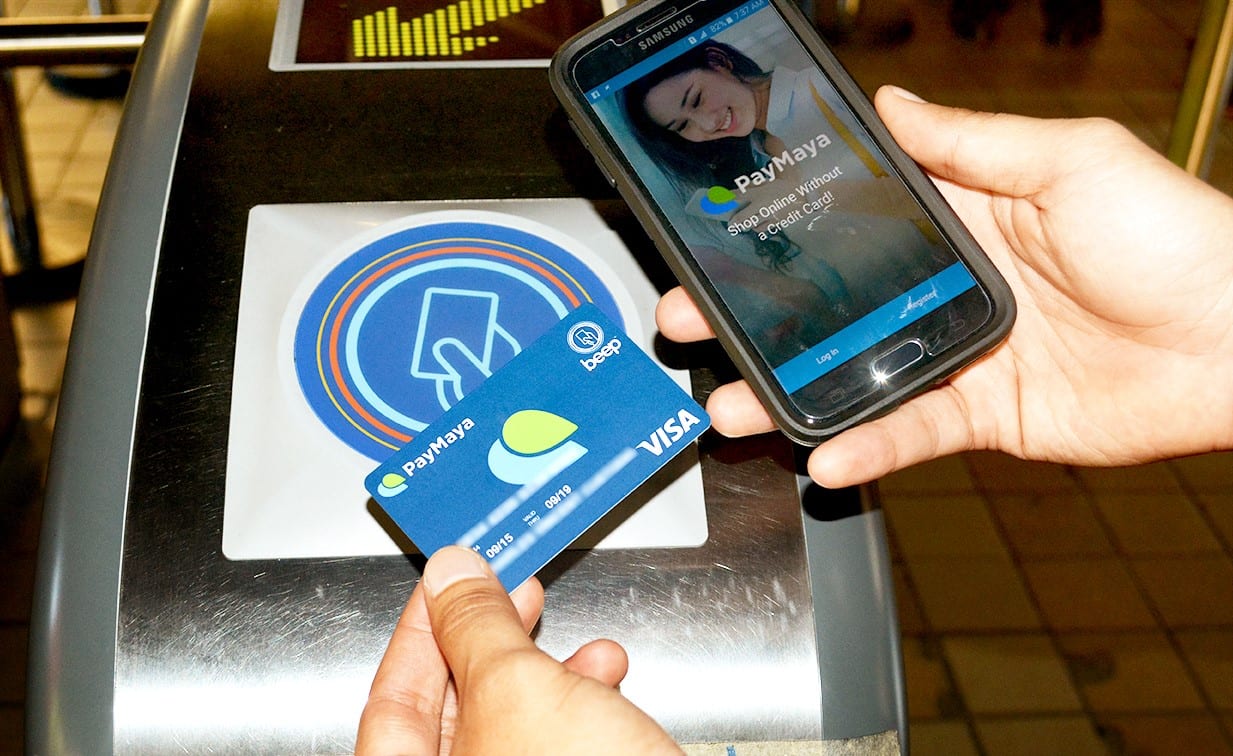
    Paymaya was launched in August 2015 as a virtual Visa card that resides in a mobile app, allowing people to purchase online, send money, send telco airtime load. Soon, it envisions to allow users to pay bills online and do other types of transactions. A physical card can be linked to the virtual card for use for purchases in physical stores and pay for train rides.

    GCash, on the other hand, was launched in 2004 as a micropayment service of millions of Globe subscribers. It transforms a mobile phone into a virtual wallet for safe, secure, and hassle-free mobile money transactions such as the purchase of prepaid load, bills payment, money remittance, donations, online shopping, among others.

    “This is a step toward advancing the future our digital economy. Interoperability is but a natural progression in the ongoing evolution of financial technology services in the country,” said Orlando B. Vea, President and CEO of PayMaya Philippines.

    BSP Governor Amando Tetangco Jr. cited in an earlier speech that studies have shown that shifting from paper to electronic–based payment system could generate annual savings up to one percent of the country’s gross domestic product (GDP).

    At present, there are 10 GSMA active operators with strong money deployments, three of which – Sri Lanka, Pakistan, and Tanzania, are already practicing interoperability since 2014.

    Committed markets, on the other hand, include the Philippines, Paraguay, and Myanmar while Rwanda, Madagascar, Thailand, and Jordan already made a pilot launch last year.

    The fifth annual ‘State of the Industry Report on Mobile Money’ released by GSMA during the Mobile World Congress in Barcelona, Spain showed that there are more than one billion mobile money transactions in December 2015.

    The report noted that mobile money is available in 85 percent of countries where most of the population lack access to formal financial institutions. Moreover, there were 29 cross-border mobile money initiatives connecting 19 countries in 2015, with cross-border remittances growing 52 percent, by volume, over the last year.

    “Mobile money is driving social and economic impact for millions of people in emerging markets,” said John Giusti, Chief Regulatory Officer, GSMA. “Over the last decade, mobile money has done more to extend the reach of financial services than traditional bricks and mortar banking were able to do over the last century. With 411 million mobile money accounts today, mobile is an increasingly critical platform for expanding financial inclusion globally.”
  • 1987: Year of market crashes and MRT rollout

    1987: Year of market crashes and MRT rollout

    WHAT do household terms Black Monday and the Mass Rapid Transit (MRT) have in common? They both originated in 1987, a remarkable year that saw the worst – and best – of the Singapore stock market, as well as the historic rollout of the Republic’s first MRT service.

    On Oct 19, stock markets around the world collapsed. Billions of dollars were wiped out following a record selloff on Wall Street. The Dow Jones Industrial Average nosedived 508 points or 22.61 per cent to 1,738.74, its largest one-day percentage decline.

    The Straits Times Index (STI) was not spared, shedding 170 points or 12 per cent to 1,223.28, its biggest one-day tumble in local stock market history. Using the percentage drop in the STI as a crude measure, over S$15 billion – “enough to build three MRT projects” as detailed in the BT report – was obliterated from the market’s capitalisation.

    This was ironic because just a week later, the first section of the MRT – the North South Line between Yio Chu Kang and Toa Payoh – started operations. In ways that were unimaginable before, this brand-new transport mode dramatically transformed the retail landscape in Singapore.

    Banks, pharmacies and shops selling gifts, jewellery and electronics became the first to dominate retail space at MRT stations. They wanted to capture the “tremendous traffic” (as Guardian Pharmacy called it) of thousands of office workers who took the trains for work and shopping downtown.

    Speaking of tremendous, something else happened that year. On July 7, the Singapore bourse breached the 1,300- mark for the first time in the history of the stock market. The STI added 28.87 points to close at 1,316.15, by virtue of blue chips and good-quality stocks such as F&N, OCBC, DBS and Singapore Press Holdings.

    Unfortunately, that stock market euphoria did not live out the remaining months of 1987 as Black Monday struck. That catastrophic market crash in fact inspired the development of trading curbs, or circuit breakers that would allow stock exchanges to temporarily halt trading in instances of exceptionally large price declines.


  • REITs set to outperform equities as investors go in search of yields

    REITs set to outperform equities as investors go in search of yields

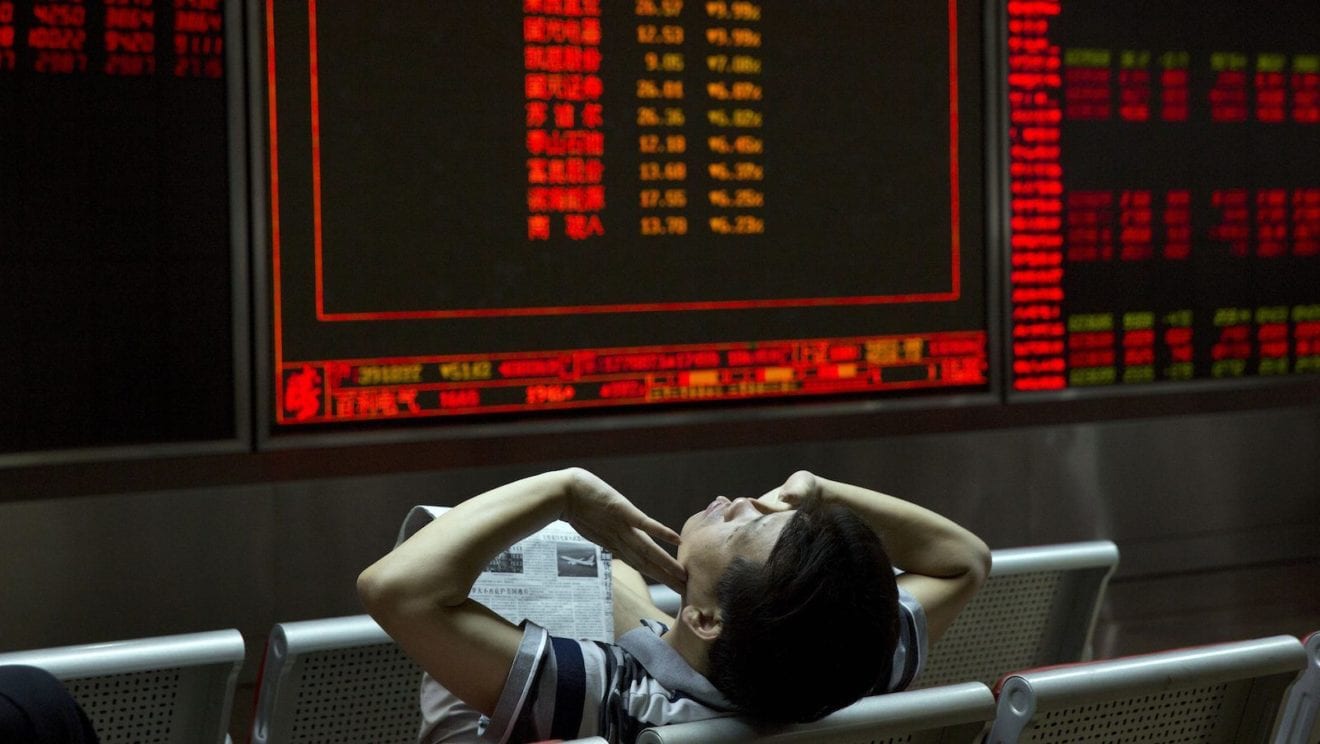
    The Stock Exchange of Thailand continues to stay in positive territory, gaining around 7 per cent year to date, despite the sluggishness over the last two weeks. Nevertheless, the SET Index still failed to breach the psychological 1,400 level.

    Month-to-date, the market leaders were PTT, PTT Global Chemical, Siam Cement, Charoen Pokphand Foods and CP All. The laggards were Bumrungrad Hospital, Advanced Info Service, U City, Banpu and Minor International.

    Foreign investors bought Bt11.7 billion worth of Thai shares from March 1-17, leaving the year-to-date net-buying position at Bt3.6 billion.

    Since the beginning of the year, the performance of real estate investment trusts (REITs) has been well ahead of equities. We believe the trend will continue as global investors seek yields amid negative interest rates in both Europe and Japan, coupled with low rates elsewhere (including Thailand).

    On average, equity returns in developed markets remain in the red to the tune of minus 3 per cent year to date. In contrast, emerging-market stocks outperformed their developed-market peers with a year-to-date gain of around 3 per cent.

    Interestingly, global REIT prices have surged on the back of investors seeking yields and the US Federal Reserve’s decision to delay its rate increases in 2016. The S&P Global REIT, which is a benchmark of publicly traded equity REITs listed in both developed and emerging markets, has risen by almost 6 per cent since the beginning of the year.

    Going forward, REITs remain appealing on a selective basis given their high yields and resilient revenue streams.

    The top 5 REITs recommended by the DBS REIT team in Singapore are (1) Mapletree Greater China Commercial Trust; (2) Frasers Centerpoint Trust; (3) Ascendas REIT; (4) CapitaLand Retail China Trust; and (5) Mapletree Logistics Trust.

    These REITs are expected to pay regular dividends, with potential for further growth arising from the expansion of their asset portfolios. Their yields range from 6 to 8.4 per cent.

    Investing in REITs comes with risks, and we advise investors to study our research reports on REITs before making any investment decision.

    Tisco Securities

    The Stock Exchange of Thailand may soon re-test the 1,400 points resistance level after the US Federal Open Market Committee left interest rates unchanged, as expected, but cut the number of planned increases this year to two from four previously.

    The Fed’s dovish stance weakened the dollar |but helped boost appetite for risk assets including Asian currencies and equities. Also positive for the |Thai market is the recent strong rally in global oil prices.

    Nonetheless, we remain cautious on the SET’s |outlook this year and anticipate heavy profit-taking above 1,400 points. Foreign-investor positioning remains very underweight (at 29 per cent, an 11-year low).

    The key concerns of clients, expressed during |our trip to Europe last week, were the same: slow |economic recovery, high household debt and low industrial capacity utilisation. These factors, coupled with persistently weak exports and worse-than-expected drought, are likely to lead to a downgrade of the 2016 GDP growth forecast when the Bank of Thailand’s Monetary Policy Committee meets on Wednesday.

    We continue to favour tourism plays such as AOT (Airports of Thailand), AAV (Asia Aviation) and BA (Bangkok Airways) after February data showing a 16 per cent year-on-year rise in foreign tourists to a new monthly record of 3.1 million. Chinese tourists led the way, with 23 per cent year-on-year growth, but the most interesting part of the data was the 14.3 per cent year-on-year jump in arrivals from Russia – the first positive figure in nearly two years.

    In the banking sector, TCAP (Thanachart Capital) remains a mid-term “buy” on recovery of legacy non-performing loans and auto-loan quality, NIM (net interest margin) expansion, tax shields to improve RoE (return on equity) and capital/LLR (loan loss reserve) buffers from the second half of 2015 to the first half of 2018 and superior dividend yield.

    We also have a “buy” rating on TMB due to its solid growth prospects and lower cost of funds backed by its increasing penetration of the SME (small and medium-sized enterprises) segment.

    Elsewhere, we have revised up our target price for ROBINS (Robinson Department Store) by 8 per cent to Bt52 after its chief executive officer’s surprise announcement that the retailer is on track to achieve 4 per cent SSSg (same-store sales growth) in the first quarter of 2016.

    This is mainly due to its flexible product-mix strategy and strong performance of its Lifestyle Centres. With the expansion of Lifestyle Centres (two more were opened in the fourth quarter of 2015), ROBINS now derives 45 per cent of its net profit from rental space.

  • StanChart targets China

    StanChart targets China

    The regional head of retail banking for Greater China and North Asia at Standard Chartered (2888), Mary Huen Wai-yi, said Hong Kong will be used as a hub to attract high net worth customers from the mainland to bring growth in retail banking income in the next three to five years.

    Huen told Sing Tao Daily, sister paper to The Standard, the size of the local retail banking income pool stood at about US$10 billion (HK$78 billion), while that of the mainland is 10 times that in Hong Kong. In the face of the large market, she said, high net worth individuals in the mainland are the bank’s target in its wealth management services.

    Since Standard Chartered’s announcement of restructuring last year, retail banking has become the group’s leading business.

    After opening the a wealth management center at the Forum in Central, Huen said another one will be set up at Sheng Shui this year.

    Expanding toward the north is a common strategy shared by many of the bank’s counterparts. “Retail banking is a huge income pool in the mainland,” said Huen, “and it is still at an early development stage, which gives us plenty of opportunities.”

    Digitalization, Huen said, is another means by the bank to draw customers.

    While digital tellers is a big trend in Hong Kong, Standard Chartered said it will take a step further to introduce Retail Workbench, where the bank’s staff will use iPads as a sales-and-service tool to issue credit cards and approve loans. But Huen said that digitization will not replace any of its 80 bank branches in Hong Kong.

    The bank partnered with Asia Miles to put out a credit card last week, and Huen said the bank will have similar plans with Samsung in Korea.

    Retail banking in the Greater China region accounts for one third of the group’s global business in the sector last year, seeing also a single-digit growth in income against the backdrop of an overall loss posted by the group.

    STAFF REPORTER

  • China’s Consumers Spend Up On Spas, Travel and Entertainment

    China’s Consumers Spend Up On Spas, Travel and Entertainment

    China’s consumers are ignoring the bears.

    Consultancy McKinsey & Co. is tipping that China’s shoppers will increase their spending by 10 percent per year through the end of the decade as incomes rise. Some 55 percent of consumers expect a significant wage increase over the next five years.

    It’s not just staple goods that will be filling the shopping trolleys. Consumers are spending more on luxury items like spa visits, travel and entertainment.

    The shift is just another sign of China’s economy changing away from one that is fueled by heavy industry and exports and towards one where consumers and services drive growth.

    The chart below shows how shoppers plan to spend more on leisure and travel.

    Here’s another sign of the burgeoning market: consumers are adopting new products, services and retail experiences at rates unseen in developed markets. Mobile payment in China went from zero in 2011 to 25 percent of the population in 2015.

    “Gone are the days of indiscriminate spending on products,” according to McKinsey. “The focus is shifting to purchasing more premium products, and living a more balanced, healthy, and family-centric life.”

    China’s leadership have prioritized economic growth of between 6.5 percent and 7 percent this year and have promised to ensure the economy, which grew by its slowest in 25 years in 2015, will avoid a hard landing.

    While China’s retail sales slowed in the first two months of the year, they remain in a double-digit growth range.  Annual sales of cinema tickets could overtake the U.S. as early as 2017 and outbound tourist trips is on course to reach 200 million by 2020, according to CLSA Ltd.

    Still, for foreign competitors hoping to capture greater market share, the outlook is mixed. While foreign brands dominate the premium segment, local companies are increasing their market share in the mass segment of the market.

    “While scale, speed, and simplicity proved advantageous during the past 15 to 20 years, the changing shape of Chinese consumption is set to topple some giants of the past, and elevate new champions,” McKinsey said.

    McKinsey surveyed 10,000 shoppers aged between 18 and 65 in 44 cities across China.

  • Online shopping will never defeat brick-and-mortar shops in Singapore: report

    Online shopping will never defeat brick-and-mortar shops in Singapore: report

    Store-based retailing will continue to rule.

    The rise of e-commerce will be insufficient to dethrone brick-and-mortar shops in Singapore, according to a report by RHB Research.

    RHB noted that even if the popularity of online shopping continues to grow, traditional shops will retain the upper hand because of their wider reach.

    “We think the e-commerce business is unlikely to impact retailers to a large extent. Based on Euromonitor’s 2015 data, non-store retailing made up a mere 6.2% of the overall retail market in Singapore. Given its small scale at the moment, we think it is unlikely for the e-commerce sector to make a dent on the brick-and-mortar stores domestically,” RHB said.

    Even if the e-commerce sector grows at a much higher rate, RHB reckons that traditional stores will continue to dominate.

    “If non-store retailing growth rates were to double Euromonitor’s assumption every year, brick-and-mortar stores would still dominate at least 88% of the market share, even after five years. Hence, this suggests that the e-commerce business is unlikely to result in any big changes within the domestic retail scene,” said the report.

  • China Resources’s Beer Profit Gains as Retail Units Deepen Loss

    China Resources’s Beer Profit Gains as Retail Units Deepen Loss

    China Resources Beer Holdings Co., the maker of the world’s best-selling beer, reported earnings that missed analyst estimates as sales slowed amid a competitive market and a slowing economy.

    Underlying profit for the beer assets rose 14 percent to HK$831 million ($107 million) in the 12 months ended December, missing an average estimate of HK$933 million from 15 analysts compiled by Bloomberg. The underlying figure excludes asset revaluation and major disposals. Beer sales last year rose 1 percent to HK$34.82 billion.

    China Resources’ Snow beer is the world’s top beer brand, but its presence is predominately in China, where economic growth was at 6.9 percent last year, the least since 1990. The nation’s beer market is one of the most competitive, with major brewers including Tsingtao Brewery Co., Beijing Yanjing Brewery Co., Anheuser-Busch InBev NV, and a myriad of smaller, regional ones.

    The stock rose 3 percent to HK$15.10 in Hong Kong trading, the highest level since March 4 after the Chinese company said the deal to buy out the remaining 49 percent stake in its venture with SABMiller Plc has been submitted to the Ministry of Commerce. The update came from Jason Hou, the general manager of the venture, at a press conference in Hong Kong Friday.

    The deal is scheduled to close at the end of this year and impact earnings only in 2017.

    Snow beer, which has some of the lowest prices in the market according to a January report from Macquarie Group Ltd., has struggled to get drinkers to switch over to its higher-priced offerings, which would offer the company bigger margins.

    The company had sold its non-beer assets, including its money-losing retail venture with Tesco Plc, to its parent for HK$30 billion last year. This was to allow it to focus on its top-selling Snow beer as the existing multi-business structure didn’t reflect its full value, it had said.

    Underlying losses at discontinued operations, comprising retail, food and beverages, widened to HK$5.65 billion from HK$1.52 billion, it said Friday.

  • Mobile ads help Facebook double Q4 profit

    Mobile ads help Facebook double Q4 profit

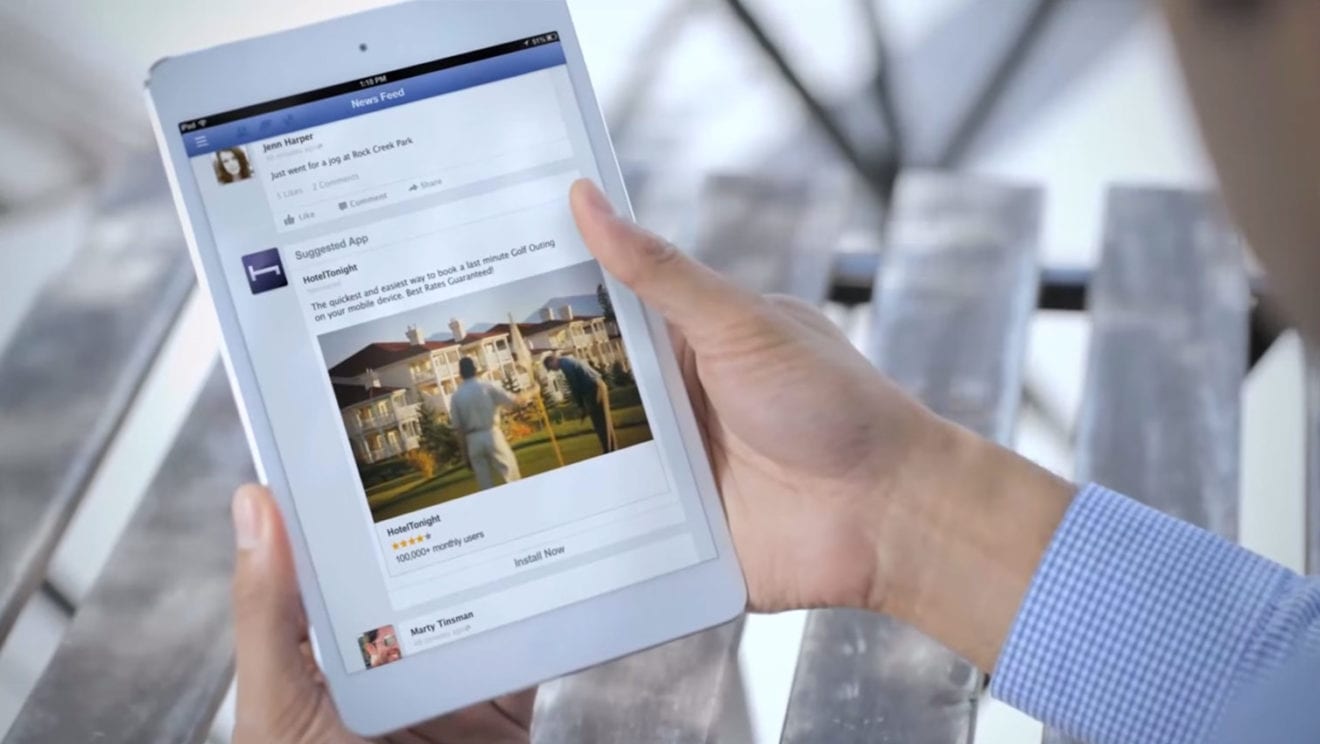
    Facebook last week revealed another quarter of soaring revenue and profit for the last quarter of 2015, thanks to the popularity of mobile ads on its social networking platform.

    The results come on the back of sales in Q4 2015 that rose 52% to $5.84 billion from a year ago, which contributed to profit increasing to $1.56 billion. The profit is more than double the $701 million from just a year ago.

    Mobile ads made up 80% of the company’s total ad business for the fourth quarter of 2015 compared to just 23% in the same quarter in 2012.

    “Our strategy is working and we have many more opportunities ahead,” said Mark Zuckerberg, who is back after taking two months to spend time with his newborn daughter. “So we’re going to continue investing to deliver more great results, over the long-term.”

    The company now has 1.59 billion users that log into Facebook each month, which is likely to further boost the company’s sales and revenues in the months and years ahead.

    Marketers are heading to Facebook due to its ability to get well-targeted ads that are relevant. By making sure that ads blend in with what people would like to see in their feeds anyway, Facebook was able to boost the percentage of marketing messages in the latest quarter.

    While it is not known how much of Facebook’s Q4 sales came from the Asia Pacific (APAC), we did observe a sharp increase in Facebook spending in the region last year as advertisers spend more on Facebook ads than before.

    The CPM (Cost per 1,000 impressions) for the APAC region grew 66% quarter-over-quarter in Q3 last year, more than the EMEA (27%) and the Americas (13%) regions.

  • Thai online marketing firm COL to expand via M&A’s

    Thai online marketing firm COL to expand via M&A’s

    COL is the operator of OfficeMate, B2S, Central Online Shopping, Mobile E-Books, and Cenergy Innovation.

    “The competition has become so fierce that many companies are finding it difficult to run their business. Hence, there are opportunities to acquire them, which will help us enlarge our customer base domestically and internationally,” Worawut Unjai, chief executive of the COL Group, said.

    The company is also shifting its focus on online business, which is expected to generate revenues of 800 million baht this year.

    Only last week, it informed the Stock Exchange of Thailand that it completed its entire investment disposal in Central Group Online Co, representing 49 per cent of total shares, to its subsidiary Cenergy Innovation Co, which is into retail online marketing and IT solution, for 147 million baht.

    It cited in the statement that the joint venture with Central Department Store, a leader in Thai retail, is key to gaining competitive advantage in the online retail market. It will be able to leverage Central’s expertise in inventory management, brand, and connections with suppliers and customers.

    “We will launch a new online shopping website in the third quarter. We will gather the goods from Central Group and its major partners and target to have 180,000 items in the website this year,” he cited.

    The COL Group posted 10.8 billion baht in total revenue in 2015, up 9.2 per cent from the previous year.

    Of that, 60 per cent was from OfficeMate and 37 per cent from B2S. Central Online made up for the remaining 3 per cent, which is being boosted to around 10 per cent of total revenue in 2016.

    He said, the group’s net profit was 394 million baht, thanks to its adjusted strategies and management policy for better efficiency.

    The group increased the number of products and services to address customers’ needs and catered to various businesses.

    COL Group expects to grow its revenue this year by 10 per cent to 11.9 billion baht despite lower consumer spending.

    OfficeMate is the first company in the group that has expanded into other countries and it would add branches in Vietnam, which will officially open this year.

  • Online store sells out million-yuan Maseratis

    Online store sells out million-yuan Maseratis

    Italian car-maker Maserati launched its flagship store on Tmall, Alibaba’s online shopping site and the first 100 Maserati SUV Levantes, priced at 999,800 yuan (€137,600), sold out 18 seconds after being put up for advance sale at exactly 3 pm yesterday in China.

    Ultra-luxury cars are suffering from China’s slowest economic growth in a quarter of a century, as well as a government crackdown on ostentatious displays of wealth, but online retailing may provide a window of opportunity for high-end autos.

    The car is Maserati’s first SUV and is due to officially launch in China in July, and Maserati will add 500 cars to the online offering for advance purchase to meet demand.

    Tmall is one of the most popular online shopping sites in China, where buying online is booming. China has 667 million internet users, and it is the world’s largest e-commerce market. Online retail sales in mainland China were worth 3.877 trillion yuan (€530 billion) last year, up by one third on the previous year.

    Slow growth and a general austerity campaign has hit the super-cars, although it did rebound slightly in late 2015 on the back of government tax breaks. The number of imported cars in 2015 dropped 25 per cent year-on-year last year, according to data from China Automobile Trading.

    BMW-owned brand Rolls-Royce saw a decline of 54 per cent in sales last year year-on-year, while Volkswagen-owned Bentley saw its China sales fall 36 per cent last year.

    Maserati’s fellow Italian luxury brand Ferrari said in October that sales in the first three quarters of last year were down 24 per cent to 157 cars.

    Bucking the trend is Porsche, which saw its 2015 China sales rise 24 per cent to 58,000 cars.

    “Compared with mass-market brands, the ultra-luxury car segment has been hit harder by the economic slowdown,” Beijing-based independent industry analyst Zhang Zhiyong told the Global Times newspaper.

    Zhang believes that ultra-luxury cars face limited growth potential in China in the next few years.

    “Entrepreneurs, who are the main consumers of ultra-luxury cars, are more vulnerable to changes in the macro-economy,” he said.

    Gao Mengxiong, sales director of Maserati China, said Maserati’s customers were relatively young. The average age of Quattroporte drivers was 38 years old, while the average age of Ghibli drivers was 32 years of age. The company has already introduced an English-language slogan here – “Levante The Maserati of SUVs”.

    Maserati’s global sales are currently running at around 32,000, below forecasts of 50,000, but CEO Harald Wester said he expects to add around 30,000 cars to sales next year, with China expected to drive strong growth.

  • Digi to spend $217.6m on capex in 2016

    Digi to spend $217.6m on capex in 2016

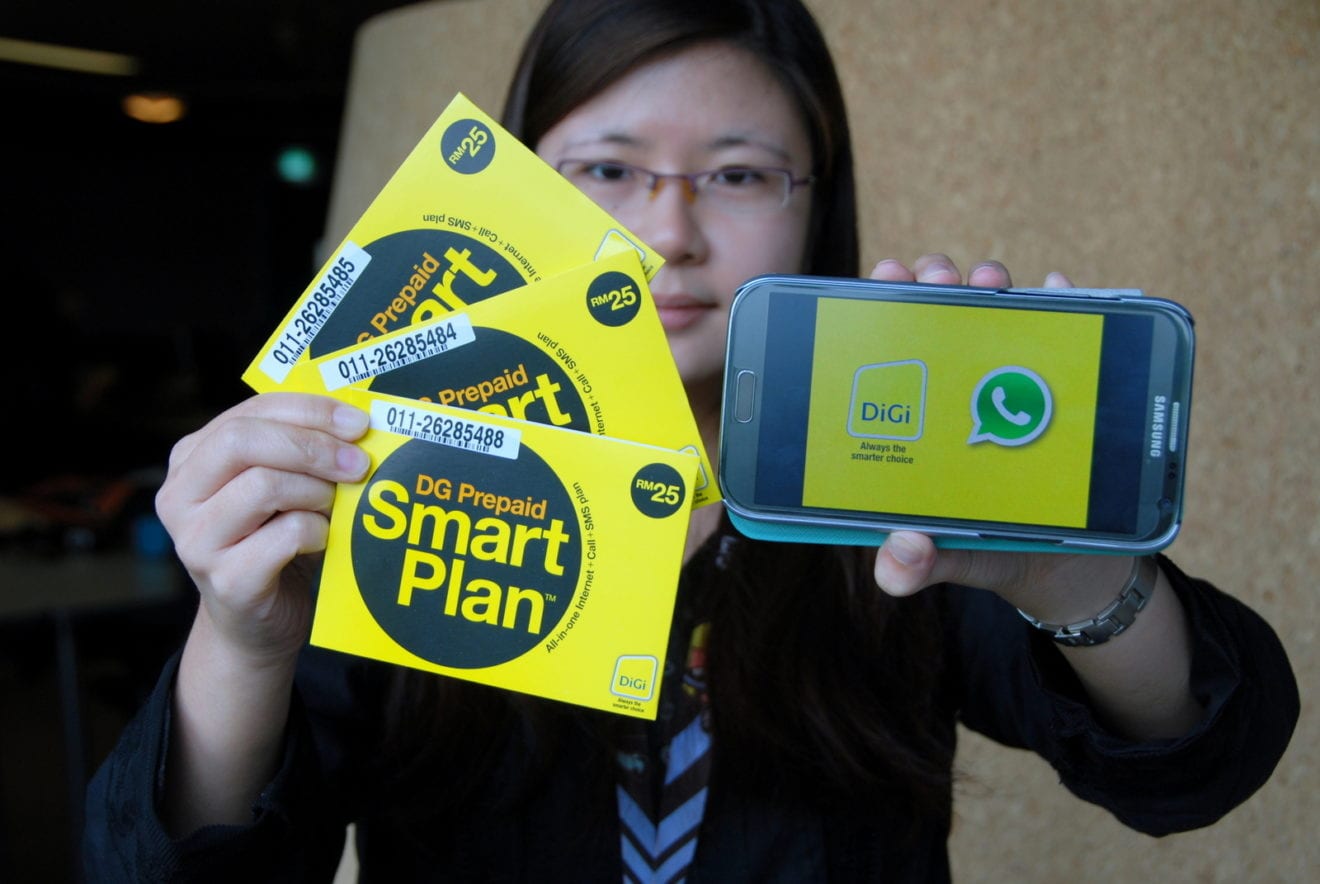
    Malaysia’s Digi Telecommunications has allocated 904 million ringgit ($217.6 million) in capex for 2016, to pursue expansion projects including the rollout of VoLTE and VoWiFi.

    The operator has roughly maintained its capex budget at the same size as 2015.

    Digi is currently testing voice over LTE and Wi-Fi technologies and anticipates a commercial launch this year, according to chief marketing officer Christian Thrane.

    He said the operator’s LTE network currently covers around 72% of Malaysia’s populated areas and 150 major cities and towns.

    In response to growing data demand, Digi recently launched a postpaid plan starting at 28 ringgit per month that offers higher internet quota than previous plans, as well as the ability to roll over unused data. The operator will offer promotional discounts on the new plans until June 30.

    Digi has also introduced data roaming plans for frequent and budget travellers starting at 10 ringgit per day.

  • SingTel suspends mobile app after user detail leak

    SingTel suspends mobile app after user detail leak

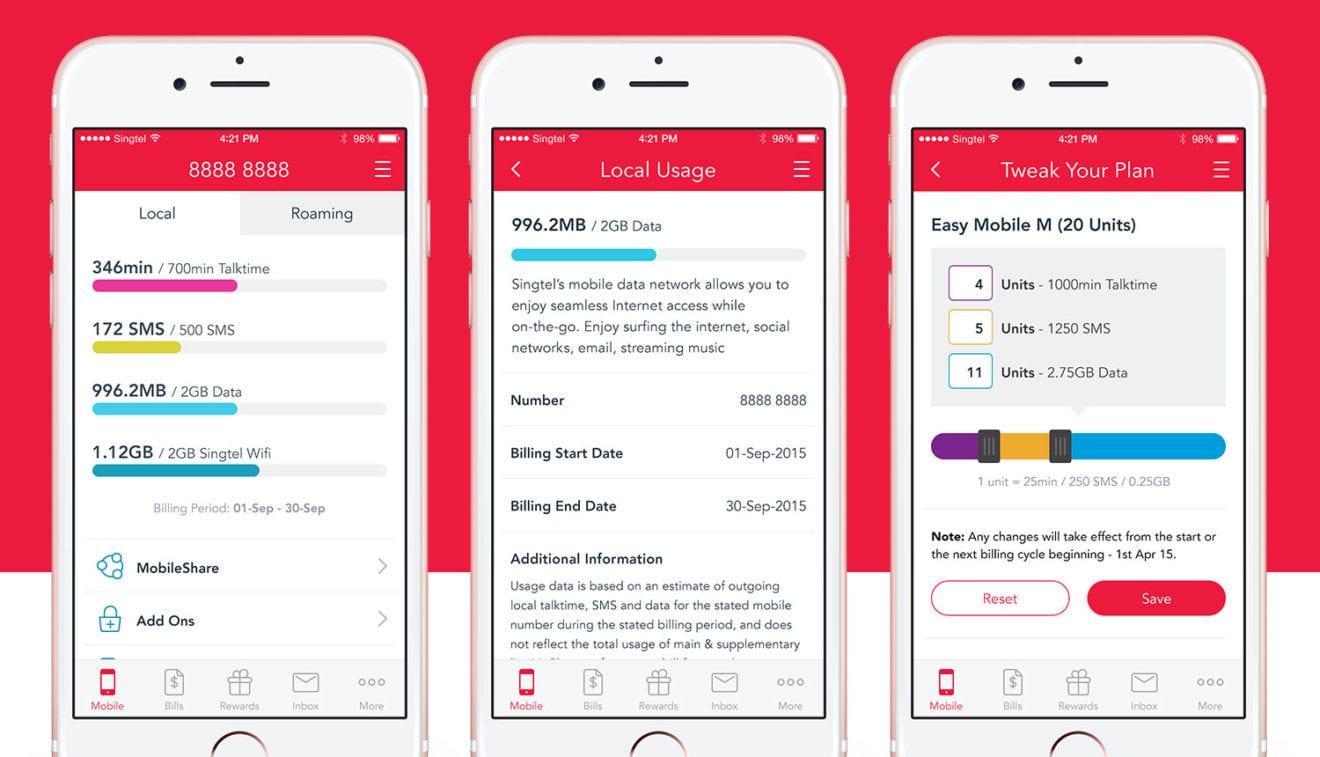
    SingTel was forced to temporarily suspend the functions of its mobile app after a software glitch resulted in users viewing the personal information of another account.

    Customers logging into the My Singtel app were able to view and the personal details of a different customer, and to modify the data field under account information to add their own messages.

    Multiple users reported encountering this glitch over social media, with a number expressing concerns that their account details had been compromised.

    SingTel suspended access to the app, commenting in a statement that the glitch exposing the customer information only affected one account.

    The statement added that SingTel is still trying to get in touch with with the customer to apologize or explain.

    As of Midday yesterday most functions of the app had been restored, but not the bills, rewards and e-appointment features.

    The company insisted that this is an isolated incident and ensured customers that their account security had not been compromised.

  • ABK named ‘Best Retail Bank in Kuwait’

    ABK named ‘Best Retail Bank in Kuwait’

    Al Ahli Bank of Kuwait (ABK) was recently recognized as the ‘Best Retail Bank in the Middle East’ by the Asian Banker; one of the most prestigious awards programs in the industry of financial services and one of Asia’s leading consultancies in financial services research, benchmarking and intelligence. The award was received by Stewart Lockie, General Manager Retail Banking at ABK, during an awards ceremony that was held on March 16th, at the W Hotel in Hong Kong.

    The ‘Best Retail Bank in the Middle East’ award reaffirms the Bank’s outstanding initiatives and  solid performance and demonstrates its unwavering efforts to provide superior services to its customers through the implementation of its ‘Simpler Banking’ strategy, which focuses on creating a simpler banking model offering convenience, speed and security.

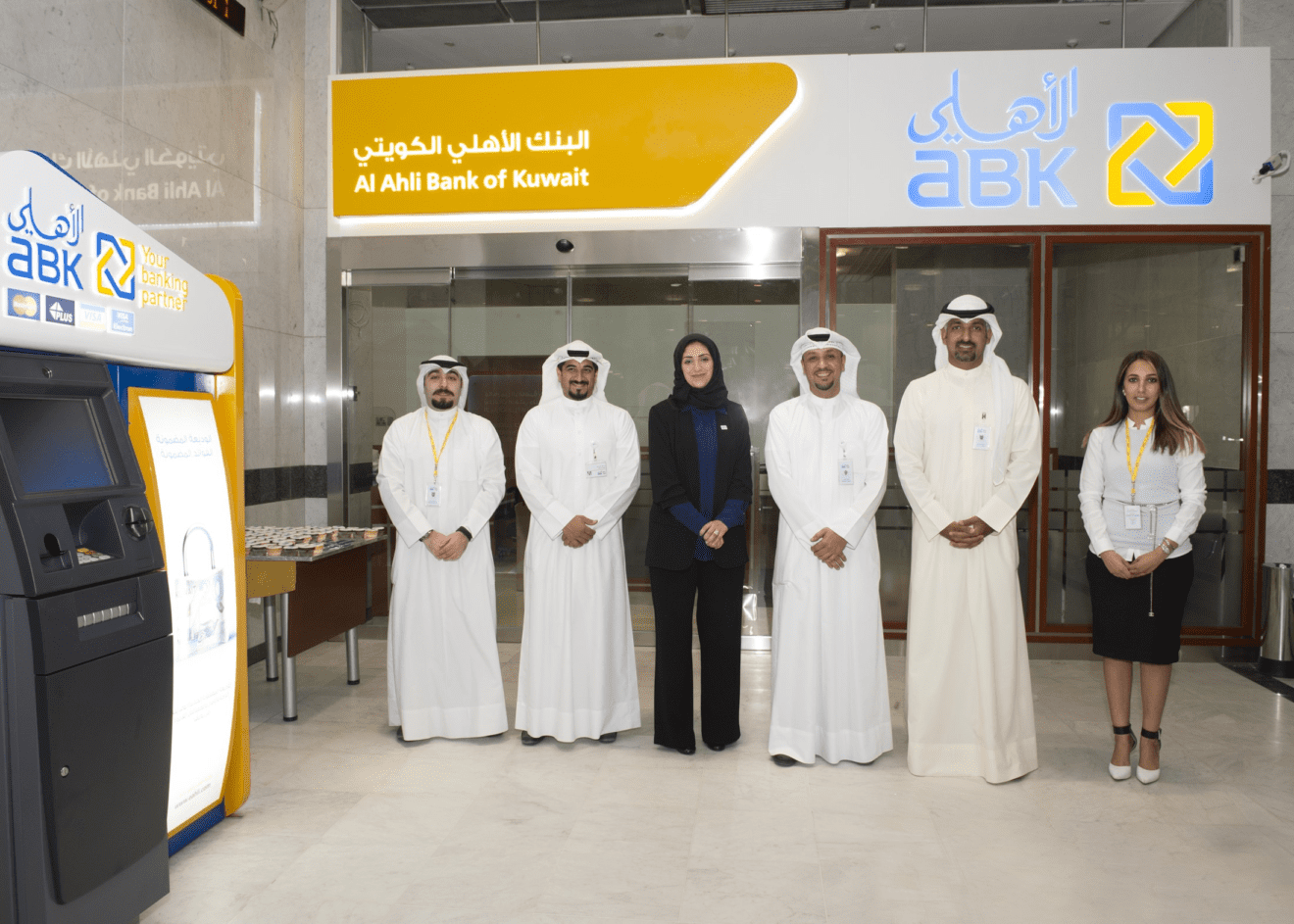
    Stewart Lockie with Retail Banking staff

    Commenting on the Bank’s achievement, Stewart Lockie, General Manager Retail Banking at ABK said, “It is an honor to be recognized as the ‘Best Retail Bank in the Middle East’ by the Asian Banker since we received the award last year for Most Improved Retail Bank. ABK made a tremendous effort throughout 2015 to make substantial enhancements and developments to its services and systems with the aim of to simplify the banking process. I would like to thank the judging committee for realizing this effort and rewarding us for it and I would also like to congratulate the Retail Banking team on this award, and thank them for their continuous hard work and diligence.”

    ABK recently deployed a series of new enhancements to its systems as part of its ‘Simpler Banking’ strategy, such as reducing ‘End to End Loan’ processing time from six days to one day and the account opening process from nine hours to six minutes. It also introduced ‘Biometric Verification’ as an enhancement to its mobile banking system, as an additional security measure, in addition to several other developments.

    The Bank will continue to build on this great success and introduce further developments and enhancements that serve to differentiate ABK‘s services and support its ‘Simpler Banking’ strategy, with focus on delivering more convenience, security and speed.

  • GoDaddy launches in 11 more APAC markets

    GoDaddy launches in 11 more APAC markets

    Small business technology services provider GoDaddy has expanded further into Asia, launching in 11 more markets including Hong Kong.

    The company has launched its suite of cloud-based products for SMEs across the region. With the launch GoDaddy services are now available in 14 Asian markets, also including Japan, Indonesia, Malaysia, the Philippines, Singapore, South Korea, Taiwan, Thailand and Vietnam.

    GoDaddy offers a suite of cloud-based products and services including domain registry, website hosting, website development and productivity tools.

    The company offers also local language customer care and direct phone numbers in each of its new Asian markets.

    GoDaddy CEO Blake Irving noted that SMEs account for over 97% of all enterprises and employ over half the workforce across APEC economies.

    “Asia is home to one of the largest, most vibrant small business communities in the world,” he said.

    “As internet growth and smartphone adoption continue to accelerate across the region, it’s important that these businesses are able to create strong digital identities that will help them achieve their goals and compete online.”

    Globally, GoDaddy now services small businesses in 53 markets, supporting 26 languages – including 10 Asian languages – and 44 currencies.