Author: Mei Ling Tan

  • Korean online bookstores in delivery war

    Korean online bookstores in delivery war

    Korean online bookstores are pushing back their deadlines for same-day delivery, and jumping into the current delivery war that started when Coupang launched its ‘Rocket Delivery’ service.

    But while the bookstores’ new service is expected to attract more customers, concerns are rising over driver safety.

    Yes 24, the largest online bookstore in Korea, announced  it will extend the deadline for same-day delivery service by one hour. Customers will be able to receive purchased products on the same day for orders placed before 2pm, with those in Seoul benefiting from an extra hour and a 3pm deadline.

    Yes 24’s changes follow a move by competing online bookstore Aladdin, which has already pushed back it’s same-day delivery deadline by an hour.

    Coupang started the wave of delivery wars in Korea with the launch of an ultra-fast delivery service called ‘Rocket Delivery’ in March 2014, and the establishment of its own logistics system.

    Henry Ro, Coupang VP, said the Rocket Delivery service offers the greatest customer experience. “Rocket Delivery is an integrated ‘end-to-end’ service that has never been attempted in other countries.”

    However, despite consumer satisfaction, Coupang is expected to log over 400 billion won (US$326.9 million) in operating losses when it files its 2015 audit report in mid-April, due to rising costs in building new logistics centers and hiring new staff, according to industry sources.

    Other negative side effects are also pervasive. While Korean consumers are accustomed to ‘super quick’ deliveries provided by almost every type of business, the number of delivery people injured on the job is skyrocketing.

    According to data from the Korea Occupational Safety and Health Agency, 4460 delivery people were injured on the job between 2012 and 2014. News reports of delivery people involved in fatal accidents are also becoming common.

    Popular 30-minute delivery services are an example. Pizzerias used to compete to deliver pizza within 30 minutes, promising free pizza if the delivery is late. However, 30-minute delivery is now banned, as it was identified as the cause of numerous accidents.

    In the meantime, other online bookstores are looking into joining the delivery war with Yes 24 and Aladdin.

    Interpark plans to extend its deadline for same-day deliveries as well, and Kyobo Books is also looking into providing the service.

    Bookworms are thrilled that they can get the books they ordered right away. One customer commented on the convenience of the service, noting, “we no longer have to make the long trip to the bookstore every time we want to buy a book”.

    However, some point out that bookstores should be focused on providing other services instead of fast deliveries. “The books are so expensive. I would rather have additional benefits such as discounts or book points that can be used at the bookstores,” one customer said.
  • Kose cosmetics reveals global ambition

    Kose cosmetics reveals global ambition

    Japan’s Kose cosmetics has unveiled a global marketing plan that aims to give it a strong international presence – including department store outlets in China, Malaysia and Singapore.

    The plan was revealed as it celebrated its 70th birthday, with a media event at Roppongi Hills in Tokyo, attended by actress Yui Aragaki.

    In response to the success of its flagship Sekkisei skincare line, Kose is giving it more prominence on retail floors, and has introduced a “Stand by You” concept.

    Sekkisei products feature Chinese and Japanese herbal ingredients. The brand has been growing for 30 years and is continually updated, says Kose Corporation president/CEO Kazutoshi Kobayashi. Its latest addition is Sekkisei Herbal Gel.

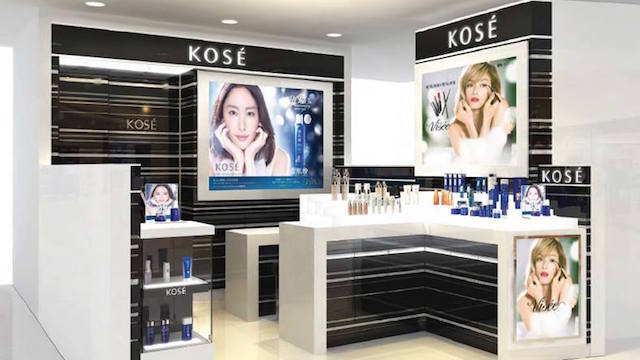
    A dedicated counter section has been designed by architect Kengo Kuma, in keeping with the store’s Japanese-motif interior design.

    “The counter uses a special material, high-density polyethylene non-woven fabric, and is lit from inside to represent the divine whiteness of Sekkisei,” says Kengo Kuma.

    The dedicated sections will launch inside department stores in Fukuoka, Osaka and Tokyo next month, and be added to a duty-free store location in Hawaii by the end of the year.

    Other locations are being established in department stores in China, Malaysia and Singapore, which will help Kose expand the Sekkisei network to seven countries within three years.

    According to the Nikkei Asian Review, Kose earns about 30 billion yen (US$266 million) in annual Sekkisei sales, and is looking to build this figure to as much as 60 billion yen by 2020.

  • New Muji flagship store in Singapore in the works

    New Muji flagship store in Singapore in the works

    Japanese lifestyle brand Muji is planning a new flagship store in Singapore.

    Masaaki Kanai, chairman of Muji’s parent company Ryohin Keikaku, said on Tuesday (Mar 15) that the new flagship store is estimated to be around 3,300 square metres and will feature more lifestyle concepts.

    “Apart from the usual Muji products, the store will have an ‘Open Muji’ concept where community creators are invited to interact with us. This is in line with our objective to create an interactive society,” said Mr Kanai, who was speaking to the media at a roundtable interview following his keynote presentation at The Innovation by Design Conference in Singapore.

    Muji, whose full name Mujirushi Ryohin translates to “no brand, good quality”, declined to reveal the specific timeline for the opening of the new store.

    The Japanese retailer currently has 10 outlets in Singapore, including a travel-concept store Muji To Go located at Changi Airport Terminal 2 and Cafe & Meal Muji, which opened at Paragon last year.

    GLOBAL EXPANSION

    The plan to add to its stores in Singapore comes as the lifestyle brand, known for its unorthodox no-brand philosophy and focus on well-designed and practical household items, is carrying out a global expansion.

    According to Mr Kanai, by 2017 Muji will likely have more overseas stores than the 284 it has in Japan, as it seeks for growth outside its mature domestic market.

    Among the top two key growth markets are China and the United States.

    “China is leading the growth due to its big population, while we had a good start in the USA where we are seeing 300 billion yen in annual turnover,” said Mr Kanai, who has worked at Muji since its founding.

    Even as concerns continue about slowing growth in China and the spending power of its consumers, Muji remains upbeat about the world’s second-biggest economy, where it intends to increase its pace of store openings to 50 per year from 2017.

    Ryohin Keikaku had 128 stores in China as of end-May 2015, its biggest market outside Japan.

    “I’m not so worried because the generation born after the 1980s are relatively well-off and they emphasize on a good lifestyle, and that’s in line with our philosophy.”

    Despite the rapid worldwide expansion, Mr Kanai emphasized that the Japanese retailer does not intend to “grow too big” and prefers to stay as a “small and medium-sized enterprise (SME)” so as to stay true to its design philosophy.

    “When a company grows too big, it’s not a good thing because the management will tend to emphasize more on ensuring a profit. That’s not our objective,” the chairman said.

    “Our objective is still to offer something useful to our consumers.”

    BRACING FOR SALES TAX HIKE

    Back in its home market, Muji is keeping an eye on the planned increase in the consumption tax, from 8 per cent to 10 per cent, in April 2017.

    Aimed at reining in Japan’s massive public debt, the sales tax was first raised from 5 per cent to 8 per cent last April. The move, however, took a toll on consumer spending and the country’s retail sales.

    To combat the negative impact, Muji lowered the retail prices of its products following the tax hike, and opted for cost-cutting measures.

    When asked whether Muji is worried about the impact of a second increase in the sales tax, Mr Kanai said: “There was certainly an impact on profit and sales during the last sales tax hike in 2014. If there’s a raise again next April, retail sales will likely come down.”

  • Risk takers and growth makers look to China

    Risk takers and growth makers look to China

    With a theme of risk takers and growth makers it was inevitable that anecdotes about Australian business and China would feature heavily at The Australian Financial Review Business Summit, presented by BHP Billiton.

    China presents risks that are beyond the pale for boards of directors of most S&P ASX 200 companies and for many influential equity fund managers.

    Insurance Australia Group’s decision to pull the plug on a $1 billion investment in China said a lot about risk aversion on major company boards. The Telstra decision to not invest $1 billion in the Philippines suggests that capital will not be deployed in China even though the country wants to open up its telco market to competition.

    Risks in China that are rarely found in Australia include sudden regulatory changes, the blatant stealing of intellectual property and government decisions tied to China’s increasingly aggressive foreign policy.

    But the growth opportunities on offer in the world’s fastest-growing economy are so extraordinary that many smaller companies believe the rewards far outweigh the risks.

    That was the clear message from a range of speakers and panellists on the first day of the Financial Review Business Summit in Melbourne on Tuesday.

    Power of social media

    The most stunning anecdote came from Richard Henfrey, chief operating officer of Blackmores, the vitamins company which has stormed the Chinese market thanks to its “clean and green” image.

    Henfrey says sales of a Blackmores Vitamin E cream were running at about 3000 tubes a month when Chinese film star, Fan Bingbing, was photographed with a tube in her handbag.

    The photo was shared on social media and within weeks sales of the cream soared to 100,000 tubes a month. Today sales are running at about 500,000 tubes a month and still growing.

    Henfrey says the incident highlighted the power of social media in China. Blackmores has not had to pay the film star any money for her public endorsement of the product.

    But when asked by Chanticleer about the expansion of other Australian companies in China, Henfrey expressed surprised that others had not followed in the footsteps of Blackmores.

    He says other Australian vitamins companies had not invested in people and infrastructure inside the country.

    Blackmores has 25 people in its office in Shanghai and Henfrey is confident that staff numbers will grow to more than 100 within a year. He says Australians need to get over their fear of investing on the ground in China.

    In carving out a profitable niche in the Chinese vitamins market, Blackmores has had to navigate through tricky government regulations.

    Its success is partly due to bypassing tough government regulations in relation to medicines. Many of its vitamins are classified as food rather than medicines and this has helped to clear the way to its sales success.

    Its products are sold in about 10 per cent of the 50,000 pharmacies in China.

    Free trade zone a catalyst

    Henfrey says the establishment of the Shanghai Free Trade Zone had delivered a significant increase in sales because Blackmores could now used bonded stores to directly import products not covered by local regulations.

    This carries a strong message for other companies in Australia pondering expansion into China. The Shanghai Free Trade Zone, which was established on a pilot basis in 2013, presents growth opportunities for financial services companies.

    These opportunities were outlined in a recent paper by Jeff Schubert on behalf of the Australian Chamber of Commerce in Shanghai.

    However, the focus of discussion at the summit on Tuesday was in relation to food, tourism, education and property transactions.

    The enormous opportunities for Australian food companies in China were laid out in compelling presentation by Shaun Rein, managing director of China Market Research Group.

    Rein meticulously dissected the major drivers of consumer demand in China ranging from the impact of pollution on shopping habits to the shift in luxury purchasing habits from Louis Vuitton bags to international travel.

    He provided several embarrassing examples of international firms that had attempted to crack the Chinese market with ill-thought through advertising campaigns that showed a total misunderstanding for local consumer culture.

    Rein says CMR research showed that Polo Ralph Lauren totally missed the mark with its ads featuring blonde American models. These turned off Chinese buyers who thought the clothes would not fit.

    GAP made the same mistake by using a male model with tattoos, which are normally associated with Triad gangsters.

    He says one high-profile global manufacturer of fast moving consumer goods had made a grievous error by lowering its production standards in its Chinese factories with the inclusion of carcinogens banned in the United States.

    Pollution huge issue

    Pollution, according to Rein, is the single biggest issue transforming shopping habits in China. The air in Beijing and to a lesser extent Shanghai is often so toxic that it has forced an increasing number of people to shop online.

    Rein says that switch in consumer behaviour has not necessarily been reflected in the retail sales numbers published in China. He says traditional retail sales measures underestimate the strength of demand.

    Rein said research by CMR of people in China with a minimum of $10 million in assets showed that at least 60 per cent were making preparations to leave China, partly because of the fear that the pollution problem would get much worse.

    Pollution, says Rein, is one reason why Chinese do not trust products made in their own country. It is this distrust which is driving the demand for Australian beef, dairy and honey products.

    Raymond Yeung, a senior economist, Greater China Economics with ANZ Banking Group, told the summit that consumers now accounted for more than half of economic growth in China. He agreed with Rein that tourism presented a good opportunity for Australia.

    Australia must welcome Chinese tourists

    About 5 million Chinese visited Japan last year, about 6 million visited Korea but  only 1 million visited Australia.

    Simon Henry, the co-chief executive and founder of the top international real estate website in China, Juwai.com, says he is horrified at the low number of Chinese tourists visiting Australia.

    Juwai.com facilitated an estimated US$4.2 billion ($5.5 billion) in Chinese international real estate purchases in the 2013 calendar year, according to Henry.

    Henry’s contribution to the discussion related mainly to China’s insatiable appetite for foreign real estate. He has not found any lessening in demand despite the gradual decline in China’s economic growth.

    Demand for foreign property, according to Henry, has risen from $US5 billion in 2010 to $US52 billion in 2015. He says demand will reach $US220 billion by 2020.

    He says there are only two assets that are trusted by China’s “mum and dad” investors – gold and property. That is why the recent stock market gyrations had no impact upon demand for property.

    Yeung from ANZ provided a sobering assessment of the likely Chinese response to the possible election of Donald Trump as president of the United States.

    He says it is no surprise that China’s international priority over the past two years has been the One Belt, One Road infrastructure strategy. This policy focuses on Chinese investment in infrastructure in about 65 countries, most of which are to the west of the country.

    In fact that One Belt One Road strategy presents partnership opportunities for Australia’s major construction and engineering companies based on the experience of General Electric.

    John Rice, vice chairman of GE, told Chanticleer that GE did a deal at the end of last year in Pakistan which involved a Chinese electric power company, Chinese financing and a gas turbine from France.

    “The EPC was a Chinese company we have done business with for 20 years – Harbin – so we can bring partnerships we have established over decades in some cases to bear to win deals along the One Belt, One Road,” he said.

    “It was good for GE, good for the customer in Pakistan and good for China.”


  • Chinese Estates shares falls as much as 11 per cent despite rise in core profit

    Chinese Estates shares falls as much as 11 per cent despite rise in core profit

    Shares of Chinese Estates dropped as much as 11 per cent on Tuesday despite its core profit jumping 3.4 times last year to HK$16.78 billion, mainly driven by asset disposals.

    The company’s shares end the day 8.65 per cent or HK$1.80 lower at HK$19 after hitting an intraday low of HK$18.50.

    The hefty increase in core earnings, excluding revaluation gains on investment properties, folllowed the sale of investment properties including a Tsim Sha Tsui commercial building, The One, and buildings in Chengdu, Chongqing and Shanghai.

    In a filing to the Hong Kong stock exchange, Chinese Estates said a final dividend of 1 HK cent would be paid, down 98 per cent from 50 HK cents a year ago.

    Shareholders received a conditional interim dividend of HK$2 in January. The group will continue to closely monitor the changes in local consumption patterns – Lau Ming-wai, Chinese Estates

    Net profit, including revaluation gains on investment properties, fell 11.67 per cent to HK$7.72 billion last year due to lower rental income after its disposal of Silvercord and The One in Tsim Sha Tsui.

    Turnover tumbled 41.22 per cent to HK$1.54 billion.

    “The group remains cautiously optimistic in the rental income growth from its retail investment properties,” said chairman Lau Ming-wai, who is the son of Joseph Lau Luen-hung, the firm’s controlling shareholder.

    The group’s overall gross rental income from Hong Kong tumbled 35.23 per cent to HK$1.09 billion last year. Rental income from retail properties fell 50.8 per cent, while rental income from non-retail properties rose 7.09 per cent.

    Lau said some retail business sectors had shown indications of reaching their peaks, especially tourist-related business.

    “Although the group’s well-located retail investment properties in Hong Kong leased well during the year, the group will continue to closely monitor the changes in local consumption patterns, refine its tenant mix, boost customer flow and spending for its retail investment properties by organising various marketing and promotional activities,” he said.

    Lau said the disposal of MassMutual Tower in Wan Chai in January would mean the rental income contribution from office buildings would be significantly lower this year.

    Chinese Estates sold the MassMutual Tower to Evergrande Real Estate for HK$12.5 billion.

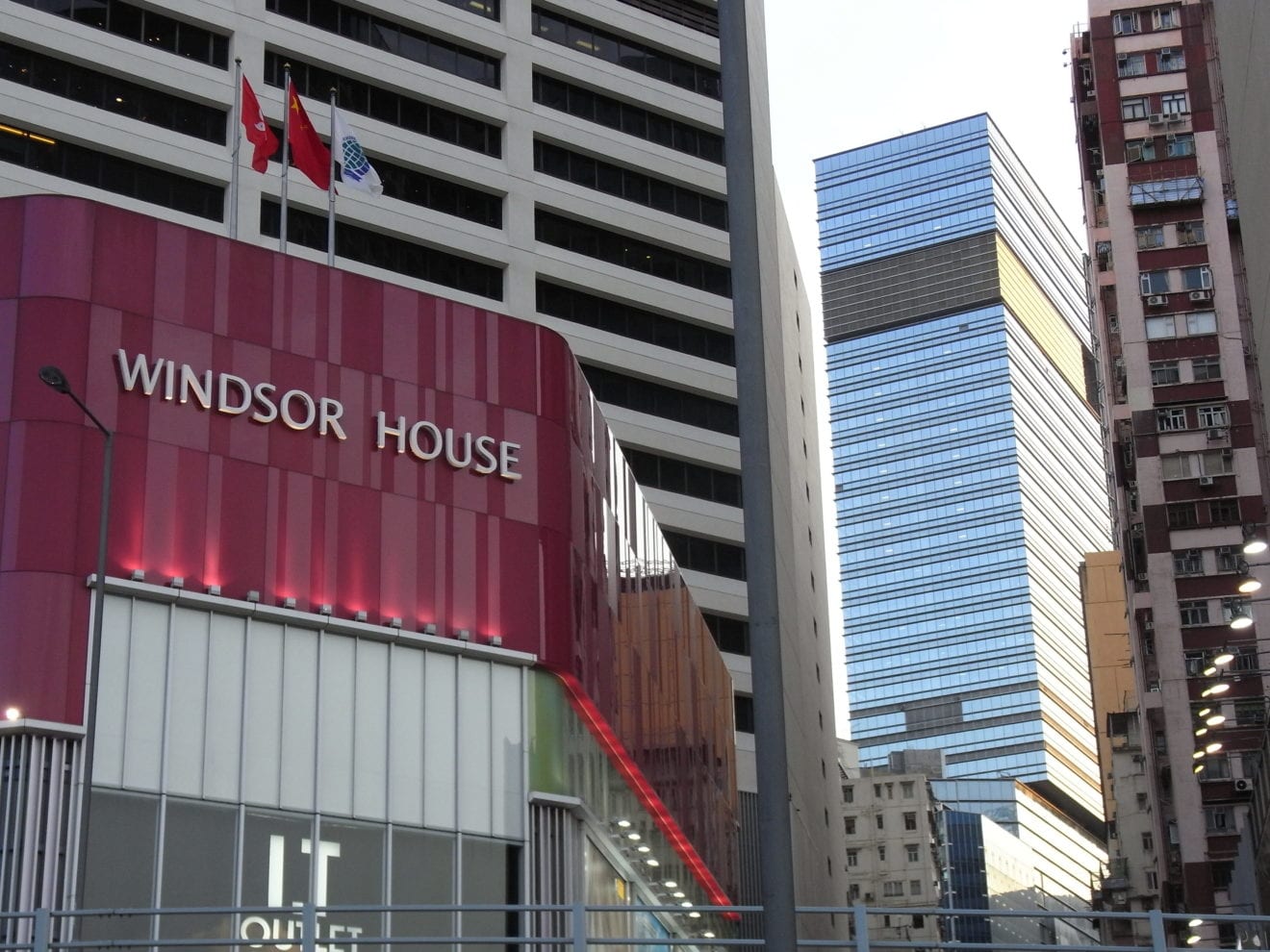
    In December , the firm sold the Windsor House in Causeway Bay for HK$12 billion to a company wholly owned by Joseph Lau. The deal will be completed this year.

    It said the majority of the sale proceeds from the sale of Windsor House would be declared as a dividend.

    This month, it said it had entered into a sale and purchase agreement with an independent party to acquire a London freehold property at St George Street, Mayfair, for £121.7 million (HK$2.33 billion).

  • Index, One-stop shop for homeowners

    Index, One-stop shop for homeowners

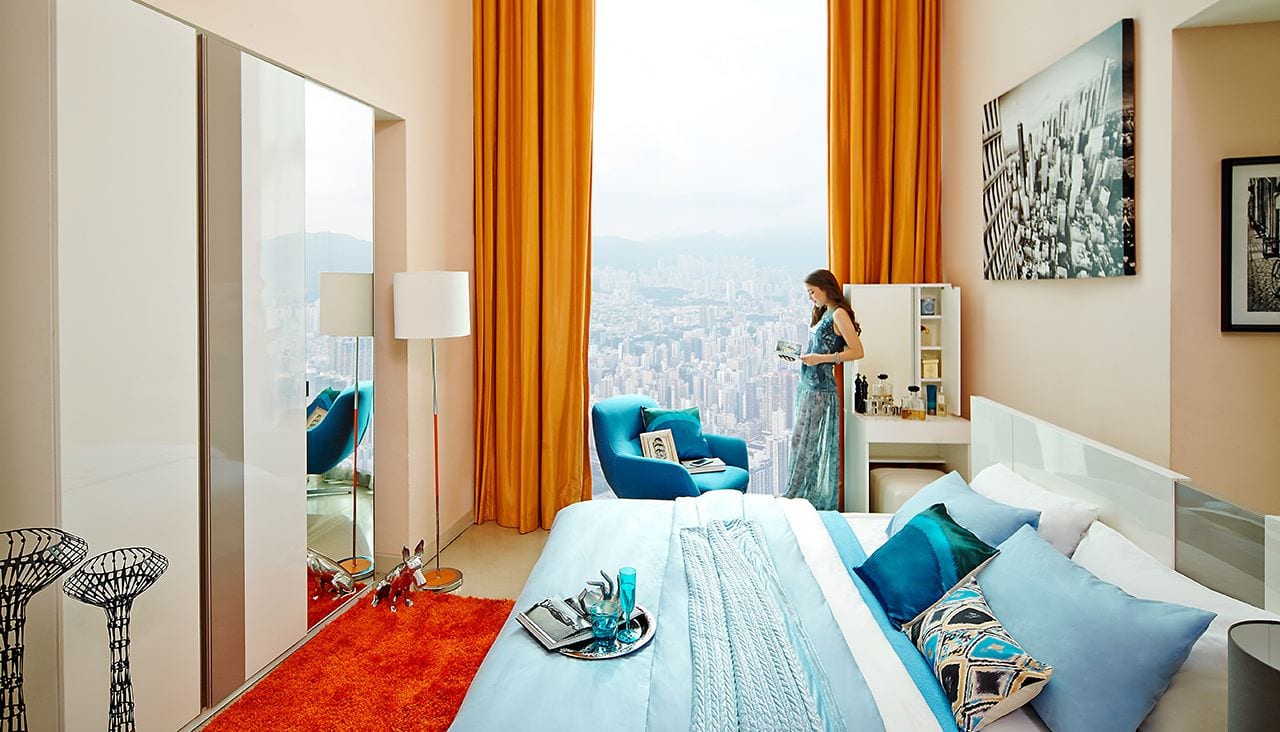
    Index Living Mall aims to be every homeowner’s one-stop shop that can transform an ordinary living area into a space that is worth boasting. AFTER its debut in Malaysia two years ago at IOI City Mall Putrajaya, Index Living Mall is making headlines again with its latest store at AEON Mall Shah Alam.

    This is the second store in the country for the home furnishing and decorative retail brand from Thailand. Index Living Mall aims to be every homeowner’s one-stop shop that can transform an ordinary living area into a space worth boasting about.

    The new two-storey shop is larger than the first, spanning across more than 6,000sq m with a wide range of home decorative items and furniture to suit everyone’s preference.

    Leave it to Index Living Mall to think of everything, because it also displays living room and bedroom decorating ideas for studio and one-bedroom apartments. Its professional team of designer specialists offers complimentary three-dimensional (3D) room design service while its sleep specialists are there to help you get the best mattresses available for a good night’s rest.

    Besides assisting customers with furniture selection, the store at AEON Mall Shah Alam offers free delivery and assembly service, which stays true to the brand’s commitment of delivering the best to its customers. The launch of the store was made official by the Royal Thai Embassy minister and deputy chief of mission Sirintra Chantapan.

    AEON Index Living Mall Sdn Bhd director Nur Qamarina Chew expressed excitement over the opening of the second Index Living Mall in Malaysia.

    “Partnering with AEON, we look forward to expanding the home furnishing brand locally and continuously catering to homeowners’ growing demand for unique, world-class designs,” said Nur Qamarina. Index Living Mall prides itself in offering reasonable prices without compromising on quality, a stress-free assembly service, and unique products by leading international designers.

    As part of its 12-day opening special ending March 21, the first 150 shoppers with a minimum purchase of RM1,500 will receive a RM150 voucher. During the same period, shoppers can sign up for a free JOYCard membership and enjoy weekly offers that will be available until April 3.

    AEON Credit Service is further sweetening the deal by offering its credit card holders a 10% cash back of up to RM30 per person for a minimum spend of RM100.

    As part of its expansion plans, Index Living Mall will open in AEON Mall Kota Baru in the second quarter of the year.

  • Thai Robinson to invest $479 mln on new stores over 5 years

    Thai Robinson to invest $479 mln on new stores over 5 years

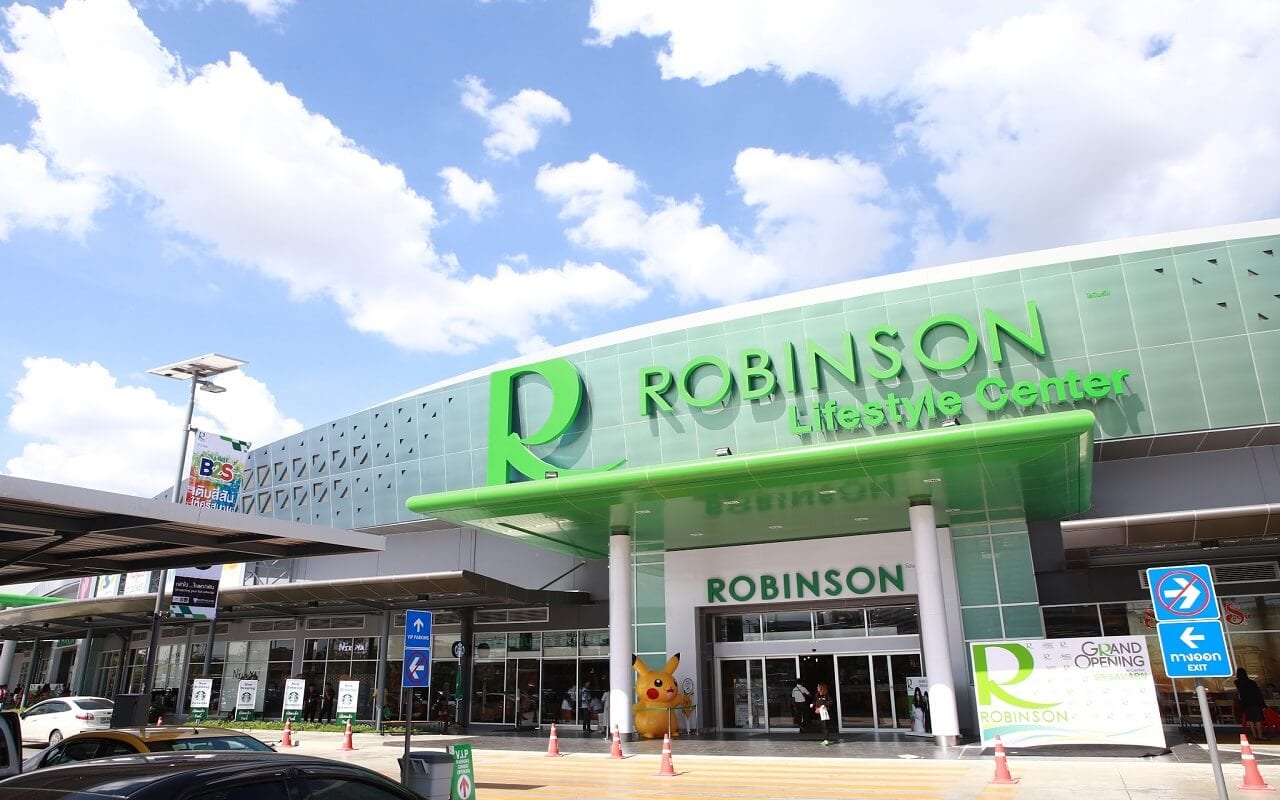
    Thailand’s Robinson Department Store PCL said on Tuesday it aimed to invest about 16.8 billion baht ($479 million) over the next five years on opening new stores in a move to boost average sales growth by 5-7 percent a year.

    Speaking at a news conference, President Alan Thomson said Robinson, majority-owned by Thailand’s largest retail conglomerate Central Group, planned to boost the number of stores to 56 by 2020 from 42 now, pinning its hopes on government economic stimulus measures stoking a pickup in the country’s now-depressed consumer spending.

    Growth at that pace would be equivalent to an average of 2.8 new stores a year. But Robinson’s rate of expansion has slowed recently, dropping to two new stores this year, versus four in 2015 and five two years earlier, a deceleration that reflects Thailand’s current economic weakness, Thomson said. This year, the company will spend 1.6 billion baht on opening two branches. It’s aiming for sales growth of 7 percent from 2015’s 25 billion baht, and expects sales to reach 35 billion baht by 2020, Thomson said.

    He also said Robinson planned to spend 2.5 billion baht to renovate 20 existing stores in an effort to respond to changing retail patterns and attract more customers despite the spread of online shopping.

    Robinson also operates two stores in Vietnam, and aims to double that by 2020, Thomson said. “We are trying to identify challenges before we expand in Vietnam,” he said, adding the company would likely invest more in Vietnam next year after a pause in 2016.

    After being hit in recent years by weak spending in the slowing economy, like other Thai retailers, Robinson has seen signs of improvement in demand, thanks to the government’s stimulus measures, Thomson said.

    The company’s same-store sales rose 3.1 percent in the fourth quarter of 2015, versus a drop of 2.1 percent for the
    full year, according to company data.


  • A taste for Japanese flair in SOTA

    A taste for Japanese flair in SOTA

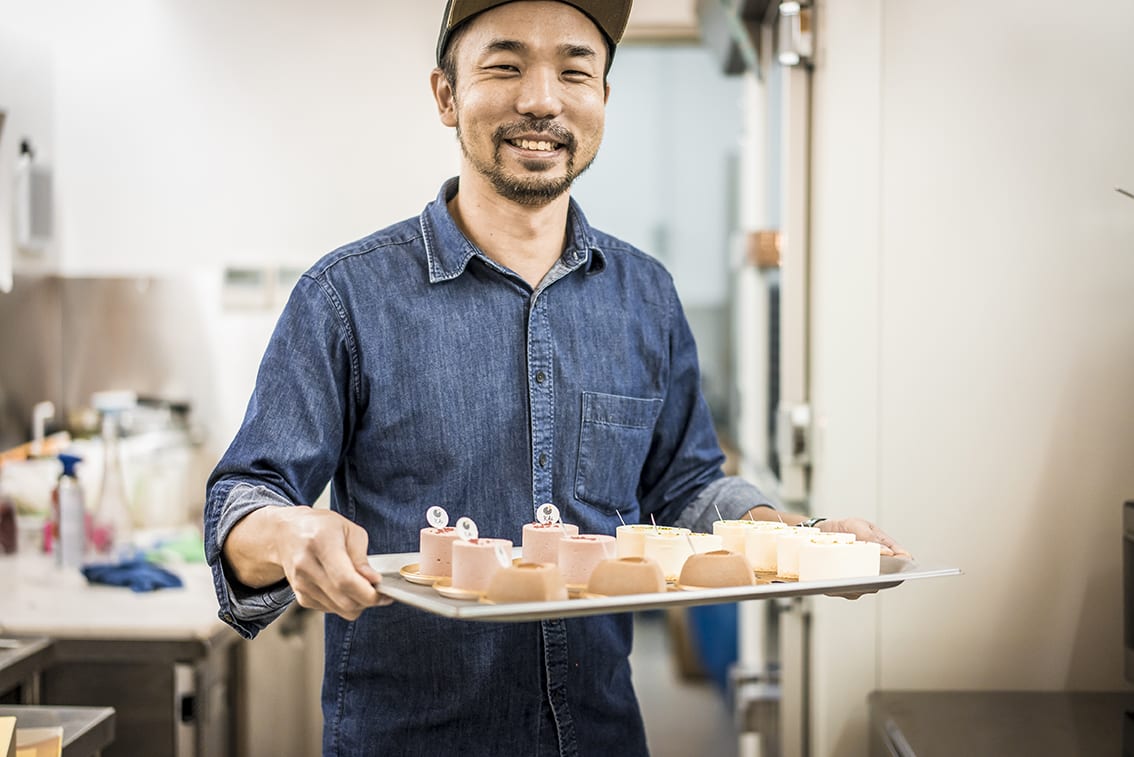
    When customers do not have time to slowly sample the offerings, the owners of Kki Sweets at the School of the Arts (Sota) ask them to come back another day – even at the risk of losing business.

    “We want people to come in and slow down. Cake is something you are meant to savour. It is not fast food,” said Ms Delphine Liau, 39.

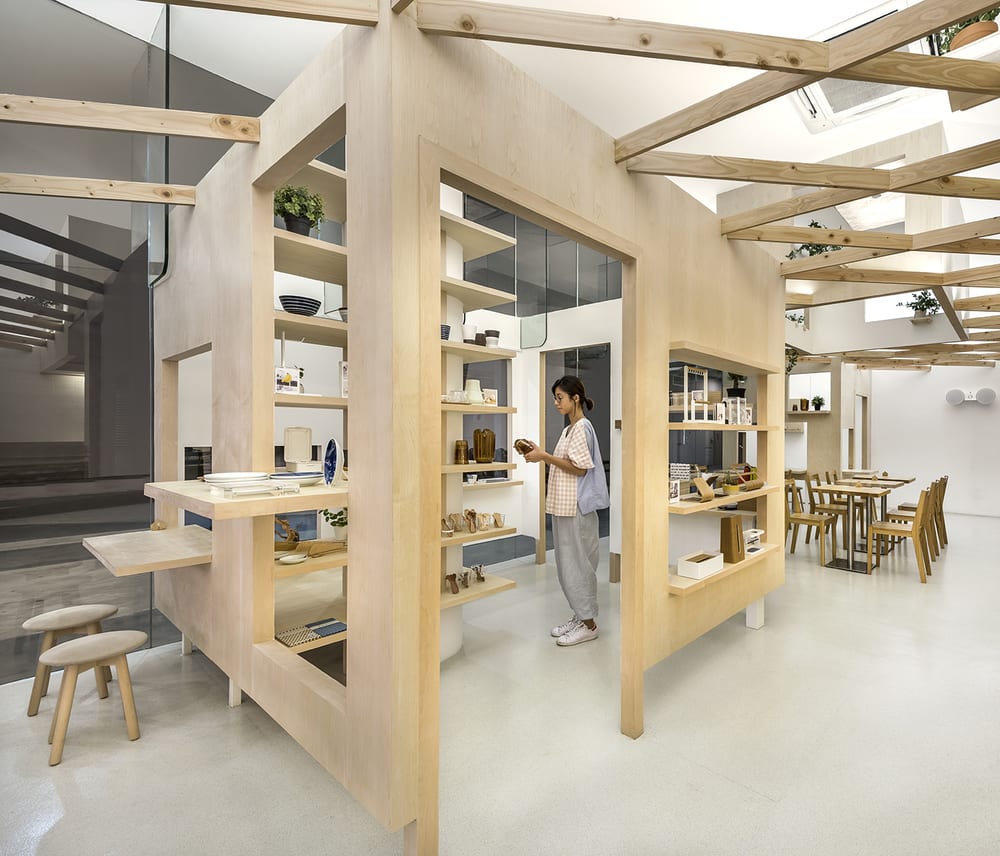
    In+a+happily+shared+space+at+the+School+of+the+Arts+(SOTA)+building+in+Singapore,+food-meets-art+with+a+PRODUCE+designed+retail+mash-up+of+Kki+Sweets+and+Little+Dröm+Store-

    The store’s design forces visitors to decelerate. Local design studio Produce fashioned the shared storefront around an alleyway – one turn-off leads to design retail store The Little Drom Store and the other to Kki’s Japan-inspired dessert cafe, which also sells Kki Home homeware products.

    At Kki Sweets, maple-veneered plywood and pine planes serve as shelves, seats and trellises. They provide a deliberate contrast to the darker interior of the atrium at Sota and also create internal layers within the space.

    Last year, the design of the 1,700 sq ft store won an award in the retail category at the INSIDE World Festival of Interiors, which was held in Singapore alongside the World Architecture Festival.

    “The design reflects the lifestyle we are trying to promote. We want it to be comfortable, warm and cosy – a place where you spend time and take your time,” said Ms Liau.

    She and her husband, self-trained chef Kenneth Seah, 43, share a love of food. They met in 2003 while working in a cafe, and opted to have a pastry-inspired honeymoon in Japan, lapping up delicate creations by the likes of top patissier Hidemi Sugino.

    Returning home to what they felt was a desert in terms of good desserts, they decided to create their own ideal cafe. In 2009, they opened an outlet in Ann Siang Hill, serving cookies and speciality mousse cakes such as the Kinabaru (new mountain in Malay), a coconut sensation with a passionfruit centre.

    Rising rentals forced them to move at the end of 2013 but, thanks to a DesignSingapore Council Design Innovation Assistance grant, they cranked up their ovens again in September 2014, this time at Sota, where they have a larger space.

    Once a year, they close their cafe for a week to return to Japan for more inspiration – and more cake.

    “When the Japanese sell something they didn’t create, like French pastries, they respect the craftsmanship but infuse it with their produce and make it their own,” said Ms Liau. “We are as intrigued by their mindset as their cakes. We have learnt so much from them.”

  • HKIA passenger numbers grow as new stores open at Midfield Concourse

    HKIA passenger numbers grow as new stores open at Midfield Concourse

    Hong Kong International Airport (HKIA) recorded steady growth in passenger volume and flight movements last month. During the month, passenger traffic rose 4.9% year-on-year to 5.7 million, while flight movements increased by 4.5% to 32,625.

    The growth in passenger traffic in February was mainly driven by Hong Kong resident travel, which registered a 16% year-on-year growth over the same month last year. Passenger traffic to / from Southeast Asia and Japan increased most significantly.

    In the first two months of 2016, HKIA handled 11.6 million passengers and 67,820 flight movements, up 9% and 5% from the previous year respectively.

    On a rolling 12-month basis, HKIA has handled 69.5 million passengers and 409,255 flight movements, marking year-on-year increases of 8.4% and 3.8%, respectively.HKIA

    Last month Airport Authority Hong Kong (AA) opened nine new retail shops and a café in the recently-inaugurated Midfield Concourse at HKIA. Additionally, eight retail and three catering outlets are soon to be opened at the 105,000 square metre concourse, including a new multi-category store concept from DFS. The catering outlets will offer café and casual-dining options to departing passengers who have limited time before boarding.

    “The Midfield Concourse will be able to serve an additional 10 million annual passengers in order to meet the increasing passenger volume at HKIA.

    “We are proud to offer extended retail and catering options throughout the concourse, which will let the passengers have a pleasant and enjoyable last-minute shopping and dining experience,”  said Cissy Chan, executive director, Commercial, Airport Authority Hong Kong.

    The airport has also introduced a mobile application, which provides travel information and says it hopes to explore more advances with airport technology.

    HKIA 2C K Ng, executive director of Airport Operations of Airport Authority Hong Kong, said: “To enhance the travel experience for HKIA’s passengers, we strive to provide customer-centric services by leveraging the latest technology, including the introduction of the HKG My Flight mobile application in 2013 that provides airport information, real-time flight status and more.

    “With the application of iBeacon technology, passengers using the HKG My Flight app can receive push notifications of airport information including dining and shopping offers and promotions at the airport. While arrays of initiatives are in the pipeline, we will continue exploring the application of different technologies in daily operations, aiming to enhance mobility, automation, efficiency and convenience for passengers.”

  • Henry Sy, Lazada team up for Philippine online retail business

    Henry Sy, Lazada team up for Philippine online retail business

    Billionaire Henry Sy, owner of the largest Philippine builder and retailer, has partnered with an online retailer backed by Germany’s Rocket Internet SE to target the rising number of consumers in the Southeast Asian nation who shop using the Internet.

    SM Investments Corp, Sy’s holding company, has reached an agreement to use the platform of the Philippine unit of Rocket Internet’s Lazada to sell online merchandise from toys to clothes, Teresita Sy-Coson, a daughter of the billionaire owner and vice chairwoman of the company, said in an interview. SM will initially sell light-to-carry non-food items through Lazada that eventually could include home furnishings and appliances, she said.

    “This strategic alliance with Lazada will further enhance our online store,” Sy-Coson said. “It’s a very good match: Lazada has its expertise and we also have our own expertise.”

    SM Investments, operator of the country’s biggest chain of retail stores and owner of the nation’s largest shopping mall builder, faces intensifying competition as rivals from Robinsons Retail Holdings to Puregold Price Club expand their network. Internet access and the use of smartphones have also been rising, encouraging EBay Inc, Alibaba Group Holdings and Amazon.com to tap local online shoppers.

    More Filipinos are accessing the Internet, including on mobile devices. About 40% of the Philippine’s population of more than 100mn were Internet users in 2012, up from 5.2% in 2004, according to the World Bank. The Philippines had about 118mn mobile phone subscribers at end-2015.

    SM Investments’ alliance with Lazada comes two years after Sy-Coson said in a Bloomberg interview in February 2014 that the group has been testing e-commerce websites and targets a full-scale online operation by 2016. The SM Group currently has websites that sell toys and home appliances as well as vouchers that give customers as much as 50% discount in purchasing selected merchandise from its department stores and supermarkets.

    The Philippine e-commerce market is forecast to grow at a compounded annual growth rate of 101.4% from 2013 through to 2018, according to a 2014 report by Ken Research. The online retail market, a component of e-commerce, is projected to rise 189.2% over the same period, it said.

    Lazada, which began its Philippine operations in 2012, led Internet retailing in the country in 2015 with a 20% market share as it met rising Filipino interests for gadgets and electronic appliances from smartphones, tablets to home theatre systems at prices that were a “huge” discount, according to a Euromonitor International January 2016 report.

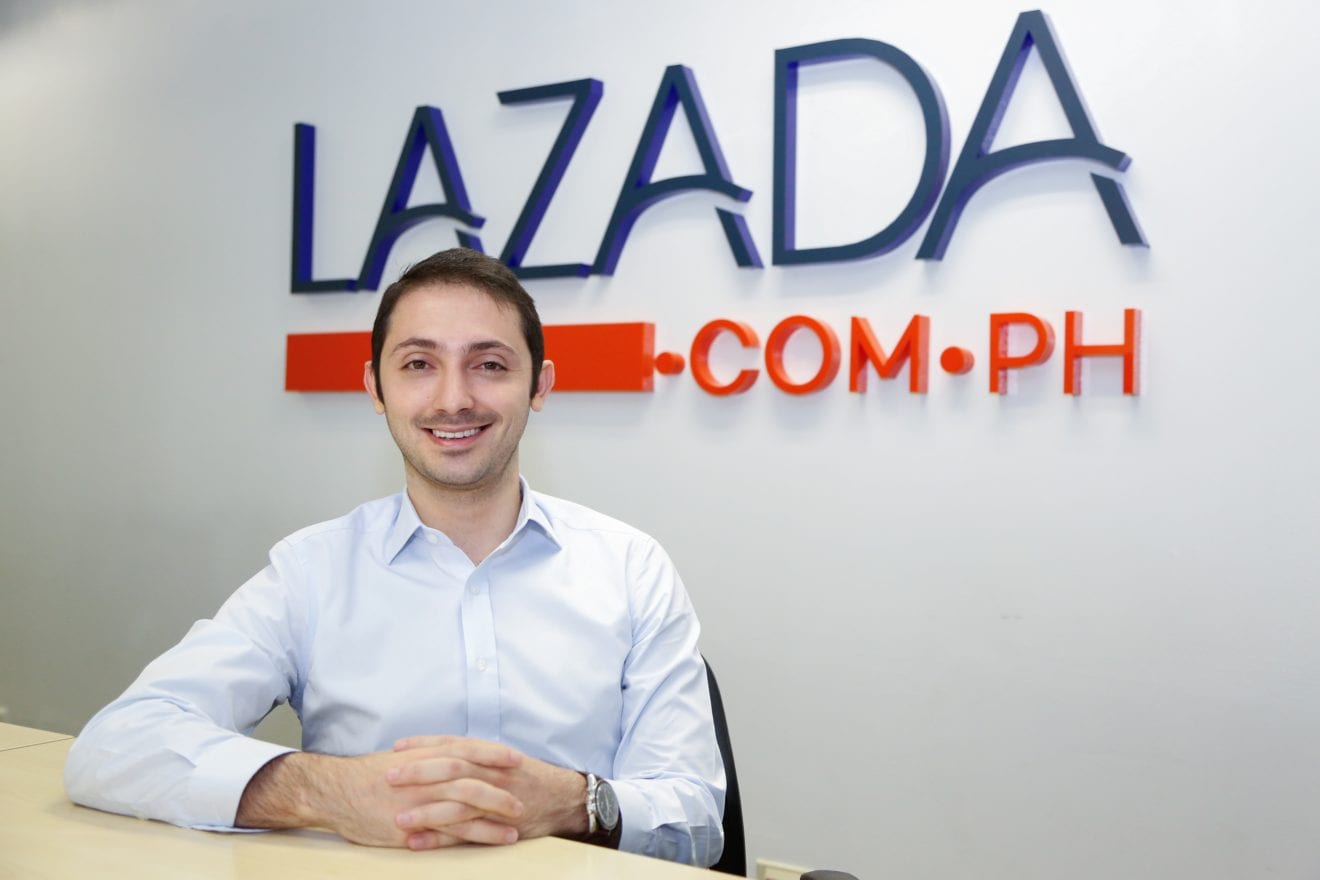
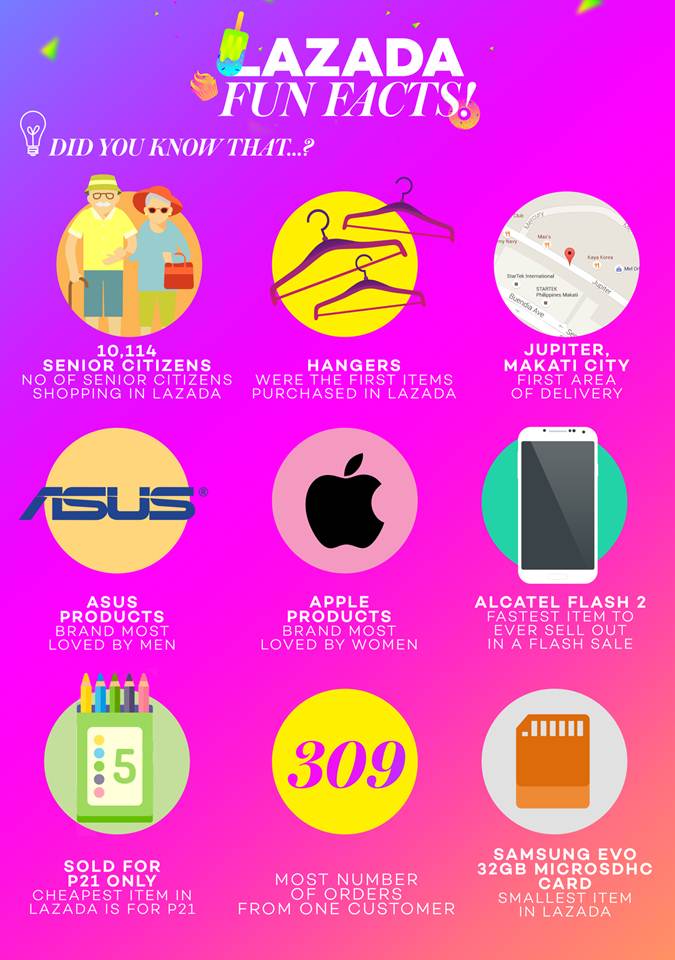
    Lazada.com.ph, which has 7,000 merchants, is the country’s sixth most popular website and ranks 14th globally among online merchant websites, according to Inanc Balci, chief executive at Lazada’s Philippine operations. He said the Filipino shopping pattern has evolved with 60% of their customers buying goods through mobile Internet.

    Lazada Group is a privately owned e-commerce company founded in 2011 by Rocket Internet with the goal of building Southeast Asia’s Amazon.com. Aside from the Philippines, it operates sites in Indonesia, Malaysia, Singapore, Thailand and Vietnam. Singapore’s Temasek Holdings is among its large shareholders, according to Rocket Internet’s website.

    SM Investments’ retail operations, which include department stores, grocers, supermarkets and convenience stores, posted a 17% growth in profit to 6.8bn pesos last year on a 7% increase in sales. SM Prime Holdings, its shopping mall venture, had a 14% increase in recurring profit to 20.9bn pesos.

    “The retail business is evolving,” Sy-Coson said. “It is important for a retailer to go online and it’s the right move to go with Lazada.”

  • Pop-up space at Hong Kong’s Warehouses on West to host Spanish chef Carlos Garcia Rodriguez

    Pop-up space at Hong Kong’s Warehouses on West to host Spanish chef Carlos Garcia Rodriguez

    Warehouses On West, in Hong Kong’s Sai Ying Pun district, is a commercial and retail community promoting the arts and creative thinking under one roof – well nine roofs, to be precise.

    The brainchild of developer District15, the project – nine ground-floor warehouses repurposed into elegant spaces to house art galleries or restaurants – offers a hip alternative to high-rise retail and office space.

    “We used one of the warehouses as our own office and we realised how great it would be for the spaces to be used as restaurants and art galleries,” says Dinesh Nihalchand, a co-founder of District15.

    Alex Bent, another co-founder, says: “Hong Kong has changed over the past 10 years, with little neighbourhoods opening up all over the city. We want Warehouses On West to be one of those new mini-neighbourhoods.

    The project also features The Warehouse, a 1,762 sq ft space designed to host pop-up product launches, cocktail parties and art exhibitions, and movie screenings.

    Pop-up movement Test Kitchen will be one of the first to try The Warehouse when it brings top Spanish chef Carlos Garcia Rodriguez to Hong Kong for a three-night event that starts on March 24.

    Garcia Rodriguez started his culinary career at one-Michelin-star restaurant Restaurante de Vinis, in Madrid, before honing his skills in London alongside acclaimed chef Alexis Gauthier at one-Michelin-star restaurants Roussillon and Gauthier. Garcia Rodriguez recently opened The Black Pig, in Manila, to rave reviews.

    The pop-up dinner is priced at HK$1,180 (includes drink pairings) per person. For reservations, visit testkitchen_chefcarlos.pelago.events. For details about Warehouses On West, go to warehousesonwest.com

  • Lazada Philippines Celebrates 4th Anniversary

    Lazada Philippines Celebrates 4th Anniversary

    Lazada, the leading online shopping and selling destination in Southeast Asia is celebrating its 4th anniversary with a 4-day Birthday Sale from March 15-18.

    The Birthday Sale will treat shoppers to a range of deals of up to 90% across a wide selection of categories featuring Home and Living, Travel and Luggage, and Consumer Electronics.  Well-known brand partners including Samsung, Microsoft, Tosot, Unilever, Nestle, and Belo will also participate in the sale offering special promotions throughout the celebration.

     image002 

    Birthday blowout highlights include:

    ·         Hourly Flash Deals

    ·         Php 4 Sale

    ·         Jackpot games for additional discounts

    ·         Facebook & Instagram games where customers have a chance to win a TV and smart phones

    ·         A chance to win a trip to Dubai for two with every Cherry Mobile purchase  

    Brand ambassadors LA Aguinaldo and Kelsey Merritt, who personify Lazada’s fun and effortless vibe, will join the country’s largest online party.  

    Birthday Milestones  

    Where Customers go, Lazada goes

    Since its launch in 2012, Lazada PH has experienced rapid growth. “We delight in witnessing how Filipinos’ shopping habits have evolved, as we commit to give customers more options to make the most out of their busy lifestyles. 60% of Lazada customers already shop via mobile – a clear indication of how Lazada has successfully adapted to modern Filipino digital habits. We collaborate closely with the biggest brands to offer the best assortment and prices, which has made Lazada a primary destination for every shopper,” said Lazada PH CEO Inanc Balci.  

    Empowering a growing SME segment

    Balci stressed Lazada’s commitment to helping SMEs tap wider markets. “In our four years of operations in the Philippines we have seen tremendous opportunity for SME’s in the e-commerce industry. We currently have 7,000 merchants onboard, and continue to make enhancements in our sellers’ platform to encourage more entrepreneurs to sell online. We commit to provide logistics capabilities to make selling more effortless for our merchants.”  

    More products, more places, more birthdays to come

    “Looking ahead, Lazada Philippines will continue to focus on increasing our product assortment, expand our logistics infrastructure and introduce payment solutions to further enhance the effortless shopping experience for our customers,” Inanc added.

    Future Plans

    Lazada PH has recently unveiled the new site 30-sqm Fulfillment Center in Cabuyao, Laguna which will for be completed by end-year.  The center, which is double the capacity of the current warehouse, will have automated features for inventory, selection, parcel movement and dimensional weight measurement.

    Lazada Express, the in-house delivery arm is and modernizing the Sortation Center and opening 20 hubs throughout the country to increase delivery footprint and reach.

    And as part of Lazada’s commitment to make shopping more effortless for everyone, an express delivery option will be launched in Metro areas for rush deliveries.

  • Zalora Turns 4 this March

    Zalora Turns 4 this March

    ZALORA, Asia’s online fashion destination, is celebrating its fourth anniversary this year. To commemorate the milestone, ZALORA will host a series of events and activities for customers, media and partners in Singapore, Malaysia, Indonesia, Hong Kong, Taiwan, Philippines, Vietnam and Thailand throughout the next two months.

    “Over the past four years, ZALORA has consistently strive to improve its product offering, brand proposition and customer experience to change the online fashion retail scene in Asia. According to a research, only 40% of the Southeast Asia population have access to the internet1, this is still below the global average. As an online retailer in an emerging markets, it’s important for ZALORA to contribute to the growth of e-commerce in the region and offer a platform where brands can reach more consumers and for fashion consumers to have access to the best fashion brands anytime, anywhere,” said Michele Ferrario, CEO, ZALORA Group.

    ZALORA celebrates by giving back to fashion

    As part of the fourth year anniversary celebration, ZALORA is introducing two exciting initiatives: ZALORA Style Awards and Make Me a ZALORA Model. In its effort to encourage and support the region’s fashion community, ZALORA will honour talented individuals who made the fashion scene in Southeast Asia a hotbed for creativity and expression through the ZALORA Style Awards, which is set to debut in late March 2016. ZALORA strongly believes that fashion is a great enabler and by giving recognition to individuals in the industry who have been contributing to their respective local fashion communities, ZALORA hopes to inspire future fashion players to pursue a career in the industry.

    In April, ZALORA will launch the first ever regional model scouting competition, using Instagram and the infamous “selfies” as a platform for its search. From a modelling contract with ZALORA to fantastic gift prizes, Make Me a ZALORA Model is an opportunity for aspiring models to fast track their career and become the newest face in modelling scene. More information will be available soon.

    How ZALORA is changing the way people shop fashion in Asia

    Access

    From the start, ZALORA saw navigating the complex and fragmented Southeast Asian infrastructure – achieved with heavy investments in operations and logistics resources and strong local teams – as essential to the company’s success. This focused vision and execution have directly resulted in access to otherwise inaccessible global and local fashion and beauty brands for fans in second and third cities or remote places in Southeast Asia – many hours away from the closest offline store.

    Bridging offline and online

    To introduce ZALORA to consumers in the region and build trust with first-time online shoppers, ZALORA launched the first click-and-mortar shop in Asia that gives consumers a physical ZALORA experience where shoppers can try on products and get familiarised with shopping ZALORA’s e- commerce site. The success of the first digital pop-up store in Singapore led to the opening of more pop-up stores in the region – Penang, Malaysia, Jakarta, Indonesia, Hong Kong, Ho Chi Minh, Vietnam and Manila, Philippines. Designed to increase awareness, this omni-channel approach has proven to be a success as up to 90% of consumers who bought from the pop-up store are new customers.

    Platforms

    The number of smartphone users in Asia Pacific – more than 1 billion in 2015 – is projected to increase by almost 50% by 20192. Keeping pace with the regional growing popularity of m-commerce, ZALORA is focusing on providing a World-Class experience through its apps which are available on all Android and iOS platforms, ensuring that mobile consumers are empowered with the convenience of shopping

    anytime and anywhere they go even in areas where connectivity is not yet very fast. This results in more than 10 million downloads of the award-winning ZALORA app.

    Growth

    In developing countries/cities where hard assets infrastructure is not as developed and distribution of goods are weaker, mobile phone becomes more than a communication tool; it is a platform to procure goods. Based on MasterCard’s Mobile Shopping Survey, half of smartphone users in Asia Pacific are shopping on their device – a clear indicator of a shifting consumer habit as more people are venturing into mobile commerce. Nearly half of the respondents across Asia Pacific (49.5%) cited convenience as the most compelling reason for shopping on their smartphone. Other motivating factors include the ability to shop on the go (43.9%). Driven by this shift, ZALORA is constantly improving its apps, enhancing efficiency and ease of use for the customers. The effort has paid off: more than 50% of site visits in 2015 were from the ZALORA App or mobile site, with more than half of the orders coming from mobile devices.

    During the annual cyber event 12.12 Online Fever in December 2015, fashion thumb shoppers also gained grounds on desktop shoppers: 78.5% compared to 21.5%. Additionally, the number of customers who shopped on ZALORA through mobile had a 250% increase from 2014. This is in line with the changing consumer behaviour and the growing trend of consumers in the region shopping heavily through their mobile devices.

    ZALORA’s 12.12 Online Fever – Asia’s version of Cyber Monday – played a pivotal role in the boost of the regional confidence in online purchase, subsequently converting traditional consumers into e- consumers. This initiative was met with strong support from fashion consumers across the eight markets – Singapore, Malaysia, Indonesia, Philippines, Thailand, Vietnam, Hong Kong and Taiwan – with over six times the volume of any previous day, and an acquisition of 32% first time ZALORA customers in 2015.

    According to PayPal Cross-Border Consumer Research 2015, fashion emerged as the top category for both online cross-border shopping (53%) and mobile shopping (27.9%). To keep pace with the demand, ZALORA carries over 6,000 global and local fashion brands on one single site, carefully curated to provide the best fashion offering for its customers.

    In recognition of the growth in online fashion shopping, ZALORA will sustain its dedication to an ever- improving and meaningful online shopping experience: the access to favourite brands and same-day delivery, all achieved with a few clicks. Every day, ZALORA is one step closer to revolutionising the way people shop and redefining the high-street fashion accessibility in this part of the world. To date, ZALORA has served close to four million customers in just a few years.

    Driven by a team of young experts in fashion, logistics, data analytics, marketing, and design, paired with guidance from business consultants and tech geniuses, ZALORA’s vision is set on growth, making ZALORA the online fashion authority in Asia. ZALORA will continue to strive for excellence, enhance the customer experience by improving interface and customer engagement, particularly through mobile applications, boost confidence in online shopping and transform the way fashion is purchased in Asia to help build an e-commerce friendly environment.

    Follow ZALORA’s fourth anniversary celebrations at #ZALORA4You.

  • Garb Car Establishes Cooperative

    Garb Car Establishes Cooperative

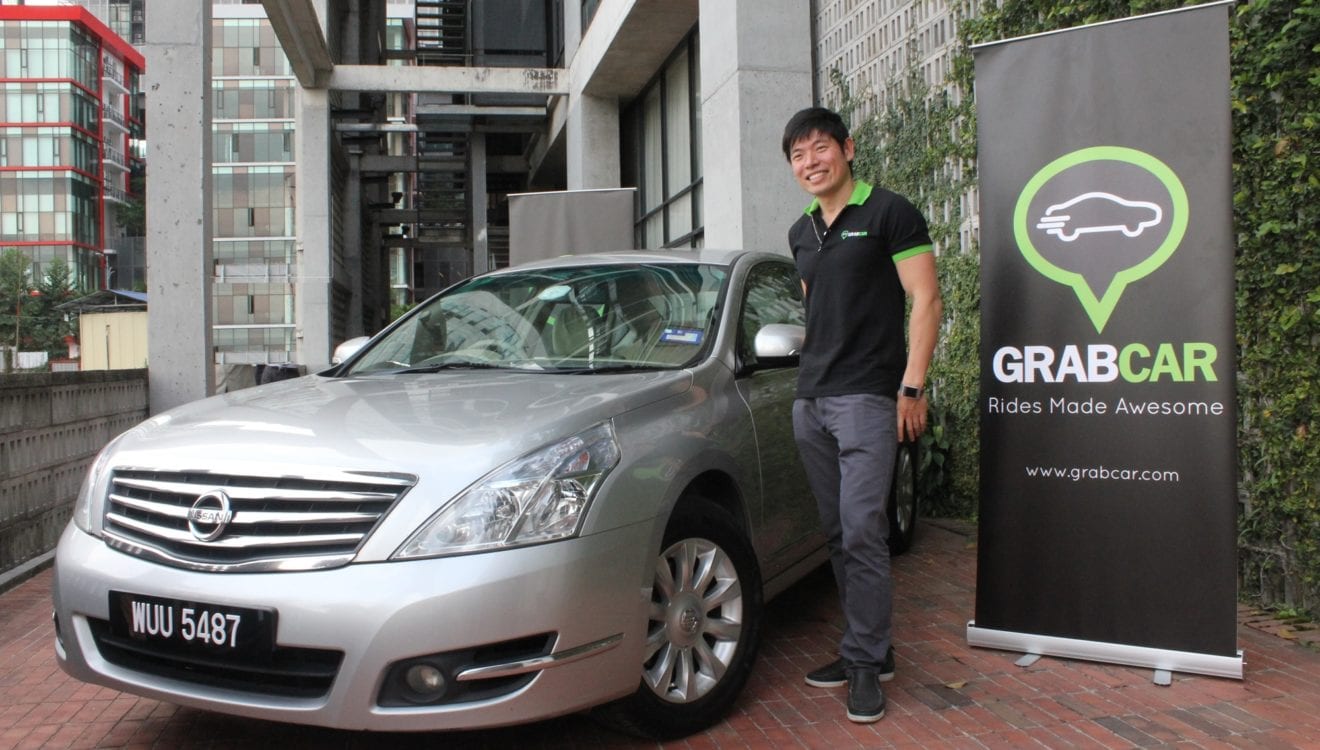
    Grab Car Indonesia announced a partnership with the Indonesian Rental Business Owners Cooperative (PRRI) after the Cooperatives and Small and Medium Enterprises Minister handed over the memorandum of incorporation for the cooperative on Wednesday, March 16, 2016.

    “We decided to do this [partnership with the cooperative] based on government’s recommendation,” Grab Indonesia managing director Ridzki Kramadibrata said at the Cooperatives and SMEs Ministry Wednesday, March 16, 2016.

    Ridzki added that with such partnership, the company could immediately apply for vehicle road worthiness tests (KIR). Ridzki revealed that Grab Car Indonesia would wait for instruction from the government.

    In response to Jakarta Governor Basuki “Ahok” Tjahaja Purnama’s suggestion related to sticker uses, Ridzki said that his company would accept the suggestion.

    “We’re happy with the suggestion, because we think that it’s suitable with our business model,” Ridzki added.

    Cooperatives and Small and Medium Minister Anak Agung Gede Ngurah Puspayoga said that Grab Car Drivers had been officially protected by the law and would be able to apply for the KIR test through the cooperative.

    “With such a legal basis, car rental business owners, including Grab Car, will be able to follow government regulations,” Puspayoga added.

    Puspayoga revealed that members of the cooperative could even be facilitated with micro loans (KUR) from the Ministry with an interest rate of below nine percent. Puspayoga explained that the loan could be used for a car down payment.

    PRRI chairman Ponco Seno said that the cooperative would help drivers to have an official organization to run their car rental business, including those who used online applications, under Law No. 22/2009 on Public Transportations.

    “So, Grab Car follows government regulations to run their transportation business in Indonesia,” Ponco said, adding that the application for the cooperative establishment was filed in October 2015.

    Ponco said that the cooperative crafted a program to improve members’ welfare, such as life insurances for drivers. With 5,000 members, Ponco said that the cooperative has set a workshop for 300 cars. The cooperative would also work with other garages to maintain members’ cars.

  • Teddy Group opens two stores in Asia

    Teddy Group opens two stores in Asia

    Italian fashion conglomerate Teddy Group has opened two stores in Asia, with another to follow by the end of this month.

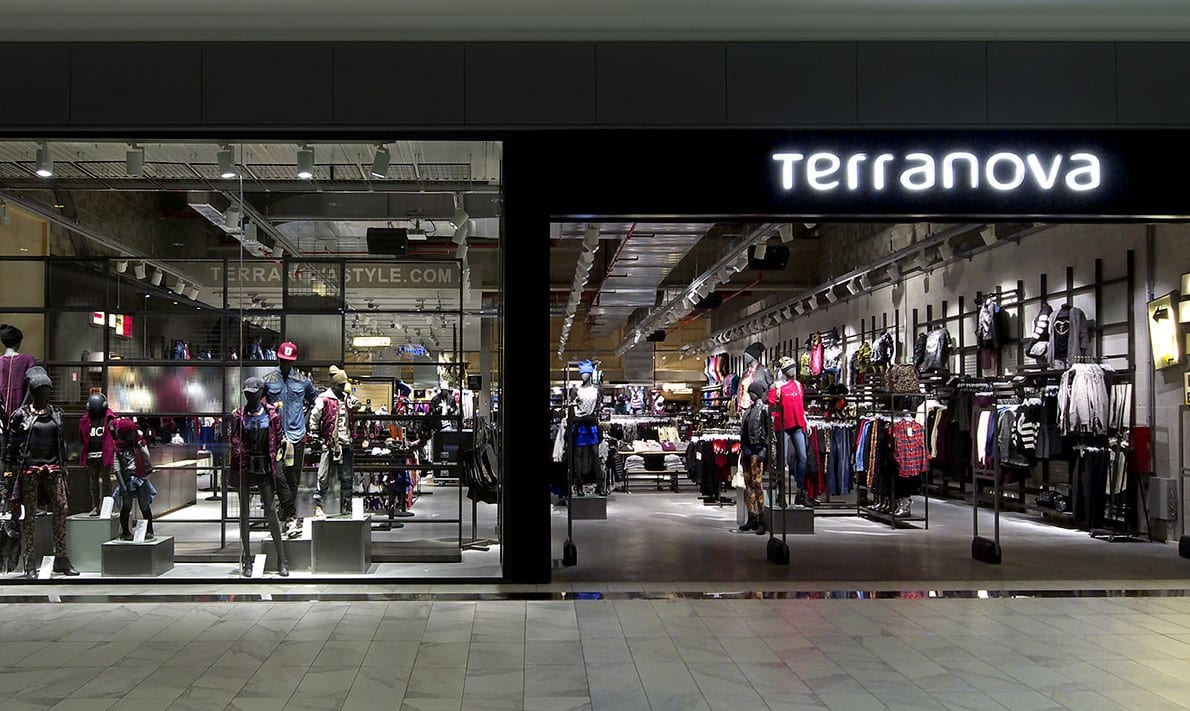
    A Terranova outlet has just opened at Vivacity Megamall in Kuching, which is the administrative centre of the state of Sarawak and the fourth most-populated city of the Malaysian federation. The 850 sqm store displays the entire brand collection, including menswear, womenswear, childrenswear, underwear and accessories.

    Four Terranova stores are planned for Malaysia, with the brand launching in Kuala Lumpur in 2013.

    Meanwhile, in the same shopping centre in Kuching, the first Calliope store will open by the end of this month. The 500 sqm outlet will sell menswear and womenswear collections and accessories.

    A second Terranova outlet in Mongolia opened in the Nomin Allmart shopping centre in the capital city of Ulan Bator, last month. The 700 sqm store offers the entire brand collection.