Author: Mei Ling Tan

  • Singaporeans invest in Caffe Bene

    Singaporeans invest in Caffe Bene

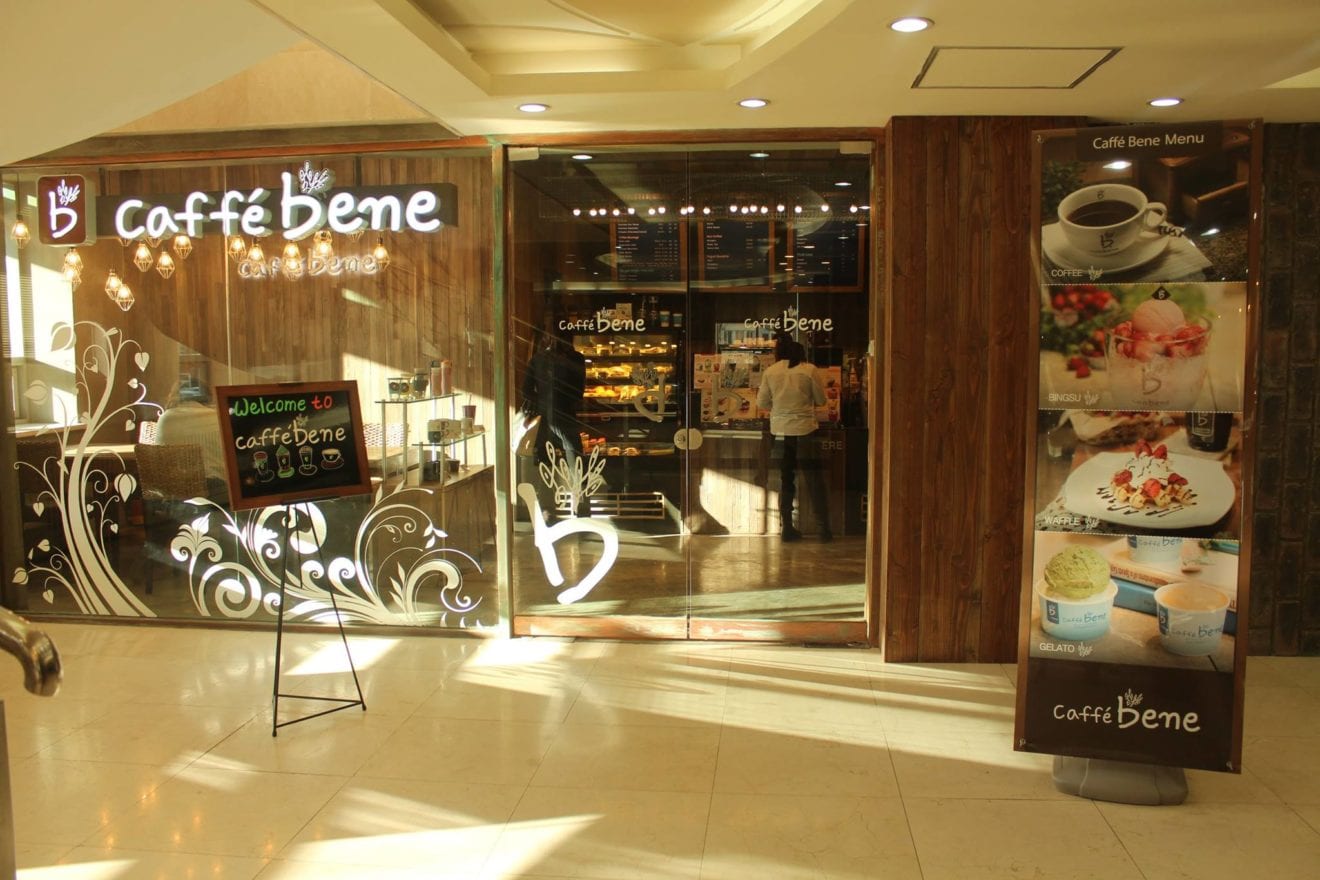
    Days after being launched, Singapore’s Hallyu Ventures (HVPL) has spent US$13.8 million to take a 38 per cent shareholding in South Korean coffee chain Caffe Bene, which has outlets in 14 countries.

    HVPL is a joint venture between Future Investment Holdings (FIHPL), a wholly owned subsidiary of Food Empire Holdings, and Sweet Blossom Holdings (SBHL), a wholly owned subsidiary of Eastern Valley Group, part of Indonesian conglomerate Salim Group.

    FIHPL holds 51 per cent shares in the joint venture, launched with the aim of investing in F&B companies in east and north-east Asia, as well as South Korea.
    Hallyu Ventures is now Caffe Bene’s second-largest shareholder, and its involvement is expected to enable the brand to enhance its competitive power as the top coffee franchise company in Korea.

    “It will also make it possible to lead in both the local and global market, with Caffe Bene management in Korea focusing on the local market while the overseas partners expand its global market influence,” says the company.
    K3 is Caffee Bene’s largest shareholder with 52 per cent. However, Hallyu Ventures plans to invest further this year to strengthen its position as a strategic investor, reports The Korea Times.

    Caffe Bene Korea is focusing on international expansion after reaching saturation point in its own market with a network of 810 stores. It has more than 500 stores in China with a short term target of 1000, and two in the US. It will also take its brand to the Middle East after signing a franchise agreement with Saudi Arabia-based Keden Group.

  • Wearable technology goes beyond watches

    Wearable technology goes beyond watches

    There is more to wearable technology than wrist devices, with more than 25 exhibitors out to prove this at a consumer technology expo coming up in Shanghai.

    They will be showcasing the latest in wearable innovation at CES Asia, which returns to Shanghai from May 11 to 13.

    Owned and produced by the Consumer Technology Association (CTA) and co-produced by Intex Shanghai, the event is being hosted at the Shanghai New International Expo Centre (SNIEC).

    CTA research expects wearable sales in the emerging Asia-Pacific region to increase by 56 per cent this year.

    “Wearables are one of the fastest-growing areas of technology. They not only count our steps, they also track our mood, sleeping habits and even our pets,” says CES senior vice-president Karen Chupka.

    “The possibilities in this product category are endless.”

    Key companies exhibiting wearables at CES Asia include Garmin, Monster and Ximmerse, plus there is a wearables pavilion organised by the China Electronic Chamber of Commerce.

    New this year will be a CTA-hosted session entitled Innovative Wearables, at the Kerry Hotel on May 12. The panel will discuss innovations coming to market, as well as user interface and design.

    So far, 250 companies representing 20 countries across 15 product categories have signed up to exhibit at CES Asia, including 360, BMW, Hisense and Huawei.

    Formerly the Consumer Electronics Association, CTA is the trade association representing the $287 billion US consumer technology industry. It covers more than 2200 companies, 80 per cent of which are small businesses and startups.

  • Chemist Warehouse to launch in Malaysia

    Chemist Warehouse to launch in Malaysia

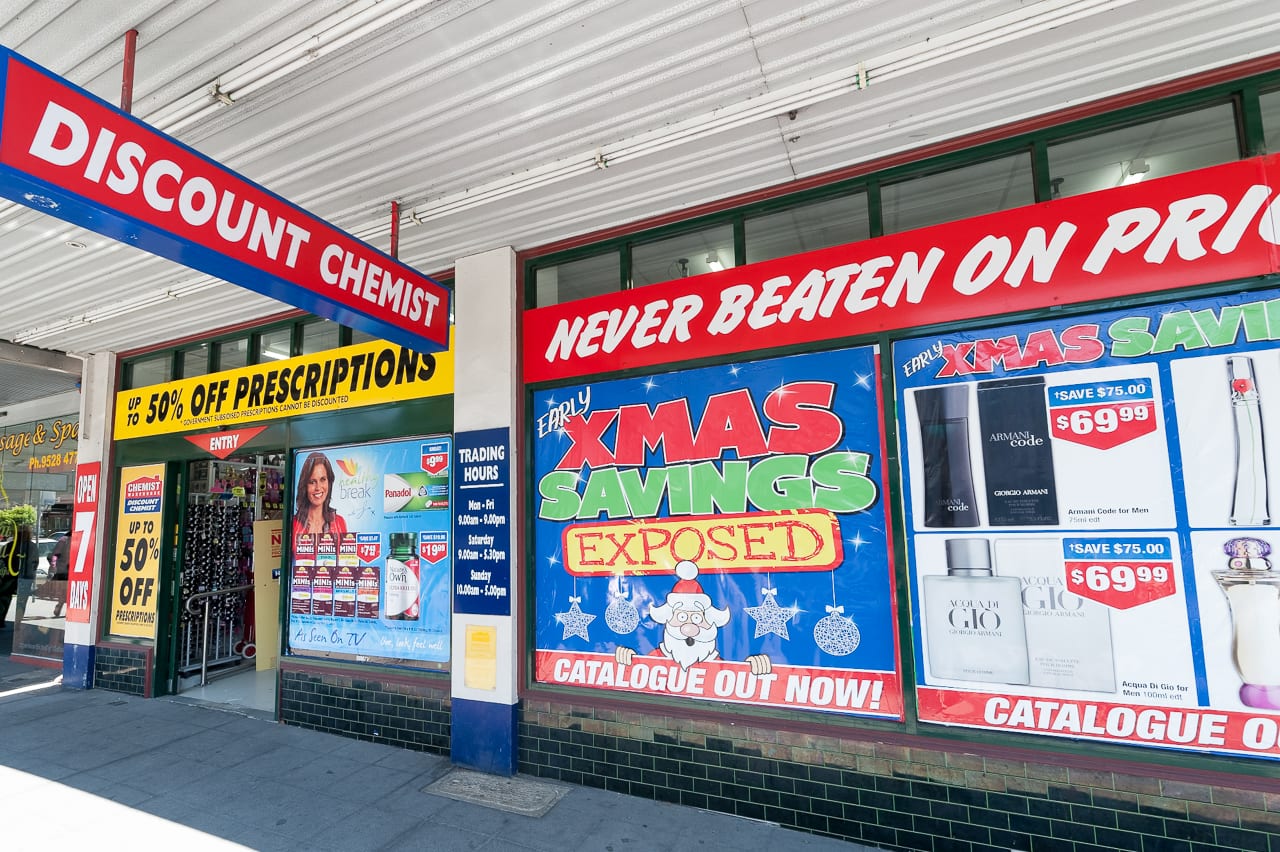
    Australian based CW Retail Asia has entered into a joint venture in Malaysia to roll out a chain of pharmacies under the Chemist Warehouse brand.

    Chemist Warehouse Berjaya Asia will be run by Morning Charm, a company just acquired by Berjaya Corp (BCorp), in partnership with Melbourne-based CW Retail Asia.

    BCorp has taken an 80 per cent equity interest in the venture for RM80,000 (US$19,520).
    “The project will enable the BCorp Group to expand and strengthen its pharmacy distribution and retail businesses under the co-brand names, as well as making its foray into the pharmacy warehousing business sector,” says BCorp.

    In Australia, CW Retail supplies goods and services to pharmacies and operates pharmacy retail chains.

    The two partners in the venture say while the initial focus will be on the Malaysian market they may open stores in other Asian countries in due course, under the Chemist Warehouse brand or another.

    The new company will also supply goods and services to Cosway Pharmacies, which will be re-branded as Berjaya My Chemist pharmacies, and to Tigas Alliance pharmacies. Chemist Warehouse Berjaya Asia and Berjaya My Chemist pharmacies are members of Tigas Alliance, a pharmacy banner group in Malaysia.

  • Marni Japan opens flower cafe

    Marni Japan opens flower cafe

    Known for using fur in contemporary designs, Italian fashion brand Marni has opened its first flower cafe, in Osaka.

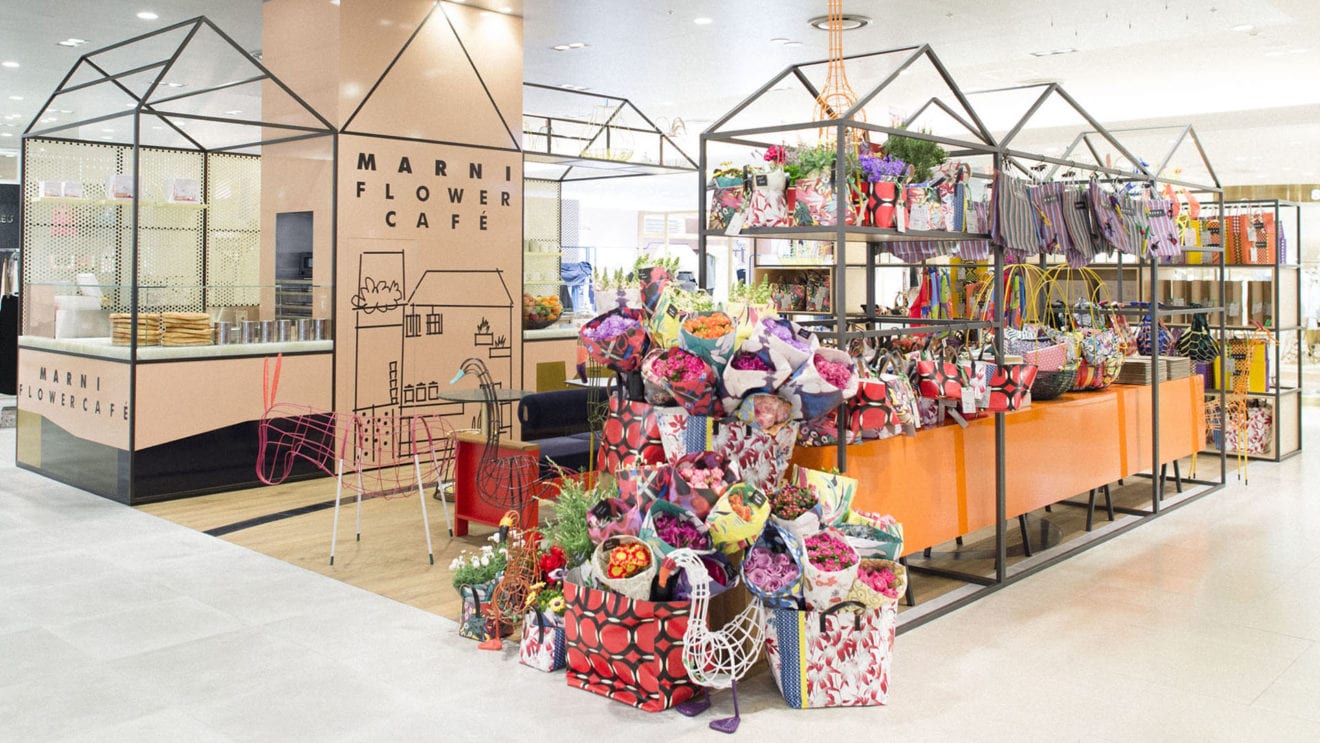
    On the third floor of the Umeda Hankyu Department Store, the 50 sqm (535 sqft) the Marni Japan cafe and shop combo is designed as a meeting place serving focaccia bread and Italian-styled cakes, as well as customised Marni products.

    Marni Flower cafe Japan 3

    It resembles a child’s playhouse, a reflection of the off-beat bohemianism associated with the creations of lead designer Castiglioni, who started the brand in 1994. Initially its focus was on womenswear “for women who eschew styling themselves sexy for men in favour of dressing for other women”.

    Marni Flower cafe Japan

    Marni went on to launch its own menswear line and now produces ready-to-wear clothing, handbags, eyewear and jewellery.

    Marni Flower cafe Japan 1Marni Flower cafe Japan 5

    At its opening event in Osaka, Marni Japan created a picnic set with wooden lunch boxes, multicoloured furoshiki (wrapping cloths), vacuum flasks, floral bags, PVC vases and porcelain sets featuring the company’s colourblock patterns. The store itself features a green onyx counter, interwoven PVC stools, small tables crafted from brass and green marble, and a bright blue sofa.
    The first of many Marni Japan stores planned, the cafe store will change its product lineup every four months.

    Marni Flower cafe Japan 4

    Part of the OTB Group that includes Diesel, Maison Martin Margiela and Viktor & Rolf, Marni has outlets in 16 countries with boutiques in Beijing, Hong Kong, Kuwait, Las Vegas, London, Los Angeles, Moscow, New York, Shanghai and Sydney.

  • Indosat Ooredoo, Lintasarta and IBM to Collaborate on the Cloud to Drive Indonesian Digital

    Indosat Ooredoo, Lintasarta and IBM to Collaborate on the Cloud to Drive Indonesian Digital

    Indosat Ooredoo, one of Indonesia’s largest telecommunications and services provider, and IBM today announced they will develop and deliver solutions on the https://www.ibm.com/cloud-computing to help businesses streamline processes and improve productivity. This significant five year partnership, valued at about of $200 million, will help better serve customers in the world’s fourth most populous country.

    Indosat Ooredoo and IBM will build an integrated command center to serve local clients of both companies by monitoring and managing their operations and information technology, and building IT skills and capabilities in Indonesia. IBM will also help Indosat Ooredoo transform its own IT operations, improving overall client experience and supporting the rapid development of new telecommunications services in the country.

    Cloud-based Services for Indonesian Businesses

    IBM & Indosat Ooredoo’s subsidiary, Lintasarta, will jointly develop and deliver cloud-based solutions, powered by IBM Cloud, to help Indonesian businesses drive innovation and agility, streamline their processes and improve productivity. Indonesian clients of Indosat Ooredoo and IBM will be able to access jointly developed cloud-based solutions built on IBM’s Cloud platform — IBM Bluemix — accelerating collaboration and automation of software delivery and infrastructure changes. Clients also will have access to IBM MaaS360, a cloud-based enterprise mobility management platform.

    “This collaboration shows how IBM’s expertise, technology and services can help Indosat Ooredoo and Lintasarta lead market change in Indonesia while also transforming their existing operations,” said Martin Jetter, senior vice president, IBM Global Technology Services. “Indonesia has one of the world’s most rapidly growing economies, and the use of smart mobile devices is becoming pervasive, opening up enormous opportunities for local businesses – so we are excited to be working with Indosat Ooredoo and Lintasarta to help clients tap into the power and flexibility of cloud-based solutions and digitally transform their businesses.”

    Digital & Operational Transformation

    Indosat Ooredoo and IBM also announced a related five-year technology services agreement to deliver digital and operational transformation to all aspects of Indosat Ooredoo’s operations to support the rapid development of new services that are easier to access, less complex and more affordable to use.

    IBM will upgrade Indosat Ooredoo’s IT infrastructure and deliver a range of application management services, including a test environment that will improve time to market for the development of new customer-facing services and applications.

    “Our customers in both telecommunications and IT services are going to benefit from this relationship through improved access to world class offerings and services,” said Alexander Rusli, President and CEO of Indosat Ooredoo. “We will be able to bring a greater range of higher value services to market more rapidly, with the confidence of knowing that we are collaborating with one of the world’s largest and most innovative technology companies. This landmark alliance will reshape the local market and help Indonesian customers and organizations tap into the most advanced technology available anywhere in the world.”

    “Working together, Lintasarta and IBM will accelerate the adoption of cloud-based solutions in Indonesia, helping local organizations increase their efficiency and ability to rapidly expand,” said Arya Damar, President Director of Lintasarta, an Indosat Ooredoo subsidiary that will help build the joint data center. “By combining the global innovation, delivery capability, and expertise of IBM with the local infrastructure, market knowledge and relationships of Lintasarta, we are providing the most advanced path to digital transformation for our clients.”

  • Singapore, Indonesia drag Dairy Farm Group food division

    Singapore, Indonesia drag Dairy Farm Group food division

    Weak performances in Singapore and Indonesia eroded underlying profits in multinational retailer Dairy Farm Group’s food division last year.

    Last week, Dairy Farm reported a 5 per cent overall increase in sales on a constant currency basis, but a 14 per cent decline in underlying profit due to the “challenging” operating environment across Asia. Sales totalled US$11.137 billion, profit fell from $509 million to $424 million.

    Dairy Farm’s interests span convenience stores, hypermarkets, supermarkets, fast food restaurants, cafes, pharmacies, beauty stores and Ikea franchises. While all divisions reported mixed results by markets, it was the core food division where the gaps seemed widest.

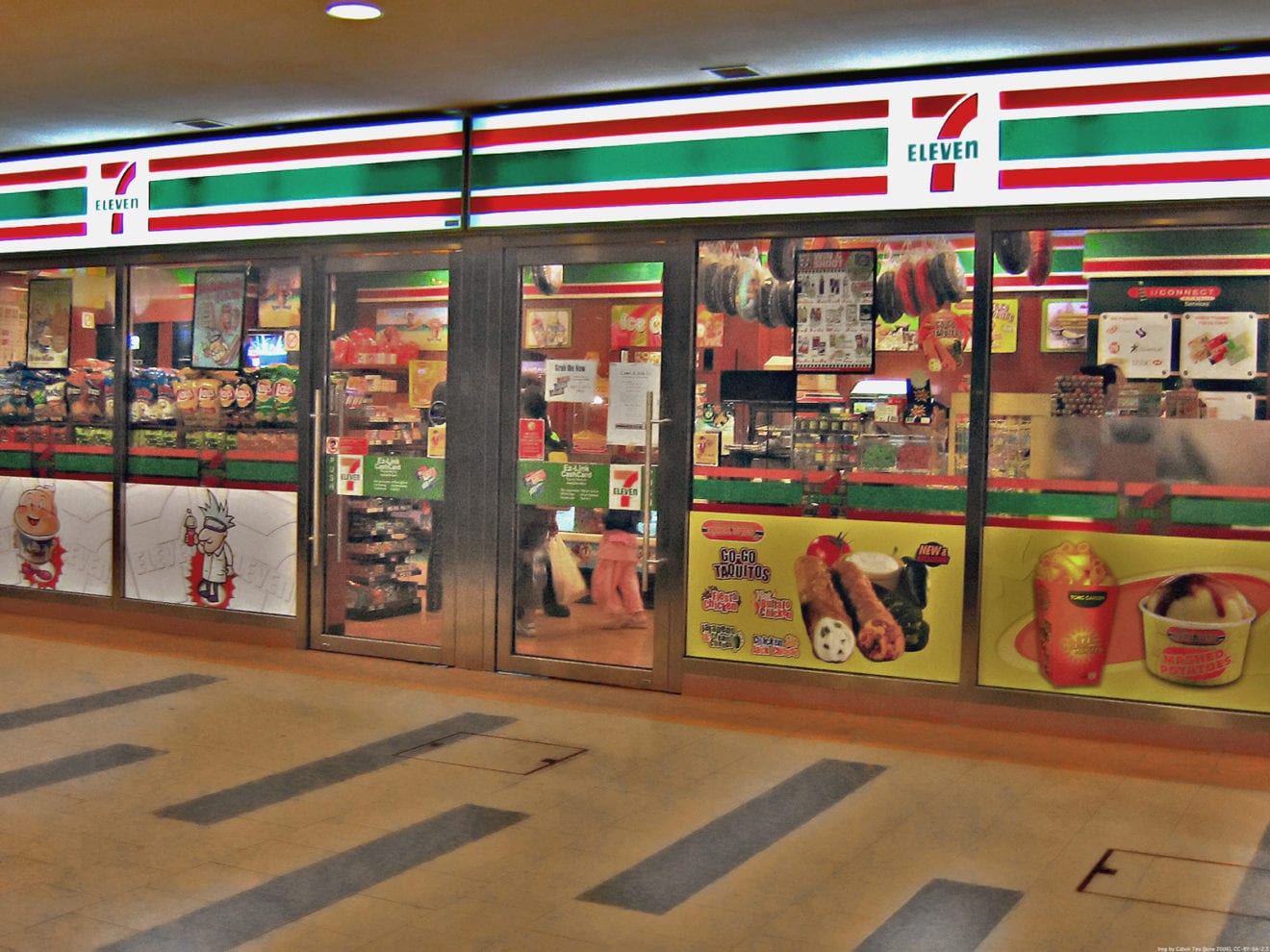
    CEO Graham Allan said Wellcome supermarkets and 7-Eleven convenience stores in Hong Kong traded well, and Wellcome Taiwan also delivered encouraging results with its targeted focus on upscale customers.

    In Hong Kong, despite a competitive trading environment and declining Mainland visitor traffic, Wellcome achieved gains in both sales and market share, he said.

    “In the face of steep increases in rental costs, profitability remained strong due to sales growth and prudent management of other costs. In 2015, the group acquired and successfully integrated the San Miu supermarket business in Macau, which delivered a higher than expected profit contribution.”

    Food (excluding the Yonghui China business in which Dairy Farm acquired a 19.99 per cent stake during the year) reported US$8.2 billion in sales, a decrease of 2 per cent, while operating profit declined by 21 per cent to US$236 million principally driven by disappointing results for supermarkets and hypermarkets in Singapore and Indonesia.

    In Mainland China, 7-Eleven showed further improvement despite the market slowdown. But in Singapore, “further margin erosion resulted from higher labour costs and rents, soft consumer sentiment, a weaker Singapore dollar” and intense competition in the supermarket sector.

    “Operating profit was significantly lower than in 2014, mainly due to lower margins from Cold Storage’s price campaigns, a store rationalisation program and operational challenges. In a difficult segment, Giant ended the year with improvement in both sales and profits.”

    Allan says in 2016, the group will optimise its product offer with improved fresh items and ready-to-eat meals, with the aim of growing market share, boosting stock management capability and fine tuning brand positioning.”

    In Malaysia, the introduction of GST in April and weak consumer confidence dampened retail spending and profitability.

    “Post-GST consumer apprehension, currency weakness, lower subsidies and political uncertainty brought consumer sentiment to its lowest point in 10 years and negatively impacted sales in the remainder of the year.

    “Nevertheless, improved retail execution, assortment enhancements and tactical investments in margin to improve price perception have helped to maintain sales in a soft market,” said Allan.

    “In the Philippines, the upscale and community supermarkets reported sales growth, while hypermarket sales were slightly positive. The group opened three new Rustan’s and three new Wellcome stores, and ended the year with 56 outlets. Enhancing the quality and breadth of the fresh offer, embracing more impactful merchandising and display practices and building corporate brands are central to the group’s plans for 2016.”

    In Indonesia, profitability declined significantly as a result of higher labour costs, price investments to drive customer traffic and changes associated with more rigorous stock management, Allan said. While its Giant supermarkets there enjoyed a better year and produced double digit sales growth, and its larger Giant hypermarkets also grew, Hero supermarkets sales were steady.

    “While overall margins improved, partly due to excellent growth in fresh food, earnings suffered from increases in labour costs, stock clearance activities and store rationalisation.”

    Results from PT Hero were also depressed by 12 per cent with the weakening rupiah affecting the outcome on translation. Hero, majority owned by Dairy Farm Group, has sold the majority of its Starmart convenience stores and will close the remaining ones.

    And in Vietnam, Giant achieved strong like-for-like sales with increases in both customer traffic and basket size.

    “Facing strong competition from new entrants and existing players, the group repositioned its fresh strategy with lower prices and a wider product offer to grow market share.”

    Convenience stores

    Operating profit in the convenience store division of the broader food business dropped by 12 per cent to US$64 million.

    Allan said in Mainland China, 7-Eleven saw a pleasing increase in sales and profits over the previous year, with like-for-like sales growth and store network expansion. Despite signs of an economic slowdown in China, profitability improved. Ready-to-eat was the leading category in terms of sales and contribution and this category will continue to be a major area of focus in 2016.

    “In Hong Kong, the group achieved excellent like-for-like growth and gained market share across most categories. Rapidly escalating operating costs, especially store labour and rental expenses, crimped profit growth. Sales momentum in Macau slowed during the second half of the year due to an increase in cigarette taxes in July and reductions in tourist numbers from Mainland China,” he reported.

    In Singapore, 7-Eleven’s results were impacted by lower sales from the tourist segment, by lower liquor sales partly due to new regulations curtailing late night alcohol sales, and by increased store labour costs and operating costs in the Distribution Centre.

    “Major initiatives for the coming year will focus on strengthening the ready-to-eat supply chain.”

  • Telkom Books Rp102tn in Revenues

    Telkom Books Rp102tn in Revenues

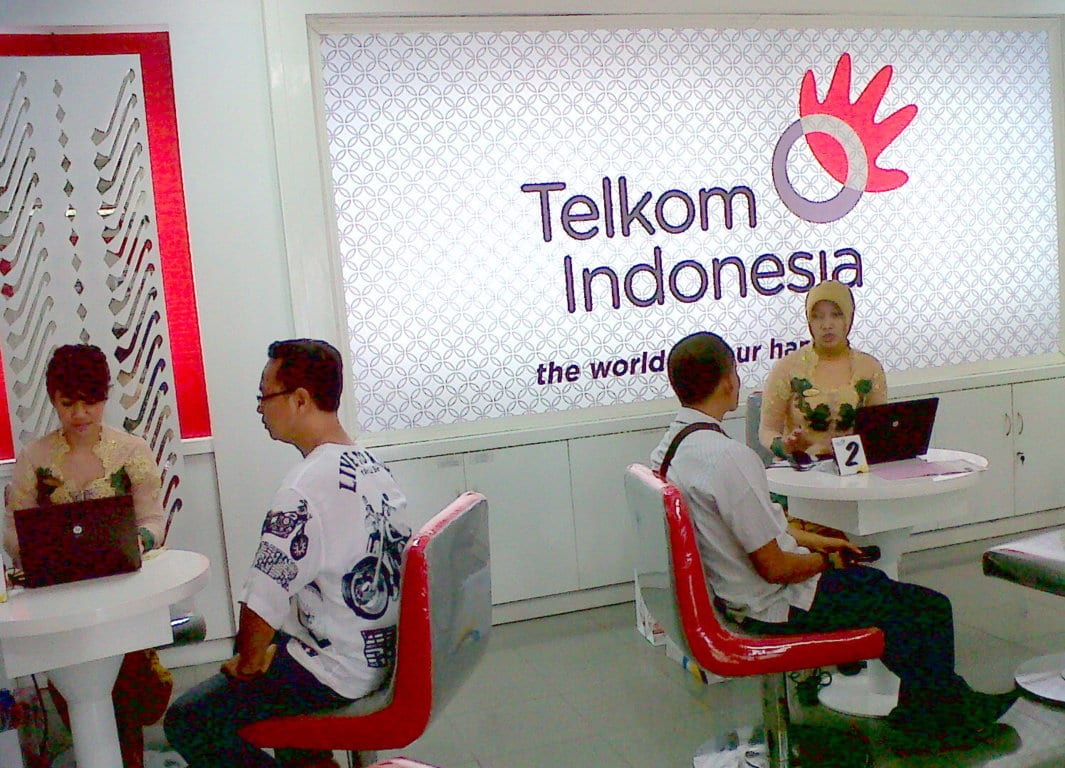
    State telecom company PT Telekomunikasi Indonesia Tbk. (IDX: TLKM)—also known as Telkom—booked Rp102.47 trillion in revenues last year. The figure represents a 14.24-percent annual growth from 2014’s Rp89.70 trillion.

    “Telkom’s revenue growth to Rp102.47 trillion was mainly supported by a surge of income in the data, internet and IT services business lines,” Telkom President director Alex J Sinaga said in a press release in Jakarta, Monday, March 7

    Telkom’s 2015 revenue increase led to a net profit growth of 7.0 percent to Rp15.49 trillion.

    According to Alex, data, internet and IT segments contributed Rp32.69 trillion to the company’s revenue. This is a 37.5 percent increase from the year before.

    Telkom also noted an increase in the number of fixed broadband customers last year to 3.98 million subscribers, a 17.2 percent annual increase. This increase is attributable to the company’s newest service, IndiHome, which in 2015 pooled in more than a million new customers.

    In the cellular business, Telkom remains as the country’s market leader with 152.64 million subscribers

    The company’s earnings before interest, taxes, depreciation and amortization (EBITDA) in 2015 amounted to Rp51.42 trillion, a 12.6-percent year-on-year growth.

    Meanwhile, the company recorded an operating cost increase of 15.8 percent to Rp70.05 trillion. The rise in expense is mostly due to the company’s aggressive activities in building and modernizing its infrastructure, especially broadband facilities.

  • Indonesia to woo more visitors from India

    Indonesia to woo more visitors from India

    Indonesia is to participate in a major Indian major cultural festival in New Delhi in an attempt to seduce the growing middle-class in the South Asian nation into visiting the archipelago.

    The three-day festival, organized by international spiritualist NGO The Art of Living, will last from March 11 to 13. As one of the biggest stages in the world, it will attract around 3.5 million participants from around the globe. It is expected that more than 36,000 artists will come to demonstrate their musical skills; thousands of them will play 50 different musical instruments at the same time to create an alluring rhythm and harmony.

    “We hope the World Culture Festival can encourage better understanding between people of different religions, nationalities and backgrounds by exposing their diverse cultures, dancing, music, arts and also yoga,” Sri Ravi Shankar, the founder of Art of Living, said in a press release.

    To take part in the major event, 27 professional Indonesian dancers from iKreasindo, a cultural angklung workshop, will work with 80 artists from the Art of Living to present a joint angklung and dance performance entitled “Cendrawasih Menebar Pesona,” accompanied by the traditional Betawi folk song “Jali-Jali”.

    The government hopes that through this performance, Indonesia will be able to expose its culture to the world and attract more foreign tourists, especially Indians, to Indonesia.

    Home to the world’s second-largest population, India ranks 7th on the list of major markets for Indonesian tourism.

    In 2015, the number of Indian tourists coming to the archipelago rose to 271,252, a 15 percent increase from the previous year. This year, the Tourism Ministry expects at least 350,000 Indian tourists to visit popular destinations such as Bali, Jakarta and Batam.

    The lack of direct flights, however, hampers the flows of tourists from India to Indonesia.

    “We are now depending on Malindo Air and Singapore Airlines, because there still aren’t any direct flights from India to Indonesia. With Garuda opening direct flights in August, we expect more Indians tourists to come to Indonesia,” said Vinsensius Jemadu, the director of Asia-Pasific Tourism Promotions.

    This August, Garuda Indonesia is to launch direct flights from Jakarta to Mumbai; the flights will run three times a week. Besides Garuda, the Tourism Ministry also plans to work together with AirAsia to begin direct flights from India to Indonesia.

    Another government effort to increase the number of foreign tourists from India is to promote Indonesia’s tourist destinations by organizing a visit of media, tour operators, hoteliers and wedding organizers to major cities in India including Mumbai, New Delhi, Bangalore, Calcutta and Hyderabad.

    Besides India, the government is also striving to lure visitors from other countries, especially Singapore, Malaysia, China, Australia and Japan, in order to reach its target of hosting 12 million foreign tourists in 2016 and 20 million in 2019.

    The ministry recorded 9.73 million foreign tourist arrivals last year, short of the 10 million target, with the sector disrupted by haze and volcanic eruptions for a good part of the year.

  • Jokowi Opens Bonded Logistics Centers to Improve Indonesia’s Competitiveness’

    Jokowi Opens Bonded Logistics Centers to Improve Indonesia’s Competitiveness’

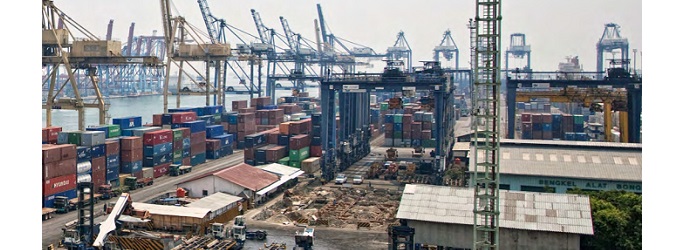
    Indonesian President Joko Widodo inaugurated 11 bonded logistics centers on Thursday (10/03) as part of Indonesia’s second economic stimulus package that was unveiled on 30 September 2015. These bonded logistics centers aim to curtail the country’s notoriously high logistics costs which makes businesses in Indonesia less competitive and the general business climate in Southeast Asia’s largest economy less attractive. The official opening ceremony for the 11 centers (mostly located on the island of Java) was held in Jakarta.

    At a bonded logistics center imported goods – which can be subject to certain tax incentives – are stored that are later distributed to the industries. Currently, however, the bulk of goods imported by Indonesian companies are stored in Singapore or Malaysia. This causes logistics costs to rise steeply as storage costs in Singapore and Malaysia are high.

    Indonesian Finance Minister Bambang Brodjonegoro said the flow of goods at these centers will be closely monitored by Indonesia’s Tax Department in order to combat illegal activities. Brodjonegoro added these centers will be given tax incentives such as a moratorium (delay) for tax and import duty payments (these are paid when goods are moved outside the center, not – as is the case now – when goods enter the center).

    Contrary to the bonded warehouse system (which is only used by the owner), the bonded logistics center can be used by other companies.

    Entrepreneurs and other industry players have reacted positively to this news. Ernovian Ismy, Secretary General of the Indonesia Textile Association (API), said these centers can curtail logistics costs for textile companies by 34 percent. Adhi Lukman, General Chairman of the Indonesian Food and Beverage Association (GAPMMI), said logistics costs in the food and beverage sector can be cut as the supply of raw materials can be sped up.

    Next year Indonesian authorities want to see the existence of 50 bonded logistics centers in the country.

  • South Korea’s Cosmax beauty products granted halal certification

    South Korea’s Cosmax beauty products granted halal certification

    South Korea’s original development manufacturing (ODM) cosmetics company Cosmax Inc. said its Indonesian subsidiary PT Cosmax Indonesia was granted halal certification, a move that is expected to help pave the way for the company to make forays into the global halal beauty product market.

    The company said on Tuesday that PT Cosmax Indonesia received the halal certification from Majelis Ulama Indonesia (MUI) to sell its cosmetics. MUI is one of the top three halal certification authorities in the world along with Jabatan Kemajuan Islam Malaysia (JAKIM) and Majlis Ugama Islam Singapura (MUIS), and it is acknowledged across about 40 different countries.

    The Korean beauty products maker PT Cosmax Indonesia succeeded in meeting the strict guides of halal certification by producing cosmetics in hygienic conditions and containing zero harmful ingredients, and it became the first halal certified ODM cosmetics company among all Korean ODM beauty brands. The company expects to secure Islamic female consumers who have difficulties using general beauty products as its stable customer base.

    “PT Cosmax Indonesia, with its international halal certification, will do its best as an export base for the company making inroads into global halal market to meet consumer demands on halal products in the world including South East Asia and Middle East,” said Lee Kun-il, head of PT Cosmax Indonesia.

    Halal, an Arabic word meaning “lawful or permissible” in Islam, refers to products that Muslims are allowed to eat and use, and it is applied to various sectors ranging from food, medications and household goods to cosmetics. The halal cosmetics market is estimated at 100 trillion won ($84.2 billion), and it is expected to grow even bigger as more consumers are looking for products conforming to Islamic laws regardless of cost, said an unnamed official at Cosmax.


  • Tram in Berlin Promotes Wonderful Indonesia

    Tram in Berlin Promotes Wonderful Indonesia

    Transportation in Berlin known as tram help promotes “Wonderful Indonesia” with images of various tourist attractions in Indonesia including Borobudur, Bali and Komodo Island.

    “I am proud to witness tram in Berlin decorated with various tourist attractions of Indonesia,” said Lina Berlina, Indonesian designer living in Berlin, Tuesday, March 8.

    The promotion is due to Indonesia’s participation in the world’s largest promotional exhibition ITB Berlin which will be held from March 9-13.

    Deputy Director for International MarComm of Tourism Ministry Agustini Rahayu said that Wonderful Indonesia promotion in Berlin trams will be from March 7 to April 25.

    The routes that are passed by the trams with Wonderful Indonesia promotion go through Zone AB/ABC or Berlin’s community activity center and have become Berlin’s city attraction. Tram No. M6 and M4 pass Alexanderplatz, which is the heart of Berlin, and Hackeser Markt.

    There are images of tourist attractions in Bangka Belitung, images traditional dancers from Nias Island and Barong from Banyuwangi, as well as images of traditional custom of Balinese, etc.

    Agustini Rahayu said the tram with “Wonderful Indonesia” promotion have a registration number of 1033, 1068, 1092, 1070, 1503, 1575, 1520, 4007, 4008, 4010, 8014, 8015, 8016, 8017, 8018 and also in two subways; number 1011-1 and 1011-4.

    The promotion of Wonderful Indonesia was decided to be applied on trams and subways since the 352 trams in Berlin have 181.1 million passengers per year.

    This means there are about 513,031 passengers per tram and the campaign from March – April is expected to cover 1,282,578 passengers.


  • NH Financial Group to Expand into Indonesia

    NH Financial Group to Expand into Indonesia

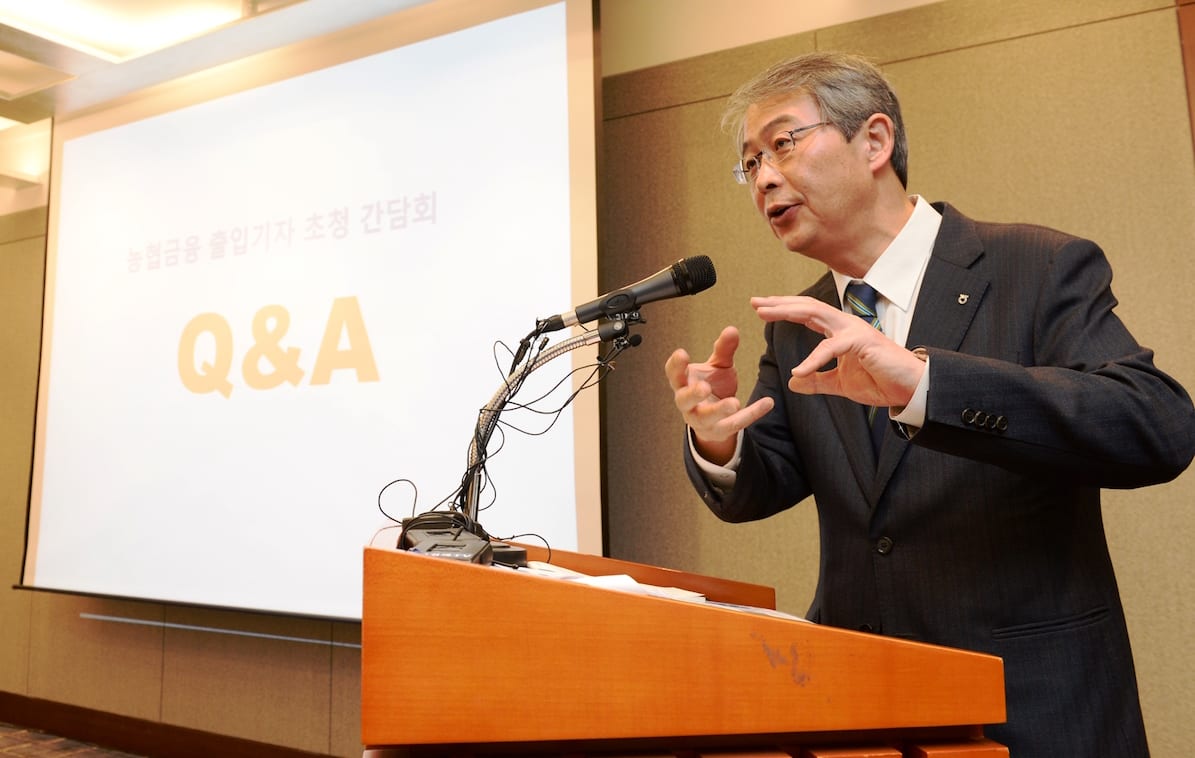
    NH Financial Group signed a memorandum of understanding (MOU) with Indonesia’s largest bank Bank Mandiri at Mandiri’s main office in Jakarta, Indonesia, on March 1 to cooperate in developing rural areas in the Southeast Asian country.

    Mandiri is the largest lender in Indonesia by assets, capital, loan and deposit balance, and the state-run bank with a 60 percent stake. It also has 2,300 branches and 15,000 automated teller machines nationwide.

    Under the agreement, the two groups will share their financial knowhow and business networks in agriculture, cooperating in a wide range of financial services from banking and insurance to leasing and micro financing in order to develop rural areas in Indonesia.

    In order to do so, NH will offer the group’s knowhow and skills in agricultural finances, such as loans, credit guarantees and insurance for farmers, to Bank Mandiri, boosting financial services in Indonesian agriculture.

    Moreover, Bank Mandiri is aware of the fact that the expansion of NH Financial Group into Indonesia will help developing Indonesian agriculture and has decided to actively cooperate in various sectors.

  • Philippines SMEs urged to pursue eCommerce

    Philippines SMEs urged to pursue eCommerce

    Philippines SMEs and micro-businesses are being urged to pursue eCommerce in a government initiative.

    Micro, small and medium enterprises (MSME) should benefit from global trade opportunities through eCommerce, says the Philippine government.

    The Department of Trade and Industry (DTI) targets to reach out to 100,000 MSMEs, 11 per cent of total MSMEs doing local eCommerce – by 2020.

    “We are focusing our promotion activities on eCommerce not only within the East Asia sub region but [also in the Philippines], to help MSMEs to engage in borderless trade, ” said Prudencio Reyes, Trade and Industry Undersecretary for Special Concerns.

    This will help MSMEs engage in borderless trade, given East Asia’s huge market for eCommerce, said Reyes during the recent Brunei Darussalam-Indonesia-Malaysia-Philippines East ASEAN Growth Area press conference in Davao, in the south of the Philippines.

    With aid from faster internet connection and increased number of internet users, an eCommerce roadshow for entrepreneurs will focus on e-business models, e-payments, eCommerce website development, eCommerce platforms and eCommerce marketing.

    ASEAN already has 143 million internet users; 44.2 million of them from the Philippines.

    The Philippine eCommerce Roadmap 2016-2020 is a product of private, academic and government discussions, launched in February.

    On March 9-11, 2016, the DTI will join the Asian Development Bank’s Workshop on Cross-Border eCommerce: Towards Seamless Connectivity event in Bangkok.

  • Trump’s luxury hotels in Indonesia could face backlash over his anti-Muslim remarks

    Trump’s luxury hotels in Indonesia could face backlash over his anti-Muslim remarks

    Few villagers living near a half-built golf course in Indonesia’s West Java province know the name Donald Trump, and fewer still are aware that one of his firms will be managing a six-star hotel and luxury resort in their backyard.

    But in the capital, Jakarta, a growing number of Indonesians want the U.S. presidential candidate and his businesses banned from the world’s most populous Muslim-majority nation after Trump pledged to temporarily bar Muslims from entering the United States if elected.

    The anger simmering across the Pacific is a likely preview of the strained relations a Trump presidency could expect from the Muslim world.

    Indonesia, whose more than 200 million Muslims largely practice a moderate form of Islam, has close relations with the United States. Many Indonesians think highly of President Barack Obama, who spent part of his childhood in Jakarta.

    “If (Trump) continues his racist position, it will bring danger to American assets,” said Hasanuddin, a parliamentarian who is also a member of the assembly’s commission overseeing foreign policy. “Donald Trump’s arrogance could be harmful for U.S. citizens around the world.”

    Fadli Zon, the deputy speaker of the house, said he would seek restrictions on U.S. trade and investment if Trump became president.

    The United States is Indonesia’s second-largest export market, worth about $16 billion last year, and is a popular study destination with children of the elite.

    An online petition, set up anonymously, is urging Indonesian President Joko Widodo to ban the billionaire and his businesses from the country and has received more than 45,000 signatures.

    “Donald Trump doesn’t want Muslims of the world to enter the United States . . . so we should do the same to him,” signatory Ayu Dyah wrote on the petition website. “Condemn, refuse and boycott every Donald Trump business and his affiliations. . . . We should prove that we have power.”

    Widodo has not responded to the petition.

    Trump’s comments on Muslims have already provoked strong reactions elsewhere, with British politicians in January debating barring the real estate tycoon from entering the country, where he also has business interests.

    The hostility toward Trump could threaten his company’s expansion efforts into Southeast Asia’s largest economy, Indonesian lawmakers and government officials said.

    “It’s just his statement hurts many people in this Muslim-majority country,” said Edy Putra Irawady, Indonesia’s deputy chief economic minister. “Surely it will be a black shadow for his business.”

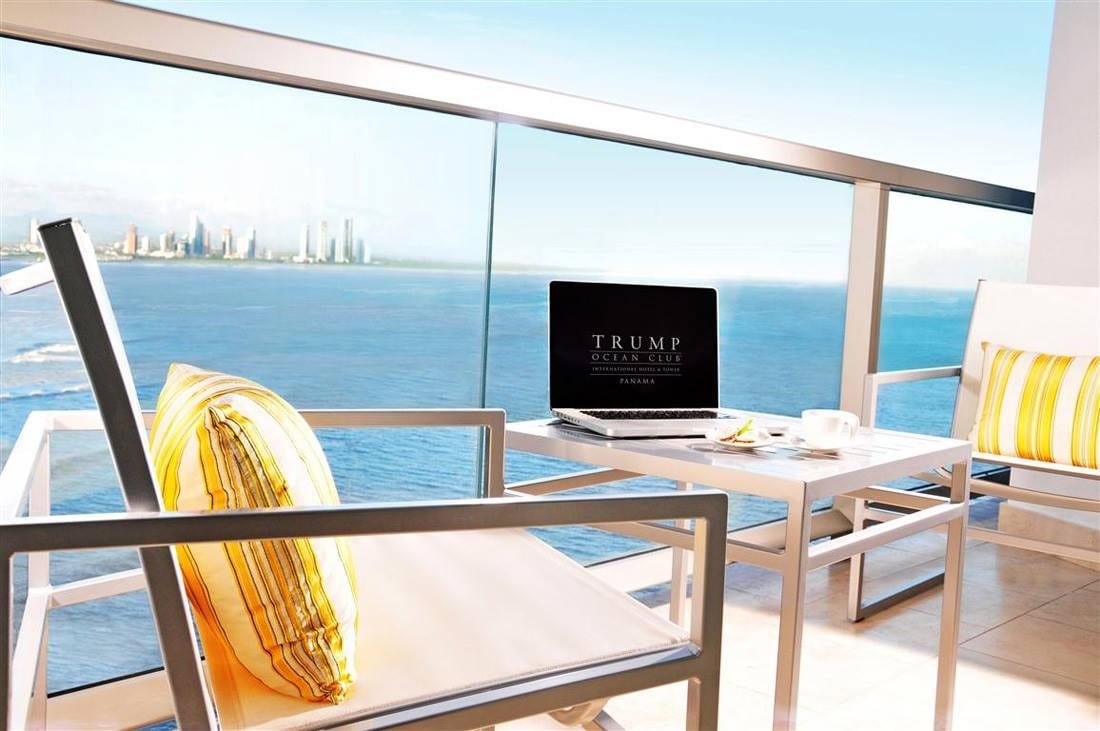
    Trump Hotels Collection last year announced a partnership with Indonesia’s PT Media Nusanta Citra (MNC) to manage new luxury hotels on Bali and in West Java, the Trump unit’s first foray into Asia.

    In Bali, one of Asia’s most popular holiday destinations, Trump Hotels will operate a six-star hotel atop a cliff overlooking the Indian Ocean and Tanah Lot, a popular sea temple on a small rock formation.

    MNC, which will be building both resorts, declined to comment on Trump’s politics.

    “Business is business. The implication for wider Indonesia, we have to see later,” said Syafriel Nasution, corporate secretary of MNC Group, adding that he had not seen any damage to the company’s brand due to its relationship with Trump.

    MNC Group is controlled by billionaire Hary Tanoesoedibjo, Indonesia’s 28th-richest person, who also owns four national television stations and last year launched a new political party.

    A senior member of Muhammadiyah, Indonesia’s second-largest Muslim organization, said protests are possible if Trump becomes president, though none were yet planned.

    “Indonesian Muslims are very strongly united,” said Abdul Mu’thi, the group’s secretary general. “If he is elected, there will be a strong reaction from Indonesian communities to any business that is run by Donald Trump.”

    In West Java, near where Trump’s golf resort will be built, one villager said he had never heard of Trump and wouldn’t be protesting against him. “If we protest, he will likely close his business,” said Agus, who owns a small mobile phone shop. “And for the time being, earning money is hard.”

  • CIMB Research retains Add for Berjaya Food

    CIMB Research retains Add for Berjaya Food

    CIMB Equities Research is maintaining its Add for Berjaya Food with potential re-rating catalysts are stronger sales on the back of a recovery in consumer spending and new contribution from its fast moving consumer goods (FMCG) business in FY17.

    However, the research house had on Thursday reduced its target price from RM3.27 to RM2.35. This was based on an unchanged 23.7 times target price-to-earnings which is a 30% premium over its peer average.

    It said on Thursday that BFood’s 3QFY16 revenue rose 10.3% on-year to RM147.3mil but core net profit fell 14.4% on-year to RM7.4mil.

    This brought BFood’s 9MFY16 core earnings to RM19.7mil (+0.3% on-year), with revenue surging 67.1% on-year to RM415.1mil.

    “Nevertheless, this was below our and consensus expectations, making up only 48% and 57% of full-year estimates, mainly on the back of the weaker-than-expected performance from its Indonesian and Singaporean operations,” it said.

    CIMB Research said there was positive same store sales growth (SSSG) of 4.4% on-year for Starbucks in 9MFY16.

    BFood’s 9MFY16 revenue growth was mainly fuelled by: 1) the full consolidation impact from the remaining 50% of Berjaya Starbucks since September 2014, 2) stronger SSSG at Starbucks, and 3) new Starbucks stores (+13 stores on-year).

    While Malaysia’s revenue jumped 81.5% on-year mainly due to the consolidation of the Starbucks franchise, revenues from Indonesia and Singapore weakened by 6.3% and 2.3% on-year, respectively.

    Starbucks recorded SSSG of 4.4% on-year, while KRR Malaysia and Indonesia saw SSSG drop 16.5% and 9.5% on-year in 9MFY16, respectively.

    Meanwhile, Singapore’s Jollibean business also saw weak SSSG of -5.5% on-year.

    Indonesian operations remained in the red while its Singapore operations recorded a loss of RM500,0000 versus a profit of RM600,000 in 9MFY15.

    BFood also incurred higher financing costs of RM9.5mil (due to the acquisition of Starbucks) and higher effective tax rates, which led to flattish core earnings growth.

    “We cut our FY16-18 earnings forecasts by 34%-46% to reflect slower performance from KRR in Indonesia and Malaysia and to take into account the higher effective tax rates,” CIMB Research added.