Author: Mei Ling Tan

  • President Jokowi receives visiting Belgian princess

    President Jokowi receives visiting Belgian princess

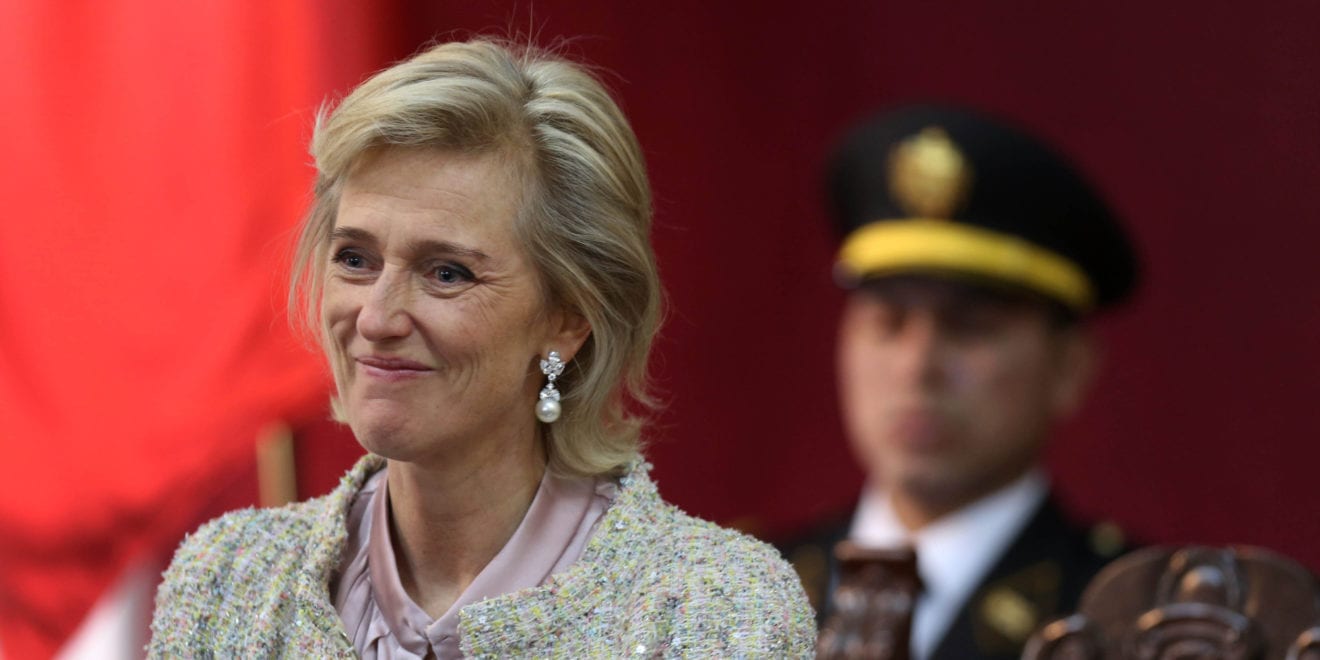
    Indonesian President Joko Widodo (Jokowi) received the visit of Princess Astrid of Belgium, who led a business delegation to discuss opportunities to enhance economic cooperation between the two countries.

    During the courtesy visit to the Presidential Palace here on Tuesday, Princess Astrid was accompanied by five Belgian ministers and some 205 representatives from 127 Belgian companies and 40 organizations operating in the fields of infrastructure, ports, energy, chemical industry, and telecommunications.
    Several potential business-to-business agreements and educational cooperation between universities of the mission are ready to be discussed and signed.

    While in Jakarta, Princess Astrid has a hectic schedule, traveling to several areas in the capital city, Karawang, Bogor, and Bandung. Besides being received by President Jokowi and Vice President Kalla, Princess Astrid also met the minister of transportation, maritime affairs and fisheries minister, minister of commerce, as well as several other ministers.

    Princess Astrid will also meet Jakarta Governor Basuki Tjahaha “Ahok” Purnama, West Java governor, and Bandung Mayor Ridwan Kamil during the four-day visit.

    She is also scheduled to attend a series of seminars including the Belgium-Indonesia Clean-Tech Summit, Belgium-Indonesia Maritime Summit, and Belgium Indonesias gateway to the EU Market.
    Princess Astrid will also attend some seminars titled Smart City, Innovative Partnership and International University-State Business-DRIVE.

    During her visit to Jakarta, Princess Astrid will be accompanied by Deputy Prime Minister and Foreign Minister Didier Reynders Belgium; Vice President and Minister of Economy Jean-Claude Marcourt; as well as several other important officials.

    Minister Didier is also scheduled to meet Foreign Minister Retno Marsudi, and there are plans to discuss economic, trade, and security cooperation, including tackling radicalism.


  • Indonesia exports instant noodle to Palestine

    Indonesia exports instant noodle to Palestine

    Indonesia has opened an opportunity to export instant noodles to Palestine after it has successfully shipped 15 containers to West Bank.

    Foreign Minister Retno LP Marsudi said at the presidential palace compound here on Tuesday following the official opening of the Indonesian Honorary Consulate in Ramallah, economic cooperation between the two countries should increase.

    “The honorary consul is tasked with increasing the economic cooperation. Although it is still very small our trade with Palestine has shown an increasing trend,” she said.

    From 2012 to 2015 the volume of trade between the two countries have jumped remarkably by 300 percent.

    “Yesterday I talked with an importer of eastern noodle to Palestine. Indonesia has shipped 15 containers of instant noodle to the West Bank,” she said.

    Retno said the volume of trade between the two countries has continued to increase and so the presence of the honorary consulate is needed very much to develop the potential.

    “Madam Abu (Maha Abu Shusheh, the Indonesian consul in Ramallah), is a business person who represents a good working network and has been successful not only in Palestine but also in other Arab countries,” she said.

    Minister Retno said she also saw that empowering must be done so that the honorary consulate in Ramallah could also send business men from Palestine to Indonesia.

  • Kadin Allows Uber and Grab Taxi to Operate in Indonesia

    Kadin Allows Uber and Grab Taxi to Operate in Indonesia

    The Indonesian Chamber of Commerce and Industry (Kadin) has approved the operation of online-based transportation services, such as Grab Car and Uber. However, Kadin had put out several requirements that must be fulfilled by online-based transportation services before they can operate in Indonesia.

    “We, [the members of] Kadin appreciates technology that can facilitate and promote [a business]. However, its implementation must comply with the same rules,” said Adrianto Djokosoetono, Chairman of the Committee on Land Transportation of Kadin on Tuesday, March 15, 2016.

    Adrianto stated that currently, there is no clear and binding regulation on transportation industry, especially to regulate companies from overseas like Uber and Grab Car. Therefore, Kadin requested the government to issue a regulation that applies to both online and offline transportation services.

    In addition, said Adrianto, Kadin also requested the government to establish a clear tax system for foreign transportation companies.

  • Indonesia, Belgium agree to enhance economic cooperation

    Indonesia and Belgium have agreed to intensify economic cooperation, particularly in the fields of trade and investment.

    Both nations reached the agreement during a meeting between Indonesian President Joko Widodo (Jokowi) and Princess Astrid of Belgium at the Merdeka Palace here on Tuesday.

    Princess Astrid is in Indonesia to lead a 300-strong Belgian business delegation from March 12 to 19. The business delegates are representing 127 companies.

    The companies are engaged in the fields of construction, infrastructure, energy, clean technology, communication and information technology, food and beverage, financial services, transportation, logistics, marketing, and education.

    Speaking to the press after accompanying President Jokowi at the meeting, Foreign Minister Retno L.P. Marsudi stated that Belgium is Indonesias key partner in terms of trade and investment.

    “For instance, in 2015, Indonesia-Belgium bilateral trade reached US$1.67 billion, while (Belgian) investment (in Indonesia) reached more than US$7 million,” she noted.

    Until now, some two thousand Belgian companies have been operating in Indonesia, she remarked.

    At the meeting, President Jokowi briefed the Belgian business delegation on the governments efforts to make the economy more open and competitive.

    “The president touched on the 10 economic policy packages that the Indonesian government has issued so far. One of the packages deals with the Negative List of Investment,” she added.

  • Honeywell to tap into Indonesia’s infrastructure projects

    Honeywell to tap into Indonesia’s infrastructure projects

    US-based technology and manufacturing firm Honeywell plans to tap into Indonesia’s robust infrastructure development, especially of airports and railways, that is aligned with President Joko “Jokowi” Widodo’s vision for the coming years.

    The company acknowledges Jokowi’s ambitious program to execute infrastructure construction worth more than US$400 billion from 2015 to 2020 to spur economic growth in the country and therefore make the nation with Southeast Asia’s largest economy one of the 10 top countries for the firm globally.

    “We know that Indonesia needs new bridges and railways, that infrastructure is something the government is discussing,” Honeywell Indonesia president director Alex J. Pollack said on Thursday.

    He has referring to the government’s target to build as many as 49 new dams over the course of five years, as well as 1,000 kilometers of new toll roads, among other projects.

    With the development, the company aimed to provide advanced technology for the country’s infrastructure projects, including for its airports.

    The firm boasted about its smart airport technology, claiming that it would be able to improve the efficiency and safety for the airports, as its technology would enable air traffic controllers to handle the number of aircraft landing in an hour with improved traffic management.

    “With growth of 11 percent in the numbers of passengers annually and as the Soekarno Hatta International Airport already has to manage 22 million passengers currently, we think it will need an advanced technology and integrated system,” Pollack said.

    The company also cited Jokowi’s policy to waive advanced visa requirements for 90 countries, which was expected to increase foreign tourist numbers, as the government aimed to attract 20 million foreign tourists by 2019.

    The company would look to work with related companies such as state airport operator Angkasa Pura (AP) I and Angkasa Pura II, as it aims to get the technology applied in the country’s busiest airports such as Soekarno Hatta and Ngurah Rai International Airport in Bali, as well as in six to 25 other major airports in Indonesia.

    Honeywell International last year booked $15.2 billion in revenues globally from its aerospace business, a decrease from $15.6 billion in 2014.

    The company set the revenue growth to be double the gross domestic product (GDP) growth this year. The government itself aimed for 5.3 percent economic growth for 2016, as the country scored merely 4.79 percent last year.

    It currently runs an aerospace manufacturing facility in Bintan, Riau, which had started to operate in 2005. It has also supported an existing maintenance, repair and operations (MRO) facility for aircraft owned by national flag carrier Garuda Indonesia and the largest low-cost carrier, Lion Air Group.

    Honeywell is also seeking involvement in railway projects in Indonesia, as it recently worked with the Transportation Ministry on radar scanner technology for automatic detection and warnings at railway crossings.

    It recently wrapped up the technology’s trial at the Bintaro railway crossing, Jakarta, and the company expected to follow that up with installation of the products.

    The company would also try to get involved in the country’s mass rapid transit (MRT) project, currently under construction in Jakarta, as it would want to apply its safety scanner system, which would also support Transportation Minister Ignasius Jonan’s aim to have a safer transportation system.

    The ministry allocated Rp 12.5 trillion ($957.8 million) for transportation safety and security improvement this year.

  • KPPU Uncovers Chicken Cartel Practices

    KPPU Uncovers Chicken Cartel Practices

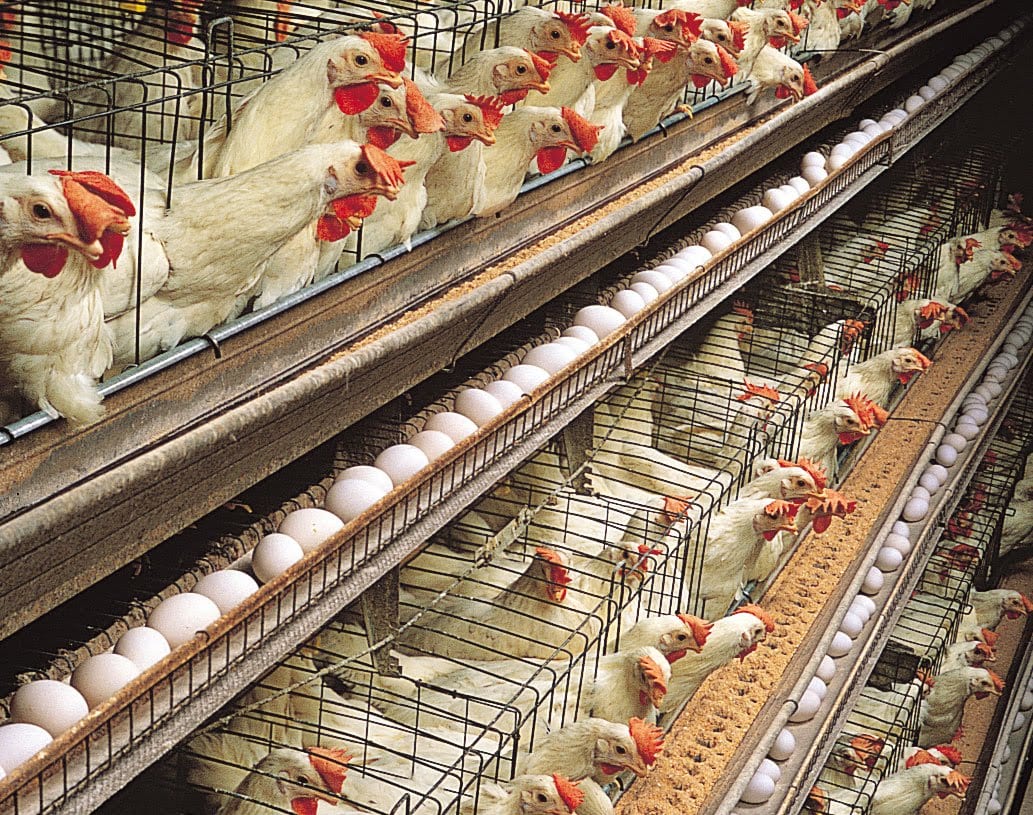
    The Commission for the Supervision of Business Competition (KPPU) noted at least 12 companies are suspected to be involved in chicken cartel practices. “Now the case has entered the court trial stage,” said Muhammad Syarkawi Rauf, Chairman of the KKPU to us on Wednesday, March 9, 2016.

    Syarkawi said that the 12 companies allegedly control chicken prices in the market by applying monopoly. The companies were suspected to work with one another to keep chicken prices high. Syarkawi added that the companies were also suspected to have planned to terminate their parent stock. “This is what we are currently investigating,” Syarkawi said.

    Name of the companies suspected to be involved in chicken cartel practice, according to KPPU’s records, include PT Charoen Pokphand Indonesia Tbk, PT Japfa Comfeed Indonesia, PT Malindo, PT CJ-PIA, PT Taat Indah Bersinar, PT Cibadak Indah Sari Farm, PT Hybro Indonesia, PT Expravet Nasuba, PT Wonokoyo Jaya, CV Missouri, PT Reza Perkasa, and PT Satwa Borneo Jaya.

    The case was uncovered after KPPU conducted an investigation on early 2016. The companies were suspected of violating Law No. 5/1999 on Monopoly Practices and Unhealthy Business Competition.

    On the other hand, chicken companies denied the accusations. “We deny such accusation. The termination of parent stock is based on government regulation,” said Budiarto Soebijanto, Senior Vice President of PT Japfa Comfeed Indonesia last Thursday, March 3, 2016.

  • Vietnam joins world`s largest rubber producers to cut exports

    Vietnam joins world`s largest rubber producers to cut exports

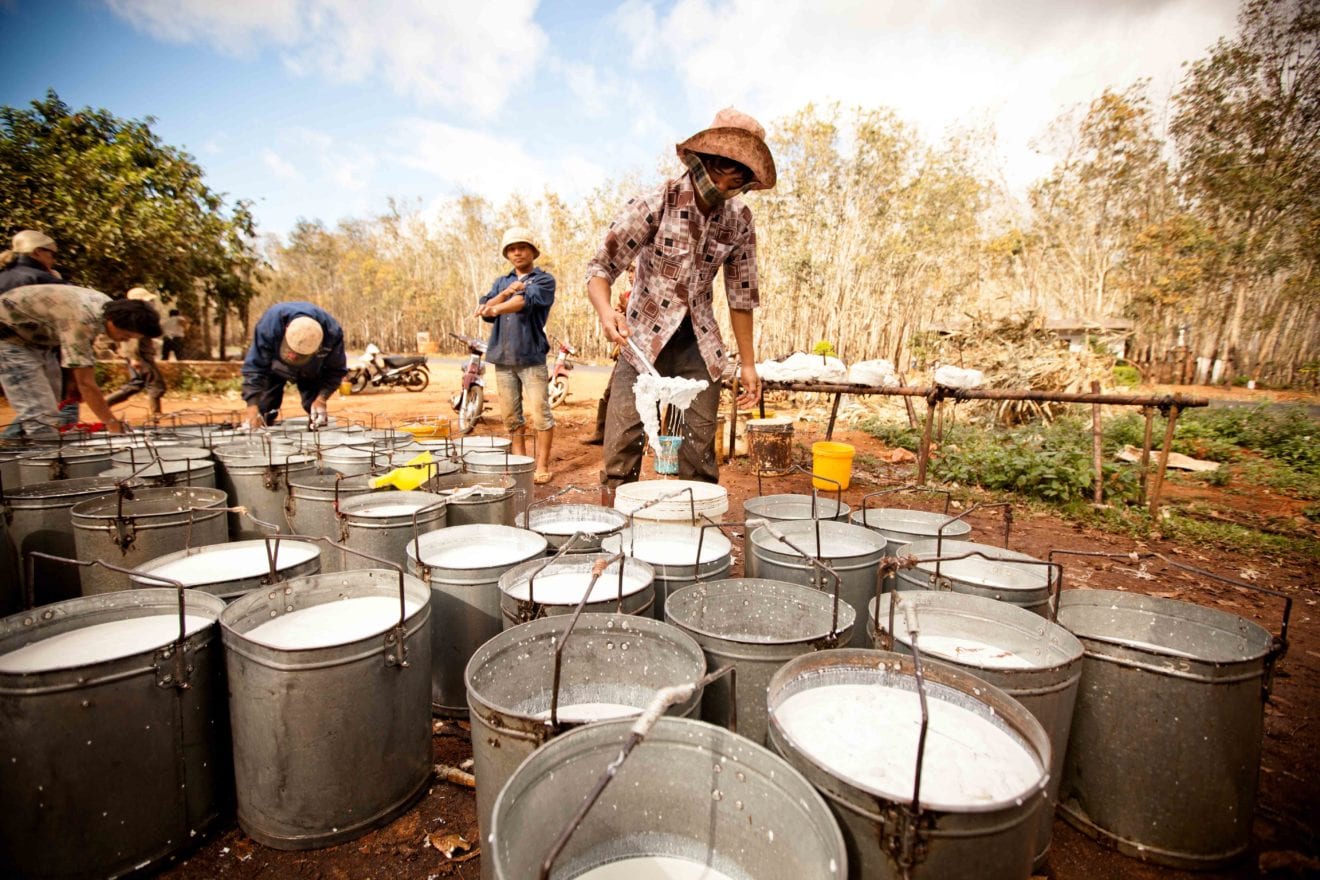
    Vietnam will join worlds largest natural rubber producers to cut exports in a bid to shore up the shrinking price of that commodity.

    Vietnam will follow Thailand, Indonesia and Malaysia to cut its imports of natural rubber by 15 percent starting March 1 until August 31, the Indonesian association of rubber companies (Gapkindo) said.

    Earlier the three member countries of the International Tripartite Rubber Organization (ITRO) which control 70 percent of the world supply of natural rubber agreed to cut exports by 615,000 tons from March to August.

    With Vietnam joining the cartel the price of natural rubber is expected to rise in international market, Executive Secretary of the North Sumatra branch of Gapkindo Edy Irwansyah said here on Monday.

    Under the arrangement, Thailand, the worlds largest producer is to reduce its exports of natural rubber by 324,005 tons, Indonesia, the second largest producer by 238,736 tons, and Malaysia, the third largest by 52,259 tons.

    North Sumatra, one of Indonesias largest natural rubber producing provinces, contributes to the scheme by cutting exports 38,000 tons.

    The decision of the four ASEAN countries would have impact on the rubber market, as they control more than 70 percent of the supply of natural rubber in the world, Edy said.

    Edy said rubber price has remained low but in March the price began to climb, adding, he was confident the price of that commodity would continue to increase .

    In January 2016, North Sumatras exports of natural rubber and rubber products fell again by 16.43 percent year-on-year in value.

    The province earned only US$78.083 million in January 2016 down from US$93.375 million in the same period last year, head of the regional office of the Central Bureau of Statistics (BPS) Wien Kusdiatmono said here last week.

    The production and price of rubber and rubber goods have continue to shrink, Wien said.

    According to Edy though rising, the price of natural rubber is still much below the level considered ideal of around US$1.90 per kg.

  • Indonesia to Cut Rubber Export Volume

    Indonesia to Cut Rubber Export Volume

    The world’s three largest rubber producing countries Indonesia, Thailand, and Malaysia, have agreed to start reducing rubber exports. As members of the International Tripartite Rubber Council (ITRC), the three countries decided on this policy to boost rubber prices in the global market.

    The Indonesian Rubber Companies Association (Gapkindo), the government’s official partner in implementing the ITRC agreement, said that members have been reducing the number of product shipment overseas.

    “We have cut back on crumb rubber exports to comply with regulations,” Gapkindo executive director Suharto Honggokusumo Suharto said in Jakarta, yesterday.

    The agreement to cut rubber exports was made on February 4, 2016. The ITRC will cut export volume by 615,000 tons starting on March 1 until August 31, 2016. Thailand will lower its exports by 324,025 tons, Indonesia by 238,736 tons, and Malaysia by 52,249 tons.

    In Indonesia, the unexported volume will be reallocated to the domestic market, including for infrastructure projects. “The government has promised to seek price improvement to help improve the condition of the rubber farmers,” said Suharto.

    In 2015, Indonesia’s natural rubber exports reached 2.6 million tons. Trimming the volume of exports is expected to push up prices. In February, the price of natural rubber in the global market was US$1.04 to US$1.09 per kilogram. This price range is too low, because farmers can only profit if global prices are between US$2 and US$3 per kilogram.

  • Indonesia to boost investment through easy, fast licensing service

    Indonesia to boost investment through easy, fast licensing service

    The Indonesian government held a closed-door meeting to discuss efforts to boost investment and business through the implementation of an easy and fast licensing service.

    “We should improve all aspects of licensing in relation to issuing building and environmental permits as well as authorization,” President Joko Widodo stated during the opening of the meeting here on Tuesday.

    The president remarked that the government should improve the licensing process as part of the efforts to improve the business climate in Indonesia.

    In the 2016 Ease of Doing Business 2016 survey, the World Bank ranked Indonesia 109th out of 189 countries. Singapore topped the list, with Malaysia ranking 18th, Thailand 49th, Brunei 84th, and Vietnam 90th.

    The president also called for the integrated management of the business licensing and registration process to improve efficiency and boost the business climate.

    The meeting was attended by Coordinating Minister for Economic Affairs Darmin Nasution, Coordinating Human Development and Culture Minister Puan Maharani, Coordinating Political, Legal and Security Affairs Minister Luhut Binsar Pandjaitan, Public Works and Public Housing Minister Basuki Hadimuljono, Agrarian and Spatial Planning Minister Ferry Mursyidan Baldan, as well as Justice and Human Rights Minister Yasonna Laoly.

    Earlier, the Indonesian government had decided to prepare guidelines and revise various regulations that will make it easier to do business as part of the efforts to facilitate investors who want to start a business in Indonesia.

    “These guidelines should be formulated soon and will be tabled in a cabinet meeting,” Coordinating Minister for Economic Affairs Darmin Nasution remarked after a coordination meeting here on Thursday.

    The 10 indicators, which are being assessed, include the ease of starting a business, building permits, registration of ownership, payment of taxes, access to credit, and a cooperation agreement.

    Other indicators are the ease in getting an electricity connection, cross-border trade, problem-solving for bankruptcy, and protection for Micro, Small and Medium Enterprises (SMEs).

    One of the rules that has been fixed is the basic capital for the establishment of a Limited Liability Company (PT).

    The government will then revise Trade Regulation No. 90 of 2014 concerning the organization and development of warehouses. As a result, a warehouse registration certificate can be obtained in just a single day.

    However, a warehouse, with an area of less than 98 square meters, will not require a warehouse registration certificate.

    The Ministry of Public Works and Public Housing (PUPR) will also revise Ministerial Regulation No.24 of 2007 on Technical Guidelines for Building Permits (IMB). The IMB will be processed in seven days, and the costs will be reduced by half.

    “We will disseminate information on all regulations in relation to the ease of doing business. The dissemination will be conducted by ministries and other institutions,” the minister affirmed.

    Meanwhile, state-owned electricity company PLN will improve its procedures for granting an electricity connection. The procedures will be divided into four stages. Obtaining a new connection will take 22 days.(*)

  • Indonesia Jan retail sales grow 12.5% year on year

    Indonesia Jan retail sales grow 12.5% year on year

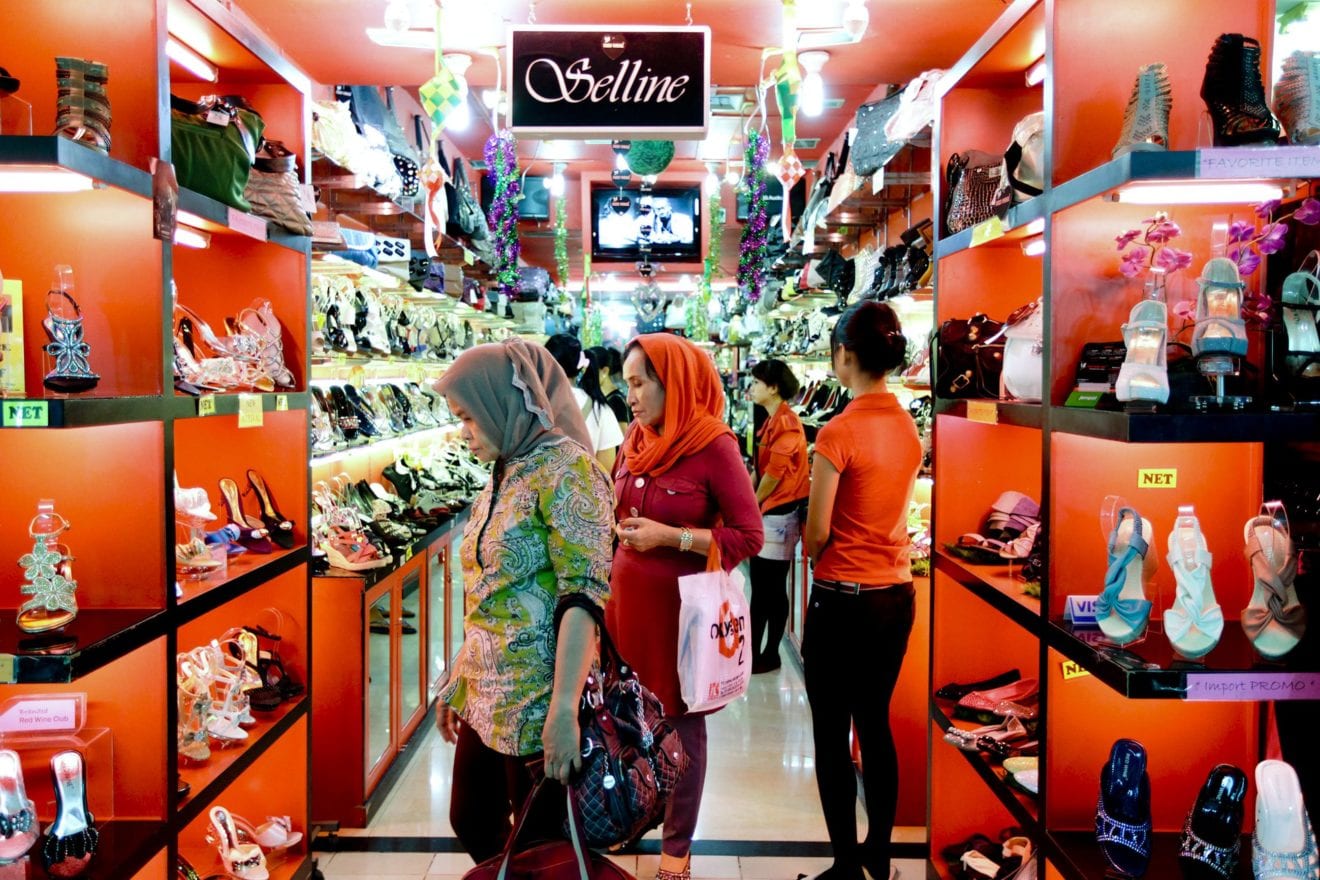
    Indonesia’s retail sales in January grew 12.5 per cent from a year earlier, bolstered by information and telecommunication equipment especially electronics, a Bank Indonesia survey showed on Friday.

    December annual retail sales growth was revised up to 11.4 per cent from the previously reported 10.4 per cent.

    The survey of 700 retailers in 10 major cities predicted slower February retail sales growth of 11.9 per cent.

    Respondents were optimistic over retail sales in the next three months in line with higher demands ahead of and during the Muslim fasting month in June.


  • French business delegation studies possible cooperation in maritime

    French business delegation studies possible cooperation in maritime

    A French business delegation met the Coordinating Minister for the Maritime Affairs Rizal Ramli to study possible investment in maritime sector in the country.

    “We received a 20-member delegation of business people grouped in Maritime Cluster from France. They are interested in business cooperation in maritime , energy, technology and other sectors, Rizal said.

    The delegation was interested in doing business in Indonesia as they believed the country is serious in bringing to reality its vision to become a worlds maritime axis, he said here on Monday.

    “Relations between Indonesia and France have been mutually beneficial and expanded. It is important for us to continue to promote the relations,” he said.

    He said the delegation had not decided to invest in any sector but it plans to hold a workshop here in October.

    “There would be a workshop between French and Indonesian companies on maritime sector. We will facilitate the plan that concrete business cooperation could be created,” he said.

    On the same occasion, French Ambassador to Indonesia Corinne Breuz’ said France is interested in taking part in the program to develop the maritime sector in Indonesia.

    Part of the delegates represent companies already doing business in Indonesia for more than 20 years, the ambassador said.

    “The companies want to take part in the development of the maritime sector in Indonesia,” he said.

    A deputy at the office of the coordinating minister for maritime affairs Agung Kuswandono said the French companies are interested in venturing in shipping, port, energy and technology sectors.

    “The delegates represent companies operating in various sectors, but no details have been discussed,” Agung said.

    He said similar interest had been expressed by companies from other countries such as the Netherlands, Japan and South Korea.

  • Rupiah strengthens 72 points

    Rupiah strengthens 72 points

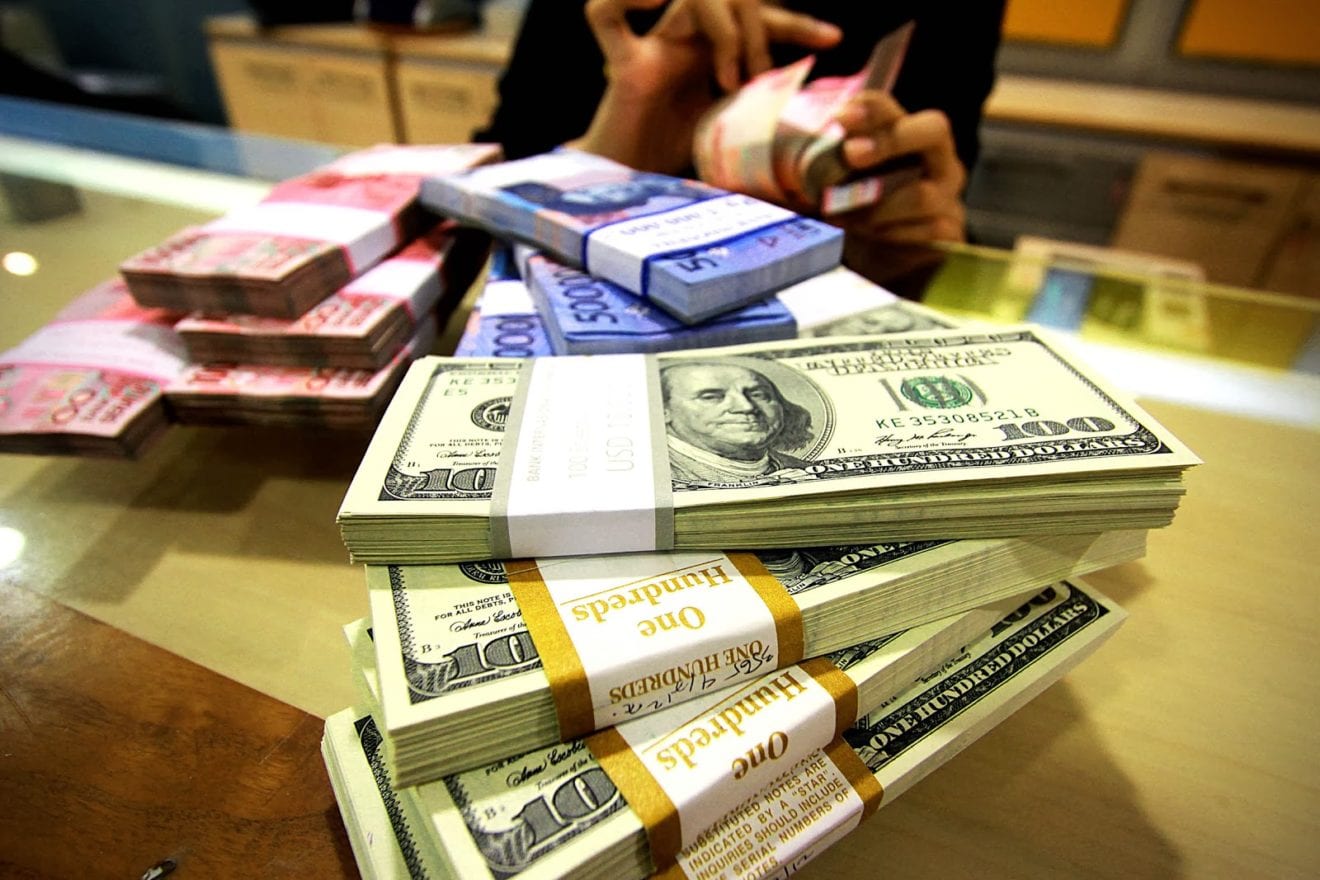
    The Indonesian rupiah strengthened 72 points to Rp12,980 per dollar on Friday evening, compared to Rp13,052 per dollar the day before.

    Developed countries decision to adopt a zero interest rate policy made the yield less interesting and money market investors diverted their funds to developing countries, money market observer Rully Nova said here on Friday.

    “Yields in Indonesia, which still adopts a positive interest rate policy, have attracted investors to invest in rupiah-denominated assets,” he said.

    On the other hand, the fact that sentiment regarding the Fed fund rate faded as several economic indicators did not fully recover has made the US dollar-denominated assets less attractive, he said.

    After all, the rupiahs significant appreciation against the US dollar may have a negative impact on Indonesias export performance, he said.

    “Hopefully, the fluctuation in the rupiahs strengthening will not be too wild and market agents and businesspeople will find it easy to predict it,” he said.

    Market analyst Lukman Leong said the downward trend in Indonesias inflation rate this year is one of the factors behind the rupiah strengthening.

    “The low inflation rate will prompt Bank Indonesia to further lower its interest key rate and consequently, lending rate will fall and domestic consumption will increase in favor of economic growth,” he said.

  • Financial firms in Taiwan, Indonesia urged to open outlets after MOU

    Financial firms in Taiwan, Indonesia urged to open outlets after MOU

    Taipei, March 12 (CNA) Taiwan’s top financial supervisor, the Financial Supervisory Commission (FSC), has urged financial institutions in Taiwan and Indonesia to open outlets in each other’s country after they signed an memorandum of understanding (MOU) to speed up cooperation in supervising financial businesses.

    The FSC inked the cooperation MOU Friday with its Indonesian counterpart the Financial Services Authority of Indonesia or Otoritas Jasa Keuangan (OJK). The MOU focuses on supervision cooperation in banking, securities and insurance businesses between the two countries.

    FSC Chairperson Wang Li-ling (王儷玲) told the CNA that the cooperation MOU will no doubt facilitate financial development between the two countries.

    Wang, who signed the agreement on the behalf of the FSC in Jakarta, added that she believed Taiwan’s financial sector will benefit from the great growth potential in Indonesia, while the Southeast Asian country has expressed interest in Taiwan’s financial market openness.

    Wang said financial institutions in Taiwan and Indonesia should take advantage of the MOU to explore the financial market in each other’s country.

    She said that is especially true as many Indonesian workers are working in Taiwan and there is strong fund demand from ethnic Chinese investors in Indonesia, leading Indonesian banks to want to set up footholds in Taiwan.

    As for the large number of Indonesian workers in Taiwan, the supervisory mechanism under the newly signed MOU is expected to help them in a wide range of financial services in Taiwan, such as money remittances, deposits and insurance.

    The Taiwanese official said that a populous Indonesia needs a diversity of financial products and Taiwanese financial institutions should go there to provide good products.

    According to the FSC, the local banking sector has set up one subsidiary and two representative offices in Indonesia, and the local securities sector has opened a subsidiary there. The local insurance business sector meanwhile has taken a stake in an Indonesian bank, the TWSE said.

    Market analysts said that the newly-signed MOU is expected to help Taiwan-based Cathay Life Financial Co. (國壽) push for a deal to acquire a 40 percent stake in PT Bank Mayapada Internasional of Indonesia. Cathay Life signed an agreement with Bank Mayapada for the acquisition deal in January 2015. Since the law in Indonesia bars foreign entities from taking a stake of more than 25 percent of any bank there and the deal has been stalled. Analysts said that the MOU could remove the legal obstacles for Cathay Life.

  • Japanese stores target Thai tourists

    Japanese stores target Thai tourists

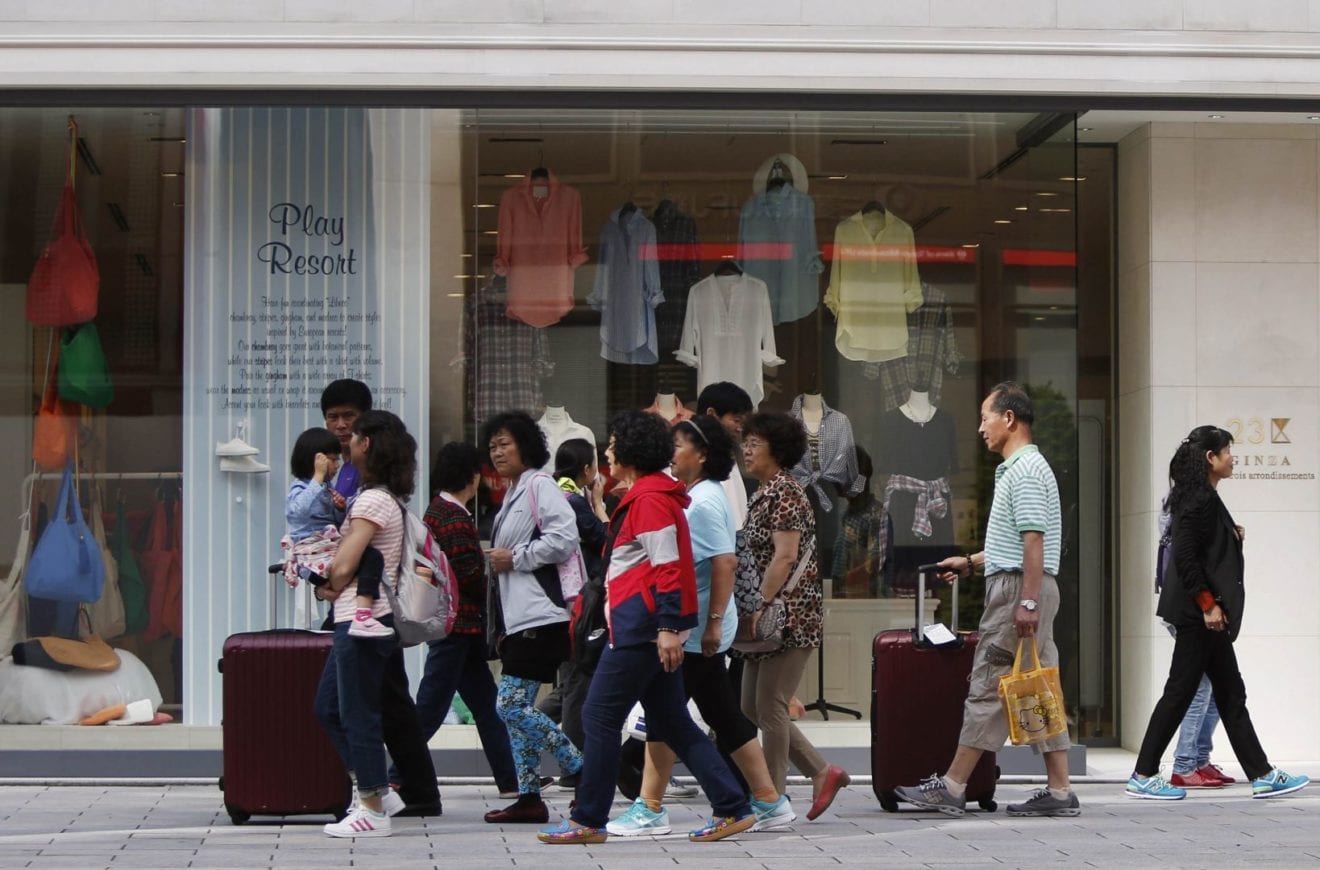
    Thai tourists are now in the sights of Japanese department stores after their success in luring Chinese during Lunar New Year.

    Such companies as Isetan Mitsukoshi Holdings and J.Front Retailing, which run the Daimaru and Matsuzakaya department stores, are ramping up efforts to lure Thai tourists during their traditional New Year holiday Songkran, which this year runs from April 13 to 15, reports Nikkei Asian Review.

    A weaker yen has helped boost tourism numbers to Japan, and visitors from Thailand have grown steadily to nearly 800,000 last year following the relaxing of visa requirements in July 2013.

    While most foreign visitors last year came from China, they were followed in volume by South Korea, Taiwan, Hong Kong, the US and then Thailand.

    Isetan Mitsukoshi and J.Front issued pamphlets and other materials to promote their Japanese stores during the Thai International Travel Fair at the Queen Sirikit National Convention Center on February 21, one of Southeast Asia’s largest travel-industry events. They mainly targeted Thai travel agencies.

    J.Front’s Daimaru and Matsuzakaya stores distributed flyers with discount coupons, and also plans to hand them out aboard Asia Atlantic Airlines flights between Thailand and Sapporo. The coupons will also be given to tourists buying the Japan Rail Pass at Thai outlets of Japanese travel agency HIS.

    Daimaru’s store in Sapporo has even prepared a floor guide in Thai language.
    Matsuya, another Japanese department-store chain, will give preferential treatment to customers of three Thai banks – Bank of Ayudhya, Kasikornbank and Krung Thai Bank – at its Ginza store in Tokyo. They will receive discounts and gifts.

    In January, Matsuya had a similar offer for customers holding membership cards from Thai retailer The Mall Group. Sales of duty-free goods at Matsuya during last year’s Songkran holidays surged 50 per cent from a year earlier, the company says.
    Visitors from Thailand spent a total of Y120 billion (US$1 billion) in Japan last year, up a quarter on 2014’s figures, according to a survey by the Japan Tourism Agency.

  • Tom Tailor China opens online

    Tom Tailor China opens online

    German fashion retailer Tom Tailor has opened an online store in China, using JD.com’s JD Worldwideplatform.

    Tom Tailor describes its first online shop in China as “another important milestone in Tom Tailor China’s expansion, following the opening of the first Tom Tailor retail store in Shanghai last November.

    The Tom Tailor online shop features products from across the Tom Tailor, Tom Tailor Denim andTom Tailor Contemporary ranges.

    “In order to expand our online presence with the umbrella brand Tom Tailor in China, JD.com, as China’s largest e-tailer, is an excellent partner,” said Erika Kirsten, Tom Tailor’s manager of corporate communications.

    “JD.com has a high-value user base. With 155 million active consumers across the country who appreciate its versatile product range and superior customer service, JD.com provides the optimal platform for launching Tom Tailor in the Chinese online market.”

    Josh Gartner, JD.com’s senior director of international communications, said apparel is one of the fastest growing categories on the JD.com platform, “because customers know that only JD.com can provide reliable and convenient access to the latest fashions from local and international brands with a 100 per cent guarantee of product quality and authenticity”.

    Tom Tailor China currently has one standalone physical retail store in China and 14 shops-in-shops.

    Tom Tailor targets people aged up to 40, with a focus on high-quality fabrics. Bonita, one of Germany’s leading fashion brand producers and retailers, has been a part of the Tom Tailor Group since August 2012. Bonita sells menswear and womenswear collections for the over 40 age group.