Author: Mei Ling Tan

  • Philippines online grocery service launched

    Philippines online grocery service launched

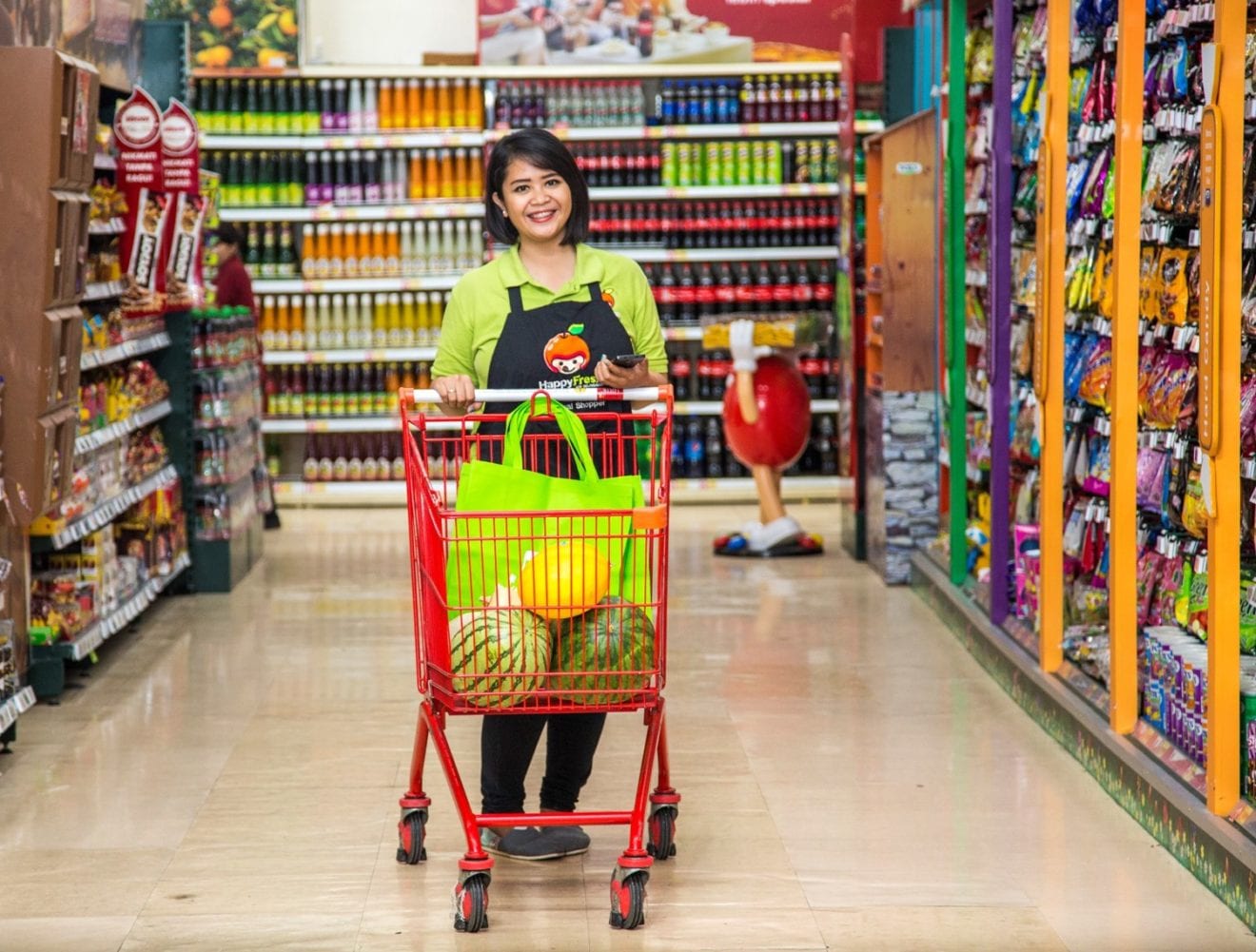
    Jakarta-based HappyFresh is bringing its operations to the Philippine market by the second quarter of 2016.

    Manila is the online grocer’s fifth market in Asia, following  Indonesia, Malaysia, Thailand and Taiwan. Isabel ‘Pao’ Barientos, former chief operating officer of online marketplace theshop.ph, will lead the Manila office as MD. Barientos has also previously worked for deal sites Ensogo and the Lazada Group.

    The Philippines online grocery shopping app will target the growing urban workforce, especially working mothers, who are in need of personal shoppers to deliver goods amid the city’s notorious traffic congestion.

    “The Philippines is an exciting market because the population’s wealth is expanding and consumer spending growth will accelerate through to 2030,” said HappyFresh CEO and co-founder Markus Bihler in a statement.

    In Bangkok, HappyFresh competes with supermarket chain Tesco Lotus, which has been offering a delivery service for several years already. In Jakarta, the competitor is startup Back Garlic, a meal-kit delivery service sends pre-packaged, portioned and labeled groceries in a box.

    Bihler said the market for online grocery shopping in Asian countries could see double-digit growth in market turnover by 2020 to reach S$19 billion (US$13 billion) by 2020. He said the rise of a young, working-class population in urban areas is driving the market.

    Working mothers outnumber all other HappyFresh customers, with dairy products such as milk and eggs among the top purchases. They are followed by young professionals and expatriates who mainly buy tomatoes, spaghetti and chicken breast.

    Securing $12 million in funding as a start-up last year, led by Singapore’s Vertex Venture and Sinar Mas Digital Venture, HappyFresh partners with supermarket retailers, “particularly small and medium-sized enterprises that do not have the capacity or ability to invest in technology and reach out to new set of customers,” said Bihler.
  • California Wow founder sues Thai government

    California Wow founder sues Thai government

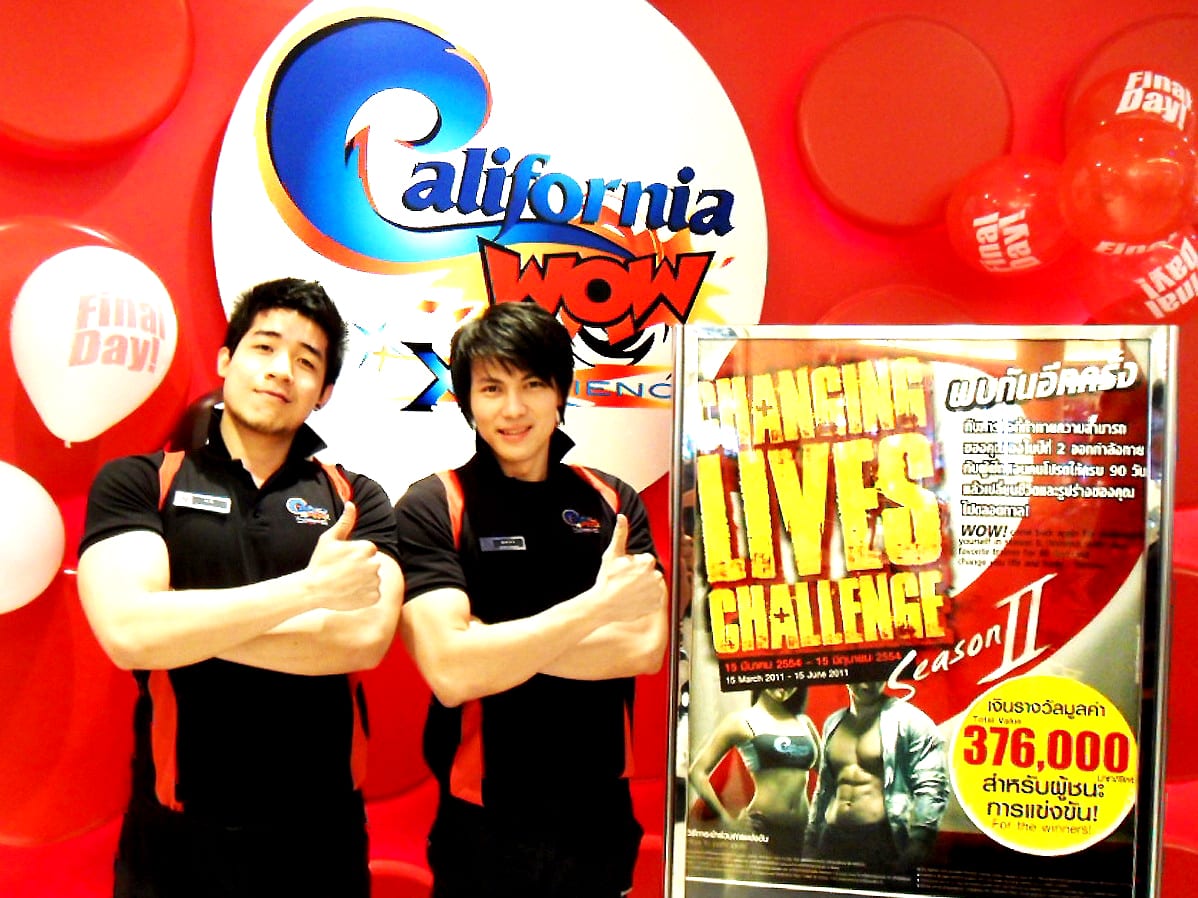
    Eric Mark Levine, the founder of California Fitness clubs worldwide and the Thai chain California Wow Xperience has filed a US$2.8 million defamation lawsuit through his legal representative at Bangkok Criminal Court.

    Levine has filed suit against Thailand’s Anti-Money Laundering Office (AMLO), as well as its secretary-general Police Colonel Sihanart Prayoonrat, for damaging Levine’s reputation through public remarks made by the Police Colonel alleging improper payments and fund transfers by Levine.

    As CEO of California Wow, Levine said the Office of the Securities and Exchange Commission of Thailand (SEC) has already investigated the chain’s operations and financial records with specialist forensic accounting investigators as well as specially trained police officers.

    “All  publicly stated there is no evidence of wrongdoing or of any action to substantiate the Anti-Money Laundering Office’s allegations,” Levine said in a statement.

    He added that the Department of Special Investigation has also refused to conduct any further investigation as requested by Police Colonel Prayoonrat and the AMLO.

    Levine said he and all involved in the management of California Wow had given their “full cooperation to authorities” during the investigations which had cleared them of the AMLO’s allegations.

    Levine added that internationally recognised auditing firms like Deloitte Touche Tohmatsu Jaiyos and PriceWaterhouseCooper have confirmed the accounts and transactions of California Wow to be correct and without irregularity.

    “And… far from taking money out of the company, I had injected personal funds to support the operations of the company in its final days.”

  • South Korean retailers eye overseas push

    South Korean retailers eye overseas push

    The largest South Korean retailers, faced with cut-throat competition in the rapidly saturating domestic market, are turning their attention to overseas markets in conjunction with small and mid-sized businesses to secure a new growth driver.

    The country’s three major retail conglomerates – Shinsegae Group, Lotte Group and CJ Group – are targeting to sell more of their ‘private brand’ products or help small and medium-sized enterprises (SMEs) promote their products both in emerging and developed markets, they said.

    Of the three, Shinsegae’s Emart, the nation’s largest discount store chain by sales, appears to be the most aggressive player given its latest moves and announcements.

    On Wednesday, Emart outlined its 2016 plan not only to increase shipments of its products to overseas branches in China and Vietnam but also to supply them to local retail companies in the US, Europe and Oceania.

    “We have set an ambitious target of US$20 million in overseas earnings this year, sharply up from $1.72 million the year before. What we earn outside the country still accounts for a tiny portion of our overall sales. But we expect it to grow over time,” Emart spokeswoman Hur Chae-jeong said.

    For all of 2015, Emart saw its net profit jump 57 per cent to 455.9 billion won ($374 million) from 290 billion won a year earlier. Sales rose 4.1 per cent to 15.3 trillion won from 14.7 trillion won during the same period.

    The dominant discount store company seeks to fill more than 40 per cent of its total products to be exported with price-competitive PB products. In Korea, in partnership with SMEs, big retailers provide ‘less-recognised’ private label products to customers at lower prices compared to existing brand names.

    Moreover, Emart signed an initial agreement with the Korea Trade-Investment Promotion Agency (KOTRA) in November to help SMEs find ways to export their products. The move was in line with the government’s broad efforts to support them amid falling exports.

    Exports have been on a losing streak over the past 14 months, posting a 12 per cent on-year decline in February at $36.4 billion, according to government data.

    Lotte Department Store and CJ O Shopping, the nation’s biggest department store chain and home shopping channel by sales, respectively, have taken similar moves to go overseas.

    Lotte said Thursday it had arranged meetings between Korean SMEs and their Vietnamese and Indonesian counterparts in those countries to help them find bilateral business opportunities there.

    “The Korean SMEs supply their products to our department store chains. If they successfully enhance their brand awareness among overseas customers, it will lead to an increase in sales. So we will jointly conduct a market survey with the SMEs and offer them a variety of support programs,” a Lotte spokesman said.

    Lotte currently operates department store outlets in Vietnam, Indonesia, Russia and China.

    CJ O Shopping said it has partnered with Kotra to help Korean SMEs advance into Latin American markets on top of its current China and Southeast Asian markets.

    “In June last year we set up a joint venture with Mexico’s main broadcasting company Televisa to sell Korean products through a local home shopping channel. We will sign such partnerships with other Latin American countries in coming years,” CJ spokesman Hong Seok-woo said.

    CJ O shopping is in talks with daily deals website operator Groupon  and US retailer Walmart Stores to have Korean products available in their online shopping malls, Hong said.

    CJ has signed with 10 countries, largely in emerging markets, to sell Korean goods through local home shopping channels.

    “We are seeing a burgeoning demand for Korean beauty and fashion products in Latin America helped by the boom of ‘hallyu,’ or the Korean wave, there,” he added.

  • Home owners still ready to pay for exclusive decor

    Home owners still ready to pay for exclusive decor

    The slowing economy might be dampening demand for luxury goods, but home owners are still willing to pay top dollar for unique furnishings, retail experts said.

    Homes are prized possessions here, so proud owners will spend to doll them up, even if they are becoming more selective about bigger-budget items, said Assistant Professor Elison Lim of the Nanyang Business School at Nanyang Technological University (NTU).

    “They are increasingly looking for pieces with stories or personal meanings that they connect with,” she said about shoppers who have the spending power for mid-range to high-end home products.

    But stores whose products are not perceived as being exclusive could be hit by such changing tastes, retail experts said.

    Lifestyle and home accessories retailer iwannagohome, which observers said falls into this category, told last month that it would close its two stores at the end of May. It announced a closing down sale at its Tanglin Mall and Great World City outlets on its Facebook page on Feb 19.

    A spokesman for lifestyle group Gill Capital, which started the brand in 2007, said it is bringing in new concepts, but declined to elaborate. It also runs franchises for H&M and Candylicious in Singapore.

    On Gill Capital’s website, iwannagohome is described as a concept brand that sources affordable luxury home fashion from around the world.

    Mr Amos Tan, a marketing and retail lecturer at Singapore Polytechnic, noted that the brand sources its products rather than creates its own, so brand loyalty would be difficult to build because consumers could easily find the same or similar items online, at lower prices.

    Several mid-range to high-end homeware retailers said business is still fine, as they have made efforts to meet evolving consumer needs.

    Home accessories retailer Molecule, which has two concept showrooms at Great World City, registered slower but stable sales last year.

    Senior manager Steven Goh said the company keeps a close watch on regional property markets to help it optimise merchandise planning. It also adjusts offerings and prices during slow periods such as the current one.

    He noted that more customers are getting “design-savvy and house-proud”, and are willing to spend on home decor.

    Multi-label store Naiise, which sells lifestyle and homeware goods, started as an online retailer in 2013. It now has five brick-and-mortar outlets, including a flagship store at Central mall in Clarke Quay. Its revenue last year was four times higher than in 2014.

    Founder Dennis Tay said that, even though online shopping is convenient, “there remains strong demand for a highly personal shopping experience that offers more than familiar household brands”.

    Around 70 per cent of Naiise’s products are by local designers, and include offerings such as a kueh-shaped cushion and a handmade bamboo ladder with a shelf attachment.

    Singapore Polytechnic’s Mr Tan said today’s consumers are well-educated and care about the shopping experience.

    “If you’re talking about mid-range to high-end, it’s not enough to just be a shop that looks good and sells products. You have to tell a story and sell an experience.

    “If you want people to part with that kind of money,” he said, you need to appeal to their emotions.

  • Outlet near Disneyland sets to open in May

    Outlet near Disneyland sets to open in May

    A designer outlet village adjacent to Shanghai Disney Resort will open on May 19 in Pudong New Area, aiming to tap the demand of luxury shopping amid potential tourists toward city’s upcoming iconic attraction.

    Named as Shanghai Village, the project is a joint venture between London-based mall developer Value Retail and state-backed operator of Shanghai International Tourism and Reports Zone, Shanghai Shendi Group.

    The project represented the largest investment of the company worldwide, said Mark Israel, chief executive officer of Value Retail China, with about 150 boutiques set to open either upon launch or thereafter in a 55,000-square-meter space.

    The UK developer had opened its first China outlet center of such kind in Suzhou back in May 2014. The phase two construction of the Suzhou Village will begin sometime in fall, according to Value Retail, and then move on to other projects in China including Hong Kong.

  • Swiss luxury retailer Kirchhofer for sale

    Swiss luxury retailer Kirchhofer for sale

    Swiss luxury watch and jewellery retailer Kirchhofer is up for sale, Reuters reports.

    The family owned company, with annual sales of about US$302 million, is thought to produce a net profit of around $60 million annually.

    Reuters reported that three independent sources confirmed Credit Suisse has been engaged to sell the business.

    Kirchhofer sells most famous Swiss watch brands along with jewellery, cosmetics and leather goods. These days it focuses especially on Asian customers.

    Estimate of the value of the company range between five and 10 times the net profit, which calculates at between $300 million to $600 million.

    Likely suitors would include luxury retail giants Kering, LVMH and Richemont, along with private equity investment companies interested in expanding the brand internationally.

    The business is currently owned by Juerg Kirchhofer, the son of founder Fritz Kirchhofer who started the retailer in 1944. It has 10 stores, mostly in tourist cities in Switzerland.

    In a statement to Reuters, Kirchhofer’s finance head, Hans Wolf said no decision had been made to sell the company as yet.

    “Mr Kirchhofer has reached retirement age, which does not necessarily mean he wants to retire soon. Different options are being reviewed and analysed at the moment for the future of the company,” he said.

  • Woodland looking at franchising

    Woodland looking at franchising

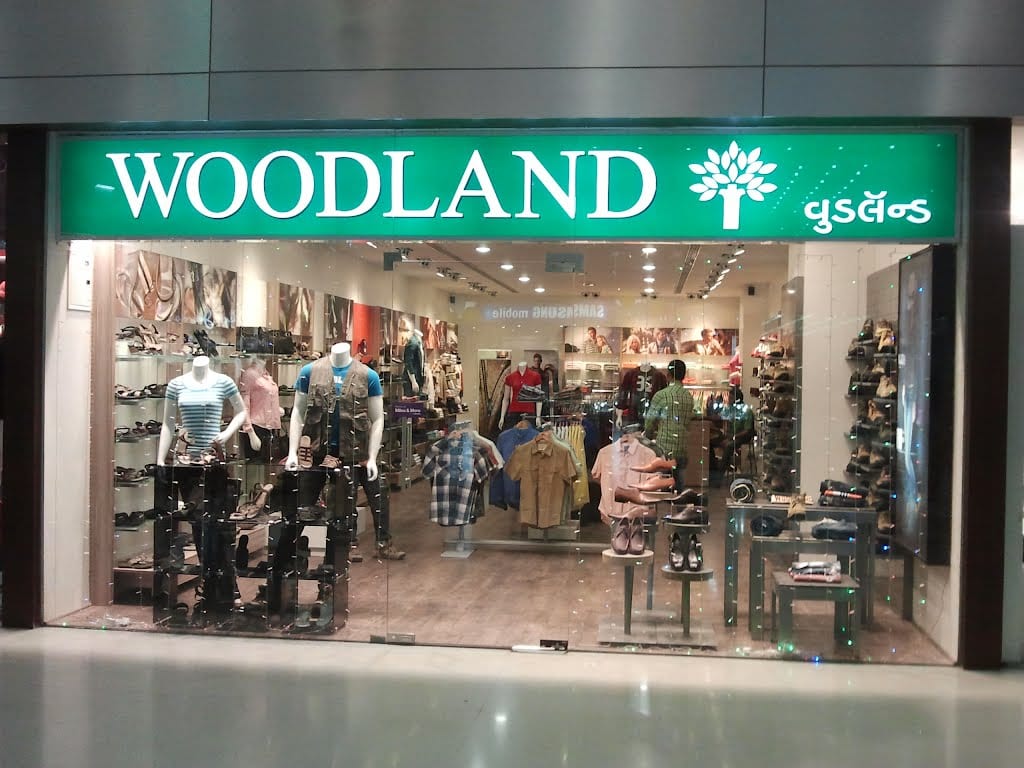
    Indian footwear and outdoor gear brand Woodland is planning to open stores in China, Malaysia and Singapore along with franchising its brand in other markets.

    Woodland is also taking the eCommerce route as part of its expansion, and is hiring social-media teams to run campaigns and online selling platforms in local languages.

    After announcing plans two years ago to launch 25 stores across China, it has subsequently opened “about a dozen stores” in Hong Kong. Its products are available through distributors in Singapore, and the company plans to enhance its global distributor networks. It aims to add at least 10 retail outlets internationally over the next two years.

    While the first few international stores will be company owned, MD Harkirat Singh says Woodland is open to franchisee formats for serious investors. The global stores will be a mix of independent stores and shops in shops.

    Singh says the product line in international markets will be customised to suit the region’s climate. according to the climatic conditions of the region. Woodland looks to tap the fast-growing extreme-weather outdoor gear market both in national and international markets, and claims to already have an 80 per cent market share in this segment in India.

    “While we have grown at an average of 15 to 20 per cent year-on-year in the past two to three years, the outdoor category has grown exceptionally in the past five years, says Singh. “Outdoor gear has become a lifestyle item, making our brand more popular.”

    Founded in Canada in 1992, Woodland is owned by Delhi-based Aero Group, which has its own leather-tanning and production units in Bangladesh, Canada, China, Indonesia, Macau, Malaysia, Sri Lanka, The Philippines and Vietnam, and as well as India.

  • Online wine sales in China rising fast

    Online wine sales in China rising fast

    JD.com‘s head of wine business, Zhao Dabin, told in an exclusive interview that the retailer sold 400m yuan (US$61.5m) of wine direct to consumers in 2015. That figure is expected to triple in 2016, he said.

    JD also hosts pages for individual merchants, acting as a gateway to a new generation of mainstream wine consumers in China – beyond the gift-giving between government officials that has been significantly curtailed by the present regime.

    Wine sales through these JD.com-hosted, online ‘shopping malls’ for merchants are expected to hit 1.5bn yuan this year.

    His comments tally with those from several wine importers and merchants in China, which are freeing up investment for e-commerce.

    Total online retail sales of physical, consumer goods in China rose by 32% in 2015, to reach 3.2tn yuan, or US$492bn, according to Chinese government figures. Online sales of tobacco and liquor products increased by nearly 13% versus 2014, to 196bn yuan.

    JD is seeking to compete with larger players in the market, such as Alibaba‘s Tmall and Taobao platforms.

    In wine, JD’s Zhao sees a lot of potential. ‘Most of our wine consumers are still at entry level,’ he said. ‘Only 3% to 4% of our registered users buy wines at the moment. There’s still plenty of room to grow.’

  • South Korea’s CJ Group promises $500 mln expansion in Vietnam

    South Korea’s CJ Group promises $500 mln expansion in Vietnam

    CJ Group, which runs Vietnam’s largest multiplex cinema chain, has promised to invest US$500 million in the country this year to turn it into its second biggest overseas market after China in the next five years.
    The amount is larger than the total of $400 million the Seoul-based conglomerate has invested in Vietnam over the past 20 years.
    While CJ has a presence in many countries, including Indonesia and the US, Vietnam has proved to be a highly promising market where its businesses grew 26.73 percent a year on average in 2011-15, Chang Bok Sang, CEO of CJ Group Vietnam, said at a press conference Thursday.
    CJ plans to boost its activities in agriculture, entertainment and logistics either through direct investment or mergers and acquisitions, he said, adding that it is also seeking partners to enter retail.
    This month the group, which has animal feed plants and food subsidiaries in Vietnam, bought a 4.18 percent stake in the country’s top meat producer, Vissan, for over VND300 billion ($13.26 million) during the company’s initial public offering. It is seeking to acquire another 14 percent in Vissan to become a strategic partner.
    CJ also reportedly took over Ong Kim’s, a popular brand of Kimchi in Vietnam, in January.
    Besides the CGV multiplex cinema chain it took over from British Virgin Islands-based Envoy Media Partners Ltd for $73.6 million in 2011, in Vietnam CJ also has interests in food, film production, communications, and real estate.
  • Retailer simplifies name to The Hyundai

    Retailer simplifies name to The Hyundai

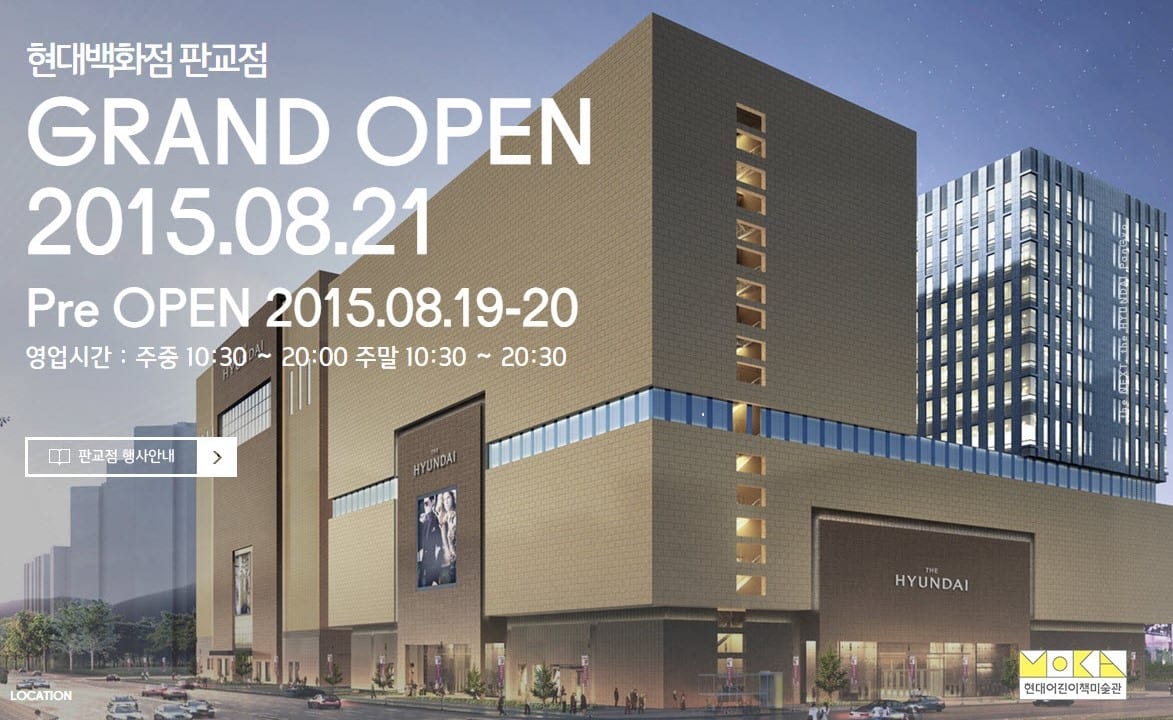
    For the first time since opening 31 years ago, Korean retail giant Hyundai Department Store is renewing its brand identity and simplifying its name to “The Hyundai”.

    Starting with its Apgujeong flagship store this month, the group is changing the exterior of its establishments featuring its new logo and corporate colours. Hyundai has 15 department stores, seven U-Plex stores and three outlets nationwide, all displaying a three-coloured-bar (mint green, black and yellow).

    As The Hyundai, the design changes to dark green and lilac hues with the aim of promoting a luxury image. As well as appearing on the façade of its department stores, the new logo will also be rolled out inside the store, and on shopping bags, membership cards and other collateral.
    The decision for the change is to augment its image as versatile supplier of lifestyle and shopping space and products, says marketing chief Chung Ji-young. The makeover was the idea of chairman Chung Ji-sun, grandson of the late Hyundai founder Chung Ju-yung.

  • Ensogo mobile marketplace takes wings

    Ensogo mobile marketplace takes wings

    Ten weeks after its launch, the mobile marketplace of Australia-listed Hong Kong-based eCommerce platform Ensogo has reported “exceptional” growth.

    Ensogo connects products for sale to more than 600 million consumers throughout Hong Kong, Indonesia, Malaysia, Singapore, The Philippines and Thailand.

    Ensogo app

    The company says its marketplace’s inventory has rocketed 3000 per cent, with the number of sellers swelling 600 per cent over the first two weeks of January, following a strong fourth-quarter.

    “The introduction of Ensogo’s mobile marketplace represents a game-changing shift for the business,” says co-founder and CEO Kris Marszalek. “Since its launch, we have seen an exponential increase in both new and active sellers, adding hundreds of thousands of products to our offering.

    “Exciting merchandise is a prerequisite to successful customer acquisition and retention, and Ensogo now offers consumers across the region a vastly expanded and truly exceptional range of products at competitive prices.”

    Powerful personalisation technology drives product discoverability while creating individualised shopping experiences on the marketplace, which with its rapid traction underscores the company’s transition away from its legacy services business. Along with changing trends and consumer behaviours in Southeast Asia, the company believes a streamlined offering is critical as the business moves into its next stage of growth. “The eCommerce opportunity in Southeast Asia is enormous, and has immense potential for further growth,” says Marszalek.

  • Private equity firm buys Ishii Sports

    Private equity firm buys Ishii Sports

    Japanese private equity firm Advantage Partners has acquired Tokyo-based sports equipment retailerIshii Sports for an undisclosed amount.

    In  a release, Advantage Partners says the acquisition will help support the revenue growth of Ishii Sports, founded in 1964.

    Ishii sells sports equipment online as well as through a chain of 32 retail stores in Japan. The products are designed for outdoor activities such as canoeing, mountaineering, skiing and snowboarding.

    Along with self-branded products it also sells big brands including The North Face and Nordica and offers related services such as equipment repair and training.
    Established in 1992, Advantage focuses on acquisitions, growth capital, privatisation and turnaround opportunities in China, Japan and South Korea. Its investment portfolio lists nearly 50 companies, including retail and distribution companies Actus Corp, Credge, FMI and Ray Cassin.

  • Japanese Food Firms have Growing Interest in Indonesia

    Japanese Food Firms have Growing Interest in Indonesia

    Japan, the third largest foreign investor country in Indonesia, is showing interest in expanding their businesses in the food sector after seeing progressive developments of the Japanese society in Indonesia.”I have received reports that several Japanese food companies are contemplating entering Indonesia after observing the spurt in the number of Japanese restaurants and grocery stores in the country. This means that they already have market segments to sell their products in Indonesia,” Franky Sibarani, the head of the Capital Investment Coordinating Board (BKPM), noted in a press statement in Jakarta Wednesday (March 9).

    There were 1,199 students enrolled in Japanese schools in Jakarta in 2014. The institution also recorded that at the national level, there were 16 thousand Japanese expatriates living in Indonesia of which 10 thousand were in Jakarta, according to data at the representative office of the Japan External Trade Organization (Jetro).”Data on Japanese expatriates in Jakarta is the main factor that has led to new investment interest in Indonesia,” he claimed.Companies from Japan were so far mostly doing business in the electronics, automotive, and components sectors, in addition to garment products, Saribua Siahaan, the BKPM representative for investment promotion (IIPC) stated in Tokyo.

    However, the target of food consumers in Indonesia is of course not only Japanese citizens but also local people as Indonesia has a population of about 250 million. Indonesian people also like Japanese food.Yet, most of the Indonesian population or about 85 to 90 percent, are Muslims who are restricted to only halal (edible based on the Islamic law) food.

    Therefore, a Japanese noodle firm in Hyogo Prefecture has expressed readiness to meet administrative requirements such as halal certification for its food products to be sold to Indonesian consumers.The Japanese company notified the representative office in Tokyo of the BKPM on its readiness to meet the halal certification for its noodle products. The food and beverage industry of Indonesia is regarded as a lucrative investment opportunity, according to the Japan International Cooperation Agency (JICA), as quoted by Indonesia Investment online media in June 2014.Therefore, a total of 20 Japanese food and beverage industries were interested in making foreign direct investments worth between US$400 million and US$1.0 billion.

    These twenty Japanese companies are not only interested in conducting business in Indonesia because of the countrys large population (approximately 250 million people) and rapidly expanding middle, but also because the supply of raw materials for the food production process is available in Indonesia. The companies are focused on Indonesias most populous island of Java because infrastructure is most developed here, thus resulting in relatively low logistics costs, JICAs research also indicated. Regarding the interest of the noodle company in Hyogo Perfecture, BKPM Head Franky Sibarani affirmed that the Hyogo Prefecture was included in the areas covered by the Indonesian Consulate General in Osaka. The prefecture often conducted promotional activities in cooperation with the Tokyo office of the BKPM.Franky lauded the interest shown by the Japanese noodle firm to invest in Indonesia.

    It was an interesting development as, so far, Japanese companies making investments in Indonesia were mostly doing business in the automotive and component industries, he remarked.”This indicates that the interest of Japanese companies to invest in Indonesia is increasingly varying,” the BKPM chief pointed out.The Japanese noodle firm’s intention to expand its business in Indonesia is an example of how Japan has begun to vary its investment in the country, according to BKPM representative Saribua Siahaan in Tokyo.”Other fields of business that have attracted Japanese investors include semiconductor production and electrical appliances. The IIPC is ready to help the Japanese investor who came from Hyogo Prefecture,” Saribua remarked.The Japanese investors have begun showing interest in investing in the food sector in Indonesia also after seeing the implementation of the ASEAN Economic Community (AEC).”The Japanese investors view this as an opportunity since over 40 percent of the ASEAN population resides in Indonesia,” Saribua noted.

    The BKPM has set a target to attract US$13 billion in investment commitments from Japan in 2016. The commitment target was expected to come from the number of principle licenses issued for Japan in Indonesia, Franky told a seminar on investing in Indonesias industrial sector.”Japanese investors have the character that needs the cooperation of all parties, both the central and regional governments. We hope the BKPM and the Indonesian Embassy in Tokyo would continue to increase cooperation to attract as many Japanese investors as possible,” Franky had said last December.Based on the BKPM data, the realization of Japanese investment in Indonesia in 2015 increased by six percent compared to that in 2014.The Japanese investment realization in 2015 stood at US$2.87 billion, with 2,030 projects absorbing 115,400 workers.The manufacturing sector, particularly the automotive, electronics, machinery, and chemical, in addition to the pharmacy sectors, constituted the main contributors to the Japanese investment in Indonesia.Japanese investment commitment in 2015 reached US$8.1 billion, up 95 percent from that in the previous year.

    Japan came third on the list of foreign countries having investment commitment in Indonesia.The countries topping the list of foreign investors above Japan were China, with US$22.2 billion, up 42 percent compared to the same period in the previous year, and Singapore, with investment increasing by 69 percent to US$16.3 billion.Following Japan was South Korea, which recorded an increased investment of 86 percent that reached US$4.8 billion.

  • Executive reshuffle for JLL China

    Executive reshuffle for JLL China

    JJL Greater China, an outpost of the US real-estate services company, is undergoing an executive reshuffle.

    Eddie Ng - JLL Shanghai and East China

    Eddie Ng has been appointed MD of Shanghai and East China for the group, succeeding Anthony Couse who moves on to become CEO of JLL Asia Pacific.

    Ng’s role as MD of Chengdu and West China will be split, with Xi’an MD Chiao Sheng taking on the West China office as well, and Chengdu retail head Shelly Xie taking over as MD of that office.

    All changes take effect on June 1.

    Shelly Xie - - JLL Shanghai and East China

    Ng joined JLL Hong Kong in 1996, moving to Chengdu in 2005 to set up the firm in the emerging West China region. It was the first corporate office in a Tier II city for JLL China.

    From managing a team of five people to running three corporate offices (Chengdu, Chongqing and Xi’an) with a total of 1200 staff today, Ng established JLL’s strategic presence in the region in less than a decade.

    JLL Greater China MD KK Fung says East China is one of the most important markets in China and the Asia Pacific for JLL.

    - JLL Shanghai and East China

    Ng says he plans to capitalise on the strong platform built by Couse over the past decade.
    Chiao Sheng joined JLL China in 2009, being responsible for its retail business in Chengdu and West China. In 2013, he was promoted as MD of the new Xi’an office and has developed it into the largest professional real-estate services firm in Xi’an. He has had 15 years’ real estate experience in China.

    Shelly Xie joined JLL in 2006 and became a key founding member of the firm’s Chengdu office. She led the strategic consulting and research teams in West China, and has been responsible for JLL’s retail business in Chengdu since 2013.

  • Germany’s Metro Group might start Myanmar ops in 2016

    Germany’s Metro Group might start Myanmar ops in 2016

    Singapore’s Sia Huat, Premium Distribution JV for food distribution

    Singapore based Sia Huat and Myanmar based distributor Premium Distribution Co Ltd are looking into connecting food services brands worldwide with restaurants and hotels in Myanmar.

    They have already invested $1 million in Myanmar.

    The two have joined hands to form S&P Foodservice Distribution Co Ltd that opened a showroom in Yangon to better communicated with Myanmar’s food and beverages, hospitality and travel industry.

    Products include tableware, kitchenware and hygiene units.

    “The food & beverage industry in Myanmar is booming. We expect a strong demand for products that improve operations, food safety and quality, said Miki Ow, general manager of S&P.

    S&P is poised to bring some of the world’s top brands including Cerabon, Safico, Giesser, Atlantic Chef to the market and to have access to over 300 professional kitchen equipment suppliers.

    S&P’s current customers in Myanmar include hotels such as Novotel, Sedona, Parkroyal and franchise brands like Harry’s Bar, Yakun and some restaurants.

    Germany’s Metro Group looks to venture Myanmar by end of 2016

    Germany’s Metro Group, a wholesale retail group is planning a foray into two markets – Myanmar and Iran – by the end of 2016.

    Metro Group with its brands, deals with wholesale trade mainly for food and consumer electronics. They are also one of the largest specialist online discounters in Germany.

    “Myanmar is benefiting from opening up politically and has a high growth potential,” said Olaf Koch, CEO of Metro Group. Iran became free for the sanctions, they are thinking to examine what opportunities Iran will offer.

    The company’s preparations for the extension of its cash and carry business are in progress. METRO Cash and Carry is in 25 countries across Europe and Asia with 750 stores. They deal with about 20,000 food items and 30,000 non-food items.

    “We’ll decide by the end of the year which way our journey is headed,” said Koch.