Author: Mei Ling Tan

  • Charming Charlie to expand Asian network

    Charming Charlie to expand Asian network

    US retailer Charming Charlie has opened its pink doors in the Philippines.

    And following this Asian debut, the US-based fashion retailer is now eyeing Malaysia, Indonesia, Korea and China for expansion.

    The company had first expanded in Canada and the UAE before opening a store in Bonifacio High Street in Manila last year.

    With big and small fashion retailers crowding the Philippine market, Charming Charlie set its pricing at 30 to 40 per cent below its major rivals. Its upscale store houses up to 8000 accessories from jewellery to sunglasses, arranged by color.

    Founded in 2004 by Charlie Chanaratsopon in Houston, the brand seeks to capture the millennial market.

    Charming Charlie is distributed in the Philippines by SSI Group, Inc. and  has over 350 global retail stores.

  • Emart teams with SM Entertainment

    Emart teams with SM Entertainment

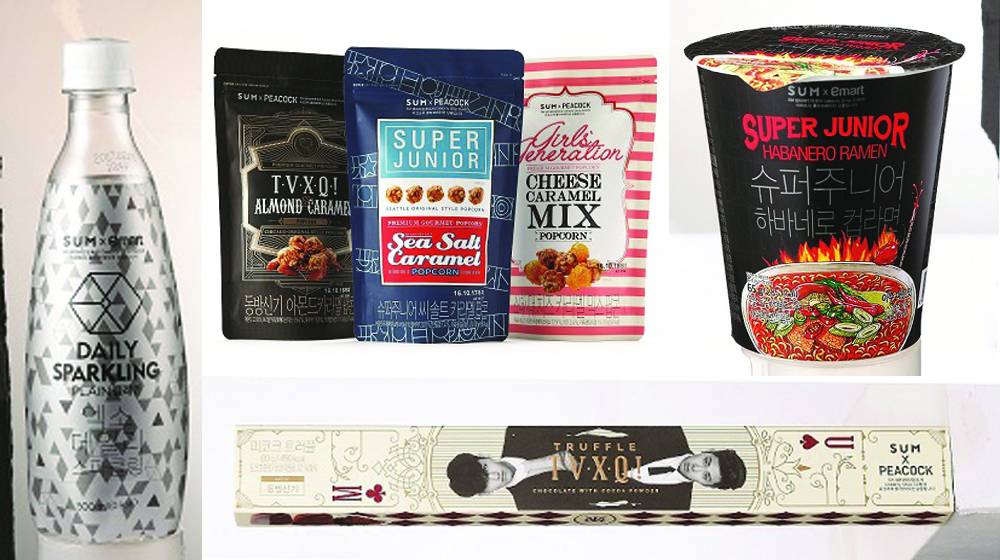
    South Korea’s Emart has launched private brand products created in collaboration with SM Entertainment.

    The products went on sale at Emart Mall and 140 Emart stores nationwide from Thursday (March 3).

    The new products include EXO Jajangmyeon (jajang-flavored instant noodles), Super Junior Habanero Ramen Noodles, TVXQ Truffle Rose Chocolates, Girl’s Generation Popcorn and Shinee Carbonated Water.

    In collaboration with SM Entertainment, Emart plans to increase the number of products on offer to 40 during the first half of the year.

    Emart rolled out a new initiative dubbed ‘Invention Project’ in August 2015, and launched two new private brands, Peacock and No Brand. After the collaboration with SM Entertainment, the two parties plan to look into further projects involving a wider range of products and even intangible merchandise based on SM Entertainment’s artists.

    Emart anticipates that the merchandise will attract not only domestic consumers in their teens and 20s, but also foreign tourists who visit Korea. Officials hope that the new products will be souvenirs to remember Korea, and that Emart will be established as a ‘must-visit’ shopping site when visiting Korea.

    The retailer is also in discussion with SM Entertainment with regards to bringing the new products to overseas markets.

    Marketing executives at Emart claim that they have created a series of completely new products through the collaboration of two very different but powerful platforms. They hope to continue to make innovative progress through their ‘Invention Project’ group.

  • Hyundai outlet takes a new tack

    Hyundai outlet takes a new tack

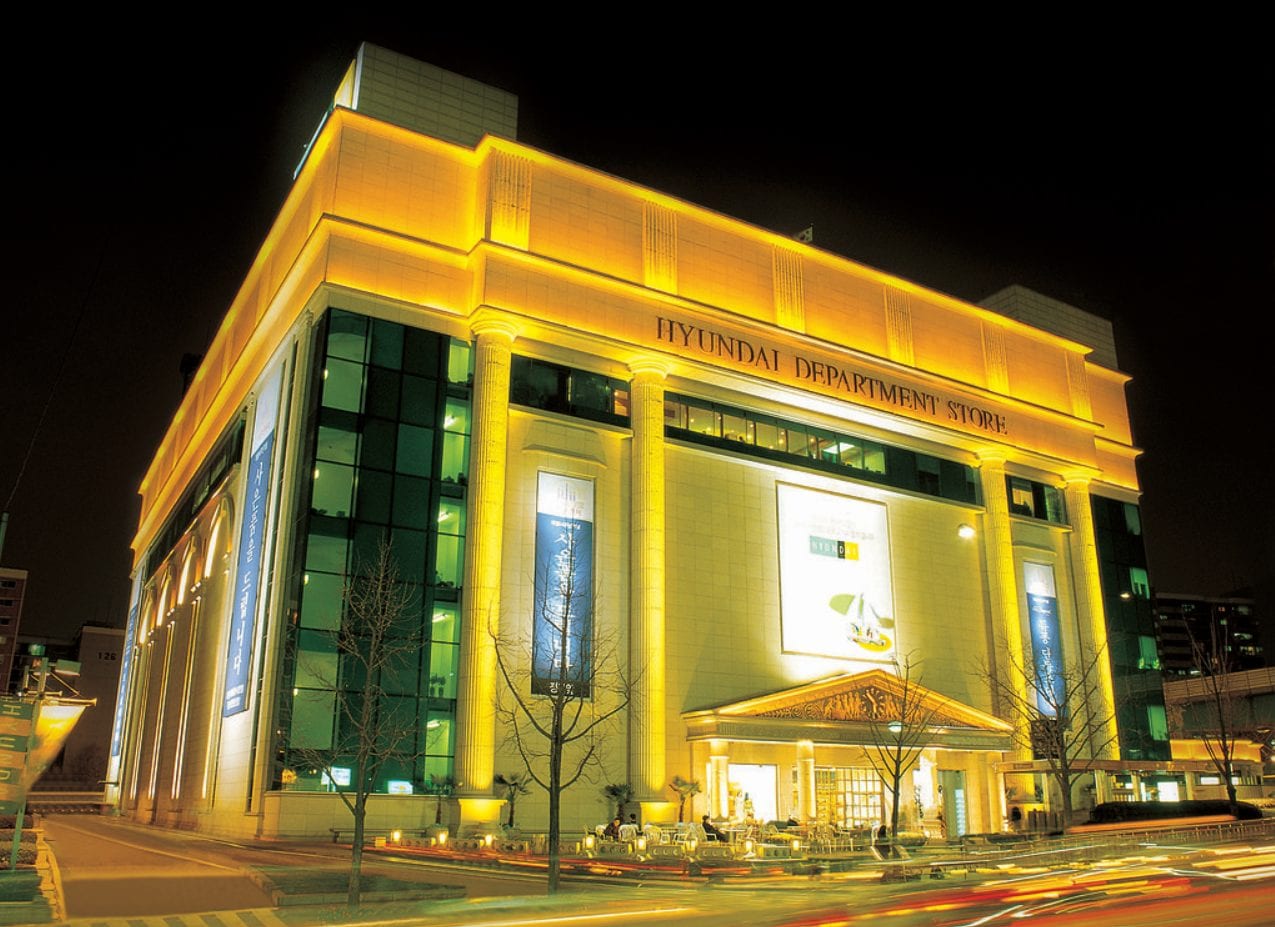
    Hyundai Department Store on Friday launched a premium outlet in Dongdaemun in central Seoul, home to many outlets such as Migliore, Lotte Fitin and Doota.

    With the new outlet, Hyundai is offering unique stores and services in hopes of the youke, or Chinese tourists, who flock to the area, as well as Koreans who are increasingly shopping online.
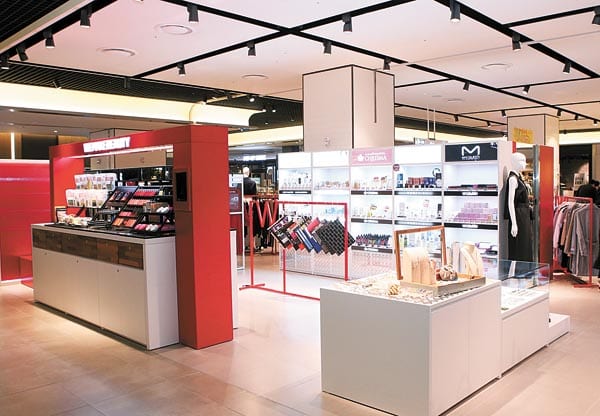
    The new outlet includes shops selling popular foods and beverages and a one-stop beauty section that allow customers to actually try out various products and to have fun while shopping.Hyundai Department Store Group said the new Hyundai City Outlet Dongdaemun occupies a nine-story, 37,663-square-meter (405,401-square-foot) building located in the popular shopping district. Hyundai spent 20 billion won ($16.7 million) decorating the interior of the new outlet like a premium department store.

    Additionally, the company pulled out all the stops to attract as many youke as possible by including a shop specializing in banana-flavored milk shop and a store selling products from YG Entertainment, one of Korea’s big three entertainment companies and home to musicians like Big Bang and 2NE1.
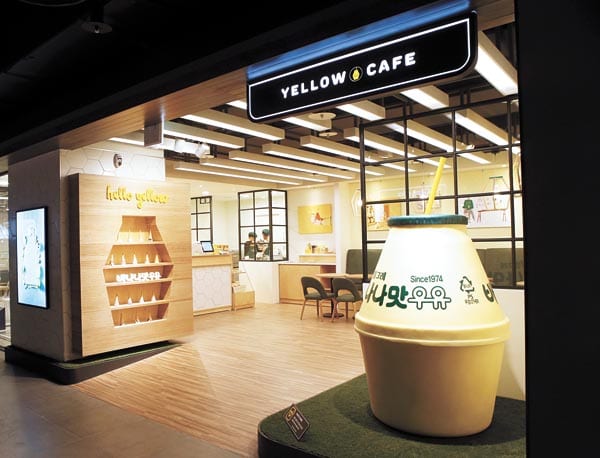
    The JoongAng Ilbo took a tour of the outlet the day before the official opening and found the banana-flavored milk flagship store located in the basement especially unique. The shop offers soft-serve ice cream, lattes and baked goods, all made using the iconic banana-flavored milk from Binggrae, which is very popular among Chinese tourists.

    “We have exported 15 billion won worth of our banana-flavored milk to China last year,” said a representative of Binggrae. “The store will be a tourist attraction for youke.” In fact, there were already many Chinese tourists lined up in front of the store on Thursday to take pictures with the oversized model of a banana milk bottle.

    Furthermore, Hatai Confectionary and Foods opened up shop right next to the banana milk store with a store called Haitairo. The store fries up potatoes in the shop to serve its famous Honey Butter Chips.

    Meanwhile, YG Zone will open on Tuesday for the K-pop fans. The 132-square-meter store will choose a different artist every month and sell special merchandise related to the artist. The store chose boy group Winner as this month’s artist, and will sell notebooks, t-shirts and limited-edition albums. The boy group was named Rookie of the Year at last year’s Golden Disc Awards.

    International sensation Big Bang will be the featured artist next month. “We plan to launch figures and special products for artists such as Psy, 2NE1 and more,” said at representative for Hyundai Department Store.

    Hyundai chose to hone in on youke in order to differentiate itself from other outlets. The new outlet has special help desks that offer tax refunds at shipping stores that allow customers to send purchased goods to China using UPS.

    Hyundai said it hopes to attract more than 4 million foreign tourists to the store every year.

    Moreover, Hyundai is targeting local customers interested in showrooming, or the practice of visiting a store to check out products before making purchases online.

    In particular, a store in the basement sells the same products that are available through the Hyundai Home Shopping TV channel as well as from social commerce company Wemakeprice.

    Through this store, Hyundai is trying to change the concept of outlets and give customers the chance to have hands-on experiences with products, in order to compete with the rapidly expanding online retail market in Korea.

    “The young generation does prefer shopping online,” said Kim Young-tae, CEO of Hyundai Department Store. “However, online shops cannot offer what outlets can, which is allowing family members to gather together and to enjoy shopping and eating.”

    The local outlet market size is expected to grow to 15 trillion won this year, but the competition is getting fiercer. There are more than 20 outlet stores, including those operated by Lotte, Hyundai and E-Land, in downtown Seoul alone.

    Hyundai City Outlet said its sales goal for this year is 200 billion won, or 13.3 million customers.
  • Vice president opens Ifex

    Vice president opens Ifex

    Vice President Jusuf Kalla inaugurated the Indonesia International Furniture Expo (Ifex) at the Jakarta International Expo Kemayoran on Friday.

    “I highly laud the efforts to increase the exports of furniture through such an international furniture expo,” Kalla noted in his opening remarks at the JIEXPO Kemayorans Semeru Room.

    The vice president noted that furniture and crafts are part of the production sectors that provide jobs and contribute significantly to foreign exchange earnings.

    “However, the production capacity of the furniture and craft sector should continue to be improved through good technology, design, and innovation,” Kalla affirmed.

    Further, he added that technology, design, and innovation will improve the competitiveness of the furniture and crafts industry in Indonesia.

    In the meantime, Industry Minister Saleh Husin has stated that the furniture design competition will be able to spur innovation to create more products having a competitive edge.

    While opening the International Furniture & Craft Fair Indonesia 2016 at the Jakarta Convention Center here on Thursday, the trade minister stated that the Ministry of Trade annually facilitated the national furniture design competition.

    Husin remarked that the winners of the competition were given an opportunity to visit furniture fairs abroad in order to broaden their horizons to the developments in global furniture designs.

    He affirmed that the furniture design competition also aimed to encourage innovation and creativity as well as motivate the people about the local culture to improve the competitiveness of the national furniture and craft sector.

    He emphasized that the government will continue to increase the number of furniture designers to develop national furniture design centers.

    The minister noted that the Trade Ministry will continue to promote and popularize local furniture at the national and international level by facilitating the furniture designers to regularly participate in the international furniture fair.

    The International Furniture & Craft Fair Indonesia 2016 is being organized by the Indonesian Craft and Furniture Association (Asmindo).

  • Indonesia Fashion Week Officially Opened

    Indonesia Fashion Week Officially Opened

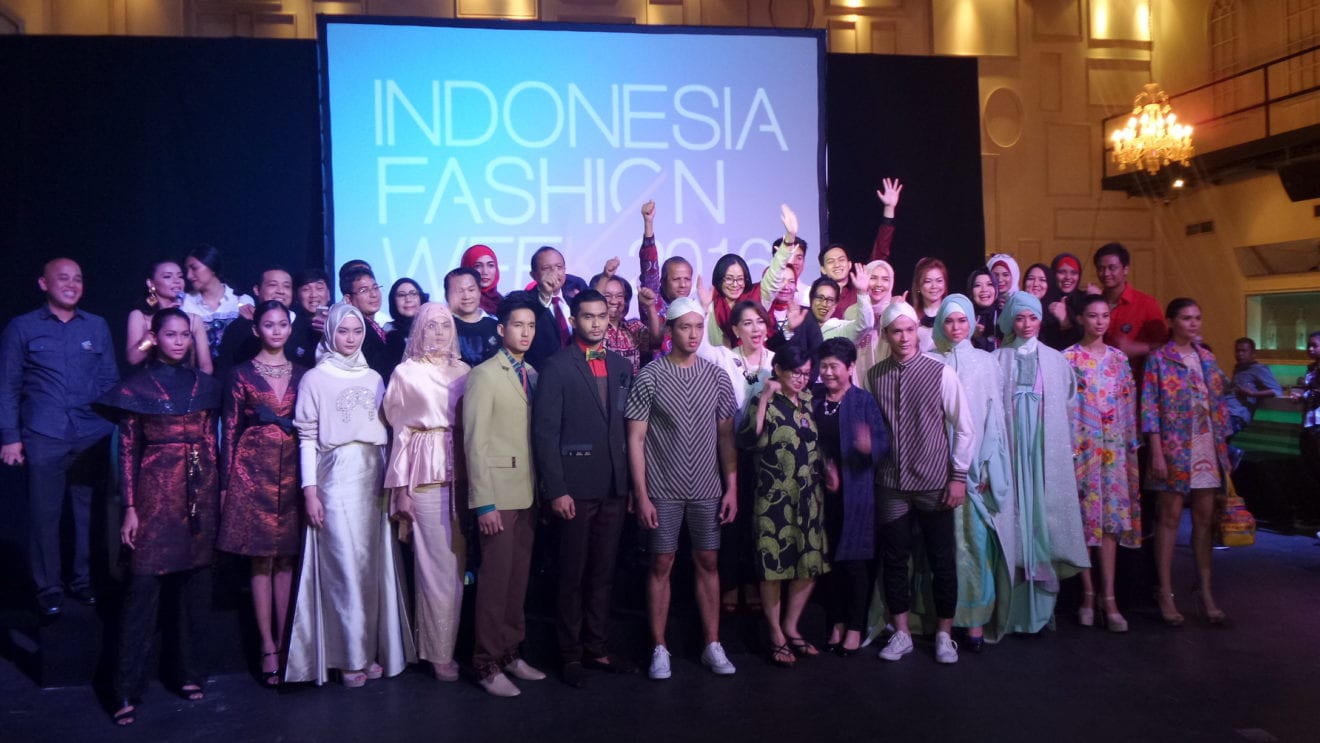
    Indonesia Fashion Week (IFW) 2016 with theme of “Reflection of Culture” is officially opened today, March 10, at the Jakarta Convention Center and will be held from until March 13, 2016.

    “IFW aims to accommodate Indonesian designer needs, both in central and regional,” IFW 2016 President Poppy Darsono said at the opening eventon Thursday, March 10.

    The event created by the Indonesian Fashion Designer Association (AAPMI) will present 32 fashion shows, exhibitions from 480 brands, talk show, workshop and design competition.

    Coordinating Minister of Human Development and Culture Puan Maharani, who represented Vice President Jusuf Kalla, said the fashion event gives opportunity for talented people in Indonesia to show their work.

    Minister of Cooperative and Small-Medium Enterprises (SMEs) Anak Agung Ngurah Puspayoga, who attended the event, hoped that Indonesian designer could meet domestic fashion needs, which is about 40 percent from the ASEAN market. “Don’t let foreign fashion enter Indonesia,” he said.

    Government has a business credit (KUR) program to help designers, including the ones who are starting up their business. The program with low interest is expected to make small businesses, including fashion, to keep growing. “We have prepared Rp120 trillion for KUR,” Puspayoga said.

    Industry Minister Saleh Husin said the ministry is also encourages the growth of fashion industry in the country.

    Saleh said fashion industry has contributed in export worth Rp181 trillion each year and absorbs 3.8 million people per year.

  • Haier Philippines to open concept shop in Cebu

    Haier Philippines to open concept shop in Cebu

    Haier Philippines has announced plans to open its first concept shop in Cebu next quarter.

    Randy Esguerra, Haier executive director for the Visayas and Mindanao regions, said the concept shop will be the only one in the country to date.

    haier-products-a6e1f6345f-new-haier-picture

    “We would like to say that this is the growth driver for the Visayas and Mindanao region. This is where the biggest chunk of our sales are being achieved,” Esguerra told the local press.

    Cebu accounted for 60 per cent of national sales in 2015, and the company’s most popular brand in the province is Haier Sanyo, he said.

    Haier president & CEO Nobuhito Hayashi said 2016 will be another great year for Haier as the company aims for 40 per cent sales growth this year.

    “With new product releases and an even stronger company dynamic, we can only expect good things this year,” he said.

    In 2015 Euromonitor named Haier as the world’s No. 1 home appliance brand for the seventh year in a row.

  • Contactless mobile payments growing

    Contactless mobile payments growing

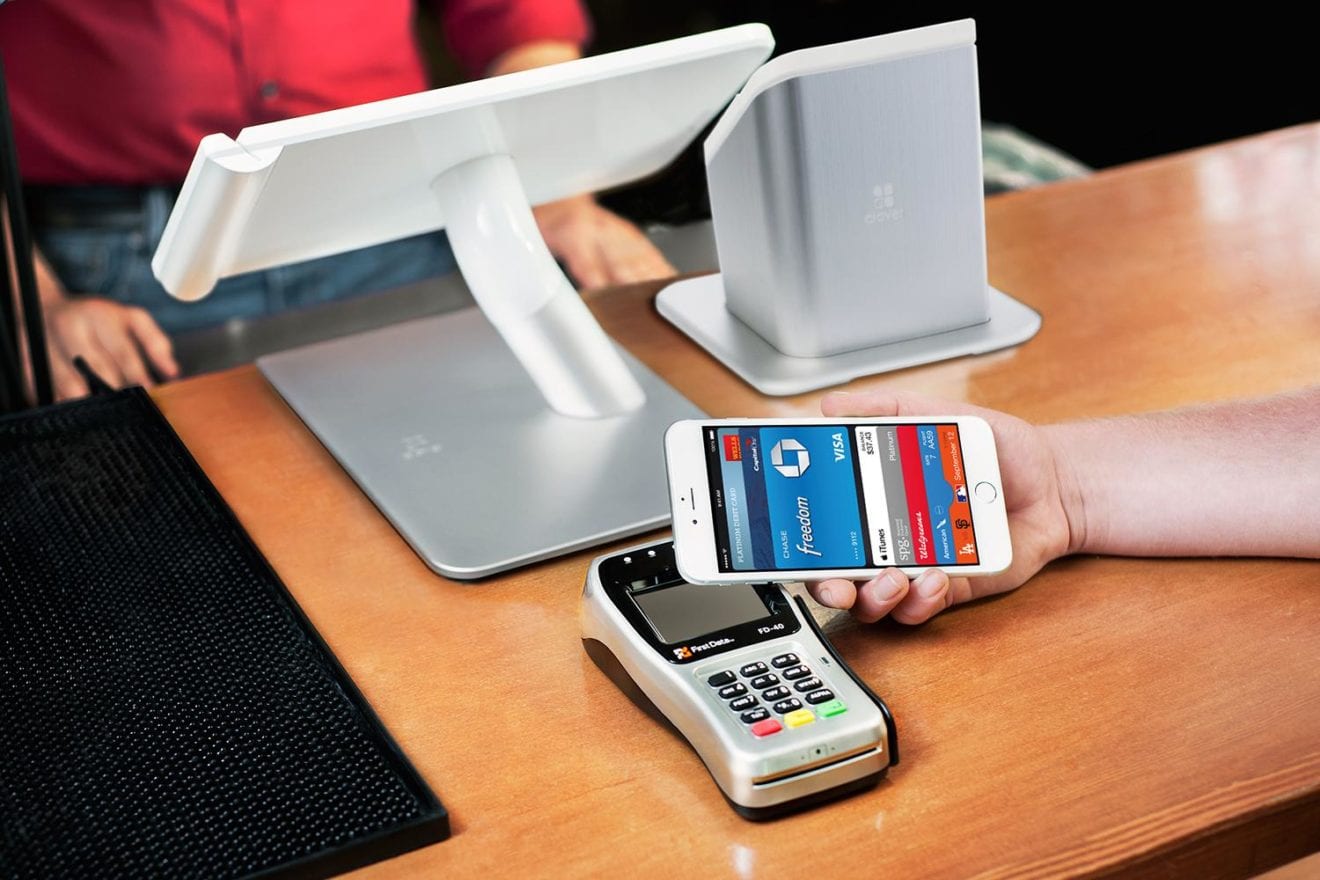
    The number of contactless payments made via mobile handsets will reach 148 million globally this year, according to a study conducted by Juniper Research.

    Samsung and Apple will account for approximately 70 per cent of new customers.

    The study showed consumers have been receptive to this payment method, predominantly because of their strategic placement. When Apple Pay was introduced in China, nearly 40 million payment cards were registered to the service in 24 hours in mid-February.

    Nearly one in five point-of-sale terminals in the US are now contactless-capable, with the report finding this will see smartphones be the number one driver of contactless payments in the US. The report also revealed banks and leading “over the top” players will deploy Host Card Emulation-based (HCE) models.

    “The combination of HCE and tokenisation is extremely attractive to banks. HCE means that they are not dependent on a mobile operator to enable the service; tokenisation reduces the burden on the issuer and allows them to use their existing infrastructure,” research co-author, Dr. Windsor Holden said.

    The study also found that NFC sticker-based solutions can be ‘risky,’ stating that in closed-loop solutions, ‘there’s a chance thieves could simply use all the money in the wallet at participating retail outlets.’

  • China’s DJI Opens New Flagship Store in South Korea on March 12

    China’s DJI Opens New Flagship Store in South Korea on March 12

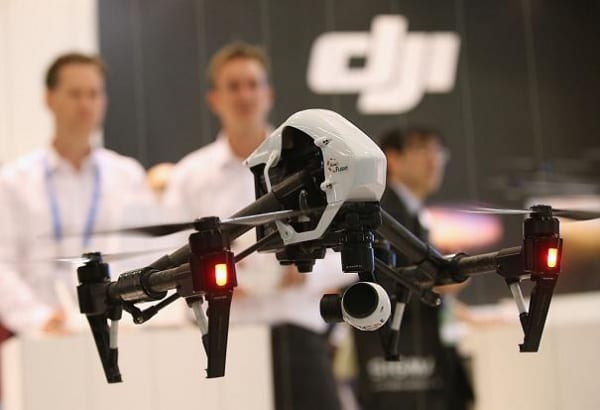
    DJI’s Inspire 1 drone can be fitted with the new Zenmuse XT thermal camera, making it see in the dark.(Photo : Sean Gallup/Getty Images)

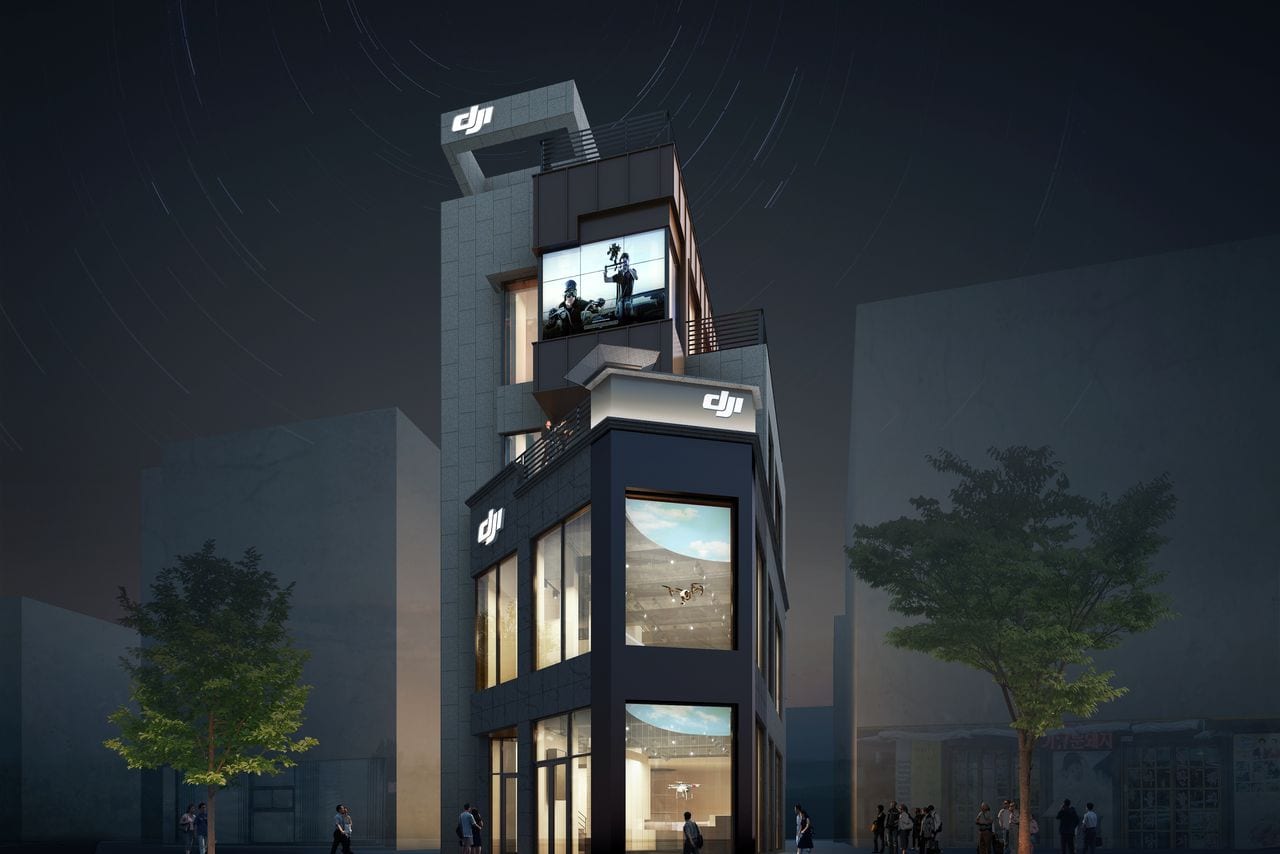
    Chinese aerial vehicle manufacturer DJI is preparing to open a new flagship retail store in western Seoul, South Korea on March 12 at 10 a.m. local time.

    The new five-story store is DJI’s first overseas flagship retail store covering 870 square meter of space. It has various showroom areas for showcasing the company’s consumer products including the Phantom series of quadcopters, the Inspire series, and the Spreading Wings series, among others.

    IFA 2015 Consumer Electronics And Appliances Trade Fair

    The store has an area where visitors can view videos and visual contents taken by the drones, as well as a customer experience zone where professional DJI pilots can perform demonstrations of the company’s products.

    Additionally, the store in Seoul will also provide teaching programs and hands-on sessions with drone experts where people can learn how to safely operate drone technologies, according to a report by Yonhap News.

    Manager of DJI Korea Moon Tae-hyun said, “With more and more people consuming video content on their mobile devices and the growing community of photographers and content creators, DJI sees Korea as a market with strong potential,”

    “We want to provide a truly unique experience for anyone who walks into our new store. Whether you are a professional looking for the latest aerial-imaging equipment, or curious and looking for your first drone, you will get to experience our technology up close and in person.” Tae-hyun added.

    The latest product by DJI is the Phantom 4 drone which costs $1,675 in the South Korean market. In the U.S., the new drone comes with a price tag of $1,399, available via DJI’s official website and exclusively on Apple’s online store.

    DJI, the world’s leader in drone technology, opened its first flagship store back in its homeland in the city of Shenzhen. DJI was founded by Frank Wang in 2006. The company currently has divisions in China, Japan, North America and Europe.

  • Impose levy on use of plastic bags

    Impose levy on use of plastic bags

    The special report on plastic waste stated that the National Environment Agency collected about 920 tonnes of plastic waste from our rivers and canals last year.

    This figure does not even include the plastic waste disposed at landfills, which should be much greater in quantity.

    We must take steps to reduce the use of plastic bags. Plastic bags can take more than 1,000 years to decompose and will remain toxic after they break down.

    One of most effective ways to reduce plastic waste is to ban the distribution of free plastic bags in supermarkets, convenience stores, pharmacies and department stores.

    A levy should be imposed on the distribution of plastic bags.

    In 2009, Hong Kong faced an imminent waste problem. It was estimated that more than eight billion plastic bags were disposed of at landfills every year. It then imposed a levy of 50 Hong Kong cents (10 Singapore cents) per plastic bag.

    This levy drastically reduced the number of plastic bags distributed.

    According to the Hong Kong Environmental Protection Department, before this levy was implemented, supermarkets, convenience stores, pharmacies and cosmetics stores in Hong Kong were distributing about 660 million plastic bags yearly.

    After one year, this number was drastically reduced to 150 million plastic bags.

    The levy has been so successful that the Hong Kong government last year implemented a total ban on the distribution of free plastic bags for all retail outlets.

    Nowadays, Hong Kong residents take along their own reusable bags with them when they go shopping.

    China, Taiwan and the Philippines implemented the levy for plastic bags even earlier. In Germany, very few people use plastic bags as paper bags are more environmentally friendly.

    Likewise, in Singapore, we should discourage the indiscriminate use of plastic bags by imposing a plastic bag levy.

    Initially, it may cause inconvenience but it is a small price to pay to save our precious environment.

  • Bacardi GTR appoints Golikeri as regional director Asia Pacific

    Bacardi GTR appoints Golikeri as regional director Asia Pacific

    Bacardi Global Travel Retail (BGTR) has announced the appointment of Vinay Golikeri as regional director Asia/Pacific. Golikeri will be based in Hong Kong and report to BGTR managing director Mike Birch.

    Part of BGTR since 2011, as marketing director, he led the company’s strategic drive to premiumise its portfolio and brought to market several innovations. The company said his experience in understanding the dynamics of the region’s emerging consumer demographics would be highly valuable in the company’s further collaboration with retailers to leverage the opportunity with shoppers at the second stage of luxury.

    Golikeri replaces Irving Holmes Wong who moves to a new role as Bacardi Greater China (domestic) managing director. Wong will lead the opportunity for Bacardi brands from his new base in Shanghai.  He will continue to work closely with Golikeri on synergies with the global travel-retail business in his region.

    Replacing Golikeri as customer marketing director, Global Travel Retail is Leila Stansfield. She joined BGTR as finance director in 2014, before which she was director, corporate strategy since joining Bacardi in 2010. Stansfield brings considerable shopper marketing experience from her earlier career as a retail and consumer specialist in the strategy consultancy arm of Price Waterhouse Coopers.

    Birch commented: “Bacardi prides itself on developing its internal talent pool and I am especially pleased to have the expertise of Vinay and Leila in their new roles. Global travel-retail is a strategic shop window for the Bacardi group with strong support from our CEO Mike Dolan and I am delighted that we have his personal support and continued investments in helping us deliver our ambitions in the sector.”

  • Online boom not deterring global retailers

    Online boom not deterring global retailers

    Global retailers are undeterred from expanding their bricks and mortar stores this year despite growing online sales, says a new report.

    In the seventh edition of How Active Are Retailers Globally?, real estate service company CBRE also says China remains the top target market of global retailers in Asia-Pacific. Its study covered more than 150 major international brands based in the Americas, Asia Pacific and EMEA.

    While European countries dominate the target destinations this year, China is the top target market in Asia-Pacific and the fourth most popular globally, with 27 per cent of retailers looking to expand there. This is followed by Hong Kong in sixth position (24 per cent), Japan seventh (22 per cent) and Singapore ninth (21 per cent).

    Globally, the top three were Germany (35 per cent), France (33 per cent) and the UK (29 per cent).
    China and Hong Kong maintained fourth and sixth place respectively, while Japan (seventh), Singapore (ninth) and Australia (11th) all rose higher in the rankings, up from 13th, 18th and 15th respectively.
    Most Asia-Pacific markets saw increased interest for this year compared with last, except for China and South Korea, which softened somewhat, says the report. Meanwhile, interest in Southeast Asia surged, with Malaysia (10 per cent), Indonesia (9 per cent ), Thailand (8 per cent), Vietnam (8 per cent) and The Philippines (8 per cent) all receiving more than double the interest they saw last year, when those markets achieved only between 1 and 3 per cent.

    When questioned about the risk factors facing them in the coming year, brands indicated that real estate cost escalation (56 per cent) and unclear economic prospects (42 per cent) continue to be at the forefront of their minds.
    “We’re seeing more of a challenging economic environment, and concerns such as high  operating costs and a lack of quality space mean retailers are somewhat more wary this year,” says CBRE head of research for Asia Pacific Dr Henry Chin.

    “However, even as markets such as China and Hong Kong are seeing a slowdown, we see increasing numbers of opportunistic retailers looking to enter markets like Hong Kong, supported by strong underlying consumer demand. Japan and Australia remain attractive, while Southeast Asia showed strong growth because of opportunities for retailers around an expanding middle class and stronger economic growth.”

    He says there are still opportunities for retailers to grow their business in Asia, as the region has four of the top 10 most popular destinations worldwide.
    “The goal now for all brick-and-mortar retailers is to build an engaging offer that encourages people to stay longer and spend more,” says CBRE senior director and head of retailer representation Joel Stephen.
    Of the brands surveyed, 83 per cent suggest their physical store expansion plans for this year will not be affected by the growth of eCommerce, and only 22 per cent see online retailing as a threat to their business.

    At the same time, retailers are cautiously optimistic about physical expansion. Of those questioned, 17 per cent have large-scale ambitions, many of them looking to open more than 40 stores this year (up from 9 per cent last year). Most retailers (67 per cent) are considering up to 20 stores.
    “A physical store in key locations is still critical to the strength of a brand’s image,” says Stephen. “Stores still need to create an emotional affinity with shoppers, and customers still feel a need to go into stores, to touch a product and enjoy the feel-good factor associated with a particular brand experience.

    “The store is integral to the shopping journey and can be used in a number of different ways, such as to click and collect, research of the product or brand, or to test the product. It isn’t solely about the transactional side.”

    In a new trend, a fifth of brands, largely from the Americas and EMEA, intend to expand into travel hubs such as airports and train stations this year to gain access to high footfall in busy locations. However, for Asia-Pacific retailers, shopping malls are still the most-preferred destination by far (nearly 90 per cent).
    While globally the key concern for brands in lease negotiations is “lease length”, Asia-Pacific retailers are most concerned with turnover rent clauses as well as changing consumer behaviour (40 per cent), which is higher than the global average (31 per cent).

  • Leading Philippines retail developer teams up with Lazada

    Leading Philippines retail developer teams up with Lazada

    Leading Philippines retail, banking and property developer SM Investments Corp has entered into a partnership with e-commerce giant Lazada. Through this alliance, it hopes to leverage Lazada’s popularity in the Philippines (6th most popular website) to push sales of its merchandise online.

    According to Teresita Sy-Coson, vice chairwoman of SM Investments Corp, it will initially carry light-to-carry non-food items through Lazada’s online store, then eventually offer bulkier items such as furniture and appliances.

    This venture will drastically boost SM Investments Corp’s existing e-commerce presence. In Dec 2014, its retail arm, SM Store, launched an e-commerce platform, selling a gamut of goods from apparel, bags and shoes to luggage and gift vouchers. At the end of February, SM Investment Corp sought to consolidate all its retail businesses including Watsons and Toy Kingdom under the SM Store banner.

    According to a report, its combined retail stores number 1,374 and netted a revenue of US$1.14 billion in 2015.

    With this consolidation and partnership with Lazada, it will  both drastically expand its online repository of merchandise, as well as extend its online reach.

    E-commerce in Philippines has been picking up steam over the recent years. According to a Statista report , e-commerce will bring in US$1.26 billion in 2016 and is expected to hit US$2.69 billion in 2020. The number of e-commerce users is also projected to reach 46.1 million.

    Lazada will play no doubt a key role in boosting Philippines e-commerce growth – last year, it captured 20 per cent of all online sales in the country. This, in part, was due to the filipinos appetite for consumer electronics, which bagged a whopping US$581.5 million of online sales in 2015.

    Lazada’s climb to e-commerce dominance in the Philippines was not without setbacks. Late last year, it was accused of carrying fake products.

  • Samsonite to pay US$1.8 bn for Tumi

    Samsonite to pay US$1.8 bn for Tumi

    Luggage giant Samsonite is to pay US$1.8 billion for US-based Tumi, the luggage and travel accessories brand.

    In a joint statement, the two companies said they have entered into a definitive agreement whereby Samsonite will acquire Tumi for US$26.75 per share in an all cash transaction.

    “This is a transformational acquisition for Samsonite. It will meaningfully expand our presence in the highly attractive premium segment of the global business bags, travel luggage and accessories market,” said Ramesh Tainwala, Samsonite CEO.

    “Tumi is a perfect strategic fit for our business. The brand is beloved by millions of loyal customers for its high quality and durable premium business and luggage products. We are excited about the tremendous opportunities this combination provides us to further diversify our product and customer portfolios.

    “In particular, we will expand Tumi’s presence in Asia and Europe, while strengthening its business in North America, by leveraging our expertise in global distribution, sourcing, product design and technical innovation, especially in the area of lightweight hardside luggage.”

    Tumi CEO Jerome Griffith described the announcement as “an exciting day for Tumi and all the travellers around the world who count on us”.

    “The team at Samsonite has a long and successful track record when it comes to acquisitions and we know they will be excellent stewards of the Tumi brand. Samsonite will bring Tumi to new and growing markets, while still maintaining the high quality Tumi is known for.

    “This is a compelling transaction that delivers substantial and immediate cash value to our shareholders. Further, we are excited for our employees to benefit from opportunities presented by being part of a larger and more diversified global company. Samsonite has successfully grown many unique brands and we look forward to the next chapter in Tumi’s great history as part of the Samsonite family.”

    The two companies believe Tumi is an “ideal and complementary fit” with Samsonite.

    “With approximately 2000 points of distribution across 75 countries, Tumi’s leading market position in the premium business and luggage segment is a perfect complement to Samsonite’s strong and diverse portfolio of brands and products, with limited overlap in market positioning, price point and distribution. The addition of Tumi builds on Samsonite’s proven track record of successful acquisitions across multiple product categories and price points to broaden its portfolio,” the companies’ statement said.

    “It enables Samsonite to strategically expand into the highly attractive premium segment of the global business bags, travel luggage and accessories market with a business and travel brand that is recognised worldwide as being “best-in-class” in the premium segment.”

    Tumi was founded in 1975. Its products range from iconic ‘black ballistic business cases’ and travel luggage targeting business travellers, to  travel accessories, women’s bags and outdoor apparel.

    In the year to December 31, Tumi’s net sales were US$548 million, representing a year on year increase of 4 per cent.

    Post takeover, Samsonite will continue to be listed on the Hong Kong Stock Exchange.

  • Big discounts and store closures expected as luxury brand Tonino Lamborghini exits Hong Kong

    Big discounts and store closures expected as luxury brand Tonino Lamborghini exits Hong Kong

    Luxury brand Tonino Lamborghini, which carries apparel, accessories and leather goods, will exit Hong Kong amid poor sales performance of the city’s luxury market, with more than 10 independent shops and in-store counters shutting down soon.

    A shop assistant at its Tsim Sha Tsui store, who has worked for the company for more than 10 years, told the Post that she and other staff members would soon have to find new jobs.

    “We were told all the stores in Hong Kong would be closed, but the company didn’t say exactly when,” she added.

    This comes as another blow to Hong Kong’s battered luxury goods market, after American brand Coach closed its four-storey flagship store in Central and British fashion house Burberry reduced the size of its Pacific Place store, its largest in the city, by 50 per cent.

    Tonino Lamborghini, an Italian brand, was started in 1981 by the son of sports car maker and industrialist Ferruccio Lamborghini, though the two companies remain separate.

    The brand has retail stores in Hong Kong and Macau which sell a variety of luxury products including apparel, bags, shoes and watches.

    Discounts of as much as 70 per cent were offered to the customers in the retailer’s last battle to empty its warehouses in the city. In one of its shops in Jordan, signs which said “Exit Hong Kong” and “Closing Down Sales” had appeared in the store window.

    According to Tonino Lamborghini’s official website, it has 18 shops and in-store counters all over Hong Kong, with many of them located in tourist districts such as Mong Kok and Tsim Sha Tsui.

    Since last year, the luxury retailer has been quietly closing down some of its stores and in-store counters, said the long-time staff member. She added that only a few stores remain open currently.

    Rebecca Tse So-han, general manager of marketing at Yata department store, where the brand had occupied a counter for more than 10 years, said the counter closed in January after its lease expired.

    “Their sales performance was not particularly good … but it was not too bad either,” she said, adding that the retailer had chosen not to renew the lease, not the other way around.

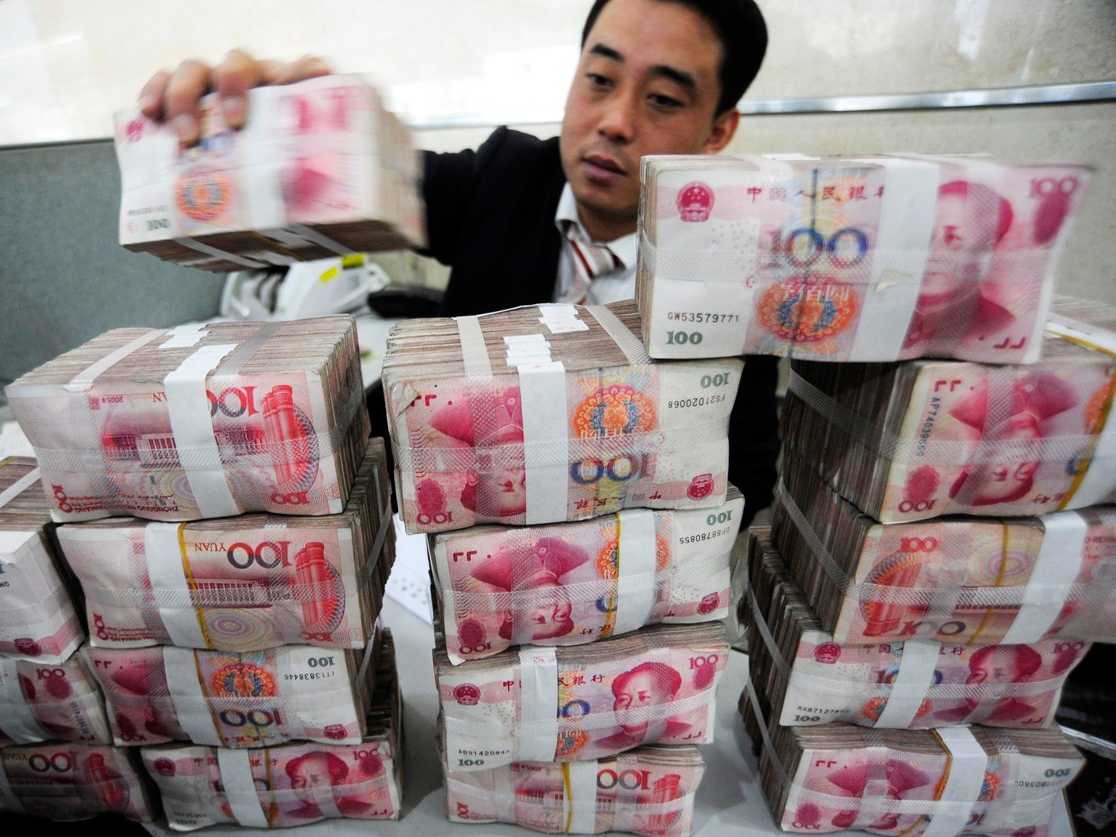
  • China’s February New Credit Plunged From Prior Month Record

    China’s February New Credit Plunged From Prior Month Record

    China’s broadest measure of new credit dropped sharply after a record surge a month earlier.

    Aggregate financing was at 780.2 billion yuan ($120 billion) in February, according to a report from the People’s Bank of China on Friday, compared with the median forecast of 1.84 trillion yuan in a Bloomberg survey. New yuan loans were 726.6 billion yuan, compared to the estimate of 1.2 trillion yuan.

    China’s money supply increased 13.3 percent from a year earlier, the PBOC said, less than the 14 percent gain in the prior month and below the 13.7 percent economists projected. The numbers may reflect some distortions arising from the week-long lunar new year holiday in early February.

    “February is a short month due to Chinese New Year, so that there were fewer working days for banks and other financial institutions,” Iris Pang, senior economist for greater China at Natixis SA in Hong Kong, wrote in a report. “Banks usually book most of the loans for the year in January, and fewer loans are booked in February and March.”

    The central bank cut the proportion of deposits the nation’s biggest lenders need to lock away effective March 1 in an effort to keep credit flowing to the real economy. China increased its full-year M2 money-supply target, signaling that supporting economic growth has taken over as the top priority over reducing financial risks.

    In January, aggregate financing soared to a record 3.42 trillion yuan, while new yuan loans also hit an unprecedented level of 2.51 trillion yuan. The strong figures were helped by banks front loading their 2016 lending targets, strong corporate bond issuance, and companies switching foreign currency loans into yuan ones.

    “China’s credit data show some extreme swings in the past two months which are the result of seasonal factors,” said Mark Williams, chief Asia economist for Capital Economics Ltd. in London, who previously worked on China issues at the U.K. Treasury. “Despite the relative weakness in February, the underlying picture is of lending picking up.”

    The lending drop was “a dramatic slump but it is very likely due to seasonal factors, with banks and many businesses closed for an extended period” for the holiday, he said.

    Friday’s data along with the industrial production data due for release Saturday will be key to determining the immediate policy outlook, according to Tom Orlik and Fielding Chen, economists at Bloomberg Intelligence. The government releases the latest industrial output, retail sales and fixed-asset investment data Saturday at 1:30 p.m. Beijing time.

    “The Lunar New Year holiday and payback for January’s record credit surge meant a downside surprise was always a possibility,” Orlik and Chen wrote in a note Friday. “Looking at the data for the first two months of the year together, loan growth remains on a rapid upward trend, and the government is targeting a faster credit expansion for 2016 as a whole.”

    Industrial production and fixed-asset investment are forecast to show a continued slowdown, while retail sales probably showed improvement with a 10.9 percent gain from a year earlier, according to a Bloomberg survey of economists.

    Also on Saturday People’s Bank of China Governor Zhou Xiaochuan and his top deputies hold a press conference, the chairman of state-owned asset regulator and owner SASAC will speak, and the leaders of the three main financial regulators will give a briefing.