Author: Mei Ling Tan

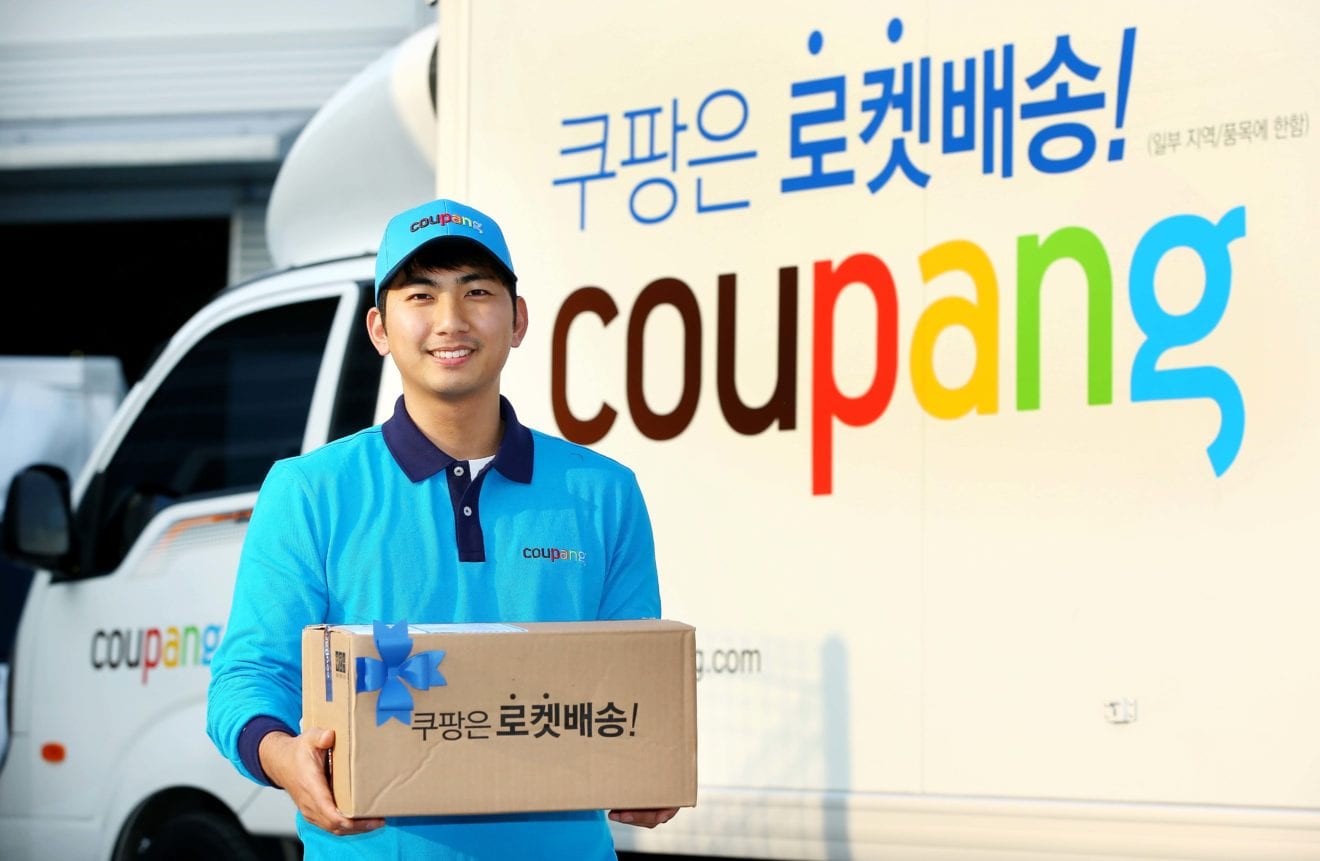
  • Coupang losses mount

    Coupang losses mount

    Coupang, the leading South Korean eCommerce operator, is expected to reveal mounting operating losses for 2015 as big investments in logistics capacity weighed on the financials of the startup company, industry sources said Thursday.

    Coupang is expected to log over 400 billion won (US$326.9 million) in  losses when it files its 2015 audit report in mid-April due to rising costs in building new logistics centres and hiring new staff, they say.

    The online retailer’s sales were estimated to have jumped more than four-fold last year from 348.5 billion won in 2014 after its same-day delivery service helped attract more customers in online marketplaces.

    While market watchers questioned the sustainability of its business model, Coupang said the deficit is an inevitable result of aggressive investment to get ahead in the highly competitive market.

    “The operating deficit was already being expected because we are making big investments to establish a nationwide logistics network and hire more staff,” a spokesperson said.

    “The investment is aimed at the long-term goal of making a strong foothold in the market. It is expected to take some time to make a turnaround as several projects are currently underway.”

    In November, Coupang said it will invest 1.5 trillion won in expanding logistics capacity by 2017 to step up its same-day delivery service, just months after it won a US$1 billion investment from Japanese telecommunications giant  Corp. Coupang launched an ultra-fast delivery service called “Rocket Delivery” in March 2014 by establishing its own logistics system and employing couriers, joining the global wave of delivery wars led by online retail behemoth Amazon.

    Coupang said it will hire 4000 more staff in the delivery and logistics sector by next year, in addition to 3500 full-time delivery staff, and have 21 logistics centres across the nation. In addition to the same-day delivery competition, Coupang has recently launched a cut-throat price war, advertising that its diapers and powdered milk are the cheapest in South Korea.

    As a result of aggressive marketing, Coupang’s market share in the local online market has steadily risen from 2.3 per cent in 2013 to 5.6 per cent in 2015. Mobile devices also accounted for 9.8 per cent of its transactions last year, according to industry data.

  • McDonald’s Thailand plans to double burger outlets

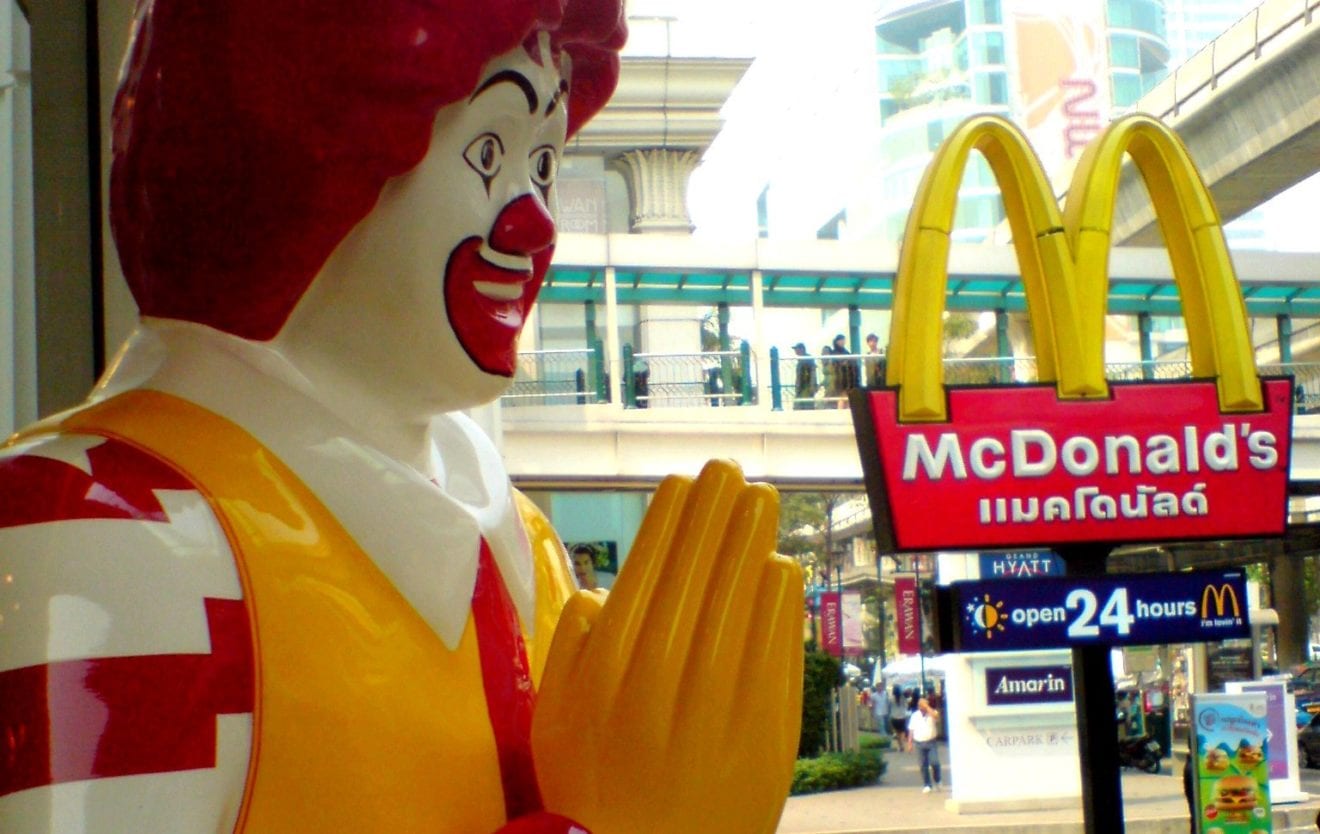
    McDonald’s Thailand plans to double burger outlets

    More McDonald’s Thailand restaurants are in the pipeline under a plan by national franchise-holder McThai aimed at almost doubling sales by 2020.

    At least 5 billion baht (US$140.8 million) will be spent to nearly double the number of outlets over the next five years.

    CEO Hester Chew has told the Bangkok Post that about 1 billion baht will be spent each year opening stores and upgrading with a target of 400 stores by 2020. The store count at the end of last year was 223.

    This year’s budget includes about 900 million baht pegged for 25 new stores, half of which will be drive-through outlets. This is creating jobs for about 1000 people.

    Already this year four new outlets have started trading in Bangkok and in the north of Thailand.
    Chew says the aim is to grow sales at a double-digit rate this year, as the group had single-digit sales growth last year in the face of lower consumer spending, higher costs and increased competition with more local and international food brands being established.

    “We will continue to invest, no matter whether consumer spending power is good or not, particularly on people training and product quality, which are the two areas where we never compromise,” says Chew, who believes the Thai economy will improve this year with a stimulus economic package from the government.

    McDonald’s has been in the Thai market for 30 years. The food giant has more than 35,000 restaurants serving 70 million people in more than 100 countries each day.

  • Seiko Australia opens Sydney boutique

    Seiko Australia opens Sydney boutique

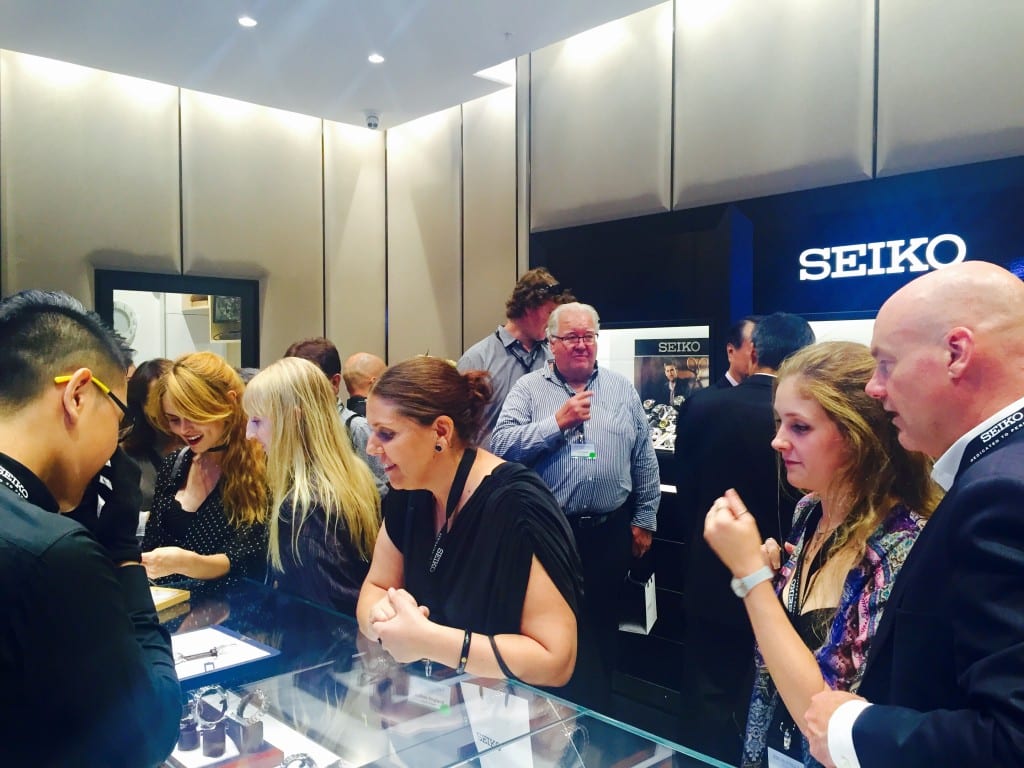
    Australia has its first boutique store for Seiko watches, just opened on the lower ground floor of the iconic Queen Victoria Building in Sydney.

    It has been opened by Seiko Australia, a subsidiary of Japan’s Seiko Watch Corporation, which sent its COO Hirohiko Umemoto to host a celebration at the Swissotel Sydney.
    Following Frankfurt, Moscow and Tokyo, the boutique is one of several Seiko is opening in leading cities, with more to follow this year.

    Seiko Botique launch

    Seiko says its aim is to let visitors “explore the world of the watch company through its history, its craftsmanship and its timepieces”. The boutique showcases such collections as Astron, Credor and Grand Seiko, and features several watches not previously available in Australia.

    Seiko's Botique launch


    A resident Seiko watchmaker will help customers with technical information.
    A Sydney landmark for more than a century, the Queen Victoria Building was originally a market and since 1986 has been home for a collection of luxury retail stores.

    Seiko Watch Corporation, a wholly owned subsidiary of Seiko Holdings Corporation, established in 1881, develops, designs and produces its luxury watches and all their components using traditional craftsmanship and advanced technologies. Its network covers more than 150 countries.

  • The Body Shop Sri Lanka marks brand debut

    The Body Shop Sri Lanka marks brand debut

    The Body Shop has entered Sri Lanka, with conglomerate Softlogic Group signing up for the franchise.

    Founded by Dame Anita Roddick 40 years ago, The Body Shop introduced fair trade to the cosmetics and toiletries industry in 1987, and was the first cosmetics brand to be recognised under the Humane Cosmetics standard for its stand against animals being used for product testing. It has more than 3000 stores in 60 countries.

    Body Shop Sri Lanka 1

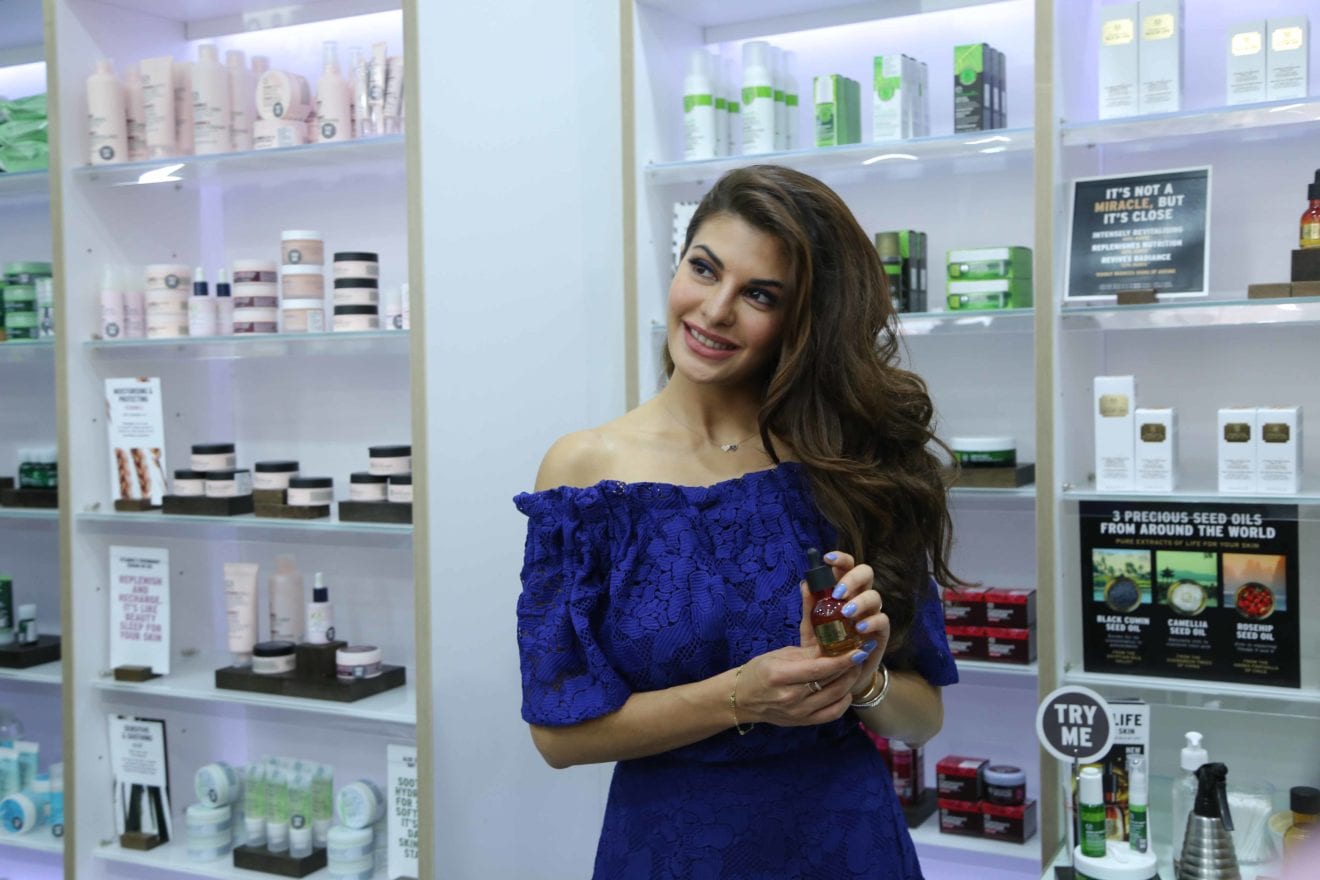
    While it has yet to open its first store, Body Shop Sri lanka already has a brand ambassador – Miss Sri Lanka 2006, Jacqueline Fernandez. At a launch event, she spoke about using The Body Shop products since she was a teenager.

    Body-shop

    Also at the launch, CEO Ashok Pathirage said the group had found a “kindred spirit”.

    “Thanks to the synergy of our values, vision and culture, we will have the opportunity to greatly accelerate the business in Sri Lanka.”

  • Kung Fu in Hublot store in Beijing

    Kung Fu in Hublot store in Beijing

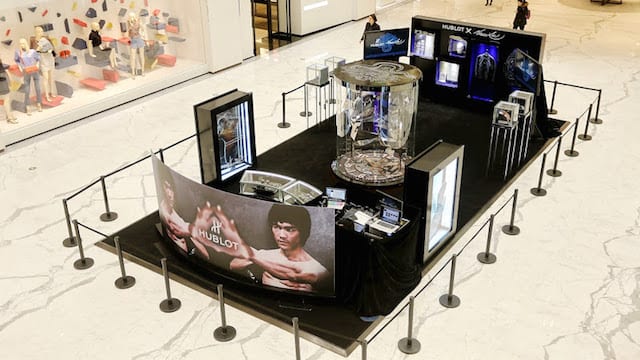
    In a collaboration with the Bruce Lee Foundation, a special tribute exhibition for the Kung Fu superstar marks the launch of the Swiss watch brand Hublot’s store at the high-end Shin Kong Place (SKP) shopping centre in Beijing.

    Hublot new store Beijing at Shin Kong Place SKP 3

    On display until March 6, the Be Water, My Friend – Legend of Bruce Lee Memorial Exhibition features precious items the actor owned himself, as well as limited-edition Hublot timepieces.

    Lee’s daughter, foundation founder Shannon Lee, cut the ribbon of the new store along with Hublot Greater China GM Loic Biver.

    Hublot new store Beijing at Shin Kong Place SKP 4

    Hublot participated in the design of the Bruce Lee exhibition. “As an icon of the 20th century and the most iconic Kung Fu star in history, Bruce Lee embodies the real ‘art of fusion’ of East-West culture,” says Biver.

    Hublot also worked with the foundation on the Bruce Lee 75th Anniversary Memorial Exhibition in Hong Kong, and this time released a second limited-edition timepiece as a tribute to Lee.

    Hublot new store Beijing at Shin Kong Place SKP


    The actor’s personal items on display include a Tang-style Kung Fu jacket, a genuine copy of the Way of the Dragon script, a replica of the life mask of Kato in The Green Hornet, and the business card for the Bruce Lee Martial Arts Studio he founded.

    Exhibition guests can also experience the Bruce Lee Mirror, a cylindrical glass photo frame featuring Lee’s classic Kung Fu postures. Made of glass fragments, it uses 3D special effects integrating the Hublot Unico In-House chronograph movement.

    Hublot new store Beijing at Shin Kong Place SKP 2


    Inspired by the dragon pattern on Bruce Lee’s desk, Hublot has designed a limited-edition (100 pieces) watch, Spirit of Big Bang Bruce Lee Be Water. It features a tonneau case in all-black microblasted ceramic and is fitted with the HUB4700 skeletonised automatic winding movement. Echoing Lee’s philosophy of water, the strap is made of blue alligator leather sewn on natural rubber.

    Hublot new store Beijing at Shin Kong Place SKP 1

    The Hublot SKP Beijing boutique follows the brand-specific black, featuring dark grey carpet and black leather furniture combined with glass and metal counters. Subtle scientific and technological elements in the window display tell the story of the brand, connecting its past with the future with projections on a book. Big Bang, Classic Fusion, King Power are among the pieces and novelties on display.

  • Two-pronged approach for Giordano Vietnam

    Two-pronged approach for Giordano Vietnam

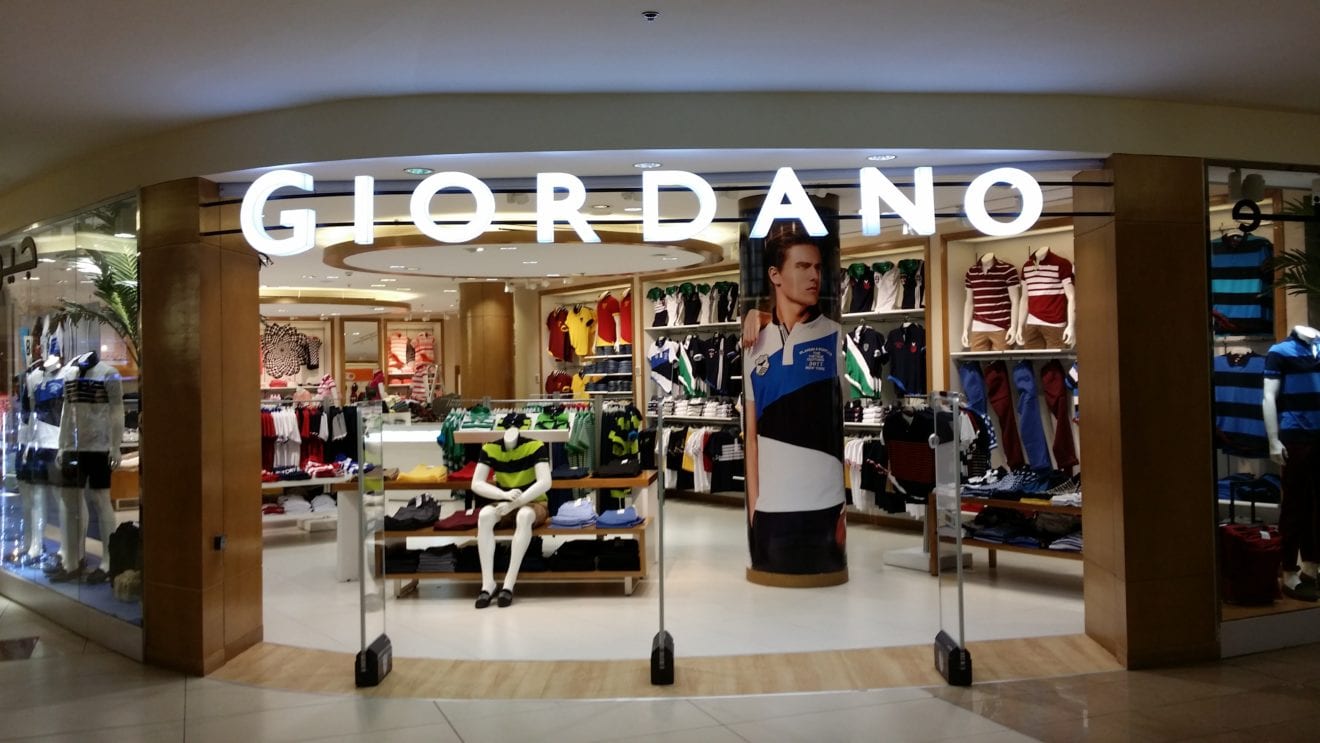
    Vietnam is on the radar for Hong Kong clothing retailer Giordano International, both as a market and supplier.

    With its steady growth in the emerging market, the company is planning to establish a legal entity Giordano Vietnam.

    It is also eyeing the country as a source market for product, while it continues to develop sourcing opportunities in Bangladesh.

    While Giordano still sees opportunities for growth in developing markets such as Indonesia, Malaysia and Thailand, the company says in its annual review that those opportunities are fading.

    Meanwhile, the group has plans to launch digital sales channels outside mainland China this year, initially through the development of its own eShops.

    “Market conditions in Southeast Asia have been challenging in the past two years,” says the group, which improved its merchandising, and therefore profitability, in Singapore last year – “but this will be a tough market going forward”.

    In the 2015 financial year, consolidated sales eased by 3 per cent – but increased by 1 per cent on a constant currency basis. Global brand sales were down 1 per cent for the year, but comparable same-store sales grew by 3 per cent.

    As a strong Chinese New Year offset the impact of 81 store closures, brand sales in the first half of the year grew by 1 per cent. But in the second there was a 3 per cent drop because of unseasonably warm weather in Greater China.
    Gross profit margin declined by 0.4 percentage points to 57.6 per cent, with higher purchasing costs caused by a strong US dollar eroding margins in Southeast Asia and Taiwan.
    “Weak consumer demand in many markets has led to fierce competitive pressure on selling
    prices,” says the group.

    Nevertheless, in the second half of the year, improved purchasing and merchandising resulted in gross margin improving from 57.4 to 57.9 per cent.

  • Tmall driving more than sales for top beauty brands

    Tmall driving more than sales for top beauty brands

    Scores of high-end cosmetics companies are setting up shop on Alibaba Group’s Tmall.com online marketplace as eCommerce continues to gain ground as a critical marketing and sales channel for reaching China’s increasingly sophisticated consumers.

    At the recent Tmall Beauty Awards ceremony in Shanghai, which celebrated the top cosmetics brands operating on the eCommerce platform, Alibaba announced that 29 well-known Western brands and 37 from Japan and Korea had storefronts on Tmall at the end of 2015, including more than 10 joining the platform last year alone such as Lancôme, Bobbi Brown, La Mer, Anessa and Avene. Another 20 cosmetics companies are planning to launch their own presence on Tmall this year.

    Alibaba also announced a cooperation agreement with Korean cosmetics maker AmorePacific Group to expand the latter’s Tmall presence. AmorePacific will add two more storefronts exclusively on Tmall for the Sulwhasoo and IOPE beauty brands in the following months. AmorePacific already operates the Laneige, Innisfree, Mamonde and Etude House e-shops on Tmall, and about 800,000 Chinese consumers have purchased goods from Laneige’s shop over the past three years, according to Alibaba. The brand also sold about 45,000 BB creams, or blemish balms, during Alibaba’s 11.11 Shopping Festival, bringing in US$1.4 million from that product alone.

    Alibaba has similar cooperation agreements with Procter & Gamble, Estée Lauder, L’Oréal and domestic retailer Shanghai Jahwa Corp.

    The eCommerce push by cosmetics companies comes amid strong growth in high-end cosmetics purchases by Chinese consumers. A report from Chinese research firm CBNData, released in conjunction with the awards, noted that total sales of cosmetics products in China climbed nearly 20 per cent to $74.1 billion last year from 2014. Citing independent researchers, CBNData’s report also said that online channels accounted for 36 per cent of that, or $27 billion, with Tmall controlling about a 70 per cent share of the B2C market. Alibaba Group is an investor in CBNData parent China Business Network.

    Tmall Cosmetics GM Mike Hu said total sales generated on all business-to-consumer retail websites in China currently account for 12 to 15 per cent of the entire cosmetics market, and he predicts those channels will grow by another 30 per cent to 50 per cent over the next two to three years.

    Hu stressed that Tmall offers more than just another sales channel to brands. It’s also a platform to promote new products, build a connection with customers and increase business both online and off. According to Hu, over 20 brands have introduced about 160 versions of products that were exclusive to Tmall shoppers, and the brands have launched more than 100 new products via the website in 2015.

    “Two or three years ago, eCommerce played as a sales channel since its significance grew and it helped enhance business,” said Gary Chu, online general manager at Estée Lauder China, said at the awards ceremony. “Now what we are thinking about is how to integrate brand property, content and products into our presence in Alibaba’s ecosystem to meet the needs and demands of the brand.”

    To that end, Estée Lauder has been engaging customers via its so-called Fans communities within the Tmall mobile app. One brand, Bobbi Brown, opened its Fans page last November and now has more than 640,000 followers. It offers make-up tips and sample trials, among other initiatives, to tackle customers’ most common inquiries in order to educate and interact with shoppers, while serving as a bridge to the Bobbi Brown storefront. In addition to the Fans page, the company also used Instagram-like photo sharing on Tmall to generate buzz about Bobbi Brown lipstick ahead of Chinese New Year earlier this month, and Estée Lauder regularly uses the Tmall mobile app to help launch new products.

    Alibaba Group CEO Daniel Zhang said Estée Lauder’s efforts are prime examples of ways brands can engage shoppers with content and convert interactions into business opportunities.

    “All the brands and merchants are the best content producers, and merchants should incorporate products into content that consumers are willing to read and eager to buy,” he said.

    Brands are also using their Tmall storefronts to boost their online-to-offline (O2O) business. So far 54 of them, including Estée Lauder, La Mer and Laneige, have integrated their online and offline membership programs and now allow users to make appointments for skin care treatments in brick-and-mortar stores online.

    Tmall will continue to promote O2O retail to “achieve the goal of same product, same service and same membership” online and offline, Hu said.

    Here are the winners from some of the biggest award categories from last Friday’s ceremony. The winners were chosen based on search popularity, interaction with shoppers, customer reviews, trial reports, sales and services among millions of customers and thousands of brands on Tmall in 2015.

    Most popular brands online: Laneige, Lancôme, Innisfree, Maybelline

    Hot search brands: Bobbi Brown, Avene, Sulwhasoo (which launched on March 1)

    Favorite brands among customers born in the 1990s:Sekkisei, The Face Shop, Hanhoo (Chinese domestic brand)

    Favorite brands among customers holding Alibaba Passport (shoppers spending more than RMB 100,000 ($15,270) annually on Alibaba’s platforms): Shiseido, Whoo, L’Oréal, Clarins, Innisfree

    Favorite brands among male shoppers: JVR (Chinese domestic brand), L’Oréal, NIVEA

    Best-selling brand: Pechoin (Chinese domestic brand)

    Outstanding and popular group: Estée Lauder Group
  • Abercrombie & Fitch ‘in recovery mode’

    Abercrombie & Fitch ‘in recovery mode’

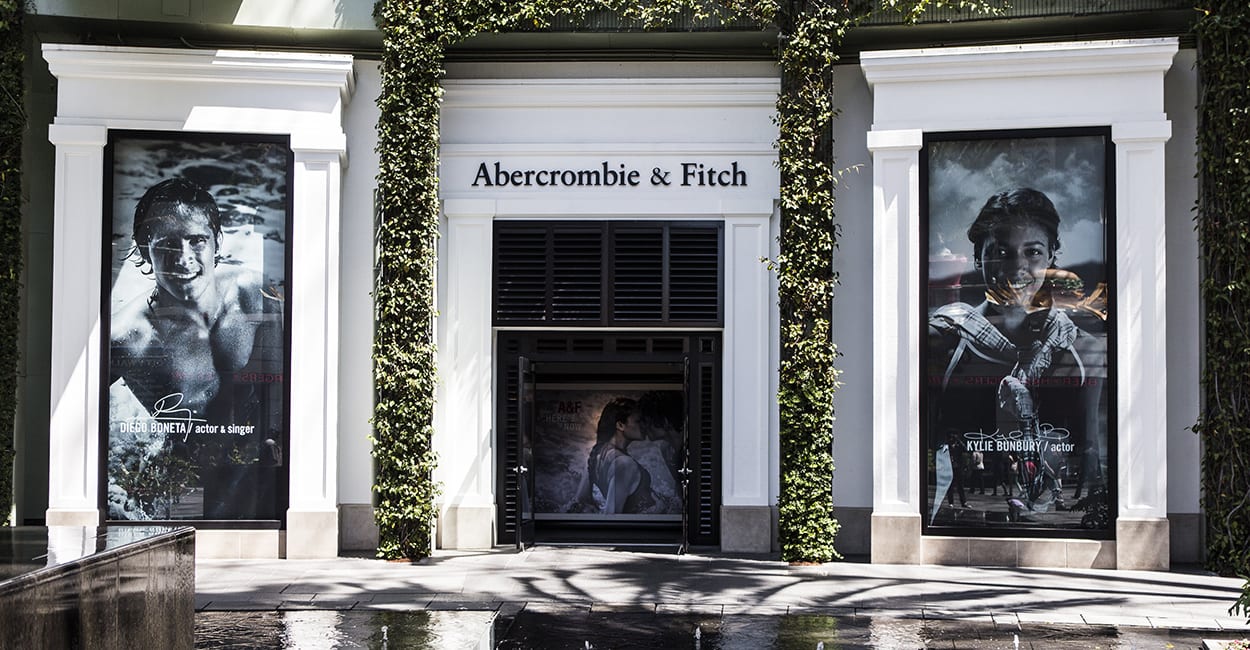
    Broadly, the latest set of results from Abercrombie & Fitch are to be welcomed: they are a sign that the brand continues to make progress in what remains a challenging market during a particularly difficult period of trading.

    Across the quarter, total sales shrank by 1 per cent on a reported basis, although when currency fluctuations are removed that number turns into growth of 2 per cent. Across the group, same store sales increased by 1 per cent on a year-over-year basis, with particularly good gains coming from international operations.

    There is also a reasonably positive story on the margin front where – despite a highly promotional environment and suppressed consumer demand- A&F saw gross profit as a percentage of sales drop by just 0.5 percentage points. The outcome here could have potentially been far worse.

    Despite there being clear signs of progress, which includes a sequential improvement in most of the sales and profit metrics, A&F is still very much in recovery mode and the brand is still not yet back to full health. This is evidenced by the fact that although the sales outcome was reasonable, it came off the back of what can only be described as a tumultuous final quarter last year when total sales shrank by 14 per cent and same store sales dipped by 13 per cent.

    Such soft comparatives flatter this quarter’s numbers and raise the question as to whether the better performance is a natural bottoming out, or if it is thanks to some of the corrective action that is now being taken by the management team. In truth, we think the results reflect a bit of both factors.

    Future growth will be governed, in large part, by how successfully the brand is able to reestablish its connection with younger consumers. Over the past year there has been evidence that both Abercrombie and Hollister are moving in the right direction in order to attune themselves to the tastes and preferences of today’s young shoppers. Among other things this has involved a less brash approach to marketing, a more minimalist and modern style in terms of clothing collections, a brighter and more inviting in-store experience, and a move into high growth categories like athleisure.

    These things have won back customers who defected and have also secured new shoppers. Most notably, the shifts have also allowed Abercrombie to secure custom from a slightly older demographic with higher spending power; something that is useful given that spending on apparel from younger shoppers remains muted thanks to the vast array of other products and services they now buy into.

    That noted, it is still far too early to say that brand loyalty has returned. At present many shoppers are rediscovering the brand and looking at it anew; as such their purchasing is patchy and occasional. While this is something A&F can improve on over time, it is unlikely it will ever regain the brand capital it once had: the market, consumers, and the competition have all shifted too much to allow that to happen.

    This is one of the reasons why A&F’s action on retooling its business model and reassessing its space and store requirements is sensible. To meet the new pattern of demand it will need fewer stores coupled with a good online offering. While there has been progress made in terms of reconfiguring the store fleet, growth from online is somewhat less encouraging.

    The upcoming year will continue to be one of reinvention. The current management team is strong and has the right mix of skills to make the necessary changes and reinvigorate the brand. However, they are up against a low growth, challenging environment which means that the play for the fiscal year as a whole is as much about holding onto current market share as it is about positioning the business for future growth.

  • Japanese noodle firm ready for halal certification

    Japanese noodle firm ready for halal certification

    A Japanese noodle firm in Hyogo Prefecture has expressed readiness to meet administrative requirements such as halal certification for its food products to be sold to Indonesian consumers.

    The Japanese company notified the representative office in Tokyo of the Indonesian Capital Investment Coordinating Board (BKPM) on its readiness to meet the halal certification for its noodle products.

    “I have received reports that several Japanese food companies are contemplating to enter Indonesia after observing the spurt in the number of Japanese restaurants and grocery stores in the country. This means that they already have market segments to sell their products in Indonesia,” Franky Sibarani, the BKPM head, noted in a press statement here on Wednesday.

    He affirmed that the Hyogo Prefecture was included in the areas covered by the Indonesian Consulate General in Osaka. It often conducted promotional activities in cooperation with the Tokyo office of the BKPM.

    Franky lauded the interest shown by the Japanese noodle firm to invest in Indonesia. He remarked that it was an interesting development as, so far, Japanese companies making investment in Indonesia were mostly doing business in the automotive and component industries.

    “This indicates that the interest of Japanese companies to invest in Indonesia is increasingly varying,” the BKPM chief pointed out.

    According to data at the representative office of the Japan External Trade Organization (Jetro), there were 1,199 students enrolled in Japanese schools in Jakarta in 2014. The institution also recorded that at the national level, there were 16 thousand Japanese expatriates living in Indonesia of which 10 thousand were in Jakarta.

    “Data on Japanese expatriates in Jakarta is the main factor that has led to new investment interest in Indonesia,” he claimed.

    Saribua Siahaan, the BKPM representative for investment promotion (IIPC) in Tokyo, stated that companies from Japan were so far mostly doing business in the electronics, automotive, and components sectors in addition to garment products.

    “Other fields of business that have attracted Japanese investors include semiconductor production and electrical appliances. The IIPC is ready to help the Japanese investor who came from Hyogo Prefecture,” Saribua remarked.

    In line with the implementation of the ASEAN Economic Community (AEC), the Japanese investors have begun showing interest to invest in the food sector in Indonesia.

    “The Japanese investors view this as an opportunity since over 40 percent of the ASEAN population resides in Indonesia,” noted Saribua.

    Based on the BKPM data, the realization of Japanese investment in Indonesia in 2015 increased by six percent compared to that in 2014.

    The Japanese investment realization in 2015 stood at US$2.87 billion, with 2,030 projects absorbing 115,400 workers.

    The manufacturing sector, particularly the automotive, electronics, machinery, chemical, and pharmacy sectors, constituted the main contributors to the Japanese investment in Indonesia.

    Japanese investment commitment in 2015 reached US$8.1 billion, up 95 percent from that in the previous year. Japan came third on the list of foreign countries having investment commitment in Indonesia.

    The countries topping the list of foreign investment above Japan were China, with US$22.2 billion, up 42 percent compared to the same period in the previous year, and Singapore, with investment increasing by 69 percent to US$16.3 billion.

    Following Japan was South Korea, which recorded an increased investment of 86 percent that reached US$4.8 billion.

  • SHB new Club sponsor in Vietnam, Laos & Cambodia

    SHB new Club sponsor in Vietnam, Laos & Cambodia

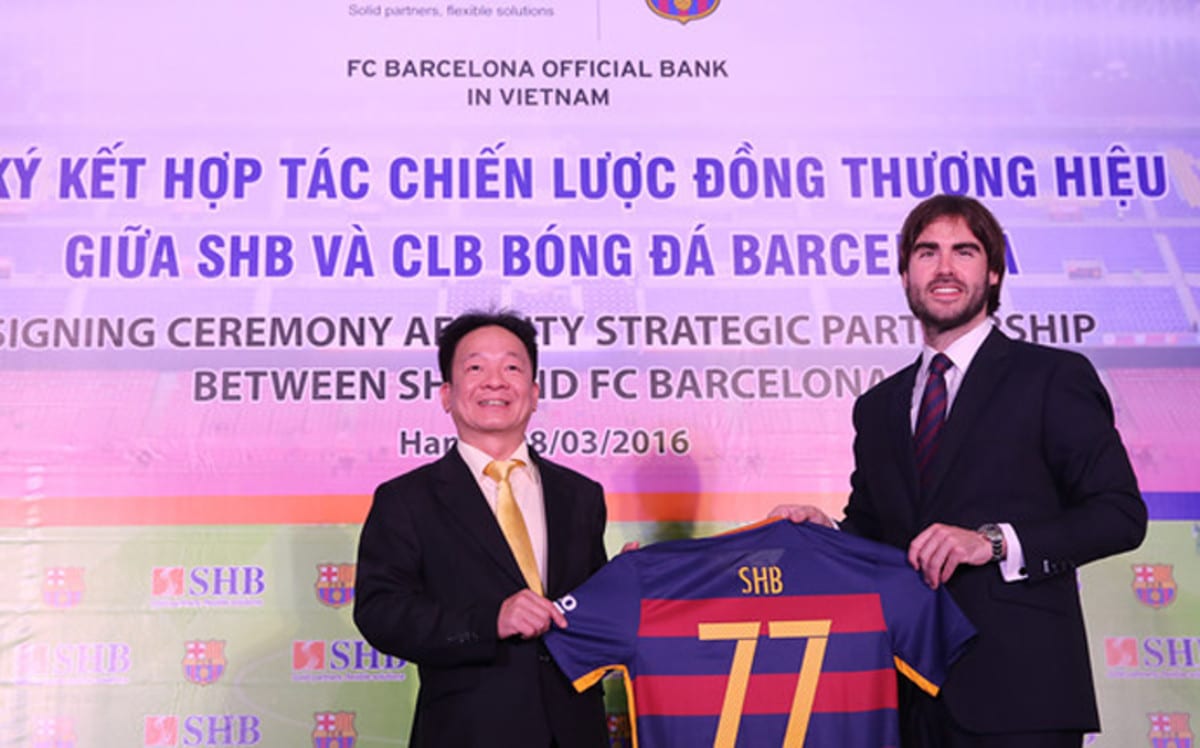
    On 8 March 2016 in Hanoi, FC Barcelona unveiled a sponsorship agreement with Saigon – Hanoi Commercial Joint Stock Bank (known as SHB), the top 5 Private Commercial Banks in Vietnam. This agreement will make SHB the first and only banking partner of FC Barcelona in Vietnam, Laos and Cambodia and enable SHB to open various business opportunities in retail sector in the territories, and bring the club closer to the Vietnamese Barça fans.

    A signing ceremony was held in Melia Hanoi Hotel today. Xavier Asensi, Asia-Pacific Managing Director, attended the event in representation of FC Barcelona, while SHB was represented by Chairman Do Quang Hien and CEO Nguyen Van Le. The ceremony also received the participation of the Representative of Vietnam Football Federation (VFF) – Mr. Tran Quoc Tuan, Vice President, Mr. Nguyen Xuan Gu, Vice President, as well as the coach of local football team SHB Da Nang Football Club, Mr. Le Huynh Duc.

    Strategic partnership for SHB and FC Barcelona

    With this partnership begins, SHB and FCB will cooperate to expand the Barça fan base in Vietnam, Laos and Cambodia. SHB also aims at opening up great business opportunities in retail sector through the development of co-branded cards in the territories. In the time to come, SHB will organize exchange and fan activities in the territories as well as bringing the local Barça fans to Camp Nou, contributing to build the foundation of culture, tradition and Barça spirit we found in millions of our fans.

    Statement by Manel Arroyo, FC Barcelona Vice president, Marketing and Communication department

    “The signing of this new regional sponsorship deal reaffirms our interest in increasing our presence in this continent and also reflects how our Club is gaining notable levels of popularity in this strategic zone, which is encouraging us to continue focusing our presence in Southeast Asia. The agreement with SHB also means a partnership with a highly prestigious entity and will be the vehicle for the name and colours of FC Barcelona to spread to Vietnam, Laos and Cambodia. FC Barcelona’s experience shows that football is a driver that generates cooperation and success, and hand in hand with SHB, we hope to achieve major social objectives.”

    Statement by Xavier Asensi, FC Barcelona Asia Pacific Managing Director:

    “We are so happy to have SHB as our first ever bank partner in Vietnam, Laos and Cambodia. Through partnering with SHB, we will be closer to the 90 million Vietnamese, including a growing fan community. SHB is young and taking up the leading part in the industry; while FCB is deep-rooted and has been successful in defending the glory. I do believe that the collaboration between these two different but yet, similar entities will create a huge buzz and synergy.”

    SHB, a dynamic bank

    SHB has become one of the leading urban banks in Vietnam with the image of a dynamic, modern, and efficient bank after establishment from 23 years ago. By the end of 2015, SHB total assets reached more than VND 205,000 billion, charter capital of nearly VND 9,500 billion with 7,000 employees and transaction network of more than 500 points all over Vietnam and overseas. Not only having an extensive presence in Vietnam, SHB is currently the second Vietnamese private Bank which opened a 100% foreign capital Bank in Laos in January 2016. Along with 4 branches operating in Cambodia, the reputation and financial capacity of SHB have been appreciated in Indochina. SHB has always actively participated in social and charity activities making great contributions to the development of the community, especially sports.

    Statement by Do Quang Hien, Chairman of SHB:

    “The partnership between SHB and FC Barcelona may be considered a perfect cooperation of the leaders. SHB and FC Barcelona share the commons in brand and development philosophy on the road to success, the objective of sustainable development and the desire of devoting to fans and customers. SHB is proud to be the first and only partner bank of FC Barcelona in Vietnam, Laos and Cambodia. This is not only a business opportunity for SHB but firstly it is for a large number of football fans in particular, sports fans in general. Customers are now able to see, feel, and more easily access to their idols daily, hourly … when using and enjoying benefits of Barça – SHB co-branded card and banking products. Moreover, this is also an opportunity for SHB to contribute to the promotion of a beautiful, peaceful, hospitable, dynamic and deeply imbued with the culture Vietnam all over the world.”

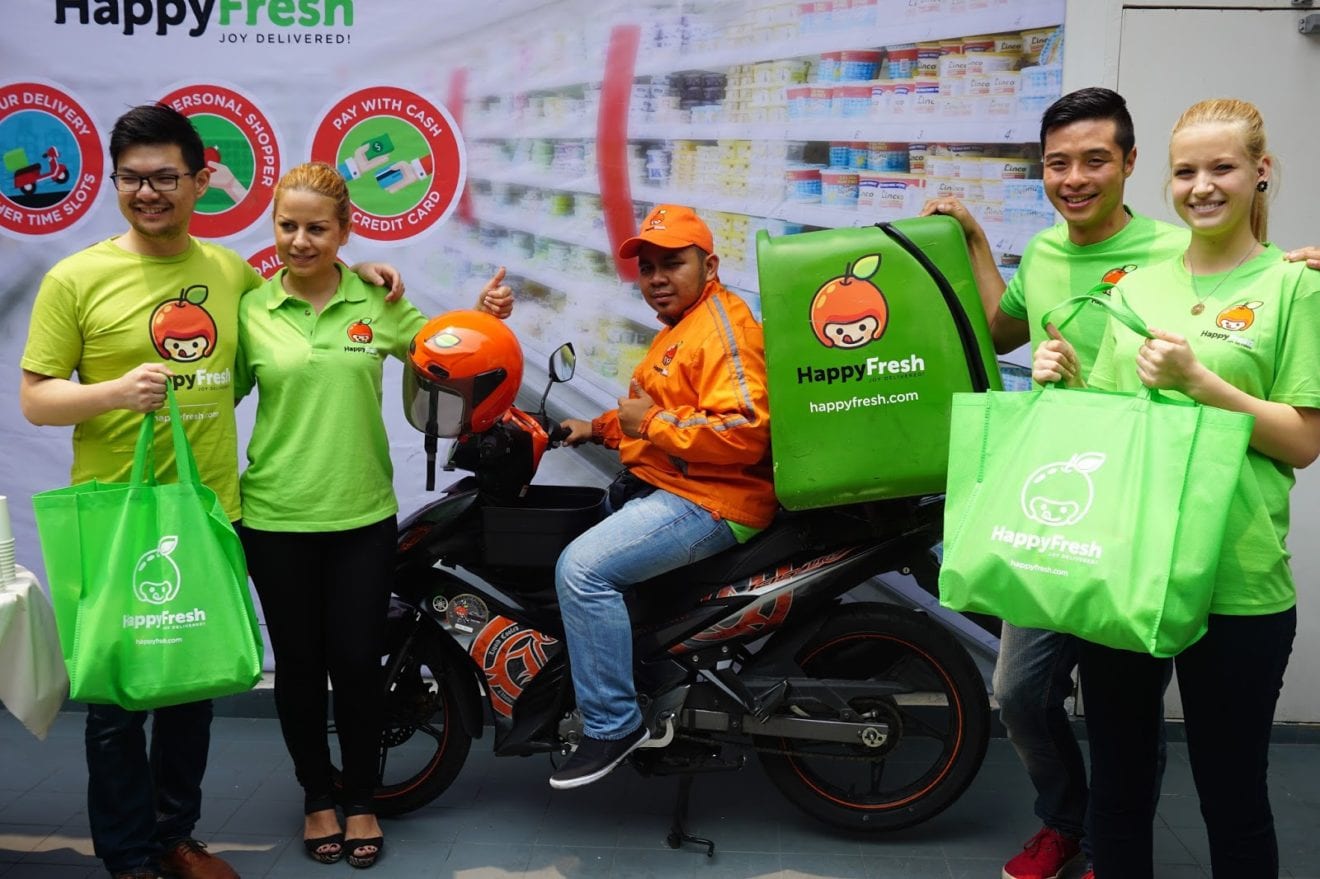
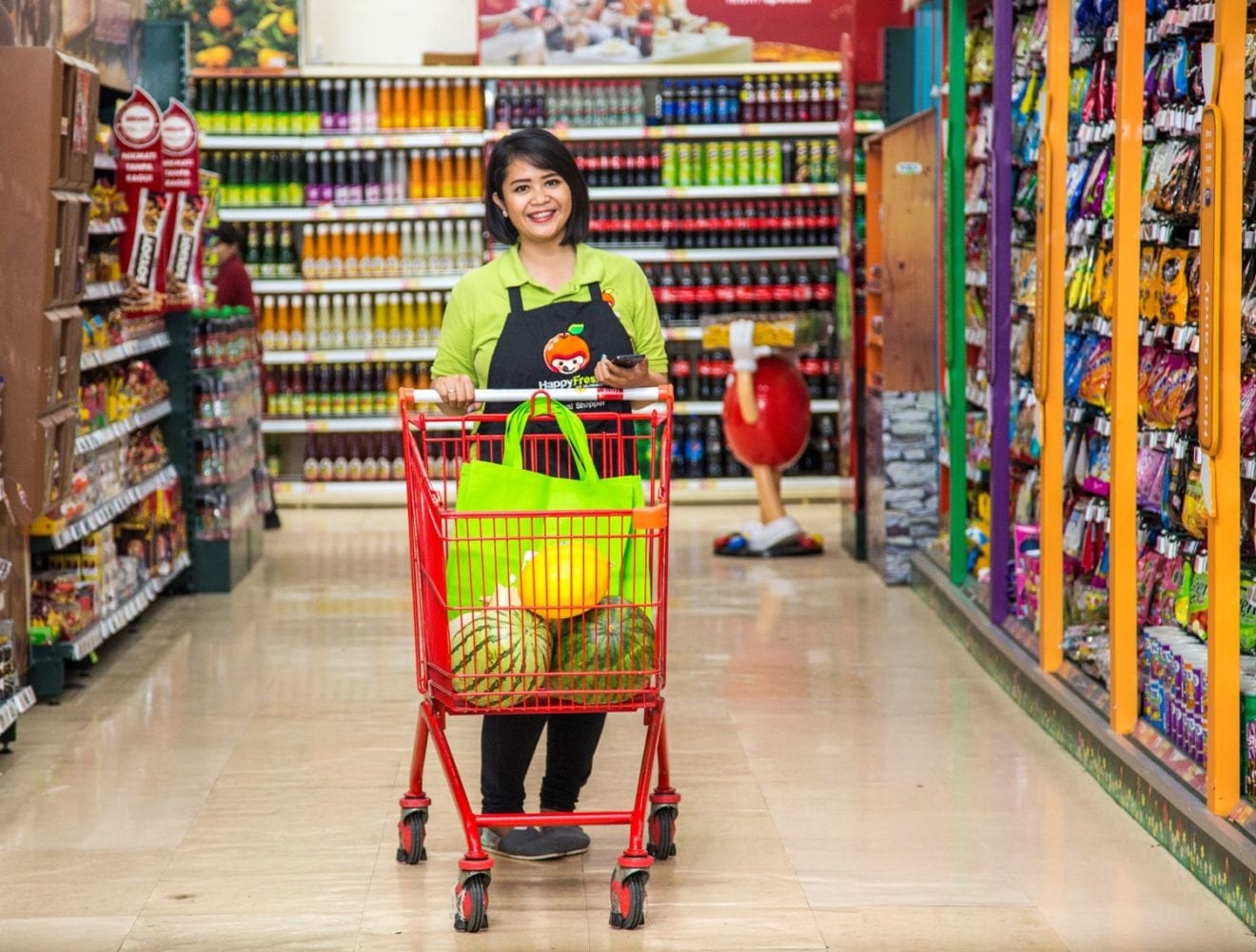
  • E-grocer HappyFresh aims to click with Philippine consumers

    E-grocer HappyFresh aims to click with Philippine consumers

    Despite challenges such as slow internet speed, online grocery platform HappyFresh remains confident that it has a winning recipe for its expansion into the Philippines.

    The grocery delivery start-up announced on Mar 3 that it would be venturing into the Philippines, a move to expand its footprint in a burgeoning e-grocery retail market in Southeast Asia. Apart from its home market Indonesia, HappyFresh has previously rolled out its services in Malaysia and Thailand.

    Analysts told Channel NewsAsia that it is not surprising to see the online grocer moving into the Philippines, where the number of internet users is poised for double-digit growth in 2016 and set to become one of the fastest-growing e-commerce markets in the region.

    However, problems such as lagging internet infrastructure may serve up challenges for the new kid on the block, according to industry analyst Ng Zhi Ying from research firm Forrester. “The Philippines has one of the slowest internet speeds in Asia, and this might result in cart abandonment if it takes too long for the customer to add their product to the cart or to make a payment.”

    Despite that, CEO Markus Bihler believes that HappyFresh – a platform that allows customers to make grocery orders online and receive them within an hour – is a “lightweight” application that is designed to work well even in areas with slower networks and limited bandwidth.

    “Given the various infrastructural developments in the countries that we operate in, we have chosen an app that works across the region. I can imagine (slow internet) to be a problem for heavyweight programs such as music-streaming apps, but we are very lightweight and works perfectly with the existing speed of wifi in Manila,” he told Channel NewsAsia.

    Mr Bihler, who co-founded HappyFresh in Oct 2014, also noted that the company’s usage of mobile technology to pair up drivers and shoppers will ensure that orders are delivered on time. In fact, the CEO said that Manila’s traffic woes may be a booster for the start-up, instead of an obstacle.

    “Ironically, we benefit from the existence of traffic jams because the convenience factor increases for customers who previously have to endure the traffic when out for grocery shopping.”

    RISING COMPETITION NOT AN ISSUE

    According to research firm Euromonitor International, the Southeast Asian market is increasingly sought after due to factors including a booming population and impressive economic growth rates. The rapid take-up of connected devices amid developments in internet infrastructure have also fuelled interest among online grocery retailers.

    “Emerging markets like Thailand, Philippines and Indonesia are among key countries of new online grocery services thanks to huge populations. Total population of these three countries reached over 400 million in 2015, nearly 70 per cent of the total population in ASEAN,” said Euromonitor’s research analyst Anisa Ngandee. “Meanwhile, forecasted internet users (in these countries) will reach nearly 150 million within 2020.”

    As such, it is unsurprising to see regional players such as Singapore’s grocery giant RedMart, stepping up efforts to position themselves for dominance. Foreign firms such as Japan-based messaging app company Line have also joined in the battle by unveiling its first-ever online grocery delivery service “Cheap Sure Sure” in Thailand last year.

    Despite the threat from competitors, Mr Bihler said that rising competition could act as a positive factor for a market which remains in the nascent stages.

    “We are attempting to change a decade-old consumer behaviour that involves visiting one’s favourite supermarkets into shopping via a mobile device. Currently, only less than 1 per cent of grocery spending is spent online. A higher online penetration rate will involve a multi-year joint effort by all players in the market to educate consumers about the convenience of ordering groceries online,” the boss of HappyFresh said.

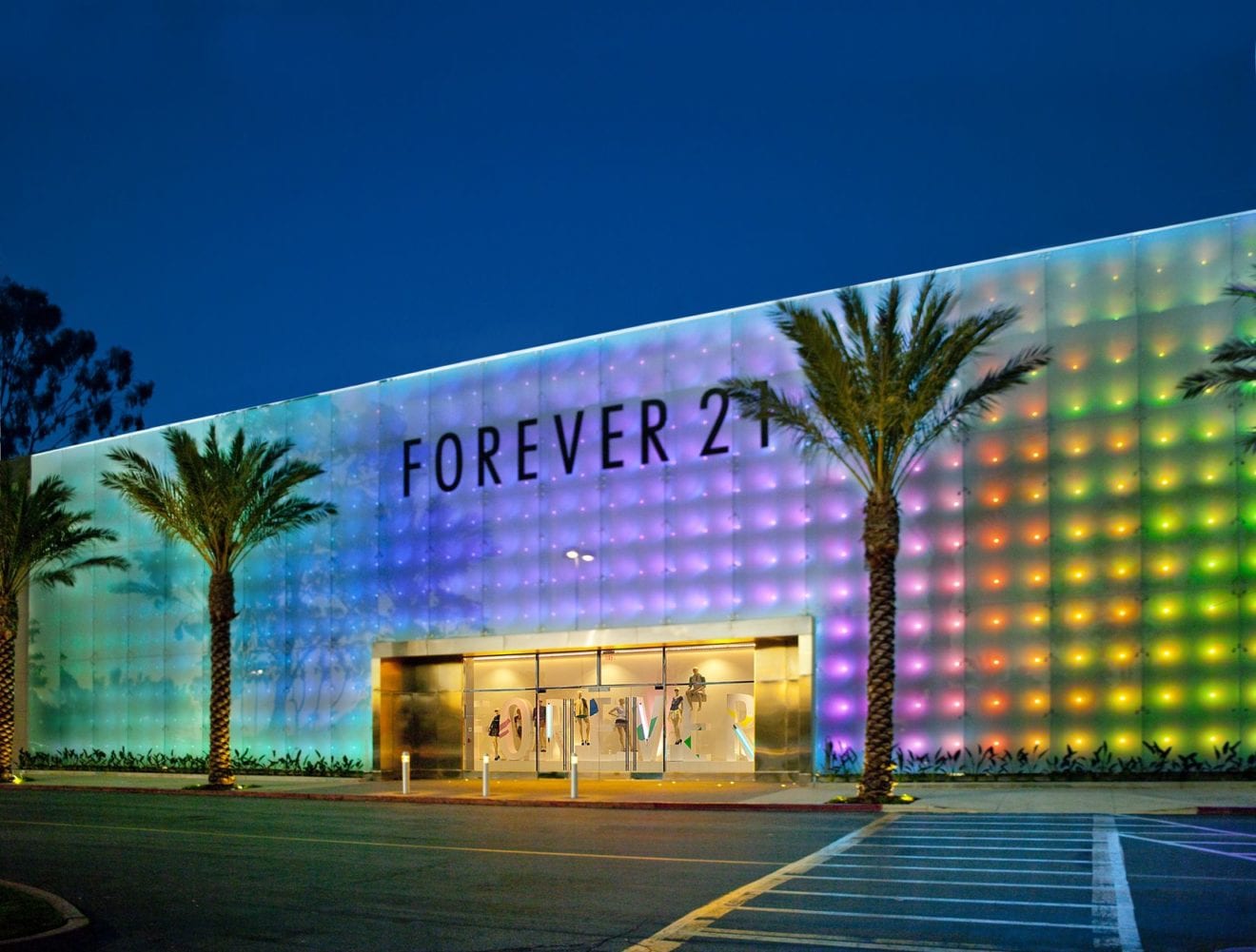
  • Forever 21 To Open Second Hong Kong Store in Hong Kok

    Forever 21 To Open Second Hong Kong Store in Hong Kok

    US fast-fashion retailer Forever 21 will open its second store in Hong Kong this year, capitalising on the shift in consumer demand from luxury to non-luxury products.

    “Due to the demand of our consumers, we have continued our expansion throughout Hong Kong and mainland China. Hong Kong also has a vibrant history of international business and we saw a lot of potential for growth, which is why we wanted to bring a second Forever 21 store to this space,” the fashion retailer said in an email reply to Retail in Asia.

    The new store will be located at Pakpolee Commercial Centre on Mong Kok’s Sai Yeung Choi Street, trading over 18,804 square feet, people familiar with the matter told Retail in Asia.

    “Mong Kok offers a premier shopping experience and we believe it is a good fit for our second store in Hong Kong. We are very selective in choosing a location for any store. We make it a top priority when selecting a new location to ensure that it is accessible to customers and that it can house and properly represent our merchandise, staying true to our brand,” noted Forever 21.

    The fashion chain will pay a monthly rent of HKD2.5 million (USD321,000) to lease the three-story retail space with a ground-floor entrance, according to the source. The first floor and the ground floor were currently taken by cosmetic retailer Sa Sa with a monthly rent of HKD1.25 million. The second and third floors were leased to California Fitness for about HKD1 million per month. The fitness center moved out three years ago.

    The new store is estimated to open in late summer or early fall this year according to Forever 21.

    With a monthly rent of HKD2.5 million for its new store, Forever 21 made the largest retail leasing transaction in the fourth quarter of 2015 in key shopping destinations of Hong Kong, according to data compiled by Retail in Asia. It demonstrates the retailer’s confidence in the market’s potential for cheap chic fashion which also supports CBRE’s prediction that mid-range brands are set to expand in Hong Kong when luxury retailers are struggling with declining sales and leaving core retail locations.

    CBRE believes that Hong Kong will transform from a luxury goods oriented retail market to a mid-range market. “Mid-market retailers will benefit from the change in spending patterns and remain the main demand driver for retail space. Some of them will use this window of opportunity to re-establish themselves in prime locations and/ or expand their retail networks,” the real estate adviser said in its latest report Hong Kong Retail MarketView Q4 2015.

    With Forever 21 opening another store in Hong Kong, more mid-market retailers are expected to ride on the wave and expand their store networks in the city.

    Founded in 1984, Forever 21 now operates more than 730 stores in 48 countries. The brand debuted in Asia in 2008 by launching the first store in Seoul, followed by its second in Japan the next year.

    In 2012, the US retailer entered Hong Kong by unveiling a six-floor flagship store in the in the Capitol Centre of Causeway Bay. It paid a monthly rent of HKD11 million for the 51,188-square-foot space.

    The fashion retailer currently has 16 stores in Greater China which include 12 stores in mainland China, 1 in Hong Kong, 1 in Macau and 2 in Taiwan.

    Aside from Hong Kong, Forever 21 also plans to expand its retail footprint into other markets in Asia although it didn’t disclose the details. “In 2016, we plan on expanding our store presence in Japan, Indonesia, China, and the Philippines,” the fashion retailer told Retail in Asia.

  • Shilla looks ahead to landmark Phuket opening

    Shilla looks ahead to landmark Phuket opening

    Hotel Shilla has described Phuket as an eventual “crown jewel” of Thai travel-retail after confirming it is to open its first overseas downtown duty-free shop on the island with a local  partner in the second half of the year.

    While the exact size of the store in Tambon Kathu, Amphoe is unknown, the store will consist of traditional core duty-free products such as liquor and tobacco and a mix of local Thai products.  It will also be equipped with “support facilities” to ensure optimum customer experience.

    A Hotel Shilla spokesman told DFNIonline that preparation is going quite well and the alliance with the local partner looks very promising.

    The spokesman also said Bangkok was an option for the outlet, but the contract between Airports of Thailand (AoT) and King Power (Thailand) made it impossible. He explained: “The Shilla Duty Free chose Phuket, where the pick-up counter is serviced by a common operator which has responsibility to give a service to the duty-free operator.”

    He added: “The temporary pick-up counter in [Phuket] terminal one will be operated by The Shilla Duty Free and permanent pick-up counter in T2 by King Power, which will handle the delivery of Shilla Duty Free products due to the contract between AoT and King Power.”

    Reflecting on Phuket as a destination for the new store, the spokesman said: “Chinese inbound passengers have been showing constant growth in Thailand and Phuket in particular, the second most popular travel destination in Thailand, which is leading the growth.  With The Shilla Duty Free’s accumulated know-how of serving Chinese travel-retail consumers, Phuket is a more than satisfactory destination.”

    In order to attract even more Chinese consumers, the retailer, which secured approval this month for a new themed hotel in central Seoul – the Shilla downtown Seoul outlet will eventually move to the new hotel — will focus on travel agencies in Mainland China and Thailand. “In the case of Chinese travel agencies, The Shilla Duty Fee has a good understanding and good relationships.

    “Apart from Chinese customers, Russians might be the secondary target since Phuket is also a popular choice for Russian travellers looking for somewhere sunny for holidays.”

    Looking ahead, the retailer is expecting the Thai travel-retail market in general to grow significantly and the spokesman admitted it is not as mature as the Korean equivalent. “It is believed to be one the fastest growing markets in global travel-retail and our most important objective is enhancing that growth.”

  • Indonesia promotes Wonderful Indonesia at Portugal tourism fair

    Indonesia promotes Wonderful Indonesia at Portugal tourism fair

    Indonesia promoted the Wonderful Indonesia brand at the biggest tourism exhibition in Portugal, called Bolsa Turismo de Lisboa (BTL), at the Feira Internacional de Lisboa (FIL) Lisbon.

    The event was organized by the Association of Industries of Portugal (AIP) and was opened by the Prime Minister of Portugal, Antonio Costa.

    Indonesian pavilion featured art performances and a seminar titled Dream, Explore and Discover Wonderful Indonesia. The seminar was organized by the Visit Indonesia Tourism Officer (VITO) Paris, a statement from the Indonesian Embassy in Lisbon received by ANTARA said here on Wednesday.

    This exhibition is being held regularly for the last 28. During the March 2 to 6 event, the Indonesian booth entertained about 2,000 visitors.

    Data from the Portugal Ministry of Immigration showed an increase in the number of Portuguese tourists to Indonesia, from 18,312 tourists in 2014 to at least 21,000 in 2015.

    Indonesias target is to attract through the BTL event 25,000 Portuguese tourists during 2016.

    At the BTL, Indonesia introduced 10 new destinations, namely Lake Toba (North Sumatra), Tanjung Kelayang Beach (Belitung), Seribu Islands (Jakarta), Tanjung Lesung Beach (Banten), Borobudur Temple (Central Java), Bromo-Tengger-Semeru (a volcano complex area in East Java), Mandalika (West Nusa Tenggara), Wakatobi (East Nusa Tenggara), Morotai Island (North Maluku), Labuan Bajo (East Nusa Tenggara).

    The Indonesian Ambassador to Portugal, Wirana Mulya, said the bilateral relations between the two countries are becoming ever stronger.

    The Indonesian government extends a visa-free visit policy for 30 days to the citizens of Portugal to visit Indonesia.

    The ambassador called upon stakeholders in the field of tourism to encourage Schengen visa exemption for Indonesian tourists to European countries.

  • How UK Retailers Can Embrace The Chinese Ecommerce Opportunity

    How UK Retailers Can Embrace The Chinese Ecommerce Opportunity

    Within the next two years, China’s e-commerce market will top $1 trillion, making it bigger than the e-commerce markets of the US, UK, Japan, Germany, and France combined. Fuelled by greater internet and smartphone penetration, an expanding middle class with higher disposable income, and greater consumer confidence, over half of Chinese internet users having now made a purchase on the web.

    Surely then, UK retailers should be fighting tooth and nail for the loyalty and spend of these Chinese shoppers?

    Surprisingly, this is not the case. While over half of UK retailers (55%) ship to China, our research – into the international shopping experience offered by the UK’s top 150 online retailers – shows a massive variation in the quality of shopping experiences offered to Chinese shoppers.

    UK e-tailers are failing to accommodate a great number of Chinese shopping preferences and reducing the likelihood of conversions. For example, just over a quarter (26%) of retailers that ship to China offer shoppers the ability to pay in Yuan and present prices in local currency.

    The remainder are leaving shoppers in China to estimate for themselves how much products will cost to buy, which means shoppers could be hit by sudden currency exchange fluctuations or fees from their bank.

    Similarly, only 22% of retailers that ship to China offer shoppers the ability to pay using local payment methods, such as e-wallets and bank transfers like Alipay or Tenpay, which account for more than 80% of ecommerce payments, or Chinese payments cards such as UnionPay.

    Of retailers that do accept Chinese payment methods, 42% offer a single option, barring some prospective customers from making a purchase.

    Added to this, just one in ten (10%) retailers that ship to China offer shoppers a Mandarin-language shopping experience. Since the majority of people living in China don’t speak English fluently, shoppers are likely to feel unconfident about making a purchase if they are expected to use an English-language checkout.

    It’s clear from these customer experience shortcomings that the majority of UK retailers are failing to exploit the burgeoning Chinese ecommerce market fully. This puts them on the back foot when it comes to winning long term loyalty and purchasing preference.

    Retailers simply can’t afford to offer shoppers a second rate experience, especially when failing to localise the online store can make shoppers nervous and can quickly sour a great online experience.

    So, how can retailers rectify this and improve the customer experience to grow sales in China?

    Here are our top tips-

    •       Improve the experience for Chinese shoppers. The first rule of international trade is that, in order to be successful, customers must enjoy the same experience regardless of where they are in the world. Retailers should offer shoppers in China the same, high quality experience that shoppers in the UK and elsewhere expect to receive.

    •       Offer multiple shipping options at reasonable rates. To give Chinese shoppers the confidence to buy, retailers must offer greater choice as well as competitive prices. This is especially critical in China where clearance processes can be very lengthy for non-experienced carriers. Moreover, it’s important to have a simple and transparent returns process in place, so if something goes wrong, shoppers will be confident that it will be resolved quickly and easily.

    •       Display prices in Chinese Yuan. There are few things more off-putting than exchange rate uncertainty when buying from a retailer in another country, and this is particularly disconcerting at times of high currency fluctuation. Retailers should present shoppers in China with prices in the local currency, so that shoppers can feel confident about how much they are paying.

    •       Try to put the customer’s mind at ease. Most shoppers in China expect and prefer to pre-pay customs charges or handling fees when shopping online, so retailers should avoid any potential for nasty surprises, by being upfront about these charges and offering pre-payment.

    With e-commerce sales in China set to exceed $1 trillion next year, retailers must pay more attention to China in the years ahead. However, delivering a localised shopping experience doesn’t have to require a dedicated Chinese website or months spent negotiating with the local supply chain.