Author: Mei Ling Tan

  • Japanese group buys into HMV Asia

    Japanese group buys into HMV Asia

    Hong Kong-based private-equity firm Aid Partners is about to sell a parcel of its HMV Asia shares, which it acquired three years ago.

    It has agreed to sell an 18.37 per cent stake in the business to Japan’s World Innovation Lab for US$9 million. Under the agreement, 2250 new ordinary shares in the capital of the HMV Group’s interests in Hong Kong and Singapore, run by HMV Marketing, will change hands.

    HMV Hong KOng 1

    A stock exchange filing says the proceeds from the stake sale will be used for the general working capital of the HMV Group. World Innovation Lab, which specialises in investment including the technology and media sectors, will help in the strategic development and promotion of the movie and music retailer with its international network and business experience.

    HMV new concept

    Aid Partners is selling the shares to WiL Fund I, an investment fund managed by World Innovation Lab. The Hong Kong firm will still own 81.63 per cent of the business.

    HMV tokyo bike

    Once the deal goes through, Innovation Lab will have a director on the board of HMV.
    Aid Partners bought HMV’s interests in Hong Kong and Singapore in 2013, along with all its licences in mainland China, Macau and Taiwan for an undisclosed amount.

    HMV Hong Kong new 3

    HMV then had six stores in Hong Kong and two in Singapore, plus an eCommerce business in Hong Kong. Aid Partners cut back the music and movie retail stores to five, and opened two restaurants and a cafe under the HMV brand.

    The Asian business is a separate entity from HMV in the UK, which went into administration the month before Aid acquired the Asian business.

    As at June 30, the unaudited net liabilities of HMV Marketing were about HK$39,512,000 (US$5,085,167).

  • Sephora launches online store for Hong Kong

    Sephora launches online store for Hong Kong

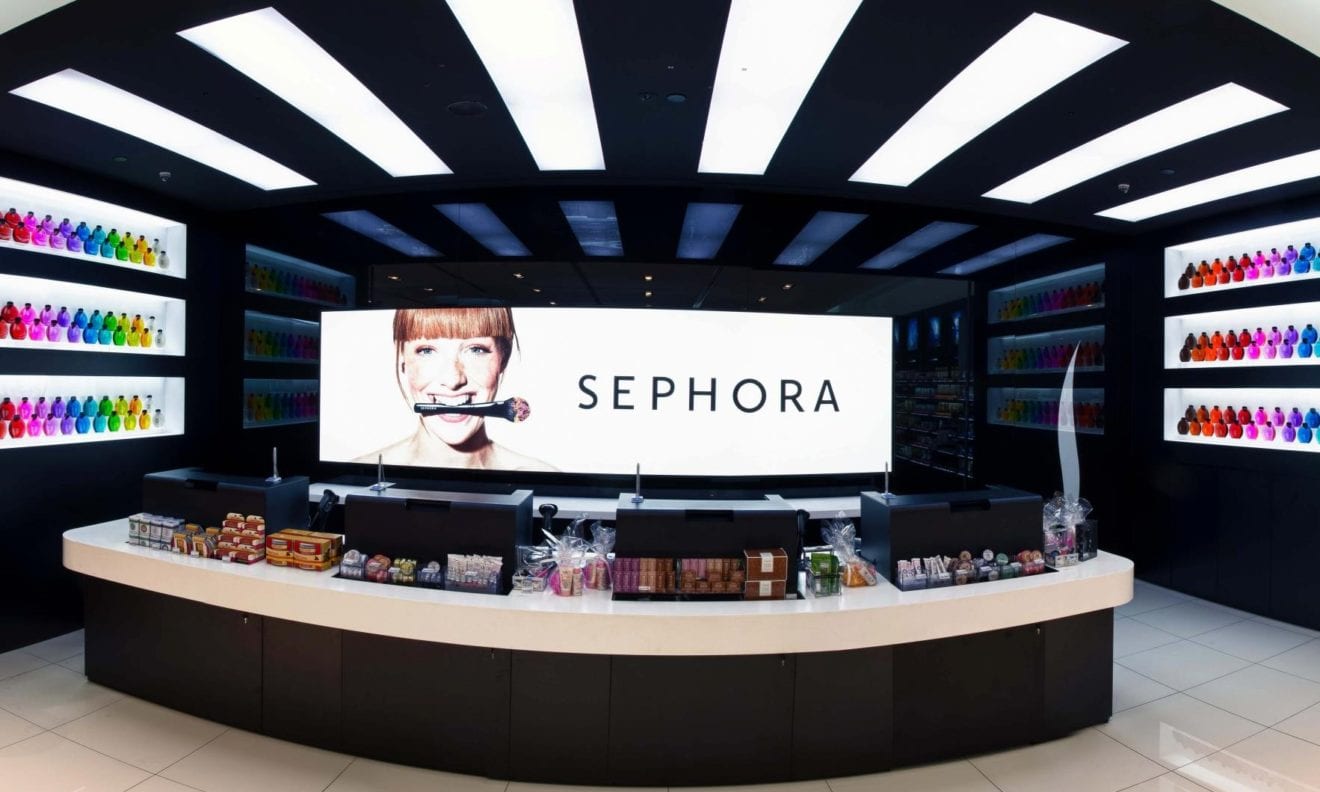
    Sephora has launched an e-commerce platform for the Hong Kong market.

    Part of the ongoing international expansion of its online retail arm, the online store will offer brands unavailable on the ground in Hong Kong, such as Butter London, Skin Inc and Nudestix.

    The LVMH-owned perfumery chain has yet to establish a bricks-and-mortar presence in the country, and commentators are suggesting that the online store will serve as a sounding board to test out the appetite for the retailer’s products and services.

  • Orchard Road malls seek new ways to draw the crowds

    Orchard Road malls seek new ways to draw the crowds

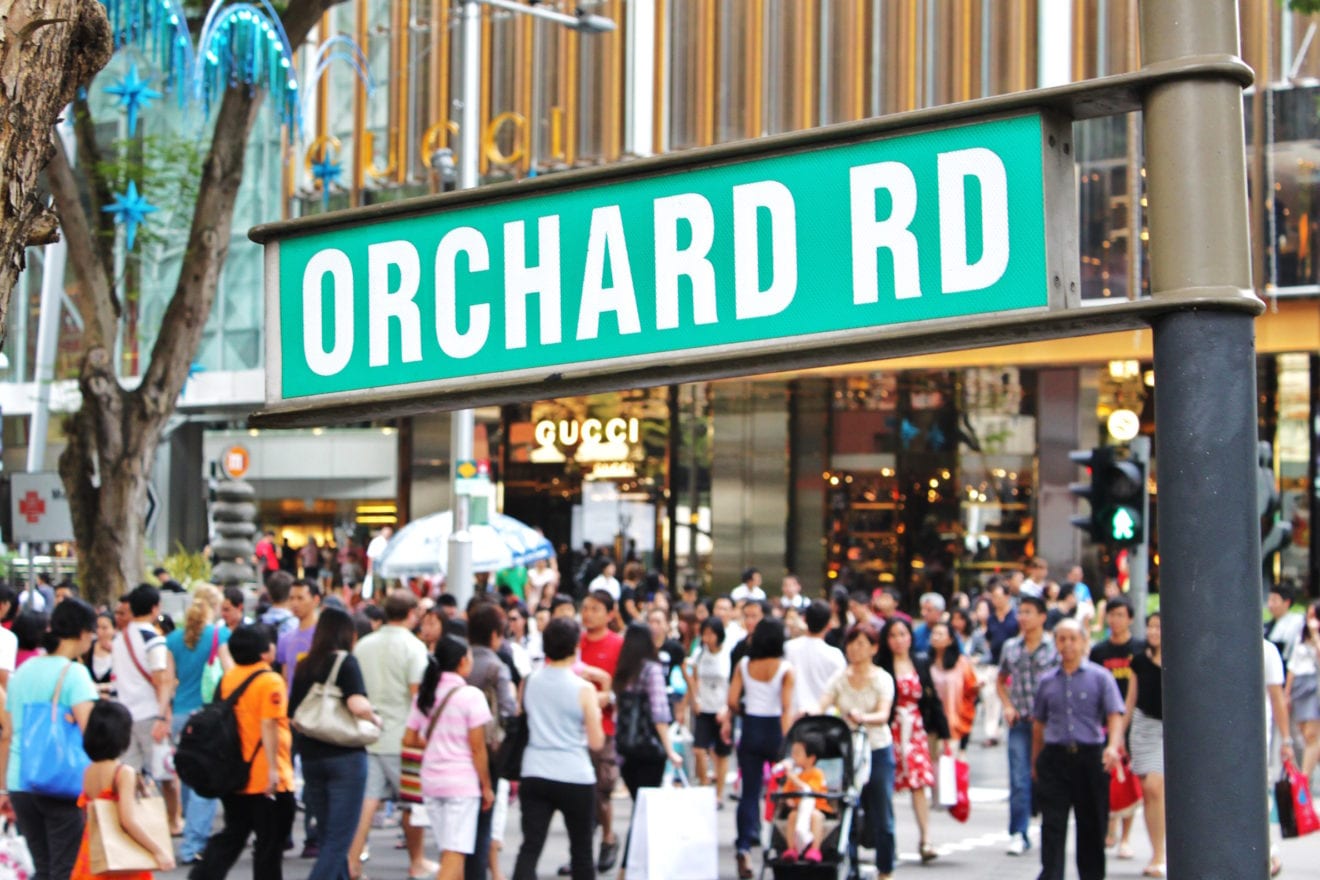
    As Singapore retailers face pressure from the slowing economy, Orchard Road malls are looking for new ways to draw the crowds.

    Besides renovating the mall and changing the tenant mix, landlords are also throwing in free performances in a bid to attract the crowds.

    For example, over the weekend, shoppers at ION Orchard witnessed a series of aerial circus acts. The performances marked the completion of ION Orchard’s recent revamp, which saw a refreshed facade and new tenants such as Tiffany & Co and French-Italian luxury lifestyle brand Moncler.

    Orchard Turn Developments, which manages ION Orchard, said it is important to enhance the shopping experience.

    Said Mr Chris Chong, chief executive of Orchard Turn Developments: “Increasingly, retail is not just about shopping but also about entertainment, bringing new novel experiences. Last year, we did a butterfly dome featuring live butterflies from the Crysalis. This year, we will bring an exciting new experience with the aerial sphere. We hope shoppers will enjoy this new experience and as a result also enjoy shopping with us.”

    Orchard Road retailers have been hit by a slowing local economy and weak visitor arrivals in the past two years. Analysts estimate that Orchard Road rents fell last year and could drop by another 3-5 per cent this year.

    Besides ION Orchard, other malls being refurbished include Centrepoint and Wisma Atria.

    IMPROVE OVERALL EXPERIENCE: JLL

    Property consultancy JLL said that not all Orchard Road malls require a complete physical overhaul. But landlords and retailers must work together to improve the overall retail experience, amid competition from online retailers and suburban malls.

    Ms Regina Lim, national director of advisory and research at JLL, commented: “I don’t think it has to be a total refreshment or refurbishment; it’s about being more aware of giving shopping a reason to come to your shop or to your mall.

    “So even if the mall isn’t getting a facelift, I think retailers and landlords need to think about giving some reason for families to come down and visit rather than just buy it online.

    “In this day and age where there is quite a bit of supply along Orchard Road, you really need to proactively think about how you want to make your mall a little bit different from the rest and engage the public to come down to the mall to shop. Because people really want to integrate shopping online and offline and going to the mall has to come with some kind of experiential performance and events,” Ms Lim added.

  • Forevermark Asia launches in Korea, Thailand

    Forevermark Asia launches in Korea, Thailand

    De Beers Group of Companies has launched its diamond brand Forevermark in Asia – with new partners in South Korea and Thailand.

    It is now available in more than 1700 outlets in 38 consumer markets.

    In South Korea, Forevermark Asia launched with licensee partner Golden Dew, which has started selling the brand in 11 of its stores. Golden Dew was founded in 1989 as Korea’s first jewellery brand, says De Beers, and has a presence in more than 70 department stores.
    In Thailand, the brand launched at the opening of an exhibition at Siam Paragon, one of Bangkok’s largest department stores. With its new licensee partner, diamond retail chain Jubilee Diamond, Forevermark will be available in stores across the country, says De Beers.
    Forevermark CEO Stephen Lussier says the brand has had remarkable growth since being established eight years ago.

  • Belstaff Japan launches first outlet

    UK fashion brand Belstaff, through its new subsidiary company Belstaff Japan KK, has launched its first outlet in the country, and is planning more.

    Four stores in Japan are on this year’s schedule, including one in Kobe in September, which will sell both menswear and womenswear.

    The initial shop is in Nagoya’s Matsuzakaya department store, covering 409 sqft (37.99 sqm), while a 635 sqft menswear pop-up store at Isetan in Tokyo opens from March 16 to 29. Both outlets have the latest menswear range as well as the label’s Legends collection.

    Belstaff Nagoya Japan

    Meanwhile, the brand has three stores in Seoul, South Korea, and a Macau outlet opened five months ago.

    Belstaff has just moved its financial base and trademark from Switzerland back to the UK. It has also been based in Italy and New York since being launched in England in 1924 by Staffordshire businessman Eli Belovitch, who was a dealer in reclaimed fabrics and rubber goods. At its factory near Stoke-on-Trent, the company produced waterproof garments for both men and women, with the emphasis on motorcycling.

  • Apple Continues Expansion in China with New Store Opening on March 19

    Apple Continues Expansion in China with New Store Opening on March 19

    Tech giant Apple has confirmed that a new Apple Store will open in Dalian, China, on March 19, 2016. The new store is part of the company’s ongoing mission to launch at least 40 new Apple Stores in China by October 2016.

    The new Apple Store will be located on 66 Olympia Plaza, marking it as Apple’s second retail outlet in the port city after it opened its first store In Dalian earlier in October 2015. Dalian’s central location and inflow of tourists from Japan and Korea will help the company further secure its tech presence in China, which Apple predicts will be its most dedicated market in the future.

    Apple’s agenda of launching 40 new outlets seems to be working out well after it opened stores in Nanjing, Hong Kong, Chengdu, Qingdao, Guangzhou, Xiamen, Beijing, and the “Green City” — Nanning, as part of its expansion plan. The brand new store will further strengthen Apple’s roots in China and prove great advertising for the iPhone maker in the hub of one of China’s most popular cities.

    The Dalian Apple Store will open at 10:00 am local time. Speculation suggests that this could be the same store which the company claimed to be its “largest flagship” outlet almost three years ago. However, there is no confirmation if the upcoming store will still be Apple’s largest company store to date. Considering that the iPhone maker has been working aggressively to establish its presence around the world, with new stores in Turkey and Singapore, there is a slight possibility that these former plans have changed slightly.

    Plans for Apple’s new store are already arousing curiosity regarding its architectural layout. The tech giant’s consistency in the architectural design of its stores helps give it a distinctive edge against other tech rivals, both local and international. Led by Angela Ahrendts and Jony Ive, the company’s focus on the design elements of its outlets is a clever marketing strategy for luring in more customers. The upcoming store is expected to feature some of Apple’s traditional store elements like a Genius Bar, JointVentures, workshops, and other Apple-based services.

    With the new store in Dalian, Apple could provide customers with an experience better than any other. Even though an Apple Store exists in Dalian, a brand new outlet might help drive more sales for the company.

    Therefore, judging by its fluent progress in opening new retail outlets in various regions of China, Apple seems well on track to fulfill its prophecy, and may even end up opening more than 40 stores by October.

  • Galaxy S7 Sold 100000 Units In First 2 Days In South Korea

    Galaxy S7 Sold 100000 Units In First 2 Days In South Korea

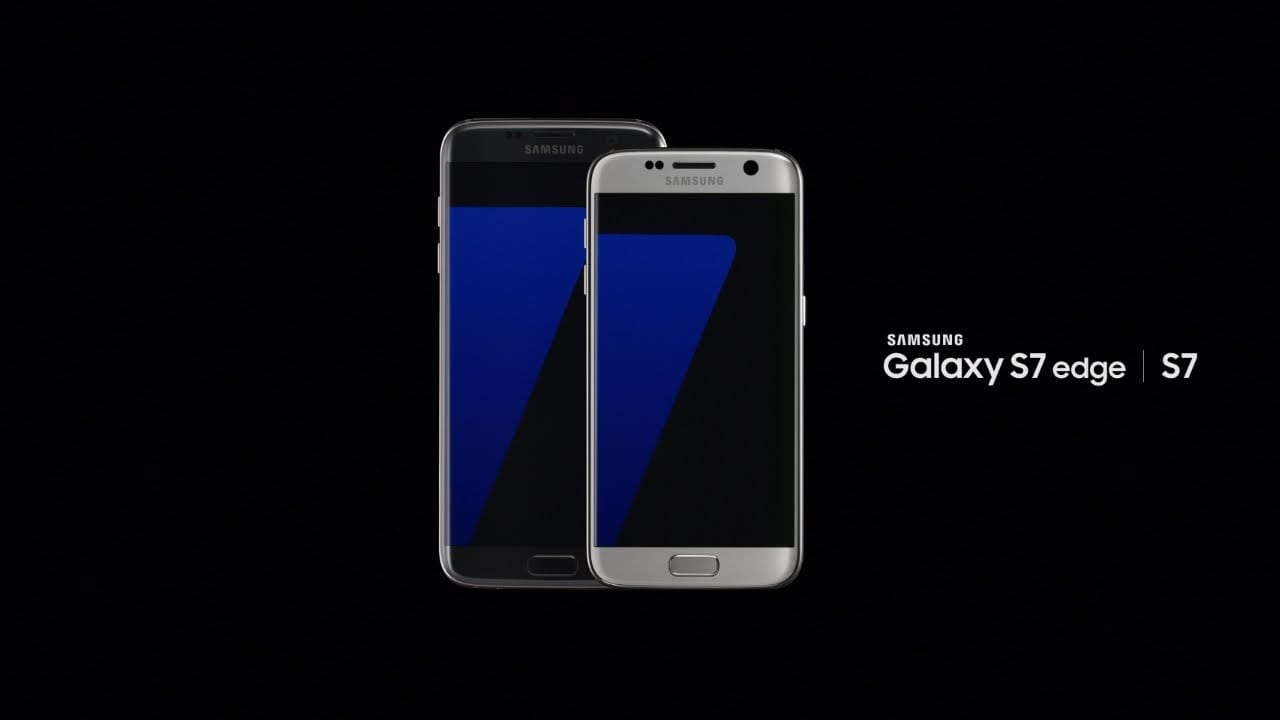
    Last week it was reported that pre-orders for the Samsung Galaxy S7 and S7 Edge were lower than their predecessors over in South Korea. Samsung has since refuted those claims by saying that if anything, pre-orders were stronger than expected and if the latest numbers are accurate, it certainly looks to be that way.

    According to the report, they claim that the Galaxy S7 has managed to sell 100,000 units within its first two days of availability over in South Korea. Breaking it down further, it was suggested that 60,000 units were sold during the handsets’ first retail hours, and the other 40,000 were bought up over the course of the next day. Interestingly enough it seems that the Galaxy S7 appears to be more popular than the Galaxy S7 Edge, a very different story from last year.

    Note that the 100,000 units were just for the South Korean market, meaning that if we were to take into consideration the other markets that the handset was being sold it, we’re looking at a much, much higher number. The official figures from Samsung have yet to be released, but we wouldn’t be surprised if the Galaxy S7 and S7 Edge’s numbers were on par with last year’s figures, or if it even managed to outsell its predecessors.

  • China completes drafting e-commerce law

    China completes drafting e-commerce law

    China has completed a draft version of the country’s first e-commerce law, a lawmaker said on Thursday.

    The draft will be submitted as early as possible to the Financial and Economic Affairs Committee of the National People’s Congress (NPC) for review, said Uzhitu, vice chairman of the committee.

    After that, the draft e-commerce law will be presented to the NPC Standing Committee for further reading, Xinhua news agency quoted Uzhitu as saying.

    The legislation is necessary to deal with new problems in data protection and infringements upon customers’ interests, he added.

  • China’s Alibaba signs 5-year loan deal

    China’s Alibaba signs 5-year loan deal

    China’s Alibaba Group Holding Ltd  said it has signed a deal for a $3 billion five-year loan, which will help the e-commerce giant as it snaps up stakes in companies within China and overseas.

    Alibaba, led by founder Jack Ma, has been expanding in areas beyond its core e-commerce base, such as online video, as volume growth in its online shopping business slows.

    The firm said in a filing to the US Securities and Exchange Commission (SEC) that it had signed the syndicated loan deal with a group of eight lead arrangers. It added that the amount could increase if there was steep demand.

    “The loan, which is subject to upsize through over subscriptions in syndication, has a five-year bullet maturity and is priced at 110 basis points over LIBOR,” the company said in the filing, referring to the benchmark interest rate used by many global banks when making loans.

    Alibaba added that the loan would be used for “general corporate purposes”, without expanding on what this meant.

    The Wall Street Journal cited sources last month saying Alibaba was in talks with several banks to borrow up to $4 billion to fund expansion plans, including acquisitions.

  • Indonesia’s first F1 driver is a good-looker who lives in Singapore

    Indonesia’s first F1 driver is a good-looker who lives in Singapore

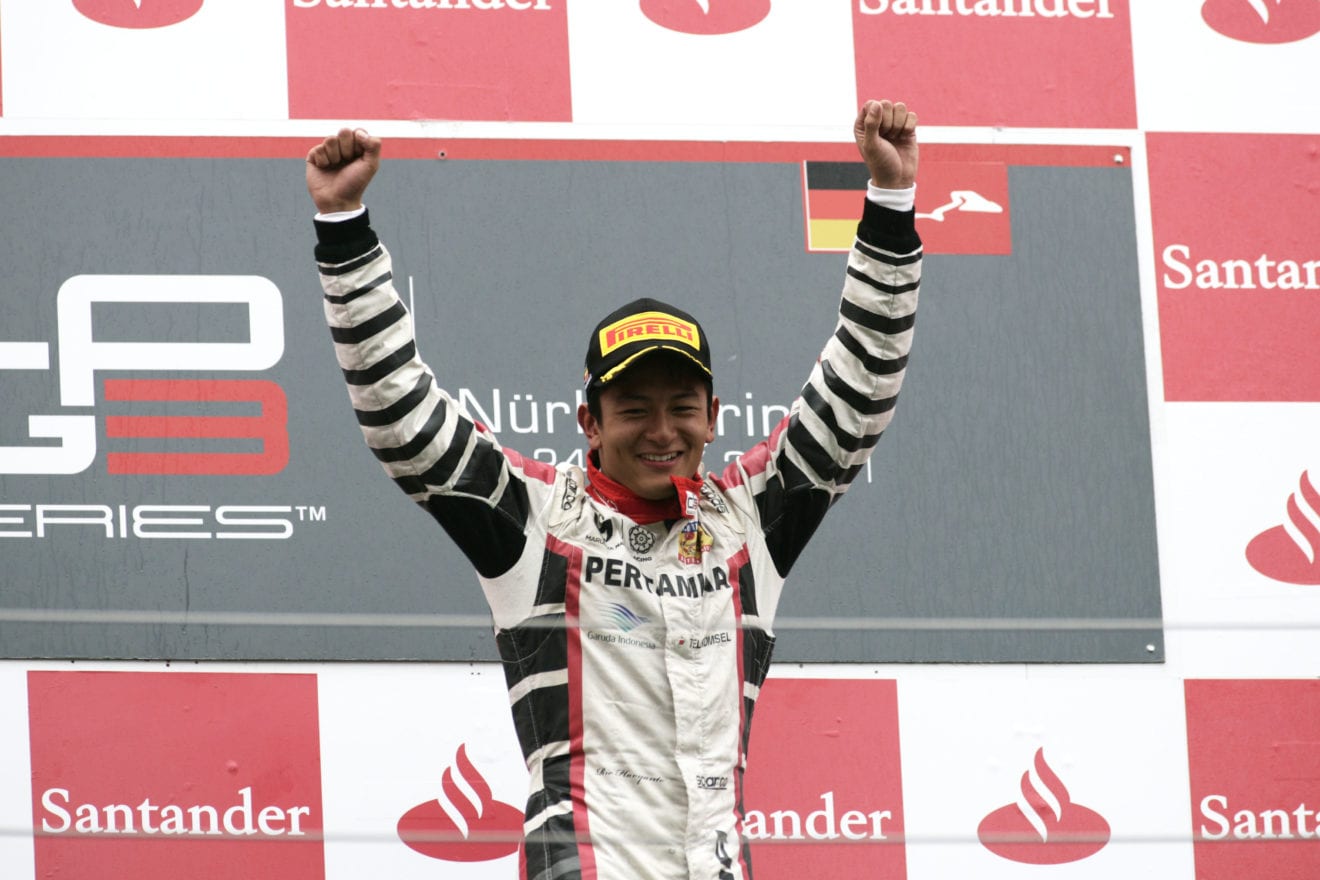
    When Indonesia’s first Formula One driver Rio Haryanto makes his debut with the Manor Racing team at the new season on March 20, he is likely to set the hearts of female fans a flutter.

    The only Asian to be on the starting grid boasts not only a chiselled jaw and dashing good looks, but also a hot bod to match.

    Rio, 23, will be the third Southeast Asian driver, after a long absence, to compete in Formula One since the championship started in 1950, reported The Jakarta Post. The other two were Malaysian Alex Yoong (2001 and 2002) and Thailand’s Prince Birabongse Bhanudej in the 1950s.

    So all eyes will be on Rio, who reportedly lives in Singapore, when he competes against the likes of champion drivers Lewis Hamilton and Sebastian Vettel in the 21-race series, starting in Melbourne in two weeks’ time.

    Born in Solo, Indonesia, he is a business management graduate, having studied here at private school FTMSGlobal Academy.

    Sponsored by Indonesia’s state energy company Pertamina, the rookie driver has managed to capture a huge following in Indonesia, all eager to see their new sports icon flying their national flag high.

    “I hope by working hard, I will not only represent Indonesia in F1 but achieve [something],” he said in a press conference in February.

    When he is not competing, Rio spends four hours a day to build up his stamina by swimming, jogging, or working out in gym, according to his website.

    He likes high-protein food, and even cooks his favourite fish – salmon – often.

    Apart from his love of racing, Rio hopes to be involved in his family business – his father runs a company that produces Kiky brand writing books.

    He also likes to do his bit for the community. Whenever he returns to his hometown, he would visit an orphanage and share his adventures with the kids, like a big brother hoping to inspire and motivate his younger siblings, according to his website.

    Career jump

    Rio clinched a place in the Manor team after its owner Stephen Fitzpatrick was impressed by his performance.

    He had said in a press statement: “He is tenacious on and off the track and made a big impression on last year’s GP2 battle.”

    On Rio’s big fan base in Indonesia, Fitzpatrick said they would be a booster for his team and for F1.

    “They are keen to see [Rio] on the grid and we’re confident that we’ll see him enjoying some exciting battles in the year ahead.”

    Rio’s racing experience began when he was only six, taking part in the national and international Gokart arena. He joined Formula Asia 2.0 racing competition at 15 and emerged the winner among Asian drivers.

    In the following year he came in first again at Formula BMW Pacific 2009 racing competition.

    At 17, he was qualified to get Formula 1 super licence from Virgin F1 race in a test in Abu Dhabi in 2010. Since then, he had been racing in the GP2 Series with EQ8 Caterham Racing Team.

  • Hugo Boss to review store growth close some China

    Hugo Boss to review store growth close some China

    German fashion house Hugo Boss is closing outlets in China and will review its global store network as it tries to revive its fortunes following the departure of its chief executive last month after a profit warning.

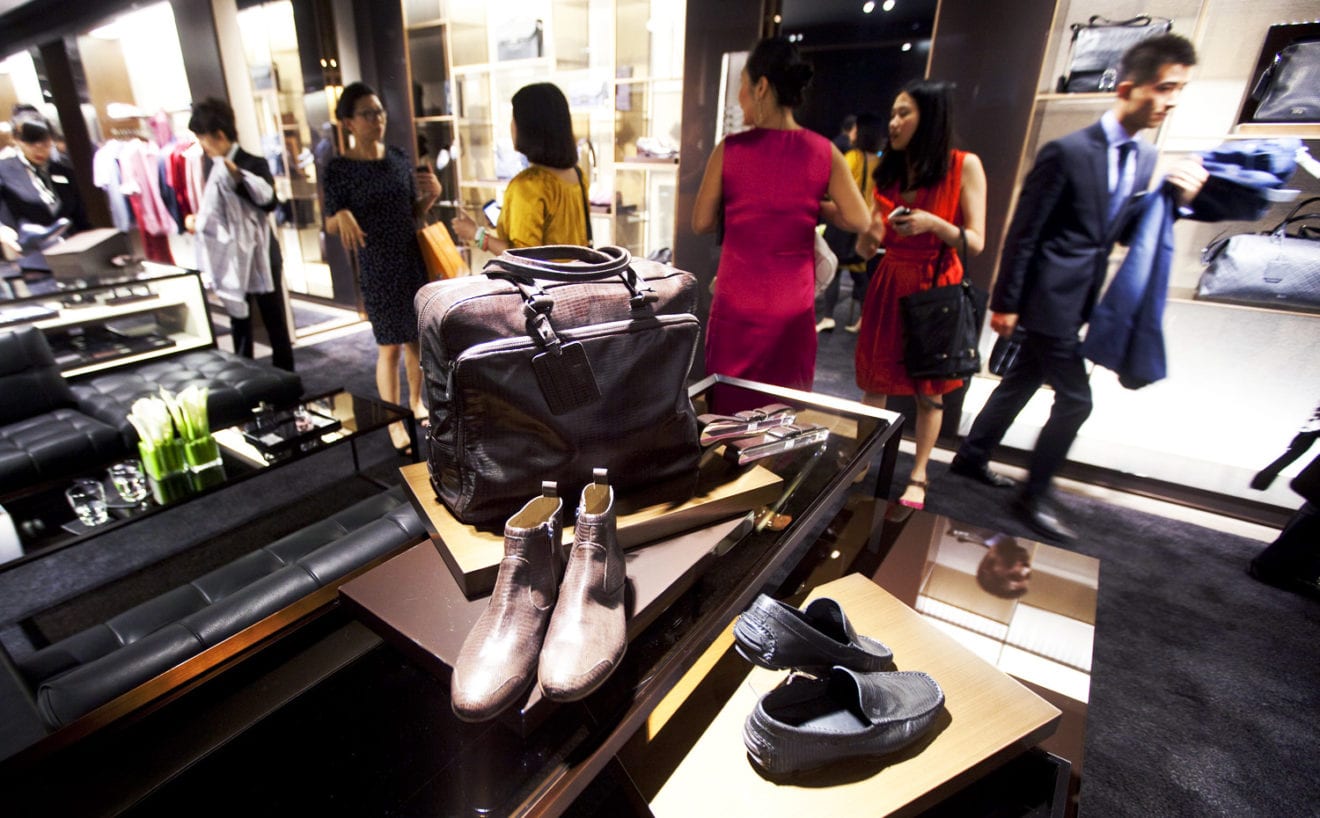
    Like other upmarket fashion retailers, Hugo Boss has been hit by a slowdown in luxury spending, particularly in China.

    In a strategy shift last November the German label known for its smart men’s suits said it would restrict new store openings to top global locations as it worked to expand online sales.

    On Thursday, it said it was going further. It will close around 20 of its 145 stores in greater China and make extensive renovations to others there. After a review of its entire store estate, it could close more outlets elsewhere and will open fewer than 20 stores worldwide, down from a net 72 last year.

    That marks a turnaround from a few years ago when the fashion house went on a global expansion drive after being bought in 2007 by private equity firm Permira. Under now departed Chief Executive Claus-Dietrich Lahrs, it was opening more than 100 stores a year, driving rapid growth in both sales and its share price.

    The slowdown in China’s economy and a clampdown on conspicuous consumption there has since hit luxury brands hard. However, Hugo Boss said that price cuts it made recently in China to bring them closer to European levels had boosted demand in recent weeks.

    It slashed prices for its spring collection by 20 percent in China, with another 10 percent due in the second half, Finance Chief Mark Langer told a news conference. A suit that costs 500 euros in Germany still costs 900 euros in China though, he said.

    The company also said it plans to expand its digital activities and bring the running of its online business in Europe in-house in May to better coordinate with its stores.

    Hugo Boss used to sell most of its range wholesale to outlets like department stores, but now makes more than 60 percent of sales from its own retail business.

    Brands that sell from their own retail space can boost margins and maintain more control over how their garments are presented, but the strategy can leave them exposed in a downturn due to fixed rental and staff costs.

    Total investment in 2016 would be below 200 million euros ($220 million), down from 220 million in 2015, but the company announced an unchanged dividend of 3.62 euros per share, helping send its shares up 3 percent by 1009 GMT.

    “Hugo Boss is still a healthy and growing company,” Langer said.

    Last month’s profit warning sent Hugo Boss’s share price tumbling, and the stock was still down 27 percent this year after Thursday’s gain, trading at a big discount to rivals like LVMH and Burberry.

    “We expect the dividend and free cash flow comments to be reassuring,” said UBS analysts, after the company pledged to impose “rigorous” control of stock to ensure a rise in free cash flow.

    Italy’s Marzotto family is now the biggest shareholder in Hugo Boss after Permira gradually sold down its holding.

    The company gave no update on the hunt for a successor to Lahrs, but said it had a long list of candidates.

    Lahrs took the company more upmarket and also expanded into women’s wear, a strategy Langer defended from criticism by some analysts, highlighting double-digit growth for its BOSS label for women in 2015. ($1 = 0.9107 euros)

  • Help retail electronics customers navigate to the right products

    Help retail electronics customers navigate to the right products

    Singapore will be the first offshore location for Australian consumer electronics product information platform Product Lighthouse.

    Singapore has been identified because of the sophistication of the domestic market, the high demand for electronic goods, and the close level of integration with neighboring countries.

    Product Lighthouse acts as a bridge between vendor product content and retailer product information systems. Through Product Lighthouse, information authored by vendors can be readily made available for retailer websites, catalogues, staff training and in-store tickets.

    The launch of Product Lighthouse Singapore is slated for the second half of 2016, with discussions underway now with leading retailers and manufacturers.

    Retailers have an opportunity to increase sales and retain customers  

    Consumer research conducted by Product Lighthouse shows consumers are hungry for product information – but they are often not getting it from store staff or online. Research undertaken by Product Lighthouse showed that.

    • 87% of consumers say they leave a website and go elsewhere when they encounter poor quality or missing product
    • 64% of consumers say they would be less likely to purchase from a retailer who provided incomplete product

    CEO Chris Grannell said “Most of us have visited a store and found staff unable to answer our questions. Even though most consumers purchase electronic goods in a physical store, the growing significance of the Internet in the product discovery process means that comprehensive and accurate information online is essential.”

    Singapore audit reveals product information gaps

    Product Lighthouse undertook an audit of product information on retail websites in Singapore and found many inaccuracies and information gaps.

    Grannell said: “In Singapore our audit has shown some astonishing inaccuracies, such as incorrect specifications, key attributes missing, wrong weights and sizes. We even found one website that had a laptop listed with a gender! “

    “These things happen because content is transferred from manufacturers to retailers through a manual process. Even with the most conscientious staff, mistakes will happen. Added to that, the nature of this industry means that information is not available all at once which means that it is more of a drip feed and less of a single transfer. Never before has there been a system that can accommodate this process and facilitate the collaboration around this data”

    Product Lighthouse is designed with low-fi integration in mind

    Gex Cheng, CTO of Product Lighthouse, said “Our technology platform can be thought of as an API layer between manufacturers and retailers. But ‘making things easy’ is part of our DNA, so we’ve created the ability for retailers to export content in customised spreadsheets that can be loaded into their systems. We’ve also invested heavily in collaboration tools and in the ability to read output from all kinds of manufacturer databases and libraries.”

    Cheng continued, “I always like to remind our users that our approach is to ensure our software fits to your workflow rather than changing it.”

    Discussions taking place now

    Cheng and Grannell will be spending time in Singapore during April, when Product Lighthouse will also be showcased at the Tech in Asia expo at Suntec Convention Centre. Grannell said “We are encouraged by the current focus on productivity by the retail sector in Singapore. Programs such as the Capability Development Grants from SPRING show that government and industry alike are keen to invest in productivity, marketing and customer service.”

  • Apple Pay launched in China

    Apple Pay launched in China

    Apple has confirmed that its alliance with China’s state-owned bankcard association, China UnionPay, will allow the lender’s cardholders to use Apple Pay from 3rd week of February.

    The union between Apple and UnionPay was announced late last year, but was subject to various approvals.

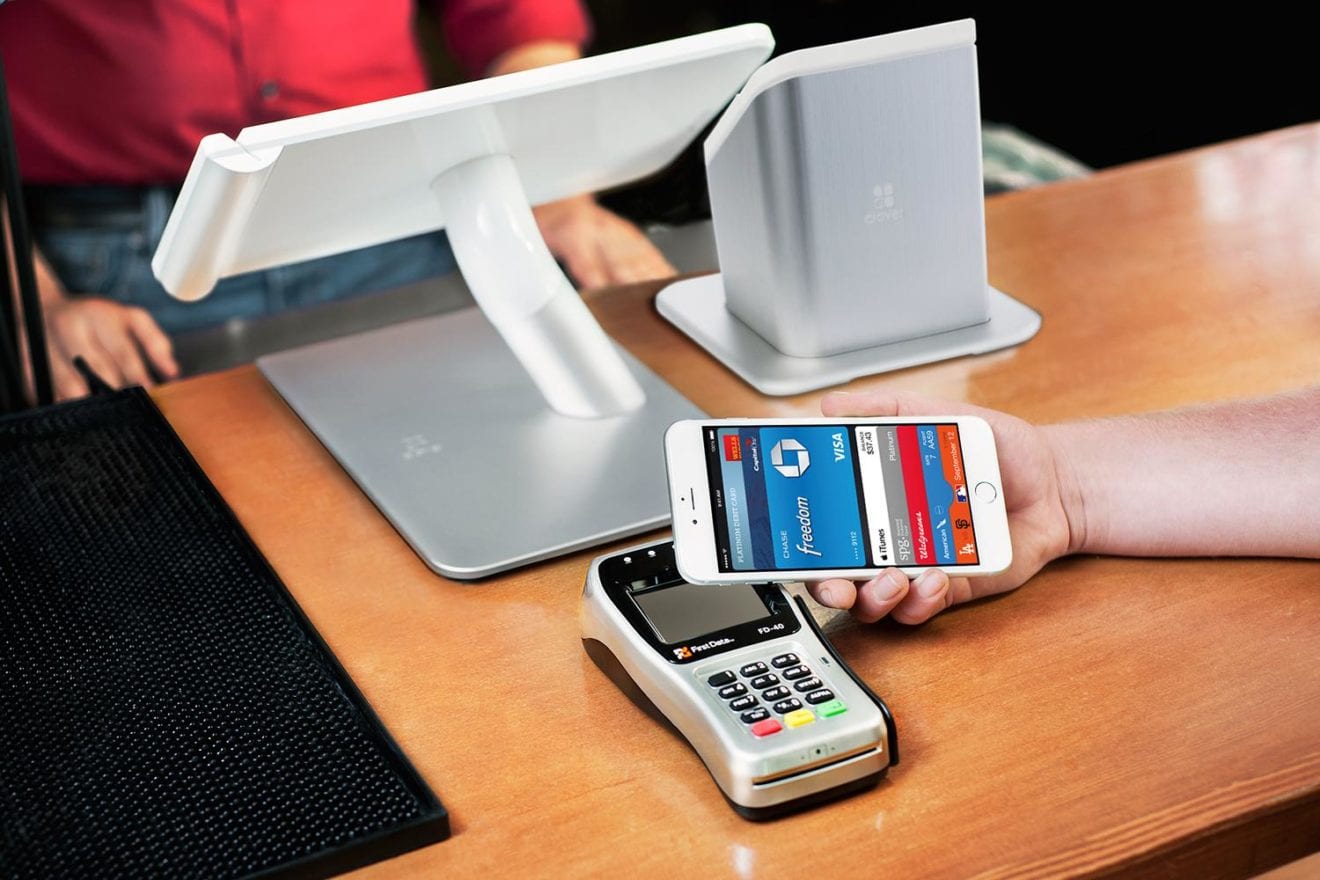
    Shoppers around the world are being encouraged to use smartphones instead of cards to pay for in-store purchases.

    Alibaba’s Alipay currently dominates China’s electronic payments market.

    Apple confirmed its expansion into China on its website.

    “You can now support Apple Pay for your customers in China, providing an easy, secure, and private way for them to pay using their China UnionPay credit and debit cards,” the firm said.

    Apple’s head Tim Cook later announced the launch of Apple Pay in China early on Thursday via his Weibo account.

    Several reports have indicated that as many as 20 China-based lenders will be supporting Apple Pay, including the Industrial and Commercial Bank of China (ICBC).

    ICBC had not responded to written inquiries on Thursday, however.

    Growing market

    There has been a rapid take-up of smartphones in China, with an estimated 68% of the population now owning one – and digital wallets are becoming a more popular way to pay for goods and services.

    UnionPay’s alliance with Apple is an extension of its plans to make the most of that growing market.

    However, analyst Bryan Ma of research firm IDC told the BBC that Apple was likely to garner a smaller user base in China compared to competitors like AliPay and Tencent’s WeChat Payment.

    “This is in part because Alibaba and Tencent payment systems are used for more things, like money transfers, whereas Apple Pay might be limited to just retail point-of-sale and possibly App Store transactions for now,” he explained.

    “There will be a natural, gravitational pull though for some people to Apple Pay – particularly people in big cities – because of Apple’s brand. So they will be able to attract a selected customer base that way.”

    Mr Ma said another issue was that Apple Pay would use the Near Field Communication (NFC) method of contactless communication, rather than the barcode-like method of electronic payments using QR codes.

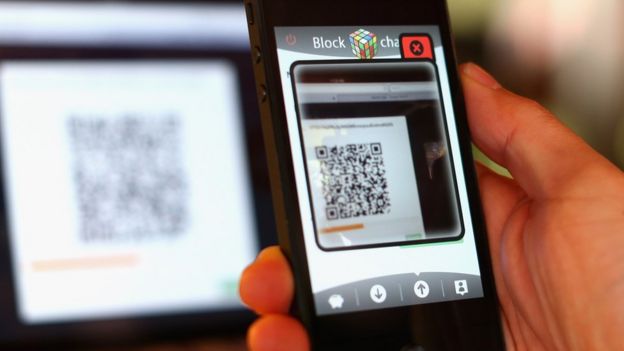
    QR codesImage copyrightCameron Spencer
    Image captionQR codes are used by a wider market because more phones can read them compared to phones that can read NFC tags, IDC’s Bryan Ma said

    QR codes were widely used by Apple Pay’s China-based competitors like Alipay, Mr Ma said, and could reach a wider market because more phones could read them compared to phones that could read NFC tags.

    By 2017 it is estimated the global mobile payments market will be worth some $1tn (£650bn).

    In addition to Apple Pay, Google’s Android Pay is available at more than one million locations in the US, while Samsung Pay was launched in South Korea in August, followed by a launch in the US the following month.

  • Hongkong Land’s 2015 results in line with expectations and support its ratings

    Hongkong Land’s 2015 results in line with expectations and support its ratings

    Hong Kong, March 10, 2016 — Moody’s Investors Service says Hongkong Land Holdings Limited’s (HKLH) results in 2015 reflected lower underlying profit but were in line with expectations and continue to support its A3 issuer rating.

    The results also support the A2 issuer rating of Hongkong Land Company Limited, a wholly-owned subsidiary of HKLH.

    The outlook for all ratings remains stable.

    “HKLH’s overall financial profile remained strong, despite the company reporting lower profitability and weaker financial metrics in 2015 as a result of lower earnings in its property development business,” says Joe Morrison, a Moody’s Vice President and Senior Credit Officer.

    HKLH’s revenues for 2015 grew by 3% year-on-year to $1.93 billion, as both rental income and property development revenue experienced moderate growth during the year.

    However, its adjusted EBITDA fell by around 14% year-on-year to $1.08 billion in 2015 due to an 11% year-on-year drop in the underlying operating profit of its property development business to $354 million. The drop was caused by completion and delivery of lower margin projects along with lower provision write-backs for two residential projects in Singapore during the year.

    Nevertheless, HKLH’s financial profile continues to support the A3 rating level. HKLH ‘s adjusted EBITDA interest coverage — which excludes fair value gains, but includes dividends from associates and joint ventures — was 7.9x for FY2015, down from 9.3x in 2014, while adjusted debt/EBITDA increased moderately to 3.6x from 3.4x.

    “The company’s investment property business remained strong in 2015, and the limited office supply situation in Central will continue to support its rental and occupancy rates over the next two years,” says Morrison.

    HKLH’s office vacancy rate declined to 3.4% at end-2015 from 5.4% at end-2014, while average office rents remained stable. Retail space remained fully let, with average net rent increasing around 3.3% year-on-year to HKD221 per square feet.

    The vacancy rate of HKLH’s Singapore office portfolio remained low at 3% at end-2015 compared to 1.7% at end-2014. However, taking into account the committed area under new leases, the adjusted vacancy would have been 1% at end-2015.

    The company’s rental income grew around 1% year-on-year to $851 million, benefitting from positive rental revisions for its Central office and retail portfolio during 2015.

    Moody’s expects HKLH’s EBITDA interest coverage and adjusted debt/EBITDA to weaken moderately over the next 2 years, as the company raises debt for potential land acquisitions and development projects.

    The impact should be mitigated by the contribution from property development. At end-2015, HKLH had unrecognized contracted sales of USD821 million for its projects in Mainland China, with around 70% scheduled for delivery in 2016.

    HKLH’s liquidity profile remained robust. The company had cash of $1.6 billion and committed unutilized facilities of $2.5 billion at end-2015. These resources are more than sufficient to cover its short-term debt of $169 million over the next 12 months.

    The principal methodology used in these ratings was Global Rating Methodology for REITs and Other Commercial Property Firms published in July 2010.

    Hongkong Land Holdings Ltd is a Bermuda-incorporated holding company engaged in property investment, management, and development. HKLH is 50%-owned by Jardine Strategic Holdings Ltd. (A2 stable).

    The Hongkong Land Company Ltd (A2 stable), incorporated in Hong Kong, is a wholly owned subsidiary of HKLH and holds the group’s portfolio of 5 million square feet of prime office and retail space in Hong Kong, the Central portfolio.
     

  • Thai investment in VN concentrated in processing, manufacturing

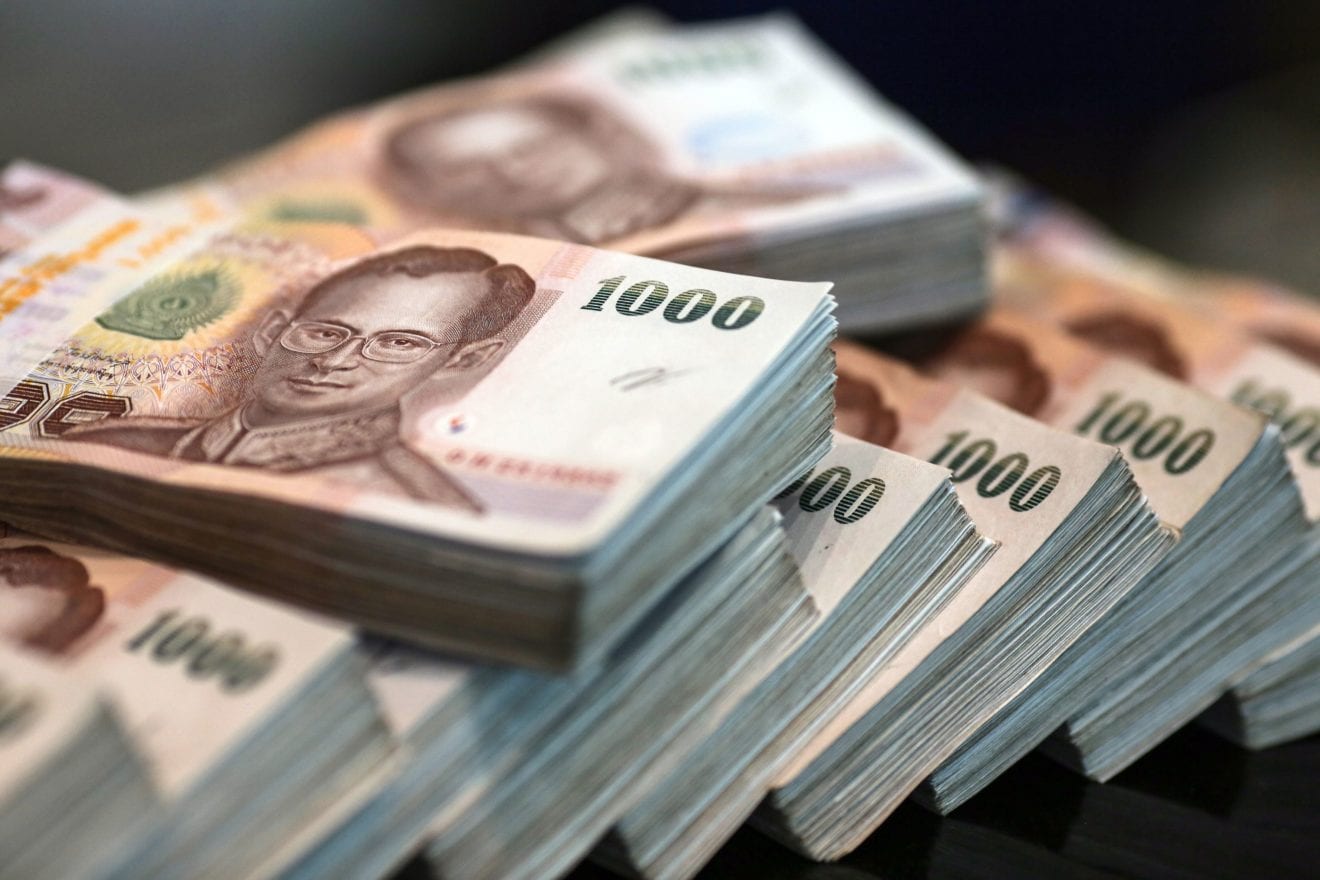
    Thai investment in VN concentrated in processing, manufacturing

    According to the agency, there are about 200 Thai projects in such industries, with combined investment of US$7 billion or 88 per cent of Thailand’s total investment in Vietnam.

    These sectors are followed by agriculture, forestry and seafood sectors, which have 31 projects worth $235 million. The rest are in retail and construction sectors.

    As the end of February this year, Thai businesses had invested in 428 projects in the country, with a total investment capital of $7.88 billion, ranking 11th among countries and territories that have invested the largest capital in Vietnam.

    A Thai project was worth $18.4 million on average, about $14 million more than the average value of a foreign investment project in the country.

    The southern Ba Ria – Vung Tau Province attracted the highest number of foreign direct investment projects from Thailand, worth $3.77 billion. It’s followed by the northern Vinh Phuc Province with projects worth $744 million and the southern Binh Duong Province with $513.4 million.

    The statistics also showed that Thai joint venture investments comprised 70 per cent of Thailand’s registered investment in Vietnam, worth $5.5 billion.

    Vietnam has become a favourite destination of many Thai billionaires in recent years, with many large projects and merger and acquisition transactions taking place in retail and consumption areas.

    These include Thai company Berli Jucker’s (BJC’s) purchase of Metro Cash & Carry Viet Nam for more than $870 million; and Power Buy, a subsidiary of the Central Group of Thai billionaire Chirathivat, also acquired a 49 per cent share in New Solution and Technology Development Company NKT, the owner of Viet Nam’s leading retailer Nguyen Kim Trading JSC.