Author: Mei Ling Tan

  • Samsung Galaxy S7 edge officially launched in Malaysia for RM3,099

    Samsung Galaxy S7 edge officially launched in Malaysia for RM3,099

    Korean famous variety show Running Man star, Lee Kwang Soo made a special appearance at the Galaxy S7 edge launch event yesterday to inform fellow Malaysian that he had found his lost phone and he came here to show his appreciation to the local fans. His appearance set the crowd off with double the thrill and excitement.

    The launch event held at KLCC was packed with hundreds of gadget enthusiasts and Galaxy fans as Samsung Malaysia Electronics officially launched its latest and highly anticipated device of the year, the Samsung Galaxy S7 edge.

    The Galaxy S7 edge introduces the first Dual Pixel camera on a smartphone, delivering brighter and sharper images. With a wider aperture F1.7 and bigger pixel, the camera has a faster shutter speed and a more accurate autofocus even in low-light conditions.

    Motion Panorama, a new camera mode, brings movement to traditional panoramic photos, giving the user a completely immersive visual experience.

    The 5.5-inch Quad HD Super AMOLED on Galaxy S7 edge is constructed with 3D glass and metal – all in a sleekdesign with durability and ergonomic curves for a comfortable grip.

    The enhanced edge screen allow users to access the Edge panel that brings favourite content and services with just a swipe of the thumb.

    The device’s new Always-On Display, gives users a simplified, zero touch experience where they do not need to worry about missing a call or important notification.

    Edge UX, the advanced edge experience available on Galaxy S7 edge, provides convenience and increased efficiency by creating easy shortcuts to users’ most loved functions such as email, selfie mode, panorama mode or third party applications.

    Galaxy S7 edge is equipped with IP68 capless dust and water resistance for up to 1.5m of water and up to 30 minutes.

    The Galaxy S7 edge has a bigger battery capacity (3,600mAh), an enhanced processor and the latest Android OS (Marshmallow) to ensure that the batteries are used to their full potential. Its big battery allow for a full day of high mobile usage, without users having to worry about re-charging.

    The Galaxy S7 edge is capable of slotting in a microSD card slot that can host up to 200GB of expandable storage.

    The improved microSD card slot also works as a hybrid SIM card tray. The days of annoying re-start of the phone just to swap between SIM cards are over thanks to this cleverly-designed hybrid tray.

    The new Game Launcher arranges all your games in one place automatically and the Game Tools allows users to manage battery consumption and minimize notifications. Paired with the Galaxy S7 edge, Vulkan API gives users the ability to play high-performance graphic games smoother, less lag and with lower battery consumption.

    Samsung also introduced its first ever Galaxy Butler Service – a personalized ownership service exclusive to the Galaxy S7 edge. Underlining the brand’s all-encompassing Galaxy experience, this unique service offers a 24/7 hotline, free pick-up and delivery service, priority express counters and 1-hour repairs service, remote management, smart switch and 7-points check-up – assuring a peace of mind to owners on their consumer journey. Users can now look forward to Samsung’s promise of a seamless and enjoyable ownership experience.

    The Galaxy S7 edge will be available in Malaysia starting March 18. Offered at the recommended retail price of RM3,099 (inclusive of 6% GST), the Galaxy s7 edge is available in three colour options – Black Onyx, Silver Titanium and Gold Platinum.
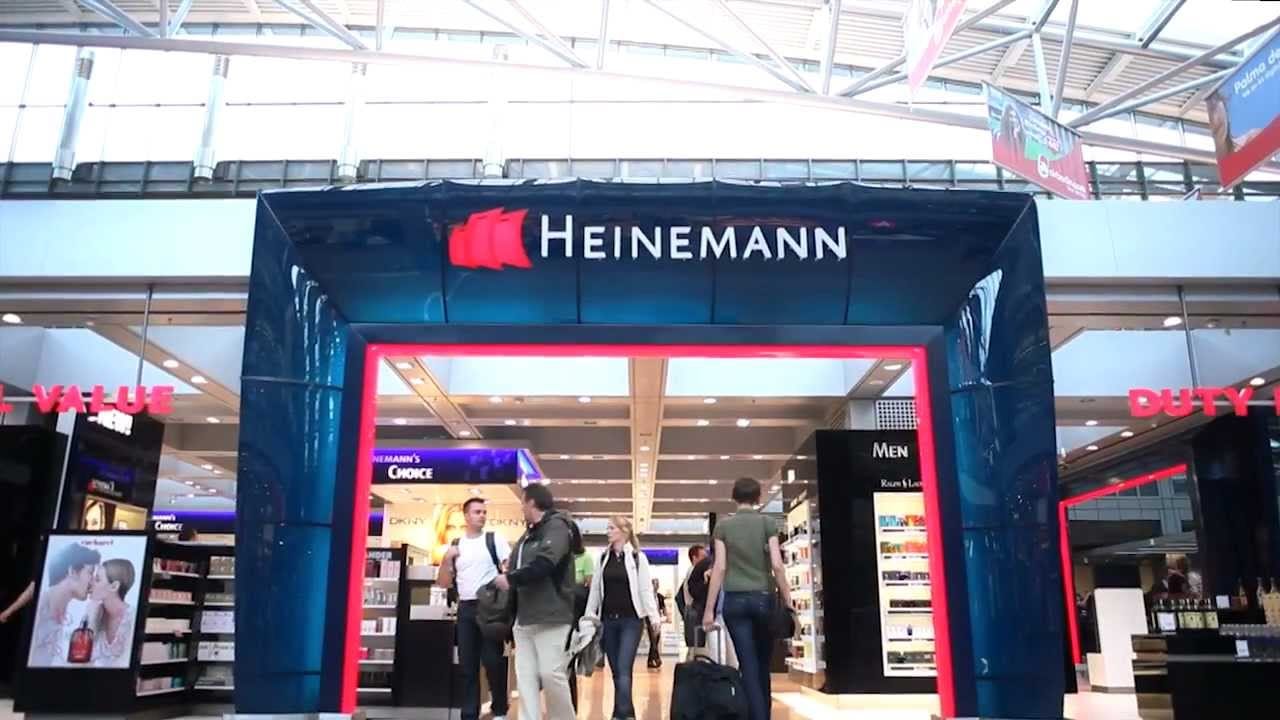

  • DFI agrees 10% equity stake disposal to Heinemann ASPAC

    DFI agrees 10% equity stake disposal to Heinemann ASPAC

    Malaysian duty free retailing group Duty Free International (DFI) is primed to sell a minority stake of its business to Heinemann Asia Pacific.

    The sale and purchase agreement includes the disposal of a 10% equity interest plus one share – comprising an aggregate 20,996,384 shares – in wholly-owned subsidiary DFZ Capital Berhad (DFZ) to Heinemann Asia Pacific for a consideration of €19,700,000.

    Under the terms, Heinemann Asia Pacific are also entitled to purchase a second tranche of shares in DFZ Capital Berhad (DFZ) via a call option (€1 per share) in an 18-month period beginning on the date that the first tranche of sales are completed.

    A further option to purchase a third tranche of shares in a 12-month period will begin on the date of expiry of the second tranche call option period – taking the total share eligibility of Heinemann Asia Pacific to 25% in a potential overall transaction of €52.21 million.

    The completion of the sale and purchase of the first tranche of shares is expected to take place on 1 June.

    A DFI statement read: ‘The company views HAP as a strategic investor, and the proposed disposal is expected to enable the company to benefit from the resources and expertise of Gebr. Heinemann and HAP in the areas of product assortment and costing, retail store management, distribution and logistics management of DFZ products.’

    ‘HAP’s investment in DFZ will allow Malaysians and visitors to Malaysia an enhanced travel retail experience, one on par with the best available in the world. The proposed disposal is also expected to further strengthen the group’s financial strength, enabling the group to consider future business opportunities.’

    Heinemann Asia Pacific CEO Max Heinemann is confident the joint venture with DFZ will realise synergies and new growth opportunities in Malaysia.

    Gebr. Heinemann says the joint venture agreement will not only strengthen the presence of the company in Malaysia but will ‘realise gross margin and operational synergies for DFZ Capital Berhad’, with Heinemann Asia Pacific involved in day-to-day operations and overall decision making.

    Max Heinemann, CEO of Heinemann Asia Pacific said: “Looking at the similar business models and corporate cultures of both companies, Gebr. Heinemann and DFI believe this joint venture to be a great strategic fit for growth together in Malaysia.”

    Malaysia’s fast-growing retailing group has more than 30 years’ experience operating at airports, seaport, downtown, border towns and popular tourist destinations at entry and exit points on the peninsular.

    DFZ operates duty free retail, duty free wholesale and duty paid outlets throughout the region in areas such as Pedang, Besar, Langkawi, Bukit Kayu Hitam, Kuala Lumpur International Airport and Johor Bahru.

  • Freelancer.com eyes Indonesia

    Freelancer.com eyes Indonesia

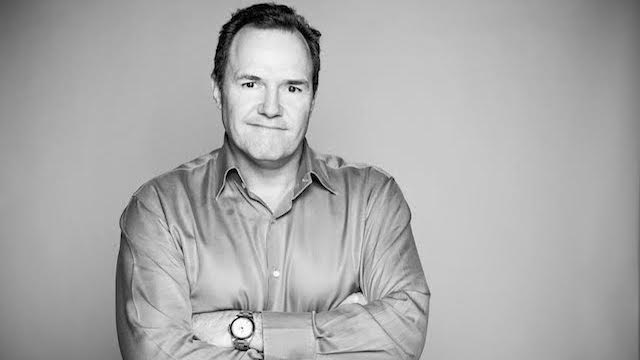
    Online jobs listing platform Freelancer.com is set to expand its presence in Indonesia, with company CEO Matt Barrie praising the country’s efforts to drive innovation and investment in technology.

    Mr Barrie’s comments came as he and his team, including senior vice president of growth, Indonesian-born Willix Halim, played host to a delegation of Indonesian officials in Freelancer’s Sydney offices.

    The delegation, headed by the Indonesian minister of trade Thomas Lembong, discussed a number of topics with Freelancer’s management, with a particular focus on touting the efforts of the Indonesian government to create a more welcoming environment for local and foreign start-ups in the country.

    Mr Lembong said he was committed to making investment leaner, faster and friendlier in Indonesia. Under initiatives signed off by Indonesian president Joko Widodo, the country is looking to potentially reduce start-up capital costs and time for foreign companies to establish themselves in Indonesia.

    The country recently unveiled its e-commerce platform that’s designed to reduce the bureaucratic burden for entrepreneurs

    Mr Lembong also hinted at the prospect of Australian universities given the chance to establish campuses in Indonesia. Both Singapore and Malaysia have had similar policies regarding foreign universities for almost two decades and while the trend of Australian universities branching out geographically is on the wane the move signals the Indonesian government’s desire to boost its local innovation ecosystem.

    Indonesia is an important market for Freelancer, with 1 million of its 18 million users globally hailing from the country.

    Mr Barrie said that he was impressed by the level of activity in Indonesia.

    “I am very impressed with how many people in Indonesia’s cabinet are from the private sector with domain experience directly in the sector of their portfolio,” he said.

    “Why can’t we do this in Australia? It would take how Australia is governed into the 21st century and away from petty politics that is the mainstay of career politicians.”

    “I thoroughly enjoyed discussing the challenges and rapid progress that Indonesia has made and will make through technology-enabled reform and “breaking taboos to get things done” with the minister,” he added.

  • Indonesia waives visa requirements for 79 more countries

    Indonesia waives visa requirements for 79 more countries

    Indonesia has waived visa requirements for 79 more countries, expanding the list to 169 visa-free nations as it continues its efforts to boost foreign visitor numbers.President Joko Widodo on March 2 signed a decree granting visa-free entry to tourists who wish to travel in the country for 30 days, said a statement published on the Cabinet Secretary website on Friday.

    “The presidential decree comes into effect once it is ratified, ” the statement said, noting that the Legal and Human Rights Ministry authorised it on March 10.

    According to the statement, Australia is included in the list of countries after the country was mooted three times last year but later the reciprocal issues were dropped over, Xinhua news agency reported.Throughout last year, the Indonesian government expanded the list to 90 from 15 visa-free countries.

    The government has set a target to attract 20 million foreign tourists annually by 2019 as an effort to boost growth in Southeast Asia’s largest economy.Last year alone, 9.73 million tourists visited the Indonesia.

  • OTT Content Providers Must Establish Office, Ministry Says

    OTT Content Providers Must Establish Office, Ministry Says

    The Communication and Informatics Ministry (Ministry) plans to issue a regulation that mandates over the top (OTT) content provider companies to establish a permanent business entity in Indonesia starting on April 2016.

    “The Ministry obliges OTT content provider companies to establish a business entity,” said Ismail Cawidu, Head of Information and Public Relation of the Ministry on Friday, March 18, 2016.

    The obligation will also apply to foreign OTT content provider companies in Indonesia, including Facebook, Twitter, and Whatsapp. Ismail said that these companies can still operate in Indonesia if they could establish a permanent representative office in the country. Ismail added that foreign OTT content provider companies must also cooperate to protect consumers’ confidential information.

    Ismail said that if foreign OTT content provider companies cannot establish a permanent business entity, they are allowed to cooperate with similar companies in Indonesia.

    Ismail stated that the Communication and Informatics Minister Rudiantara had promised that the regulation will be completed on April 2016. “The regulation will be announced in the beginning of April 2016, but we don’t know whether it will be immediately enter into force or there will be a transition period,” Ismail said.

    Failing to comply with the regulation, Ismail said, OTT content provider companies will be subjected to sanctions. “The app could be blocked, or the company’s bandwidth may be reduced so the company cannot operate its website freely,” Ismail said.

  • New Skycrapers from Megaworld

    New Skycrapers from Megaworld

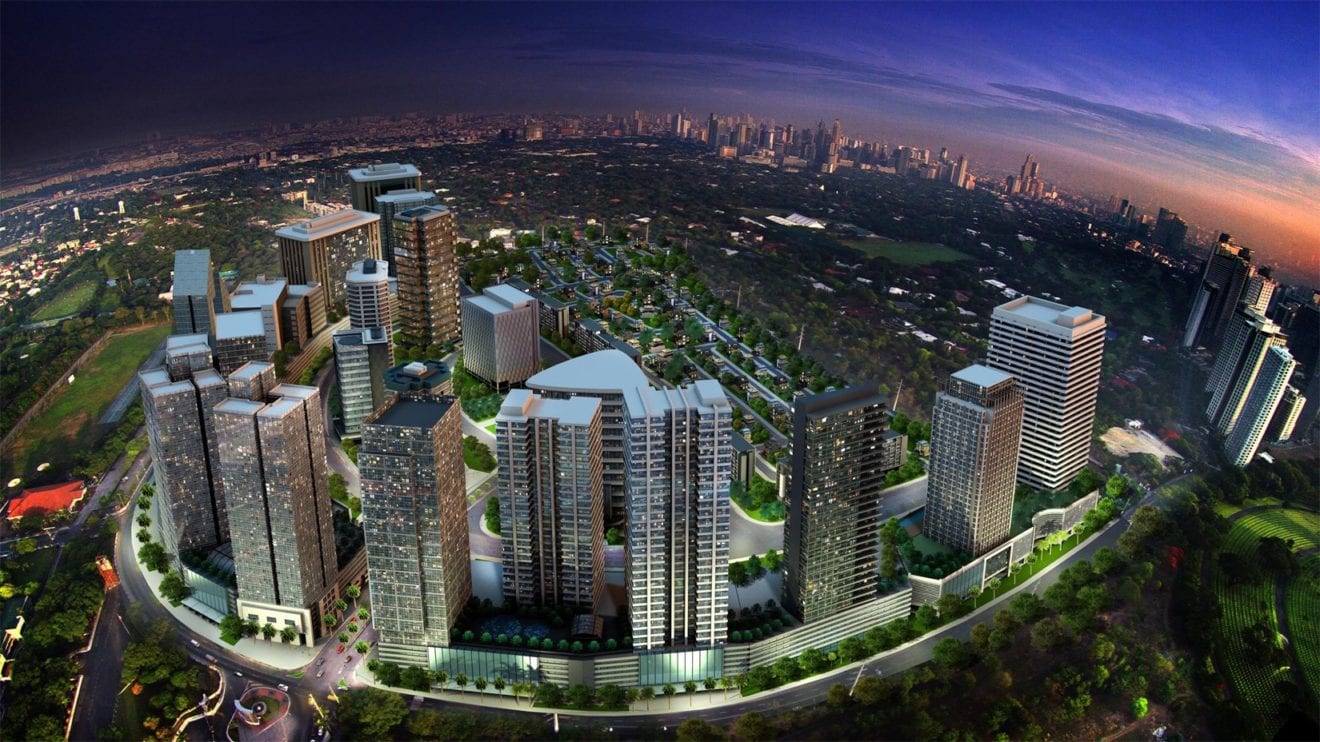
    Philippine property developer Megaworld Corp and its subsidiaries have earmarked P55 billion (US$1.172 billion) for capital spending in 2016 to boost commercial assets.

    Real estate tycoon Andrew Tan’s flagship property arm and subsidiaries Global-Estate Resorts (GERI), Empire East Holdings and Suntrust Properties have announced plans to aggressively expand a group-wide rental portfolio.

    The company said 75 per cent of the budget will be used for development projects, particularly for the construction of new malls, commercial centers, office buildings and residential projects in townships. The remaining 25 per cent will be used for land acquisition and investment properties.

    “This year, we would start developing our new townships in Pasig City, Bacolod and Pampanga while ramping up our office and mall developments across our existing townships. We are bullish on the office and retail sectors because we see a remarkable growth in these businesses,” Megaworld senior VP Jericho Go said in a press statement.

    The spending budget this year matches the same level earmarked for 2015.

  • Bali to Host Web in Travel Conference

    Bali to Host Web in Travel Conference

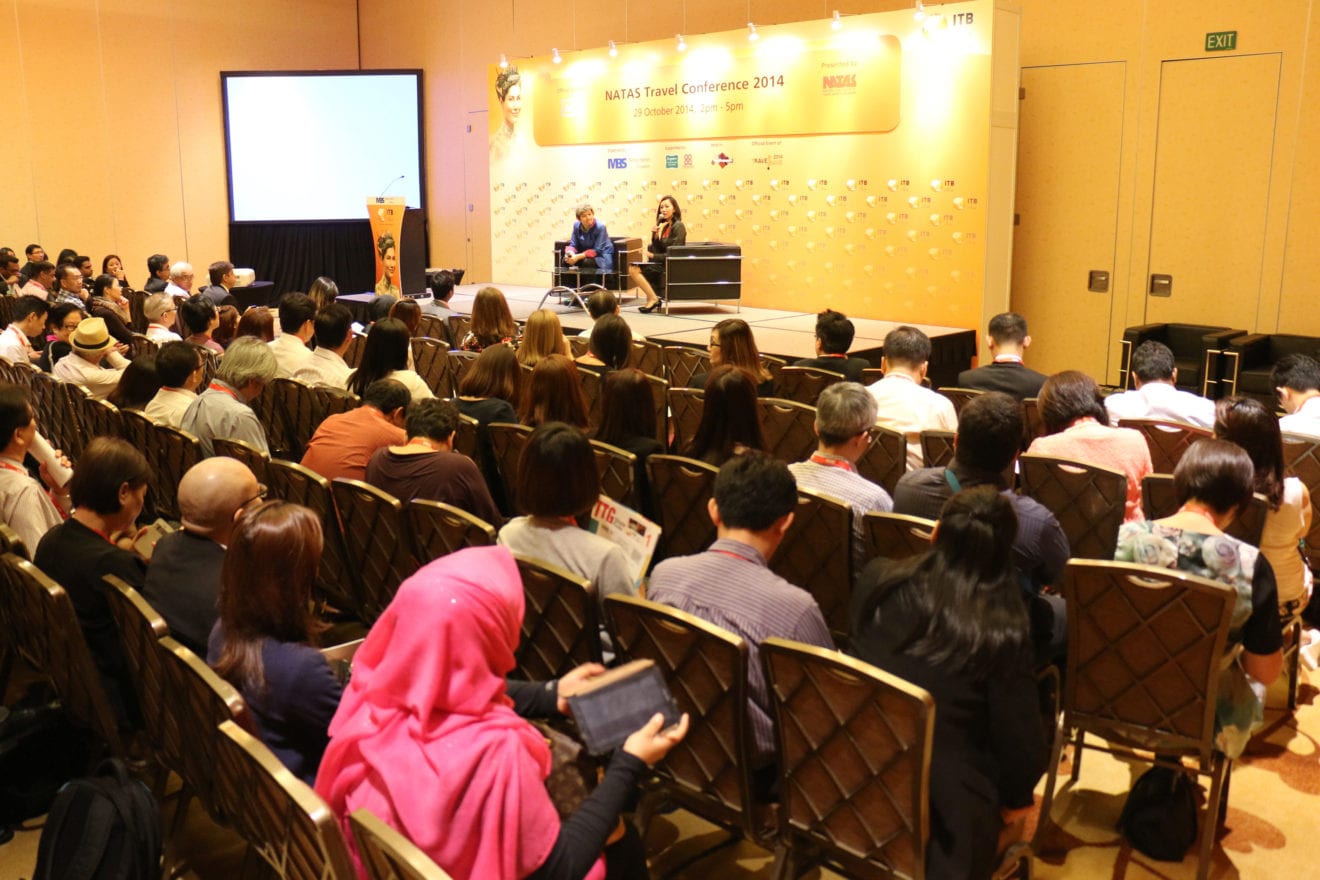
    Web in Travel (WIT) Indonesia Conference will be held in Bali on April 28, 2016. The conference on online tourism industry will invite speakers from world’s leading brands.

    Grace Kurnadi, CEO of Revata – the organizer of Web in Travel in Indonesia – said that she believed that the conference will attract prominent and influential players in online tourism industry, include in distribution and marketing. “It’s a good momentum for Indonesia to develop tourism, particulary through the channel of online media,” Grace said in her press conference on Thursday, March 17, 2016.

    WIT is adapted from WIT Conference in Singapore, Asia-Pacific’s biggest online tourism event. The conference to be held by WIT and Revata Cipta Kreasi will be the fourth ever.

    The event will feature a number of speakers to discuss the latest trends and issues in online tourism industry, Grace said. In addition, they will discuss market opportunities in Indonesia.

    Grace said that Indonesia has the potentials to attract tourists through its natural beauty. However, emphasis must be given on adaptation in technology for promoting and selling tourism package in line with the global technological advancement. “Tourism sector is expected to become the leading sector to enhance foreign exchange earnings,” Grace said.

    The government is hoping to achieve 20 million foreign tourist visit in Indonesia by 2019. The President had asked all relevant ministries and agencies to support tourism sector in Indonesia. “To support the target, we have to expedite the use of technology as one of the means of promotion as well as to market a wide range of tourism packages in Indonesia,” Grace said. Moreover, Grace considered that various industries are currently dominated by millenials who are familiar with technology, including in tourism industry.

    Listed below are speakers who have confirmed their presence in next month’s conference:

    1. Rusdi Kirana, Founder of Lion Air

    2. Oliver Hua, Managing Director of Asia Pacific Booking.com

    3. Mieke De Schepper, Vice President of Asia Pacific Expedia

    4. Robin Harries, Head of APAC Trivago

    5. Rama Mamuaya, Founder of Dailysocial.id

    6. Eric Tjetjep, Founder of Ezytravel, former CFO of PT Dwidaya

    7. Gaery Undarsa, Managing Director & Co-founder of Tiket.com

    8. Dennis Adishwara, CEO of Layaria

    9. Alamanda Shantika Santoso, Go-Jek’s Vice President of Product

  • Fitch Asia appointed new chief

    Fitch Asia appointed new chief

    Fitch Asia, the retail and brand consultancy, has appointed a new regional CEO to cover north and southeast Asia.

    UK-born and Australian-raised Andrew Crombie will lead the company’s growth across the region from its Singapore hub, reporting to worldwide CEO Simon Bolton. Crombie will work closely with China GM Nikki Lin to expand opportunities in that market. He takes over from Ian Bellhouse, who is moving on to a new venture.

    Crombie has spent 25 years working in Singapore, Taiwan, Hong Kong and Malaysia in regional and global roles for agencies including Batey Ads, FCB, Havas and Ogilvy. He began his career in Australia working for such brands as American Express, Banyan Tree Resorts, BMW, Carlsberg, Dell, Dunhill, Guinness, Hennessy, IBM, Mercedes Benz, Porsche, Qantas, TagHeuer and Visa Gold.

    Most recently, he has been MD and partner at healthcare agency H&T Asia.

    “Andrew’s brief is to make Fitch famous in this region, and he’s the person to do that,” says Bolton. “No-one thinks about the customer journey more, and he will bring this expertise to Fitch along with his extensive understanding of the diversity and rich potential for retail and experience design within the region.”

    “It’s great to be joining Fitch at this time of profound change in how consumers are engaging with brands,” says Crombie, who takes up his new position on May 3.

    “Asia is poised to be at the forefront of innovation in retail and brand experience.”

  • South Korea Market May Remain Stuck In Neutral

    South Korea Market May Remain Stuck In Neutral

    The South Korea stock market gave up just a pair of points on Tuesday – but that was enough to snap the four-day winning streak in which it had advanced more than 25 points or 1.2 percent. The KOSPI settled just shy of the 1,970-point plateau, and the market is looking at another narrow trading range on Wednesday.

    The global forecast for the Asian markets remains roughly flat with a touch of weakness ahead of the Federal Reserve interest rate decision later today. The European markets were down and the U.S. bourses were mixed but little changed – and the Asian markets figure to split the difference.

    The KOSPI finished slightly lower on Tuesday as losses from the technology stocks were mitigated by support from the industrials.

    For the day, the index slipped 2.30 points or 0.12 percent to finish at 1,969.96 after trading between 1,966.44 and 1,979.46 on volume of 3.8 trillion won.

    Among the actives, Hyundai Development spiked 4.77 percent, while POSCO added 0.48 percent, Samsung Electronics shed 0.16 percent, Hyundai Motor fell 1.01 percent and AmorePacific spiked 2.45 percent.

    The lead from Wall Street is slightly negative as stocks were mostly lower Tuesday as falling crude oil prices remained a key driver of the markets – skidding 2.3 percent.

    The Dow added 22.40 points or 0.13 percent to 17,251.53, while the NASDAQ slipped 21.61 points or 0.45 percent to 4,728.67 and the S&P 500 eased 3.71 points or 0.18 percent to 2,015.93.

    The listless trading came as traders looked ahead to today’s monetary policy decision from the Federal Reserve. The Fed is widely expected to leave interest rates unchanged, but traders will pay close attention to the wording of the accompanying statement.

    Traders reacted to several key economic reports, including a Commerce Department report showing a modest drop in retail sales in February. A separate report from the Labor Department showed a modest decline in producer prices in February.


  • Asian banks fear impact of negative interest rates

    Asian banks fear impact of negative interest rates

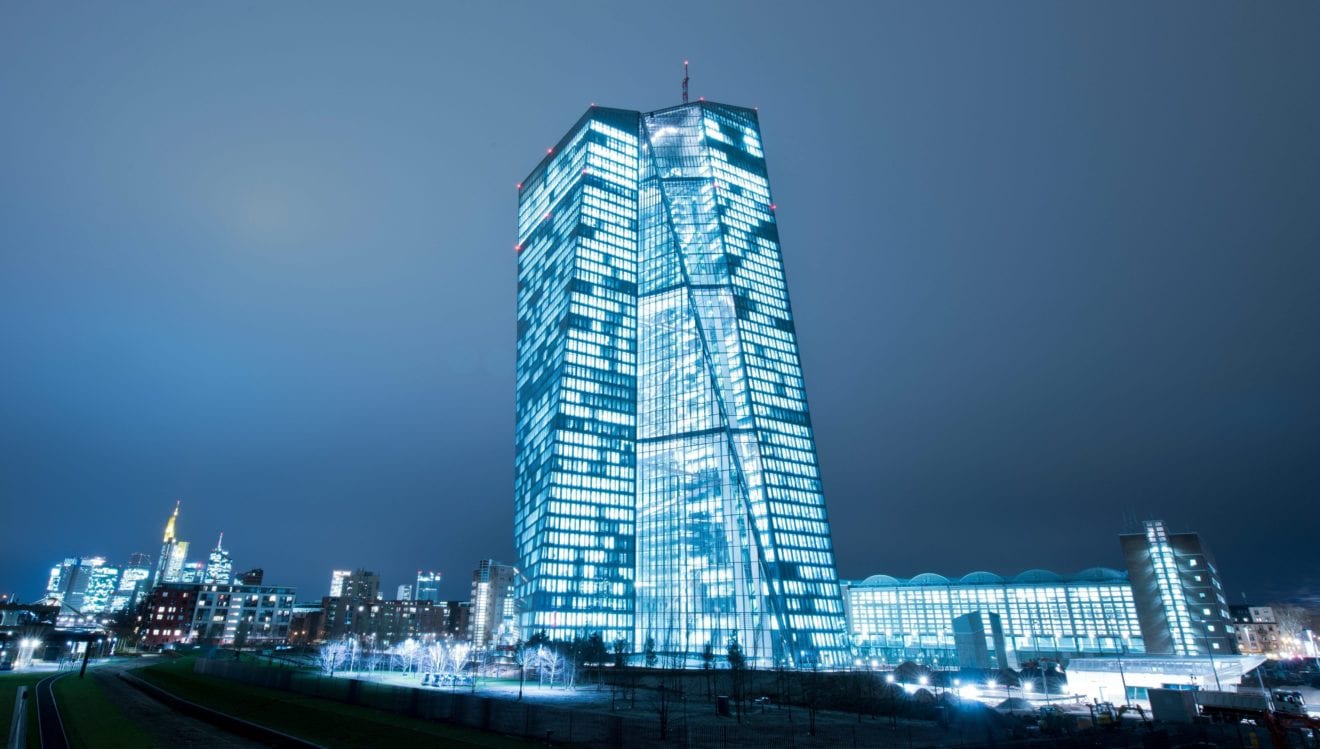
    Central banks in emerging Asia that are struggling to revive growth and keep their financial systems stable are facing new risks as their counterparts in Europe and Japan plunge deeper into uncharted policy territory.

    The Bank of Japan in February joined several European central banks in turning policy on its head with a radical prescription of negative interest rates to revive flagging economies, prompting calls from emerging markets for some form of global coordination to avoid a race to the bottom for rates and currencies.

    Concerns about potentially destabilising spillovers into the rest of the world are likely to be a key talking point over the coming week as central banks in Indonesia, Thailand, the Philippines and Taiwan hold policy reviews.

    All four central banks have seen volatile swings in their currencies and stock markets over the past year as the world’s major central banks have taken markedly divergent policy paths.

    Yesterday, Bank Indonesia cut its benchmark interest rate by 25 basis points to 6.75 per cent, its third straight reduction of that size this year as it tries to lift sluggish economic growth.

    While many Asian economies have strengthened their defences since the 1997/98 regional financial crisis, they remain vulnerable to sudden capital outflows.

    Reserve Bank of India governor Raghuram Rajan, a critic of the massive stimulus rolled out in developed economies, has called on global central banks to adopt a system for assessing the wider impact of unconventional monetary policies.

    “It seems fair to say that the benefits seem to be diminishing after years of effort, and the costs increasing,” Mr Rajan said at a three-day International Monetary Fund (IMF) event in New Delhi.

    Low rates have created problems for savers around the world, and debt levels are continuing to rise to unsustainable levels from China and Japan to Europe – feeding fears of a fresh blow to the global economy from financial market dislocation.

    Mr Rajan’s concerns were echoed by his peers in emerging markets such as Indonesia and Malaysia, but few if any in the region expect the likes of the European Central Bank (ECB) to give priority to any nasty side effects for other economies when setting policy.

    “The potential for this (to manage economic crises) is becoming more and more limited as monetary policy rates have already trended closer to zero and quantitative easing is becoming more significant,” Bank Negara Malaysia governor Zeti Akhtar Aziz said.

    She said there is a need for greater policy coordination among countries to prevent over-reliance on monetary policy.

    Mr Juda Agung, Bank Indonesia’s executive director for monetary and economic policy, agreed. “A low-yield environment encourages excessive risk-taking behaviour. At the end, the credibility of the central bank is at stake,” he said.

    Mr Frederic Neumann, co-head of Asian economic research at HSBC, said that emerging economies are right to raise a voice of caution over unconventional policies.

    “Policymakers are backpedalling because it’s not entirely clear what the benefits of negative rates would be,” he said, referring to ECB president Mario Draghi’s suggestion last week that further rate cuts were probably off the table.

    Indeed, a recovery in the euro zone has flagged over the past year and deflation looms large, while Japan’s economy is teetering on the brink of its fourth recession in five years. The IMF has cut its global growth projections for 2016 and 2017, with a slowdown in China rippling across producers of oil, cars and a range of consumer products.

  • Speculation builds of Burberry takeover

    Speculation builds of Burberry takeover

    Speculation of a Burberry takeover bid have seen the London-headquartered luxury fashion company’s share price rise 6 per cent in recent days.

    An unidentified party has built a 5 per cent stake in the business. Under London Stock Exchange rules any shareholder holding more than 3 per cent equity must disclose their identity, but an exemption allows investment managers to represent a client with up to 5 per cent. When that threshold was breached briefly in February by HSBC, acting on behalf of the mystery Burberry bidder, the excess was quickly resold.

    UK media is reporting that Burberry is “keeping a close watch on the stake”, but has yet to receive any takeover approach.

    According to a report in The Financial Times, Burberry has asked HSBC to reveal its client’s identity.

    While Burberry maintains strong brand strength, it has suffered from a decline in sales in China and Hong Kong, its key markets, due to the Chinese government’s clampdown on gift-giving and graft, and changing travel patterns of wealthy Mainland Chinese.  As a result, its market capitalisation has slipped to about £6 billion.

    The Financial Times nominated LVMH Group and private equity investors as possible buyers of the 5 per cent cornerstone stake.

  • Seven & I store closures hit regions

    Seven & I store closures hit regions

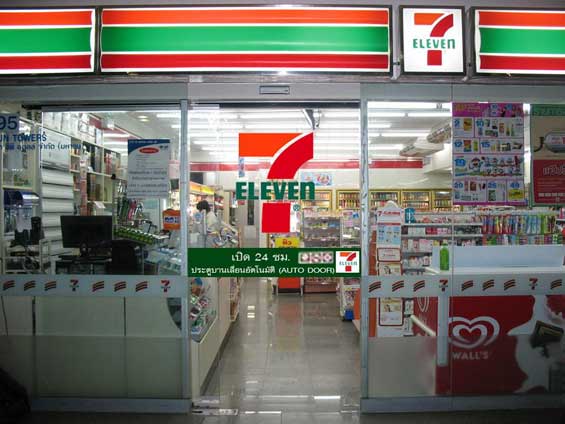
    Losses have forced two Seven & I store closures in regional Japan, both outlets after 40 years of trading.

    Seven & I Holdings, which owns the Sogo and Seibu department store chains, is closing a Sogo store in Kashiwa, Chiba Prefecture, and a Seibu store in Asahikawa, Hokkaido. Both are scheduled to shut their doors on September 30, and the company has not revealed any plans for either site.

    Japan’s regional department stores have been hit hard by competition from major shopping developments and other factors. Also, they are not easily accessible for foreign tourists, so have not benefited from the tourism boom.

    “It has been difficult to attract customers and we cannot continue to run deficits,” says Seven & I Holdings president Noritoshi Murata.

    Sogo and Seibu are known for having a higher ratio of regional outlets than other major department store chains, says The Japan News. Since their sales peaked in the 1990s, both Sogo Kashiwa and Seibu Asahikawa have been on a downward trend.

    Many other regional department stores have already closed. The Kenmin Department Store in Kumamoto, in business for more than 40 years under different names, shuttered in February last year. The Imari Tamaya store in Imari, Saga Prefecture, closed in January, citing a shrinking population, poor sales and other factors.

    Run by Isetan Mitsukoshi Holdings, the Marui Imai department store in Hakodate, Hokkaido, has reported a 4.8 per cent drop in sales to ¥6.3 billion (US$55.46 million) for the nine months ending December compared to the same period the previous year. In contrast, the Mitsukoshi Ginza store in Tokyo logged ¥64.3 billion in sales during the same period, up 19.6 per cent from the previous year. The Ginza outlet has been helped by increased foreign tourism.

    Department stores in 10 major cities sold about ¥12.1 million per 100 sqm in January, compared to about ¥5.68 million in regional stores, according to the Japan Department Stores Association.

    “It will be difficult to close the gap,” says an association official.

    Meanwhile, Isetan Mitsukoshi Holdings plans to increase small and midsize stores nationwide from 102 to 180 by the end of the 2018 fiscal year.

    Takashimaya last year created in-store displays of cosmetics and other products available online instead of at the regional outlets themselves.

  • U&B supermarket, Hong Kong

    U&B supermarket, Hong Kong

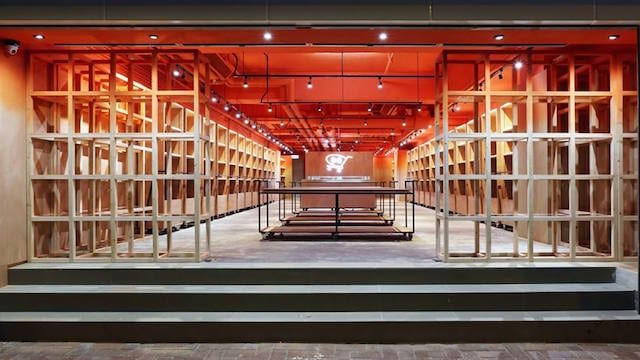
    Within the confines of a limited budget, a Hong Kong design company has created a flexible hybrid space for new local grocery brand, U&B.

    “Low budget doesn’t mean no creativity,” says designer Wesley Liu of award-winning PplusP Designers.

    PplusP Design -U&B grocery store 6

    He used mono materials and colour to transform the space in an engaging way for customers. The store’s interior embraces the elements of U&B’s brand logo, a shopping trolley, and its corporate colour, orange.

    PplusP Design -U&B grocery store 7

    Rather than a traditional white ceiling, it is tangerine and left bare to complement the concrete flooring and generate the feeling of unprocessed surroundings. This is further enhanced by unfinished plywood shelves with black metal highlights, and is in keeping with the store’s non-luxury products.

    PplusP Design -U&B grocery store 3

    PplusP Design -U&B grocery store 5

    PplusP Design -U&B grocery store 2

    All the display units are movable, which gives a great amount of flexibility for layout in the store. Track mounting kits on two sides of the wall panels can be used for suspended display systems.

    Wooden frames at the entrance are used for decoration or seasonal promotions, rather like a window display.

    These unified and simple elements encourage customers to concentrate on the products.

    PplusP Design -U&B grocery store 4

    PPlusP Designers leader Wesley Liu handled the design of the Whampoa Garden, Hung Hum, store. The design company’s team includes architects, interior designers and graphic artists, providing a range of multidisciplinary services for art installations, corporate design, hotels, hospitality, restaurants and retail.

    PplusP Design -U&B grocery store 1

  • Growth plan for Starbucks Vietnam and Cambodia

    Growth plan for Starbucks Vietnam and Cambodia

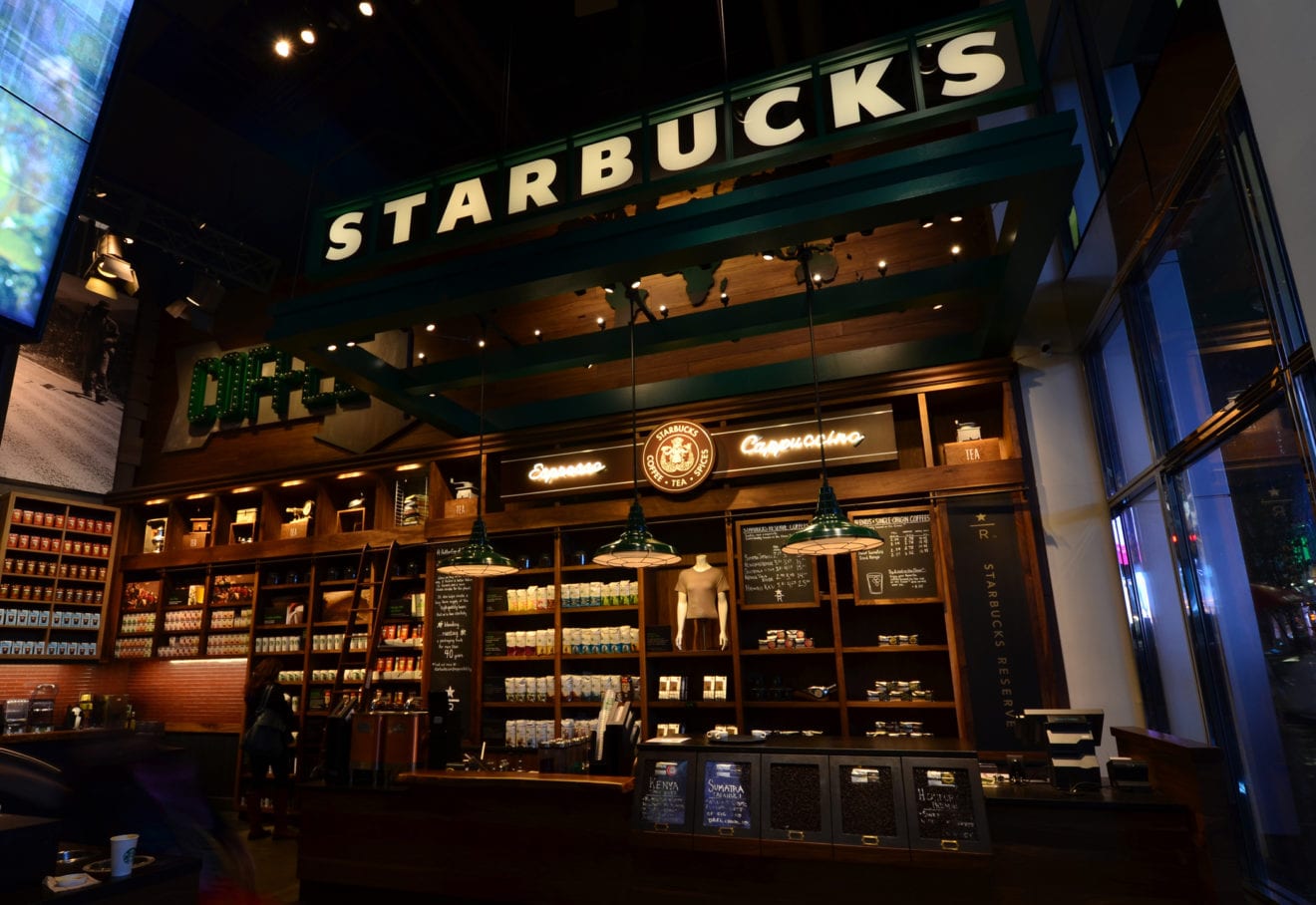
    Dairy Farm Group says it plans to expand its Starbucks Hong Kong and Vietnam networks.

    Last year, Dairy Farm opened six new Starbucks Vietnam cafes and its first in Cambodia – in the capital city Phnom Penh last December.

    “This new market offers significant opportunities as there is no dominant market player,” said CEO Graham Allan. “The group is currently working to fully understand local tastes and preferences.”

    In Vietnam, the company says it will continue – for now – to focus expansion in the main cities of Ho Chi Minh and Hanoi.

    Starbucks operations in Vietnam, Cambodia and Hong Kong – where the network is also set to be expanded this year – is operated by Dairy Farm’s restaurant subsidiary Maxim’s.

    “Maxim’s delivered another year of solid results,” Allan said in the company’s annual operational review.

    “Expansion of its Chinese casual dining restaurants and Japanese restaurants continue in Mainland China.”

    Maxim’s opened 44 net new outlets during the year, including six in Mainland China and the new Starbucks outlets.

    Dairy Farm’s restaurants division reported US$1.9 billion in total sales, representing an increase of 8 per cent year-on-year, while the profit contribution increased by 9 per cent as the business delivered another year of record earnings.

    “Looking ahead, the macro economy and local business environments are expected to be challenging in 2016, with continued currency volatility and fragile consumer confidence,” said Allan.

    “The group sees exciting prospects, however, with a number of establishments opening at the Shanghai Disney Resort in June 2016, including the staff canteen, The Cheesecake Factory and Japanese chain concepts Ippudo and Dondonya.”

    He said besides expanding in Vietnam and Cambodia, Maxim’s will continue to explore further opportunities for acquisitions and/or franchising throughout Asia.

  • TimeVallee Watch Boutique goes duty free

    TimeVallee Watch Boutique goes duty free

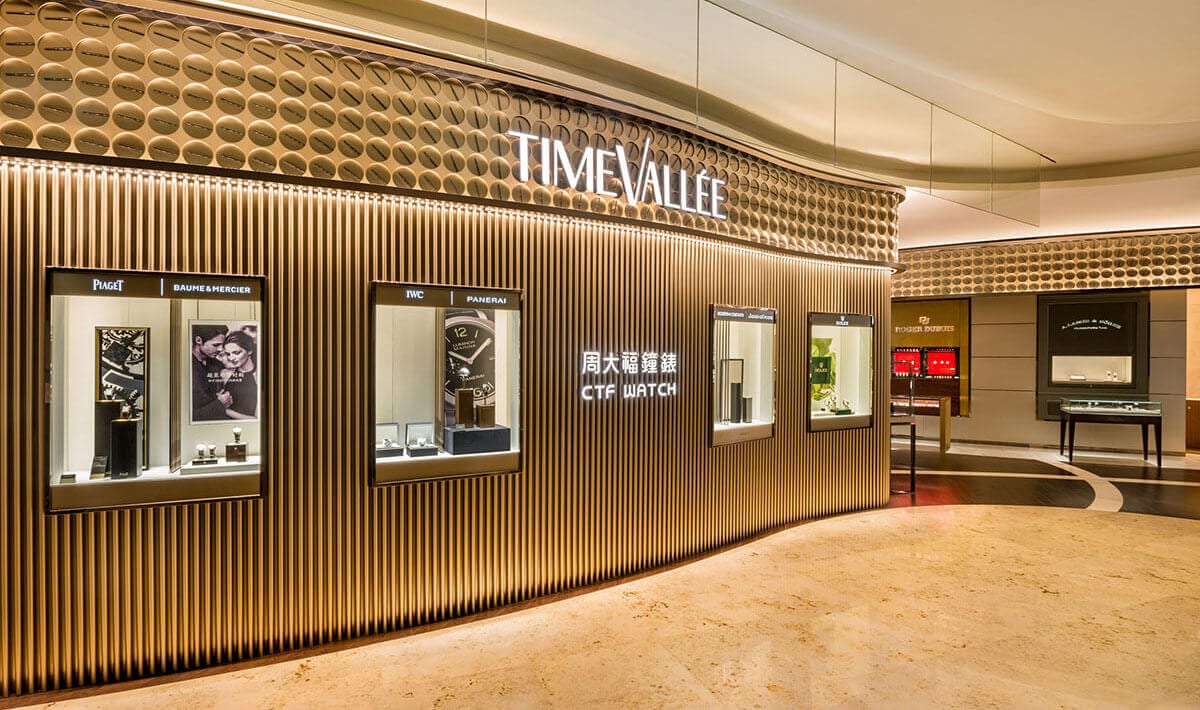
    In a first for the market, a TimeVallee Watch Boutique has opened inside Japan Duty Free Ginza on the eighth floor of Mitsukoshi Ginza Store in Tokyo.

    It is based on the concept of offering multiple international luxury-watch brands, and is the first such boutique within a Japanese duty-free shop.
    With its gold-toned interior, the store features a hands-on area where the latest technology enables shoppers to learn more about the history, traditions and technologies of the brands on display.

    TimeVallee1

    Japan Duty Free Ginza opened in January as Japan’s first airport-style duty-free shop in a city center outside Okinawa. It offers all products exempt from consumption tax, customs duties, and alcohol and tobacco duties.

    TimeVallee Watch Boutique features seven brands – Cartier, IWC, Jaeger-Lecoultre, Piaget, Roger Dubuis, Vacheron Constantin and Zenith.
    Japan Duty Free Ginza is run by Japan Duty Free Fa-So-La Isetan Mitsukoshi, established in 2014 and financed by Isetan Mitsukoshi Holdings, Japan Airport Terminal and NAA Retailing Corporation.