Author: Mei Ling Tan

  • China leads digital payment adoption globally: Report

    China leads digital payment adoption globally: Report

    China has the highest adoption rate in the world for technology-enabled payment systems, the media reported on Thursday.

    In a survey of 13,000 respondents in 26 countries, 86% of Chinese respondents said they paid for online purchases during the past six months via digital payment systems compared with a global average of just 43%, the China Daily reported.

    The survey report by the market research firm Nielsen was issued on Wednesday

    About 98% of the respondents in China, the world’s largest e-commerce market, said they had made purchases online.

    At 71%, food-related businesses topped the list of purchases made via smartphones while event ticket purchases stood at 51%.

    The rising use of digital payments has attracted numerous players to the Chinese market.

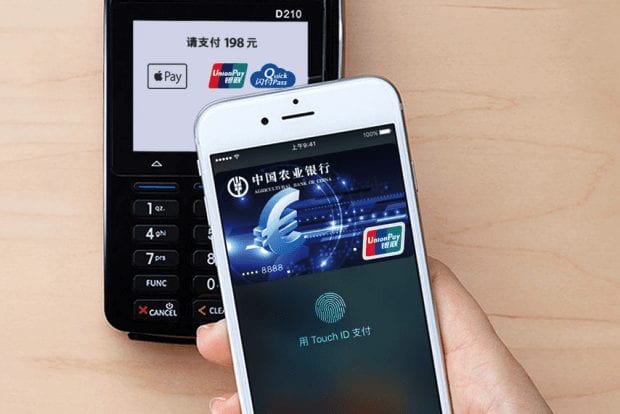
    Apple launched its contactless payment system Apple Pay in the Chinese mainland last month. It allows users of the iPhone 6 or more advanced versions, certain iPads and Apple Watches to pay by their devices in bricks-and-mortar stores.

    The new service immediately became a hit.

    Samsung Electronics Co Ltd is expected to bring its own mobile payment service to China in mid-March.

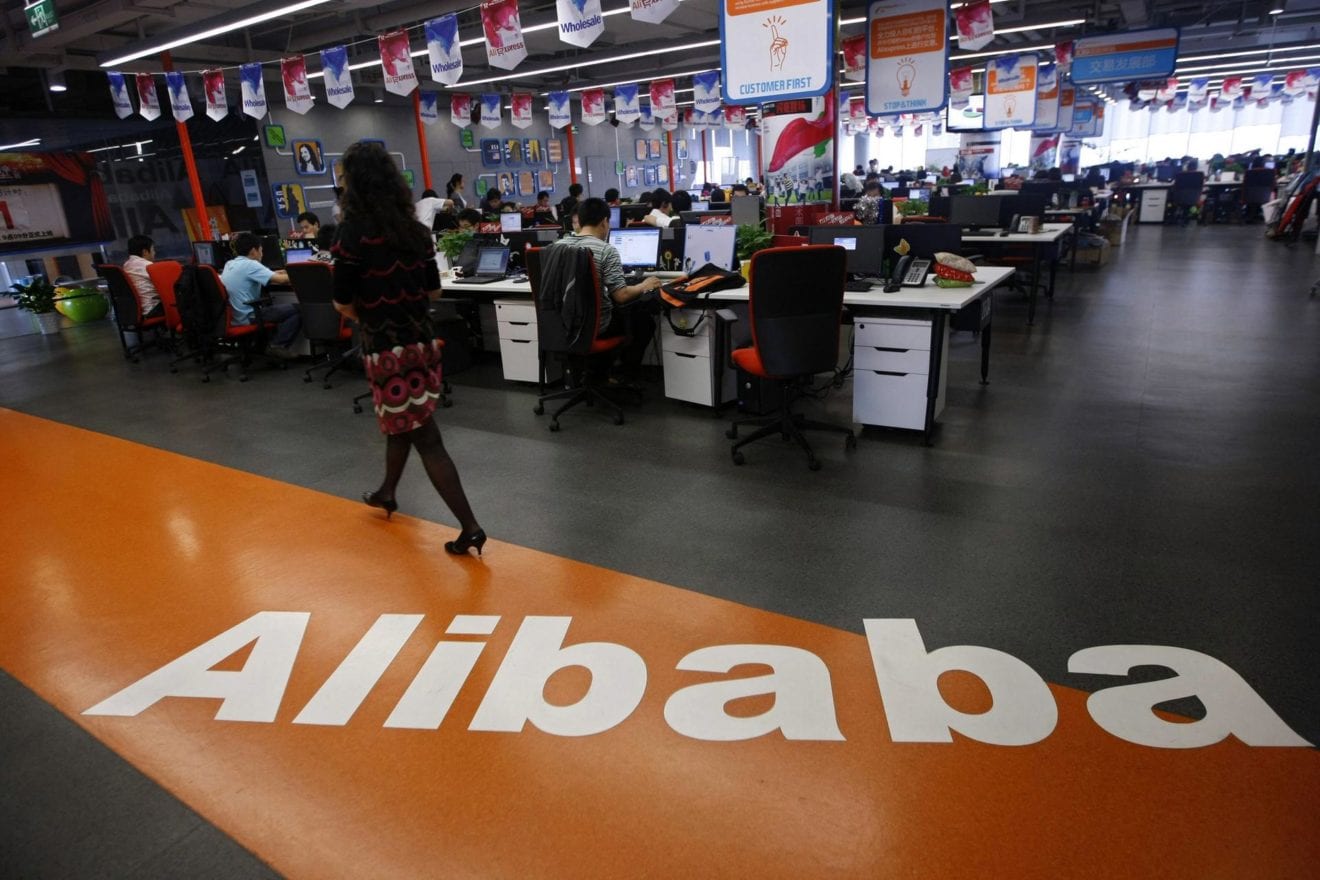
    China’s internet giants Alibaba Group Holding Ltd and Tencent Holdings Ltd have already taken about 90% of the mobile payment market, but industry observers said the competition is just about to start.

  • Bloom time for kids’ fashion

    Bloom time for kids’ fashion

    Mrs Madelaine Wong buys new clothes for her three children every fortnight.

    The 37-year-old, a regional director of sales, shops for them during lunch time or after work.

    While Mark, six, Lauren, four, and Jude, one, are at a stage of their lives where they outgrow their clothes quickly, Mrs Wong admits that she also buys them new clothes because she feels guilty about not spending enough time with them. She thinks that shopping for them is a way for her to show affection.

    She spends about $100 on each shopping trip and is a regular customer at mass market-label stores such as Cotton On and H&M.

    “I get suckered into shopping at Cotton On’s online store when the brand is having a 20 per cent discount storewide. I go online and think to myself, ‘Okay, I think they need some more pyjamas’, or I will see a pretty dress and add it to the shopping cart.”
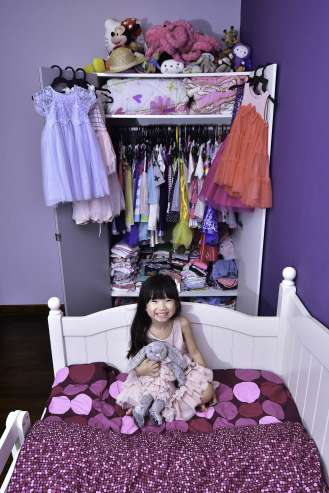

    Lauren Wong may be only four, but her wardrobe is bursting at the seams, thanks to her mother buying her new clothes every fortnight. PHOTO: DIOS VINCOY JR FOR THE STRAITS TIMES

    While parents and grandparents may have grown up with a culture of saving as much as possible… they may now feel that they could be a bit freer spending on their children and grandchildren.

    DR SESHAN RAMASWAMI, associate professor of marketing education at Singapore Management University

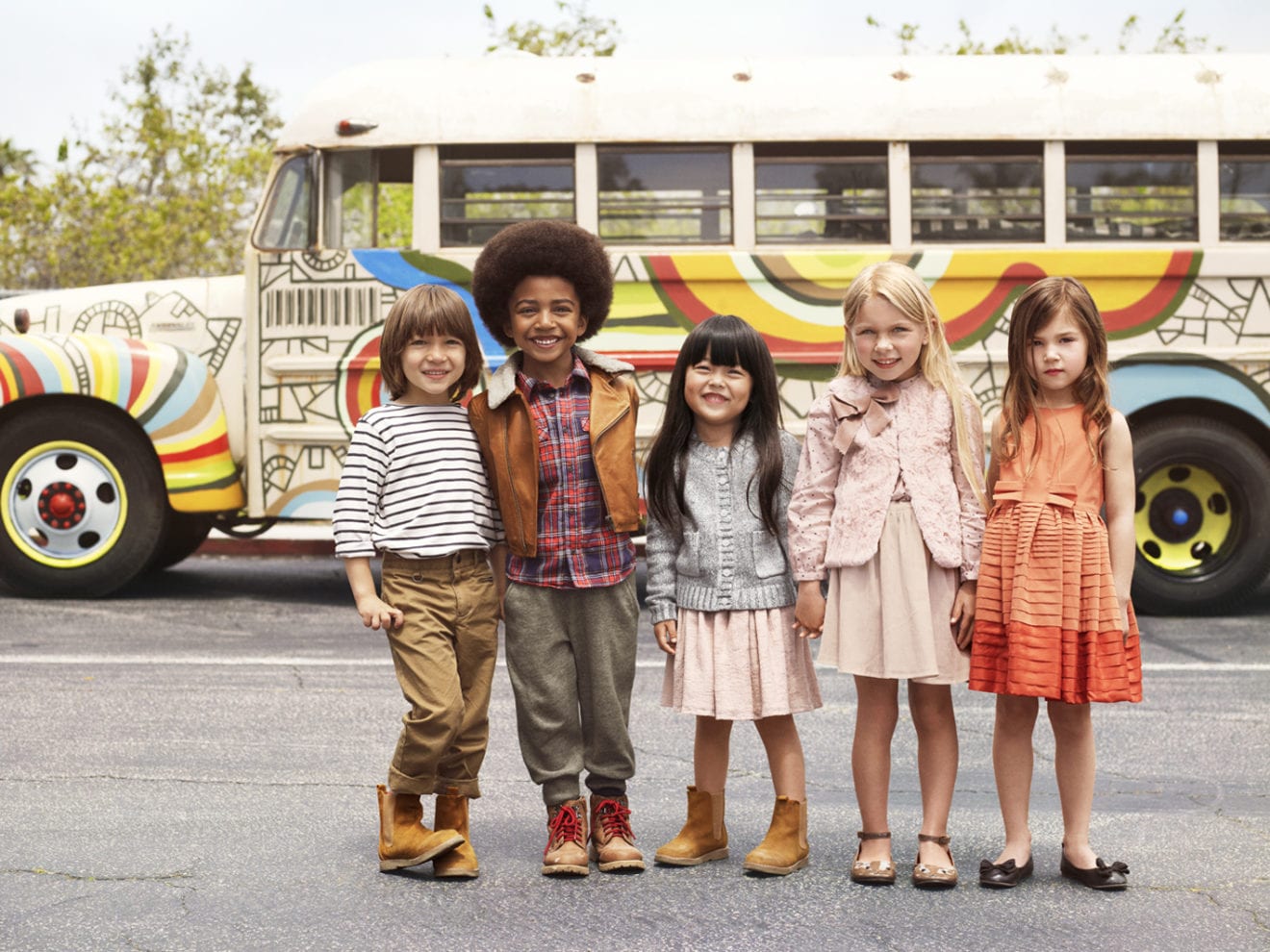
    Thanks to indulgent parents like her, the children’s clothing market has become the one bright spot in the weak retail sector.

    The range of children’s clothes has expanded in recent years, with the arrival of new brands and the expansion of existing ones.

    Australian label Seed Heritage, which carries clothes for women and children (from babies to teenagers), debuted with a splash in Singapore last year by opening three stores in Parkway Parade, VivoCity and Wisma Atria.

    The label’s general manager, Ms Denise Haughey, says that the 16-year-old brand had received regular inquiries from mothers living here before it opened in Singapore. She declines to give sales figures, but says: “Singaporean parents really enjoy dressing up their little ones.”

    Seed Heritage clothes feature plenty of whimsical prints and stylish pastel colours and are priced between $7.95 for three pairs of boy socks and $59.95 for a girl’s embroidered dress.

    Israeli high-street label Fox, which carries clothing for women, men and children, has enjoyed an “overwhelming” response to its children’s and baby collection.

    A spokesman for Wing Tai, which distributes the brand here, says the good response can be seen from the large number of members who sign up to collect points for discounts. The brand has accumulated 120,000 members since opening here in 2004.

    The spokesman adds: “We’ve noticed parents are becoming more trend-conscious when it comes to dressing up their children and this has helped spur the childrenswear industry.”

    Popular Swedish high-street fashion label H&M revamped its flagship store at Orchard Building in 2014 to devote the fourth floor to its children’s clothing department.

    The department previously shared space with its men’s fashion.

    H&M’s clothes for children, aged from newborn to 14, include T-shirts, jeans and cotton dresses.

    Like in the adult range, the children’s clothes are priced competitively, ranging from $19.90 for a white lace top for girls to $59.90 for a cotton blazer for boys.

    Ms Abby Wee, public relations manager for H&M Singapore, says the brand has also expanded its childrenswear range to include sportswear, swimwear and dancewear because of strong sales in childrenswear.

    Japanese casual wear label Uniqlo carries children’s clothes in 20 of its 24 stores in Singapore.

    Another popular Japanese label, Muji, sells its children’s collection at three of its nine stores here.

    Ms Jasmine Sng, general manager for Muji (Singapore), says the label had received many requests to bring in childrenswear. Muji shirts and dresses for children range from $12.90 to $59.

    Ms Sng says the sales of children’s and babies’ clothes have grown from 7 per cent of total garment sales in 2014 to about 10 per cent.

    The expansion in children’s labels is also mirrored in the luxury end of the market.

    The Shoppes at Marina Bay Sands expanded its children’s section late last year.

    Italian label Dolce & Gabbana Junior opened a 1,400 sq ft space in October. The outlet is the brand’s first junior store in the region and its collection carries clothes for children aged newborn to eight years old.

    Designer multi-brand retailer Club 21 opened standalone Armani Junior and French label Bonpoint stores at Marina Bay Sands in December.

    Other children’s labels at The Shoppes include Baby Dior, which opened a 900 sq ft store in 2014 and Ralph Lauren Children, which opened its largest standalone store for childrenswear in South-east Asia in the same year. The flagship store for the American label spans 1,985 sq ft.

    The designer label clothes for children can cost $550 for a boy’s shirt and a couple of thousands of dollars for a party dress.

    Paragon shopping mall also has a floor populated with childrenswear stores, including French brand Petit Bateau, international brand Nicholas & Bears, British brand Burberry Children, Filipino label Gingersnaps and multi-label store Kids 21.

    Retail experts interviewed say growing affluence and smaller families have led to the strong growth in the childrenswear market.

    Mr Samuel Tan, course manager (diploma in retail management) at Temasek Polytechnic School of Business, says: “With fewer children a household, parents or even relatives are willing to spend more on the kids.

    “With generally higher disposable incomes and more affluent dual-income families, design, look and quality of clothes are prioritised over price.”

    He adds that parents who are loyal customers of a brand are also more likely to shop for their children at the same store.

    “With the growing popularity of brands such as H&M, Uniqlo and Cotton On, the line extension is a logical move.”

    Dr Seshan Ramaswami, associate professor of marketing education at Singapore Management University, says that retailers may be targeting the children’s fashion market to fend off online competition.

    He adds that today’s parents have higher incomes compared with those of previous generations and are more willing to spend on their children.

    “While parents and grandparents may have grown up with a culture of saving as much as possible and have grown used to spending less on themselves, they may now feel that they could be a bit freer spending on their children and grandchildren,” he says.

    Manager Jonathan Heng, 38, admits that he shops more for his two sons than for himself.

    “It is more because of necessity. They grow so fast and outgrow their clothes and shoes quickly,” says Mr Heng of Caleb, four, and Zachary, three months old.

    “My wife and I probably shop for them every other month. As parents, our lives are about our kids now anyway,” he adds.

    Ms Sharon Yeoh, a senior consultant at the Civil Service College’s Institute of Leadership and Organisation Development who has two daughters aged six and three, says she also shops more for her children than for herself. “It is more fun shopping for them. The clothes are so cute and pretty.”
  • Alibaba plans stake in China business magazine

    Alibaba plans stake in China business magazine

    The publisher of one of China’s most respected business magazines, Caixin, said today it was seeking new investors following reports e-commerce giant Alibaba plans to take a stake in the company as it looks to expand its media empire.

    Alibaba founder Jack Ma is seeking to diversify beyond the core business of providing online retail platforms and in December bought Hong Kong’s premier English-language newspaper, a move that raised concerns about media independence.

    Caixin Media provides financial and business news through its flagship magazine and several other platforms under the editorial leadership of Hu Shuli, who has received international attention for her brand of investigative journalism within the boundaries of the Communist-ruled state.

    Bloomberg News said today that Alibaba’s financial services unit Ant was in talks to invest in Caixin Media, but gave no size or price for the stake.

    China’s TMTpost, a business technology information provider, reported that the deal had already been signed.

    Caixin Media said in a statement it was about to bring in “several high-quality institutional investors”, without identifying them.

    “The new investors, like the original shareholders, respect Caixin Media’s principal of editorial independence which is not influenced by the business interests of shareholders,” it said.

    A spokesman for Alibaba declined to comment.

    The December purchase of Hong Kong’s South China Morning Post for $266 million has sparked fears the newspaper will lose its independent voice, in what analysts see as part of a gradual erosion of press freedoms after the semi-autonomous city was returned to Chinese rule in 1997.

    Others have compared Alibaba’s media push under Ma to that of Amazon founder Jeff Bezos, who bought the respected Washington Post newspaper two years ago. Ma’s net worth is now around $27.3 billion, according to Bloomberg Billionaires.

    Caixin’s biggest shareholder is China Media Capital, a Shanghai-based media and entertainment investment firm, which in December bought a $400 million stake in Premier League football giants Manchester City.

  • Lifestyle’s 2015 results have no impact on its ratings

    Lifestyle’s 2015 results have no impact on its ratings

    Moody’s Investors Services says that Lifestyle International Holdings Limited’s 2015 results have no impact on its Baa3 issuer rating.

    The rating outlook remains stable.

    “Despite the weak retail markets in Hong Kong and China, Lifestyle maintained stable revenue and operating profits in 2015. Combined with its flat debt leverage compared to a year ago, this resulted in a credit profile appropriate for its Baa3 ratings,” says Lina Choi, a Moody’s Vice President and Senior Credit Officer.

    “While the negative sales growth trend in the first two months of 2016 point to increased operating challenges, we expect Lifestyle will maintain credit metrics consistent with its Baa3 ratings in the next 12-18 months,” adds Choi, who is also the Lead Analyst for Lifestyle.

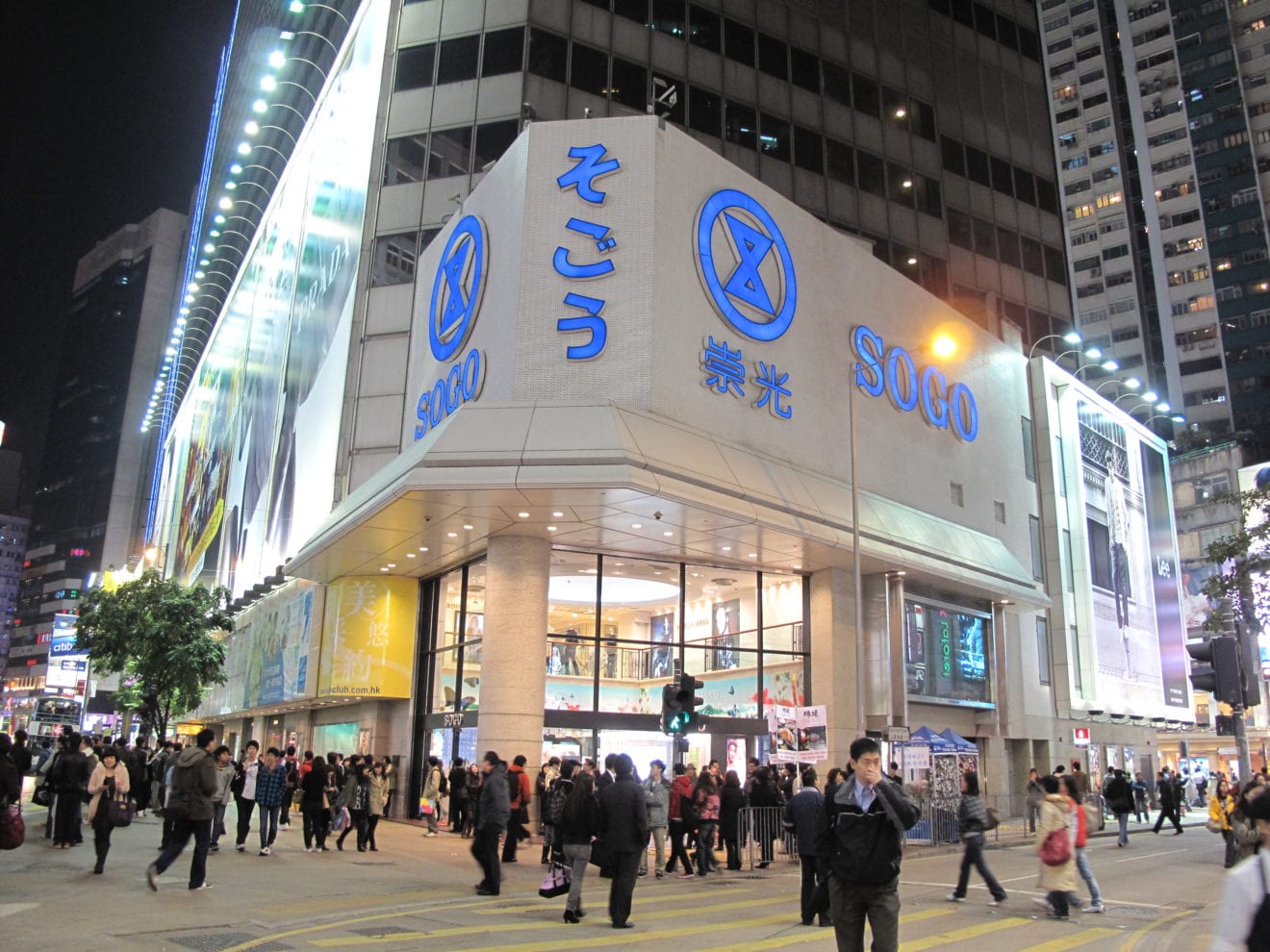
    Lifestyle recorded 1.6% year-on-year gross sales proceeds growth to HKD13.8 billion in 2015 from HKD13.6 billion in 2014. Driven by 2.3% revenue growth at SOGO Causeway Bay and SOGO Tsim Sha Tsui, Hong Kong and a strong performance in Shanghai Jiuguang, the group’s total revenue grew by 3.4% to HKD6.2 billion from 2014 levels.

    Gross sales proceeds declined by low-teen percentage points in the first two months of 2016 from the same period last year, pointing to increasing operating challenges. Lifestyle plans to lengthen promotion periods over the course of the year to avoid repeating the magnitude of revenue declines seen in January-February 2016.

    Meanwhile, Lifestyle’s adjusted EBITDA was around HKD3.1 billion in 2015, flat when compared with 2014 levels. Moody’s estimates the company’s profitability, as measured by adjusted EBITDA/gross sales proceeds, was 22%-23% in 2015, also largely stable from the above 20% reported since 2010.

    Moody’s expects the company’s adjusted EBITDA/gross sales proceeds ratio will remain above 20%, supported by the company’s established brand name and track record of effective cost control in down cycles.

    Although Lifestyle’s adjusted debt increased by around HKD2 billion to HKD14.3 billion at end-2015, this level remains within Moody’s expectation. Accordingly, 2015 adjusted debt/EBITDA for Lifestyle increased to around 4.8x in 2015, a level still appropriate for its Baa3 ratings.

    Moody’s expects the company’s leverage level to stay within 4.5x-5.0x in the next 12-18 months. This is based on the expectation that the company will pay down a HKD3.2 billion loan by mid-2017.

    Lifestyle’s liquidity remains solid. The company held HKD8.6 billion in cash on hand at end-2015, which is more than sufficient to cover its HKD3.2 billion debt due in the next 12 months.

    The principal methodology used in this rating was Retail Industry published in October 2015. Please see the Ratings Methodologies page on www.moodys.com for a copy of these methodologies.

    Listed on the Hong Kong Stock Exchange in 2004, Lifestyle International Holdings Limited is a Hong Kong-based retail operator that focuses on mid- to upper-end department stores, through its two retailer brand names, SOGO and Jiuguang. The company operated two SOGO stores in Hong Kong and three Jiuguang stores in China at end-2015.


  • Hong Kong January retail sales fall for 11th straight month

    Hong Kong January retail sales fall for 11th straight month

    Hong Kong retail sales, which suffered their worst decline in 13 years last year, saw weak sentiment extending into January on slumping tourist arrivals, weak local consumption and a strong local currency.

    Retail sales in January slid 6.5 per cent from a year earlier to HK$43.6 billion (US$5.61 billion) in value terms, compared with an 8.5 per cent decline in December. In volume terms, January sales decreased 5.2 per cent.

    “The near-term outlook for retail sales will remain constrained by the sluggishness in inbound tourism,” the government said in a statement. “External uncertainties, including a dimmer global economic outlook and US interest rate normalisation, may add further headwinds.”

    The value of retail sales fell for a second year in 2015 – down 3.7 per cent – the biggest decline since 2002 when they dropped 4.1 per cent.

    Hong Kong is confronting mounting economic challenges as the prospect of US interest rate rises drives fears of capital outflows that could put pressure on the financial hub at a time when China’s economy is growing at its slowest pace in 25 years.

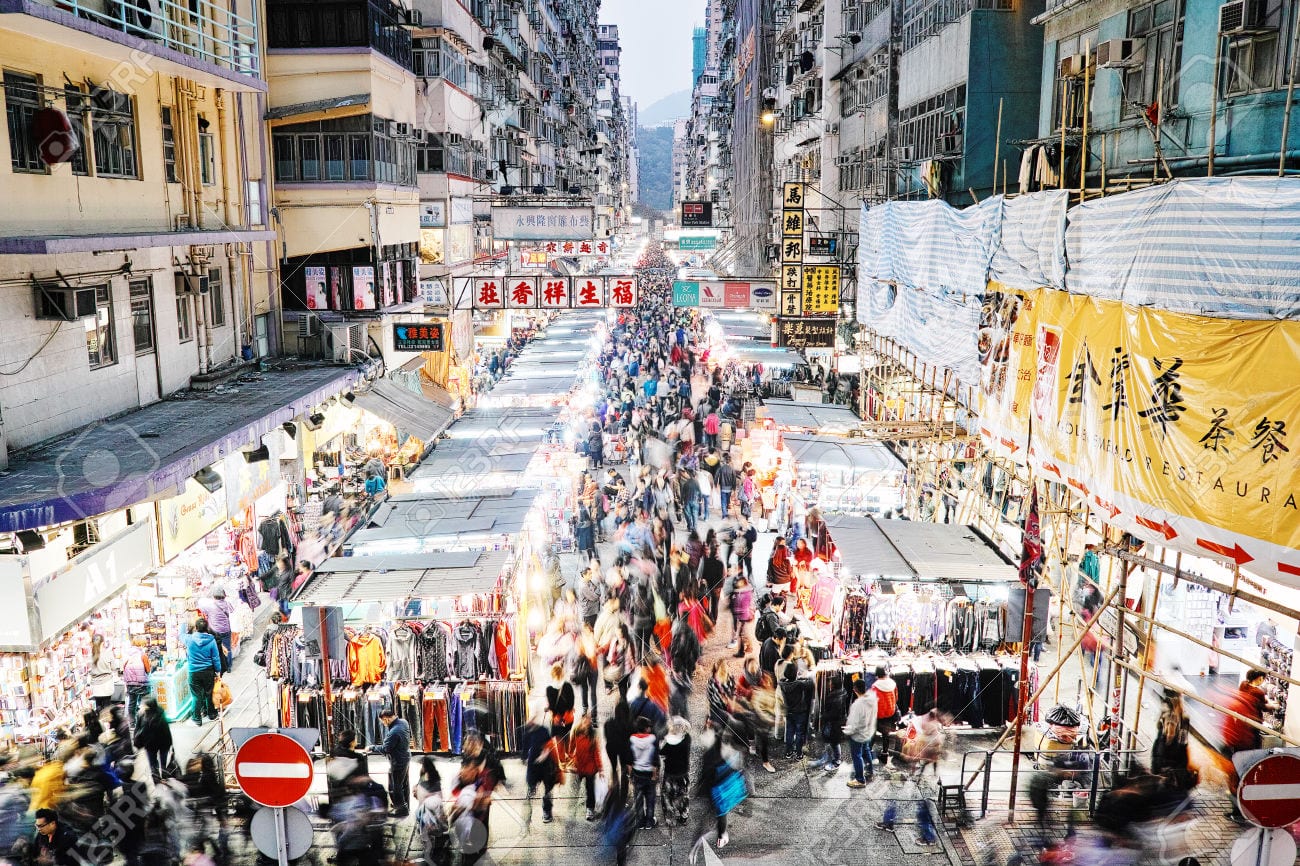
    Tensions that have rocked the city, including protests over the Lunar New Year that was sparked off by street vendors, have added to the strains on the retail and tourism industries already suffering from a drop in mainland tourists.

    EXPENSIVE DESTINATION

    The strong Hong Kong dollar, which is pegged to the US dollar, has made the city an expensive destination and China’s cash-rich tourists are heading for more exotic destinations.

    Hong Kong tourist arrivals, which fell 2.5 per cent in 2015 in the first decline since 2003, dropped 6.8 per cent from a year ago to 5.23 million in January. Mainland visitors, which accounted for 77 per cent of the total, slumped 10 per cent to 4.04 million.

    Hong Kong’s comparatively high rents also hurt retailers as fewer mainland tourists come to shop, forcing operators to close and scale back expansion.

    January sales of jewellery, watches, clocks and valuable gifts in value terms fell 16.3 per cent, a 17th consecutive month of decline.

    Department store sales slid 3.6 per cent on year, against a 12.3 per cent drop the previous month. Wearing apparel fell 4.9 per cent while medicines and cosmetics decreased 3.6 per cent.

    Hong Kong’s top jeweler Chow Tai Fook Jewellery Group and cosmetics chain operator Sa Sa International Holdings saw sales declines at least 20 per cent during the key Lunar New Year shopping season in February.

    Department store operator Lifestyle International also saw a double-digit decline in sales during the holiday.

    Last week, Hong Kong rolled out a multi-billion dollar package of sweeteners to bolster its economy as a slowdown in China and rising political tensions deepen its economic woes.


  • Central denies hypermarket ambition

    Central denies hypermarket ambition

    Central Group chief executive Tos Chirathivat says the group has set aside 39 billion baht for investments at home and abroad this year. PHRAKRIT JUNTAWONG

    Central Group yesterday insisted it is not seeking to establish its own hypermarket chain to counter TCC Group’s entry into the big retail segment with the recent acquisition of a major stake in SET-listed Big C Supercenter Plc.

    Instead, it is considering buying Big C store operations in Vietnam from Casino Group, a leading French retailer.

    Tos Chirathivat, the group’s chief executive, said Central did not have any plan to sell its 25% stake in Big C Supercenter in Thailand after TCC Group’s Berli Jucker Plc successfully bought a 58.56% stake in Big C.

    Berli Jucker will make a tender offer for the remaining shares in Big C soon.

    “The hypermarket business has entered the mature stage and its growth may not be as high as in the past 20 years, but we won’t sell our Big C shares,” Mr Tos said.

    Central will not create a new hypermarket store brand because it already has Tops Superstore, which is similar to Big C.

    Mr Tos said he would decide on March 10 whether Central would enter bidding for Big C assets worth 20 billion baht in Vietnam.

    “We have not made our decision yet because there are several factors to be considered carefully, including the complicated process of mergers and acquisitions over there,” he said.

    A market analyst said it was possible Central would join the bidding because Vietnam is one of the group’s strategic investment countries in the Asean region.

    Central’s retail business in Vietnam has more than 6,000 staff and generated revenue of US$600 million last year. If Central wins the bid for Big C assets, its business value will double to 40 billion baht overnight.

    Mr Tos said the group would put more focus on opening new branches and renovating its Thai stores while expanding some new stores in Cambodia, Laos, Myanmar and Vietnam.

    “We will invest cautiously because we are concerned about the impact on the world economic situation from the Chinese slowdown, falling oil prices and the volatility of foreign exchange,” he said.

    The group plans to spend about 39 billion baht this year, 30% more than last year, to open new shopping centres, department stores and other outlets nationwide and renovate some stores.

    It also plans to open five new hotels and some convention centres in destinations including Pattaya, Chiang Mai and Koh Samui.

    It has signed management contracts with 29 new hotels with 6,716 hotel rooms.

    Centara Muscat Hotel in Oman, Centara Grand West Bay Hotel Doha in Qatar and Centara Grand Lykia World Resort & Spa in Turkey will be opened in the third quarter.

    The group also plans to invest in two more four-star hotels in the Maldives and a four-star hotel in Dubai.

    Central Group has 70 hotels with 14,583 rooms in 11 countries.

    The group will allocate 10.4 billion baht to renovate its department stores in Europe from 2016-20. About 3.6 billion will be used for La Rinascente in Italy, 2.4 billion for Illum in Denmark and 4.4 billion for three stores under the KaDeWe Group in Germany.

    Last year, Central’s revenue totalled 283 billion baht, up 13.5% from 2014. The group projects to increase its revenue by 18.9% to 337 billion baht this year. About 76% of sales will come from Thailand.

  • Changi retail +8% to $1.56bn is new record in 2015

    Changi retail +8% to $1.56bn is new record in 2015

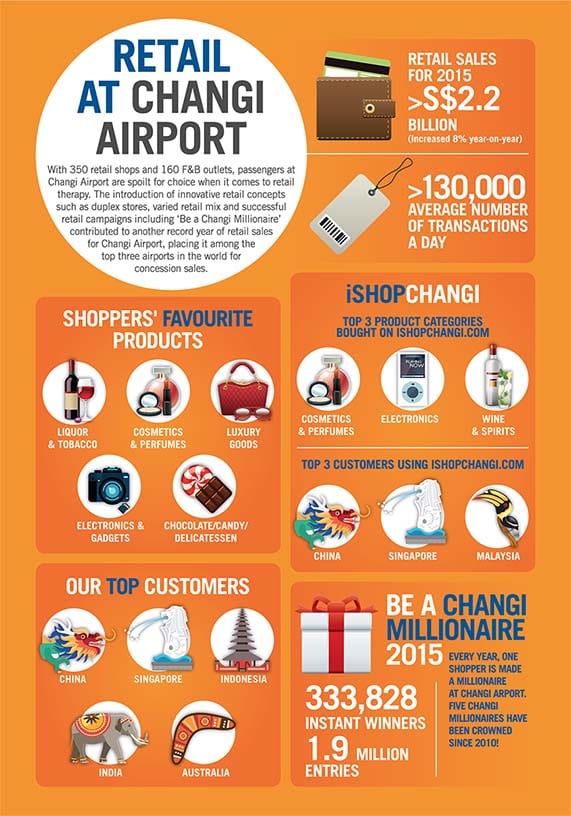
    Singapore Changi Airport has formally reported that it achieved an 8% record increase in retail and food and beverage sales worth S$2.2bn ($1.56bn) in 2015, compared with the previous trading period in calendar year 2014.

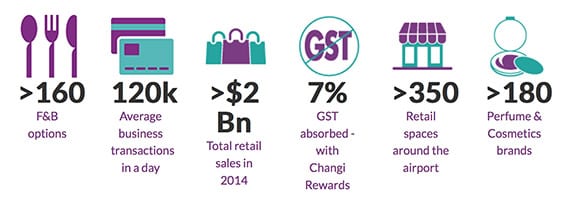
    The Changi Airport Group includes 350 retail shops and 160 food & beverage outlets within its ‘retail’ definition and it says that last year’s sales performance benefited from several innovative retail concepts.

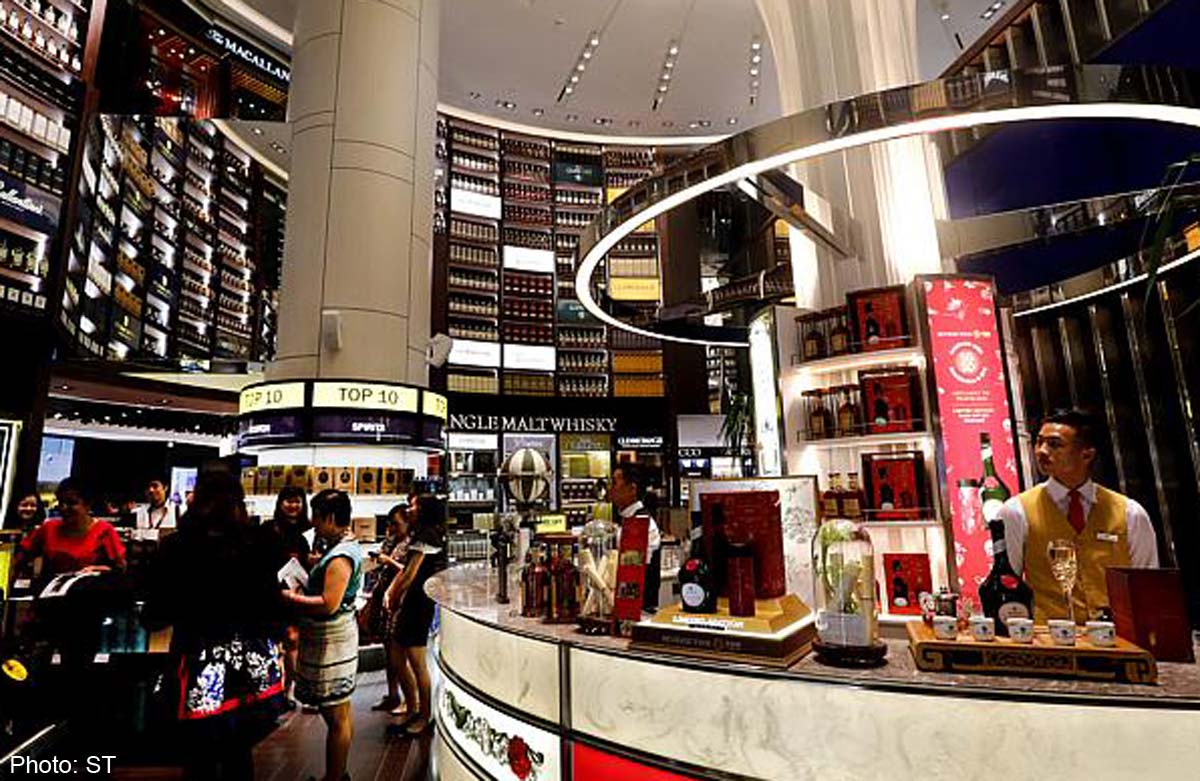
    These included the introduction of duplex stores for duty free liquor and tobacco (DFS Group) and beauty (Shilla), a varied retail mix and successful retail campaigns – including the hugely popular ’Be a Changi Millionaire’.

    New Shilla Duplex Sept 2015 opening

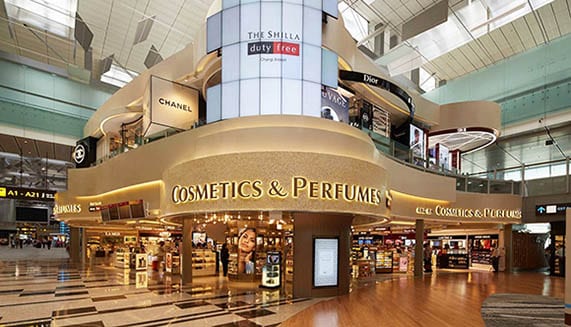
    The relatively new Shilla Duty Free duplex store in Changi Airport Terminal 3 which opened in September 2015.

    CAG says that its top customers by nationality were from China, Singapore, Indonesia, India and Australia, while its shoppers’ favourite product purchases (in order) were led by Liquor & Tobacco; Cosmetics & Perfumes; Luxury Goods; Electronics & Gadgets; and Chocolate/Candy/delicatessen.

    Interestingly, Changi Airport management added that the top three product categories bought on iSHOPCHANGI.COM were Cosmetics & Perfume, Electronics and Wine & Spirits, while the top three customers using this service were from China, Singapore and Malaysia.

    HUGELY POPULAR EVENT…

    Meanwhile, the ‘Be a Changi Millionaire’ campaign has literally crowned five winners since the competition draw began back in 2010, with another 333,828 instant winners drawn from an incredible 1.9m entries.

    Changi also claims that all of these sales and other achievements placed the airport amongst the top three in the world for concession sales.

    Singapore Changi Airport capped a resilient performance in 2015 with new benchmarks for passenger traffic and aircraft movements, handling a record 55.4m passengers and 346,330 landings and take-offs during the year. This represented a rise of 2.5% and 1.4% respectively.

    Changi Airport infographic retail 2015

  • Central Group sees flat spending in Thailand

    Central Group sees flat spending in Thailand

    As Thai retail conglomerate Central Group suffers a sluggish domestic economy, its owners the Chirathiwat family worry that premium customers are spending overseas rather than at home.

    “The upper class group is still spending money,” Chief Executive Tos Chirathiwat told reporters in Bangkok on Wednesday. “The problem is that they are spending outside of Thailand.”

    In 2015, roughly 7 million Thais travelled abroad, up 9% year on year. Tos said that these outbound travelers spent some 170 billion baht ($4.76 billion).

    “What’s worrying is that the figure is growing at 10% every year, while domestic consumption is expanding at only 2%,” he said. At this rate, the spending leak from Thailand will reach 300 billion baht in five years.

    The number of inbound tourists meanwhile hit a record 29.88 million in 2015, up 20% year on year from a low base in 2014 following political turmoil. But according to Tos spending has not kept pace, rising just 2% last year. He called for Thailand to promote domestic consumption and tourism.

    Central Group is Thailand’s largest retail company with subsidiaries including property development arm Central Pattana. Wearing another hat, Central is itself expanding overseas where operations now account for nearly 20% of group revenue. The company plans to more than double revenue in Europe to 2 billion euros ($2.17 billion) by 2020 — aided by custom from Asian tourists, including China and Thailand.

    Some 10.4 billion baht has been earmarked for renovating five department stores Central has acquired in the region. “We want the stores to be not only a shopping destination but also a tourism destination,” said Tos.

    Central began its shopping spree in Europe in 2011 buying Italy’s La Rinascente chain, which has a 150-year history. Revenue from Europe has been growing an average 40% each year since. This year, it is expected to jump 70% to 51 billion baht as three German department stores acquired in mid-2015, including KaDeWe in Berlin, start contributing.

    Tos said further mergers and acquisitions in Europe are being put off for now. “We have quite a large coverage in Europe now, and there’s a lot of work to do,” he said.

    A more immediate focus is Southeast Asia, particularly neighbors Cambodia, Laos, Myanmar, and Vietnam. In Vietnam, France’s Casino Group is selling off its Big C supermarket chain, and Central already has 25% of Big C in Thailand.

    “We are interested but we have not decided yet whether to join the bidding,” Tos said. “The acquisition will require a substantial amount of money which could be used to acquire something else.”

    TCC Group, the parent company of Thai Beverage, is also reported to be looking at Big C in Vietnam. It recently acquired Casino’s 58.56% stake in Thailand’s Big C for 3.1 billion euros.

    Bidding for Big C in Vietnam is expected to conclude next week. Tos said that if Central acquired the chain, its sales in Vietnam would double from $600 million at present. The company already has two Robins department stores there, and acquired Nguyen Kim, an electronics retail chain, last year.

    Tos said Central has no plans to reenter China after recently exiting. “China was a difficult market,” he said, noting the need for good government connections. “We learnt a lot.”

    Central’s group revenue in 2015 was over 283 billion baht, up 13.5% on 2014. It is targeting growth of 18.9% this year, with international sales contributing the lion’s share of the increase. Revenue from abroad will contribute 24% of the total, up from 18% in 2015.

  • Singapore forecasts 0-3% visitor arrivals in 2016

    Singapore forecasts 0-3% visitor arrivals in 2016


    The Singapore Tourism Board (STB) is forecasting a 0-2% rise in the range of S$22bn to $22.4bn ($15.6bn to $15.9bn) in tourism receipts in 2016 and international visitor arrivals in the range of 15.2m to 15.7m (0 – 3%).

    This follows what the STB describes as the ‘mixed tourism sector performance in 2015 in the face of global headwinds’, as visitor arrivals grew by 0.9% to 15.2m and tourism receipts declined by -6.8% to S$22bn.

    LESS MICE CAUSED MOST OF THE DECLINE

    The STB said that the decline was largely due to a fall in BTMICE (meetings, incentives, conventions and exhibitions) visitor arrivals and spending. This mixed performance came on the back of various headwinds, such as an uncertain global economic outlook and weak currencies in some of Singapore’s top source markets in 2015.

    “As the average BTMICE visitor spends about two times more than the average leisure visitor, the fall in BTMICE visitor arrivals and spending due to companies cutting back on both travel and trip budgets has had a significant impact on our tourism receipts,” he added.STB CEO Lionel Yeo commented: “We are encouraged by the upturn in visitor arrivals from May onwards that led to a positive growth for the whole of 2015. Of particular note is the 2% growth in leisure visitor arrivals in 2015, which helped offset the decline in BTMICE visitor arrivals. This shows that Singapore remains attractive as a leisure destination.

    Singapore Tourism 2015-2016
    In terms of market highlights, the top growth-markets for 2015 tourism receipts were Japan (+6%) and the UK (+4%). Tourism receipts from Japan rose due to greater BTMICE traffic, while more leisure visitors from UK also spent more.

    The STB said that the decline in tourism receipts was most keenly felt in Indonesia (-21%), Australia (-10%) and Malaysia (-26%) with all these markets facing their own economic challenges and currency devaluations.

    Turning to international arrivals by market, China led the way (+22%), followed by India (+7%), South Korea (+7%) and Taiwan (+12%). Notably, there were more visitor arrivals from both tier 1 and secondary cities in China and India, where STB has intensified its marketing and channel development efforts.

    Changi factfile 2014

    These key numbers relate to Changi Airport in 2014.

    The largest declines were noted from Indonesia (-10%), Malaysia (-5%), Australia (-3%) and Japan (-4%) where the STB reasons that macroeconomic factors, including currency depreciation and an uncertain economic outlook, depressed market demand.

    KEY HIGHLIGHTS

    More positively the key highlights in 2015 included intensified marketing efforts linked to the international attention Singapore attracted during its Golden Jubilee year. STB tried to capitalise on this by collaborating in a joint marketing effort with tourism industry stakeholders to launch a S$20m ($14.2m) campaign in seven key markets.

    The Board also put in place strategic partnerships with Changi Airport Group, Singapore Airlines and TripAdvisor to promote Singapore as the destination of choice.

    Key growth areas identified in  2015 included cruise and business events, with the former noting a year-on-year cruise passenger rise of 14% to 1m in 2015 and nine calls that were new to both Singapore and Southeast Asia.

    Singapore Tourism Board 2015
    The STB also supported more than 350 business events in 2015, representing a 27% year-on-year growth. These events generated 287,000 visitor arrivals and S$478m ($341m) in tourism receipts.

    LOOKING FORWARD…

    The STB is now forecasting that tourism receipts will be in the range of S$22bn to $22.4bn (0 – 2%) and international visitor arrivals in the range of 15.2m to 15.7m (0 – 3%) this year.

    In a statement it said: “Global economic growth may be hampered by the slower growth momentum of the Chinese and US economies, as well as uncertainties such as ongoing reforms in China and the impact of the normalisation of the US monetary conditions.

    “Increasing regional competition will also pose challenges to Singapore’s tourism sector. At the same time, Singapore remains poised to benefit from the projected growth in outbound travel in the Asia Pacific region. The pipeline for business events also continues to be strong.”

  • Moynat Tokyo store opens

    Moynat Tokyo store opens

    French luxury trunk-maker Moynat is about to open its first store in Japan, with the ribbon to be cut by Japanese actress and singer Miho Nakayama.

    Moynat’s history goes back to 1849, when trunk-makers Octavie and François Coulembier opened their first atelier in Paris.

    After Paris and the Bon Marche, the house has established presences in London, Hong Kong and Beijing. Family holding company Groupe Arnault, which owns Moynat, aims to have stores in the 10 major cities of the world.
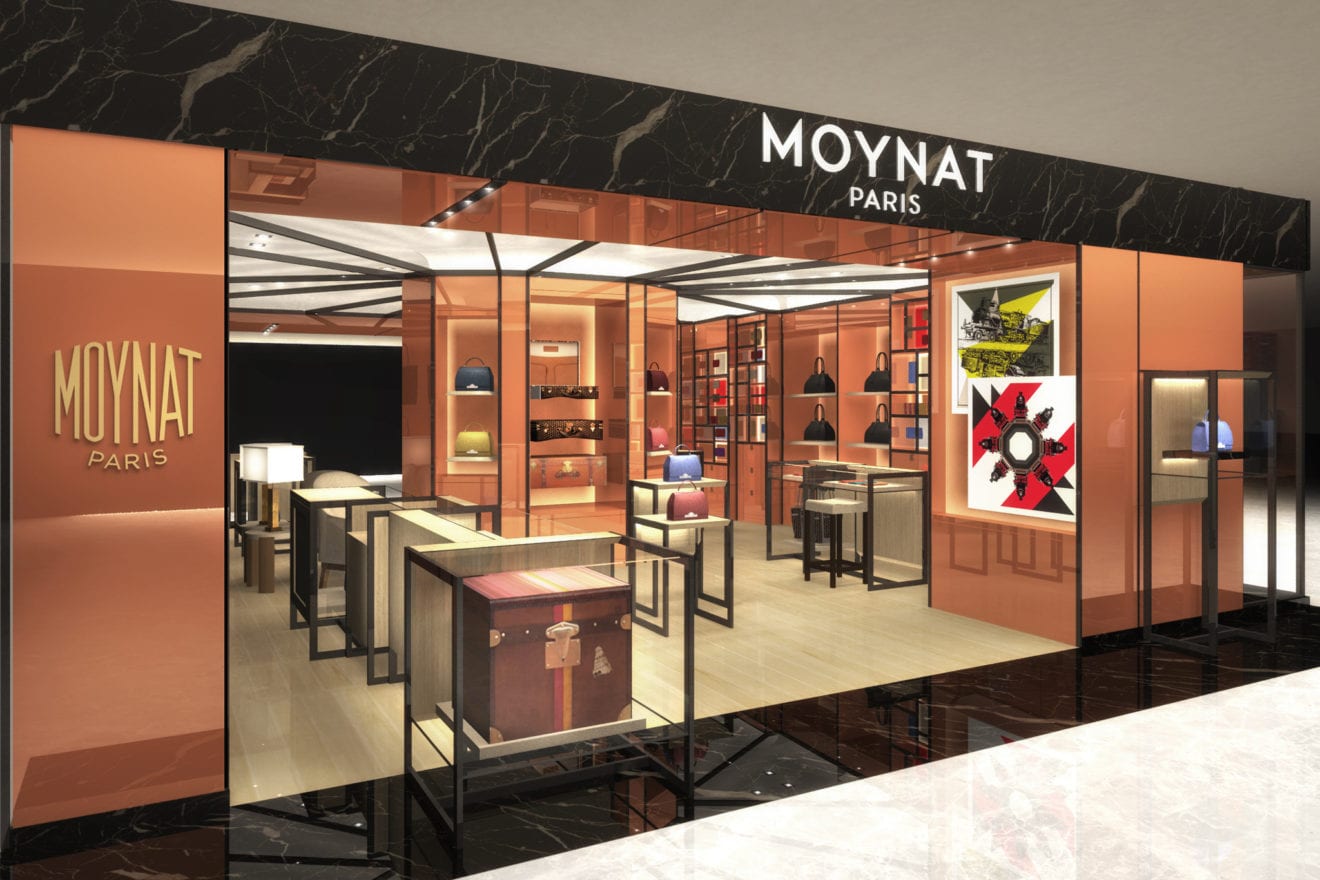
    The new 45 sqm Moynat Tokyo boutique was designed by local architecture firm Curiosity. It offers a fresh look, featuring vintage Moynat trunks – including its iconic vintage red-car trunk from 1925 – alongside current collections. it will be on the ground floor of the Seibu Department Store in Ikebukuro, the same floor as Louis Vuitton and Hermes (most other luxury brands are grouped on the store’s sixth floor).

    For its first two weeks, Moynat will present several workshops in painting and marquetry. Two creations will also be previewed, the Flower Bag and Charlotte Imagined by Ramesh Nair. These are small bags that are lightweight, refined and suitable for Japanese women to carry while wearing their kimono, says Moynat president Guillaume Davin.

  • China to ‘completely dominate’ global eCommerce

    China to ‘completely dominate’ global eCommerce

    In the retailing business, it’s fairly common knowledge that China is home to the world’s most prolific online shoppers.

    Last year almost 419 million mainlanders made purchases via the web, more than any other country.  And they spent more online than consumers elsewhere by a wide margin (US$672 billion, nearly twice the total US online spending in 2015).

    If these facts suggest to you that eCommerce in China has matured and growth is running out of steam as the country’s economy slows, think again. China retail consumption in general continues to increase briskly and online shopping in particular continues to boom. Analysts reckon this is due to a combination of potent demographic and cultural trends that show no signs of abating: the growing spending power of upper middle class and affluent households; the coming of age of a generation of college-educated consumers; rising aspirations among hundreds of millions of people in China’s less-developed cities and rural areas; a powerful shift away from shopping at brick-and-mortar stores to mobile eCommerce driven by widespread smartphone adoption.

    Will China still be on top at the close of the decade? A recent forecast on global eCommerce sales through 2019 by independent research firm eMarketer says yes, emphatically so. Below, charts adapted from eMarketer’s report show how the country is set to become an even more dominant eCommerce force in coming years.

    In 2019, China will spend more online than any other country: nearly $2 trillion, more than 3.6 times as much as the US.

    Retail_E-comm_Sales_worldwide

    China will also have the most online shoppers.

    e-shoppers Worldwide, by country

    Yet only half of China’s population will be shopping online in four years, leaving room for more growth (it’s a very big market).

    E-Shop_Penetration_Selected_Countries

    In 2019, one out of every three of China’s retail dollars will be spent online, the highest ratio in the world.

    Retail_e-Comm_Sales_percent_total

    Still, online sales will continue to grow, and at a world-beating rate.

    Retail_Ecomm_Sales_Growth_Leaders

    Looking at eCommerce as a global market, China will account for the largest share of worldwide online shoppers in 2019. By far.

    Countries_Largest_Share_E-shoppers

    And 55 cents of every dollar spent online around the world will come from a Chinese consumer. That’s dominance.

  • Aeon Japan shortens opening hours

    Aeon Japan shortens opening hours

    Japanese retail giant Aeon is chopping back opening hours at most of its Tokyo-area general merchandise stores, seeking more efficiency in the face of staff shortages and competition with convenience stores pushing up costs.

    The opening time at Aeon Japan stores will move from 7am to 8am for grocery sections at 42 of the company’s 64 general merchandise stores in the Tokyo, Chiba and Kanagawa prefectures under brands including Aeon and Aeon Style. Some stores will remain open 24 hours.

    Aeon began opening many of its stores at 7am in summer 2012. Company and local-government policies designed to take advantage of daylight hours following the March 2011 earthquake and tsunami resulted in more people being out and about in the early morning, which was a benefit for businesses. Aeon decided to keep the new hours year-round, and while shoppers in regions such as Japan’s north-east, most affected by the disaster, have continued to support the earlier opening times, Tokyo-area stores have found it hard to retain morning traffic.

    Competition from rapidly expanding convenience stores and small-scale supermarkets is partly to blame. Japan had about 56,000 convenience stores in the year ended last March, about 20 per cent more than before the earthquake. These stores have been growing their fresh- and prepared-food offerings to rope in demand from the elderly, homemakers and other customers, generating more than 10 trillion yen (US$89.7 billion) in sales during the 2014 fiscal year.

    Small grocery stores, such as Aeon’s own My Basket, have also been expanding.
    Staff shortages have also hit Aeon, making early-morning and late-night hours a practical challenge as well as driving up personnel costs.
    General retailers are also losing out to eCommerce, which is worth more than 12 trillion yen in Japan alone.

  • Tumi plans more stores globally

    Tumi plans more stores globally

    US luggage retailer Tumi plans more stores internationally this year after a solid 2015.

    The company reported a net sales increase of 3.9 per cent to US$547.7 million in the year to December 31, or 6.7 per cent on a constant currency basis. Gross profit increased 6.8 per cent to $326.9 million, gross margin rose from 58 per cent to 59.7 per cent and net income was $63 million

    CEO and president Jerome Griffith said the company expects sales to increase a further 4 per cent to 6 per cent in the current year, assuming a constant exchange rate.

    “We are committed to growing our direct-to-consumer distribution worldwide through store openings, particularly in the international markets, as well as through the expansion of our global eCommerce platform. In 2015, we opened 27 new stores, and expanded our eCommerce platform to 18 countries globally.”

    This calendar year, the company expects to open between 15 and 20 stores, with an increasing focus on international markets.

    “Finally, we will focus our marketing programs and brand building initiatives on creating a deeper connection with our core customers and on extending our global reach,” said Griffith.

  • Ikea Kicks Off $444 Million Global Media Review

    Ikea Kicks Off $444 Million Global Media Review

    Ikea is reviewing its entire $444 million global media account, which is currently split between a range of agencies across five different holding companies. WPP’s MEC retained Ikea’s media planning and buying duties in the U.S. following the last media review in 2009. Dentsu Aegis Network’s Vizeum won the U.K. business from WPP’s MediaCom in the same review, which took more than six months to complete. In Asia, Vizeum picked up the business in Singapore, Thailand and Malyasia in September 2015, after winning Korea a year earlier.

    The Swedish furniture retailer confirmed in a statement: “Ikea is currently in the process of reviewing its media agency suppliers globally. ID Comms, our media consultancy partners, will be helping us facilitate this process.”

    An executive familiar with plans for the review said media buying is currently split among agencies from five different agency holding companies.

    Ikea’s statement continued, “As part of our commitment to the ongoing improvement of our media and marketing governance, Ikea periodically evaluates all marketing service suppliers to ensure we maintain the best working relationships with the best agency partners.

    Creative duties on Ikea are not under review. Like the current media arrangements, creative is split between a number of different agencies around the world. New York, BBH Singapore, Buzzman Paris, Mother London, and Forsman & Bodenfors and Akestam Holst in Sweden have all created memorable campaigns for the brand.

    Ikea’s sales reached $35 billion in the year ending Aug. 31, 2015, with like-for-like sales up 5% on the previous year. Including new store openings, sales were up 11.2% last year.

    The company’s head of sustainability, Steve Howard, recently told a conference organized by The Guardian in London, “We have probably hit peak stuff.” He pointed to growing emphasis on repairing and recycling in future, while at the same time declaring a target of almost doubling sales by 2020. China and Russia are currently its fastest growing markets.

    Ikea is No. 66 in the ranking of Top 100 Global Marketers compiled by Ad Age’s Datacenter. In 2014, the vast majority of Ikea’s spending – 79% – was in Europe, with 15% in the U.S. and less than 2% in Asia.

    ID Comms also worked on the $2.6 billion global Johnson & Johnson pitch last year, and on the U.S. and European A-B InBev reviews in 2014.

  • Canadian entrepreneur takes male make-up line Formen to South Korea

    Canadian entrepreneur takes male make-up line Formen to South Korea

    A Canadian entrepreneur who sells a dedicated line of skin care and make-up products online is preparing to launch onto the South Korean retail market, according to a report published by Canada’s Metro News.

    Andrew Grella conceived the line after his mother helped him to conceal his acne on prom night, and launched while a student at Ryerson University. The products, which include concealer, an under-eye mask and mattifier, are now set to make their debut on the South Korean market, with a launch in Canadian stores slated for next year.

    “A lot of buyers and people interested in skin care for their stores will go to South Korea to see what’s happening and what’s coming down the pipeline,” Grella told Metro News. “Being in South Korea will give you clout as a product or technology that’s on its way.”

    Formen has eschewed the traditional marketing model for male grooming products – highly masculine packaging and the suggestion that use will increase their chances with the opposite sex – instead employing a matter-of-fact approach including make-up tutorials and simple monotone packaging.