Author: Mei Ling Tan

  • Macau retail sales weaken

    Macau retail sales weaken

    Sales of watches and jewellery, which comprise a major segment of Macau’s retail business, fell 10.4 per cent last year, fuelling the territory’s first annual retail sales decline since 2000.

    Department-store goods and leather products were also hit, according to the latest Macau retail sales data from the Statistics and Census Service.

    Overall, retail sales volume was down 7.9 per cent for the year, with their value reaching nearly MOP60.9 billion (US$7611 million), says the survey. However, the drop was in double digits for watches, clocks, jewellery, department-store goods, leather products and footwear. The watches, clocks and jewellery segment accounted for 22.2 per cent of all retail sales value – a drop of 25 per cent year-on-year to MOP13.53 billion.

    Department store goods, the second-largest retail segment, had sales fall 13.7 per cent year-on-year to MOP8.93 billion.

    Meanwhile, cosmetics and sanitary articles as well as communication equipment had double-digit increases in sales for the year, reaching MOP2.36 billion and MOP1.68 billion respectively.

    Nearly half of the retailers covered in the survey anticipate a further drop in sales for the first quarter of this year compared with the same period last year, while nearly 40 per cent expect the sales volume to be stable.

    Retail sales for the fourth quarter of last year fell 10.5 per cent to MOP15.59 billion, with sales volume dropping 7.7 per cent. There were significant decreases in footwear (down 24.5 per cent), watches, clocks and jewellery (down 16 per cent), leather goods (down 11.3 per cent) and department store sales (down10 per cent).

  • Currency, tourism hits Bossini profit

    Currency, tourism hits Bossini profit

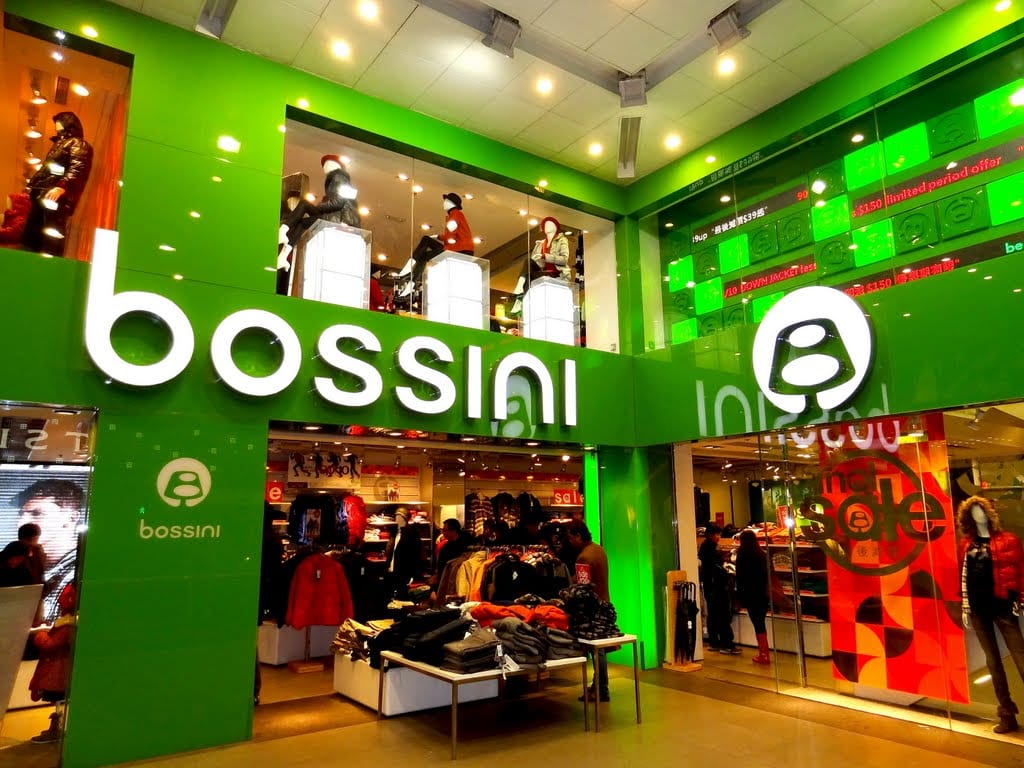
    A strong Hong Kong dollar and fewer tourists to Hong Kong and Macau hit profits for Hong Kong-listed fashion group Bossini International Holdings for the six months to December 31.

    Revenue dipped 13 per cent to HK$1146 million (US$147 million) from $1319 million for the same period in 2014. The gross profit was $543 million ($665 million in 2014), with the Bossini profit attributable to owners sliding from $87 million to just $14 million.

    However, the group says its financial position is still healthy despite an unseasonably warm winter in several core markets and more fierce competition within the apparel retail industry.

    In Hong Kong and Macau, same-store sales declined by 14 per cent, opposed to a 5 per cent growth for the 2014 period. Same-store sales in mainland China dropped by 8 per cent (as against 2 per cent growth), while Taiwan and Singapore same-store sales declined 14 per cent (2014: 8 per cent growth) and 1 per cent (2014: flat) respectively. Overall, same-store sales for the group fell by 12 per cent, following 4 per cent growth for the same period in 2014.

    At reporting date, the group had outlets in 33 countries and regions – 267 (down 10 on June 30, 2015) directly managed stores and 678 (681) franchised stores, giving a total store count of 945 (938).

    Its export franchising business continued to expand with 15 new franchised stores, taking the total to 615 stores across 29 countries. The group also continued launching its licensing programs, a major strategy, including a Star Wars collection and a further collaboration with the Ocean Park Halloween Bash.

    CEO and executive director Edmund Mak says the group expects the demand for value-for-money apparel to grow as economies slow globally.

    “To cope with this, we intend to offer more items that are easy for mix-and-matching, as well as products with better functions under a more competitive pricing strategy over the coming years.

    “The group will also continue to implement further cost-control measures and focus on expanding operations further afield of Hong Kong and Macau to achieve a more balanced portfolio.

    “We will also continue to devote energy to expanding our apparel lines for kids, which has consistently been our competitive edge and would also perfectly complement the recently announced end to the one-child policy in mainland China. Furthermore, we will launch Bossini eyewear in mainland China through franchise arrangements.

    “Going forward, the Group will continue to create appealing, competitive and quality everyday wear that drives sustainable growth, profitability and customer satisfaction. With a firm focus on our “be happy” core brand value, we will continue to strengthen our competitive edge and endeavour to enhance the value that we offer to our shareholders.”

  • Hooters Thailand doubles presence

    Hooters Thailand doubles presence

    Hooters Thailand has doubled its network with two new locations: one more in Bangkok and the other in Pattaya – the group’s largest outlet.

    Hooters Pattaya and Hooters Nana join Hooters Bangkok and Hooters Phuket as part of a 30-location Southeast Asia development agreement between the American chain and Bangkok-based international franchisee Destination Resorts.

    In the heart of Pattaya, about an hour from Bangkok’s Suvarnabhumi Airport, Hooters Pattaya has a ‘Wild West theme’. Covering 3300 sqm, it has two bars, 50 high-definition televisions, live music, pool tables, a mechanical bull named Ricardo and two patios.

    “Opening the largest international Hooters location in the heart of bustling Pattaya signifies our commitment to continued expansion in Asia,” says Hooters of America senior VP of global development Mark Whittle.

    Meanwhile, the 630 sqm Nana outlet in the heart of the Sukhumvit district seats 271 customers. Along with, 21 high-definition flat screens, DJs and pool tables, it has a mechanical bull named Turbo.

    Based in Atlanta, Hooters America owns and franchises more than 430 Hooters outlets in 28 countries. The privately held corporation owns 160 units. Its first establishment, in Clearwater, Florida, opened in 1983. Hooters’ website says the six founders were “quickly detained for impersonating restaurateurs, but fortunately for America they were soon allowed to go about their business”.

    Hooters’ casual beach-themed establishments feature music, sports on large flat screens, and a menu that features chicken wings, seafood, sandwiches, burgers and salads.

    “Destination Resorts has proven success with many restaurants in Thailand, and we’re continuing to bolster our presence with the largest international Hooters and a new location in Bangkok,” says CEO Gary Murray.

    Destination Resorts properties include DoubleTree Resort by Hilton Phuket – Surin Beach, DusitD2 Phuket Resort, Sri Racha International Golf at Sri Racha Hills, Hard Rock Cafe Phuket at Patong Beach, Novotel Phuket Karon Beach Resort & Spa, Novotel Hua Hin Cha Am Beach Resort & Spa, Swissotel Resort Phuket and Four Points by Sheraton Bangkok Sukhumvit 15.

  • Sephora Malaysia goes online

    Sephora Malaysia goes online

    Cosmetics company Sephora has launched a one-stop online shop in Malaysia following its acquisition of independent beauty eTailer Luxola.

    Luxola founder and CEO Alexis Horowitz-Burdick says the move allows Sephora Malaysia to offer an even larger assortment of beauty products for local customers.
    Sephora Asia president Anne-Veronique Bruel says that investing in Luxola offers a great opportunity to penetrate the online beauty market and accelerate the company’s growth in Malaysia and Southeast Asia.
    As well as a wider brand selection, including products for men, the new online shop will offer advice on beauty trends. It is also offering free delivery for orders worth RM80 or more, and there is a cash-on-delivery option for selected areas in Kuala Lumpur.

  • A parade of pandas aims to raise awareness in Thailand

    A parade of pandas aims to raise awareness in Thailand

    A parade of 1,600 papier-mache pandas will be touring Bangkok this month as part of a worldwide campaign for the conservation of the endangered species.

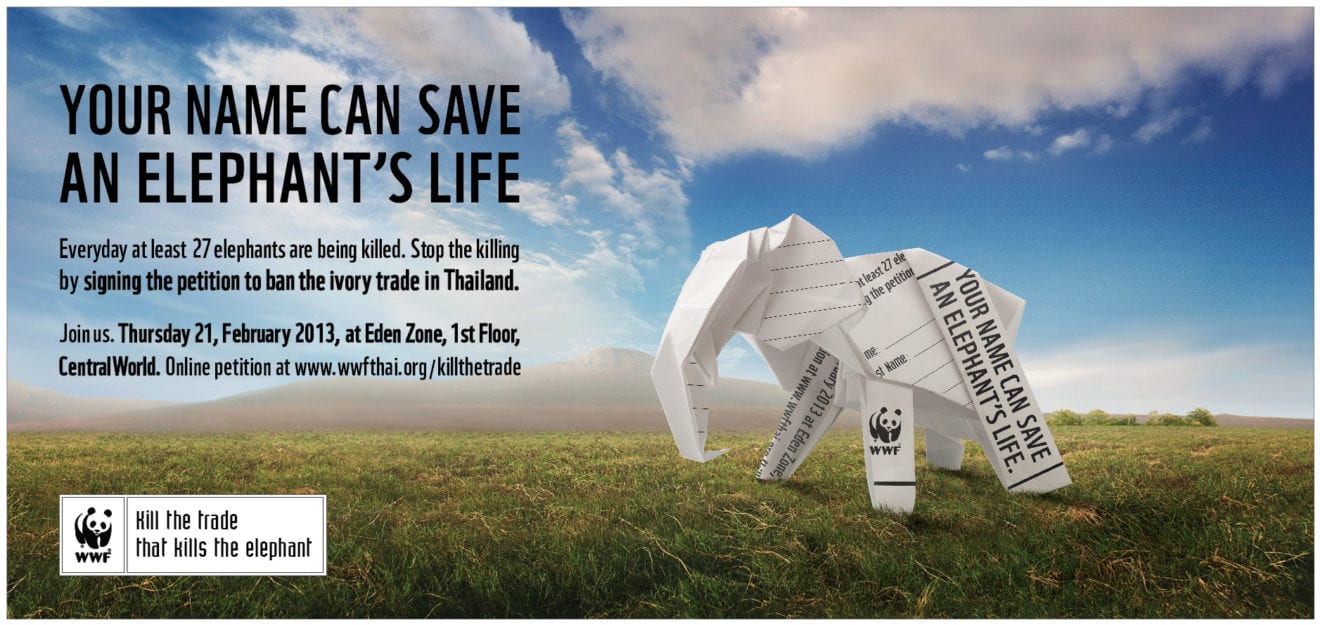
    Campaigning in a country that has no wild pandas at all may sound odd, but the message from World Wide Fund for Nature Thailand goes beyond just those cuddly creatures. Thailand is home to a vast population of wild animals, including Asian elephants and Bengal tigers. The panda campaign intends to raise awareness for the conservation of these species, too. At the end of the exhibition, all the pandas will be offered for “adoption” for 600 baht ($16.8) and the proceeds donated to WWF Thailand.

    The pandas, created with recycled materials by French artist Paulo Grangeon, represent the 1,600 or so that were left in the wild when the campaign was first launched in France in 2008. Since then, the art project has traveled to around 100 locations around the world and the number of wild pandas has increased to 1,864, according to the WWF.

    In the Thailand tour, the pandas will appear, flash-mob style, at 10 landmarks in Bangkok and the ancient city of Ayutthaya. They will be on exhibit for just three hours at each spot sometime between March 3 and 16.

    After that, the pandas will be on exhibition through April 10 at Central Embassy, an upscale shopping mall in Bangkok that belongs to retail giant Central Group.

    It is hoped that the pandas will also draw visitors to the mall, which opened just before the military staged a coup in May 2014. The country’s economy and consumer confidence have been sluggish since.

    “Pandas are cute, and the campaign will attract everyone from young children to families and tourists,” Barom Bhicharnchitr, managing director of the mall, said.

  • Lego to open largest retail store in Shanghai

    Lego to open largest retail store in Shanghai

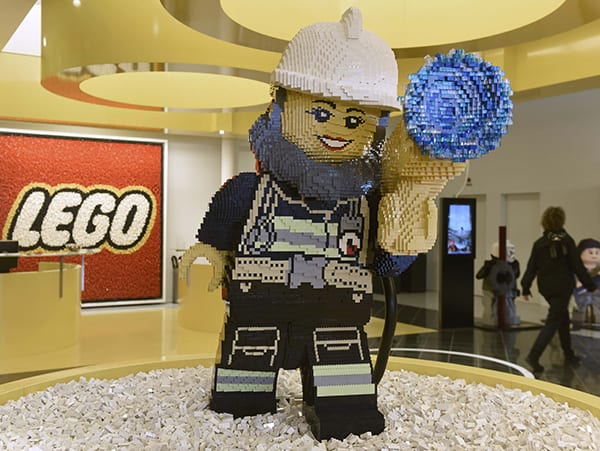
    Danish toy giant Lego A/S will open its largest retail store in the world near the Shanghai Disney Resort, the company said on Tuesday.

    The 1,000-square-meter store will be located on the main shopping street outside Disneyland, and will be operated by Lego.

    The resort, the first Disney theme park on the Chinese mainland, is scheduled to open in mid-June.

    “It will be a testament to our confidence in the China market,” said Jacob Kragh, general manager of Lego China.

    Lego to open largest retail store in Shanghai

    Kragh was speaking during a conference call following the release of Lego’s annual report, which showed revenue surged 25 percent to 35.8 billion kroner ($5.2 billion) last year.

    The company did not share the size of individual markets, but China has enjoyed what Lego called a “highly satisfactory” 34 percent growth year-on-year in 2015.

    Meanwhile, CEO Joergen Vig Knudstorp told China Daily that he believes there will be opportunities for Lego to grow as China transforms into a consumption-driven economy.

    While all of the 140 countries where Lego products are sold have posted double-digit growth in 2015, China has been one of the fastest-growing markets.

    Knudstorp expects that China will join the United States and Germany as the top three largest markets for Lego soon.

    Consulting firm Euromonitor International has forecast that by 2017, the Chinese toy market will be worth 100 billion yuan ($15.36 billion) and the Asia-pacific region will outnumber North America in sales as the world’s largest traditional toy market.

    While domestic brands still dominate the market, experts said that Chinese parents are likely to spend more on foreign toys in the coming years.

  • KerjaDulu, ‘Indonesia’s LinkedIn’ raises money from MNC Group

    KerjaDulu, ‘Indonesia’s LinkedIn’ raises money from MNC Group

    KerjaDulu, an Indonesian social recruitment portal for job seekers and employers, today announced a strategic investment from local media conglomerate MNC Group. The startup said its post-investment valuation is at $5 million, but did not disclose other terms of the deal. Following the investment, MNC plans to intensify its own use of the portal for recruitment purposes and use its media channels to help market KerjaDulu.

    “MNC itself has more than 40,000 employees and is very active with recruitment. We can utilize KerjaDulu’s innovative social recruitment platform as our priority to hire talented people,” David Audy, director of MNC Media Group, said in a statement. David will join KerjaDulu’s board of commissioners as part of the investment.

    Launched in January 2014, KerjaDulu now consists only of about ten people, CEO and co-founder Chris Liu says.
    Some of the site’s features make it resemble LinkedIn. People set up a profile page and connect with professional contacts. But unlike LinkedIn, which prioritizes a person’s CV, member pages on KerjaDulu focus on their online activities.
    Members can follow company profiles and get an alert when there are new job openings. Chris says the aim is to combine the benefits of a job portal with that of a social network.

    The site now has “somewhere in between 500,000 and 1,000,000 registered users,” according to Chris.
    So far, Chris says, 388 companies have completed the site’s sign-up procedure, where they are put through a verification process.
    KerjaDulu is free to use for companies and job seekers, explains Chris. Monetization will come at a later point, and the team is still discussing the possibilities.

  • Sogo switching its promotion plans after predicting a bumpy year ahead

    Sogo switching its promotion plans after predicting a bumpy year ahead

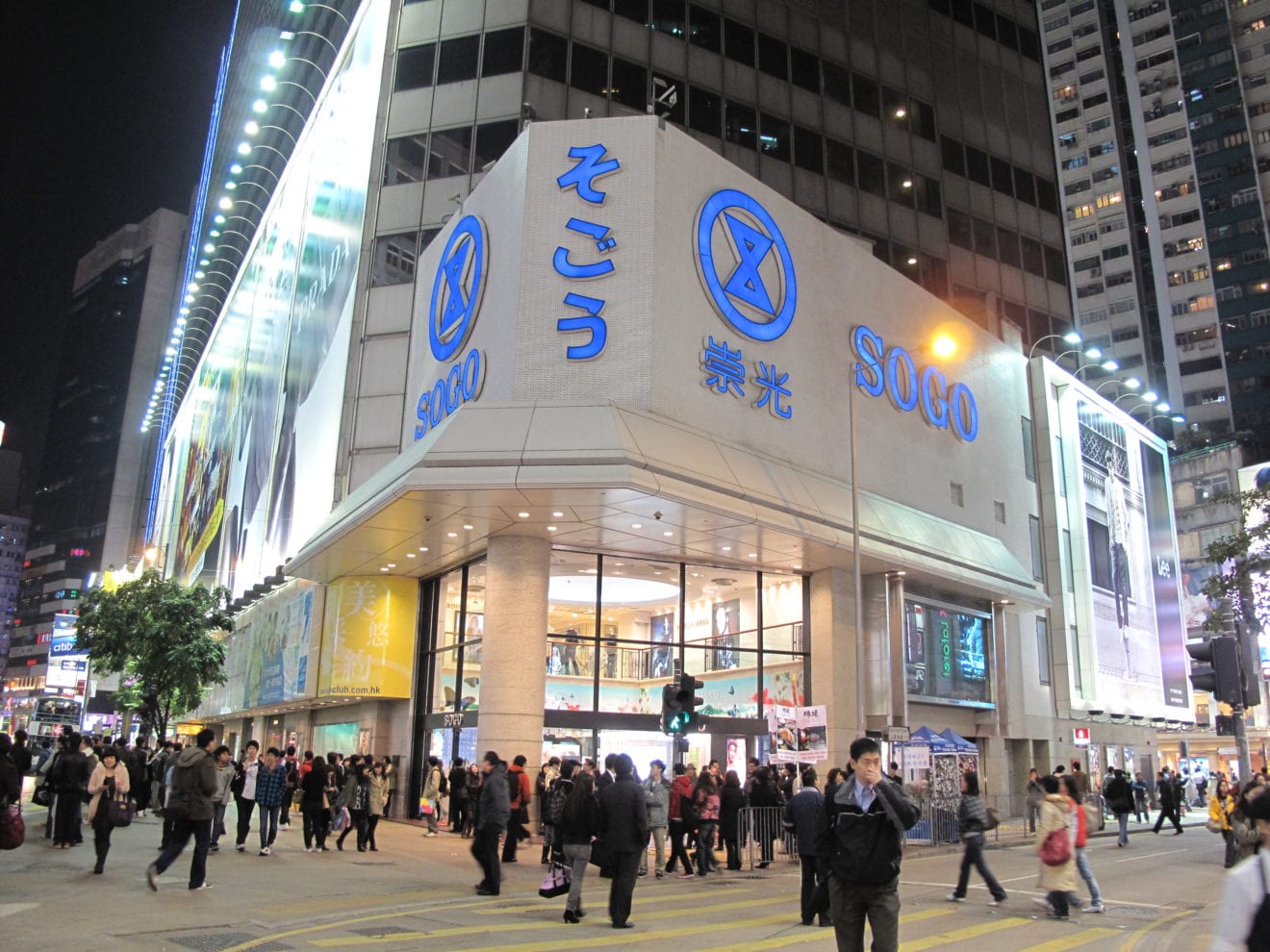
    Department store Sogo expects a gloomy year ahead due to a strong Hong Kong dollar and weak mainland tourists numbers. Its iconic Causeway Bay outlet recorded a 4.5 per cent year-on-year drop in sales, according to figures released yesterday.

    To survive in the increasingly tough local economy, the shop’s operator Lifestyle International is considering extending its twice-yearly sale weeks, which traditionally see customers cramming into the stores to hunt for bargains.

    “2015 was not too bad, but 2016 will be very challenging,” chief financial officer Terry Poon Fuk-chuen told reporters at the company’s annual results meeting yesterday.

    He pointed out that the Hong Kong dollar is strong, since it is pegged to the rising greenback, and it is having a dire effect on the already battered retail sector, which has been suffering from a shortage of mainland shoppers.

    The average daily customer traffic in the Causeway Bay branch dropped 2.4 per cent to 81,700 people last year and average sales per ticket shrank 3.1 per cent to HK$850 from the previous year.

    Chief executive Thomas Lau Luen-hung expects a flat year ahead, after sales at the island outlet experienced a double-digit decline over the past two months, compared with the same period last year.

    “I am not sure when the retail market will bottom out, but the chances are slim for a short-term rebound,” said Lau.

    The total number of visitors to Hong Kong declined 2.5 per cent last year – the first drop since 2004 – and mainland tourist numbers dipped 3.0 per cent.

    However, Lau is confident the long-term outlook of Hong Kong’s retail market is positive, as he believes the city is still an attractive place for mainland tourists, thanks to the expanding middle class and ongoing economic reforms north of the border.

    Despite more discounts being offered to customers in a period of weak consumer sentiment, Sogo has been luring in younger customers in a shift away from the previous focus on tourist promotions.

    Lau said shoppers have become younger and they prefer individuality to brand names when choosing what to buy.

    To adapt to this trend, more emerging international brands have been added to the first and second floors at the Causeway Bay shop over the past year, Lau said.

  • SM Investments to consolidate its retail assets under one entity

    SM Investments to consolidate its retail assets under one entity

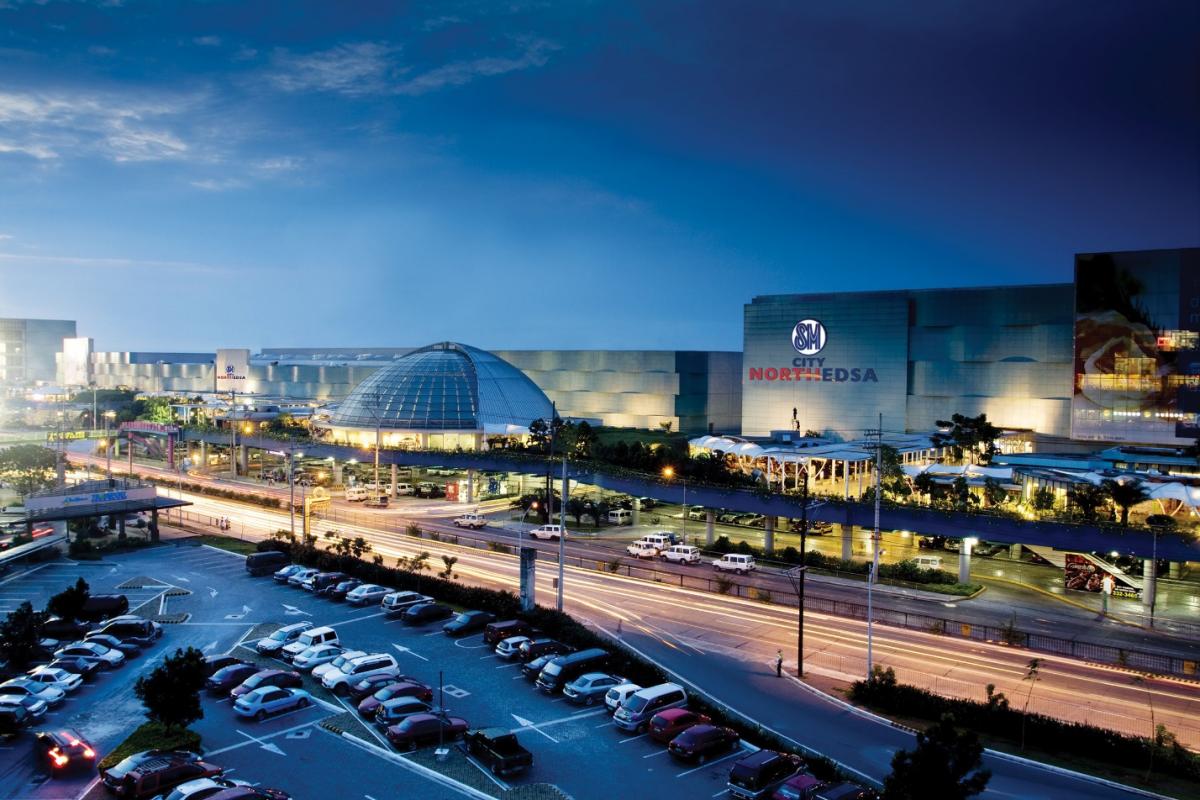
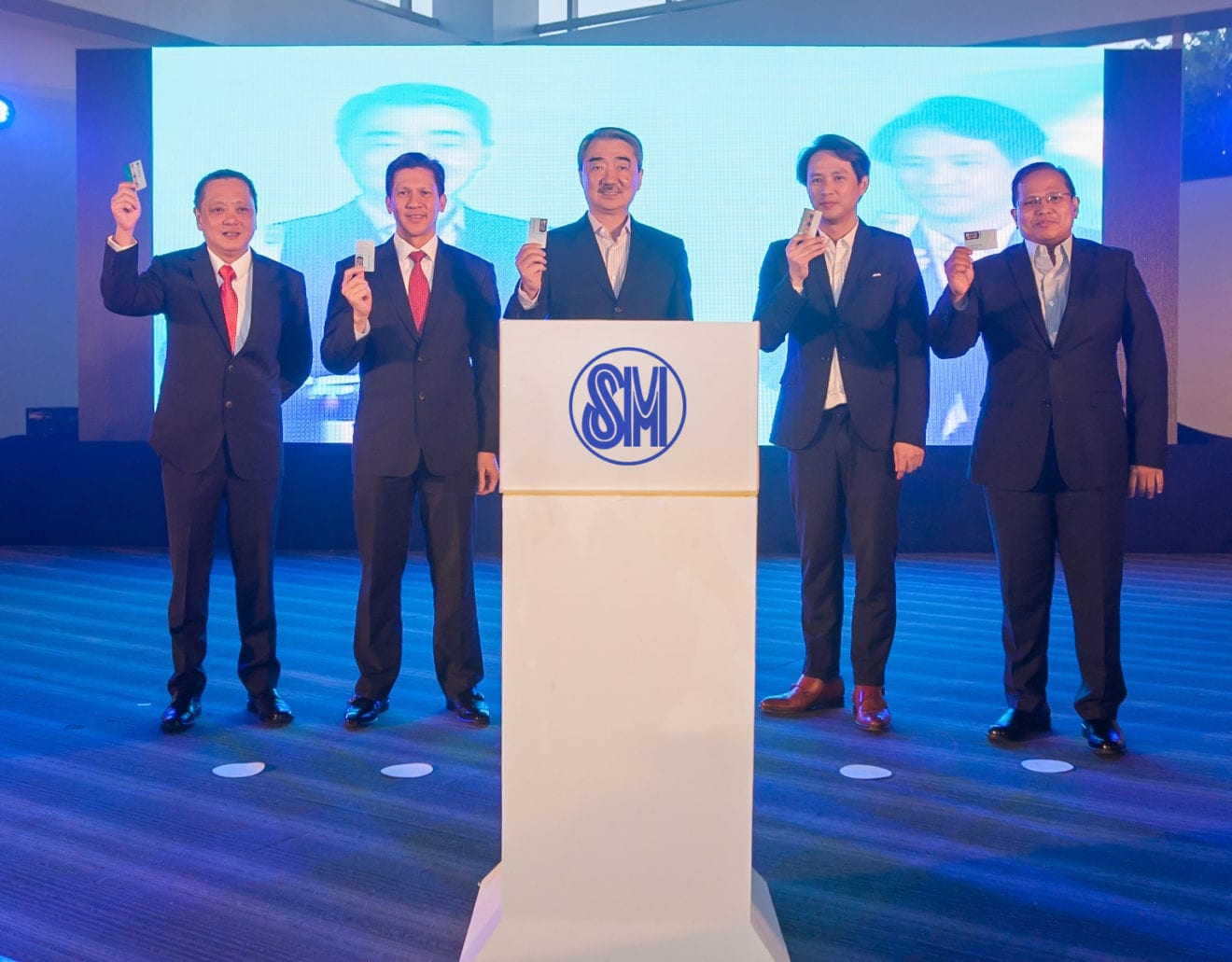
    SM Investments Corp (SM), the holding company of Philippine-based conglomerate SM Group of Companies, is merging its retail arm SM Retail Inc with related retail firms earning revenues up to $1 billion.

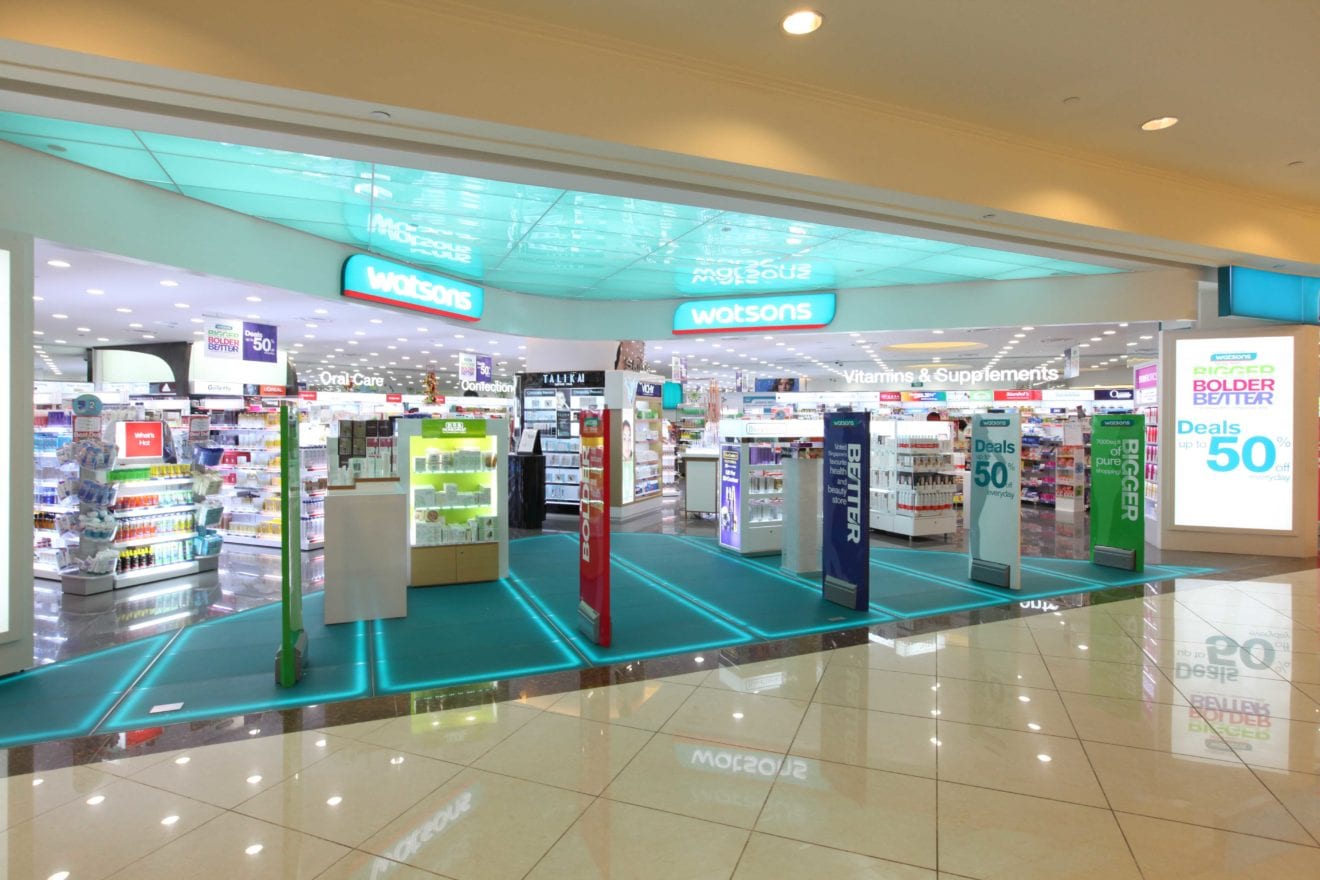
    SM earlier disclosed that its board of directors approved the merger of SM Retail with companies operating leading local retail chains such as Ace Hardware, SM Appliance Center, Homeworld, Our Home, Toy Kingdom, Watsons, Kultura, Baby Company, Sports Station and several other specialty stores. Together they operate 1,374 outlets and in 2015 delivered total revenues of P53 billion.

    SM is expected to own 77.3 per cent of the enlarged SM Retail.

    The merger will complement the existing retail portfolio of SM Retail which includes 53 SM department stores, 44 hypermarkets and 213 supermarkets as well as majority stakes in the local operations of Alfamart, Forever21, Crate & Barrel and other specialty and apparel retailers in addition to a minority stake in Uniqlo.

    The combined entity will have 1,927 outlets and 2.4 million sq m of gross floor area across a diverse portfolio of food, household appliances, DIY, furniture, apparel, footwear, pharmaceuticals/cosmetics and specialty retailing stores. The portfolio will serve a wide range of Filipino consumer needs in both staple and discretionary goods categories and will continue to leverage extensive synergies across the SM group.

    SM president Harley Sy said, the move is similar to the consolidation the company undertook in 2013 to create its large-scale, mixed-use property business.

    “The merger adds greater diversity and a more extensive footprint to SM Retail’s portfolio and is consistent with our goal of simplifying our corporate structure,” Sy said. “As a result, SM Retail will be even better positioned to address the growing needs of Filipino consumers and we expect the merger to be accretive to SM Retail earnings in future years.”

    SM’s net income increased 13 per cent in 2015, while consolidated net income stood at P28.4 billion, posting the same level in 2014. Consolidated revenues grew 7 per cent to P295.9 billion for the period.

    “Our strong underlying earnings growth in 2015 was due to favorable domestic market conditions and improved efficiencies which helped us widen our margins particularly in retail and property,” Sy noted.

    SM’s underlying earnings increase was driven by a 17 per cent growth in retail earnings, 14 per cent growth in property recurring net income and 10 per cent growth in bank net income. For 2015, banks accounted for 40 per cent of SM’s consolidated earnings, property 38 per cent and retail 22 per cent.

    SM’s last trading price decreased 2.96 per cent or P25 to close at P820.


  • Singapore feeds first solar power into retail grid to reduce emissions

    Singapore feeds first solar power into retail grid to reduce emissions

    Singapore on Monday announced it had begun to feed solar power into its retail electric grid for the first time, as it seeks to reduce emissions and prepares to fully liberalize its electricity market.

    Singapore, one of the sunniest cities in the world, generates almost all its power from imported natural gas, with solar fuelling less than 1 percent.

    In countries like Germany and Japan, rooftop solar panels have helped boost capacity and bring record levels of renewable energy into the power mix.

    Under Singapore’s plan, commercial and industrial power users can purchase solar-generated power from the power grid. The power is generated through rooftop solar panels owned and operated by Singapore’s Sun Electric, the first solar company given an electricity retail licence, it was announced at an event held by Sun Electric and Singapore’s electricity regulator, the Energy Market Authority (EMA).

    Building owners can agree to place Sun Electric panels on their sites and the power generated can be sold onto the electric grid.

    “The EMA will continue its efforts to facilitate the entry of independent electricity retailers,” said Loh Khum Yean, chairman of EMA.

    Singapore aims to fully liberalize its electricity retail market in the second half of 2018.

    Singapore’s installed photovoltaic capacity has increased from just 1.5 megawatt (MW) in 2009 to 43.8 MW by the end-2015, enough to power around 14,000 four-room flats.

    The government aims to increase capacity to 350 MW by 2020, or about 5 percent of projected peak electricity demand, up from less than 1 percent now, according to EMA.

    At the Paris climate change summit in December, Singapore pledged to reduce its emissions intensity by 36 percent from 2005 levels by 2030.


  • Apple Pay gets off to a fast start in China

    Apple Pay gets off to a fast start in China

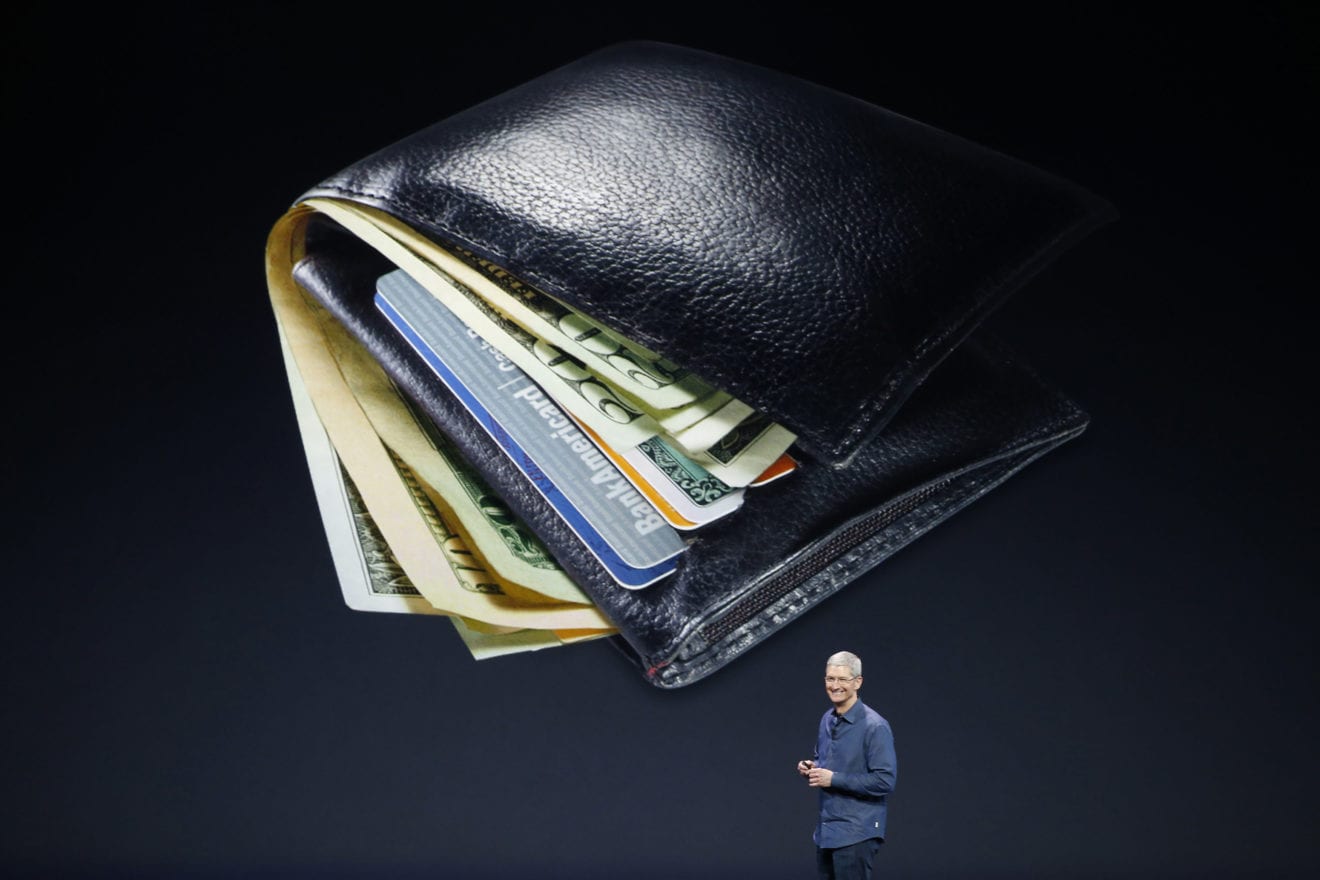
    China this month became the fifth country where consumers can use smartphones to pay with Apple Pay, and Chinese shoppers quickly embraced the Apple Inc. payment system.

    In the first two days after the Feb. 18 launch, 3 million consumers linked their bank cards to Apple Pay according to China Merchants Bank, one of 19 Chinese banks involved in the rollout. The payment method can be used to pay in stores with compatible terminals and in mobile apps that link to Apple Pay.

    Every Chinese consumer with a debit card and many with credit cards are eligible to use Apple Pay because Apple is collaborating with the country’s sole debit card network, China UnionPay. Banks have issued 5 billion cards that are accepted on the China UnionPay network, including 500 million credit cards, UnionPay says.

    China Merchants Bank says its customers connected 1 million bank cards with Apple Pay in the first two days of the launch, representing 35% of cards connected with Apple Pay in China. Apple and China UnionPay both declined to confirm this data from China Merchants Bank.

    Apple did say it is quite happy with the launch. “I would rate our first-day performance as 1,000, if the full score is 100,” Jennifer Bailey, vice president of Apple Pay, said at a mid-February press conference in China. Apple also has rolled out Apple Pay in the United States, the United Kingdom, Canada and Australia.

    Apple says the 19 Chinese banks offering Apple Pay, including such major institutions as Bank of China and the Agricultural bank of China, represent about 80% of bank cardholders in China.

    In addition, 16 retail chains, restaurants and online retailers in China have begun accepting Apple Pay. They include Starbucks, McDonald’s, Kentucky Fried Chicken, Circle K and the French department store chain Carrefour. Almost all of those merchants have launched promotions for Apple Pay users. For example, Starbucks offered a 15 yuan ($2.30) discount to Apple Pay users who spend 65 yuan ($10) or more.

    But consumers used Apple Pay the most on the first day of its introduction to pay on the mobile app of Meituan.com, a Groupon-like Chinese service in China, according to China UnionPay. Apple says the new payment method may double the conversion rate for e-commerce apps.

    Starbucks came in second in terms of Apple Pay payments on the launch day, followed by convenience store chain FamilyMart, McDonald’s and another daily-deal site, Dianping.com.

    China UnionPay reported that Apple Pay users’ spent 101 yuan ($15.5) on average on the first day of the service and about 47% of purchases were above 10 yuan ($1.5).

    Web-only e-retailer Vipshop, No. 4 in the Internet Retailer 2015 China 500, is among of retailers accepting Apple Pay in its mobile app, and says it received 10,000 Apple Pay orders on the first day. The company says Apple Pay could help Vipshop offer faster services to online shoppers.

    Apple Pay is hardly the first payment method in China based on mobile phones and wallets. Alibaba Group Holding Ltd.’s payment affiliate Alipay says there are about 300 million bankcards linked to its mobile wallet app, and Chinese online game and social media powerhouse Tencent Holdings Ltd. says the number of banking cards connected with its mobile apps has topped 200 million.

    However, Apple Pay requires fewer steps when paying in a store. An Alipay user must open the app on her phone and then click several times to generate a bar code that the cashier scans. With Apple Pay the consumer need only place her iPhone near a terminal and verify the payment by touching a finger on a button on the phone or by inputting her password. Apple Pay users don’t need to open an app or access the Internet to make a payment, Apple says.

    In stores, Apple Pay runs on China UnionPay’s Quick Pass service network, launched in 2013, which uses wireless Near Field Communication technology to establish a connection between a mobile phone and a terminal. There are 4 million NFC-compatible terminals in the Quick Pass network that can accept Apple Pay, of the 20 million payment terminals that accept UnionPay cards, according to China UnionPay.

    Besides Apple’s iPhone, other smartphones that consumers can use on the Quick Pass network include NFC-enabled phones from manufacturers like Samsung Group and Huawei Technologies Co. Ltd.

    Apple Pay works on the iPhone 6 or 6S, the Apple watch and some versions of the iPad. Consumers can use Apple Pay with an iPhone 5 and 5S if they pair the phone with an Apple Watch.
  • Singapore’s First Online Store for Luxury Aussie Fashion Launched

    Singapore’s First Online Store for Luxury Aussie Fashion Launched

    TheWellDressedSociety.com began with one dream– to evolve the Singapore fashion scene by bringing the best of Australian designers to Singapore and the rest of Asia.

    The site has launched with leading Australian designers that are few to be seen in the Asian market. In fact – the site is the sole distributor in Singapore for global success stories such as Sass & Bide, Camilla and Marc, FELLA Swim and Bec and Bridge – four of the most renowned brands in Australia known for their unique design and quality.

    Pieces were carefully selected to fit the South East Asian climate – breathable, light and chic. A combination of swim, resort, evening and work wear is on offer, so there’s something for every occasion. As the year goes on, the online store will be adding more brands to their portfolio so watch this space!

    The website was founded by a Sydney-sider now living in Singapore, with the aim of providing easy access and a seamless shopping experience to Asia’s discerning fashionistas. ‘Having lived in Singapore for over 3 years, it became apparent that the most loved brands from home were not available or easily accessible in Singapore. Friends would often go back home for shopping trips and bulk buy clothes for the next few months,” says Catherine Shen, founder of The Well Dressed Society. “There had be an easier way to shop!”

    With the world shifting more towards online shopping, The Well Dressed Society aims to deliver a simple and seamless shopping experience with same and next day deliveries in Singapore so buyers will always be able to get the outfit for that special occasion in time.

  • Singapore economy grew 2% in 2015, weakest since 2009

    Singapore economy grew 2% in 2015, weakest since 2009

    The Republic’s economy expanded by 2 per cent in 2015, the weakest annual growth since 2009 when the economy was hit by the global financial crisis, according to figures released by the Ministry of Trade and Industry (MTI) on Wednesday (Feb 24).

    The figure was a sharp drop from the 3.3 per cent growth the previous year, and was revised downwards from the 2.1 per cent growth initially projected.

    Growth was mainly supported by the wholesale and retail trade, and finance and insurance sectors, according to MTI.

    For the fourth quarter, the economy expanded by a slower-than-expected 1.8 per cent from a year ago, after industrial production in December suffered its biggest year-on-year slump in eight months. The initial estimate was for a growth of 2 per cent.

    On a quarter-on-quarter seasonally-adjusted annualised basis, the economy expanded by 6.2 per cent in the fourth quarter, MTI said.

    The MTI has maintained its forecast of growth between 1 per cent and 3 per cent this year.

    “Even though global growth is expected to improve, the continued slowdown in China, the services-driven nature of growth in the US, as well as the trends of in-sourcing in China and the US, may mean that external demand for our exporters may not see a significant boost this year,” said MTI’s Permanent Secretary Ow Foong Pheng.

    “Lower oil prices have weakened the prospects for new rig orders for firms in the marine and offshore segment, and heightened the risks of further deterrents and cancellations of existing orders,” she added.

    The economic data also showed that labour productivity, as measured by value added per worker, grew by 0.5 per cent in the fourth quarter – the first improvement since the first quarter of 2014 – driven by the wholesale and retail trade, and construction sectors.

    For 2015 as a whole, overall labour productivity fell by 0.1 per cent, marginally improving from the decline of 0.5 per cent in 2014.

  • Watsons pioneers cosmetics takeaway in China

    Watsons pioneers cosmetics takeaway in China

    Watsons has kicked off an initiative for selling and delivering cosmetics and groceries as takeaway via Baidu Waimai (takeaway in Chinese).

    Expanding online to boost sales

    The initiative has been launched in Beijing, Shanghai and Guangzhou and will be extended to all the cities that Watsons operates in. Products on Baidu Waimai include personal care, snack and beverages.

    As the leading Health & Beauty chain in China, Watsons has launched various online initiatives, such as its own online shop, stores on online platforms Amazon, Alibaba and JD.com, as well as Watsons app. The launch of takeaway service aims to attract more customers and generate new revenue streams for the retailer.

    Other initiatives to drive growth

    As the growth slows down and margins being squeezed, Watsons has been focusing on satisfying the needs of the ever-changing consumers.

    • store expansion, especially in third and fourth tier cities to reach more shoppers
    • introducing more local brands to lift profitability
    • launching more loyalty schemes and membership cards to attract young shoppers
  • SM Prime sees e-commerce more as a challenge than a threat

    SM Prime sees e-commerce more as a challenge than a threat

    The Philippines’ biggest retail property developer is not at all bothered by the emergent e-commerce, not even considering the latter as a latent competitor but more as a shot in the arm.

    “I am very bullish about that—I mean, SM’s commercial buildings and shopping centers,” SM Prime Holdings Inc. President Hans Sy told reporters Tuesday on a sidelines of the SM Group of Companies’ turnover of a P400-million building to the new University of the Philippines campus in the uptown Bonifacio Global City.

    SM Prime Holdings is the SM Group’s property arm, the biggest integrated property developer now in the Philippines, and the builder of about a hundred malls and shopping centers all over the Philippines.

    Sy said the SM Group had anticipated the growth of e-commerce, noting that more shops have been going online.

    In response, SM rebranded its ubiquitous SM Department Stores into SM Stores, to make its brick-and-mortar business more lifestyle-oriented, given the emergence of the now influential millennial market.

    Sy said such rebranding strategy would attract consumers to visit the malls instead of shopping online.

    “Even if there’s e-commerce, you cannot see people just staying in the house, so they definitely gotta do something and that’s what we’re trying to do,” Sy said.

    He cited the current transformation of the SM Mall of Asia as an example of the firm’s lifestyle mall initiative.

    “We are going to introduce a lot of lifestyle features,” Sy said.

    He clarified that the firm does not see e-commerce as a threat to its retail business.

    “No, we don’t look at it as a threat,” he stressed. “When we see these things, we look at it as a challenge and we find means and ways to go around the challenges. We do not let it top us or slow us down. We have to evolve into these things. That’s the reality.”