Author: Mei Ling Tan

  • Japan manufacturing output up in January, retail sales fall

    Japan manufacturing output up in January, retail sales fall

    Japan’s industrial production rose in January from the month before, beating forecasts, while retail sales fell, suggesting the recovery of the world’s third-largest economy is still on the ropes.

    January’s increase in factory output was a turnaround from month-on-month declines in November and December. But production was down 3.8 percent from January 2015, and is forecast to fall by 5.2 percent month-on-month in February, partly due to weak demand as the world economy slows.

    Marcel Thieliant of Capital Economics said in a note that the economy would likely remain in the doldrums in this quarter.

    “The rebound in industrial production in January is unlikely to assuage concerns about the health of Japan’s economy as firms are predicting a renewed slump in February,” he said.

    Japan’s central bank recently began a negative interest rate policy aimed at getting banks to lend more to help spur business activity and fend off deflation. Japan’s inflation rate was flat in January, according to data reported earlier.

    Finance ministers and central bank governors of the Group of 20 rich and developing economies called for using all policy tools available to help fend off recession as they wrapped up a meeting in Shanghai over the weekend.

    Data released Monday showed Japan’s manufacturing index was at 99.8 in January compared with a base of 100 in 2010. Prime Minister Shinzo Abe has sought to rekindle growth with a three-pronged approach of monetary stimulus, government spending and reforms.

    Retail sales fell 1.1 percent in January from the month before and were down 4.3 percent from a year earlier. Other key data, such as wages, household spending and the jobless rate, are due Tuesday.

    So far, the “Abenomics” strategy has leaned heavily on the Bank of Japan’s unprecedented barrage of monetary stimulus through massive asset purchases. The injections of trillions of dollars into the economy each year have helped weaken the yen, boosting the profits of corporations and, for a time, pushing share prices higher.

    But since companies have shied away from raising wages or making sizable investments in operations in Japan, growth has remained tepid.

  • Alibaba Group’s Quest for China’s $100 Billion Retail Drug Market Stalls

    Alibaba Group’s Quest for China’s $100 Billion Retail Drug Market Stalls

    Alibaba Group Holding Ltd. has sailed into headwinds in its plans to conquer China’s medical market by prescribing and selling drugs through an online platform. Chinese officials shut down a government-owned drug tracking system that was created and operated in partnership with Alibaba’s health-care division, Alibaba Health Information Technology Ltd.

    The news saw the unit’s shares take a hit, falling 14% to 4.10 Hong Kong dollars (HKD) on Monday, before rising slightly to close at 4.17 HKD Tuesday.

    The system is owned by China’s Food and Drug Administration, which helps it monitor drugs’ manufacturing, regulatory, expiration and composition data. However, the FDA suspended the system due to complaints from pharmaceutical companies that are jittery over Alibaba’s involvement.

    Meanwhile, the FDA has said that it is reviewing drug-monitoring rules to accommodate the dissenting voices, reported Wall Street Journal.

    Alibaba teamed up with a private-equity startup linked with its founder, Jack Ma, known as Yunfeng Capital Ltd to purchase a controlling 54 percent share in Citic 21CN, which dealt in management of pharmaceutical products data. The new company, Ali Health, subsequently started dealing in Alibaba’s e-commerce sales of over-the-counter drugs.

    It also created an app that links patients with hospitals and community doctors.

    Cure for Country’s Ailing Healthcare Industry

    Ali Health has touted itself as the cure for most problems ailing China’s health-care industry, which is characterized by overcrowding in public hospitals and too much reliance on drugs.

    Data by management consulting firm Bain & Co. shows hospitals in mainland China rely on sales of drugs for 80 percent of their revenues, opening a loophole for corruption to thrive.

    Ali Health ensures local pharmaceutical industry players maintain standards of drug safety as it strives to gain an early market lead over potential rivals should China allow retailers to sell drugs through online platforms.

    This fact hasn’t escaped the eye of drugs firms, who have increasingly expressed dissatisfaction over Alibaba’s participation.

    A provincial pharmacy chain Yontinhe Group sued China’s FDA in January, saying it was creating an uneven playing field by co-operating with Ali Health. It cited provision of big-data view of all medicines produced by all pharmaceutical firms in China to Ali Health as one area it was favoring the latter in, among other accusations.

    Responding to Yontinhe’s claims, the FDA issued a statement on Jan. 26, saying that it backed the drug-monitoring system. Nonetheless, it appears to be responding to the complaints with its decision to seek views of all market participants concerning how to review the drug-monitoring system.

    China’s prescription drugs market is estimated to register sales valued at $100 billion, according to a study by consultancy firm Deloitte.

    Ali Health attributed its involvement in the tracking system for almost all the revenue of US$4.8m (37m HKD) it earned in the year through March 31, 2015. It says its role is to operate the system, while the FDA owns it in a partnership aimed at eliminating counterfeits in the Chinese health-care market.

  • China will bounce back and continue to drive global growth for decades

    China will bounce back and continue to drive global growth for decades

    Economists have often said “when America sneezes, the world catches a cold” reflecting the importance of the US to the global economy.  But the past 12 months suggest the world’s immune system is more sensitive to China’s sniffles than was previously thought.

    The country’s economic slowdown and the overdue lancing of the bubble in its stock market have made the world’s central bankers and policymakers realise that China now has a huge influence on global markets.

    I was in Beijing and Shanghai last week in part to attend the G20 summit in my role as a board member of the Institute of International Finance but also to see for myself what is happening in China. There is no substitute for visiting a country if you really want to understand what is going on there. Get there, meet companies and policymakers and listen to what the people you meet have to say.

    This is especially the case with somewhere like China because it can be opaque and a lot of what is written about the country is nonsense. You can only get so much information to form a view from sitting in an office 6,000 miles away.

    One of my most interesting meetings was with Dr Pan Gongsheng, deputy governor of China’s central bank. It is true that the economy is slowing. Never mind the validity of the official figures, the 6.9pc growth achieved last year is a far cry from the double-digit expansion achieved a few years ago.

    But is this slowdown really so bad? The change in the pace of growth is as much by design as by accident. China’s policymakers made a deliberate decision a few years ago, to move the economy away from an investment-led, export-driven model towards one in which domestic consumption plays the dominant role. The country’s leaders want growth that is sustainable.

    For a long time investors have focused on China’s manufacturing data as an indicator to how well or badly the economy is doing. Recent weakness in the manufacturing data has been interpreted as a big negative and has ignored the growth of service industries, especially in the private sector.

    Real estate, finance, hospitality, retail, transport, construction and other services accounted for some 55pc of GDP in 2014, up from 47pc in 2006, according to data compiled by CLSA and Citic Securities.

    As the economy continues to move to a more domestic focus, this share will continue to rise. This is not to say everything is rosy in China. In recent years, western leaders watched with wide-eyed wonder at their Chinese counterparts’ handling of the economy. They looked on in envy at Beijing’s ability to manage the economy at a time when the world seemed to be closing in.

    That reputation has taken a major dent recently. They successfully deflated a bubble in the property market but that meant that China’s army of retail investors piled into the domestic stock markets. The authorities should not have tried to prop this over-leveraged and speculative bubble. They should have let it pop but chose to intervene and then did so in a messy, unclear and unsuccessful way.

    While they were bungling the rescue of the stock market, the authorities made a mess of communicating a loosening in renminbi policy, which fuelled suspicions the country was seeking to devalue its way out of trouble. This is prompting wealthy locals to move their cash offshore and in response the government is making it harder for money to be moved overseas.

    Local government and corporate debt are big problems, the state sector is bloated and inefficient, while the property market remains fragile. Whilst my trip provided comfort on the state of the economy, my views on the stock market remain unchanged. We have always been very cautious about investing in Chinese companies because so many are opaque and many have woeful corporate governance.

    It’s obvious if you spend time in China to see that the Shanghai and Shenzhen stock markets operate like casinos. Trading activity is dominated by retail investors who buy on rumours and flee at the first sign of trouble. It’s much more sensible to expose yourself to China’s growth by investing in companies which aren’t based there but do business there.


    It’s a much easier way of investing in companies with decent growth prospects, that have quality management and adhere to good levels of transparency and accounting standards. From speaking to companies, economists and analysts in China, it’s clear to me that the country is heading for a softer, rather than harder, landing. You need to look beyond the stock market for the clues of why, though. China’s consumer spending is still motoring. Consumers have taken to internet shopping at a startling pace.

    Barely 15pc of the population had shopped on the internet a few years ago. Now over 40pc have. Chinese shoppers spent nearly $8bn (£5.7bn) in the first 10 hours of the country’s equivalent of Cyber Monday or Black Friday. Chinese authorities might have lost some of their reputation for financial competency, but they have $3.4 trillion in foreign exchange reserves to soften the blow of a slowing economy.

    Unlike many policymakers in the West, those in Beijing still have plenty of tools at their disposal to avert economic disaster and to help the country to develop. The announcement last week of the opening up of the bond market to long-term international investors is a prime example and is a step in the right direction.

    Ultimately China will shake off its current sniffles to continue to be a driver of global growth for decades to come.

  • Ecommerce is so huge in China that even the 2nd biggest store saw $71b in purchases

    Ecommerce is so huge in China that even the 2nd biggest store saw $71b in purchases

    You know ecommerce is insanely huge and fully ingrained in daily life in China when the country’s second largest online store booked US$71.6 billion in purchases in the past year. That’s the figure revealed today by JD, the closest competitor to Alibaba, in its newest earnings report.

    Alibaba, which posted financials a few weeks earlier, is well ahead with a total of about US$460 billion worth of purchases on its Chinese shopping marketplaces in 2015. JD now has 155 million active shoppers who collectively placed 1.26 billion fulfilled orders in 2015.

    JD, which differs from Alibaba in that it mostly ships items to shoppers from its own inventory rather than relying on a huge network of merchants, says that its 2015 expenditure tally was up 78 percent on 2014’s. The ecommerce firm, in which WeChat maker Tencent has a 20 percent stake, now has 155 million annual active customers, up from just over 90 million back in 2014.

    They collectively placed 1.26 billion orders that were fulfilled in 2015, which nearly doubled from the prior 12-month period.

    Trillion-dollar baby

    Ecommerce spending in China this year is expected to inch past US$900 billion, says Emarketer. The data revealed by Alibaba and JD, which together account for a very sizeable chunk of online shopping in China, seems to support that projection. By 2017, China’s appetite for buying stuff online will sail past a trillion, and it’ll be worth about US$1.57 trillion by 2018.

    Amazon does not reveal consumer expenditure figures – known in the industry as gross merchandise volume, or GMV – which makes it hard to see how Alibaba and JD stack up against the US-based ecommerce giant. Amazon operates in China, but it’s a minor player there.

  • Why are many Thai buyers in the Vietnam retail market?

    Why are many Thai buyers in the Vietnam retail market?

    Berli Jucker Plc (BJC), has taken over the Japanese chain of 42 FamilyMarts and renamed it as B’mart. The Vietnamese retail market recently witnessed a series of mergers and acquisitions (M&A) in which the buyers were businessmen from Thailand.

    In mid-2014, BJC made a deal on buying Metro Cash & Carry Vietnam at $880 million, the biggest affair in the retail sector in Vietnam so far. The deal wrapped up 1.5 years later, in January 2016.

    In early 2015, Central Group successfully acquired a 49 percent stake of the Nguyen Kim home appliance distribution chain.

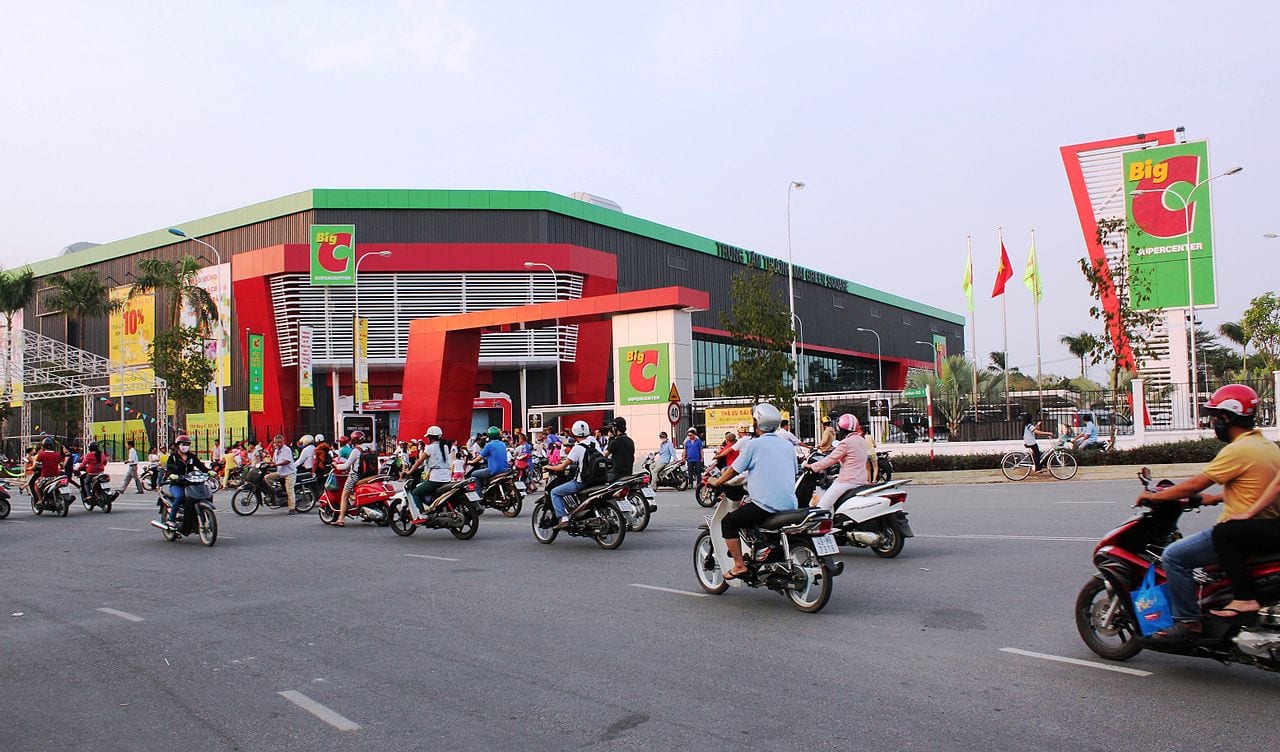
    Right after French Casino Group announced the plan to sell Big C Vietnam, analysts predicted that Big C chain in Vietnam was likely to fall into Thai hands. Later, BJC stated it was vying for Big C Vietnam.

    This is because, according to Phu, the Vietnamese market promises great potential: while other countries in the world focus on developing the home market, Vietnam has been gathering strength on boosting export, while paying less attention to the domestic market.Vu Vinh Phu, chair of the Hanoi Supermarket Association, who was deputy director of the Hanoi Trade Department, noted that only a few foreign retailers came to Vietnam in the past, but things are quite different now. Nearly all big retailers in the world are present in Vietnam, especially Thais.

    This explains why foreign investors have to spend several months only to find retail premises and penetrate the home market. Meanwhile, a domestic retailer told Phu that it took him three years to do this.

    “Business opportunities will be missed after such a long time,” Phu said, adding that domestic and foreign retailers are in an unequal competition.

    An analyst commented that many Thai businessmen eye Vietnam because Thailand is near Vietnam in geographical position. Thai businesspeople understand Vietnamese consumers’ taste and hobbies.

    “Thai businessmen kicked off plans to penetrate the Vietnamese market a long time ago. And they have been doing this in a methodical way and they have been step by step expanding both production and distribution in Vietnam,” he commented.

    At first, Thai businesses usually organize trade fairs in Vietnam to familiarize Vietnamese with Thai products.

    “I believe that 100 percent of families in Hanoi and HCMC use Thai products, from washing liquid to knives,” he said, adding that Thai products are present in every Vietnamese family.

    Phu commented that though Thai is less strong than Japanese and South Korean; therefore, they have been ‘waging guerilla warfare’ when attacking the Vietnamese market.

  • Mohegan Sun-led scheme gets South Korean casino licence

    Mohegan Sun-led scheme gets South Korean casino licence

    The government of South Korea has awarded a licence to build a casino resort to a consortium between U.S.-based Mohegan Tribal Gaming Authority (also known as Mohegan Sun) and South Korean chemicals manufacturer KCC Corp.

    The new property is to be located in Incheon, near the country capital Seoul, the Ministry of Culture, Sports and Tourism said in a statement on its website on Friday.

    The country’s authorities had been reviewing an unspecified number of proposals for new casino resorts, submitted as part of an integrated resort licence bidding process initiated in 2015. There were up to two new casino resort licences up for grabs, but the South Korean government decided to grant only one.

    The licence allows the Mohegan Sun-KCC consortium to set up a foreigners-only casino.

    South Korea currently has 17 casinos, but the country’s nationals are only allowed to gamble at one of them – Kangwon Land in an upland area of Kangwon province.

    The winning bid (pictured in an artist’s rendering) has a price tag of US$1.24 billion and includes a hotel, retail areas, a concert arena and venues for conventions, according to South Korea’s Yonhap news agency. The scheme is scheduled to begin operations by 2020.

    “We will closely monitor the project to help support the [winning consortium] in building a world-class integrated resort,” the ministry said, quoted by the news agency. “It is expected to boost the competitiveness of the South Korean tourism industry with various tourism infrastructure, such as a K-pop arena, a theme park and a convention centre.”

    There are already two casino projects proposed for Incheon.

    South Korean foreigners-only casino operator Paradise Co Ltd has linked with Japanese pachinko operator Sega Sammy Holdings Inc for a project in Incheon referred to as Paradise City and already under construction. The scheme, with a total area of 330,000 square metres (3.55 million sq feet), is presented in its official website as having a price ticket of KRW1.3 trillion (US$1.05 billion) and featuring a foreigners-only casino with 160 live table games, 388 electronic table games and 350 slot machines. It is scheduled to open in 2017.

    The other announced project for Incheon is the result of a partnership between U.S. casino operator Caesars Entertainment Corp and Hong Kong-listed real estate developer Lippo Ltd. Construction has not yet started. Analyst Grant Govertsen from Union Gaming Securities Asia Ltd said in a note on Friday “there are uncertainties currently associated with the Caesars project”.

    No regional impact

    Mr Govertsen said in his note following the South Korean government’s announcement that construction for Mohegan Sun-KCC’s project should begin in early 2017. The project has the working title ‘Inspire Integrated Resort’. It will be Mohegan Sun’s first venture outside of North America.

    KCC in November announced it acquired a 24.5-percent stake in Inspire Integrated Resort Co Ltd – a South Korean subsidiary of U.S. regional tribal casino operator Mohegan Sun – for a total consideration of KRW203.8 billion, becoming a joint venture partner in the casino resort project.

    The consortium has a commitment to spend a total of US$5 billion in South Korea over the next 20 years.

    Mohegan Sun’s project includes a 20,000-square metre casino with 250 gaming tables – including 40 VIP tables – and 1,500 slot machines.

    The casino resort will have a two-tower luxury hotel complex with 1,000 rooms, a 20,000-seat arena, and more than 18,500 square metres of shops, restaurants, art exhibition and music entertainment areas, including “a Korean village celebrating Korean food and music, and a Native American cultural and arts experience”, according to Mohegan Sun.

    Union Gaming said in its note it did not expect the three new casino resorts in Incheon to pose a material threat to Macau, Singapore or the Philippines.

    Mr Govertsen noted the ongoing decline in Chinese high roller play around the region. He added that none of the U.S.-based casino operators entering the South Korean market had a significant built-in base of VIP customers, being largely reliant upon mass-market customers to generate a return.

    He said: “Importantly for Macau, its mass market gross gaming revenue is driven primarily by southern China meaning that related persons are unlikely to divert to [South] Korea for gaming. Rather we would expect Incheon integrated resorts to draw from northern Chinese cities (e.g. Beijing, Tianjin) and from Chinese visitors already going to [South] Korea for purposes other than gaming.”

    In a January note, Morgan Stanley said new casino supply did “not bode well” for South Korea’s foreigners-only casinos, especially as the investment bank expected the number of Chinese high rollers to South Korean casinos to continue declining.

    Union Gaming’s Mr Govertsen also noted that the three casino projects for Incheon are not close to each other. “This suggests that there is unlikely to be the natural benefit associated with the cluster effect seen in markets like Las Vegas and Macau (e.g. driving increased visitation and therefore increased revenue).”

    He added: “However, operators who do not have a presence in Asia, like Caesars (coming in capital light) and Mohegan Sun, seem to be less risk averse and could be beneficiaries should [South] Korea ever green light locals gaming beyond the lone locals gaming licence issued to Kangwon Land – although we find this scenario to be highly unlikely for the foreseeable future.”
  • SGX proposes 10% minimum retail tranche for mainboard IPOs

    SGX proposes 10% minimum retail tranche for mainboard IPOs

    The Singapore Exchange is proposing that mainboard companies allocate to retail investors a minimum 10 per cent of shares in their initial public offers (IPOs), up to a maximum of $100 million.

    Between 2010 and last year, market debutantes on average set aside only 8 per cent of their IPO shares for retail investors, the SGX said.

    But over the same period, 90 per cent of IPOs received applications for their public subscription tranches amounting to greater than 10 per cent of the total offer size.

    “SGX’s proposal for a minimum 10 per cent retail allocation for shares of mainboard IPOs is aimed at giving individuals more investing opportunities in the Singapore equities market,” said chief executive Loh Boon Chye.

    “While market conditions may have been uncertain of late, this initiative is for the long term and is part of overall enhancements to the Singapore stock market.”

    This is the second time that the bourse operator has suggested introducing a minimum IPO allocation for retail investors. The first time it did so was in in 2012, when it proposed a 5 per cent retail allocation.

    Yesterday’s proposal is a recalibrated one that takes into account the feedback the SGX received from the 2012 consultation and data from IPOs launched between 2010 and 2015, it said.

  • Market for Pico Projectors in South Korea Projected to Grow at a CAGR

    Market for Pico Projectors in South Korea Projected to Grow at a CAGR

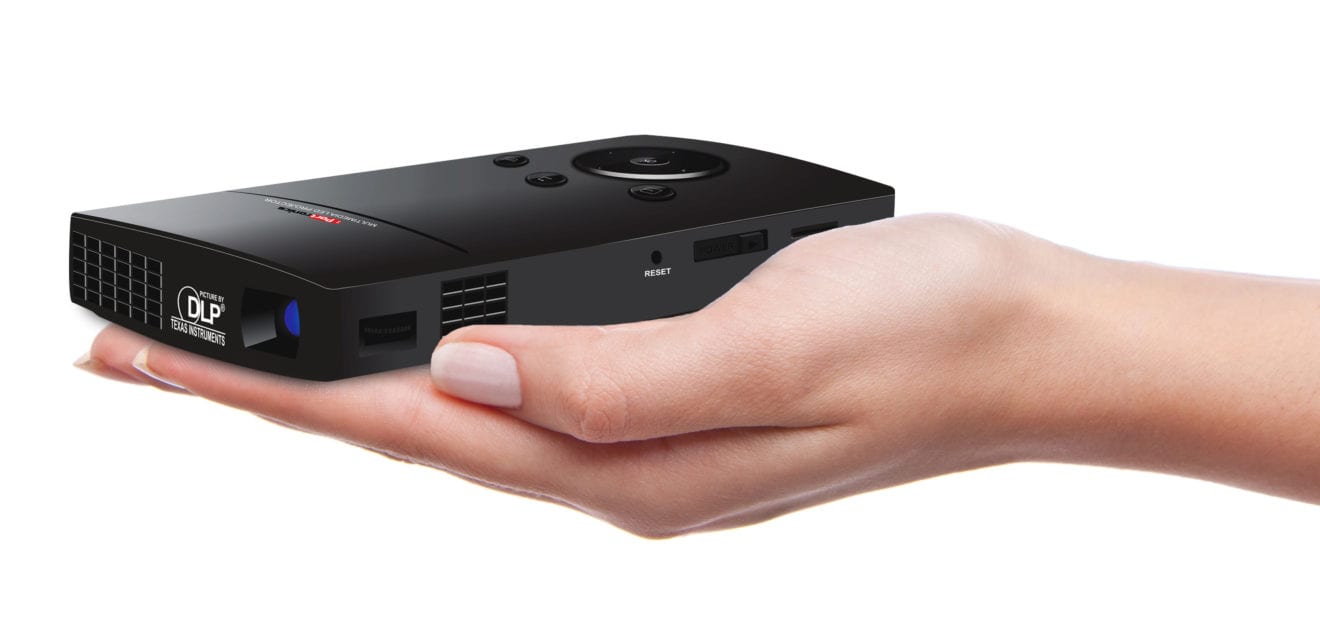
    The market for pico projectors in South Korea is projected to grow at a CAGR of over 24% during 2016 – 2021. LCoS (Liquid Crystal on Silicon) technology garnered the highest share in South Korea pico projectors market in 2015, due to better image quality, high resolution and efficiency, less power consumption, etc., as compared to other display technologies.

    South Korea pico projectors market witnessed rapid growth over the past few years on account of their growing acceptability and rising usage in various end user segments such as consumer electronics, defense & aerospace, automotive, etc. Rising demand for pico projector integrated devices, growing IT investments and increasing mobile workforce is projected to propel growth in the country’s pico projectors market in the coming years.

    Additionally, growing penetration of various compact and small projection display technologies along with increasing demand for handheld and portable devices is projected to drive growth in South Korea pico projectors market during 2016 – 2021.

    Due to these advantages, LCoS technology is being increasingly used in smartphones, tablets, televisions, head up displays, etc. In 2015, the country’s southern region was the largest market for pico projectors, on account of the region’s high per capita GDP and high level of industrialization. Few of the leading companies operating in South Korea pico projectors market include SK Telecom and LG Electronics, among others.

  • Christian Louboutin Tokyo pop-up

    Christian Louboutin Tokyo pop-up

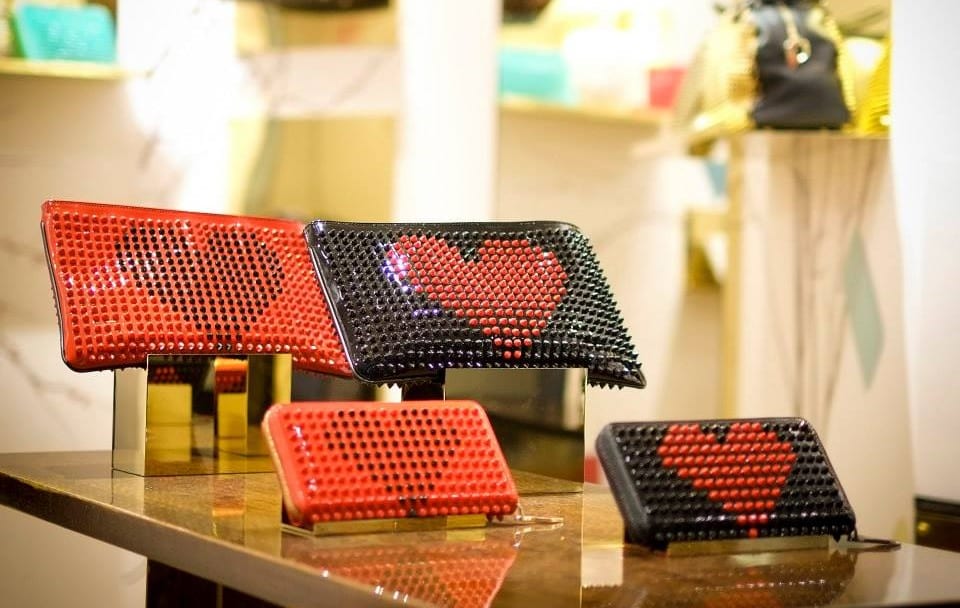
    Christian Louboutin’s latest spring/summer bag collection is being showcased in a stunning pop-up boutique in Tokyo’s Isetan department store.

    Christian Louboutin pop-up opens in Tokyo 1

    Open on the second level until March 1, the Christian Louboutin Tokyo pop-up was inspired by showgirls and exotic birds and features feathered plinths layered with rich colours plus quirky details.

    Christian Louboutin pop-up opens in Tokyo

    It is the latest retail experience designed by the luxury label in conjunction with customer experience specialist Household, and the second within the Isetan store. Household has also created spaces forChristian Louboutin at Selfridges in London and Manchester in the UK, Brentwood Los Angeles, Printemps Paris, Seibu Tokyo and Osaka’s Hankyu and Daimaru department stores.

    Christian Louboutin pop-up opens in Tokyo 2
    Based in London and Los Angeles, Household works across Asia, Europe and the US for clients including Harrods, Tesco, Unilever and Vodafone.

  • The Mall Group plans further expansion

    The Mall Group plans further expansion

    Despite a tougher retail market, The Mall Group in Thailand plans to expand this year, allocating 5 billion baht (US$139.8 million) for new projects and upgrades.

    CEO Phaibul Kanokvatanawan says this includes 800 million baht pegged for a new building behindThe Mall Bang Khae.

    Parking will also be increased to 3800 spaces from 3000, and the remaining 4.2 billion baht will pay for an extension of two malls in Nakhon Ratchasima, scheduled to open soon. After relaunching its Korat project in September, total space at the complex will be 200,000 sqm.

    Two billion baht will be spent on developing Blue Port, the group’s latest retail project in Hua Hin. About 80 per cent complete, this project is scheduled to open in October, earlier than planned.

    Part of the budget will be allocated renovating The Mall Bang Kapi to respond to the rapidly changing customer profile of the area.

    While competitors have expanded their retail complexes on Rama IX and Ekamai-Ram Intra, including Crystal Park Phase II, Central East Ville and Show DC, Phaibul is optimistic, saying his company will thrive by both catering to core customers across a complete range of products and fostering brand loyalty.

    However, the spending power of Thai consumers has not improved despite heavy consumption at the end of last year sparked by a government tax break, he says. Also, overseas tourist levels are back to normal at Siam Paragon, The Emporium and EmQuartier since the Lunar New Year holiday.

    “We want the government to speed up the airport extension to attract more tourists to Thailand.”

    Phaibul says the company expects sales growth of 5 per cent to 52 billion baht this year.

  • Indonesia could block internet services

    Indonesia could block internet services

    Indonesia is the latest country to question the tax arrangements of the world’s internet giants, issuing a threat to block their services if they fail to comply with local set-up requirements and pay tax.

    “All have to create a permanent establishment, like the contractors for the oil sector, so they can be taxed,” stated Bambang Brodjonegoro, the finance minister, although the Jakarta Globe reported that he did not name any particular businesses.

    According to Communications Ministry estimates, digital advertising was worth around $800m last year but was untaxed because of the loopholes in regulations.

    A spokesman for the Ministry said that imminent new regulations would address this issue and would apply to streaming and messaging providers as well as social media websites.

    Indonesia is one of the most social media-connected countries in the world. It is Facebook’s fourth-largest market target, while Jakarta is the most active city for Twitter – Jakartans account for 2.4% of all tweets worldwide.

    Accordingly, major brands are looking to tap into this high level of digital social engagement while local entrepreneurs have been able to use social networks as an inexpensive platform to build their brands and do business.

    But these activities could be at risk if the government carries out its threats: the Communications Ministry spokesman, Ismail Cawidu, indicated that those internet businesses that did not comply with the new regulations faced a reduction in bandwidth or, in extremis, being blocked completely.

    While some of the businesses potentially affected have already set up legal entities in Indonesia, others only have representative offices.

    And even those, such as Google, that do have a properly constituted business may not be immune from government scrutiny.

    “Google has an office in Indonesia, but digital age transactions do not go through that office,” Communication Minister Rudiantara told Metro TV. “That is what we’re looking to straighten out,” he added.

  • Philipp Selva Japan opens Aoyama store

    Philipp Selva Japan opens Aoyama store

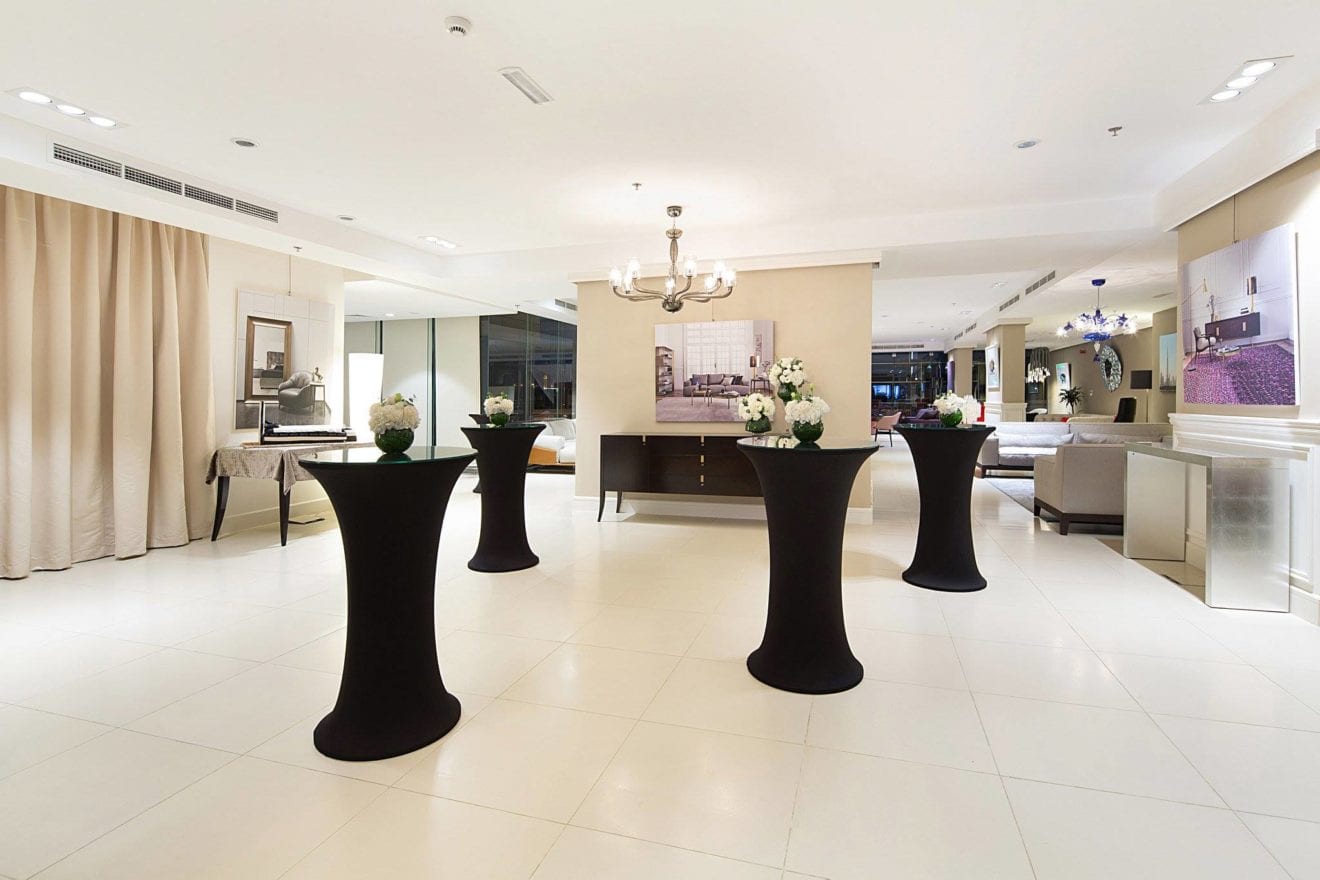
    Upmarket furniture design house Philipp Selva Japan has opened a dedicated store in Tokyo.

    Located in the Aoyama quarter, one of the city’s most elegant residential areas and home to high-fashion brands and architectural firms, the high-end store is surrounded by residences of its target customers.

    Philipp Selva at Aoyama Japan

    The Philipp Selva showroom features exclusive home furnishings and accessories with  a contemporary slant.

    Philipp Selva at Aoyama Japan 4

    Italian-headquartered Philipp Selva describes his designs as a “total living luxury concept”.

    “It is not a collection but a lifestyle concept, which is the protagonist of the most exclusive spaces; a concept that expresses through its products the sophisticated and perfectly balanced taste of deeply rooted craftsmanship, backed by almost 50 years of experience, always in step with a continuously evolving market,” the designer explains on his website.

    Philipp Selva at Aoyama Japan 1

    Philipp Selva at Aoyama Japan 2


    “Continuous research is one of the strong points of Philipp Selva, which distinguishes itself thanks to a unique concept that lends a discreet total living luxury mood to all spaces.”

    Philipp Selva at Aoyama Japan

    The brand was founded in 1968 and exports its furniture to more than 50 countries.

    Philipp Selva at Aoyama Japan 3

  • Victoria’s Secret to Open First Full Retail Lingerie Store in China

    Victoria’s Secret to Open First Full Retail Lingerie Store in China

    Good news to all fashionitas out there! Premium lingerie brand Victoria’s Secret has announced that it will be launching its first full retail store in the mainland, offering its well-known bras and panties, its China-based office told China Daily.

    The firm is set to open a 1,475-square meter boutique at Lippo Plaza – the former house of one of Louis Vuitton’s four retail outlets in Shanghai. The lingerie shop is anticipated to make its debut by the end of the year. However, according to an insider, specific details have not been confirmed as the opening date largely depends on when the customs clears the company’s entire collection.

    Since last year, Victoria Secret’s parent company L Brands has opened 20 stores across the mainland including one in Shanghai, Guangzhou and Chengdu. But, these outlets are all advertised as “Victoria’s Secret concept stores,” with only accessories and beauty products such as shampoos, perfumes and canvas bags available.

    The insider revealed that although the company remains cautious of selling its prime products in China, L Brands will continue to widen its concept outlets in more cities.

    Despite plummeting sales in the luxury goods industry, the lingerie market has been experiencing soaring sales, with a double-digit growth rate. According to Frost and Sullivan, a consultancy firm, the lingerie market in China will reach approximately $240 million by the end of the year.

    Experts predict that apart from bags and shoes, tremendous amount of money will be splurged on intimate apparels as the spurring growth of the middle class will start bragging of their new wealth.

    Victoria’s Secret is globally known for its annually televised fashion shows. But those lacy apparels, which the company allocates millions to market with top models, are apparently only available in three countries, namely, Canada, the United States and the United Kingdom.

  • China duty free push

    China duty free push

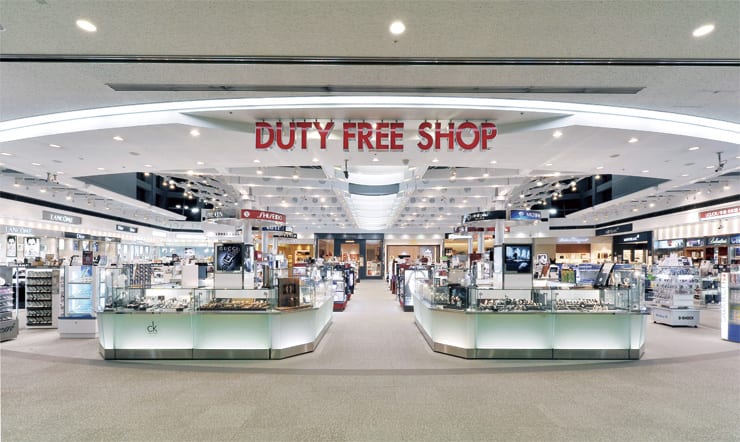
    Nineteen inbound China duty-free shops have opened to serve domestic travellers returning home.

    The state’s Ministry of Finance announced the stores have been built in 13 airports including Guangzhou Baiyun, Hangzhou Xiaoshan and Qingdao Liuting, as well as six sea ports.
    Passengers can carry up to 8000 yuan ($1230) worth of duty-free goods, up from the previous 5000-yuan limit, when clearing customs, the ministry said, claiming that the shops feature more products than existing inbound duty-free outlets.

    Isetan Mitsukoshi Holdings says its stores served about 50 per cent more international duty-free shoppers from February 7 to 13 compared with the same holiday week last year, thanks to a spike from mainland China – but customer spend was 15 per cent less this time.

    Visitors from mainland China doubled to five million, helping Japan’s overall tourist numbers reach nearly 20 million – a target the government had hoped to achieve by 2020.

    Shopping by Chinese tourists at department stores and electronics shops last year created a buzzword, “bakugai”, or “explosive buying”, and came as a boon for Japanese retailers smarting from decades of sluggish demand from domestic consumers. However, China’s economy has since sagged to a 25-year low, with stock markets slumping mid-year.

  • Filipino supermarket giant comes to Canada

    Filipino supermarket giant comes to Canada

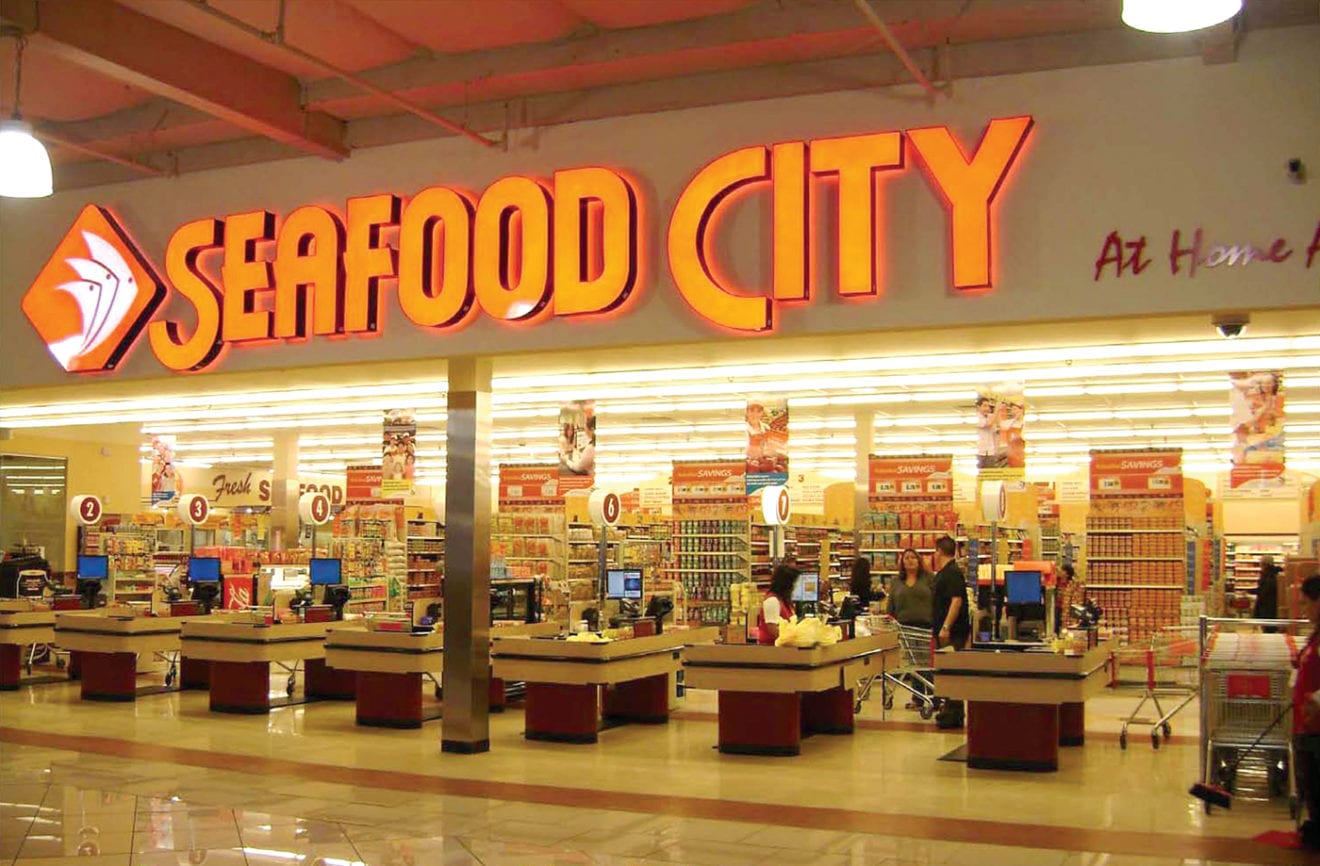
    A prominent Filipino supermarket announced its entry to the Canadian soil, thanks to the ever growing number of Filipino population in the Americas. Seafood City Supermarket, one of the biggest supermarkets in the Philippines announced that it would open the first grocery store in the country early next year.

    Mildred Smith, the marketing manager for Seafood City Supermarket said, “Whatever culture you belong to, everybody eats seafood.” Apart from Filipinos, the newly proposed supermarket intends to lure in people who has a  love  for international cuisine as well. Seafood  City supermarket has almost 22 store in America along with some other nearby locations like West Coast and Hawaii.

    One could find fresh ingredients for cooking Filipino and pan Asian dishes in the new supermarket. The first store would open at Heartland Town Centre in Mississauga, Ont., in the first quarter of 2017. The Canadian Seafood City Supermarket will include a Grill City, a Filipino barbecue fast-food joint, and a Crispy Town, which sells fried Filipino snack food.

    In 2011, more than 662,000 Filipino people lived in Canada, according to Statistics Canada’s 2011 national household survey, making up about five per cent of the country’s population. In 2014, the Philippines pushed ahead of China and India as Canada’s top source country for immigrants, according to the federal agency. The Greater Toronto Area and Vancouver are home to the largest Filipino communities in Canada. There are also reports that one of the major fast food chains in Philippines,  Jollibee would also come to Canada later this year. The food giant which has more than 750 stores in the Philippines serves burgers, noodles and rice meals.